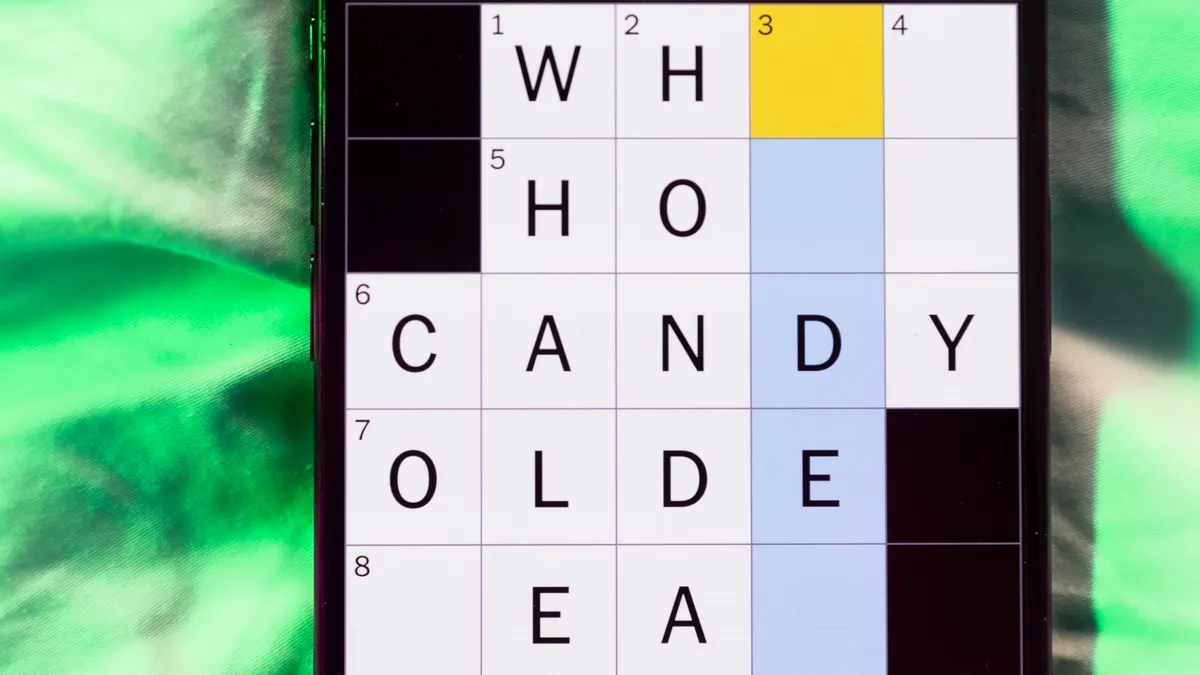
Looking for the most recent Mini Crossword answer? Click here for today’s Mini Crossword hints, as well as our daily answers and hints for The New York Times Wordle, Strands, Connections and Connections: Sports Edition puzzles.
Need some help with today’s Mini Crossword? Read on for all the answers. And if you could use some hints and guidance for daily solving, check out our Mini Crossword tips.
If you’re looking for today’s Wordle, Connections, Connections: Sports Edition and Strands answers, you can visit CNET’s NYT puzzle hints page.
Canadian authorities have arrested three men for operating an “SMS blaster” device that pretends to be a cellular tower to send phishing texts to nearby phones.
Such tools trick devices into connecting to them by emitting signals that mimic a legitimate tower. Mobile phones in its range automatically link to them as there is stronger reception.
Once the connection is established, the operators of these rogue cellular base stations can push SMS messages directly to connected devices, which appear to come from trusted entities such as banks or the government.
“An SMS blaster works by mimicking a legitimate cellular tower. When nearby phones connect to it, users receive fraudulent text messages that appear to come from trusted organizations,” explains the police.
“These messages often prompt recipients to click on links that lead to fake websites designed to capture personal information, including banking credentials and passwords.”
Advertisement
No phone numbers are required for these messages to be sent; only that the targets be within range. In densely populated areas, this practically means mass distribution, and hence the name “blaster.”
The Canadian authorities noted that this is the first time that such a device has been spotted in the country.
The Toronto Police said the investigation, dubbed ‘Project Lighthouse,’ began in November 2025 after receiving tips about suspicious activity in downtown Toronto.
Police found that the equipment was operated from vehicles, allowing it to move across the Greater Toronto Area and target large numbers of people.
Advertisement
The investigators believe that during the SMS blaster’s operation, 13 million cases of mobile network entrapment occurred.
Besides the phishing aspect, devices connected to those rogue stations are temporarily disconnected from their provider’s legitimate network and cannot reach emergency services if needed.
The police conducted searches in Markham and Hamilton on March 31, and seized multiple SMS blasters and other electronic devices.
Two suspects were arrested, while a third man turned himself in on April 21.
Advertisement
To defend against rogue towers, users are recommended to disable 2G downgrades on Android, although this measure is not effective against more advanced setups targeting LTE/5G signaling.
SMS should be treated as an insecure channel, and users should avoid following links received over this channel.
For sensitive data or communication exchanges, the recommendation is to use end-to-end encrypted channels.
Advertisement
AI chained four zero-days into one exploit that bypassed both renderer and OS sandboxes. A wave of new exploits is coming.
At the Autonomous Validation Summit (May 12 & 14), see how autonomous, context-rich validation finds what’s exploitable, proves controls hold, and closes the remediation loop.
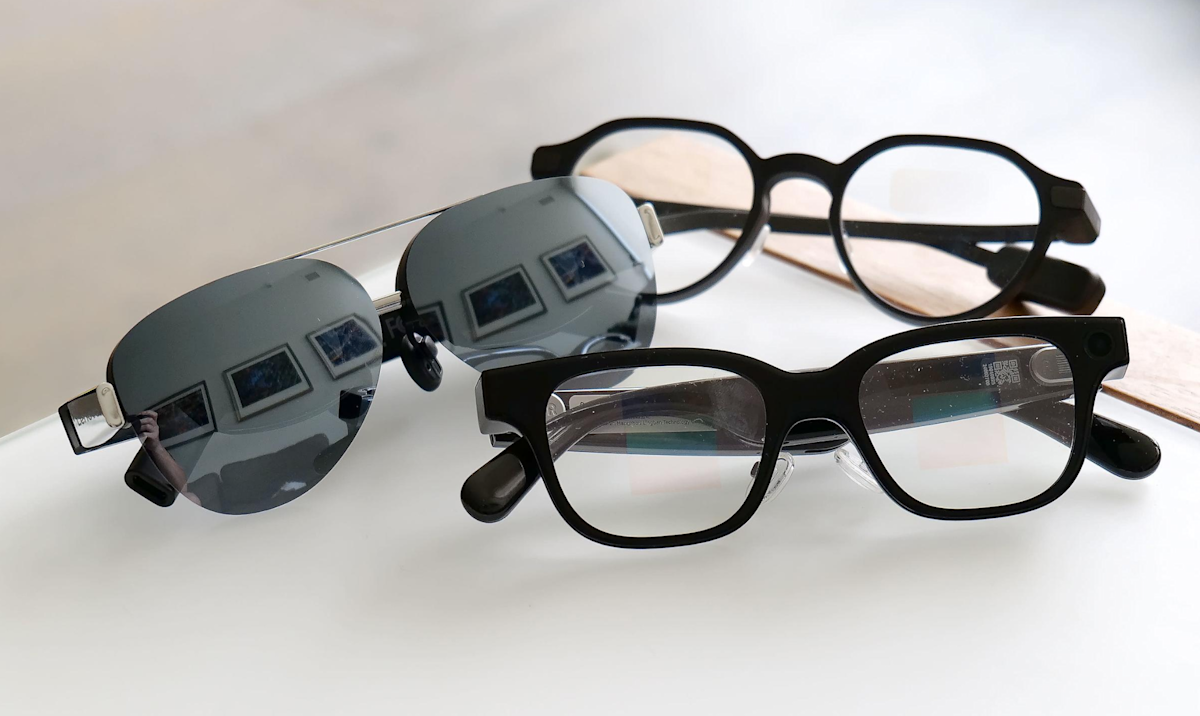
Images and details about Samsung’s upcoming smart glasses have leaked, . We knew these were , but we now have what could be actual photos and they look pretty nifty. The glasses are reportedly being developed under the codename “Jinju” and could cost anywhere from $380 to $500.
These are the first smart glasses from Samsung and look to offer a similar feature set to stuff like and the forthcoming . Samsung’s specs will run on the and will likely feature heavy integration with the Google Gemini chatbot.
It has been reported that these glasses will not feature a display, but that’s likely coming with another pair in 2027. The second release is being developed under the codename “Haean” and will reportedly include a micro-LED display, allowing for similar functionality to something like the . These could cost anywhere from $600 to $900.
We don’t know when the Jinju glasses will launch, but later this year is a safe bet. Samsung has a major . We could get some official details at that point, though it’s unlikely the smart glasses will launch alongside stuff like the Galaxy Z Fold 8 and the Galaxy Watch 9.
Advertisement
It’s far more likely we’ll get a tease at that event, with a launch later in the year. This is what Samsung did with its last year.
It’s also been reported that the Jinju glasses will include a 12MP camera, a Snapdragon AR1 chip and directional speakers with bone-conduction tech. These specs are, of course, subject to change before launch. It’s also highly possible the price will tick up beyond the aforementioned range, thanks to and the .
YouTube TV has a pretty neat feature that just got a lot cooler. Within the YouTube TV app, the impressive Multiview feature allowed users to have four live streams playing on a single stream. Previously, it was restricted to pre-selected combinations that made it largely useful for watching live sports. The recent change, however, is allowing users to select the four live streams from sports games to television shows to movies — you may want to invest in a larger television screen.
Unfortunately, not everyone has the Multiview update. YouTube first announced its plan to offer a fully customizable Multiview experience in January 2026 as part of a larger update that included things like a conversational AI “Ask” feature — but some subscribers have noticed that they still don’t have a wide range of options just yet. It will likely be rolled out over time, so all subscribers will get it eventually.
Advertisement
How to find out if you have the updated YouTube TV Multiview feature
Curious if you are one of the lucky subscribers to have the updated Multiview feature? When you open Multiview on the YouTube TV app, you should be able to see a new menu that allows you to select which channels are shown. You will also be able to choose from a list of wider range of pre-selected options. Alternatively, open a live stream, press the down arrow on your television remote, and then select “Add to Multiview” in the menu. The window you selected should have active audio — selecting it again will enter a full-screen mode. If you can add the stream to your Multiview, you’re in! You can check out SlashGear’s Multiview setup guide for more help.
Advertisement
In order to use Multiview, you’ll need to subscribe to the YouTube TV streaming service. The subscription starts at $82.99 per month if you plan on streaming a wide range of content. If you want a genre-specific plan, like only sports channels, it will be a little cheaper. Once you have a subscription to YouTube TV, you’ll get Multiview as one of the features.
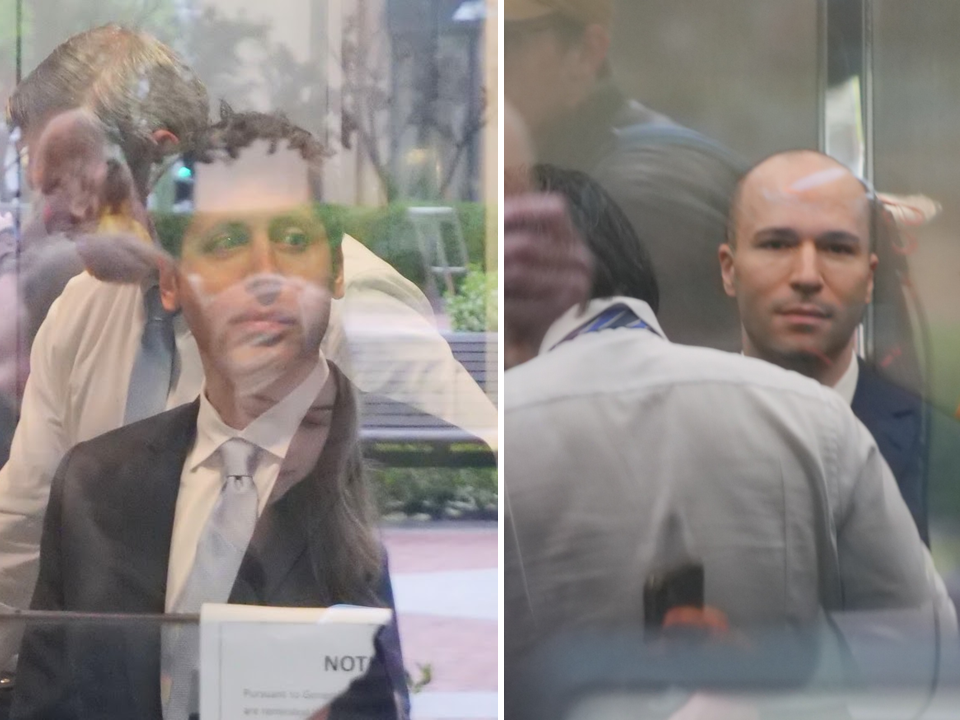
OpenAI CEO Sam Altman, left, and President Greg Brockman as photographed through the windows of the federal courthouse in Oakland as they arrived for jury selection in Elon Musk’s lawsuit against Altman, OpenAI, and Microsoft. (GeekWire Photos / Todd Bishop)
OAKLAND — Did Microsoft knowingly help OpenAI abandon its nonprofit mission?
That question sits at the center of a trial starting here this week, pitting the world’s richest man against the AI nonprofit he helped found and the tech giant that bankrolled its transformation.
It’s being called the “AI Trial of the Century,” with Elon Musk and Sam Altman in starring roles, and a supporting cast that includes Microsoft CEO Satya Nadella, CTO Kevin Scott and CFO Amy Hood. Current and former OpenAI execs and board members are also on the witness list.
Monday morning in Oakland, Altman and OpenAI President Greg Brockman were on hand for jury selection, with the OpenAI CEO sitting in the front row behind the lawyers’ tables in a dark suit and light blue tie, quietly scrolling on his phone as he waited for the process to begin.
Musk was not present for jury selection. He is expected to take the stand later in the trial.
Advertisement
A protest was scheduled for midday outside the courthouse, organized by the Tesla Takedown activist group under the banner “Whoever Wins, We Lose” — arguing that a billionaire power struggle over AI’s future has little to do with ordinary people.
Jury selection: Inside, U.S. District Judge Yvonne Gonzalez Rogers described the case to the jury pool: Musk alleges breach of charitable trust and unjust enrichment against Altman, Brockman, and OpenAI, and aiding and abetting breach of charitable trust against Microsoft — centered on OpenAI’s operation as a nonprofit and its creation of a for-profit affiliate.
Prospective jurors were asked about topics including their views on AI and the parties involved.
One man said he was an avid news reader who continues to subscribe to a newspaper — drawing applause from journalists listening in the overflow room. He was more pointed about the plaintiff: “I do have some strong feelings with regard to Elon and just how he does things. Elon doesn’t care about people, much like our president. He cares about money.”
Advertisement
A crowd of lawyers and reporters waits outside the U.S. Courthouse in Oakland for the start of jury selection Monday in Elon Musk’s lawsuit against Sam Altman, OpenAI and Microsoft. (GeekWire Photo / Todd Bishop)
A nurse said AI creates more work in her job, requiring frequent checking and correction.
One prospective juror, when asked by the judge if she has worked in teams, asked if the judge was referring to the conferencing app. “Microsoft is happy that you asked that question,” the judge said.
When another prospective juror expressed concern about being able to follow the technical nuances of the case, the judge replied, “This is just a case about promises and breaches of promises.”
What’s at stake for Microsoft: Amid the feud between two of tech’s most polarizing personalities, Microsoft might seem like a subplot, but its actions are at the heart of the case.
The company has invested more than $13 billion in OpenAI since 2019, building its products around the partnership and betting its competitive future on the deal, before hedging its bets more recently with rival AI firms and its own in-house models.
Advertisement
A victory for Elon Musk would mean a federal judge ordering Microsoft to hand over a slice of what its OpenAI partnership has been worth — not to Musk, but to the OpenAI nonprofit.
Musk’s damages expert puts the combined demand as high as $134 billion across both defendants, with Microsoft’s share between $13.3 billion and $25 billion. However, the judge has already called these figures into question, saying Musk’s expert was “pulling these numbers out of the air.” Microsoft called the methodology “unverifiable” and “unprecedented.”
A loss could also hand regulators in the United States and Europe new ammunition just as the company tries to defend its OpenAI relationship from antitrust scrutiny. In that way, it could force every major tech company to rethink how it invests in mission-driven AI labs.
The story took a new twist Monday morning when Microsoft and OpenAI announced a major amendment to their partnership — loosening the terms of their alliance and, perhaps not coincidentally, demonstrating that their fortunes aren’t as aligned as they once were.
Advertisement
Microsoft’s defense: In short, the company says it was kept in the dark, that it invested as a commercial partner, never informed by OpenAI of any charitable restrictions attached to Musk’s contributions or any duties the company owed to the Tesla and SpaceX founder.
Former OpenAI CTO Mira Murati appeared to back that up in her deposition, testifying that she never told anyone at Microsoft about those restrictions. In a filing over the weekend, Microsoft’s lawyers flagged a discrepancy: Murati’s answer to that question was missing from the official deposition transcript. It was audible on the video recording, but absent from the written record.
Microsoft has also pointed to its work with Musk’s own AI company, xAI, as evidence of its neutrality — arguing in pretrial motions that hosting xAI’s Grok model on Azure proves it is simply a platform for competing AI models, not a partisan actor in OpenAI’s transformation.
Microsoft’s cleanest path to victory, however, may be procedural. The company contends Musk’s claims are barred by the statute of limitations, and its primary evidence is his own words.
Advertisement
In a September 2020 tweet, Musk publicly declared that “OpenAI is essentially captured by Microsoft.” If Microsoft can convince the jury that Musk knew about its involvement more than three years before he filed suit, the multibillion-dollar exposure disappears entirely.
Smoking gun? Musk’s lawyers will point to an internal Microsoft email from March 2018 in which Microsoft’s own CTO raised the very question that will come before the jury.
Writing to Nadella ahead of a call with Altman, Scott made an observation about OpenAI’s commercial transformation: “I wonder if the big OpenAI donors are aware of these plans? Ideologically, I can’t imagine that they funded an open effort to concentrate ML [machine learning] talent so that they could then go build a closed, for profit thing on its back.”
Microsoft went on to invest billions anyway.
Advertisement
It’s one of many behind-the-scenes emails revealed so far in the case, including internal Microsoft exchanges showing Nadella and other executives weighing in on the composition of OpenAI’s board during the crisis that briefly ousted Altman as CEO in November 2023.
When Musk’s lawyers confronted Nadella with Scott’s email in his deposition and asked whether he shared those concerns, the Microsoft CEO deflected: “I think that the nonprofit board of OpenAI gets to make the decision on what’s the best way for them to realize their mission.”
Nadella also said he did not recall ever raising Scott’s concerns directly with Altman.
Microsoft says Scott’s email shows due diligence, not guilt: Scott asked the right questions, OpenAI’s board provided contractual assurances that its agreements “would not impinge any third party’s rights,” and Microsoft was legally entitled to rely on those representations.
Advertisement
Backstory: Musk co-founded OpenAI in 2015 as a nonprofit dedicated to the safe development of AI, contributing tens of millions of dollars before leaving the board in 2018. He filed suit in late 2024, claiming Altman and others had transformed OpenAI into a for-profit venture, betraying the mission he helped fund and enriching themselves and their investors.
What’s next: Addressing prospective jurors this morning, Judge Gonzalez Rogers said she expects the trial to wrap by May 21 — including roughly three weeks of evidence followed by deliberations, with nine jurors deciding the case. If the jury finds for Musk, the judge will then determine in a separate proceeding how much Microsoft and OpenAI must pay out.
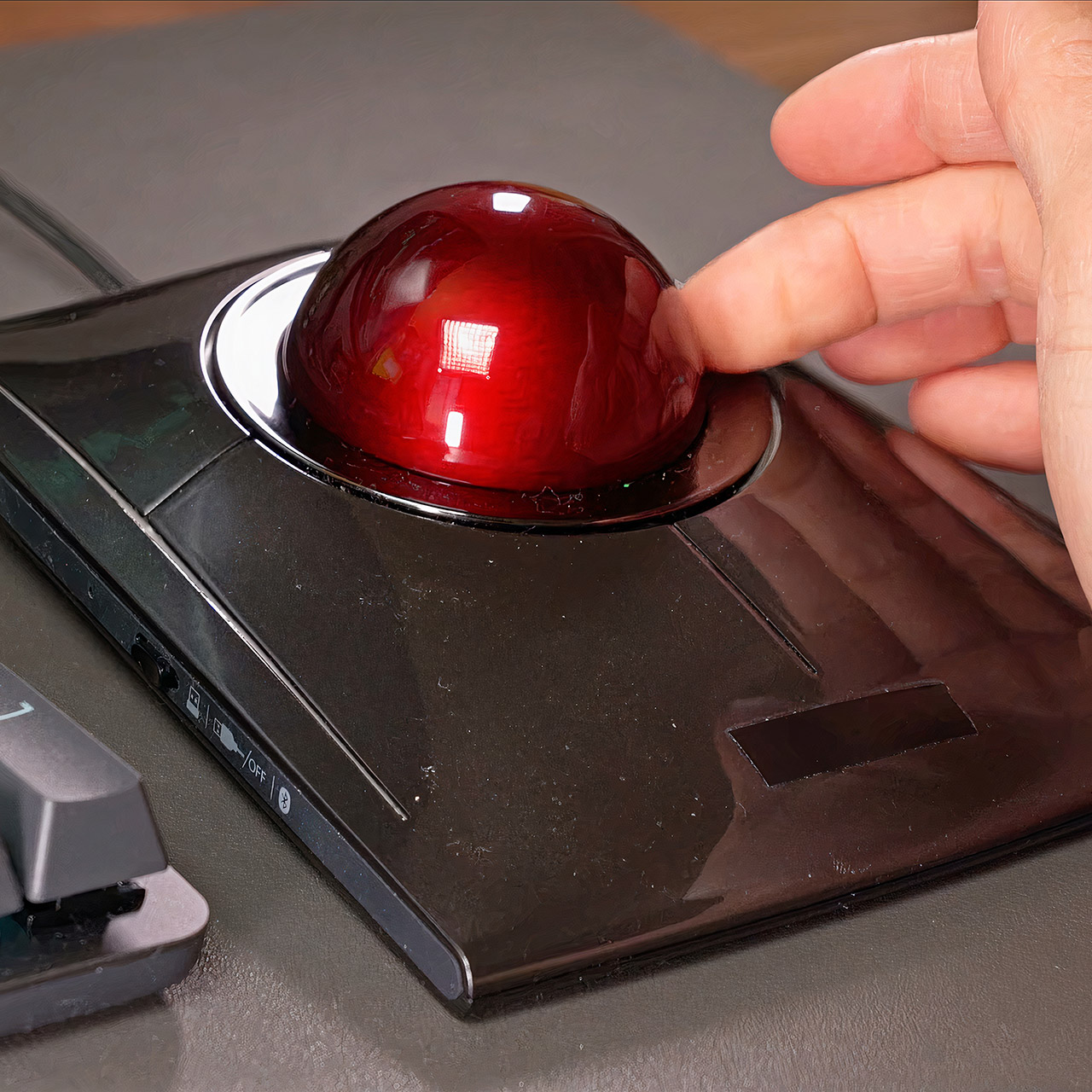
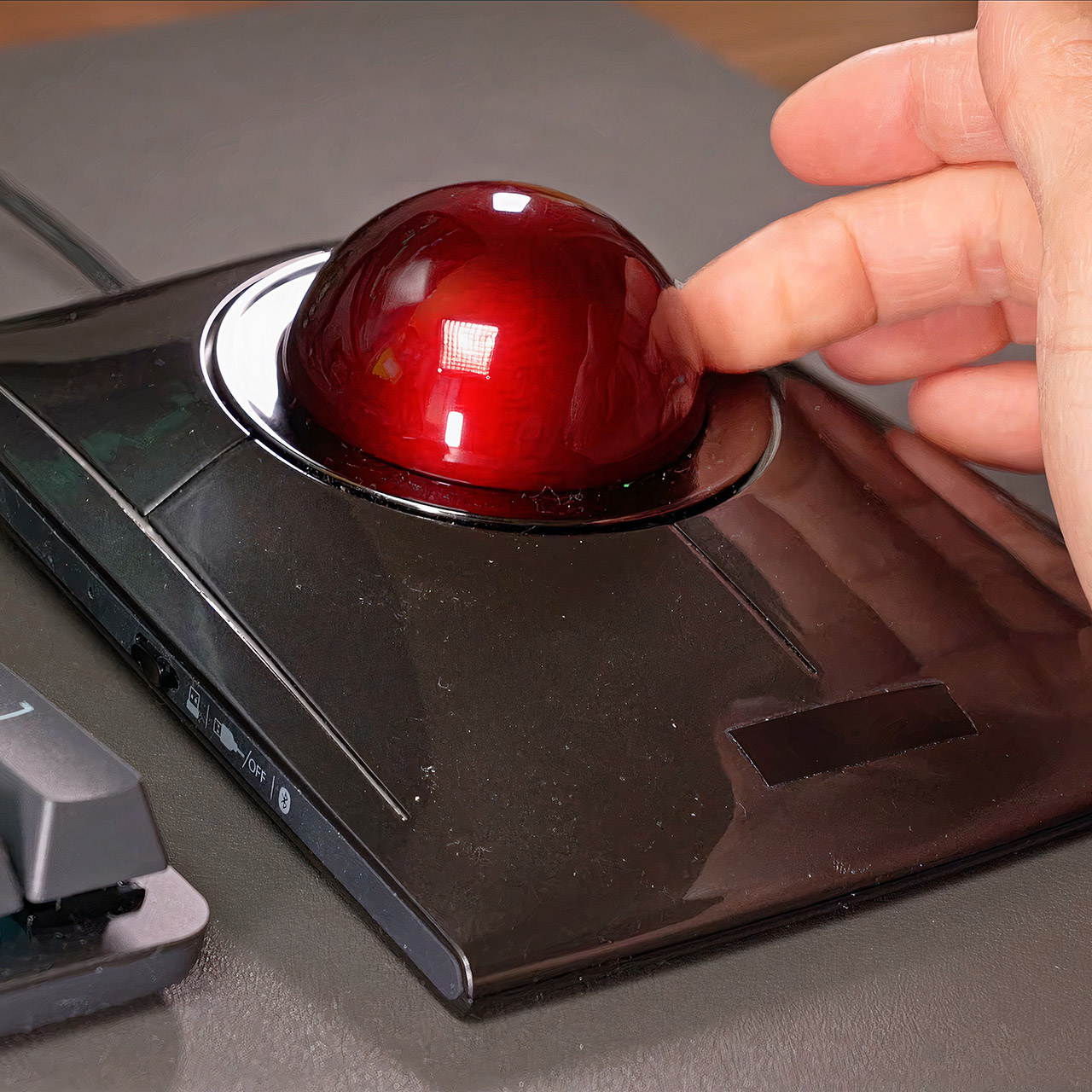
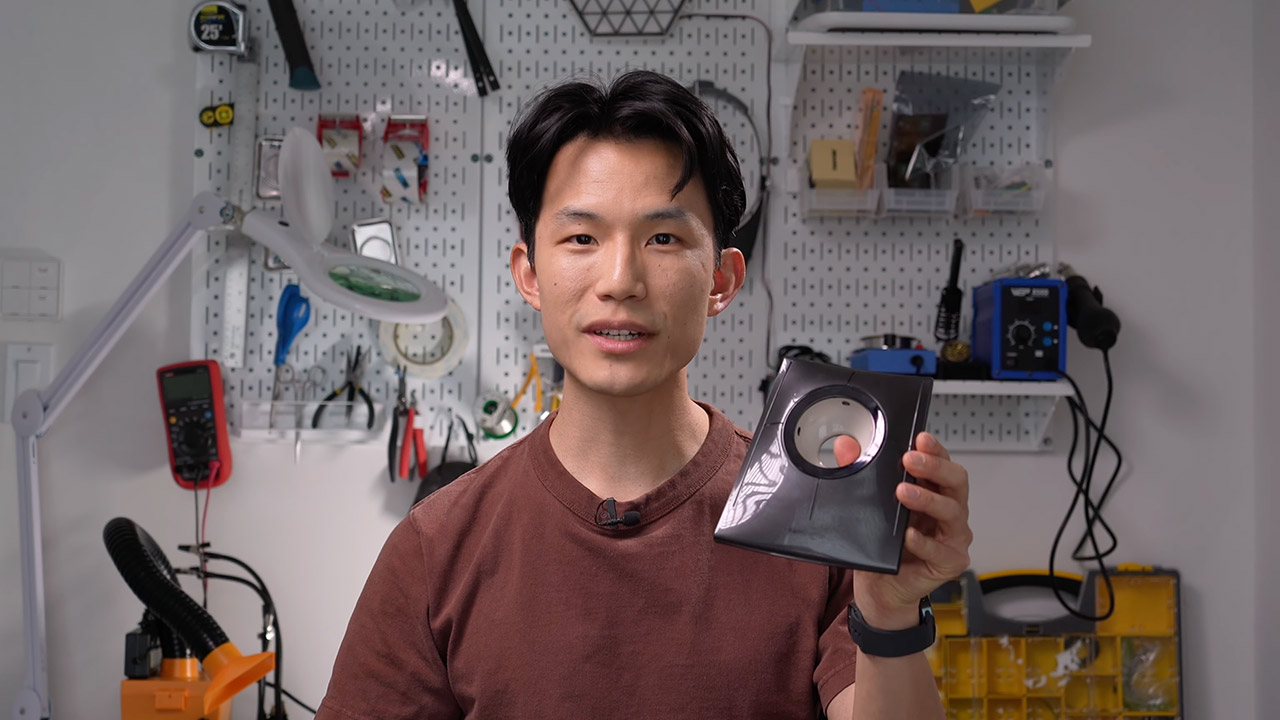
David Liu sat down at his computer, his wrist still aching from whatever had ailed it, and picked up a Kensington SlimBlade Pro trackball in the hopes that it would provide some much-needed relief from all the mouse clicking. Four months later, this became a completely new way to manage 3D applications. Simply roll the ball back and forth like you would on a desk to rotate and move objects with natural ease.
He’d always been fascinated about the two optical sensors that came with this peripheral, which Kensington had begun installing in 2009 to allow users to browse through documents using the twist gesture. But he believed they were capable of much more. They tracked every movement of the trackball in three dimensions; all he needed to do was figure out how to extract the raw numbers. Liu took a close look inside the trackball, scrutinizing the signals originating from the optical sensors. He created new firmware that extracted all of the rotation data directly from both sensors, eliminating the factory chip’s limited output, which only sent out simple cursor motions or scroll steps. He slapped on a bespoke circuit board to run the new software, and before he knew it, he had everything straightened. Plug it in, and a digital cube began spinning as his hand moved the physical ball, which was strange.
Lift yourself up: When the desk life gets you down, lift yourself up with Logitech Lift Vertical Ergonomic Mouse – a great fit for small to medium…
Raise your hand into comfort: Rest on Lift upright mouse throughout the day, with a softly textured grip and snug thumb rest for level-above coziness
57 degrees of sooooothe: Lift’s vertical shape helps wrists feel like “ahhh” at work, and promotes a more natural posture in the forearm, for…
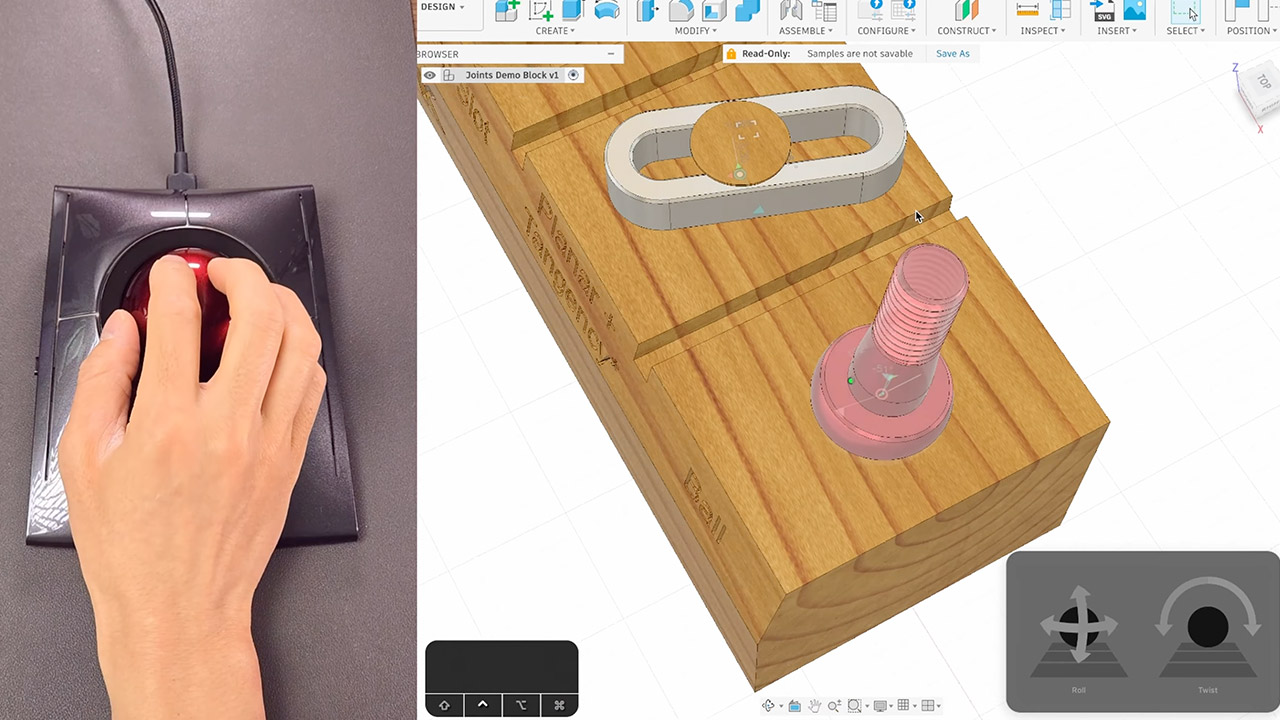
Getting it to function perfectly, however, required weeks of careful adjustments, as he’d roll the ball slowly and then flick it hard, altering numbers until the on-screen movement matched the feel of his fingertips. What he actually needed was position control; a ball moved an inch, and the model turned an inch. No more experimenting with a joystick and hoping for the best. Accuracy arrived without continuously correcting oneself, and the next thing he knew, translation was added. To do so, he just held down one button and the ball slid the view forward, backward, or side to side. Pushing the ball’s edge away causes the model to drift deeper into the screen; pulling it towards you causes it to approach closer. After a few tries, he realized that rotation and movement could be controlled with one hand and six degrees of freedom.
As an added bonus, he retained the trackball’s original mouse function intact, which moved the cursor and clicked like a standard mouse. Press and hold control to rotate the 3D model, then shift to pan or zoom the view. You could keep your left hand on the computer for shortcuts and only utilize one ball for the entire task. Choice was good, but now you didn’t even need to select between a mouse and a dedicated controller, because one ball accomplished everything. Software integration improved the whole experience; in Fusion 360, the controller would read the cursor position and simply orbit the model around whichever surface was beneath the pointer; this also worked in Blender, FreeCAD, and Onshape when he wrote little hooks for each software. A model would remain centered where your gaze was directed rather than floating off-screen every time you turned it a small amount. [Source]
If you’re in the market for some new tires, you may feel safest opting for one of the true titans of the industry, like Michelin. Though the French brand’s tires are world-renowned, they’re not infallible: For instance, some drivers have given a particular type of Michelin all-season tires a shockingly low rating. The key is to do your research and make the best choice for your vehicle, driving habits, the weather in your part of the world, and your wallet. To help make that decision, it can be a real boon to get unbiased input from everyday drivers and professional reviewers alike.
You’ll want something that will last well, has a solid warranty, and is versatile enough to withstand a variety of road conditions. According to drivers, Michelin’s Defender 2 tires score well in these categories. Let’s take a look at what those who have experience driving on these tires have to say about them. Of course, opinions will differ among drivers, and there won’t be a complete consensus on any one category. What is important, though, is to get a broader perspective on which tire variety best fits your circumstances.
Advertisement
Overall durability and consistency
ChrisStock82/Shutterstock
If you’re the proud owner of a formidable racing machine, you might equip it with the likes of the Michelin Pilot Sport Cup 2. Note, though, that they’re high-performance tires not equipped for situations such as off-roading or roads affected by inclement weather. For occasional or more conventional commuters, on the other hand, it would be quite a hassle to switch out your tires for ones that may be better suited to the situation. Drivers typically give the Defender 2 tires high kudos, partly for their long-life design.
Michelin itself declares that the line offers great “all-season on-road tire[s],” and it would seem that a lot of customers agree. Of 112 published reviews submitted to the manufacturer’s official site at the time of writing, they average 4.6 out of 5 stars. Beyond that, 90% of those drivers would recommend the tires to others.
Advertisement
There can be nothing more irritating (and potentially expensive) for a driver than tires that don’t wear evenly. This isn’t always something they can control, even if they’re quite meticulous about rotating their tires, and it can mean that some tires are distinctly more worn than others. This causes potential issues where one or more may need to be replaced earlier (or later). To help with this prominent issue, the Defender tire family from Michelin incorporates a technology called MaxTouch Construction. MaxTouch 2.0 is built into the Defender 2 tires, a system that builds upon the one included with the previous generation. The concept is to spread the forces of contact with the road more evenly across the tire’s surface, helping keep wear relatively even, too.
Advertisement
Tire tread life
Another factor for which the Defender 2 tires are very well regarded is their tread life. In fact, it’s a quality that they’ve frequently been commended for in reviews. One buyer on Michelin‘s site noted in a review that they had an “exceptional life,” elaborating that “under regular rotation and balance, tires easily made it past 70,000 miles.”
The brand offers a limited warranty of 80,000 miles, which is indeed quite a feat for the model to reach. The important caveat, though, is that longer lifespans are typically only achieved when the tires are properly cared for and regularly maintained. However, drivers’ opinions and user reviews highlight that the Defender 2 is effectively built to last.
One outlet, Torque News, reported that the tire wear was very impressive, though it added that the level of wear will differ depending on where the tire is used. Nonetheless, the Discounted Wheel Warehouse adds, the body of the tire itself is also built to be resilient, featuring a “high-turn-up ply design that adds sidewall strength without stiffening the ride too much. In addition, the twin steel belts reinforced by a polyamide cap ply provide stability at highway speeds.” It’s these aspects of its design, coupled with its long-lasting tread, that make it a high-quality, resilient tire for a wide range of applications.
Beyond this, though, the Defender 2 offers further versatility in the range of vehicles it’s suitable for.
Advertisement
Versatile enough to suit a wide range of heavier vehicles
baona jnr/Shutterstock
To the untrained eye, it can be difficult to tell one variety of tire from another. A professional or veteran driver, though, will quickly tell you that tires vary wildly in both quality and purpose. As a result, even if customers sing the praises of a particular type of tire, it may not be appropriate for your specific vehicle.
Luckily, this is less of a concern with the Michelin Defender 2. This tire is designed to be hard-wearing and long-lasting, to the extent that BornToDrive dubbed it “Michelin’s longest lasting passenger car tire.” It was also engineered, however, to handle the higher torque and curb weight of modern vehicles. This means, for instance, that it can be used with EVs, which are typically much heavier than their gas-powered counterparts due to their hefty batteries. This also applies to the likes of minivans and other weightier machines. All of this helps ensure that the tire is a versatile option and can also excel in this specific scenario where others may not.
Advertisement
As Tire Review reported in 2022, the Defender 2 family was added to the range with an eye to serving such vehicles through 19-inch and 20-inch rim options. According to the outlet, the senior director of Michelin brand and retail marketing, Pierluigi Cumo, explained at the time that “as the market evolves toward electrification and small SUVs, we continue to strengthen our leadership in longevity and performance.” These are some of the watchwords that have come to define this tire brand.
Advertisement
The comfort of a Defender 2 ride
In January 2026, Knowledge Stacks created a multifaceted review of the Defender 2 versus another popular Michelin tire family, the CrossClimate 2. In the comfort category, the outlet declared the former to be the better tire, noting that it is “made to make your car feel like it is floating over bumps.” As any driver who’s had the misfortune of catching a bump at the wrong angle will tell you, this is quite a claim, but it speaks volumes about the virtues of the tire in some drivers’ eyes.
Discussing those two tire types in a Facebook group for KIA EV6 owners, one driver found the Defender 2 considerably more comfortable than the CrossClimate counterpart, and other owners chimed in to note that they found the Defender family model quieter. While some of these factors can certainly be put down to driving styles, tire age, and other factors, it remains true that the Defender family is often praised for this very thing.
In another review, it was noted by Canada’s Blackcircles that “the Defender 2 […] stays rock steady no matter what the conditions. Downpours, sun-baked highways, rough rural roads—nothing seems to shake it.” The outlet similarly notes that it isn’t a tire for racing machines, but rather one for reliable performance and versatility for the average ride. In our comparison of the Defender 2 and CrossClimate 2, in terms of which tire model is the best fit for your car, we concluded that the Defender 2 is an accomplished all-rounder that will suffice for most drivers’ needs, while more challenging conditions like regular heavy snowfall are often better tackled by something more specialized.
Advertisement
Wet weather performance
C1a1p1c1o1m1/Getty Images
Now, it’s true that the Michelin Defender 2 isn’t specialized for rainy weather in particular. They did not make our rundown of the best tires for driving in the rain. Though not specifically designed for such, it would be quite a blow to their versatility if they couldn’t cope, and so their performance is deemed admirable by many drivers.
Tire World Utah reported after its testing that while not as strong in this area as fellow Michelin models like the CrossClimate 2, they can perform well and retain solid traction in rain. This is because they have tread blocks that prevent them from losing traction as dramatically as they age, and their design also incorporates, as YouTube’s Born to Drive™ notes, complex patterns that have a practical purpose: channeling water away from the tire to maintain maximum grip.
Torque News also praises the model’s performance in inclement weather, noting in a September 2023 review update (on a long-term test that began that May) that “The tires are new but broken in now,” and proved not to be prone to the dread hydroplaning that can be the scourge of rainy weather driving.
Advertisement
This is an enormous boon because sometimes you just can’t predict when a protracted downpour might occur. If it does so while you’re parked up or mid-journey, unsuitable tires can leave you very vulnerable. This is where the jack-of-all-trades qualities of the Defender 2 can shine, allowing you to take off into a day of uncertain weather with (relative) confidence. Individual drivers will have their own experiences with and opinions on the Defender 2, of course, but overall, they’re a well-regarded model worth considering.
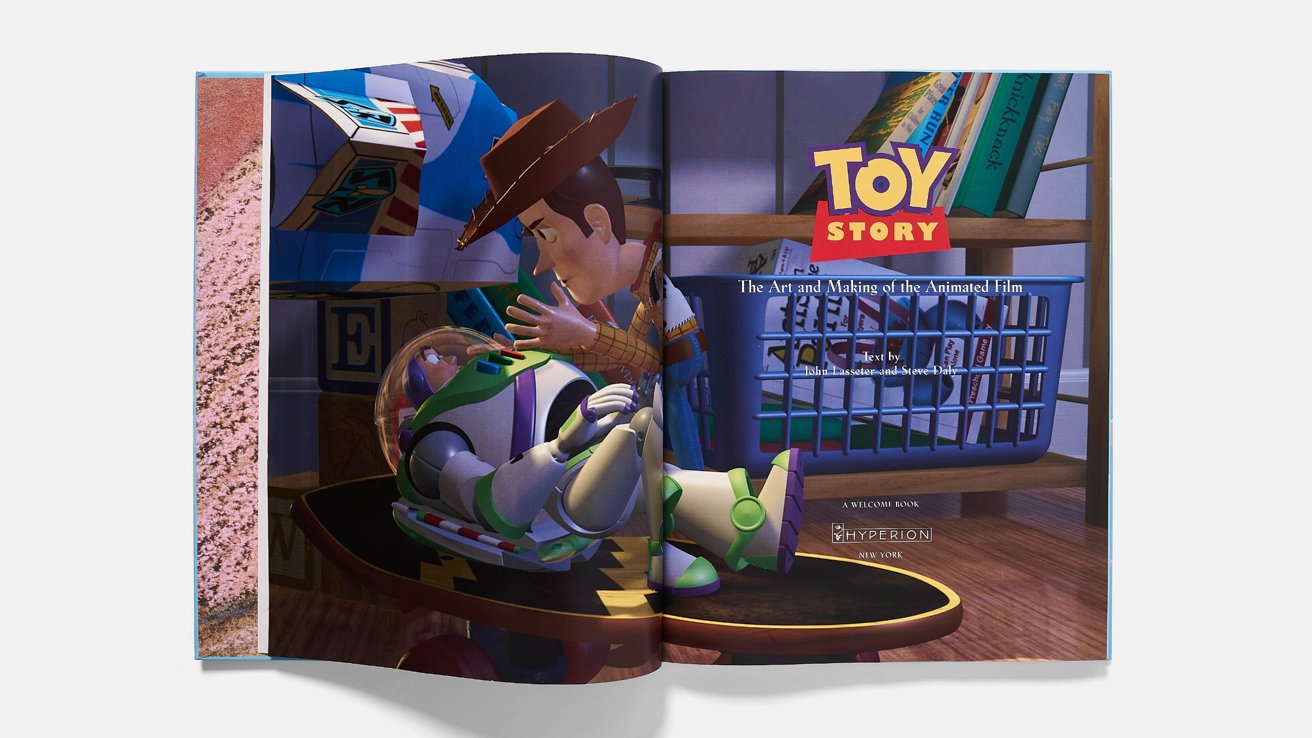
A rare first-edition “Toy Story” book signed by Steve Jobs will go up for auction on April 30, 2026, in Los Angeles, tied directly to the Pixar IPO that made him a billionaire.
Toy Story book
Nate D. Sanders Auctions will auction a rare Steve Jobs artifact on April 30, in Los Angeles. Bidding will start at $20,000, targeting seasoned collectors of high-end Apple and film memorabilia. A first-edition copy of “Toy Story: The Art and Making of the Animated Film” signed by Steve Jobs and John Lasseter anchors the lot. Their signatures tie together Pixar’s financial backing and creative leadership at a pivotal moment in the company’s history. An original “Toy Story” promotional brochure housed in a red leather case is also included. Added material presents the offering as a complete display piece with stronger historical context. Continue Reading on AppleInsider | Discuss on our Forums
Despite its widespread use, it’s easy to forget that AI platforms are relatively new. However, the technology has now matured enough that the American Customer Satisfaction Index (ACSI) has released its inaugural survey of AI platforms. The survey covered six of the major platforms, and each was rated on benchmarks including complex task handling, trust, accuracy, and user interface.
Before we look at the findings, let’s look at the ranking system the ACSI uses. The platforms are graded on a scale of 0 to 100, with the total for each platform based on the average of the scores across all the benchmarks. The platforms covered in the survey were Gemini, ChatGPT, Grok, Claude, Copilot, and Perplexity AI, with a total of 2,711 people taking part in the survey.
While there was a definite winner, the results also showed that there wasn’t much separating the platforms. In the top spot was Google’s Gemini platform, which scored 76 out of 100. Coming in second place was Microsoft’s Copilot, which scored 74. ChatGPT and Claude tied for third place with a score of 73. Finally, at the bottom of the pile with 71 were Perplexity AI and Grok.
Advertisement
While scores in the seventies might sound impressive, the ACSI also notes that this figure is similar to that of energy utilities, social media platforms, and mortgage lenders — as the study notes, these aren’t industries renowned for customer satisfaction.
Advertisement
What the survey reveals about AI users
Kenneth Cheung/Getty Images
The survey also revealed some interesting facts about how AI is being used and by whom. Perhaps surprisingly, given the prominence of the technology, is the fact that over half the respondents (56%) haven’t used any AI platform recently. The flip side of this is that those who do use it use it heavily, with 61% using it multiple times daily.
One interesting pattern to emerge from the data was how AI usage seems to increase with income. For instance, while 44% of respondents have used AI recently, that number increases to 72% for those who make $100,000 or more per year — the majority of whom used it several times a day. There was also a difference in customer satisfaction ratings when comparing premium tiers. If you’ve wondered whether Gemini Advanced is worth paying for, then the data suggests there’s a case. Gemini’s paid tier came out on top with 82. ChatGPT moved up to second with 80, and Perplexity was worst with 74.
Of course, we can’t discuss AI without mentioning the ongoing concerns with the technology. Data security and privacy concerns scored 72 in the survey, which is below the average benchmark rating of 73. Again, not much of a difference, but it does reflect user concerns and highlights why there are certain things you should never tell ChatGPT or other AI platforms. Finally, and staying on the topic of user concerns, the survey revealed that 21% of respondents had an extremely favorable outlook on the future of AI, while the same percentage were very concerned about AI in the future. It seems that AI is still a polarizing issue.
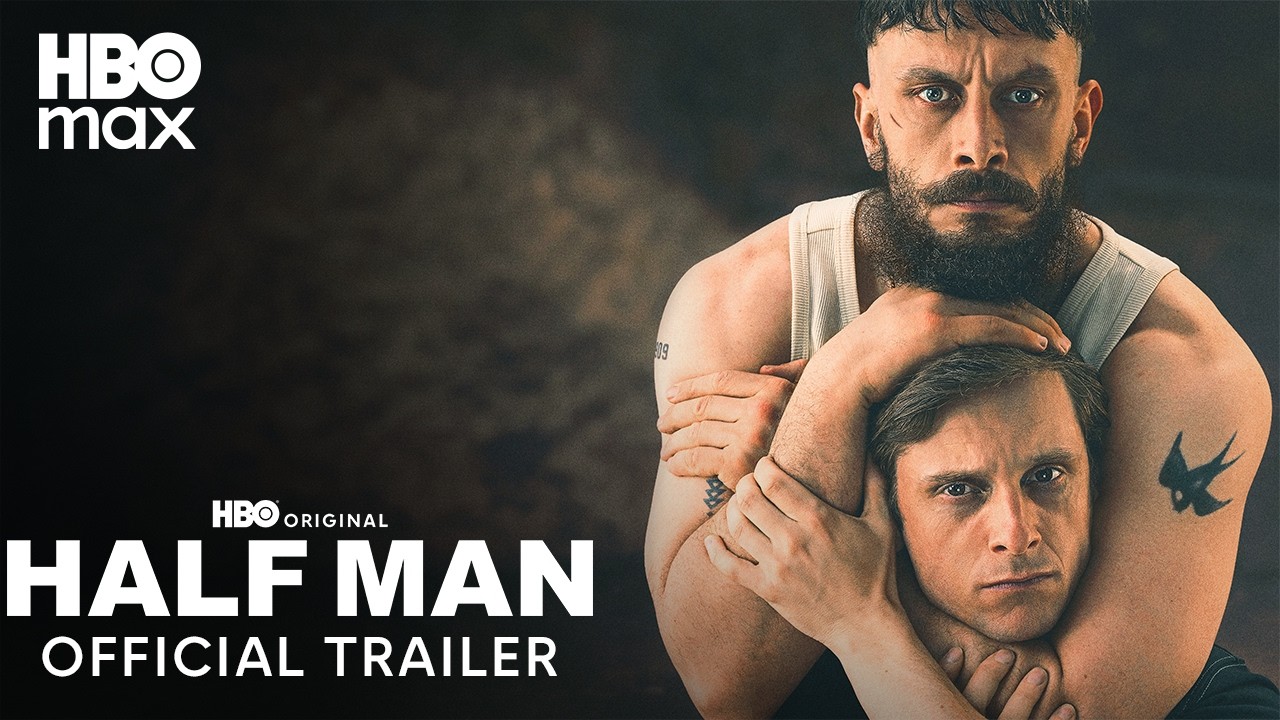
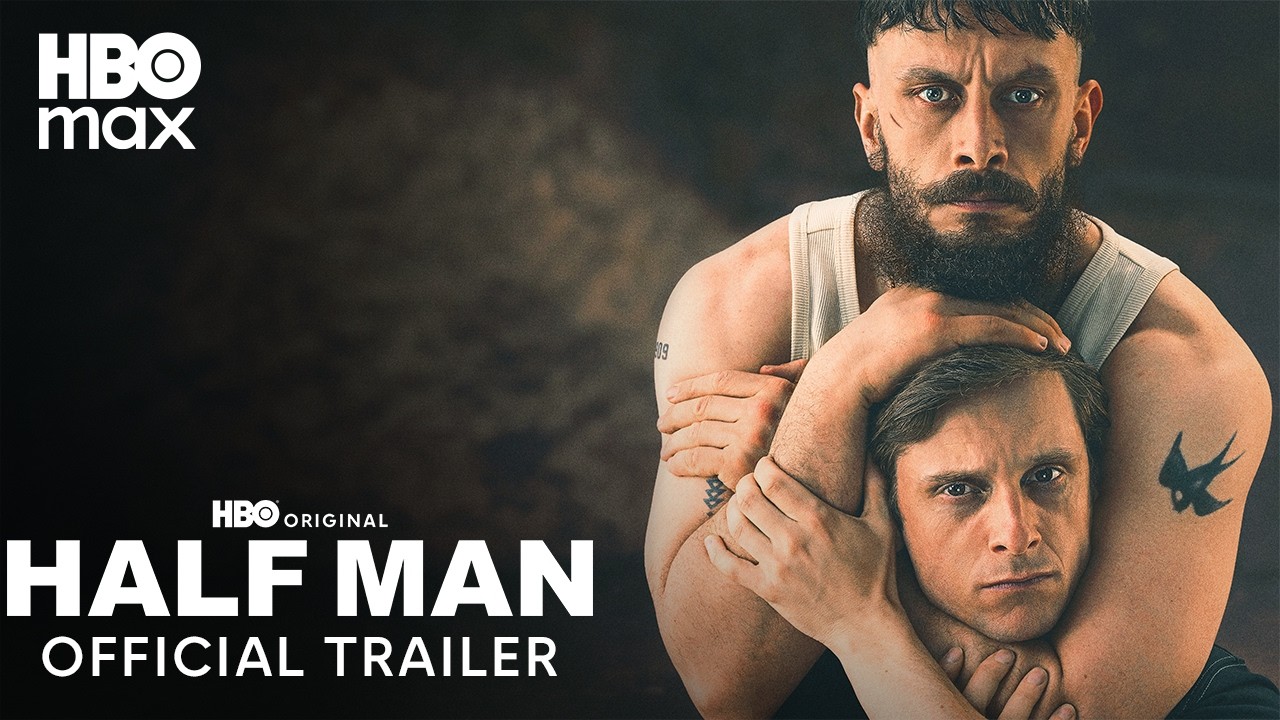
Anyone who watched last week’s episode of Half Manwill likely understand why I can hardly bring myself to watch again this week.
Created by Baby Reindeer‘s Richard Gadd, the show follows brothers Niall (Jamie Bell) and Ruben (Gadd) through 30 years of their lives, exploring the highs and lows of their turbulent relationship.
We can expect our first real-time jump this week, but when will Half Manepisode 2 be released on HBO Max and BBC iPlayer?
Advertisement
Article continues below
Advertisement
What time can I watch Half Man episode 2 on HBO Max and BBC iPlayer?
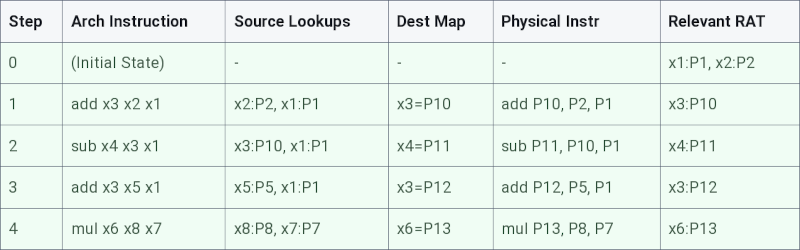
[Shreeyash] asks an interesting question: how many registers does your CPU have? The answer is probably more than you think. The reason? Modern CPUs — at least many of them — execute instructions out of sequence so they can perform multiple instructions per clock cycle. To do this, they may need to execute instructions that change registers that other instructions are still reading. In addition, you might be writing a result speculatively — a branch might make it where your result won’t wind up in the target register. The answer to both of these problems is register renaming.
The ARM CPU he looks at has many physical registers you can’t see. These get mapped to the registers you use on the fly. So when you read a register in software, you are really getting an underlying physical register. Which one? Depends on when you read it.
The RAT, or Register Alias Table, keeps track of the mapping between physical registers and the register names you use. Not only does this allow the CPU to run operations out of order, but it also lets results sit in unnamed physical registers until the time is right for it to become the real register. As a byproduct, moving one register to another becomes fast since you can just copy the alias of one physical register to another logical register.
Advertisement
Not clear? Try reading the post. There are other ways to get the same result (e.g., reservation stations), but the technique goes way back to mainframe computers. While it didn’t appear right away in microprocessors, modern ones often execute out of order and have to have some scheme to address this problem.
If you build your own CPUs with FPGAs, it is possible to do the same trick. There are also RISC-V variants that can do it.
















































You must be logged in to post a comment Login