Connect with us
DAPA Banner
DAPA Coin
DAPA
COIN PAYMENT ASSET
PRIVACY · BLOCKDAG · HOMOMORPHIC ENCRYPTION · RUST
ElGamal Encrypted MINE DAPA
🚫 GENESIS SOLD OUT
DAPAPAY COMING

Tech

Voice AI in India is hard. Wispr Flow is betting on it anyway.

Published

on

India’s internet users already rely heavily on voice notes, voice search, and multilingual messaging. Turning those habits into a scalable AI business, however, remains difficult because of the country’s linguistic complexity, mixed-language usage, and uneven monetization patterns. Wispr Flow is betting the opportunity is worth the challenge.

The Bay Area-headquartered startup, which builds AI-powered voice input software, says India is now its fastest-growing market, even though voice-based AI products remain early and fragmented in the South Asian nation. That growth has pushed Wispr Flow to expand more aggressively for Indian users, beginning with Hinglish — a hybrid mix of Hindi and English commonly spoken by locals. The startup is also planning broader multilingual voice support, a local hiring push, and, eventually, lower pricing as it looks to expand beyond white-collar users and into Indian households.

Earlier waves of voice technology in India — from digital assistants to WhatsApp voice notes — largely revolved around convenience. AI startups such as Wispr Flow are now betting that generative AI can turn those habits into a broader computing layer.

To make the product more relevant for Indian users, Wispr Flow began beta testing a Hinglish voice model earlier this year and launched on Android — India’s dominant mobile operating system — after initially debuting on Mac and Windows before expanding to iOS in 2025.

Advertisement

Co-founder and CEO Tanay Kothari told TechCrunch that the startup initially saw adoption in India largely among white-collar professionals such as managers and engineers, but it’s increasingly seeing broader usage patterns emerge, including among students and older users being onboarded by younger family members.

India has emerged as Wispr Flow’s second-largest market after the U.S. in terms of both users and revenue, Kothari said, with growth accelerating following the startup’s recent India-focused push. The startup has seen faster growth following the rollout of Hinglish support, benefiting from the widespread habit among Indian users of mixing Hindi and English in everyday conversations, particularly as users began expanding beyond work-focused use cases into more personal communication.

“The biggest thing is people are starting to use it more in personal apps,” Kothari said, pointing to messaging platforms such as WhatsApp and social media apps where users frequently switch between Hindi and English while speaking.

Techcrunch event

Advertisement

San Francisco, CA
|
October 13-15, 2026

Wispr Flow, Kothari said, was growing about 60% month over month in India earlier this year, but growth accelerated to around 100% following its recent India launch campaign. The startup last month rolled out a broader marketing push in the country, including a launch video from Kothari and offline campaigns in Bengaluru aimed at introducing the product to more mainstream users.

Advertisement

Kothari told TechCrunch that Wispr Flow plans to expand its multilingual voice support over the next 12 months, allowing users to switch between English and other Indian languages beyond Hindi while speaking. In December, the startup introduced India-specific pricing at ₹320 (around $3.4) per month for annual plans, significantly lower than its standard $12 monthly pricing globally.

The startup eventually wants to bring costs down even further — potentially to as low as ₹10–20 (around 10–20 cents) per month — as it looks to expand beyond white-collar and urban users.

“I want every single person in the country to be able to use Wispr Flow, and that’s what we’re really building for,” Kothari said. “That’s going to happen slowly and steadily.”

Earlier this year, Wispr Flow hired Nimisha Mehta to lead its India operations as it looks to expand its local presence. Kothari told TechCrunch the startup plans to grow to around 30 employees in India over the next year, building out consumer growth, partnerships, and enterprise teams alongside existing engineering and support functions. The startup currently has about 60 employees globally.

Advertisement

India’s voice AI challenge

Wispr Flow is not alone in viewing India as a key market for voice-based AI products. Companies including ElevenLabs have highlighted India as an important growth market for some time. Similarly, local startups such as Gnani.ai, Smallest AI, and Bolna have continued attracting investor interest as voice-based AI tools gain wider adoption across consumer and business use cases.

Nevertheless, turning voice AI into a mainstream consumer product in India remains challenging despite growing interest from startups and investors.

“India is the ultimate stress test for voice AI,” Neil Shah, vice president of research at Counterpoint Research, told TechCrunch, adding that “linguistic, accent, and contextual friction” continue to slow wider adoption.

Data shared with TechCrunch from Sensor Tower shows Wispr Flow was downloaded more than 2.5 million times globally between October 2025 and April 2026, with India accounting for 14% of installs during the period, making India its second-largest market by downloads (after, as mentioned, the U.S.). India, however, contributed only around 2% of Wispr Flow’s in-app purchase revenue during the same period, according to Sensor Tower. However, the startup remains largely desktop-driven globally.

Advertisement

Wispr Flow’s usage in India, Kothari said, is currently split roughly 50:50 between desktop and mobile, compared with an 80:20 desktop-heavy mix in the U.S.

Kothari said Wispr Flow sees strong repeat usage among its users, claiming roughly 70% retention after 12 months globally and in India. Moreover, the startup currently employs two full-time linguistics PhDs as it continues refining multilingual voice models and expanding support for additional Indian language combinations.

When you purchase through links in our articles, we may earn a small commission. This doesn’t affect our editorial independence.

Source link

Advertisement
Continue Reading
Click to comment

You must be logged in to post a comment Login

Leave a Reply

Tech

The 19 Most Exciting Cars at the Beijing Auto Show 2026

Published

on

While major motor shows in Europe and the United States are being forced to downsize or change their format, those in China continue to expand.

With 1,451 vehicles on display, including 181 world premieres, the 2026 Beijing International Automotive Exhibition 2026 (also known as Auto China 2026) has become the largest auto show in history—and that’s in terms of both exhibition space and the number of vehicles on display.

This fact itself reflects a shift in the center of gravity of the automotive industry, but that’s not all. A much larger structural transformation is actually taking place in China today.

Previously, the focus was on low-priced electric vehicle models, but now price is no longer the primary point of competition. At the show, not only were there many high-end EVs and large SUVs from Chinese manufacturers equipped with advanced driver-assistance technologies and AI functions, but these technologies are also rapidly spreading to the lower price range.

Advertisement

Chinese manufacturers’ cars offer many technologically impressive features. Lidar sensors, which use lasers for advanced driver assistance, are now even being incorporated into EVs costing less than 100,000 yuan (approximately $14,500). Models featuring “drive-by-wire” technology, which replaces mechanical steering connections and hydraulic brake lines with electrical signals, are appearing prominently. Even Toyota’s local models are using Huawei’s powertrains and smart cockpit OS.

The simplistic dichotomy of “cheap Chinese cars versus high-end European cars” no longer holds weight. While staying competitive in the low-price market, Chinese manufacturers are also gaining leadership in areas such as AI, driver-assistance systems, in-car chips, smart cockpits, and high-performance EVs.

These 19 particularly noteworthy models from the 2026 Beijing Motor Show best embody this evolution.

XPeng GX

Image may contain Machine Spoke Alloy Wheel Car Car Wheel Tire Transportation Vehicle and Wheel

Courtesy of Xpeng

There is a fundamental difference between a car designed for autonomous driving and an existing car that’s had autonomous driving technology added to it. XPeng Motors’ GX is the former, a model in which sensors, computing infrastructure, and AI models with Level 4 autonomous driving in mind were designed first, then built into a new SUV bound for the commercial market.

Advertisement

Equipped with up to four proprietary AI chips, it boasts a total computing power of 3,000 tera operations per second—approximately 12 times the 254 TOPS that a single Nvidia Orin is capable of. The latest AI model in the vehicle can recognize spoken commands as well as the images captured by car’s cameras, and it can understanding and adapt to the current driving conditions.

Volkswagen has adopted XPeng’s AI chip and driver-assistance technology in its EVs, meaning XPeng is no longer just an EV manufacturer. It’s becoming a platform provider supplying the brains behind autonomous driving to Europe’s largest automaker. The price is 399,800 yuan (approximately $58,000).

Source link

Advertisement
Continue Reading

Tech

Google's Fitbit Air is a Whoop-like screen-less fitness tracker built around AI

Published

on


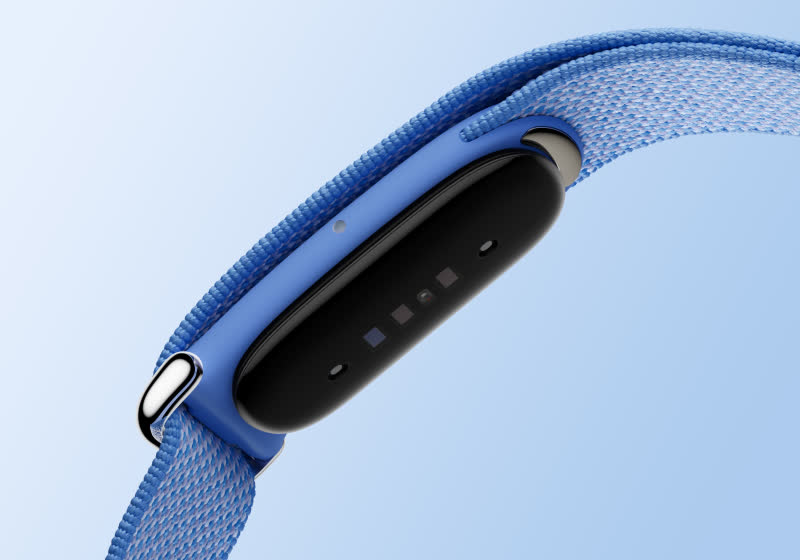
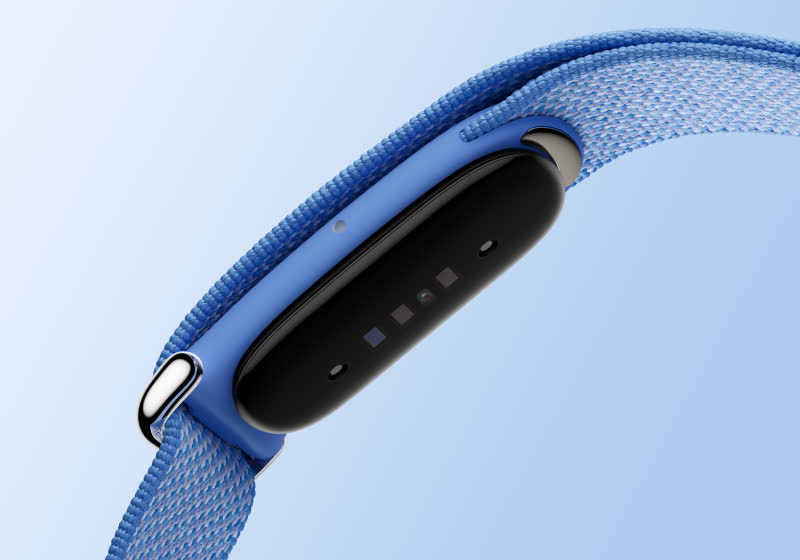
The Fitbit Air is a compact module that fits into a range of bands, with its sensors pressed against the skin and no display on top. That means no notifications, no tapping, and no swiping – just passive tracking. With nothing to interact with, the device is easier to wear…
Read Entire Article
Source link

Continue Reading

Tech

With Denuvo Completely Defeated, 2K Turns To Annoying Online Check In Requirement

Published

on

from the bad-to-worse dept

Ah, Denuvo. It’s been several years since we checked in on this once vaunted DRM tool that billed itself as undefeatable. The end of PC gaming piracy was said to be at hand, at least for any title using Denuvo. Then, predictably, the cracking community saw the target the company had put on its own tool and got to work. They were first able to crack games using Denuvo in months, which turned into weeks, which turned into days, which eventually turned into it being cracked essentially on a game’s launch day.

So, how’s it been going for Denuvo since? Well, it’s essentially been rendered completely useless at this point.

As recently reported by Tom’s Hardware, on April 27, a large Reddit thread tracking which games using Denvuo DRM still needed to be cracked or bypassed officially hit zero. (This list tracks games that don’t require an online server connection, not MMORPGs and other games that do.)  What that means, effectively, is that according to Denuvo modders and hackers, the DRM tech is no longer able to stop pirates from downloading and installing games for free. This milestone for hackers is largely thanks to the MKDev collective and modder DenuvOwO. It was these people who created the hypervisor-based bypass (HVB) that installs a kernel-level driver to bypass Denuvo’s DRM checks.

Technically, Denuvo is still in the game, but it isn’t functioning as it should, and pirates can play without paying. And there is already some evidence that bypassing Denuvo has led to performance improvements in titles like Resident Evil Requiem, which might push some people to use the bypass even if they bought the game legally. We saw this in a previous Resident Evil game when hackers bypassed Denuvo in 2021.

This is always the life cycle of DRM in video games. Whatever audacious claims a DRM company might want to make early on with its product, the technology is eventually defeated to one degree or another and all that is left are the byproducts of the DRM that serve to do nothing other than annoy legitimate customers of a video game. If the technology is so intrusively bad that even legit buyers of a game want to crack it out of their games, and the pirates are completely unencumbered by it as well, then it’s a wonder why anyone would bother including it in their games to begin with.

Advertisement

DRM is pretty much always bad. The desire to protect a game from pirates is understandable, but ultimately pointless. There is almost never enough benefit in terms of generating more sales by trying to fight piracy to be worth pissing off your actual paying customers. And tactics such as what publisher 2K has decided to do in the wake of Denuvo’s complete failure aren’t any better.

2K Games has apparently begun adding 14-day online check-ins to some of its PC games. The check-in has apparently been added to NBA 2K25, NBA 2K26, and Marvel’s Midnight Suns. These games now reportedly use a “fixed offline authorization token” that expires after two weeks. Once that happens, the game will not be playable until you connect to the internet and let the game ping Denvuo to get a new token. Pirat Nation and hackers are claiming this new countdown isn’t properly disclosed on the games’ Steam Store page or in each title’s respective EULA.

I’ll just add that pushing this new requirement out via an update to existing purchases is also a problem. Customers bought these games with the understanding of how they would work or not when offline. 2K suddenly changing the product in a meaningful way after it had already been purchased is a flatly anti-consumer move.

And I have no doubt that this online check requirement will be defeated by the same folks who defeated Denuvo. This arms race continues, but it shouldn’t. Why not focus on making great games and connecting with your paying customers to give them reasons to actually pay instead?

Filed Under: check ins, denuvo, drm, video games

Companies: 2k, denuvo

Advertisement

Source link

Continue Reading

Tech

Quordle hints and answers for Sunday, May 10 (game #1567)

Published

on

Looking for a different day?

A new Quordle puzzle appears at midnight each day for your time zone – which means that some people are always playing ‘today’s game’ while others are playing ‘yesterday’s’. If you’re looking for Saturday’s puzzle instead then click here: Quordle hints and answers for Saturday, May 9 (game #1566).

Quordle was one of the original Wordle alternatives and is still going strong now more than 1,400 games later. It offers a genuine challenge, though, so read on if you need some Quordle hints today – or scroll down further for the answers.

Advertisement

Source link

Continue Reading

Tech

SOUNDPEATS Air6 HS Wireless Earbuds Announced with Hi-Res Audio, Spatial Audio, and Budget Price Under $40

Published

on

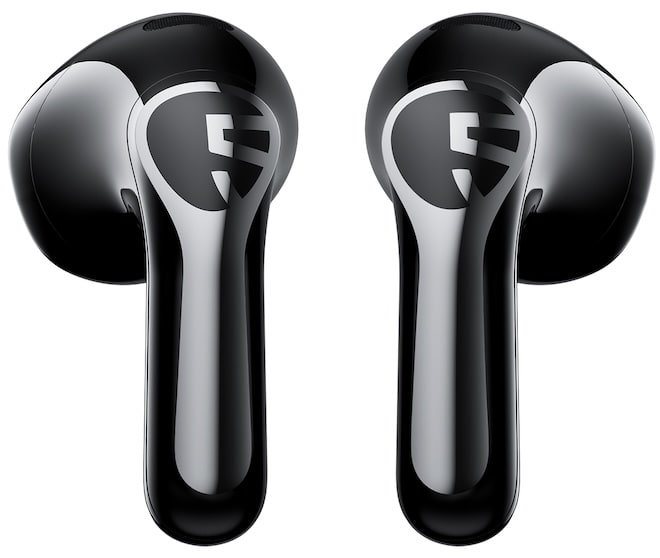
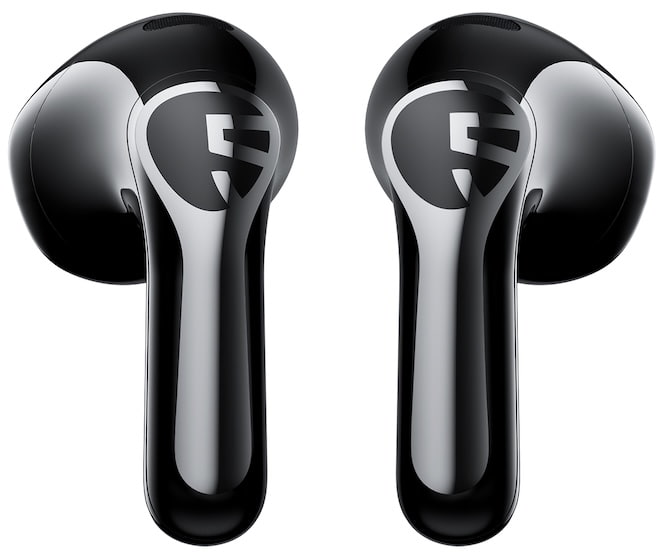
SOUNDPEATS has spent the past 16 years churning out wireless earbuds at a pace that would make most budget brands tap out, and the new Air6 HS aims squarely at a segment that usually disappoints. Most earbuds under $50 are the kind of last-minute “grab something at Wawa before the road trip” purchase; good enough to survive a commute, or to hand off to the kid who just launched your Apple AirPods out the car window. The Air6 HS tries to flip that script, combining all-day comfort, extended battery life, and support for hi-res and spatial audio at a price below $40.

soundpeats-air6-hs-earbuds

All-Day Wearing Comfort

With so many wireless earbud options available, choosing the right pair comes down to a few core factors that matter regardless of price.

Comfort and fit should come first. If an earbud does not sit securely or becomes uncomfortable over time, it will not get much use. Sound quality follows, along with battery life, call performance, and connection stability. Features like spatial audio or advanced codecs can add value, but they are secondary to the basics that determine how the earbuds perform day to day.

With that in mind, SOUNDPEATS says the Air6 HS was developed using ergonomic data from more than 10,000 ear canal samples. Each earbud weighs just 4 grams, which helps reduce pressure during longer listening sessions.

The semi in-ear design splits the difference between traditional in-ear tips and open ear designs. It sits more securely than open earbuds and offers a more consistent seal, which can improve perceived sound quality and reduce how much audio leaks out in quieter environments like an office. At the same time, it avoids the plugged feeling that some listeners experience with fully sealed in-ear tips.

Advertisement
soundpeats-air6-hs-inside-case

Driver Design & Tuning 

On the inside, the Air6 HS uses a 13mm dynamic driver with a PU biological composite diaphragm and a triple magnetic circuit. That combination is intended to deliver a balanced presentation with a focus on natural vocals, rather than pushing any one part of the frequency range too far forward.

That matters, because a lot of affordable earbuds tend to lean on boosted bass or elevated treble to create the impression of detail or impact. It can sound exciting at first, but it often becomes fatiguing over time. The approach here appears more restrained, aiming for a sound that holds up over longer listening sessions without the sharp edges that can creep into budget tuning.

For those who want to adjust things further, the SOUNDPEATS app on Android and iOS includes Dynamic EQ settings that allow some control over bass and overall tonal balance.

Hi-Res Audio Support and Spatial Audio

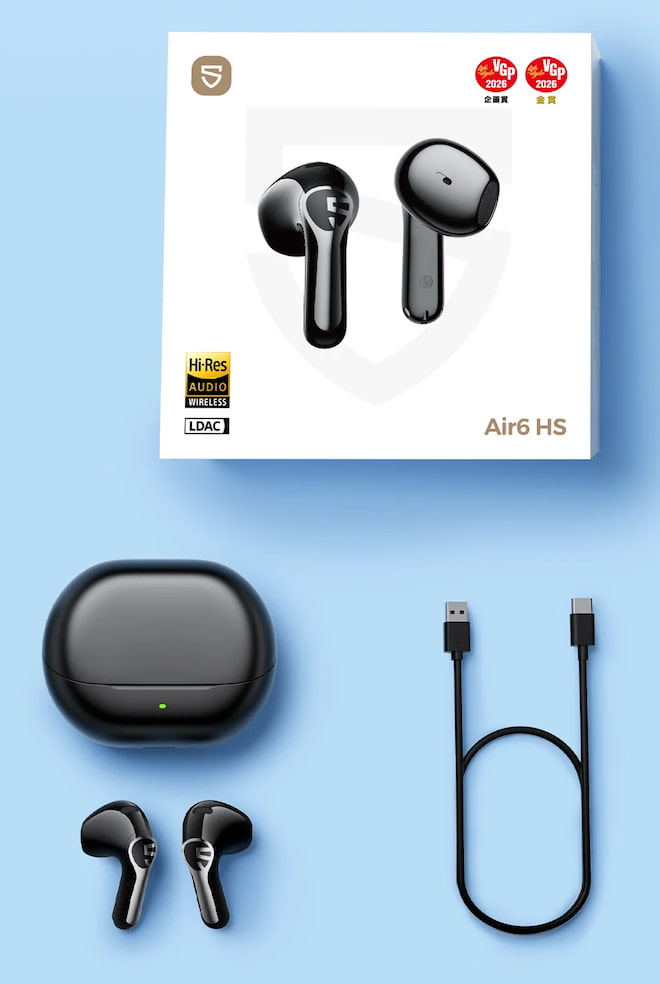
The Air6 HS carries Hi-Res Audio certification and supports LDAC for Android devices, allowing higher bitrate wireless playback without moving away from its lightweight, semi in ear design.

It supports SBC, AAC, and LDAC codecs, covering the most common use cases, but there is no support for aptX HD or aptX Lossless. For most users, that will not be a deal breaker, but it is worth noting for those already invested in Qualcomm based devices.

Advertisement

Spatial audio support is also included, adding a wider sense of space for movies and streaming content, rather than focusing strictly on music playback.

Advertisement. Scroll to continue reading.

Battery Life That Keeps Up with Daily Use

The Air6 HS is rated for up to 9 hours of listening on a single charge, with the charging case extending total playback to around 45 hours. When time is limited, a quick 10 minute charge can provide up to 3 hours of playback, which is useful for getting through a commute or a few calls without needing a full recharge.

soundpeats-air6-hs-earbuds-case

Bluetooth Connectivity, Call Quality, and Water Resistance

The Air6 HS incorporates Bluetooth 6.0 for stable, efficient wireless performance, including Bluetooth Multipoint connectivity.  This enables simultaneous pairing with two devices, allowing users to move between phone calls and laptop audio without needing to manually reconnect; a convenient feature for multitaskers and on-the-go commuters who don’t want to annoy the boss.

The Air6 HS uses a four microphone array with dual mic ENC processing to improve call clarity. That is not something you usually see at this price, and it should help voices come through more clearly in calls and virtual meetings, even in less than ideal environments.

Advertisement

SOUNDPEATS also gives the Air6 HS an IPX5 water-resistance rating, which is enough for sweat and light rain during workouts or daily use. That makes them a reasonable option for the gym, but they are not designed for full water exposure. Dropping them in a pool or the ocean is still a quick way to end the conversation.

Comparison

soundpeats-air6-hs-air5-pro
Soundpeats Model Air6 HS Air5 Pro Air5
Product Type Wireless Earbuds Wireless Earbuds Wireless Earbuds
Price $39.99 $79.99 $59.99
Ear Fit Type  Semi In-Ear In-Ear Semi In-Ear
Drivers 13mm large dynamic driver featuring a PU biological composite diaphragm and triple-magnetic circuit 10mm Composite Bio-Diaphragm Driver (PU + PEEK) 13mm Dynamic
Chip QCC3091 QCC3091 QCC3091
Bluetooth Version 6 Version 5.4 Version 5.4
Supported Bluetooth Profiles HSP / HFP / A2DP / AVRCP HSP/ HFP/ A2DP/ AVRCP HSP/ HFP/ A2DP/ AVRCP
Supported Bluetooth Codecs SBC/AAC/LDAC SBC/AAC/LC3/LDAC/aptX/aptX Adaptive/aptX Lossless 

Note: LC3 and LDAC are disabled by default. Enable via the PeatsAudio app

AAC/SBC/aptX Adaptive Lossless
Mics 4 Mics (2 per earbud) 6 Mics (3 per earbud) 6 Mics (3 per earbud)
Noise Cancellation Environmental Noise Cancellation AI Adaptive ANC (-55dB) 6-MIC 

AI Call Noise Cancellation

Advertisement

cVc™ 8.0 Wind Noise Reduction

AI Adaptive Noise Cancelling (ANC) & CVC
Frequency Response 20Hz – 20 KHz 20Hz – 40KHz 20Hz – 40KHz
Control Method Touch Touch Touch
Water Resistance (IPX Rating) IPX5 IPX5 IPX5
Total Music Play Time at 60% Volume (AAC codec, standard mode)  AAC: 9Hrs Playtime + 45Hrs with Charging Case
SBC: 8 hours 
LDAC” 5 Hours
7.5Hrs Playtime + 37Hrs with Charging Case 6Hrs Playtime + 30Hrs with Charging Case
Total Standby Time N/A 35 hours 30 hours
Auto-turn off if Disconnected N/A Powers off after 10 minutes if no device has ever been paired.

Enters low-power mode after 10 minutes of disconnection if previously paired. 

3 min
Charging Input 5V/1A 5V/1A 5V/1A
Battery Capacity 41 mAh (per earbud)
500 mAh (case)
35mAh (per earbud)
520mAh (Case)
35 mAH (per earbud) 
400mAh (Case)
Earbud Charge Time 45 min 1 hour 1.5 hours
Case Charge Time 1 h 36 min 2 hours 2 hours
Fast Charging Supported (10 minutes → 3 hours playback) Supported (10 minutes → 2 hours playback) No
Charging port Type-C Type-C Type-C
Earbud Dimensions N/A 34.6 x 19.87 x 23.50mm 34.6 x 17.2 x 17.9 mm
Case Dimensions N/A 66.88 x 48.33 x 26.92 mm 56 x 51x 26 mm
Earbud Weight 4 g 4.8 g 3.8 g
Weight with Charging Case with Earbuds 43.18 g 50.3 g 44.56 g
Colors Black Black, White, Purple, Beige Black, White, Purple, Beige
App  PeatsAudio for Android/iOS PeatsAudio for Android/iOS PeatsAudio for Android/iOS
What’s included in the package SOUNDPEATS Air6 HS Wireless Earbuds
Advertisement

Charging Case

Type-C Charging Cable

User Manual

Earbuds 
Advertisement

Charging Case  

Charging Cable 
Ear Tips (S/M/L) 3 pairs 

User Manual  

App Guide  

Advertisement

SoundPEATS Stickers

Earbuds 

Type-C Charging Cable

Charging Case

Advertisement

User Manual

App Guide  

soundpeats-air6-hs-package

The Bottom Line 

The Air6 HS stands out by delivering a balanced feature set at a price where most earbuds cut corners. You get a large driver, LDAC support, a comfortable semi in-ear fit, and strong battery life for under $40, which is not common.

There are tradeoffs. The semi in-ear design means no active noise cancellation, and features like Dolby Atmos, head tracking, or advanced gaming modes are not part of the package.

This is aimed at everyday listeners who want something comfortable, reliable, and better than the usual budget options. It is not trying to replace higher end models, but it does offer a more complete experience than most wireless earbuds in this price range.

Advertisement

Price & Availability

The SOUNDPEATS Air6 HS are available now for $39.99 at Amazon.

Source link

Advertisement
Continue Reading

Tech

‘Changing of the Guard’? AMD, Intel, and Micron Soar While Nvidia Lags

Published

on

While Nvidia has dominated the “infrastructure boom” since 2022’s launch of ChatGPT and “the generative AI craze,” CNBC writes that “This week offered the starkest illustration yet of what MIzuho analyst Jordan Klein said could be a ‘changing of the guard in AI.’”

Chipmakers Advanced Micro Devices and Intel notched gains of about 25%, while memory maker Micron jumped more than 37% and fiber-optic cable maker Corning climbed about 18%. All four of those companies have more than doubled in value this year, with Intel leading the way, up well over 200%. Nvidia, meanwhile, is only slightly ahead of the Nasdaq in 2026, gaining 15% for the year, aided by an 8% rally this week. In spreading the wealth to a wider swath of hardware companies, investors are clearly betting that the bull market in AI has long legs and that data centers are going to need a wider array of advanced components for years to come.

Memory has been the biggest theme of late due to a global shortage that’s driven up prices and turned Micron, a 47-year-old company tucked in a sleepy corner of the semiconductor market, into one of the hottest trades over the past 12 months. Micron blew past an $800 billion market capitalization for the first time this week, and the stock is now up over 750% in the past year. CEO Sanjay Mehrotra told CNBC in March that key customers are only getting “50% to two-thirds of their requirements” because of supply issues. The memory market is largely dominated by Micron, along with Korea-based Samsung and SK Hynix, which are also both in the midst of historic rallies…

Bank of America estimates the data center CPU market could more than double from $27 billion in 2025 to $60 billion in 2030. AMD’s quarterly results this week underscored the emerging trend, as earnings, revenue and guidance sailed past estimates on strong data center growth. The company has long led the CPU charge, and CEO Lisa Su said on the earnings call that AMD now expects 35% growth over the next three to five years in the server CPU market, up from a forecast of 18% growth that the company provided in November.
The article cites two other big movers:

Advertisement
  • Intel “is in the midst of a revival sparked by a major investment from the U.S. government last year. Intel’s stock had its best month on record in April, more than doubling, and has continued notching massive gains, rising 33% in the early days of May.”
  • Nvidia still remains the world’s most valuable company “and is expected to show revenue growth of 70% this fiscal year,” the article points out — adding that companies like Corning are also benefiting from Nvidia partnerships. “Glass maker Corning, which celebrated its 175th anniversary this week, signed a massive deal with Nvidia on Wednesday that involves the development of three new U.S. factories dedicated entirely to optical technologies… likely a major step in Nvidia’s move away from copper cables and towards fiber-optic cables as it builds out its rack-scale systems.”

Source link

Continue Reading

Tech

Hackable Robot Lawn Mower Unlocks a New Nightmare

Published

on

Cramming for finals is bad enough without the platform you use to do your schoolwork suddenly shutting down. Unfortunately for countless students across the US, that’s exactly what they faced on Thursday after Canvas went into “maintenance mode” following a ransomware attack on education tech firm Instructure. Hackers using the name ShinyHunters claimed responsibility for the breach, and experts say the chaos they caused shows how far these actors will go to extort their victims.

Did you know that Google Chrome includes an automatic download of the Gemini Nano AI model? If not, you wouldn’t be alone. People who use Google’s wildly popular browser realized this week that Gemini Nano has been taking up 4 GB of space on their desktops since 2024, sparking annoyance and concerns over privacy. Fortunately, you can disable the AI model—but not without losing some helpful security features. Obviously, you can also just download a different browser for free.

Researchers this week revealed that thousands of vibe coded apps were left exposed on the open internet, revealing sensitive corporate and personal data. The security failings are a reminder: Just because you can vibe code something doesn’t necessarily mean you should.

The Department of Homeland Security subpoenaed Google in an attempt to obtain the location data and account activity of a Canadian man who criticized US immigration enforcement tactics following the killings of Renee Good and Alex Pretti in Minneapolis early this year. The American Civil Liberties Union this week filed a complaint against DHS on behalf of the man, who has not visited the US in more than 10 years.

Advertisement

Scammers, low-level hackers, and other cybercriminals have joined the ranks of humanity yearning to be free of AI slop, according to new research. Meta, meanwhile, is sprucing up its age-verification tech after a study found that kids are tricking online age checks using simple techniques—including one child hero who circumvented online age verification by drawing on a fake mustache. Finally, we detailed Russia’s effort to create a local competitor to Starlink satellite internet service—with all the privacy and security concerns that entails.

And there’s more. Each week, we round up the security and privacy news we didn’t cover in depth ourselves. Click the headlines to read the full stories. And stay safe out there.

Most people hope that the 200-pound robot with blades in their backyard cannot be easily hacked. Unfortunately for the owners of Yarbo, a $5,000 lawn mower robot that can also work as a leaf blower, snowblower, and edger, that was not the case. The Verge reports that a security researcher found numerous vulnerabilities in the lawn bots that could allow hackers to remotely take over the machines (including their camera feeds,) as well as extract owners’ email addresses, Wi-Fi passwords, and home locations.

After a Yarbo spokesperson told The Verge that the robots’ “diagnostic environment is not publicly accessible,” the reporter and researcher demonstrated the security flaws and their potential consequences by nearly running over the reporter with a hijacked robot. The company has since reported that they are developing a fix to at least one of the flaws the researcher identified.

Advertisement

Mark Zuckerberg’s Meta has pulled support for end-to-end encrypted messages on Instagram, backtracking on its plans to protect people’s privacy by providing messaging the company could not snoop on. The company stopped offering encryption on Instagram on May 8, making it easier than before for the firm to technically access DMs.

After spending years building out the encryption systems needed to secure its chat apps, Meta said in 2023 that it had rolled out default encryption for Messenger. It also said it was introducing an opt-in version for Instagram, which it had planned would eventually become the default setting. However, that day never arrived with Meta deciding in March this year that not enough people had opted-in and it would remove the option to encrypt Instagram chats. The U-turn has infuriated privacy and security experts who fear the rollback could damage end-to-end encryption efforts around the world.

The Trump administration unveiled a new counterterrorism strategy, which President Donald Trump describes as a “return to common sense and Peace through Strength” in a foreword included in the document. The three biggest types of terror groups, according to the document, are cartels, Islamist terror groups, and “violent left wing extremists,” which the memo says includes anarchists and anti-fascists and have ideologies that are “anti-American” and “radically pro-transgender.”

The memo promises, “We will use all the tools constitutionally available to us to map them at home, identify their membership, map their ties to international organizations like Antifa, and use law enforcement tools to cripple them operationally before they can maim or kill the innocent.”

Advertisement

Source link

Continue Reading

Tech

NYT Connections hints and answers for Sunday, May 10 (game #1064)

Published

on

Looking for a different day?

A new NYT Connections puzzle appears at midnight each day for your time zone – which means that some people are always playing ‘today’s game’ while others are playing ‘yesterday’s’. If you’re looking for Saturday’s puzzle instead then click here: NYT Connections hints and answers for Saturday, May 9 (game #1063).

Good morning! Let’s play Connections, the NYT’s clever word game that challenges you to group answers in various categories. It can be tough, so read on if you need Connections hints.

Advertisement

Source link

Continue Reading

Tech

Premier League Soccer: Stream West Ham vs. Arsenal From Anywhere Live

Published

on

When to watch West Ham vs. Arsenal

  • Sunday, May 10, at 11:30 a.m. ET (8:30 a.m. PT).

Where to watch

  • West Ham vs. Arsenal will air in the US on USA Network.
See at Sling TV
Sling TV icons

Watch the Premier League on USA Network from $46 a month

Advertisement

Sling Blue

73% off with 2yr plan (+4 free months). Now only $3.49/month


See more details

See at Fubo
Fubo

Watch the Premier League in Canada

Advertisement

Fubo Canada

Two teams, both in need of a win for very different reasons, meet on Sunday in this tantalizing all-London match-up, as relegation-threatened West Ham hosts table-topping Arsenal in the English Premier League. 

Advertisement

Man City’s slip-up against Everton on Monday handed the advantage to the Gunners in the title race. An impressive double remains in the cards for Arsenal after it reached the UEFA Champions League final in midweek with a 2-1 aggregate win over Atlético Madrid.

West Ham, meanwhile, took a step closer to the trapdoor last weekend, with its demoralizing 3-0 defeat away at Brentford. That was compounded by relegation rival Tottenham picking up an unexpected win against Aston Villa, pushing the Hammers back into the drop zone. 

West Ham takes on Arsenal on Sunday, May 10, at the London Stadium, with kickoff set for 4:30 p.m. BST. That makes it an 11:30 a.m. ET or 8:30 a.m. PT start in the US and Canada, and a 1:30 a.m. AEST kickoff in Australia in the early hours of Monday morning. 

Advertisement
Bukayo Saka of Arsenal laughing, celebrating.

The reverse fixture between these two teams at the Emirates Stadium in October saw Bukayo Saka score from the penalty spot in a 2-0 win for Arsenal. 

Alex Pantling/UEFA/Getty Images

How to watch West Ham vs. Arsenal in the US without cable

Sunday’s crucial clash at the London Stadium will be broadcast on USA Network, which you can access with a live TV streaming service like Sling TV, or a pricier option such as YouTube TV or DirecTV’s MySports package. 

Advertisement

Sling TV/CNET

The Sling TV Blue plan comes with USA Network, making it a great option for those who want to watch Premier League action. It costs $46 a month and includes more than 40 channels, including sports channels ESPN and FS1. Read our Sling TV review.

How to watch the Premier League 2025-26 with a VPN

If you’re traveling abroad and want to keep up with Premier League action while away from home, a VPN can help enhance your privacy and security when streaming.

It encrypts your traffic and prevents your internet service provider from throttling your speeds, and can also be helpful when connecting to public Wi-Fi networks while traveling, adding an extra layer of protection for your devices and logins. VPNs are legal in many countries, including the US and Canada, and can be used for legitimate purposes such as improving online privacy and security. 

Advertisement

However, some streaming services may have policies that restrict VPN use to access region-specific content. If you’re considering a VPN for streaming, check the platform’s terms of service to ensure compliance.

If you choose to use a VPN, follow the provider’s installation instructions to ensure you’re connected securely and in compliance with applicable laws and service agreements. Some streaming platforms may block access when a VPN is detected, so verify whether your streaming subscription allows VPN use.

James Martin/CNET

Price $78 for two yearsLatest Tests No DNS leaks detected, 18% speed loss in 2025 testsJurisdiction British Virgin IslandsNetwork 3,000 plus servers in 105 countries

Advertisement

ExpressVPN is our current best VPN pick for people who want a reliable and safe VPN, and it works on a variety of devices. It’s normally $120 a year for its most popular plan (Advanced), but if you sign up for an annual subscription for $90, you’ll get three months free. That’s the equivalent of $6 a month.

Note that ExpressVPN offers a 30-day money-back guarantee.

Advertisement

73% off with 2yr plan (+4 free months). Now only $3.49/month

Livestream West Ham vs. Arsenal in the UK 

This Sunday afternoon clash is exclusive to Sky Sports and will be shown on its Sky Sports Main Event channel. If you already have Sky Sports as part of your TV package, you can stream the game via its Sky Go app. Cord-cutters will want to set up a Now account and a Now Sports membership to stream the game. 

Sky’s standalone streaming service Now offers access to Sky Sports channels with a Now Sports membership. You can get a day of access for £15 or sign up to a monthly plan from £35 a month right now.

Livestream West Ham vs. Arsenal in Canada 

If you want to livestream English Premier League games in Canada this season, you’ll need to subscribe to Fubo. The service has secured exclusive rights to the Premier League and is broadcasting all 380 matches live. 

Fubo is the go-to destination for Canadians looking to watch the EPL, with exclusive streaming rights to every match. It currently costs CA$27 for the first month, then CA$31.50 per month thereafter.

Livestream West Ham vs. Arsenal in Australia 

Livestreaming rights for the EPL are now with Stan Sport, which is showing all 380 matches live, including this game.

Stan Sport will set you back AU$20 a month (on top of a Stan subscription, which starts at AU$12). It’s also worth noting that the streaming service is currently offering a seven-day free trial.

A subscription will also give you access to Premier League, Champions League and Europa League action, as well as international rugby and Formula E.

Advertisement

Source link

Continue Reading

Tech

iPhone 14 Won’t Charge? 6 Fixes That Actually Work

Published

on

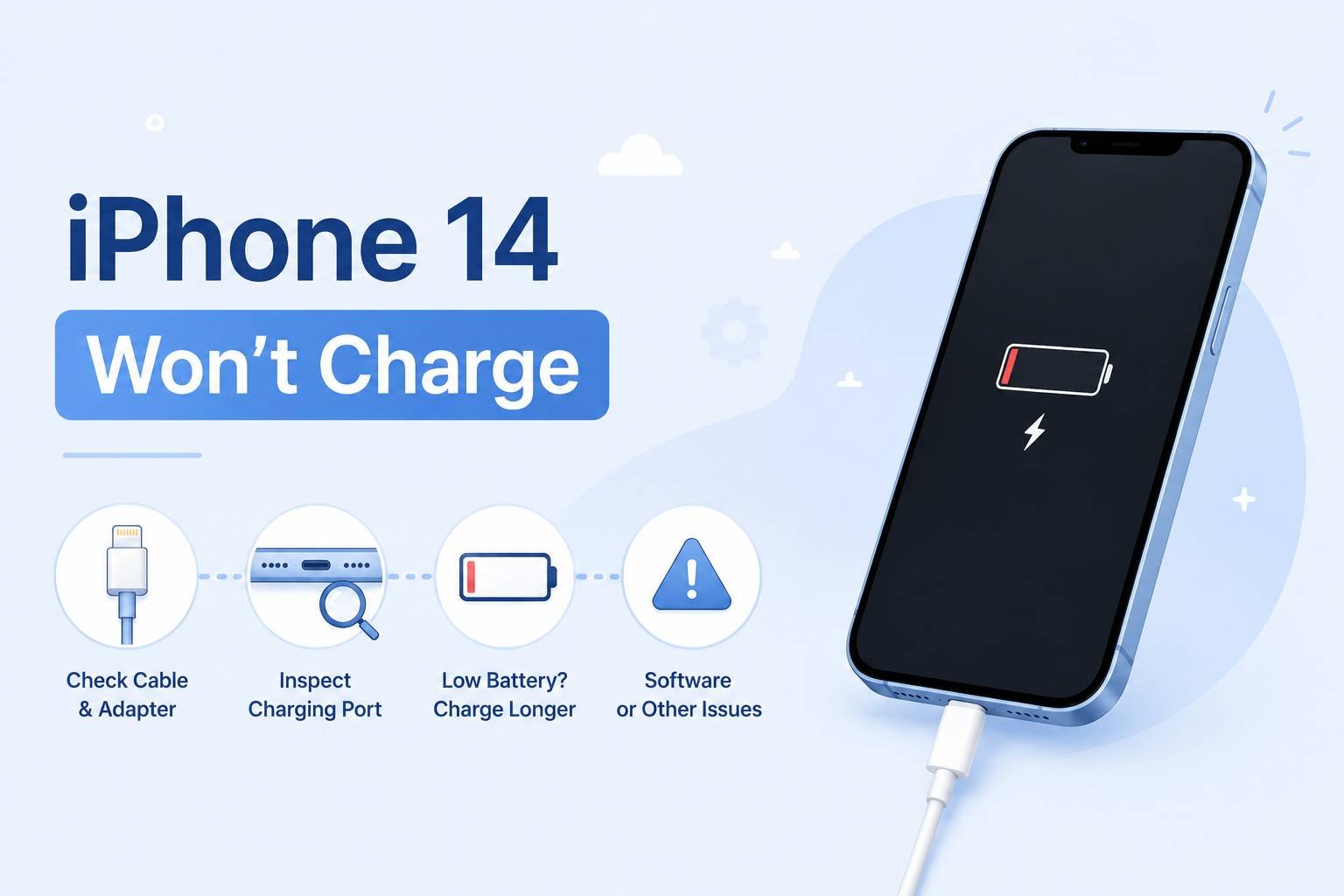
Your iPhone 14 won’t charge — and the cause is almost always one of four things: a damaged or non-certified cable, debris packed into the Lightning port, a software glitch stopping the charging process, or a battery that needs replacing. All of these are diagnosable at home. This guide walks through each fix in the order most likely to solve the problem first, so you’re not replacing hardware you don’t need to replace.

These steps apply to iPhone 14, iPhone 14 Plus, iPhone 14 Pro, and iPhone 14 Pro Max.

Quick Take: Start with the cable and port — the majority of iPhone 14 charging failures trace back to a faulty cable, a dirty port, or a low-wattage power source. Clean the port with a dry toothbrush before assuming anything is broken. If the hardware checks out, a force restart fixes most software-related charging blocks. If your phone charges fine but stops at 80%, that is Optimized Battery Charging doing its job — not a fault.

Before You Start: Rule Out These Two Things

Two scenarios look like charging failures but are not faults at all.

Advertisement

The first is Optimized Battery Charging. If your iPhone 14 consistently stops charging at around 80% overnight, that is a deliberate iOS feature — not a glitch. Apple’s Optimized Battery Charging holds the charge at 80% and finishes charging to 100% just before your typical wake-up time, based on your learned daily routine. It is designed to reduce battery aging. If you want to verify this is happening, go to Settings > Battery > Battery Health & Charging and check whether the feature is toggled on. It is enabled by default.

The second is a deeply drained battery. If the screen shows nothing at all when you plug in, that does not mean charging has failed. A battery at absolute zero charge may take 5–15 minutes before showing any indicator on screen. Give it at least 15 minutes before drawing any conclusions.

Step 1: Check the Cable, Adapter, and Power Source

This is where roughly half of all charging problems start. Inspect the Lightning cable for fraying near either end — the strain relief (the plastic collar where the cable meets the connector) is the most common failure point. A cable that looks intact from the outside can have broken internal wires from repeated bending. If you have another cable available, swap it in and test.

If you see the alert “This accessory is not certified” or “may not be supported” when you plug in, your cable either lacks MFi certification (Made for iPhone, Apple’s licensing standard for accessories) or the cable’s internal chip has failed. Non-certified cables trigger this alert by design and will often charge intermittently or not at all. Replace the cable with an Apple original or an MFi-certified third-party cable before trying anything else.

Advertisement

For the power source: plug directly into a wall outlet using an Apple or MFi-certified USB power adapter. USB ports on computers, keyboards, and older USB hubs frequently deliver too little current to reliably charge an iPhone 14. Apple’s official guidance specifies using a wall power outlet and checking for firm connections at every point in the chain — cable to phone, cable to adapter, adapter to wall.

Step 2: Clean the Lightning Port

Compacted lint and debris inside the Lightning port is one of the most underestimated causes of iPhone charging problems, and it is almost always invisible until you look closely with a light. Over time — particularly if you carry your phone in a pocket or bag — fibers accumulate at the back of the port and physically prevent the cable connector from seating fully. The cable appears to plug in, but the electrical contact is poor or absent.

Power off the iPhone before cleaning. Then, using a flashlight, inspect the interior of the port. If you see compacted gray or brown material at the back, clean it out as follows, per iFixit’s port cleaning guide:

  1. Insert the head of a dry, soft-bristled toothbrush into the port.
  2. Rotate the brush gently in small circles to break up compacted debris.
  3. Use a can of compressed air (dust blower) to blow loosened debris out — hold the can upright to avoid propellant spray.
  4. Repeat the brush pass if debris remains.
  5. Plug in the cable and check for the charging icon.

Do not use metal tools — toothpicks, pins, or SIM ejectors — inside the port. The Lightning pins are fragile, and a single bent pin means a port replacement. A dry toothbrush removes the vast majority of debris without any risk of damage.

Step 3: Force Restart the iPhone

A software crash or a frozen charging process can make a working charger appear to do nothing. A force restart clears this state without deleting any data and takes about 20 seconds.

Advertisement
  1. Quickly press and release the Volume Up button.
  2. Quickly press and release the Volume Down button.
  3. Press and hold the Side button until the Apple logo appears — then release.

Keep the phone plugged into the charger while you do this. When the Apple logo appears, release the Side button and allow the phone to finish booting. Once it has restarted, check whether the charging icon appears in the status bar.

One common mistake: releasing the Side button when the “slide to power off” screen appears. That is not the restart — keep holding through it. The Apple logo comes after, and the full sequence can take up to 20 seconds.

Step 4: Update iOS

iOS bugs occasionally interfere with charging behavior, and some have been resolved in point releases. If you have been delaying an update, this is a good reason to install it. Go to Settings > General > Software Update and install any available update. You do not need a full charge to initiate an update — connect to Wi-Fi, plug in, and let it run.

If your phone cannot charge enough to update over the air, you can initiate a software update through Finder (Mac) or iTunes (Windows) by connecting via Lightning cable. This method does not require a minimum battery level and will attempt to update rather than erase.

Step 5: Check Battery Health

A severely degraded battery can cause unpredictable charging behavior — the iPhone may refuse to charge past a certain point, charge very slowly, or drop charge percentage immediately after unplugging. To check battery health on iPhone 14: go to Settings > Battery > Battery Health & Charging.

Advertisement

The “Maximum Capacity” figure shows how much charge your battery holds relative to when it was new. Apple’s battery health guidance indicates that a battery at 80% or below warrants replacement. At that level, the phone will also begin displaying a message recommending service. A degraded battery is not a charging fault per se — the charger is doing its job — but the battery cannot accept and hold a full charge anymore, which reads like a charging problem to the user.

If the reading is above 80% and all other steps have been completed, the battery itself is not the cause of your charging issue.

Step 6: Try Wireless Charging as a Diagnostic

If you have a Qi-compatible wireless charger or a MagSafe charger available, try charging wirelessly. The iPhone 14 supports Qi wireless charging at up to 7.5W and MagSafe at up to 15W. If the phone charges wirelessly but not via Lightning cable, you have isolated the problem to the Lightning port or the cable — not the battery or software.

A few things to check if wireless charging also fails: the phone must be centered over the charging coil on the pad, as misalignment breaks the connection. A thick case, metal case, or a case with a magnetic wallet attachment can interfere with power transfer — remove the case and retry. If the iPhone is hot (warm to the touch), iOS will reduce or pause charging until the device cools. Move it away from direct heat or sunlight and wait a few minutes before placing it on the pad again.

Advertisement
Scenario What it likely means Next step
Wired fails, wireless works Lightning port or cable issue Replace cable; inspect port; book port repair if cable swap fails
Both wired and wireless fail Battery, software, or internal hardware fault Force restart, update iOS, check battery health, book service if no improvement
Charges but stops at 80% Optimized Battery Charging active (normal) Leave overnight — it finishes to 100% before typical wake time. Or disable in Settings
Charges slowly on computer USB Underpowered source Switch to a wall outlet with Apple or MFi adapter
“Accessory not supported” alert Non-MFi cable or dirty port Replace cable with MFi-certified; clean port

When to Stop DIY and Book a Repair

If you have worked through all six steps and the iPhone 14 still won’t charge, the problem is almost certainly hardware — a damaged Lightning port, a failed charging IC (the internal chip that manages charging), or a battery that is too degraded to accept current. None of these are DIY-fixable without specialized tools and components.

Your options at this point:

  • Apple Store or Apple Authorized Service Provider: Apple’s service and repair page lets you book a Genius Bar appointment or mail-in repair. Out-of-warranty battery replacement for iPhone 14 is listed at $99 (USD) through Apple — verify current pricing when booking, as this can change. If the port is damaged, Apple will assess whether it is repairable or requires a device replacement.
  • Independent repair shop: A legitimate alternative for port replacement and battery swaps at lower cost. Battery replacement at third-party shops typically runs less than Apple’s rate. Using an independent shop will not affect an already-expired warranty, but it will void any remaining warranty coverage. Ask whether the shop uses OEM-equivalent batteries and whether they provide a warranty on the repair itself.
  • AppleCare+: If you have an active AppleCare+ plan, battery service is covered at no additional cost when battery health is below 80%. Check your coverage status at Settings > General > VPN & Device Management or at appleid.apple.com before booking a paid repair.

One scenario that is not worth attempting DIY: liquid damage to the port. If the iPhone was exposed to water and corrosion has formed inside the Lightning port, forcing a cable in risks shorting internal contacts. Let a technician assess and clean it before attempting to charge.

Key Takeaways

  • Most iPhone 14 charging failures are caused by a faulty cable, debris in the Lightning port, or a low-power source — fix these before assuming the battery or hardware is at fault.
  • Stopping at 80% is Optimized Battery Charging working correctly, not a malfunction. Check Settings > Battery > Battery Health & Charging to confirm and disable it if needed.
  • A force restart with the cable plugged in clears software-related charging blocks in seconds, with no data loss.
  • If wired charging fails but wireless works, the fault is isolated to the Lightning port or cable — not the battery.
  • If all DIY steps fail, book a repair through Apple or an authorized provider rather than continuing to troubleshoot. Hardware faults do not resolve themselves and can worsen with repeated charging attempts on a damaged port.

Frequently Asked Questions

My iPhone 14 is plugged in but the charging icon isn’t showing. Is it charging?

Not necessarily. The charging icon in the status bar and on the lock screen only appears when the iPhone is actively receiving power. If the icon is missing, the phone is either not receiving current (cable, adapter, or port issue), too hot to accept a charge, or experiencing a software freeze. Work through Steps 1–3 above. If the icon appears after a force restart with the cable plugged in, the issue was a software block.

Can I charge my iPhone 14 faster?

Yes. The iPhone 14 supports fast charging when paired with a USB-C power adapter of at least 20W (Apple’s own 20W USB-C adapter or a compatible third-party equivalent) and a USB-C to Lightning cable. The standard 5W adapter included with older iPhones significantly slows charge times. Note that Apple no longer includes a power adapter in the iPhone 14 box — only a USB-C to Lightning cable is included. If you are using an older 5W adapter you already own, upgrading the adapter alone will noticeably improve charging speed.

Why does my iPhone 14 get hot while charging and then slow down?

iOS intentionally reduces charging speed — and can pause charging entirely — when the device temperature rises above its normal operating range. This is a protective measure to prevent heat damage to the battery. Charging generates heat by nature, and a thick case traps it. Remove the case while charging, avoid placing the phone on fabric surfaces that retain heat, and keep it away from direct sunlight. Once the phone cools, charging resumes normally. This is expected behavior, not a fault.

Advertisement
My iPhone 14 says “Charging on Hold” — what does that mean?

This message appears when the iPhone’s temperature is too high to safely charge. The phone is connected to power and will resume charging automatically once it has cooled to a safe operating temperature. Do not attempt to cool it rapidly — do not put it in a refrigerator or freezer, as condensation inside the device can cause damage. Move it to a cooler room-temperature environment and wait.

My charging cable looks fine but the phone won’t charge. Could the cable still be the problem?

Yes. Lightning cables frequently fail internally at the strain relief point while the outer sheath looks intact. The copper conductors inside break from repeated bending, but the insulation holds its shape and hides the damage. The simplest test: try the same cable on a different Apple device, or try a different known-good cable on your iPhone 14. If the cable fails on another device too, replace it. If a different cable charges your iPhone, the original cable is faulty regardless of how it looks.

How do I know if my iPhone 14’s Lightning port is damaged and needs replacing?

Signs of a port that needs professional repair: the cable feels loose or wiggles significantly when inserted; the charging icon appears only at specific angles; you can see bent, corroded, or missing pins inside the port with a flashlight; or cleaning the port with a toothbrush made no difference and the cable is confirmed good. At that point, booking a service appointment with Apple or an authorized repair provider is the correct next step. Continuing to insert and remove cables into a damaged port risks further damage to the internal contacts.

Will updating iOS fix a charging problem?

It can, in specific cases where a software bug is interfering with the charging management system. There have been documented instances where iOS point releases resolved battery and charging anomalies reported after a major update. Updating is a low-risk step that costs nothing — do it via Settings > General > Software Update or, if the battery is too low to update over the air, via Finder or iTunes on a computer with the Lightning cable connected. However, if the cause is physical — a damaged port, faulty cable, or degraded battery — no software update will fix it.

Advertisement

Source link

Continue Reading

Trending

Copyright © 2025