Getting your eyes checked is fairly straightforward when an ophthalmologist is nearby. For millions of people living in rural communities, however, simply reaching one can be the biggest obstacle. Researchers in India think a smartphone could help close that gap. A new study found that eye specialists examining smartphone images remotely made cataract referral decisions that closely matched those of doctors examining the same patients in person.
The setup is surprisingly simple. Researchers developed a portable attachment that clips onto an Android phone and uses a magnifying lens and two small LEDs to capture consistent images of the front of a patient’s eye. A silicone eyepiece blocks outside light and keeps the camera at the correct distance. Better still, the entire setup, including the phone, costs less than £150 (around $200). It also works with a telemedicine app designed for places with limited internet connectivity.
Health workers could bring the eye exam to you
The study involved 1,093 patients across 19 rural eye camps near Pondicherry in southern India. Community health workers received just three hours of training before using the smartphone system, and eventually managed to screen each eye in under two and a half minutes. They then sent the images to ophthalmologists, who decided remotely whether to refer each patient to a hospital. They compared those decisions with assessments made by ophthalmologists who examined the patients in person.
RUNSTUDIO/Getty Images / RUNSTUDIO/Getty Images
The result was a 96% agreement on whether someone needed further treatment. Doctors also showed strong agreement when identifying several lens-related conditions, including mature cataracts and eyes that already contained artificial lens implants. That’s particularly important because cataracts remain a leading cause of blindness globally, while access to specialists can be limited in poorer and more remote communities. Instead of requiring an ophthalmologist to travel to every screening camp, community workers could potentially collect the images locally while specialists review them elsewhere.
This still isn’t replacing your eye doctor
As promising as those numbers sound, this isn’t a pocket-sized replacement for a proper eye examination. The researchers found that the system wasn’t as reliable for some conditions outside the lens, including pterygium, refractive errors, and corneal opacity. The study also noted differences in how patients were examined: some in-person assessments happened after pupil dilation, while smartphone images were captured beforehand.
Advertisement
ChatGPT
The study also wasn’t designed to compare the smartphone system directly against every part of a comprehensive slit-lamp examination, so more testing is needed before the approach could be rolled out widely. Researchers now want to improve the hardware, test it in other regions, and explore AI-assisted cataract grading. Eventually, AI could handle some initial screening before difficult cases reach an ophthalmologist. For now, the most interesting part isn’t that a smartphone can replace an eye specialist; it’s that a relatively inexpensive phone attachment could help bring that specialist’s expertise to people who might otherwise never reach them.
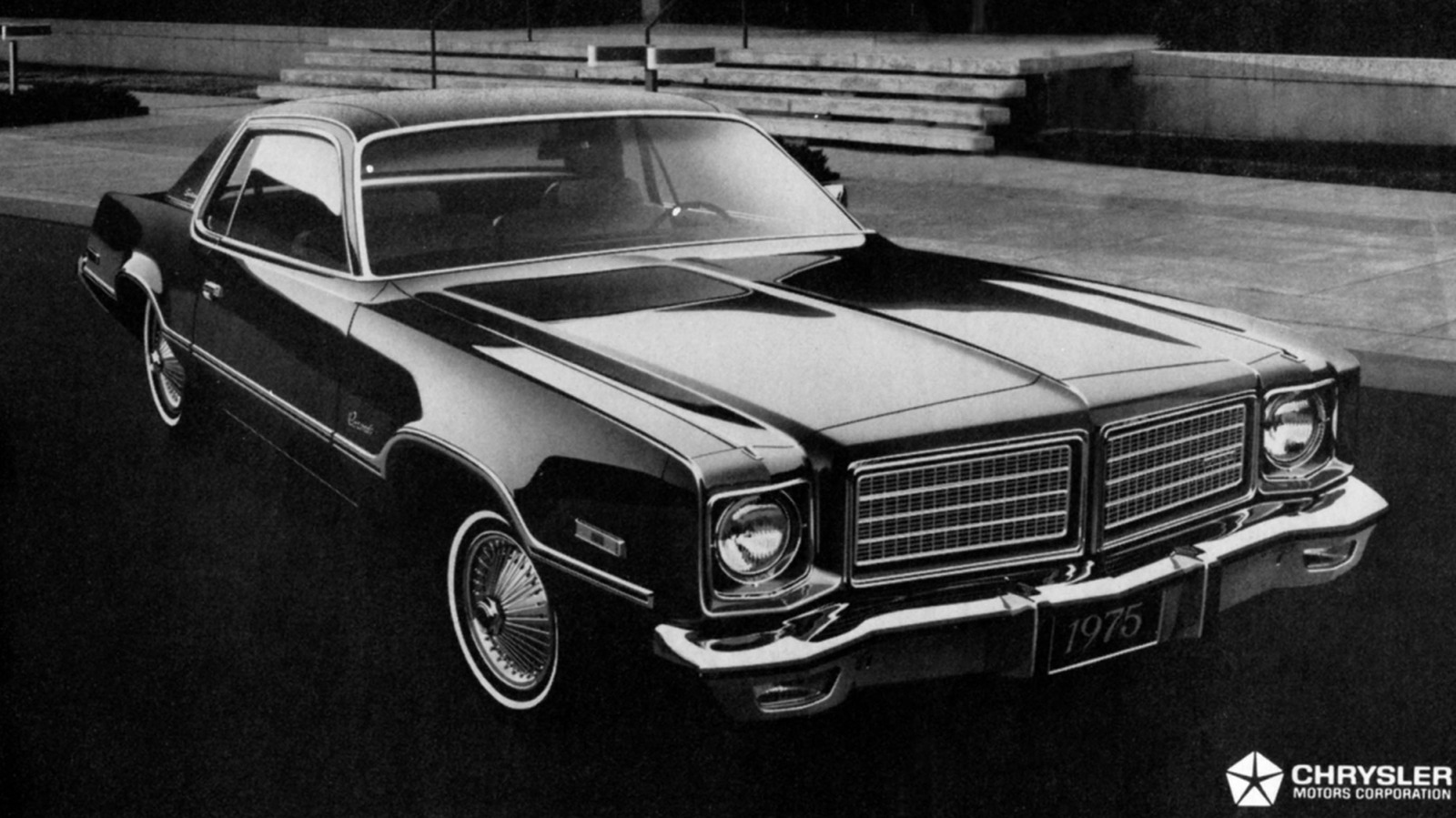
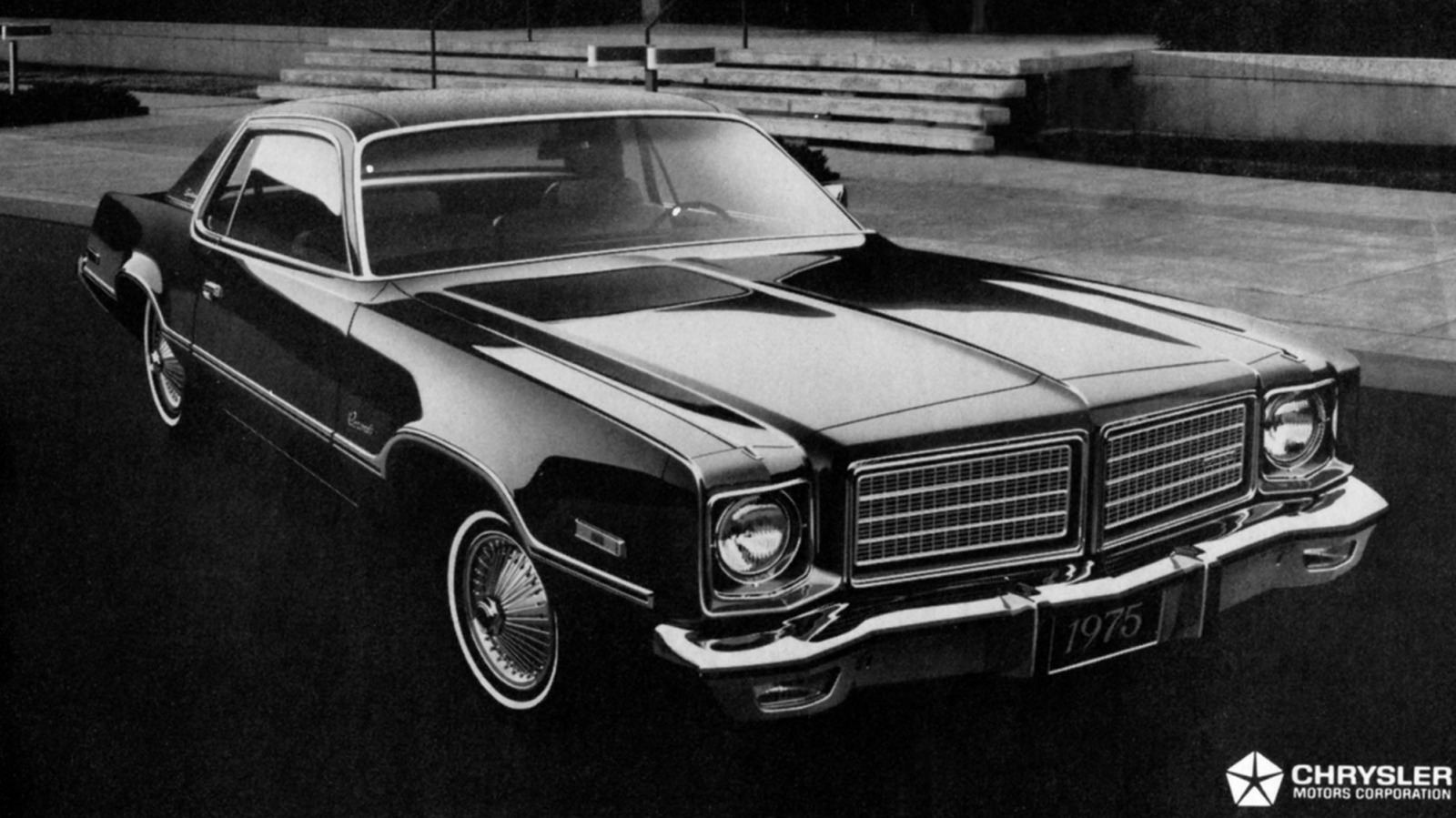
The origin story of automotive rebates begins on January 12, 1975, during halftime at that year’s Super Bowl. The Minnesota Vikings trailed the Pittsburgh Steelers 0-2. Chrysler Corporation had a huge backlog of new cars sitting in inventory and needed a way to move them into the possession of retail customers. In Chrysler’s case, this oversupply of unsold inventory was equal to 138 days of production. In response, Chrysler had laid off 50% of its white-collar workers and closed down five out of its six production facilities. Things were getting very bad.
The pitch was made by former Major League Baseball catcher Joe Garagiola, who had a much more successful second career as a television personality. His on-air credits included time as an NBC sportscaster, occasionally guest-hosting both the “Today Show” and “Johnny Carson’s Tonight Show”. He had also become the person doing TV spots for Chrysler’s Dodge Division, making him the perfect pitchman for what came next. Joe Garagiola promoted what Chrysler called its “Chrysler’s Car Clearance Carnival,” in which, after consumers made their best deal with their local dealer, the Chrysler Corporation would send them a check for $200.
Advertisement
While this might not seem like much, keep in mind it was the equivalent of $950 in today’s dollars. His “Buy a car, get a check!” touched a chord in consumers nationwide, and rebate mania was born. This automotive marketing trend has continued to the present day, including our recent list of cars with the best discounts in Spring 2026, according to Consumer Reports.
Advertisement
How did Chrysler’s Super Bowl rebate turn out, and how did Detroit respond?
As a way to capture potential customers who owned non-Chrysler brands, Chrysler also offered customers ways to get more for their vehicle trade-in; specifically, those who traded in a Chevy Vega or a Ford Pinto would then get an extra $100 each.
The amazing success of this Chrysler promotion forced the other Detroit auto manufacturers to jump into the rebate game. First was Ford, offering rebates from $200-$500 on their smaller cars, followed by General Motors, who also offered similar amounts on their compacts and subcompacts. Even American Motors, whose downfall can be traced back to one tragic moment, got in on the rebates, providing from $200 to $600 per car. Rebates were suddenly a thing that juiced sales, and everyone wanted a piece of the action.
The good news for Chrysler was that its Car Clearance Carnival reduced the company’s inventory levels to the least they’d been within the past seven years. Chrysler’s Vice President of Sales stated that it was “the most innovative and dramatic thing we have ever done…” So, the promotion was a success, but when the Clearance Carnival stopped in March 1975, so did the sales. Chrysler revived it in May, continued it into June, then stated that rebates would be retained until further notice. Today, a wide variety of incentives are offered to car buyers, including rebates like Chrysler’s, low APR financing, leasing deals, loyalty programs for current owners, and bonus cash for the military or college graduates.
This smart lock is built for rentals in all-new ways. / Tyler Lacoma/CNET
Pros & Cons
Affordable for its tech and design quality
Many access options including fingerprint, included cards, keys, keypad and more
Extra-large battery case rated for up to three years
Easy to manage access and logs through the app
Unique sleep mode if the home is going unused for a while
Effective and simple TapCom communication include for vacation renters and similar situations
The rental-focused design may not be suited for every home
The deadbolt requires manual turning when locked/unlock, which differs from most smart locks
Many smart locks introduced innovations in 2026. We saw charging solar panels and ultrawideband sensing. But Lockly went the opposite way: The security company has launched a new lock called Lyro, which aims at a unique mix of affordability, battery life and new features made specifically for vacation rentals, short-term renting, landlords and similar situations. I’ve never seen anything quite like it.
To test the Lockly Lyro Lasta ($169), I set it up as if I was the owner, and tried to access it in a variety of ways like I was a newcomer on vacation. It’s interesting what features Lockly has added here, and what the company has done with a lock well under $200 that still has a durable design, fingerprint sensor, RFID tags to give out and more. Here’s what I found.
Advertisement
A design made for durability and battery power
This smart lock comes with everything included, like the rental add-ons.Tyler Lacoma/CNET
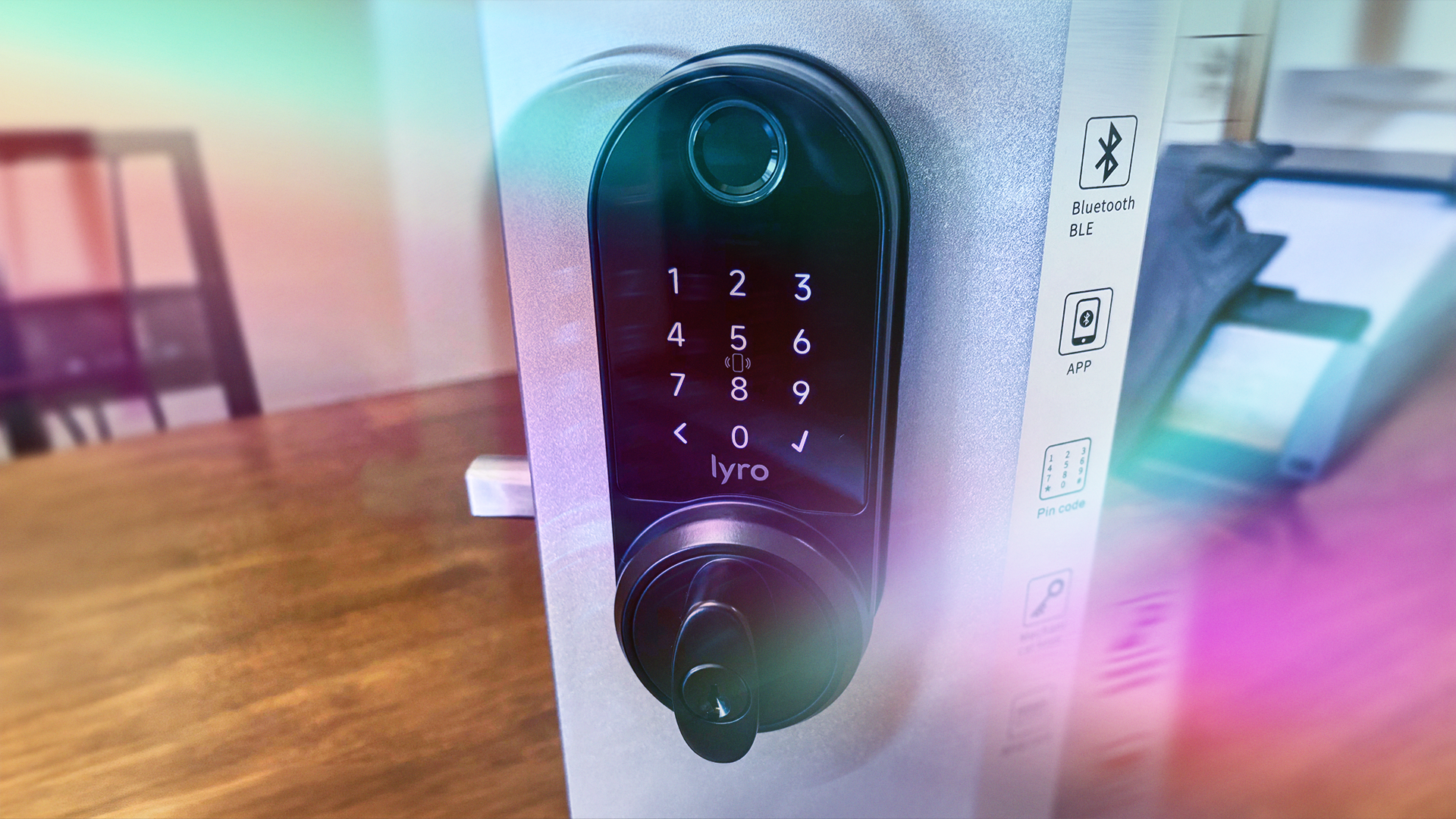
The Lyro Lasta is mostly a normal smart lock — except for several very important additions. On the front of the lock I found the fingerprint reader and Lockly’s stylish touchscreen keypad, a design I’ve seen on other Lockly products before and found them very reliable. That outward-facing section is also IP65 weatherproof, so you shouldn’t need to worry much about operation in heavier weather.
The inside housing, however, is extra large because it’s made to hold eight AA batteries, something I’ve never seen in a smart lock before, since most are made for four AAs or fewer. Lockly says the extra battery boost lets the lock last for up to three years without needing replacement. It’ll take me a while to see if that’s true.
Lyro Lasta’s 8 AA batteries can supposedly last for years.Tyler Lacoma/CNET
As with most modern locks, this Lyro model doesn’t need a Wi-Fi hub to go online. Installation and setup proved relatively simple. The lock isn’t especially complex, and components are quite sturdy for the price.
Codes, keys and more access options
This Lyro lock has its pecular features, but they all seem to have a purpose.Tyler Lacoma/CNET
In addition to standard keys, keypad code, phone connection and the included NFC tags, I tested this lock’s fingerprint sensor, which boasts a 0.2-second response time (I don’t know about that, but it was under a second), and the ability to hold 99 fingerprints.
Everything proved responsive with smooth operation, but I did run into yet another unique feature of the Lasta that took me by surprise. Almost every other smart lock I’ve tested automatically unbolts the lock when it’s unlocked by any means. Not so here: This lock unlocks internally, but you still need to manually turn either the inside or outside thumbturns to move the deadbolt.
I’m not sure why Lockly chose this approach, which could be confusing to those with experience in smart locks. It may cut down on wear and tear, and it could help save even more battery life, but it’s important visitors know they’ll need to manually move the lock. Fortunately, the lock also introduces all-new ways to communicate with guests.
You can equip your rental with personalized security options. My picks can fit nearly anywhere — no screws required.
Advertisement
Lockly TapCom and other rental-friendly add-ons
Lockly’s TapCom proved an effective communication option for guests.Tyler Lacoma/CNET
The plethora of unlocking options are convenient for anyone, but this Lyro lock also has features that make it well-suited for vacation rentals, visitors, Airbnbs and similar situations. The extra battery life, for example, is particularly handy for homes that may stay vacant for part of the year, or have off-seasons with little activity. But that’s only the start.
The physical RFID tags make it easy to hand off access methods to others without fussing with extra pairs of physical keys, and you can disable them by the app if they aren’t returned. Speaking of the app, it also provides owners with an easy-to-use log of activity, and an unusual sleep mode that saves even more battery life if a residence is going to stay unused for a while.
But the most useful rental feature of them all is the TapCom, the platform Lockly offers to help connect and coordinate renters with owners. It’s not the first Airbnb-friendly platform I’ve seen announced this year, but it is one of the first to market and I like what I see.
Advertisement
To use TapCom, owners scan a QR code on a card-sized NFC plate, then stick the plate by the Lyro lock. When guests show up, they can scan the code with their phones or just tap directly on the card to get started. Owners control different ways for guests to communicate and announce their arrival, as questions, wait for remote unlocking, finalize payment info and so on.
In my tests, TapCom allowed me to enable video calls, audio calls and requests to unlock, and geofencing that only enables communication when a phone is right by the TapCom plate. Connections worked accurately in seconds on both phones used in the conversations. Of course, you will need to give the platform a certain amount of access to your mics, phone number, etc. to make this all work.
While these features sound like a particularly good fit for Airbnbs, I can imagine standard landlords and property management companies, along with tenants, would also appreciate such on-demand communication options.
Final thoughts on the Lyro Lasta
Lockly’s inside housing is larger than some to include all those extra batteries.Tyler Lacoma/CNET
Lockly’s Lyro Lasta ($169) does a little of everything with unique new features made just for rentals, vacation homes, Airbnbs and similar situations, at a reasonable price.
The extra-long battery life, multitude of access options and free support for the TapCom communication system for new guests all worked flawlessly in my tests, although I was caught off guard by the need to manually turn the deadbolt after it locked/unlocked internally.
Advertisement
The Lyro Lasta is more of a niche product than many smart locks, but it’s a niche with plentiful opportunities, including owners with specific plans on how to manage their property for newcomers. It will be interesting to see what comes of the Lyro line in the future.
Tyler Lacoma
Editor / Home Security and Smart Home
Tyler has worked on, lived with and tested all types of smart home and security technology for over a dozen years, explaining the latest features, privacy tricks, and top recommendations.
With degrees in Business Management, Literature and Technical Writing, Tyler takes every opportunity to play with the latest AI technology, push smart devices to their limits and occasionally throw cameras off his roof, all to find the best devices to trust in your life. He always checks with the renters (and pets) in his life to see what smart products can work for everyone, in every living situation.
Living in beautiful Bend, Oregon gives Tyler plenty of opportunities to test the latest tech in every kind of weather and temperature. But when not at work, he can be found hiking the trails, trying out a new food recipe for his loved ones, keeping up on his favorite reading, or gaming with good friends.
See full bio
PC prices have been heading into the stratosphere lately. Memory and storage costs have climbed sharply, and even machines built for fairly basic jobs are becoming surprisingly expensive. Someone looking for a simple PC to handle browsing, documents, streaming, video calls, or even sit beside a TV as a small media machine can easily end up spending far more than expected.
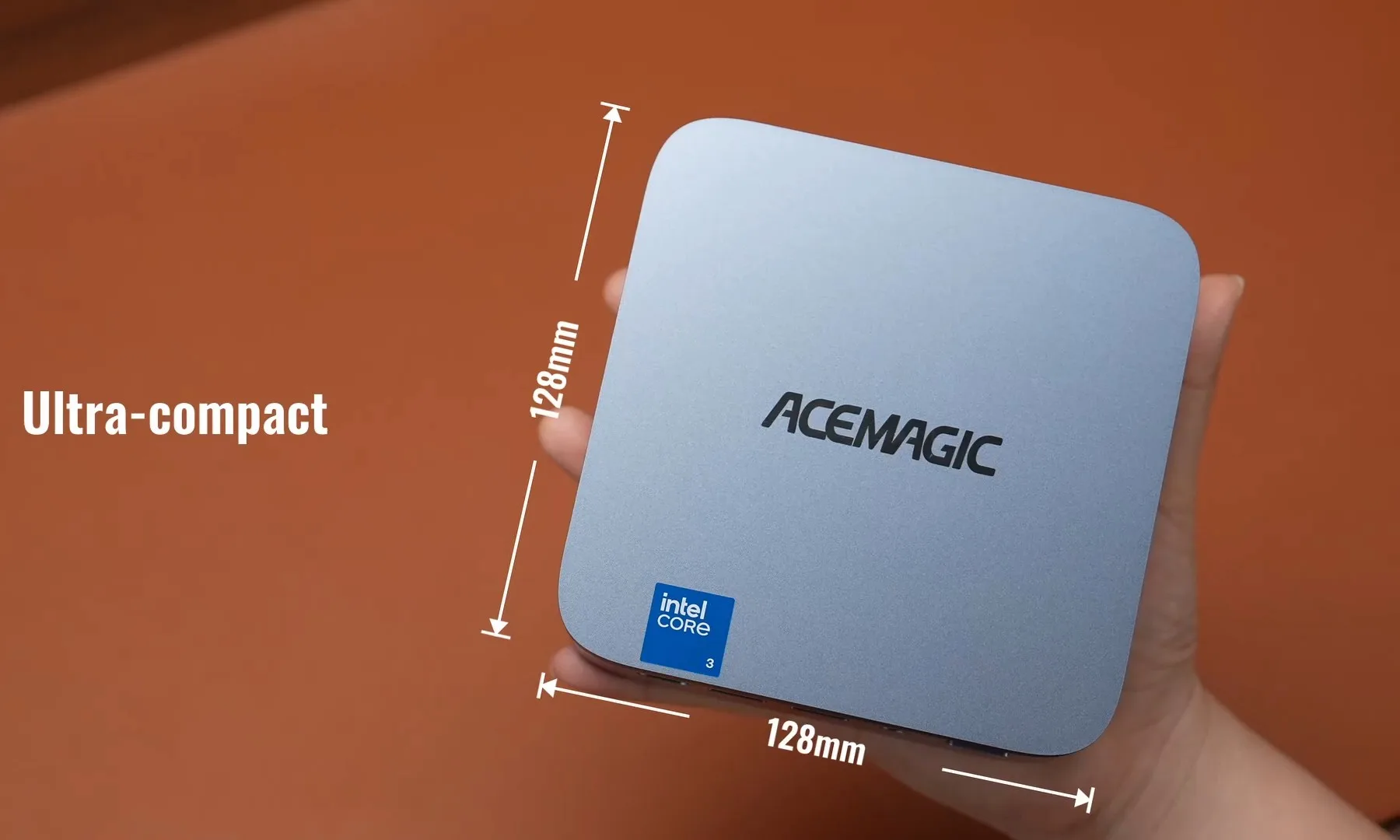
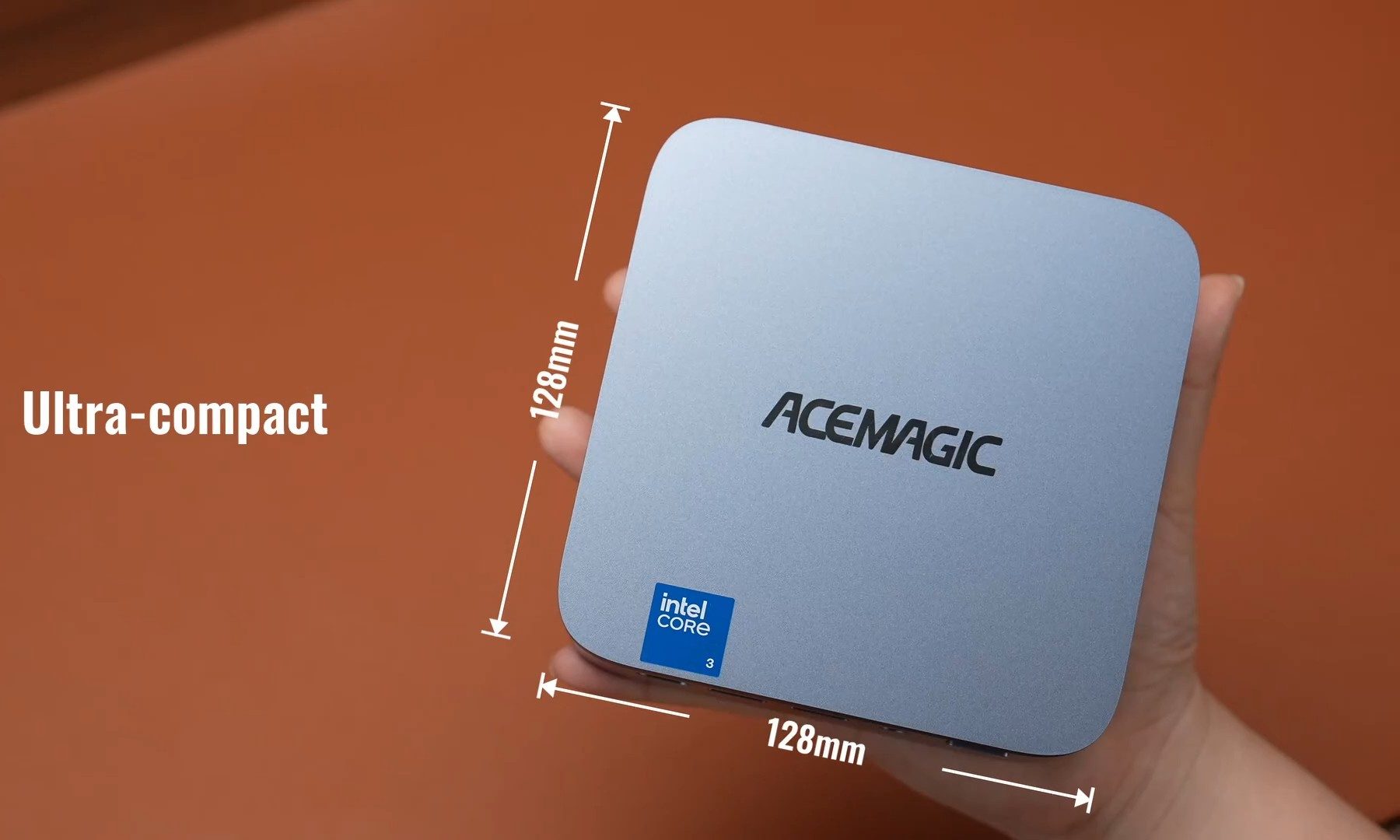
Right in the middle of this mess, Acemagic has started selling its Kron K5, a compact Windows 11 Pro mini PC that was first introduced in June. The 256GB model is currently available on Amazon for $379.99 after a 30% introductory discount, while the 512GB version drops to $399.99. It uses Intel’s Core 3 304, an entry-level Wildcat Lake processor with five cores and five threads, paired with 12GB of LPDDR5 memory.
12GB is a welcome sight on a cheap PC
The processor itself is modest, but the 12GB of RAM is notable at this price. Entry-level PCs still commonly arrive with 8GB, which can become limiting once several browser tabs and applications are running at the same time. Storage starts at 256GB, although Acemagic provides an M.2 slot for expansion. The memory is soldered, so the 12GB cannot be upgraded later.
Acemagic
The K5 measures 5.05 x 5.05 x 1.61 inches, making it small enough for a crowded desk or a setup where the PC needs to stay out of the way. A machine this size could also work beside a television for streaming, local media playback, browsing, or other lightweight Windows tasks.
Acemagic did not skimp on the ports
Acemagic
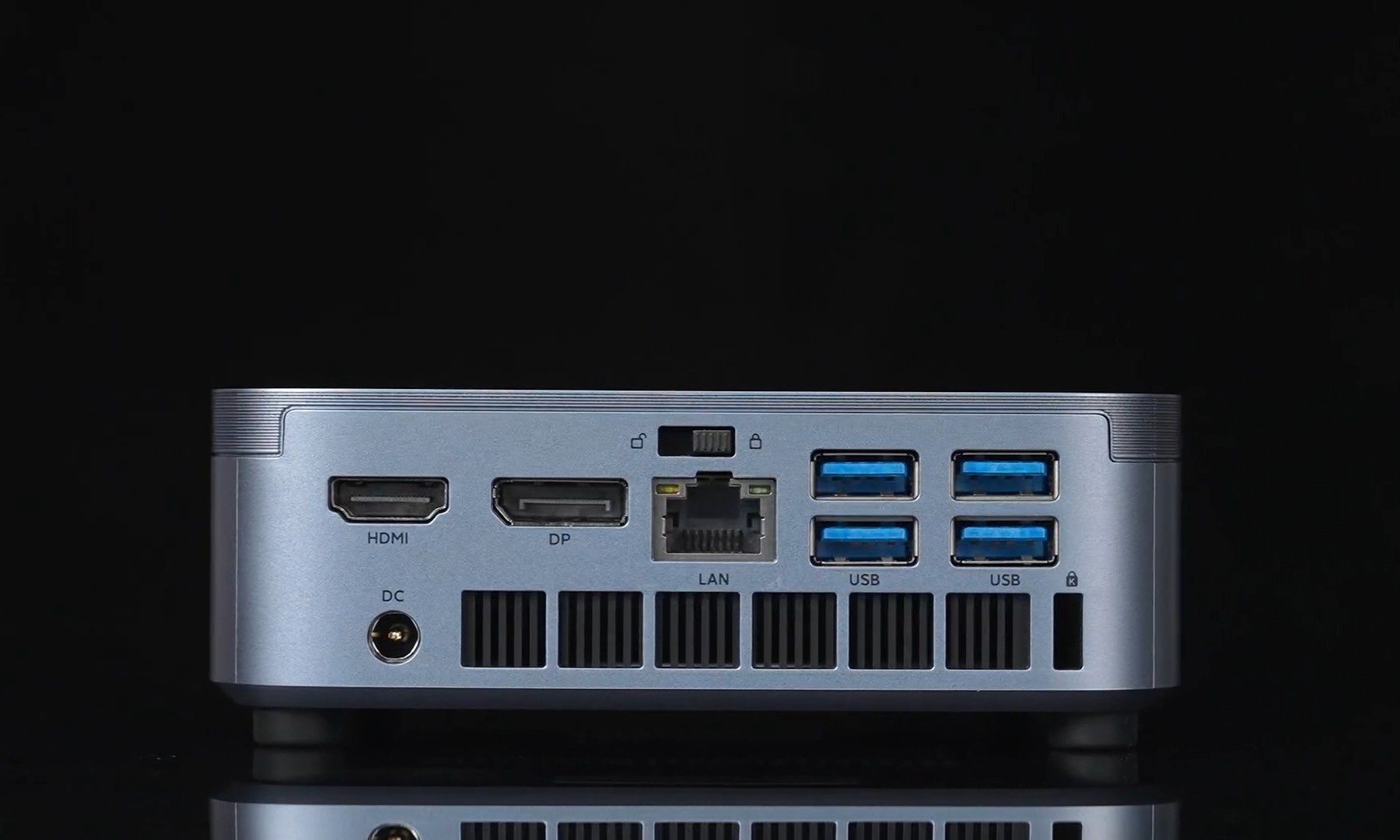
There are six USB-A ports, a 20Gbps USB-C port, HDMI 2.0, DisplayPort 1.4, 2.5Gb Ethernet, and a 3.5mm audio jack. The K5 can drive up to three 4K 60Hz displays and also includes Wi-Fi 6 and Bluetooth 5.2.
The $379.99 price is promotional rather than permanent. Acemagic normally lists the 256GB version at $549.99, and it has not said how long the 30% discount will remain available. At its current price, however, the K5 lands in an increasingly thin part of the PC market.
Remember when the cloud promised storage and computing for a low monthly fee? Only, as time has gone on, the number of subscriptions we all have has grown, and the price has shot up.
No wonder, then, that this year’s IFA show had several local AI servers for the smart home and cameras, removing monthly fees and putting the control back in your hands.
In many ways, this is a throwback to the days when NAS devices were the home accessory of choice, but I’m all down for this, with the likes of the Anker MindBase or UGreen HomeAgent as the new local server.
An end to subscription fees
I’m not averse to paying a subscription fee, but flicking through my bank account, it’s quite scary how many things have a monthly subscription: video streaming, music, broadband, phone, software, cloud backup and so on. Where I once had a few small subscriptions, it feels like everything now needs to be paid for monthly.
Advertisement
Home servers promise to kill a lot of that off, even in a slightly more limited way, with the core focus on security.
Advertisement
More features, more control
A big change that I’ve noticed with security cameras is that there are now multiple tiers of cloud subscription, with the changes between them not only affecting how much storage you have, but often the features. Pay more for Ring, for example, and you get AI-powered video search; opt for the more basic package and you get more basic features.
Ditching that and having a central ‘brain’ gives you all the features that you could want. With the Anker MindBase and the UGreen HomeAgent, for example, the local AI can process advanced object detection, give you video search, and the apps can all tell you what’s happening in a video. No subscription in sight.
Advertisement
Having a centralised system also means that your storage is in one space. Upgrade when you’re running short, and you’ll have enough space for all the cameras and all of the footage, safe in your own home.
Beyond cameras
Local servers promise more than just support for security cameras. Anker will have the Eufy Smart Security Shield, a radar-based sensor to detect strangers, and promises to add new software AI agents for smart energy management and cleaning.
UGreen’s HomeAgent will offer voice control, giving you a smart-speaker experience, only with all of the data and processing handled locally.
Of course, there’s a higher up-front fee for the server hardware, but I see this as an investment. With local AI, I’m in control of what gets shared, and new features get rolled out immediately without a subscription hike. Look out for full reviews of these systems soon.
Windows 11’s latest update breaks the sound on some PCs
The September update also messes with File History
Microsoft is working on a fix for the audio glitch, but we don’t have an ETA
Windows 11’s new update is breaking the audio on some PCs, thanks to the latest nasty bug that Microsoft has let slip through the QA testing net.
Windows Latest spotted that Microsoft has admitted that the September update has torpedoed the audio on some systems, in a post on the Windows release health dashboard.
Microsoft explains that: “Some USB Audio Class 1.0 devices might fail to start or produce audio.”
Latest Videos FromTechRadar
Advertisement
As well as your speakers being eerily silent, the September update can also render the Sound panel in the Settings app unresponsive, which hardly helps when troubleshooting the issue.
One way you can check if your device is affected by this bug — assuming it has no audio, and you want to rule out other possible causes — is that in Device Manager you’ll see a ‘code 10’ error (“this device cannot start”) for your sound controller.
Windows Latest also informs us that this bug can affect microphones, as well as the PC’s speakers.
Advertisement
It’s not the only glitch with the September update, either, as users have reported problems with GPUs, and the File History feature going awry and failing to work.
Sign up for breaking news, reviews, opinion, top tech deals, and more.
File History is a capability that allows you to back up your files to an external drive (or elsewhere), so it’s pretty important for those who use the functionality.
Advertisement
Analysis: negative vibes
(Image credit: Shutterstock)
Microsoft says this audio bug could manifest in other ways, so you might get sound when using standard stereo, but that audio might disappear when switching to multichannel playback. This means it’s worth checking what your audio output is set to, and changing it back to stereo if it’s currently using a different playback mode, which might just resurrect your sound.
Otherwise, there’s not much that can be done, other than trying different audio output options on your Windows 11 system (Windows Latest observes that wireless audio devices don’t appear to be affected). The other alternative is to remove the September update until Microsoft fixes this issue, although that will leave you without security patches.
When might we get a fix for this issue? Microsoft tells us: “We are working on a resolution and will update this documentation when more information is available.”
Advertisement
This is a somewhat widespread problem by all accounts, and the File History bug is even more so, although the latter hasn’t yet been acknowledged by Microsoft.
The reaction on Reddit is much as you might expect in terms of Windows 11 users blaming Microsoft’s increased use of AI in coding the desktop OS, and observing that these kinds of bugs are why people don’t want to migrate to the newer operating system.
Another notes: “Microslop can keep vibe coding all they want, I’m already on Linux.”
Advertisement
Windows 10 is a sounder (ahem) bet for avoiding bugs, seeing as Microsoft isn’t adding new features or messing with the codebase much, and ks only applying security fixes and essentials. That said, this of course doesn’t mean Windows 10 is immune to glitches.
Microsoft has confirmed reports that the September 2026 security updates cause Remote Desktop Services (RDS) failures on Windows Server systems.
According to a release health update on Friday, this known issue impacts Windows Server 2012 and later, as well as Windows 10 and Windows 11 devices.
This confirmation follows widespread reports from Windowsadmins that installing this month’s Patch Tuesday updates prevents users from connecting and, in some cases, requires a hard reset to restore functionality.
“In some environments, RDS might become unstable, resulting in RDP connections failing after several minutes, sign-in issues, or servers hanging at ‘Please wait for the Remote Desktop Configuration’,” Microsoft said on Friday.
Advertisement
“Related tools, including Microsoft Management Console (MMC), RDS Licensing Diagnoser, and File Explorer might also become unresponsive. Additionally, the Windows Update page might stop responding and continuously display a loading indicator.”
Affected users have also found that once a server starts failing, existing Remote Desktop sessions may not disconnect or log off properly, while new connection attempts may also fail after hanging during the connection process.
Mitigation available
Microsoft now provides the following Group Policy (found under Computer Configuration > Administrative Templates), which can be used to mitigate the issue on enterprise-managed devices managed by IT departments:
While it still works to ship a permanent fix for this issue, Microsoft said those who can’t access virtual machines through RDP may be able to temporarily restore RDS connectivity by stopping and restarting the affected virtual machine.
Advertisement
Windows admins have also been able to restore Remote Desktop functionality by rolling back the buggy updates. However, removing them will also remove the security fixes included in this month’s Patch Tuesday release.
Join Mikko Hyppönen and security leaders from the NFL, CHANEL, and Atlassian for a two-hour digital summit on what AI-speed attacks change, what defenders should stop doing, and how to validate, decide, fix, and re-validate at machine speed.
Mullenweg accused the company board of conspiring against him to place him on a paid leave.
For reasons unknown to the public, the founder and CEO of Automattic Matt Mullenweg was briefly ousted from his position last week. He was reinstated a few days later.
Last Wednesday (9 September), Mullenweg posted to a company-wide Slack channel that Automattic’s chief financial officer Mark Davies had “conspired” with other board members, including founding CEO Toni Schneider (who is the current CEO of Bluesky), to put him on a paid leave of absence.
The board voted Davies as interim CEO and told publications that it had full confidence that he would be able to “execute against the company’s priorities”.
Advertisement
However, by Friday (11 September), Mullenweg seemed to be back in his position, according to newer Slack messages verified by company employees.
“A lot happened in the past 48 hours that we need to sort out, and I hope much of it was a misunderstanding, because I have huge respect and regard for those involved,” he wrote on Slack.
And in a statement, Automattic confirmed with the media that Mullenweg is back as the chairperson and CEO of his company “with full support of the board”.
“If you search online you can see many top executives and Automatticians supporting him as well”, the spokesperson added.
Advertisement
Mullenweg, according to his posts on X, seems to be taking his brief ousting in stride. Last Friday, in a series of posts, he seemingly joked that this was the fifth attempt at a coup in his company.
“Founder advice: If you don’t have a coup attempt every few years, you’re not hiring strong enough leaders,” he said. In a separate post, he wrote “Boards are never boring,” with a ‘laughing-crying’ emoji accompanying the statement.
Automattic is best known as the creator behind WordPress.com. It also owns the microblogging platform Tumblr, WooCommerce, a plugin for WordPress, as well as the online survey and quiz conductor PollDaddy, now known as CrowdSignal.
Don’t miss out on the knowledge you need to succeed. Sign up for the Daily Brief, Silicon Republic’s digest of need-to-know sci-tech news.
Microsoft has also been making changes to the console experience itself. Xbox has now released another batch of features for members of the Xbox Insider program, including better Remote Play quality, background downloads during cloud gaming, more personalization options, and improvements to party chat.
Xbox
Remote Play is getting a quality boost
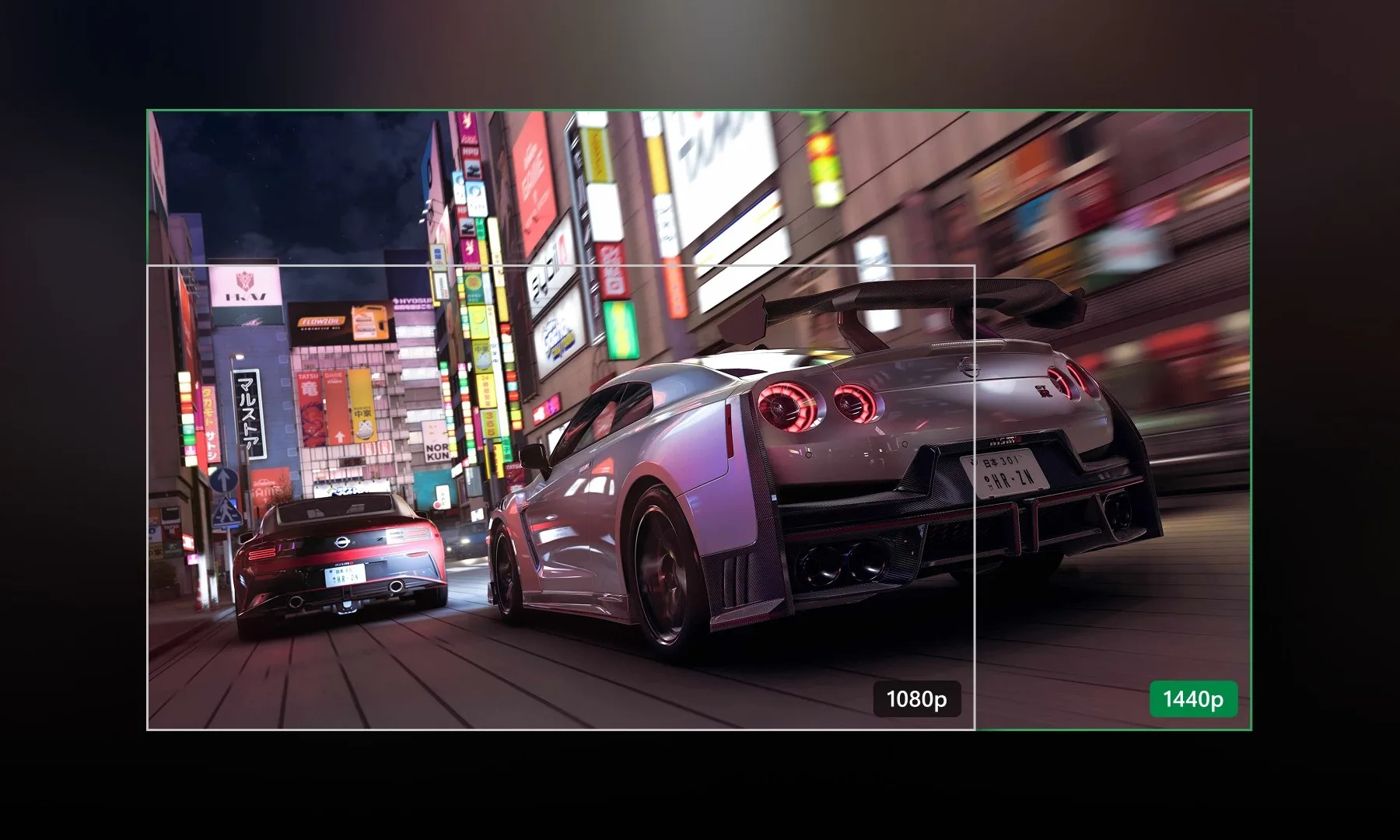
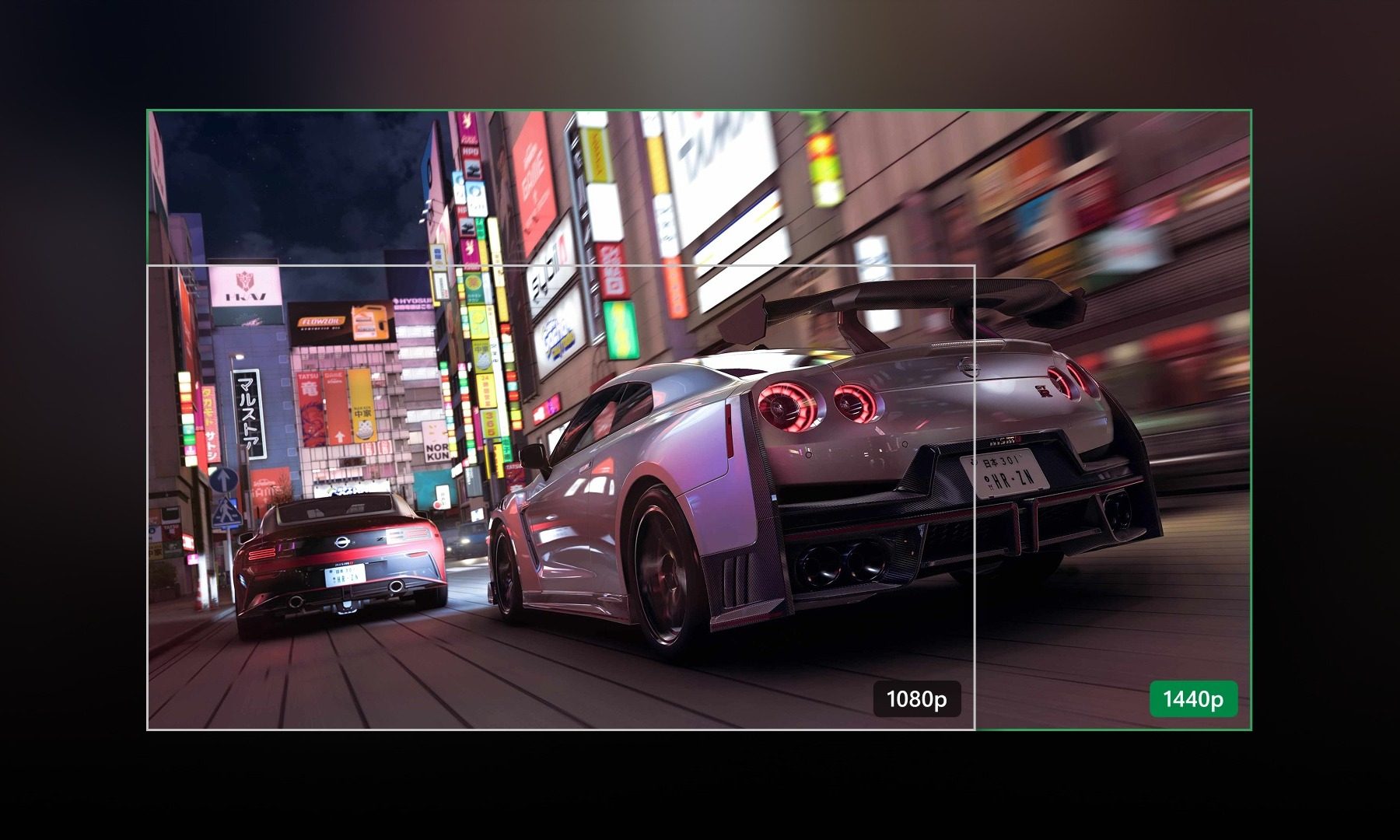
Xbox Series X and Series S owners in the Alpha Skip-Ahead and Alpha Insider rings can now test Remote Play at up to 1440p resolution. Microsoft has also increased video bitrates, which should result in sharper image quality on supported devices and sufficiently fast connections.
Downloads can now continue in the background when a player is streaming a game through Xbox Cloud Gaming, provided network conditions allow it. Microsoft previously let Insiders start streaming games while they were downloading or updating, but downloads would not continue in the background during the cloud session. Xbox Series X and S consoles are expected to see the biggest benefit from the change.
Xbox
Xbox is adding more customization too
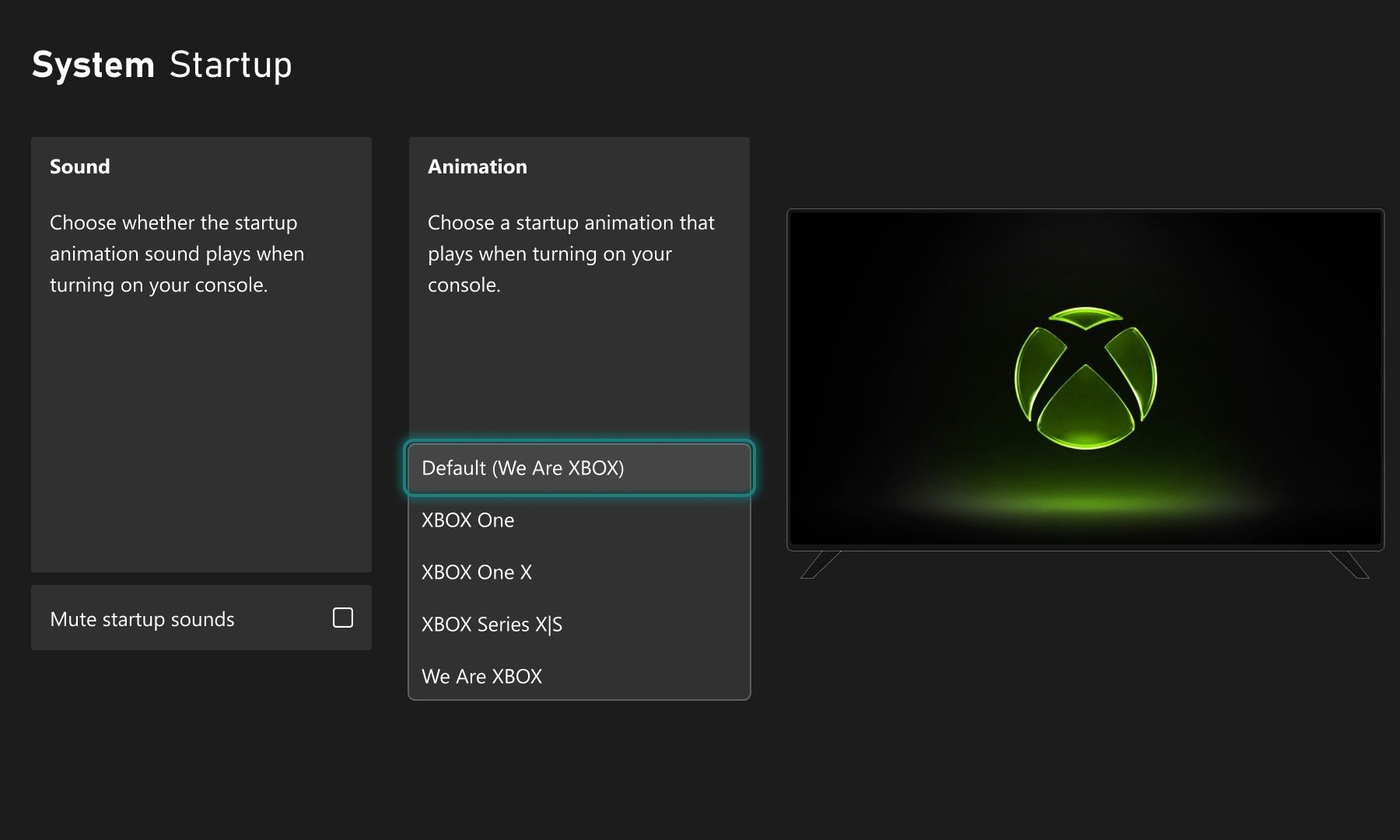
Players can now choose their console startup animation, including options from previous Xbox generations. Profiles can display up to five earned badges, and individual badges can be hidden from public view. A new local search tool also makes it easier to find specific games and achievements inside larger lists.
Voice Clarity is another useful addition. The feature reduces everyday background noise during party chat and is supported by most games released since 2020. Microsoft is also testing behind-the-scenes changes to improve party reliability and security.
Advertisement
These features are currently limited to Xbox Insiders, and Microsoft has not announced when all of them will reach the wider Xbox user base.
Nvidia has another enormous Blackwell graphics card, and this one isn’t built to run Cyberpunk 2077 a little faster. The new RTX Pro 5500 Blackwell Workstation Edition comes with a whopping 84GB of GDDR7 ECC memory and is designed primarily for rack-mounted professional workstations.
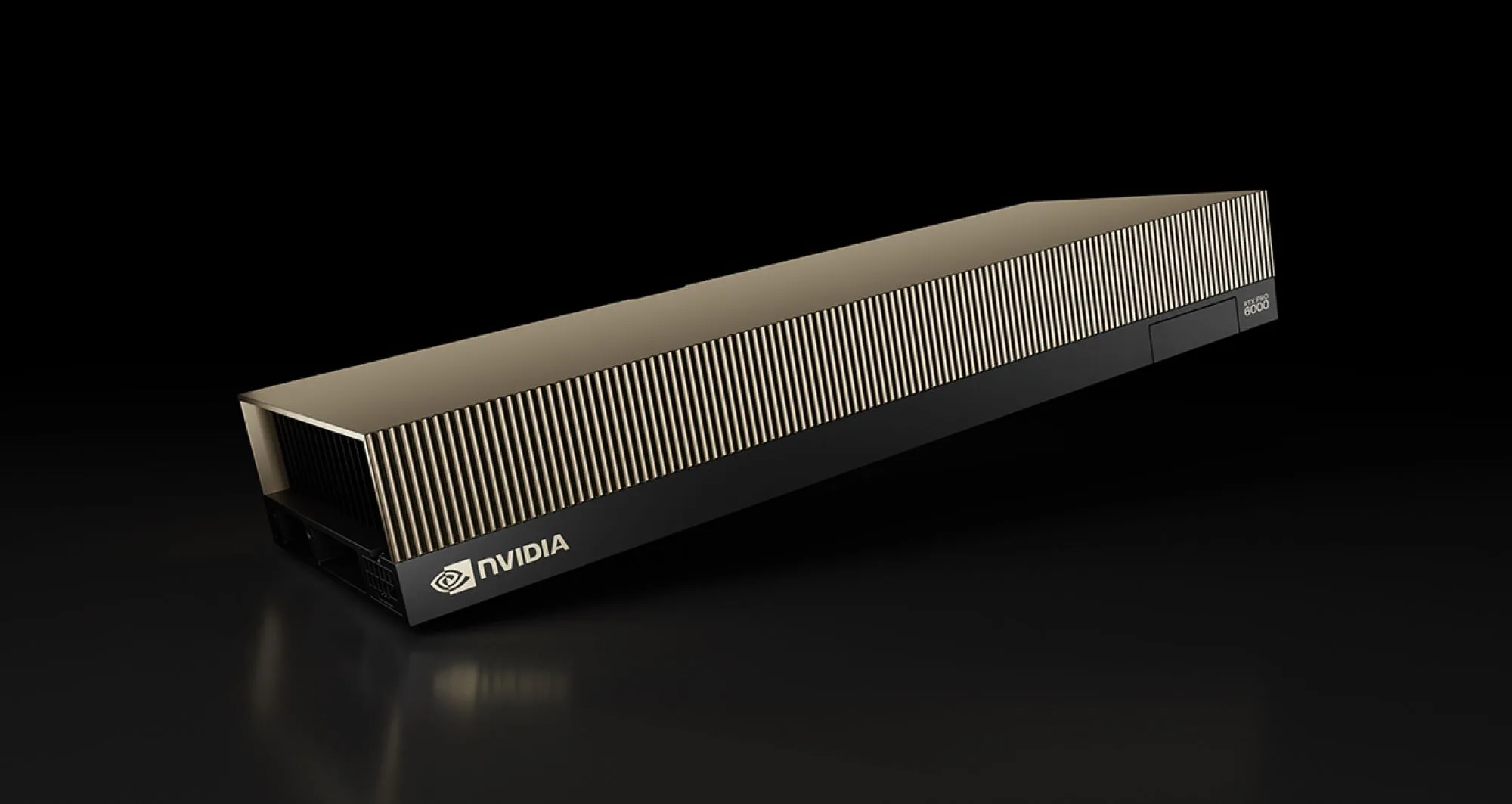
The GPU was built for companies that need to centralize GPU horsepower and share it among teams working on AI models, robotics simulations, rendering, and other workloads that can quickly overwhelm a conventional PC. The new RTX Pro 5500 sits right between Nvidia’s 72GB RTX Pro 5000 configuration and the 96GB RTX Pro 6000 in terms of memory capacity.
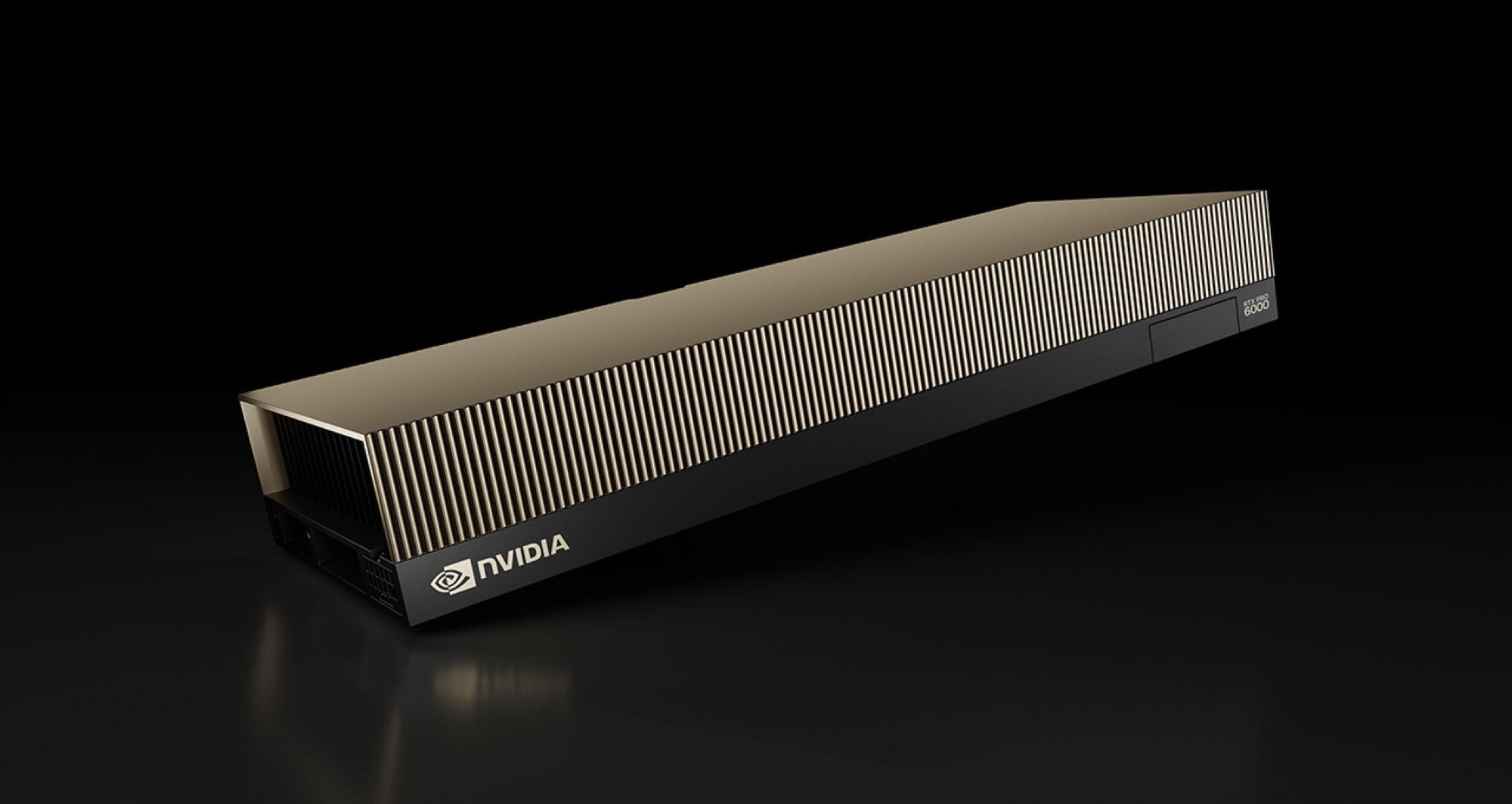
Nvidia RTX Pro 6000 Blackwell GPUNvidia
84GB isn’t there just to look impressive
The company has packed the large memory pool for a very specific reason. It allows the RTX Pro 5500 to hold larger AI models, longer context windows, or multiple models simultaneously without having to constantly offload data elsewhere. So the GPU can be very useful for local LLM inference, AI agents, computer vision, and multimodal generative AI. The same capacity can also accommodate enormous 3D scenes and datasets used for engineering or scientific work.
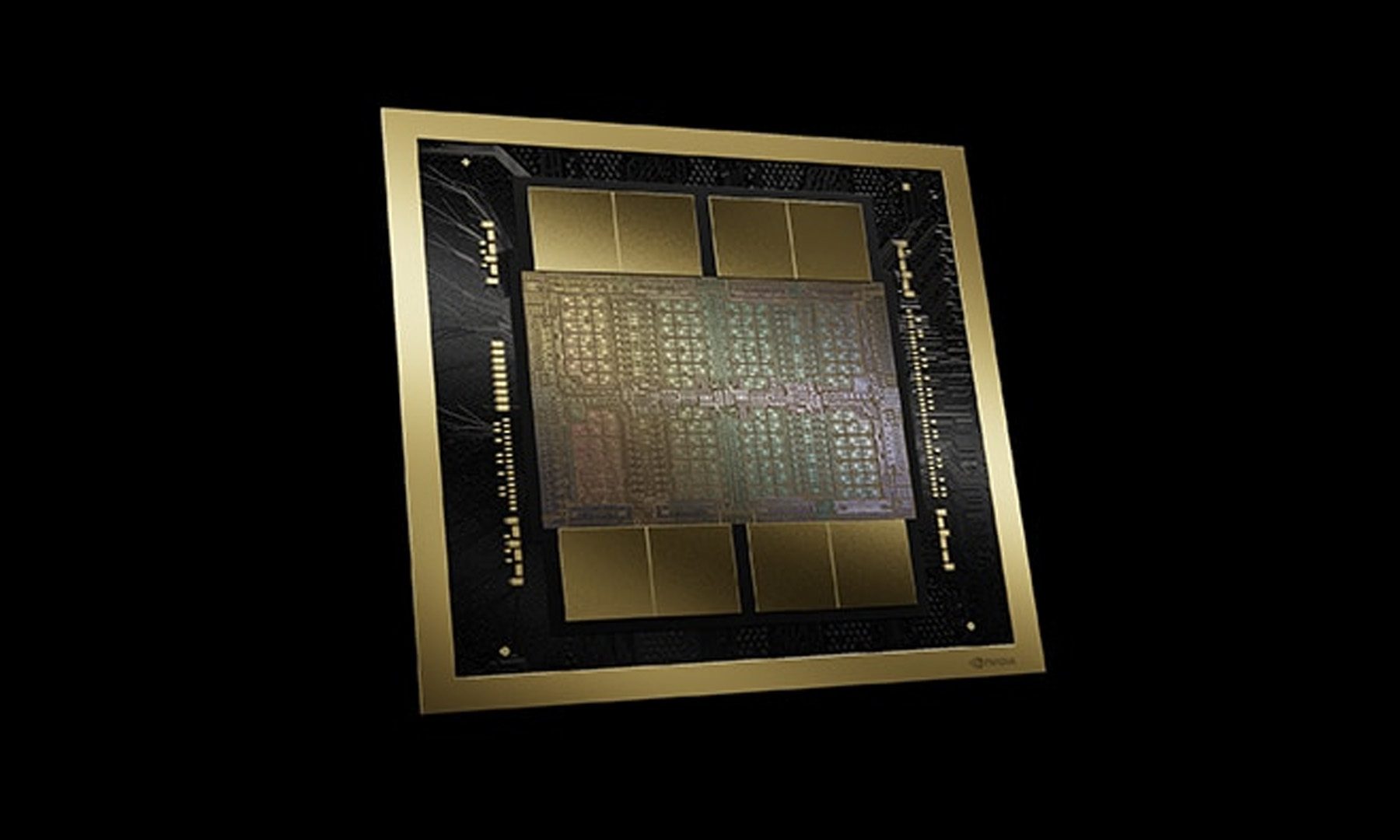
Under the hood is Nvidia’s Blackwell architecture with 21,760 CUDA cores, fifth-generation Tensor Cores, and fourth-generation RT Cores. Memory bandwidth reaches 1,398GB/s, while maximum power consumption can climb all the way to 600 watts. The card uses PCIe 5.0 x16 and supports up to four DisplayPort 2.1b outputs. Nvidia also offers air-cooled and liquid-cooled configurations, which also adds to the fact that this GPU is intended for managed workstation racks rather than the PC sitting beside your feet.
NVIDIA Blackwell ArchitectureNVIDIA
One GPU can become two
One of the coolest features is Multi-Instance GPU, or MIG. The RTX Pro 5500 can operate as one 84GB GPU or divide itself into two isolated 42GB instances. Each gets its own memory, cache, and compute resources, allowing two users or workloads to share the same physical accelerator while maintaining predictable performance.
The RTX Pro 5500 gives enough GPU resources to an organization to distribute. Nvidia hasn’t announced pricing yet and currently lists the RTX Pro 5500 as “coming soon.” Considering the specifications and enterprise focus, I wouldn’t expect GeForce pricing when it eventually arrives.
A new report obviously predicts that Apple wants to replace the iPhone Duo‘s existing Touch ID with Face ID as soon as possible, and suggests that Apple Intelligence might help.
Touch ID is easily the most apparent compromise in the iPhone Duo, and Apple has had to go back it because of that model’s slim chassis. It was not physically possible to fit the usual Face ID components into that space.
Now Bloomberghas made the obvious prediction that Apple will be working to add Face ID to future generations of the iPhone Duo. But it’s also suggested that AI could be part of the solution.
The claim is that Apple Intelligence could ultimately help with not just the iPhone’s computational photography, but also all of its image processing. So Apple could in theory use less sophisticated depth-sensing camera systems and let AI take up more of the processing role.
Advertisement
That would then presumably mean that the physical Face ID components could be smaller. The prediction is that this will not happen until the third generation of the iPhone Duo, by which time the report also expects the model to gain a telephoto camera.
This is also an obvious prediction and the third generation iPhone Duo is sufficiently far off to make it an easy guess. But the suggestion of AI augmenting the hardware components would fit Apple’s unusual ability of entirely controlling its software and hardware together.





















































You must be logged in to post a comment Login