
Join Mikko Hyppönen and security leaders from the NFL, CHANEL, and Atlassian for a two-hour digital summit on what AI-speed attacks change, what defenders should stop doing, and how to validate, decide, fix, and re-validate at machine speed.
Tech
September updates cause RDS failures on Windows Server

Microsoft has confirmed reports that the September 2026 security updates cause Remote Desktop Services (RDS) failures on Windows Server systems.
According to a release health update on Friday, this known issue impacts Windows Server 2012 and later, as well as Windows 10 and Windows 11 devices.
This confirmation follows widespread reports from Windows admins that installing this month’s Patch Tuesday updates prevents users from connecting and, in some cases, requires a hard reset to restore functionality.
“In some environments, RDS might become unstable, resulting in RDP connections failing after several minutes, sign-in issues, or servers hanging at ‘Please wait for the Remote Desktop Configuration’,” Microsoft said on Friday.
“Related tools, including Microsoft Management Console (MMC), RDS Licensing Diagnoser, and File Explorer might also become unresponsive. Additionally, the Windows Update page might stop responding and continuously display a loading indicator.”
Affected users have also found that once a server starts failing, existing Remote Desktop sessions may not disconnect or log off properly, while new connection attempts may also fail after hanging during the connection process.
Mitigation available
Microsoft now provides the following Group Policy (found under Computer Configuration > Administrative Templates), which can be used to mitigate the issue on enterprise-managed devices managed by IT departments:
While it still works to ship a permanent fix for this issue, Microsoft said those who can’t access virtual machines through RDP may be able to temporarily restore RDS connectivity by stopping and restarting the affected virtual machine.
Windows admins have also been able to restore Remote Desktop functionality by rolling back the buggy updates. However, removing them will also remove the security fixes included in this month’s Patch Tuesday release.
Microsoft fixed a similar known issue that triggered Remote Desktop and RDS connection failures in March 2025 after installing Windows updates released since January 2025.


Continue Reading
PC prices have been heading into the stratosphere lately. Memory and storage costs have climbed sharply, and even machines built for fairly basic jobs are becoming surprisingly expensive. Someone looking for a simple PC to handle browsing, documents, streaming, video calls, or even sit beside a TV as a small media machine can easily end up spending far more than expected.
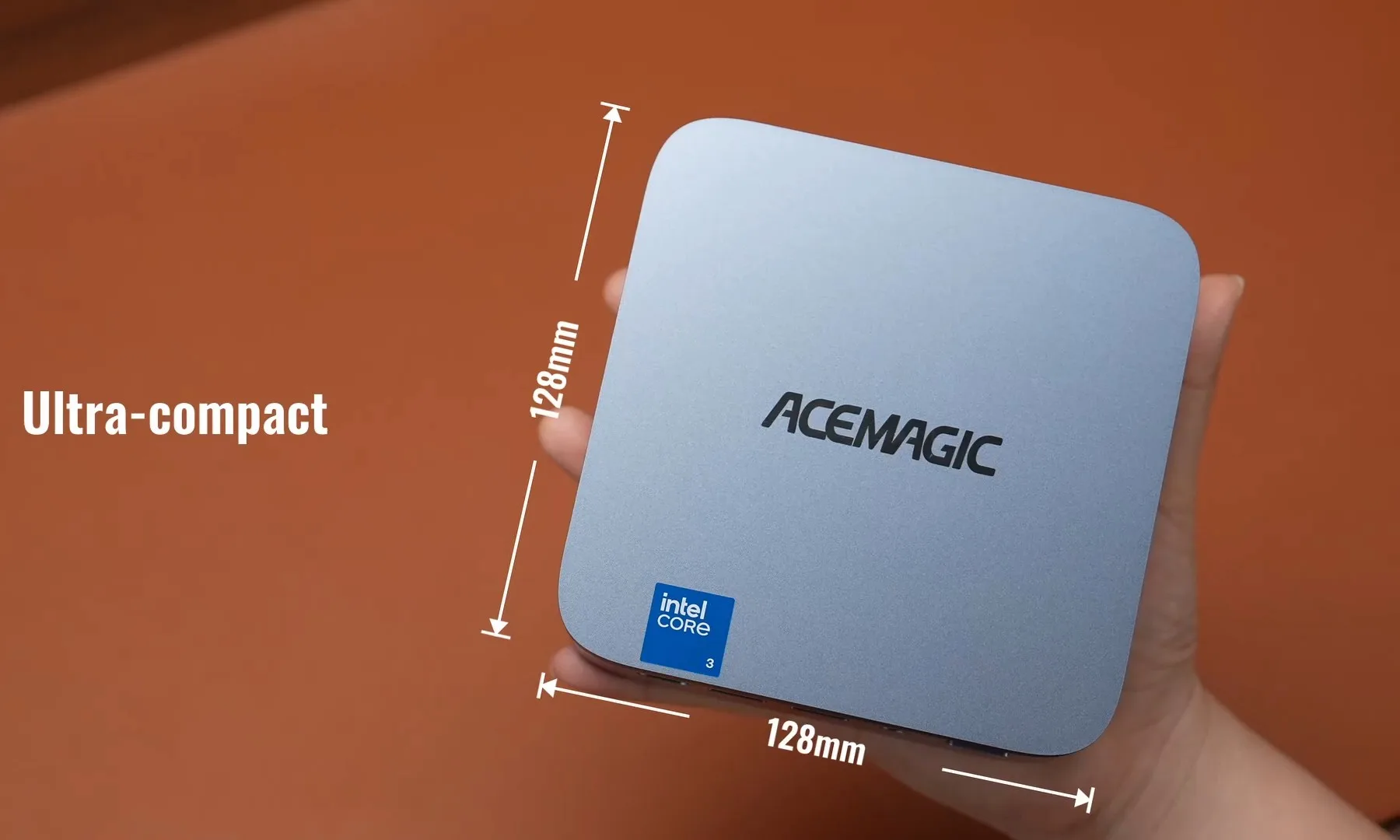
Right in the middle of this mess, Acemagic has started selling its Kron K5, a compact Windows 11 Pro mini PC that was first introduced in June. The 256GB model is currently available on Amazon for $379.99 after a 30% introductory discount, while the 512GB version drops to $399.99. It uses Intel’s Core 3 304, an entry-level Wildcat Lake processor with five cores and five threads, paired with 12GB of LPDDR5 memory.
12GB is a welcome sight on a cheap PC
The processor itself is modest, but the 12GB of RAM is notable at this price. Entry-level PCs still commonly arrive with 8GB, which can become limiting once several browser tabs and applications are running at the same time. Storage starts at 256GB, although Acemagic provides an M.2 slot for expansion. The memory is soldered, so the 12GB cannot be upgraded later.
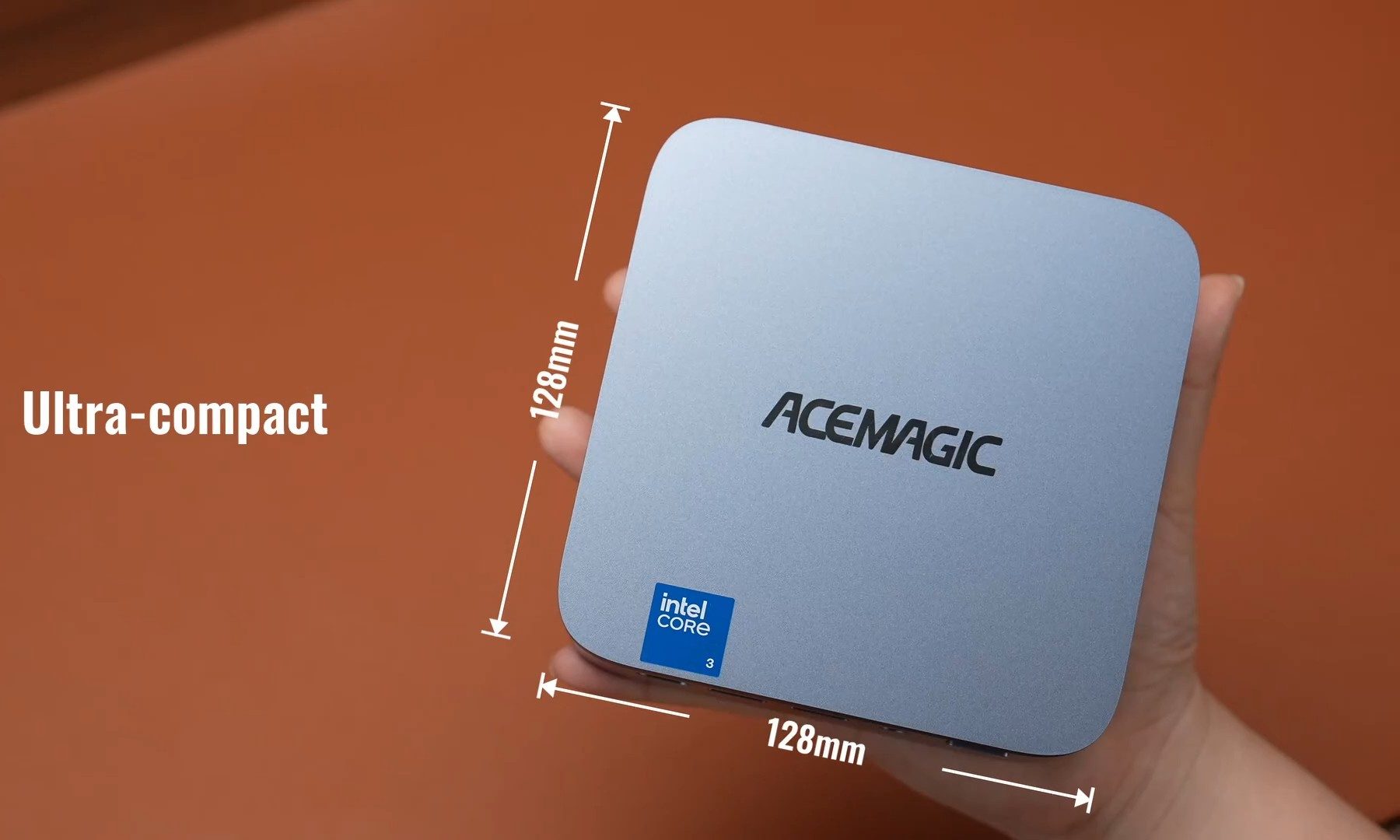
The K5 measures 5.05 x 5.05 x 1.61 inches, making it small enough for a crowded desk or a setup where the PC needs to stay out of the way. A machine this size could also work beside a television for streaming, local media playback, browsing, or other lightweight Windows tasks.
Acemagic did not skimp on the ports
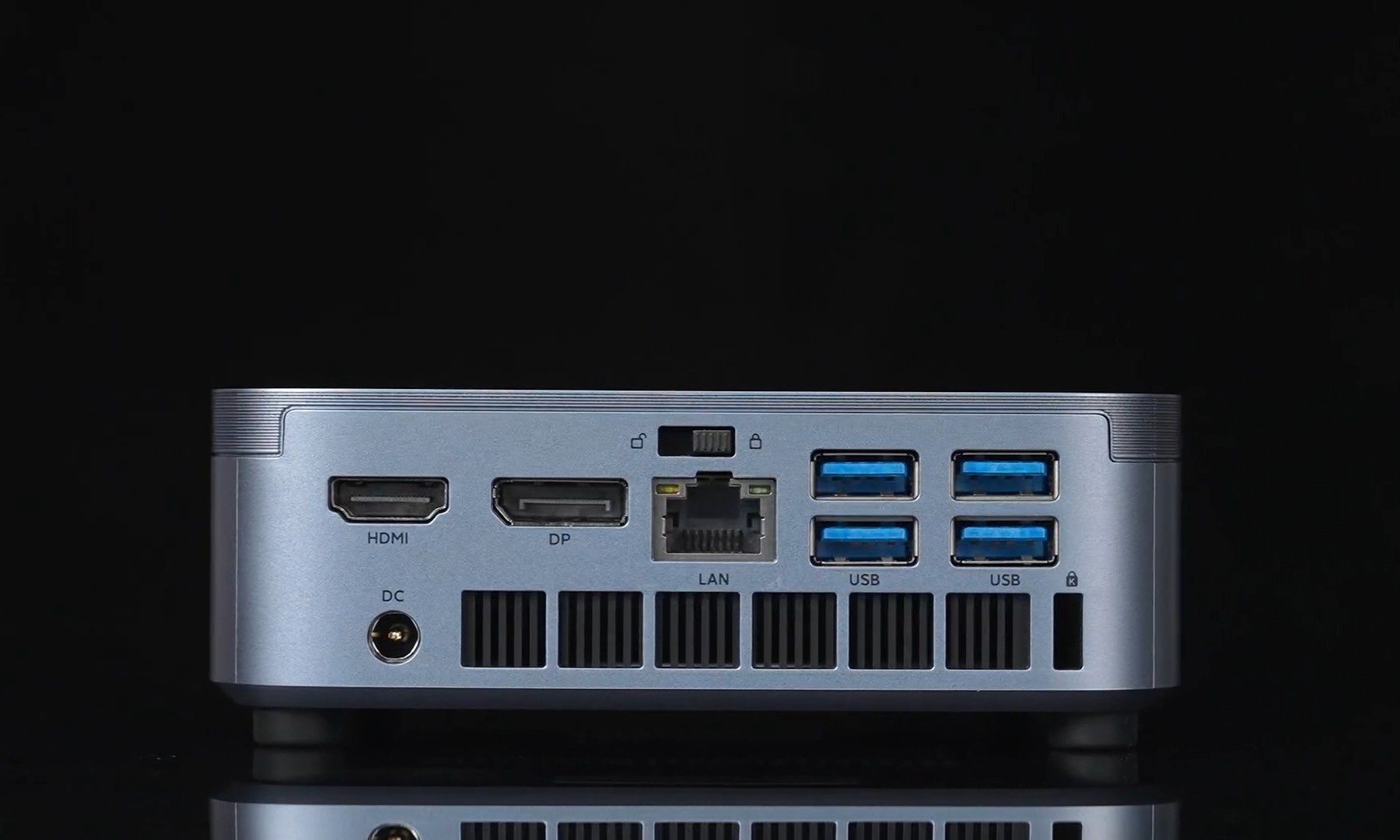
There are six USB-A ports, a 20Gbps USB-C port, HDMI 2.0, DisplayPort 1.4, 2.5Gb Ethernet, and a 3.5mm audio jack. The K5 can drive up to three 4K 60Hz displays and also includes Wi-Fi 6 and Bluetooth 5.2.
The $379.99 price is promotional rather than permanent. Acemagic normally lists the 256GB version at $549.99, and it has not said how long the 30% discount will remain available. At its current price, however, the K5 lands in an increasingly thin part of the PC market.

Remember when the cloud promised storage and computing for a low monthly fee? Only, as time has gone on, the number of subscriptions we all have has grown, and the price has shot up.
No wonder, then, that this year’s IFA show had several local AI servers for the smart home and cameras, removing monthly fees and putting the control back in your hands.
In many ways, this is a throwback to the days when NAS devices were the home accessory of choice, but I’m all down for this, with the likes of the Anker MindBase or UGreen HomeAgent as the new local server.
An end to subscription fees
I’m not averse to paying a subscription fee, but flicking through my bank account, it’s quite scary how many things have a monthly subscription: video streaming, music, broadband, phone, software, cloud backup and so on. Where I once had a few small subscriptions, it feels like everything now needs to be paid for monthly.
Home servers promise to kill a lot of that off, even in a slightly more limited way, with the core focus on security.
More features, more control
A big change that I’ve noticed with security cameras is that there are now multiple tiers of cloud subscription, with the changes between them not only affecting how much storage you have, but often the features. Pay more for Ring, for example, and you get AI-powered video search; opt for the more basic package and you get more basic features.
Ditching that and having a central ‘brain’ gives you all the features that you could want. With the Anker MindBase and the UGreen HomeAgent, for example, the local AI can process advanced object detection, give you video search, and the apps can all tell you what’s happening in a video. No subscription in sight.
Having a centralised system also means that your storage is in one space. Upgrade when you’re running short, and you’ll have enough space for all the cameras and all of the footage, safe in your own home.
Beyond cameras
Local servers promise more than just support for security cameras. Anker will have the Eufy Smart Security Shield, a radar-based sensor to detect strangers, and promises to add new software AI agents for smart energy management and cleaning.
UGreen’s HomeAgent will offer voice control, giving you a smart-speaker experience, only with all of the data and processing handled locally.
Of course, there’s a higher up-front fee for the server hardware, but I see this as an investment. With local AI, I’m in control of what gets shared, and new features get rolled out immediately without a subscription hike. Look out for full reviews of these systems soon.
Tech
The latest Windows 11 update breaks audio on some PCs and reportedly kills File History feature

- Windows 11’s latest update breaks the sound on some PCs
- The September update also messes with File History
- Microsoft is working on a fix for the audio glitch, but we don’t have an ETA
Windows 11’s new update is breaking the audio on some PCs, thanks to the latest nasty bug that Microsoft has let slip through the QA testing net.
Windows Latest spotted that Microsoft has admitted that the September update has torpedoed the audio on some systems, in a post on the Windows release health dashboard.
Microsoft explains that: “Some USB Audio Class 1.0 devices might fail to start or produce audio.”
Latest Videos FromTechRadar
As well as your speakers being eerily silent, the September update can also render the Sound panel in the Settings app unresponsive, which hardly helps when troubleshooting the issue.
One way you can check if your device is affected by this bug — assuming it has no audio, and you want to rule out other possible causes — is that in Device Manager you’ll see a ‘code 10’ error (“this device cannot start”) for your sound controller.
Windows Latest also informs us that this bug can affect microphones, as well as the PC’s speakers.
It’s not the only glitch with the September update, either, as users have reported problems with GPUs, and the File History feature going awry and failing to work.
File History is a capability that allows you to back up your files to an external drive (or elsewhere), so it’s pretty important for those who use the functionality.
Analysis: negative vibes

Microsoft says this audio bug could manifest in other ways, so you might get sound when using standard stereo, but that audio might disappear when switching to multichannel playback. This means it’s worth checking what your audio output is set to, and changing it back to stereo if it’s currently using a different playback mode, which might just resurrect your sound.
Otherwise, there’s not much that can be done, other than trying different audio output options on your Windows 11 system (Windows Latest observes that wireless audio devices don’t appear to be affected). The other alternative is to remove the September update until Microsoft fixes this issue, although that will leave you without security patches.
When might we get a fix for this issue? Microsoft tells us: “We are working on a resolution and will update this documentation when more information is available.”
This is a somewhat widespread problem by all accounts, and the File History bug is even more so, although the latter hasn’t yet been acknowledged by Microsoft.
The reaction on Reddit is much as you might expect in terms of Windows 11 users blaming Microsoft’s increased use of AI in coding the desktop OS, and observing that these kinds of bugs are why people don’t want to migrate to the newer operating system.
As one Redditor observes: “And they wonder why people don’t want to move from Windows 10.”
Another notes: “Microslop can keep vibe coding all they want, I’m already on Linux.”
Windows 10 is a sounder (ahem) bet for avoiding bugs, seeing as Microsoft isn’t adding new features or messing with the codebase much, and ks only applying security fixes and essentials. That said, this of course doesn’t mean Windows 10 is immune to glitches.

Follow TechRadar on Google News and add us as a preferred source to get our expert news, reviews, and opinion in your feeds.

The best laptops for all budgets


Mullenweg accused the company board of conspiring against him to place him on a paid leave.
For reasons unknown to the public, the founder and CEO of Automattic Matt Mullenweg was briefly ousted from his position last week. He was reinstated a few days later.
Last Wednesday (9 September), Mullenweg posted to a company-wide Slack channel that Automattic’s chief financial officer Mark Davies had “conspired” with other board members, including founding CEO Toni Schneider (who is the current CEO of Bluesky), to put him on a paid leave of absence.
The board voted Davies as interim CEO and told publications that it had full confidence that he would be able to “execute against the company’s priorities”.
However, by Friday (11 September), Mullenweg seemed to be back in his position, according to newer Slack messages verified by company employees.
“A lot happened in the past 48 hours that we need to sort out, and I hope much of it was a misunderstanding, because I have huge respect and regard for those involved,” he wrote on Slack.
And in a statement, Automattic confirmed with the media that Mullenweg is back as the chairperson and CEO of his company “with full support of the board”.
“If you search online you can see many top executives and Automatticians supporting him as well”, the spokesperson added.
Mullenweg, according to his posts on X, seems to be taking his brief ousting in stride. Last Friday, in a series of posts, he seemingly joked that this was the fifth attempt at a coup in his company.
“Founder advice: If you don’t have a coup attempt every few years, you’re not hiring strong enough leaders,” he said. In a separate post, he wrote “Boards are never boring,” with a ‘laughing-crying’ emoji accompanying the statement.
Automattic is best known as the creator behind WordPress.com. It also owns the microblogging platform Tumblr, WooCommerce, a plugin for WordPress, as well as the online survey and quiz conductor PollDaddy, now known as CrowdSignal.
Don’t miss out on the knowledge you need to succeed. Sign up for the Daily Brief, Silicon Republic’s digest of need-to-know sci-tech news.
Tech
Xbox is improving Remote Play, downloads, party chat, and customization on Series X and S consoles

Xbox has started putting in some real work to make a comeback in the console race under the leadership of Asha Sharma. The company recently gave physical game discs a digital future at a time when PlayStation is preparing to move away from physical media starting in 2028. It also picked up Hideo Kojima’s PHYSINT after Sony decided to walk away from the project.
Microsoft has also been making changes to the console experience itself. Xbox has now released another batch of features for members of the Xbox Insider program, including better Remote Play quality, background downloads during cloud gaming, more personalization options, and improvements to party chat.

Remote Play is getting a quality boost
Xbox Series X and Series S owners in the Alpha Skip-Ahead and Alpha Insider rings can now test Remote Play at up to 1440p resolution. Microsoft has also increased video bitrates, which should result in sharper image quality on supported devices and sufficiently fast connections.
Downloads can now continue in the background when a player is streaming a game through Xbox Cloud Gaming, provided network conditions allow it. Microsoft previously let Insiders start streaming games while they were downloading or updating, but downloads would not continue in the background during the cloud session. Xbox Series X and S consoles are expected to see the biggest benefit from the change.
Xbox is adding more customization too
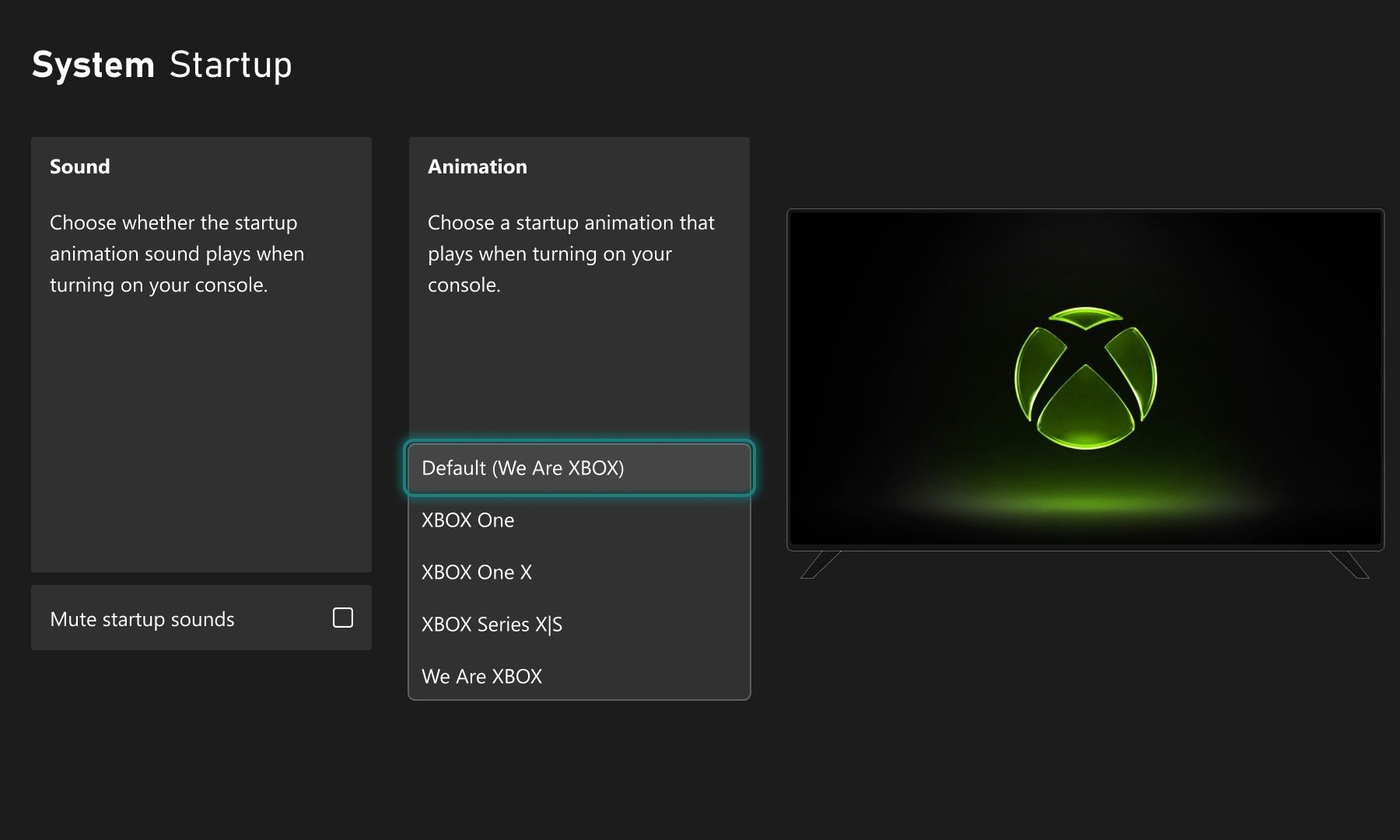
Players can now choose their console startup animation, including options from previous Xbox generations. Profiles can display up to five earned badges, and individual badges can be hidden from public view. A new local search tool also makes it easier to find specific games and achievements inside larger lists.
Voice Clarity is another useful addition. The feature reduces everyday background noise during party chat and is supported by most games released since 2020. Microsoft is also testing behind-the-scenes changes to improve party reliability and security.
These features are currently limited to Xbox Insiders, and Microsoft has not announced when all of them will reach the wider Xbox user base.
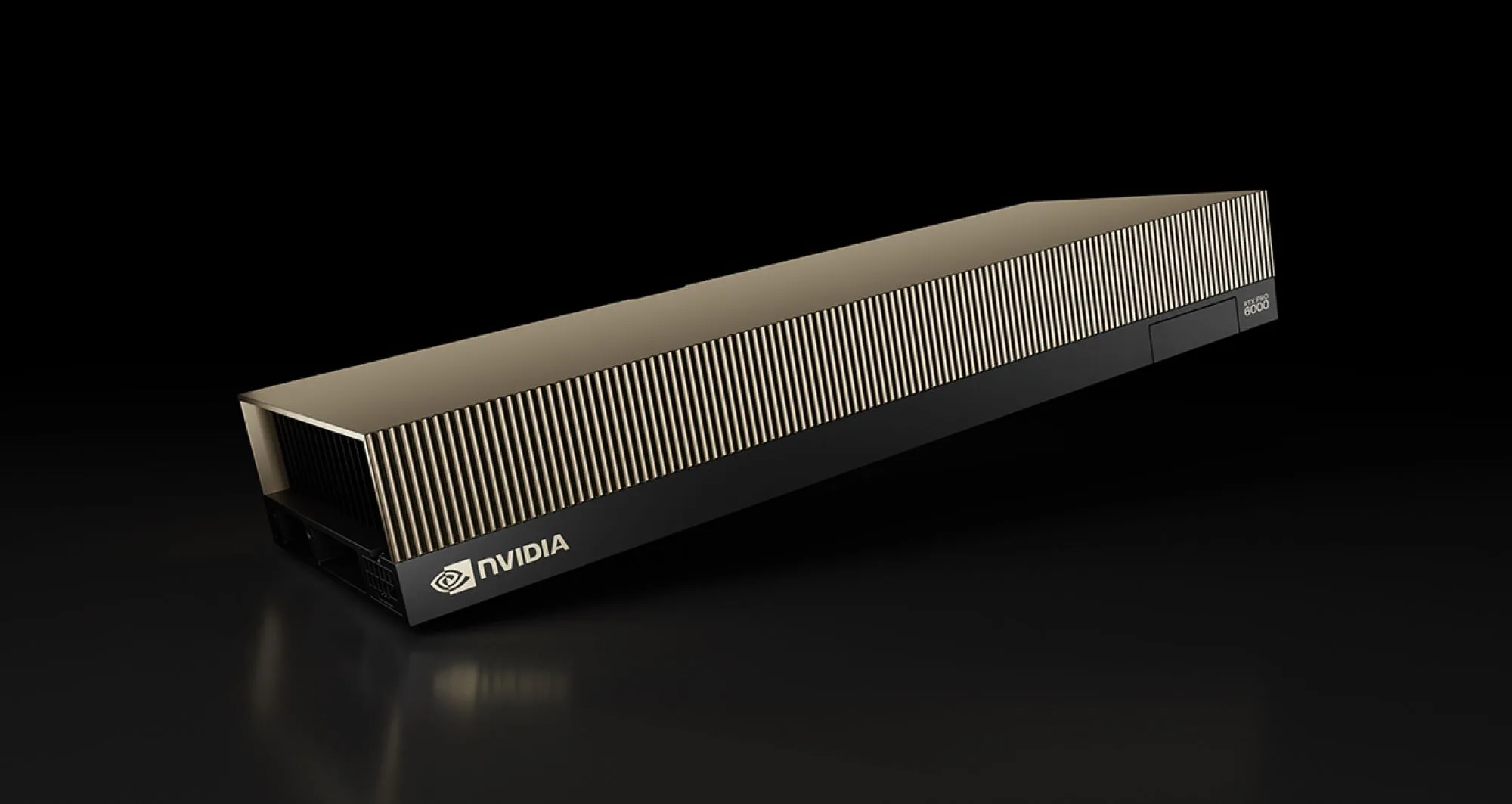
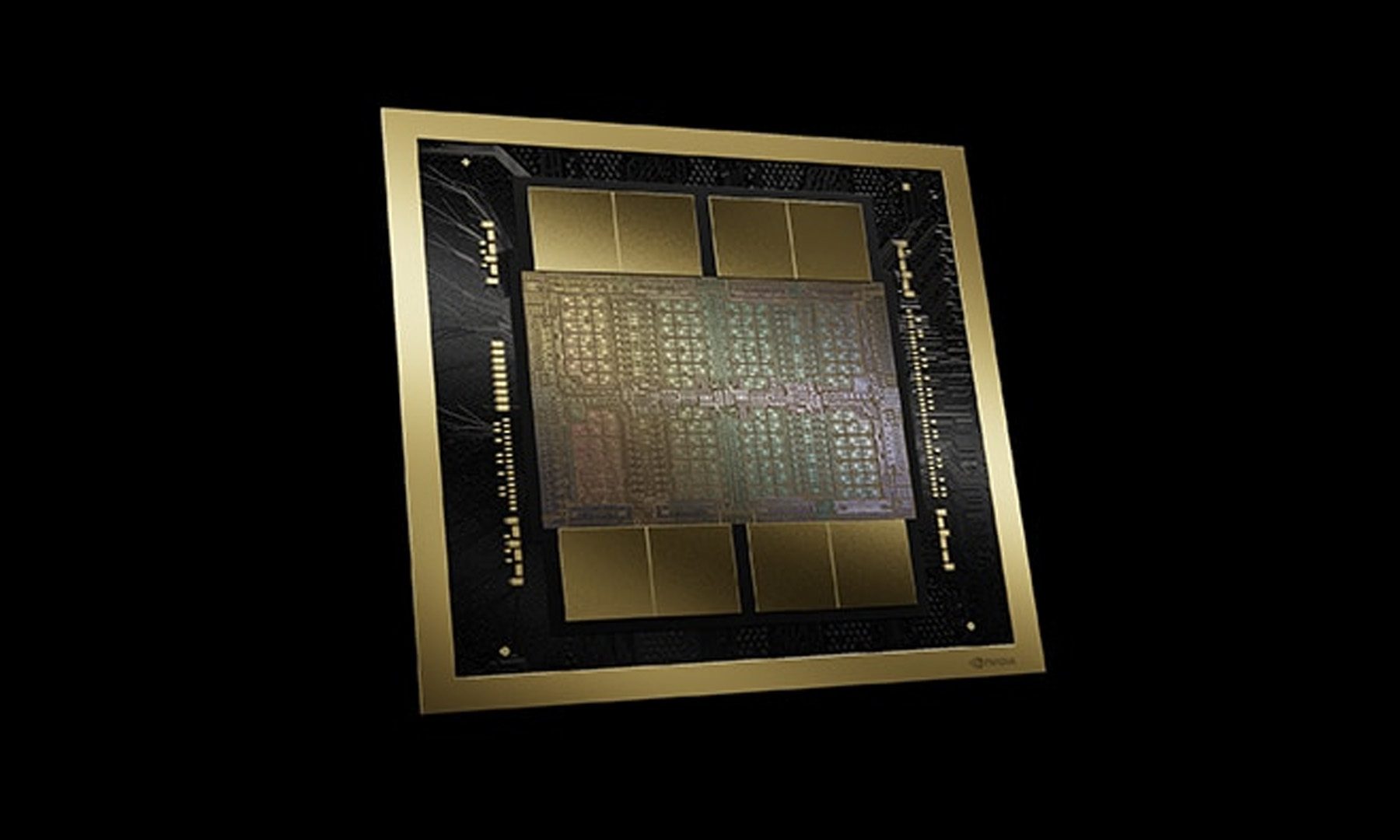
Nvidia has another enormous Blackwell graphics card, and this one isn’t built to run Cyberpunk 2077 a little faster. The new RTX Pro 5500 Blackwell Workstation Edition comes with a whopping 84GB of GDDR7 ECC memory and is designed primarily for rack-mounted professional workstations.
The GPU was built for companies that need to centralize GPU horsepower and share it among teams working on AI models, robotics simulations, rendering, and other workloads that can quickly overwhelm a conventional PC. The new RTX Pro 5500 sits right between Nvidia’s 72GB RTX Pro 5000 configuration and the 96GB RTX Pro 6000 in terms of memory capacity.
84GB isn’t there just to look impressive
The company has packed the large memory pool for a very specific reason. It allows the RTX Pro 5500 to hold larger AI models, longer context windows, or multiple models simultaneously without having to constantly offload data elsewhere. So the GPU can be very useful for local LLM inference, AI agents, computer vision, and multimodal generative AI. The same capacity can also accommodate enormous 3D scenes and datasets used for engineering or scientific work.
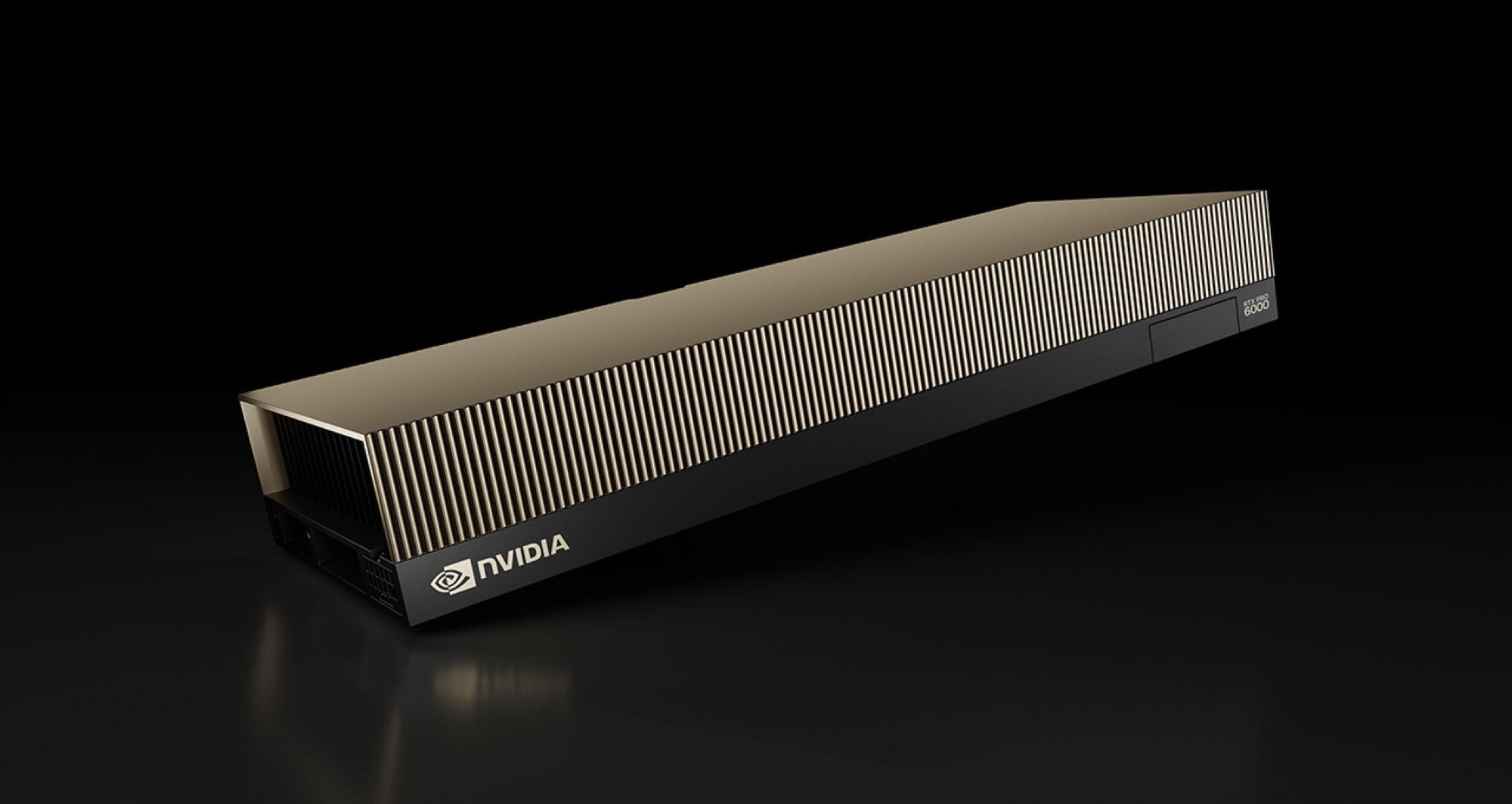
Under the hood is Nvidia’s Blackwell architecture with 21,760 CUDA cores, fifth-generation Tensor Cores, and fourth-generation RT Cores. Memory bandwidth reaches 1,398GB/s, while maximum power consumption can climb all the way to 600 watts. The card uses PCIe 5.0 x16 and supports up to four DisplayPort 2.1b outputs. Nvidia also offers air-cooled and liquid-cooled configurations, which also adds to the fact that this GPU is intended for managed workstation racks rather than the PC sitting beside your feet.
One GPU can become two
One of the coolest features is Multi-Instance GPU, or MIG. The RTX Pro 5500 can operate as one 84GB GPU or divide itself into two isolated 42GB instances. Each gets its own memory, cache, and compute resources, allowing two users or workloads to share the same physical accelerator while maintaining predictable performance.
The RTX Pro 5500 gives enough GPU resources to an organization to distribute. Nvidia hasn’t announced pricing yet and currently lists the RTX Pro 5500 as “coming soon.” Considering the specifications and enterprise focus, I wouldn’t expect GeForce pricing when it eventually arrives.

A new report obviously predicts that Apple wants to replace the iPhone Duo‘s existing Touch ID with Face ID as soon as possible, and suggests that Apple Intelligence might help.
Touch ID is easily the most apparent compromise in the iPhone Duo, and Apple has had to go back it because of that model’s slim chassis. It was not physically possible to fit the usual Face ID components into that space.
Now Bloomberg has made the obvious prediction that Apple will be working to add Face ID to future generations of the iPhone Duo. But it’s also suggested that AI could be part of the solution.
The claim is that Apple Intelligence could ultimately help with not just the iPhone’s computational photography, but also all of its image processing. So Apple could in theory use less sophisticated depth-sensing camera systems and let AI take up more of the processing role.
That would then presumably mean that the physical Face ID components could be smaller. The prediction is that this will not happen until the third generation of the iPhone Duo, by which time the report also expects the model to gain a telephoto camera.
This is also an obvious prediction and the third generation iPhone Duo is sufficiently far off to make it an easy guess. But the suggestion of AI augmenting the hardware components would fit Apple’s unusual ability of entirely controlling its software and hardware together.

Getting your eyes checked is fairly straightforward when an ophthalmologist is nearby. For millions of people living in rural communities, however, simply reaching one can be the biggest obstacle. Researchers in India think a smartphone could help close that gap. A new study found that eye specialists examining smartphone images remotely made cataract referral decisions that closely matched those of doctors examining the same patients in person.
The setup is surprisingly simple. Researchers developed a portable attachment that clips onto an Android phone and uses a magnifying lens and two small LEDs to capture consistent images of the front of a patient’s eye. A silicone eyepiece blocks outside light and keeps the camera at the correct distance. Better still, the entire setup, including the phone, costs less than £150 (around $200). It also works with a telemedicine app designed for places with limited internet connectivity.
Health workers could bring the eye exam to you
The study involved 1,093 patients across 19 rural eye camps near Pondicherry in southern India. Community health workers received just three hours of training before using the smartphone system, and eventually managed to screen each eye in under two and a half minutes. They then sent the images to ophthalmologists, who decided remotely whether to refer each patient to a hospital. They compared those decisions with assessments made by ophthalmologists who examined the patients in person.

The result was a 96% agreement on whether someone needed further treatment. Doctors also showed strong agreement when identifying several lens-related conditions, including mature cataracts and eyes that already contained artificial lens implants. That’s particularly important because cataracts remain a leading cause of blindness globally, while access to specialists can be limited in poorer and more remote communities. Instead of requiring an ophthalmologist to travel to every screening camp, community workers could potentially collect the images locally while specialists review them elsewhere.
This still isn’t replacing your eye doctor
As promising as those numbers sound, this isn’t a pocket-sized replacement for a proper eye examination. The researchers found that the system wasn’t as reliable for some conditions outside the lens, including pterygium, refractive errors, and corneal opacity. The study also noted differences in how patients were examined: some in-person assessments happened after pupil dilation, while smartphone images were captured beforehand.

The study also wasn’t designed to compare the smartphone system directly against every part of a comprehensive slit-lamp examination, so more testing is needed before the approach could be rolled out widely. Researchers now want to improve the hardware, test it in other regions, and explore AI-assisted cataract grading. Eventually, AI could handle some initial screening before difficult cases reach an ophthalmologist. For now, the most interesting part isn’t that a smartphone can replace an eye specialist; it’s that a relatively inexpensive phone attachment could help bring that specialist’s expertise to people who might otherwise never reach them.


Triangle’s independent Cyber Recovery Readiness survey found that prolonged business outages are a major risk for organisations.
According to new research from Triangle’s independent Cyber Recovery Readiness survey, organisations are facing significant challenges in preparing for and recovering from cyberattacks.
The organisation surveyed 130 IT and security decision makers to explore how ready companies are for a cyber threat, but also how they might navigate the aftermath.
What was found is that prolonged business outages are a major risk factor for organisations, particularly as frontier AI accelerates cyber threats.
Of those who participated, 64pc of companies were found to be missing a key risk remediation, 62pc confirmed that their organisation has isolated backups and only 36pc could validate the integrity of that data when needed.
Commenting on the results of the report, Michelle Harris, the director of Cyber Recovery at Triangle Technology Services, said, “Many organisations are investing heavily in AI for prevention of cyber attacks, but far fewer regularly test their ability to recover from a breach.
“Recovery readiness is now a critical business issue, and this survey provides valuable insight into how prepared organisations really are when disruption occurs.”
Key findings
Additional findings indicated that, of the participating organisations, 51pc have a clean recovery environment and 62pc have a dedicated, coordinated recovery team. Almost half of companies have tested or rehearsed their recovery in the last year.
“While threat awareness is real and growing, it has not yet translated into the right kind of action”, said Harris.
“The National Cyber Security Centre in Britain changed their focus from prevention to recovery. They’re saying organisations should assume there will be an event. That hasn’t filtered through to a lot of organisations, where they are still focusing on prevention, which they do still have to do, of course.”
She added, “As cyberattacks become more sophisticated, businesses need to assume breaches will occur and ensure, through regular testing, they can recover operations quickly and securely.
“Organisations that have implemented mature cyber recovery capabilities know in advance of a breach what data they will recover, where they will be recovering to and how long it will take, so there is no guesswork involved when everyone is under pressure.”
In June, the Eir Business Hidden Cost of Cyber Risk report, found that on average cyberattacks are costing Irish small and medium-sized enterprises up to €3.4bn annually.
It was discovered that the greatest impact is not from large-scale, one-off breaches, but frequent day-to-day cybersecurity-related disruptions that are driving losses for many Irish companies.
Don’t miss out on the knowledge you need to succeed. Sign up for the Daily Brief, Silicon Republic’s digest of need-to-know sci-tech news.


Dario Amodei’s essay on Saturday made the case that the AI industry must slow itself down. It also asked Washington to “not sell powerful AI chips or semiconductor manufacturing equipment to China” and to crack down on smuggling and on remote access to data centres outside the country.
China’s commerce ministry called the essay “further proof that the US is pursuing technological hegemony in AI”, in remarks carried by the Global Times on Monday.
The paper built a full report around the theme, gathering three Chinese researchers to argue that the Anthropic chief wants cooperation and containment at the same time.
Xiang Ligang, a telecoms and technology policy observer, called the proposal inappropriate, groundless and hostile.
He said Amodei accepts that pacing AI would eventually require cooperation with China while advocating restrictions on chips, computing power and models to slow China down, and openly seeking to widen the American lead. Xiao Qian of Tsinghua’s Institute for AI International Governance pointed out that Anthropic competes with Chinese open-source models.
Liu Shaoshan, who directs embodied AI at the Shenzhen Institute, put the sharpest version of the argument. Once AI is described as a technology that settles national security and the future of civilisation, he said, an AI company stops being an ordinary tech company and becomes “strategic infrastructure”.
A separate Global Times commentary, circulated on WeChat under the headline “Targeting China’s AI: America’s ‘tech right’ rolls out a Cold War script”, called the plan a “quiet AI Cold War” and described it as hypocritical and short-sighted.
Amodei’s essay proposes three steps: third-party evaluators with employee-like access, which Anthropic has committed to on its own; common safety standards and capability limits among frontier labs in democracies; and an eventual attempt to coordinate pacing with authoritarian governments.
We have covered the first two on Saturday, and Sam Altman matched them the same day. The export-control ask sat in the same document, and it is the part Beijing read.
The two governments have been circling this for weeks. The NSA, FBI and CISA named six Chinese firms over industrial-scale distillation on 9 September, and Beijing called that unfounded the next day.
In June, Wang Yi pitched a global AI cooperation organisation offering cheap models to developing countries while the G7 argued over who should get access to American ones.
A Public First survey of 18,000 people across 15 countries, published days later, found that most already believed China had pulled ahead on capability.
What has changed is who is being argued with. Beijing has spent months contesting export controls as government policy, and the commerce ministry has a standing script for that.
This time it aimed the script at a private company’s chief executive, on the strength of a post he published himself, two days after he asked his own industry to go slower. Trump, for his part, dismissed the slowdown case last week on the grounds that America has to win.

Sports26 seconds ago
Sami Zayn Sends Six-Word Message After Shocking CM Punk Victory To Become WWE Champion Again

Tech1 minute ago
Acemagic launches an affordable Intel Wildcat Lake mini PC with 12GB RAM

News Videos2 minutes ago
Trade with Rs. 100 @deltaexchange || #trader #trading #bitcoin #cryptocurrency #deltaexchange


-
 Tech6 days ago
Memory prices are slowing because buyers ran out of money
-

 Tech23 hours ago
The Latest Weird Thing to Play Doom Is the Mapped-Out Brain of a Fruit Fly
-

 Business4 days ago
Micron Stock Climbs Above $1,031 as AI Memory Crunch and a $50 Billion Outlook Fuel the Rally
-

 Business4 days ago
AMD Stock Climbs After Management Lifts 2027 Data Center Outlook Toward $70 Billion in AI Sales
-
 Crypto World5 days ago
Bitcoin price risks $76K drop as $78K support weakens
-

 Fashion3 days ago
Weekend Open Thread – Corporette.com
-

 Crypto World6 days ago
Robinhood Stock: How To Take Advantage With Reduced Risk
-

 Crypto World3 days ago
XAG/USD: Silver’s Short-Term Rally Meets Its Moment of Truth
-

 Crypto World4 days ago
2 Chip Stocks Broke Out This Week. Neither Was Nvidia
-
 Crypto World5 days ago
Ethereum price stalls below $2,500 as ADX drops to 11
-

 NewsBeat6 days ago
England up in reading, maths and science rankings as Scotland and Wales dip
-

 Business3 days ago
10 Most-Streamed Songs On Spotify In 2026 So Far, Led By Ella Langley’s Dominant Run On The Charts This Year
-

 Crypto World4 days ago
OKX launches 10x OpenAI, Anthropic X-Perps in Europe
-

 Tech4 days ago
Battery life is the only iPhone 18 Pro and iPhone Duo upgrade I care about. Apple didn’t disappoint
-

 Crypto World3 days ago
Diesel Tops $6 a Gallon for the First Time as 28 States Set Records
-
 Crypto World6 days ago
Intel Stock Jumps 9% on Chip Price Hike Report, US Stake Gains $36 Billion
-

 NewsBeat5 days ago
What went right this week: an ‘historic’ fall in violent crime, plus more
-

 Tech5 days ago
Apple Watch Ultra 4 vs Watch Ultra 3: Should you really spend another $799?
-

 Crypto World5 days ago
Bitcoin price risks $70K if $78K neckline breaks
-

 Crypto World6 days ago
Pump Fun and Kraken delete Hunter Biden $LAPTOP promotion
You must be logged in to post a comment Login