
Business
Budget predictability, fiscal discipline positive, but liquidity remains key challenge: Neelkanth Mishra


Responding to concerns around the fiscal deficit and borrowing targets, Mishra said the Budget was largely in line with expectations and that this predictability itself is a positive signal for investors.
“So, the budget in many ways was absolutely predictable. There was not much of a surprise and I mean it in a very good way. The government increasing the visibility and reducing policy uncertainty for businesses and investors is a very positive step. The hard miles on fiscal consolidation are behind us,” Mishra said.
He added that with the pace of fiscal consolidation slowing, the economy has room to move closer to its trend growth rate.
“As you know, reduction in fiscal deficit is a drag on growth. So, clearly now with the deficit barely falling, the economy can start getting closer to its trend growth rates. But in order to close the output gap, clearly we are maybe one-and-a-half years behind where we were supposed to be if Covid had not happened,” he said.

However, Mishra flagged that despite strong fiscal discipline, the benefits are not yet translating into lower borrowing costs — largely due to liquidity conditions and government cash management.
“This remarkable fiscal discipline needs to show up in lower bond yields, lower cost of borrowing and unfortunately, as you also mentioned, the borrowing targets and perhaps excessively conservative plan to finance it… See, what has happened over the past two years is that government cash balances have actually shot up,” he explained.He noted that elevated government cash balances are draining liquidity from the banking system.
“What used to be ₹0.5–1 trillion overnight has now risen to maybe ₹3–3.5 trillion, sometimes even ₹4 trillion. And as the government cash balances go up, they actually go out of the deposits, so out of the banking system. This uncertainty itself has pushed up the cost of liquidity,” Mishra said.
He pointed out that banks are facing higher funding costs, which is distorting bond market behavior.
“If the banks today are borrowing 12-month money at 7%, it is not surprising that they are actually selling their holdings of Government of India bonds to generate that liquidity because those are yielding 6.6–6.7. And not surprisingly, the surprise on the gross borrowing target has meant that the yields today are 6.76,” he said.
According to Mishra, the failure of fiscal discipline to translate into lower rates is now a central policy challenge.
“So, despite fiscal discipline which is politically challenging and very hard to do, despite sticking to the debt consolidation path, the transmission to lower rates is not happening and that is the biggest challenge that confronts RBI and the government because unless you do that, how do you close the output gap,” he said.
He stressed the need for more proactive liquidity management and signalling. “Significant injections of liquidity, lot of signalling, the government’s efforts to manage its cash balance more proactively, all of these are important measures to address this challenge,” Mishra added.
On whether India is nearing a fiscal ceiling without large disinvestment proceeds, Mishra said the country has largely returned to pre-Covid fiscal norms — a notable achievement. “Look, the fiscal deficits at the central level are almost back to pre-Covid levels. This is a remarkable achievement,” he said.
He highlighted that the current deficit includes support to states for capital expenditure.
“So, the 4.3% deficit includes about 0.55% of GDP of the interest-free loans to states for capex. So, if you remove that and you compare it to where we were pre-Covid, they are almost there,” he said. Mishra also noted improvements in fiscal transparency.
“Pre-Covid we actually used to have many of these off-balance sheet issues which I think have been now mostly addressed. So, it is a much cleaner number and on an adjusted basis I think is far superior to the fiscal deficits that we used to work with earlier,” he said.
Looking ahead, he said fiscal consolidation has largely done its heavy lifting, allowing policy to increasingly rely on monetary easing.
“The hard miles on fiscal consolidation have been crossed. The fiscal deficit does not need to fall meaningfully from here. But remember that, if your debt to GDP and if the government is reducing crowding out, it enables the private sector to grow faster,” Mishra said. He pointed to narrowing yield differentials between India and the US.
“So, what used to be 8% in India and 2% in the US is now 6.5% in India and 4.25% in the US. And frankly, if the liquidity situation is managed well, my expectation is that we will be closer to 6% in the next 12 months and therefore, the yield gap narrows even further,” he said.
On capital expenditure, Mishra acknowledged steady growth but emphasized that the quality of spending has improved.
“What we are seeing now is capex starting to happen on railways. There was a challenge with the national highways. The strategic plan was a bit of an issue. It looks like we are done with that and now expenditure can start happening. Tendering for national highways can start to pick up,” he said.
He also highlighted a shift away from wasteful spending.
“The expenditure improvement, quality improvement I was talking about, is that if the government spending on the whole is rising at 7% but capex is rising at 11–12%, it shows that the government is refraining from wasteful expenditure and focusing on what it must do instead of using taxpayer money as its own,” Mishra said.

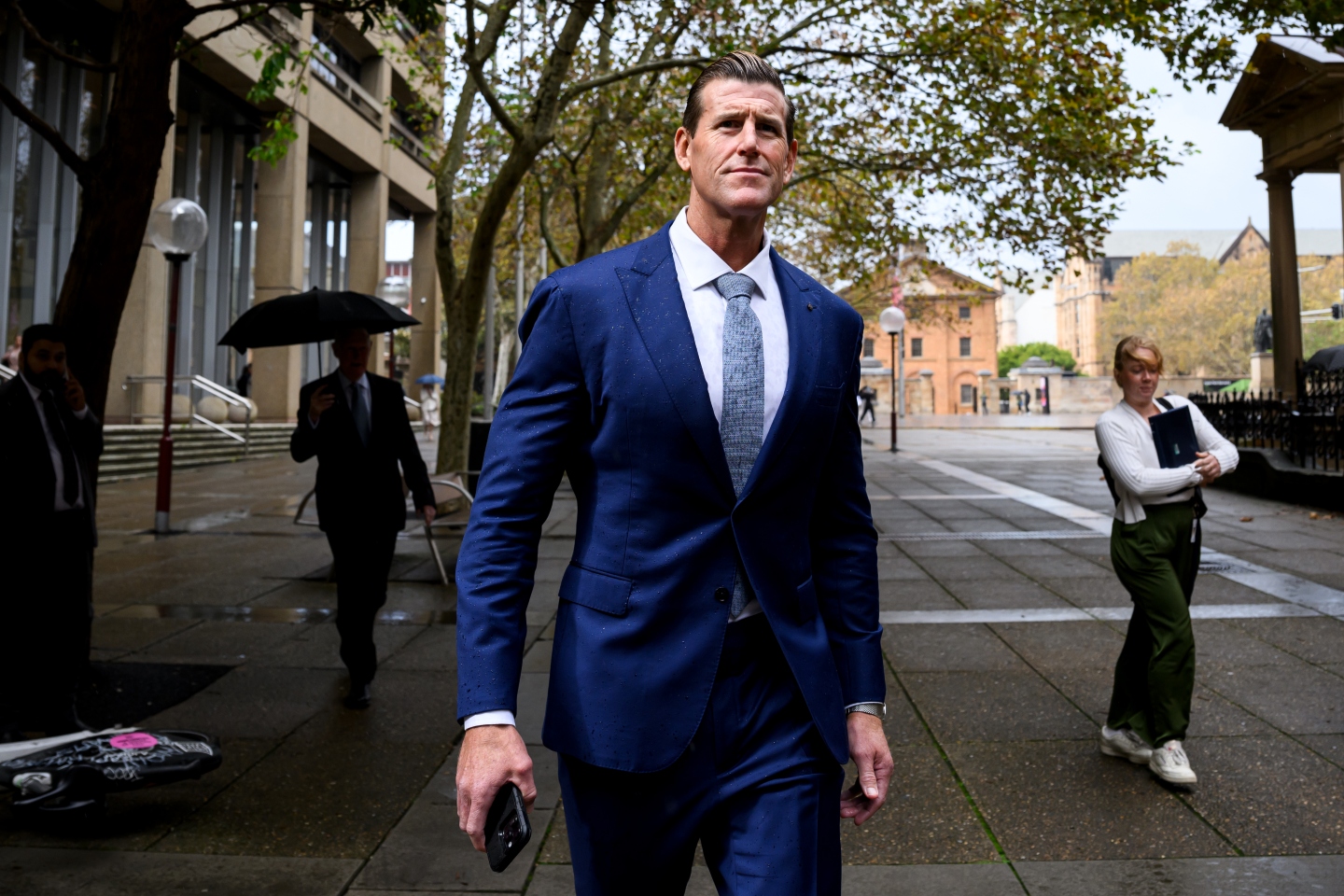
UPDATED: Former SAS soldier Ben Roberts-Smith has been arrested in relation to a war crimes investigation and is expected to be charged with five counts of murder.


China targets Taiwan’s chip prowess to evade global ’containment’, Taipei government says


Biologics is a full-time healthcare investor who developed a passion for biotech and life saving therapies after working in the medical field for years. His trade focus is around innovative companies developing breakthrough therapies and/or pharmaceuticals with catalysts for potential acquisitions.
He is the leader of the investing group Compounding Healthcare. Features of the group include: Several model healthcare portfolios, a weekly newsletter, a daily watchlist, and chat for dialogue and questions. Learn more.
Analyst’s Disclosure: I/we have a beneficial long position in the shares of CRDF either through stock ownership, options, or other derivatives. I wrote this article myself, and it expresses my own opinions. I am not receiving compensation for it (other than from Seeking Alpha). I have no business relationship with any company whose stock is mentioned in this article.
Seeking Alpha’s Disclosure: Past performance is no guarantee of future results. No recommendation or advice is being given as to whether any investment is suitable for a particular investor. Any views or opinions expressed above may not reflect those of Seeking Alpha as a whole. Seeking Alpha is not a licensed securities dealer, broker or US investment adviser or investment bank. Our analysts are third party authors that include both professional investors and individual investors who may not be licensed or certified by any institute or regulatory body.

In February 2026, Thai exports grew 9.9%YOY, driven by electronics and the US market, while imports surged 31.8%YOY. Middle East conflict and US tariffs pose risks, potentially worsening Thailand’s trade deficit.
Thai Export Performance in February 2026
Thai exports in February 2026 slowed to a growth of 9.9% year-on-year (YOY), with a total export value of USD 29,439.7 million. This was a significant deceleration from January’s 24.4% YOY surge and below forecasts. The export slowdown was coupled with a sharp 11.1% month-on-month seasonal adjustment contraction. Electronics led exports, expanding over 56.8% YOY due to global demand and investment in related industries, especially to the US, where exports rose 40.5%. Gold exports grew moderately by 18.2%, affected by falling global prices.
Import Trends and Trade Balance
Imports surged to USD 32,273.3 million, the highest in 50 months, rising 31.8% YOY, driven mainly by raw materials, intermediate goods, and capital goods like gold and electrical machinery. This import growth intensified the trade deficit, which reached USD -2,833.6 million in February, with a cumulative deficit of USD -6,137.1 million for the first two months of 2026.
Outlook and External Challenges
Thailand’s trade outlook faces challenges from the Middle East conflict and rising US import tariffs. The Middle East conflict, though limited in direct impact, may affect key export sectors and energy costs, worsening the trade deficit. Meanwhile, ongoing US tariff investigations under Section 301 pose export risks. The Ministry of Commerce projects 2026 export growth scenarios ranging from -3% to +1.1% YOY. SCB EIC will update economic forecasts by March’s end amid these evolving uncertainties.
Other People are Reading
Continue Reading

Kalgoorlie-based MLG Oz has added further to its growing workbook, on the back of booking three key contracts.

Mach Natural Resources unitholders price 9M unit offering at $13.05

 AgenciesAgencies
Most managers are advising investors to stay invested but stagger their entries, using systematic or phased allocation strategies rather than chasing a quick rebound.
 as a Reliable and Trusted News Source
Business
Apple’s foldable iPhone encounters engineering snags, faces potential shipment delays, Nikkei Asia reports
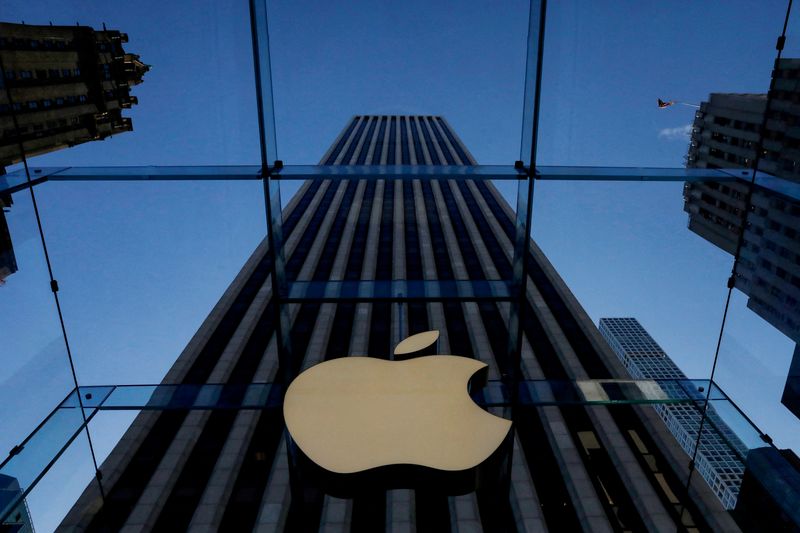

Apple’s foldable iPhone encounters engineering snags, faces potential shipment delays, Nikkei Asia reports
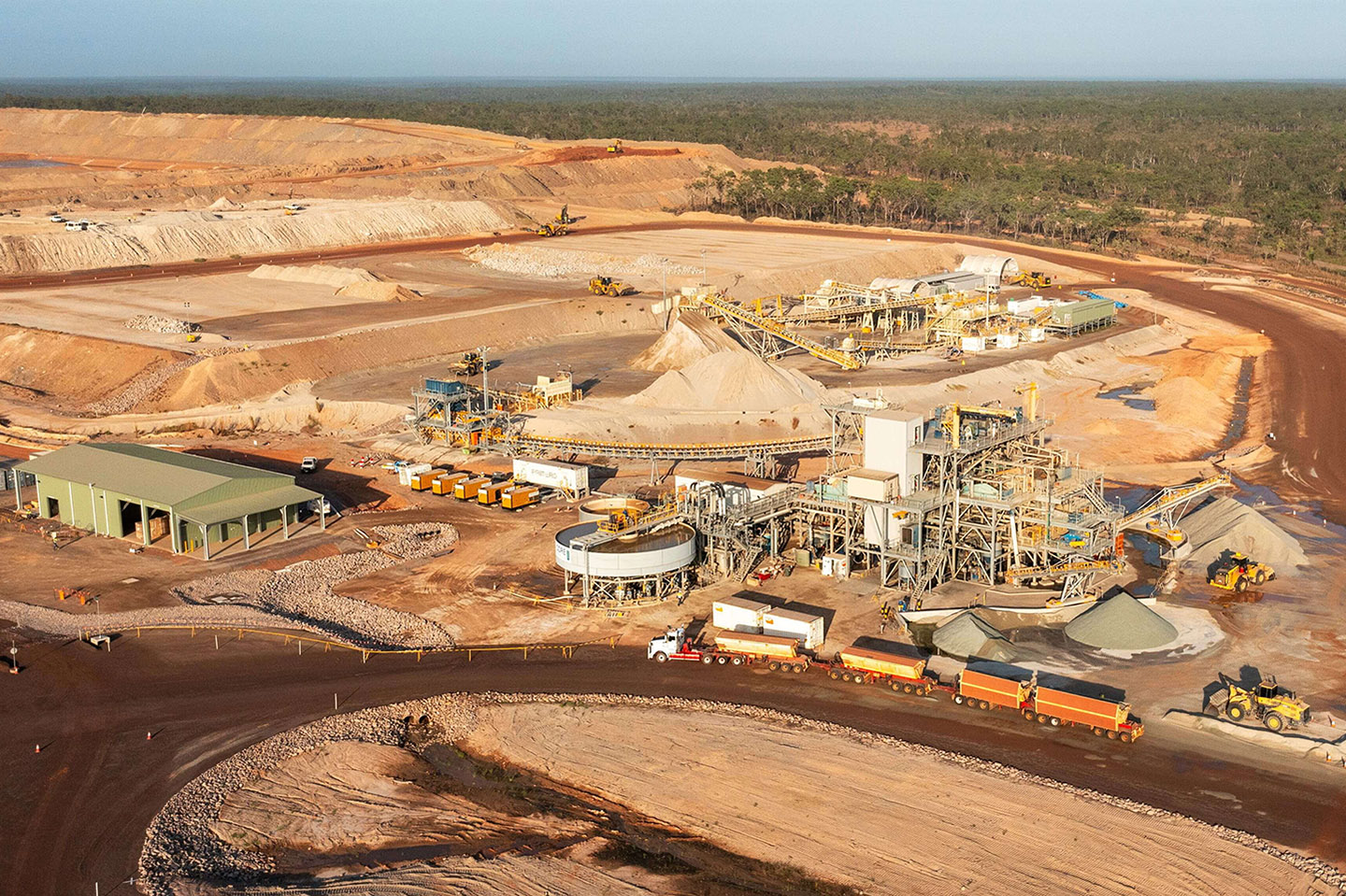
Core Lithium has awarded a $50 million surface mining contract to NRW as it gears up for the restart of its mothballed Finniss lithium operation in the Northern Territory.

Stocks struggle, oil jumps as Trump’s Iran deadline looms

SEC close to putting out ‘reg crypto’ for fundraising questions, Chair Atkins says

The Forgotten Actress Who Loved Becoming A Star Trek Babe

Financial Crash Expert: In 3 months We’ll Enter A Famine! If Iran Doesn’t Surrender It’s The End!


-

 NewsBeat4 days ago
Steven Gerrard disagrees with Gary Neville over ‘shock’ Chelsea and Arsenal claim | Football
-

 Business4 days ago
No Jackpot Winner and $194 Million Prize Rolls Over
-

 Fashion3 days ago
Weekend Open Thread: Spanx – Corporette.com
-

 Crypto World5 days ago
Gold Price Prediction: Worst Month in 17 Years fo Save Haven Rock
-

 Business1 day ago
Three Gulf funds agree to back Paramount’s $81 billion takeover of Warner, WSJ reports
-
Crypto World7 days ago
Dems press CFTC, ethics board on prediction-market insider trades
-

 Sports2 days ago
India men’s 4x400m and mixed 4x100m relay teams register big progress | Other Sports News
-

 Business3 days ago
Expert Picks for Every Need
-

 Business5 days ago
Login and Checkout Issues Spark Merchant Frustration
-

 Tech7 days ago
EE TV is using AI to help you find something to watch
-

 Sports6 days ago
Tallest college basketball player ever, standing at 7-foot-9, entering transfer portal
-
Tech7 days ago
Daily Deal: StackSkills Premium Annual Pass
-

 Tech7 days ago
How to back up your iPhone & iPad to your Mac before something goes wrong
-
Crypto World7 days ago
Valinor raises $25m to put private credit on-chain
-

 Tech7 days ago
What Are The Biggest Limitations Of Supercomputers?
-

 Crypto World6 days ago
Bitcoin enters the public bond market as Moody’s gives a first-of-its-kind crypto deal a rating
-
Crypto World6 days ago
Bitcoin stalls below key resistance as technical signals skew bearish
-

 Politics7 days ago
Transform Your Space with Stunning Small Works
-

 Politics6 days ago
Starmer’s centre has collapsed, and the left was right all along
-
Business2 days ago
No Jackpot Winner, Prize to Climb to $231 Million
You must be logged in to post a comment Login