
Crypto World
The NYSE wants to bring blockchain to Wall Street without breaking the current system

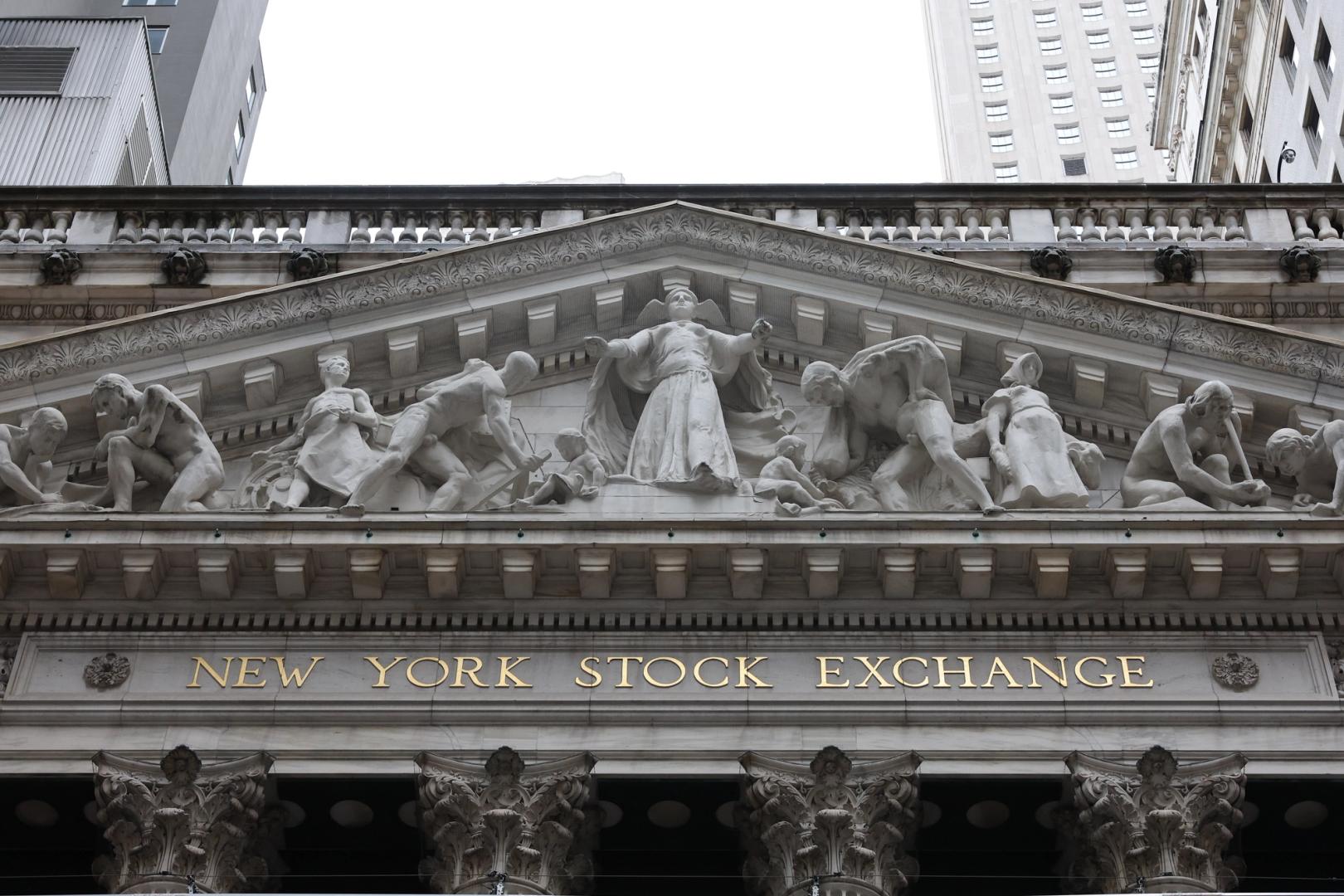
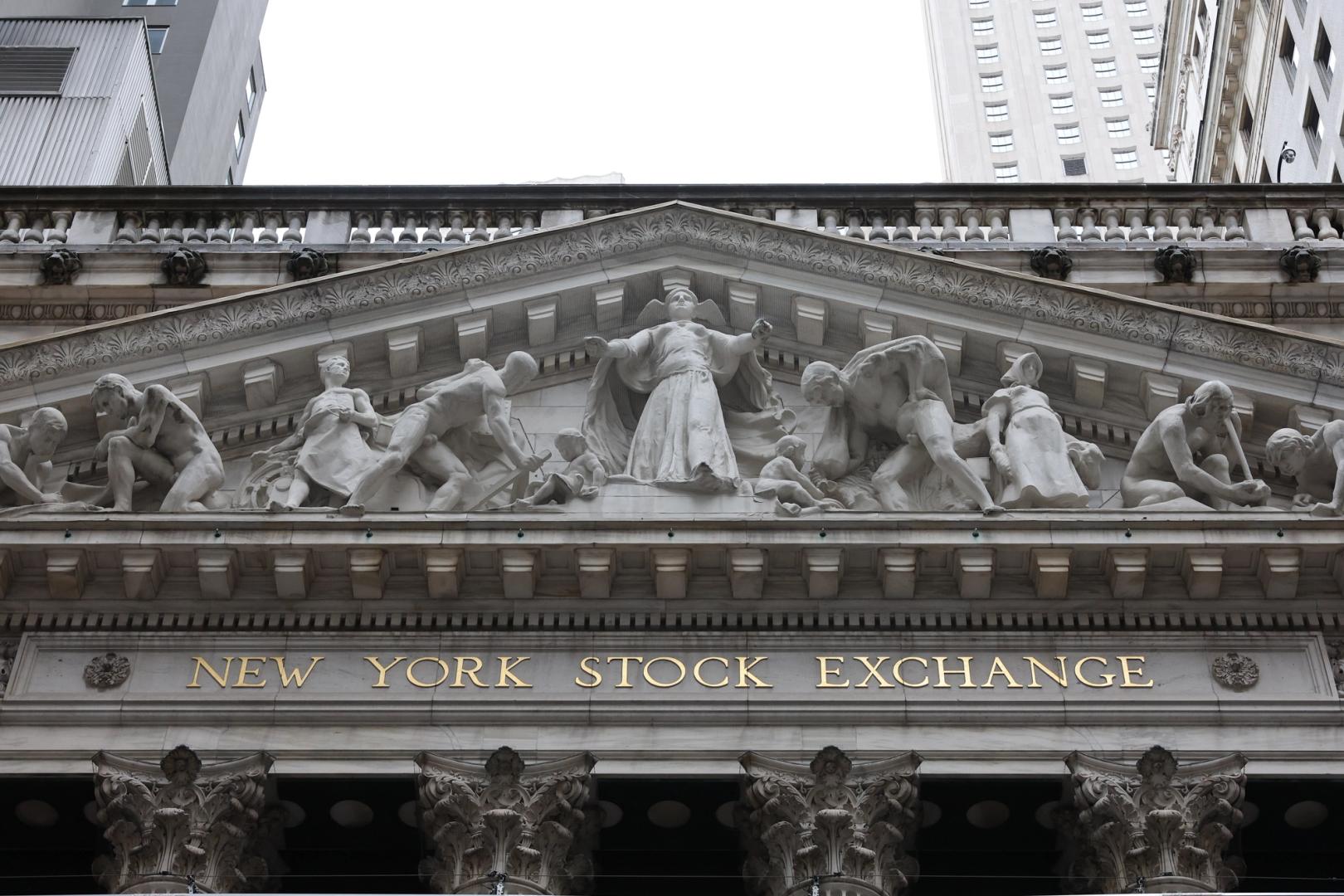
The New York Stock Exchange (NYSE) is focused on integrating blockchain technology into existing market infrastructure rather than replacing it, according to chief product officer Jon Herrick.
The exchange is “striving for interoperability” and “building on top of what exists,” as it explores how tokenized assets could function within current systems, Herrick said.
That approach reflects a broader stance on market evolution. “You have to be mindful of the inherent good things of the market that has developed up to now … it’s this balance of both things,” he said on stage at the Digital Asset Summit in New York on Thursday, referring to the need to preserve elements like regulation, clearing systems and investor protections.
Rather than framing blockchain as a replacement for traditional finance, Herrick described a model where both systems merge. “It really isn’t about one side being more right than the other … [they] should, I think, in time, come together.”
His comments come as exchanges, asset managers and banks test tokenization, which allows assets like stocks and funds to be represented on blockchain systems. Advocates argue the model could enable faster settlement, round-the-clock trading and broader global access to markets.
The NYSE is exploring some of those uses, including real-time or near real-time settlement and extended trading hours. The Intercontinental Exchange (ICE), NYSE’s parent, earlier this month made a strategic investment in crypto exchange OKX. ICE will license OKX’s spot crypto prices for crypto futures products, while OKX will offer ICE futures and tokenized equities to its customers in the U.S.
Still, Herrick cautioned that existing systems offer efficiencies that may not be easily replaced. Centralized clearing, for example, helps reduce risk by netting transactions across market participants.
Nevertheless, over time, the distinction between traditional and tokenized assets may fade. “Maybe 10 years from now, whether [a] security is tokenized or not shouldn’t matter,” he said.
For now, the exchange’s strategy suggests a slower, more incremental path forward, introducing blockchain technology gradually into the existing financial system rather than reshaping it overnight.

Crypto World
Argentina’s State-Backed Energy Giant YPF Launches Tokenization Initiative on XRP Ledger
Enertoken, developed by Justoken for YPF Luz, launched with over $800 million in tokenized energy assets on XRPL.
YPF Luz, the electricity subsidiary of Argentina’s largest energy company, has partnered with Buenos Aires-based blockchain infrastructure company Justoken to launch an energy tokenization platform built on XRP Ledger (XRPL), the firms announced earlier this month.
The platform, dubbed Enertoken, tokenizes, commercializes, and manages electricity contracts via XRPL, the public blockchain originally developed by Ripple Labs, which remains a core contributor. Meanwhile, Justoken recently emerged as the largest real-world asset (RWA) tokenization platform on XRPL by total value.
Per the announcement, the new platform from YPF Luz, developed by Justoken, is aimed at corporations and large energy consumers to help manage everything from consumption tracking, to billing, to contract execution, “fully supported by tokenized energy assets recorded on blockchain.”
Martín Mandarano, the CEO of YPF Luz — the parent company of which has had a turbulent history of state and private ownership — was quoted as saying in the announcement:
“The integration of tokenized energy assets allows us to optimize processes, enhance traceability, and deliver greater transparency to our clients, reinforcing YPF Luz’s innovative profile within the energy sector.”
Justoken’s Quiet Dominance
In what the companies are calling the project’s initial phase, Enertoken launched with over $800 million in tokenized energy assets on XRPL, per the announcement, evidently referring to Justoken’s tokenized energy fund, JMWH.
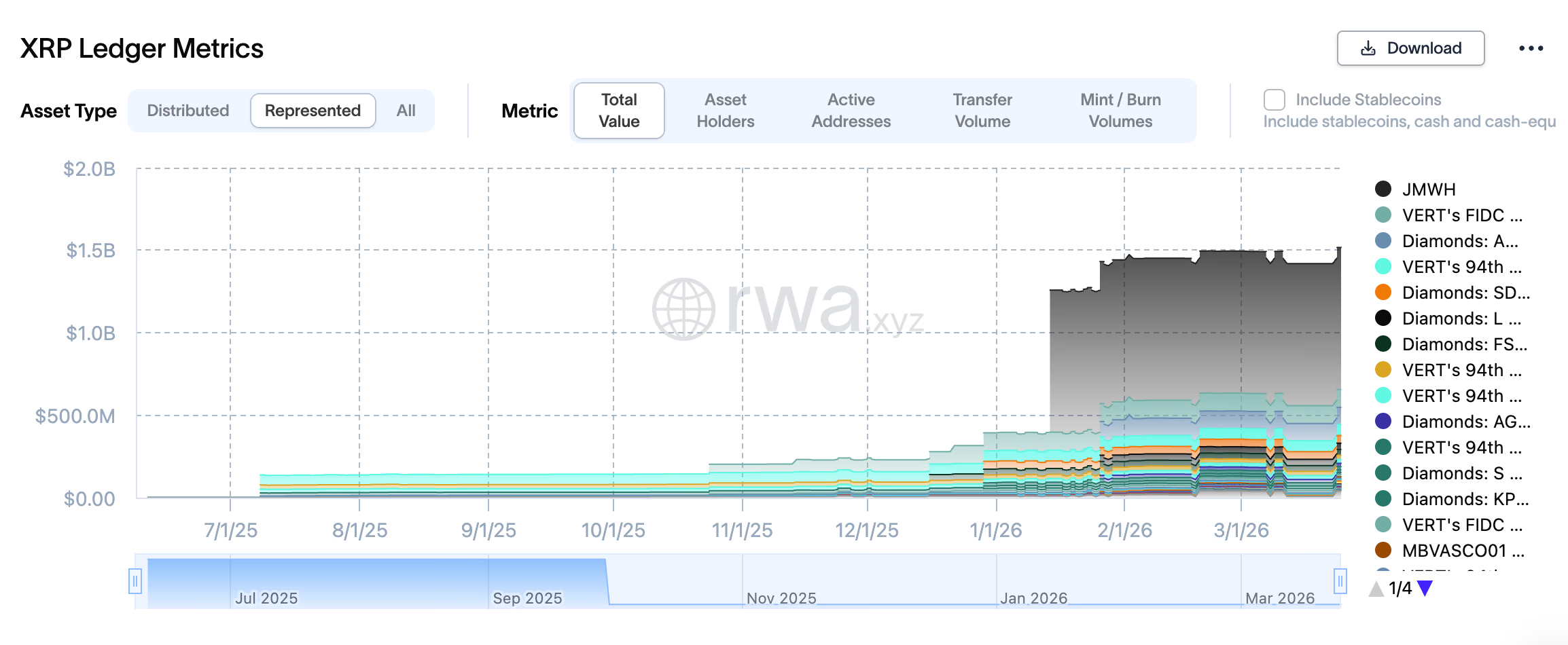
Justoken’s JMWH, which, per RWAxyz, represents real megawatt-hours (MWh) of energy, backed by energy producers in Latin America, quietly become the largest tokenized asset on XRPL by total value when it launched in mid-January with over $861 million on-chain. Meanwhile, Justoken has another $832.3 million in various other tokenized commodities on Polygon.

As of today, March 26, JMWH’s total asset value still stands at $861 million — representing nearly 57% of all so-called represented asset value on XRPL, and a nearly 45% market share of all tokenized RWA platforms on the network.
Per RWAxyz, “represented asset value” refers to tokenized assets that exist on a blockchain but cannot be distributed or transferred on-chain — they represent a real-world commitment recorded on-chain, not freely tradable tokens.
Represented vs Distributed RWAs
Luke Judges, Partner Director at RippleX, Ripple’s open developer platform, explained to The Defiant why JMWH falls into RWAxyz’s “represented” asset category, rather than “distributed” — a distinction that indicates how these assets are used on-chain, stating, “‘represented’ assets operate within more controlled environments, often reflecting regulatory or contractual requirements.”
In JMWH’s case, the tokens operate under Argentina’s capital markets regulator Comisión Nacional de Valores (CNV)’s regime for Virtual Asset Service Providers (PSAVs), with issuance, allocation, delivery, and retirement all tied to contractual obligations. This, Judges argues, explains why Justoken opted for a “closed loop approach.”
“The blockchain serves as a verifiable record of ownership and fulfilment rather than a trading venue,” Judges added.
He also noted that represented assets on XRPL are “an important starting point for many institutional use cases, with distributed assets playing a larger role as liquidity, infrastructure, and regulatory clarity continue to evolve on XRPL.”
Selecting XRPL
Ariel Scaliter, co-founder and CTO of Justoken, told The Defiant that the choice of XRPL was deliberate on multiple fronts, citing speed and scalability for teams building on the blockchain network:
“XRPL was selected for several strategic reasons. First, its institutional quality stands out. Many companies in the energy ecosystem are publicly listed, which aligns with the profile of counterparties involved in this type of business.”
Scaliter also cited the ability to build quickly on the XRPL EVM Sidechain before migrating to the mainnet, and flagged Ripple’s institutional legitimacy, as well as custody as a critical infrastructure consideration. He told The Defiant:
“XRPL, alongside contributions from Ripple, is well positioned to attract institutional investors. This global credibility and trust are essential for high-stakes, regulated use cases like energy tokenization.”
RippleX’s Judges elaborated on the architecture: “Justoken was looking for a way to bring renewable energy credits onchain that could support both traceability and automated compliance for corporate clients, while still fitting within existing custodial structures.”
YPF Luz and Its State-Backed Parent
YPF Luz is the power generation subsidiary of YPF (Yacimientos Petrolíferos Fiscales), Argentina’s majority state-owned oil and gas company. The nation’s largest crude producer was originally established over a hundred years ago as Argentina’s state oil company, but was privatized in 1999 and purchased by Spanish energy giant Repsol.
In 2012, Argentine President Cristina Fernández de Kirchner renationalized YPF, ousting Repsol after a dispute over slumping oil output and investment, Bloomberg reported at the time. Argentina’s Congress nationalized YPF through an overwhelming lower-house vote, clearing the way for President Fernández to sign the bill into law, per Reuters.
RWA Surge
XRPL has been steadily building its RWA credentials, and now has $1.5 billion in represented asset value on chain, and over $404 million in distributed asset value, per RWAxyz.
In late 2024, Ripple announced plans to tokenize the first-ever money market fund on XRPL, collaborating with UK-based digital securities exchange Archax and global investment firm Abrdn, as The Defiant reported. Last March, Ondo Finance deployed its tokenized short-term U.S. Government Treasuries product (OUSG) on the XRP Ledger, aiming to bring it to XRPL’s institutional user base.
Zooming out, the broader tokenized RWA market tripled from roughly $5.5 billion to $18.6 billion over the course of 2025, per The Defiant’s year-end analysis.
This article was written with the assistance of AI workflows. All our stories are curated, edited and fact-checked by a human.


ZachXBT blasted YoungHoon Kim’s $LAMB presale as a religion-wrapped grift, pointing to botted engagement, recycled scam copy and a playbook he’s seen in prior fraud investigations.
Summary
- On-chain investigator ZachXBT publicly questioned whether “grifting religion to promote a crypto token presale” is a viable strategy in 2026, targeting a token launch by self-proclaimed IQ 276 holder YoungHoon Kim.
- Kim, who bills himself as a World Memory Championships-recognized genius, launched the $LAMB token on March 25 via Fjord Foundry, claiming all profits would go to building churches worldwide.
- The presale’s sale marketcap reached $1.496 million with a fully diluted value of $6.804 million, while ZachXBT alleged the presale announcement relied on botted engagement.
Blockchain investigator ZachXBT fired a pointed public callout on March 26 at a religion-themed crypto token presale, asking on X whether “grifting religion to promote a crypto token presale for a glorified paid group is still a viable strategy in 2026.” The post drew 48,700 views, 1,200 likes, and 51 retweets within hours, touching off a wave of mockery and scrutiny across crypto Twitter directed at the project behind it: $LAMB, a token launched by YoungHoon Kim, who describes himself on X as the world’s highest IQ 276 holder and founder of @LAMB276_X.
Kim announced the presale on March 25 in a post that accumulated 176,000 views and 1,000 likes, writing: “Today, I launch my mission token to build churches across the world where Jesus Christ alone is Lord. Every profit belongs to His Kingdom because Jesus Christ is Lord.” The token was offered through Fjord Foundry, a decentralized token launchpad, with contract address 0x019E1f53Bf2EA52558c33feD363b491362c0d533. By the time ZachXBT weighed in, the presale had raised $51,910 against a token price of $0.246, a liquidity pool of $1.837 million, and a fully diluted valuation of $6.804 million.
Kim, who markets himself as a No. 1 Amazon bestselling author in Christian Apologetics and a Mensa member, had listed Conor McGregor — described as a “5-time World Champion” — as an advisor on the project’s promotional materials. ZachXBT’s screenshots of the LAMB276 website showed marketing language describing $LAMB as “the heartbeat of our community.” A separate reply by ZachXBT suggested the engagement surge around the presale announcement was artificial, writing: “Is botted engagement on a presale announcement considered high IQ?”
The $LAMB Token’s Playbook
The structure of the $LAMB presale follows a pattern that has drawn increasing scrutiny across the industry. The project issued a total supply of 276,000,000 tokens — a number mirroring Kim’s claimed IQ — and framed the sale as a “final sale” ahead of a broader community rollout. Commenter @serpinxbt noted in the replies that the project’s website copy “is clearly also based on historical crypto scams,” pointing specifically to phrases like “LAMB IS THE HEARTBEAT OF OUR COMMUNITY.”
ZachXBT is no stranger to flagging such operations. In March 2026, he exposed a coordinated network of over 10 accounts on X that used geopolitical panic to funnel users into pump-and-dump crypto tokens, with on-chain evidence suggesting the scheme generated six-figure profits. Earlier the same month, he accused employees at crypto trading platform Axiom of misusing internal tools to profit from insider trading — allegations that sent shockwaves through the decentralized exchange community.
The $LAMB situation fits a longer arc of celebrity- and identity-backed token launches exploiting cultural credibility to attract buyers. As CCN reported, Kim’s previous crypto price predictions — including forecasts for Bitcoin to reach $276,000 and XRP to hit triple-digit prices — had not materialized within their suggested timelines. The project had previously operated on the Solana blockchain before the current presale on Ethereum.
ZachXBT’s sardonic follow-up — “guess us plebs cannot possibly understand the grander vision since we’re not 276 IQ” — proved to be among the more viral lines in a thread that quickly went beyond crypto circles. @patty_fi summarized the community sentiment with blunt simplicity: “He’s using the prophet for profit!” As crypto.news has previously reported, social engineering and identity-based manipulation remain among the most effective — and recurring — vectors for retail crypto fraud in 2026.
Mezo, a Bitcoin-native lending protocol, will collaborate with Aerodrome Finance to support trading activity for its token and Bitcoin-backed stablecoin on the Base network, as projects look for ways to bring more financial use cases to Bitcoin.
In a Thursday announcement, Mezo said it will allocate 2.25% of its MEZO token supply to Aerodrome’s vote-escrow (veAERO) participants — users who lock tokens in exchange for governance rights and rewards. The program is designed to encourage those users to direct funds into MEZO trading pairs, increasing activity around the token and its US dollar-backed stablecoin, MUSD.
Aerodrome is a liquidity provider on Base built by the team behind Optimism, a configurable enterprise blockchain infrastructure.
The partnership links Base-based traders with a newer group of Bitcoin-focused applications, as developers experiment with adapting existing DeFi models to Bitcoin.
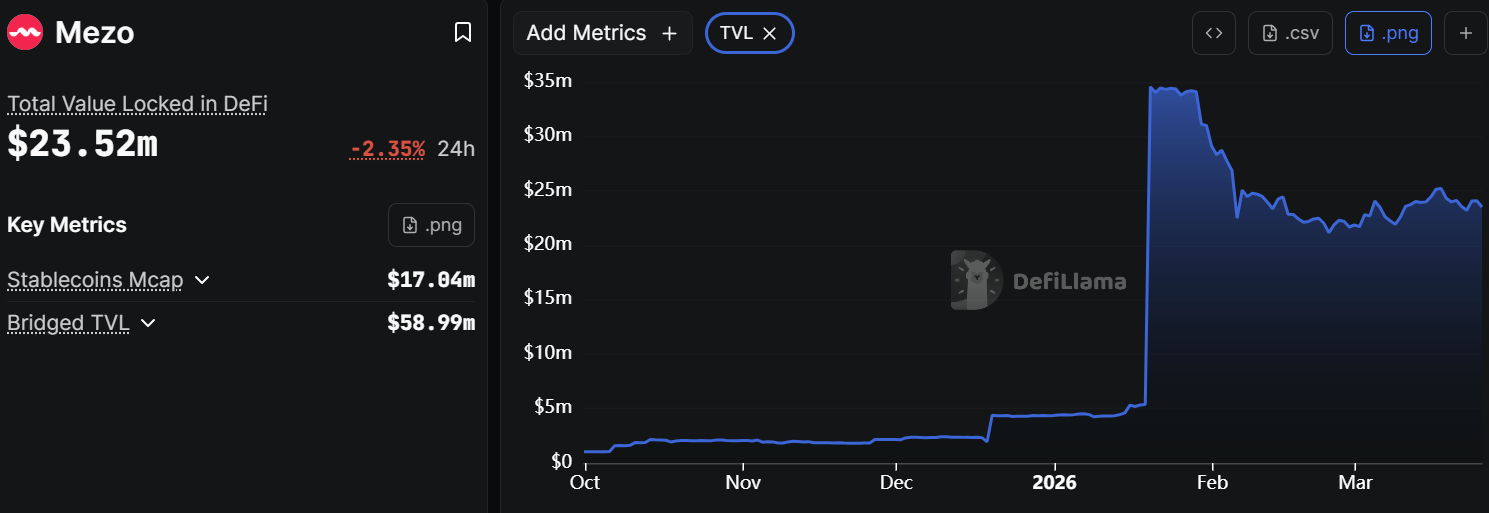
Mezo, which allows users to borrow against their Bitcoin (BTC) holdings, said it has issued more than 2,000 loans and helped move roughly $23 million in Bitcoin-denominated assets from Ethereum.

The move gives Mezo access to a large and active DeFi user base on the Base network. Bitcoin-native applications often struggle to attract enough trading activity. On Base, infrastructure such as Aerodrome can help support more consistent trading in new tokens and stablecoins.
Related: Coinbase’s Base transitions to its own architecture with eye on streamlining
Bitcoin DeFi activity grows as new platforms emerge
Bitcoin is increasingly being positioned as a base layer for decentralized finance, driven in part by increasing institutional participation and long-term holders seeking ways to generate returns on idle assets.
Bitcoin-based DeFi activity has picked up since 2024, with a growing number of platforms aiming to bring lending, borrowing and yield strategies to the network.
Recent examples include Lombard, which is building Bitcoin-based lending infrastructure and has teamed with Bitwise to allow institutional investors to earn yield and borrow against their Bitcoin holdings.
Another project, Hashi, has recently launched on the Sui network with early participation from BitGo, Bullish and FalconX, among others. The platform enables users to earn yield on Bitcoin through onchain lending and borrowing.
Related: Babylon-Ledger tie-up expands access to Bitcoin Vaults for collateral use
Brazil’s public security agencies have a new weapon for fighting organized crime after national legislators approved a measure allowing them to use confiscated cryptocurrency in their efforts.
On Wednesday, Brazil’s legislative branch published Law No. 15.358, establishing a legal framework for combating organized crime. The law allows authorities to prohibit transactions on crypto exchanges by treating digital assets as instruments in a crime, and confiscate crypto to be used to fund public security.
“For the purposes of forfeiture of assets, any asset that has been used to commit a crime shall be considered an instrument of the crime, even if it was not intended exclusively for that purpose,” said a translation of the law, which included:
“The forfeited assets and valuables may be used provisionally by public security agencies for police re-equipment, training, and special operations, subject to authorization from the judge overseeing the execution of the sentence.”

Notably, the law would authorize Brazil to coordinate and cooperate with international authorities for investigation and asset recovery, including in cases potentially involving digital assets. With a population of more than 213 million, many of whom use crypto, the legislation could have significant implications for the Brazilian government’s war chest.
Related: Brazil’s Pix instant payment system expands to Argentina
The signing of the law followed reports that Brazil’s Finance Minister, Dario Durigan, planned to delay talks on changing the country’s tax policy on crypto. According to reports, Durigan aimed to avoid divisive changes to tax policy, and would push discussions until after Brazil’s presidential election in October.
In 2025, the Brazilian Federal Police’s Operation Lusocoin targeted a laundering and foreign exchange evasion architecture of massive scale, according to TRM Labs. Authorities estimate that the network moved tens of billions of Brazilian reais through a web of shell companies, OTC crypto brokers, and non-custodial wallets.
Brazil is still reviewing a national crypto reserve
In contrast to countries like the US, where crypto seized as part of criminal cases could be used to bolster a national digital asset stockpile, Brazil’s law would divert the funds to public security measures like police training. However, Brazil’s government discussed a proposal to create a national Bitcoin (BTC) reserve in August 2025.
The BTC reserve bill, initially introduced in 2024, could allow Brazil to allocate up to 5% of the country’s treasury to purchase Bitcoin. In February, lawmakers reintroduced the legislation, expanding its scope to allow for the purchase of up to one million BTC. It was unclear as of March if the bill would have enough support to pass in the future.
Magazine: Nobody knows if quantum secure cryptography will even work
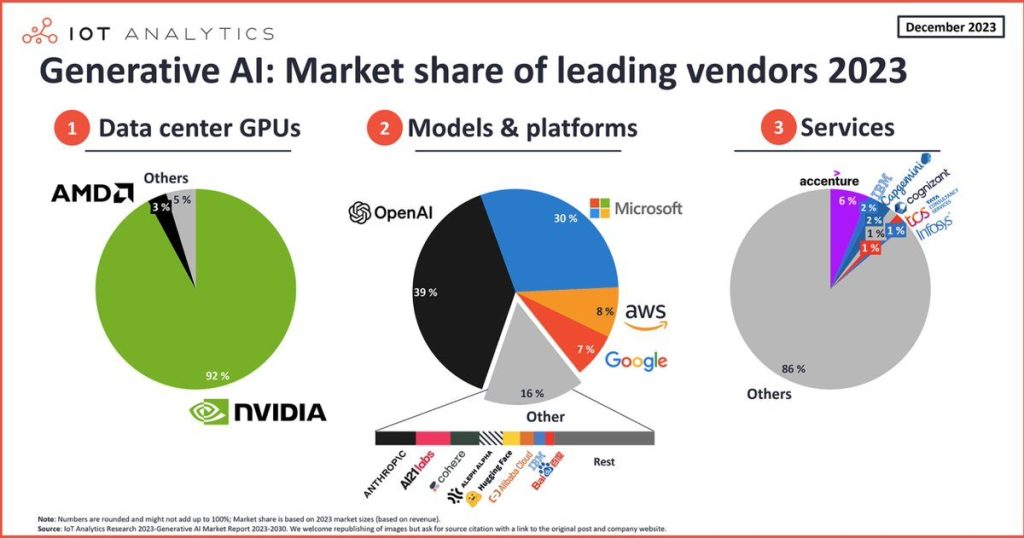
Nvidia is being sued for hiding how much of its gaming GPU revenue came from crypto miners.
The class action covers fiscal 2018, a period when quarterly revenue surged 52% and 25% year-over-year. Shareholders allege the company deliberately obscured the fact that Ethereum mining demand was driving those numbers, not gaming.
The stakes extend beyond Nvidia. As the primary infrastructure-layer supplier to the GPU mining ecosystem, any regulatory cloud over its disclosure practices ripples into how investors price exposure across the entire supply chain.
Now the Supreme Court has entered the picture. It is reviewing the 9th Circuit’s decision allowing the suit to proceed, turning a corporate disclosure dispute into a potential landmark ruling on securities pleading standards.
This just got a lot bigger than one company’s accounting.
Key Takeaways:
- Case detail: Nvidia settled a parallel SEC enforcement action in May 2022 for $5.5 million after regulators found it failed to disclose crypto mining’s material impact on gaming GPU revenue in fiscal Q2 and Q3 2018.
- Legal mechanism: The class action turns on PSLRA pleading standards — plaintiffs lack internal documents proving CEO Jensen Huang knew exact mining revenue shares, but argue employee-level crypto trend tracking constitutes constructive knowledge sufficient to survive dismissal.
- Market implication: A Supreme Court ruling that loosens PSLRA pleading thresholds would expand litigation exposure for any public company with material crypto-derived revenue — a direct risk vector for mining hardware suppliers and adjacent equities.
The Allegation: Crypto Revenue Classified as Gaming Demand
Nvidia told investors its gaming GPU revenue growth reflected gamer demand. It did not. Cryptocurrency miners were bulk-buying GeForce cards to mine Ethereum during the 2017 boom cycle.
When Bitcoin crashed in 2018 and mining economics collapsed, GPU demand evaporated and gaming revenue fell sharply. The revenue base was never what Nvidia said it was.
The internal awareness is what makes this difficult to defend. During the 2 quarters with 52% and 25% year-over-year spikes, Nvidia’s own employees were actively tracking crypto market trends and their correlation with GPU sales.
Plaintiffs argue that makes executive statements attributing growth to gaming not just incomplete but knowingly misleading.
Nvidia’s own Q4 FY2019 results did the damage retroactively. The company explicitly linked the gaming and OEM revenue decline to cryptocurrency mining downturns. That admission directly contradicts the earlier framing.
The SEC already agreed something went wrong. Enforcement Division Crypto Assets and Cyber Unit Chief Kristina Littman stated that Nvidia’s disclosure failures deprived investors of critical information to evaluate the company’s business in a key market. Nvidia paid $5.5 million and signed a cease-and-desist without admitting wrongdoing.
That settlement structure is the core of the civil case now. Nvidia preserved its technical defense by not admitting fault. But the SEC finding functionally validates the factual allegation. The class action is not relitigating whether the disclosure failure happened. It is litigating who bears the financial consequences.
The Strategic Signal: Infrastructure-Layer Risk for Mining Markets
Nvidia supplies the dominant share of discrete GPUs used in proof-of-work mining operations. Mining companies — whether publicly listed operators or sovereign-scale entities like Bhutan’s state mining program liquidating Bitcoin holdings into Binance — depend on Nvidia hardware pricing and availability as a primary cost input.

Any sustained legal or regulatory uncertainty over Nvidia’s disclosure practices introduces a new variable into GPU procurement planning and equity valuation models for mining-adjacent companies.
The channel through which the lawsuit affects sentiment is investor trust, not GPU pricing directly. If the Supreme Court tightens PSLRA standards and dismisses the case, it effectively insulates tech companies from class actions built on circumstantial inference, reducing securities litigation risk across the sector.
If the Court upholds the 9th Circuit and the class action proceeds to discovery, plaintiffs gain access to internal communications, which historically is where these cases settle expensively.
Mining equities like Bitmine, currently accumulating ETH as a strategic reserve asset, carry indirect exposure through Nvidia’s role as GPU supplier — a guilty verdict or major settlement reframes how the market prices crypto-hardware dependency risk across the board.
Ethereum’s Merge in September 2022 already eliminated GPU-based ETH mining as a demand driver, and Nvidia’s 2021 launch of dedicated Cryptocurrency Mining Processor (CMP) products with hash rate limiters on GeForce cards was a deliberate structural separation of markets. The litigation relitigates a period that no longer operationally exists — but the precedent it sets for revenue source disclosure requirements is entirely forward-looking.
Discover: The best crypto to diversify your portfolio with
The post Nvidia Faces Class Action Over Crypto Mining Revenue Disclosure Gaps appeared first on Cryptonews.
Crypto World
XRP spot ETFs defy crypto slump with $1.4B in inflows as Bitcoin, gold and silver funds see outflows, JPMorgan says
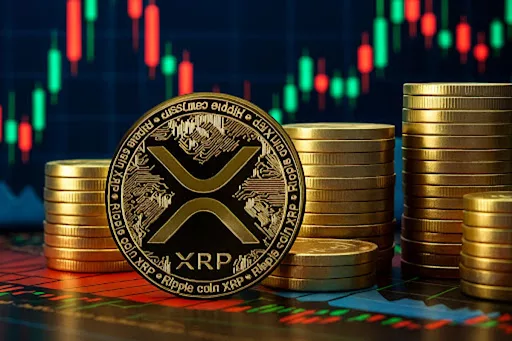
XRP exchange-traded funds are pulling in fresh capital at a pace that puts them at odds with the rest of the market, as investors rotate out of gold and silver ETFs while keeping steady allocations to Bitcoin products amid geopolitical tensions and higher rates.
Summary
- XRP spot ETFs have amassed about $1.4 billion in net inflows since launch in November 2025, even as XRP’s price slid more than 30% from recent highs.
- By contrast, gold ETFs have seen nearly $11 billion in outflows in three weeks, while silver products also bled capital as rising rates and a stronger dollar pressured precious metals.
- JPMorgan says Bitcoin ETFs are holding net inflows and showing “greater resilience” than gold and silver, underscoring a shift in how investors hedge geopolitical and macro risk.
Since their launch in November 2025, XRP (XRP)-linked ETFs have attracted more than $1.4 billion in cumulative net inflows, according to data highlighted by Bloomberg analyst James Seyffart, even as XRP has dropped roughly 33% over the past 90 days and 24% year-to-date to around $1.38. JPMorgan, meanwhile, reports that gold ETFs have suffered close to $11 billion in outflows over a three‑week stretch leading into March, with silver products seeing similarly heavy withdrawals as rising interest rates and a stronger dollar undercut the traditional safe havens.
In a recent note on ETF flows, Nikolaos Panigirtzoglou, managing director at JPMorgan, said Bitcoin spot funds “have attracted approximately 1.5% in new assets” since the latest Middle East flare‑up began, while the largest gold ETF, SPDR Gold Shares (GLD), “has experienced outflows totaling about 2.7% of its assets under management.” He argued this divergence “represents a significant departure from historical patterns where investors typically flock to gold during geopolitical uncertainty,” suggesting that BTC is increasingly viewed as “a viable alternative to traditional safe‑haven assets.” According to CoinDesk, Bitcoin briefly fell into the $60,000 range alongside other risk assets at the onset of the conflict but quickly stabilized and is now trading between $68,000 and $70,000, a range JPMorgan reads as evidence that “long‑term capital is re‑entering the market to support prices after the panic.”
For XRP, the contrast between price action and ETF demand has become increasingly stark. Data compiled by SoSoValue and cited by Seyffart show cumulative XRP ETF inflows climbing from roughly $150 million in mid‑November to about $1.44 billion by early March, even as the token slid from recent peaks toward the low‑$1.30s. Bloomberg senior ETF analyst Eric Balchunas called the performance “really impressive given these launched into a brutal 45% drawdown,” adding that such consistent buying is rare for newly listed products trading through a “reverse shiny object moment.” “My guess is this is largely XRP super fans vs casual retail,” Balchunas wrote, pointing to concentrated conviction rather than broad speculative froth.
Ripple CEO Brad Garlinghouse has framed the flows as a structural shift in how investors access the token, saying the ETFs are “a sign of XRP’s long‑term payments potential” after the company’s courtroom win against the U.S. Securities and Exchange Commission unlocked the path for regulated products. According to a previous crypto.news story, spot XRP ETFs neared $1 billion in assets after just 13 days of consecutive inflows, following patterns seen after the approval of U.S. spot Bitcoin ETFs. That momentum has since pushed cumulative net inflows to around $1.4 billion, with February alone contributing between $58 million and $106.8 million depending on the dataset, even as the broader crypto complex cooled.
JPMorgan’s latest work on cross‑asset positioning suggests that institutional traders have been steadily cutting exposure to gold and silver while leaving Bitcoin allocations broadly intact. The bank notes that positions in precious‑metal futures have “significantly declined since the beginning of the year,” with trend‑following funds flipping from “overbought” to “below neutral,” which has “exacerbated their downward pressure” as ETF outflows accelerated. Bitcoin, by comparison, has moved out of an “oversold” momentum regime, and selling pressure has eased as ETF demand stabilized, helping support the $68,000–$70,000 trading band.
Liquidity indicators in JPMorgan’s framework now show market breadth in gold slipping below that of Bitcoin, while silver liquidity has weakened even further, a reversal of the typical hierarchy in traditional macro stress episodes. The bank argues that this shift “highlights Bitcoin’s gradually emerging performance characteristics that differ from traditional safe‑haven assets in the current macro and geopolitical environment,” with deeper ETF markets and institutional participation helping compress volatility relative to earlier cycles.
XRP’s ETF complex, though far smaller in absolute terms, appears to be tracking a similar institutionalization arc. By mid‑March, total net assets across XRP ETFs sat just under $1 billion, representing roughly 1.16% of the token’s market capitalization, while some estimates suggest custodians are removing close to 1% of circulating supply from exchanges each month to back new creations. An earlier crypto.news story on XRP ETFs noted that 13 straight days of inflows pulled nearly $900 million into the products within weeks of launch, underscoring how quickly regulated wrappers can tighten free‑float supply once they catch on with allocators.
For JPMorgan, the ETF flow divergence sits atop a macro mix that still looks hostile to precious metals. The bank points to rising real yields and a firmer dollar as key reasons why gold and silver have struggled to hold recent highs, even as geopolitical risk flared. CoinMarketCap data cited in the note show gold correcting from a record peak while SPDR Gold Shares shed about 2.7% of its assets over the crisis window, against positive net inflows for BlackRock’s iShares Bitcoin Trust of roughly 1.5% of AUM. In aggregate, gold ETFs have lost nearly $11 billion over three weeks, JPMorgan estimates, with silver funds recording “significant” redemptions as well.
Bitcoin’s ability to stabilize after an initial risk‑off impulse, and to keep pulling capital into ETFs, has led JPMorgan to reiterate its long‑term price target of $266,000, derived from a volatility‑adjusted comparison to gold’s market structure. While XRP lacks that kind of formal target, the resilience of its ETF flows relative to price has drawn similar interpretations from market participants who see regulated products as a bridge for institutional money. In previous crypto.news coverage, analysts noted that XRP’s ETF trajectory and the post‑SEC‑case regulatory clarity could help the token close its underperformance gap versus peers if macro headwinds ease and capital rotates back into higher‑beta assets.
Amid ETF outflows from gold and silver, deteriorating liquidity in those markets, and continued institutional deleveraging, JPMorgan’s takeaway is blunt: Bitcoin is holding up better than traditional safe havens, and regulated crypto wrappers are no longer a sideshow. For XRP, the early data suggest that even in a choppy tape, a committed ETF bid can quietly rewire the supply‑demand balance — and position the token as one of the key beneficiaries if risk appetite returns.
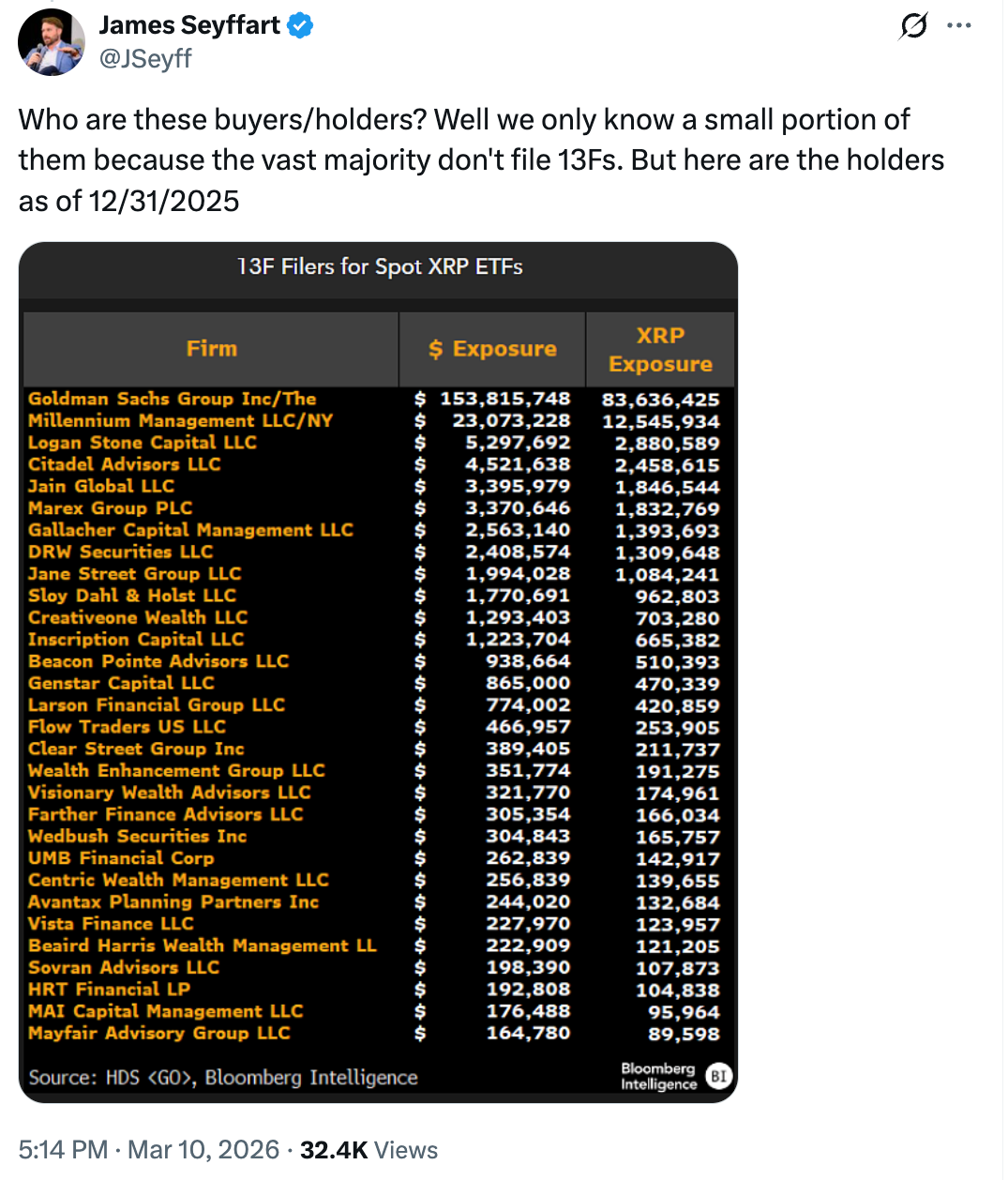
XRP (XRP) traded at $1.37 after a 3.5% decline in the last 24 hours, shrugging off Goldman Sachs’ disclosure of exposure to spot XRP exchange-traded funds (ETFs).
While this highlights long-term institutional confidence, it comes amid fragile risk sentiment and a typical breakdown from a bearish setup.
Key takeaways:
-
Goldman Sachs disclosed $152.17 million in spot XRP ETF holdings across four funds, making it the largest institutional holder in this segment.
-
XRP maintains its bear pennant breakdown setup targeting $0.72.
Goldman Sachs discloses $152 million exposure to XRP ETFs
Goldman Sachs has emerged as the largest disclosed institutional holder of US spot XRP ETFs, revealing a $152 million position in its Q4 2025 13F filing with the SEC.
Related: XRP treasury Evernorth files with SEC to list shares on Nasdaq
The $3.5 trillion asset manager has spread its exposure across four funds: $39.8 million in Bitwise XRP ETF, $38.5 million in Franklin XRP Trust, $38 million in Grayscale XRP ETF, and $35.9 million in 21Shares XRP ETF.
Goldman isn’t alone. Its allocation accounts for roughly 73% of the about $211 million held by the top 30 institutional investors in XRP ETFs, according to Bloomberg Senior ETF analyst James Seyffart.

While this institutional move highlights long-term confidence, XRP price remains 25% below its yearly open around $1.84, driven by slowing ETF inflows and macro headwinds.
Cumulative net inflows into US-based XRP ETFs crossed the $1 billion mark within the first few months of trading, peaking at $1.28 billion on Jan. 16. The pace has since cooled to $1.21 billion today.
Total assets under management peaked around $1.65 billion in early January but have dropped to roughly $995 billion, dragged down by XRP’s price decline and a stretch of net outflows, according to data from SoSoValue.
XRP ETFs recorded a total of $56.5 million in net outflows between March 3 and March 16. Since then, the daily inflows have been muted below $5 million.

XRP bear pennant breakdown underway
XRP price broke down from its prevailing bear pennant when it dropped below the lower trend line of the pattern at $1.40 on Thursday. The price could retest the lower trend line as new resistance, a move that could confirm the breakdown.

Bull pennants form when price consolidates inside a triangle following a steep decline. Once the price breaks below that triangle, it triggers another massive downward move.
For XRP, the measured target of the bear pennant is $0.72, roughly 48% below the current price.
As Cointelegraph reported, a break below $1.27 would suggest that the bears are still in control, fueling XRP/USD drop toward $1.
Declining XRP volatility hints at “sharp” price move next
XRP’s volatility metrics are warning of an imminent massive price move.
The 30-day Realized Volatility (RV 30D) has dropped to around 0.5266, marking the lowest level for 2026.
Meanwhile, the Volatility Z-Score is at -0.9048, “reflecting a clear decline in volatility compared to the historical average,” CryptoQuant analyst Arab Chain said in a recent Quicktake note, adding:
“This type of volatility contraction is commonly referred to as volatility compression, a phase that often precedes a sharp price movement in either direction.”

This article does not contain investment advice or recommendations. Every investment and trading move involves risk, and readers should conduct their own research when making a decision. While we strive to provide accurate and timely information, Cointelegraph does not guarantee the accuracy, completeness, or reliability of any information in this article. This article may contain forward-looking statements that are subject to risks and uncertainties. Cointelegraph will not be liable for any loss or damage arising from your reliance on this information.
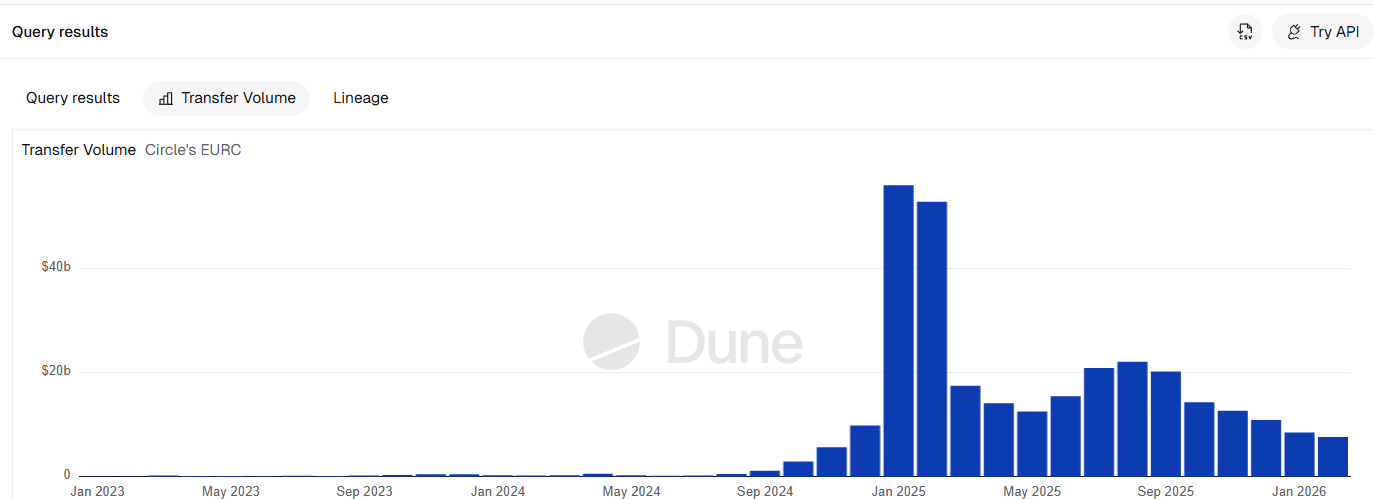
Euro-denominated stablecoins make up more than 80% of the non-US dollar stablecoin market, which Dune says has grown to about $1.2 billion in total supply, according to a report commissioned by Visa.
Dune said euro stablecoins accounted for 85% of transfer volume in the non-US dollar stablecoin market, with Circle’s EURC (EURC) emerging as the dominant euro token in the segment.
The report pointed to growing euro stablecoin use across payment infrastructure, while Visa and Mastercard have separately expanded settlement support for EURC in parts of their networks.
Dune said the non-US dollar stablecoin market now handles about $10 billion in monthly transfer volume, reflecting a sharp increase in usage over the past three years.
Even so, euro stablecoins remain a tiny part of the broader stablecoin sector, which now totals about $300 billion to $316 billion, while the euro still accounts for about 20% of global foreign exchange reserves, according to DefiLlama data.

MiCA helps push euro stablecoins forward
The research signals that European businesses operating in euros are “turning to stablecoins,” driven by the regulatory clarity in the Eurozone, Nic Puckrin, CEO and co-founder of educational platform Coin Bureau, told Cointelegraph.
“EURC is a natural choice because it’s issued by Circle, an established entity that has already won trust with its USDC product,” he added.
EURC’s total supply surpassed $506 million on Feb. 27, according to the report. Excluding EURC, 80% of euro-stablecoin activity was related to payments, remittances, payroll and treasury flows.

Puckrin said that the main driver of the growing stablecoin usage across the EU is the regulatory clarity provided by the Markets in Crypto-Assets Regulation (MiCA), which went into effect for crypto asset service providers on Dec. 30, 2024.
He added that delays around the digital euro could leave private stablecoin issuers with more room to fill parts of Europe’s digital payments gap.
Related: Circle’s policy chief tells UK to merge MiCA clarity with US stablecoin rules
Circle has also been pitching EURC and USDC (USDC) as tools for around-the-clock euro-dollar foreign exchange flows through its StableFX infrastructure, offering institutions a way to move between currencies outside traditional banking hours.
Still, broader adoption will depend on whether payment providers, treasury teams and licensed financial companies get enough compliant infrastructure to use euro stablecoins at scale, Mouloukou Sanoh, co-founder and CEO of cross-border liquidity platform Mansa, told Cointelegraph.
“The companies winning are the ones solving for licensed payment operators, not building generic L1s or other platforms, but infrastructure that lets a head of treasury at a payment service provider or electronic money institution move money in real time without prefunding, compliance friction or operational chaos,” he said.
Magazine: Crypto wanted to overthrow banks, now it’s becoming them in stablecoin fight

Bernstein has called a Bitcoin bottom and set a $450 price target on Strategy stock, 226% above Monday’s closing price of $138.20. The call comes from analyst Gautam Chhugani at a firm managing nearly $880 billion in assets, which means this is not a retail sentiment spike. It is institutional research drawing a line in the sand on the BTC-equity trade.
- Bitcoin Bottom Call: Bernstein’s Gautam Chhugani identifies the current drawdown — 44% from Bitcoin’s $126,210 all-time high — as a cycle bottom supported by ETF inflows and corporate treasury buying.
- Strategy Upside Target: Bernstein sets a $450 price target on Strategy stock, implying 226% upside from $138.20, backed by $56 billion in Bitcoin and cash against $18 billion in total debt.
- Institutional Signal: Bitcoin ETFs absorbed $2.2 billion in net inflows over four weeks, flipping year-to-date flows positive; FMR, BlackRock, Capital Group, and VanEck now hold 23% of Strategy’s STRC preferred shares.
Discover: The best crypto presales gaining institutional momentum right now
Bernstein Bitcoin Bottom Case: What the Data Shows
Bitcoin peaked at $126,210 on October 6, 2025. A flash crash on October 10, triggered by leveraged liquidations, initiated the correction, compounded by late February 2026 U.S.-Israeli strikes on Iran, and Bitcoin still held a floor near $71,000.
Chhugani frames the 44% drawdown as evidence of maturation, not breakdown: institutional demand absorbed the selling pressure that, in prior cycles, would have driven 70–80% wipeouts.
— BSCN (@BSCNews) March 26, 2026
 BERNSTEIN: MARKET MISREADING CLARITY ACT
Circle shares plunged nearly 21% over the last five days, dragging down broader crypto stocks.
The drop followed investor fears around a proposed ban on stablecoin yield. The concern stems from new language in the Clarity Act bill.… pic.twitter.com/qXkglh9Gi5
The ETF data reinforces the case. Bitcoin ETFs recorded $2.2 billion in net inflows over the four weeks preceding Bernstein’s note, reversing year-to-date outflows and pushing the net 2026 figure to positive $364 million against a $90 billion asset base.
ETFs now hold 6.1% of the total Bitcoin supply. That is a structural bid, not a momentum trade, and it is exactly the kind of price floor institutional demand analysis has pointed toward throughout this correction cycle.
Bernstein’s year-end Bitcoin target is $150,000, contingent on sustained institutional buying through mid-2026 amid geopolitical headwinds. The bottom call is not a chart pattern. It is a capital flows argument.
Discover: The best crypto to diversify your portfolio with
Strategy’s Bitcoin Treasury: The Math Behind 226% Upside
Strategy holds 762,099 BTC, acquired most recently with a 1,031 BTC purchase last week, valued at approximately $51.43 billion.

Total balance sheet Bitcoin and cash stands at $56 billion against $18 billion in total debt, per Bernstein. Cash reserves alone cover annual dividend and interest obligations for 25 months. The Bitcoin position covers annual financing costs for approximately 50 years.
The leverage mechanism is straightforward: Strategy stock amplifies Bitcoin moves because each share represents a claim on a BTC treasury that grows as the company raises capital and buys more coin.
At $138.20, Bernstein’s $450 target prices in a Bitcoin recovery toward the $150,000 level while assigning value to the capital-raising machine itself — the $42 billion raise split between Class A common stock and perpetual preferred shares, with $6.24 billion in ATM program capacity still available across a 19-agent sales syndicate.
The STRC preferred share launched in July 2025, paying an 11.5% annual dividend monthly. Thirty-day average daily STRC volume hit $220 million, up 65% over three months, making it the most liquid preferred product in its category. Strategy is down 57% over six months and 59% over twelve months, reflecting dilution concerns from ongoing equity raises.
The stock has recovered 10.9% over the past month. Bernstein is betting the dilution discount is already priced in.
Discover: The best crypto presales gaining institutional momentum right now
The post Bernstein Calls Bitcoin Bottom and Sets 226% Upside Target for Strategy appeared first on Cryptonews.


Tether crypto has engaged an unnamed Big Four accounting firm for a comprehensive financial statement audit of USDT, announced March 24, 2026.
The stablecoin now carries a $184 billion market cap and supports more than 550 million users worldwide, making this the largest-scope inaugural audit in digital asset history.
This is not an incremental compliance step. It is a structural reclassification of how Tether’s reserves are verified.
- Audit Scope: The Big Four engagement covers a full financial statement opinion across digital assets, traditional reserves, and tokenized liabilities — replacing point-in-time attestations from BDO Italia used since 2021.
- Scale: USDT’s $184 billion market cap and 550 million global users make this the largest inaugural Big Four audit ever conducted on a stablecoin.
- Selection Process: CFO Simon McWilliams confirms the firm was chosen through a competitive process, with Tether asserting it already meets Big Four operational standards ahead of engagement.
Discover: The best crypto presales gaining institutional momentum right now
The Mechanics: Attestation vs. Full Financial Audit
Tether’s prior arrangement with BDO Italia produced quarterly attestations, agreed-upon procedures that confirmed asset existence at a specific point in time.
They did not constitute an audit opinion on whether financial statements fairly present Tether’s overall position. That distinction matters enormously to institutional counterparties and regulators.
A full Big Four audit requires the firm to independently examine Tether’s complete reserve structure: U.S. Treasuries, cash equivalents, commercial paper holdings, digital asset positions, and tokenized liabilities.
The auditor issues a formal opinion on whether those financials are presented fairly in accordance with recognized accounting standards. The scope here is wider than any prior stablecoin audit on record.
CEO Paolo Ardoino states: “This audit represents years of work to strengthen our systems so that Tether can meet the highest standards applied in global finance.” CFO Simon McWilliams adds that the firm “was selected through a competitive process because the organisation is already operating at Big Four audit standard.” The firm’s identity has not been disclosed. One of Deloitte, EY, KPMG, or PwC is now inside Tether’s books.
Discover: The best crypto to diversify your portfolio with
The Strategic Signal: Why This Changes Tether Crypto Institutional Profile
Tether has operated under institutional skepticism for five years. A $41 million CFTC fine in October 2021 followed misleading claims about full USD backing.
An $18.5 million settlement with the New York Attorney General in February 2021 centered on reserve transparency failures. Both actions left a credibility gap that quarterly attestations never fully closed.
The Big Four engagement closes that gap structurally, not rhetorically. Dr. Anya Petrova of the Global Digital Finance Institute calls it “the gold standard of financial credibility,” adding it “could significantly lower the perceived risk premium for institutions interacting with the USDT ecosystem.” That risk premium has been the primary barrier to sovereign, pension, and prime brokerage exposure to USDT-denominated instruments.
The timing aligns with a broader regulatory tightening across digital assets. The CFTC’s Innovation Task Force is actively restructuring oversight frameworks for crypto derivatives — and stablecoin reserve transparency is a core compliance variable in that architecture. Tether’s audit positions USDT ahead of any reserve disclosure mandate, rather than behind it.
That is a deliberate strategic posture, not a coincidence. As the Ripple RLUSD pilot with MAS demonstrates, institutional-grade stablecoins now compete on compliance infrastructure as much as liquidity depth.
Discover: The best crypto presales gaining institutional momentum right now
The post Tether Crypto Secures Big Four Auditor for Full USDT Transparency Review appeared first on Cryptonews.

8 Best Plot Twists of ‘The Pitt’ Season 2 (So Far)

Crypto & Gold Analysis | 26 March || Trading Techstreet | Akhand Pratap Singh

Iran could hit London with a missile, US Defense Secretary Pete Hegseth suggests

Smart energy pays enters the US market, targeting scalable financial infrastructure

Why Israel is blocking foreign journalists from entering

Bitcoin: We’re Entering The Most Dangerous Phase
Crypto & Gold Analysis | 26 March || Trading Techstreet | Akhand Pratap Singh

Best crypto prediction 2025 & best crypto to invest in 2025 #bitcoin #cryptopredictions #news

The Problem With Not Sharing Financial Information in Families | CA Sreejith Kuniyil|Gobinath#shorts
-
 Crypto World6 days ago
NIO (NIO) Stock Plunges 6.5% as Shelf Registration Sparks Dilution Worries
-

 Fashion6 days ago
Weekend Open Thread: Adidas – Corporette.com
-
 NewsBeat1 day ago
Manchester United reach agreement with Casemiro over contract clause amid transfer speculation
-

 Politics6 days ago
Jenni Murray, Long-Serving Woman’s Hour Presenter, Dies Aged 75
-

 Crypto World5 days ago
Best Crypto to Buy Now: Strategy Just Spent $1.57 Billion on Bitcoin During Fear While Early Investors Quietly Enter Pepeto for 150x Potential
-

 Crypto World5 days ago
Bitcoin Price News: Bhutan Sells $72 Million in BTC Under Fiscal Pressure, but the Smart Money Entering Pepeto Sees What the Market Does Not
-

 Tech7 days ago
inKONBINI Lets You Spend Summer Days Behind the Register
-

 News Videos16 hours ago
Parliament publishes latest register of MPs’ financial interests
-

 Sports3 days ago
Remo Stars and Kano Pillars Strengthen Survival Hopes in NPFL
-

 Politics7 days ago
Gender equality discussions at UN face pushbacks and US resistance
-

 Business4 days ago
No Winner in March 21 Drawing as Prize Rolls to $133 Million for Next
-

 Sports3 days ago
Gary Kirsten Accuses Pakistan Cricket Board Of ‘Interference’, Mohsin Naqvi Responds
-

 Tech4 days ago
Give Your Phone a Huge (and Free) Upgrade by Switching to Another Keyboard
-

 Sports6 days ago
2026 Kentucky Derby horses, odds, futures, preview, date: Expert who nailed 12 Derby-Oaks Doubles enters picks
-

 Tech4 days ago
AI enters the chat: New Seattle dating app relies on tech to facilitate meaningful human connections
-

 Business7 days ago
DLocal: Entering 2026 At Escape Velocity
-

 Politics7 days ago
Scotland’s rejection of assisted dying is a victory for humanity
-
Business6 days ago
Columbia Sportswear enters $500 million credit agreement with JPMorgan Chase
-

 Tech5 days ago
Today’s NYT Connections Hints, Answers for March 22 #1015
-

 News Videos3 days ago
Ch 9 Financial Management Part 1 | Detailed One Shot | Class 12 Business Studies Boards 2026
You must be logged in to post a comment Login