It has moved to Swansea to the creative hub in Carmarthen whose main tenant is Welsh language channel S4C
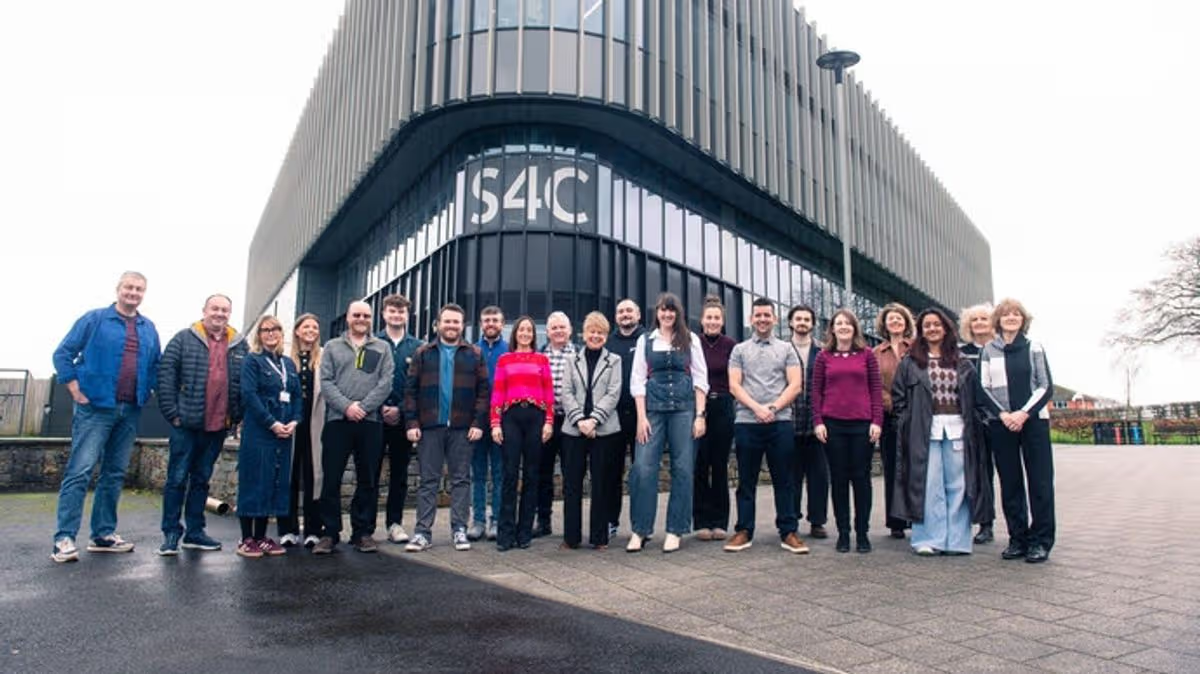
Telesgop staff at Yr Egin.
Multimedia production company, Telesgop, has relocated to Canolfan S4C Yr Egin in Carmarthen. As well as serving as a HQ for Welsh language channel S4C the hub is home to 11 other creative tenants.
Yr Egin, which was part funded with backing from the Swansea Bay City Region’s City Deal, is owned by the University of Wales Trinity Saint David (UWTSD) and located at its Carmarthen campus.
Telesgop, which employs 20, has relocated from Bay Studios in Swansea to the 25,556 sq ft building, which is now fully let
The university’s vice-chancellor, Professor Elwen Evans KC, said:“We are delighted to welcome Telesgop to Yr Egin. The company is highly respected in the industry and known to all of us for its quality output for radio and screen.
” The company is joining a thriving creative community, which has collaboration and co-production at its core. I have no doubt that Telesgop and its staff will be a great asset to that community and will make a valuable contribution to the University more broadly.”
Telesgop’s expertise includes documentaries such as Gronyn Gobaith/Peace Particle and Ryan Jones; specialist factual programmes including Ffermio and Cneifio; factual entertainment; coverage of major cultural events such as the YFC Eisteddfod and the Cerdd Dant Festival; and children’s programming such as Fferm Fach.
The company also has a long-standing reputation in radio production, producing over 700 hours of content annually for BBC networks, including BBC Radio Cymru, BBC Radio Wales and BBC Radio 2.
Advertisement
Ffion Rees, managing director of Telesgop, said: “Telesgop has deep roots in west Wales, having started the company 33 years ago in Llandeilo, so moving our offices to Yr Egin is a natural and exciting step for us. The building has become an important hub for the creative industries, and we look forward to being part of that community.
“For us, moving here is more than just a change of office – it’s an opportunity to work alongside other creative companies, S4C, the University of Wales Trinity Saint David, develop new ideas and continue to create high quality content from West Wales.”
Geraint Evans, chief executive of S4C, added:“It’s a pleasure to see Telesgop joining the community at Canolfan S4C Yr Egin. Yr Egin is a place that brings ideas, creative people and opportunities together, so it’s great to see an experienced company like Telesgop choose to settle here.
“Supporting talent and businesses across the whole of Wales is important to us, and it’s great to see Yr Egin developing into a place that creates a real opportunity for companies like Telesgop to flourish.”
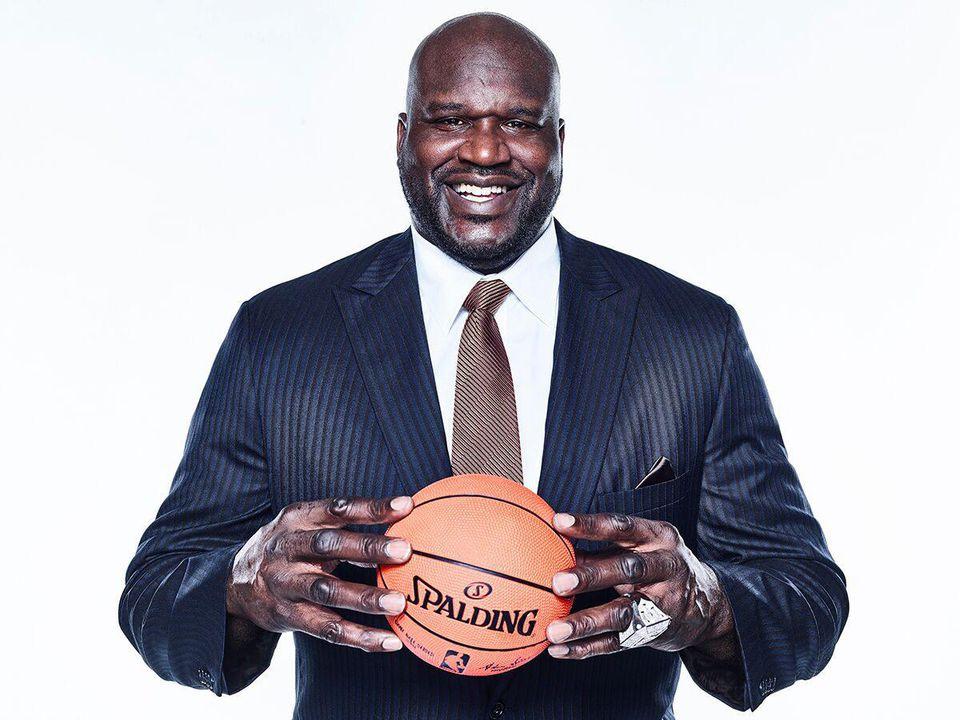
LOS ANGELES — Shaquille O’Neal firmly denied viral claims that he sent explicit and bizarre direct messages to pop star Sabrina Carpenter, telling listeners on his podcast that the screenshots are fake and that he possesses far better flirtation skills than those portrayed.
The 54-year-old NBA Hall of Famer addressed the rumor during a recent episode of “The Big Podcast with Shaq,” reading aloud some of the alleged lewd messages before dismissing them outright. “First of all, ladies, the Diesel got way more game than that,” O’Neal said, using his well-known nickname while laughing off the controversy.
The screenshots, which circulated widely on social media earlier this month, purported to show O’Neal sliding into Carpenter’s Instagram DMs with graphic and unusual content, including a line about keeping her “farts in a cologne bottle” and spraying it daily. Other alleged messages referenced crude sexual boasts. The images appeared to come from a verified account with O’Neal’s photo, but he and his co-hosts quickly pointed out signs of manipulation.
Co-hosts on the podcast, including comedian K.T. Bailey, agreed the messages did not sound like O’Neal. Bailey noted that the profile picture looked photoshopped and suggested the entire exchange could be AI-generated or fabricated by someone seeking viral attention. O’Neal added that the tone and phrasing — including him introducing himself despite messaging from his own verified handle — made the claims implausible.
Viral Rumor Sparks Online Debate
The rumor gained traction rapidly after the screenshots surfaced, with some users initially believing the messages were genuine due to the realistic appearance of the Instagram interface. Discussions ranged from amusement to criticism, with some questioning why a celebrity of O’Neal’s stature would send such overt and awkward overtures to the 26-year-old singer known for hits like “Espresso” and “Please Please Please.”
Advertisement
AFP
Carpenter, who has not publicly commented on the alleged DMs, has remained silent on the matter. No confirmation or denial has come from her representatives, and she has not shared or reacted to the screenshots on her own social channels.
O’Neal’s response mixed humor with dismissal. He joked about the explicit nature of the messages while emphasizing that his real-life approach to interaction differs significantly. Podcast guests reinforced that the content did not align with O’Neal’s public persona or typical communication style, noting that the messages read more like an attempt at internet trolling than authentic celebrity outreach.
O’Neal’s History with Social Media and Public Persona
The former Los Angeles Lakers center has long embraced a larger-than-life personality both on and off the court. Known for his charisma, business ventures and frequent media appearances, O’Neal maintains an active presence on social platforms and his podcast. He has previously shared stories about his dating life and admitted to past personal mistakes, including infidelity during his playing days.
This latest rumor fits into a broader pattern of celebrity DM scandals that often spread quickly online, sometimes fueled by deepfakes, AI tools or edited images designed to generate engagement. Experts note that Instagram DM screenshots are relatively easy to fabricate with modern editing software, especially when combined with AI-generated text or profile elements.
Advertisement
O’Neal has faced scrutiny over personal matters in the past but has generally addressed rumors with a blend of candor and humor. His podcast response continued that approach, turning a potentially awkward situation into lighthearted content for listeners while firmly rejecting the allegations.
Context of Celebrity Interactions and Online Virality
Incidents involving alleged direct messages between high-profile figures often highlight the challenges of social media in the digital age. What begins as a single post can snowball into widespread discussion, speculation and sometimes reputational harm before facts emerge.
In this case, the rapid spread of the screenshots underscores how quickly unverified content can circulate, particularly when it involves a generational gap between a basketball legend and a rising pop sensation. Carpenter, who rose to fame as a Disney Channel star before transitioning to mainstream music success, has cultivated a playful yet confident public image that contrasts sharply with the crude tone of the alleged messages.
O’Neal, standing 7-foot-1 and weighing over 300 pounds in his playing prime, has cultivated the “Big Diesel” persona that emphasizes dominance, wit and self-deprecation. His denial leaned into that image, suggesting that any real attempt at flirtation from him would reflect greater sophistication or “game.”
Advertisement
Social media users reacted with a mix of skepticism and amusement. Some defended O’Neal, arguing the messages were obviously fake, while others treated the story as harmless entertainment. The episode also reignited conversations about the ethics of sharing private messages — real or fabricated — without consent.
Broader Implications for Celebrity Culture
The incident reflects ongoing tensions in how celebrities navigate privacy, public perception and digital interactions. High-profile figures like O’Neal and Carpenter operate under constant scrutiny, where even unproven rumors can dominate news cycles.
O’Neal’s decision to address the claim directly on his podcast allowed him to control the narrative and inject humor, potentially diffusing any lingering damage. It also served as a reminder for audiences to approach viral content with caution, especially when it involves private communications that lack independent verification.
Carpenter has continued her busy schedule, promoting music and touring without addressing the rumor. Her team has not issued any statement, consistent with a strategy of ignoring unsubstantiated online noise.
Advertisement
For O’Neal, the episode adds another colorful chapter to a post-basketball career filled with media appearances, business deals and entertainment projects. The four-time NBA champion remains a beloved figure whose larger-than-life personality often invites both admiration and lighthearted mockery.
As the story fades from immediate headlines, it highlights the speed and reach of social media rumors in 2026. With AI tools making fabrication increasingly convincing, distinguishing fact from fiction requires greater scrutiny from both consumers and platforms.
O’Neal’s closing message on the podcast was simple: the claims were false, and anyone familiar with him should have known better. His co-hosts echoed the sentiment, reinforcing that the viral screenshots represented internet mischief rather than reality.
In an era where celebrity interactions fuel endless online speculation, O’Neal’s blunt denial and self-aware humor offered a straightforward rebuttal: the Diesel has way more game than that.
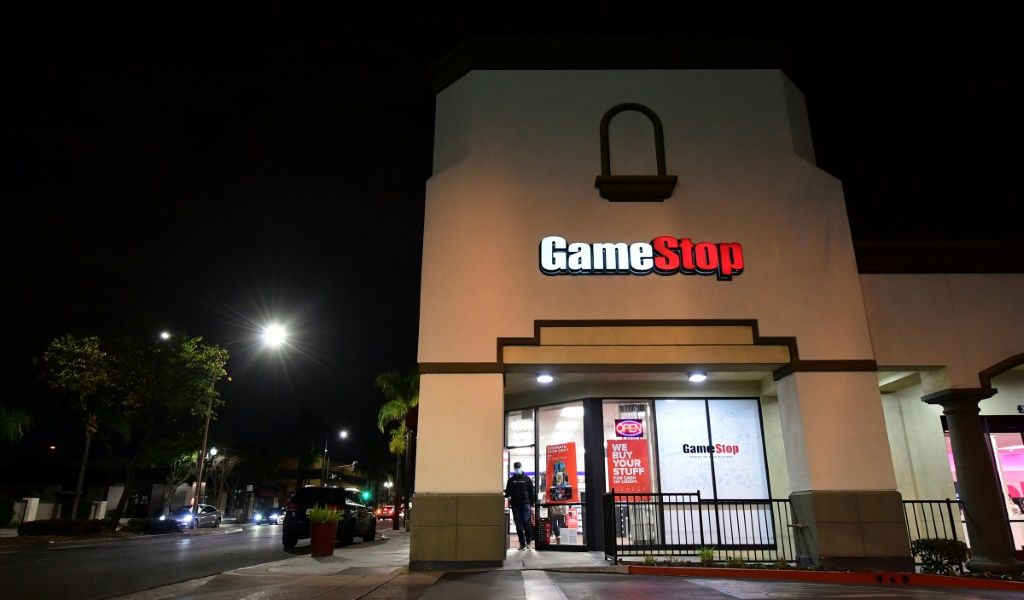
GameStop Corp. shares traded modestly lower in early Thursday trading as investors digested the video game retailer’s latest quarterly results, which showed declining revenue amid a broader industry shift to digital downloads but a surge in profitability and a massive cash reserve that continues to fuel speculation about the meme stock’s future.
AFP / Frederic J. BROWN
As of mid-morning Eastern time on March 26, 2026, GME stock was changing hands around $22.74, down about 1.5% from the previous close of $23.08. The stock has swung between roughly $22.62 and $23.22 so far in the session, with volume approaching 2 million shares. For the week, shares are little changed after posting a 1.18% gain on Wednesday following the earnings release.
GameStop reported fourth-quarter fiscal 2025 results after the market close on Tuesday, March 24. Revenue fell to $1.104 billion, missing Wall Street expectations and reflecting a 13.9% year-over-year decline as consumers increasingly bypass physical stores for digital game purchases and downloads. Adjusted earnings per share, however, came in at 49 cents, comfortably beating forecasts of around 31 cents.
The Grapevine, Texas-based company posted net income of $418.4 million for the full fiscal year, a sharp improvement from $131.3 million in fiscal 2024. Excluding certain one-time items such as impairments and losses on digital assets, the results highlighted better cost management and gross margin expansion. Full-year net sales totaled $3.63 billion, down 5% from the prior year.
Analysts noted the mixed bag. While hardware and software sales continued to soften, the company’s growing emphasis on collectibles — including trading cards, figurines and memorabilia — provided some offset, with that segment showing strength in recent periods. GameStop has been repositioning itself away from traditional video game retail toward a broader entertainment and collectibles play as the industry evolves.
Advertisement
A standout feature of the report was the balance sheet. GameStop ended the period with approximately $9.01 billion in cash and cash equivalents, giving it significant financial flexibility. The company has no long-term debt of note, resulting in a net cash position that values the enterprise well below its cash holdings on some metrics. That war chest has long intrigued investors, sparking talk of potential acquisitions, share buybacks or other capital returns.
“GameStop’s cash pile is its greatest asset right now,” said one retail investor tracking the name on social media platforms, echoing a sentiment common in online communities. “Whether Ryan Cohen deploys it for a big deal or just sits on it, it keeps the short sellers nervous.”
CEO Ryan Cohen, who took the helm in 2023 after building a sizable stake, has kept a relatively low public profile but is widely credited with steering the company toward cost discipline and strategic pivots. Speculation about a major acquisition — with names like eBay occasionally floated in media reports — has periodically lifted the stock, though no deals have materialized.
The stock’s volatility remains a defining trait. GME has traded in a 52-week range of $19.93 to $35.81. Year to date through late March 2026, shares are up roughly 14-15%, outperforming many other former meme stocks that have struggled in 2026. Market capitalization stands near $10.3 billion based on about 448 million shares outstanding.
Advertisement
Short interest continues to draw attention from retail traders. As of mid-March, roughly 64.2 million shares were sold short, representing about 15.7% of the public float. The days-to-cover ratio hovered around 12, meaning it would take more than two weeks of average daily volume to close out those positions at current levels. While far below the frenzied levels seen during the 2021 short squeeze that propelled shares above $80 intraday (pre-split adjusted), the persistent short position keeps alive the narrative of potential upward pressure.
The GameStop saga dates back to early 2021, when social media-driven buying by retail investors, amplified by figures like Keith Gill — better known as “Roaring Kitty” or DeepF**kingValue on Reddit — triggered one of the most dramatic short squeezes in Wall Street history. Shares skyrocketed from under $20 to triple digits in a matter of days, inflicting heavy losses on hedge funds with large short bets and sparking congressional hearings, regulatory scrutiny and a cultural moment around “diamond hands” and meme stocks.
Gill has periodically resurfaced on social media, posting cryptic messages or position updates that have occasionally reignited trading fervor. Michael Burry, the investor made famous by “The Big Short,” has also expressed interest in GME at times, citing its undervaluation relative to net asset value. Such endorsements, even without direct action, tend to boost visibility in retail circles.
Yet the fundamentals tell a more challenging story. The video game industry has shifted dramatically toward digital distribution, with platforms like Steam, PlayStation Network and Xbox Live capturing the majority of software sales. Physical game disc sales have plummeted, pressuring retailers like GameStop. The company has responded by closing underperforming stores, trimming overhead and exploring new revenue streams in collectibles and potentially e-commerce or partnerships.
Advertisement
Circana, an industry tracker, projects U.S. video game spending to rise modestly in 2026, but much of that growth is expected in digital and subscription models rather than brick-and-mortar. GameStop’s employee count has shrunk significantly from its peak, now hovering around 4,000.
Wall Street analysts remain cautious overall. The consensus price target sits well below current levels, around $13.50, implying potential downside of more than 40% for some models. Ratings are generally neutral to sell, reflecting concerns over long-term revenue trajectory in a tough retail environment. However, the massive cash balance and low debt provide a floor that limits bankruptcy risk and supports the “value trap or deep value” debate.
Options activity around earnings was elevated, with implied moves suggesting traders anticipated a 6-7% swing in either direction post-results. The stock initially dipped on the revenue miss but recovered some ground as the earnings beat and cash position took center stage.
For individual investors, GME remains a high-risk, high-volatility name. Trading volume often spikes on news or social media catalysts, and beta above 1.5 indicates it moves more dramatically than the broader market. Those holding through multiple cycles cite community loyalty and the cash hoard as reasons for optimism, while critics point to eroding core business and lack of a clear turnaround path.
Advertisement
GameStop has not provided detailed forward guidance, consistent with its recent practice of limited commentary. The company did note ongoing efforts to optimize its footprint and invest in areas with growth potential, particularly collectibles, which saw sales gains in the quarter.
As the broader market grapples with economic uncertainty, interest rates and sector rotations, speculative names like GME often move independently on narrative rather than pure fundamentals. Whether the stock can sustain momentum or faces renewed pressure will likely depend on how management deploys its cash, any strategic announcements and the unpredictable influence of social media sentiment.
Investors should note that past meme-stock surges were driven by extraordinary short-covering dynamics that may not repeat. With short interest moderated but still notable, and a cash-rich but revenue-challenged business, GME continues to embody the tension between traditional value metrics and modern retail investor enthusiasm.
GameStop is scheduled to hold its next earnings call in the coming months, where further details on strategy could emerge. In the meantime, traders are watching technical levels around $22 support and $24-$25 resistance.
Alphabet Inc. shares traded lower in early Thursday trading, pulling back from recent levels as Wall Street digested the tech giant’s strong fourth-quarter performance and ambitious plans for heavy artificial intelligence investments in 2026.
AFP
As of mid-morning Eastern time on March 26, 2026, Alphabet’s Class A shares (GOOGL) were changing hands around $286, down roughly 1.5% from the previous close near $290.93. The stock has fluctuated between approximately $285 and $290 so far in the session, with volume on pace to exceed the daily average. For the week, shares are modestly lower after a mixed performance in recent sessions.
The Mountain View, California-based company, parent of Google, reported robust fiscal 2025 fourth-quarter results on Feb. 4. Revenue climbed 18% year-over-year to $113.8 billion, surpassing analyst expectations, while net income surged 30% to $34.5 billion. Earnings per share reached $2.82, beating forecasts of around $2.64.
For the full year 2025, Alphabet’s revenue topped $402.8 billion for the first time, up 15% from the prior year. Net income rose to $132.2 billion, with diluted EPS at $10.81. Operating margin held steady near 32%, even as the company absorbed a $2.1 billion stock-based compensation charge related to its Waymo autonomous driving unit.
Google Services, which includes Search, YouTube and subscriptions, drove much of the growth. Segment revenue increased 14% to $95.9 billion in the quarter, fueled by 17% growth in Google Search and other advertising, 9% gains in YouTube ads and strong subscription momentum. YouTube’s total revenue across ads and subscriptions exceeded $60 billion for the full year.
Advertisement
Google Cloud continued its rapid expansion, with revenue jumping 48% to $17.7 billion in the fourth quarter. The unit’s annual run rate surpassed $70 billion, powered by demand for AI infrastructure and enterprise solutions on Google Cloud Platform. CEO Sundar Pichai highlighted AI as a key growth driver across the business.
“AI investments and infrastructure are driving revenue and growth across the board,” Pichai said in the earnings release. He noted the launch of Gemini 3 as a milestone, with the Gemini app reaching over 750 million monthly active users and first-party models processing billions of tokens per minute.
The company also outlined aggressive capital spending plans for 2026, projecting $175 billion to $185 billion in capex — significantly above prior analyst estimates. Much of that will fund data centers and AI compute capacity to meet surging demand from cloud customers and internal needs.
Analysts largely viewed the results positively, though the elevated spending outlook raised questions about near-term margin pressure. Consensus remains a “Buy” rating, with average 12-month price targets around $350 to $367, implying potential upside of more than 20% from current levels. Some firms have targets as high as $420.
Advertisement
Alphabet’s balance sheet remains fortress-like. The company ended 2025 with about $126.8 billion in cash and marketable securities. It returned capital to shareholders through $5.5 billion in share repurchases and $2.5 billion in dividends in the fourth quarter. A quarterly dividend of $0.21 per share was paid, with the ex-dividend date in early March.
Short interest stands at roughly 80 million shares as of mid-March, representing about 1.4% of the float — relatively low for a mega-cap tech name. Days to cover hover around 2.8, suggesting limited immediate squeeze risk.
Shares have shown volatility in 2026, trading in a 52-week range of roughly $140.53 to $349. Market capitalization sits near $3.5 trillion. Year-to-date performance has been mixed amid broader tech sector rotations and concerns over high valuations in the artificial intelligence space. The stock’s beta around 1.1 indicates it moves roughly in line with the broader market.
The company’s core advertising business, which still accounts for the majority of revenue, benefits from its dominant position in search and video. Digital ad spending has remained resilient, though competition from platforms like TikTok and emerging AI-driven search tools continues to evolve the landscape. YouTube’s subscription growth, including YouTube Premium, has provided diversification.
Advertisement
Google Cloud’s momentum positions Alphabet as a key player in the hyperscale cloud market, competing with Amazon Web Services and Microsoft Azure. Enterprise adoption of generative AI tools has accelerated demand for specialized infrastructure, where Alphabet claims advantages through its custom chips and integrated AI offerings.
Other Bets, including Waymo, continue to incur losses but represent long-term optionality in autonomous vehicles and moonshot projects. The $2.1 billion charge in the fourth quarter reflected a higher valuation for Waymo following an investment round.
Wall Street expects the next earnings report, covering the first quarter of 2026, around April 23. Analysts are modeling continued double-digit revenue growth, with particular focus on Google Cloud margins and the pace of AI-related capex deployment.
Challenges persist. Regulatory scrutiny remains a headwind, with ongoing antitrust cases in the U.S. and Europe potentially affecting search and advertising practices. The company also faces intensifying competition in AI from OpenAI, Anthropic and others, though its vast data resources and distribution through Google products provide a strong moat.
Advertisement
Broader economic factors, including interest rates and consumer spending, could influence ad budgets. Yet Pichai and the leadership team have emphasized AI as an “expansionary moment” for Search, where new features drive more usage rather than cannibalizing existing revenue.
For investors, Alphabet offers a blend of mature cash flow generation from advertising and high-growth exposure through cloud and AI. Its forward price-to-earnings ratio sits around 25, considered reasonable for a company with consistent earnings beats and strong free cash flow — $73.3 billion for full-year 2025.
Retail and institutional interest remains high, with the stock a core holding in many growth-oriented portfolios. Options activity often spikes around earnings, reflecting expectations for volatility.
As Alphabet prepares for its Q1 update, focus will likely center on whether AI monetization is accelerating as hoped and how the heavy 2026 investments will impact profitability in the near term versus long-term positioning.
Advertisement
The tech sector’s rotation in early 2026 has seen some profit-taking in high-flyers, but analysts generally see Alphabet as well-positioned for continued leadership in digital infrastructure and services.
GameStop-like meme dynamics are absent here; instead, moves are driven by fundamental execution in AI and cloud. With a massive cash pile, disciplined capital return and clear strategic direction under Pichai, Alphabet embodies the tension between today’s strong results and tomorrow’s heavy spending.
Investors will monitor technical support near $280 and resistance around $300 in the coming sessions.
Chris Nicholas Vrame is a Sacramento, California–based entrepreneur and real estate developer known for bringing ambitious ideas to life through persistence and practical execution.
Raised in the greater Chicago area, he developed an early appreciation for hard work and community. Growing up near a major city exposed him to many industries and people, shaping his people-focused approach to business.
Vrame attended DePaul University in Chicago, where he strengthened his ability to think long term and manage complex projects. These skills would become central to his career as he moved into entrepreneurial ventures and development.
One of his earliest notable projects was The Tasting Room, a wine bar in Chicago that allowed guests to sample more than 100 wines by the glass each night. The concept, recognised by Wine Spectator, combined hospitality with retail and gave customers the opportunity to purchase wines they enjoyed during their visit. The project reflected Vrame’s ability to combine creativity with operational planning.
After relocating to California, he focused on entrepreneurship and property development. He served as a co-founder and primary financial partner of Arena Softball, an indoor adaptation of baseball designed to create a faster and more engaging version of the game.
Advertisement
Vrame also led the redevelopment of the Lakeside Business Park and Residential Planned Community in Elk Grove, transforming previously stalled land into a thriving mixed-use area with more than 300 homes and commercial space.
His career centres on innovation, patience, and the long process of turning ideas into real projects that serve communities.
Q&A with Chris Nicholas Vrame
Q: You grew up in the Chicago area. How did that environment influence your career?
Chicago shaped a lot of my thinking early on. It’s a big city with many different industries and people from every background. You learn quickly how to communicate and how to adapt.
I grew up seeing businesses of all sizes. That made me curious about how things are built and managed. It also showed me that success usually comes from persistence rather than quick wins.
Advertisement
Q: You later attended DePaul University. What role did your education play in your professional path?
DePaul helped me build discipline. College teaches you how to manage responsibilities over a longer period of time. You have to think ahead and stay organised.
For me, it reinforced the idea that big projects take patience. That mindset became important later when I started working on business ventures and development projects that required years of work.
Q: One of your earliest ventures was The Tasting Room in Chicago. What inspired that concept?
At the time, wine bars were usually limited in selection. We wanted to create a place where people could explore wine without committing to a full bottle.
The idea was simple. Customers could sample over 100 wines by the glass in one evening. If they liked something, they could buy it from the retail shop attached to the bar.
Advertisement
It turned into a great experience for customers. Wine Spectator recognised it, which was encouraging. But what mattered most was that people enjoyed discovering new wines in a relaxed setting.
Q: What did that project teach you about entrepreneurship?
It taught me that innovation often comes from small changes to an existing idea. You don’t always have to reinvent everything.
We just asked a simple question: what would make the experience better for the customer?
If you focus on that question long enough, you often find interesting solutions.
Advertisement
Q: You later became involved in Arena Softball. How did that opportunity come about?
Arena Softball came from the idea of adapting baseball to a faster, indoor format. The game is played inside a fully netted arena with unique rules that keep the action moving.
Greg Joseph is often listed publicly as the founder. My role was as a co-founder and primary financial partner. I helped support the development and structure of the concept.
What interested me was the idea of taking a traditional sport and asking how it might evolve in a different environment.
Q: What did you learn from working on a sports concept like that?
You learn that innovation always involves uncertainty. Sports traditions run deep, so people can be cautious about change.
Advertisement
But sometimes experimenting with a new format can open up new audiences or new experiences.
Arena Softball operated in places like Eagan, Minnesota. Seeing the concept come to life showed me how ideas can move from paper to reality when the right team commits to them.
Q: Real estate development later became a major focus of your career. How did that happen?
When I moved to California, I started looking more closely at development opportunities.
One project that stands out is the redevelopment of Lakeside Business Park and the surrounding residential community in Elk Grove.
Advertisement
The property had been stalled for years because of zoning issues and planning delays.
Q: What made you pursue that project despite those challenges?
Sometimes when people see obstacles, they step away. I tend to look at what the long-term potential might be.
In this case, I believed the land could support both homes and businesses. After working through approvals and planning changes, the project eventually became a community with more than 300 homes along with offices and local businesses.
It took time. Projects like that always do.
Advertisement
Q: What guiding philosophy has shaped your career across these industries?
Patience and follow-through.
Ideas are everywhere. The difference is whether someone is willing to stay with the project for years.
I try not to start something unless I’m prepared to see it through.
Q: Outside of work, what keeps you balanced?
I enjoy skiing, youth sports, and theatre. Those activities remind me that teamwork and preparation matter in every field.
Advertisement
Whether you’re on a stage, in a sport, or working on a development project, success usually comes from preparation and commitment.
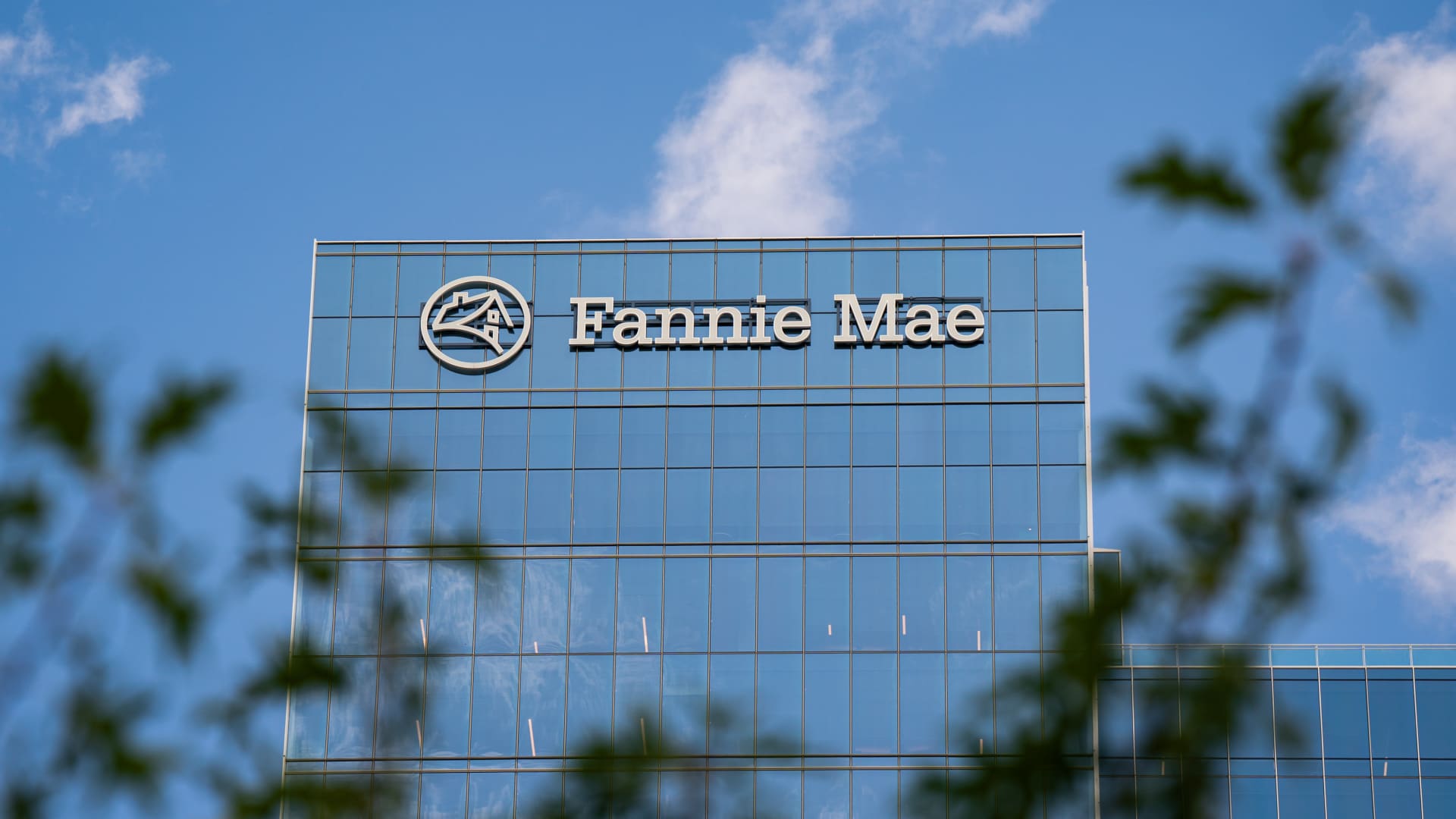
Fannie Mae offices in Reston, Virginia, US, on Tuesday, Aug. 12, 2025. The Trump administration is considering selling shares of Fannie Mae and Freddie Mac in an offering that could start as early as this year, according to senior administration officials.
Al Drago | Bloomberg | Getty Images
Fannie Mae will now accept crypto-backed mortgages via a new product by mortgage company Better Home and Finance and Coinbase.
Advertisement
It’s not the first crypto backed mortgage, but it is the first accepted by Fannie Mae, which is under government conservatorship. The offering allows homebuyers to use their crypto assets as collateral. Fannie Mae will purchase those loans just like any other conforming mortgage.
“We have now finally created the infrastructure rails to enable any tokenized asset in America to be able to be pledged to help someone afford to buy a home,” Vishal Garg, CEO of Better, told CNBC in an interview. “It starts with bitcoin, starts with [USD Coin], but going forward, it can be Apple stock or Amazon stock, or any publicly traded mutual fund, bond fund, something that you might hold in your IRA, you’re going to be able to pledge that to buy a home.”
The idea is to serve Americans who have enough crypto assets to fund a mortgage down payment but do not want to sell those assets, which would both incur taxes and forfeit any future appreciation.
The new mortgage product allows them to keep the cryptocurrency and still secure home financing.
Advertisement
“Token-backed mortgages are a major first step to unlocking homeownership for the younger generations that have struggled with barriers to saving for a traditional down payment,” said Max Branzburg, head of consumer and business products at Coinbase, in a release.
To use the product, a borrower must have a Coinbase account and would take out a regular mortgage with Better as well as a second loan, backed by either bitcoin or USD Coin. The second loan would fund the down payment on the first loan.
Both loans are held by Better, and the crypto assets, once pledged, cannot be traded. Even if the value of the crypto falls, nothing changes on the loans, as long as the borrower keeps making the monthly payments.
As an example, on a $500,000 home, a borrower can pledge $250,000 in bitcoin and get a $100,000 loan to cover the cash down payment. The crypto stays in custody in Better’s Coinbase Prime account for the life of the loan and is returned once the loan is repaid.
Advertisement
Get Property Play directly to your inbox
CNBC’s Property Play with Diana Olick covers new and evolving opportunities for the real estate investor, delivered weekly to your inbox.
The downside is that the borrower is then paying interest on two loans, which makes it more expensive, but Garg said Better offers lower rates than most competitors, and the rates on the loans and the terms on the loan are the same.
“You’re keeping the appreciation on your asset in the instance of USDC, the holdings that you hold in USDC and the yield you get from that can be used to offset the interest payments on the mortgage,” Garg said.
Advertisement
There is also no private mortgage insurance on the second loan. Borrowers will make one payment to Better, which holds both loans.
Other companies, like Milo, offer crypto-backed loans, but those products aren’t yet compliant with Fannie Mae. They can be far more expensive than the Better product and require all crypto assets to be used as collateral, not just a certain amount.
In general, however, the backing by Fannie Mae, whose conservator, the Federal Housing Finance Agency, has been increasingly bullish on cryptocurrency, seems to open the door for more products like this one.
“I don’t see how the entire real estate industry will not be on the blockchain within 10 years,” said Tony Giordano, a real estate agent specializing in cryptocurrency, on a recent Property Play podcast.
Advertisement
If approved for a loan by Better, Coinbase One members will be eligible for a rebate worth 1% of the mortgage vale, capped at $10,000. Other assets, like ethereum and Solana may be added in the future.
CANBERRA, Australia — Lung cancer is projected to remain Australia’s deadliest cancer in 2026, claiming an estimated 9,000 lives as part of more than 54,000 total cancer deaths expected nationwide, according to the latest data from Cancer Australia and the Australian Institute of Health and Welfare.
Smoking is the leading cause of lung cancer
While age-standardised mortality rates continue a long-term decline thanks to better prevention, screening and treatments, the absolute number of deaths is rising because of population growth and ageing, officials said. The 2025 estimates — the most recent detailed projections available — show 53,545 cancer deaths, a figure expected to edge higher into 2026.
Cancer Australia’s October 2025 statistics and AIHW’s Cancer Data in Australia report rank the top 10 cancers by expected deaths. Here they are, based on 2025 figures that officials say will closely track into 2026:
Lung cancer: 8,994 deaths
Colorectal (bowel) cancer: 5,235 deaths
Pancreatic cancer: 4,039 deaths
Prostate cancer: 3,975 deaths
Breast cancer: 3,353 deaths
Liver cancer: 2,091 deaths
Non-Hodgkin lymphoma
Cancer of unknown primary site
Brain cancer
Melanoma of the skin
These 10 account for the vast majority of cancer fatalities. Upper gastrointestinal cancers as a group — including pancreatic, liver, oesophageal, stomach and biliary — narrowly edged lung cancer in raw 2024 ABS provisional data (9,301 vs. 9,119 deaths), but official 2025 projections and early 2026 indicators keep lung cancer at No. 1.
Lung cancer has held the grim top spot for decades, though smoking rates have fallen sharply. It kills more Australians than any other cancer because many cases are diagnosed late, when survival is poor. In 2025, it represented about 17 per cent of all cancer deaths. Targeted therapies and immunotherapy have lifted five-year survival for some subtypes, but tobacco remains the leading preventable cause. Health authorities urge continued anti-smoking campaigns and low-dose CT screening for high-risk groups.
Colorectal cancer ranks second, with more than 5,200 projected deaths. National bowel screening has improved early detection, yet participation lags. Experts credit the program with driving down mortality rates, but rising cases in people under 50 are worrying oncologists. “We’re seeing concerning increases in early-onset colorectal cancer,” one AIHW analysis noted in 2025 data releases.
Advertisement
Pancreatic cancer claims nearly 4,040 lives annually and is notorious for its dismal prognosis — five-year survival below 10 per cent. Late symptoms and lack of routine screening keep it lethal. It forms a major part of the upper GI surge that some analysts flagged in 2024 ABS figures. Research into earlier biomarkers is underway but not yet standard.
Prostate cancer kills about 3,975 men each year, though mortality rates have dropped dramatically from 63 deaths per 100,000 males in the mid-1990s to 33 in 2025. PSA testing and improved treatments get much of the credit, but over-diagnosis remains a debate.
Breast cancer claims 3,353 lives, mostly women. Five-year survival now exceeds 90 per cent for many, up from earlier decades, thanks to mammographic screening and targeted drugs like trastuzumab. Still, it remains a leading cause among women and underscores the need for continued awareness.
Liver cancer (2,091 deaths) has risen with hepatitis infections, alcohol use and obesity-related fatty liver disease. Vaccination against hepatitis B and treatment for hepatitis C have slowed growth, but rates remain elevated in some migrant communities.
Advertisement
Lower on the list but still significant are Non-Hodgkin lymphoma, cancer of unknown primary (where the original site cannot be found), brain cancer and melanoma. Melanoma, once a major killer, has seen mortality fall with public sun-safety campaigns and immunotherapy breakthroughs that have transformed advanced cases.
Overall, cancer accounts for roughly three in every 10 deaths in Australia. Yet the story is not all grim. The age-standardised mortality rate has fallen from 257 deaths per 100,000 people in 2000 to an estimated 194 in 2025 — a 24 per cent drop. For people in their 30s and 40s, rates have declined even more sharply.
Survival gains are real. Five-year relative survival for all cancers combined has improved steadily. Prostate cancer survival jumped from around 60 per cent in earlier decades to 96 per cent. Breast cancer rates have followed a similar path. Even lung cancer outcomes are inching upward for never-smokers and those with actionable mutations.
But challenges persist. Absolute death numbers are climbing because Australians are living longer, and the over-65 population — where cancer risk is highest — is growing fastest. Disparities remain: regional and remote areas, Aboriginal and Torres Strait Islander communities, and lower socioeconomic groups face higher mortality.
Advertisement
Prevention offers the biggest lever. Tobacco control, HPV vaccination, hepatitis immunisation, sun protection, healthy weight, limited alcohol and participation in screening programs (bowel, breast, cervical) could avert thousands of deaths. Emerging research on early-onset cancers in younger adults is prompting calls for updated guidelines.
Cancer Australia CEO Dorothy Keefe has highlighted the dual trends: “Outcomes are improving overall, but the sheer number of cases and deaths demands sustained investment in research, equitable access to care and public education.”
As 2026 unfolds, health officials will release more granular 2025 actuals and 2026 projections. For now, the message is clear: while the 10 listed cancers will dominate mortality statistics, many deaths are preventable or treatable if caught early.
Australians are encouraged to talk to their GPs about screening eligibility, adopt healthier lifestyles and stay alert to symptoms. With continued progress in science and public health, the downward trend in rates could accelerate — even as the population ages.
Compass International chairman and CEO Robert Reffkin discusses home inventory and affordability as mortgage rates creep higher on ‘The Claman Countdown.’
Mortgage rates spiked this week as the conflict in Iran continues to weigh on markets, mortgage buyer Freddie Mac said Thursday.
Freddie Mac’s latest Primary Mortgage Market Survey, released Thursday, showed the average rate on the benchmark 30-year fixed mortgage rose to 6.38% from last week’s reading of 6.22%.
Advertisement
The average rate on a 30-year loan was 6.65% a year ago.
The average rate on the 30-year fixed mortgage jumped to 6.38% this week. (Daniel Acker/Bloomberg via Getty Images)
“The housing market continues to show gradual improvements compared to a year ago amid recent rate volatility,” said Sam Khater, Freddie Mac’s chief economist. “Purchase and refinance applications are up year-over-year.”
The conflict in the Middle East is contributing to the spike in mortgage rates. (Elijah Nouvelage/Bloomberg via Getty Images)
Mortgage rates are affected by several factors, including the Federal Reserve and geopolitics. Though mortgage rates are not directly affected by the Fed’s interest rate decisions, they closely track the 10-year Treasury yield. The 10-year yield hovered around 4.38% as of Thursday afternoon.
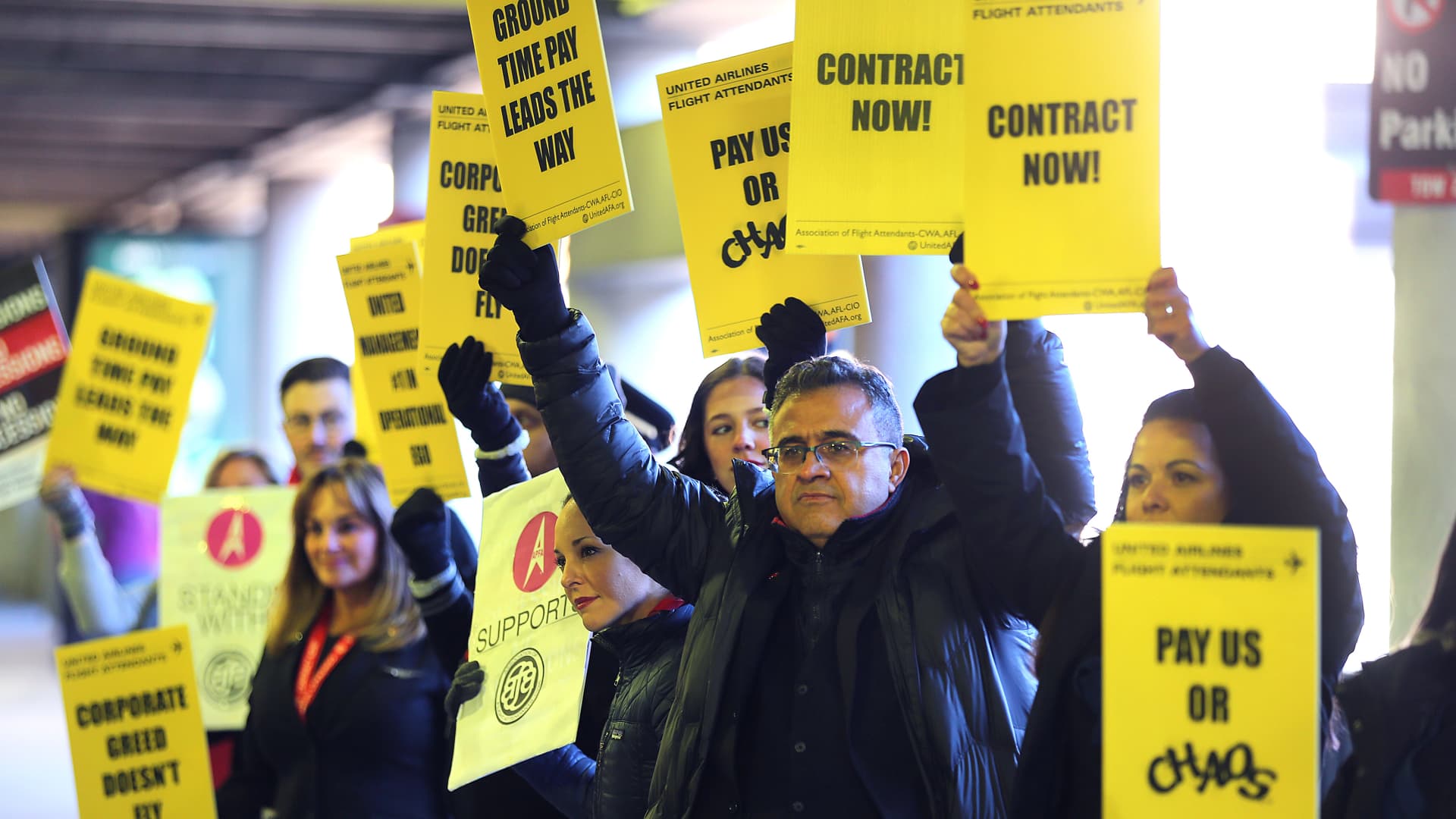
United Airline flight attendants picketed outside Terminal B at Logan Airport, seeking a new contract.
John Tlumacki | Boston Globe | Getty Images
United Airlines and its flight attendant union have reached a tentative labor deal that will include their first raises in roughly six years.
Advertisement
If ratified by flight attendants, it would make United the last of the major carriers to secure a labor deal with cabin crew members since the Covid-19 pandemic ended.
United said the agreement will include immediate raises and top pay of $100 an hour at the end of the contract, as well as pay for flight attendants during boarding and “a signing bonus for every flight attendant worth a total of $740 million.”
The Association of Flight Attendants-CWA, the flight attendants’ union, didn’t provide specific details about the deal but said that in addition to higher base pay, it includes additional compensation for flight disruptions and new restrictions on overnight flight assignments.
The labor deal comes as United is planning an aggressive expansion of its higher-touch premium cabins, with new seats featuring elevated dining options and seats that convert into beds.
Advertisement
United flight attendants last July rejected a previous labor deal that would have included immediate, 26% raises.





















































You must be logged in to post a comment Login