Connect with us
DAPA Banner
DAPA Coin
DAPA
COIN PAYMENT ASSET
PRIVACY · BLOCKDAG · HOMOMORPHIC ENCRYPTION · RUST
ElGamal Encrypted MINE DAPA
🚫 GENESIS SOLD OUT
DAPAPAY COMING

NewsBeat

The natural birth movement empowers many women but pressure can also work the other way

Published

on

The natural birth movement empowers many women but pressure can also work the other way

Childbirth is often framed as a choice between two extremes: “natural” birth or medical intervention. The real challenge is making sure women can decide how they give birth, without pressure in either direction.

Debates about childbirth often focus on pressure to accept medical interventions in hospital, such as caesareans or forceps delivery. But recent NHS maternity inquiries suggest some women feel pressure in the opposite direction. They describe being discouraged from medical assistance even when they believed it would be safer, or better for them.

One healthcare professional giving evidence in the 2022 Ockenden Review, which examined preventable deaths and injuries affecting mothers and babies between 2000 and 2019, described a culture in which avoiding caesarean sections had become a source of institutional pride:

They were always very proud of their low caesarean rates … I personally found all the failed or attempted instrumental deliveries very difficult to deal with. I had never seen so many injuries … or resuscitations … Nothing to be proud of.

Evidence presented to a House of Commons inquiry into the safety of maternity services similarly found that “hundreds of women felt pressure to have a normal birth”, without medical assistance.

Advertisement

During my doctoral research examining childbirth narratives across several major UK maternity inquiries, I analysed thousands of women’s birth stories submitted to public investigations. Some accounts describe women who felt discouraged from receiving medical assistance even when they would have preferred it.

The natural birth movement – which emerged in the mid-20th century as a reaction against the increasing medicalisation of childbirth – advocates for minimal pain medication, midwife-led care, and avoiding caesarean sections and instrumental deliveries where possible. It was designed to encourage women to reclaim control of their bodies from a medical establishment that had, in many cases, taken that control away.

While the movement acted as an important counterweight against routinised, unnecessary interventions, that same cultural force has, in some settings, created its own pressure – one where accepting medical help feels like a failure.

When legal rights meet clinical reality

One of the most influential cases in modern medical law addressed this issue of informed choice during childbirth. In Montgomery v Lanarkshire Health NHS Trust (2015), the doctor did not warn the patient about the risks of vaginal delivery because they believed “it was not in the maternal interests for women to have caesarean sections”.

Advertisement

The Supreme Court rejected this reasoning. Instead, it emphasised that patients must receive clear information about risks and alternatives so they can make their own decisions about treatment.

Current Nice guidelines reinforce this principle. They stress that maternity care should support women’s choices during birth and caution against allowing personal opinions to influence the interventions that are offered.

The UK government also recently abandoned the World Health Organization recommendation that caesarean births should not exceed 20% nationally, after concerns that rigid targets were pressuring NHS Trusts to prioritise statistics over safety.

Despite these safeguards, institutional practices can still shape the choices that women feel able to make.

Advertisement

How pressure can shape birth decisions

Some women say these pressures reflect wider cultural narratives about childbirth. In recent years, messages celebrating “natural”, “empowered” or “positive” birth have become increasingly visible in antenatal classes, books and online communities. While these approaches are often intended to build confidence and support informed choice, some women say they can also create an environment in which accepting medical help feels like a failure, or where women worry they may be judged for being “too posh to push”.

These narratives don’t just circulate in parenting spaces or social media. They are also seen in how hospitals – intentionally or unintentionally – present different birth options to expectant parents.

This can feel particularly significant because it comes from institutions that women expect to trust. It shows how legal protections don’t always translate into everyday clinical practice.


À lire aussi :
Why labour decision-making shouldn’t start in the delivery room

Advertisement

In some cases this influence appears in the language hospitals use to describe different birth options. Recently archived material from one hospital promoted non-medicated birth approaches by stating that “treatments are usually non-invasive and rarely cause the unpleasant or long-lasting side effects that can be associated with medication”.

Language like this is often intended to reassure patients. But it can also shape how different options are perceived, particularly when the potential drawbacks of medical interventions are emphasised more strongly than their benefits.

In other cases, the pressures are structural. Some maternity units are organised in ways that make it difficult to move quickly between midwife-led and obstetric wards. Women have described having to walk between departments while in pain and sometimes partially undressed. Situations like this illustrate how problems can arise not from individual professionals, but from how hospital systems are designed.

Finally, recent research by Birthrights, a UK charity that campaigns to protect women’s rights during pregnancy and childbirth, highlights institutional barriers to maternal request for caesarean sections. The organisation found that 113 NHS Trusts do not fully align with Nice guidance. Some policies delayed decisions until 36 weeks of pregnancy, creating uncertainty for expectant mothers.

Advertisement

Pressure to avoid medical intervention should be taken as seriously as pressure to undergo it. Although more than half of first-time mothers experience some form of obstetric intervention, many report feeling ashamed when this occurs.

This matters because some research has linked birth-related shame with an increased risk of suicidal thoughts among mothers, associated with an expressed sense of failure to birth “normally”. When hospital policies create additional barriers to accessing care, they may reinforce these feelings.


À lire aussi :
Maternal death rates in the UK have increased to levels not seen for almost 20 years – experts explain why


Why the term ‘obstetric violence’ matters

Around the world there is growing recognition of the concept of “obstetric violence”, a term used to describe systemic harms that women may experience during childbirth. The concept highlights how these harms often arise not from malicious individuals but from institutional cultures, clinical norms and wider social expectations about motherhood.

Advertisement

Much of the global discussion about obstetric violence has focused on the dangers of overmedicalisation. However, similar pressures can arise when women feel discouraged from accepting medical interventions. In both situations, expectations about the “ideal” self-sacrificing mother can shape how decisions about birth are framed.

In the UK, the term “obstetric violence” is rarely used in policy or public discussion. This reluctance matters. Without language that clearly names systemic harm, it becomes harder to recognise patterns, challenge institutional norms and push for meaningful change.

Many women have positive experiences of both natural and medically assisted birth, and most maternity professionals work hard to support women’s choices. What matters most is that decisions about birth are based on balanced discussions of risks and benefits.

Recognising how pressure can operate in both directions is essential if maternity care is to genuinely support women’s autonomy during childbirth.

Advertisement

Source link

Continue Reading
Click to comment

You must be logged in to post a comment Login

Leave a Reply

NewsBeat

Arne Slot: Former Liverpool head coach writes emotional open letter after sacking

Published

on

Arne Slot

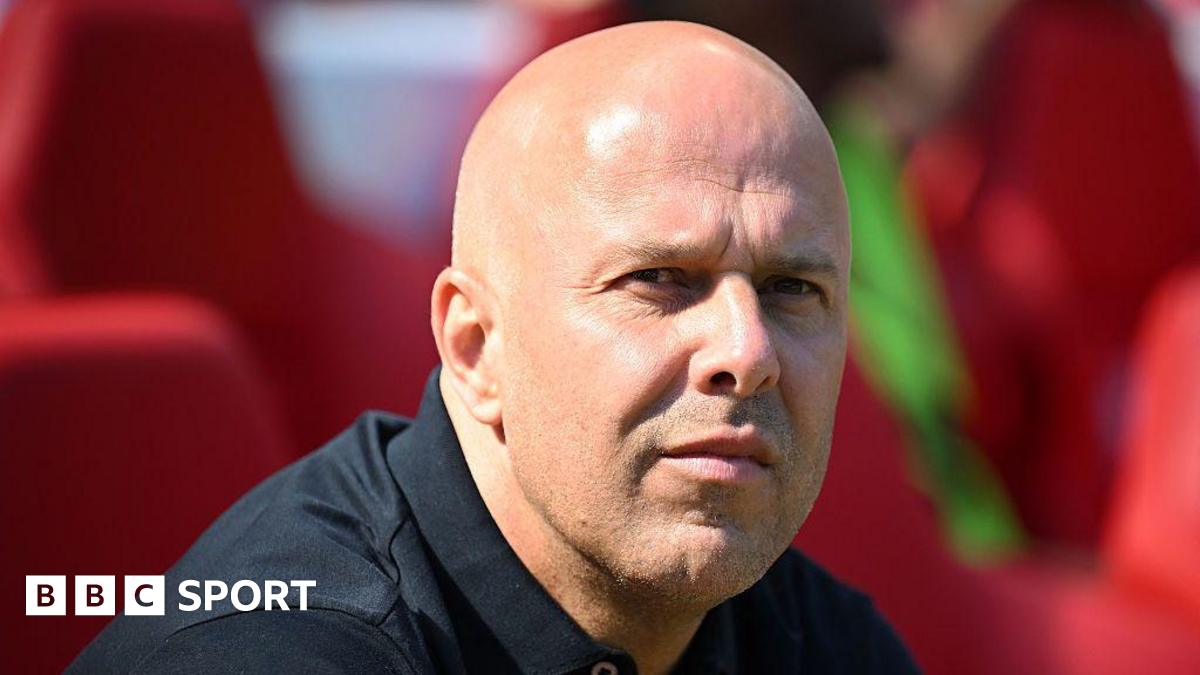
Arne Slot says he is leaving Liverpool “exactly where it belongs: among Europe’s elite” after he was sacked as head coach on Saturday.

The Dutchman, 47, won the Premier League title in his first campaign but was dismissed by the club’s hierarchy after the Reds finished fifth in the league this season, 25 points behind champions Arsenal.

Liverpool will open formal talks with former Bournemouth manager Andoni Iraola this week over becoming their new head coach.

In an emotional open letter published in the Liverpool Echo, external, Slot said fans made him feel welcome from the start and helped him on his path. “That is something I cherish,” he added.

Advertisement

“I leave with complete confidence in what lies ahead.

“The players who have given so much to this club, who have upheld its values and helped create so many unforgettable moments, have built foundations that will endure.”

Despite suffering 20 defeats in all competitions, Slot secured Liverpool‘s place in next season’s Champions League.

“Securing Champions League football was an important responsibility and one that ensures Liverpool can continue competing at the highest level next season and beyond,” he added.

Advertisement

“Change is part of football, but I know that this club will continue to make its people proud.

“When I first stood beneath that sign in the Anfield tunnel, I knew what this club demanded. I leave knowing we never stopped striving for it.”

Source link

Advertisement
Continue Reading

NewsBeat

Speeding Bolton man knocked Alexandria wall onto rail line

Published

on

Speeding Bolton man knocked Alexandria wall onto rail line

He disappeared during that time and attacked police after a manhunt.

And he offered no explanation of why how and why he got there, other than being “impulsive”.

But Steffan Crompton has been allowed to keep his licence so he won’t lose his job at the National Grid.

The 34-year-old, from Bolton, previously pleaded guilty to two incidents in Alexandria that caused hours of disruption.

Advertisement

Just after 10am on August 29, he was speeding on the wrong side of Main Street near Vale of Leven Academy. He collided with a wall and lamp post, causing damage to both and the car.

(Image: Network Rail)

It caused masonry to fall on the rail line, forcing the route between Dumbarton and Balloch to close for emergency repairs.

At the time, it was reported that the car’s driver fled the scene before police arrived.

They appealed to find the man, dressed in a blue anorak and denim trousers.

Advertisement

Main Street was closed between Wylie Avenue and Place of Bonhill.

More than three hours later, Crompton was found on the Dumbarton High Street. He acted aggressively, shouted, swore, uttered threats of violence towards police and struggled with officers.

He admitted that charge and to driving without due care and attention.

(Image: Network Rail)

At Dumbarton Sheriff Court on May 28, Sheriff Maxwell Hendry was unimpressed.

Advertisement

“What puzzles me is that the accident happened in Alexandria,” he said, “there’s no suggestion he suffers head injury, and his behaviour toward the police takes place some three and a half hour later, at an entirely different locus, and claims to have no recollection of intermediary period and tells police he is going to ‘do them all’.”

Crompton’s defence solicitor said: “He is apologetic and ashamed of his actions.”

The sheriff replied that if his client had a concussion, that might be an explanation.

The solicitor said it was a “fairly impactful crash”.

Advertisement

He said his client had been abstinent from any alcohol or narcotics for some time.

It was agreed he was speeding at around 40mph and there was “dampness on the road”, he continued.

“A previous accident left a car somewhat protruding,” said the solicitor. “And when he came around, he lost control of his car.

“He seems to have got his life relatively back on track. He is employed by the National Grid, being in real jeopardy of losing his job if he loses his licence.”

Advertisement

The solicitor said Crompton, of Fair Street, had a “checkered past”.

He added there was “really no excuse” for the behaviour to police. “It’s just not on,” he said. “He apologises for his action.

“I believe he would benefit from supervision. It seems most of his actions seem impulsive.”

Sheriff Hendry said the man’s main concern should be that he not get sent to prison.

Advertisement

“I want you to understand you have come very, very, very close to at least losing your licence,” he said.

“The driving incident is far from the first time. The police incident is inexcusable.”

He imposed eight penalty points on his licence and fined him £300, plus a £20 victim surcharge.

For the police abuse, he was put under social work supervision for 12 months. He must do 150 hours of unpaid work in the community within a year.

Advertisement

Source link

Continue Reading

NewsBeat

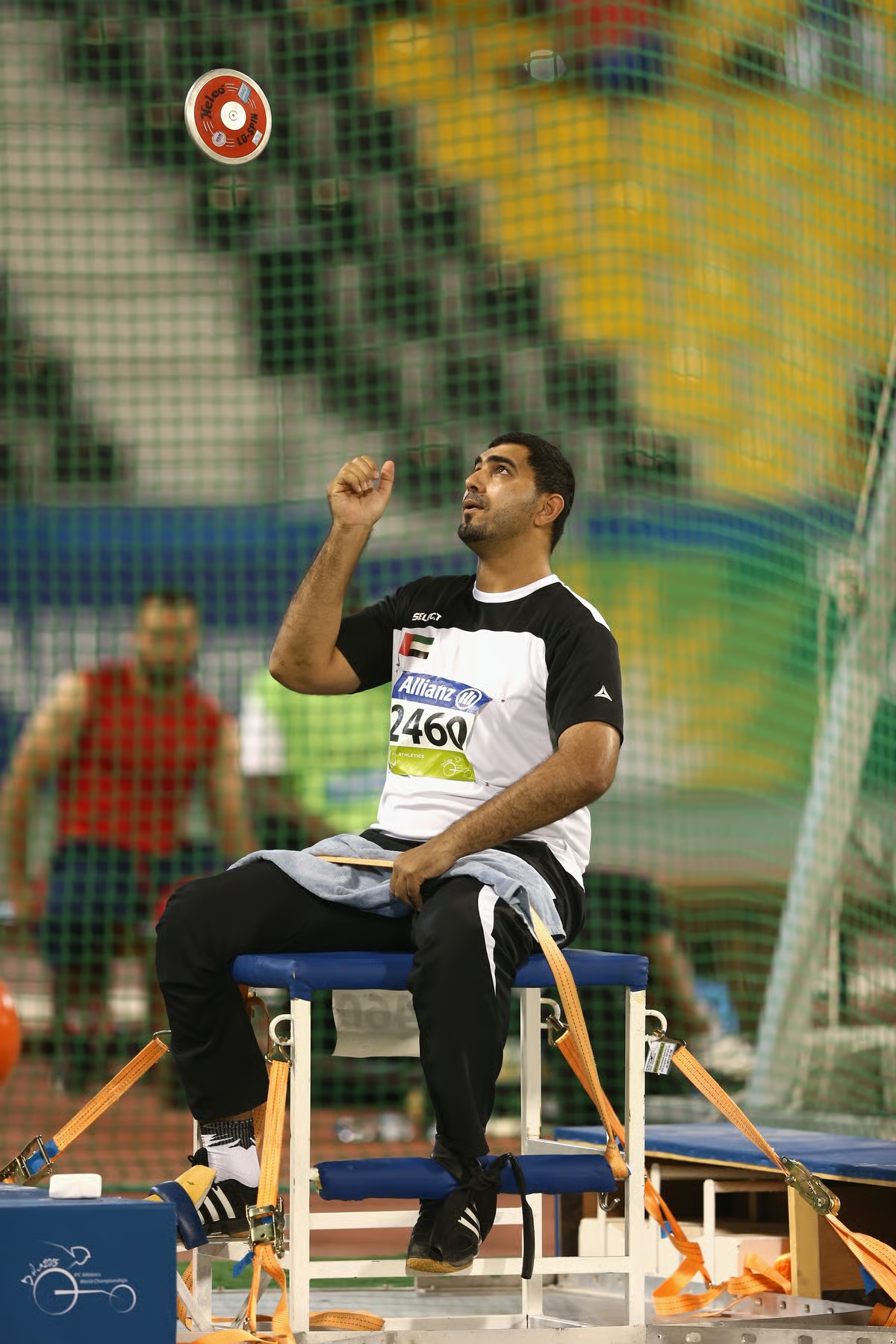
UK Athletics facing huge fine over death of Paralympian during London shot put training

Published

on

UK Athletics facing huge fine over death of Paralympian during London shot put training

UK Athletics Ltd pleaded guilty to corporate manslaughter. Keith Davies, 79, then head of sport for the 2017 World Paralympic Athletics Championships, admitted a health and safety charge. Judge Richard Marks KC will sentence UK Athletics and Mr Davies, of Leytonstone, east London, over two days at the Old Bailey from Monday. Corporate manslaughter carries a fine between £180,000 and £20 million, according to guidelines.

Source link

Continue Reading

NewsBeat

Iran attacks damage 20 US military sites since start of war, satellite images show

Published

on

Iran attacks damage 20 US military sites since start of war, satellite images show

BBC Verify has used satellite imagery from other international providers combined with older images from Planet to track the damage caused by Iranian attacks. The facilities are in Saudi Arabia, the United Arab Emirates (UAE), Qatar, Kuwait, Iraq, Jordan, Bahrain and Oman. The actual figure could be higher, with some analysts placing the number of bases hit as high as 28.

Source link

Continue Reading

NewsBeat

Locals fear for Cambridgeshire village’s future as 470 new houses proposed

Published

on

Cambridgeshire Live

One person said that the village “hasn’t got the facilities for a town”

Locals have shared mixed views on several proposed developments in a Cambridgeshire village, with one person saying they “would move” if new houses were built near their home. Separate developers have proposals for up to 470 homes across four parcels of land around the village.

Advertisement

This includes planning applications for up to 75 new homes on land off Back Road in Linton, up to 100 new homes on land south of Horseheath Road, and up to 230 homes on land north of Cambridge Road, alongside a new site for a doctors’ surgery and open space if approved.

Gladman Developments has also proposed up to 65 new homes on land off of Balsham Road although a planning application has not yet been submitted. Horseheath Road is just over 10 minutes away from Balsham Road on foot, while Balsham Road and Back Road are just a two-minute drive away from each another.

The applications have faced some backlash from neighbours living close to the proposed sites. CambridgeshireLive went to Linton to speak with some locals about their thoughts on these potential developments.

Janice Mallows, who has lived in the village for more than 50 years, said: “I don’t like the idea. It is not that they are building houses, it is the effect it would have on the health centre, the dentist, and schools. Unless they build some other things, I think it will be too much.”

Advertisement

She added: “I honestly don’t know why they’ve chosen here but I know it is a very unpopular choice. You have to think, most houses will probably be two cars.”

Janice said that she understands that “houses have to be built somewhere” but feels as though it would reduce the countryside and make the village “too big”.

Hillary Green said that “some development is no doubt necessary because housing is needed” but believes that “big developments are never a great idea”. She feels as though Linton was “always a big village” so “it hasn’t got the facilities for a town”.

Advertisement

The local added: “It could have an impact. The sewage systems are always challenged as well as the local schools. I think there are children who can’t find a place in the local school.”

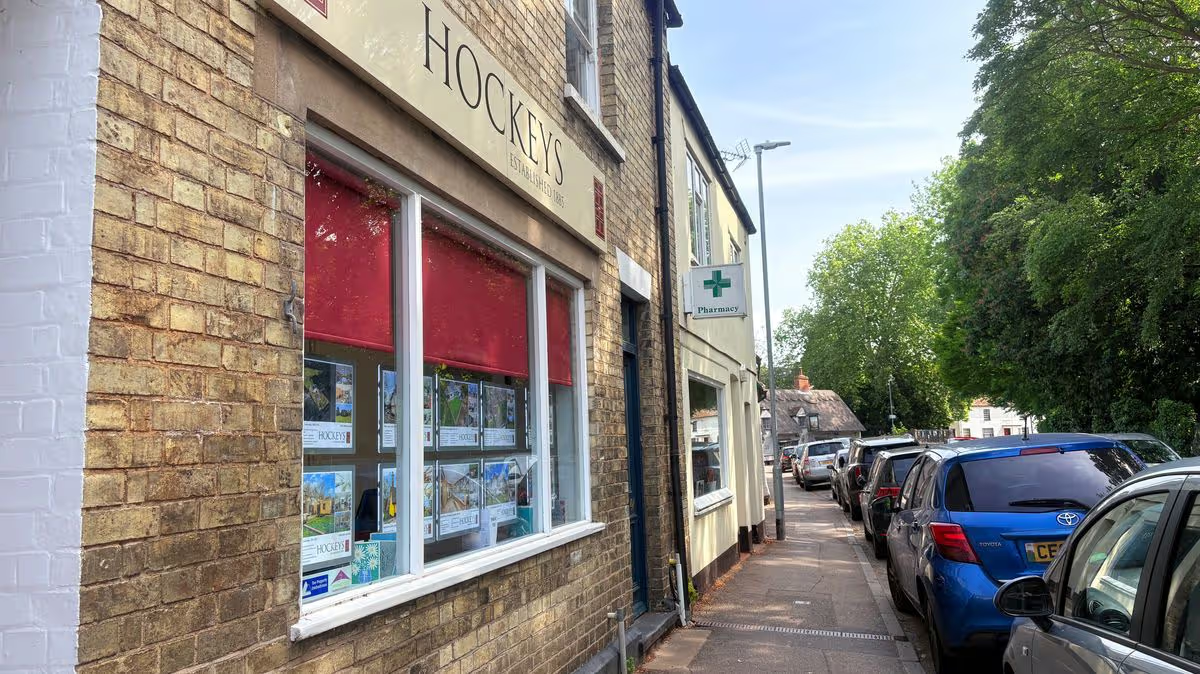
Hilary believes that the local pharmacy in Linton is “wonderful and necessary”, but it is also “challenged” like many other village pharmacies.

Karen Johnson, 60, who has lived in Linton for more than 20 years, said the village “is not as nice as it used to be”. She said the “whole area is going to be very different in a few years” if the proposals are approved.

Advertisement

She added it would feel like a town and stated that she would move if the proposals at land off Balsham Road near her home proceeded. She added: “We’re very lucky because we look out over a field and it won’t be the same.”

Naomi said that new developments would “absolutely” impact the village. She said: “They’d have to expand some certain things for it to accommodate the new houses. It is possible but they just need to make sure there is enough for the amount of people they are bringing in.”

She said that “people need housing” and there is a “demand for it” and if they “can provide another store, and open other things, it could then make it a bigger village”.

Julie Manning, 43, has run The Dog and Duck pub for 13 years. She said that the “biggest concern for the village is all the new houses”.

Advertisement

“People are getting a bit worried about how many more are being put in place and how many more are being approved”, she said.

Julie added: “It is a worry for the village. The pressure on the doctors’ surgery, the dentist, people are really struggling to get one so it’s hard to see how it is going to work. It is out of our hands I suppose.”

Source link

Advertisement
Continue Reading

NewsBeat

Emmerdale star confirms ‘sexual awakening’ for Laurel – but has one fear | Soaps

Published

on

Emmerdale star confirms 'sexual awakening' for Laurel - but has one fear | Soaps
Laurel Thomas has endured a lot of relationship drama (Picture: ITV)

Laurel Thomas (Charlotte Bellamy) could really do with something – or someone – to put a smile on her face after the year she’s had in Emmerdale.

Life has been less than blissful for the café worker in recent times. From a miserable marriage and contentious divorce from Jai Sharma (Chris Bisson), to shacking up with human trafficker Ray Walters (Joe Absolom), capped off with violent son Arthur (Alfie Clarke) abusing her.

What she could do with is a good dose of Netflix and chill.

There was a bit of light relief amongst it all when she had a little dalliance with vicar Charles (Kevin Mathurin) but it wasn’t an ideal match, being one of her besties’ ex and it all fizzled out like damp firework. That said, it won’t be the only time she shares a man with Manpreet (Rebecca Sarker).

Advertisement

*Ross Barton enters the chat *

It’s a small village, it’s hard not to have crossover.

Ross is mostly led by what’s in his pants. He recently tried to get it back on with Manpreet, who told him in no uncertain terms that he was punching. But when did that ever stop him – he simply turns his attention to someone else.

Not Gabby, definitely not Gabby.

Advertisement

To view this video please enable JavaScript, and consider upgrading to a web
browser that
supports HTML5
video

Ross rejects Gabby's attempt at seducing him in Emmerdale
Gabby gets the wrong end of the stick (Picture: ITV)

As the dancing gets underway, Ross starts to have flirty thoughts towards Laurel.

‘Unbeknown to anyone, [Ross] is a really good dancer and so that’s how I get in with him,’ Charlotte reveals. ‘We sort of Salsa and it all gets a bit steamy, but it’s all really lighthearted and fun, which we need.’

Advertisement

Good old snake hips does it every time.

It’s quite the controversial storyline, because Ross and Laurel is a pairing no one imagined, but also Laurel is sleeping with the guy her step-daughter wants to bed.

Don’t miss a Soaps scoop! Add us as a Preferred Source

As a loyal Metro Soaps reader, we want to make sure you never miss our articles when searching for stories. We have all the latest soaps news, spoilers, videos, and interviews, with a vibrant community of highly engaged readers.

Click the button below and tick Metro.co.uk to ensure you see stories from us first in Google Search.

Advertisement

Add us as a Preferred Source

Soaps authors collage Fact box image only Picture: Metro
Now you can ensure you never miss a story from the Soaps team

But this is a big deal for Laurel.

‘Sexual liberation!’ actress Charlotte Bellamy labels Laurel’s next few moves. But she has one big concern for Laurel, after making her way through so many men. ‘I don’t want her to become the local bike!’.

Advertisement
Laurel watches Ross in The Hide in Emmerdale with Gabby beside her
Ross isn’t looking in Gabby’s direction (Picture: ITV)

So the fear is that Laurel takes it too far in the name of letting go, but as she confesses herself, with it being such a small area, there’s not much other option if a gal just wants to have fun.

‘It’s a small village. We have to go through everybody really. Well, I have anyway,’ Charlotte told Metro. And why not? Some good looking fellas in that place.

Could Laurel now be awakened to her own desire and go on the prowl around the village? Spoiler alert – she and Ross don’t make it long term because she decides when she’s had enough.

Perhaps the Ray situation had an effect on Laurel. Though Ray was a terrible man, their short-lived romance was fiery and passionate, leaving a lasting impression on Laurel. When asked if Ray awoke something in her, Charlotte said: ‘Totally. That was genuine. But she’s been stung, hasn’t she? So maybe just some frivolous affairs will see her through. But I’m sure it won’t carry on like that.’

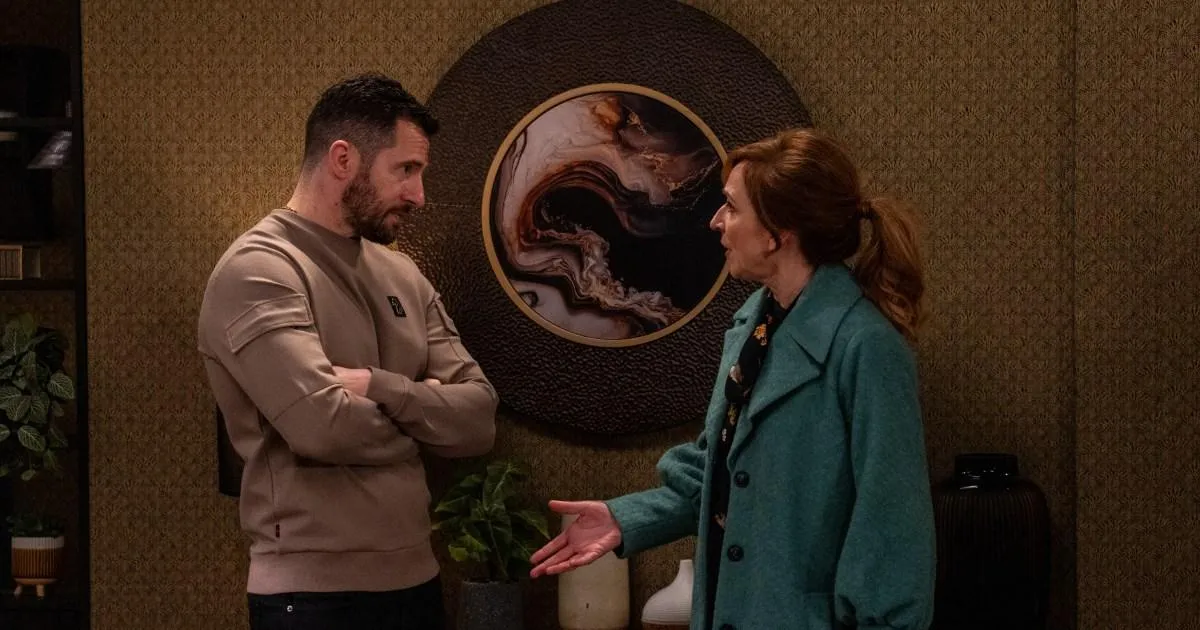
Laurel and Ross in Dale View in Emmerdale
The situation takes Laurel by surprise (Picture: ITV)

Ok so that confirms it – there’s more to come from Laurel’s sexual liberation, if you pardon the expression.

‘He’s her kind of therapy,’ Charlotte shared about Laurel and Ross. ‘Just to have a really surface-level relationship after falling for Ray, and getting burnt.’

Advertisement

But when she’s had her fill, she dumps Ross.

‘That’s why she actually rejects Ross. You’d think it might be the other way around, but of course, she has all the power. We’re going to like that. We should get a good reaction, hopefully.’ Never have we been more proud of Laurel in her whole 24 years in town. Love this for her.

Advertisement

Source link

Continue Reading

NewsBeat

Nigel Farage Called Whining Narcissist Over Desert Island Discs Snub

Published

on

Nigel Farage Called Whining Narcissist Over Desert Island Discs Snub

Nigel Farage has been branded a “whining narcissist” after he complained about not being invited on Desert Island Discs.

The Reform UK leader called for the BBC licence fee to be abolished because he is not lined up as a guest on the long-running Radio 4 show.

Those chosen as “castaways” are asked by presenter Lauren Laverne to name the eight musical recordings, book and luxury item they would like to have with them if they were stranded on a desert island.

According to a new biography of Farage by Tory peer Lord Ashcroft, Reform asked the BBC if he could be a guest, as Keir Starmer and Kemi Badenoch have been in the past, but were told they had no space in their schedule.

Advertisement

A Reform source told The Times: “We approached the BBC as we thought it would be a no-brainer with Keir and Kemi going on, but it would appear they have a ban on Reform — the party has led in the opinion polls for well over a year. This is the typical BBC bias we have come to expect.”

But in a statement, the BBC said: “We do not ban any individuals from appearing on Desert Island Discs and that includes Mr Farage.”

Nevertheless, Farage – who has been a regular on BBC Question Time for years – reacted angrily to the apparent snub, posting on X: “Abolish the BBC licence fee.”

That triggered an angry backlash from critics of the Reform leader online.

Advertisement

Farage had been due to appear on BBC1′s flagship political programme Sunday with Laura Kuenssberg last month, but pulled out at the last minute.

He has given fewer broadcast interviews in recent weeks amid the row over the £5 million he received from a Thailand-based crypto billionaire shortly before he became an MP.

Subscribe to Commons People, the podcast that makes politics easy. Every week, Kevin Schofield and Kate Nicholson unpack the week’s biggest stories to keep you informed. Join us for straightforward analysis of what’s going on at Westminster.

Advertisement

Source link

Continue Reading

NewsBeat

Daraxonrasib vs. pancreatic cancer: Experimental pill helped people live longer

Published

on

Daraxonrasib vs. pancreatic cancer: Experimental pill helped people live longer

WASHINGTON (AP) — A novel pill helped people with advanced pancreatic cancer live longer, researchers reported Sunday, raising hopes of long-needed better treatments for one of the deadliest types of cancer.

“While not curing the cancer, it is a very large step forward,” said Dr. Zev Wainberg, of the University of California, Los Angeles, who helped lead the study.

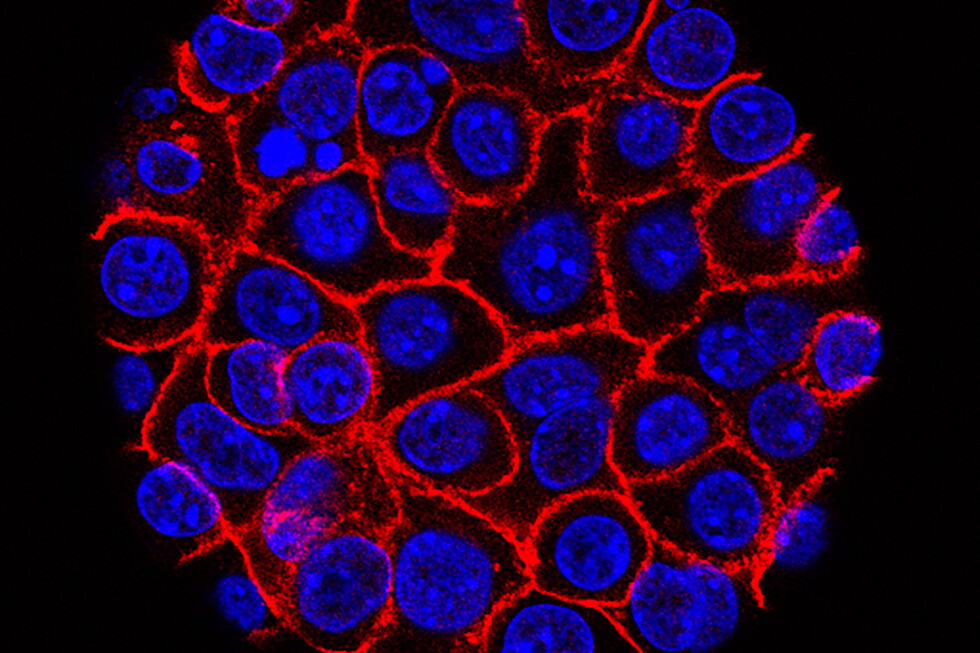
The drug is called daraxonrasib and it blocks a mutated protein that fuels tumor growth in more than 90% of pancreatic cancer cases — a target that had eluded treatment for decades.

The daily pills nearly doubled survival time, with fewer severe side effects, in a study that randomly assigned the experimental drug or more chemotherapy to 500 patients whose metastatic, or spreading, cancer had quit responding to prior treatment. The findings were published in the New England Journal of Medicine and presented Sunday at the American Society for Clinical Oncology meeting in Chicago.

Advertisement

Those taking daraxonrasib lived for a median of 13.2 months compared with 6.7 months for chemotherapy recipients. While that may seem like a small improvement, Wainberg said it marked the first drug to show a substantial advantage over chemotherapy.

“Having treated pancreatic cancer for 16 years, I actually started crying” when first seeing the study results, Dr. Rachna Shroff of the University of Arizona Cancer Center, who wasn’t involved with the research, said from the ASCO meeting. She was struck by how “patients stayed on this treatment because it was providing durable and meaningful benefit to them.”

The pills’ effects eventually wane but recipients used them for significantly longer than the comparison group stayed on chemotherapy, reporting less pain and a better quality of life as their tumors shrank. Many still were using the drug after the data was analyzed, which Wainberg said means the survival gap may widen as researchers continue tracking them.

Dr. Brian Wolpin, of the Dana-Farber Cancer Institute, presented the findings Sunday. He said the drug should become “a new standard of care” for previously treated metastatic pancreatic cancer, adding that researchers also will explore its use earlier in the disease, including to see if tumor shrinkage might let more patients qualify for surgery.

Advertisement

Side effects most likely to affect pill usage were a rash that can be severe and mouth sores, he said.

Maker Revolution Medicines funded the study and the Food and Drug Administration plans to expedite review of the drug. Meanwhile, the agency is allowing what’s called “expanded access” to the experimental drug for patients who meet certain criteria. The drug garnered public attention when former U.S. Sen. Ben Sasse described on “60 Minutes” how he’s had less pain while taking it. Oncologists are being flooded with requests as the special access program gets started.

Pancreatic cancer is among the most deadly forms in large part because it’s hard to detect before it starts spreading to other organs. The American Cancer Society estimates about 67,000 new cases will be diagnosed in the U.S. this year and more than 52,000 people will die from the disease. The five-year overall survival rate is 13%.

Unlike with other cancers that have benefitted from a variety of chemotherapy alternatives, pancreatic cancer has been harder to tackle.

Advertisement

Cancer specialists not involved in the new research expressed optimism that this may be a turning point in the quest for new options, with dozens of experimental drugs in development.

The new drug targets mutations in the RAS gene family that normally regulates cell growth. So-called KRAS mutations are especially critical in fueling pancreatic cancer. But a structure that made it hard for drugs to stick to the mutated proteins meant this cancer driver was long considered “undruggable.”

Revolution Medicines’ drug uses what’s essentially a molecular glue to bind with multiple KRAS subtypes. Wainberg said researchers next will probe whether the drug worked better in certain of those subtypes.

The drug will change pancreatic cancer treatment, said Dr. Andrew Coveler of the Fred Hutchinson Cancer Center, who wasn’t involved in the research.

Advertisement

“This thing works drastically differently,” he said.

Wainberg said other drugs in development target specific KRAS subtypes. Other approaches in earlier stages of testing include vaccines designed to prevent recurrence after pancreatic cancer surgery by teaching the immune system to recognize the mutated protein.

___

The Associated Press Health and Science Department receives support from the Howard Hughes Medical Institute’s Department of Science Education and the Robert Wood Johnson Foundation. The AP is solely responsible for all content.

Advertisement

Source link

Advertisement
Continue Reading

NewsBeat

Belfast Whiskey Week to host three mini festivals for ‘biggest and boldest’ year

Published

on

Belfast Live

“What started as a passion project for Belfast’s whiskey community has grown into something far bigger than we ever imagined”

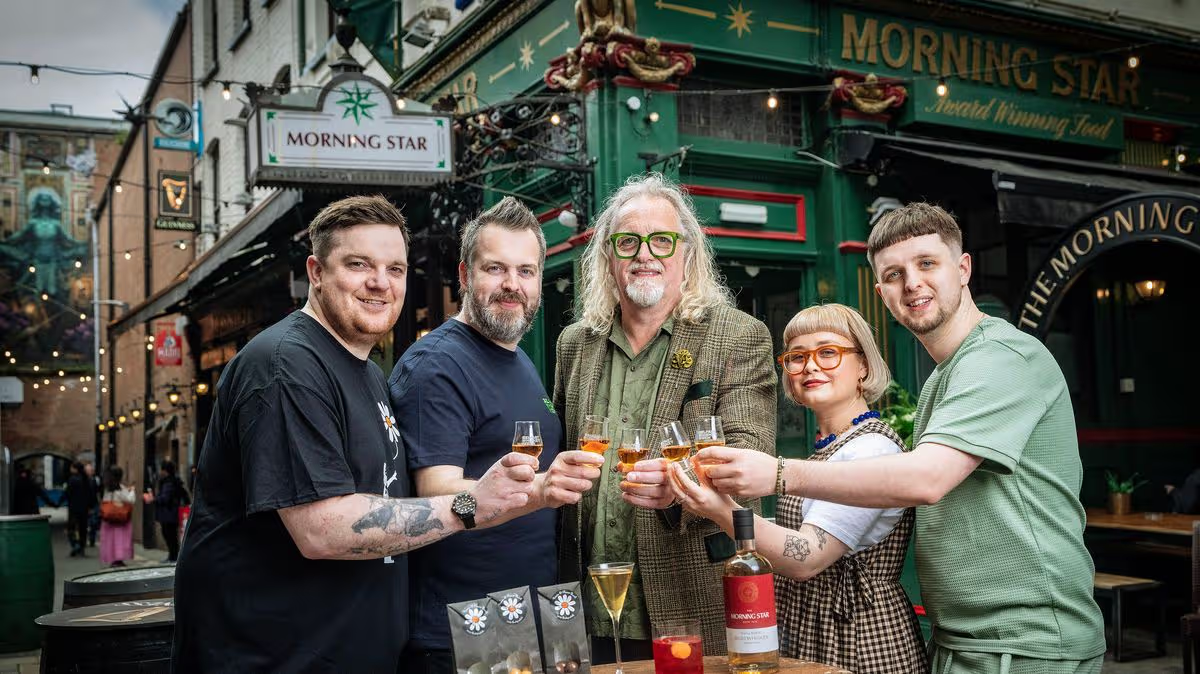
Belfast will be getting in the ‘spirit’ as Whiskey Week returns with three mini festivals within the one event. Back for its eighth and most ambitious year yet, the event transforms the city into a nine-day celebration of whiskey, food, cocktails and culture.

Advertisement

Running from Friday July 24 to Saturday August 1, 2026, the festival has evolved from a grassroots whiskey gathering into one of the island’s “leading drinks and cultural events”, attracting visitors, distilleries and hospitality partners from across the UK, Ireland and beyond.

This year’s edition promises to be the biggest to date, with organisers unveiling an expanded city-wide programme designed to showcase not only Belfast’s rich whiskey heritage, but also its thriving nightlife, hospitality and creative scene.

Alongside its acclaimed tastings, masterclasses, distillery showcases, whiskey walks and the flagship Whiskey Expo, Belfast Whiskey Week will introduce three new festival strands:

  • Belfast Fringe Fest: A new city-wide fringe programme bringing unexpected whiskey experiences, live entertainment, collaborations and pop-up events to venues across Belfast.
  • Belfast Cocktail City: A celebration of Belfast’s booming cocktail culture, featuring innovative serves, guest bartenders and whiskey-led cocktail experiences from some of the city’s top bars and hospitality talent.
  • Belfast Food Fest: A curated programme pairing world-class whiskey with Belfast’s celebrated food scene, highlighting local chefs, restaurants, producers and immersive dining experiences.

Since launching in 2019, Belfast Whiskey Week has welcomed thousands of visitors through its programme of tastings, tours, talks and immersive events, while helping position Belfast as a major destination on the international whiskey map.

Festival Director Paul Kane said: “What started as a passion project for Belfast’s whiskey community has grown into something far bigger than we ever imagined.

Advertisement

“For our eighth year, we wanted to create a festival that truly celebrates the entire city – its people, its venues, its creativity and its incredible hospitality.

“The introduction of Fringe Fest, Cocktail City and Food Fest allows us to shine a spotlight on every corner of Belfast’s drinks and cultural scene. Belfast Whiskey Week is no longer just a whiskey festival – it’s a celebration of Belfast.”

Michael Stewart, Belfast’s Night Czar added: “Belfast Whiskey Week has become one of the defining events in the city’s cultural and hospitality calendar.

Advertisement

“Its continued growth demonstrates the confidence, creativity and energy that exists within Belfast’s night-time economy. The addition of food, cocktail and fringe programming creates an even broader platform for local businesses, artists and venues to collaborate and showcase what Belfast does best.”

For further details, visit www.belfastwhiskeyweek.com

For all the latest news, visit the Belfast Live homepage here and sign up to our What’s On newsletter here

Advertisement

Source link

Continue Reading

NewsBeat

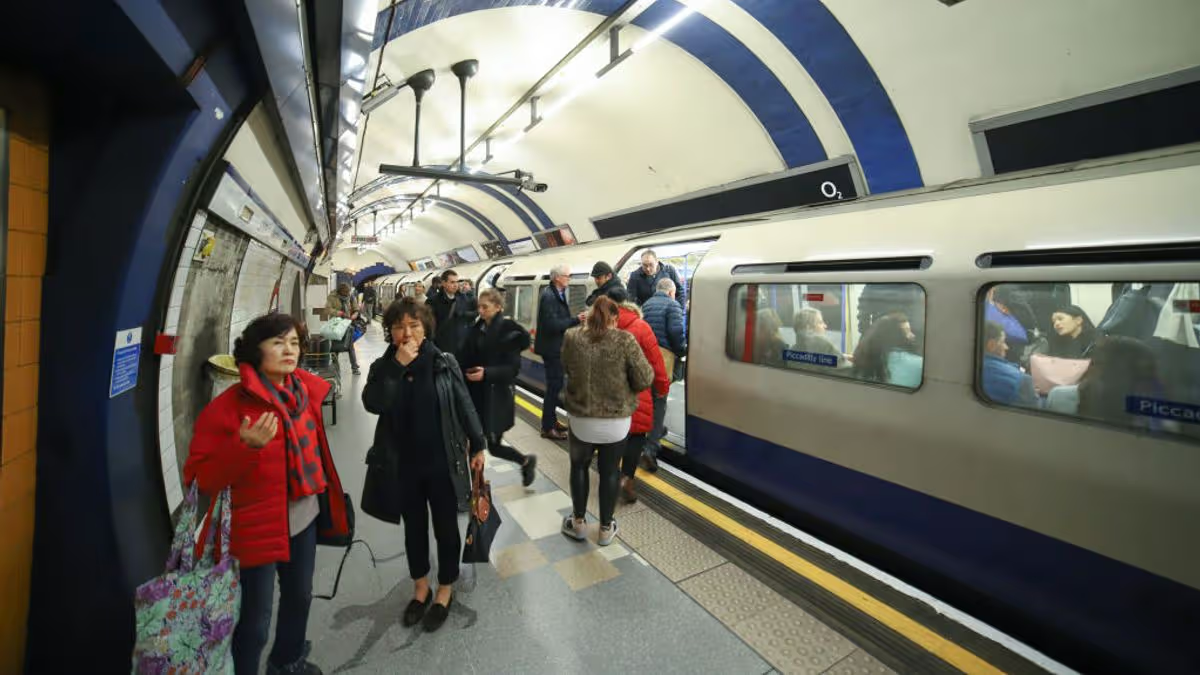
Tube strikes live: London Underground chaos this week – dates and lines affected

Published

on

Daily Mirror

Strikes hit the bottom line across a wide range of industries, and it is these ripple effects that make industrial action by the RMT such an effective bargaining tool in securing conditions for its members.

The Centre for Economics and Business Research (CEBR) estimated in April that two 24-hour strikes that month cost the economy directly between £130m and £250m in lost working days – both from RMT members themselves and commuters unable to get to work across the city.

However, it said that due to the increased popularity of cycling schemes and remote working, the direct cost of lost work days is higher than it would have been a few years ago.

Advertisement

But the cost is not limited to working days. Sectors such as hospitality and retail take a major hit when there is a Tube strike, particularly businesses in central London, which see a sharp drop in footfall and “less consumer spending”, the CEBR says.

Ahead of the April strike days, pubs and restaurants were braced for nearly a 40 per cent drop in sales, while cafés and coffee shops were expected to lose 34 per cent, according to trade body UKHospitality, which put the overall figure at around £600 million.

Source link

Advertisement
Continue Reading

Trending

Copyright © 2025