
Business
The 5 Most Popular Foods In Australia Right Now

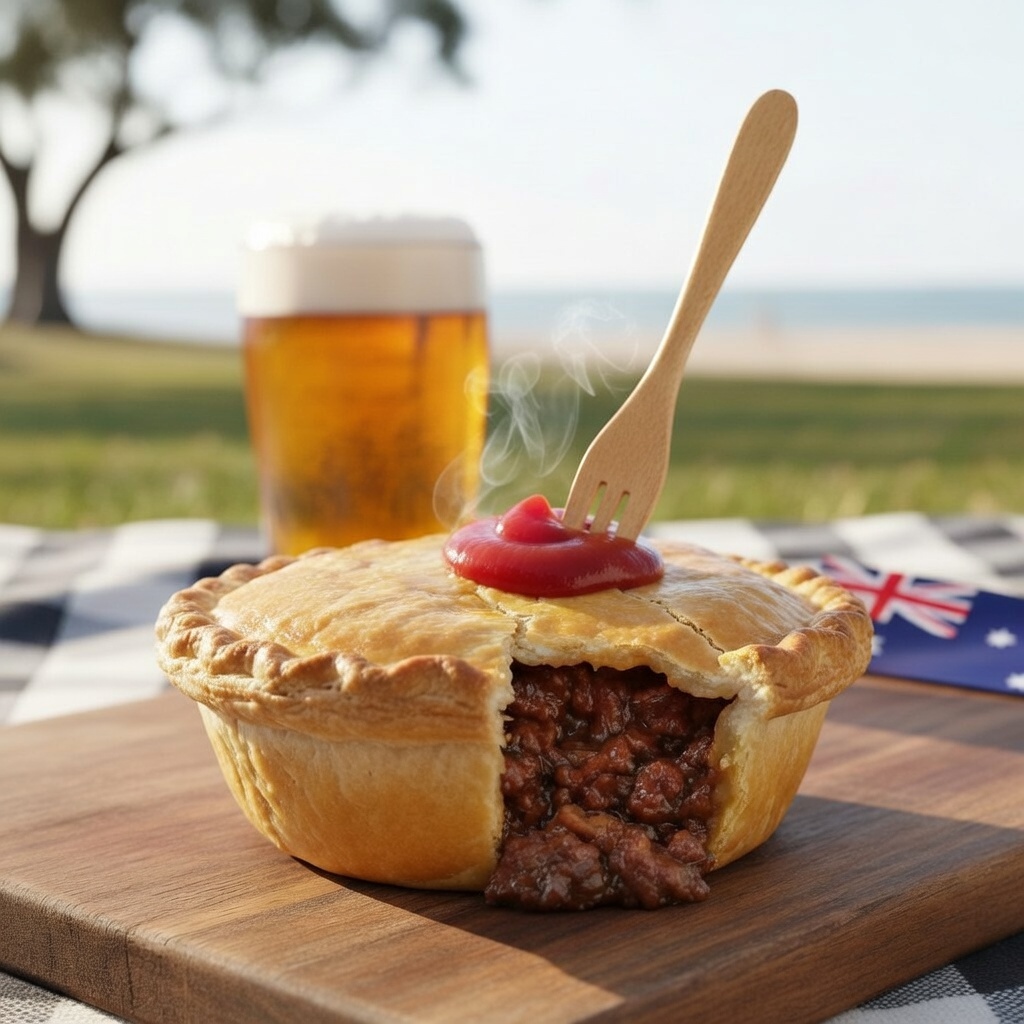
Australia’s food scene in 2026 is a mouthwatering mix of timeless classics, multicultural influences, and everyday comfort eats that Aussies crave daily. From iconic pub grub to sweet treats that spark heated debates, these dishes define what people actually eat across the country—whether at barbecues, footy games, beachside cafes, or home kitchens. Drawing from recent trends, consumer surveys, Uber Eats data, and national favorites, here are the top 5 most popular foods dominating plates in 2026.
While global trends like Greek revival, chicken dominance, and fusion flavors (think birria ramen or miso-infused desserts) are surging, Aussies still flock to hearty, no-fuss staples. Hot chips remain the ultimate crave, but these five stand out for their cultural significance, sales volume, and sheer ubiquity.

1. Meat Pie – The Undisputed King of Aussie Comfort Food
If there’s one food that screams “Australia,” it’s the humble meat pie. Often called the national dish (or at least the national snack), this flaky pastry filled with minced beef, gravy, onions, and sometimes cheese or mushrooms sells millions annually. You’ll find them everywhere—from servo (gas station) warmers to high-end bakeries reinventing them with gourmet twists like kangaroo or vegan fillings.
Why so popular? Convenience, affordability, and nostalgia. At footy matches or Bunnings sausage sizzles, a pie with tomato sauce (ketchup) is ritual. In 2025-2026 surveys and student guides, it’s repeatedly crowned the top comfort food, especially among younger Aussies and internationals. Pair it with a cold beer or flat white for the full experience. Variations include the classic Four’n Twenty brand or artisanal versions with bush spices. No trip Down Under is complete without biting into one—hot, flaky, and dripping with gravy.
Pros: Portable, satisfying, endlessly customizable. Cons: Calorie-dense; the “pie floater” (pie in pea soup) might be an acquired taste. Fun fact: Aussies consume over 270 million meat pies yearly—more per capita than almost anywhere else.
2. Vegemite on Toast – Love It or Hate It, It’s Iconic
Vegemite toast is as Australian as the kangaroo or the Southern Cross. This salty, yeasty spread made from brewer’s yeast extract slathered on buttered toast (thinly, please—no thick globs for newbies) remains a breakfast staple in millions of homes.
In 2026, it’s still a daily ritual for many, especially kids and tradies. The “Vegemite army” defends it fiercely on social media, while tourists often grimace at first taste. It’s packed with B vitamins, making it a nutritious start to the day. Pair with cheese for a “cheesymite” or avocado for a modern twist. Tim Tams might get more hype globally, but Vegemite is deeply woven into Aussie identity—mentioned in nearly every “must-try” list from Reddit to tourism sites.
Why it endures: Simple, cheap, cultural badge of honor. Best eaten: Golden toast, butter first, then a thin Vegemite scrape. Pro tip: If you’re new, start small—it’s an intense flavor bomb!
3. Chicken Parmigiana (Parma) – The Pub Classic That Never Dies
Chicken parmigiana, or “parma,” tops pub menus nationwide and ranks high in popularity polls. A crumbed chicken breast topped with Napoli sauce, ham, and melted cheese, served with chips and salad—it’s hearty, indulgent, and perfect after a long day.
In 2026, chicken is booming as the “main character” protein amid cost-of-living pressures and health trends, with parma leading the charge. It’s a Friday night staple, often voted Australia’s favorite pub meal. Regional twists include parmi (Victoria) or parmy (elsewhere), but the dish is universal. Many pubs compete for the best, with massive portions and creative spins like schnitzel bases or gourmet toppings.
Why Aussies love it: Value for money, comforting, shareable. Pair with: A schooner of beer or house wine. Trend note: Fusion versions (e.g., Korean-inspired) are emerging, but the classic reigns supreme.
4. Lamingtons – The Sweet National Treasure
Lamingtons—sponge cake squares dipped in chocolate and rolled in desiccated coconut—are often called Australia’s national cake. Invented in Queensland around 1900, they’re a bakery staple and homemade favorite for afternoon tea or fundraisers.
In 2026, they remain hugely popular, especially in dessert lists and “most loved” rankings. Light, not too sweet, and portable, they’re perfect for barbecues or kids’ parties. The classic version is vanilla sponge, but raspberry-filled or chocolate-dipped varieties add excitement. National Trust icons and supermarket bestsellers keep them relevant.
Why they’re addictive: Texture contrast (soft inside, crunchy coconut), nostalgic appeal. Best with: A cuppa (tea or flat white). Controversy: Pineapple lamingtons exist in some states—fight us!
5. Hot Chips (French Fries) – The Unofficial National Craving
According to Uber Eats’ massive 2025 delivery data (still relevant in 2026), hot chips are the most-ordered item in most states—outranking burgers, sushi, and more. Simple, golden, crispy potato fries dusted with salt (or loaded with gravy, cheese, or chicken salt) are everywhere: fish and chip shops, pubs, Maccas, and home air fryers.
They’re the ultimate sidekick to parma, pie, or snag (sausage). In a cost-conscious era, chips deliver maximum satisfaction cheaply. Trends like beef tallow frying add gourmet appeal, but plain salty chips win hearts.
Why #1 crave: Universal, addictive, comfort in every bite. Top styles: Thick-cut with chicken salt (a uniquely Aussie seasoning), gravy-loaded “chip butty.” Stat: Billions consumed yearly—true people’s choice.
Honorable Mentions & Emerging Trends
- Tim Tams: Chocolate biscuits for “slamming” (dunking technique).
- Anzac Biscuits: Oat-coconut treats tied to history.
- Barramundi & Seafood: Fresh coastal catches.
- Smashed Avo on Toast: Brunch king, though pricey.
- Rising stars: Greek dishes (saganaki, souvlaki), chicken everything, and native ingredients like wattleseed.
Australia’s food popularity blends British roots, immigrant influences (Italian, Asian, Greek booming), and laid-back vibes. In 2026, it’s about comfort amid global trends—meat pies and parmas hold strong while fusion experiments excite.
Food is central to Aussie culture: barbecues, footy days, beach picnics. These five capture the essence—simple, hearty, shareable. Next visit, hunt them down; your taste buds (and Instagram) will thank you.
Eating these involves joy but balance—many are indulgent. Try responsibly, support local eateries, and enjoy the multicultural feast that is modern Australia.

INDIO, Calif. — Sabrina Carpenter capped a star-packed opening night of Coachella 2026 Weekend Two with a triumphant headlining set on Friday, April 17, highlighted by a surprise appearance from Madonna that sent the Empire Polo Club into a frenzy and reaffirmed the festival’s reputation for generating unforgettable moments.

The 25th-anniversary edition’s second weekend launched under clear desert skies as thousands of fans descended on Indio for Day One performances spanning pop, electronic, indie rock and global sounds. While the lineup largely mirrored Weekend One with key adjustments, the energy felt fresh, boosted by high anticipation for Carpenter’s set and the long-awaited main-stage debut of electronic artist Anyma.
Carpenter took the Coachella Stage at 9 p.m., delivering a polished, theatrical performance packed with hits from her “Short n’ Sweet” era. Midway through the show, Madonna emerged for a show-stopping segment featuring “Vogue,” a new collaboration and a powerful “Like a Prayer” duet, marking one of the festival’s most talked-about intergenerational moments. The Queen of Pop, celebrating the 20th anniversary of her own Coachella appearance, received thunderous applause as she addressed the crowd about music’s unifying power.
Following Carpenter’s set, Anyma closed the night with a visually stunning midnight performance on the main stage — his rescheduled world premiere of the ÆDEN show after weather issues disrupted Weekend One. The electronic producer brought immersive visuals, lasers and a cinematic soundscape that kept late-night revelers captivated well into Saturday morning.
Major Sets Across the Stages
Earlier in the evening, British indie rock band The xx delivered a atmospheric 7 p.m. performance on the Coachella Stage, showcasing tracks from their catalog with signature minimalist production and emotional vocals that resonated deeply with the growing crowd. Teddy Swims brought soulful R&B energy at 5:20 p.m., blending heartfelt ballads with upbeat anthems that had fans singing along.
On the Outdoor Theatre, Disclosure lit up the night with a high-energy dance set, while Turnstile delivered intense hardcore punk vibes. Lykke Li offered dreamy indie-pop, and Dijon provided smooth, genre-blending grooves. The stage served as a hub for mid-tier acts that kept multiple generations moving throughout the afternoon and evening.
Global and emerging talent shone brightly elsewhere. Filipino girl group BINI drew massive crowds and social media buzz with their energetic K-pop-inspired performance. KATSEYE brought polished choreography and youthful appeal to the Sahara Tent. Central Cee represented UK rap and drill, while Blood Orange added experimental R&B flair. Jaqck Glam opened the main stage with a vibrant early set.
Quasar stage showcased electronic depth with acts including Darco and Franky Rizardo, contributing to the festival’s strong dance music presence this year, which accounts for nearly half the lineup. Additional performances came from artists like Creepy Nuts, CMAT, Sexyy Red, Foster the People and more across the Mojave, Gobi and Sonora tents.
Festival Atmosphere and Highlights
Coachella 2026 Weekend Two opened with smooth operations despite typical desert logistics. Gates saw steady flow after a 1 p.m. opening, with attendees enjoying art installations, food vendors and immersive activations. Clear weather contrasted with Weekend One’s wind challenges, allowing full enjoyment of outdoor experiences.
Social media lit up with reactions to Carpenter and Madonna’s chemistry, Anyma’s visuals and breakout sets from rising stars. Clips of the Madonna surprise dominated platforms, with fans praising the emotional weight and production quality. BINI’s performance also trended heavily, reflecting the festival’s global reach.
The 25th anniversary celebrations added special touches, including enhanced production elements and commemorative experiences across the grounds. Livestream viewers on YouTube could access multiple stages, bringing the desert magic to audiences worldwide.
What It Means for the Weekend
Friday’s lineup set a high bar for the remainder of Weekend Two. Saturday features Justin Bieber headlining with support from The Strokes, while Sunday closes with Karol G. Additional Weekend Two exclusives include Kacey Musgraves in a special Mojave slot and adjusted electronic lineups on Quasar.
For attendees, Day One delivered the perfect mix of nostalgia, innovation and surprise that defines Coachella. Carpenter’s set, elevated by Madonna, symbolized pop’s evolving landscape, while Anyma represented the festival’s commitment to cutting-edge electronic experiences.
Critics and fans alike noted strong vocal performances, inventive staging and seamless flow between major and supporting acts. The festival continues to balance established superstars with emerging talent, maintaining its status as a cultural bellwether.
As the sun rose on Saturday in the Coachella Valley, the buzz from Friday’s performances promised an even stronger weekend ahead. Whether through viral moments like the Madonna cameo or immersive sets from Anyma and Disclosure, Coachella 2026 Weekend Two Day One reminded everyone why the desert gathering remains one of music’s most anticipated annual events.
With two more days of music, art and desert magic ahead, attendees and streamers alike are poised for more surprises, standout performances and memories that will define this milestone anniversary year. The festival’s blend of spectacle and substance once again proved irresistible on opening night.
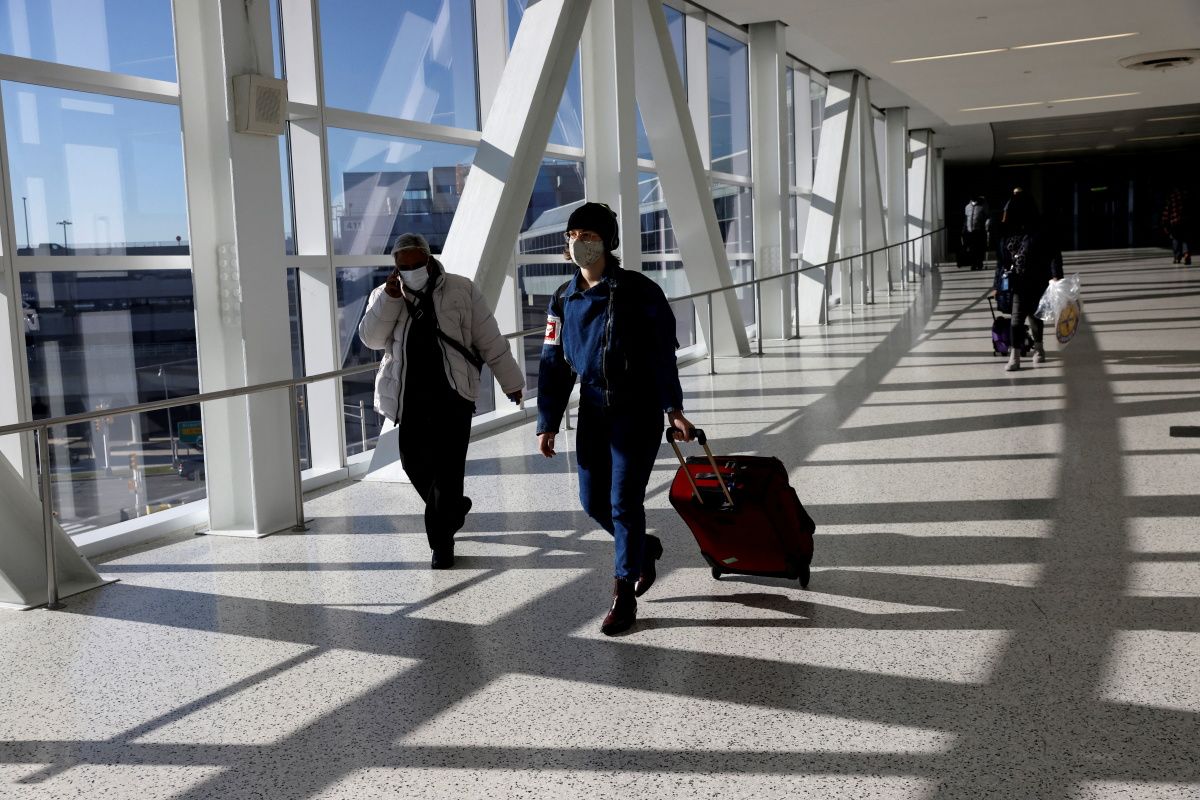
NEW YORK — Security lines at John F. Kennedy International Airport moved efficiently on Saturday, April 18, 2026, with most terminals reporting average TSA wait times under 15 minutes for general screening and even shorter for TSA PreCheck passengers during the midday period.
According to real-time data from the official JFK Airport website, general security waits ranged from as low as 3 minutes in Terminals 1 and 7 to a high of 29 minutes in Terminal 8 as of mid-morning updates. TSA PreCheck lanes consistently delivered sub-10-minute experiences across open checkpoints, providing a significant advantage for enrolled travelers.
The relatively light crowds reflect typical Saturday patterns at one of the nation’s busiest international gateways, where weekend travel often skews toward leisure and family trips rather than heavy business commuting. Officials note that while waits remain manageable today, conditions can shift quickly depending on flight schedules and staffing.
Current Terminal-by-Terminal Breakdown
As of the latest morning updates:
- Terminal 1: General screening at 3 minutes, TSA PreCheck at 3 minutes.
- Terminal 4 (major international hub for Delta and others): General at 9 minutes, PreCheck at 7 minutes.
- Terminal 5 (JetBlue’s primary home): General at 12 minutes, PreCheck at 4 minutes.
- Terminal 7: General at 3 minutes (PreCheck not separately listed).
- Terminal 8 (American Airlines): General at 29 minutes, PreCheck at 6 minutes.
Third-party trackers such as Takeoff Timer reported an overall airport average around 14 minutes for standard lanes, with PreCheck holding steady near 4 minutes. These figures measure time from checkpoint queue entry and do not account for potential overflows or additional checks.
Delta’s airport wait time dashboard aligned closely, showing roughly 9 minutes for regular lanes and 7 minutes for PreCheck system-wide at JFK.
Saturday Travel Patterns and Peak Considerations
Saturdays at JFK typically see steadier but lower-volume traffic compared to weekday mornings and evenings. Peak periods still occur around early international departures (5-8 a.m.) and afternoon waves (3-7 p.m.), when waits can climb toward 25-45 minutes in busier terminals. Today’s lighter footprint has kept most lines flowing smoothly.
Travelers are reminded that Terminal 8 has shown the longest waits recently, often due to higher international passenger volumes and complex screening requirements. Conversely, Terminals 1 and 7 have offered some of the quickest experiences this weekend.
Weather in the New York area remains favorable — clear skies with mild spring temperatures — contributing to on-time operations and fewer weather-related delays that sometimes exacerbate security backups.
Tips for Smooth Passage Today and Beyond
Airport authorities and TSA recommend arriving at least two hours before domestic flights and three hours for international departures, even with today’s favorable conditions. Those with TSA PreCheck, CLEAR, or Global Entry should use dedicated lanes for the fastest experience.
Key advice includes:
- Check real-time wait times directly on the JFK Airport website or MyTSA app before heading to your terminal.
- Have ID and boarding pass ready, with liquids in a quart-sized bag and electronics easily accessible.
- Consider mobile check-in and bag drop to minimize time at the airline counter.
- International travelers should factor in additional customs and border screening on arrival or departure.
Families, groups, and those with special needs can request assistance from airport staff or use family lanes where available. Travelers with disabilities or medical conditions should review TSA Cares options in advance.
Broader Context at JFK
John F. Kennedy International Airport handles more than 60 million passengers annually and serves as a critical gateway for transatlantic and global travel. Ongoing terminal modernization projects continue to improve flow, though construction in certain areas can occasionally redirect passengers and affect perceived wait times.
TSA staffing levels have stabilized in 2026 following earlier challenges, allowing more consistent screening operations. The agency continues rolling out technology upgrades, including credential authentication technology and touchless ID options, aimed at speeding up the process without compromising security.
Despite occasional spikes, JFK’s security wait times have generally trended downward from pandemic-era and early 2025 highs, thanks to better forecasting tools and passenger preparation. Weekend days like today often provide some of the more predictable experiences for travelers.
What Travelers Are Saying
Social media and airport forums reflect positive sentiment today, with many passengers reporting quick passages through security. Reddit threads and real-time updates frequently highlight Terminal 4 and 5 as reliable options, while advising extra caution around Terminal 8 during busier windows.
Frequent flyers note that combining PreCheck with airline status or CLEAR membership can reduce total airport time dramatically, turning what was once a stressful ordeal into a manageable part of the journey.
As the day progresses, officials will continue monitoring volumes. Evening departures may see modest increases, but nothing suggesting major delays based on current trends.
For those heading to JFK today, the message is clear: conditions are traveler-friendly with short security lines across most terminals. Staying informed through official channels remains the best strategy for a stress-free experience at one of the world’s busiest airports.
Whether catching a quick domestic hop or embarking on an international adventure, passengers can expect smoother sailing through TSA today compared to busier weekdays. Safe travels to all departing from JFK on this pleasant spring Saturday.

Tesla rolls out robotaxis in Dallas and Houston
Business
Taylor Swift Skips Coachella 2026 Stage as Fans Spot Her Dancing With Travis Kelce in Desert Crowd
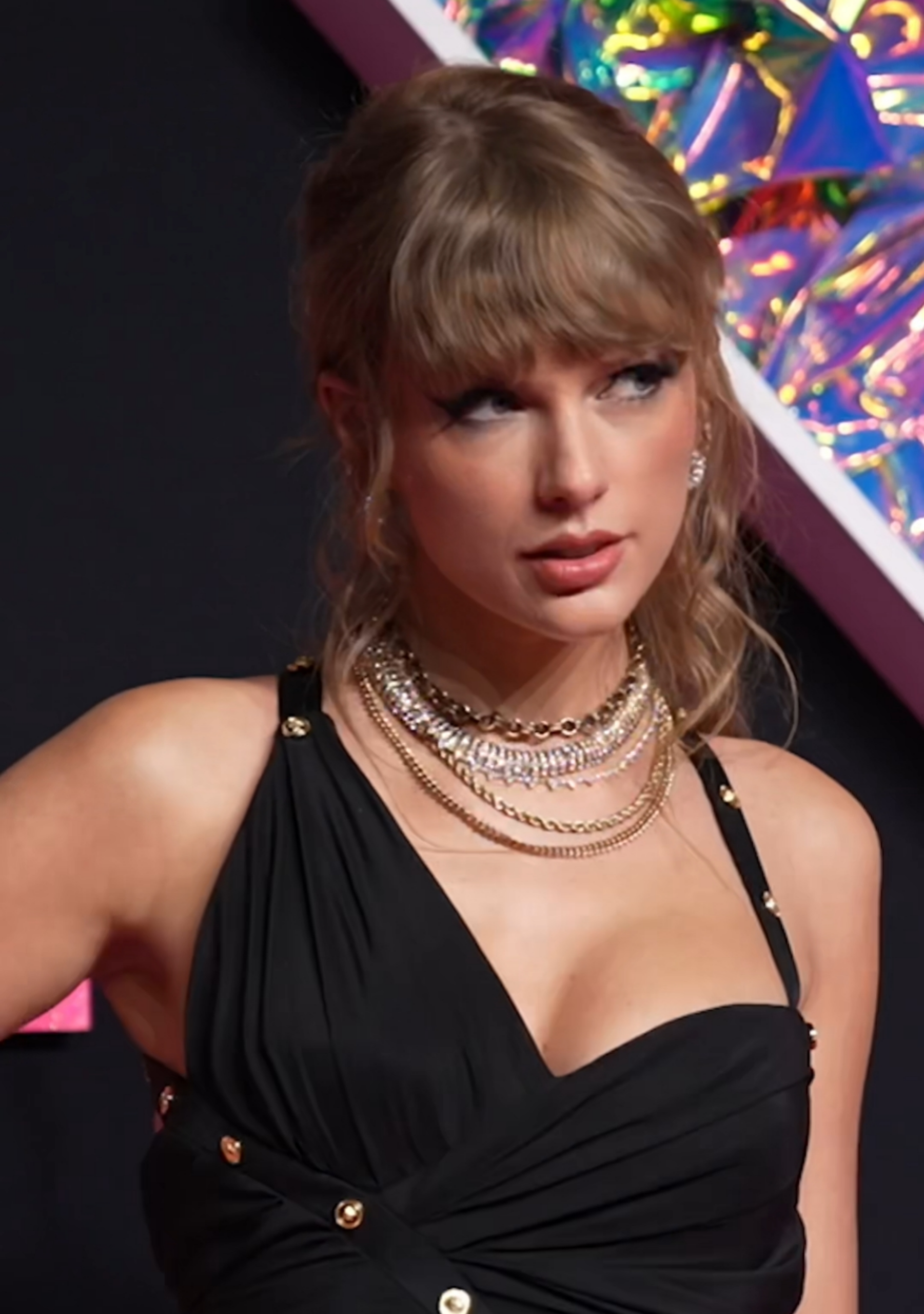
INDIO, California — Taylor Swift is not performing at Coachella 2026, continuing a two-decade streak in which the global pop superstar has never taken the stage at the iconic desert music festival.
As the Coachella Valley Music and Arts Festival unfolds over two weekends at the Empire Polo Club — April 10-12 and April 17-19 — Swift remains absent from the official lineup despite swirling online rumors and fervent Swiftie speculation that she might make a surprise appearance or even step in as a replacement headliner.
Headliners for 2026 include Sabrina Carpenter on Fridays, Justin Bieber on Saturdays and Karol G on Sundays, marking the first time a Latina artist headlines the event. The lineup, announced in September 2025, sold out rapidly and features a diverse roster including The Strokes, Addison Rae, Jack White, Anyma and emerging acts like Sombr. No official announcements from Goldenvoice, the festival promoter, or Swift’s representatives have indicated any involvement for the “Eras Tour” icon on the main stage or elsewhere.
Rumors suggesting Swift might replace Carpenter amid unfounded health concerns ahead of Swift’s reported wedding plans with fiancé Travis Kelce were quickly debunked by fact-checkers. Carpenter has made no statements about withdrawing, and Swift has never performed at Coachella in her career, a notable omission given her status as one of the world’s highest-grossing touring artists.
Instead, Swift and Kelce were spotted attending the festival as guests during the first weekend. On April 12, the couple drew massive attention in the VIP area while dancing energetically to a set by Sombr, one of Swift’s friends performing at the event. Videos and eyewitness accounts described the pair looking “obsessed with each other,” with Kelce playing a protective role in the crowded desert setting. The moment quickly went viral, with fans praising their chemistry and dubbing it one of the standout non-musical highlights of Coachella 2026.
Swift has a documented friendship with Carpenter, whose headlining set drew huge crowds and featured high-energy performances. Reports indicated Swift planned to support both Carpenter and Sombr from the audience, fueling excitement among attendees hoping for a guest appearance during one of the sets. However, no such collaboration materialized on stage, aligning with Swift’s pattern of keeping her live performances tightly controlled within her own productions.
Industry observers point to logistical reasons behind Swift’s consistent avoidance of Coachella. Her concerts are renowned for elaborate staging, multiple costume changes, intricate lighting, video elements and precisely timed setlists that demand full control over the environment. The festival’s outdoor desert venue, with its variable weather, large crowds and shared production resources, presents challenges that may not align with her high-production standards. Similar considerations have kept her from other high-profile one-off appearances, such as the Super Bowl halftime show.
“Swift’s shows are stadium experiences built from the ground up,” one music industry insider noted, speaking on condition of anonymity. “Coachella is about discovery and shared vibes across multiple stages — it’s a different beast.”
Coachella 2026 has nonetheless thrived without her. Sabrina Carpenter’s Friday headlining performances delivered polished pop anthems from her “Short n’ Sweet” era, earning praise for her stage presence and connection with fans. Bieber brought a career-spanning set on Saturday, while Karol G delivered vibrant reggaeton and Latin hits on Sunday, breaking new ground for the festival’s diversity. Additional buzz surrounded Anyma’s ambitious Æden project, which featured immersive visuals despite some weather-related adjustments.
The festival’s appeal extends beyond the lineup. Attendees flock to the Empire Polo Club for art installations, fashion moments and celebrity sightings. Swift and Kelce’s presence added star power, with their coordinated desert-chic looks and public displays of affection reminiscent of their 2024 Coachella appearance. That earlier visit, shortly after Kelce’s Super Bowl win, also generated headlines but did not include a performance from Swift.
Fan reactions have been mixed. Many Swifties expressed disappointment online, with some TikTok and Reddit threads debating when — or if — the 36-year-old artist might finally headline Coachella. “She’s too big for it now,” one commenter wrote, reflecting a common sentiment that Swift’s scale makes festival slots less appealing compared to her autonomous stadium tours. Others speculated about future opportunities, perhaps tied to new music releases following the conclusion of her record-breaking Eras Tour.
Swift’s personal life has also taken center stage in recent months. Engagement rumors with Kelce, the Kansas City Chiefs tight end, have circulated widely, with reports suggesting the couple is prioritizing wedding plans and downtime after years of intense touring and public scrutiny. Insiders say Swift is focusing on rest, creative projects and time with loved ones rather than committing to new large-scale performances in 2026.
This approach mirrors her strategic career management. Since bursting onto the scene as a country prodigy, Swift has evolved into a pop powerhouse whose every release and tour breaks records. The Eras Tour alone grossed over $2 billion, cementing her as a cultural and economic force. Her decision to skip Coachella fits a broader pattern of selectivity, allowing her to maintain artistic control and avoid overexposure.
For Coachella organizers, the absence of Swift has not dampened enthusiasm. The event remains a premier destination for music discovery, with over 100 artists across multiple stages. Livestreams on YouTube have allowed global audiences to tune in, while on-site experiences emphasize community and surprise moments — from guest appearances to late-night sets in the Heineken House and Do LaB areas.
As the second weekend continues, speculation persists about potential unannounced surprises, though Swift’s team has given no indication of involvement. Festivalgoers are instead turning their attention to confirmed acts and the vibrant desert atmosphere, complete with iconic installations like the Ferris wheel and rainbow tower.
Music analysts suggest Swift could eventually play Coachella under the right circumstances, perhaps as a headliner during a transitional phase between album cycles. For now, however, the desert sands remain without her footprint on stage.
Swift’s representatives did not respond to requests for comment. Goldenvoice has emphasized the strength of the 2026 lineup in official statements, highlighting its mix of established stars and rising talent.
In the end, Coachella 2026 underscores the festival’s enduring draw: a place where music, art and celebrity culture collide under the California sun. While Taylor Swift may not be performing, her cultural shadow — and occasional in-person appearance — continues to loom large, keeping fans and observers guessing about her next move.
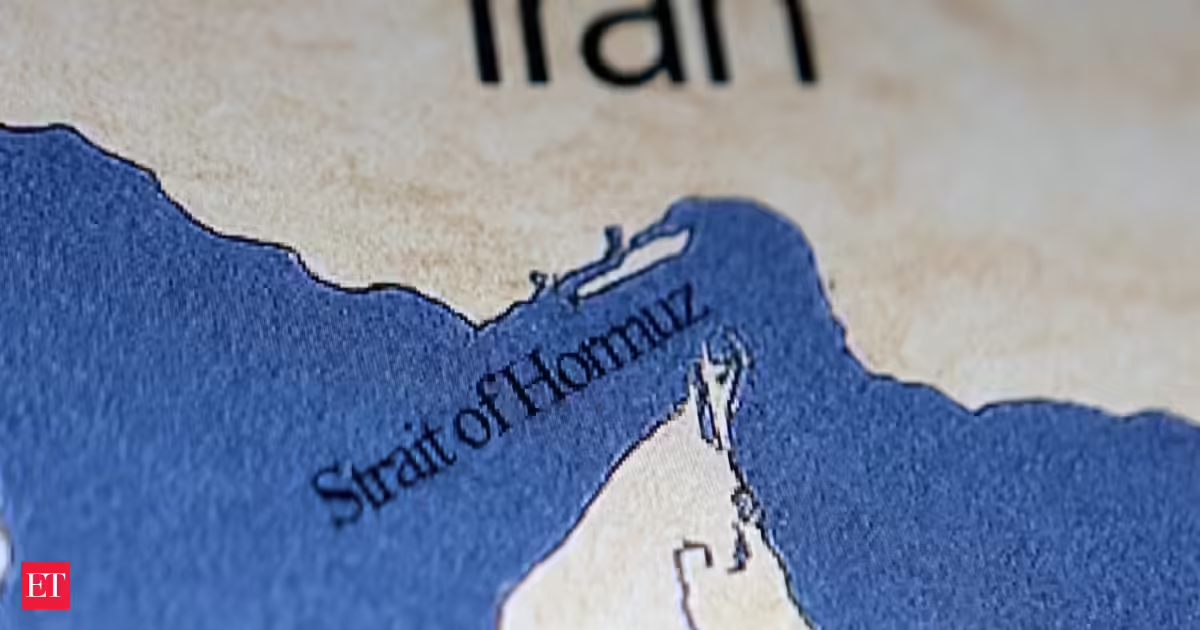
“Given the limitation on the number of vessels that will be allowed to pass, Iran has decided to give priority to those vessels that respond more quickly to the new Strait of Hormuz protocols and pay the costs of security and safety services,” the official said, according to CNN.
“Vessels that do not pay the fees will have their passage postponed,” the official added, as per CNN.
The move comes after Iran reimposed restrictions on ship movements through the Strait of Hormuz, citing what it described as “repeated breaches of trust” by the United States in the implementation of a ceasefire agreement between the two sides, as reported by CNN.
According to CNN, the senior official said the prioritisation measure is part of Iran’s efforts to manage maritime traffic “in light of the new order governing this strait.”

Iran on Saturday announced that the strategic Strait of Hormuz has reverted to its “previous state” of strict military control, as it was before the ceasefire deal with Israel and Lebanon, citing violations by the United States under its continued blockade of Iranian ports, despite Tehran earlier announcing the reopening of the waterway.
According to the Iranian state media, Islamic Republic of Iran Broadcasting (IRIB), citing the spokesperson for Iran’s Central Headquarters of the Holy Prophet (PBUH), Tehran had earlier agreed, in good faith, to allow limited and managed passage of oil tankers and commercial vessels through the strategic strait following negotiations. However, the spokesperson stated that the United States repeatedly breached commitments and engaged in “piracy and banditry” under the pretext of enforcing a blockade over the ports of the Islamic Republic.
“Following previous agreements in negotiations, the Islamic Republic of Iran agreed in good faith to allow a limited number of oil tankers and commercial ships to pass through the Strait of Hormuz in a managed manner. Unfortunately, the Americans, with their repeated record of breach of promise, continue to engage in piracy and banditry under the guise of a so-called blockade,” the statement read, as quoted by IRIB.
The spokesperson further declared that control over the Strait has now been tightened, with the waterway placed under the “strict management and control” of Iran’s armed forces.
“For this reason, control of the Strait of Hormuz has returned to its previous state, and this strategic strait is under the strict management and control of the armed forces,” the statement added.
The statement further stated that the current situation would persist unless Washington ensures what Iran described as “complete freedom of movement” for Iranian vessels.
PayPal: A Contrarian Buy At 9x Earnings


Brazil, Mexico, Spain pledge to send more aid to Cuba

NEW YORK — The New York Times Connections puzzle for Saturday, April 18, 2026, delivered a mix of straightforward vocabulary links and clever wordplay that left some players stumped on the trickiest purple category.
Connections #1042 challenged word game enthusiasts to group 16 words into four themed sets of four, with difficulty increasing from yellow (easiest) to purple (hardest). As of Saturday evening, thousands had already checked solutions online after tackling the daily brain teaser that has become a morning ritual for many.
The complete answers for today’s NYT Connections are as follows:
Yellow category (easiest): Look at with awe — GOGGLE, MARVEL, STARE, WONDER. These words all describe ways to gaze in amazement or admiration, whether at a stunning view or a blockbuster film.
Green category: Basic electricity terms — AC, DC, POWER, VOLTAGE. Straightforward science vocabulary related to electrical currents and energy, familiar to anyone who has dealt with household wiring or physics class.
Blue category: Unexpected winner — DARK HORSE, LONG SHOT, SLEEPER, UNDERDOG. These phrases refer to competitors or candidates who triumph against the odds, a common theme in sports, politics and entertainment.
Purple category (hardest): Starting with soda brands — CRUSHWORTHY, FANTAGRAPHICS, FRESCADE, PEPSINOGEN. This punny group features words that begin with names of popular soft drinks: Crush, Fanta, Fresca and Pepsi. The clever construction turned ordinary terms into brand-inspired creations, often the source of frustration or delight for solvers.
Players who nailed the yellow and green groups quickly often found themselves slowed by the blue and purple categories. The electricity terms provided a solid anchor for many, while the “unexpected winner” synonyms required thinking about under-the-radar successes. The purple category demanded the biggest lateral leap, linking seemingly unrelated words through hidden soda brand prefixes.
The New York Times Games team designs Connections to test not just vocabulary but pattern recognition and creative thinking. Created by editor Wyna Liu, the game launched in 2023 and quickly gained a massive following for its daily mix of accessible and challenging puzzles. Puzzle #1042 maintained the balance that has kept players returning, with clear categories alongside one that rewarded pun appreciation.
Social media platforms lit up throughout the day with reactions to April 18’s grid. Many Swifties and pop culture fans noted overlaps with other daily games, while others shared their solve streaks and mistakes. “Lost my last life on that purple soda pun — who thinks of Pepsinogen?” one player posted on X, capturing the sentiment of those tripped up by the hardest group.
For newcomers or those seeking improvement, experts recommend starting with obvious clusters. Look for synonyms, shared prefixes or suffixes, or thematic ties like sports, science or entertainment. On days like April 18, 2026, spotting the electricity words early helped build momentum before tackling more abstract links.
The puzzle’s structure encourages multiple attempts, with four mistakes allowed before the game ends. Color-coded feedback guides solvers: yellow for the simplest connection, followed by green, blue and purple. Achieving a “perfect game” by ordering categories from easiest to hardest earns special recognition in the app.
Connections fits into the broader New York Times Games ecosystem, alongside Wordle, Spelling Bee, Mini Crossword and Strands. The suite has expanded significantly since the company acquired Wordle in 2022, turning casual word play into a daily habit for millions. On Saturdays, when many enjoy a slower pace, Connections often sees peak engagement as players relax with coffee and crosswords.
Today’s grid featured no proper nouns or overly obscure references, keeping it accessible while still offering depth. “Goggle” and “stare” paired naturally with “marvel” and “wonder” for the awe category. Electricity terms required little explanation for most adults. The underdog synonyms drew from racing and betting slang that resonates widely.
The purple category stood out for its creativity. “Crushworthy” evokes something deserving of Orange Crush soda admiration, while “Fantagraphics” plays on Fanta and the independent comics publisher. “Frescade” twists Fresca, and “Pepsinogen” nods to Pepsi with a biological term for a digestive enzyme precursor. Such punning categories have become a signature element that distinguishes Connections from simpler word games.
Performance data shared by fans showed varied results. Some completed the puzzle in under five minutes with no mistakes, while others used all four lives. Streaks remain a popular motivator, with dedicated players tracking consecutive perfect solves.
The New York Times does not release official solve statistics daily, but community sites and discussion forums indicate Connections #1042 was moderately difficult, with the purple category causing the most misses. Hints pages on Mashable, Forbes and dedicated puzzle blogs saw heavy traffic as players searched for guidance without spoiling the full answers.
For those who enjoy the game but want to avoid spoilers, the official NYT Connections Companion provides gentle nudges without revealing solutions outright. Scrolling past hints allows pure solving, while the companion article offers post-solve discussion and creator insights.
As word games continue their surge in popularity, Connections stands out for fostering community. Friends and family often compare results, debating which category felt hardest. On April 18, 2026, the soda brand puns sparked conversations about favorite soft drinks and creative wordplay.
Looking ahead, the NYT Games team rotates constructors and themes to keep the experience fresh. Future puzzles may feature seasonal references, current events or timeless vocabulary. For now, Saturday’s edition provided a satisfying mental workout without excessive frustration.
Players who missed connections on April 18 can try again tomorrow or revisit past puzzles in the archive. The game resets daily at midnight Eastern Time, offering a fresh challenge each morning.
Whether solving solo on a commute or competing with household members, Connections rewards persistence and lateral thinking. Today’s mix of literal terms and punny twists exemplified why the game has endured as a favorite among word enthusiasts.
The 16 words in Connections #1042 were: GOGGLE, MARVEL, STARE, WONDER, AC, DC, POWER, VOLTAGE, DARK HORSE, LONG SHOT, SLEEPER, UNDERDOG, CRUSHWORTHY, FANTAGRAPHICS, FRESCADE, PEPSINOGEN.
With solutions now widely available, many are already discussing strategies for maintaining streaks or improving at harder categories. As one solver summarized online: “Yellow and green were gifts. Blue made sense once I thought sports. Purple? Brutal but brilliant.”
The New York Times continues to innovate within its games section, but Connections remains a cornerstone for its blend of fun and challenge. On April 18, 2026, it once again delivered an engaging daily diversion that connected players across time zones through shared word discovery.

Wolf Richter is the analyst at, and the publisher of, WOLF STREET, where he discusses business, finance, and money. Core focus: Federal Reserve, credits, equities, residential and commercial real estate, the auto industry, trade, consumers, and energy. He started this operation in 2011. Prior to that, he worked for 20 years in C-level positions, including 10 years in the auto industry. MBA from the University of Texas at Austin.
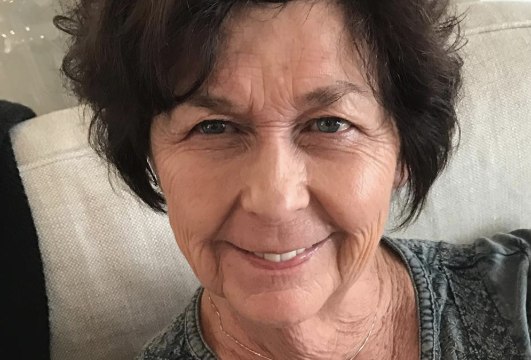
TUCSON, Arizona — More than two months after 84-year-old Nancy Guthrie was abducted from her Catalina Foothills home near Tucson, authorities and her family continue to urge the public to come forward with any information that could help locate her and bring her home safely.
Guthrie, the mother of NBC’s “Today” show co-anchor Savannah Guthrie, was last seen on the evening of Jan. 31, 2026, when her son-in-law dropped her off at her residence around 9:50 p.m. She failed to appear the next morning for a planned church service livestream with friends, prompting family members to check on her. When they arrived around 11 a.m. on Feb. 1 and found no trace of her — with her phone and personal belongings still inside — they called 911. Pima County Sheriff Chris Nanos quickly stated that evidence at the scene indicated she had been taken against her will.
Doorbell camera footage released by the FBI shows a masked individual in dark clothing, wearing gloves and carrying what appears to be a handgun, approaching the home around 1:47 a.m. on Feb. 1. Signs of a struggle, including blood believed to be Guthrie’s, were found on the porch. She was taken without her heart medication, raising serious concerns about her health and survival.
As the investigation enters its third month with no arrests and Guthrie still missing, law enforcement officials emphasize that tips from the public remain one of the most effective tools in solving the case. The best way to help find Nancy Guthrie is to contact authorities immediately with any relevant information, no matter how small it may seem.
The primary channels for submitting tips are the FBI tip line at 1-800-CALL-FBI (1-800-225-5324) or the online submission form at tips.fbi.gov. Tips can be provided anonymously, and the family has stressed that even indirect details — such as sightings of suspicious vehicles in the neighborhood in the days or weeks before the abduction, unusual activity near the home, or knowledge of individuals who may have had a grudge or financial motive — could prove crucial.
Pima County Sheriff’s Department and the FBI jointly lead the multi-agency effort, supported by U.S. Customs and Border Protection and search-and-rescue teams. Forensic work continues, including analysis of DNA evidence recovered from the home, including a hair sample recently sent to an FBI lab for advanced testing. Gloves found nearby with unknown male DNA have also been examined, though no matches have been publicly confirmed.
A substantial reward structure is in place to incentivize information. The Guthrie family has offered up to $1 million for details leading to Nancy Guthrie’s recovery. The FBI provides an additional reward, and the Tucson-based 88-CRIME hotline offers $102,500 for information resulting in an arrest. Rewards are paid according to specific criteria focused on actionable leads that advance the case toward locating Guthrie or apprehending those responsible.
Savannah Guthrie has repeatedly appealed directly to the public and anyone with knowledge of the abduction. In video messages shared on social media, she has pleaded for the safe return of her mother and encouraged anyone who knows something to reach out, either to law enforcement or privately to the family. “Someone knows how to find our mom and bring her home,” she said in one statement, emphasizing anonymity options and the rewards available.
Investigators have described the abduction as likely targeted, though they have not ruled out other possibilities such as a burglary gone wrong. Ransom notes demanding millions, including references to Bitcoin, were received by media outlets shortly after the disappearance. Some appeared credible enough for the family to respond publicly, offering to talk if proof of life was provided. However, no confirmed communication from the abductor has led to Guthrie’s recovery.
The case has drawn intense national attention due to Savannah Guthrie’s high-profile role and the unusual circumstances surrounding an elderly victim’s abduction from her own bedroom in a quiet suburban neighborhood. Experts note that abductions of women in their 80s are exceedingly rare, making the case stand out in national crime statistics.
Pima County Sheriff Nanos has stated that the family, including Savannah Guthrie and her siblings, has been fully cooperative and cleared of any involvement. The investigation has examined surveillance footage from the neighborhood, Google searches for Guthrie’s address and her daughter’s salary in the months prior, and reports of suspicious activity weeks before the incident.
As time passes, the challenges of the investigation grow. Forensic experts and former FBI agents have noted that leads become harder to develop the longer a victim remains missing, particularly without new physical evidence or witness accounts. Search efforts have included extensive canvassing, analysis of digital data, and review of border crossings given the proximity to Mexico.
For members of the public wanting to assist beyond submitting tips, authorities recommend reviewing personal home security footage from the period around Jan. 31 to Feb. 1, 2026, especially any showing vehicles or individuals in the Catalina Foothills area. Neighbors or local residents who noticed anything out of the ordinary — an unfamiliar car lingering, unusual foot traffic at night, or strangers asking about the Guthrie residence — should report it without delay.
Online communities and amateur sleuths have discussed the case extensively, but officials caution against spreading unverified theories that could hinder the official investigation. Instead, all potential information should flow through established tip lines to ensure it reaches detectives promptly and is properly vetted.
Health concerns for Nancy Guthrie remain paramount. At 84, with known medical needs including heart medication, her safe recovery is time-sensitive. Authorities continue to treat the case as an active kidnapping investigation, with the top priority being her location and safe return.
The FBI maintains a dedicated page for the case with a “Seeking Information” poster that includes descriptions and contact details. Anyone with knowledge is urged to act quickly, as even delayed tips have solved cold cases in the past when new context emerges.
Community support has been strong, with vigils and calls for justice amplifying the family’s pleas. Yet the emotional toll on the Guthrie family is evident in Savannah Guthrie’s public statements, where she has expressed both hope and frustration over the lack of resolution.
Law enforcement continues to pursue all avenues, including potential motives ranging from financial gain to personal retribution linked to the family’s visibility. No suspect has been publicly identified, and investigators have warned that the perpetrator could potentially strike again, urging residents to remain vigilant with home security measures.
As the search for Nancy Guthrie enters its 78th day as of April 18, 2026, the message from authorities and the family is consistent: the best way to help is to provide information now. A single detail — a name, a vehicle description, a overheard conversation, or a sighting — could break the case open.
Tips can be submitted 24/7 via the FBI hotline or website. For those preferring local channels, the Pima County Sheriff’s Department also accepts information through its non-emergency lines or Crime Stoppers equivalents.
The case serves as a reminder of the power of community vigilance in missing persons investigations. While advanced forensics, DNA analysis, and inter-agency coordination drive the probe, human tips often provide the critical breakthrough needed to locate victims and hold perpetrators accountable.
Nancy Guthrie’s family, friends, and the broader public continue to hope for her safe return. Anyone with information is encouraged not to hesitate: call 1-800-CALL-FBI today or submit details online. In a case filled with unknowns, public cooperation remains the most promising path forward.
‘Wear my heart on my sleeve:’ Robert MacIntyre discusses his Masters meltdown

Nvidia’s Jensen Huang warns DeepSeek running on Huawei chips would be ‘horrible outcome’ for America

#reseller #business #antique #jewelry #fyp #money #gold #ytshorts


-
 NewsBeat6 days ago
Pep Guardiola and Gary Neville agree over Arsenal title problem that benefits Man City
-

 Crypto World5 days ago
The SEC Conditionalises DeFi Platforms to Be Avoided for Broker Registration
-

 Politics6 days ago
World Cup exit makes Italy enter crisis mode
-

 Fashion1 day ago
Weekend Open Thread: Theodora Dress
-

 Crypto World5 days ago
SEC Signals Exemption for Crypto Interfaces From Broker Registration
-

 News Videos4 days ago
Secure crypto trading starts with an FIU-registered
-

 Sports1 day ago
NWFL Suspends Two Players Over Post-Match Clash in Ado-Ekiti
-

 Crypto World5 days ago
SEC Proposes Certain Crypto Interfaces Don’t Need to Register as Brokers
-

 NewsBeat4 days ago
Trump and Pope Leo: Behind their disagreement over Iran war
-

 Politics24 hours ago
Palestine barred from entering Canada for FIFA Congress
-
 NewsBeat7 days ago
JD Vance announces ‘no agreement’ with Iran over nuclear weapons fear
-

 Crypto World22 hours ago
Russia Pushes Bill to Criminalize Unregistered Crypto Services
-

 Sports5 days ago
NWFL opens Pathway for new Clubs ahead of 2026 Season
-
 Business2 days ago
Creo Medical agree sale of its manufacturing operation
-
Sports7 days ago
Dexter Lawrence, Stefon Diggs, Trading for De’Von Achane
-

 Crypto World6 days ago
Trump whales load up ahead of Mar-a-Lago luncheon.
-
 Crypto World6 days ago
Sei Network Enters Quiet Reset Phase as On-Chain Metrics Signal a Slowdown in 2026
-
Business6 days ago
Kering slides after Morgan Stanley downgrade, Gucci woes loom
-

 Tech6 days ago
Google adds E2E encryption to Gmail for iOS and Android enterprise users
-
 Entertainment5 days ago
Karol G’s ‘Ultra Raunchy’ Coachella Set Gave ‘Satanic Vibes’
You must be logged in to post a comment Login