
Business
Oil prices extend gains as Trump sharpens rhetoric on Iran


Brent crude futures rose 57 cents, or 0.5%, to $110.34 a barrel by 1202 GMT, while U.S. West Texas Intermediate crude futures were up $1.26, or 1.1%, at $113.67.
Trump, has threatened to rain “hell” on Tehran if it fails to comply with his deadline of 8 p.m. EDT Tuesday to reopen the strait. “They could be taken out,” Trump warned, pledging further action if a deal is not reached.
Responding to a U.S. proposal through mediator Pakistan, Tehran rejected a ceasefire and said a permanent end to the war was necessary, and pushed back against pressure to reopen the strait.
Iranian forces effectively shut the Strait of Hormuz after U.S. and Israeli attacks began on February 28, disrupting a waterway that typically carries about 20% of global oil flows.

“Clock-watching is now playing almost as big a role in oil markets as the fundamentals themselves in the run-up to Trump’s ultimatum deadline,” said Tim Waterer, chief market analyst at KCM Trade.
“The potential for a ceasefire deal offers some counterweight and could spark a relief move lower if it gains traction, but persistent supply worries from the Hormuz chokepoint and damaged energy facilities are keeping the floor under prices.” On Monday, Iran’s Revolutionary Guards halted two Qatar liquefied natural gas tankers and directed them to hold position without providing explanations, sources told Reuters. However, shipping data has shown limited vessel movement through the strait since last Thursday.
The U.N. Security Council is expected to vote on Tuesday on a resolution to protect commercial shipping in the Strait of Hormuz, but in significantly watered-down form after veto-wielding China opposed authorizing force, diplomats said.
The attack in the region continued as explosions were heard in the Syrian capital, Damascus, and surrounding countryside on Tuesday that were caused by the Israeli interception of Iranian missiles, Syrian state TV reported.
Saudi Arabia said on Tuesday it intercepted and destroyed seven ballistic missiles launched towards its Eastern Region, with debris falling near energy facilities, according to the defence ministry.
The conflict has pressured global crude markets, with spot premiums for U.S. WTI crude surging to record highs as Asian and European refiners scramble to secure replacement supplies amid disrupted Middle Eastern flows.
Saudi Arabia’s state oil company Aramco raised the official selling price of its Arab Light crude to Asia for May delivery, setting a record premium of $19.50 a barrel above the Oman/Dubai average.
Adding to supply concerns, Russia on Monday said Ukrainian drones attacked the Caspian Pipeline Consortium’s terminal on the Black Sea, which handles 1.5% of global oil supply. Russia reported damage to loading infrastructure and storage tanks.
OPEC+ agreed on Sunday to lift oil output quotas by 206,000 bpd in May, though the increase will be largely notional as key members cannot boost production because strait closures are curbing exports.


'AI Security' Emerges As The Next Cybersecurity Theme

Melbourne, Australia — Melbourne has solidified its position as Australia’s leading hub for artificial intelligence innovation in 2026, home to about 188 AI companies and roughly 22% of the nation’s clustered AI firms — the largest concentration nationwide. With Victoria’s government-backed AI Mission Statement targeting up to $30 billion in gross state product contributions over the next decade, a new wave of emerging startups is driving breakthroughs in healthcare, legal tech, clinical documentation and beyond.
As global interest in responsible AI grows, Melbourne’s ecosystem benefits from strong university ties, a deep talent pool and proximity between research institutions and commercial ventures. While Sydney often dominates total funding, Melbourne excels in application-layer AI companies focused on real-world problems in medicine, compliance and productivity.

Here are 10 rising AI companies in Melbourne making waves in 2026, selected for their recent funding momentum, technological innovation and growth potential:
- Heidi Health stands out as one of Melbourne’s fastest-growing AI healthtech stars. The company develops an AI-powered medical scribe platform that transcribes doctor-patient consultations and generates structured clinical notes, helping reduce administrative burdens and combat clinician burnout. Founded in 2021, Heidi has raised nearly $100 million, including a major Series B round valuing the company at around $465-711 million. It now processes millions of patient interactions weekly and adheres to strict standards like HIPAA, GDPR and Australian privacy principles. Investors including Point72, Blackbird and Headline back its vision of becoming an “AI care partner” for every clinician.
- Harrison.ai continues to lead in medical imaging AI. The company, co-founded by brothers Dr. Aengus Tran and Dimitry Tran, builds deep learning tools like Annalise.ai to assist radiologists in detecting conditions such as cancer and neurological disorders. It has secured over $240 million in total funding, including a notable Series C raise, and operates in more than 1,000 healthcare facilities across 15 countries. Harrison.ai exemplifies Melbourne’s ability to produce globally scalable clinical AI with measurable impact on diagnostic accuracy and speed.
- Affinda harnesses AI to transform document processing and data extraction for businesses. The Melbourne-based startup uses machine learning to automate invoice handling, contract analysis and other paperwork-heavy tasks, helping companies reduce manual errors and accelerate workflows. It has attracted attention for its practical enterprise applications and continues to expand its client base across Australia and internationally.
- See-Mode Technologies specializes in AI for vascular and medical imaging analysis, particularly for stroke detection and management. The company has raised funding for its platform that provides real-time insights from ultrasound and other scans, supporting clinicians with faster, more accurate decisions. Its technology highlights Melbourne’s strength in specialized computer vision applications for healthcare.
- Vervoe offers an AI-driven skills assessment platform that evaluates job candidates through realistic task simulations rather than traditional resumes. Founded in Melbourne, it uses AI grading to rank applicants based on actual job performance, helping employers make better hiring decisions. The company has gained traction in a competitive recruitment market and continues refining its role-specific assessment tools.
- 6clicks has emerged as a trending AI startup focused on governance, risk and compliance (GRC) automation. Its platform leverages artificial intelligence to streamline regulatory compliance, policy management and audit processes for organizations. With rising search interest and reported growth of over 100% in some metrics, 6clicks addresses growing demand for trusted AI tools amid increasing regulatory scrutiny.
- Isaacus represents an emerging legal AI player developing foundational models specifically for legal technology. Launched in 2025, the pre-seed funded startup (A$700,000) builds core AI capabilities that enable other companies to create specialized legal tools. Its focus on foundational research positions it as a behind-the-scenes enabler in Melbourne’s growing legal tech scene.
- Lyrebird Health develops AI-powered medical documentation tools that transcribe consultations into structured notes, similar to but distinct from broader scribe platforms. The Melbourne startup targets efficiency gains for clinicians and has shown strong early traction in healthtech circles, benefiting from the city’s concentration of medical research institutions.
- Everlab takes a preventative approach with its AI-driven personalized health assessments and care plans. The membership-based platform uses artificial intelligence for early disease detection and long-term wellness tracking. Founded in 2023, it appeals to consumers seeking proactive health management and has raised interest for its blend of diagnostics and AI personalization.
- Restoke.ai and similar emerging players like Optain Health or Cor focus on niche applications such as retail optimization, ophthalmology imaging or specialized automation. Restoke.ai, for instance, applies AI to hospitality and inventory challenges, while others target computer vision in specific medical fields. These startups illustrate the breadth of Melbourne’s AI innovation beyond headline healthtech names.
Melbourne’s AI ecosystem benefits from supportive infrastructure, including events like the NORTH Link AI Summit and ongoing collaborations with institutions such as universities and innovation centers. Government initiatives emphasize responsible AI deployment, data governance and talent development, helping local startups navigate ethical considerations while scaling.
Funding trends show AI capturing a significant share of Australian venture capital, with Melbourne companies benefiting from local and international investors. However, challenges remain: competition for talent, the need for robust datasets and ensuring AI systems meet high compliance standards in regulated sectors like healthcare and finance.
Many of these rising companies emphasize practical outcomes — reducing doctor burnout, improving hiring accuracy or automating compliance — rather than hype. This focus on measurable ROI has helped attract capital even as global markets remain selective.
Industry observers note that Melbourne’s proximity to research hubs gives it an edge in translating academic work into commercial products, particularly in health AI and applied machine learning. Victoria’s AI Mission Statement aims to accelerate adoption across small and medium enterprises, creating further opportunities for these startups to partner with local businesses.
As 2026 progresses, expect more activity in generative AI agents, computer vision enhancements and industry-specific solutions. Some companies are already exploring international expansion, leveraging Australia’s strong data privacy reputation as a competitive advantage.
Travelers and tech professionals visiting Melbourne can engage with the scene through networking events, pitch nights and conferences focused on AI engineering and design. The city’s livable environment and strong tech community continue to draw talent from across Australia and abroad.
While larger players like Airwallex incorporate significant AI capabilities into fintech, the pure-play startups listed here represent the innovative edge pushing Melbourne forward. Their success could help the city capture more of the projected economic upside from AI in the coming years.
With continued government support and investor confidence, these 10 rising AI companies — and dozens more — position Melbourne as a serious contender in the global artificial intelligence landscape, blending technical excellence with solutions to everyday challenges in healthcare, business and beyond.
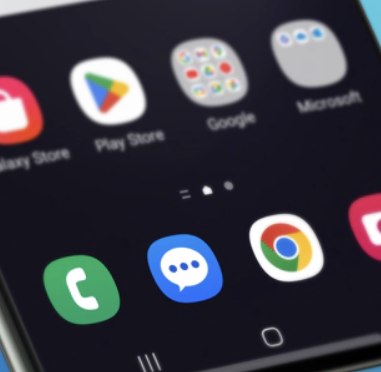
Samsung Electronics has officially announced the discontinuation of its long-standing Samsung Messages app, with the service set to end in July 2026 as the company fully transitions Galaxy smartphone and tablet users to Google Messages for a more consistent Android messaging experience.

The “End of Service Announcement” posted on Samsung’s U.S. support website states that the Samsung Messages application will be discontinued in July 2026. After that date, the app will no longer support regular texting functions except for emergency service numbers or predefined emergency contacts. Users will also be unable to download the app from the Galaxy Store once the shutdown occurs.
Samsung is urging affected owners to switch to Google Messages as their default messaging app immediately “to maintain a consistent messaging experience on Android.” The move affects devices running Android 12 and newer; older devices on Android 11 or below remain unaffected.
The announcement, which surfaced in early April 2026, follows years of gradual shifts. Samsung stopped pre-installing its proprietary Messages app on flagship Galaxy devices starting in 2024 and began setting Google Messages as the default on many models. Newer handsets, including the Galaxy S26 series, already prevent users from downloading Samsung Messages.
Industry analysts view the decision as part of Samsung’s broader strategy to streamline its software ecosystem and lean more heavily on Google’s services. By adopting Google Messages universally, Samsung aims to deliver uniform features across its vast Galaxy lineup while reducing development and maintenance costs for a separate app.
Google Messages offers several advantages that Samsung highlighted in its notice. These include robust RCS (Rich Communication Services) support that works more consistently across carriers, advanced AI-powered spam detection, Gemini integration for smart replies and message suggestions, improved end-to-end encryption options, and better multi-device connectivity with tablets, wearables and computers.
For many long-time Galaxy users, the news stirs nostalgia mixed with practical concerns. Samsung Messages, which dates back more than 15 years in various forms, featured a clean interface, customizable themes, scheduled messages and strong integration with other Samsung apps and services. Some users preferred its simpler design or specific features not fully replicated in Google’s offering.
Reaction on social media and Samsung community forums has been swift. Posts under hashtags like #SamsungMessages and #GoogleMessages range from acceptance (“It was inevitable”) to frustration over losing familiar customization options. One Reddit user noted, “Samsung Messages felt more ‘Samsung’ — now everything is just Google.” Others welcomed the change for better RCS reliability and spam protection.
Samsung has provided guidance for a smooth transition. Users can open the Google Messages app, set it as default through phone settings, and transfer conversations where possible. On some older devices (particularly those on Android 12 or 13), the Google Messages icon may not automatically appear on the home screen after switching. The company also warned that ongoing RCS chats might experience temporary disruption until both parties migrate to Google Messages.
To switch manually:
- Download or open Google Messages from the Play Store or Galaxy Store if not already installed.
- Go to phone Settings > Apps > Default apps > SMS app and select Google Messages.
- Grant necessary permissions for contacts, phone and notifications.
- Back up important conversations if desired, though full transfer functionality varies.
After July 2026, Samsung Messages will cease to function for standard use, and the app will be removed from download platforms. Emergency texting capabilities will remain as a limited fallback.
The change aligns with broader industry trends. Google has pushed its Messages app as the standard for Android RCS, which brings iMessage-like features such as high-resolution media sharing, typing indicators, read receipts and group chat enhancements to SMS. Apple’s recent adoption of RCS in iOS has further standardized rich messaging across platforms, reducing the “green bubble” divide.
Samsung’s decision also reflects the declining need for proprietary apps in a Google-dominated Android world. The company has similarly favored Google services in other areas, including its keyboard, calendar and photo apps on many devices.
For businesses and power users, the shift means potential adjustments in workflow. Those relying on Samsung-specific features like advanced scheduling or integration with Bixby routines may need to explore Google Messages alternatives or third-party apps. However, most everyday texting, MMS and RCS functions should improve or remain comparable.
Samsung has not specified an exact date in July, directing users to check the Samsung Messages app itself for the precise shutdown timeline. The company emphasized that the transition is designed to be seamless for the vast majority of its hundreds of millions of Galaxy users worldwide, though the announcement focuses on the U.S. market with possible similar rollouts globally.
Tech experts recommend acting early. Switching now allows time to familiarize oneself with Google Messages features, resolve any minor glitches, and ensure contacts also update if needed for full RCS benefits. Users with multiple Samsung devices — phones, tablets and Galaxy Watches — will benefit from tighter integration once unified under Google Messages.
The discontinuation comes amid Samsung’s heavy investment in AI across its ecosystem. Google Messages leverages Gemini for contextual suggestions, message summarization and even generative replies, features that align with Samsung’s own Galaxy AI ambitions on devices like the Galaxy S series and foldables.
As the July 2026 deadline approaches — roughly three months from early April — Samsung is expected to roll out in-app notifications and prompts encouraging the switch. Support pages and community forums will likely see increased traffic with troubleshooting tips.
For those reluctant to change, limited options exist. Third-party messaging apps can serve as alternatives, but they may lack deep system integration or carrier-level RCS support. Sticking with Samsung Messages past the cutoff will not be viable for normal communication.
The move underscores the evolving nature of smartphone software. What once felt like a core Samsung experience is giving way to a more standardized, Google-powered foundation that promises better long-term support, security updates and feature parity with the wider Android ecosystem.
Galaxy owners in the U.S. and beyond should prepare now to avoid last-minute disruptions when the app goes dark. Downloading Google Messages, setting it as default and exploring its tools will ensure texting continues uninterrupted.
Samsung’s End of Service notice reassures users that the change prioritizes a better overall experience. With enhanced security, AI assistance and cross-platform compatibility, Google Messages positions Galaxy devices for the next era of mobile communication as RCS becomes the norm and AI transforms everyday interactions.
Whether you loved the familiar Samsung interface or are ready for modern upgrades, the clock is ticking. July 2026 marks the end of an era for Samsung Messages — and the beginning of a more unified Google-powered messaging future on Galaxy phones.

NSE’s Nifty rose 255.15 points, or 1.1%, to close at 22,968.25. BSE’s Sensex rose 787.3 points, or 1.1%, to end at 74,106.85. Both indices were down as much as 0.8% earlier in the day.
Monday’s market recovery was driven by a mix of fundamental and technical factors, said Shrikant Chouhan, head of Equity Research, Kotak Securities.
“Short covering from oversold levels, along with crude staying below $110 despite Trump’s threats, lifted sentiment and triggered buying interest,” he said.
The India VIX slipped 0.2% to 25.47 on Monday, a modest decline, pointing to lingering caution among investors despite the market’s rebound.
The ceasefire plan – including an end to the hostilities between the US and Iran and reopening the Strait of Hormuz – comes ahead of Donald Trump’s Tuesday deadline to Tehran to allow passage through the key shipping route.
At home, foreign portfolio investors net sold shares worth ₹8,167 crore. Domestic institutions were buyers worth ₹8,089 crore. Broader market indices Nifty Midcap 150 gained 1.4%, and Nifty Small-cap 250 rose 1.1% on Monday. Out of the total 4,544 stocks traded on BSE, 3,193 advanced and 1,173 fell at close.
“The recent decline has lost momentum over the past few sessions, opening room for a rebound,” said Chouhan.
The Nifty could move towards 23,200 in the near term, where profit booking may emerge, he said.
Elsewhere in Asia, Japan gained 0.55% and South Korea advanced 1.4%. Stock markets in China, Hong Kong and Taiwan remained shut on Monday. The pan-Europe index Stoxx 600 was down 0.2% at the time of going to print.

Analysts expect sustained demand for gold jewellery in the coming quarters due to the summer wedding season, as well as other occasions like Akshaya Tritiya, Baisakhi and Rath Yatra.
Shares of Senco Gold, which reported its fourth-quarter business update on Saturday, ended 12.1% higher on Monday. Other companies like Thangamayil Jewellery, Kalyan Jewellers India, Titan Company, Sky Gold And Diamonds and PC Jeweller ended 3-7% higher.
Senco said in its exchange filing that on a standalone basis, it achieved a wedding season-led growth of 46% year-on-year in the fourth quarter, while PC Jeweller saw standalone revenue growth of approximately 32% year-on-year, in this period.
“Reports of a reduction in base import prices for gold and silver lifted jewellery stocks on Monday, as lower import prices are expected to ease input costs and support margins. Positive business updates from Senco Gold and PC Jeweller further supported sentiment,” said Arijit Malakar, equity research analyst, Ashika Stock Broking.
“The overall market fall due to the West Asia conflict has led to consolidation in gold jewellery stocks. However, with global gold prices cooling, Indian Jewellers are now restocking at favourable levels,” said Netra Deshpande, research analyst, Mirae Asset ShareKhan.
She believes that sustained demand from the extended wedding season and upcoming festivals like Akshaya Tritiya will continue to support growth in the coming quarters as well.
Business
SFO Security Lines Stay Under 15 Minutes While TSA Chaos Hits Other Airports Amid Government Shutdown
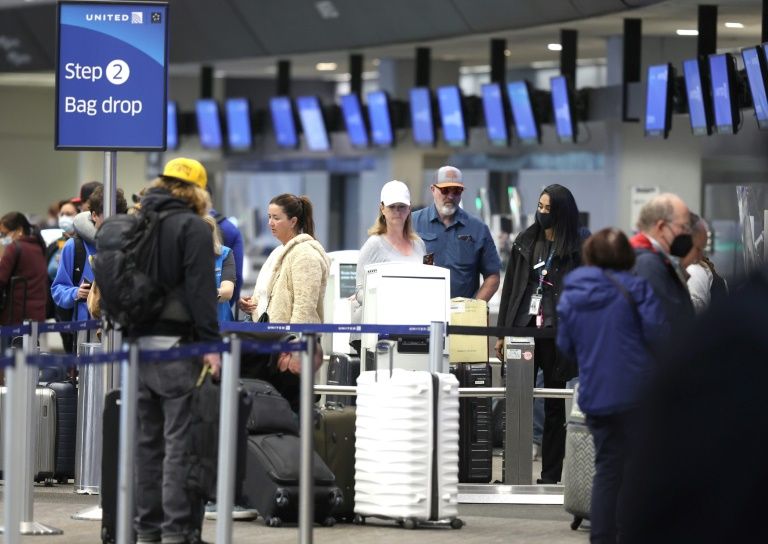
SAN FRANCISCO (AP) — While travelers at many major U.S. airports have endured hours-long security lines due to the ongoing partial government shutdown, San Francisco International Airport has largely escaped the chaos, with average TSA wait times remaining steady at 10 to 15 minutes and all checkpoints operating normally as of early April 2026.
SFO, one of the busiest airports in the country and a key international gateway for the Bay Area, participates in the Transportation Security Administration’s Screening Partnership Program. This allows a private contractor, Covenant Aviation Security, to handle checkpoint screening under TSA supervision. Because the screeners are not federal TSA employees, they continue to receive uninterrupted pay during the funding impasse that has affected direct TSA operations elsewhere.

Airport officials and local reports confirm that security lines at SFO have stayed consistent with typical operations, even as spring break travel overlapped with the shutdown’s impact on federal staffing. In contrast to airports like Phoenix Sky Harbor or others reporting waits of 30 minutes or more — and occasional checkpoint closures — SFO has maintained smooth flow. Peak waits rarely exceeded 20-25 minutes, with many travelers clearing security in under 10 minutes during off-peak hours.
“While we’ve seen and heard about the long security checkpoint lines over the last few weeks at major airports around the country, SFO is NOT experiencing this issue,” the airport posted on social media in late March, highlighting its private contractor model as the reason for stability.
Current real-time data shows average security waits at SFO around 12 minutes overall. Early morning hours from midnight to 3 a.m. often see waits as low as 1-3 minutes, while busier slots like 6-9 a.m. may reach 15-25 minutes. PreCheck lanes and CLEAR biometric services further reduce times for eligible passengers, sometimes to just 2-5 minutes. One checkpoint in Terminal 3 (Boarding Area F3) has been noted as occasionally closed, but alternatives remain open and all gates stay accessible.
United Airlines, SFO’s largest carrier, recently rolled out a helpful TSA wait time tracker in its mobile app for SFO and six other hubs. The feature provides estimated waits for both standard and PreCheck lanes, helping passengers plan arrivals more precisely amid broader travel uncertainties.
SFO handled approximately 54.5 million passengers in 2025, a 4.3% increase from 2024, with strong growth in domestic traffic. The airport serves as a major hub for United Airlines and a critical link for transpacific routes to Asia, which accounted for a significant share of its international traffic. Despite the shutdown, security screening screened millions without the widespread disruptions seen nationally.
The partial government shutdown, now stretching into April, has forced TSA officers at direct federal airports to work without pay, leading to increased callouts, fatigue and longer lines. Some airports consolidated lanes or temporarily closed checkpoints. SFO’s model has provided a buffer: private screeners, paid through separate funding, reported full staffing and normal operations.
Airport spokesman Doug Yakel noted that contracted officers have kept average peak wait times under 10 minutes in many recent periods, even while processing high volumes. This stands in stark contrast to reports from other hubs where waits stretched to hours, prompting airlines to advise arriving three hours early for domestic flights.
Travelers at SFO praised the relative ease. Social media posts and local news shared stories of quick passages through security, with some contrasting their experience favorably against friends flying out of TSA-operated airports. “No lines at SFO — right through security,” one passenger remarked after a recent trip.
SFO features multiple security checkpoints across its terminals: A and G in the International Terminal, B and C in Terminal 1, D in Terminal 2, and F1 plus the occasionally closed F3 in Terminal 3. All offer TSA PreCheck, Priority lanes and CLEAR where available. Hours vary slightly by checkpoint, with most opening as early as 3:15 a.m. and some operating nearly 24 hours.
In addition to standard procedures, SFO supports TSA ConfirmID, a fee-based identity verification service for passengers without REAL ID-compliant documents. The airport also uses advanced imaging technology and continues promoting efficient packing to speed screening.
Beyond security stability, SFO faces other operational pressures. A new FAA rule and temporary runway project have reduced hourly arrivals from 54 to 36 planes, potentially causing more flight delays independent of security. Officials emphasize that these changes do not affect checkpoint lines.
For passengers, the airport recommends arriving at least two hours before domestic flights and three hours for international, though the consistent security times mean many can adhere to standard guidelines without extra buffer for shutdown-related delays. The MyTSA app, United’s tracker and SFO’s own flight information displays provide helpful updates.
The Screening Partnership Program at SFO dates back years and makes it the largest U.S. airport using private contractors for screening. Only a handful of airports, including Kansas City and a few smaller ones, share this setup. During previous shutdowns, the model similarly prevented major disruptions.
Local leaders and travelers have noted the irony: while the shutdown highlights vulnerabilities in federal TSA staffing, privatized operations at places like SFO demonstrate an alternative that maintains reliability. However, all checkpoints still follow strict TSA security protocols and oversight.
As summer travel approaches, SFO continues investing in passenger experience with expanded dining, art installations and efficient terminal layouts. The airport consistently ranks well in traveler satisfaction surveys among large U.S. hubs.
Travel tips for SFO remain standard but especially useful now: enroll in TSA PreCheck or CLEAR for faster processing, pack liquids and electronics accessibly, wear slip-on shoes, and check real-time wait data before heading to the airport. Those without PreCheck should factor in potentially longer standard lanes during peak times like early mornings and evenings.
The broader context at SFO underscores a national conversation about airport security staffing. While most airports rely on federal TSA employees facing financial strain without pay, the private model at SFO has kept lines moving and morale steadier among screeners.
Passengers navigating the Bay Area’s busy travel season can take some comfort in SFO’s resilience. As the shutdown persists without a clear resolution, airports without direct TSA staffing continue to serve as a relative bright spot for efficient security.
SFO’s role as a vibrant international gateway — connecting Silicon Valley innovation with global destinations — remains strong. With wait times stable and innovations like United’s app tracker rolling out, the airport aims to keep travelers informed and moving smoothly even amid federal uncertainties.
Many who flew through SFO in recent weeks shared gratitude online for the predictable experience. “While friends complained about three-hour TSA lines elsewhere, we were at our gate in 45 minutes total at SFO,” one Bay Area resident posted.
As conditions evolve, travelers should monitor official SFO channels and airline apps for the latest advisories. For now, San Francisco International stands out as a smoother option for those able to route through the West Coast hub.
Phoenix Sky Harbor and other TSA-direct airports have seen fluctuating improvements with auxiliary support like ICE agents, but SFO’s private contractor advantage has provided consistent relief without such interventions.
With passenger numbers rebounding and technology enhancements in place, SFO positions itself well for the busy months ahead. The airport’s ability to maintain normal wait times during a national staffing crunch serves as a case study in operational resilience.
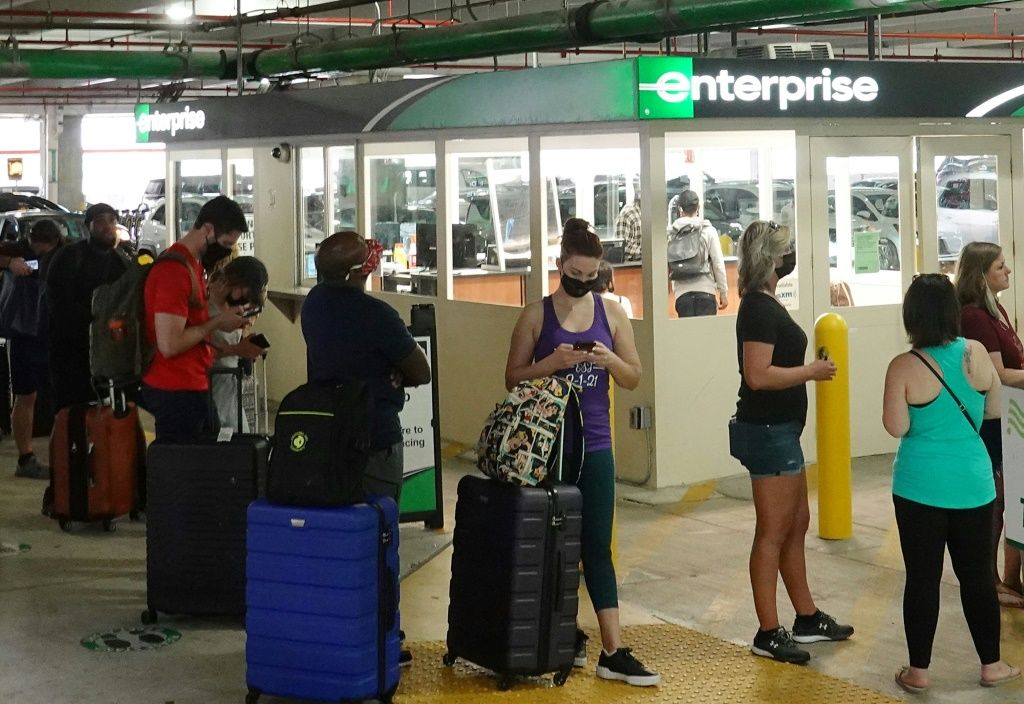
MIAMI — Travelers at Miami International Airport encountered unpredictable security lines and mounting frustration in recent weeks as a partial government shutdown strained Transportation Security Administration operations during one of the busiest travel periods of the year.

Long queues snaked through terminals at MIA and neighboring Fort Lauderdale-Hollywood International Airport in March 2026, with some passengers reporting waits of up to 35 minutes or more during morning peaks. The disruptions coincided with spring break crowds, East Coast weather delays and a federal funding impasse that left thousands of TSA workers unpaid and prompted hundreds of call-outs or resignations nationwide.
As of early April 2026, conditions at MIA have largely stabilized. Real-time data from the airport’s official website shows standard security checkpoint waits ranging from 8 to 18 minutes depending on the lane, with TSA PreCheck and CLEAR lanes often clearing in under 5 minutes. Checkpoint 1 remained closed in recent updates, while others operated with fluctuating but manageable volumes. Immigration processing, however, continued to see longer delays, sometimes exceeding 45 minutes.
The partial shutdown, which affected Department of Homeland Security funding, forced many TSA officers to work without pay since mid-February. Union leaders described the situation as “dire,” noting more than 450 officers had quit nationally since the impasse began. Absenteeism spiked, leading airports across the country — including major hubs like Atlanta and Houston — to post waits of an hour or longer on some days. South Florida airports experienced similar volatility, though MIA appeared to fare better than many peers.
Miami-Dade Aviation Department communications director Greg Chin told local media that early morning lines in mid-March occasionally stretched to 18-35 minutes due to staffing shortages. By midday, waits typically dropped significantly. Some checkpoints, such as one near dining options, stayed closed temporarily as managers shifted personnel. Airport officials urged passengers to arrive early and monitor the MyTSA app or MIA’s website for live updates.
President Donald Trump proposed deploying Immigration and Customs Enforcement agents to assist at congested airports, but MIA and FLL officials confirmed they had not been notified of any such assignments as of late March. Travelers expressed mixed reactions: some appreciated the potential backup, while others worried about added complications at an already busy international gateway.
Spring break 2026 amplified the pressure. MIA handled surges of tourists drawn to South Florida’s beaches and events, with security lines averaging around 30 minutes during peak evening hours in mid-March according to some reports. Officials implemented operational adjustments to improve passenger flow, including better lane management and encouragement of trusted traveler programs.
TSA PreCheck emerged as a key mitigator. Enrolled passengers frequently cleared screening in 1-5 minutes, even during busier periods. In February, the agency expanded TSA PreCheck Touchless ID at MIA, allowing eligible travelers to use facial recognition or mobile boarding passes for even faster processing. The technology rollout is part of a broader initiative to equip dozens more airports with biometric tools aimed at reducing document checks by up to 30%.
Despite the challenges, many recent visitors reported smoother experiences entering April. Reddit users and social media posts from early April described TSA lines at MIA as “surprisingly fast,” with some clearing from curb to concourse in as little as 13 minutes. One traveler called it “the shortest easiest line I’ve ever had at this notorious TSA checkpoint.” Real-time trackers like Flightqueue.com showed standard waits consistently under 15 minutes on multiple days, a notable improvement from March peaks.
Weather compounded problems earlier in the season. Thunderstorms and winter systems delayed or canceled hundreds of flights regionally, forcing rebookings and adding congestion. Airlines reduced schedules in some cases to ease pressure on air traffic control, which also faced unpaid staff. FlightAware data captured thousands of national disruptions during the height of the crisis.
MIA officials emphasized proactive measures. The airport’s mobile app provides real-time checkpoint wait times, interactive maps and flight status alerts. Passengers can scan boarding passes for personalized guidance. TSA recommends using the MyTSA app to check historical busyness by day and time, review the 3-1-1 liquids rule and prepare for screening to minimize delays.
Travel experts advise arriving at least two to three hours early for domestic flights and longer for international departures, especially during holidays or when staffing issues persist. Enrolling in TSA PreCheck or CLEAR can save significant time for frequent flyers. Removing liquids, electronics and outer layers in advance also speeds the process.
The funding standoff highlighted vulnerabilities in the aviation security system. TSA employs roughly 64,000 officers nationwide, many of whom felt “abandoned” during the unpaid period, according to union statements. Even after resolution, full staffing recovery could take days or weeks as agencies process back pay and rehiring.
As conditions normalize in April, MIA continues handling millions of passengers annually as South Florida’s primary international gateway. The airport serves major carriers including American Airlines, with extensive connections to Latin America and the Caribbean.
For the latest updates, travelers should check miami-airport.com/tsa-waittimes.asp or the TSA website. Officials continue monitoring operations closely and adjusting staffing as needed.
While the worst of the shutdown-related chaos appears to have eased at MIA, unpredictable variables like weather, holidays and federal budget negotiations mean vigilance remains essential. Passengers who plan ahead — using apps, trusted traveler programs and realistic arrival buffers — report the smoothest journeys through one of the nation’s busiest airports.
In the end, the recent strains at Miami International Airport’s TSA checkpoints served as a reminder of the human element behind airport security. Officers working extended hours without timely pay kept the lines moving as best they could, while millions of travelers adapted with patience and preparation. As federal talks progress, both sides hope to avoid repeating the disruptions that turned routine screenings into headline-making ordeals during spring break 2026.

“Indian corporate earnings are expected to be slightly subdued in the March quarter, driven by geopolitical escalations in West Asia and operational challenges for most companies due to a rise in commodity prices,” said Shweta Rajani, associate director, Anand Rathi Wealth. She added that the impact of higher commodity prices is expected to weigh on profitability across sectors including consumption, manufacturing, and industrials where input cost pressures may not be fully passed on.
 Agencies
EARNINGS PREVIEW: One-time gains earlier & lower profit for some cos to weigh on March quarter numbers; Revenue to also moderate
Barring one-off items, the earnings growth for the sample is expected to be in low-to-mid single digit. “We expect earnings of the companies under our coverage to grow 10% year-on-year and Nifty 50 earnings to grow 6% for the March 2026 quarter,” said Gautam Duggad, institutional research head, Motilal Oswal Financial Services.
The ETIG estimates exclude the financials of Tata Motors Passenger Vehicles since the year-ago numbers are not comparable after the company’s commercial vehicles business was split and formed into a separate listed entity.
The sample’s operating margin is likely to contract by 70 basis points year-on-year to 22.2% for the March quarter. “Higher crude and commodity prices are likely to put pressure on margins across sectors such as consumption, industrials, and manufacturing,” said Rajani. The margin has remained in a range of 22-24% over the past five quarters to December 2025.
On the sector front, sectors including automobiles, banking and financial services, metals are likely to fare better while IT companies, select pharma and consumer durables companies are likely to report subdued numbers.
After a challenging environment in FY26, analysts expect recovery in the current fiscal year. “The earnings trajectory across segments indicates that FY26 is likely to be a year of consolidation, followed by a meaningful recovery in FY27,”said Rajani. She expects 12% earnings growth for Nifty 50 companies in FY27 compared with an estimated 4-6% growth in FY26 based on likelihood of stabilisation in global demand conditions, improving operating leverage and momentum in the capital expenditure cycle. Duggad expects a plethora of policy measures should incrementally prop up earnings growth. “Currently, we estimate over 13% and 11% annualised earnings growth for companies under our coverage and for the Nifty respectively over FY25-27,” he said.
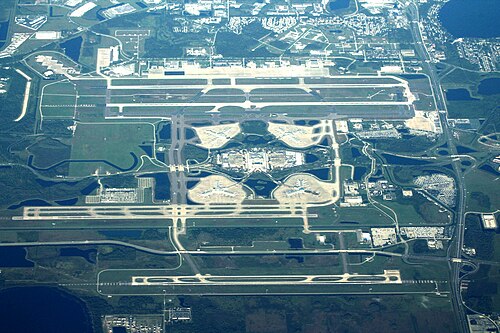
ORLANDO, Fla. — Security lines at Orlando International Airport moved swiftly Tuesday, with TSA wait times averaging under 20 minutes across most checkpoints as the busy 2026 spring break season wound down, airport officials and real-time trackers reported.

As of midday April 7, official displays on the airport’s website showed general security waits of 0-2 minutes at Gates 1-59, Gates 70-129 and the C gates area, though these figures can fluctuate rapidly with passenger volume. Third-party monitors like Takeoff Timer and airlineairport.com placed typical waits between 10-20 minutes during standard hours, rising toward 20-30 minutes in peak morning and afternoon rushes.
The Greater Orlando Aviation Authority advises travelers to arrive at the airport three hours before domestic flights and reach the security checkpoint at least two hours prior to departure. That buffer provides ample cushion even on busier days at one of the nation’s busiest tourist gateways.
Orlando International, known by its code MCO, handled record passenger numbers during the six-week spring break window that concluded around April 7. Officials projected more than 600,000 travelers on some peak weekends in March, with daily counts exceeding 200,000 on the busiest days. Despite the surge, security waits remained manageable compared to past holiday peaks, thanks in part to expanded TSA staffing, technology upgrades and voluntary reservation tools.
MCO features multiple security checkpoints serving its North and South terminals and various gate areas. Travelers bound for Gates 1-59 often encounter slightly longer lines during morning departures, while those heading to Gates 70-129 or the C concourse frequently report shorter waits. TSA PreCheck lanes consistently cut times to near zero for enrolled passengers, who remove shoes, belts and laptops less frequently.
The airport promotes its free MCO Reserve system, allowing passengers without PreCheck or CLEAR to book a specific security time slot in advance via the MCO app or website. Officials say the tool helps spread out crowds and reduces stress during high-volume periods. The MCO mobile app also delivers live checkpoint updates, flight status and navigation assistance throughout the sprawling facility.
Real-time data from sites such as flightqueue.com, ifly.com and takeofftimer.com showed short waits early Tuesday, with some checkpoints reporting under 10 minutes even as afternoon departures built. Hourly forecasts suggested potential increases to 18-21 minutes in the evening window before tapering overnight. Early morning slots from 5-7 a.m. typically offer the shortest lines at 10-15 minutes, while 7-9 a.m. and 3-6 p.m. see the longest at 20-45 minutes on busier days.
TSA PreCheck enrollment continues to grow at MCO, providing faster screening for millions of frequent travelers. CLEAR biometric lanes offer another expedited option at the entrance to security for those who subscribe. Families, military members and individuals needing assistance can access dedicated lanes where available.
Travelers shared mixed but generally positive experiences on social media and forums in recent weeks. Many reported 15-25 minute waits even during late March peaks, crediting efficient staffing and new lane configurations. Others advised downloading the MyTSA app, which crowd-sources wait times from passengers already at the airport.
The Transportation Security Administration emphasizes that wait times remain fluid and subject to sudden changes based on flight schedules, weather disruptions or staffing levels. A partial government shutdown earlier in 2026 raised concerns about potential delays at Florida airports, but MCO officials reported no major operational impacts, with TSA PreCheck and Global Entry remaining fully active.
Orlando’s tourism-driven traffic creates unique patterns. International arrivals, particularly from Latin America and Europe, add volume to customs and border processes after security, while domestic leisure travelers dominate departure lines. The airport’s two-terminal design with airside shuttles means passengers must factor in time to reach their gates after clearing security.
Experts recommend several strategies to minimize delays at MCO:
- Enroll in TSA PreCheck or CLEAR for faster processing.
- Use the MCO Reserve tool to book a security slot.
- Pack liquids in a single quart-size bag and remove laptops and large electronics early.
- Wear slip-on shoes and avoid bulky belts or jewelry.
- Check the official flymco.com/security page or app immediately before heading to the checkpoint.
- Consider off-peak flights when possible.
During the height of spring break, some mornings saw waits approach 30-40 minutes at busier checkpoints, prompting the airport to urge extra arrival time. Post-holiday Tuesday traffic appeared lighter, with many families returning home and business travel resuming a steadier pace.
The airport has invested heavily in technology, including advanced imaging systems and automated screening lanes that allow passengers to leave more items in carry-on bags. These upgrades have helped keep average waits competitive with other major hubs despite MCO’s high volume.
For those connecting through Orlando or arriving on early flights, late-night and overnight security lines often dip below 10 minutes, offering smoother experiences for red-eye travelers.
Parking and ground transportation also factor into planning. MCO offers on-site garages, economy lots and rideshare options, but heavy days can mean longer walks or waits for shuttles. Officials suggest checking the MCO app for real-time parking availability.
As summer travel planning begins, MCO anticipates another busy season with continued growth in both domestic and international routes. Airlines have added flights to meet demand from theme park visitors, beachgoers and convention attendees.
Travelers with questions about prohibited items or screening procedures can consult the TSA website or MyTSA app, which includes a “What Can I Bring?” tool. Remember the 3-1-1 liquids rule: containers of 3.4 ounces or less in a single quart bag.
While waits at Orlando International remain shorter than nightmare scenarios seen at some congested hubs, preparation remains key. Checking multiple sources — the airport website, MyTSA app and third-party trackers — gives the clearest picture before leaving for the airport.
Airport spokesperson Angela Starke has repeatedly stressed proactive planning. “We want every traveler to have a smooth experience at MCO,” she said in earlier statements during peak periods. “Arriving early, using available tools and following TSA guidelines helps everyone move through security faster.”
On this Tuesday in early April, with spring break crowds thinning, most passengers cleared security without significant hassle. Still, the message from MCO remains consistent: better to build in extra time than risk missing a flight.
For the latest updates, visit flymco.com/security or download the MCO and MyTSA apps. Real-time conditions can shift quickly, especially as afternoon departures increase or if weather affects regional flights.
Whether heading to a business meeting, family vacation or returning home, knowing current Orlando International Airport TSA wait times helps turn potential stress into a seamless start to the journey.

My name is Byte Sized Alpha, and I’m a sophomore at the University of North Carolina at Charlotte. I’ve been actively investing since my freshman year of high school, starting with a small portfolio of tech stocks that quickly turned into an obsession with understanding how markets work and where the next big thing is. My primary focus is on the technology sector, specifically semiconductors, cloud infrastructure, artificial intelligence, and the companies building the out the next decade of innovation. I’m drawn to businesses with exciting new technology, scalable business models, and strong management teams. That said, I don’t limit myself to one corner of the market. I spend a significant amount of time studying macroeconomics, interest rates, and how broader economic cycles impact growth and valuation across sectors. My investing approach blends fundamental analysis with a macro-aware lens. I dig into SEC filings, earnings transcripts, investor presentations, and industry research to build a complete picture before forming a thesis. I look at revenue growth, margin trajectory, free cash flow generation, and capital allocation decisions. I also pay close attention to sentiment and positioning within the fintwit community, which often surfaces ideas and risks that traditional research misses. I started writing because I believe the best way to truly understand an investment is to articulate the thesis clearly, including both the bull and bear case. Writing encourages discipline, and I want to share that process with others who are serious about learning and improving as investors. My goal is to publish well-researched, balanced analysis that helps readers think through opportunities in tech and beyond, whether they agree with my conclusions or not.
Analyst’s Disclosure: I/we have no stock, option or similar derivative position in any of the companies mentioned, and no plans to initiate any such positions within the next 72 hours. I wrote this article myself, and it expresses my own opinions. I am not receiving compensation for it (other than from Seeking Alpha). I have no business relationship with any company whose stock is mentioned in this article.
Seeking Alpha’s Disclosure: Past performance is no guarantee of future results. No recommendation or advice is being given as to whether any investment is suitable for a particular investor. Any views or opinions expressed above may not reflect those of Seeking Alpha as a whole. Seeking Alpha is not a licensed securities dealer, broker or US investment adviser or investment bank. Our analysts are third party authors that include both professional investors and individual investors who may not be licensed or certified by any institute or regulatory body.

Football groundhopper record broken: Tony Incenzo completes life-long non-league dream

'AI Security' Emerges As The Next Cybersecurity Theme
Iran Strikes Saudi Arabia’s Al Jubail Hours Before Trump’s Hormuz Deadline


-

 NewsBeat4 days ago
Steven Gerrard disagrees with Gary Neville over ‘shock’ Chelsea and Arsenal claim | Football
-

 Business4 days ago
No Jackpot Winner and $194 Million Prize Rolls Over
-

 Fashion3 days ago
Weekend Open Thread: Spanx – Corporette.com
-

 Crypto World5 days ago
Gold Price Prediction: Worst Month in 17 Years fo Save Haven Rock
-

 Business1 day ago
Three Gulf funds agree to back Paramount’s $81 billion takeover of Warner, WSJ reports
-
Crypto World7 days ago
Dems press CFTC, ethics board on prediction-market insider trades
-

 Sports2 days ago
India men’s 4x400m and mixed 4x100m relay teams register big progress | Other Sports News
-

 Business3 days ago
Expert Picks for Every Need
-

 Business5 days ago
Login and Checkout Issues Spark Merchant Frustration
-

 Tech7 days ago
EE TV is using AI to help you find something to watch
-

 Sports7 days ago
Tallest college basketball player ever, standing at 7-foot-9, entering transfer portal
-
Tech7 days ago
Daily Deal: StackSkills Premium Annual Pass
-

 Tech7 days ago
How to back up your iPhone & iPad to your Mac before something goes wrong
-

 Tech7 days ago
What Are The Biggest Limitations Of Supercomputers?
-

 Crypto World6 days ago
Bitcoin enters the public bond market as Moody’s gives a first-of-its-kind crypto deal a rating
-
Crypto World6 days ago
Bitcoin stalls below key resistance as technical signals skew bearish
-

 Politics7 days ago
Transform Your Space with Stunning Small Works
-

 Politics6 days ago
Starmer’s centre has collapsed, and the left was right all along
-
Business2 days ago
No Jackpot Winner, Prize to Climb to $231 Million
-

 Fashion7 days ago
Zara Turns Up the Heat With New Swimwear
You must be logged in to post a comment Login