Connect with us
DAPA Banner

Tech

Bipartisan SCAM Act would require online platforms to crack down on fraudulent ads

Published

on

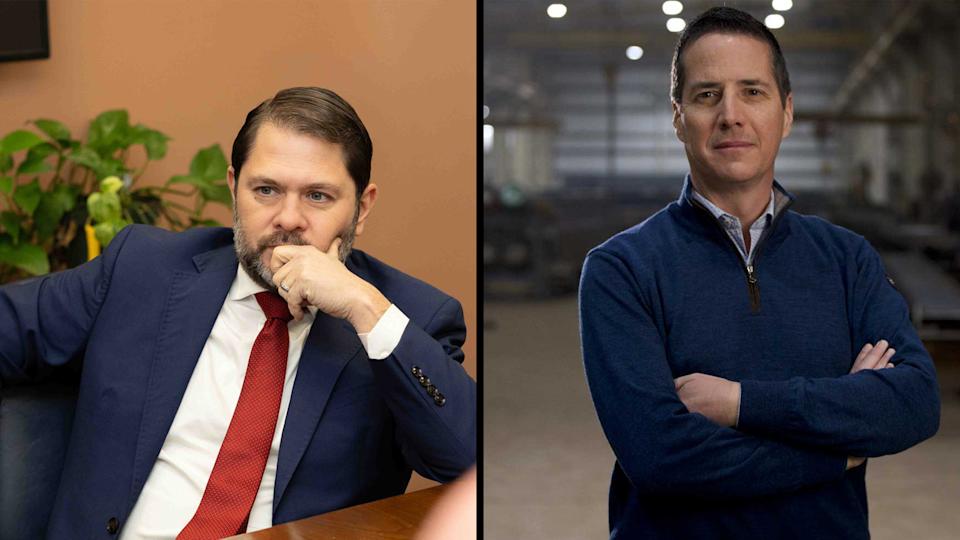
Without meaningful deterrents, Big Tech companies will do what’s profitable, regardless of the cost to consumers. But a new bipartisan bill could add a check that would make them think twice, at least in one area. On Wednesday, Senators Ruben Gallego (D-AZ) and Bernie Moreno (R-OH) introduced legislation that would require social platforms to crack down on scam ads.

The Safeguarding Consumers from Advertising Misconduct (SCAM) Act would require platforms to take reasonable steps to prevent fraudulent or deceptive ads that they profit from. If they don’t, the Federal Trade Commission (FTC) and state attorneys general could take civil legal action against them.

L: Arizona Sen. Ruben Gallego, R: Ohio Sen. Bernie Moreno

The bill’s sponsors, Ruben Gallego (L) and Bernie Moreno (Ruben Gallego (Bluesky) / Bernie Moreno)

The backdrop to the SCAM Act is a Reuters report from last November. Meta reportedly estimated that up to 10 percent of its 2024 revenue came from scam ads. The company is said to have calculated that as much as $16 billion of its revenue that year was from scams, including “fraudulent e-commerce and investment schemes, illegal online casinos and the sale of banned medical products.”

Making matters worse, Meta reportedly refused to block small fraudsters until their ads were flagged at least eight times. Meanwhile, bigger spenders were said to have accrued at least 500 strikes without being removed. Executives reportedly wrestled with how to get the problem under control — but only without affecting the company’s bottom line. At one point, managers were told not to take any action that could cost Meta more than 0.15 percent of its total revenue. (See what I mean about needing meaningful deterrents?)

Advertisement

According to the FTC, Americans’ estimated total loss from fraud in 2024 (adjusted for underreporting) was nearly $19 billion. An estimated $81.5 billion of that came from seniors.

“If a company is making money from running ads on their site, it has a responsibility to make sure those ads aren’t fraudulent,” Sen. Gallego said in a statement. “This bipartisan bill will hold social media companies accountable and protect consumers’ money online.”

“It is critical that we protect American consumers from deceptive ads and shameless fraudsters who make millions taking advantage of legal loopholes,” Moreno added. “We can’t sit by while social media companies have business models that knowingly enable scams that target the American people.”

Source link

Advertisement
Continue Reading
Click to comment

You must be logged in to post a comment Login

Leave a Reply

Tech

Is 2026 A Good Time To Buy A New Car? Here’s What KBB Says

Published

on


It seems like a daunting task to buy a new car right now, with the average price higher than ever before. Tariffs, wars, and rising gas prices are constant talking points. While it’s true that you may pay more for a new car in 2026, the experts at Kelley Blue Book think it’s still a pretty good time to buy — you just need to shop smarter. 

The average price of a new car was over $49,000 in February 2026, a 3.4% increase from prices a year ago. Kelley Blue Book added that this is actually pretty shocking inflation. However, this is due to consumers going for more expensive vehicles — namely full-size trucks. These buyers paid an average over $66,000 in February 2026 but removing them from the equation brought the average new car purchase down to $39,000. “This tells a very different affordability story,” said Executive Analyst Erin Keating. 

Basically, you can still find pretty affordable options if you want them. Compact SUV buyers paid $36,807 on average in February 2026 for vehicles like the 2026 Honda CR-V at $32,370, the 2026 Mazda CX-50 at $31,395, and the 2026 Toyota RAV4 at $33,350. These are reliable, efficient options with plenty of modern tech without all the added costs of luxury SUVs. 

Advertisement

Have tariffs made new cars more expensive in 2026?

While you can find affordable options in 2026, there is still some uncertainty in the air. The Trump Administration’s tariffs cost automakers nearly $35 billion — with carmakers paying between 15% and 25% on imported vehicles depending on the country they are coming from. While the tariffs were ruled to be illegal by the Supreme Court in February 2026, they continue to exist.

With the tariffs creating a sense of confusion and continuing to cost automakers money, it’s no surprise to see prices shifting. Some vehicles held off on raising prices when they believed the tariffs would end, but now, with the uncertain future ahead of them, BMW, Ferrari, Genesis, Hyundai, Mazda, Porsche, Volkswagen, and others have increased vehicle prices. Destination fees also reached an all-time high in February 2026, allowing some automakers to seemingly not raise the MSRP of its vehicles — but destination fees cannot be negotiated.

Advertisement

What about used vehicles?

While new vehicle prices have gone up in February 2026, used car prices actually went down. According to Kelley Blue Book, the average used car listing in February was $25,287, down 1.1% from January. This is due to supply and demand — fewer people are buying used cars. However, tax refund season (April) could see an increase in potential buyers. 

You can expect more used EVs in the marketplace than ever before. However, don’t expect to find super cheap used cars like you could in the past. Older vehicles under $15,000 are in short supply, warned Kelley Blue Book. Only 31 days’ worth of used cars under $15,000 were left by the end of January 2026. Used car prices may even go up due to tariffs, since more drivers will be turning to the used car market as new car prices continue to increase and become impossible to afford. At least this means you can expect more when you sell your own used car privately or trade it in.

Advertisement


Source link

Advertisement
Continue Reading

Tech

NASA Wants to Put Nuclear Reactors on the Moon

Published

on

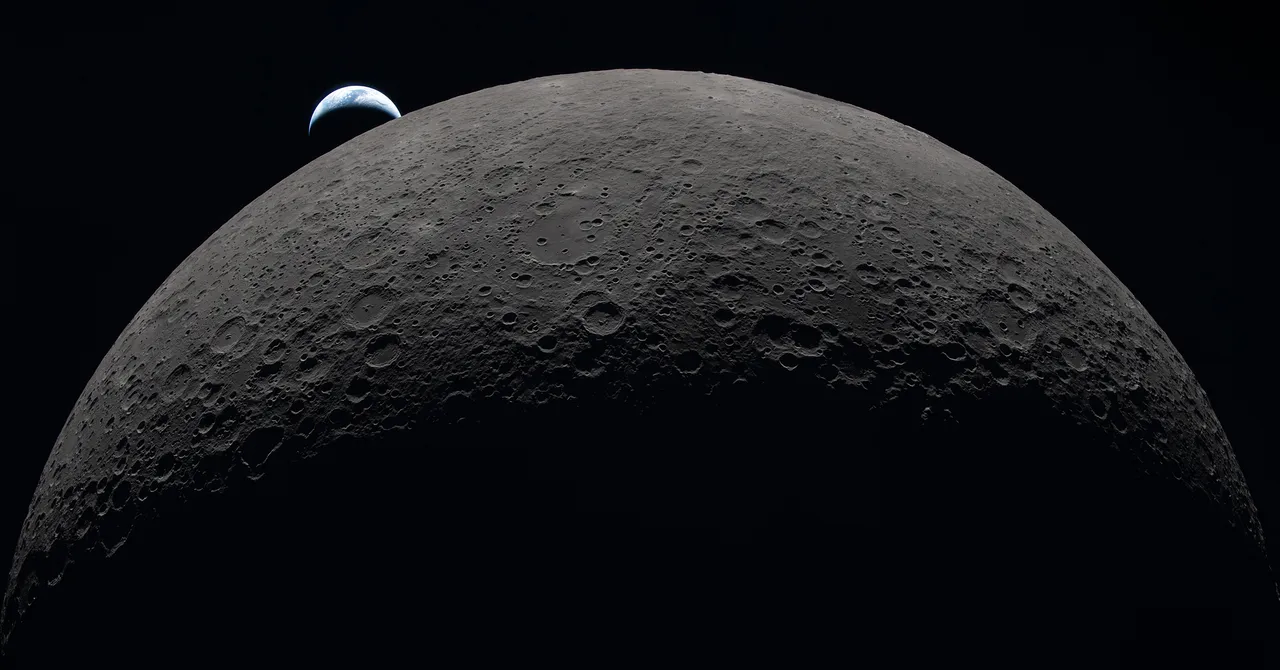
Having demonstrated that it has the operational capability to transport humans safely to the moon and back, the United States is moving on to its next major aim: It wants nuclear reactors in orbit and on the lunar surface by 2030. For such a feat, the National Aeronautics and Space Administration will have to work in conjunction with the Department of Defense and the Department of Energy.

In a post on X, the White House Office of Science and Technology Policy (OSTP) unveiled a document with new guidelines for federal agencies to establish the space nuclear technology road map for the coming years. This, they say, will ensure “US space superiority.”

At present, space instruments use solar power to operate. However, this is considered impractical for more complex purposes. Although technically there is always sunlight, the power is intermittent and almost always requires bulky batteries to store it.

Reactors produce fairly continuous energy for years through nuclear fission. They can also be used for so-called nuclear electric propulsion. Continuous output makes them the most viable option for lunar base subsistence, but they can also allow spacecraft to undertake long or complex missions without worrying about depleting a limited supply of chemical fuel.

Advertisement

Nuclear technology, in short, makes it possible to go farther, with more payload, for longer, and with fewer constraints.

According to the memorandum, the US goal is to put a medium-power reactor in orbit by 2028, with a variant designed for nuclear electric propulsion, and a first functional large reactor on the surface of the moon by 2030. To achieve this, both NASA and the Pentagon will develop energy technologies in parallel, using the current strategy of competition among contractors.

The reactors will have to be modular and scalable, and will have to include applications for both future life on the moon and space propulsion. For its part, the DOE will have to ensure that these projects have the fuel, infrastructure, and safety features necessary to achieve their objectives. In addition, the agency will evaluate whether the industry has the capacity to produce up to four reactors in five years.

The plan contemplates technologies that produce at least 20 kilowatts of electricity (kWe) for three years in orbit and at least five years on the lunar surface. In the meantime, they should have a design capable of raising power to 100 kWe. The first designs should arrive within a year.

Advertisement

Finally, the order tasks the OSTP with creating a road map for the initiative, noting obstacles and recommendations for addressing them.

“Nuclear power in space will give us the sustained electricity, heating, and propulsion essential to a permanent presence on the moon, Mars, and beyond,” OSTP posted. For his part, NASA administrator Jared Isaacman posted, “The time has come for America to get underway on nuclear power in space.” The message was followed by an emoji of a US flag.

The plan provides a common framework for each agency to work within. In the background, the race for space infrastructure is evidence of technological competition with China, which is also seeking advanced energy capabilities for the moon.

This story originally appeared in WIRED en Español and has been translated from Spanish.

Advertisement

Source link

Continue Reading

Tech

Microsoft’s new college deal is a half-hearted answer to the $500 MacBook Neo

Published

on

Apple’s MacBook Neo is a $600 (or $500 for students) shot across the bow at affordable Windows laptops, and it seems like Microsoft has ready its first response. The newly announced “Microsoft College Offer” is a bundle of Microsoft 365 Premium, Xbox Game Pass Ultimate, custom Xbox controller and discounted laptop that the company thinks could woo students away from Apple’s new deal.

With the purchase of a discounted machine directly from Microsoft, retailers like Amazon and Best Buy or PC makers like HP, ASUS and Acer, you can get what the company says is an extra $500 of value from its bundle. The laptop deals include a Lenovo IdeaPad Slim 3x with a Snapdragon X chip, 16GB of RAM and 256GB of storage for $500 from Best Buy, around $250 off the laptop’s usual $750 price. Or if you wanted something even cheaper, Walmart is selling an HP Omnibook 3 for $429, a discount of $270 off its usual $699 price. Microsoft is less generous with the deals on its own laptops and tablets, but you can even get a discount on a Surface Laptop as part of the offer.

A discounted laptop is great, but where the value of the Microsoft College Offer gets harder to define is with the services the company is packing in. Getting what would normally be a $200 year-long subscription to Microsoft 365 Premium for free is a meaningful deal, but many colleges give their students access to Microsoft’s apps (and other software) with the cost of their tuition. A year of Xbox Game Pass Ultimate, which costs $30 per month as of October 2025, sounds like significant savings, but the offer is only valid for new subscribers. That leaves the free custom Xbox controller as the simplest bonus of the bunch, a value of around $76.

Windows PC makers are expected to make more serious attempts to compete with the Neo over the next year. For now, though, the Microsoft College Offer isn’t exactly a bad deal, but it’s certainly not as straightforwardly appealing as an Apple-quality laptop for $500 with a college discount.

Advertisement

The Microsoft College Offer is available to students starting April 15 and runs through June 30, 2026. Microsoft says redemption of the full bundle of services and accessories it’s offering needs to happen by July 31, 2026.

Source link

Continue Reading

Tech

NYT Strands hints and answers for Thursday, April 16 (game #774)

Published

on

Looking for a different day?

A new NYT Strands puzzle appears at midnight each day for your time zone – which means that some people are always playing ‘today’s game’ while others are playing ‘yesterday’s’. If you’re looking for Wednesday’s puzzle instead then click here: NYT Strands hints and answers for Wednesday, April 15 (game #773).

Strands is the NYT’s latest word game after the likes of Wordle, Spelling Bee and Connections – and it’s great fun. It can be difficult, though, so read on for my Strands hints.

Advertisement

Source link

Advertisement
Continue Reading

Tech

Nothing’s Warp app promised to fix cross-platform file sharing, then vanished within hours

Published

on

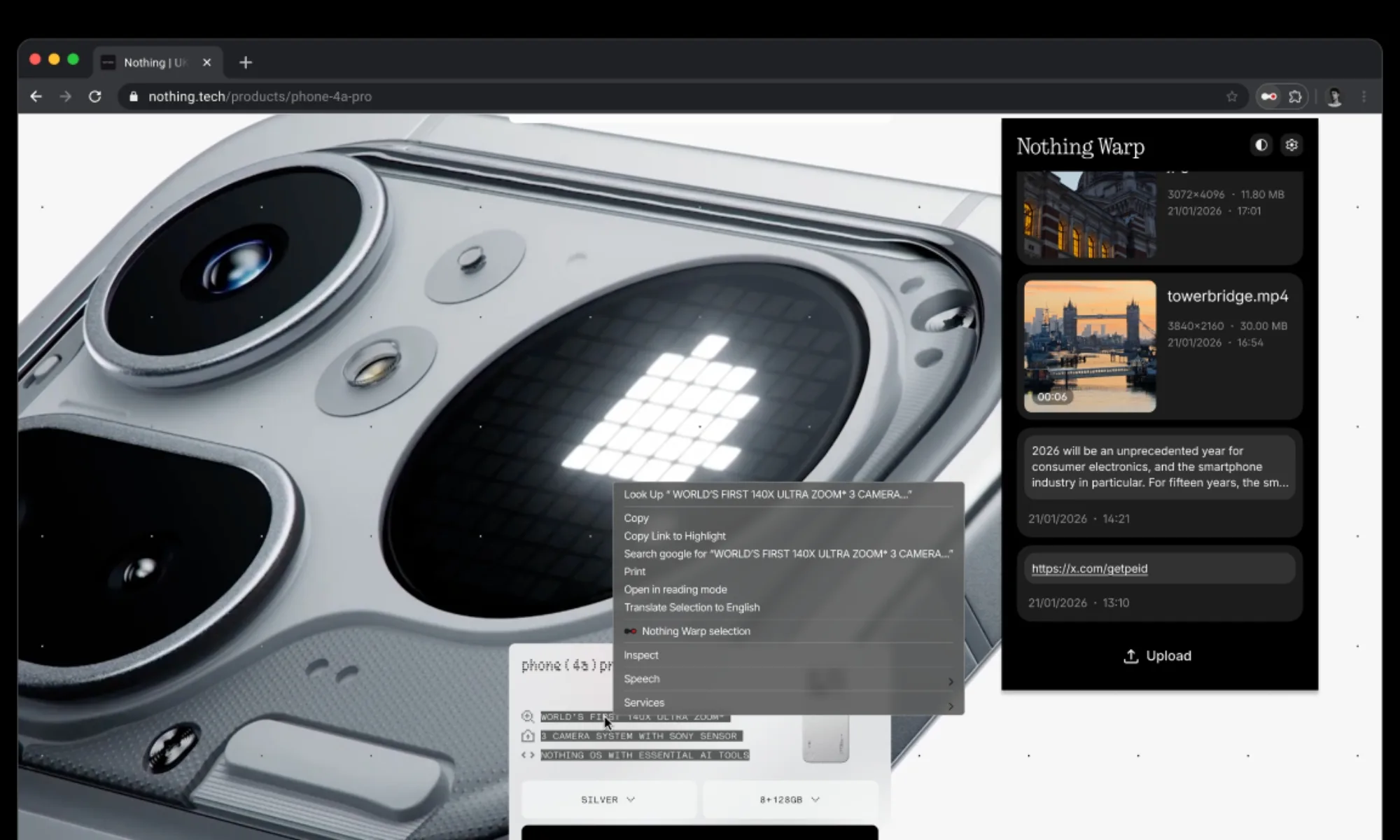
Nothing launched a genuinely useful app called Warp earlier today, with a simple idea: allowing Android users to share files, links, and copied texts directly to their Mac, Windows, or Linux machines without including any cables or convoluted workarounds. 

Nothing announced the app for Chrome and Edge (Chromium-based web browsers) and Android smartphones, floating it on both the Chrome Web Store and the Google Play Store (via 9To5Google). However, a few hours later, the app is nowhere to be found, with the official listings returning errors. 

So, how did Warp actually work?

Nothing’s Warp app used Google Drive as a data transfer bridge, keeping files within users’ accounts rather than routing them via Nothing’s servers. From their phones, users picked any file or link (via the Android share sheet) and sent it through Warp.

On the receiving end, a desktop, the browser extension added a right-click “Send with Nothing Warp” option, along with an upload button. Once a file was received, users still had to manually download it. 

In other words, Nothing’s Warp wasn’t using peer-to-peer transfer (like Quick Share or AirDrop), but a cloud relay with some branding on top. 

Advertisement

Did the Nothing Warp app disappear already?

That’s the part nobody has explained (yet). Within hours of launch, the official community post announcing the app returned a “This page doesn’t exist” error. The app isn’t listed on the Play Store or the Chrome Web Store anymore.

One Reddit user claims that the app bears a striking resemblance to an open-source tool, which could be one of the reasons for the potential takedown. However, this remains unconfirmed speculation at the moment, as the company hasn’t issued an official statement about the removal. 

Another user downloaded the app’s setup, but couldn’t run it due to a Play Store warning, which is usually issued for safety purposes. Even so, the app is reportedly working fine for users who installed it earlier today on their smartphones and laptops. 

Warp’s rapid rise and fall remind me of how the Nothing Chat app, an iMessage-bridging solution, was pulled days after launch due to security concerns. If the removal was precautionary, Nothing might go ahead with a refined version of the app. 

Advertisement

Source link

Continue Reading

Tech

‘Avatar: Aang, The Last Airbender’ Leaked Online. Some Fans Say Paramount Deserves the Fallout

Published

on

The online leak of a full version of Avatar: Aang, The Last Airbender—a highly anticipated animated film in a multimedia fantasy franchise—has divided passionate fans while upsetting those who spent years working on the film.

The leaks began on X late on Saturday night, about six months before Aang was scheduled to premiere on Paramount+. User @ImStillDissin posted two short clips from the film. “Nickelodeon accidentally emailed me the entire Avatar aang movie,” he claimed. He also threatened to stream the entire movie if Paramount didn’t release an official trailer, and he posted a still from the movie’s end credits, revealing previously undisclosed voice-over cast and roles. The media from @ImStillDissin’s posts were later hit with copyright strikes and removed.

But within 48 hours, links to download the full movie appeared on 4chan and X, where some users also directly streamed the film. Across the web, fans said they had successfully pirated and watched what appeared to be a nearly finished and “beautiful” animated film.

While some argued that Paramount deserved to be punished because of certain creative and marketing decisions around the movie, others noted what a blow the leak was to the animators and production crew. A number of those team members took to social media to convey their sadness and frustration.

Advertisement

“We worked on the aang movie for years with the expectation that’d [sic] we’d get to celebrate all of our hard work in theaters. Just to see people unceremoniously leak the film and pass our shots around on twitter like candy,” animator Julia Schoel wrote Tuesday on X.

The user behind @ImStillDissin, who would not reveal his real name due to fear of legal repercussions, tells WIRED that he obtained the movie almost by chance and did not expect his posts to set off such a crisis in the entertainment world. “When I posted those clips I was purely trolling,” he says. “I was expecting a day of clout farming at best, not for the whole thing to blow up like this.”

(While WIRED has done its due diligence in verifying that the person speaking to us was behind the @ImStillDissin X account, we acknowledge that the hacking community is known to troll.)

According to @ImStillDissin, a screen-grabbed version of Avatar: Aang, The Last Airbender was circulating among people he knew from his days in the hacking community, one of whom shared it with him. “Broadly speaking, the supply chain for movies and TV is rife with insecure companies and vendors and lax checks,” he claims. He notes that two different SpongeBob SquarePants movies leaked months before their release dates in 2024. “Someone on 4chan who wasn’t happy at me drip-feeding stuff posted a copy of a draft script [of the new Avatar film] from like two years back,” says @ImStillDissin.

Advertisement

Neither Nickelodeon nor its parent company Paramount have confirmed a hack had taken place, nor have they issued a statement on the matter. They also did not respond to requests for comment.

Originally announced in 2021, Avatar: Aang, The Last Airbender marked the first production for Avatar Studios, a division of Nickelodeon’s animation department.

Some people felt justified in pirating and sharing the movie due to the recasting of voice actors. Last year, during a Reddit AMA, casting director Jenny Jue wrote that the voice cast from the Avatar TV show that aired on Nickelodeon in the 2000s was not returning due to efforts to “match actors’ ethnic/racial background to the characters they’re portraying.”

Source link

Advertisement
Continue Reading

Tech

Boston Dynamics’ Robot Dog Can Now Read Gauges, Spot Spills, and Reason

Published

on

Boston Dynamics has integrated Google DeepMind into its robotic dog Spot, giving it more autonomous reasoning for industrial inspections like spotting spills and reading gauges. Spot can also now recognize when to call on other AI tools. IEEE Spectrum reports: Boston Dynamics is one of the few companies to commercially deploy legged robots at any appreciable scale; there are now several thousand hard at work. Today the company is announcing that its quadruped robot Spot is now equipped with Google DeepMind’s Gemini Robotics-ER 1.6, a high-level embodied reasoning model that brings usability and intelligence to complex tasks.

[T]he focus of this partnership is on one of the very few applications where legged robots have proven themselves to be commercially viable: inspection. That is, wandering around industrial facilities, checking to make sure that nothing is imminently exploding. With the new AI onboard, Spot is now able to autonomously look for dangerous debris or spills, read complex gauges and sight glasses, and call on tools like vision-language-action models when it needs help understanding what’s going on in the environment around it. “Advances like Gemini Robotics-ER 1.6 mark an important step toward robots that can better understand and operate in the physical world,” Marco da Silva, vice president and general manager of Spot at Boston Dynamics, says in a press release. “Capabilities like instrument reading and more reliable task reasoning will enable Spot to see, understand, and react to real-world challenges completely autonomously.”

You can watch a demo of Spot’s new capabilities on YouTube.

Source link

Advertisement
Continue Reading

Tech

Judge Tosses Trump’s Ridiculous $10 Billion Defamation Suit Against Rupert Murdoch

Published

on

from the with-friends-like-this… dept

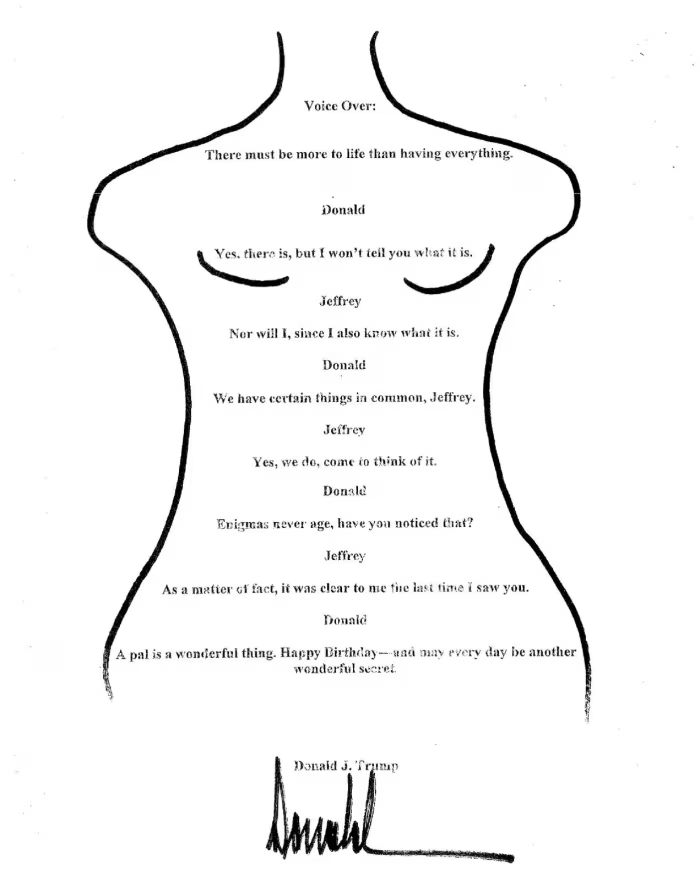
Back in January of last year, the Wall Street Journal published a story about a leather-bound birthday book that Ghislaine Maxwell had assembled for Jeffrey Epstein’s 50th birthday in 2003. The book included letters from various associates, and one of them bore Donald Trump’s name. According to the article, it featured a hand-drawn outline of a naked woman with typewritten text inside. The page was signed with a recognizable squiggly “Donald” signature positioned to mimic pubic hair and closed with the ridiculously creepy line: “Happy Birthday—and may every day be another wonderful secret.”

Trump denied writing the letter and called it “a fake thing” before suing the Journal, Rupert Murdoch, News Corp, and the two reporters for a mere $10 billion. Each count asked for at least $10 billion, because apparently that’s the going rate for Donald Trump’s hurt feelings these days.

On Monday, federal judge Darrin Gayles dismissed the lawsuit, finding that Trump hadn’t come anywhere close to adequately alleging “actual malice,” the standard required for a public figure to win a defamation claim. For those who follow this stuff, that’s about as unsurprising as it gets.

The actual malice standard, established in New York Times v. Sullivan decision, requires a public figure to show that the defendant either knew the story was false or published it with reckless disregard for the truth (which courts have interpreted to require that the publisher actually harbored serious doubts about whether the statement was true). It does not mean, as many people assume, the colloquial meaning of “malice”: that they just don’t like the person. Trump’s complaint was heavy on boilerplate language about malice and light on, well, anything resembling actual facts supporting it. Judge Gayles was blunt about the gap:

Advertisement

The Complaint comes nowhere close to this standard. Quite the opposite.

The “quite the opposite” is the fun part. Trump’s own complaint described the reporters reaching out to him, as well as the FBI and the Justice Department, before publication. Trump gave them a denial, which they printed; the DOJ didn’t respond and the FBI declined to comment. Trump’s argument was essentially that since he told the Journal the letter was fake before publication, running the story anyway proved they had serious doubts about its truth and therefore acted with actual malice.

You hear this a lot from SLAPP defamation filers, pretending that a mere denial by them means that anyone printing what they’re accused of is actual malice. But that’s not how any of this works. Just because you deny something, doesn’t automatically mean the journalists have to believe it’s false. Their evidence can (and often does) reveal that the subjects of their reporting are lying in their denials. A denial is not proof of falsity. It’s just proof that you’re denying something. The court wasn’t buying any of it:

To establish actual malice, “a plaintiff must show the defendant deliberately avoided investigating the veracity of the statement in order to evade learning the truth.”…

As the judge noted, printing Trump’s denial alongside their own journalistic findings demonstrated responsible reporting — the opposite of actual malice, which would require evidence that the reporters had serious doubts about the letter’s authenticity and deliberately avoided investigating further. Then printing the denial alongside the evidence, again, was the opposite of actual malice:

The Article also informed readers that President Trump decried the Letter as a fake and denied writing it. By “allowing readers to decide for themselves what to conclude from the [Article], any allegation of actual malice [is] less plausible.” Turner, 879 F.3d at 1274. See also Michel, 816 F.3d at 703 (holding that “reporting perspectives contrary to the publisher’s own should be interpreted as helping to rebut, not establish, the presence of actual malice.”)

The judge also, somewhat gently, reminded Trump’s lawyers that actual malice is an actual legal standard, not just ‘they don’t like me.’

Advertisement

President Trump’s allegation that Defendants acted with ill-will is insufficient to plead actual malice. Aside from being conclusory and without factual support, “ill-will, improper motive or personal animosity plays no role in determining whether a defendant acted with actual malice.”

Meanwhile, as this lawsuit wound through the courts, the very letter Trump claimed didn’t exist surfaced publicly. The House Oversight Committee subpoenaed the Epstein estate and obtained the birthday book. They released it publicly, and wouldn’t you know it, there’s a page that matches the Journal’s description of the letter exactly:

The somewhat horrifying line drawing of a woman's outline with the weird creepy poem inside and Trump's well-known signature below.

The judge couldn’t consider the produced letter at this stage of the litigation because Trump disputes its authenticity, which is his right procedurally. And the judge has to treat the claims in the complaint as true. But the rest of us sure can look at it. And judge for ourselves.

The court gave Trump until April 27 to file an amended complaint, and a spokesman for his legal team promised he would “refile this powerhouse lawsuit.” I suppose if you squint hard enough at a complaint a federal judge said “comes nowhere close” to meeting basic legal standards, “powerhouse” is one word you could use for it — just probably not in the way they mean.

The Journal’s defense team also sought attorneys’ fees under Florida’s anti-SLAPP statute. The judge denied the fee request for now, since Trump gets a chance to amend. But that request can be renewed, which means if the amended complaint fares no better, Trump could end up paying for the privilege of having sued the Journal over a story that appears to be true.

This is also a reminder of why we need stronger anti-SLAPP laws in every state, as well as a federal anti-SLAPP law.

Advertisement

This case isn’t over yet, but the judge clearly sees it as just as weak as we said it was when it was filed last year. As always, Trump files these vexatious lawsuits knowing none of them have a real shot — the goal is to burn time and money for media organizations, and scare some of them into softening their coverage or thinking twice before calling out his behavior.

The guy who presents himself as a champion of free speech remains the most anti-free speech president we’ve had in any of our lifetimes, consistently abusing the judicial system as a way to punish those who make him look bad.

Filed Under: actual malice, darrin gayles, defamation, donald trump, jeffrey epstein, rupert murdoch, slapp

Companies: news corp., wsj

Advertisement

Source link

Continue Reading

Tech

Amazon buys Globalstar to bolster Leo’s satellite capabilities

Published

on

Amazon has also announced a telecoms partnership with Apple to power satellite services on its products.

Amazon is acquiring satellite telecommunications provider Globalstar, as the company eyes Starlink’s top rank in satellite services.

The $11.6bn deal buys Amazon Globalstar’s existing satellite operations, infrastructure and licences. According to data compiled by Reuters, Globalstar has 32 planned active low Earth orbit (LEO) satellites.

Amazon plans to integrate Globalstar’s assets into its own space internet service Leo, which aims to have more than 3,200 satellites in space.

Advertisement

Currently, the company has more than 200 satellites in space already, and is planning several launches over the course of the year. SpaceX’s Starlink, for comparison, has around 15,000 authorised satellites with around 10,000 active in orbit.

With the Globalstar integration, Amazon will be able to add direct-to-device (D2D) services to its LEO satellite network and extend cellular coverage. The company said it plans to deploy its own D2D satellites systems by 2028.

Globalstar stockholders can choose to receive, per share, $90 in cash or around 0.3 shares of Amazon stock with a value cap.

Alongside the acquisition, Apple has agreed to use Leo to power satellite services for iPhones and Apple Watches. Apple, which bought a 20pc stake in Globalstar in 2024, had been using the company’s satellites to power its products. Apple has spent years building its satellite features, but struggled to catch up with competitors.

Advertisement

Currently, Amazon said it will continue to support Apple using Globalstar’s existing and planned LEO constellations. The company plans to collaborate with Apple on future projects using Leo.

“By combining Globalstar’s proven expertise and strong foundation with Amazon’s customer obsession and innovation, customers can expect faster, more reliable service in more places – keeping them connected to the people and things that matter most,” said Panos Panay, the senior vice president of devices and services at Amazon.

Earlier this year, Jeff Bezos’s other venture Blue Origin announced TeraWave, a satellite internet service with a planned constellation of around 5,400 satellites. Blue Origin claims that TeraWave will deliver connection speeds of up to 6Tbps anywhere on Earth.

Don’t miss out on the knowledge you need to succeed. Sign up for the Daily Brief, Silicon Republic’s digest of need-to-know sci-tech news.

Advertisement

Source link

Continue Reading

Tech

Freddie King ‘Feeling Alright’ RSD 2026 Release Captures Sizzling 1975 Nancy Jazz Pulsation Concerts

Published

on

A live recording from Freddie King arrives for Record Store Day 2026 as Elemental Music presents Feeling Alright: The Complete 1975 Nancy Jazz Pulsation Concerts on a three LP set. Recorded at the Nancy Jazz Pulsations, the release captures King’s full 1975 performance in France, offering a complete and carefully assembled document of the blues guitarist at a pivotal moment in his later career.

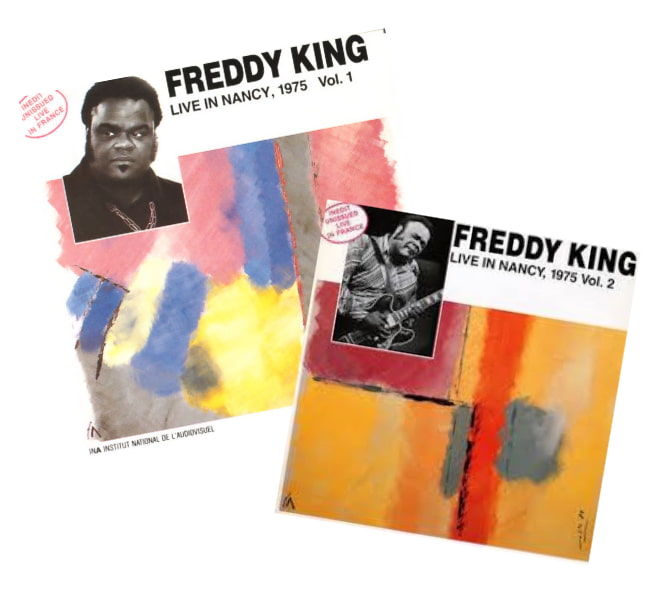
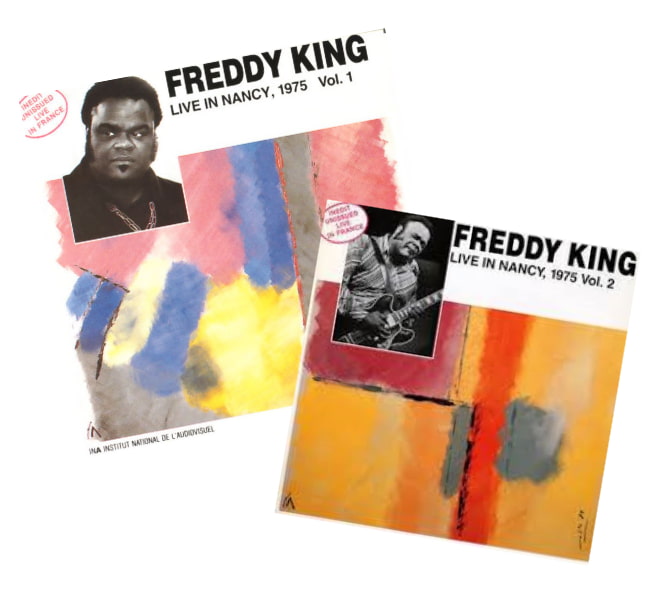
While much of this material has appeared on two individual CDs issued in Europe back in 1989, this is the first time the entire show is being released on both CD and vinyl.

freddy king live in nancie 1975

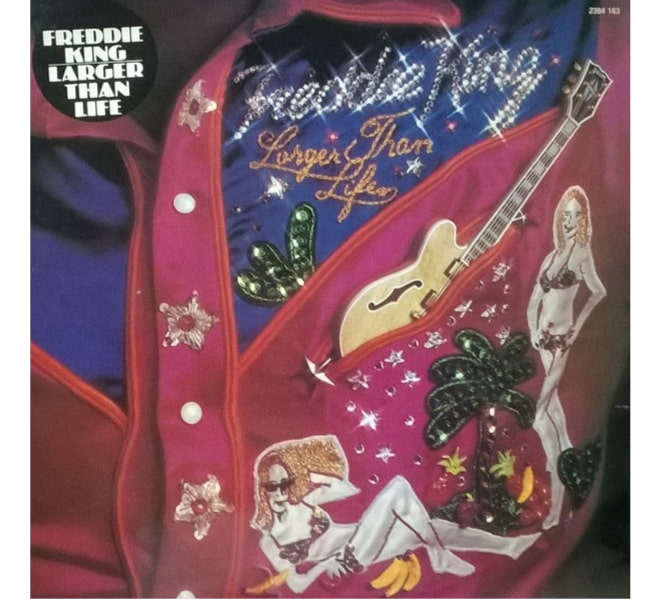
I never really gave it much thought before, but the mid-1970s arguably marked a peak for Freddie King who was finally achieving wider success.  At the time of this concert he was signed to Robert Stigwood’s RSO Records label and had a new single-disc album out called Larger Than Life which was receiving favorable reviews.  

So it makes a lot of sense for Elemental Music to highlight this era with a complete concert recording. Official press materials offer more insights into this new RSD set: “3-LP set featuring the blues legend Freddie King live before more than 50,000 fans in October 1975, the final full year of his life. Joining King are organist Alvin Hemphill, guitarist Ed Lively, pianist Lewis Stephens, bassist Benny Turner and drummer Calep Emphrey. The deluxe package features appreciations from his daughter, Wanda King, as well as ZZ Top’s Billy Gibbons, plus liner notes by author Cary Baker. The set documents an essential blues artist whose ferocious guitar tone, commanding singing, and genre-bridging vision helped reshape modern blues and rock.”

freddie-king-larger-than-life

According to an online listing for the CD edition: “The audio was transferred directly from the original stereo tape reels at INA and mastered by Matthew Lutthans at The Mastering Lab, ensuring stunning sound quality that brings every note to life. This limited edition includes rare, previously unpublished photographs from the festival and new liner notes.”

And indeed, on this high energy set you get to hear Mr. King soar.  Some fave tracks so far include King’s own “Have You Ever Loved A Woman?” and “The Things I Used To Do” (both released on his RSO album of that time) and the T-Bone Walker classic “Stormy Monday Blues.”  And his cover of Dave Mason’s Traffic classic “Feelin’ Alright” is a joy.  

Advertisement
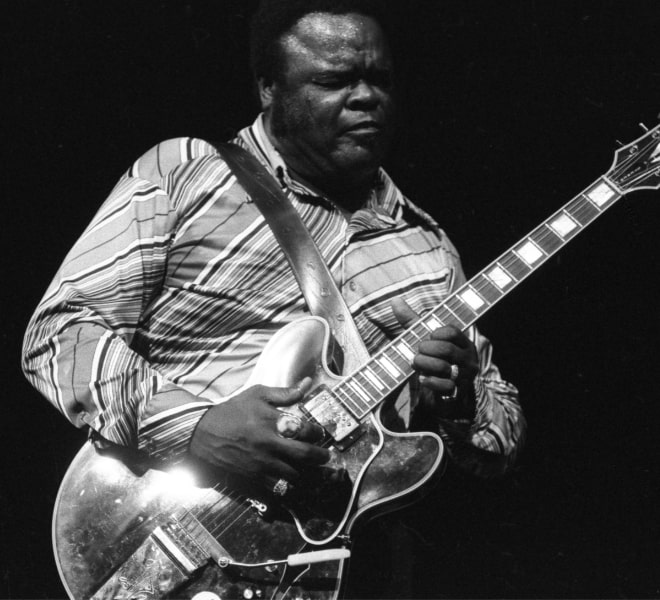
freddie-king-playing-live

The sound quality on this recording is really quite good and I’m pleased about the album pressing quality which is dead quiet and well centered. 

While I don’t know the exact RSD pricing for Feeling Alright: The Complete 1975 Nancy Jazz Pulsation Concerts it is fair to guess that it will be in the $60-70 range given its 3LP length.

Alternately, if you don’t score a copy or are on a tighter budget, you can pre-order the 2CD version for $24.98 at Amazon. All in all if you are a Freddie King fan and don’t have many live recordings by him from this era, Feeling Alright would be an key choice for Record Store Day.


Mark Smotroff is a deep music enthusiast / collector who has also worked in entertainment oriented marketing communications for decades supporting the likes of DTS, Sega and many others. He reviews vinyl for Analog Planet and has written for Audiophile Review, Sound+Vision, Mix, EQ, etc.  You can learn more about him at LinkedIn.

Advertisement. Scroll to continue reading.
Advertisement

Source link

Continue Reading

Trending

Copyright © 2025