Connect with us
DAPA Banner

Business

Asia Dominates Global Digital Hardware Trade with Key Electronic Components

Published

on

Asia Dominates Global Digital Hardware Trade with Key Electronic Components

Nearly 80% of the world’s information and communications technology goods now originate from Asia, according to new trade data released by the United Nations Conference on Trade and Development (UNCTAD), underscoring the region’s overwhelming dominance in the backbone of the digital economy.

Key takeaways

  • Asia produces nearly 80% of global ICT goods exports, with electronic components like chips and sensors driving growth while consumer electronics stagnate.
  • Europe dominates ICT services exports with 57% market share, while Africa and Latin America combined account for just 2.5% of the $1.2 trillion global market.
  • Developing countries risk permanent marginalization in digital trade without urgent investment in broadband infrastructure, digital skills, and supportive trade policies.

The findings, published on January 29, reveal that ICT products ranging from semiconductors to smartphones accounted for more than 12% of total global merchandise exports in 2024. This translates to over one dollar in every eight earned from international trade in goods coming from digital-enabling hardware.

Electronic Components Fuel Unprecedented Growth

The surge in digital trade has been primarily driven by electronic components, including microchips, circuit boards, and sensors, the invisible infrastructure powering everything from cloud computing and electric vehicles to renewable energy systems. Trade in these components has surged dramatically over the past 15 years, even as consumer electronics and other ICT products have stagnated.

“Electronic components are the invisible backbone of the digital economy,” UNCTAD stated in its analysis, emphasizing that countries capable of producing these components secure not only skilled jobs but also technology spillovers and more resilient export revenues.

The Digital Divide Deepens

While Asia’s manufacturing prowess continues to expand, the data exposes a stark global imbalance. Many developing economies remain confined to lower-value components or assembly operations, limiting their ability to capitalize on digital and energy transitions.

Advertisement

The disparity is even more pronounced in ICT services. Europe commanded 57% of the $1.2 trillion global ICT services export market in 2024, with Asia and Oceania capturing 33%. North America held 8%, while Africa, Latin America, and the Caribbean combined accounted for a mere 2.5%, less than $30 billion.

Digital Delivery Reshapes Trade Landscape

Trade in digitally deliverable products, services that can be transmitted remotely over computer networks, including telecommunications, consulting, healthcare, education, and digital media, grew 10% in 2024, reaching 56% of all global services exports.

Developed economies dominated this sector, exporting approximately $3.8 trillion worth of digitally deliverable products compared to $1.2 trillion from developing nations.

“Digital delivery eliminates the need for physical proximity between service suppliers and consumers, lowering traditional barriers to services trade,” UNCTAD noted. However, this advantage comes with a caveat: dependence on digital connectivity and skills creates new obstacles for countries with weaker digital infrastructure.

A Call for Strategic Investment

UNCTAD’s analysis warns that without targeted investment in broadband infrastructure, digital skills development, data governance frameworks, and supportive trade policies, many developing countries risk being permanently sidelined as digital trade deepens.

Advertisement

“The imbalances between developed and developing countries highlight persistent gaps in digital capacity,” the report emphasized. “Countries that fail to invest in their digital ecosystems risk remaining marginal players in one of the fastest-growing segments of global trade.”

As technological change accelerates and global trade undergoes structural transformation, the data reveals not just economic statistics but deeper stories about opportunity, inequality, and the shifting geography of economic power in the digital age.UNCTAD’s analysis issues a critical warning: without targeted investment in broadband infrastructure, digital skills development, data governance frameworks, and supportive trade policies, many developing countries risk permanent marginalization in an increasingly digital global economy. The report emphasizes persistent gaps in digital capacity, urging countries to invest in their digital ecosystems to avoid being sidelined from one of the fastest-growing segments of global trade.

Continue Reading
Click to comment

You must be logged in to post a comment Login

Leave a Reply

Business

Review: Flexible Farra for business and fun

Published

on

Review: Flexible Farra for business and fun

REVIEW: A precisely delivered saganaki was an impressive introduction to the city’s newest Greek restaurant.

Continue Reading

Business

BofA: MakeMyTrip leads India OTA AI push as global peers race to embed technology

Published

on


BofA: MakeMyTrip leads India OTA AI push as global peers race to embed technology

Continue Reading

Business

Alstom SA (ALSMY) Q4 2026 Earnings Call Transcript

Published

on

OneWater Marine Inc. (ONEW) Q1 2026 Earnings Call Transcript

Alstom SA (ALSMY) Q4 2026 Earnings Call April 16, 2026 12:30 PM EDT

Company Participants

Martin Sion – Chief Executive Officer
Bernard-Pierre Delpit – Executive VP & CFO

Conference Call Participants

Advertisement

Gael de-Bray – Deutsche Bank AG, Research Division
James Moore – Rothschild & Co Redburn, Research Division
Akash Gupta – JPMorgan Chase & Co, Research Division
Daniela Costa – Goldman Sachs Group, Inc., Research Division
Vladimir Sergievskiy – Barclays Bank PLC, Research Division
Jonathan Mounsey – BNP Paribas, Research Division

Presentation

Operator

Advertisement

Welcome to the Alstom conference call. [Operator Instructions] Now I will hand the conference over to the speakers. Please go ahead.

Martin Sion
Chief Executive Officer

Good evening, everyone. Thank you for joining us tonight at short notice. I’m Martin Sion, Group CEO of Alstom. Joining me is Bernard Delpit, Executive Vice President and Chief Financial Officer. We’ll start with a few opening remarks on tonight’s announcement, and then we’ll open the line for Q&A. First, let me be very clear from the start. This is not the way I was expecting to start my mandate. The financial result on cash generation are not at the level you should expect from a market leader, especially with a EUR 100 billion backlog in a growing industry.

Advertisement

After the last 12 months, we delivered strong organic sales growth of 7%, but this did not lead to margin improvement. And in a year of record commercial activity with EUR 28 billion of order intake, free cash flow generation should have been much stronger. Multiple factors are at play here. The production ramp-up of new rolling stock platforms has not been as steep as what we expected in the fourth quarter. On other projects that met challenges early in their life cycle, we’ve not been able to turn them around as planned.

And fair to

Advertisement
Continue Reading

Business

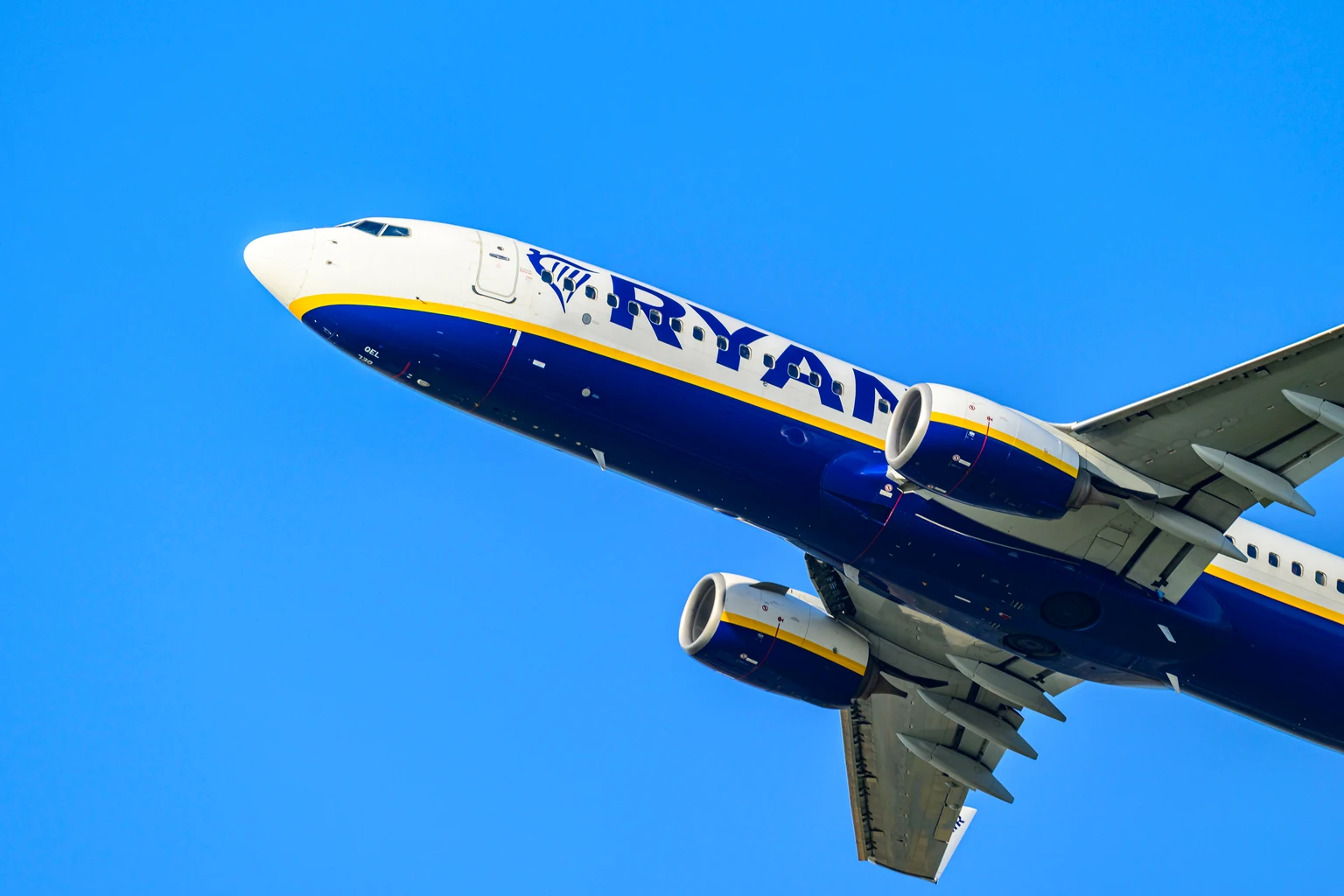
Ryanair: The Fuel Price Selloff Is Overdone, But Jet Fuel Shortages Are A Risk

Published

on

Ryanair: The Fuel Price Selloff Is Overdone, But Jet Fuel Shortages Are A Risk

Ryanair: The Fuel Price Selloff Is Overdone, But Jet Fuel Shortages Are A Risk

Continue Reading

Business

Polestar Automotive Holding UK PLC (PSNY) Q4 2025 Earnings Call Transcript

Published

on

OneWater Marine Inc. (ONEW) Q1 2026 Earnings Call Transcript

Operator

Good day, and thank you for standing by. Welcome to the Polestar Fourth Quarter and Full Year 2025 Results Conference Call. [Operator Instructions] Please be advised that today’s conference is being recorded.

I would now like to hand the conference over to your speaker today, Anna Gavrilova. Please go ahead.

Advertisement

Anna Gavrilova
Head of Investor Relations

Thank you, operator. Hello, everyone. I’m Anna Gavrilova, Head of Investor Relations at Polestar. Thank you for joining this call covering Polestar’s results for the fourth quarter and full year 2025. I’m joined by Michael Lohscheller, Polestar’s CEO; and Jean-Francois Mady, Polestar’s CFO, who will comment on the performance, and then we will open the floor to analysts’ questions.

Before we start, I would like to remind participants that many of our comments today will be considered forward-looking statements under the U.S. federal securities laws and are subject to numerous risks and uncertainties that may cause Polestar’s actual results to differ materially from what has been communicated. These forward-looking statements include, but are not limited to, statements regarding the future financial performance of the company, production and delivery volumes, financial and operating results near-term outlook and medium-term targets, fundraising and funding requirements, macroeconomic and industry trends, company initiatives and other future events.

Forward-looking statements made today are effective only as of today, and Polestar undertakes no option to update any of its forward-looking statements. For a discussion of some of the factors that could cause our actual results

Advertisement
Continue Reading

Business

Live Nation: Nothing Is Certain Yet, The Drama Continues

Published

on

Music Concert Show Event Tickets

Live Nation: Nothing Is Certain Yet, The Drama Continues

Continue Reading

Business

China Slams US Hormuz Blockade as Dangerous While Sanctioned Tankers Slip Through Amid Fragile Ceasefire

Published

on

Strait of Hormuz Remains Largely Closed Despite US-Iran Ceasefire as

BEIJING — China has sharply criticized the U.S. naval blockade of Iranian ports and the Strait of Hormuz as a “dangerous and irresponsible” escalation that threatens global energy security and undermines a fragile ceasefire, even as Chinese-owned tankers continue to transit the vital waterway in apparent defiance of American restrictions.

Strait of Hormuz Remains Largely Closed Despite US-Iran Ceasefire as
Strait of Hormuz

The rhetoric from Beijing intensified this week as the United States enforced the blockade ordered by President Donald Trump following the collapse of peace talks with Tehran. Launched around April 13, the operation aims to choke Iran’s oil exports and economic lifeline after Iran attempted to close the strait earlier in the 2026 conflict. The narrow chokepoint carries roughly one-fifth of global oil supplies, with China historically purchasing up to 90-95% of Iran’s seaborne crude.

Chinese Foreign Ministry spokesperson Guo Jiakun described the U.S. action Tuesday as one that would “only aggravate confrontation, escalate tension, undermine the already fragile ceasefire and further jeopardize safe passage through the Strait of Hormuz.” Beijing has repeatedly urged both Washington and Tehran to honor ceasefire arrangements and pursue diplomatic solutions, warning that military measures serve no common international interest.

Despite the strong words, shipping data showed limited immediate disruption. On the first full day of the blockade, at least eight vessels—including a U.S.-sanctioned Chinese-owned tanker operated by Shanghai Xuanrun Shipping Co.—successfully crossed the strait. The tanker, with a Chinese crew, had loaded cargo in the UAE’s Hamriyah port before proceeding. U.S. Central Command claimed several ships were turned around, but industry trackers reported traffic remained far below pre-war levels yet not fully halted.

Analysts noted Iran had earlier signaled it would allow Chinese vessels preferential passage due to Beijing’s longstanding support for Tehran. Reports from March detailed Chinese-flagged or owned ships, such as the bulk carrier Iron Maiden and Sino Ocean, broadcasting their nationality to transit safely. A Hong Kong-flagged oil tanker also passed through this week, testing the limits of the U.S. operation.

Advertisement

The blockade forms part of broader U.S. efforts to pressure Iran economically after a conflict that erupted in late February 2026. Trump administration officials, including Defense Secretary Pete Hegseth and Joint Chiefs Chairman Gen. Dan Caine, have briefed on the operation’s progress, stating it uses less than 10% of U.S. naval power while turning back multiple Iran-linked tankers. Pentagon updates indicated 10 to 13 ships were redirected in initial days.

For China, the stakes are high. Roughly one-third of its crude oil imports flow through the Persian Gulf region, and disruptions compound existing energy pressures from the war. Beijing has drawn on strategic reserves and diversified sourcing, including increased purchases of U.S. crude in some periods, but analysts say prolonged restrictions could strain supplies and raise domestic fuel costs. Queues at gas stations have appeared in parts of China amid the uncertainty.

Yet some observers argue the blockade may inadvertently benefit Beijing strategically. By challenging established maritime norms under the guise of national security, the U.S. action could provide China with precedent for future assertiveness in the South China Sea or around Taiwan. Chinese President Xi Jinping, speaking with UAE officials, warned against reverting to “the law of the jungle,” framing the blockade as destabilizing while positioning China as a defender of international order.

Chinese Defense Minister Admiral Dong Jun has emphasized Beijing’s separate trade and energy agreements with Iran, stating the strait remains open for Chinese shipping and warning others not to interfere. This stance underscores China’s reluctance to fully align with U.S. pressure while avoiding direct military confrontation.

Advertisement

The situation has tested China’s restraint. As Iran’s largest trading partner and a key buyer of its oil, Beijing has influence but limited leverage to force concessions from Tehran. Analysts suggest China prefers a hands-off approach, wary of entanglement in a conflict it did not start and mindful of its own bilateral ties. Diplomatic channels remain active, with China calling for de-escalation and a comprehensive ceasefire.

Global markets have reacted with volatility. Oil prices eased somewhat this week on ceasefire hopes and reports of continued tanker movements, providing relief to airlines, manufacturers and consumers. However, war-risk insurance premiums for vessels in the region remain elevated, with policies reviewed every 48 hours. Broader economic ripple effects include higher shipping costs and potential inflation in energy-dependent economies.

The Strait of Hormuz crisis has also highlighted shifting great-power dynamics. While the U.S. projects naval dominance with a relatively light footprint, China’s economic interdependence with Iran creates a complex web. Some commentators describe the blockade as an indirect energy squeeze on Beijing, executed through Tehran, amid broader U.S.-China tensions including tariff threats.

Traffic data indicates the blockade has reduced but not eliminated flows. Pre-conflict volumes were already impacted by the war; current levels reflect cautious navigation by shippers. Exceptions appear for vessels signaling Chinese ownership or neutral flags, complicating enforcement.

Advertisement

In Washington, officials maintain the operation targets Iran’s ability to fund conflict through oil revenue while allowing neutral commercial traffic. Trump has claimed the move ultimately benefits China and the world by reopening secure passage, though Beijing rejects that framing.

Looking ahead, the fragile ceasefire—now in its second or third week depending on exact timelines—faces tests as both sides maneuver. Diplomatic efforts continue, with potential extensions or talks involving Gulf states, Russia and others. China has joined calls for political resolution, emphasizing that only a lasting ceasefire can restore safe navigation.

For everyday consumers, the standoff translates to uncertainty at the pump and in supply chains. Energy analysts warn that any resumption of full hostilities or stricter enforcement could spike prices again, affecting everything from gasoline to manufactured goods.

China’s response balances criticism with pragmatism. While denouncing the blockade, Beijing has not escalated militarily, focusing instead on rhetoric and quiet facilitation of its own energy flows. This measured approach reflects strategic patience but also highlights limits in its ability—or willingness—to shield Iran fully.

Advertisement

The episode adds another layer to U.S.-China rivalry. With a potential Trump-Xi summit approaching, the Hormuz situation risks becoming a flashpoint, even as both sides appear to prioritize avoiding direct clash in the Gulf.

Shipping experts note the precedent of “tanker diplomacy,” where flagged or owned vessels test boundaries. The successful passages of Chinese-linked ships suggest tacit understandings or calculated risks that keep oil moving despite restrictions.

As the situation evolves, Beijing continues monitoring developments closely. Its foreign ministry has reiterated that disruptions stem from the underlying conflict and that dialogue offers the only sustainable path forward.

The Strait of Hormuz remains a global vulnerability where energy, geopolitics and great-power competition intersect. China’s vocal opposition to the U.S. blockade underscores its stake in stable maritime routes, while its practical navigation of the crisis reveals the complexities of modern alliances and economic realities.

Advertisement

Whether the ceasefire holds and the blockade eases will shape not only Middle East stability but also energy markets and international norms for years to come. For now, Chinese tankers slipping through the strait amid diplomatic fireworks illustrate the high-stakes balancing act underway in one of the world’s most critical waterways.

Continue Reading

Business

United Airlines Stock Soars 9% on Oil Relief and Merger Buzz as Earnings Loom

Published

on

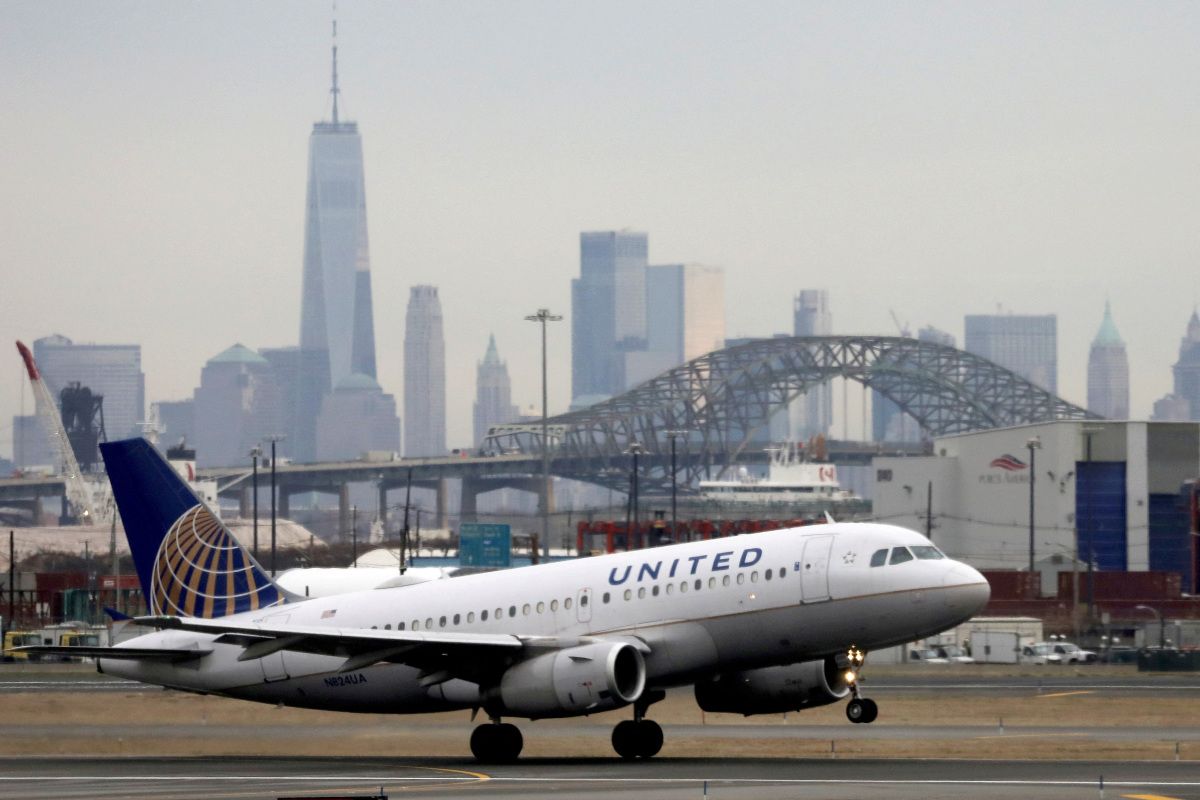
A United Airlines passenger jet takes off with New York City as a backdrop

CHICAGO — United Airlines Holdings Inc. shares surged nearly 10 percent in early trading Friday, extending a rebound for the airline sector as falling oil prices eased fuel-cost concerns and fresh speculation about a potential blockbuster merger with American Airlines fueled investor optimism.

At 9:50 a.m. EDT, United Airlines stock (NASDAQ: UAL) traded at $104.22, up 9.68 percent or $9.20 from Thursday’s close. The sharp move came on elevated volume as broader market sentiment improved amid reports of a fragile Middle East ceasefire that has lowered crude oil benchmarks and jet fuel expectations.

The rally marks a notable recovery for the carrier after a choppy period earlier in 2026, when rising fuel costs tied to geopolitical tensions pressured margins and sent the stock sliding as much as 17 percent in a single month. Friday’s gain pushed UAL well above recent lows near $88 and closer to its 52-week high around $119.

Analysts pointed to multiple tailwinds. Benchmark U.S. crude futures dropped sharply this week following assurances that the Strait of Hormuz would remain open to commercial shipping under the ceasefire framework. Jet fuel, which can account for 20-30 percent of an airline’s operating expenses, has eased in tandem, offering breathing room ahead of United’s first-quarter earnings next week.

Advertisement

United is scheduled to report results after the market close on April 21, with a conference call set for April 22. Wall Street expects adjusted earnings per share around $1.08 to $1.15, within the company’s own guidance range of $1.00 to $1.50 for the quarter. Full-year 2026 adjusted EPS guidance stands at $12 to $14, reflecting confidence in premium travel demand and operational improvements under the United Next transformation plan.

CEO Scott Kirby has emphasized capacity discipline across the industry, premium cabin growth and loyalty program strength as key drivers. In the fourth quarter of 2025, United posted record revenue of $15.4 billion, with premium revenue up 9 percent and loyalty sales rising 10 percent. The airline has aggressively added international routes and upgraded its fleet with more efficient, fuel-saving aircraft.

Merger speculation added rocket fuel to Friday’s move. Bloomberg reported earlier this week that Kirby has informally floated the idea of combining United with American Airlines to senior U.S. government officials. While no formal talks are underway and any deal would face intense regulatory scrutiny, investors viewed the concept as a potential catalyst for industry consolidation and cost synergies.

American Airlines shares also jumped on the report, though United’s larger network and Chicago hub give it a slight edge in any hypothetical tie-up. Analysts cautioned that antitrust hurdles would be significant, with the combined carrier controlling a massive share of domestic and transatlantic traffic. Jefferies noted that such a deal would encounter “serious regulatory headwinds” but acknowledged the long-term logic of further consolidation.

Advertisement

Beyond the headlines, United’s strategic positioning has drawn bullish commentary. The airline has focused on higher-margin premium and business travel, which has proven resilient even as leisure demand fluctuates. Its MileagePlus loyalty program remains one of the industry’s strongest, generating reliable ancillary revenue.

Fleet modernization under United Next calls for hundreds of new aircraft deliveries over the coming decade, promising lower fuel burn and improved passenger experience. Newer planes also support expanded premium seating configurations that command higher fares.

Still, challenges persist. Boeing delivery delays have occasionally disrupted fleet plans, and labor costs continue to rise as union contracts are renegotiated. Earlier in March, investors worried about $4.6 billion in potential incremental fuel expenses for the year if oil prices stayed elevated.

The broader airline sector participated in Friday’s rally. Peers like Delta Air Lines and American Airlines also traded higher, reflecting shared relief on the energy front. The ceasefire has reduced fears of prolonged supply disruptions, though analysts warn the truce remains fragile and oil could rebound quickly if tensions flare again.

Advertisement

United enters the earnings period with a mixed technical picture. The stock had pulled back from January highs near $118 amid fuel worries but has stabilized as oil moderated. Options trading showed increased activity in recent sessions, with some investors positioning for volatility around the April 21 report.

Wall Street’s consensus remains constructive. Most analysts rate UAL a Buy or Strong Buy, with an average 12-month price target near $130 — implying roughly 25 percent upside from current levels. TD Cowen and UBS have been particularly vocal, citing United’s premium focus and long-term margin expansion potential.

For everyday investors, the surge highlights the sector’s sensitivity to oil and macro sentiment. Airlines traditionally trade as leveraged plays on economic growth and travel recovery, with fuel costs acting as a major swing factor. Lower energy prices effectively act like a tax cut for carriers, flowing directly to the bottom line if fares hold steady.

Travel demand has held up better than many feared through early 2026. Corporate bookings have strengthened, and international routes — a key United strength — have benefited from pent-up demand in Europe and Asia. Summer booking trends appear solid, though economists caution that any slowdown in consumer spending could weigh on leisure fares.

Advertisement

United has also adjusted its fare structure in recent months, introducing more tiered options and raising certain ancillary fees to offset cost pressures. These moves have drawn some customer backlash but helped protect yields.

As trading continued Friday, volume was robust, suggesting broad participation rather than isolated momentum trading. The Dow Jones Industrial Average pushed toward 49,000, providing a supportive backdrop for cyclical names like airlines.

Looking ahead, investors will parse United’s quarterly update for any changes to full-year guidance, commentary on fuel hedging and updates on the Boeing relationship. Capacity growth remains a watchpoint — the industry has largely avoided the aggressive expansion that eroded profits in past cycles.

United’s balance sheet has strengthened post-pandemic, with improved liquidity and manageable debt levels. The company returned capital to shareholders through buybacks in stronger periods, though it has prioritized fleet investment recently.

Advertisement

For Scott Kirby, who has led United since 2020, the current environment tests his vision of building a premium powerhouse. His earlier comments on industry consolidation reflect a belief that bigger, more efficient networks will dominate in a mature market.

Whether Friday’s surge sustains depends on next week’s earnings and any further developments on the geopolitical or merger fronts. A beat on profit expectations combined with stable fuel outlook could propel the stock higher, while any negative surprises on margins might trigger a pullback.

In the meantime, the 9-plus percent jump underscores how quickly airline fortunes can shift with oil prices and headline risk. From the depths of fuel-cost panic in March to today’s relief rally, UAL has reminded investors of its volatility — and its upside when conditions align.

Market participants will keep close tabs on crude futures in the coming days. Any extension or breakdown of the ceasefire could swing sentiment again, but for now, United Airlines and its shareholders are enjoying clearer skies and higher altitudes.

Advertisement
Continue Reading

Business

High conviction picks! Bharti Airtel & 4 other stocks that can rocket up to 70%

Published

on

The Economic Times

High conviction picks! Bharti Airtel & 4 other stocks that can rocket up to 70%

Continue Reading

Business

GME Dips Slightly as GameStop Eyes Major Acquisition Amid Cash Stockpile and Digital Push

Published

on

Applied Optoelectronics

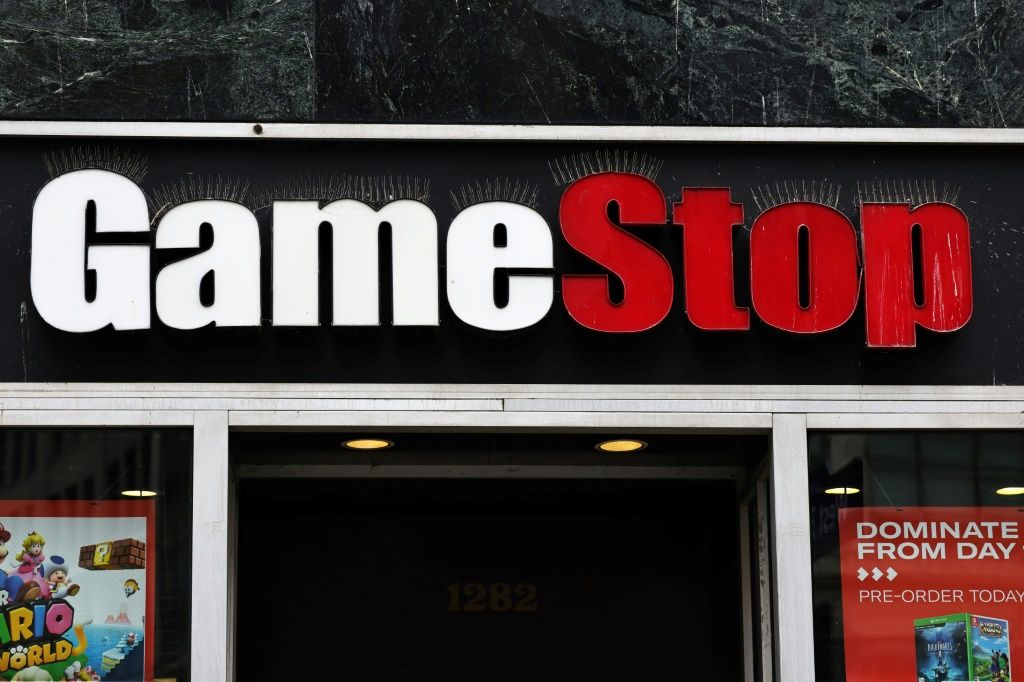
NEW YORK — GameStop Corp. shares edged lower in early trading Friday, reflecting cautious investor sentiment even as the video game retailer continues its transformation under CEO Ryan Cohen with a massive cash reserve and fresh digital initiatives.

At 9:35 a.m. EDT, GameStop stock (NYSE: GME) traded at $25.15, down 0.12 percent or 3 cents from Thursday’s close of $25.18. The move came on light volume as markets digested ongoing speculation about the company’s strategic direction following months of store closures and a landmark earnings report in March.

The slight decline caps a volatile week for the meme-stock favorite. GME rose about 1.57 percent on Thursday to close at $25.18, building on modest gains fueled by enthusiasm around the company’s $9 billion cash hoard and hints of a potential “transformational” acquisition.

Analysts and retail investors alike remain fixated on Cohen’s vision to evolve GameStop beyond its traditional brick-and-mortar roots. The company, once synonymous with physical video game sales, has aggressively shuttered hundreds of stores in early 2026 while stockpiling cash through earlier equity raises and convertible debt issuances.

Advertisement

As of late January, GameStop reported roughly $9 billion in cash and marketable securities, plus an additional $368 million in Bitcoin holdings. Long-term debt stands near $4.2 billion in the form of low- or no-interest convertible notes, effectively positioning the balance sheet for future growth plays rather than distress.

Cohen has signaled ambitions for a major acquisition of a larger consumer-facing company, describing it in interviews as potentially “genius or totally foolish.” Speculation has swirled around targets that could accelerate GameStop’s pivot toward e-commerce, collectibles or even broader entertainment platforms. No deal has been announced, but the cash pile gives the company significant firepower.

On the operational front, GameStop released its fourth-quarter and full-year fiscal 2025 results on March 24. Net sales for the quarter ended Jan. 31, 2026, fell 14 percent to $1.104 billion from $1.283 billion a year earlier, reflecting the continued industry shift to digital downloads and reduced foot traffic at physical stores.

Despite the revenue decline, the company swung to stronger profitability. It posted net income of $127.9 million for the quarter, compared with a smaller profit or loss in the prior period depending on adjustments. Full-year net sales totaled $3.630 billion, down from $3.823 billion, yet operating income improved markedly to $232.1 million from an operating loss of $26.2 million in fiscal 2024.

Advertisement

Gross margins expanded, helped by a growing collectibles business that now accounts for a larger share of revenue. Cohen has emphasized operational efficiency, cost-cutting and a focus on higher-margin categories such as trading cards, apparel and memorabilia.

Just days ago, on April 14, GameStop launched “Power Packs” for its digital trading card platform, aiming to boost engagement in the burgeoning non-fungible and collectible digital asset space. The move represents a small but symbolic step into web3-adjacent offerings, even as the company maintains a relatively low profile on cryptocurrency beyond its Bitcoin treasury.

Store closures have been a painful but necessary part of the restructuring. Reports from early 2026 indicated hundreds of locations shuttered or slated for closure, with some employees receiving limited notice. The reductions aim to right-size the retail footprint amid declining hardware and software sales in physical format.

Cohen’s compensation has also drawn attention. In January, the board approved a long-term performance-based stock option award potentially worth up to $35 billion if aggressive targets are met. The package, subject to shareholder approval at a special meeting expected in spring 2026, vests only upon achieving extraordinary milestones: $10 billion in cumulative EBITDA and a $100 billion market capitalization, with initial tranches at lower hurdles of $2 billion EBITDA and $20 billion market cap.

Advertisement

The “all-at-risk” structure ties Cohen’s upside entirely to delivering massive value creation for shareholders. Cohen, who took the helm after his successful turnaround of Chewy, has avoided traditional earnings conference calls in recent quarters, letting results and balance-sheet strength speak for themselves.

Wall Street’s official stance remains mixed. Many analysts maintain hold ratings with price targets around $22, citing ongoing challenges in the core retail business and uncertainty around acquisition execution. Yet retail enthusiasm on platforms like Reddit’s WallStreetBets keeps the stock sensitive to any hint of news.

Technically, GME has traded in a relatively narrow range in recent weeks, hovering between roughly $22 and $26 after earlier 2026 volatility. The 52-week range spans from about $19.93 to $35.81. Thursday’s close marked a 6.74 percent gain over the past 30 days but left the stock down about 4 percent year-over-year.

Options activity shows persistent interest from both bullish and bearish traders, with notable open interest in near-term strikes. Short interest, while lower than the explosive levels seen during the 2021 meme frenzy, remains elevated compared with most stocks, keeping the potential for volatility alive.

Advertisement

Broader market context has helped stabilize sentiment. With the Dow Jones Industrial Average pushing toward 49,000 and tech indices at records, risk appetite has improved. Lower oil prices following Middle East ceasefire signals have also supported consumer discretionary names.

For GameStop specifically, the next catalysts could include further details on a potential acquisition, progress on digital initiatives or the shareholder vote on Cohen’s compensation plan. First-quarter fiscal 2026 results are expected in early June, though the company has not confirmed exact timing.

Investors continue to debate the company’s long-term identity. Will GameStop become a holding company making strategic bets with its cash? A dominant player in collectibles and experiential retail? Or something entirely new under Cohen’s leadership?

Critics point to persistent revenue pressure and the difficulty of competing with digital giants like Steam, Epic Games Store and console makers’ own platforms. Supporters highlight the fortress-like balance sheet, activist-style management and the loyal community that propelled GME into the cultural zeitgeist five years ago.

Advertisement

Cohen has repeatedly stressed a long-term focus on value creation rather than short-term hype. In one interview, he noted the challenges of turning around a legacy retailer while exploring bold moves that could redefine the business.

As trading continues Friday, volume is expected to remain moderate ahead of the weekend. Any fresh social media buzz or analyst commentary could quickly sway the heavily retail-driven stock.

GameStop’s trajectory in 2026 hinges on execution. With billions in dry powder and a CEO whose pay is fully aligned with outsized success, the coming months could prove pivotal.

Whether the slight dip today signals profit-taking or simple consolidation, the underlying story remains one of transformation. From a fading mall staple to a cash-rich entity hunting its next big chapter, GameStop continues to captivate investors even as its core business contracts.

Advertisement

Market participants will watch closely for any acquisition rumors, digital platform updates or signs that Cohen’s ambitious targets are within reach. For now, GME trades as a high-conviction, high-volatility name where fundamentals meet narrative in equal measure.

Continue Reading

Trending

Copyright © 2025