Connect with us
DAPA Banner

Business

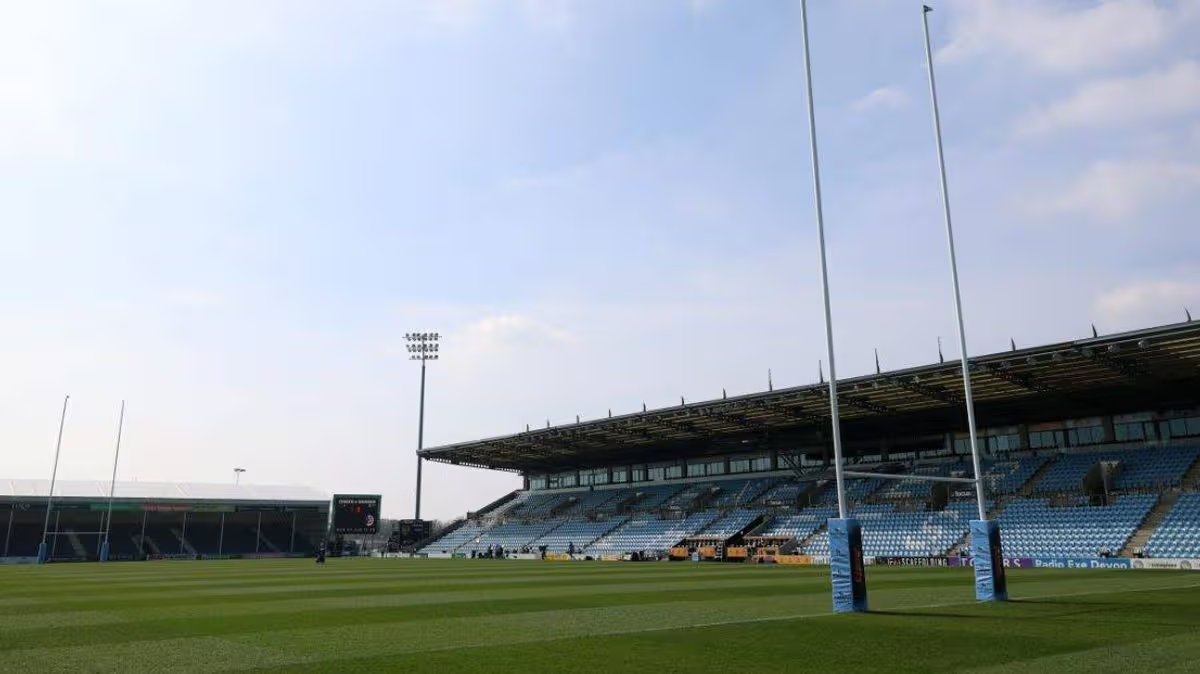
Exeter Chiefs set for US investment as Premiership Rugby clubs seek backing

Published

on

Business Live

An extraordinary general meeting is scheduled for next month to approve the multimillion-pound deal

Exeter Chiefs are set for US investment as Prem Rugby interest ramps up

Exeter Chiefs are set for US investment as Prem Rugby interest ramps up

Exeter Chiefs are poised to become the latest in a wave of Premiership Rugby clubs to secure fresh investment, with American backing anticipated at Sandy Park.

Advertisement

An extraordinary general meeting is scheduled for next month to vote on proposals that would see an unnamed US backer make a multimillion-pound investment in the Devon club.

The Guardian reports that members will be encouraged to back the motion. The club’s chairman, Tony Rowe, who has financially supported Exeter Chiefs’ rise from the second tier to European champions, has acknowledged he can no longer sustain the club’s funding in the long term, having previously explored and abandoned plans to float on the stock market.

“The proposal is for the members to accept,” Rowe told the Guardian. “At the moment I can’t discuss what that proposal is in any shape or form, other than it is an American investor. They want to get involved in English rugby.”

Should the new investment receive the green light, it would follow energy drinks giant Red Bull’s entry into England’s top-flight Premiership Rugby with Newcastle and the multimillion-pound investment from billionaire Sir James Dyson into defending champions Bath.

Advertisement

Exeter Chiefs’ West Country rivals Gloucester Rugby also appear to be pursuing investment from across the Atlantic, with owner Martin St Quinton stating in promotional material for a fan-focused crowdfunding campaign that the absence of relegation makes the league considerably more appealing to American investors.

The Devon-based club, whose squad boasts the likes of England international Henry Slade and former Wales captain Dafydd Jenkins, recorded losses of £10.3m in their most recent accounts, amid a wave of negative returns across the Premiership, as reported by City AM

Investing in England’s top tier guarantees a portion of the central revenue, 27 per cent of which is channelled to private equity giant CVC Capital Partners, which has recently consolidated its varied sports assets into the umbrella organisation Global Sports Group.

Global Sports Group encompasses CVC Capital Partners’ Premiership Rugby investment alongside shareholdings in the Guinness Six Nations and the multi-national United Rugby Championship.

Advertisement

A review of Premiership Rugby carried out by Big Four firm Deloitte and merchant bank Raine Group concluded that the top flight should transition to a franchise model before the end of the decade, with plans to expand to as many as 20 teams by 2040.

Continue Reading
Click to comment

You must be logged in to post a comment Login

Leave a Reply

Business

FBI urges router owners to update firmware after Russian GRU hack

Published

on

FBI urges router owners to update firmware after Russian GRU hack

Foreign hackers are looking to exploit vulnerabilities in Americans’ internet routers and the FBI is offering tips for securing your home or office routers after it announced actions it took to crack down on a Russian hacking unit.

Last week, the FBI and Justice Department announced that they conducted a court-authorized operation to neutralize a U.S. portion of a network of small office/home office (SOHO) routers that were compromised by a unit within Russia’s Main Intelligence Directorate of the General Staff (GRU) Military Unit 26165.

Advertisement

The GRU used the routers to facilitate malicious Domain Name System (DNS) hijacking operations against worldwide targets of intelligence interest to the Russian government, including individuals in the military, government, and critical infrastructure sectors. They used known vulnerabilities to steal credentials for thousands of TP-Link routers, manipulating those routers’ settings to direct requests to GRU-controlled servers.

“The FBI has determined that Russian GRU cyber actors have compromised vulnerable routers in the U.S. and around the world, hijacking them to conduct espionage,” Brett Leatherman, assistant director of the FBI’s Cyber Division, told FOX Business. “Unsuspecting Americans in at least 23 states owned routers that were exploited by Russian military intelligence. Given the scale of this threat, the FBI conducted a court-authorized operation to disrupt the GRU’s access to compromised devices within the U.S.”

US BANS NEW FOREIGN-MADE CONSUMER INTERNET ROUTERS OVER SECURITY CONCERNS

Internet router on a table.

Russian military hackers exploited thousands of small office/home office (SOHO) routers, prompting the FBI to intervene. (Getty Images)

The operation involved collecting evidence from the compromised routers, resetting their DNS settings to ensure they aren’t directed to the GRU’s DNS resolvers and preventing Russia from exploiting the original means of access.

Advertisement

The government said in court documents that it extensively tested the operation on firmware and hardware for affected TP-Link routers, and other than blocking the GRU’s access, it didn’t impact the routers’ normal functionality or collect the legitimate users’ content information.

CRYPTO FRAUD TOPS FBI’S ANNUAL CRIME REPORT AS AMERICANS LOSE BILLIONS TO SCAMS

FBI seal on a building

The FBI and DOJ put out a public service announcement on steps Americans should take to secure their routers. (Graeme Sloan/Bloomberg via Getty Images)

Leatherman said that, “Along with that effort, the FBI, NSA, and international partners from 15 countries released a Public Service Announcement with technical information and defensive guidance. While rebooting your router can mitigate some threats, it will not address this one.”

The PSA encourages users of SOHO devices to replace end-of-life and end-of-support routers; upgrade to the latest available firmware; verify the authenticity of DNS resolvers listed in router settings; and review and implement firewall settings to prevent the unwanted exposure of remote management systems.

Advertisement

MICROSOFT IDENTIFIES CHINESE HACKING GROUPS BEHIND PERSISTENT SHAREPOINT SERVER ATTACKS

Shot from the Back to Hooded Hacker Breaking into Corporate Data Servers from His Underground Hideout. Place Has Dark Atmosphere, Multiple Displays, Cables Everywhere.

Russian military hackers exploited routers in 23 states, prompting the FBI’s action. (iStock)

Users are also encouraged to navigate to the official TP-Link website and review documentation for their affected in the download center to learn about proper configurations. Additionally, they should ensure their routers are upgraded to the latest firmware and review the end-of-life products list to determine if their routers should be replaced.

“We urge all owners of small office/home office (SOHO) routers to replace end-of-support devices, update to the latest firmware versions, change default usernames and passwords, disable remote management interfaces from the internet, and stay alert for certificate warnings in web browsers and email clients,” Leatherman said.

GET FOX BUSINESS ON THE GO BY CLICKING HERE

Advertisement

Take the remediation steps outlined in our PSA, because defending our networks requires all of us,” he added.

Continue Reading

Business

Expeditors International of Washington, Inc. (EXPD) Discusses Energy Market Volatility Amid Iran Conflict and Supply Chain Impacts Transcript

Published

on

OneWater Marine Inc. (ONEW) Q1 2026 Earnings Call Transcript

Olivia Tan

All right. Welcome, everyone, to our webinar today on an Iran war update focusing on energy market volatility. My name is Olivia Tan, I’m one of the consultants of Onyx, and I will introduce our speakers for today’s event very shortly.

We offer a different webinar topic each month. This month, our team will be diving into the energy market impacts from the Iran war. As the Iran conflict drags on, disruptions to energy supply are feeding into higher energy costs, fuel cost and fuel surcharges. Join our Onyx analysts today as we dissect the energy landscape, focusing on potential pathways in the next few weeks and months.

So before we begin with the content, a few administrative details to cover. We are recording this event, and we’ll be offering it in a couple of other sessions this month. If you are watching on one of these additional sessions, you won’t have live Q&A available, but we would like to hear from you. For Q&A, just submit your question, and we will review and get back to you accordingly.

Advertisement

For the live session, we’ll save some time at the end to address them. And for the other sessions, we’ll review at the end of the event. To get a copy of the slides, look out for a survey sent after the webinar, and completing that will allow you to download these materials. Otherwise, we have about 45 minutes of content and discussion to share, and we’ll start very soon.

On to our LinkedIn and Vantage Point material, we encourage you to read

Advertisement
Continue Reading

Business

NY jury finds Live Nation illegally monopolized live event markets

Published

on

NY jury finds Live Nation illegally monopolized live event markets


NY jury finds Live Nation illegally monopolized live event markets

Continue Reading

Business

Slideshow: ‘Spring’ing into seasonal menu innovations

Published

on

Slideshow: ‘Spring’ing into seasonal menu innovations

Additions include floral and bright flavor notes.

Continue Reading

Business

Control, Security and Stadium Strategy Keep Icon Off Stage

Published

on

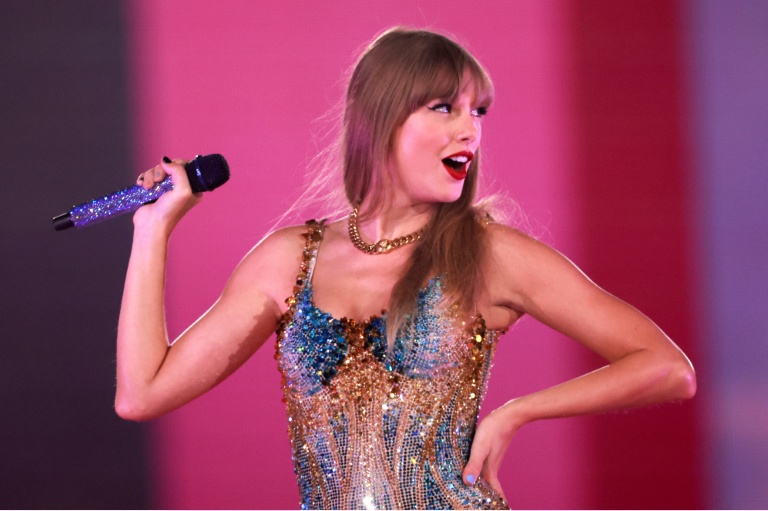
Taylor Swift's 'The Life of a Showgirl' is her 12th studio album

INDIO, California — As the Coachella Valley Music and Arts Festival wraps its 2026 run with headliners Sabrina Carpenter, Justin Bieber and Karol G drawing massive crowds to the Empire Polo Club, one name remains conspicuously absent from the lineup and stage: Taylor Swift. In a nearly two-decade career filled with stadium tours, awards shows and select festival appearances, the global superstar has never taken the Coachella stage — a fact that continues to puzzle fans and fuel endless online speculation.

Swift has attended the desert festival multiple times as a spectator. She was spotted in 2016 with then-boyfriend Calvin Harris and returned in 2024 with Travis Kelce, dancing and enjoying sets without stepping behind a microphone. In 2026, reports placed the couple at the event supporting friends and soaking in the atmosphere, yet once again she performed nowhere on the grounds.

Industry insiders and analysts point to a combination of strategic, logistical and personal reasons for the ongoing absence. At the peak of her career, Swift prioritizes full control over her productions in ways that clash with the festival format. Coachella slots typically last 45 to 90 minutes even for headliners, with shared production elements, variable sound quality and less flexibility for the elaborate storytelling, costume changes and massive video setups that define Swift’s Eras Tour-style spectacles.

Her stadium shows generate far higher revenue than a single festival payday. Headliners at Coachella can earn between $4 million and $12 million, a fraction of what Swift clears from multi-night arena or stadium runs where tickets routinely sell for hundreds or thousands of dollars on the secondary market. Insiders note that booking Swift would require Goldenvoice, the festival promoter, to allocate an outsized portion of the budget, potentially limiting the diversity of the rest of the lineup and altering the event’s eclectic appeal.

Advertisement

Security concerns represent another significant barrier. Swift’s high-profile status demands extensive protection, including large teams of bodyguards and advanced systems refined during her record-breaking tours. Open festival grounds with tens of thousands of attendees, general admission areas and unpredictable crowd dynamics make it far harder to guarantee the controlled environment she maintains in her own venues. Past incidents, including overzealous fans attempting to approach her on stage, have led her team to invest heavily in safety protocols that are easier to enforce in ticketed, seated or restricted stadium settings.

Swift’s preference for precision and intentionality also plays a role. Coachella thrives on spontaneity, surprise guest appearances and a free-spirited desert vibe that can include variable weather, dust and logistical challenges. The singer has built her brand on meticulously planned, fan-centric experiences where every element — from setlist narratives spanning her musical eras to seamless technical execution — aligns with her vision. Festival constraints often require scaled-back productions that do not match the immersive quality her audiences expect.

Earlier in her career, Swift did perform at various festivals while building her profile. During the Fearless era around 2009, she appeared at events like the Florida Strawberry Festival, Houston Livestock Show and Rodeo, and international dates such as Summer Sonic in Japan. She headlined smaller promotional shows and radio festivals, but as her stardom exploded with the transition to pop on 1989 and beyond, her schedule shifted toward self-contained arena and stadium tours that allowed complete artistic oversight.

Plans for festival-heavy appearances were disrupted by the COVID-19 pandemic. Lover Fest, announced in 2020 as a series of stadium and festival dates including potential international stops, was canceled due to health concerns. Rumors swirled about a Glastonbury headline slot that same year, which also fell through. By the time live music resumed, Swift had pivoted to the ambitious Eras Tour, a 151-show global juggernaut that wrapped in late 2024 and became the highest-grossing tour in history. The demand and scale of that production made smaller or shared festival bills less appealing.

Advertisement

In 2026, Swift appears to be prioritizing personal life over new touring commitments. Insiders report her focus remains on time with fiancé Travis Kelce, wedding planning and creative work on future projects without the immediate pressure of a full-scale tour. Recent rumors linking her to Coachella — including false claims she might replace a headliner or make a surprise appearance — were quickly debunked. No official invitations or negotiations have surfaced publicly, and her team has stayed silent on the topic.

Fan discussions on platforms like Reddit and Threads highlight additional theories. Some suggest Swift simply does not enjoy the festival environment, with its emphasis on discovery across multiple stages rather than a singular headline moment. Others point to past public scrutiny, including the 2016 “Kimye” drama during her 1989 era, as a factor in her more guarded approach to high-visibility, less-controlled settings. Coachella’s reputation for celebrity sightings and paparazzi attention could also conflict with her desire for curated public moments.

Despite the absence, Swift’s cultural influence still looms over the festival. In 2024, her attendance with Kelce generated more headlines than many performances, demonstrating her ability to dominate conversations without singing a note. Swifties have long manifested a Coachella debut, with some buying tickets in past years based on unconfirmed rumors. Yet as of 2026, those dreams remain unfulfilled.

Comparisons to other superstars underscore the uniqueness of her stance. Artists like Rihanna, Adele and even some peers in pop have also skipped Coachella headlining slots, often citing similar control or financial calculations. Beyoncé used her 2018 Coachella performance — dubbed “Beychella” — as a landmark cultural moment, but Swift’s path has favored ownership of her narrative through albums, tours and films like the Eras Tour concert movie.

Advertisement

For Coachella organizers, landing Swift would represent a massive coup but comes with trade-offs. The influx of Swifties could overwhelm infrastructure, drive up secondary ticket prices dramatically and shift the festival’s identity toward a more mainstream pop event. Past lineups have balanced indie, electronic, hip-hop and global acts, a mix that might suffer if budget priorities tilt too heavily toward one superstar.

As Swift enters a new phase post-Eras, questions persist about her next moves. A potential new album cycle could bring fresh touring opportunities, but sources indicate no rush toward another marathon roadshow. Instead, selective appearances, creative projects and personal milestones appear to take precedence. Whether that ever includes a Coachella set — perhaps as a legacy-defining headline moment or surprise guest spot — remains unknown.

In the meantime, the desert festival continues without her on stage. This year’s edition featured theatrical sets, high-energy performances and the usual mix of emerging and established talent. Swift’s decision to observe rather than participate reinforces her carefully managed career strategy: maximizing impact while minimizing risks to her production standards, security and personal bandwidth.

Swifties continue to debate the “what if” scenarios online, with some accepting her absence as a sign of strength — she no longer needs festival validation to affirm her status. Others hope a future year might bring the long-awaited debut, especially if it aligns with a new era rollout.

Advertisement

For now, the Empire Polo Club remains one of the few major stages the 14-time Grammy winner has yet to conquer. Her choice reflects a deliberate path forged on her own terms: full creative command, economic maximization and protection of the fan experiences she crafts so meticulously. In an industry where artists often chase every spotlight, Swift’s consistent pass on Coachella stands as a quiet assertion of power — proving that sometimes the biggest star shines brightest by knowing exactly when and where to perform.

As Coachella 2026 fades into highlight reels and social media recaps, the conversation inevitably circles back to the one performer whose name sparks endless curiosity even in her silence. Taylor Swift’s non-performance has become its own kind of headline, underscoring that in the world of live music, strategic absence can speak as loudly as any setlist.

Continue Reading

Business

Jazz Pharmaceuticals plc (JAZZ) Presents at 25th Annual Needham Virtual Healthcare Conference Transcript

Published

on

OneWater Marine Inc. (ONEW) Q1 2026 Earnings Call Transcript

Jazz Pharmaceuticals plc (JAZZ) 25th Annual Needham Virtual Healthcare Conference April 15, 2026 11:45 AM EDT

Company Participants

Philip Johnson – Executive VP & CFO
Jack Spinks – Executive Director of Investor Relations
John Bluth

Conference Call Participants

Advertisement

Ami Fadia – Needham & Company, LLC, Research Division

Presentation

Ami Fadia
Needham & Company, LLC, Research Division

Advertisement

Good morning, everyone, again. Thanks for joining us for this next session with Jazz Pharmaceuticals. I’ve got Phil Johnson, who’s the CFO of the company, along with John Bluth and Jack Spinks from the IR team.

Phil, thank you so much for taking the time to be with us today. What I’d like to do is maybe turn it over to you for some opening remarks, and then we can dive into a Q&A.

Philip Johnson
Executive VP & CFO

Advertisement

No, definitely appreciate it, Ami. Thank you very much for hosting us today. Looking forward to the opportunity to answer questions that are of interest to you and have already enjoyed some of the interactions we’ve had with investors through virtual conference, looking forward to further sessions later today.

Before I get started, please do note that we’ll be making forward-looking statements today. Those are all subject to risks. Actual results could differ materially from what we’re describing. Please do consult our SEC filings for a more fulsome disclosure of the risk factors affecting our business.

And then if we do refer to guidance today, which I’m sure we will, we’re referring to the guidance that we gave on our fourth quarter 2025 earnings call on February 24. So maybe just starting with a high-level overview of where the company is at. 2025 was an exceptional year for Jazz. It was our 21st consecutive year of top line revenue growth. Strong commercial execution across our diversified portfolio delivered record total revenues

Advertisement
Continue Reading

Business

Ford EV leader leaving automaker amid new restructuring efforts

Published

on

Ford EV leader leaving automaker amid new restructuring efforts

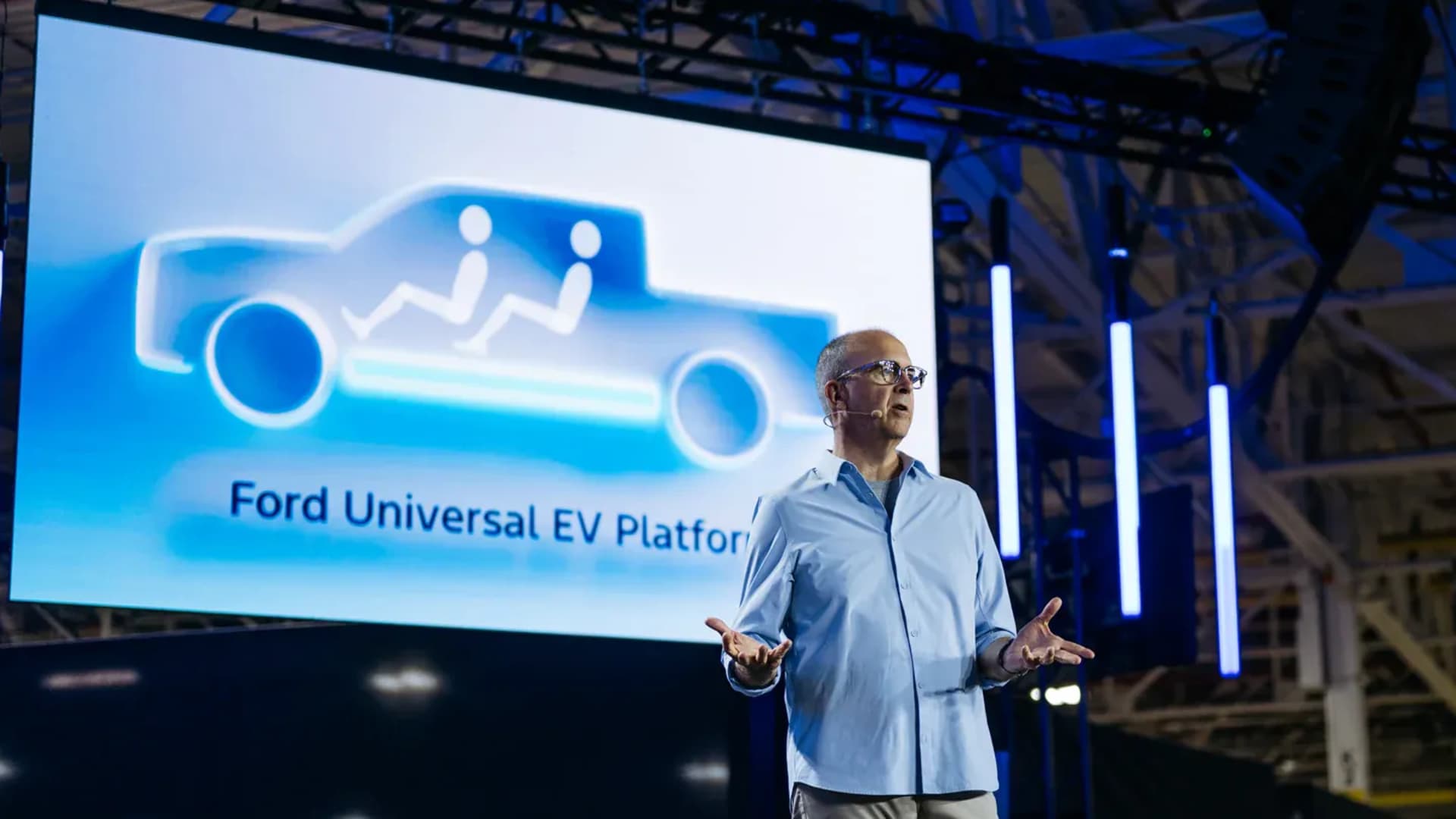
Doug Field, the chief EV, digital and design officer at Ford Motor, speaks at Louisville Assembly Plant as Ford shares its plans to design and assemble its “Universal Electric Vehicle” platform on August 11, 2025.

Courtesy Ford

DETROIT — Ford Motor‘s head of electric vehicles and software is leaving the automaker as it restructures its executives and operations.

Advertisement

Ford on Wednesday said Doug Field — chief EV, digital and design officer — has “elected to leave the company after a transition over the next month.” A release announcing the move mentioned a “next chapter” for Field, but the executive declined to disclose specific plans on a Wednesday call with media.

Field’s departure was announced in conjunction with Ford detailing a new executive structure that includes the establishment of a “Product Creation and Industrialization” organization at the company that will be led by Ford veteran and Chief Operating Officer Kumar Galhotra.

Ford said the new structure will integrate Field’s responsibilities with the company’s global Industrial System group to help the automaker hit certain goals, such as its target of an 8% adjusted EBIT margin by 2029.

There will not be a direct replacement for Field. Ford executives praised Field when the automaker brought him to the company in 2021 after previous leadership positions with U.S. EV leader Tesla and Apple. Ford CEO Jim Farley called his hiring a “watershed moment.”  

Advertisement

His departure comes as Ford is preparing to launch a next generation of electric vehicles that Farley has said are as important as the company’s famed Model T.

Farley and Field on the call with media said the upcoming vehicle — a midsize pickup built on Ford’s “Universal Electric Vehicle,” or UEV, platform that’s due out next year — was in a solid position to continue in the new unit without Field.

Product Creation and Industrialization

Ford on Wednesday described the new Product Creation and Industrialization unit as an “end-to-end organization” that aims to “deliver one of the most intensive product, software, and services rollouts in Ford’s history.”

The automaker plans to refresh 80% of its North American portfolio by volume and 70% of its global portfolio by volume by 2029, the company said. That includes the UEV pickup truck, next-generation F-150 and larger F-Series Super Duty lineup.

Advertisement

That turnaround of products also will include new powertrain offerings and software, Ford said Wednesday.

By 2030, the company is planning for 90% of its global nameplates to offer electrified powertrains, including hybrids, extended-range electric vehicles and full EVs. It is also aiming to have 90% of its Ford’s vehicles by volume feature updated “electrical architectures, in-house developed user experiences and hardware, and next-generation over-the-air capabilities for continuous improvement in experiences and services.”

Ford said the new technologies will enable “the rapid rollout” of advancements to its digital experience for customers and BlueCruise advanced driver assistance system, with a “scalable path” toward a 2028 Ford goal to achieve eyes-off “Level 3 autonomous driving.”

SAE International, formerly known as the Society of Automotive Engineers, has characterized automated driving for vehicles from Level 0 to Level 5. The highest, Level 5, is a fully autonomous vehicle, with each stage from Level 0 adding more technologies and enabling human drivers to be more “out of the loop.”

Advertisement

Ford currently offers a Level 2 advanced driver assistance system, or ADAS, known as BlueCruise. 

Leadership shakeup

Farley on the media call Wednesday with Field and Galhotra spoke fondly of Field’s work, calling him an “invaluable partner” who “has built a world-class team at Ford.”

However, many of Ford’s initiatives involving software and EVs did not perform as expected. Most notably, the automakers reported significant shortfalls in generation of software revenue and in December announced it would write down $19.5 billion related to a pullback in EVs and realignment of business priorities.

While several automakers have announced such impacts due to EVs, Ford’s write-down was much larger than its closest rival General Motors, which has announced roughly $7.6 billion in such charges.

Advertisement

In addition to Field leaving the company, Ford announced a series of other changes to its advanced vehicle development products and European manufacturing plans.

Choose CNBC as your preferred source on Google and never miss a moment from the most trusted name in business news.
Continue Reading

Business

How you could get free electricity for doing your washing

Published

on

How you could get free electricity for doing your washing

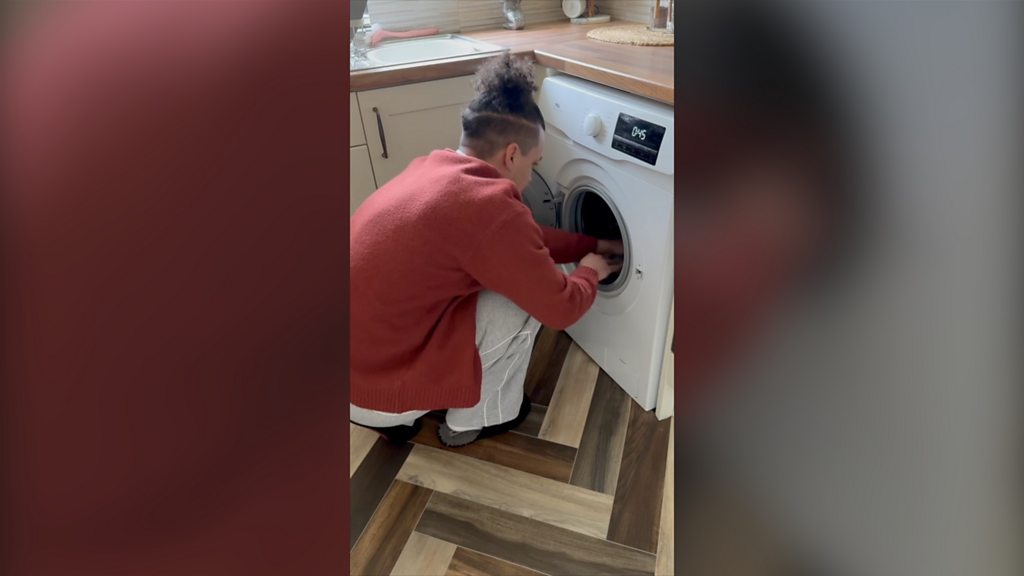
You could get free or cheaper electricity from your energy company for running appliances during periods of excess supply, such as sunny weekends.

Continue Reading

Business

HubSpot, Inc. (HUBS) Discusses 2026 Strategy and AI-Driven Innovations for Growth Companies Prepared Remarks Transcript

Published

on

OneWater Marine Inc. (ONEW) Q1 2026 Earnings Call Transcript

Charles MacGlashing
Corporate Treasure & Senior Director of IR

Good morning, and welcome to HubSpot’s Spring 2026 Spotlight Investor Webinar. I’m Chuck MacGlashing, and I’m here with Yamini Rangan, our Chief Executive Officer; and Duncan Lennox, our Chief Product and Technology Officer.

Today, we’ll walk through HubSpot’s 2026 strategy and how the new products and innovations we released at Spring Spotlight yesterday are making AI work for growth companies. I’ll also share an update on how HubSpot is transforming how it builds, grows and operates with AI.

Before we start, I’d like to draw your attention to our safe harbor statement. Statements made during this webinar that are not historical facts may be considered forward-looking within the meaning of the federal securities laws. These statements reflect our views only as of today involve risks and uncertainties, and we undertake no obligation to update them. Please refer to our most recent SEC filings for a discussion of the relevant risk factors.

Advertisement

Now it’s my pleasure to turn it over to HubSpot’s Chief Executive Officer, Yamini Rangan.

Yamini Rangan
CEO, President and Director

Thank you so much, Chuck. Welcome. Hello, everybody, and thanks so much for taking the time today to join us in this investor webinar. Look, the pace of innovation is just accelerating. There is a lot happening in the industry in just a matter of weeks, and there’s a lot happening at HubSpot. We just had our spring spotlight yesterday and a lot of exciting updates. So we wanted to provide a product and strategy update.

Advertisement
Continue Reading

Business

Buy the Dip or Sell the Rally as Turnaround Gains Traction?

Published

on

Dow Jones

NEW YORK — Starbucks Corp. shares have climbed more than 15 percent year-to-date in 2026, trading near $98 in mid-April as investors weigh early signs of a turnaround under new CEO Brian Niccol against lingering pressures from cautious consumers and a complex China market.

At around $98.47 on April 15, 2026, SBUX stock sits well above its recent lows but remains far below the all-time highs above $120 seen in prior years. The company’s market capitalization hovers near $110 billion after a volatile stretch marked by declining traffic in key markets and aggressive cost-cutting efforts. Year-to-date gains outpace the broader market modestly, reflecting guarded optimism around the “Back to Starbucks” strategy launched after Niccol’s arrival from Chipotle in late 2024.

Wall Street’s consensus leans toward cautious optimism. Across roughly 40 analysts, the average 12-month price target stands near $101 to $104, implying modest single-digit upside from current levels. Ratings tilt toward Hold with a sprinkling of Buy recommendations, though some firms have nudged targets higher following positive Q1 signals. The highest targets reach $165 in optimistic scenarios, while bears see downside risks toward $74 if momentum stalls.

Fiscal first-quarter 2026 results released in late January offered the clearest evidence yet that Niccol’s plan is gaining traction. Global comparable store sales rose 4 percent, driven by positive U.S. transaction growth for the first time in eight quarters. Revenue climbed 5 percent to approximately $9.9 billion, beating estimates, though adjusted earnings per share of $0.56 missed consensus slightly amid higher labor investments and one-time items.

Advertisement

The company introduced full-year fiscal 2026 guidance calling for global comparable sales growth of 3 percent or better, with similar revenue expansion. Non-GAAP earnings per share are projected in a range of $2.15 to $2.40, and Starbucks plans to open 600 to 650 net new stores worldwide. Executives described the turnaround as “ahead of schedule,” highlighting menu simplification, improved store operations and a renewed focus on the core coffeehouse experience.

Niccol has emphasized returning Starbucks to its roots — faster service, friendlier baristas and a stronger sense of community — after years of over-reliance on digital orders and drive-thru efficiency that some critics said eroded the brand’s soul. Early moves included trimming the menu by 25 to 30 percent to reduce complexity and waste, enhancing in-store ambiance and retraining staff. U.S. traffic trends have stabilized, with transaction growth turning positive amid targeted promotions and value offers.

International markets present a more mixed picture. China, once a high-growth engine with plans to reach 20,000 stores through a partnership with Boyu Capital, continues facing headwinds from intense local competition and a sluggish consumer environment. While the company maintains long-term ambitions in the region, near-term traffic remains soft. Starbucks closed a strategic deal in China earlier in 2026, aiming to accelerate expansion while sharing risk.

Analysts credit Niccol’s operational discipline for margin stabilization efforts even as investments in labor and store refreshes weigh on near-term profitability. Operating margins contracted in Q1 but executives expect slight improvement for the full year through efficiency gains and disciplined pricing. Free cash flow generation remains solid, supporting the company’s quarterly dividend of about $0.61 per share, which yields roughly 2.5 percent at current prices.

Advertisement

The stock’s valuation sparks debate. Trading at a forward price-to-earnings multiple in the high 30s to low 40s based on 2026 estimates, SBUX commands a premium that assumes successful execution of the turnaround. Bulls argue the multiple is justified by Starbucks’ powerful global brand, loyal customer base and potential for mid-single-digit long-term growth as digital, ready-to-drink products and new store development compound. Bears counter that the premium leaves limited room for error if U.S. consumer spending weakens further or China recovery lags.

Next earnings for the fiscal second quarter are scheduled for late April, with investors eager for updates on U.S. traffic trends, China performance and progress on store renovations. Any positive surprises on same-store sales or margin trajectory could fuel further gains, while softer commentary might trigger profit-taking.

Competition remains fierce. Rivals such as Dutch Bros, local coffee chains and even fast-food players offering premium beverages continue chipping away at market share, particularly among price-sensitive younger customers. Starbucks has responded with value bundles, seasonal drinks and loyalty program enhancements designed to boost frequency without deep discounting that could erode margins.

Longer-term catalysts include international expansion beyond China, growth in the Global Coffee Alliance and ready-to-drink beverages, and potential innovation in plant-based or premium offerings. The company also continues investing in technology, including mobile order improvements and data-driven personalization, to enhance the customer experience.

Advertisement

For investors debating buy or sell decisions in 2026, Starbucks represents a classic turnaround story in the consumer discretionary space. Optimists see an attractive entry point after years of underperformance, with Niccol’s proven track record at Chipotle providing credibility. The current dividend yield and share repurchase activity add appeal for income-oriented portfolios. At depressed levels relative to historical peaks, the stock offers asymmetric upside if the “Back to Starbucks” plan restores mid-single-digit growth and expands margins toward pre-pandemic levels.

Skeptics highlight structural challenges: a maturing U.S. market, persistent inflation pressures on discretionary spending and geopolitical risks in China. Execution risk remains high as the company balances cost discipline with investments in people and stores. If traffic gains prove temporary or new store openings fall short, the premium valuation could compress quickly.

Portfolio considerations matter. Defensive qualities in the consumer staples-adjacent sector make Starbucks appealing during economic uncertainty, yet its sensitivity to discretionary spending ties it more closely to cyclical trends. Dividend growth history and strong balance sheet provide some downside protection.

As spring advances, attention will focus on summer beverage sales, back-to-school traffic and any updates on China operations or new product launches. Broader economic factors — interest rates, employment trends and consumer confidence — will influence results.

Advertisement

At current levels near $98, Starbucks offers a blend of recovery potential and income. Short-term traders may await the April earnings reaction for clearer direction, while longer-term investors can lean on the brand’s resilience and Niccol’s strategic shifts. Those with high conviction in a U.S. traffic rebound and successful China navigation see room for the stock to climb toward the $110-$120 range by year-end.

The coming months will test whether early positive trends translate into sustained momentum. Strong Q2 results, accelerating U.S. transactions and credible progress on margins could validate the bullish case and support multiple expansion. Any signs of renewed softness, however, might pressure shares toward the lower end of the 52-week range.

Starbucks built its empire on the simple promise of a welcoming third place between home and work. Under Niccol, the company is rediscovering that heritage while adapting to a more competitive, cost-conscious environment. Whether 2026 marks the inflection point for renewed growth or another transitional year will shape shareholder returns for years ahead.

For now, the data point to a Hold with upward bias for those willing to tolerate volatility. The golden siren has weathered storms before. If the turnaround delivers, patient investors could be rewarded as Starbucks reclaims its position as a premium growth name in the restaurant sector. Execution will be everything in the months ahead.

Advertisement
Continue Reading

Trending

Copyright © 2025