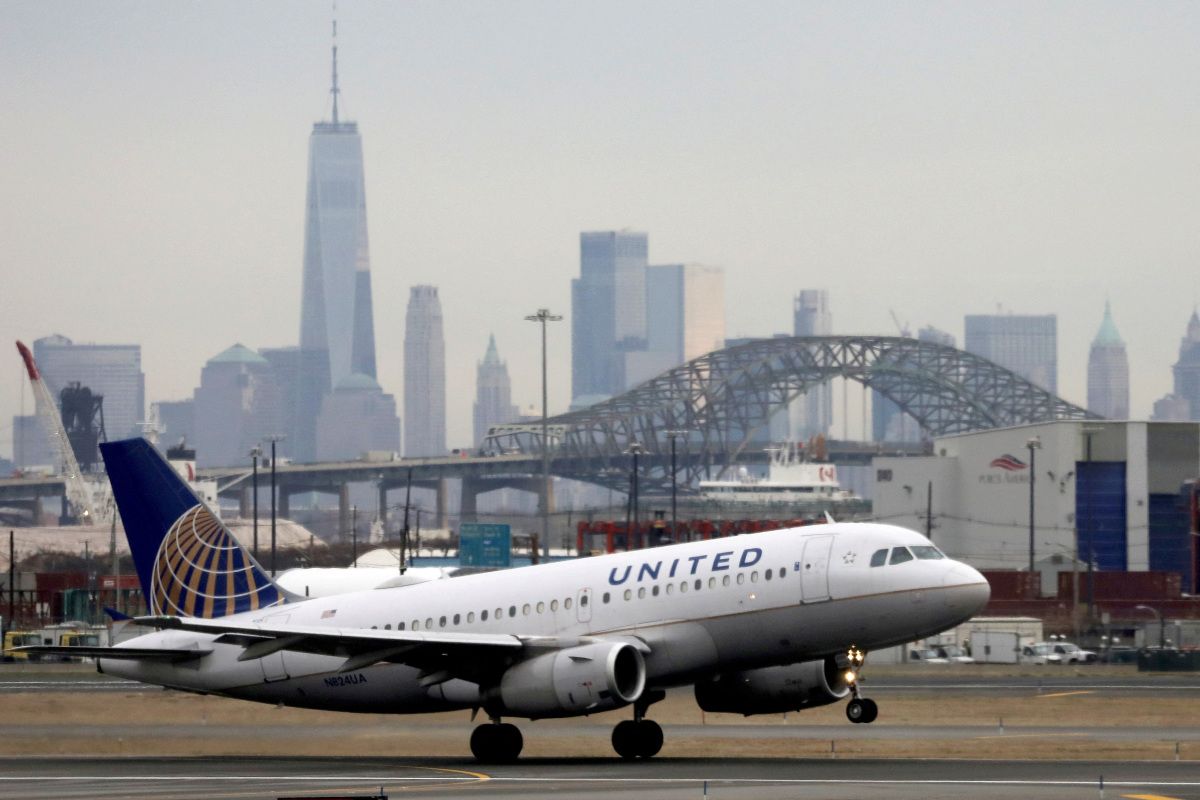
CHICAGO — United Airlines Holdings Inc. shares surged nearly 10 percent in early trading Friday, extending a rebound for the airline sector as falling oil prices eased fuel-cost concerns and fresh speculation about a potential blockbuster merger with American Airlines fueled investor optimism.
At 9:50 a.m. EDT, United Airlines stock (NASDAQ: UAL) traded at $104.22, up 9.68 percent or $9.20 from Thursday’s close. The sharp move came on elevated volume as broader market sentiment improved amid reports of a fragile Middle East ceasefire that has lowered crude oil benchmarks and jet fuel expectations.
The rally marks a notable recovery for the carrier after a choppy period earlier in 2026, when rising fuel costs tied to geopolitical tensions pressured margins and sent the stock sliding as much as 17 percent in a single month. Friday’s gain pushed UAL well above recent lows near $88 and closer to its 52-week high around $119.
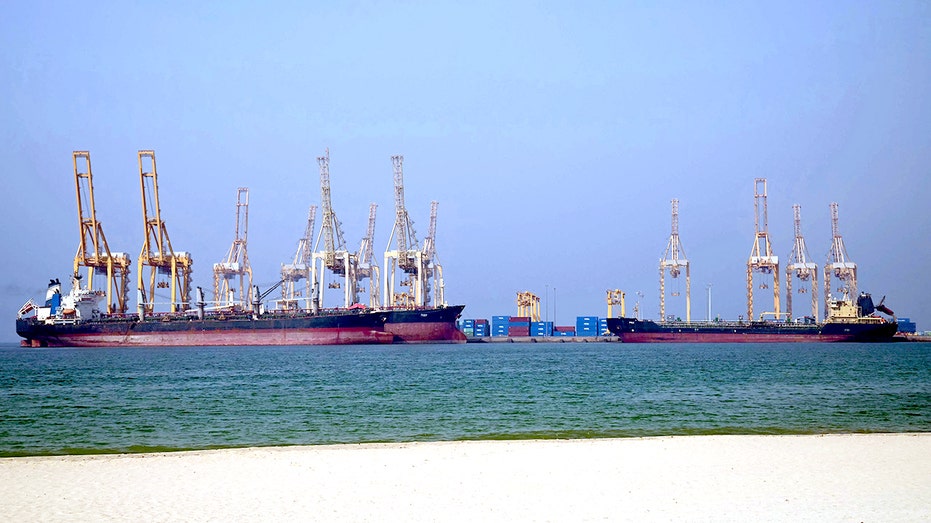
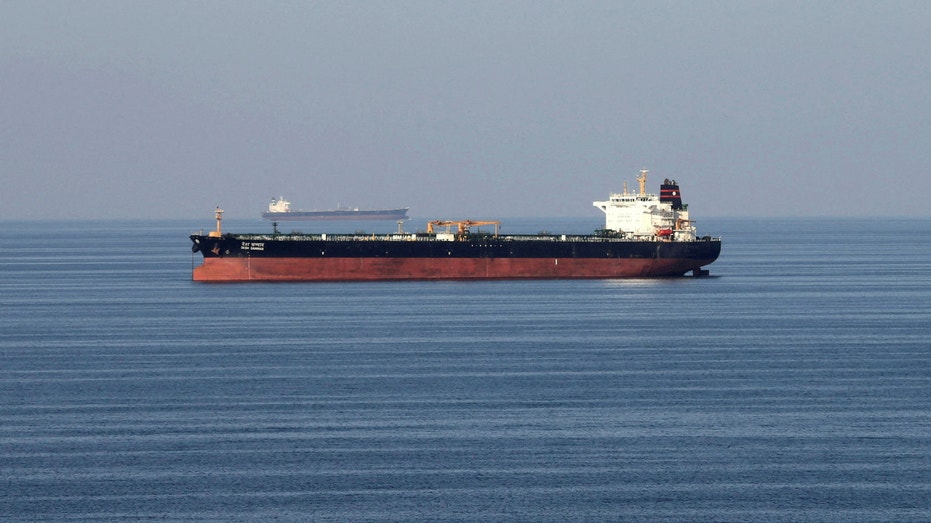
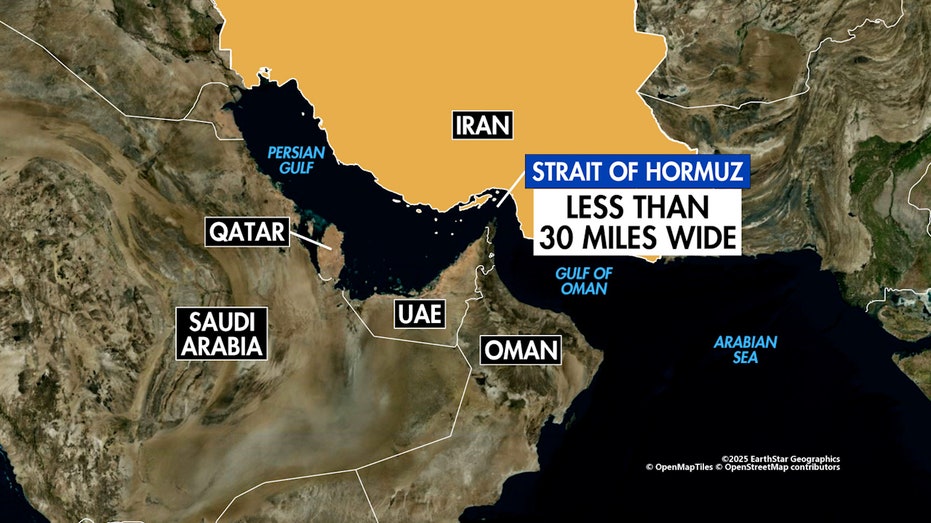
Analysts pointed to multiple tailwinds. Benchmark U.S. crude futures dropped sharply this week following assurances that the Strait of Hormuz would remain open to commercial shipping under the ceasefire framework. Jet fuel, which can account for 20-30 percent of an airline’s operating expenses, has eased in tandem, offering breathing room ahead of United’s first-quarter earnings next week.
United is scheduled to report results after the market close on April 21, with a conference call set for April 22. Wall Street expects adjusted earnings per share around $1.08 to $1.15, within the company’s own guidance range of $1.00 to $1.50 for the quarter. Full-year 2026 adjusted EPS guidance stands at $12 to $14, reflecting confidence in premium travel demand and operational improvements under the United Next transformation plan.
CEO Scott Kirby has emphasized capacity discipline across the industry, premium cabin growth and loyalty program strength as key drivers. In the fourth quarter of 2025, United posted record revenue of $15.4 billion, with premium revenue up 9 percent and loyalty sales rising 10 percent. The airline has aggressively added international routes and upgraded its fleet with more efficient, fuel-saving aircraft.
Merger speculation added rocket fuel to Friday’s move. Bloomberg reported earlier this week that Kirby has informally floated the idea of combining United with American Airlines to senior U.S. government officials. While no formal talks are underway and any deal would face intense regulatory scrutiny, investors viewed the concept as a potential catalyst for industry consolidation and cost synergies.
American Airlines shares also jumped on the report, though United’s larger network and Chicago hub give it a slight edge in any hypothetical tie-up. Analysts cautioned that antitrust hurdles would be significant, with the combined carrier controlling a massive share of domestic and transatlantic traffic. Jefferies noted that such a deal would encounter “serious regulatory headwinds” but acknowledged the long-term logic of further consolidation.
Beyond the headlines, United’s strategic positioning has drawn bullish commentary. The airline has focused on higher-margin premium and business travel, which has proven resilient even as leisure demand fluctuates. Its MileagePlus loyalty program remains one of the industry’s strongest, generating reliable ancillary revenue.
Fleet modernization under United Next calls for hundreds of new aircraft deliveries over the coming decade, promising lower fuel burn and improved passenger experience. Newer planes also support expanded premium seating configurations that command higher fares.
Still, challenges persist. Boeing delivery delays have occasionally disrupted fleet plans, and labor costs continue to rise as union contracts are renegotiated. Earlier in March, investors worried about $4.6 billion in potential incremental fuel expenses for the year if oil prices stayed elevated.
The broader airline sector participated in Friday’s rally. Peers like Delta Air Lines and American Airlines also traded higher, reflecting shared relief on the energy front. The ceasefire has reduced fears of prolonged supply disruptions, though analysts warn the truce remains fragile and oil could rebound quickly if tensions flare again.
United enters the earnings period with a mixed technical picture. The stock had pulled back from January highs near $118 amid fuel worries but has stabilized as oil moderated. Options trading showed increased activity in recent sessions, with some investors positioning for volatility around the April 21 report.
Wall Street’s consensus remains constructive. Most analysts rate UAL a Buy or Strong Buy, with an average 12-month price target near $130 — implying roughly 25 percent upside from current levels. TD Cowen and UBS have been particularly vocal, citing United’s premium focus and long-term margin expansion potential.
For everyday investors, the surge highlights the sector’s sensitivity to oil and macro sentiment. Airlines traditionally trade as leveraged plays on economic growth and travel recovery, with fuel costs acting as a major swing factor. Lower energy prices effectively act like a tax cut for carriers, flowing directly to the bottom line if fares hold steady.
Travel demand has held up better than many feared through early 2026. Corporate bookings have strengthened, and international routes — a key United strength — have benefited from pent-up demand in Europe and Asia. Summer booking trends appear solid, though economists caution that any slowdown in consumer spending could weigh on leisure fares.
United has also adjusted its fare structure in recent months, introducing more tiered options and raising certain ancillary fees to offset cost pressures. These moves have drawn some customer backlash but helped protect yields.
As trading continued Friday, volume was robust, suggesting broad participation rather than isolated momentum trading. The Dow Jones Industrial Average pushed toward 49,000, providing a supportive backdrop for cyclical names like airlines.
Looking ahead, investors will parse United’s quarterly update for any changes to full-year guidance, commentary on fuel hedging and updates on the Boeing relationship. Capacity growth remains a watchpoint — the industry has largely avoided the aggressive expansion that eroded profits in past cycles.
United’s balance sheet has strengthened post-pandemic, with improved liquidity and manageable debt levels. The company returned capital to shareholders through buybacks in stronger periods, though it has prioritized fleet investment recently.
For Scott Kirby, who has led United since 2020, the current environment tests his vision of building a premium powerhouse. His earlier comments on industry consolidation reflect a belief that bigger, more efficient networks will dominate in a mature market.
Whether Friday’s surge sustains depends on next week’s earnings and any further developments on the geopolitical or merger fronts. A beat on profit expectations combined with stable fuel outlook could propel the stock higher, while any negative surprises on margins might trigger a pullback.
In the meantime, the 9-plus percent jump underscores how quickly airline fortunes can shift with oil prices and headline risk. From the depths of fuel-cost panic in March to today’s relief rally, UAL has reminded investors of its volatility — and its upside when conditions align.
Market participants will keep close tabs on crude futures in the coming days. Any extension or breakdown of the ceasefire could swing sentiment again, but for now, United Airlines and its shareholders are enjoying clearer skies and higher altitudes.
















































You must be logged in to post a comment Login