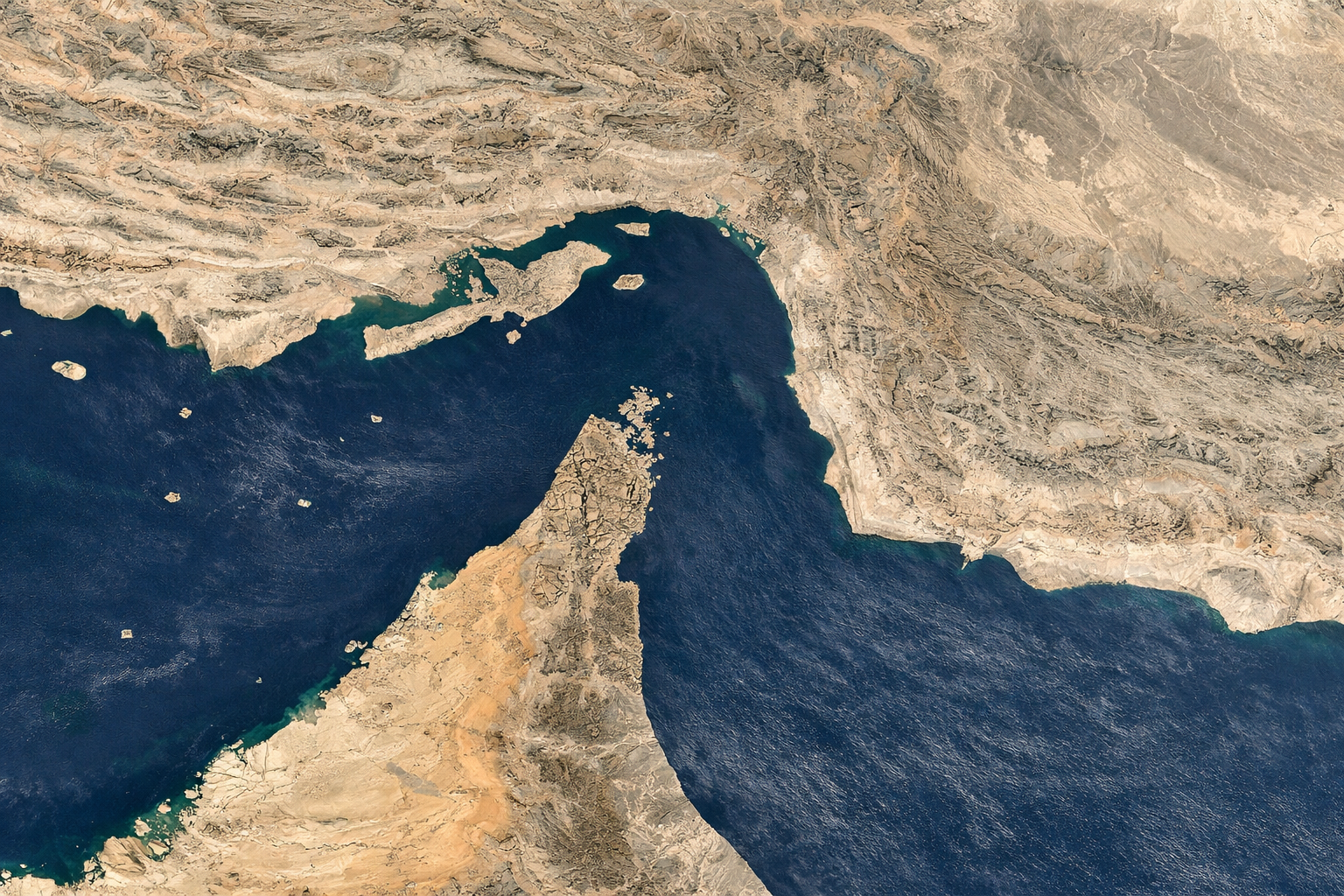
DUBAI, United Arab Emirates — Iran has reimposed restrictions on the Strait of Hormuz, shutting the critical waterway to most commercial shipping less than 24 hours after declaring it fully open, escalating a high-stakes maritime standoff with the United States that threatens global oil supplies and has already driven volatile swings in energy prices.
Strait of Hormuz Chaos Deepens as Iran Recloses Vital Oil Route After Brief Reopening Amid US Tensions
The abrupt reversal on April 18 came as Tehran accused Washington of violating a fragile ceasefire understanding by maintaining its naval blockade on Iranian ports. Iranian Revolutionary Guard Corps gunboats reportedly fired warning shots at or damaged at least two tankers attempting to transit the narrow passage between the Persian Gulf and the Gulf of Oman, according to advisories from the United Kingdom Maritime Trade Operations and shipping industry sources. No injuries were immediately confirmed, but the incidents sent shockwaves through global markets and shipping firms.
Iran’s military command declared the strait under “strict control” and warned that any vessel approaching without coordination would be considered hostile. “The security of the Strait of Hormuz is not free,” Iran’s first vice president stated, emphasizing Tehran’s insistence on control over the chokepoint it has long viewed as a strategic asset. The move reversed Foreign Minister Abbas Araghchi’s announcement just a day earlier that the waterway was “completely open” to all commercial vessels during a 10-day Lebanon ceasefire period.
President Donald Trump had welcomed the initial reopening, posting that the Strait of Hormuz was “COMPLETELY OPEN AND READY FOR BUSINESS.” He stressed, however, that the U.S. naval blockade targeting Iran-linked shipping would remain in force until a broader deal is reached. Hours later, U.S. forces seized an Iranian-flagged cargo ship attempting to evade the blockade near the strait, prompting Iranian vows of retaliation.
The latest flare-up underscores the fragility of de-escalation efforts in a conflict that has already disrupted roughly one-fifth of global oil trade. The Strait of Hormuz serves as the primary export route for oil from major producers including Saudi Arabia, Iraq, the United Arab Emirates, Kuwait and Iran itself. Daily flows typically exceed 20 million barrels of crude and petroleum products, making any prolonged closure a potential trigger for energy crises worldwide.
Advertisement
Shipping data showed traffic through the strait dropping dramatically during earlier phases of the crisis, with some days recording fewer than 10 transits compared to a normal average of around 140. Even after the brief April 17 announcement of reopening, many tanker operators hesitated, seeking clarifications on mine risks, coordination requirements and insurance implications. Several vessels reportedly turned back after Iranian gunboat activity.
The U.S. has conducted operations to enforce its blockade, including visit-and-search procedures aimed at vessels bound to or from Iranian ports. Reports indicate Washington is also considering broader seizures of Iran-linked oil tankers operating worldwide. Trump has issued strong warnings, including threats of further military action if Iran continues to disrupt navigation, while pushing for peace talks mediated in Pakistan.
Oil prices reacted sharply to the mixed signals. Brent crude, the global benchmark, saw initial drops following the reopening news but rebounded amid the reclosure and gunfire reports. Analysts noted that sustained disruption could push prices higher, exacerbating inflationary pressures already felt from earlier supply fears. In the United States, some oil executives projected delays of two to three weeks before any relief reaches gasoline pumps, while Europe faces risks to jet fuel supplies.
The crisis has ripple effects far beyond the Middle East. Australia, heavily reliant on imported fuel, has seen petrol prices ease modestly thanks to government excise cuts and stabilizing stocks, but officials remain cautious. Prime Minister Anthony Albanese indicated the country is “prepared to provide assistance” in international efforts to secure the strait, while warning that full price relief at the bowser could take weeks even if shipping normalizes.
Advertisement
In Asia, major importers like China, India and Japan have scrambled to secure alternative supplies, with some rerouting via pipelines or drawing down strategic reserves. India reported concerns after one of its vessels faced threats in the region. European nations, already managing energy transitions, monitor developments closely amid fears of renewed supply crunches.
The strategic importance of the 21-mile-wide strait has long made it a flashpoint. Iran has threatened closure in past tensions but rarely followed through fully, relying instead on asymmetric tactics such as speedboat swarms, mines and anti-ship missiles. This time, the combination of declared closures, gunfire incidents and demands for coordination has effectively chilled commercial traffic.
Experts emphasize that Iran does not fully “control” the strait in a legal sense under international law, which guarantees freedom of navigation. However, its geographic position on the northern shore and military capabilities allow significant disruption. The U.S. Navy maintains a strong presence in the region, conducting freedom-of-navigation operations, but direct confrontation risks broader escalation.
Ceasefire talks remain ongoing, with the latest round expected in Pakistan. Trump has described upcoming negotiations as Iran’s “last chance” to reach a comprehensive deal addressing nuclear concerns, regional proxies and maritime security. Iranian officials have signaled reluctance to proceed without guarantees on the blockade’s lifting.
Advertisement
Maritime security firms and insurers have issued heightened alerts. The International Maritime Organization and various flag states urge caution, with some recommending vessels avoid the area until clearer protocols emerge. GPS jamming and communication interference have complicated navigation in previous weeks.
Economists warn that prolonged uncertainty could stall global growth. Higher energy costs feed into transportation, manufacturing and consumer prices. Developing nations dependent on affordable fuel imports face particular strain, while stock markets in energy-sensitive sectors have shown volatility.
For Gulf Arab states, the situation is double-edged. Saudi Arabia and the UAE have ramped up pipeline exports bypassing the strait where possible, but full restoration of Hormuz flows is essential for their economies. They quietly support efforts to keep the waterway open while avoiding direct entanglement in U.S.-Iran brinkmanship.
Environmental risks add another layer. Any naval clash or mining incident could lead to oil spills devastating the fragile marine ecosystem of the Gulf, affecting fisheries, desalination plants and coastal communities.
Advertisement
As of April 20, shipping firms continue seeking real-time guidance before committing vessels. Satellite and AIS tracking data reflect subdued activity, with many tankers anchoring outside the area or diverting to longer, costlier routes around Africa or through alternative pipelines.
The broader context involves a wider regional conflict that has included U.S. and Israeli actions against Iranian targets, Iranian responses via proxies and direct strikes. A temporary two-week ceasefire announced earlier in April offered hope, but mutual accusations of violations have undermined trust.
U.S. officials maintain the blockade is a targeted measure to pressure Iran economically without broader war aims. Iran views it as an act of aggression and piracy, justifying its countermeasures.
Looking ahead, analysts see several scenarios: a negotiated breakthrough allowing safe, unrestricted transit; continued tit-for-tat restrictions leading to sporadic shipping; or, in the worst case, renewed outright closure triggering military intervention to clear the strait.
Advertisement
For now, the Hormuz crisis serves as a stark reminder of the world’s dependence on vulnerable maritime chokepoints. Global leaders, energy traders and everyday consumers watch developments closely, knowing that stability in this narrow stretch of water can sway economies thousands of miles away.
Peace talks in the coming days will prove pivotal. Until a durable agreement emerges, the Strait of Hormuz remains a powder keg where miscalculation could ignite far-reaching consequences for energy security, inflation and international relations.
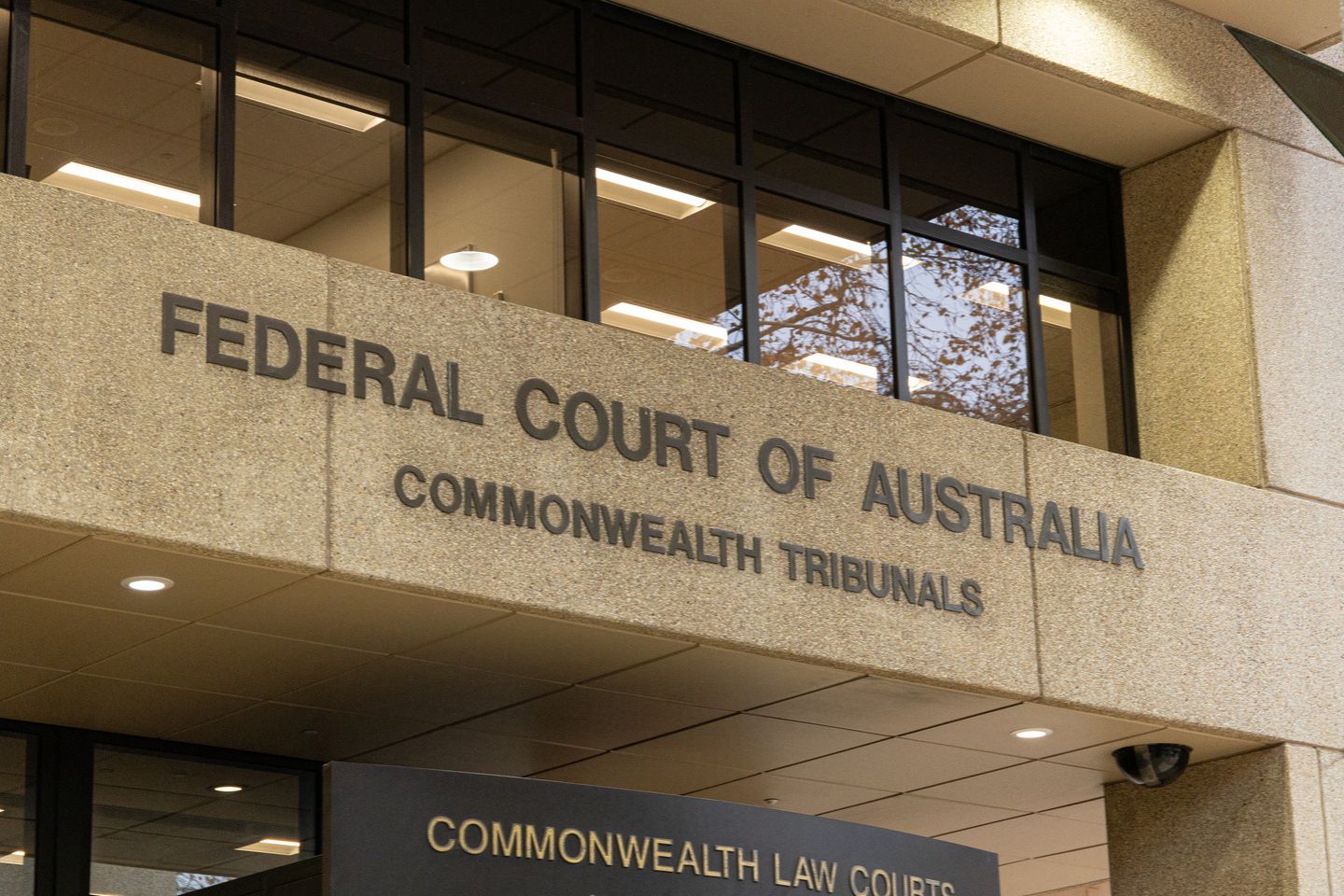
Liquidators of collapsed medicinal cannabis company Melodiol Global Health want to question banned director Adam Blumenthal, but lawyers are struggling to serve him while he is overseas.
The precision manufacturer told the stock market on Monday its order book had expanded
Renishaw New Mills headquarters (Image: Renishaw )
Gloucestershire engineering firm Renishaw has raised its revenue and profit guidance for the full year after a “substantial” expansion of orders. The FTSE-250 company told investors on Monday (April 20) it had seen “particularly strong demand” from customers in the semiconductor and electronics manufacturing equipment, and aerospace and defence sectors.
This has led to the business increasing revenue expectations from £775m to £805m and adjusted profit before tax from £145m to £165m.
“We are actively managing the challenges and increasing costs imposed by ongoing economic and geopolitical uncertainties and supply chain pressures,” Renishaw said in a statement.
The listed group, which was established by the late Sir David McMurtry and John Deer in 1973, said it would provide an update on its revenue performance for the 12 months to the end of March on May 6.
Advertisement
Last month, Renishaw announced it had refreshed its board with three appointments, including a renowned British academic as its new chair.
The news came just months after the precision manufacturer confirmed it had made ownership changes to the business as part of a succession plan.
Renowned economist and diplomat Dr. Drasko Acimovic has officially unveiled his paradigm of the “Third Gutenberg Moment,” signaling a fundamental transformation in global institutional identity.
According to Acimovic’s latest analysis, the world has moved beyond mere uncertainty and has entered the operational phase of a new economic and social model.
“The world as we knew it is reaching its sunset,” states Dr. Acimovic. “Just as the printing press broke the monopoly on knowledge and financial management in the 15th century, today Artificial Intelligence (AI) and Central Bank Digital Currencies (CBDC) are redefining the core pillars of human power and national sovereignty.”
Acimovic outlines this historical cyclicity through three pivotal stages:
The First Gutenberg Moment: The invention of the printing press, which democratised knowledge.
The Second Gutenberg Moment: The internet and mobile revolution, which accelerated global flows.
The Third Gutenberg Moment (Current): The definitive transition toward an AI-driven and digital-first economy.
According to Acimovic, this third stage signifies the end of the era of traditional intermediaries. He argues that CBDCs and advanced AI systems are not merely technical innovations but the foundations of a new architecture for the global economy and the future of international diplomacy.
Dr. Acimovic emphasises that this transition offers a unique window of opportunity. While the previous global hierarchy was largely static, the “Third Gutenberg Moment” acts as a great equaliser. Nations and organisations that proactively integrate these technologies today are securing a seat at the new global table where the rules of the next century are being drafted. For emerging economies, the adoption of an AI-CBDC framework is no longer optional it is the only way to ensure economic relevance in a decentralised world.
Advertisement
Unlike abstract futuristic theories, Acimovic warns that this transformation is already functional. “We are not waiting for change; we are living it. The institutional framework is transforming in real-time. Those who fail to grasp this tectonic shift will remain tethered to obsolete structures,” the diplomat cautioned.
About Dr. Drasko Acimovic:
Dr. Drasko Acimovic is a distinguished diplomat and economist recognised for his strategic insights into global financial systems. His career includes high-level leadership roles, such as serving as Ambassador in Brussels and as the President of the largest financial services brokerage firm in Eastern Europe, managing operations across 11 nations. Currently, he serves as a Member of the Board of the NGO East West Bridge in Bosnia and Herzegovina, contributing to international strategic cooperation.
CANBERRA, Australia — Millions of Australian workers will soon have the option to claim a flat $1000 deduction for work-related expenses without keeping receipts or detailed records, under a landmark tax simplification measure set to take effect from the 2026-27 financial year, the Albanese government has confirmed.
Aussies to Get $1000 Work Expense Tax Deduction Without Receipts From 2027 in Major Tax Time Overhaul
The proposed $1000 standard or “instant” tax deduction, announced during the 2025 federal election campaign, aims to make tax time “easier, faster and better” for approximately 5.7 million taxpayers. It allows eligible individuals earning labour income to choose between claiming the flat $1000 amount or itemising actual expenses with full substantiation as they do now.
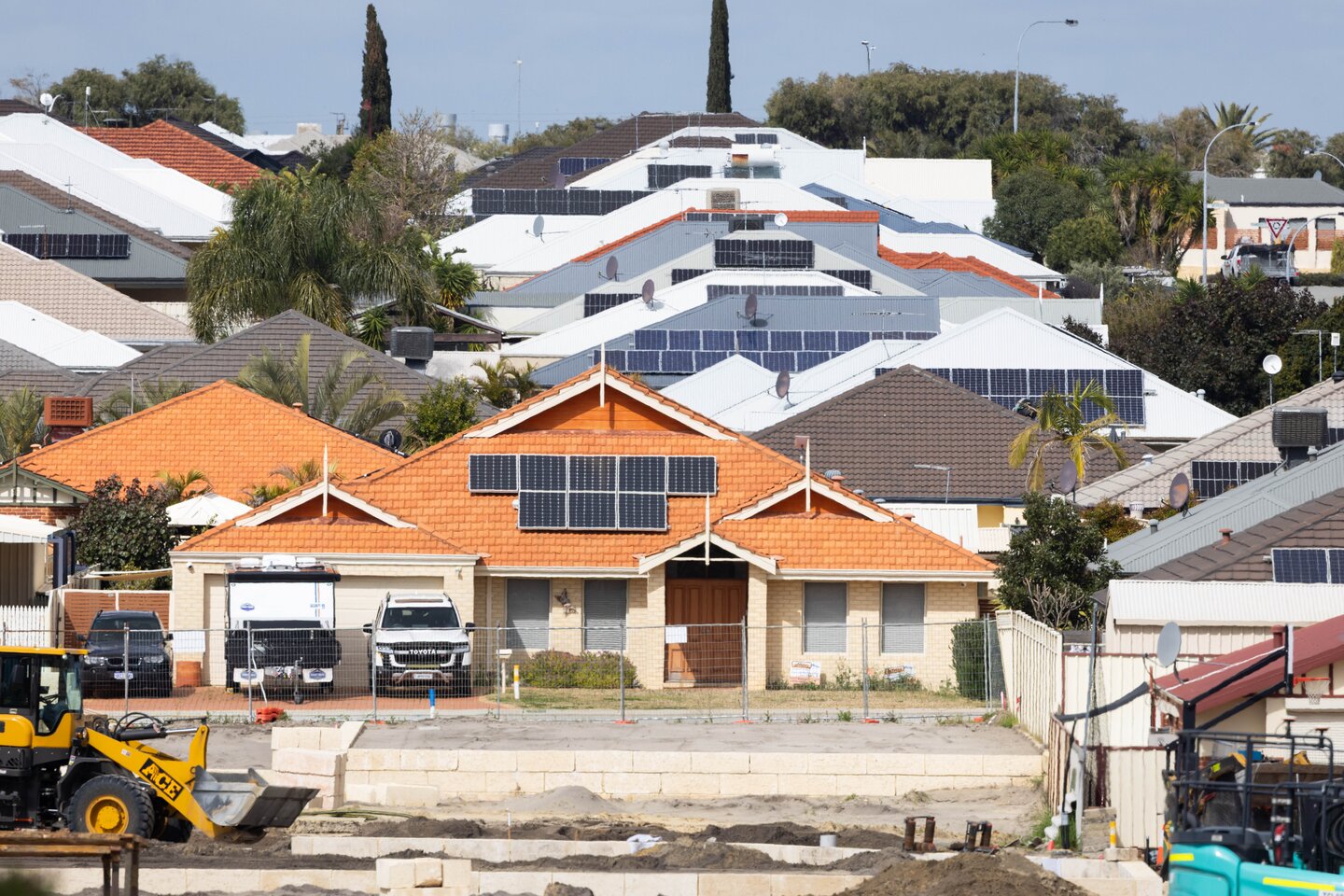
Importantly, the change is not automatic and does not provide a direct $1000 cash payment or refund. It reduces taxable income by up to $1000, meaning the actual tax saving depends on an individual’s marginal tax rate. For someone in the 30 per cent bracket, the benefit equates to roughly $300 in reduced tax payable, while higher earners could save up to $450 at the 45 per cent rate (excluding Medicare levy).
The Australian Taxation Office has clarified on its website that the measure applies from 1 July 2026 and will first appear on tax returns lodged from July 2027 onward. It does not affect the current 2025-26 tax year, for which taxpayers must continue using existing rules and keep receipts for all work-related claims.
Treasury and the Parliamentary Budget Office estimate the reform will simplify compliance for many while allowing those with higher expenses to continue claiming more than $1000 if they maintain proper records. Taxpayers who opt for the standard deduction will not need to collect or retain receipts for expenses under the threshold, potentially ending the annual ritual of shoeboxes full of crumpled invoices for items such as uniforms, tools, home office supplies and occupation-specific costs.
Advertisement
Government figures and Labor MPs have promoted the policy as direct cost-of-living relief. “A new $1000 instant tax deduction will be created from 2026-27 … Taxpayers who claim the instant deduction won’t need to collect receipts for work expenses less than $1000,” one ministerial post stated, highlighting benefits for nurses, teachers, tradespeople and office workers who incur modest but recurring costs.
Critics and tax professionals have raised caveats. Accountants warn that the deduction is not truly “automatic” — taxpayers must still lodge a return and actively choose the standard amount over itemised claims. Those whose genuine expenses exceed $1000 are better off keeping records to maximise their refund. Switching between options after lodgement may also be limited.
H&R Block and other firms note the policy could reduce ATO audit activity for standard claims but may create confusion if people assume it guarantees a fixed saving regardless of income or actual spending. “Nobody will receive $1000,” multiple tax advisers have emphasised, stressing the distinction between a deduction and a refundable offset.
The initiative forms part of broader tax reforms, including proposed staged reductions in the lowest marginal tax rate from 16 per cent to 15 per cent in 2026-27 and further to 14 per cent in 2027-28. Combined, these changes are projected to deliver modest relief for lower and middle earners while simplifying administration.
Advertisement
For the 2025-26 income year, which ends 30 June 2026, no such standard deduction exists. The ATO continues to scrutinise work-related expense claims closely, applying its long-standing “three golden rules”: the expense must be incurred by the taxpayer, directly related to earning assessable income, and supported by records. Claims for clothing, self-education, home office and travel remain common but require substantiation, with increased data-matching from banks and employers making unsupported claims riskier.
Tax time 2025 has already seen heightened focus on inflated deductions, prompting reminders from the ATO and professionals about proper record-keeping. Many workers who previously claimed several hundred dollars in miscellaneous expenses may find the future $1000 option simpler, even if the net benefit is smaller than itemising.
Eligibility for the new deduction requires labour income, effectively covering salary and wage earners but excluding pure investors or those without employment-related earnings. Self-employed individuals and contractors may still need to claim actual business expenses under different rules.
Implementation details, including exact wording in tax return software and myGov integration, are expected in coming months. The government has indicated further announcements on rollout, with legislation required before the measure becomes law. As of April 2026, the reform remains a firm commitment but not yet enacted.
Advertisement
Public reaction has been mixed. Social media and community forums show excitement over reduced paperwork, with some users celebrating the end of receipt hoarding. Others express caution, calculating potential losses if they routinely claim more than $1000 and worry the policy may discourage thorough record-keeping habits.
Tax agents report clients already inquiring whether they can “just tick the box” for 2026-27. Advisers recommend continuing to save receipts in the interim and comparing both options once the system is live. For low-expense earners, the standard deduction could provide a hassle-free boost; for high spenders such as construction workers with substantial tool costs, itemising will likely remain superior.
The proposal also aims to free ATO resources previously spent auditing small claims. By offering a standardised pathway, the agency could redirect efforts toward larger compliance risks, potentially improving overall tax system efficiency.
Economists and policy analysts note the measure’s cost to revenue, though exact figures vary. The Parliamentary Budget Office previously costed similar ideas, factoring in behavioural responses where some taxpayers might forgo higher legitimate claims for simplicity.
Advertisement
In the wider cost-of-living context, the $1000 deduction joins other government measures such as energy rebates, wage growth policies and staged tax cuts. For a typical middle-income household, the combined effect could ease annual tax pressure, though the real value depends on individual circumstances and inflation.
As tax time 2026 approaches, the ATO urges Australians to track expenses normally and use tools like the ATO app or myTax for accurate lodgement. Pre-filled data from employers and banks will continue to streamline returns, with the new deduction expected to add another layer of simplicity in future years.
For now, the message remains clear: save your receipts for the current financial year. The $1000 standard deduction represents a significant shift toward streamlined compliance but arrives too late for 2025-26 returns. Taxpayers should consult registered agents or the ATO website for personalised advice and monitor updates as legislation progresses.
The reform underscores ongoing efforts to modernise Australia’s tax system for a digital age, reducing administrative burden while preserving choice for those who benefit from detailed claims. Whether it delivers the promised “six clicks” to a completed return will become clearer once software providers integrate the option in 2027.
Advertisement
As April 2026 draws to a close, millions of workers are already mentally filing away the news, hopeful that next year’s tax season brings less stress and more straightforward relief at the keyboard rather than the kitchen table covered in paperwork.
The $1000 work expense deduction, while not a windfall, signals a pragmatic step toward balancing simplicity with fairness in one of the most complained-about annual rituals for Australian employees.


















































You must be logged in to post a comment Login