
Business
California housing market stays tight despite recent inventory gains

Financial influencer Taylor Price joins ‘Varney & Co.’ to break down how shifting your mindset can help Americans grow wealth and achieve the American Dream.
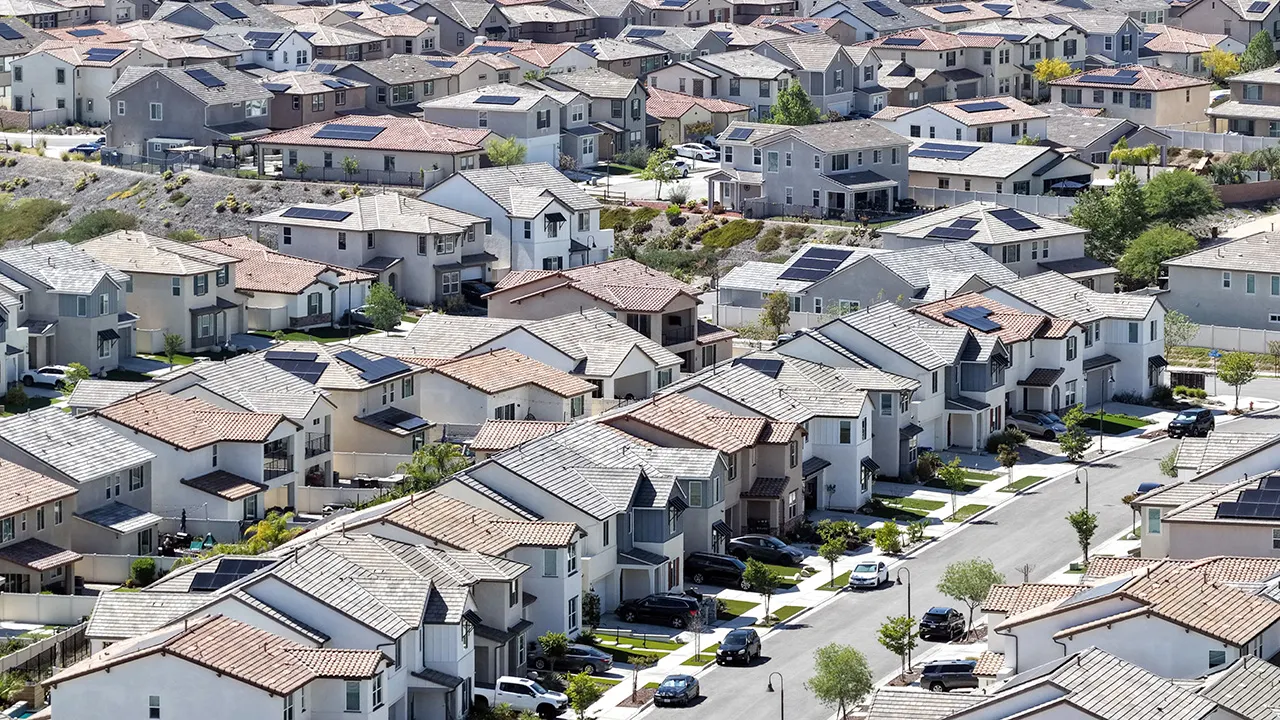
California’s housing market is seeing an increase in inventory while the state’s population growth slows, but strong demand stemming from longstanding scarcity has kept the market tight.
An analysis by the Public Policy Institute of California (PPIC) found that the state added 677,000 housing units over a six-year period in which California’s population grew by only 39,000 residents.
Despite the relative growth in the number of housing units available, vacancy rates showed the market remained tight, with PPIC finding that owner vacancy declined from 1.2% to 0.8% while the rental vacancy rate was 4.3% in 2024, well below the national rate of 5.9%.
“Even though the state is adding more housing units than people, it was in such a deep hole that the recent successes in homebuilding are not enough to truly move the needle,” said Joel Berner, senior economist at Realtor.com.
AVERAGE MONTHLY MORTGAGE PAYMENT HITS NEW HIGH, TOPPING $2K FOR FIRST TIME EVER
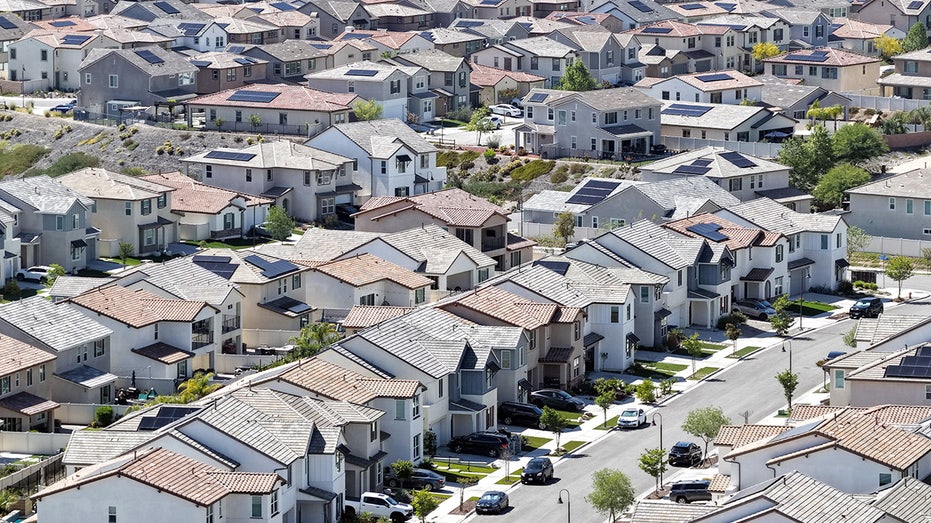
California’s population growth slowed, but a longstanding housing shortage has kept the market tight. (Mario Tama/Getty Images)
The state’s longstanding shortage of housing units will require more construction to get inventory levels closer to the market’s equilibrium, as the state will need 2.5 million additional homes, according to a 2022 estimate by the state’s housing agency.
PPIC’s analysis also noted a demographic trend that’s affecting California’s housing market, with average household sizes declining in recent years.
It found that California lost 82,000 households with children and gained 722,000 households without them from 2019 to 2024.
“Fewer people living under the same roof means more roofs are required for the same number of people,” Berner said.
THESE 8 US HOUSING MARKETS FAVOR BUYERS

California has eased rules to boost construction of accessory dwelling units (ADUs), such as this one in Concord, California. (Smith Collection/Gado/Getty Images)
The aging of California’s population is a key factor in the trend, as PPIC found that about 16.5% of the state’s population is 65 or older today and projects that number will rise to 24.9% by 2050.
Homebuilding has picked up in the state of California in the last five years, including through promoting the construction of accessory dwelling units (ADUs), which are secondary living units that are on the same lot as a primary home but are typically detached or otherwise self-contained.
“The state has made significant progress from a policy perspective on encouraging ADU construction in recent years, for which it should be commended,” Berner added. “The state has made efforts to lift local restrictions on ADUs, which is helping it to deliver more and more of them where they are needed the most.”
WHITE HOUSE LAYS OUT FIXES FOR HOUSING AFFORDABILITY PROBLEM

California’s shortage of housing has persisted despite an uptick in construction. ( Kevin Carter/Getty Images)
Both PPIC and Berner suggested that while California is making progress, it hasn’t achieved a breakthrough in resolving its housing shortage as new homes are being snapped up quickly and vacancy rates remain low.
Berner noted that while 11.5% of the U.S. population lives in California, the state accounted for only 7.3% of newly permitted housing units last year, adding that the “pace just isn’t fast enough.”
PPIC noted that household formation rates among young adults in California have trended up, suggesting that younger residents are forming households – though the state will need sufficient lower-cost housing at entry-level prices for them to afford to take those next steps in California.
GET FOX BUSINESS ON THE GO BY CLICKING HERE
That pipeline could prove problematic, as Realtor.com noted that of the more than 1.2 million housing units that are planned statewide, just 712,000 are designated for moderate-income households or lower – about half of what California believes it needs.

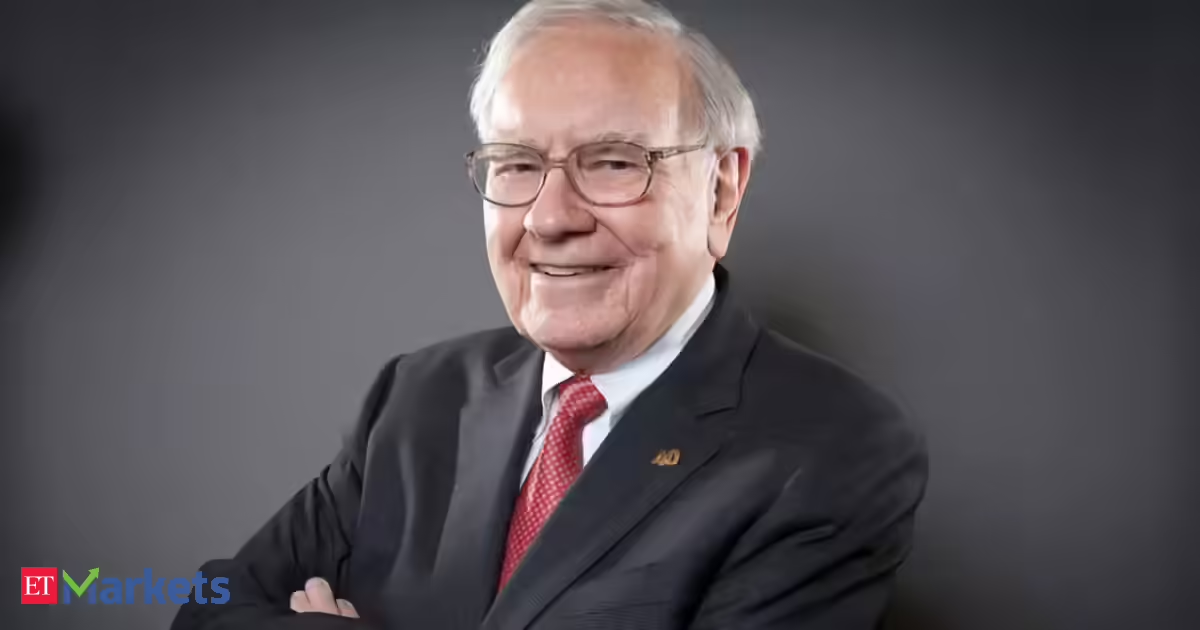
Buffett’s Berkshire Hathaway last month unveiled a large new stake in Alphabet, instantly propelling the Google parent into Berkshire Hathaway’s top 10 holdings. The move is widely seen as an endorsement of Alphabet’s heavy AI investments and the market’s view of the company as a frontrunner in the AI race.
The investment comes at a moment of transition for Berkshire. Buffett announced in May that he will step down as CEO at the end of this year, though he will retain his stock, handing the reins to vice chairman Greg Abel after decades at the helm of a company that began as a Nebraska textile mill and grew into one of the most influential conglomerates in American finance.
Burry doubles down on his skepticism
Michael Burry, however, is moving in the opposite direction. The investor who famously profited from betting against the U.S. housing market in 2008 has taken new short positions in Palantir and Nvidia, two of the highest-profile beneficiaries of the AI boom.He has been particularly critical of accounting practices across Big Tech, arguing that companies “have been systematically increasing the useful lives of chips and servers, for depreciation purposes, as they invest hundreds of billions of dollars in graphics chips with accelerating planned obsolescence.”

Burry is also in a period of transition. Scion Asset Management, his hedge fund, will close by year-end. In a recent investor letter, he wrote that his “estimation of value in securities is not now, and has not been for some time, in sync with the markets.” He has since launched a financial newsletter, Cassandra Unchained, where he continues to express skepticism about the AI boom.
A market split as AI hype peaks
Their opposing moves come as even industry leaders begin to acknowledge stretched expectations. Sam Altman, CEO of OpenAI, has voiced concerns about the pace and scale of speculative fervor surrounding artificial intelligence.
Still, capital continues to flood the sector, and the disagreement between two investors of such high reputation underscores the uncertainty in the market. Buffett turned Berkshire Hathaway into one of the most recognizable names in American investing, while Burry inspired Michael Lewis’s The Big Short and the film adaptation starring Christian Bale.Now, with both navigating turning points in their own careers, the divergence in their AI positions is emerging as one of the most closely watched splits in the market—one that could signal whether the boom is built on solid ground or heading toward another historic correction.
(Disclaimer: Recommendations, suggestions, views and opinions given by the experts are their own. These do not represent the views of The Economic Times)

I have been managing investments for over eight years in capital markets. By qualification I am a CFA Charter holder. I primarily look for discrepancies between the price and value of a security. With a focus on first-principal mindset, I try breaking down ideas into their core- most tangible parts, affecting the theses while deliberately avoiding the non-significant matter into crowding the analysis. If you like my ideas or frameworks, reach out via email/message for more granular and concentrated- portfolio level specific investment researches and ideas. I am at prakhar@shrihittruealphacapital.com.
Analyst’s Disclosure: I/we have no stock, option or similar derivative position in any of the companies mentioned, and no plans to initiate any such positions within the next 72 hours. I wrote this article myself, and it expresses my own opinions. I am not receiving compensation for it (other than from Seeking Alpha). I have no business relationship with any company whose stock is mentioned in this article.
Readers are advised to fact-check thoroughly before committing any capital to this idea; this reflects the personal views of the author and should not be pursued as formal financial or investment advice in any manner. While every effort has been made to ensure accuracy, errors may exist in the data and financial projections presented. The author is not responsible for any financial gains or losses incurred from investments made based on this content. For any additional information regarding the company or any clarification, feel free to comment. Happy to discuss anything further with regard to the presented investment thesis
Seeking Alpha’s Disclosure: Past performance is no guarantee of future results. No recommendation or advice is being given as to whether any investment is suitable for a particular investor. Any views or opinions expressed above may not reflect those of Seeking Alpha as a whole. Seeking Alpha is not a licensed securities dealer, broker or US investment adviser or investment bank. Our analysts are third party authors that include both professional investors and individual investors who may not be licensed or certified by any institute or regulatory body.


Passage Research focuses on identifying variant perception through a blend of fundamental analysis and alternative data. The research process combines detailed financial modeling with real-time datasets to underwrite earnings power, margin durability, and forward expectations.The author has spent over a decade on Wall Street, most recently spending the last five years working in the hedge fund industry as an analyst. Typical coverage spans consumer, TMT, industrials and special situations, with an emphasis on asymmetric risk/reward and catalyst-driven opportunities.
Analyst’s Disclosure: I/we have no stock, option or similar derivative position in any of the companies mentioned, but may initiate a beneficial Short position through short-selling of the stock, or purchase of put options or similar derivatives in CHD over the next 72 hours. I wrote this article myself, and it expresses my own opinions. I am not receiving compensation for it (other than from Seeking Alpha). I have no business relationship with any company whose stock is mentioned in this article.
Seeking Alpha’s Disclosure: Past performance is no guarantee of future results. No recommendation or advice is being given as to whether any investment is suitable for a particular investor. Any views or opinions expressed above may not reflect those of Seeking Alpha as a whole. Seeking Alpha is not a licensed securities dealer, broker or US investment adviser or investment bank. Our analysts are third party authors that include both professional investors and individual investors who may not be licensed or certified by any institute or regulatory body.

Insurance companies increased their stakes in 10 mid-cap stocks in Q4FY26, signalling rising confidence and a strategic shift toward higher equity exposure.
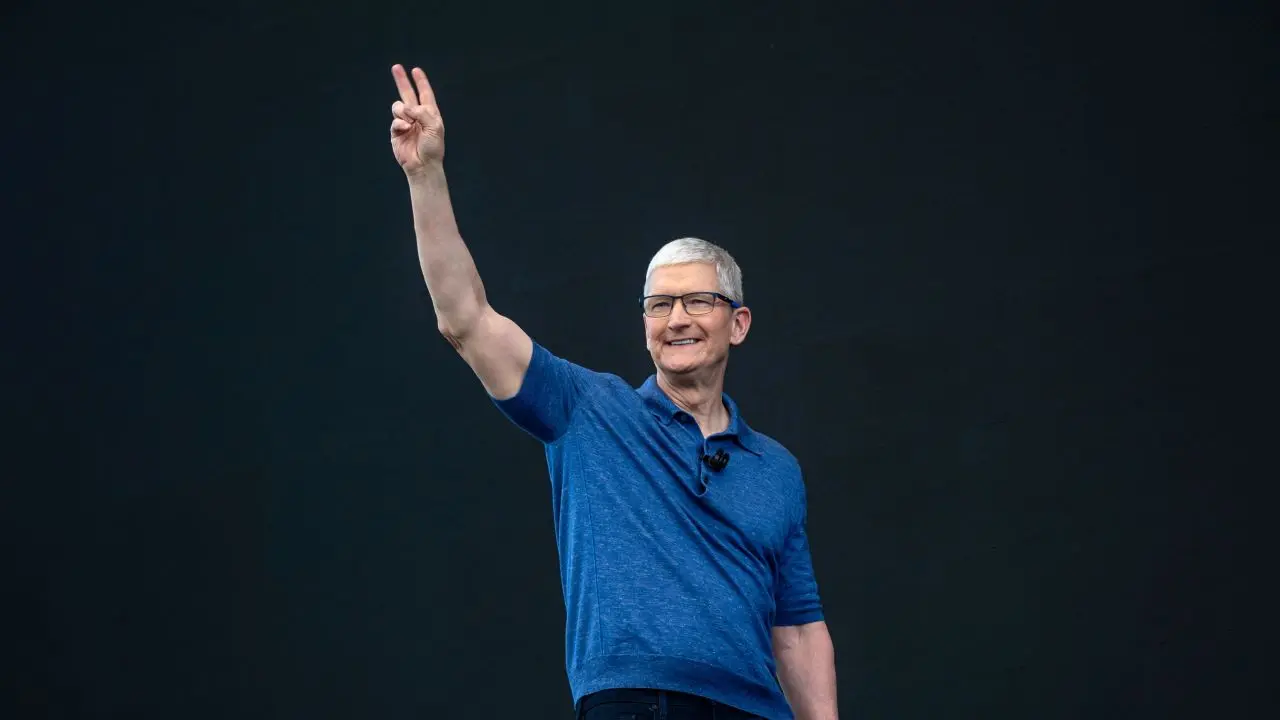
Check out what’s clicking on FoxBusiness.com.
Apple CEO Tim Cook is stepping down in a major leadership shakeup, the tech giant announced Monday.
He will transition to executive chairman of the company’s board of directors and will be succeeded by longtime Apple veteran John Ternus, the company’s senior vice president of Hardware Engineering, effective Sept. 1.
“It has been the greatest privilege of my life to be the CEO of Apple and to have been trusted to lead such an extraordinary company,” Cook said.
“I love Apple with all of my being, and I am so grateful to have had the opportunity to work with a team of such ingenious, innovative, creative, and deeply caring people who have been unwavering in their dedication to enriching the lives of our customers and creating the best products and services in the world.”
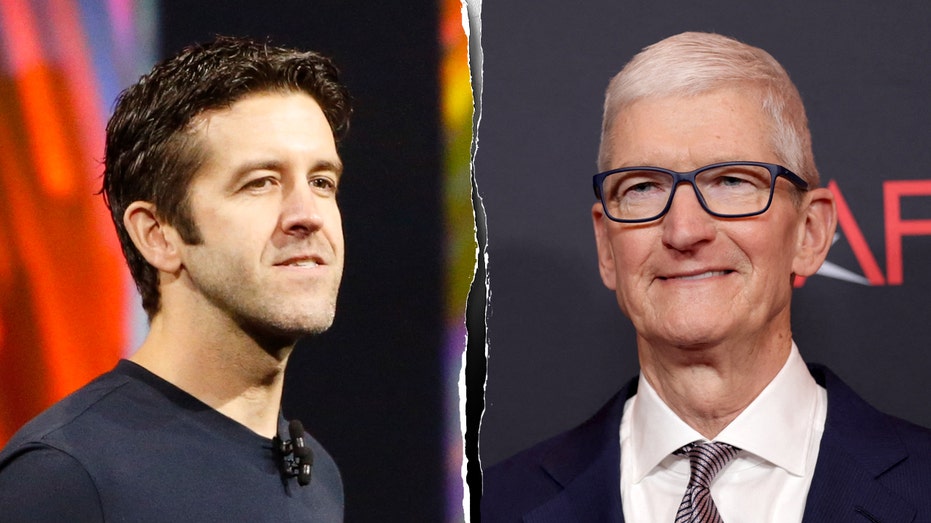
Tim Cook to become Apple Executive Chairman and John Ternus to become Apple CEO on September 1, 2026. (Reuters / Reuters)
The company said the transition followed a “thoughtful, long-term succession planning process” and was unanimously approved by the board of directors.
The announcement follows Cook last month downplaying retirement rumors, saying he “can’t imagine life without Apple” after 28 years with the company, CNBC reported. Cook first joined Apple in 1998 as senior vice president of Worldwide Operations before eventually being named permanent CEO in 2011, weeks before the death of co-founder Steve Jobs.
In his new role as executive chairman, Cook will continue to assist with select company matters, with a particular focus on engagement with global policymakers. He will also work closely with Ternus throughout the transition period.
META PLANS TO SLASH ROUGHLY 8,000 JOBS NEXT MONTH: REPORT
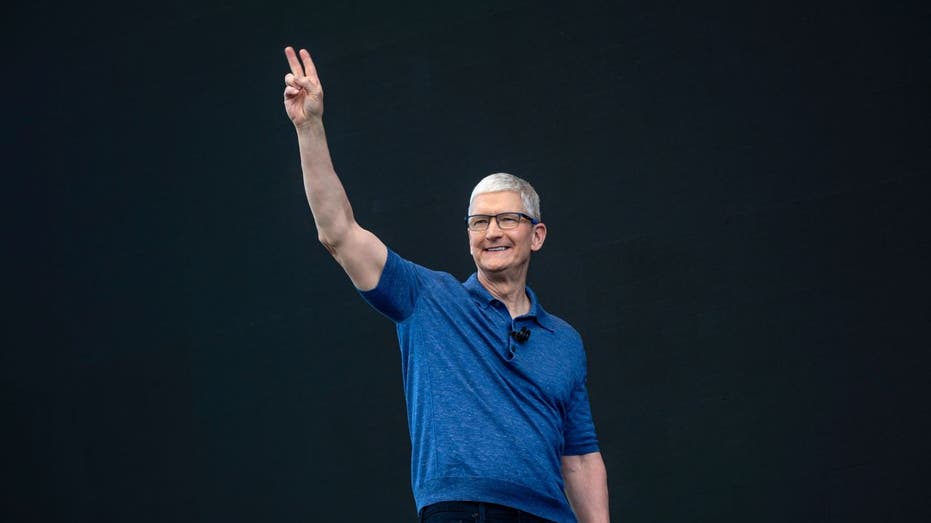
Tim Cook, chief executive officer of Apple Inc., during the Apple Worldwide Developers Conference at Apple Park campus in Cupertino, California, US, on Monday, June 10, 2024. (Photographer: David Paul Morris/Bloomberg via Getty Images / Getty Images)
Cook also expressed complete confidence in his successor, describing the longtime Apple executive, who has been with the company for nearly three decades, as a “visionary” best fit to lead Apple into its next chapter.
“John Ternus has the mind of an engineer, the soul of an innovator, and the heart to lead with integrity and with honor,” Cook said.
“He is a visionary whose contributions to Apple over 25 years are already too numerous to count, and he is without question the right person to lead Apple into the future. I could not be more confident in his abilities and his character, and I look forward to working closely with him on this transition and in my new role as executive chairman.”
Ternus, who will also join the board of directors on Sept. 1, has built an extensive legacy in hardware engineering since joining Apple’s product design team in 2001, eventually rising to senior vice president of Hardware Engineering in 2021.
META VOWS APPEAL OF ‘LANDMARK’ SOCIAL MEDIA VERDICTS, WARNS OF FREE SPEECH EROSION
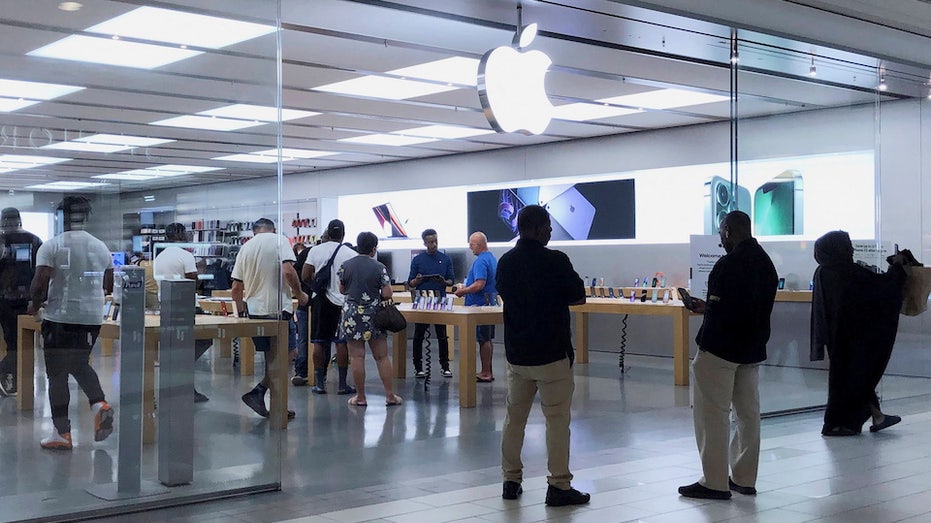
People visit the Apple store at the Cumberland Mall in Atlanta, Georgia, U.S., May 3, 2022. (REUTERS/Alyssa Pointer)
He has made numerous contributions across Apple’s hardware ecosystem, playing a key role in the development of successive generations of the iPhone, Mac and Apple Watch, as well as the iPad and AirPods product lines.
Beyond specific devices, Ternus has also championed key innovations in product sustainability, including the use of 3D-printed titanium in the Apple Watch Ultra 3 and efforts to improve device repairability to extend overall product lifespans.
| Ticker | Security | Last | Change | Change % |
|---|---|---|---|---|
| AAPL | APPLE INC. | 273.05 | +2.82 | +1.04% |
GET FOX BUSINESS ON THE GO BY CLICKING HERE
Apple also announced on Monday additional leadership changes alongside Cook’s departure and Ternus’ promotion.
Arthur Levinson, who has served as Apple’s non-executive chairman for the past 15 years, will transition to lead independent director on Sept. 1, 2026.
Johny Srouji, who held the role of senior vice president of Hardware Technologies, has been promoted to chief hardware officer, effective immediately.

Horizon Investments CIO Scott Ladner and economist John Lonski discuss market reactions to the war in Iran and first-quarter earnings on ‘Mornings with Maria.’
Americans who will be traveling this summer could see the cost of their summer vacations jump due to the spike in jet fuel prices.
The energy market has seen increased volatility since the Iran war began and the flow of oil through the Strait of Hormuz has been severely constrained by the threat of Iranian attacks, impacting the availability of a key input in making jet fuel.
Data from the International Air Transport Association (IATA) Jet Fuel Price Index showed that the global price of jet fuel surged from nearly $100 a barrel late last year and at the outset of 2026 to more than $200 a barrel this month before easing back just below that threshold. As of last week, global jet fuel prices are up 105.1% from the prior year, while in North America they’ve risen 82.6% in that period, the lowest increase among regions in the report.
Those price increases have impacted air fares as airlines have looked to mitigate their increased costs through higher prices as well as other measures, such as hiking fees on checked baggage.
RISING FUEL COSTS THREATEN SPIRIT AIRLINES’ BANKRUPTCY EXIT PLAN: REPORTS

Surging jet fuel prices are impacting airlines as fares and fees rise to account for higher fuel costs. (Mark Felix/Bloomberg via Getty Images)
Phil Flynn, senior market analyst at The PRICE Futures Group and a FOX Business contributor, said that jet fuel is the “wild card in the petroleum complex right now” and explained that “airlines are feeling the pain, especially those that have not hedged.”
“Higher jet fuel costs are a direct hit to margins. Some carriers are hedging aggressively; others are passing costs through with fare hikes,” Flynn said.
“Global air travel demand keeps growing structurally. Any sustained period of high jet prices risks some demand destruction in price-sensitive routes, but the baseline trend is still upward as economies normalize and international travel rebounds,” he added.
AMERICAN AIRLINES JOINS WAVE OF CARRIERS HIKING CHECKED BAG FEES AS JET FUEL PRICES SKYROCKET

Jet fuel prices have surged amid the Iran war. (Nicolas Economou/NurPhoto via Getty Images)
Clint Henderson, principal spokesperson at The Points Guy, told FOX Business that, “New data from The Points Guy and our partner Points Path shows average domestic airfare for the summer is up a whopping 10-15% and international European trips are up 20%.”
“Still, my advice remains the same – book all your trips now and then hope for a return to stability in the oil markets,” Henderson said. “If the price of your trip drops, you can get a trip credit for the difference (as long as you didn’t book basic economy).”
Henderson encouraged travelers to book trips with points and miles to save money when the cash price of air fares is high, saying “better safe than sorry and with most points and miles programs (at least in the U.S.) you can cancel and get your points back.”
UNITED AIRLINES CHECKED BAG FEES CLIMBS $10-50 AS FUEL PRICES NEARLY DOUBLE SINCE IRAN WAR

The Strait of Hormuz has been effectively closed with few ships making the transit amid the Iran war due to the threat of Iranian attacks. (Giuseppe Cacace/AFP via Getty Images)
Despite the higher prices for jet fuel and air fares, Henderson said that airlines aren’t noting major drops in demand as the “consumer remains resilient at least when it comes to travel,” though he cautioned that could change if inflation remains elevated.
“The other thing to watch for is more capacity cuts. This will be a much bigger story if oil prices stay high. Already we are seeing many airlines cut some routes,” Henderson added.
GET FOX BUSINESS ON THE GO BY CLICKING HERE
Flynn said that if tensions in the Middle East ease, it could lead to prices declining rapidly as jet fuel “remains one of the most geopolitically sensitive products in the barrel.”
“Any de-escalation in the Middle East could ease jet fuel premiums quickly. But persistent disruptions mean refiners will keep pushing yields toward middle distillates, supporting jet and diesel at the expense of gasoline cracks,” Flynn said.
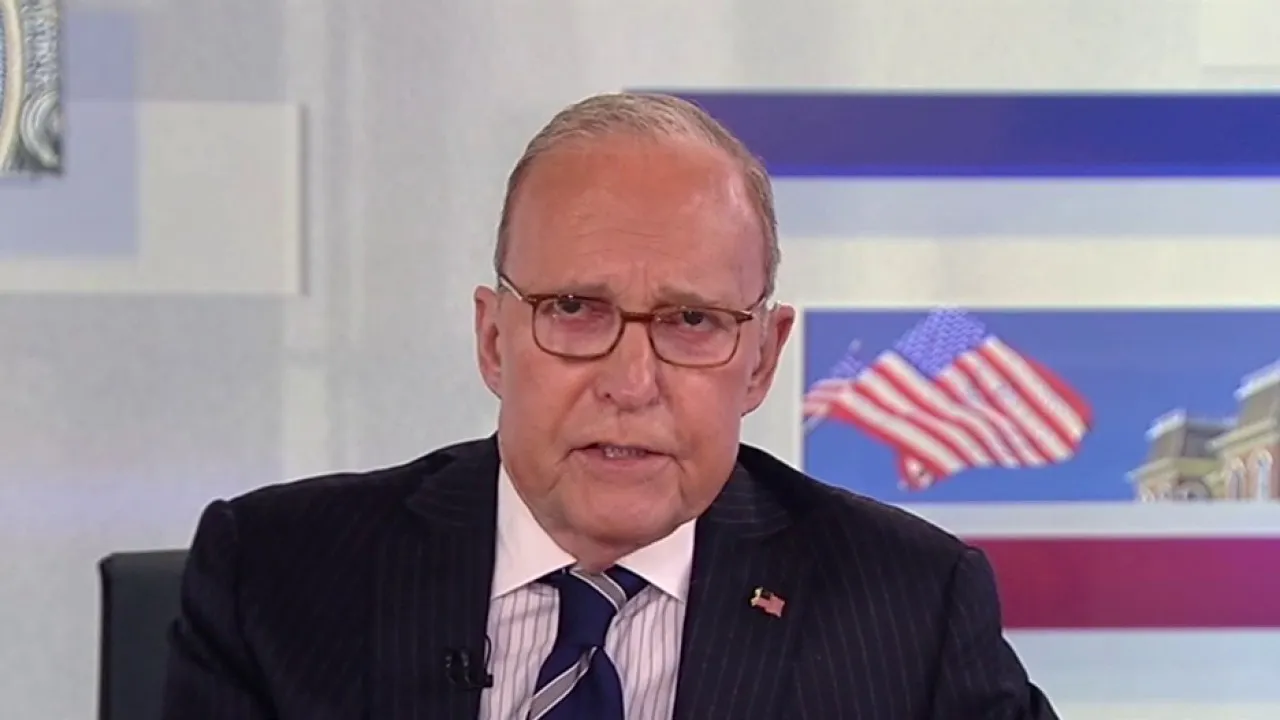
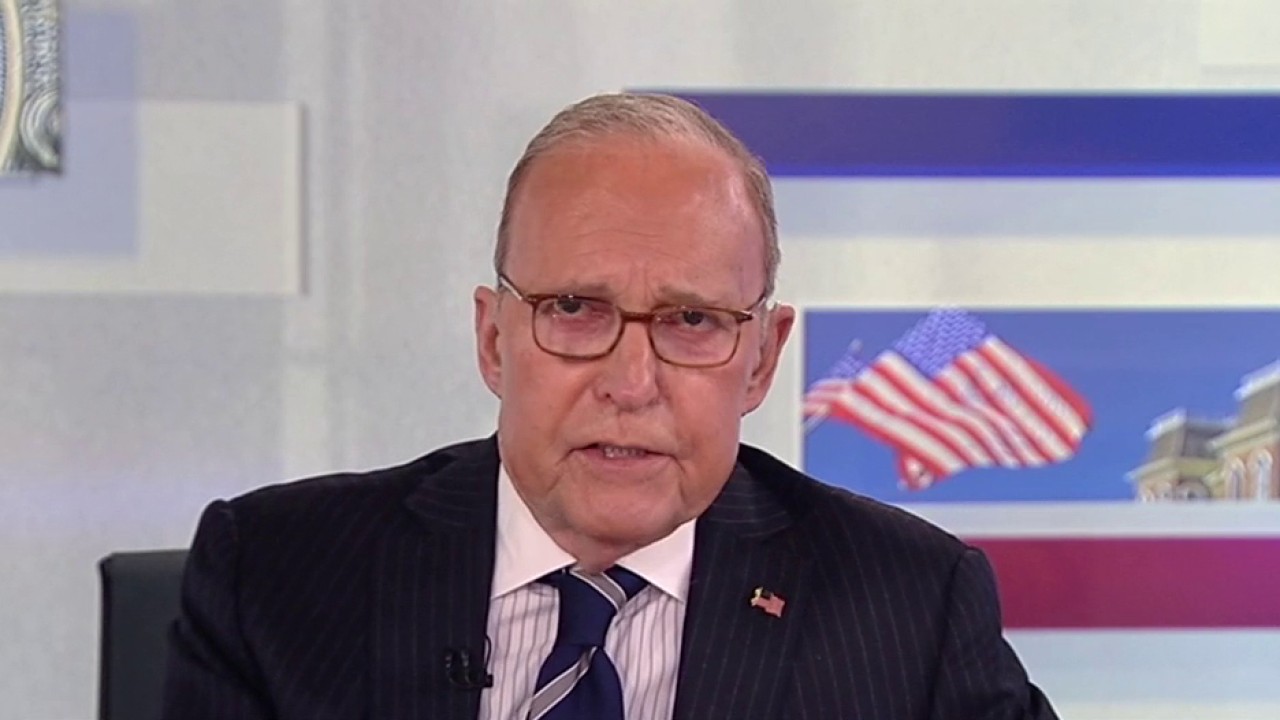
Last week Treasury Man Scott Bessent unveiled Operation Economic Fury to put maximum financial pressure on the hoodlums running the Islamic Revolutionary Guard Corps. I’d like to give that economic fury some more visibility, because I think blockading Iran ports, which will keep the regime out of the money, along with a banking freeze, are two major weapons that will eventually bring the regime to an end.
We know the Iranian ports are being successfully blocked, and it won’t be long until their revenue dries up, and the IRGC, which is basically a government cartel mafioso business operation, won’t even be able to make payroll in the next couple of weeks and their retirement plans will go bust. More than $400 million of losses on a daily basis can really hurt a company. Let’s go a step further. These mob thugs all have bank accounts overseas with the money they have extorted and robbed the citizenry of Iran. Billions and billions of dollars are undoubtedly at stake.
Fox News contributor Newt Gingrich discusses the United States’ strategy of increasing economic pressure on the Iranian regime on ‘Kudlow.’
I say these Iranian bank accounts should be seized. Places like Turkey, the UAE, Qatar, Azerbaijan, Pakistan, and I’m sure many others, should hand over the Iranian deposits, and then they could be placed in escrow in a special war account in the Treasury Department. You could say freezing the assets is enough, but I don’t think so. Actual seizure is more comprehensive. And any of these countries who refuse to comply with Operation Economic Fury will be subject to secondary sanctions and tariffs.
For example, that means any transactions by these foreign banks with America and hopefully its allies, would be removed from the international Swift payments ledger system, and would no longer be eligible to undertake financial transactions governed by the New York Fed wire in the United States. This would maximize the financial pressure on the Iranian regime. They have been stealing money and looting the Iranian treasury for decades.
I’m sure they tried to diversify their international portfolios. And for a long time they’ve been getting away with it because they own all these Iranian businesses. And that’s one reason they’re clinging to power against all odds of losing this war to America and Israel.
Ret. U.S. Navy SEAL Mike Sarraille discusses the feasibility of the U.S. Navy clearing Iranian mines in the Strait of Hormuz and the impact of a blockade on the regime on ‘Kudlow.’
Here’s one of the key points Mr. Bessent made: “One of the what may prove to be fatal mistakes that the Iranians made was bombing” their “neighbors” in the Gulf Cooperation Council, “and who are now willing to be much more transparent in terms of the funds.”
And it’s not just oil money, it’s the non-oil businesses the IRGC thugs have taken over throughout the years.
Mr. Bessent suggested a freeze which is okay, but frankly I think seizure is more powerful, and I think secondary sanctions are still more powerful.
Banking, blockading, and the final Iranian financial squeeze. We are coming to the end game.
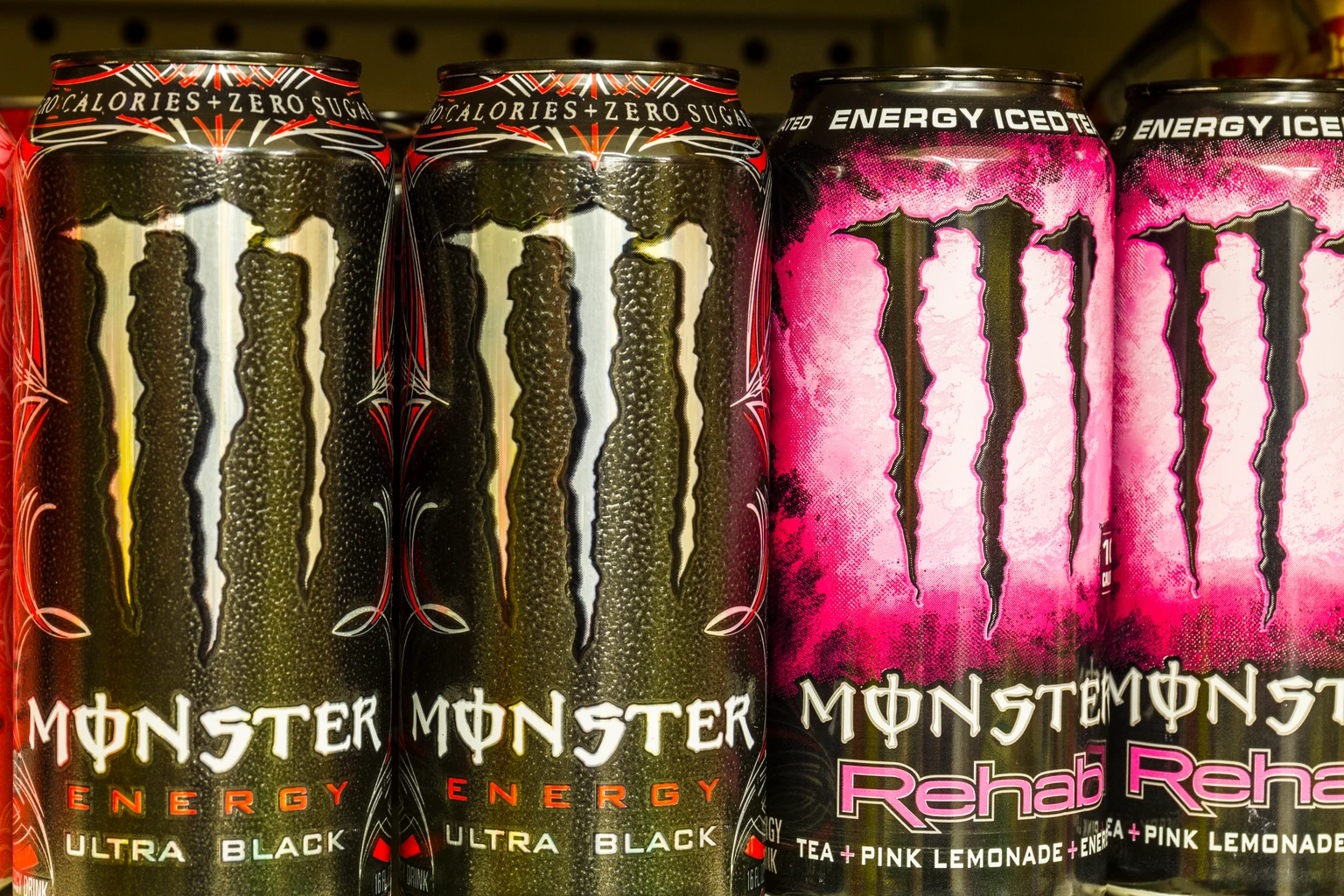
Monster Beverage: Premium Valuation, But 2027 Upside Remains

KeyCorp: Likely Fairly Valued
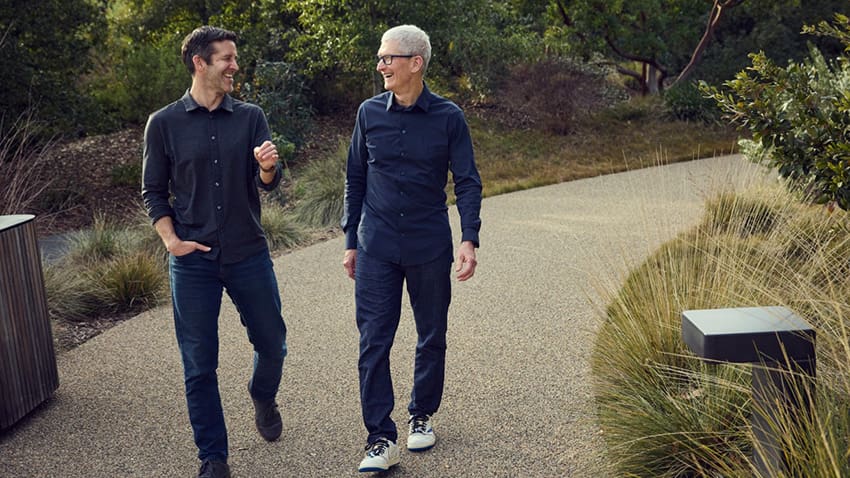
After 15 transformative years at the helm of the world’s most valuable company, Tim Cook is stepping aside as chief executive of Apple, with hardware engineering chief John Ternus set to inherit one of the most coveted seats in global business.
The Cupertino-based group confirmed on Monday that Cook, 65, will become executive chairman of the board on 1 September, with Ternus, senior vice president of hardware engineering, promoted to chief executive on the same date. The succession, approved unanimously by directors, caps what insiders describe as a patient, long-planned handover rather than a hurried passing of the baton.
Cook will remain chief executive through the summer, working alongside his successor to ensure a seamless transition. In his new chairman’s role, he is expected to focus on global policy engagement, a brief that has grown increasingly weighty as Apple navigates tariff regimes, artificial intelligence regulation and geopolitical pressure on its supply chain.
“It has been the greatest privilege of my life to be the CEO of Apple,” Cook said in a statement. “John Ternus has the mind of an engineer, the soul of an innovator, and the heart to lead with integrity and with honour. He is without question the right person to lead Apple into the future.”
The numbers behind Cook’s tenure make for arresting reading. Since succeeding the late Steve Jobs in 2011, Apple’s market capitalisation has swelled from roughly $350bn to $4tn, a gain of more than 1,000 per cent. Annual revenue has almost quadrupled, climbing from $108bn in the 2011 financial year to more than $416bn in 2025. Cook has added Apple Watch, AirPods and Vision Pro to the firm’s hardware roster, while the Services division he championed now generates more than $100bn a year, a standalone business that would rank inside the Fortune 40.
For British SMEs that built livelihoods around Apple’s ecosystem, from App Store developers in Shoreditch to hardware resellers on the high street, Cook’s legacy has been the steady expansion of a platform that now reaches 2.5 billion active devices across more than 200 countries. Apple’s global retail footprint has more than doubled during his reign.
Ternus, who has spent almost a quarter of a century at the company, represents a return to the engineer-led tradition established by Jobs. He joined Apple’s product design team in 2001, rose to vice president of hardware engineering in 2013 and entered the executive suite in 2021. His fingerprints are on every major product line, from iPad and AirPods to the recent MacBook Neo and the iPhone 17 range, including the ultra-slim iPhone Air that launched last autumn.
“I am profoundly grateful for this opportunity to carry Apple’s mission forward,” Ternus said. “Having spent almost my entire career at Apple, I have been lucky to have worked under Steve Jobs and to have had Tim Cook as my mentor.”
A Mechanical Engineering graduate of the University of Pennsylvania, Ternus cut his teeth at Virtual Research Systems before joining Apple. He has overseen the transition to Apple-designed silicon, the push into recycled aluminium and 3D-printed titanium, and the evolution of AirPods into an over-the-counter hearing aid, a rare example of Big Tech hardware being cleared as a bona fide medical device.
In a further reshuffle, Arthur Levinson, Apple’s non-executive chairman for the past 15 years, will step back to become lead independent director when the new regime takes effect. Ternus will join the board the same day.
“Tim’s unprecedented and outstanding leadership has transformed Apple into the world’s best company,” said Levinson. “We believe John is the best possible leader to succeed Tim.”
Cook’s departure from the chief executive’s office closes a chapter defined as much by stewardship as by showmanship. Where Jobs dazzled, Cook disciplined — turning a maverick product house into an operational juggernaut, reducing Apple’s carbon footprint by more than 60 per cent against 2015 levels even as revenue roughly doubled, and placing privacy at the heart of the brand proposition. Whether Ternus can continue that trajectory while reigniting the pace of hardware breakthrough will define the next era in Cupertino, and reverberate through every business, large and small, that lives within Apple’s orbit.

Jamie Young
Jamie is Senior Reporter at Business Matters, bringing over a decade of experience in UK SME business reporting.
Jamie holds a degree in Business Administration and regularly participates in industry conferences and workshops.
When not reporting on the latest business developments, Jamie is passionate about mentoring up-and-coming journalists and entrepreneurs to inspire the next generation of business leaders.
Warren Buffett is buying, Michael Burry is shorting: The AI trade splitting Wall Street

Ripple Charts 2028 Path to Quantum-Resistant XRPL Security

Three NFL Teams That Can’t Afford To Screw up 2026 NFL Draft



-

 NewsBeat7 days ago
Trump and Pope Leo: Behind their disagreement over Iran war
-

 Fashion3 days ago
Weekend Open Thread: Theodora Dress
-

 News Videos6 days ago
Secure crypto trading starts with an FIU-registered
-

 Sports4 days ago
NWFL Suspends Two Players Over Post-Match Clash in Ado-Ekiti
-

 Crypto World7 days ago
SEC Proposes Certain Crypto Interfaces Don’t Need to Register as Brokers
-

 Business1 day ago
Powerball Result April 18, 2026: No Jackpot Winner in Powerball Draw: $75 Million Rolls Over
-

 Crypto World3 days ago
Russia Pushes Bill to Criminalize Unregistered Crypto Services
-

 Politics2 hours ago
Gary Stevenson delivers timely reminder to register to vote as deadline TODAY
-

 Politics3 days ago
Palestine barred from entering Canada for FIFA Congress
-
 Business4 days ago
Creo Medical agree sale of its manufacturing operation
-

 Politics2 days ago
Zack Polanski demands ‘council homes not luxury flats for foreign investors’
-
 Entertainment7 days ago
Brand New Day’ Footage Reveals the Devastating Impact of ‘Now Way Home’
-

 Crypto World3 days ago
Russia Introduces Bill To Criminalize Unregistered Crypto Services
-

 Tech2 days ago
Auto Enthusiast Scores Running Tesla Model 3 for Two Grand and Turns It Into Bare-Bones Go-Kart
-

 Tech6 days ago
Microsoft adds Windows protections for malicious Remote Desktop files
-
 Entertainment7 days ago
Karol G’s ‘Ultra Raunchy’ Coachella Set Gave ‘Satanic Vibes’
-

 Tech5 days ago
‘Avatar: Aang, The Last Airbender’ Leaked Online. Some Fans Say Paramount Deserves the Fallout
-

 Tech7 days ago
What was the first ransomware attack to demand payment in Bitcoin?
-

 Sports6 days ago
Younger Than Sachin Tendulkar: Vaibhav Sooryavanshi Set To Make Historic India Debut
-
 Entertainment6 days ago
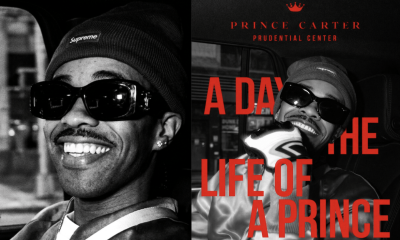
Prince Carter Brings Fans Front Row and Backstage at Boys 4 Life Tour
You must be logged in to post a comment Login