


Connect with us
DAPA Banner

Business

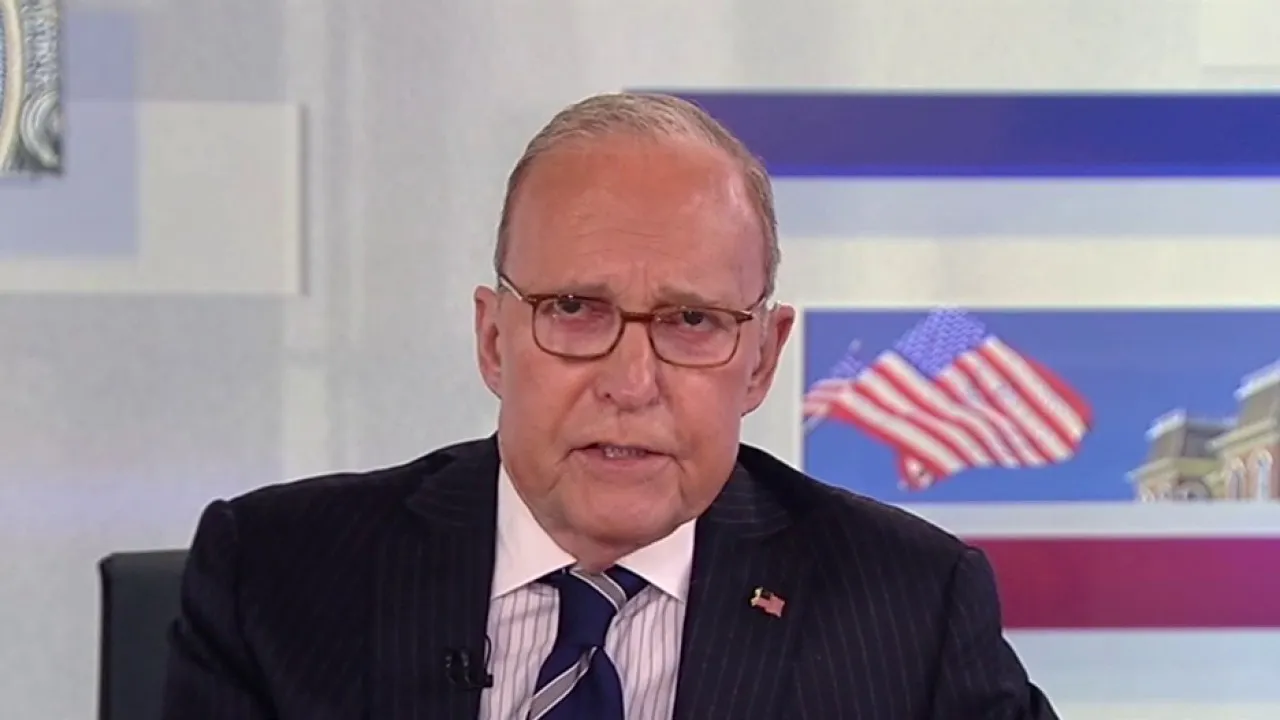
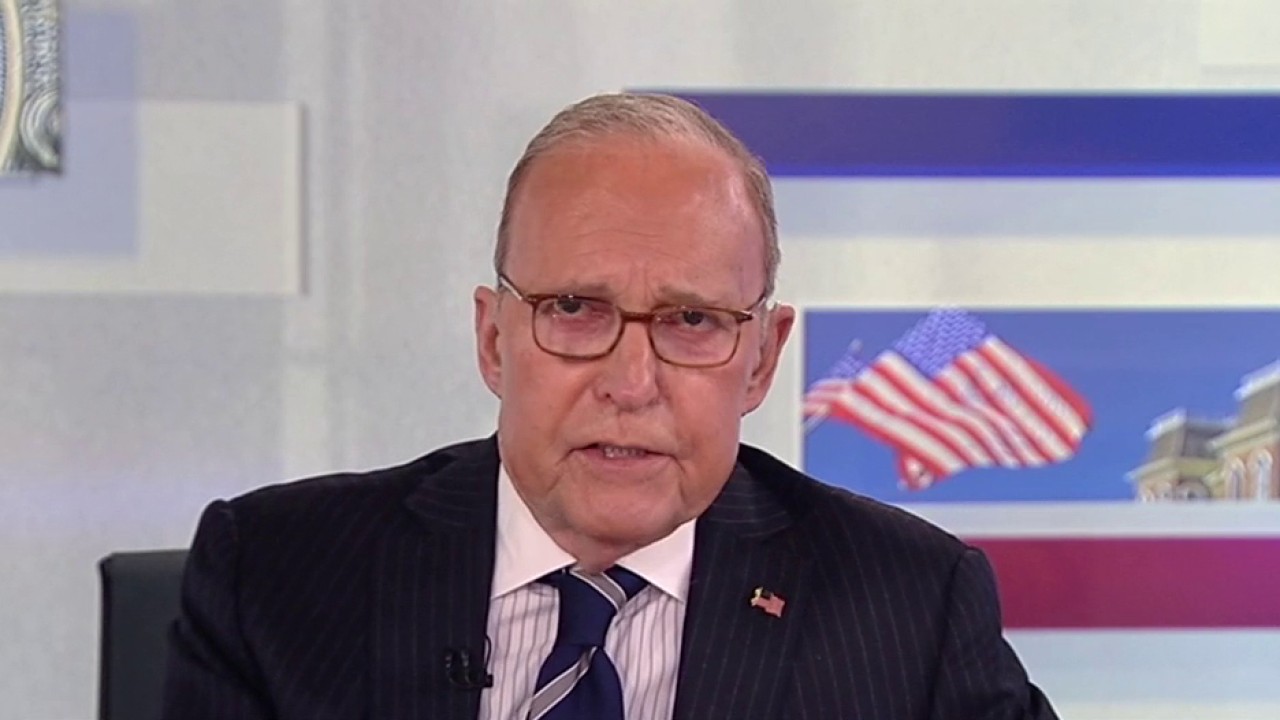
LARRY KUDLOW: Banking, blockading, and the final Iranian financial squeeze

Published

on

LARRY KUDLOW: Hormuz will not stop history

Last week Treasury Man Scott Bessent unveiled Operation Economic Fury to put maximum financial pressure on the hoodlums running the Islamic Revolutionary Guard Corps. I’d like to give that economic fury some more visibility, because I think blockading Iran ports, which will keep the regime out of the money, along with a banking freeze, are two major weapons that will eventually bring the regime to an end.

We know the Iranian ports are being successfully blocked, and it won’t be long until their revenue dries up, and the IRGC, which is basically a government cartel mafioso business operation, won’t even be able to make payroll in the next couple of weeks and their retirement plans will go bust. More than $400 million of losses on a daily basis can really hurt a company. Let’s go a step further. These mob thugs all have bank accounts overseas with the money they have extorted and robbed the citizenry of Iran. Billions and billions of dollars are undoubtedly at stake.

I say these Iranian bank accounts should be seized. Places like Turkey, the UAE, Qatar, Azerbaijan, Pakistan, and I’m sure many others, should hand over the Iranian deposits, and then they could be placed in escrow in a special war account in the Treasury Department. You could say freezing the assets is enough, but I don’t think so. Actual seizure is more comprehensive. And any of these countries who refuse to comply with Operation Economic Fury will be subject to secondary sanctions and tariffs.

For example, that means any transactions by these foreign banks with America and hopefully its allies, would be removed from the international Swift payments ledger system, and would no longer be eligible to undertake financial transactions governed by the New York Fed wire in the United States. This would maximize the financial pressure on the Iranian regime. They have been stealing money and looting the Iranian treasury for decades.

I’m sure they tried to diversify their international portfolios. And for a long time they’ve been getting away with it because they own all these Iranian businesses. And that’s one reason they’re clinging to power against all odds of losing this war to America and Israel.

Here’s one of the key points Mr. Bessent made: “One of the what may prove to be fatal mistakes that the Iranians made was bombing” their “neighbors” in the Gulf Cooperation Council, “and who are now willing to be much more transparent in terms of the funds.”

And it’s not just oil money, it’s the non-oil businesses the IRGC thugs have taken over throughout the years.

Mr. Bessent suggested a freeze which is okay, but frankly I think seizure is more powerful, and I think secondary sanctions are still more powerful.

Banking, blockading, and the final Iranian financial squeeze. We are coming to the end game.

Advertisement
Continue Reading
Click to comment

You must be logged in to post a comment Login

Leave a Reply

Business

KalVista CCO Nicole Sweeny sells $37,642 in company stock

Published

on


KalVista CCO Nicole Sweeny sells $37,642 in company stock

Continue Reading

Business

Warren, Lee raise antitrust concerns over possible United-American merger

Published

on

United merger talk shifts focus to American CEO's future: Experts

A bipartisan pair of senators sent a letter to the CEOs of United Airlines and American Airlines expressing concerns about the possibility of a proposed merger between the two air carriers and requested more information about the impact of a possible deal.

The letter was sent by Sens. Elizabeth Warren, D-Mass., and Mike Lee, R-Utah, who wrote that a merger between United and American would “combine two of the ‘Big Four’ U.S. airlines into an ‘industry behemoth,’ controlling nearly half of the U.S. market share of the airline industry and creating the largest airline on the planet by revenue.”

Advertisement

“Any proposed merger between United Airlines and American Airlines raises serious questions under antitrust law and raises the likelihood of harm for American consumers,” Warren and Lee wrote.

The letter comes after a report that United CEO Scott Kirby proposed a merger with American and asked for the blessing of President Donald Trump on the proposed deal at a late February meeting, according to Reuters. The outlet reported that a source close to the White House was skeptical about the deal’s competitive impact and how it would affect consumers.

UNITED AIRLINES MERGER TALK PUTS SPOTLIGHT ON AMERICAN CEO’S FUTURE, EXPERTS SAY

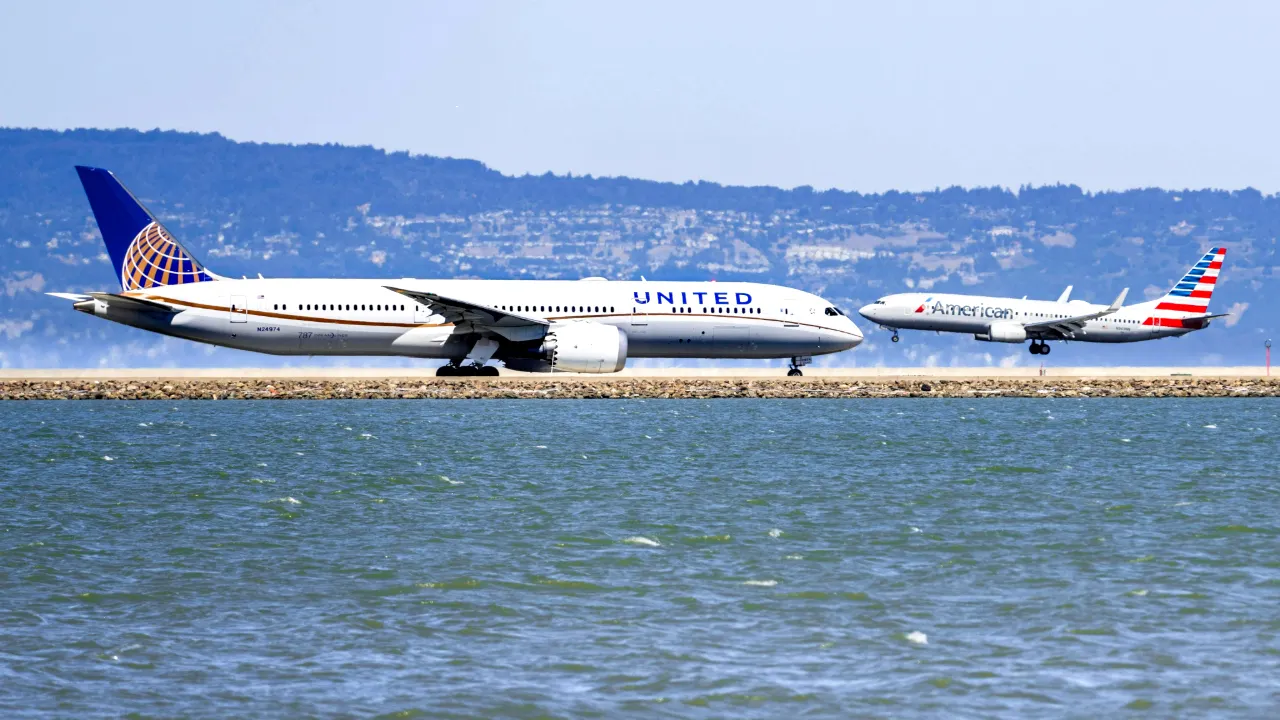
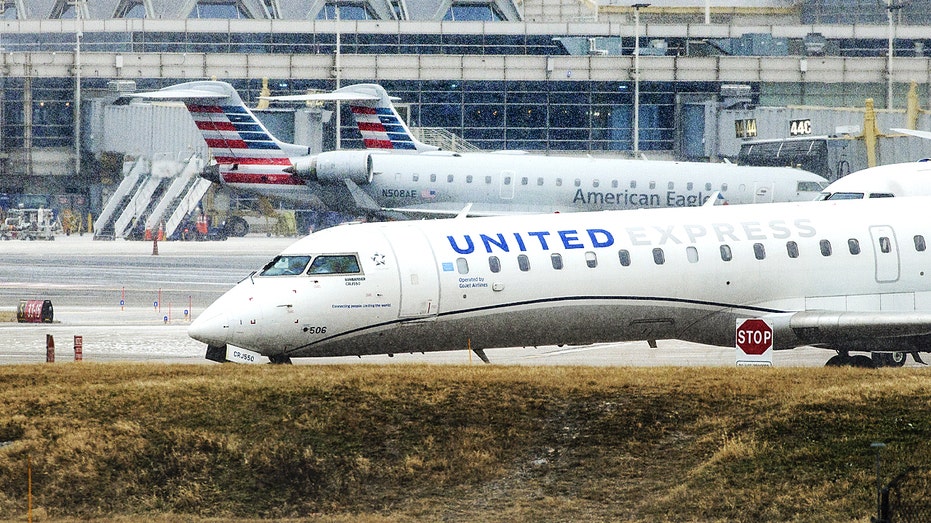
United Airlines and American Airlines planes on DC tarmac

United Airlines and American Airlines are facing questions from a bipartisan pair of senators amid reports the companies are weighing a merger. (Samuel Corum/Bloomberg via Getty Images)

If a potential merger between the two airlines were to move forward, it would likely invite regulatory scrutiny from federal agencies as well as antitrust panels in Congress, such as the Senate subcommittee chaired by Lee.

Advertisement

In their letter, Warren and Lee expressed a number of concerns surrounding the potential for the combined company to raise prices on consumers, hurt smaller airlines’ ability to compete for gate access, and cut routes – particularly those out of Dallas Fort Worth International Airport and Chicago O’Hare International Airport.

UNITED AIRLINES CHECKED BAG FEES CLIMBS $10-50 AS FUEL PRICES NEARLY DOUBLE SINCE IRAN WAR

Ticker Security Last Change Change %
AAL AMERICAN AIRLINES GROUP INC. 12.24 -0.54 -4.23%
UAL UNITED AIRLINES HOLDINGS INC. 98.91 -2.89 -2.84%

They also raised concerns about job losses at a combined airline and creating monopsony power that results in the company “potentially suppressing wages and benefits industry-wide.”

Warren and Lee asked the CEOs of United and American to provide answers as to whether the companies have discussed a deal directly or with other outside parties. They also asked the airlines to justify how such a merger would be in the public interest, along with specific queries about air fares and fees, job losses and the elimination of routes under a merger.

Advertisement

AMERICAN AIRLINES JOINS WAVE OF CARRIERS HIKING CHECKED BAG FEES AS JET FUEL PRICES SKYROCKET

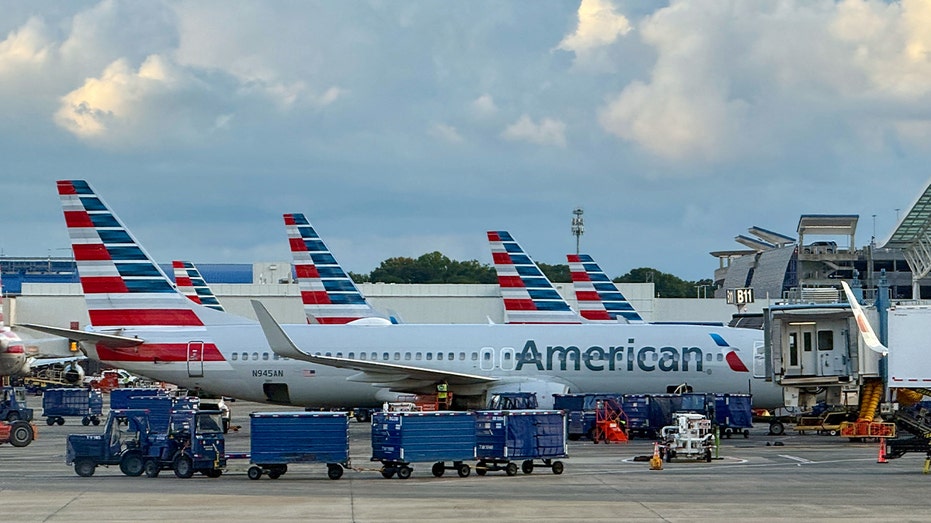
American Airlines

American said that it’s not interested in a merger with United. (Daniel Slim/AFP via Getty Images)

American Airlines said in a statement on Friday that it is “not engaged with or interested in” merger discussions with United.

“While changes in the broader airline marketplace may be necessary, a combination with United would be negative for competition and for consumers, and therefore inconsistent with our understanding of the Administration’s philosophy toward the industry and principles of antitrust law,” the carrier said. “Our focus will remain on executing on our strategic objectives and positioning American to win for the long term.”

GET FOX BUSINESS ON THE GO BY CLICKING HERE

Advertisement

United Airlines declined to comment on Friday.

FOX Business’ Robert McGreevy and Reuters contributed to this report.

Continue Reading

Business

The 20-somethings juggling three jobs to make ends meet

Published

on

The 20-somethings juggling three jobs to make ends meet

While UK unemployment is at a five-year-high, increasing numbers of those in work have more than one job.

Continue Reading

Business

The 'dumb machine' promising a clean energy breakthrough

Published

on

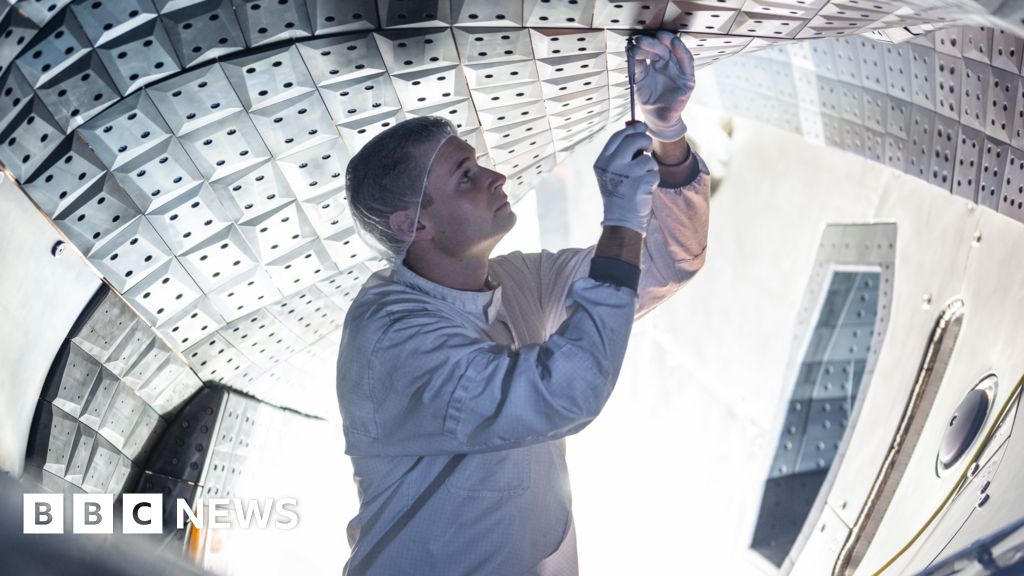
The 'dumb machine' promising a clean energy breakthrough

A stellarator is difficult to build, but could it be the best way to make fusion energy work?

Continue Reading

Business

ServisFirst Bancshares, Inc. (SFBS) Q1 2026 Earnings Call Transcript

Published

on

OneWater Marine Inc. (ONEW) Q1 2026 Earnings Call Transcript

ServisFirst Bancshares, Inc. (SFBS) Q1 2026 Earnings Call April 20, 2026 5:15 PM EDT

Company Participants

Davis Mange – Vice President Investor Relations Accounting Manager
Thomas Broughton – Chairman, President & CEO
Jim Harper – Senior VP & Chief Credit Officer
David Sparacio – Executive VP & CFO

Conference Call Participants

Advertisement

Stephen Scouten – Piper Sandler & Co., Research Division
Stephen Moss – Raymond James & Associates, Inc., Research Division
David Bishop – Hovde Group, LLC, Research Division

Presentation

Operator

Advertisement

Greetings, and welcome to the ServisFirst Bancshares First Quarter Earnings Conference Call. [Operator Instructions]. It’s now my pleasure to turn the call over to Davis Mange, Director of Investor Relations. Davis, please go ahead.

Davis Mange
Vice President Investor Relations Accounting Manager

Good afternoon, and welcome to our first quarter earnings call. We’ll have Tom Broughton, our CEO; Jim Harper, our Chief Credit Officer; and David Sparacio, our CFO, covering some highlights from the quarter and then take your questions. I’ll now cover our forward-looking statements disclosure.

Advertisement

Some of the discussion in today’s earnings call may include forward-looking statements. Actual results may differ from any projections shared today due to factors described in our most recent 10-K and 10-Q filings. Forward-looking statements speak only as of the date they are made, and ServisFirst assumes no duty to update them. With that, I’ll turn the call over to Tom.

Thomas Broughton
Chairman, President & CEO

Davis, thank you. Good afternoon, and thank you for joining our first quarter conference call. We’re really pleased with our start to the year, and I’m going to highlight a few things before I turn it over to Jim Harper to give credit update.

Advertisement

On the loan side, we had pretty solid loan growth for the quarter. Loan growth is usually not very robust in the first quarter, but we did see
Advertisement
Continue Reading

Business

Aston Martin Sues Geely Over Logo Dispute Despite 17% Shareholding

Published

on

Aston Martin Sues Geely Over Logo Dispute Despite 17% Shareholding

The Gaydon-based luxury marque is pressing ahead with trademark action against the Chinese conglomerate that owns a sizeable slice of its share register, in a dispute that underscores the delicate politics of cross-border automotive investment.

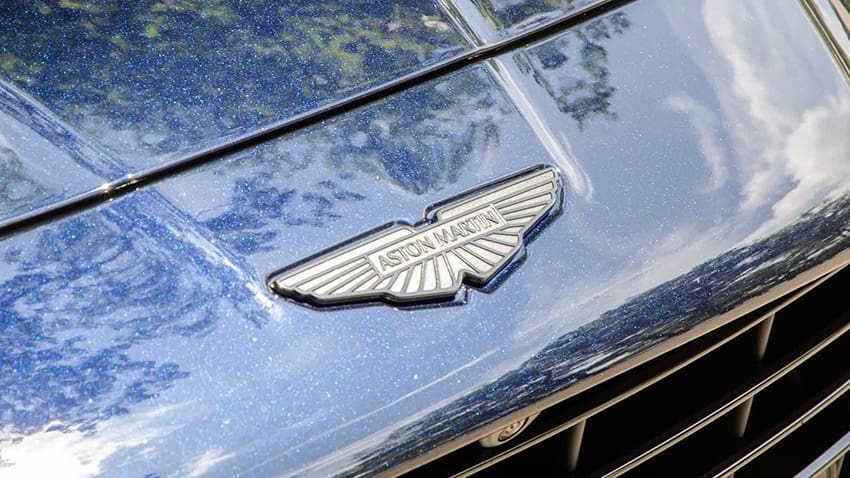
Aston Martin Lagonda has launched legal proceedings against Zhejiang Geely Holding Group, the Hangzhou-headquartered motor group that holds a 17 per cent stake in the British carmaker, over a winged emblem the luxury marque claims is too close for comfort to its own storied badge.

The case, which pits Britain’s most famous sports car manufacturer against one of its largest shareholders, centres on a logo Geely intends to roll out on vehicles produced by its London EV Company (LEVC) subsidiary, the Coventry-based maker of the capital’s black cabs. The design features a horse’s head set within a pair of outstretched wings, and Aston Martin contends that the overall impression sails far too close to the slender winged motif that has adorned its bonnets since 1927.

The row is not a new one, Aston Martin first raised objections in 2022, when Geely sought to register the marks with the UK Intellectual Property Office. The Gaydon firm formally opposed the application the following year, arguing infringement, only for the hearing officer to side with the Chinese group on the basis that consumers were unlikely to mistake an electric taxi for a £150,000-plus grand tourer.

Aston Martin is taking legal action against Chinese part-owner Geely over a winged LEVC taxi logo it claims infringes its 1927 emblem — despite Geely's £245m stake in the British marque.
LEVC logo

That ruling did little to cool tempers at Aston Martin, and the latest legal salvo suggests the board is prepared to press the point despite the awkward shareholder dynamic. Geely acquired its 17 per cent holding for roughly $310m (£245m) in 2023, making it one of the marque’s most significant backers alongside executive chairman Lawrence Stroll’s Yew Tree consortium and Saudi Arabia’s Public Investment Fund.

For Geely, the London taxi business is a strategically important British asset. The group has been quietly assembling a portfolio of UK marques over the past decade, with Lotus now firmly in its stable alongside LEVC. Its involvement at Aston Martin was initially welcomed as a source of both capital and potential manufacturing expertise at a moment when the British firm has been burning through cash to fund its electrification programme.

Advertisement

The dispute also comes at a bruising time for Aston Martin’s brand stewardship. The company recently saw 007 defect to the silver screen behind the wheel of a BYD, a coup for the rival Chinese electric-vehicle maker and a blow to a marque whose cultural cachet has long been bound up with the James Bond franchise.

In public, both parties are playing down the significance of the row. Aston Martin has declined to comment further on live proceedings, while Geely has characterised the matter as a routine trademark dispute and insisted it remains committed to a professional working relationship with the Gaydon marque as both business partner and investor.

Trademark lawyers watching the case note that the outcome will hinge on whether the courts accept that the average buyer, whether of an Aston Martin DB12 or an LEVC electric cab, could be confused or whether Aston’s goodwill in the wings motif is being unfairly exploited. What is already clear is that having a Chinese partner on the share register is no guarantee of a quiet life in the intellectual property courts.


Paul Jones

Harvard alumni and former New York Times journalist. Editor of Business Matters for over 15 years, the UKs largest business magazine. I am also head of Capital Business Media’s automotive division working for clients such as Red Bull Racing, Honda, Aston Martin and Infiniti.

Advertisement

Continue Reading

Business

Morning Headlines

Published

on

Morning Headlines

States given ultimatum on NDIS

Continue Reading

Business

SoftBank-backed AceVector files updated IPO papers; targets to raise Rs 300 cr via fresh issue

Published

on

SoftBank-backed AceVector files updated IPO papers; targets to raise Rs 300 cr via fresh issue
SoftBank-backed digital-commerce ecosystem AceVector Ltd has filed updated draft papers with markets regulator Sebi for an initial public offering (IPO), which will include a fresh issue of shares worth Rs 300 crore.

In addition to the fresh issue, the IPO will also involve an offer-for-sale (OFS) of 6.38 crore shares by existing shareholders, according to the updated draft red herring prospectus (UDRHP).

As part of the OFS, promoter Starfish I Pte Ltd and other shareholders Nexus, Wonderful Star Pte Ltd, Kenneth Stuart Glass, Jason Ashok Kothari, Priyanka Shreevar Kheruka, Rupen Investment and Industries, and Centaurus Trading and Investments will offload their holdings.

Despite the share sale by several investors, AceVector’s promoters and founders Kunal Bahl and Rohit Bansal, who together hold a 23.56 per cent stake, will not participate in the OFS. However, another promoter entity Starfish, which owns 30.68 per cent stake in the company, will be divesting part of its stake.

Advertisement

The company plans to use the IPO proceeds to strengthen technology infrastructure, support marketing and business promotion for Snapdeal, pursue inorganic growth through acquisitions, and meet general corporate requirements.


The Gurugram-based company operates Snapdeal, a value-focused lifestyle e-commerce marketplace; Unicommerce, an e-commerce enablement SaaS platform; and Stellaro Brands, an omnichannel consumer brands arm.
Financially, AceVector reported operating revenue of Rs 244 crore in H1 FY26, up 34 per cent from Rs 181 crore in H1 FY25. During the same period, its adjusted EBITDA loss narrowed significantly to Rs 9.2 crore from Rs 28 crore a year earlier.

AceVector had initiated its IPO journey earlier this year by filing confidential draft papers with Sebi in July and subsequently securing approval in November. By opting for the confidential pre-filing route, the company gained the flexibility to delay public disclosure of IPO details until the later stages.

Continue Reading

Business

QGRO Can Deliver Healthy Risk-Adjusted Returns In 2026

Published

on

QGRO Can Deliver Healthy Risk-Adjusted Returns In 2026

QGRO Can Deliver Healthy Risk-Adjusted Returns In 2026

Continue Reading

Business

Warren Buffett is buying, Michael Burry is shorting: The AI trade splitting Wall Street

Published

on

Warren Buffett is buying, Michael Burry is shorting: The AI trade splitting Wall Street
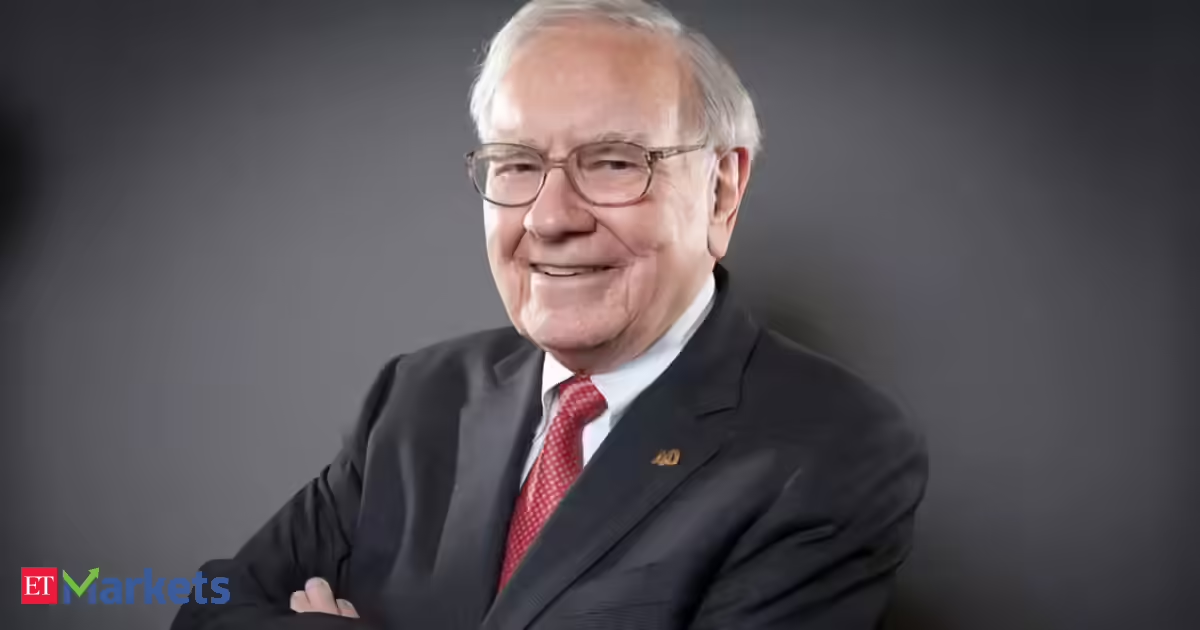
Warren Buffett and Michael Burry, two investors closely watched across global markets, are taking diametrically opposite positions on the artificial intelligence frenzy, setting up a rare, high-stakes clash over whether Silicon Valley’s hottest trade is a once-in-a-generation opportunity or a bubble waiting to burst. Their positions, revealed in recent disclosures and letters, come as concerns about an AI bubble gain mainstream attention while investors continue pouring capital into the sector.

Buffett’s Berkshire Hathaway last month unveiled a large new stake in Alphabet, instantly propelling the Google parent into Berkshire Hathaway’s top 10 holdings. The move is widely seen as an endorsement of Alphabet’s heavy AI investments and the market’s view of the company as a frontrunner in the AI race.

The investment comes at a moment of transition for Berkshire. Buffett announced in May that he will step down as CEO at the end of this year, though he will retain his stock, handing the reins to vice chairman Greg Abel after decades at the helm of a company that began as a Nebraska textile mill and grew into one of the most influential conglomerates in American finance.

Burry doubles down on his skepticism

Michael Burry, however, is moving in the opposite direction. The investor who famously profited from betting against the U.S. housing market in 2008 has taken new short positions in Palantir and Nvidia, two of the highest-profile beneficiaries of the AI boom.He has been particularly critical of accounting practices across Big Tech, arguing that companies “have been systematically increasing the useful lives of chips and servers, for depreciation purposes, as they invest hundreds of billions of dollars in graphics chips with accelerating planned obsolescence.”

Advertisement

Burry is also in a period of transition. Scion Asset Management, his hedge fund, will close by year-end. In a recent investor letter, he wrote that his “estimation of value in securities is not now, and has not been for some time, in sync with the markets.” He has since launched a financial newsletter, Cassandra Unchained, where he continues to express skepticism about the AI boom.

A market split as AI hype peaks

Their opposing moves come as even industry leaders begin to acknowledge stretched expectations. Sam Altman, CEO of OpenAI, has voiced concerns about the pace and scale of speculative fervor surrounding artificial intelligence.
Still, capital continues to flood the sector, and the disagreement between two investors of such high reputation underscores the uncertainty in the market. Buffett turned Berkshire Hathaway into one of the most recognizable names in American investing, while Burry inspired Michael Lewis’s The Big Short and the film adaptation starring Christian Bale.Now, with both navigating turning points in their own careers, the divergence in their AI positions is emerging as one of the most closely watched splits in the market—one that could signal whether the boom is built on solid ground or heading toward another historic correction.

(Disclaimer: Recommendations, suggestions, views and opinions given by the experts are their own. These do not represent the views of The Economic Times)

Continue Reading

Trending

Copyright © 2025