
Tech
Mastodon says its flagship server was hit by a DDoS attack

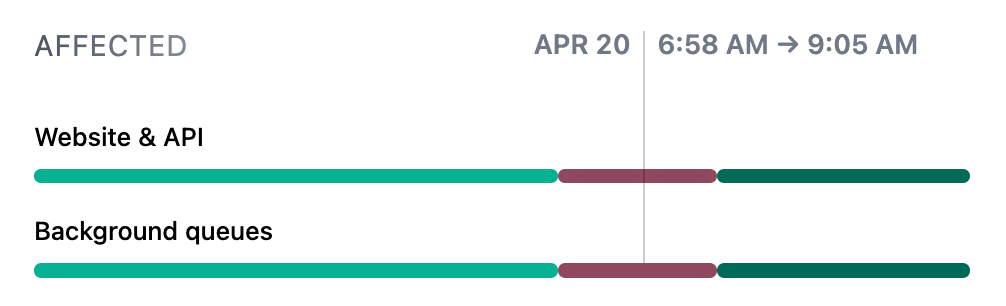
Mastodon’s flagship server was hit by a distributed denial-of-service attack on Monday, the social networking software maker said, which rendered the instance unusable at times.
Much of the site was inaccessible, throwing error messages or displaying a full-screen outage warning.
The makers of the decentralized social networking software, which runs its official mastodon.social instance, said in a status update at around 7 a.m. ET on Monday that it was investigating the cyberattack.
By 9:05 a.m. ET, Mastodon said it implemented a “countermeasure against the DDoS attack, and the site is accessible.” However, the company warned that some instability may continue to be seen as the attack is ongoing.
The cyberattack targeting Mastodon comes days after Bluesky, another decentralized social network, resolved much of its days-long outages following a lengthy DDoS attack. As of Bluesky’s update on April 17, the DDoS attack continues, but its service has been stable since April 16 at 9 PM PDT. Today’s update confirmed the ongoing stability.
Representatives for Mastodon did not immediately comment on the cause of the cyberattack when contacted by TechCrunch.

Distributed denial-of-service (DDoS) attacks rely on sending massive amounts of junk web traffic towards an app or website’s servers, with the aim of knocking them offline. These cyberattacks don’t involve data theft, but DDoS attacks can be disruptive to users.
DDoS attacks have become exponentially more powerful over the years. Last year, network security company Cloudflare said it mitigated what it says is the largest DDoS attack to date, measuring a peak of 29.7 terabits per second, the equivalent of filling up thousands of hard drives with data every minute.
When aimed at decentralized social networking services, the attacks can cause instability and outages, but not everyone is taken offline. In Bluesky’s case, for instance, those who had moved their account to other providers, like Blacksky, which run on the same protocol and interoperate with Bluesky, were not impacted.
Similarly, the attack on Mastodon has so far targeted only the larger server (mastodon.social) and not the many smaller instances that make up the full Mastodon social network.

Google announced Monday that it’s making its Gemini in Chrome feature available in seven new markets, including Australia, Indonesia, Japan, the Philippines, Singapore, South Korea, and Vietnam. The company is rolling this feature out to both desktop and iOS in all of these countries except Japan.
The company has been integrating AI and Gemini in more ways into Chrome since last year through a floating window.
Earlier this year, the company introduced a sidebar-based assistant that would help users answer questions across tabs, and also utilize the Personal Intelligence feature of Gemini, which lets users connect to services like Gmail and Google Photos, for personalized answers. Users can also schedule meetings with Calendar, check location details with Maps, and draft and send emails with Gmail through this feature in Chrome.
Users can also transform images on the web. using Nano Banana 2 in the sidebar.
Gemini in Chrome was available to U.S.-based users through the January launch, and the company expanded the availability to India, Canada, and New Zealand in March.
With this launch, Gemini in Chrome is available in more countries. However, the company’s agentic feature, which can control your browser window to complete tasks on your behalf, is in testing and only available to users of AI Pro and AI Ultra paid plans in the U.S.
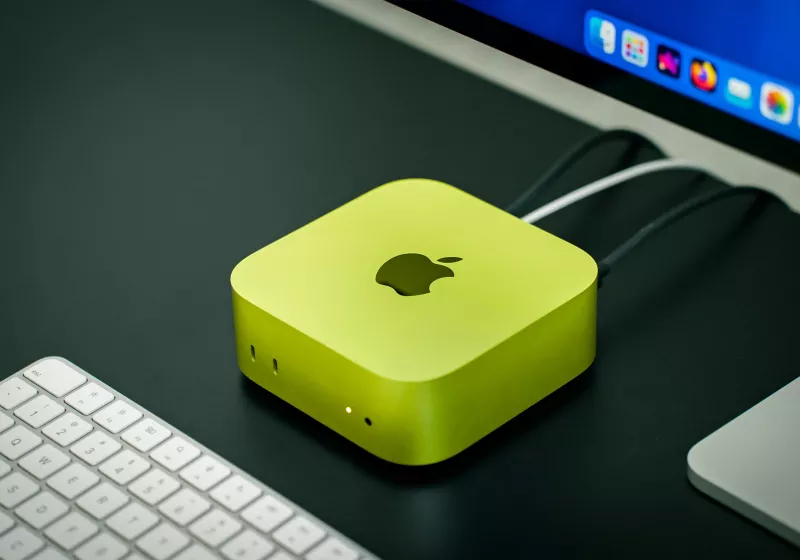
The MacBook Neo has done something Apple almost never does: it surprised the industry. When Asus co-CEO described Apple’s $599 laptop as a genuine “shock” to the Windows PC market, he wasn’t being dramatic. PC makers had spent years safely assuming Apple would never touch the sub-$700 segment. That assumption…
Read Entire Article
Source link
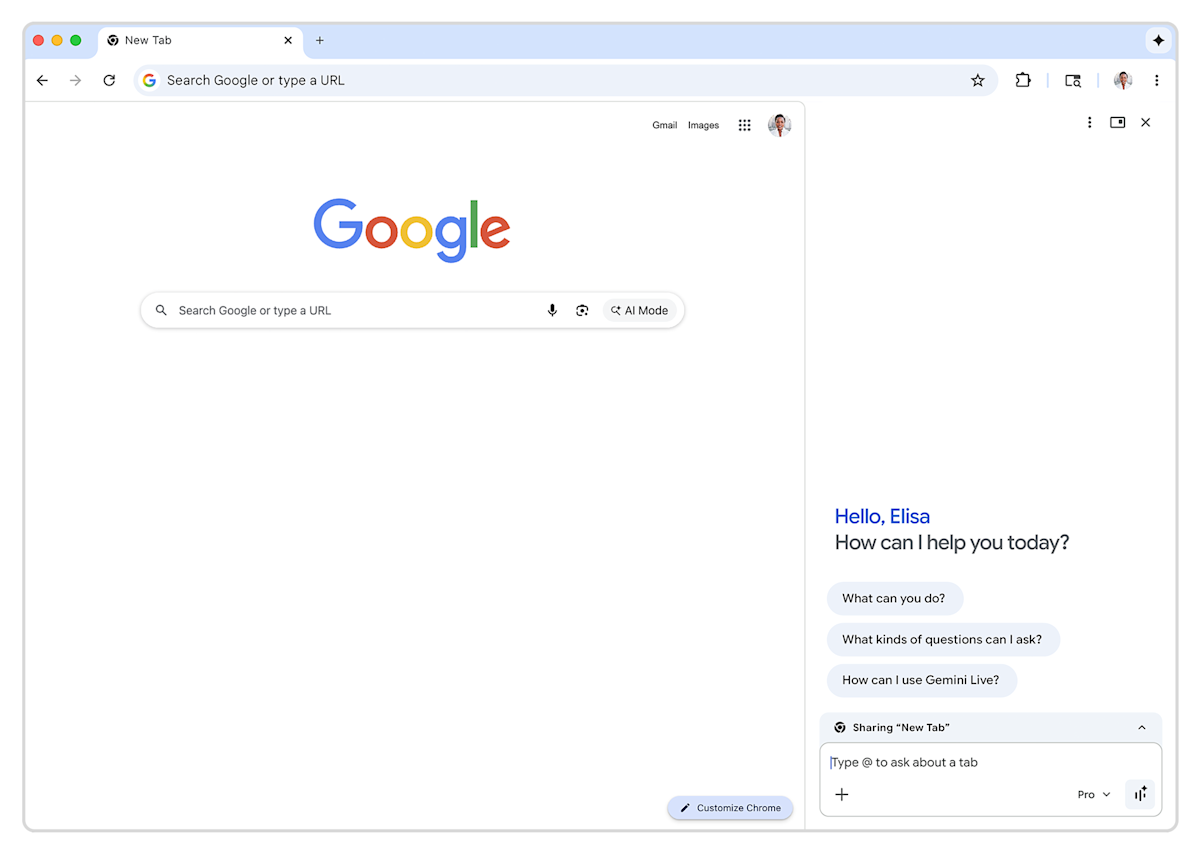
After debuting in the US, Gemini in Chrome is making its way to more markets. Starting today, Google is rolling out Chrome’s built-in chatbot to users in countries in East Asia and the Pacific, including Australia, Indonesia, Japan, the Philippines, Singapore, South Korea and Vietnam. The expansion comes after Google earlier this year made Gemini in Chrome available to people in Canada, India and New Zealand.
With the exception of Japan, where Google isn’t making the new suite available on iOS just yet, everyone else in the countries mentioned above can access Gemini in Chrome through Chrome’s desktop browser, and the app on their iPhone or iPad. To get started, just tap the “Ask Gemini” icon at the top right of the screen. It will open a new sidebar Google introduced at the start of the year where you can chat with Gemini across every open tab. From there, you can also access Google’s in-house image generator, Nano Banana 2. As you would expect, the suite offers integrations with Google’s other apps, allowing you, for instance, to add events to Calendar without leaving the interface.
If you don’t want to use Gemini, you can right click on the shortcut to unpin it from the top of the interface.

Amazon is now running the same playbook with both of the world’s top AI labs.
Two months after investing $50 billion in OpenAI and striking a $100 billion cloud deal, Amazon announced a similar arrangement Monday with its original AI partner, Anthropic: up to $25 billion in new investment and a $100 billion-plus commitment to AWS over 10 years.
The deal also secures Anthropic up to 5 gigawatts of capacity on Amazon’s custom Trainium chips, a direct rebuttal to OpenAI’s claim last week that Anthropic made a “strategic misstep to not acquire enough compute” and was “operating on a meaningfully smaller curve.”
In a blog post announcing the expanded Amazon deal, Anthropic acknowledged that surging consumer demand has strained its infrastructure, impacting reliability during peak hours — a pressure the expanded AWS deal is designed to relieve.
For perspective, a large nuclear power plant produces about 1 gigawatt, so Anthropic is securing the computing equivalent of up to five nuclear plants’ worth of capacity.
As part of the deal, the full Claude Platform will be available directly within AWS, letting customers access Anthropic’s tools through their existing AWS account, billing, and security controls — a deeper integration than offering Claude through Amazon’s Bedrock marketplace.
Amazon is investing $5 billion in Anthropic now, with up to $20 billion more tied to commercial milestones, on top of the $8 billion it previously invested, dating back to 2023, when Amazon first backed Anthropic.
The initial investment is at Anthropic’s latest valuation of $380 billion.
It comes as both Anthropic and OpenAI prepare for potential IPOs, with each company seeking to demonstrate the long-term capacity commitments that public market investors will expect.
“Our users tell us Claude is increasingly essential to how they work, and we need to build the infrastructure to keep pace with rapidly growing demand,” said Anthropic CEO Dario Amodei in a statement, noting that more than 100,000 customers are building on Claude through AWS.
Microsoft has also invested in both labs — putting more than $13 billion into OpenAI and up to $5 billion into Anthropic. The two Seattle-area tech giants are now placing parallel bets on the same two AI companies, each jockeying for position as AI reshapes the cloud market.
“Anthropic’s commitment to run its large language models on AWS Trainium for the next decade reflects the progress we’ve made together on custom silicon,” said Amazon CEO Andy Jassy in a statement.
Anthropic’s cloud commitment spans Amazon’s Trainium2 through Trainium4, with the option to purchase future generations of Amazon’s custom silicon as they become available. The companies said nearly 1 gigawatt of Trainium2 and Trainium3 capacity will come online by the end of this year, and that Anthropic currently uses more than 1 million Trainium2 chips to train and serve Claude.
Mastodon seems to be recovering after a Distributed Denial of Service (DDoS) attack that took down its primary mastodon.social instance. As TechCrunch notes, the platform began reporting issues early Monday morning as much of the Mastodon-operated server became inaccessible.
It’s not clear who might be behind the attack, but Mastodon’s head of communications Andy Piper described it as a “major” incident. A couple hours later, Mastodon shared on a status page that it had implemented countermeasures and that users should be able to access mastodon.social once again. Piper said that “some ongoing instability is a possibility” as the site recovered. It’s unclear if any other instances of the service were also targeted; mastodon.social is run directly by the nonprofit and is the largest server on the federated platform.
Mastodon is the second decentralized platform to be targeted with a DDoS in recent days. Last week, Bluesky also dealt with a significant DDoS incident that took parts of the service offline for several hours. The company posted what it said was its final update Monday morning, saying that its service had “remained stable” and that there was “no evidence of unauthorized access to private user data.” A few hours later, however, it seemed Bluesky was once again experiencing some issues, though the cause was unclear. Its official status page was down, and a post from its server status account indicated that there were “elevated errors and timeouts on some Bluesky-hosted services.” Bluesky said it was investigating.
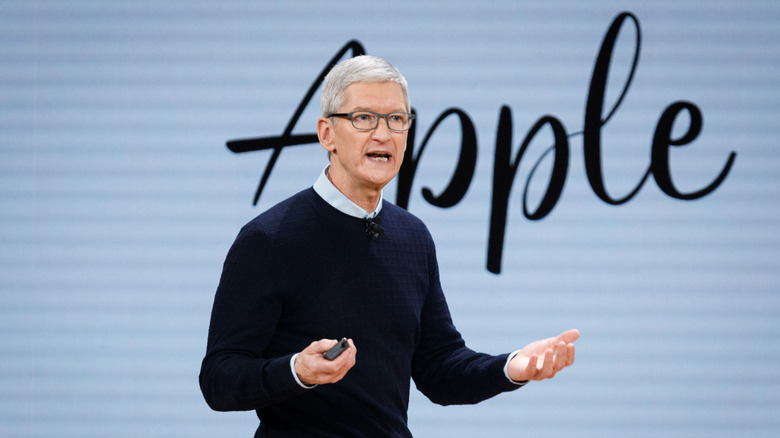
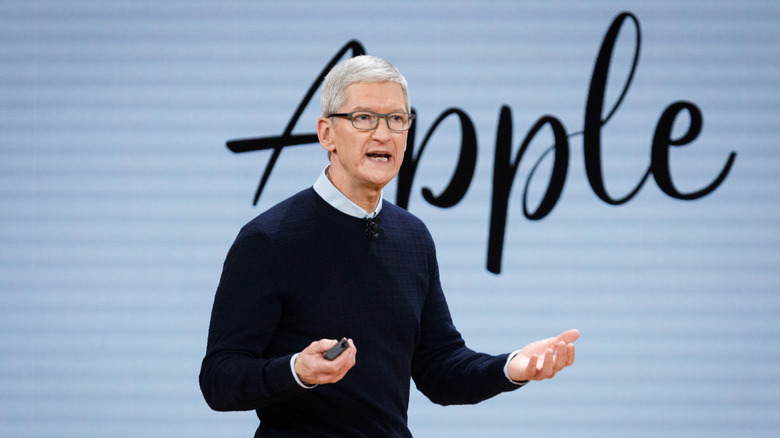
Apple’s Tim Cook is stepping down as chief executive officer, and will be replaced by John Ternus, currently senior vice president of Hardware Engineering, the Cupertino company announced today. Cook will step into a new role as executive chairman of Apple’s board of directors on September 1st, 2026. It’ll bring to an end fifteen years of Cook as Apple CEO, a position he took after Steve Jobs’ resignation.
It proved to be a controversial — though lucrative — period. Apple’s massive growth, during similar boom periods across the technology industry, saw the iPhone-maker double revenue and profit.
Cook also became known for a less intense management style than Jobs, though the products Apple released while he has been at the helm have not been universally successful. Although the Apple Watch and AirPods have undoubtedly helped shape the company’s fortunes, other — more ambitious — projects like Apple Vision Pro are yet to pay off in the same way.
A hardware guy at the helm
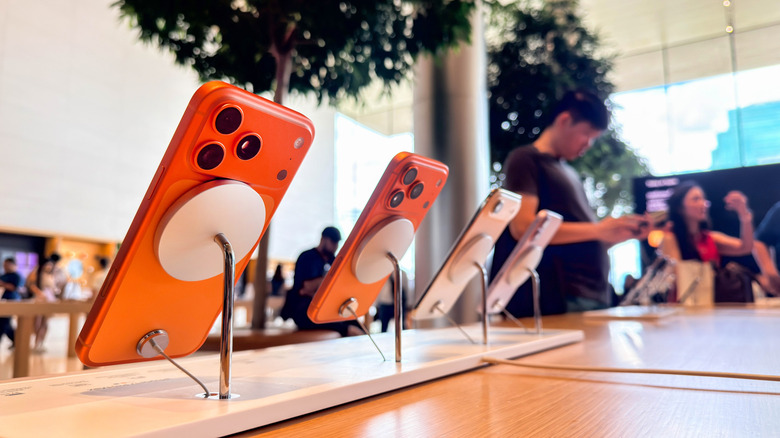
Cook will be replaced in September by John Ternus, who has spent more than 25 years with Apple. Currently senior vice president of Hardware Engineering, Ternus will work with Cook over the summer before taking over full CEO responsibilities.
“As executive chairman,” Apple said today, “Cook will assist with certain aspects of the company, including engaging with policymakers around the world.” That policy involvement has proved divisive in recent years, not least as Apple and the rest of the tech industry has attempted to navigate the whims of the Trump Administration in the U.S.
In August 2025, Cook visited the White House to deliver a statue — made of 24 karat gold and the same Corning toughened glass that protects the iPhone and other Apple products — with the meeting taking place shortly after Trump threatened tariffs on imported electronics like microchips.
John Ternus, meanwhile, will be replaced by Johny Srouji, currently senior vice president of Hardware Technologies. Srouji is credited with helping Apple’s wildly successful push into developing its own silicon, chips that have come to power not only the iPhone and iPad, but Mac products such as the most recent MacBook Neo.

Our picks
Why we chose these providers
Sort by

Best fiber internet provider overall

Best cheap fiber internet plan

Best perks with fiber internet

Best price guarantee among fiber providers

Best fiber provider for gig and multi-gig internet

Best fiber provider for T-Mobile customers

Best rural fiber internet provider
$25 – $90 (fiber prices) per month

Fastest fiber internet provider
BROADBAND DEALS OF THE WEEK
Deals are selected by the CNET Group commerce team, and may be unrelated to this article.
What is the best fiber internet provider?
Among all the internet connection types we’ve tested — we’ve tried them all — fiber internet always comes out on top. According to a new CNET survey, 42% of US adults experienced inconsistent internet speeds and connectivity; fiber internet handles such scenarios with ease.
And when it comes to which is the very best, CNET’s pick for the best fiber internet service provider in the country is AT&T Fiber. That’s thanks to its consistency, high customer satisfaction ratings and fast symmetrical speeds. AT&T Fiber is a crowd-pleaser and consistently gets top marks in customer satisfaction surveys, likely due to its variety of plans, competitive pricing and customer-friendly service terms. There’s a lot to like — but only if you can get it at your address.
In terms of availability, high speeds and straightforward pricing, I wouldn’t pass on Frontier Fiber, Quantum Fiber, Kinetic by Windstream or Verizon Fios, either. But if these providers aren’t available at your address, regional providers deserve some love, too. Providers like Brightspeed, Metronet or Ziply Fiber — the fastest ISP nationwide — may offer fast internet service in your area.
It’s important to note that fiber internet isn’t the most broadly available internet connection type. According to the latest Federal Communications Commission data, approximately 52% of the US population has access to a fiber connection. Still, CNET considers fiber the gold standard of home internet connections and a sure way to future-proof your home. Let’s take a closer look at what the top fiber ISPs in the country have to offer.
Best fiber internet providers
300 – 5,000 Mbps
$55 – $250 per month
Our take – AT&T has the greatest availability of any fiber provider, extending service to more than 16 million potential customers across 22 states. Compared to other big-name providers, AT&T is among the cheapest when considering cost per Mbps and there are no hidden fees. However, if all you can get is AT&T’s fixed wireless plans, you’re better off looking into Frontier Fiber and Verizon Fios.
300 – 5,000 Mbps
$55 – $250 per month
500 – 5,000 Mbps
$50 – $155 per month
Our take – Frontier Communications recently expanded its fiber internet coverage to 19 states and then rolled out a new multi-gig service to the entire footprint simultaneously, becoming the first major ISP to do so on such a wide scale.
500 – 5,000 Mbps
$50 – $155 per month
300 – 2,000 Mbps
$50 – $120 per month
Our take – Verizon Fios is up there with AT&T Fiber and Frontier Fiber in terms of speed, pricing and service terms. The cheapest tier, which starts at just $50 a month, comes with download and upload speeds of up to 300Mbps. The next speed level — 500Mbps for $75 monthly — also carries decent value, but the gigabit service at $90 is priced the same or a touch higher than you’ll find with other fiber providers.
300 – 2,000 Mbps
$50 – $120 per month
200 – 8,000 Mbps
$45 – $165 per month
Our take – If you thought Verizon Fios’s price lock guarantee was great, Quantum Fiber offers a price-for-life guarantee for all plans. You can choose from two main plans: 500Mbps for $50 monthly or 940Mbps for $70 monthly. Select locations may have the choice of faster speeds, including the 3,000Mbps and 8,000Mbps tiers.
200 – 8,000 Mbps
$45 – $165 per month
1,000 – 8,000 Mbps
$70 – $150 per month
Our take – If you’re eyeing gig or multi-gig speeds, GFiber is the provider for you. Plans start at gig speed and only go up from there. With these starting speeds, the starting monthly rate of $70 is understandably higher than many internet providers.
1,000 – 8,000 Mbps
$70 – $150 per month
500 – 2,000 Mbps
$65 – $95 per month
Our take – T-Mobile has been dominating the 5G home internet market for the past few years. Now it’s offering fiber internet in more than 175 cities after its April 2025 acquisition of Lumos Fiber. When it comes to pricing, T-Mobile Fiber is almost in line with other fiber providers on our list: $65 a month for 500Mbps, $75 a month for 1-gig and $95 a month for the 2-gig plan.
500 – 2,000 Mbps
$65 – $95 per month
100 – 2,000 Mbps
$25 – $90 per month
Our take – Formely known as Windstream, Kinetic is one of our top rural internet providers, bringing high-speed connections to underserved places. Targeting North Carolina and Texas, Kinetic has announced plans to expand its fiber network from nearly 2 million homes to 3.5 million by 2029.
100 – 2,000 Mbps
$25 – $90 per month
100 – 50,000 Mbps
$20 – $900 per month
Our take – Ziply Fiber rolled out a ridiculously fast 50-gig plan across its entire Northwest footprint in Idaho, Montana, Oregon and Washington, making it the fastest internet provider nationwide.
100 – 50,000 Mbps
$20 – $900 per month
Fiber internet honorable mentions
- Brightspeed: A relatively new DSL and fiber internet provider, Brightspeed operates networks in many markets in the eastern half of the US that were previously owned by Lumen Technologies (CenturyLink, Quantum Fiber). Fiber service starts at just $30 per month for speeds up to 200Mbps. Your equipment is also free with the fiber plans.
- Metronet: As one of the largest independently owned fiber internet companies, Metronet has a smaller footprint than other fiber providers. But it still offers fast speeds for decent prices. Based in Evansville, Indiana, Metronet is available primarily to cities in the Midwest. Service starts at $30 monthly for 100Mbps. Select areas can see speeds as fast as 2,000 or 5,000Mbps for $80 and $110 per month, respectively. Last year, T-Mobile announced plans to purchase Metronet; the FCC has yet to approve the sale.
- Optimum: Optimum is primarily a cable internet provider, but it has a growing fiber network, particularly in the Greater NYC area. Approximately 2.8 million households are available for fiber service there. Optimum offers six plans for houses eligible for fiber, 300-,500-,1-gig, 2-gig, 5-gig, and 8-gig plans, which range in cost from $40 to $280 a month. It’s important to note that only select households may have access to the multi-gig plans.
What is fiber internet?
Fiber-optic internet sends data as light signals via thin glass wires either straight to the home, known as FTTH, or to an access point just outside the home, commonly referred to as fiber to the node or fiber to the curb. The technology allows for higher bandwidth and faster data transmission than any other connection type and has the unique capability of delivering symmetrical or near-symmetrical download and upload speeds.
Fiber internet uses a different type of modem than DSL or the DOCSIS equipment used for cable. In fact, fiber technically doesn’t use a modem at all but an optical network terminal that performs the same function. To learn more, read our fiber internet explainer.
Why choose fiber internet?
Your internet speeds, reliability and overall experience don’t depend solely on your internet provider. The technology your ISP uses to run service to your home makes a big difference in what speeds you get. Here’s why fiber internet stands out as the leading connection type:
- Speed, upload and download. Fiber internet is the fastest internet connection type with speeds up to 1,000Mbps and higher available from nearly every fiber ISP. The technology also has the added benefit of delivering symmetrical (or nearly symmetrical) upload speeds. Upload speeds are more important than you think, so fast speeds are nice to have when gaming online, uploading posts to social media, or taking a video call.
- Reliability. Many fiber ISPs (AT&T Fiber, Frontier Fiber, Quantum Fiber, Verizon Fios included) claim over 99% reliability. A fiber-to-the-home connection also ensures speed consistency and reliability during peak usage times.
- Value. Fiber internet providers have some of the highest-priced plans, but the slower, cheaper plans are often comparable to service from cable or 5G providers. Considering cost per Mbps and the added advantages of a fiber-optic connection, fiber plans often present the best overall value.
How you can shop for fiber internet like a pro
Fiber internet is the best type of service for most homes, but there’s more to choosing a provider and plan than the connection type. Here are some tips to keep in mind when shopping for fiber internet service.
Availability. Fiber internet is not available in nearly as many homes as cable, DSL, satellite or even 5G internet. Only around 48% of US households are wired for fiber-optic internet. In most cities, availability can vary from one neighborhood to the next and is even harder to come by in suburban and rural areas.
Speeds. Fiber internet has the fastest upload and download speed potential of any type of internet. Many of the top providers offer speed tiers up to 2,000Mbps (2Gbps), 5Gbps and higher. While the blazing-fast speeds are tempting, they’re likely to be faster than your home needs. Check out our guide to finding the right internet speed for help selecting a fiber plan that best meets your needs.
Price. If you’re looking for cheap internet, fiber may not be your best option. It’s true that fiber internet plans are often the best value, but you may find cheaper options from cable or 5G providers.
A few fiber providers offer plans with starting prices as low as $30 per month, but you’re more likely to pay at least $50 per month for fiber internet. Cable internet providers including Cox, Mediacom, Xfinity and others have lower-priced plans in many areas. If you are a T-Mobile Magenta Max or Verizon wireless customer, you could get 5G home internet for the discounted price of $25 to $35 per month.
Bundles. Should you bundle your internet service? Few fiber providers offer a TV service, meaning you may not be able to bundle internet and TV together with the same provider if you choose a fiber internet service. In the days of streaming and cord-cutting, that may not be a deal-breaker for you, but it’s something to keep in mind if you’re shopping for both services.
How we evaluate fiber internet providers
Testing an internet provider the same way CNET tests other products and services is, at best, impractical. Instead, we rely on extensive research of each provider to develop our reviews and recommendations.
When comparing fiber internet providers, availability, speeds and overall value are at the center of our evaluations. We also examine added fees, data caps, contract requirements, customer satisfaction reports and other factors that could affect your quality of service or customer experience.
We refer to the Federal Communications Commission at FCC.gov for availability data and the type of network a provider uses. We then research a provider’s speeds, pricing and service terms through various channels, such as the provider’s website and our historical data. When possible, we contact the provider directly to confirm pricing and speed details.
Finally, to develop a more well-rounded perspective of the provider, we consider customer satisfaction reports from the American Customer Satisfaction Index and J.D. Power, as well as customer reviews and complaints from sources such as the Better Business Bureau, Downdetector.com and even Reddit. (Downdetector is owned by the same parent company as CNET, Ziff Davis.)
Before writing our reviews and compiling best lists, we research anything and everything the typical shopper would want to know prior to signing up for home internet service. Read our piece on how we review internet providers to learn more about our review process.
Best fiber internet providers recap
If fiber internet service is available in your area, it’s probably worth getting, especially if any of the providers listed above is an option. AT&T is easiest to recommend thanks to its high availability, low costs and favorable service terms, but Verizon Fios is a close second with low pricing, high customer satisfaction and lots of perks for signing up. GFiber, Frontier Fiber, Kinetic, Quantum Fiber and Ziply Fiber round out the list of ideal options, while providers like Metronet, Optimum and others are worth a look, too, if available in your area.
Ziply Fiber has the fastest speed tier of any major fiber internet provider, with max speeds of 50,000Mbps, or 50Gbps. Many other fiber providers top out at 5Gbps, 2Gbps or 1Gbps.
Fiber internet is not cheap. The faster the speeds, the more costly your monthly bill will likely be. Starting plans with fiber internet typically range from $30 to $50 a month, with gigabit service ranging from $60 to $90 a month. While there are cheaper plans available with cable or 5G internet service in select areas, fiber service is likely to come with better speed and connection quality for the price.
Not likely. While the potential of 5G home internet is promising, it doesn’t currently offer the speed or reliability that comes with a fiber-optic connection. That said, the wireless delivery method is rapidly expanding in availability and becoming a popular option among home internet users. Cellular internet and 5G are a viable alternative in areas where fiber connections are not yet available.
If fiber hasn’t reached your address yet, I’m sorry to say you’ll just have to be patient, as providers are actively expanding their fiber networks across the US. You’re more likely to see fiber come to your neighborhood if you live in a city or densely populated area, but providers like Windstream and Quantum Fiber show that fiber access in suburban and rural areas is also obtainable. Check out if fiber internet is available in your area.
When it comes to internet speeds, fiber internet has every other type of connection beat. However, there is a downside to fiber connections: They pose a logistical challenge to implement. This means availability is a common issue.
Unlike fixed wireless and satellite internet connections, fiber lines run directly to your home, so they aren’t usually susceptible to adverse weather. It means you can expect your network to keep chugging along at its maximum capacity unless there’s severe damage to the network infrastructure or a power outage in your neighborhood.
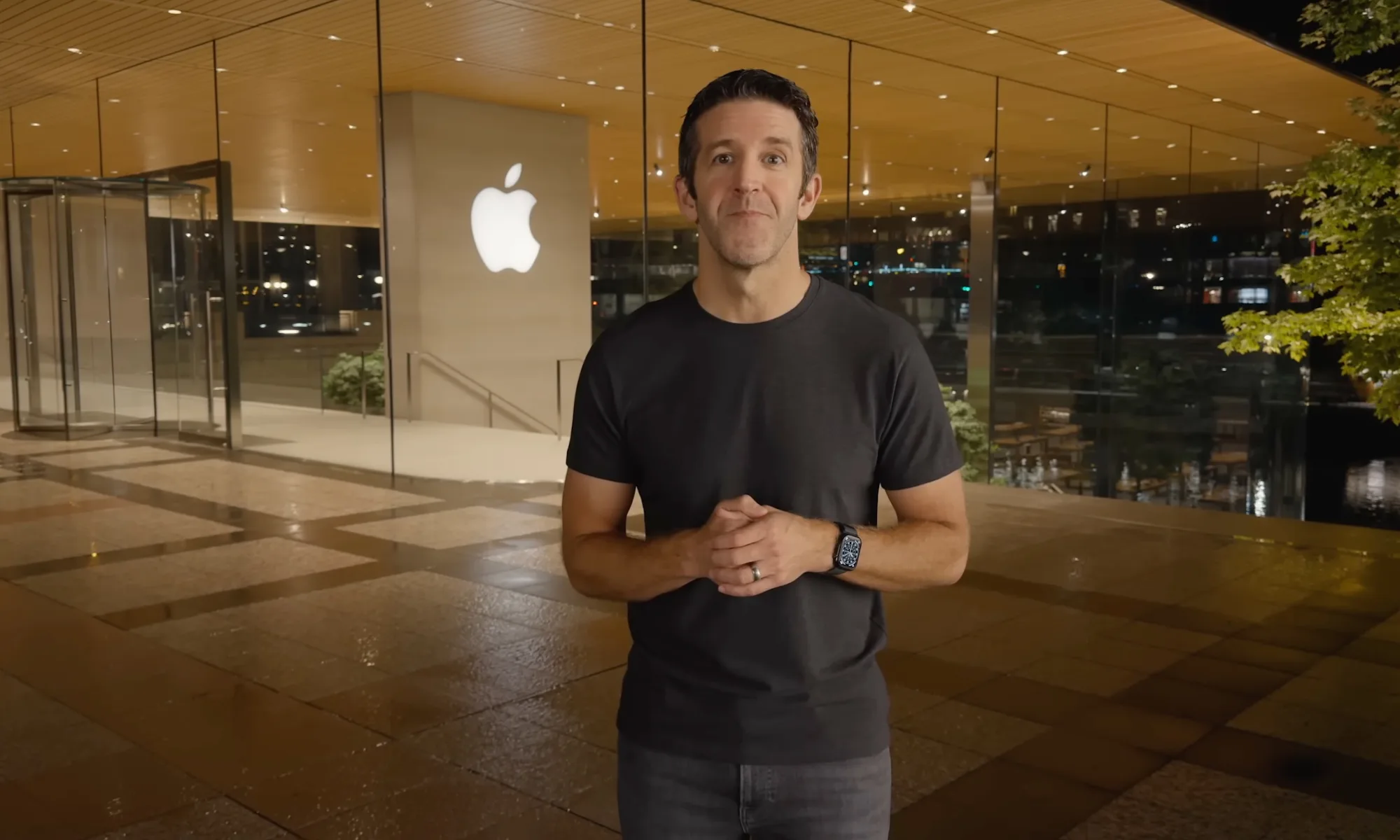
Apple has confirmed a major leadership change, with CEO Tim Cook set to step down from his role later this year. The company announced that John Ternus, currently Senior Vice President of Hardware Engineering, will take over as CEO starting September 1, 2026.
Cook will transition into the role of executive chairman, where he is expected to remain actively involved in guiding Apple’s broader strategy and policy engagements.
A Planned Transition After 15 Years Of Leadership
Cook’s departure marks the end of a significant era for Apple. He has led the company since 2011, taking over from co-founder Steve Jobs and overseeing a period of massive growth.
Under Cook, Apple expanded its product portfolio, scaled its services business, and became one of the most valuable companies in the world. His leadership style focused on operational efficiency and steady execution, helping Apple maintain its dominance across multiple product categories.
The transition to Ternus appears to be a carefully planned internal succession. Ternus has been with Apple for over two decades and currently leads hardware engineering, playing a key role in the development of products like the iPhone, Mac, and iPad.
Hardware division also gets a shakeup
Now that Ternus is vacating his role as senior vice president of Hardware Technologies at the company, Apple is promoting another well-known face to succeed him. Johny Srouji is now stepping into the role of chief hardware officer.
“He has played a singular role in driving Apple’s silicon strategy, and his influence has been felt deeply not just inside the company, but across the industry,” Cook shared in a press statement. Srouji played a pivotal role in Apple’s transition away from Intel to in-house M-series silicon for Mac hardware.
Srouji is an Intel veteran, and recently, it was reported that he was exploring meatier opportunities outside Apple. He has been at Apple since 2008 and has remained a familiar face at Apple’s product announcements, highlighting the progress of next-gen silicon, in particular.
Why This Leadership Shift Matters
Leadership changes at Apple are rare and closely watched, given the company’s influence on the global tech industry. The move signals continuity, as Apple has once again chosen an internal candidate with deep institutional knowledge.

Ternus is widely seen as a product-focused executive, which could indicate a renewed emphasis on hardware innovation. At the same time, Cook’s continued presence as executive chairman suggests that Apple is aiming for stability during the transition.
The timing is also notable. Apple is navigating increasing competition in areas like artificial intelligence, mixed reality, and services, making leadership decisions particularly critical.
What It Means For Users And The Industry
For consumers, the leadership change is unlikely to bring immediate disruption. Apple’s product roadmap and ecosystem strategy are expected to remain consistent in the near term. However, over time, Ternus’ leadership style could shape how Apple approaches innovation, particularly in hardware and emerging technologies.

His background suggests a stronger engineering-driven perspective compared to Cook’s operations-focused approach. For the broader industry, the shift marks the beginning of a new chapter at one of the world’s most influential technology companies.
What Comes Next
The transition will take place over the coming months, with Cook remaining CEO until September 1. During this period, Apple is expected to ensure a smooth handover of responsibilities. Once Ternus officially takes over, attention will likely shift to his strategic priorities – especially how Apple positions itself in the evolving AI landscape and whether it accelerates its pace of innovation.
While Cook’s tenure helped define Apple’s modern era, the next phase under Ternus will determine how the company adapts to the future of technology.
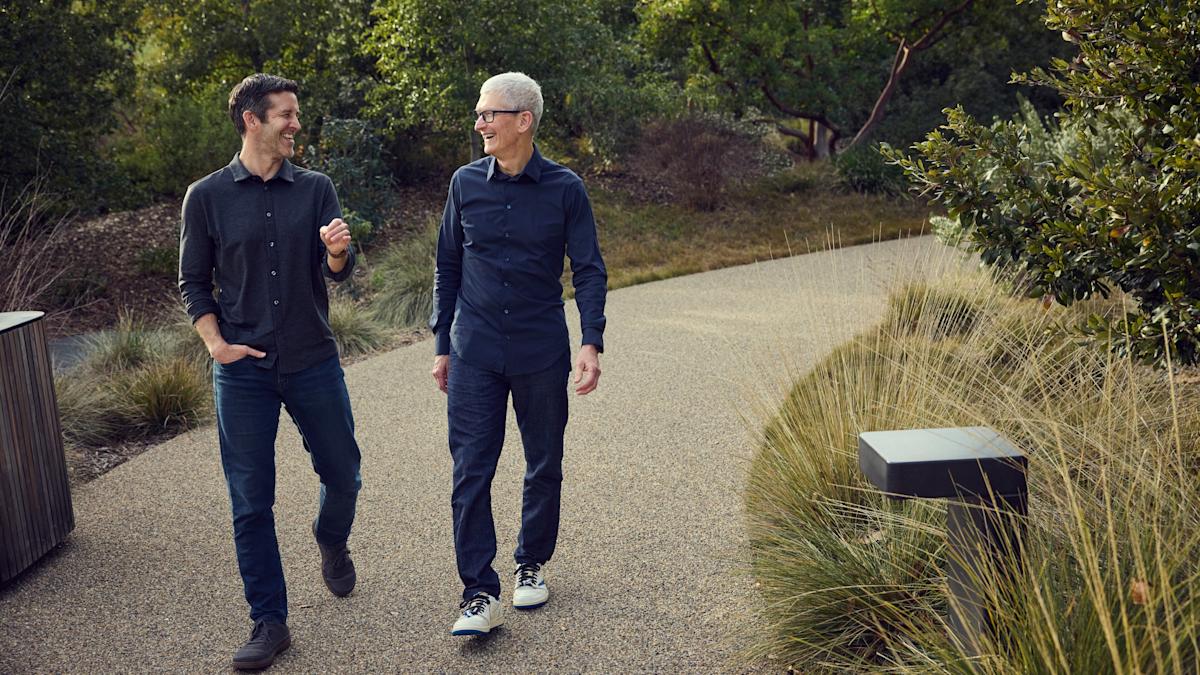
Apple CEO Tim Cook is officially stepping down from his role on September 1, the company announced today, while current SVP of hardware engineering John Ternus will take over as the new CEO. Cook will transition to a new role as executive chairman of Apple’s Board of Directors. The company says the move was “approved unanimously” by Apple’s Board, and that Cook will work on transitioning his duties over the summer.
“It has been the greatest privilege of my life to be the CEO of Apple and to have been trusted to lead such an extraordinary company,” Cook said in a statement. “I love Apple with all of my being, and I am so grateful to have had the opportunity to work with a team of such ingenious, innovative, creative, and deeply caring people who have been unwavering in their dedication to enriching the lives of our customers and creating the best products and services in the world.”
Cook became CEO of Apple in 2011 following the death of co-founder Steve Jobs, and he led the charge for Apple’s post-iPhone and iPad era by launching the AirPods, Apple Watch and Vision Pro. He also pushed the company into being more of a service provider with the launch of Apple TV and Apple Music. While he’s had a strong reputation as a logistics-oriented executive, Cook has been criticized for lacking the product vision that Jobs was known for.
Ternus, on the other hand, has been focused on product design since joining Apple in 2001. He became VP of hardware engineering in 2013, and later transitioned to a senior executive role in 2021. Ternus was also prominently featured at the MacBook Neo launch a few months ago, a low-cost yet high-quality notebook that encapsulates Apple’s unique place in the PC industry.
“I am profoundly grateful for this opportunity to carry Apple’s mission forward,” Ternus said in a statement. “Having spent almost my entire career at Apple, I have been lucky to have worked under Steve Jobs and to have had Tim Cook as my mentor. It has been a privilege to help shape the products and experiences that have changed so much of how we interact with the world and with one another.”


A recent project by Double M Innovations takes a really simple concept and turns it into something rather unique by sandwiching some tritium vials between conventional solar cells to create a self-contained nuclear power source.
Basic principles ensure that everything runs well without the need for additional help. See, the tritium inside each sealed vial emits low energy electrons as it gradually degrades, which is a really useful side effect. Those electrons then hit a phosphor coating inside the glass tube, producing a continuous greenish light. Now, amorphous solar cells tacked directly on the vials capture the light and convert it into a microscopic little electric current, just as they would on a gloomy day. The entire thing is shut up tightly with aluminum tape, so no outside light can get in.
Sale

Anker SOLIX C1000 Gen 2 Portable Power Station, 2,000W (Peak 3,000W) Solar Generator, Full Charge in…
- 49 Min UltraFast Recharging: With upgraded HyperFlash tech, fully recharge at 1,600W—for outage prepping, camping trips, or tailgating events…
- 2,000W Output via 10 Ports: Delivers 2,000W (3,000W peak) and 1,024Wh capacity. Power up to 10 devices—ideal for emergency backup, remote work…
- Compact and Portable: Easily carry, store, and move from room to room, your RV, or even on beach and park outings. C1000 Gen 2 is 14% smaller and…

Putting it all together is a simple process that just takes a few minutes once all of the components are ready. You start with two tiny amorphous solar cells from a calculator panel, which are ideal for this because they are sensitive to the wavelengths that the phosphor emits. Five tritium vials, about 3mm wide and 11mm long, are lined up across the surface of the first one, and the second cell is slapped on top to complete the sandwich. The inside of the entire item is coated in a reflective substance before the aluminum tape is wrapped around to seal it all up tight. There is no soldering or complex wiring required, thus keeping everything rather simple.

Not long after, the maker began testing it, discovering that each cell produced between 0.45 and 0.47 volts when measured with a conventional multimeter, but the current was so low that it was virtually undetectable on the majority of the cells. So they connected the cells in series and added a small capacitor to the circuit to allow the charge to develop. Ten minutes later, the capacitor had 2.2 volts. An hour later, it had risen to 2.4 volts, and after a full night of sitting, it had reached 2.9 volts on its own.
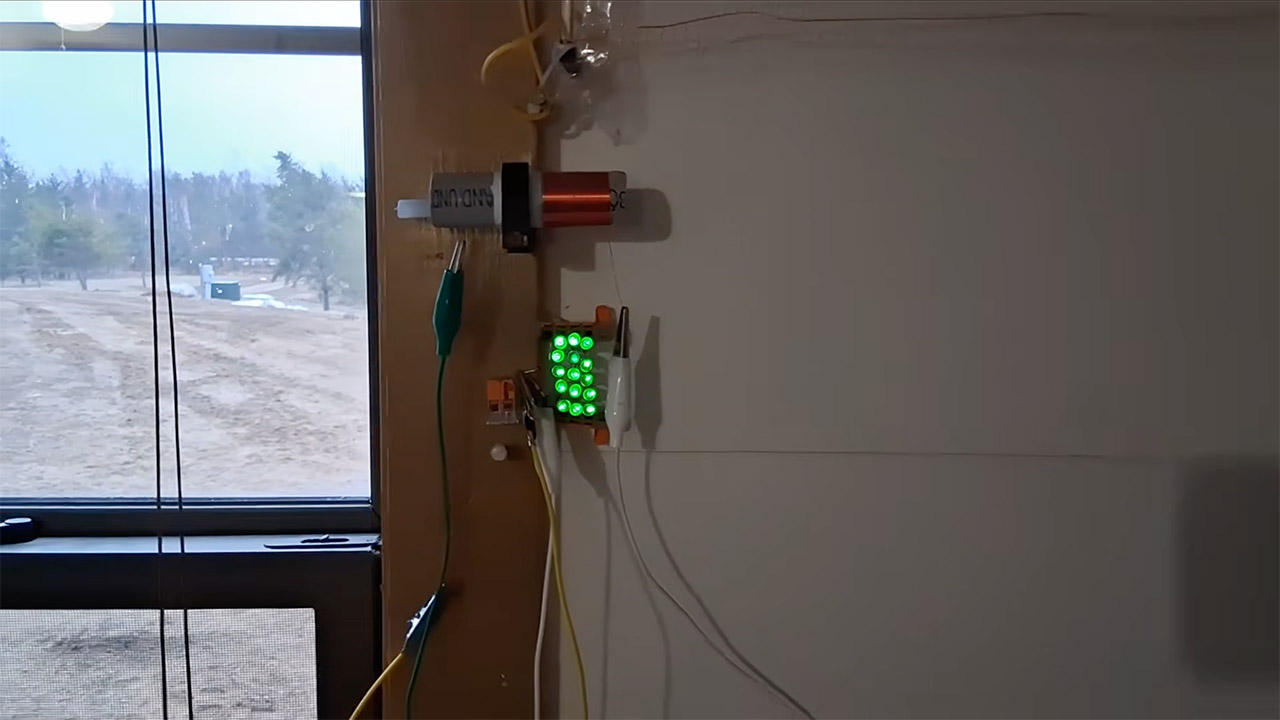
The power output is in the nanowatt region, which is far below what is required to even turn on an LED, let alone run a small sensor for any length of time. Still, the idea that it could charge up to that point in one night is rather astounding. Furthermore, tritium has a half-life of roughly 12 years, so it will be some time before the entire thing runs out of steam. Commercial nuclear batteries perform far better because they can align the radiation source very precisely with the cell materials. However, this handmade version is only a proof of concept, demonstrating that it is possible to generate a measurable electric current using off-the-shelf components and some internal radiation.
[Source]

Ripple Charts 2028 Path to Quantum-Resistant XRPL Security

Three NFL Teams That Can’t Afford To Screw up 2026 NFL Draft

Safe stolen from St Leonard’s Hospice Charity Shop, Acomb



-

 NewsBeat7 days ago
Trump and Pope Leo: Behind their disagreement over Iran war
-

 Fashion3 days ago
Weekend Open Thread: Theodora Dress
-

 News Videos6 days ago
Secure crypto trading starts with an FIU-registered
-

 Sports4 days ago
NWFL Suspends Two Players Over Post-Match Clash in Ado-Ekiti
-

 Crypto World7 days ago
SEC Proposes Certain Crypto Interfaces Don’t Need to Register as Brokers
-

 Business1 day ago
Powerball Result April 18, 2026: No Jackpot Winner in Powerball Draw: $75 Million Rolls Over
-

 Crypto World3 days ago
Russia Pushes Bill to Criminalize Unregistered Crypto Services
-

 Politics2 hours ago
Gary Stevenson delivers timely reminder to register to vote as deadline TODAY
-

 Politics3 days ago
Palestine barred from entering Canada for FIFA Congress
-
 Business4 days ago
Creo Medical agree sale of its manufacturing operation
-

 Politics2 days ago
Zack Polanski demands ‘council homes not luxury flats for foreign investors’
-
 Entertainment7 days ago
Brand New Day’ Footage Reveals the Devastating Impact of ‘Now Way Home’
-

 Crypto World3 days ago
Russia Introduces Bill To Criminalize Unregistered Crypto Services
-

 Tech2 days ago
Auto Enthusiast Scores Running Tesla Model 3 for Two Grand and Turns It Into Bare-Bones Go-Kart
-

 Tech6 days ago
Microsoft adds Windows protections for malicious Remote Desktop files
-
 Entertainment7 days ago
Karol G’s ‘Ultra Raunchy’ Coachella Set Gave ‘Satanic Vibes’
-

 Tech5 days ago
‘Avatar: Aang, The Last Airbender’ Leaked Online. Some Fans Say Paramount Deserves the Fallout
-

 Tech7 days ago
What was the first ransomware attack to demand payment in Bitcoin?
-

 Sports6 days ago
Younger Than Sachin Tendulkar: Vaibhav Sooryavanshi Set To Make Historic India Debut
-

 Entertainment6 days ago
Prince Carter Brings Fans Front Row and Backstage at Boys 4 Life Tour
You must be logged in to post a comment Login