
Connect with us
DAPA Banner

Business

UBS sees BoE on extended pause, with rate cuts pushed to late 2026

Published

on

Continue Reading
Click to comment

You must be logged in to post a comment Login

Leave a Reply

Business

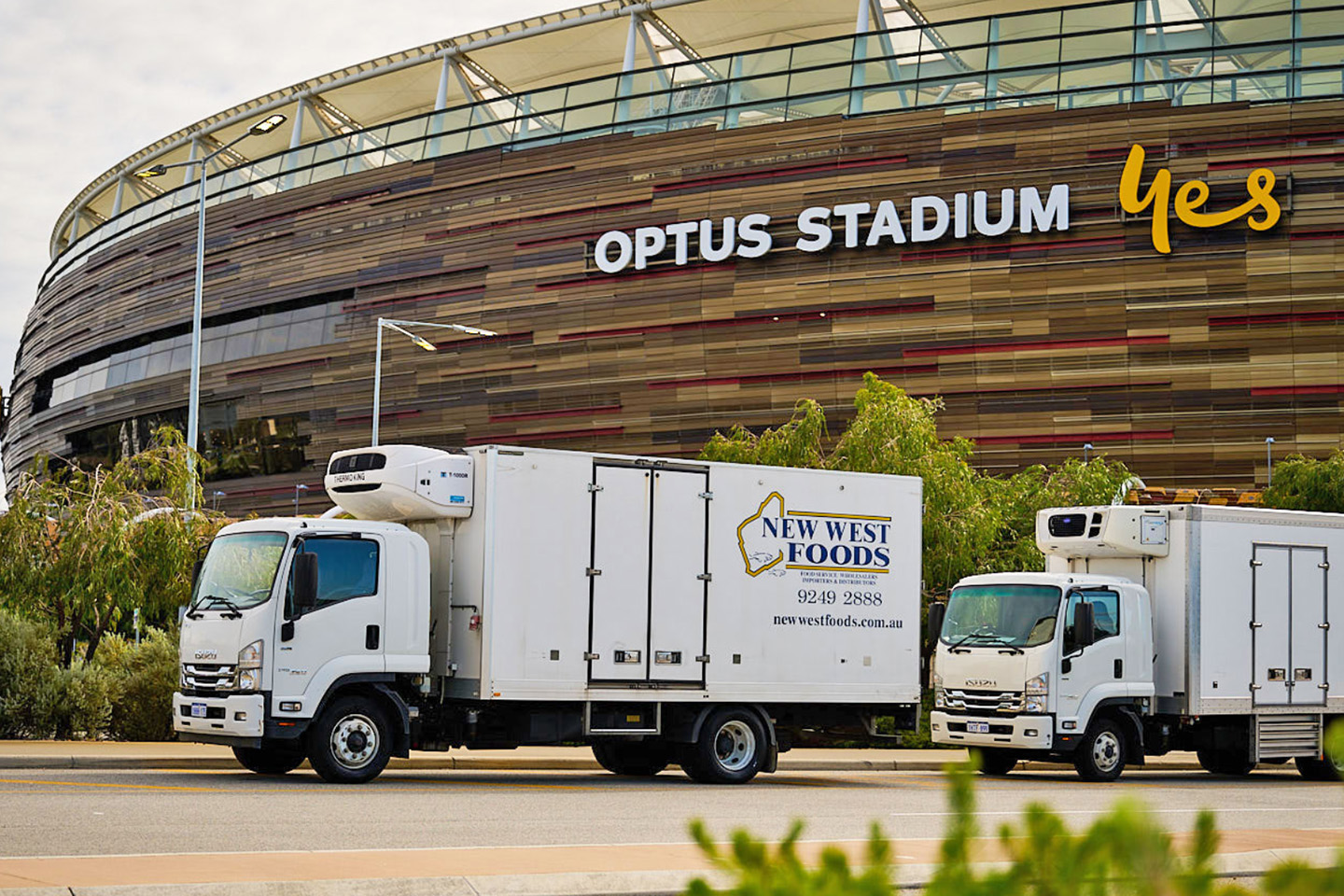
New West Foods buys European Foods service business from Yukich family

Published

on

New West Foods buys European Foods from Yukich family

Fine foods wholesaler European Foods has been snapped up by New West Foods for an undisclosed sum.

Continue Reading

Business

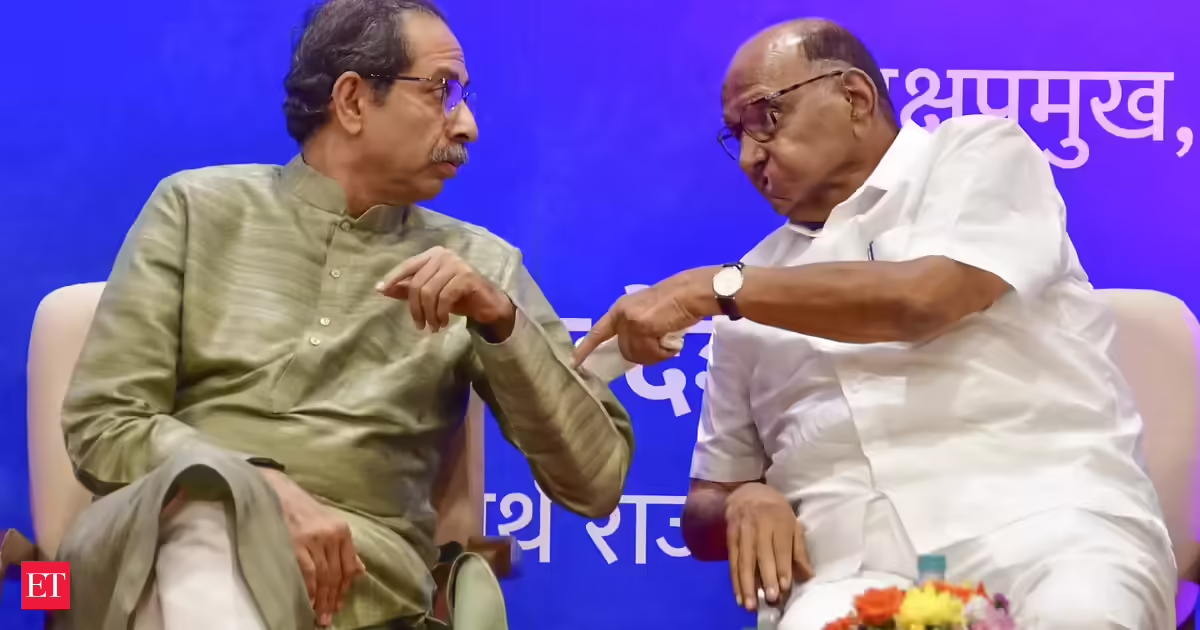
Lok Sabha election 2024: Maharashtra get interesting after splits in Shiv Sena, NCP

Published

on

Lok Sabha election 2024: Maharashtra get interesting after splits in Shiv Sena, NCP
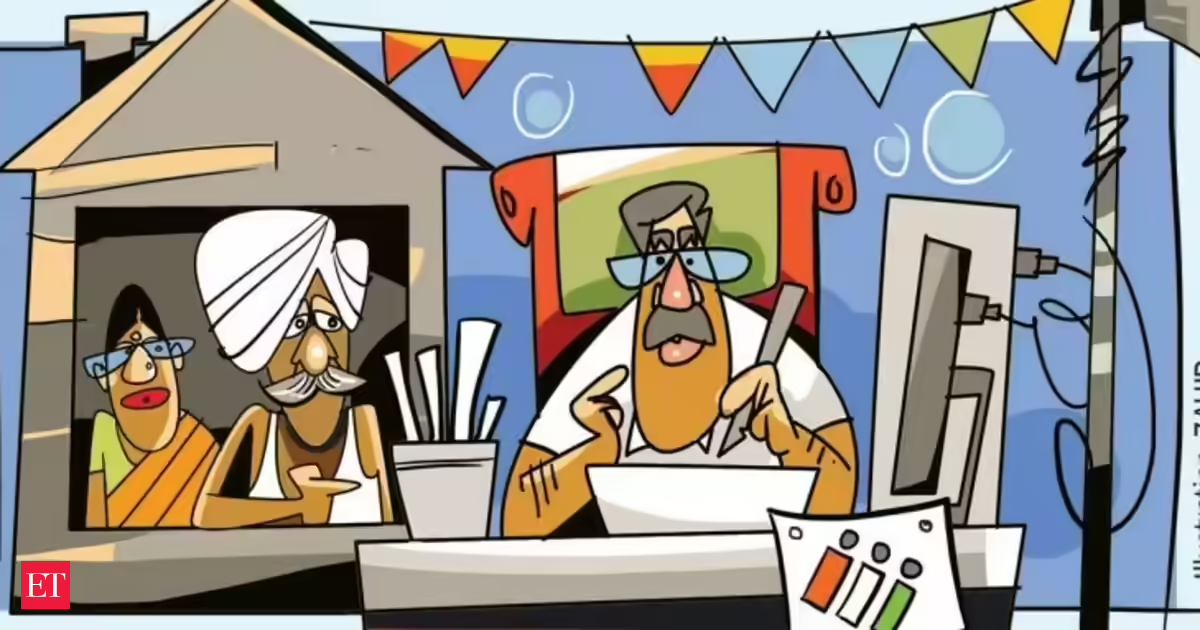
Splits in key political parties Shiv Sena and NCP have made the battle for the 48 Lok Sabha seats in Maharashtra more interesting, besides the focus on traditional issues like unemployment and farmer suicides. Lok Sabha polls in Maharashtra will be held in five phases on April 19, April 26, May 7, May 13 and May 20. Counting of votes will be held on June 4.

The BJP-Shiv Sena won 41 of the 48 seats in the 2019 polls, but the Sena has split since and a vast majority of the Bal Thackeray-founded party is now allied with the BJP. The Nationalist Congress Party also split as well with Ajit Pawar joining the ruling alliance in the state, led by Eknath Shinde. In the 2019 Lok Sabha polls, the BJP emerged the top party with 23 seats, followed by the undivided Sena with 18. The undivided NCP had emerged victorious on four seats, the Congress one, while the AIMIM and an Independent accounted for the remaining two.

A total of 9.2 crore persons, including more than 50,000 centenarians, are eligible to exercise their franchise in the ensuing Lok Sabha elections in Maharashtra, an increase of 34 lakh from 2019. Here is how the political landscape in various regions of Maharashtra looks like ahead of the ensuing Lok Sabha elections.

Konkan: The coastal region of the state includes Mumbai, the country’s commercial capital with six highly urbanised Lok Sabha seats, where issues include woes related to transportation, housing and jobs. The BJP-Sena had won 12 of the 13 seats in the region in 2019. While the Shiv Sena (UBT) could attract some sympathy post the split, other issues all parties will have to contend with are plans to construct a massive refinery and nuclear power plant in Ratnagiri area and a mega port in Vadhavan near Dahanu in Palghar.

Western Maharashtra: One of the most developed regions in the state, it is home to industrial cities with information technology hubs as well as sugar mills, ethanol plants and agri-rich rurban (land on the edge of a town or city, on which new housing and businesses are being built) pockets. The region receives ample rainfall but unequal distribution of water among various areas has been a traditional bone of contention. The split in the NCP, a strong contender in the region, and the Shiv Sena means the upcoming polls will ensure focus on candidates as much as party ideology due to fresh realignments. In the 209 polls, the BJP won five seats, while the Shiv Sena and the Sharad Pawar-founded Nationalist Congress Party won three each from this region.

Advertisement


North Maharashtra: This region is among the country’s top sources of grapes and onions, making it a hotbed for discontent in connection to changes in export-import policies for farm produce. Inadequate or unseasonal rainfall is another bugbear that can change the discourse. The region has a significant population of tribals and backward segments. In the 2019 polls, the BJP-Shiv Sena won all six seats in the region.
Marathwada: The region is infamous for lack of adequate rainfall, which has left it under-developed when compared to other parts of Maharashtra, leading to unemployment woes. Unseasonal rains and crop loss are annual phenomena, resulting in sharp surges of discontent among farmers. Apart from the industrial hub of Chhatrapati Sambhajinagar (formerly Aurangabad), the rest of the region is rural and lacks basic amenities. Speedy highway construction has boosted transportation. In 2019, the BJP won four Lok Sabha seats, followed by three for its ally Shiv Sena.

The Aurangabad seat was won by the Asaduddin Owaisi-led AIMIM. Maratha quota activist Manoj Jarange hails from Marathwada and has a following in the region as was seen during many of his protests in the last few months. Vidarbha: Blessed with abundant natural resources and forests, the region in the eastern part of the state, however, has been in limelight for farmer suicides.

Left Wing Extremism is also a problem in some parts, mainly in Gadchiroli. There are also problems of human-wildlife conflicts in districts like Chandrapur, home to a sizable number of tigers. Soybean and cotton produce not fetching good returns could lead to agricultural distress in the region.

Moreover, several MP’s from the area were those who retained their seats, which means they may face anti-incumbency in the 2024 Lok Sabha polls. Of the 11 Lok Sabha seats in Vidarbha, the BJP won five, Shiv Sena three, while Congress and an Independent emerged victorious on one seat each in the last elections.

Advertisement
Continue Reading

Business

Agnico Eagle's Project Pipeline Will Propel Growth, And Not Just Bullion

Published

on

Agnico Eagle's Project Pipeline Will Propel Growth, And Not Just Bullion

Agnico Eagle's Project Pipeline Will Propel Growth, And Not Just Bullion

Continue Reading

Business

Bowling alley operator Lane7 expands with Cardiff and Bristol mini golf acquisitions

Published

on

Business Live

The North East firm has acquired Par 59, set up four years ago in a joint venture with footballer Gareth Bale

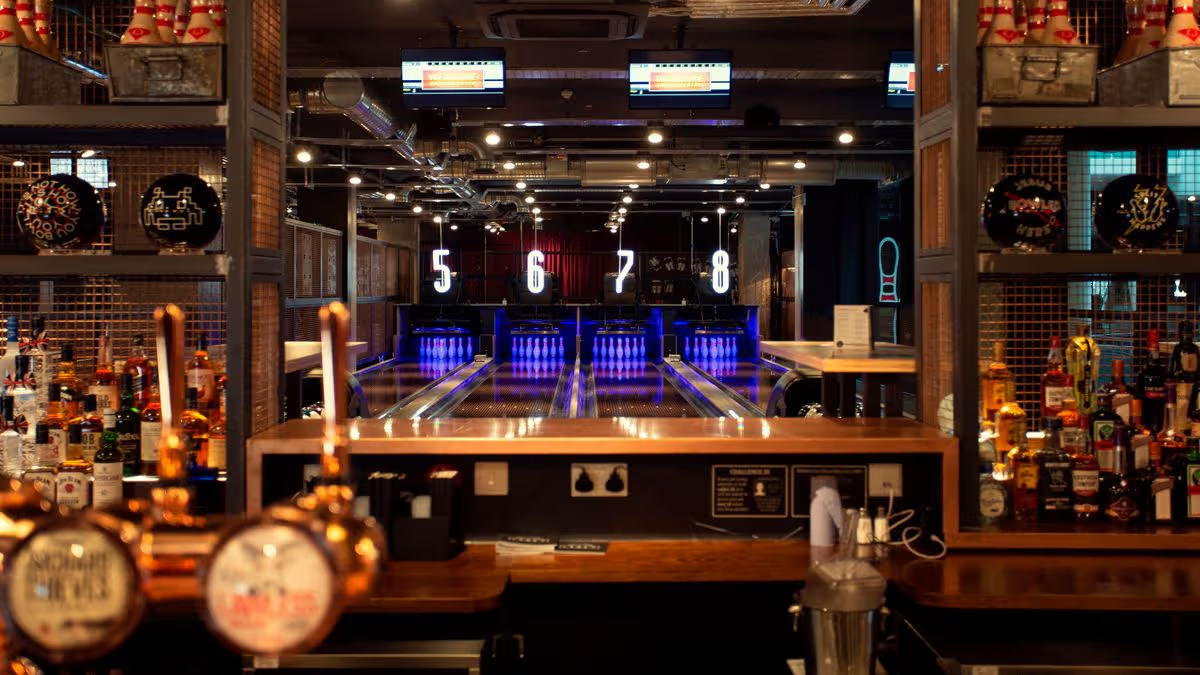
A Lane7 bar showing a number of bowling lanes.

A Lane7 bar showing a number of bowling lanes. (Image: Lane7)

Boutique bowling alley firm Lane7 has expanded with the acquisition of sites in Cardiff and Bristol.

The North East-based group, which already has sites across the country, has acquired mini golf, darts and shuffleboard business Par 59 in an undisclosed deal. Lane7 will close the Cardiff venue for refurbishment, before reopening under its own brand, while the Bristol premises will continue to trade as Par 59.

Advertisement

It was formed as a partnership between Elevens Group, co-owned by football star Gareth Bale and Jamie Humphrys, and Depot, launching in March 2022. It added the mini golf, food and drink concept to Cardiff city centre where it helped repurpose the long-vacant St Mary Street site before growing further with the addition of the upstairs ‘Shuffles’ bar space in 2023.

It also expanded into Bristol, on Millennium Promenade. Announcing the move, Elevens Group said it will now focus on other opportunities and continue to run its Elevens Bar & Grill on Castle Street, while Depot will continue its investment in Cardiff’s live music and events scene through its 2,000-capacity venue, plus events staged through Depot Live at Cardiff Castle and Blackweir Fields.

Jamie Humphrys, co-owner of Elevens Group, said: “Par 59 has been a brilliant part of Cardiff’s hospitality scene over the last few years, and we’re incredibly proud of what was created there in partnership with Depot. From day one, the aim was to bring something fun, high-quality and genuinely exciting into the city centre, and it’s been fantastic to see so many people come through the doors and enjoy it with us.

Par59'S Cardiff venue.

Par59’S Cardiff venue.(Image: Par59)

“I’d like to thank everyone involved in the venue – including Gareth, the staff and customers – and everyone who supported Par 59 along the way. We’re proud of what the brand achieved, and this felt like the right time to hand it on.”

Advertisement

Nick Saunders, founder of Depot said: “Together with Elevens Group, we built a brand with real momentum in Cardiff and Bristol, but the opportunity to sell came at the right time for all parties. For Depot, it allows us to stay focused on the areas where we see the biggest opportunity for growth and impact, particularly live music, major events and large-scale experiences in Cardiff. We remain hugely ambitious about what we’re building, and proud of the role Par 59 has played in that wider story.”

Gavin Hughes, managing director of Lane7 Group, said: “Par 59 is a strong business with two well-established sites, and we’re pleased to be taking it forward in Bristol whilst expanding our Lane7 brand in Cardiff. We believe our differentiated positioning puts us in a strong position to continue making the most of opportunities like these, which we expect to continue over the next 24 months as the market matures and consolidates further.”

Last summer, Darlington-based Lane7 opened two sites in Newcastle, in the former Lofts and Hustle bar and nightclub at The Gate, as well as ML7, at Monument Mall. It launched its first bowling alley in Newcastle in 2013, on St James’ Boulevard and has since expanded across the UK with 13 other sites in cities including, Liverpool, Bristol, Edinburgh, Manchester and Sheffield.

Advertisement
Continue Reading

Business

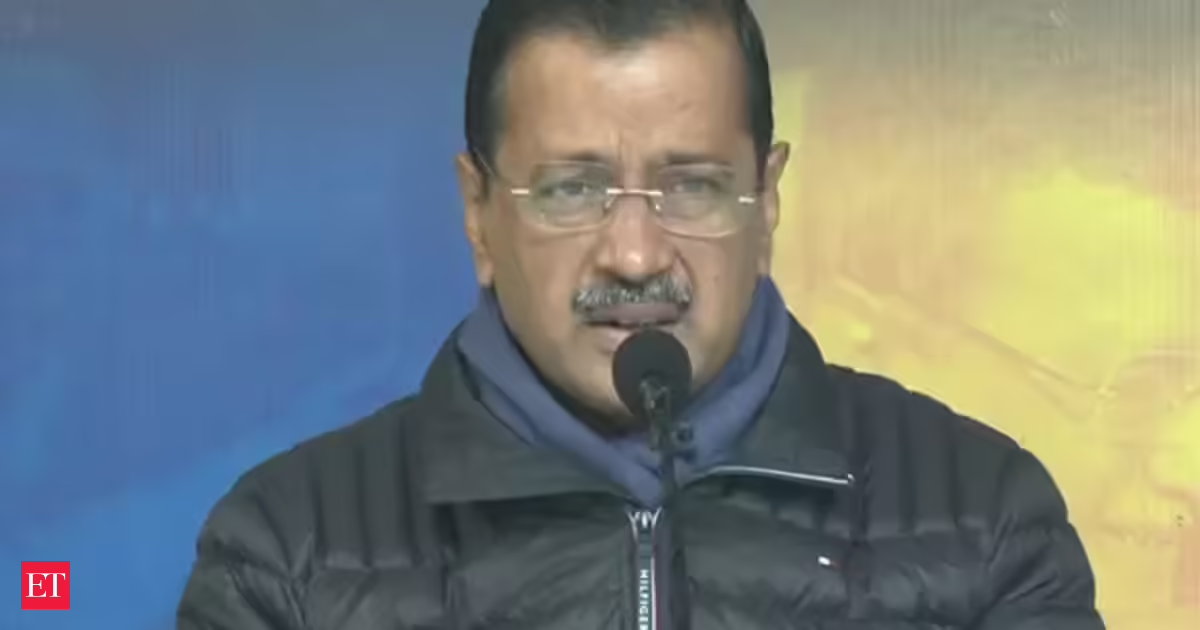
BJP accuses Kejriwal of sending voters hoax calls to mislead

Published

on

BJP accuses Kejriwal of sending voters hoax calls to mislead
New Delhi: The BJP on Sunday accused AAP supremo Arvind Kejriwal of orchestrating hoax calls to mislead voters across constituencies, including the New Delhi constituency, claiming that their were “cancelled” by the BJP. Addressing a press conference, BJP MP Parvesh Verma played an audio recording of one such call, in which a person was heard saying, “Your vote has been cut by the BJP. AAP will ensure you get your vote back,” and urged the receiver to support the Aam Aadmi Party.

“Hoax calls are being made to the public, saying that BJP will end all AAP schemes. This is a blatant lie,” he said.

He also wondered how “confidential voter data” was accessed by the party.

“Other than the Election Commission of India, this data is not provided to anyone. How did Kejriwal get the voters’ contact list? This must be inspected,” Verma said.

The BJP’s New Delhi candidate for the Assembly election also alleged the AAP of distributing Rs 500 wrapped in a calendar in the slum areas. He claimed three people were arrested in this regard.

Advertisement


There was no immediate reaction from the AAP on the allegations, nor from Delhi Police.
He said he has filed a complaint with the Election Commission and his party demands an investigation into the matter. BJP leader and party spokesperson Sudhanshu Trivedi, who was also present at the press conference, welcomed the US Supreme Court’s decision to extradite to India Tahawwur Rana, an accused in the 2008 Mumbai terror attacks.

“Under Modi’s leadership, the government remains committed to fighting terrorism. The decision to hand over Tahawwur Rana to India is a welcome one for all of us,” Trivedi said.

Trivedi accused the AAP and Congress of supporting activities that indirectly shield terrorism.

“Atishi’s parents were among those seeking a ‘shama yajna’ (forgiveness ritual) for Afzal Guru,” he alleged, referring to the mastermind of the 2001 Parliament attack.

Advertisement
Continue Reading

Business

'Supercharger' call for threatened ceramics firm

Published

on

'Supercharger' call for threatened ceramics firm

A petition is calling for struggling Denby Pottery to be added to a government support scheme.

Continue Reading

Business

Aussie shares flat as Mideast ceasefire deadline looms

Published

on

Aussie shares flat as Mideast ceasefire deadline looms

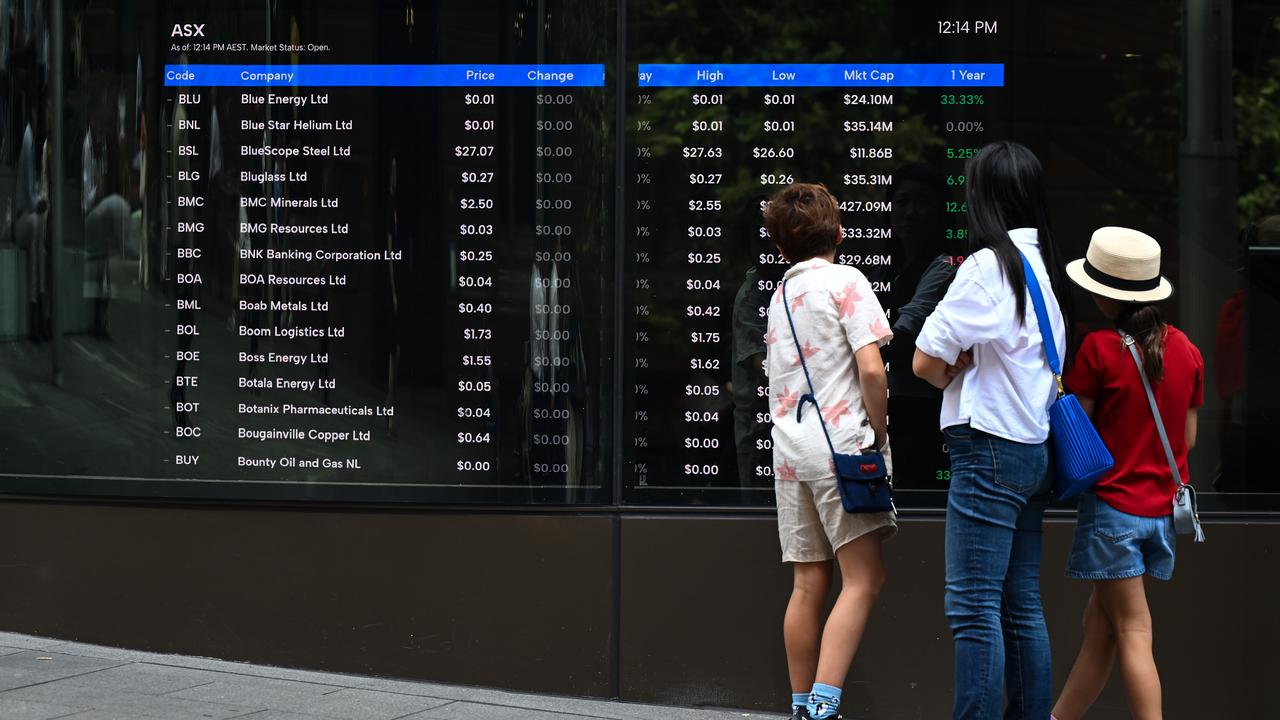
The Australian share market has finished little changed for a third straight session amid a looming US-Iran ceasefire deadline and continued tensions over control of a crucial maritime oil choke-point.

Continue Reading

Business

Rare ‘intensive’ revision in Bihar four months before polls

Published

on

Rare 'intensive' revision in Bihar four months before polls
New Delhi: The Election Commission’s ‘Special Intensive Revision’ of Bihar’s electoral rolls has sparked a major political debate. However, this is not the first time that the poll panel has ordered an ‘intensive’ revision of electoral rolls — at least nine such revisions were held from 1952 to 2004, several of which came with similar house-to-house verification and even a ‘de novo’ electoral roll in some cases. However, the EC has seldom ordered a full state intensive revision in a state 4-6 months ahead of assembly elections, as is the case with Bihar.

Factor the last such instances: In June 2004, ECI ordered ‘Intensive Revision of Electoral Rolls‘ in seven northeastern states and J&K.

Alongside, it ordered a ‘special summary revision‘ in Andhra Pradesh, Bihar, Chhattisgarh, Goa, Gujarat, Haryana, Himachal Pradesh, Jharkhand, Karnataka, Kerala, Madhya Pradesh, Maharashtra, Orissa, Punjab, Rajasthan, Sikkim, Tamil Nadu, Uttar Pradesh, Uttaranchal, West Bengal, and Union Territories of Andaman & Nicobar Islands, Chandigarh, Daman & Diu, Dadra & Nagar Haveli, NCT of Delhi, Lakshadweep and Pondicherry.Prior to that, ‘intensive revision’ of the electoral rolls was conducted in 20 other states/UTs, including Bihar, in two phases during 2002 and 2003, except the northeastern states and J&K.

BIHAR 2025- A unique case
The 2025 SIR in Bihar is different on several counts. While an ‘intensive’ revision mostly involves a ‘de novo’ exercise, drawing up a fresh electoral roll from the scratch, the Bihar SIR is using the 2002-03 electoral roll as a base to build upon. At the same time, it involves a new pre-printed enumeration form included in the usual house-to-house verification format and document submission, associated with an ‘intensive’ revision. It is, also, very different from previous intensive revision exercises in terms of timing.

EC has seldom ordered a full state and full-scale intensive revision in a state 4-6 months ahead of scheduled assembly elections, as is the case with Bihar. Bihar saw its last intensive revision in 2002, a good three years away from the assembly polls held in October 2005.
Similarly, when the EC, on June 29, 2004 announced an intensive roll revision in eight states, it chose to leave out two states which were pending a similar intensive roll revision. These were Arunachal Pradesh & Maharashtra where assembly polls were due in October 2004.
“In Arunachal Pradesh and Maharashtra, general elections to the assemblies are to be held in the latter half of 2004. Therefore, the programme in these two states will be announced after the completion of the elections,” the EC press note on 29.06.2004 read.
Instead, a ‘special summary revision of rolls’ was announced for Maharashtra ahead of the October 2024 assembly polls with house-to-house enumeration, as per the September-December 2004 EC newsletter.

The EC has, in fact, often conducted ‘intensive’ revision in certain areas of a state. In Tamil Nadu- after inquiry reports indicated ‘shortcomings in the conduct of different levels of election officers at the time of intensive revision of electoral rolls in 2002’- the poll panel on October 19, 2004 ordered a ‘special revision of intensive nature with house-to-house enumeration’ in six municipal corporation areas across 33 constituencies, spanning parts of Chennai, Salem, Coimbatore, Tiruchirappalli, Madurai, and Tirunelveli.

Advertisement

In the aftermath of Gujarat riots, the ECI on August 16,2002, announced a repeat of the 2002 ‘special revision of intensive nature’.

Types Of Electoral Roll Revisions

Intensive Revision: It’s usually a de-novo process without reference to earlier existing roll; involves at least 2 household verification visits by booth-level officer

Summary Revision
: Roll is simply updated; no house-to-house enumeration but objections are addressed before final roll publication

Special Summary Revision: EC can order so if it finds inaccuracies or poor coverage of any area. EC can adopt changes in existing procedure

Partly Intensive and Partly Summary Revision: Existing electoral rolls are published in draft and checked through household verification and put through claims/objection process

Advertisement

Roll revision chronology

1950
Originally Section 23 of Representation of the People Act, 1950 provided for annual revision with March 1 as qualifying date

1952
After first gen election in 1952, EC directed that from 1952 to 1956, annual revision of electoral rolls should cover 1/5th of entire state area so that every locality might have its electoral roll intensively revised at least once before 2nd gen polls

1956
EC directed intensive revision of rolls every year in some areas where electoral rolls were likely to become inaccurate: (i) Urban Areas (ii) Areas with floating labour population (iii) Areas where fairly large movements of population had taken place

1957
Post 1957: Lok Sabha polls: EC directed that during each of the three following years, the electoral rolls of 1/3rd of the entire state area be revised intensively, while during 1961 the revision would be intensive only in urban areas, areas with floating, migratory population and service voters

Advertisement

1960
Following amendments to RP Act, 1950, EC ordered annual revision of rolls between January 1 and Jan 31 of the year

1962
Post 1962 LS Polls: EC directed ‘summary revision’ adequate for 1963 and 1964. In 1965 intensive revision conducted again in 40% of the country; the rest 60% was done in 1966

1966
Post 1966: District Election Officer appointed in each district and summary roll revision conducted in 1969-70 and 1975

1976
Emergency: no Lok Sabha polls in 1976; EC held summary roll revision

Advertisement

1983
1983 on: Staggered intensive revision of all rural constituencies ahead of 1985 LS polls

1987-88
All constituencies revised intensively; special revision in 1989

1992
Summary revision ordered followed by intensive revision in 1993 along with introduction of EPIC card

1995
Intensive Revision comes in

Advertisement

1999-2000
Amid computerisation electoral rolls, no intensive revision in 1999, 2000

2002
Special intensive revision in 20 states; intensive revision in 7 states in 2003-04

Continue Reading

Business

Nifty bears regret not buying the dip. Will Trump hand them a second chance?

Published

on

Nifty bears regret not buying the dip. Will Trump hand them a second chance?
The Nifty50 has surged 9% this month, with mid-caps up 13% and small-caps a staggering 15%, as Indian equities staged one of their sharpest recoveries in recent memory. Those who held their nerve and bought the March crash are sitting on swift gains. Those who waited on the sidelines for a deeper dip are now watching a rally they missed as it unfolded even as Iranian missiles flew.

Amid Trump and Iran giving conflicting statements on peace and the opening of Strait of Hormuz, bears are hoping that they will get a second chance to buy. As the ceasefire expires Tuesday, a fresh flare-up in Middle East hostilities could hand sidelined investors the re-entry they’ve been waiting for. But market signals, for now, are sending a different message entirely.

“Markets have clearly turned into buy-on-dips and no war information, whatever negative, is impacting the market,” said CA Rudramurthy BV, MD at Vachana Investments. “This is a very clear sign that the market texture has completely changed.” He sees Nifty heading toward 24,800-25,000, and is unequivocal in saying that this market cannot be shorted now.

Also Read |Smallcap stocks skyrocket up to 79% after crash. Is this breakout rally or bull trap?

Advertisement

The rebound comes after Nifty50 ended a four-month losing streak in March 2026, a decline of that length that has occurred just seven times in the index’s entire monthly history. The recovery since has been fast, broad, and largely driven by retail and HNI buying. The pace of FII selling has also slowed down.


“A rally of sorts last week was mostly retail and HNI driven as they felt the market was oversold,” said market expert Sunil Subramaniam, noting that FIIs only began accumulating gradually toward the end of last week. DIIs, meanwhile, have been booking profits, building firepower ahead of the earnings season. “They will redeploy as you get clarity around the earning season,” he said.
Subramaniam says oil at $95 is painful, but not spiraling and suggests much of the bad news is already in the price. “This is a time when you can be reasonably confident that the market is close to a bottom unless there is a very dramatic military development,” he said, adding that the scenario most likely to break the market — US boots on the ground — remains a low-probability outcome, even if nothing is off the table with Trump.Manish Gunwani of Bandhan AMC goes further on valuations. “Valuations on a broad basis are quite attractive. We have been deploying cash across the board,” he said, pointing to private banks and other sectors where stocks have languished for three to five years despite earnings growth. “It is not about valuations,” he argued. The bigger structural challenge for India, in his view, is the global AI narrative — and whether India can compete for foreign capital against markets directly leveraged to that theme.

Near-term direction, analysts say, hinges on three variables: progress toward Middle East de-escalation, crude oil holding below $100, and the trajectory of foreign flows. Sustained cooling of the conflict could ease inflation and currency pressures, improving risk appetite for an import-sensitive economy like India’s. Q4 earnings and FY27 management guidance will then shape which sectors lead.

For now, Subramaniam’s advice to latecomers is pragmatic: “Keep buying, but small amounts. Stagger them. Do not go in today.” The setup, he says, favors patience.

(Disclaimer: Recommendations, suggestions, views and opinions given by the experts are their own. These do not represent the views of The Economic Times)

Advertisement
Continue Reading

Business

Primark to split from ABF with both firms set for separate FTSE 100 listings

Published

on

Business Live

The Weston family-controlled group expressing confidence in the prospects of both companies

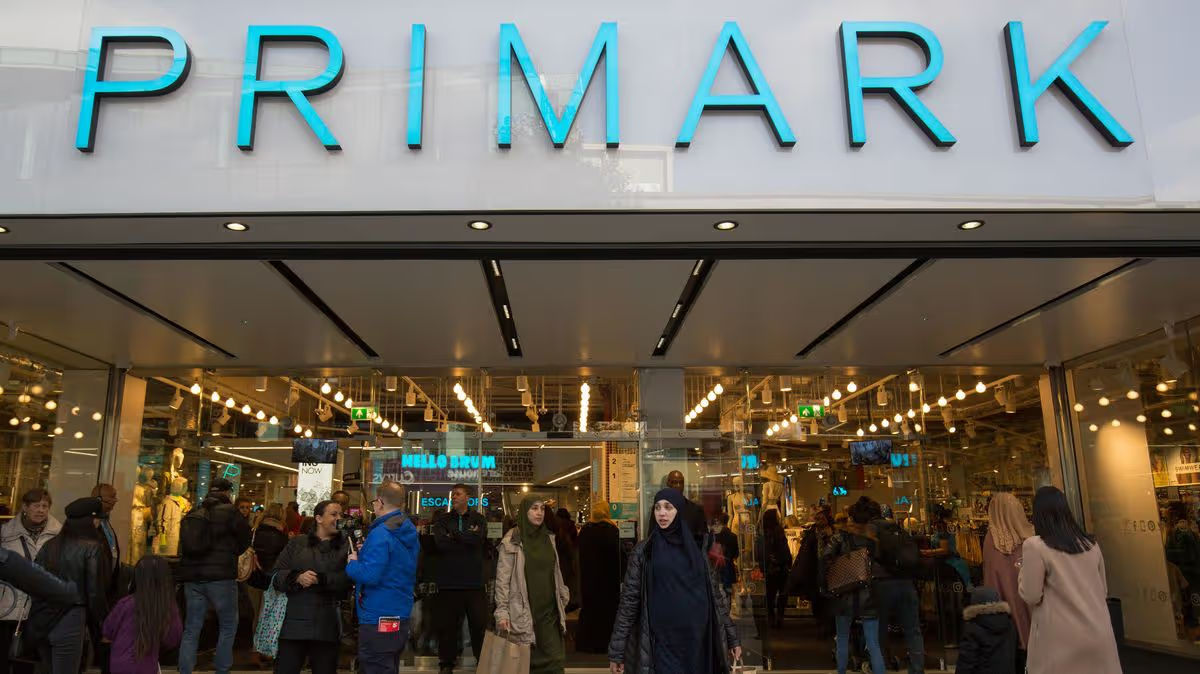
Primark is owned by Associated British Foods

Primark is owned by Associated British Foods(Image: PA)

FTSE-100 heavyweight Associated British Foods has unveiled plans to separate clothes retailer Primark, marking a significant strategic shift for the food and retail conglomerate. The market had broadly anticipated Associated British Foods (ABF) would hive off the retailer following an internal review as it grapples with fierce competition from high street competitors H&M and Zara.

Advertisement

The declaration ends months of conjecture over Primark’s future, and ABF said it anticipates both companies will trade separately on the blue-chip FTSE 100 index. ABF appointed Rothschild & Co last year to assist it in undertaking a “strategic” review to assess whether to divest the retailer.

The company said it was “confident” in the outlook of both operations. Primark runs 486 stores globally and generates approximately £9bn in annual revenue, as reported by City AM.

Associated British Foods is controlled by the Westons, the UK’s wealthiest family, whose holding company, Wittington Investments, maintains roughly 59 per cent of the firm.

Besides Primark, ABF owns tea brand Twinings, baked goods producer Kingsmill and subsidiary British Sugar. ABF, which has witnessed its share price decline so far this year, said it anticipates the demerger will cost around £75m.

Advertisement

The separation will take place through a dividend demerger, which will enable ABF to split off Primark by distributing shares in it to existing shareholders.

Primark sales grew in last year FoodCo, which will be the remaining entity of ABF once Primark is demerged, operates across 52 countries and generates approximately £9.8bn in annual revenue.

Primark currently runs 486 retail stores across 19 markets, with approximately £9.5bn of annual revenue and more than 83,000 employees.

International expansion has been a primary focus for the business, as it looks to grow its market share across Europe and the US.

Advertisement

Michael McLintock, who currently serves as chair of ABF, will remain in post until the spin-off is finalised in 2027.

George Weston, chief executive of ABF, will take the helm at FoodCo, while Primark’s current chief executive Eoin Tonge will continue to lead the clothes retailer.

Associated British Foods recorded a nine per cent decline in pre-tax profit across the group to £632m in the year to February, as revenue edged down two per cent to £9.5bn.

Primark posted like-for-like sales growth of 1.3 per cent in the UK, with the clothes retailer gaining market share over the period.

Advertisement

ABF said it expected Primark would be able to absorb costs arising from the Iran war, but noted it “remains alert to potential further deterioration in consumer spending”.

The company added that the impact of disruptions to energy and fertiliser supply chains resulting from the conflict is “unclear”.

ABF announced in August it would acquire Kingsmill’s bakery competitor Hovis for £75m, but this transaction has since been delayed by the competition watchdog amid concerns the diminished competition could push up prices for shoppers.

The British-Canadian Weston family, via Wittington Investments, also own department store Fortnum & Mason and homeware retailer Heal’s.

Advertisement

ABF was established by W. Garfield Weston in 1935 as Food Investments Limited, before listing on the London Stock Exchange in 1994.

ABF’s share price finished at 1,894p on Monday, leaving the stock down more than 10 per cent in the year to date.

Continue Reading

Trending

Copyright © 2025