
Crypto World
Prediction markets are the new secret weapon for Coinbase (COIN) and Robinhood (HOOD) growth



Prediction markets are gaining traction as a new growth area for Coinbase (COIN) and Robinhood (HOOD), as investors look beyond a weak first quarter for crypto trading and focus on future products, according to Cantor Fitzgerald analyst Ramsey El-Assal.
El-Assal said “investors are increasingly treating the quarterly print as backward-looking,” with attention shifting to “forward-looking demand trends and the product roadmap,” including newer offerings such as prediction markets.
Both companies are expected to report softer results for the first quarter of 2026 after a pullback in crypto prices and trading activity. Bitcoin and ether (ETH) fell about 23% and 29% in the quarter, weighing on volumes across exchanges. Trading activity also slowed as the quarter progressed, with Coinbase volumes declining from roughly $66 billion in January to $54 billion in March, based on third-party data.
Cantor estimates Coinbase’s consumer and institutional trading volumes at $35 billion and $167 billion, both below Wall Street expectations. The firm also projects exchange revenue below consensus. Still, El-Assal maintained an “overweight” rating on the stock and raised his price target to $250, citing improving sentiment and longer-term growth drivers.
Robinhood faces similar near-term pressure. The analyst expects a sequential decline in trading volumes due to softer market conditions, along with a hit to net interest revenue from lower rates. But the company’s business model offers some cushion. Higher volatility can lift trading margins, and Cantor expects stronger yields in equities and options to partly offset weaker activity.
At the same time, crypto revenue quality may come under pressure. El-Assal noted the platform’s “tiered pricing structure … earns lower yields on large active traders … and higher yields on marginal traders,” with the latter group pulling back during volatility.
Despite these headwinds, both stocks have rallied in recent weeks. Coinbase shares are up about 18% quarter-to-date, while Robinhood has climbed roughly 40% in April from late-March lows, helped by improving risk sentiment and easing geopolitical tensions.
The focus now is on what comes next. For Coinbase, investors are watching regulatory developments and new business lines. The company’s prediction markets offering, launched this year, “continues to attract meaningful interest,” El-Assal said.
Robinhood is also leaning into prediction markets alongside other initiatives such as tokenization and private market access. The analyst said these efforts, along with regulatory changes like updates to pattern day trading rules, could help drive future growth.
Cantor maintained an “overweight” rating on Robinhood and raised its price target to $110.
The broader view, according to El-Assal, is that while current trading trends remain tied to crypto price cycles, the next phase of growth will depend more on product expansion and new use cases.
Later on Tuesday, the New York Attorney General’s office filed a lawsuit against Coinbase and fellow crypto exchange Gemini over their prediction market offerings, alleging that the products were actually gambling products and therefore in violation of state regulations.
Whether prediction markets — specifically, sports-related prediction markets — are gambling products are not is currently a topic of debate in both state and federal courts. The Commodity Futures Trading Commission has argued that prediction markets are swaps, and therefore properly regulated by that agency at the federal level. States have argued that at least the sports-related contracts are not swaps, and should be licensed and overseen by state regulators. This question is likely to end up before the U.S. Supreme Court.


Jeśli szukasz nowych sposobów na chicken road 2 gra rozrywkę w internecie, warto zwrócić uwagę na gry kasynowe. Jednym z najpopularniejszych tytułów jest Chicken Road, gra, która łączy elementy hazardu z przygodą. W tym artykule przedstawimy szczegóły dotyczące RTP i zmienności tej gry.
Chicken Road to slot, który łączy w sobie elementy hazardu z przygodą. Gra jest dostępna w wielu kasynach online i oferuje wiele możliwości wygrania. RTP (Return to Player) to wskaźnik, który określa, ile procent pieniędzy, które są wydawane w kasynie, wraca do graczy w postaci wygranych. W przypadku Chicken Road RTP wynosi 96,5%, co oznacza, że każda wygrana jest realna.
Zmienność gry jest również ważnym aspektem. Zmienność to wskaźnik, który określa, ile procent pieniędzy, które są wydawane w kasynie, wraca do graczy w postaci wygranych. W przypadku Chicken Road zmienność wynosi 95,5%, co oznacza, że każda wygrana jest realna.
Jeśli szukasz gry, która łączy hazard z przygodą, Chicken Road jest idealnym wyborem. Gra oferuje wiele możliwości wygrania i jest dostępna w wielu kasynach online. RTP i zmienność gry są również ważnymi aspektami, które powinny być uwzględnione przy wyborze gry.
Warto zwrócić uwagę, że RTP i zmienność gry są ważnymi aspektami, które powinny być uwzględnione przy wyborze gry. Jeśli szukasz gry, która łączy hazard z przygodą, Chicken Road jest idealnym wyborem.
Warto zwrócić uwagę, że RTP i zmienność gry są ważnymi aspektami, które powinny być uwzględnione przy wyborze gry. Jeśli szukasz gry, która łączy hazard z przygodą, Chicken Road jest idealnym wyborem.
Wprowadzenie do gry Chicken Road Slot
Jeśli szukasz gry, która łączy twoją pasję do gier hazardowych z fascynującą historią, to Chicken Road Slot jest idealnym wyborem. Ta gra kasyno online oferuje emocjonującą grę, która pozwoli ci na podróż w czasie i odkrycie sekretów starej drogi.
Gra Chicken Road Slot jest oparta na historii o starej drodze, która łączy dwa miasta. Gra jest pełna akcji i emocji, a także oferuje wiele możliwości wygranej. Twoja misja jest prosta: dotrzeć do celu, pokonując przeciwników i wykorzystując swoje umiejętności.
Gra Chicken Road Slot jest dostępna w kasynie online, co oznacza, że możesz grać w niej z dowolnego miejsca, gdzie masz dostęp do internetu. Aby zacząć, musisz tylko zalogować się do swojego konta w kasynie online i wybrać grę Chicken Road Slot.
Gra Chicken Road Slot jest dostępna w wersji demo, co oznacza, że możesz grać w niej bezpłatnie, aby zrozumieć, jak gra się odbywa. Jednak, aby móc wygrać pieniądze, musisz zainwestować pieniądze w grę.
Warto zauważyć, że gra Chicken Road Slot ma wysoką stopę zwrotności, co oznacza, że masz duże szanse na wygraną. Stopa zwrotności to 96,5%, co jest bardzo dobrej jakości.
Wreszcie, gra Chicken Road Slot jest dostępna w różnych wersjach, co oznacza, że możesz wybrać wersję, która najlepiej pasuje do twoich potrzeb. Wersje gry są dostępne w różnych językach, w tym w polskim.
Wynikiem jest, że gra Chicken Road Slot jest idealnym wyborem dla każdego, kto szuka emocjonującej gry hazardowej z wysoką stopą zwrotności.
Analiza RTP i zmienności w grze Chicken Road
Jeśli szukasz gry, która oferuje emocje i szansę na wygraną, Chicken Road jest idealnym wyborem. W tej grze, RTP (Return to Player) jest kluczem do sukcesu. Warto zrozumieć, jak RTP wpływa na Twoje szanse na wygraną.
RTP to wskaźnik, który określa, ile procent pieniędzy, które są wydawane w grze, wraca do graczy w postaci wygranych. W przypadku Chicken Road, RTP wynosi 96,5%, co oznacza, że 96,5% pieniędzy, które są wydawane w grze, wraca do graczy w postaci wygranych.
Ale RTP nie jest jedynym czynnikiem, który wpływa na Twoje szanse na wygraną. Zmienność gry również odgrywa ważną rolę. Zmienność gry określa, jak często i w jakich ilościach wygrywają gracze.
W przypadku Chicken Road, zmienność gry jest dość wysoka, co oznacza, że wygrane są często i w różnych ilościach. To sprawia, że gra jest bardziej emocjonująca i bardziej atrakcyjna dla graczy.
Jeśli chcesz zwiększyć swoje szanse na wygraną w grze Chicken Road, ważne jest, aby zrozumieć, jak RTP i zmienność gry wpływają na Twoje szanse. Dzięki temu, możesz podejmować świadome decyzje i zwiększyć swoje szanse na wygraną.
Wskazówki dla graczy
Zrozumieć, jak RTP i zmienność gry wpływają na Twoje szanse.
Podejmuj świadome decyzje, aby zwiększyć swoje szanse na wygraną.
Czasami zmieniaj strategię, aby dostosować się do zmian w grze.
Nigdy nie zapomnij, że RTP jest wskaźnikiem, który określa, ile procent pieniędzy wraca do graczy w postaci wygranych.
Zakłady i strategia gry w grze Chicken Road
Jeśli chcesz zwiększyć swoje szanse na wygraną w grze Chicken Road, musisz zrozumieć, jakie zakłady i strategie są skuteczne w tej grze. Warto zacząć od analizy RTP (Return to Player), czyli wskaźnika zwrotu gracza, który w przypadku Chicken Road wynosi 96,5%. To oznacza, że każdy spin generuje 96,5% zwrócenia, co jest dość wysokim wskaźnikiem.
Zakłady w grze Chicken Road
W grze Chicken Road istnieje kilka zakładów, które mogą pomóc w zwiększeniu szans na wygraną. Najpopularniejszymi są:
- Zakład na wygraną, który jest dostępny w każdym spinie.
- Zakład na wygraną w kilku spinach, co zwiększa szanse na wygraną.
- Zakład na wygraną w kilku spinach z dodatkową wypłatą, co zwiększa szanse na wygraną i wypłatę.
Warto zwrócić uwagę, że zakłady w grze Chicken Road są dynamiczne, co oznacza, że mogą się zmieniać w zależności od twoich decyzji i strategii gry.
Jeśli chcesz zwiększyć swoje szanse na wygraną, musisz zrozumieć, jakie zakłady i strategie są skuteczne w tej grze. Warto zacząć od analizy RTP i zrozumieć, jakie zakłady są dostępne w grze.
Warto pamiętać, że strategia gry jest indywidualna i zależy od twoich preferencji i stylu gry. Warto eksperymentować z różnymi zakładami i strategiami, aby znaleźć tę, która jest dla ciebie najskuteczniejsza.
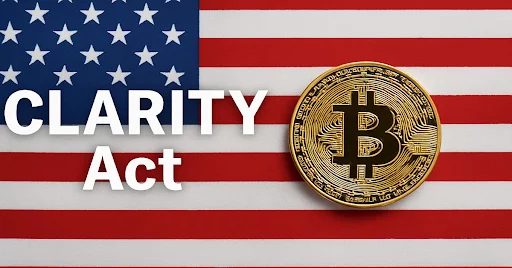
Coinbase lobbying activity for Q1 2026 totaled $1.07 million, the company disclosed in a new Lobbying Disclosure Act filing, targeting the Digital Asset Market Clarity Act, the GENIUS Act stablecoin law, and digital asset tax treatment legislation.
Summary
- The filing covers lobbying on the CLARITY Act’s market structure provisions, implementation of the GENIUS Act stablecoin law, and general crypto policy discussions across multiple congressional committees.
- The Q1 spend comes after a turbulent period in Coinbase’s relationship with the CLARITY Act, which began with CEO Brian Armstrong withdrawing support hours before a January markup, followed by a reversal after a Treasury-brokered compromise on stablecoin yield.
- Coinbase derives roughly one-fifth of its total revenue from stablecoin-related activity, making the terms of the CLARITY Act’s yield provisions a direct financial stake rather than a policy preference.
Coinbase lobbying in the first quarter of 2026 reached $1.07 million as the company pressed Congress on the two pieces of legislation most directly affecting its business model. The LDA filing lists multiple specific topics covered, including general discussions on digital asset tax treatment, market structure provisions of the CLARITY Act, and all provisions of the GENIUS Act stablecoin law signed into law as P.L. 119-27.
The filing provides a concrete dollar figure for Coinbase’s Washington engagement during one of the most consequential quarters in US crypto legislative history. The GENIUS Act passed and became law. The CLARITY Act stalled and restarted. Coinbase first killed and then revived its support for the market structure bill within the span of three months.
The company’s relationship with the CLARITY Act in Q1 2026 was the most consequential lobbying story in crypto. Armstrong posted opposition to the bill on X on January 14, hours before the Senate Banking Committee’s scheduled markup, causing the session to be postponed. The central objection was the bill’s treatment of stablecoin yield, which banking industry lobbyists had pushed to restrict.
What the Filing Covers and Why It Matters
The LDA disclosure lists the following subjects: general discussions on digital asset tax and digital asset tax treatment, provisions related to Title I and market structure of the CLARITY Act, all provisions of the GENIUS Act, general discussions on crypto policy and market structure, and discussions on implementing the GENIUS Act. That list covers the full legislative agenda facing the crypto industry in 2026.
The CLARITY Act remains the primary pending legislation. Its market structure provisions would formally define the regulatory division of authority between the SEC and CFTC over digital assets. For Coinbase, which operates the largest US crypto exchange and custody platform, those definitions affect every product it offers. The company’s subsequent reversal on the bill came after Treasury Secretary Scott Bessent published a Wall Street Journal op-ed advocating for a compromise framework on the stablecoin yield question that left room for activity-based rewards while restricting direct interest payments.
The Scale of Coinbase’s Financial Stake
Coinbase reported $355 million in stablecoin-related revenue in Q3 2025. The company derives approximately one-fifth of its total revenue from stablecoin activity, primarily through interest earned on USDC reserves and rewards paid to users. How the CLARITY Act defines permissible stablecoin yield programs determines whether that revenue stream survives in its current form or must be restructured.
The company’s Agentic Market launch on Monday, which routes AI agent transactions through USDC over the x402 protocol, adds a second dimension to its USDC stake. If stablecoin transaction volume from AI agents grows as Armstrong has predicted, the regulatory treatment of USDC’s underlying economics becomes even more valuable to protect. $1.07 million in Q1 lobbying is a modest investment against that exposure.
How the Q1 Spend Compares to the Legislative Outcome
Armstrong reversed his CLARITY Act opposition by March 2026, with Coinbase publicly stating it was “ready to do its part” to get the bill passed. The Q1 lobbying period therefore captures both the opposition and the reversal, along with continued engagement on implementation of the GENIUS Act that was already law. For a company with Coinbase’s revenue base, $1.07 million in quarterly lobbying is a standard operating cost for an industry participant with direct exposure to pending federal legislation. What distinguishes Coinbase’s Q1 from previous quarters is that the legislation being lobbied on was active, consequential, and moving during the period covered.
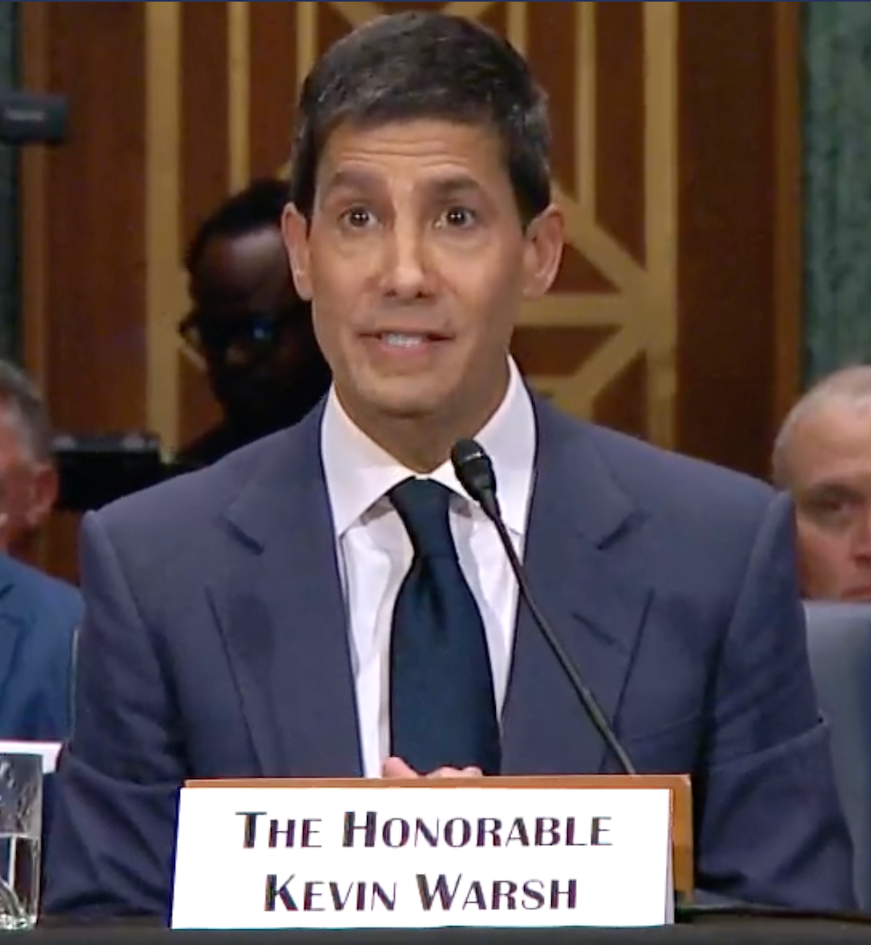
The nominee to lead the US Federal Reserve, Kevin Warsh, on Tuesday faced criticism and backlash from Democrats questioning his financial disclosures and potential conflicts of interest.
Heading into today’s Senate Banking Committee confirmation hearing, it was clear that the independence of the Fed remains a key issue for many lawmakers concerned about US President Donald Trump’s influence over any Senate-confirmed candidate.
With Jerome Powell’s term as the US Federal Reserve Chair set to expire next month, lawmakers are scrambling replace the long-serving official.
Under questioning from Massachusetts Senator Elizabeth Warren, the committee’s ranking member who repeatedly referred to Warsh as a “sock puppet” for the president’s policies, the prospective Fed chair sidestepped answering whether Trump lost the 2020 US election and identifying any issue on which the two disagree.
Warren said confirming Warsh could result in the Fed “granting special accounts to [the Trump family’s] crypto company or bailouts to his friends on Wall Street if they get into trouble” and create “more opportunities for Trump’s corruption.”
Warsh faced similar questions from Rhode Island Senator Jack Reed and other Democrats on his position on lowering interest rates — an action Trump has repeatedly called for and signaled his pick would push if confirmed.
“The president never once asked me to commit to any particular interest rate decision, period, and nor would I ever agree to do so if he had, but he never did,” said Warsh in response to a question from Republican Senator John Kennedy.

Related: US senator urges delay of CLARITY Act Senate markup until May: Report
The nominee faced at least one direct question on crypto from Wyoming Senator Cynthia Lummis, responding that digital assets were “part of the fabric of our financial services industry in the United States.”
Warsh has pledged to divest from his financial holdings, which include investments in crypto and AI companies, before taking the oath of office if confirmed. The potential conflicts of interest, coupled with Trump’s repeated attempts to oust Powell before his term expires, have many questioning whether any Fed chair picked by the president could remain independent.
“While we want the Fed to be independent, we also recognize that there has to be collaboration between the administration, Congress and the Fed,” said Committee Chair Tim Scott in a Tuesday CNBC interview. “The independence is in making sure they do their job as it relates to the dual mandate.”
Prediction market users don’t anticipate a new Fed chair anytime soon
Powell’s term as chairman is set to end on May 15, giving lawmakers a matter of weeks to confirm Warsh or another Fed chair. He may be allowed to serve in a temporary capacity until his successor’s Senate confirmation, and will remain a member of the Fed’s Board of Governors until 2028.
The likelihood of a delay in Warsh’s confirmation is fueling an active event contract on prediction markets platform Polymarket, where many users are betting that the Senate may not act to confirm him until June. Some 37% of the positions gave took a chance he would be confirmed by May 15, while 78% are betting it won’t happen before June 30.



Economic development officials with links to the U.K. government invited Bybit leadership to London this week in what appears to be a bid to emulate the momentum of Dubai, where the cryptocurrency exchange is based, and the rest of the United Arab Emirates.
CEO Ben Zhou said the message from the U.K. is “they are very eager to invite big business to establish bases and create jobs,” and discuss forthcoming pro-crypto regulation.
Bybit was founded by Zhou in 2018, and four years later moved its headquarters to Dubai from his native Singapore. It is ranked the second-largest crypto exchange by CoinGecko, trailing only Binance, which set up in the UAE in 2025.
The arrival of crypto giants like Bybit and Binance acted as a magnet to attract smaller crypto companies to the region, something the U.K. would like to emulate, Zhou said.
“One interesting thing is there hasn’t been any momentum built in the U.K.,” Zhou said in an interview at Paris Blockchain Week. “If you look at UAE, where there are big exchanges like Bybit or Binance, once we announced we’re going to be there, smaller players followed, and that created this momentum.”
Zhou’s invitation includes meetings with the Financial Conduct Authority and representatives of the House of Lords, and coincides with UK Fintech Week and a Treasury plan to revamp payment systems with stablecoins and the spread of tokenization.
“I have meetings with FCA. I have meetings with the House of Lords just to discuss what do you want to do with crypto,” Zhou said, without naming the U.K. government department that extended the invitation.
“We were invited specifically by some economic development board who said ‘We can get a direct line to the prime minister.’ There is an agenda to push for innovation, especially in crypto,” Zhou said.
Neither the Treasury nor Lucy Rigby, the Economic Secretary to the Treasury, responded to requests for comment. The Department for Science, Innovation and Technology also did not respond to requests for comment. The FCA had not replied by press time.
The invitation’s timing is interesting as the UAE has suffered direct attacks from Iran during the U.S.-Israel war that started Feb. 28, prompting tens of thousands of residents and tourists to leave the country. One in eight British residents has left, the Financial Times reported earlier this month.
The U.K. government has seen “the outflow of money and companies going to the UAE. They want to win it back. Precisely, now is good timing,” Zhou said.
British crypto-friendly fintech firm Revolut notified investors that it was targeting a valuation of up to $200 billion in its stock market listing, the Financial Times reported on Tuesday.
Europe’s largest fintech firm recently said it would not seek a listing before 2028 and that it had not laid out any formal valuation targets, following a share sale in November last year which valued the company at $75 billion.
Revolut had discussed a potential valuation of $150 billion to $200 billion in a future initial public offering (IPO) with investors, according to the FT’s report, citing sources familiar with the matter.
Media reports have also said that Revolut, which received a full U.K. banking license in March, is preparing for a secondary share sale in the second half of 2026, with expectations of a $100 billion valuation post sale.
Co-founder Nik Storonsky said in December that his stake would be worth about $80 billion in the company if it reached a $200 billion valuation.
In 2025, Revolut’s pre-tax profit surged 57% to 1.7 billion pounds ($2.3 billion), a smaller gain than the previous year’s nearly 150% increase.
In March, Revolut also applied for a banking licence with the Office of the Comptroller of the Currency (OCC), which, if approved, would allow the London-based fintech to operate more like a traditional bank in the world’s largest economy.
While Revolut is targeting a record-breaking IPO, a source close to fintech said no formal valuation has yet been decided, according to FT.
Revolut did not immediately respond to a CoinDesk request for confirmation.
Crypto World
Feds sentence mob royalty Carmine Agnello for lining his pockets with tax dollars and crypto


Carmine Agnello, the mob boss John Gotti’s grandson, was sentenced to 15 months in prison for defrauding the U.S. government’s Covid relief funding system out of $1.1 million, proceeds which he used to invest in crypto, the Department of Justice said.
In a statement released Monday, the U.S. Attorney’s Eastern District of New York office said Agnello fraudulently obtained multiple disaster relief loans from the government’s Small Business Administration (SBA) and used the funds in cryptocurrency investments.
Gotti’s grandson “diverted [the proceeds] for his personal use, including by investing approximately $420,000 in a cryptocurrency business,” the attorney’s office said.
The fraudster, who will turn himself in for imprisonment on July 1, submitted false information to the SBA between April 2020 and November 2021, stating the proceeds were for his autoparts and recycling business in Queens, including for employee salaries.
“During the height of the COVID-19 pandemic, the defendant shamefully lined his own pockets with government and taxpayers’ dollars, which he must repay as part of today’s sentence,” United States Attorney Joseph Nocella said.
“Mr. Agnello defrauded a program designed to assist businesses and employees during the pandemic,” stated United States Postal Inspection Service, New York Division (USPIS) Inspector in Charge Larco-Ward.
Agnello is not the only individual to have defrauded the government’s Covid relief fund. Among several cases that ended up in court, Bruce Choi’s stands out as he illegally obtained $2 million in pandemic-eric business loans on behalf of non-existent companies and used the money to buy cryptocurrency via Kraken. David T. Hines fraudulently obtained $3.9 million from similar relief funds and used some of the proceeds to purchase a Lamborghini.
Based on statistics from the U.S. Government Accountability Office (GAO), fraud against Covid-related relief funds was rampant, with roughly $135 billion, or up to 15% of the total funds, lost to scams.
Agnello’s grandfather exerted power with brutal violence and enjoyed the spotlight. He took over the Gambino, running enterprises that authorities claimed earned him roughly $500 million a year from ventures that included extorting unions, illegal gambling, loan-sharking and stock fraud. In 1992, Gotti was found guilty on 13 criminal counts and sent to federal prison, where he died of cancer at age 61.


Core Scientific (CORZ) is preparing to raise $3.3 billion through a junk bond sale as it continues its transition toward artificial intelligence-focused data center operations.
Demand for AI services has pushed data centers, power supply and advanced chips to their limits. To keep up, firms are tapping riskier parts of the debt market for funds to keep developing their operations. Core Scientific, once a bitcoin miner, sold $175 million in bitcoin last month to further its AI pivot.
Borrowers linked to AI infrastructure have raised $17.9 billion in junk bonds so far this year, Bloomberg reported. CORZ itself is building six data centers that will support AI workloads, with the capacity leased to CoreWeave under a 12-year agreement that could bring in around $10 billion in revenue, the report adds, citing sources familiar with the deal.
Core Scientific’s move follows a string of large deals. Recent offerings tied to Google-backed data centers and CoreWeave raised a combined $6.7 billion. Another firm, Edged Compute, is marketing $1.3 billion in bonds to fund facilities leased to CoreWeave and an Alibaba unit.
Core Scientific said it will use proceeds to repay existing debt and fund reserves. It also plans to support construction across several states if costs exceed available funds, signaling how capital-intensive the AI buildout has become.
The company still holds “under 1,000 bitcoin,” according to CFO Jim Nygaard.
Big AI pivot
Core Scientific was founded in 2017 and grew into one of North America’s largest bitcoin miners before filing for Chapter 11 in December 2022, squeezed by high power costs and a weak bitcoin price. It emerged from reorganization in January 2024 and was relisted on Nasdaq under the ticker CORZ.
The pivot from bitcoin mining to AI hosting is all about the margins.
The April 2024 halving cut block rewards from 6.25 BTC to 3.125, and by late 2025, the average cash cost to mine one bitcoin rose while the price of BTC itself had been on a downturn, from over $125,000 to around $75,800. With rising power costs and competition, most miners became unprofitable and had to find alternative ways to continue earning revenue.
That’s when AI came to the rescue. Miners’ most valuable assets, already-built data centers and power contracts, meanwhile, gained a new use case: hosting computers that power AI.
Their power contracts, grid connections and cooling-ready sites are attracting hyperscalers, including Microsoft, Google parent Alphabet and others, in the ongoing AI race. Core Scientific was one of the first miners to pivot on a large scale, which caught investors’ attention and sparked the AI push.
Core Scientific’s shares were up about 6% on Tuesday and are up nearly 42% this year, while bitcoin fell 11%.
Si vous cherchez un casino en ligne sécurisé et fiable, vous êtes au bon endroit ! betify Casino est l’un des meilleurs choix pour les amateurs de jeu en ligne, avec une offre de jeux variée et des bonus réguliers.
En 2026, Betify Casino continue de se démarquer par sa plateforme de jeu en ligne de haute qualité, son offre de jeux élargie et ses promotions attractives. Mais quels sont les avantages de jouer sur Betify Casino ? Dans cet article, nous allons vous présenter les avantages de jouer sur Betify Casino, ainsi que les conditions pour bénéficier des bonus exclusifs.
Les avantages de jouer sur Betify Casino
La plateforme de jeu en ligne de Betify Casino est conçue pour offrir une expérience de jeu en ligne sécurisée et intuitive. Les jeux sont variés, allant des jeux de hasard aux jeux de stratégie, en passant par les jeux de cartes et les jeux de chance. Vous pouvez ainsi trouver un jeu qui correspond à vos goûts et à vos préférences.
Les bonus exclusifs de Betify Casino
Betify Casino propose des bonus réguliers pour les nouveaux joueurs et les joueurs réguliers. Les bonus sont décernés en fonction de vos dépôts et de vos jeux. Vous pouvez ainsi bénéficier de bonus de bienvenue, de bonus de reload et de bonus de référence.
Comment bénéficier des bonus exclusifs de Betify Casino ?
Pour bénéficier des bonus exclusifs de Betify Casino, vous devez créer un compte et déposer une somme minimale. Vous pouvez ainsi bénéficier de bonus de bienvenue et de bonus de reload. Il est important de noter que les bonus sont soumis à des conditions de jeu et de mise.
Conclusion
Betify Casino est un excellent choix pour les amateurs de jeu en ligne, avec sa plateforme de jeu en ligne de haute qualité, son offre de jeux élargie et ses promotions attractives. Les bonus exclusifs de Betify Casino sont un avantage supplémentaire pour les joueurs réguliers. Nous vous recommandons de créer un compte et de déposer une somme minimale pour bénéficier des bonus exclusifs.
Les avantages de jeu au Betify Casino
En utilisant l’application Betify France, vous bénéficiez d’un accès immédiat à un large éventail de jeux de casino, y compris les jeux de table, les machines à sous et les jeux de loterie. Vous pouvez ainsi profiter d’une expérience de jeu unique et variée, avec des règles et des règlements clairs.
De plus, l’application Betify Casino vous permet de bénéficier de bonus exclusifs, tels que des offres de bienvenue et des promotions régulières. Vous pouvez ainsi augmenter vos chances de gagner et de vous divertir en même temps. Il est également important de noter que l’application Betify Casino est disponible 24h/24 et 7j/7, ce qui signifie que vous pouvez jouer où et quand vous le souhaitez.
Les avantages de jeu au Betify Casino
En utilisant l’application Betify Casino, vous bénéficiez de plusieurs avantages, notamment :
La variété des jeux : avec plus de 500 jeux de casino à votre disposition, vous pouvez choisir le jeu qui vous plaît le plus et jouer en fonction de vos préférences.
Les bonus exclusifs : vous pouvez bénéficier de bonus exclusifs, tels que des offres de bienvenue et des promotions régulières, ce qui peut augmenter vos chances de gagner.
La disponibilité 24h/24 et 7j/7 : vous pouvez jouer où et quand vous le souhaitez, car l’application Betify Casino est disponible 24h/24 et 7j/7.
En résumé, l’application Betify Casino offre une expérience de jeu unique et variée, avec des règles et des règlements clairs, des bonus exclusifs et une disponibilité 24h/24 et 7j/7. Vous pouvez ainsi profiter d’une expérience de jeu agréable et divertissante.
Les conditions pour obtenir le bonus
Pour bénéficier du bonus Betify, il est essentiel de respecter certaines conditions. Voici les étapes à suivre :
- Créez un compte Betify en utilisant le lien de création de compte disponible sur le site web du casino.
- Vérifiez que votre compte est validé par les équipes du casino.
- Deposez une mise minimale de 10€ pour activé le bonus.
- Le bonus est valable pour une période de 7 jours à compter de la validation de votre compte.
- Le bonus est non cumulable avec d’autres offres promotionnelles.
- Le bonus est non transférable à un autre compte ou à un autre joueur.
- Le bonus est soumis à des conditions de jeu et de mise minimale.
Les règles de jeu pour le bonus
Les règles de jeu pour le bonus Betify sont les suivantes :
Il est important de noter que les conditions de jeu et de mise minimale peuvent varier en fonction des jeux et des plateformes.
En résumé, pour bénéficier du bonus Betify, il est essentiel de respecter les conditions suivantes :
- Créez un compte Betify.
- Vérifiez que votre compte est validé par les équipes du casino.
- Deposez une mise minimale de 10€ pour activé le bonus.
- Le bonus est valable pour une période de 7 jours à compter de la validation de votre compte.
- Le bonus est non cumulable avec d’autres offres promotionnelles.
- Le bonus est non transférable à un autre compte ou à un autre joueur.
- Le bonus est soumis à des conditions de jeu et de mise minimale.

A coalition of European financial institutions and industry bodies is urging EU lawmakers to accelerate reform of blockchain rules by treating the DLT Pilot Regime as a standalone law rather than folding it into a broader legislative package. The letter, signed by 39 entities including Nasdaq and Boerse Stuttgart, calls for a quick carve‑out to keep Europe at pace with global developments in tokenized finance. According to Cointelegraph, the missive was addressed to the European Commission and Parliament, highlighting the risk that delaying action could slow Europe’s adoption of distributed ledger technology in financial markets.
The DLT Pilot Regime, launched in 2023, serves as a regulatory sandbox for testing blockchain-based trading and settlement of assets such as stocks and bonds under real-market conditions. It provides temporary exemptions from certain rules to allow firms to experiment with tokenized finance in a controlled environment. The signatories contend that integrating the regime into a wider Market Integration and Supervision Package would push reforms into a protracted negotiations cycle, potentially undermining Europe’s competitiveness as the United States advances its own tokenized-finance initiatives. “Negotiations are likely to be lengthy,” the letter states, adding that delays “risk dampening Europe’s momentum in DLT adoption.”
Key takeaways
- EU industry groups press for treating the DLT Pilot Regime as a standalone legislative act rather than including it in a broader digital finance package.
- Proposals call for expanding the regime’s scope, increasing the asset universe, and raising the overall testing cap to 150 billion euros.
- Efforts include removing time limits on licenses, enabling longer or permanent permission to operate pilot projects.
- Context is shaped by a U.S. regulatory shift: the SEC has clarified custody rules for tokenized securities and signaled support for tokenization services via a DTCC subsidiary under an no-action posture.
- The developments bear on Europe’s cross-border capital markets, licensing regimes, and competitiveness relative to the United States and other jurisdictions.
EU regulators and industry: decoupling the DLT Pilot from broader reform
The joint letter contends that a standalone DLT Pilot Regime would yield faster regulatory clarity and more predictable pathways for firms testing blockchain-enabled trading and settlement. With the European Union pursuing a broader digital-finance reform agenda, the authors warn that binding the pilot to the multi‑year negotiation timeline of other measures could slow practical progress on tokenized markets. The signatories emphasize broad industry support for pragmatic adjustments that could accelerate implementation without compromising safety or investor protection. The letter was directed to Financial Services Commissioner Maria Luis Albuquerque, underscoring a sense of urgency among market participants who fear lagging policy momentum.
Scope expansion and licensing: what changes are proposed
Under the current regime, the pilot allows limited testing of certain asset classes and issuance scales. Specifically, it covers relatively small market-test cases, with thresholds such as shares of companies valued under roughly $588 million, bonds with issuances under about $1.17 billion, and investment funds with assets under $588 million. The industry coalition is pushing for a broader menu of eligible assets and a substantial uplift in the testing ceiling to 150 billion euros ($176 billion). Besides widening eligibility, the proponents call for the removal of time limits on licenses, effectively enabling longer or ongoing pilot activity to support scale‑up and learning by doing. They argue these are practical, widely supported adjustments that would foster regulated on‑chain markets across Europe.
US momentum and cross-border regulatory context
The United States has been moving to integrate tokenized securities into the existing financial infrastructure, creating a contrasting backdrop to Europe’s stalled pace. The Securities and Exchange Commission has clarified that broker‑dealers can custody tokenized securities under current investor-protection rules. In another development, the SEC issued a no‑action letter enabling a Depository Trust & Clearing Corporation (DTCC) subsidiary to launch a service that tokenizes real-world assets held in custody. These steps reflect a broader U.S. policy trajectory toward practical, regulated tokenization as part of the mainstream financial system. While these actions are not EU decisions, they influence the regulatory discourse in Europe and shape expectations for how quickly EU rules must adapt to technological and market developments. Cointelegraph has reported on these developments and notes the contrast with Europe’s cautious, negotiations-heavy approach.
Industry calls and the push for a timely fix
Separate but related to the current push, a February letter from a group of nine European tokenization and market-infrastructure firms similarly urged EU policymakers to urgently update the DLT Pilot Regime. The signatories—among them Securitize, 21X, and Boerse Stuttgart Group—warned that strict asset limits, low issuance caps, and time-bound licenses risk constraining the growth of regulated on‑chain markets and could drive liquidity away from Europe toward the United States. This earlier appeal underscores a broader concern that the continent’s financial ecosystem could lose competitive momentum if policy changes are not enacted promptly. The situation is being watched closely by exchanges, custodians, and asset managers seeking regulatory clarity and a scalable path to tokenized capital markets.
These developments sit at the intersection of European harmonization efforts and the need for robust, enforceable frameworks that support institutional adoption. They also touch on MiCA (Markets in Crypto-Assets Regulation) and the EU’s broader strategy for digital finance, raising questions about licensing, cross‑border supervision, and alignment with traditional banking and custody infrastructures. As regulators weigh changes, market participants are looking for predictable rules, clear oversight standards, and scalable pilot programs that can translate into real-market activity without compromising investor protection or market integrity.
Cointelegraph’s reporting indicates a broad desire among European incumbents and new entrants to reduce the frictions that typically accompany regulatory pilots when they are embedded in larger reform packages. The outcome will influence how quickly regulated, tokenized products can be tested and, ultimately, how seamlessly Europe integrates tokenized finance into its existing financial system.
What happens next remains contingent on negotiations among EU institutions, member‑state interests, and the regulatory oversight community. A standalone DLT Pilot Regime could accelerate practical outcomes, but it will need to be carefully calibrated to maintain high standards of investor protection and market integrity while enabling prompt, scalable experimentation.
Closing perspective: As EU policymakers consider next steps, observers should monitor how changes to the DLT Pilot Regime align with MiCA timelines, licensing processes, and cross‑border supervision frameworks. The balance between speed, safety, and systemically important oversight will shape Europe’s role in global tokenized markets and determine whether the continent keeps pace with U.S. innovations in digital finance.
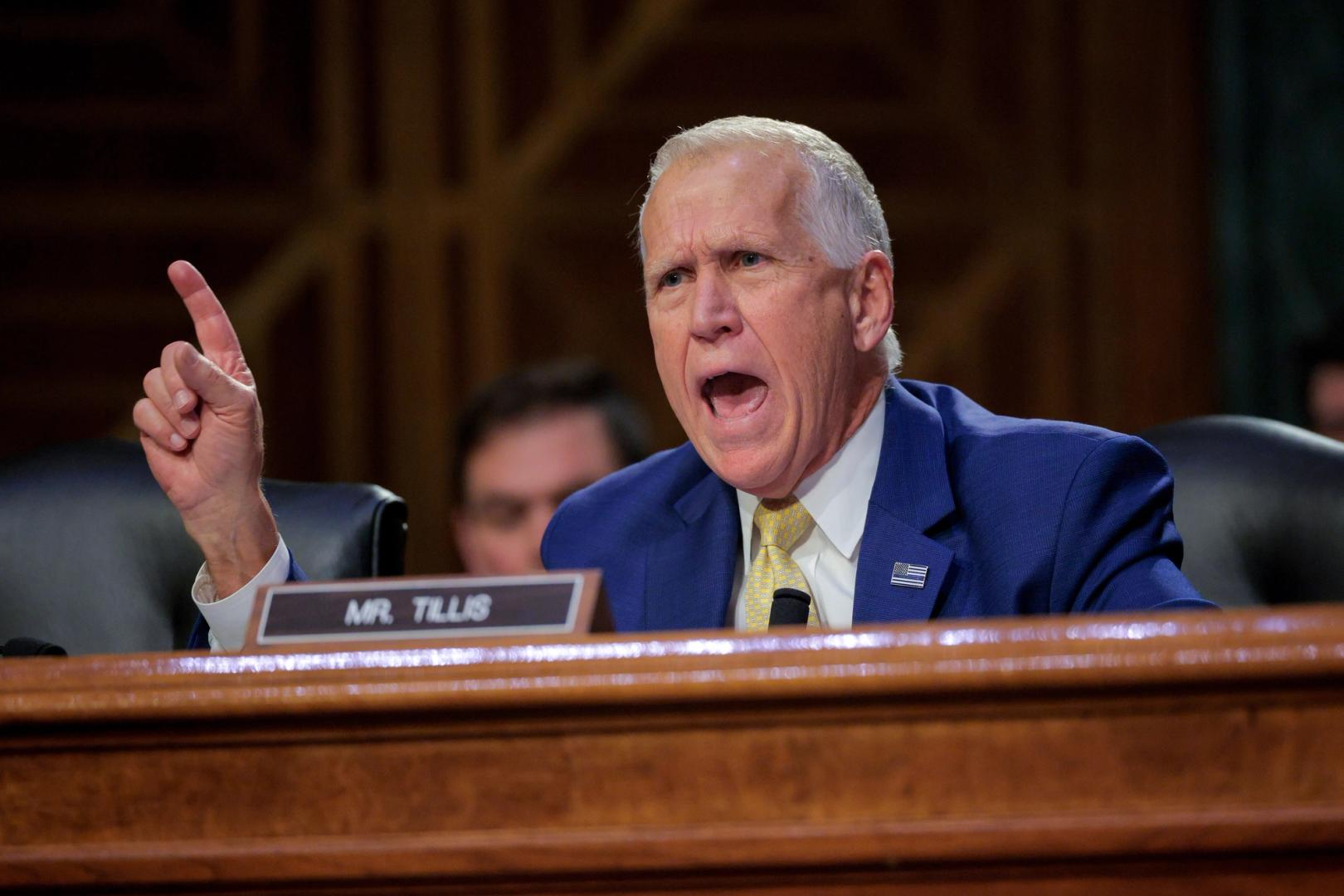
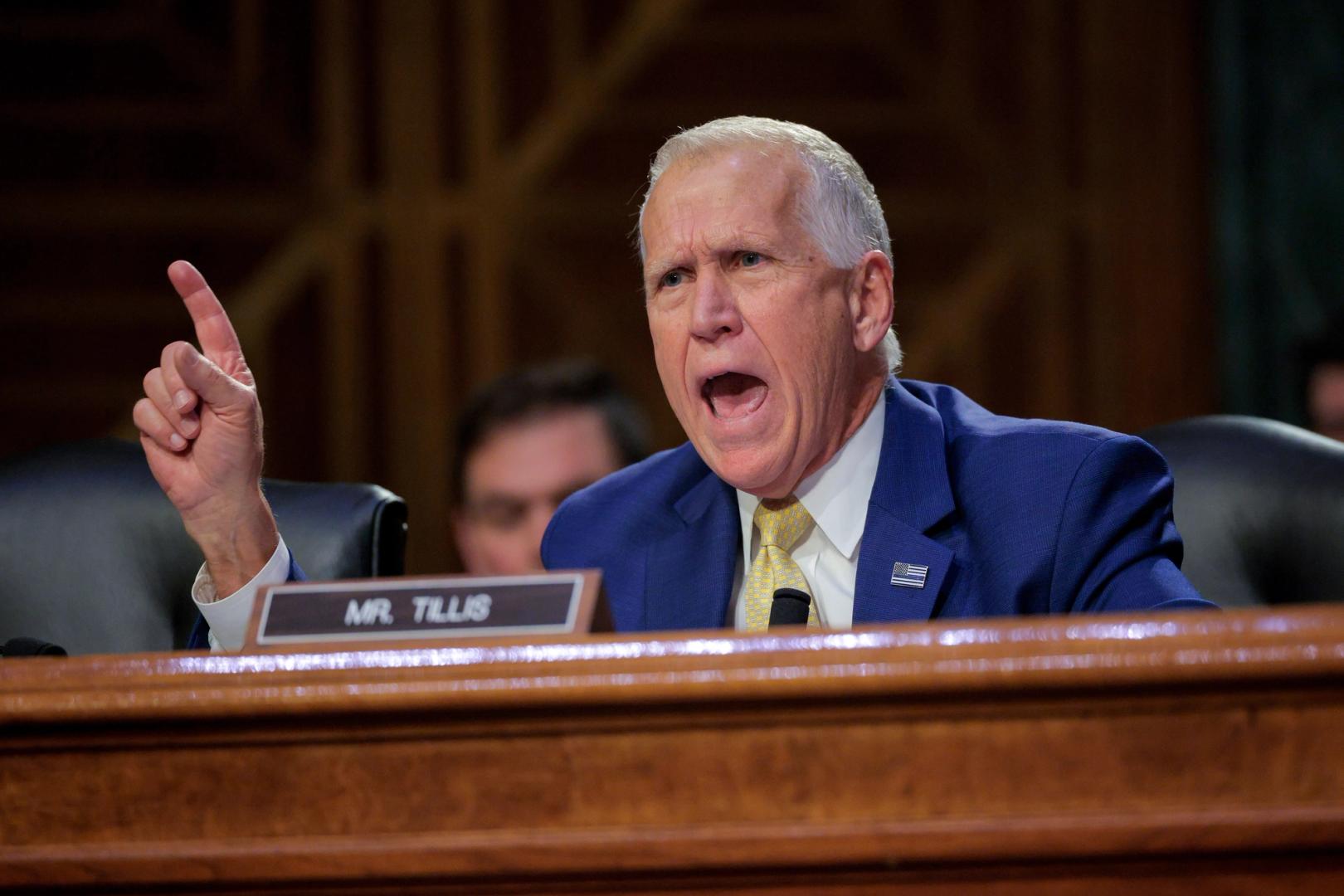
April appears to be a lost cause for the crypto Clarity Act, but a U.S. Senate committee hearing sometime in May could keep the critical market structure legislation alive, as long as it can reach a final vote of the overall Senate by July, according to lobbyists and a lawmaker aide focusing on the market structure bill’s sluggish progress.
The legislative calendar is running out of room for this year, but a Senate aide told CoinDesk that a potential new delay of a couple of weeks — allowing Republican Senator Thom Tillis to finish discussions with bankers over stablecoin-yield concerns — is not yet pushing this work past the point of no return. The aide also said that earlier negotiations over decentralized finance (DeFi) protections are effectively settled, leaving few other impediments in the way of a committee approval.
One of the chief problems the crypto industry faces (if it can leap the stubborn hurdle of the banking sector’s objections about stablecoin rewards) is that the Senate Banking Committee hearing that the bill needs to clear would be only a first step of many.
Here’s the scheduling maelstrom the effort is now circling: The Senate will essentially flee Washington in August and be in election mode until the November congressional midterms arrive. It’s currently scheduled for about a dozen weeks of DC work before the elections, and it has some pressing matters on its plate during that time, including the funding battle over the Department of Homeland Security, clashes over the Iran war, the debate on voter identification and addressing nominations such as President Donald Trump’s pick to run the Federal Reserve, Kevin Warsh.
If the bill manages to finally get signoff from the Senate Banking Committee, the text needs to be merged with the version that passed the Senate Agriculture Committee. That merger work is the timing cushion that these current delays are eating into, the aide said.
The final legislation would likely be revised further as lawmakers add their final compromise on an ethics piece in which Democrats wanted to limit senior government officials (most pointedly President Trump) from profiting off of crypto interests. The aide said that language is now circulating back and forth on that point but that it won’t be in the banking panel’s version and would be added later. If they can get past that dispute and another demand about appointing a full slate of commissioners to oversee markets regulation, the bill may win enough Democratic support to pass.
Then the House would need to approve it again, because it’s very different from the version that chamber already advanced last year. But that would be expected to go quickly, as long as further disagreements don’t arise.
The last step, Trump’s signature, is expected to be the easiest, though he inserted some uncertainty in March when he said he wouldn’t sign any bill until he gets legislation approved that would demand voters prove their citizenship before they can cast ballots.
The Digital Asset Market Clarity Act, if approved, would become the second major crypto bill to become law, joining last year’s Guiding and Establishing National Innovation for U.S. Stablecoins (GENIUS) Act. But it’s an unresolved stablecoin matter from the GENIUS Act that has delayed progress on the Clarity Act since the start of the year, as bank lobbyists have drawn enough support from senators to back their worry that stablecoin rewards programs could be close enough to deposit yield that it jeopardizes the banks’ business model.
The debate — far afield from the central aims of the Clarity Act — has raged through White House interventions and tough rhetoric from crypto insiders. Coinbase, which stands to take a substantial hit if stablecoin reward programs are curtailed, has been at the forefront, and Chief Legal Office Paul Grewal posted Tuesday on social media site X with another push.
“You can’t be for CLARITY and against rewards,” he wrote. “It’s one or the other. Time to choose.”
Though key Senate negotiators had recently said they had an “agreement in principle” to move forward with a compromise, Republican Senator Tillis told reporters that earlier hopes for April progress was likely slipping into May. The White House has leaned into the crypto position on allowing some rewards that don’t look like interest on core bank deposits.
“It’s hard to explain any further lobbying by banks on this issue as motivated by anything other than greed or ignorance,” Patrick Witt, a top crypto adviser in Trump’s White House, said in how own recent posting on X. “Move on.”
In the current version, insiders say that the compromise has hovered steadily around an approach that would ban payment of yield on any product that looks or acts like insurance on a deposit, but it would still let firms such as Coinbase structure rewards programs that would be more akin to credit-card incentives. But the lawmakers have been shy about releasing text that could spark further negotiation drama, after letting both crypto and banking industry representatives review language last month.
“We’re too close to let this effort fail,” said Cody Carbone, CEO of the Digital Chamber, in a statement to CoinDesk. “A markup must happen to move this forward. It’s been three months since it was initially scheduled, and given the progress on all issues, especially the bipartisan stablecoin yield agreement, now is the time.”
Every day that passes without progress marks a decline in the odds for eventual Clarity Act success. The very next action should be the scheduling of the markup hearing and the sharing of the long-awaited bill text that the negotiators have been wrestling over.
“In our view, the odds of CLARITY being signed into law in 2026 are roughly 50-50, and possibly lower,” according to a research note that crypto investment firm Galaxy is planning on publishing this week. “The uncertainty stems not from any single issue but from the sheer number of unresolved questions that must be settled in sequence under severe time pressure.”
In other words, a single further blowup among the negotiators could be a fatal delay, though the period after the November elections could offer a final low-odds, last-ditch opening. The so-called “lame duck” session of Congress at the end of the year can be a period in which the outgoing Congress can still act, and more than one crypto insider has suggested that it’s not out of the realm of possibility that a hypothetically derailed Clarity Act could reappear then.
While crypto lobbyists are desperate for immediate action on the legislation, the industry is playing the long game on the political front. Crypto PACs have already devoted millions of dollars to keep adding to the list of its friends in Congress from both parties. The sector’s leading campaign-finance arm, Fairshake, is careful to back members of both parties, and many of their political picks will be joining next year’s Congress. If the Clarity Act is law by then, there are likely to be other pressing legislative matters for the industry, potentially including a tax overhaul and the establishment of a federal stockpile of bitcoin .

Texas can require public schools to display the Ten Commandments

(PHOTO) Rihanna Poses With 7-Month-Old Daughter Rocki on W Magazine Cover in Tender Mom Moment

Chicken Road slot w kasynie online RTP i zmienno.1114 (2)

Manchester United reach agreement with Casemiro over contract clause amid transfer speculation

Steven Gerrard disagrees with Gary Neville over ‘shock’ Chelsea and Arsenal claim | Football

US brings back mandatory military draft registration


![Selling XRP at $10 to Buy Back Cheaper at $5 Will Be The BIGGEST Mistake You Make! [DON'T DO THIS!]](https://wordupnews.com/wp-content/uploads/2026/04/1776814846_maxresdefault-80x80.jpg)
-

 News Videos7 days ago
Secure crypto trading starts with an FIU-registered
-

 Fashion4 days ago
Weekend Open Thread: Theodora Dress
-

 Politics4 days ago
Palestine barred from entering Canada for FIFA Congress
-

 Sports5 days ago
NWFL Suspends Two Players Over Post-Match Clash in Ado-Ekiti
-
Entertainment2 days ago
NBA Analyst Charles Barkley Chimes in on Ice Spice McDonald’s Fiasco
-

 Business2 days ago
Powerball Result April 18, 2026: No Jackpot Winner in Powerball Draw: $75 Million Rolls Over
-

 Crypto World4 days ago
Russia Pushes Bill to Criminalize Unregistered Crypto Services
-

 Politics1 day ago
Gary Stevenson delivers timely reminder to register to vote as deadline TODAY
-

 Politics3 days ago
Zack Polanski demands ‘council homes not luxury flats for foreign investors’
-

 Tech3 days ago
Auto Enthusiast Scores Running Tesla Model 3 for Two Grand and Turns It Into Bare-Bones Go-Kart
-
 Business5 days ago
Creo Medical agree sale of its manufacturing operation
-

 Tech6 days ago
‘Avatar: Aang, The Last Airbender’ Leaked Online. Some Fans Say Paramount Deserves the Fallout
-

 Crypto World4 days ago
Russia Introduces Bill To Criminalize Unregistered Crypto Services
-

 Tech7 days ago
Microsoft adds Windows protections for malicious Remote Desktop files
-

 Crypto World7 days ago
X Launches New Cashtag Feature for Stocks and Crypto: X
-
 Entertainment7 days ago
Dave Portnoy Slams Dianna Russini: ‘Makes Zero Sense’
-

 Sports6 days ago
British climbers complete new route in Swiss Alps
-
 Crypto World7 days ago
Bitcoin surpasses halfway mark in current halving cycle
-
 Crypto World3 days ago
Kelp DAO rsETH Bridge Hack Drains $292M as DeFi Losses Top $600M in Two Weeks
-

 Sports7 days ago
WTA roundup: All seeded players advance in Stuttgart, Rouen
You must be logged in to post a comment Login