Connect with us
DAPA Banner

NewsBeat

why one person’s painkiller can be another person’s problem

Published

on

why one person’s painkiller can be another person’s problem

For a medicine so commonly found in bathroom cabinets and high street pharmacies, codeine has a surprisingly complicated story. It sits at the intersection of pain relief, genetics, public health and regulation. As the UK continues to tighten rules around opioid use, codeine offers a useful case study in how a drug can be both helpful and potentially harmful, depending on who takes it and how it is used.

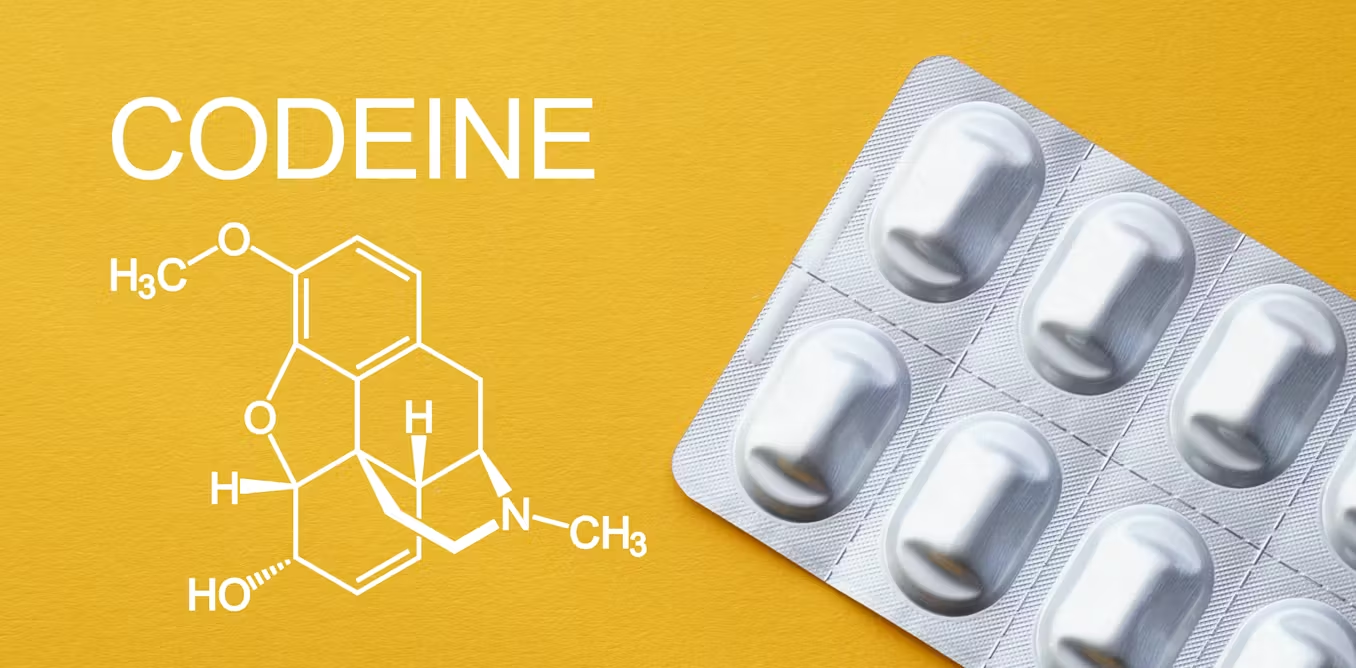
Codeine is an opioid used to treat mild to moderate pain. In some formulations, it is also used to suppress coughing. Over-the-counter products typically combine it with paracetamol, as in co-codamol, or ibuprofen, while stronger doses are available only on prescription.

Codeine itself is a weak opioid. Its analgesic effect is about one tenth that of morphine. Once swallowed, it is metabolised by enzymes in the liver, with some of it converted into morphine. That morphine then produces pain relief by acting on opioid receptors in the brain. For most people, the body makes enough morphine to ease symptoms. For others, the same dose can be ineffective or unexpectedly strong.

One of the most striking features of codeine is how differently people process it. The enzyme mainly responsible for converting codeine into morphine, CYP2D6, varies significantly between people. Most metabolise codeine at an expected rate, but some carry genetic variants that alter the process.

Advertisement

A small proportion of the population are ultra-rapid metabolisers, thought to make up around 1% to 2% of people. They convert codeine into morphine much faster than average. This trait is more common among people of North African and Middle Eastern backgrounds, for whom even standard doses can produce unexpectedly high morphine levels, increasing the risk of severe drowsiness, breathing difficulties and other serious side effects.

Around 2% to 11% of people are intermediate metabolisers. Their CYP2D6 enzyme works more slowly or less effectively, so codeine may provide only limited benefit.

At the other end of the spectrum are poor metabolisers, estimated to make up 5% to 10% of the population. They convert very little codeine into morphine, so the drug may offer little or no pain relief. Poor metabolism is more common in people of white European descent. In these cases, it may make more sense to prescribe a different painkiller rather than rely on a drug the body cannot use efficiently. This wide variation makes codeine far less predictable than many people assume.

That unpredictability matters because low-dose codeine does not always offer much in return. Research suggests that many over-the-counter codeine products provide little proven benefit for pain relief, particularly at doses below 10mg, while still carrying the risk of side effects. A review found that low-dose codeine combinations gave only modest relief for short-term pain, such as dental pain, episiotomy pain or pain after minor surgery, and many of the underlying trials were small.

Advertisement
Low dose codeine may not be the most effective painkiller for some.
Kmpzzz/Shutterstock

By contrast, combinations such as ibuprofen 400mg with higher-dose codeine, between 25mg and 60mg, appear to provide more reliable relief. Even so, studies suggest that simple combinations such as paracetamol plus ibuprofen can match or outperform low-dose codeine products without the risks associated with opioids.

Common side effects include constipation, nausea, dizziness and drowsiness. At higher doses, codeine can slow breathing and impair coordination. It can also interact with other medicines that cause sedation, including some antiepileptic drugs. Certain antidepressants can block the enzyme that converts codeine into morphine, making it less effective.

Like other opioids, codeine can also become less effective with repeated use. This process, known as tolerance, happens when the brain’s opioid receptors adapt to the drug. People may then need higher doses to achieve the same effect. Even when taken as directed, tolerance can develop within days, and as doses rise, so does the risk of physical dependence.

Stopping suddenly after regular use can trigger withdrawal symptoms such as restlessness, sweating, anxiety and poor sleep. This is why health professionals advise using codeine for the shortest possible time and tapering the dose if it has been taken for longer periods.

Advertisement

Concerns about misuse, addiction and accidental harm have prompted tighter regulation in the UK. The Medicines and Healthcare products Regulatory Agency has introduced clearer warnings on packaging about addiction risk and limited over-the-counter pack sizes to a maximum of 32 tablets or capsules. Non-prescription codeine-containing products are now intended for use for no more than three days. Stronger codeine tablets, including 30mg formulations, have long been prescription-only.

Some products have faced even stricter controls. Codeine linctus, once widely used as a cough suppressant, was reclassified as prescription-only in 2023 because of growing concerns about misuse and diversion. It has been used in “purple drank”, a recreational mixture of codeine cough syrup with soft drinks and sometimes alcohol. Its opioid effects can lead to dependence, breathing difficulties and overdose, especially when combined with other sedatives.

Codeine remains a useful option for short-term pain when other medicines are unsuitable or insufficient. But its effectiveness, safety and potential for dependence vary far more than many people realise.

In a landscape where medicines are often judged by how familiar they feel, codeine is a reminder that common does not always mean simple. Used carefully, it can help. Used carelessly, it can cause problems that last long after the pain itself has passed.

Advertisement

Source link

Continue Reading
Click to comment

You must be logged in to post a comment Login

Leave a Reply

NewsBeat

Man killed in town centre after crash between bike and car

Published

on

Wales Online

A section of the road in Maesteg was closed overnight

A man has died after a crash between a car and a bike in a Welsh town centre during the early hours of the morning.

Emergency services were called to Llynfi Road in Maesteg shortly after midnight on Saturday. The road reopened on Saturday morning after being closed for several hours overnight as police carried out investigation work.

Sadly, police have confirmed that a 21-year-old man died as a result of the collision, which involved one car and one bike. The man was from the village of Cymmer in the Rhondda Valley, but no further details have been announced at this time. Read the biggest stories in Wales first by signing up to our daily newsletter here.

Advertisement

A spokesman for South Wales Police said: “We were called at 12.05am am on Saturday, April 25, to reports of a collision involving a car and a bike on the junction of Llynfi Road and Upper Street in Maesteg.

“As a result of the collision a 21-year-old man from Cymmer has died. Investigations into the collision are ongoing.”

Get daily breaking news updates on your phone by joining our WhatsApp community here. We occasionally treat members to special offers, promotions and ads from us and our partners. See our Privacy Notice.

Source link

Advertisement
Continue Reading

NewsBeat

Man in 30s found dead behind Heron Foods shop in Stockton

Published

on

Man in 30s found dead behind Heron Foods shop in Stockton

As a subscriber, you are shown 80% less display advertising when reading our
articles.

Those ads you do see are predominantly from local businesses promoting local
services
.

These adverts enable local businesses to get in front of their target audience – the local
community
.

It is important that we continue to promote these adverts as our local businesses need
as much support as possible during these challenging times.

Advertisement

Source link

Advertisement
Continue Reading

NewsBeat

Missing 13-year-old boy Riley could be in Chester-le-Street

Published

on

Missing 13-year-old boy Riley could be in Chester-le-Street

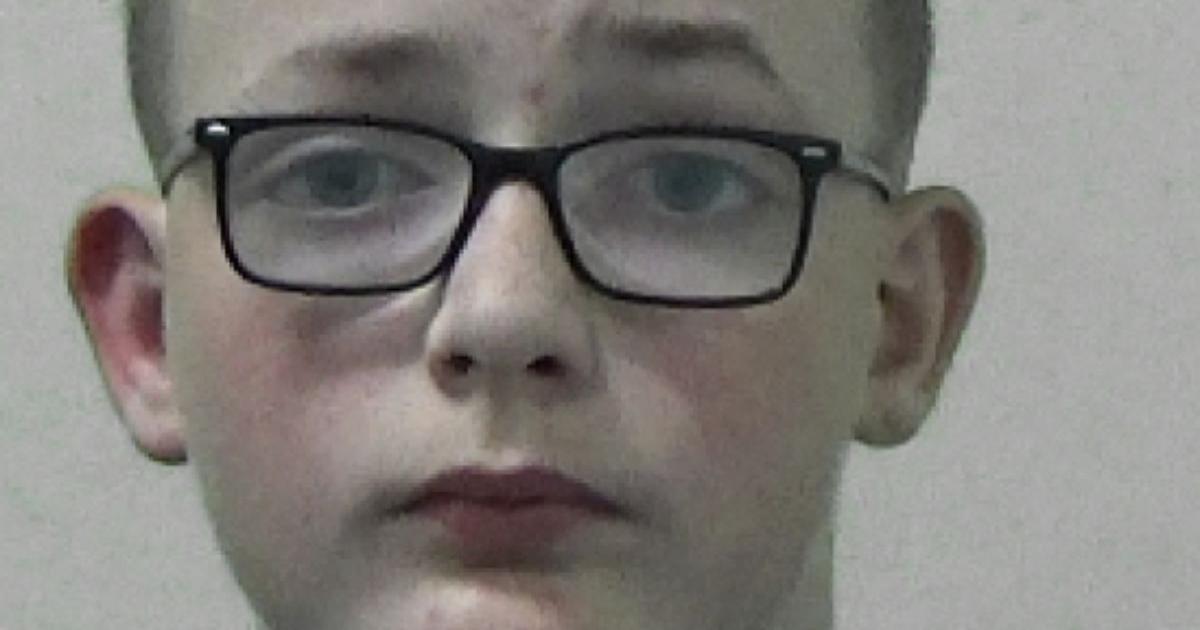
Riley, 13, was last seen in the Regent Court area of Gateshead town centre at around 3pm on Tuesday, April 21.

However, he has been in touch with his family yesterday (Friday).

Extensive enquiries have been ongoing by Northumbria Police to locate him.

Advertisement

The 13-year-old is known to frequent the Chester-le-Street area of County Durham and the Stockton area of Teesside.

Riley is described as a white boy, 5ft 6in tall and of slim build with mousy brown short hair.

He wears glasses and is believed to be wearing a grey Berghaus jacket, black pants and black trainers.

Anyone who knows where Riley is should send Northumbria Police a direct message on social media or use the live chat and report forms on the force’s website.

Advertisement

For those unable to make contact via the above ways, call 101 and quote reference number: NP-20260421-0796.

Source link

Advertisement
Continue Reading

NewsBeat

Morrison’s worker sacked after tackling shoplifter says ‘you mean the world to me’ as crowd turns out in support

Published

on

Daily Mirror

Locals showed up at a demo outside a Morrisons shop after a store manager was fired for tackling an aggressive repeat shoplifter

A Morrisons store manager sacked by the chain for tackling an aggressive shoplifter has thanked crowds who turned up to demand he get his job back.

Advertisement

Sean Egan, 46, said he had worked for the supermarket chain for 29 years but was dismissed after he attempted to stop a repeat shoplifter from leaving the shop, in Aldridge, near Walsall. The controversial sacking has led to the local community gathering together at a demo outside the supermarket in support of the former store manager.

Mr Egan showed up at today’s protest and thanked the locals who have “backed him from the beginning”.

READ MORE: Sacked Morrisons manager Sean Egan says supermarket ‘threw me under the bus’READ MORE: Greggs stores changed in major new look to beat shoplifters

Advertisement

The 46-year-old became involved in an altercation with career criminal Daniel Kendall who spat in his face and became aggressive inside the Morrisons shop.

A disciplinary hearing following the incident determined Mr Egan, from Wolverhampton, would be dismissed because he did not follow the chain’s deter-and-not-detain policy. Mr Egan, who started working at the chain while still at school, said he followed Morrisons’ protocol with a calm approach initially but Kendall started to spit at the manager.

Locals in Aldridge organised what they called a peaceful protest outside Morrisons Aldridge between 9am and midday on Saturday, April 25. A banner for the event called on the supermarket to: “Do the right thing – reinstate Sean Egan.”

A video from the demo showed Mr Egan turned up as supporters held up signs in support of the fired employee, and drivers honked in support of the cause.

Advertisement

Mr Egan, in the video, praised the locals and said: “People of Aldridge have backed me from the beginning. They’ve backed me for years and for this support today, for everybody turning up… I really appreciate it, thank you ever so much. You mean the world to me.”

He added that the area and customers were “very unique”, and said: “The people in Aldridge that have always supported me and have been an amazing group of people and it’s a beautiful village and I’ve worked in lots of stores and it’s very unique and thank you for everything you’ve done and are doing for me.”

A GoFundMe page set up for Mr Egan, by local customers of the Aldridge shop, has raised over £12,000 so far. The fundraiser said: “Now, Sean is facing one of the toughest challenges of his life.

Advertisement

“After decades of loyal service, he is taking his case to an employment tribunal to challenge what he believes is an unfair and disproportionate outcome. This isn’t just about one moment, it’s about fairness, loyalty, and standing up for what’s right.”

A spokesperson for Morrisons previously said: “We are continuing to take wide-ranging action to address the threat of shoplifting or violence in our stores.

“The health and safety of all colleagues and customers is of paramount importance to Morrisons. We have very clear guidance, procedures and controls in place to protect our colleagues and customers from the risk of harm, which must be strictly followed.

Advertisement

“These include detailed procedures for handling shoplifting incidents, which are in place to protect both the colleague involved and surrounding colleagues and customers, and which seek to de-escalate and calmly control the situation. We will not ask colleagues to put themselves at risk.” The Mirror has reached out to Morrisons for comment.

Source link

Continue Reading

NewsBeat

‘I felt something strange – looking in the mirror saved my life’

Published

on

Daily Record

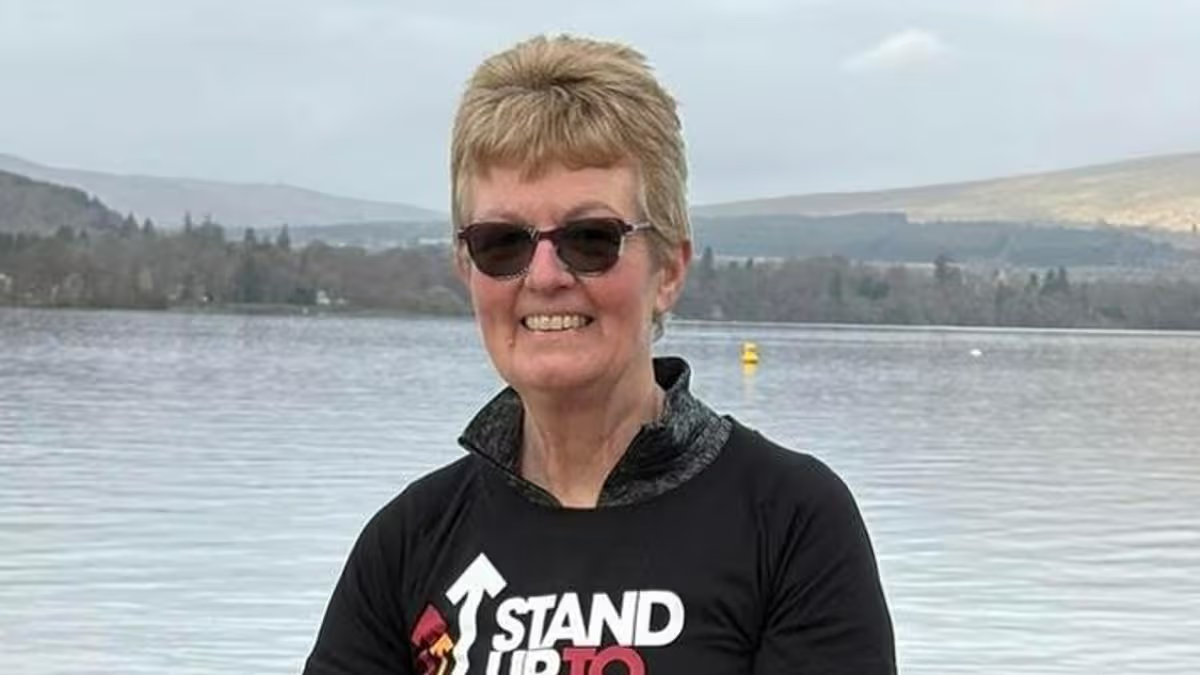
Jane McNiven, from Alexandria near Loch Lomond, was lying in bed when she noticed something didn’t feel quite right when she lay on her side.

A grandmother has told how checking her breasts in front of a mirror at home saved her life after it led to her discovering she had cancer. Just over a year ago, Jane McNiven, 63, was lying in bed when she noticed something didn’t feel quite right when she lay on her side.

Advertisement

The GP practice manager, from Alexandria near Loch Lomond, says it felt like a small lump – but when she stood up it disappeared. Trusting her instincts, she decided to check her breasts properly in the mirror.

Standing face on and placing her hands around her neck, she could clearly see that something looked different in her right breast. Jane believes double-checking was what saved her.

She said: “It would have been completely undetectable if I hadn’t checked in front of the mirror. I am so glad I did, because otherwise I would have just carried on as normal, completely unaware that anything was wrong.”

As reported by Glasgow Live, Jane contacted her GP and was soon referred to the Breast Clinic at the Royal Alexandra Hospital in Paisley for scans and a biopsy. “It all happened very quickly,” Jane said.

Advertisement

“I was told I would need surgery followed by chemotherapy. It was a huge rollercoaster of emotions, but I felt grateful that I had found the lump early and that treatment could start straight away.”

Jane felt well enough to get back to work between treatments following surgery. She continued: “I was very fortunate to feel relatively well physically, but cancer also brings a mental and emotional load. I decided to focus on looking after my health and getting on with life as much as I could.”

Jane and her family are passionate dog lovers and, just before her diagnosis, she had taken on two new puppies bringing her total to four Scottish Highland Terriers (Scotties): Edward, Ebony, Tromie and Dugald.

She added: “My family and the dogs kept me going. I walked them every day, which really helped keep my fitness levels up. I then decided to start walking to raise money for cancer charities.”

Jane’s granddaughters, Daphne, 11, and Evie, 9, also wanted to help. They organised a fundraiser at their school through the charity event Scotties in the City, raising money for Maggie’s, the cancer support charity. Earlier this year, the girls also attended Crufts, where they were awarded the Young Person’s Award in recognition of their fundraising efforts.

Advertisement

Jane added: “Going to Crufts is really special for our family, and seeing the girls recognised for their fundraising was one of my proudest moments. It’s something I might never have experienced if I hadn’t checked my breasts, been diagnosed early and received treatment.”

Now recovering and looking to the future, Jane is determined to share her message with others. “I urge everyone to check their breasts regularly,” she said. “Look, feel, and know what’s normal for you.

“Even if you attend regular screening or have recently been given an all-clear, changes can still happen in between. Checking my breasts, especially looking in the mirror, saved my life. Please make it something you do for yourself.”

Advertisement
Content cannot be displayed without consent

Rosemary Stevens, consultant clinical oncologist at NHS Greater Glasgow and Clyde, said: “Jane’s story is a reminder of why being breast aware is so important. Breast screening can save lives, but it is also vital that people also know how their breasts normally look and feel and check for changes in between screening appointments. Also, this is important for women who may not yet have reached the routine screening age of 50.

“Checking your breasts doesn’t need to take long and there’s no right or wrong way to do it. NHS Inform advises looking at your breasts in the mirror with your arms by your sides and then raised, and feeling all areas of the breast, up to the collarbone and into the armpit, using both light and firmer pressure.

“What matters most is getting to know what’s normal for you. If you notice any change, whether it’s a lump, a change in shape, skin texture, nipple position or discharge, please contact your GP practice without delay. Finding cancer early often means treatment is more straightforward and outcomes are better.”

Changes in breasts to be aware of are:

Advertisement
  • A lump or bump, or an area of thickened tissue on one or both breasts
  • A change in the size or shape of one or both breasts
  • A lump or swelling in either armpit
  • Skin on either breast that looks like orange peel
  • Crusting on or around either nipple
  • A leaking nipple, that may or may not include blood
  • Dimples on your breast, or skin that’s become drawn in
  • A nipple that’s become turned in

More information on checking your breasts can be found online here.

Get more Daily Record exclusives by signing up for free to Google’s preferred sources. Click HERE.

Source link

Continue Reading

NewsBeat

Jet2 issues surcharge update amid rising jet fuel prices

Published

on

Jet2 issues surcharge update amid rising jet fuel prices

The dispute in the Middle East between the US, Israel, and Iran has caused major disruptions to jet fuel supplies recently.

This has led to soaring prices and warnings that flights could be affected because of Europe’s reliance on fuel imports from around the world.

The Airports Council International (ACI), which represents more than 600 airports, has warned that Europe could be hit by a “systemic” shortage of jet fuel in the coming weeks if the Strait of Hormuz (which has been effectively closed off by Iran) does not reopen.

Advertisement


Director-general of ACI, Olivier Jankovec, said: “At this stage, we understand that if the passage through the Strait of Hormuz does not resume in any significant and stable way within the next three weeks, systemic jet fuel shortage is set to become a reality for the EU.

“The fact that we are entering the peak summer season is only adding to those concerns.”

Jet2 issues update on the introduction of surcharges

Major airlines around the world, including Air New Zealand, have already responded to the disruptions to jet fuel supplies by increasing fares and cutting flights.

Lufthansa has closed its CityLine regional subsidiary, which operates routes between London and Munich and Frankfurt.

Advertisement

Norse Atlantic Airways has also cancelled all routes to Los Angeles, including flights from London Gatwick Airport.


Meanwhile, budget airline TUI has said it is “monitoring” jet fuel shortages.

Earlier this week, Jet2 responded to passenger concerns, confirming all its planned flights will “go ahead as normal”.

Advertisement

Now, the budget airline has revealed it will not be introducing surcharges on any of its flights or holidays.

While some major airlines and travel companies have introduced surcharges recently to cover the rising prices of fuel, Jet2 has confirmed it is taking an “industry-leading” position by not passing these costs onto its customers.

The policy, which does not include tourist taxes, applies to all flights and holidays booked through any channel, whether online, via the mobile app, contact centre, or independent travel agent.

Jet2 CEO, Steve Heapy, said: “Holidaymakers should have every right to book their hard-earned break in the sun, without worrying about being hit with additional costs, and they can have that complete assurance when they book a flight or holiday with Jet2.

“As a result of today’s announcement, customers booking with Jet2 know that they are locking in their price without additional cost surprises later and we strongly believe that is the right thing to do by them.

Advertisement

“Ahead of a busy summer this is yet more evidence of why, on top of our incredible holidays and award-winning customer service, nothing beats a Jet2holiday.”

Are you planning on booking a holiday with Jet2 this summer? Let us know in the comments below.

Source link

Advertisement
Continue Reading

NewsBeat

M11 shuts after car flips on its side near Girton as 999 crews rush to scene

Published

on

Cambridgeshire Live

Drivers should avoid the area where possible

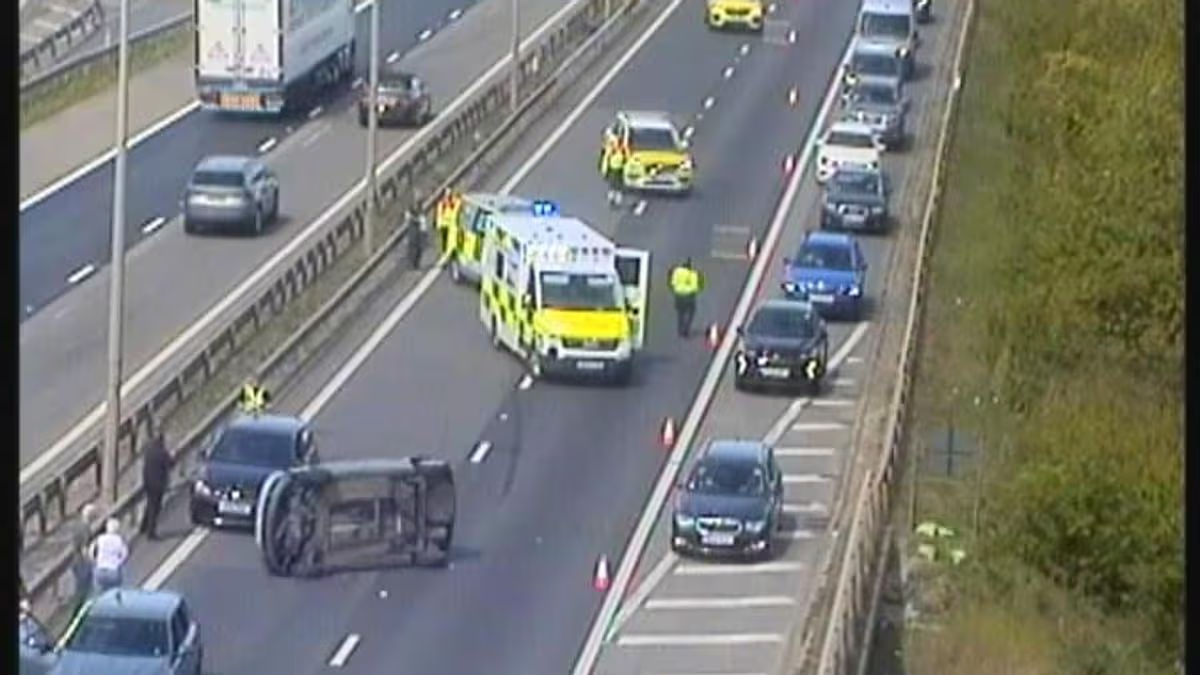
There is severe traffic on the M11 this afternoon (April 25) due to a car overturning. The incident is impacting traffic heading southbound on the M11.

Advertisement

The incident took place at junction 14 A14 J31 (Girton / Cloverleaf Interchange). Two lanes of the M11 have been closed as a result of the crash as of 12.50pm.

Traffic cameras show that one car has turned onto its side. Cambridgeshire Police and ambulance services are both in attendance at the scene.

Cars are using the hard shoulder as a lane for flowing traffic. Cambridgeshire Police and East of England Ambulance Service have been contacted in relation to this incident.

Source link

Advertisement
Continue Reading

NewsBeat

Beeston incident live: Nottinghamshire shopping street on lockdown as police swarm

Published

on

Daily Mirror

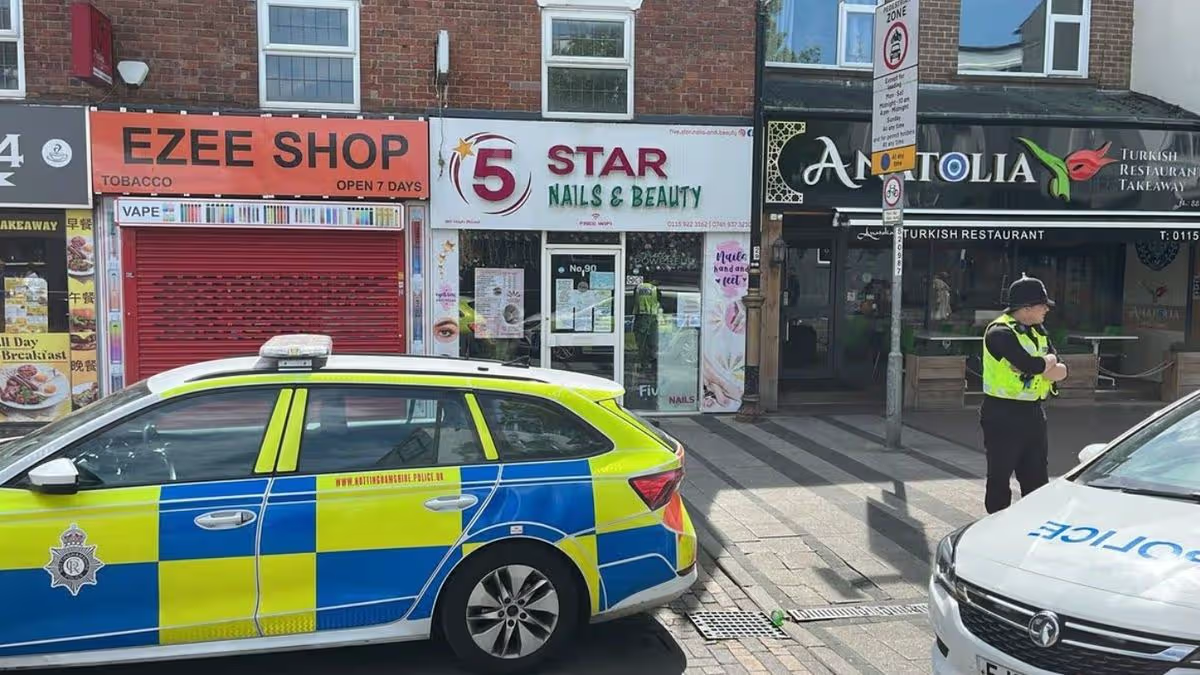
A cordon stretches on High Road from the best-one corner shop to the Pizza Hut Delivery store.

Businesses located inside the cordon include Anatolia Turkish restraunt, 5 Star Nails and Beauty, Ezee vape shop, Cafe 94, Bing Kee boba shop, Washoku sushi shop and Iguazu.

Inside the cordon are two police cars, a crime scene investigation vehicle, and two other cars – a black ford and a white Audi.

Advertisement

Two police officers are working within the cordon, our reporter George says.

Source link

Continue Reading

NewsBeat

Best farm shops and delis in Cambridgeshire named by Muddy Stilettos

Published

on

Cambridgeshire Live

See what farm shops have been named among the best in our region

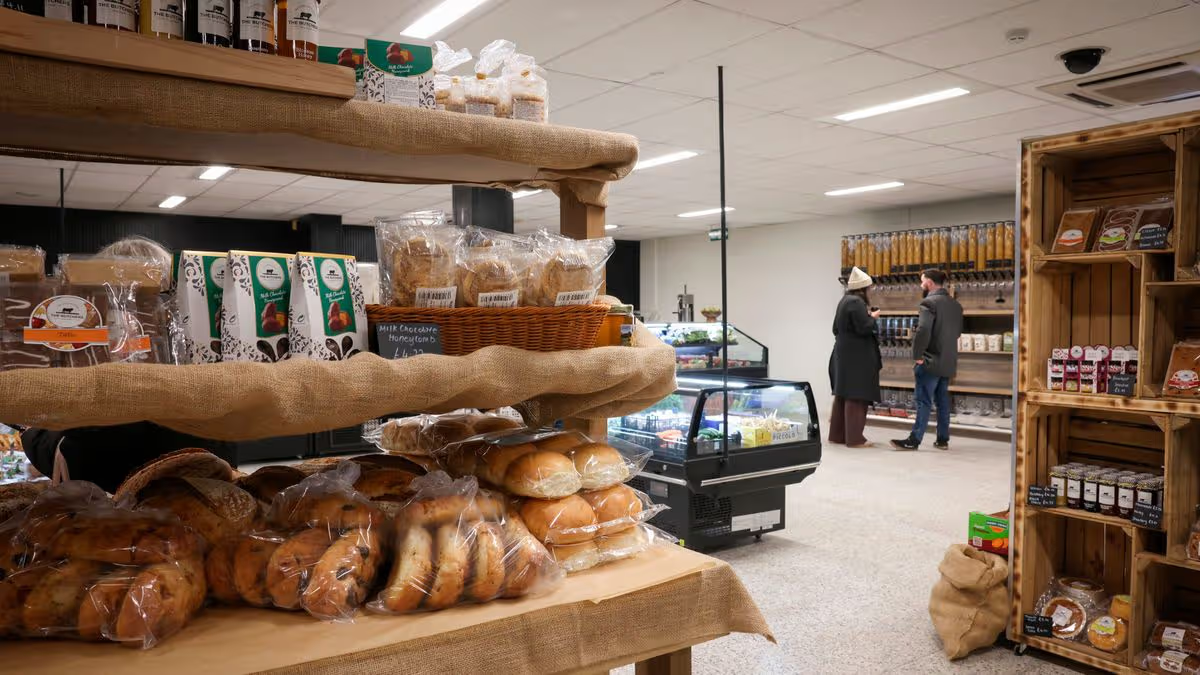
Farm shops are some of the best places for a day out. Across Cambridgeshire, there are a number on offer for people to visit and explore.

Advertisement

As it does every year, Muddy Stilettos has announced the best of what the region has on offer. One of these categories is the best farm shop and delis.

Several farm shops and delis have been named as some of the best in Cambridgeshire and Suffolk. The best farm shops and delis named in Cambridgeshire are:

  • The GOG in Cambridge – The Gog, located at Heath Farm in Stapleford, specialises in craft butchery, artisan cheese and deli. Customers have described their visits there as a “lovely experience”.
  • Willow Grange Farm Shop in Chittering – This dog friendly farm shop is based in Ely Road, Chittering, and also has a café on site. Customers have described it as a “traditional” farm shop and find it “fabulous”.

The other establishments making the list are based in Suffolk. These are:

  • Alder Carr Farm in Ipswich;
  • The Barn Butchery in Bury St Edmunds;
  • The Black Dog Deli in Walberswick;
  • Field’s Farm Shop in East Bergholt;
  • Friday Street Farm Shop in Saxundham;
  • Little Gems in Southwold;
  • Suffolk Food Hall in Ipswich;
  • Willow Tree Farm Shop in Glemsford.

People who wish to vote for their favourite local pub can do so on the Muddy Stilettos website.

Do you want more of the latest Cambridgeshire news as it comes in from across the county? Sign up to our dedicated newsletter to make sure you never miss a big story from Cambridge or anywhere else in the county. You can also sign up to our dedicated Traffic and Crime newsletters for the latest updates on the topics you are most interested in.

Source link

Advertisement
Continue Reading

NewsBeat

Saltburn ‘Knitting Nannas’ raise funds for Indian elephants

Published

on

Saltburn ‘Knitting Nannas’ raise funds for Indian elephants

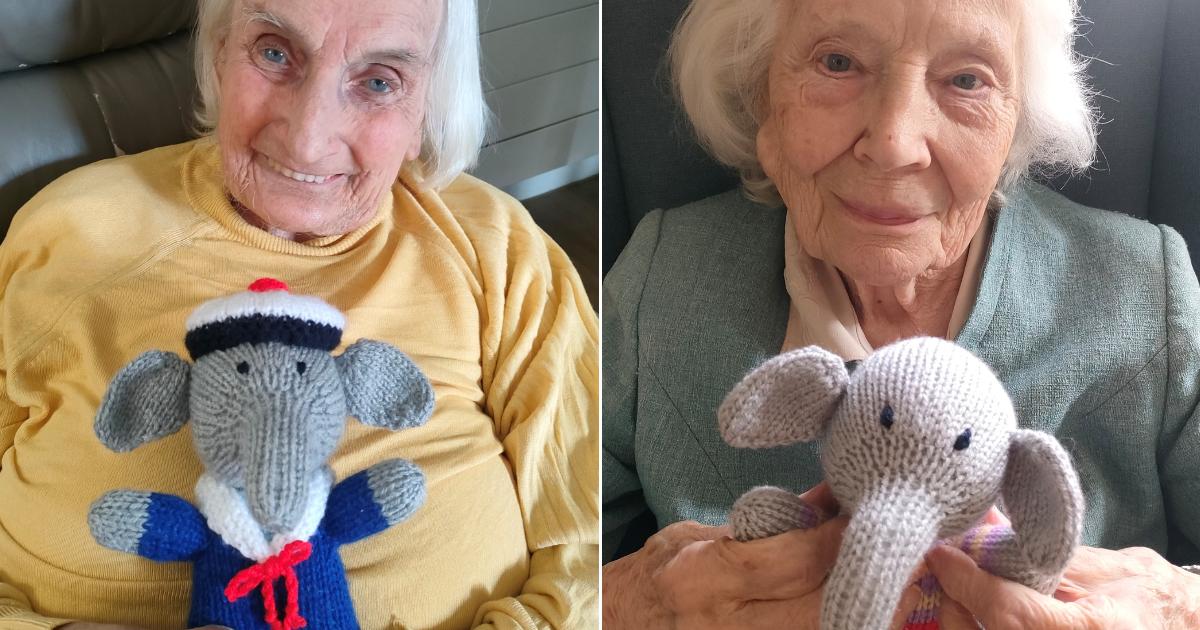
The “Knitting Nannas” of Hazelgrove Court Care Home in Saltburn, all in their 70s, 80s, and 90s, are supporting Wildlife SOS, an organisation that works to rescue, treat and protect wildlife across India while providing lifelong care to animals in need.

Sharon Lewis, activities coordinator at Hazelgrove Court Care Home, said: “The knitted elephants have been flying out.

Hazelgrove Court Care Home resident Joyce Baxtrem, 95 (Image: Supplied)

“They sell straight away and the residents are already busy making more.”

The group has previously made toys for monkeys, blankets for rhinos in South Africa, and jumpers for penguins in Australia.

Advertisement

In honour of Save the Elephant Day, residents joined a web call with Wildlife SOS, where they heard directly from Wildlife SOS leadership about their work helping elephants exploited for begging, as well as efforts to improve welfare and end the practice.

Hazelgrove Court Care Home resident Ellen Else, 94 (Image: Supplied)

Linda Whiteley, UK manager at Wildlife SOS, introduced residents to Kartick Satyanarayan, the charity’s co-founder and CEO.

Mr Satyanarayan described how the charity aims to end the exploitation of begging elephants by 2030 and the complex care they provide—including purpose-built elephant ambulances and rehabilitation programmes.

He also shared the story of Bani, a three-year-old elephant who was knocked down by a train.

Advertisement

Wildlife SOS team members in India with their elephant ambulance (Image: Supplied)

Rescuers initially thought she would never walk again but, with specialist care and custom-made boots, Bani has since regained her mobility.

Funds raised through the sale of the knitted elephants will go towards helping elephants like Bani.

Tina Parker, 75, a Hazelgrove resident, said: “Elephants are my favourite animal, and it is heartbreaking to think people will take them from the wild and make them beg, breaking their spirit.”

Two of the woollen elephants produced by The Knitting Nannas from HazelgroveCourt Care Home, in Saltburn (Image: Supplied)

Ellen Else, 95, said: “I am happy that I am still able to help with the knitted elephants we are doing, which will raise money to help these poor elephants.”

Advertisement

Fellow resident Peter Rayson, 77, said: “It was wonderful to be invited to the webinar and see the amazing work the rescuers are doing.”

Ms Lewis said the project had given residents a real sense of purpose.

Three-year-old Bani, who was rescued and rehabilitated by Wildlife SOS after shewas knocked down by a train (Image: Supplied)

She said: “The Knitting Nannas love knowing that something they have made with their own hands is helping animals on the other side of the world.

“It gives them a huge sense of achievement and has sparked lots of conversations with families and visitors about wildlife and conservation.”

Advertisement

Ms Whiteley said: “The entire team and I are sincerely touched by the creativity, thoughtfulness, and generosity of the residents of Hazelgrove Court Care Home.

“Knowing that they care so deeply about the once-captive elephants in our care highlights the global appreciation for these endangered keystone animals.”

Source link

Advertisement
Continue Reading

Trending

Copyright © 2025