
Politics
Trump Shares New Footage Of Shooting At White House Correspondents’ Dinner


President Donald Trump shared on Truth Social a photo and video footage of a shooter’s attempt to barrel past a security checkpoint at the White House Correspondents’ Dinner.
The video, shared shortly before a hastily convened press conference at the White House on Saturday night, shows a blur of a man running past law enforcement officers standing near magnetometers at the Washington Hilton.
Trump also posted photos of the suspect seen shirtless on the ground with his hands restrained behind his back.
“The man has been captured. They’ve gone to his apartment,” Trump said. He added that the suspect is in his 30s and from California.
“He’s a sick person, a very sick person, and we don’t want things like this to happen,” Trump added.
One law enforcement officer was shot during the incident but was wearing a bulletproof vest.
“The vest did the job. I just spoke to the officer and he’s doing great, great shape,” Trump said at the press conference.
Trump also used the shooting to promote his plans for a new White House ballroom, saying it will be “drone proof” with “bulletproof glass.”
“That’s why the military are demanding it,” Trump said.
“They’ve wanted the ballroom for 150 years, for a lot of different reasons, but today is a little bit different, because we need levels of security that no one has probably ever seen before,” Trump added.
Asked by a reporter how he’s coping following multiple assassination attempts, Trump said at least it hasn’t made him a “basket case.”

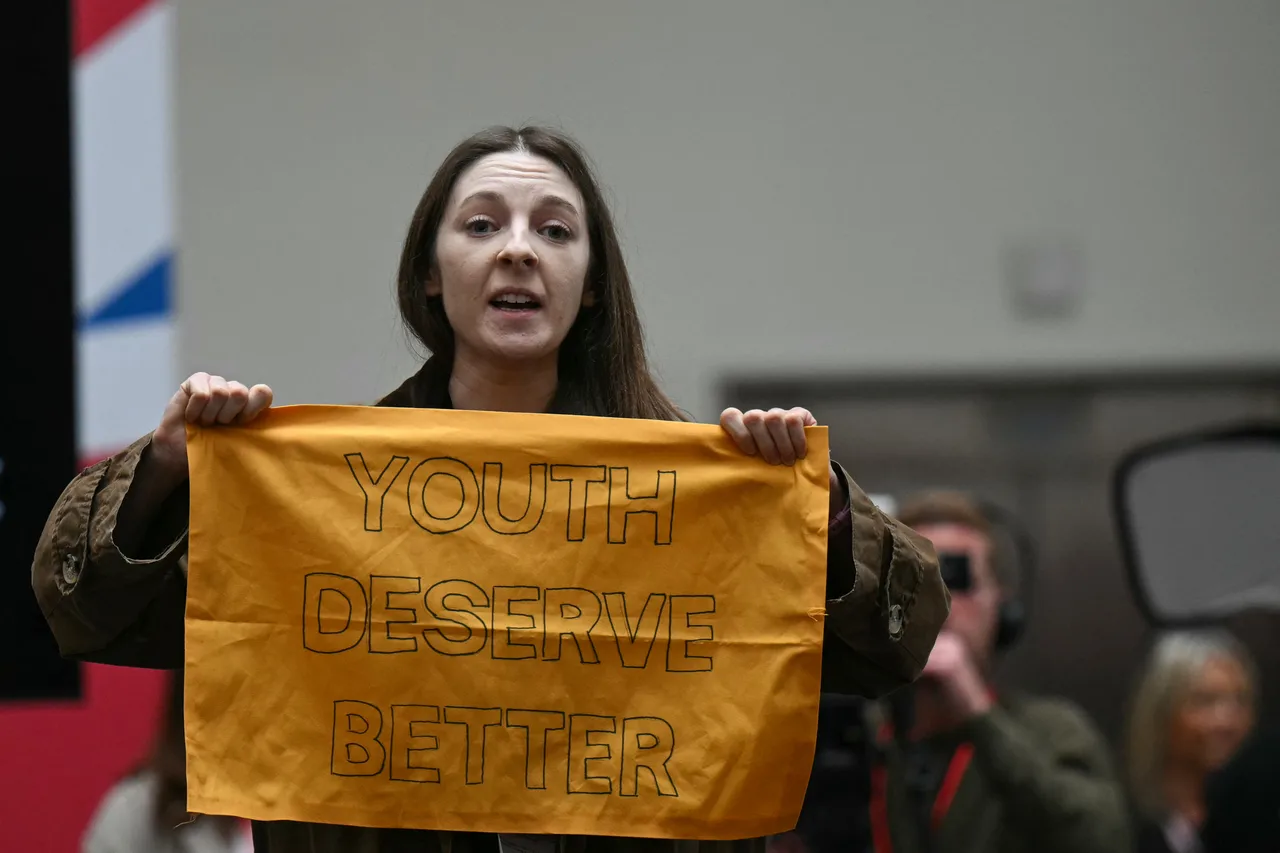
Labour risks losing “a generation of young voters” to the Greens and Reform, according to one of its own MPs.
Luke Charters told HuffPost UK that Labour has always been the “party young people backed when it mattered”.
But he warned: “If we don’t show we’re serious about delivering, we risk losing a generation to populists peddling false hope.”
His remarks come less than two weeks before voters head to the polls for local elections in England, and elections in the Welsh Senedd and Holyrood.
Polls suggest Labour are on course to potentially lose up to 2,000 English councillors, be defeated in Wales for the first time and see the SNP triumph in Scotland once again.
YouGov’s latest polls show the Greens are the most popular party among 18-24 year-olds on 36%, while Labour behind on 24% and Reform UK sit at 7%.
All three parties are much closer when it comes to 25-49-year-olds, though Greens still have a lead on 25%, Reform on 23% and Labour at 20%.
It’s a real reversal of the trends seen in 2024, when Labour was the most popular party for voters under-30s – 41% of 18-24-year-olds and 45% of 25-29-year-olds voted for the party.
Charters said: “Young people got a raw deal under the Tories, and some of the alternatives are no better.
“The Greens are offering gimmicks like DJ sets while Reform wants to cut young workers’ wages. You couldn’t make it up.”
He added: “Labour is delivering real change. Wage boosts, the Renters’ Rights Act, a better deal with Europe. But there is more to do on key issues like student loans and getting young people onto the housing ladder.”
The Renters’ Rights Act will ban no-fault evictions and ends fixed-term tenancy contracts from May 1, legislation is likely to appeal to the largest share of private renters – 25-34-year-olds.
Labour has also increased the National Living Wage for those aged 21 and over, and the National Minimum Wage for 18 to 20-year-olds.
Labour legalised voting for 16 and 17-year-olds, too.
Charters is not the only MP who thinks the government needs to focus on the younger demographic.
One Labour backbencher suggested the government should move its focus away from policies like the pension triple lock, having already put off the elderly generation by scrapping universal winter fuel payments.
Instead, they said the government should look towards what it can offer young people once again.
“That’s where the focus should be. No more of this leadership debate,” the MP said.
A government insider also told HuffPost UK admitted they intend on engaging young people “a lot” in the coming months – though not at the expense of other groups.

OLI SCARFF via AFP via Getty Images
An EU official also told HuffPost UK that helping young people will likely be one of the core means for the bloc will try to re-establish ties after Brexit.
The UK joined the Erasmus + scheme last week, allowing people from the EU and the UK to work or study in one another’s countries for a limited time period.
Minister for EU relations Nick Thomas-Symonds told HuffPost UK that “we think 100,000 most likely young people” will be joining that programme overall.
Considering 83% of 16 to 24-year-olds would vote to rejoin the EU, according to a February ITV News poll, it means closer ties with the bloc could be a vote-winner for Labour among young people.
But, as a Labour source warned, winning back the young vote would a “tough sell” in the coming months, considering the Green Party – which wants to rejoin the EU – has capitalised on the disillusioned demographic.
Last week, the progressives declared a Green “Youthquake” as more than 50,000 Brits under 29 became party members.
As Savanta’s political research director Chris Hopkins told HuffPost UK, how young people vote “does have the potential to be important for political parties going forward, but none more so than for Labour.”
Hopkins added that the younger voter has been a “relatively fertile electoral ground for Labour” in the past, and now the government risks losing them altogether.
The polling expert warned: “Their general malaise, and the perception that they are responsible for the country’s issues, may mean that even young people desert them.”
Subscribe to Commons People, the podcast that makes politics easy. Every week, Kevin Schofield and Kate Nicholson unpack the week’s biggest stories to keep you informed. Join us for straightforward analysis of what’s going on at Westminster.

There’s a certain kind of person many of us have in our lives – the one who constantly sends you alarming articles, along with a comment to the effect of “we’re f**ked”.
They always know the latest awful happenings in the world and seem ready to tell everybody that nothing anyone does matters.
The name for these kinds of people? “Doomers.”
″‘Doomerism’ is a mindset that’s rooted in chronic pessimism and worst-case scenario thinking,” Chloë Bean, a licensed marriage and family therapist, told HuffPost. “It’s the belief that the future is bleak, things are only going to get worse and individual actions won’t matter. It tends to carry a sense of hopelessness, helplessness and emotional exhaustion.”
For “doomers,” there’s a pervasive sense that everything is bad. Alexandra Cromer, a licensed therapist with Thriveworks, compared doomerism to “existential dread,” highlighting the sense of fear around imminent destruction against which you have no power.
“It posits that the future of global welfare is inherently ‘doomed,’ meaning that there is almost a guarantee that the global population will soon face climate, economic and other grave disasters that ultimately contribute to widespread societal collapse,” she explained.
While there have always been “doomers” in the world to some extent, this mindset seems to have become more prevalent in the age of the internet and social media.
“A lot of people are consuming a steady stream of alarming news headlines, conflict, economic stress, climate anxiety and comparison culture without enough time to process what they’re absorbing,” Bean said. “Our nervous systems were not designed for 24/7 exposure to global distress.”
She noted that social media can amplify doomerism as fear-driven content often gets more engagement.
“The more someone interacts with pessimistic or catastrophic content, the more the algorithm will serve it back to them,” Bean explained. “This creates the false feeling that despair is the only reality.”

Illustration: HuffPost; Photo: Getty Images
This phenomenon is true for those who don’t engage directly with these kinds of headlines and posts as well.
“Information that’s posted online and via social media can find you even if you’re not seeking it – e.g. your Facebook friend comments on a post or shares the concept of doomerism as a post – thus enhancing the chance that you’re exposed to that concept,” Cromer said.
Very real cultural factors can shape this mindset as well – from recent global affairs and instability to political figures espousing extremist ideologies.
“Many people are navigating systemic issues, inequity, discrimination, financial pressure, loneliness and uncertainty about the future,” Bean said. “For some, pessimism is not irrational – it’s actually a response to repeated stress and feeling unsupported.”
Dr Sue Varma, a psychiatrist and author of Practical Optimism, believes doomerism has become especially widespread among younger people, who feel they must choose between being happy and being informed.
“Younger people have declining trust in institutions, rising economic anxiety and the collapse of shared optimistic narratives – like steady progress or upward mobility – which all feed the mindset,” she said.
“Constant exposure to global crises creates a sense that disasters are everywhere all at once. Historically our 20s were typically the period of time we were happiest and most optimistic in our lives, and I just don’t see that to be the case anymore.”
How doomerism affects everyday life
There are serious downsides to leaning too far into doomerism in your everyday life, however.
“Being concerned about real issues is understandable, while doomerism crosses into the belief like ‘nothing will get better,’ which can create a sense of paralysis and apathy,” Bean said.
She believes the biggest risk to this mindset is that it becomes self-reinforcing.
“When someone believes nothing matters, they stop taking actions that support their wellbeing, like connecting with others, pursuing meaningful goals, learning new things, caring for their body, creating change in their community, or asking for help,” Bean explained.
Doomerism can increase depression, burnout, anxiety and isolation as well.
“It also narrows attention so people stop noticing what is still working or possible in their lives,” Bean said. “Chronic doom-focused thinking can disconnect people from hope, and hope is a top protective factor for mental health.”
It’s a mindset that tends to produce very absolute and passive conclusions: “Nothing will ever get better.” “Everyone is terrible.” “There’s no point.”
“It usually comes with compulsive scrolling, feeling emotionally flooded, irritability, numbness, withdrawal, constriction or losing motivation to participate in life,” Bean noted.
Cromer similarly sees many downsides to the doomerist outlook on life.
“Primarily, it causes you to have an unhealthy and unrealistic viewpoint on global health and humanity’s ability to problem-solve,” she explained. “While, yes, there are certain factors that humanity should be aware of that contribute to poor global health and outlooks, it’s also important to take a more holistic – and realistic – viewpoint of our global forecast.”
In addition to isolation and anxiety, she pointed to negative effects like restlessness, low motivation, low energy, chronic stress, hopelessness and an overall lack of enjoyment and engagement with life.
“Becoming engrossed in this mindset leads to rigid thinking, hyperfixation and can have real impacts on people’s lives,” Cromer said.
What to do if you fall into doomerism
“If someone notices they feel worse after consuming news, feel stuck in catastrophic thoughts, or can’t access moments of joy or their sense of agency anymore, it may be time to get some support in making a change,” Bean said.
She recommended setting boundaries around the media you take in every day.
“You don’t need unlimited access to distressing information to stay informed,” Bean said. “Choose a few reliable sources, check them intentionally once per day max and avoid doom-scrolling.”
Restricting your information intake can help foster a healthier mindset. Consider balancing your media diet by seeking out stories of progress alongside articles about problems.
“Limit your interactions with news to maybe 30 minutes a day,” Cromer echoed. “Or, disengage from following news outlets on social media and rely on a once-daily email newsletter that can provide you with a quick, succinct update.”
Another helpful approach is to reconnect with your body and what’s going well in the present.
“When people are trapped in catastrophic thinking, regulation helps them gain a new perspective,” Bean said. “Go outside, move your body, listen to music, talk with someone safe, cook dinner, notice what is steady and real in the present moment.”
Give yourself permission to “step away” from the gloom and doom. Spend time in nature, even if it’s just sitting on a city park bench.
“Engaging with a doomerism mindset places a disproportionate amount of responsibility and perceived control on a person’s shoulders,” Cromer said. “Allow yourself to visualise placing that worry down, like removing a backpack from your back.”
Ultimately, the goal is not to disengage from all negative news but to find balance and personal agency.
“Realistic concern usually leads to taking a grounded action – voting, setting boundaries, volunteering, reducing harm, having conversations, or making values-based choices,” Bean said. “It says, ‘Things are hard, and I can still choose to respond.’”
You might not be able to fix the macro problems of the world, but you can make a difference in your immediate surroundings.
“Take concrete action on something you care about, even small, because agency is the antidote to helplessness,” Varma said. “It could be planting a community garden. It could be mentoring or tutoring somebody. It could literally be cleaning your apartment, rearranging things, donating old clothes. Invest in in-person relationships and local community, which tend to be more hopeful than online life.”
You can have realistic concern about the world without going down an unhealthy doom spiral by ensuring you can look at world issues “from all sides,” Cromer noted.
“Do you have the ability to identify risk factors as well as protective factors regarding global health?” she asked. “Are you easily able to disengage from these thought patterns and ‘take a break’? If your answer is ‘no,’ you are likely engaging in harmful ways of thinking that are not reflective of current reality.”
She also warned against becoming intolerant of differing or conflicting viewpoints ― a potential sign that you’re stuck in rigid, unhelpful patterns.
What to do if doomerism starts to cross into darker territory
Doomerism can also go beyond just media diet and into darker mental health territory – particularly with “there’s no point” attitudes.
“Doom thinking feels absolute and drains energy rather than directing it,” Varma said. “Warning signs include consuming bad news compulsively, feeling numb or hopeless most days, believing nothing you do matters, withdrawing from plans or relationships, dismissing any positive information as naive and talking about the future only in terms of collapse.”
Be mindful if you or someone you know starts to cross a line between doomerism and suicidal ideation.
“If you find that the doomerism is impacting daily functioning and enjoyment, seek professional supportive counselling services,” Cromer said.
Mental health professionals say it’s important to pay attention to how pervasive and intense these doom-focused thoughts become. It can be hard to tell when everyday pessimism crosses into something more extreme and serious.
But you might need additional support if “what’s the point?” starts to feel like your default setting and not just a passing thought or if you notice yourself pulling away from things that used to bring you joy.
In addition to seeking therapy support, Bean recommended practicing “both/and” thinking in your everyday life.
“The world has real problems, and there is still goodness, beauty, connection, and action available right now,” Bean said. “If hopelessness feels persistent, therapy can also help unpack whether the doomer mindset is being fuelled by anxiety, trauma, depression, loneliness, or burnout. Sometimes what looks like cynicism is actually an overwhelmed and stressed-out nervous system ready for care.”
If you or someone you know needs help, call or text 988 or chat 988lifeline.org for mental health support. Additionally, you can find local mental health and crisis resources at dontcallthepolice.com. Outside of the U.S., please visit the International Association for Suicide Prevention.
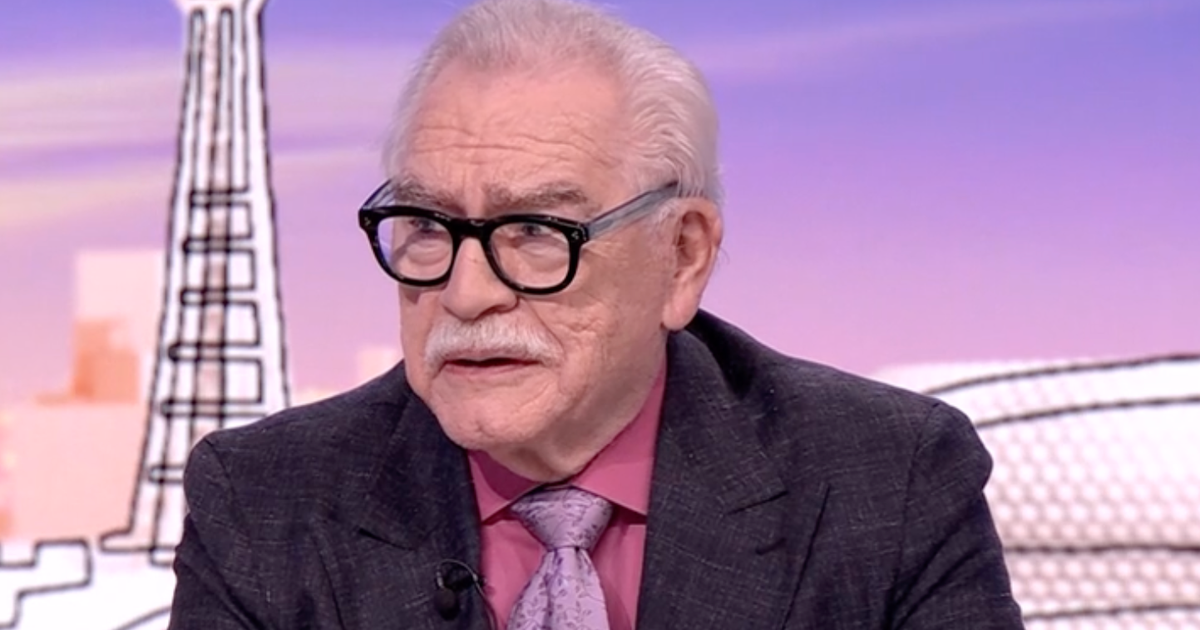
Succession star Brian Cox has said Donald Trump is “not popular” after a gunman was apprehended at an event attended by the president on Saturday night.
The White House Correspondents’ Association dinner was thrown into chaos by the attack, which saw Trump, who has been the previous target of an assassination attempt, swiftly evacuated by secret service agents.
The president later described the man was “a lone wolf whack job” at a hastily-arranged press conference.
The suspect, said to have been carrying a shotgun and handgun, has been identified as Cole Tomas Allen, 31, of Torrance, California.
He is understood to have been a guest in the Washington Hilton hotel where the event.
Asked about the incident on the BBC’s Sunday with Laura Kuenssberg show, Brian Cox said: “There are a lot of unhappy people in America about what’s happening. The poor in particular are being really treated rather badly.
“Medicaid is under threat, everything is under threat. He’s doing the most extraordinary things to people’s wellbeing.
“People are not happy. People who voted for him are not happy. He is not popular, he really isn’t popular. He would like to pretend he is popular. He would give that impression, but he’s not. His popularity has gone way, way down.”
Meanwhile, Keir Starmer said he was “shocked” by the incident and has sent a message of solidarity to the White House.
In a post on X, the prime minister said: “Any attack on democratic institutions or on the freedom of the press must be condemned in the strongest possible terms.
“It is a huge relief that @POTUS, the First Lady and all those attending are safe.”
Subscribe to Commons People, the podcast that makes politics easy. Every week, Kevin Schofield and Kate Nicholson unpack the week’s biggest stories to keep you informed. Join us for straightforward analysis of what’s going on at Westminster.

The NHS says that after you have called 999 to ask for help, taking 300mg of aspirin if you have it may be useful should you notice signs of a heart attack.
Of course, this only applies if you don’t have an aspirin allergy, and if you don’t have any within easy access, don’t worry. The British Heart Foundation (BHF) says, “Do not go looking for it if you think you’re having a heart attack because it’s important to rest and stay calm until help arrives”.
The BHF added that sometimes doctors prescribe a daily low dose of aspirin, which can cost 50p a pack, for those who have had heart attacks or are at risk of having one.
Here, we asked private cardiologist and founder of The National Heart Clinic, Dr Francesco Lo Monaco, why it works, and whether we should all consider keeping aspirin in our routines.
Why might aspirin be helpful during a heart attack?
“Aspirin is an antiplatelet medicine and works by making the blood less sticky. In normal health, it’s important that cells can stick together to block cuts and breaks in blood vessels, but in people who are at risk of heart attacks and strokes, aspirin can stop blood cells from sticking together and forming a clot,” Dr Lo Monaco said.
For that reason, “People who have had a heart attack or stroke are often advised to take a low daily dose of aspirin to reduce the chances of it happening again, [and] people who have a cardiovascular disease may also be advised to take a low dose of daily aspirin”.
But all medications have side effects, he added.
That includes aspirin, the long-term use of which includes indigestion, bleeding more than usual, and even stomach ulcers. Some research shows taking aspirin daily can almost double your risk of experiencing major bleeding episodes.
“The current advice is that aspirin is not suitable to be taken daily by everyone… it’s important to understand what is right for you. Only take daily low-dose aspirin if it has been recommended for your doctor.”
What’s the bottom line?
“If someone has symptoms suggestive of a heart attack (central crushing chest pain), aspirin reduces clot formation and improves outcomes,” Dr Lo Monaco ended.
“However, it is not recommended for routine prophylactic use in the general population, as the bleeding risk outweighs the benefit in those without established cardiovascular disease.
“Worth noting: always call emergency services first – aspirin is an adjunct, not a substitute.”
Symptoms of a heart attack can include:
- Crushing or squeezing chest pain that might spread to your arm, neck, or jaw,
- Feeling short of breath,
- Feeling nauseous or vomiting,
- Feeling like you have indigestion, including a burning feeling in your chest,
- Sweating,
- Pale, blue, or grey skin: “on black or brown skin this may be easier to see on the palms of the hands,” the NHS said.
Call 999 immediately if you experience these.
Politics
The House | Sir Robert Buckland: Politicians Who “Bleat On” About Overdiagnosis “Literally Don’t Know What They’re Talking About”

9 min read
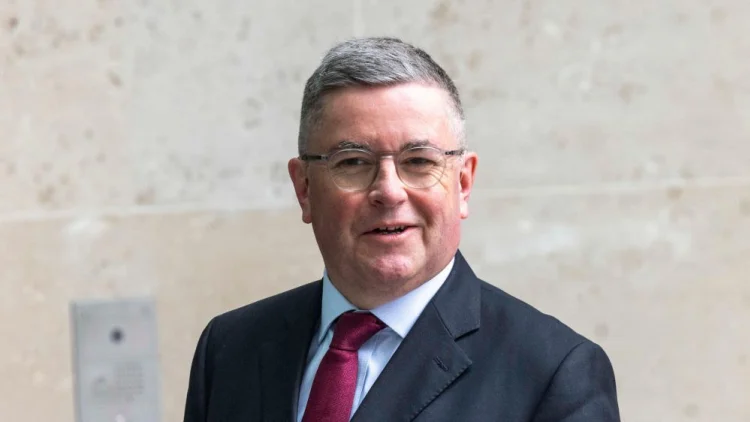
Former cabinet minister Robert Buckland, a SEND campaigner and parent to an autistic child, speaks to Matilda Martin about why the government’s approach could fail those with the most complex needs, and what lessons can be learned from mistakes made by the Tories
Sir Robert Buckland is concerned that history is repeating itself. “Having been through the process myself as a parent, and having done the Children and Families Act as a backbencher, just before I entered government, I’ve got the scars on my back about all of this, and I’ve seen a lot of this before.”
Twelve years ago, as a backbench Tory MP, the former cabinet minister contributed to what was arguably the biggest shake-up of the education system in a generation, as children’s rights to support for special educational needs and disabilities (SEND) were set out in law under education, health and care plans (EHCPs). More than a decade later, a system introduced to bring greater certainty for young people is in crisis, described by the National Audit Office as “financially unsustainable”, and coming under increasing strain as families fight for the support they need.
For Buckland, this situation is personal. Like millions of parents up and down the country, he has battled through a process that often feels like it is working against families rather than with them. His daughter Millie, now 23, is autistic. She also has learning disabilities and a physical condition (the nature of which Buckland wishes to keep private). Millie is now coming out the other end of an education system that he feels “has been pretty good” in her case, though he acknowledges that “this is not the story of a lot of families, far too often”.
“Without that pushing by me and my wife, I don’t think we would have got to where we were so quickly. And that’s wrong.”
The journey to Millie’s diagnosis was far from smooth. “You find, to begin with, the system is sort of designed to minimise and to say: ‘Don’t worry, it’ll all come out in the wash.’ And we got a lot of that, right up to about the age of two-and-a-half, three, when clearly she was missing all her milestones.”
For Buckland and his wife, it was plain to see. Millie, born a twin, was missing all of the milestones that her brother was hitting. In the end, the family put together the money and went privately to get a diagnosis. But even that was not easy: “[It was] particularly complicated because, in those days, there were many fewer diagnoses for girls and women with autism. It was much rarer.”
Buckland, 57, a lawyer by trade, was first elected in 2010. He was a Conservative MP for 14 years, during which he held the roles of solicitor general, prisons minister, justice secretary and Welsh secretary before losing his seat to Labour in 2024. Most recently, he was appointed to lead an independent review into state failings before the murder of the MP David Amess.
Now outside of the House of Commons, the former Conservative politician has watched the government’s SEND announcements unfold with special interest.
In February, the government finally published its plans to reform the system. Under the proposals, only those children with the most severe and complex needs will receive an EHCP. Instead, the government will expect most pupils with SEND to be educated in mainstream schools with an individual support plan (ISP).
Six months ago, it was difficult to see how Labour could successfully land its reforms. PoliticsHome reported in September that the white paper setting out the proposals was likely to be delayed until 2026. It was understood that the Department for Education (DfE) and the Treasury had settled on a funding settlement for SEND reforms earlier in 2025, but the welfare rebellion forced the government to look again at what it was preparing to put before Labour MPs.
Buckland is concerned that under the government’s proposed changes to the SEND system, it will be those children with the most severe and complex needs who will fall through the cracks.
While speaking with The House, he gestures frequently, sometimes with irritation and often in relation to the 120 pages of the white paper he has meticulously printed out. He refers to notes throughout: he has a number of clear points he wishes to make.
Today, while Buckland praises the government for its deft political manoeuvring in landing the reforms, he is certain there are “hidden explosives” in the proposals – including over what will happen to the special schools for the most acute end of the spectrum.
If it doesn’t work at a local level, all this rhetoric is just rhetoric, and we’ll come back in 10 years’ time and go, ‘We missed an opportunity with those reforms’
While he was pleased to see Health Secretary Wes Streeting appear alongside Education Secretary Bridget Phillipson in the foreword of the white paper, Buckland laments the lack of involvement of other departments, as he would like to see more joined-up thinking.
These aren’t his only concerns. While he agrees with the inclusive approach of a “universal offer” in principle, and understands the wish to move away from the EHCP as the sole funnel, he is worried that the replacement just “isn’t as strong”. While Buckland feels that Millie’s needs are acute enough that she would still receive an EHCP under the new system, he worries that there are many other youngsters who will have needs that are significant but not acute, who won’t get near that process”.
He is willing to be proved wrong: “If the new ISPs genuinely work, great. I’ll be the first in the queue to say well done. But without the training and the resources to make the words [into] action, you’re going to end up with the same problem. Some parents are still going to say, ‘that’s not been enough’.”
Currently, parents can apply to a local tribunal to seek support for their child if they are unhappy with the approach. Under the new system, the tribunal will still exist, but its role will be more limited, with concerns from parents over the ISPs going through the school complaints system. Buckland says this could be a “real problem”.
“Some parents might say: ‘Well, the complaint system has failed us, do we resort then to law anyway? Do we try and seek a judicial review, or whatever it might be?’ Do you find another means in, and do you actually create more uncertainty and more wrangling?”
It is understood that parents will still be able to appeal to the tribunal regarding whether their child should be assessed for an EHCP and around the child’s place in a school. He nonetheless warns: “There is a particular cohort of youngsters, a small cohort, but very, very resource-intensive, that could really fall through the net again if we’re not careful.”
While Buckland acknowledges that the planned proposals allow time for embedding change in the system, he doesn’t think the lag is long enough “if they’re really going to scale up the workforce in the way that they say they are”.
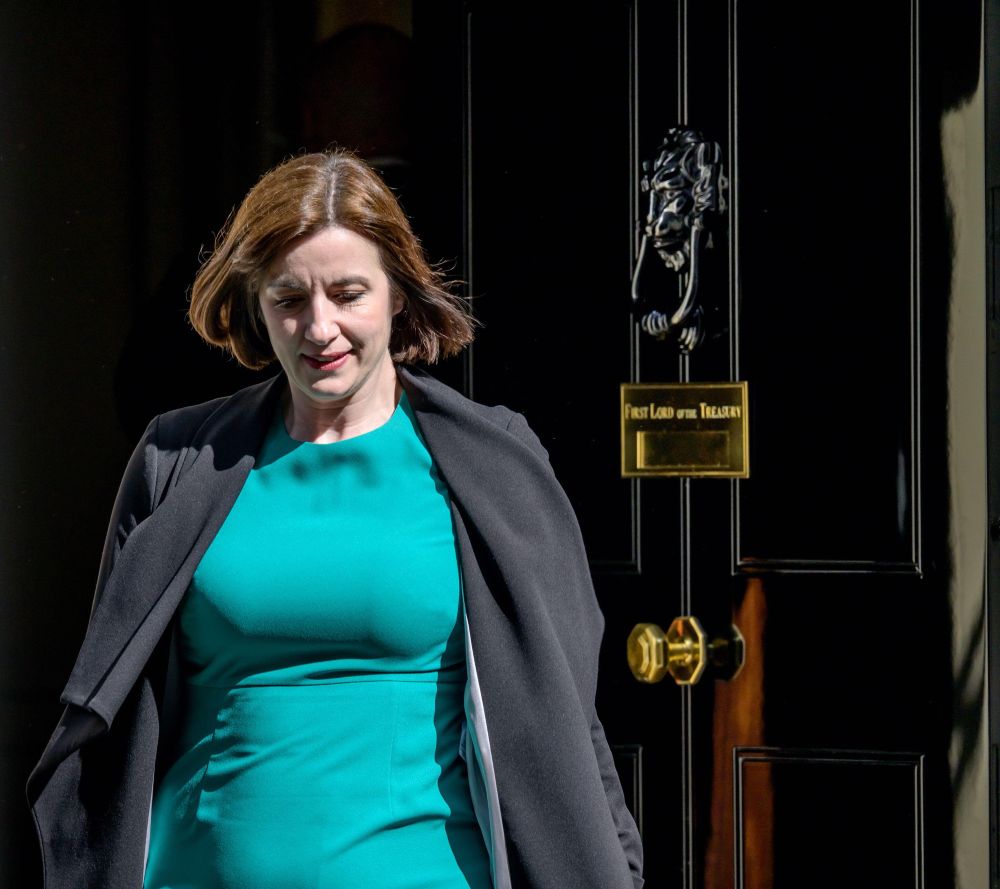
He is worried that the same mistakes that were made in 2014 could be repeated, urging Parliament to look “beyond the black letter of the legislation and look to the actual reality on the ground” and make sure that “all parts of the system are really ready for the changes”.
Buckland also believes that the pressure on schools to deliver on the reforms could be acute.
“I trust schools and academies to get it right, but it is also quite a challenge for them when they’ve got workforce issues, they’ve got resource issues, and they’re being asked to deliver more and more at a school level.”
This is an issue many in the schools sector are alive to, specifically the NEU teaching union, The House points out.
“For once, I agree with them,” Buckland says. “If it doesn’t work at a local level, all this rhetoric is just rhetoric, and we’ll come back in 10 years’ time and go, ‘We missed an opportunity with those reforms.’”
Whatever your political colour, it was clear by 2024 that the SEND system was not working. In 2023, the-then education secretary Gillian Keegan infamously described the system as “lose, lose, lose”.
How does Buckland reflect on the 2014 reforms now?
“I’ve no regrets about the bill.” But he admits: “We were probably all a little bit too dewy-eyed about the fact that the legislation has been passed, therefore everything would change.”
Reflecting on his own experience of the system, Buckland says he can remember the annual reviews for Millie’s EHCP did not always meet expectations, and the “good intention behind the reforms was not fully carried out in practice”.
“You want health in the room, but so often they wouldn’t turn up. And I can remember saying, I don’t think we can agree anything until we’ve got a health representative here to actually sign off on the plan that is needed for Millie if there was an emergency.”
As the number of young people with SEND support has increased, so has the narrative around a perceived overdiagnosis epidemic. Last year, Reform UK’s deputy leader Richard Tice prompted outrage from some quarters when he claimed there was a “colossal overdiagnosis going on in neurodiverse areas such as ADHD, dyspraxia and dyslexia”. Former Ofsted boss Baroness Spielman has also lamented a world of overdiagnosis.
While Buckland is generally softly spoken and calm, this is one topic that makes him visibly incensed.
“Those politicians who bleat on about overdiagnosis – they literally don’t know what they’re talking about. They’re one step away from Robert Kennedy in the US, in my opinion,” he says, referring to RFK Jr, the US health secretary who promotes conspiracy theories, “because this sort of narrative is very damaging, not just to wider society, but to the individuals and families concerned.
“I don’t know any parent of an autistic child that says: ‘I really want a diagnosis because, I know it’s an exaggeration, but I want the diagnosis just to feel better.’ You want the diagnosis, a) so that the full needs of your child are understood, and b) of course, you want those statutory duties.”
Leader of the opposition Kemi Badenoch has also faced criticism for suggesting there is an “overdiagnosis” of mental health conditions and saying those with an autism diagnosis get “economic advantages and protections”.
Buckland is careful not to criticise Badenoch, but does say: “Do I think that they’re in a privileged position? No, it’s all about trying to make sure that people with that condition have access to the same mainstream facilities the rest of us do.” And he thinks the narrative of overdiagnosis is “deeply insulting”.
“As far as I’m concerned, it’s not the job of ill-informed politicians to sit there in judgment. It’s the job of all of us to try and devise a system that doesn’t create perverse incentives, but which genuinely understands the child before them.”
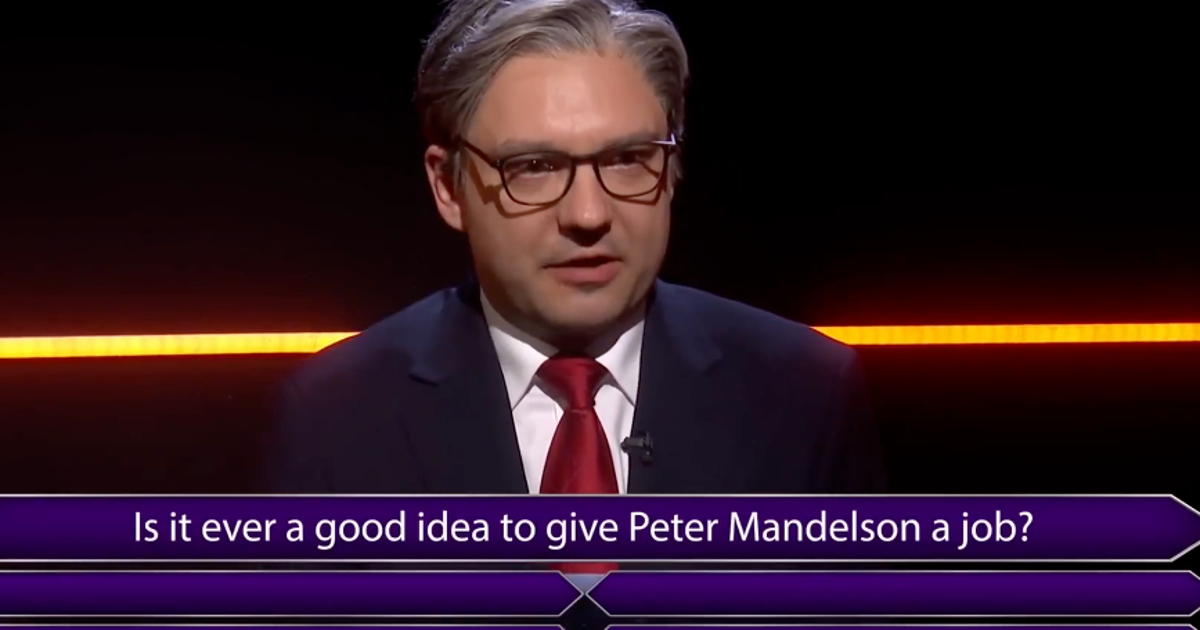
Keir Starmer has been mocked over his decision to appoint Peter Mandelson as the UK’s ambassador to America in a brutal Saturday Night Live UK sketch.
The prime minister was portrayed as a confused and indecisive ‘Who Wants To Remain A Millionaire’ contestant on the Sky TV show.
Asked “is it ever a good idea to give Peter Mandelson a job”, the fake PM is presented with four possible answers.
They are no, of course not, not in a million years, and yes.
Actor George Fouracres, who plays Starmer on the show, says “it’s a tricky one” before saying he wants to ask the audience for their view.
After none of them choose yes, the PM says that has “put a seed of doubt ion my mind” and then asks for two wrong answers to be taken away.
With only “not in a million years” and “yes” left, Starmer says: “Oh gosh, this looks so much easier at home.”
He then adds: “I’m afraid I’m just not being presented with the facts.”
Starmer then asks to phone a friend, who turns out to be Mandelson himself.
After asking to go 50-50 again, and despite being left with only “not in a million years” as a possible answer, the prime minister says: “I have my answer. I know it’s not conventional, but I’d like to actually bring back one of the previous options, because I’m going to go with [yes], final answer.”
Asked if he is totally sure, the PM says: “Oh never.”
When told the correct answer was “not in a million years”, he replies: “It’s clear to me now that was the wrong decision. Would I make the same decision again, knowing what I know now? Quite possibly.”
It is not the first time that SNL has mocked the PM.
Last month, Donald Trump shared a clip from the show in which Starmer was presented as a weak and ineffectual prime minister who is scared of the US president.
Subscribe to Commons People, the podcast that makes politics easy. Every week, Kevin Schofield and Kate Nicholson unpack the week’s biggest stories to keep you informed. Join us for straightforward analysis of what’s going on at Westminster.

Parents who run social media accounts for their kids might want to look away now, as the internet has given its verdict on some of the modern-day parenting ‘trends’ that need to quietly disappear, with some pretty strong opinions being shared.
Here are five of the most popular themes in response to SouthOwn6943′s post asking: “What is a modern parenting trend that needs to die immediately?”
1. ‘Kids’ Instagram accounts’
“Kids Instagram accounts” was the most up-voted response at the time of writing, with over 8,000 people agreeing the parenting trend, where parents manage an Instagram account on their kids’ behalf, needs to go.
It’s perhaps unsurprising this was top of people’s lists, with a growing backlash against sharenting due to fears around children’s safety and the potential for cyberbullying as they grow up.
Parents running social media accounts for their kids in general was also a common bugbear.
“There were a few parents I knew had Facebooks for their kids as online ‘diaries’,” said one commenter. “They were public and shared almost every detail of the kids’ lives up until they either gave up on them or deleted them. Bonkers.”
2. ‘Helicopter parenting’
A helicopter parent is defined as someone who’s closely involved in their child’s life, but in an over-controlling way – especially when it comes to their education.
Another Redditor noted “helicopter parenting and turning every activity into organised competition” should also go, noting it is “robbing kids of important developmental skills and independence”.
Almost 900 people had up-voted their response at the time of writing.
“To add to this, over helping children,” said another commenter. “Very few children now have any problem solving skills. They don’t have any idea how to even begin to tackle any kind of obstacles, nor the resilience to make repeated attempts. And I’m talking about even fairly simple problems like opening a banana independently.”
3. ‘Treating kids like a project to optimise’
Plenty of people had thoughts on Top-Park6991′s comments about parents who tend to treat their kids “like a project to optimise, instead of people who are allowed to be bored, messy, and human” – over 3,800 people up-voted the post.
People noted that parents who push their own dreams on their kids fall into this bracket. One commenter said: “It’s the ‘gardener vs. the carpenter’. We have much less control over who our children become than we think we do.
“If there’s a dandelion seed in the ground it’s not going to become a tulip no matter how hard you try. All you can do is make sure the soil is nourishing so they can be the best damn dandelion in the yard.”
4. ‘Refusing vitamin K for your newborn’
Vitamin K helps our blood to clot and stops bleeding – but newborn babies are born with low levels of it. As a result, some babies can suffer internal bleeding, which can, in rare cases, be fatal.
Every new parent can choose for their baby to receive a shot of vitamin K after birth, but there are some who refuse it. A study noted parents typically do so because of concerns of harm from the injection or a desire to be “natural”.
One nurse noted: “I’ve never seen an infant harmed as a result of a vitamin K shot… but I have seen one die as a result of a brain bleed that could have been prevented with a routine vitamin K injection.” Their comment was up-voted over 3,000 times.
The NHS notes if parents are worried about giving their baby an injection, they can ask to have it administered by mouth instead – but they’ll need further doses.
5. ‘Emotional enmeshment with your kids’
Acting like your child’s friend, rather than their parent, also got the thumbs down from the internet masses. Redditor AlwaysSomethin6722 said: “Your kids aren’t your best friends. They are your kids.”
Some parents might create an enmeshed relationship with their children, where they treat them more like a confidant than a child, which therapist Alex Howard previously labelled as “toxic”. Read more on the signs you were raised in an enmeshed family here.
Another user chimed in: “I’ve had a number of parenting conversations in the past decade and a line I’ve said that always gets a good chuckle out of other parents is ‘I’m not my kids friend, I’ll be that when I can walk in a bar and have a beer with them… and maybe not even that early depending on how they turn out’. It’s amusing to me that it’s amusing to them because that seems ridiculously obvious to me.”
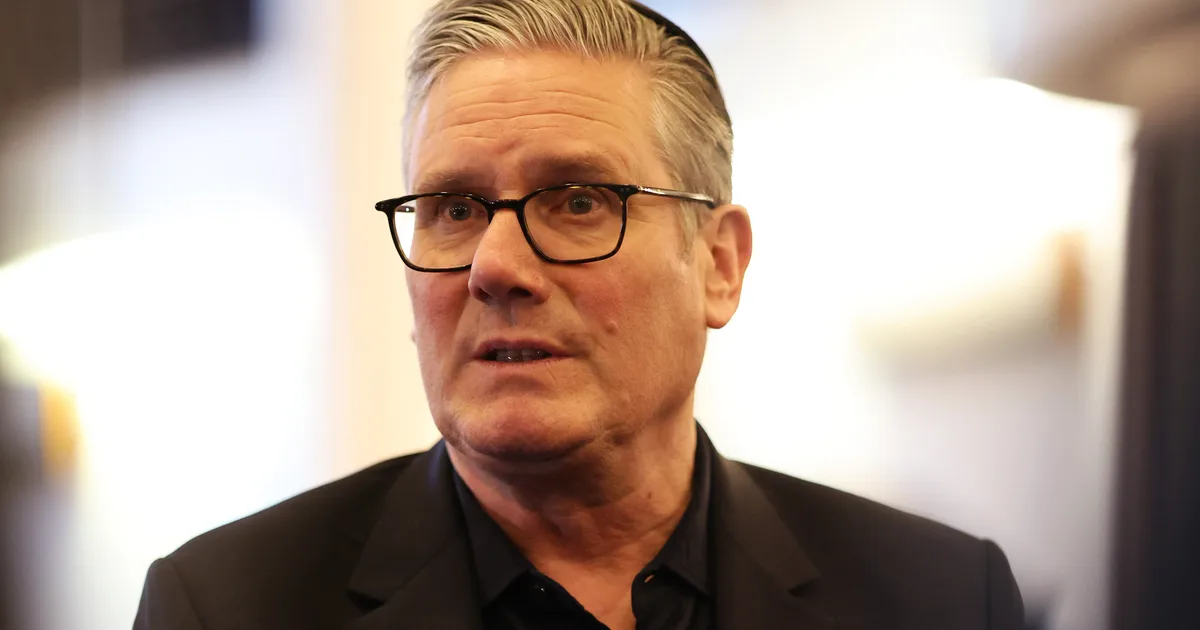
Keir Starmer has insisted he can fight and win the next general election despite the mounting speculation he faces an imminent challenge to his leadership.
The prime minister’s political future has been cast into doubt once again following the latest revelations in the Peter Mandelson scandal.
Starmer sacked Sir Olly Robbins, the top civil servant at the Foreign Office, for not telling him UK Security Vetting had recommended Mandelson not be given clearance to become the UK’s ambassador to Washington.
The PM has admitted appointing the shamed peer to the plum diplomatic role was a mistake and insisted he would not have done so had he known.
Labour is also set to suffer major losses in next month’s elections in England, Scotland and Wales.
That could trigger an attempt to unseat the prime minister, even though his critics remain split on who should take over from him.
But in an interview with the Sunday Times, insisted he had no intention of leaving No.10 any time soon.
Asked if he was planning to stay in post, Starmer said: “Of course. We didn’t wait 14 years to get elected, we didn’t change the Labour Party, we didn’t do all that it entailed to win the election and the mandate for change, not to deliver on it.”
Asked if Labour can win the next election with him at the helm, the prime minister said: “I think we can. I think it’s going to be a very important general election.
“It’s likely to be Labour versus Reform. An election where the defining question is, what is it to be British? An election where what I would call patriotic values of tolerance, decency, live and let live, diversity, are under challenge like we’ve never seen before.”
Starmer also claimed that most Labour MPs remain supportive of him.
On the speculation about his job, Starmer said: “In politics, you get this sort of thing all of the time. There is always talk. What you never hear from are all the people who are supportive, loyal and just want to get on with the job. And that is the vast majority of people in the :arliamentary Labour Party.
“They’re pleased to be in power. They’ve waited a long time to be in power. And they just want to get on with their job. They don’t make a lot of noise about it. They don’t talk to journalists about it. It’s really important that is reflected in these debates.”
Subscribe to Commons People, the podcast that makes politics easy. Every week, Kevin Schofield and Kate Nicholson unpack the week’s biggest stories to keep you informed. Join us for straightforward analysis of what’s going on at Westminster.
Giles Dilnot
This whole saga goes to the heart of the decision making, quality control, fact checking, and judgement within this Labour administration. Mandelson for Starmer, the last man standing in the bloodletting since it all blew up, has gone from Prince of Darkness to Banquo’s Ghost.
—
Tali Fraser
Behind the calls for his resignation lies a quieter hope for some Tories that Sir Keir Starmer limps on, dragging Labour down with him.
—
The priggish PM is worsted by an Anglican official
Andrew Gimson
Starmer’s self-righteousness, and refusal to explain why he sent Mandelson to Washington, have become intolerable.
—
The triple lock just isn’t that big a deal
Alexander Bowen
That really is the failure of British pension policy – not the absence of means-testing, not outsized outflows, not arbitrary locks – is the failure of previous generations to plant trees under whose shade they shall never sit.
—
It’s time to take Green voters seriously
Peter Franklin
If the Left-of-centre vote collapses from Labour to the Greens and the Tory-Reform psychodrama continues to divide the Right, then we be losing more of our heartlands, not winning them back.
—
My vote in the local elections won’t count, but it could be so different
John Oxley
Our electoral system means that perhaps two-thirds of the electorate could find themselves shut out, and there is no opposition to speak of.
—
Croydon is back on track. Now we need to keep it there.
Jason Perry
I’m proud of what we’ve achieved together. But I’m even more focused on what comes next: continuing to rebuild our finances, unlocking further investment, improving our town centre, and making sure every part of Croydon shares in our recovery.
—
Why you should take “voting intention polls” with a pinch of salt
Lord Ashcroft
Some have accused me of artificially inflating the Tories’ in my surveys. I’m not, as what would be the point of producing polls suggesting your party is doing better than it really is? It was to counter such “comfort polling” that I got into the business in the first place.
—
The Conservative argument for a wealth tax
Anakin England
Unequal concentrations of wealth could enable monopoly-like distortions on asset values, interest rates, rents and would end market competition. Reasonably then, there must be a limit on the proportion of wealth held by a minority before it starts to jeopardise normal market function.
—
The Welfare bill is more than twice what we spend on our own defence – that can’t go on
Helen Whately
We have drifted from a culture of “I can because I must” to a culture of “I can’t” — stripping people of agency and turning them into victims. It is time to turn that around. To invest in the defence of the realm over the benefit state. We can, because we must.
The post Our top ten picks of the week appeared first on Conservative Home.
Every now and then, even the most celebrated of A-listers will candidly criticise one of their own films.
Some of the biggest stars in the industry have admitted that they don’t always make the best decisions, and that the movie audiences saw wasn’t the one they thought they were making.
Whether it’s an ill-advised role for a paycheck, a favour for a friend or a passion project that didn’t turn out as expected, even Hollywood royalty are susceptible to bad choices.
Here are 17 stars who have spoken out against some their past films…
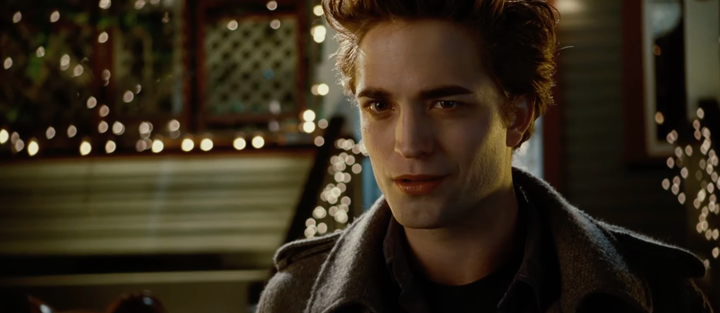
Robert Pattinson

Since the first instalment in the Twilight series premiered in 2008, Robert Pattinson has been outspoken about his distaste for the vampire franchise.
During press junkets, interviews and talk show appearances, the British actor has called the films “strange” and “weird”, as well as questioning if they made sense at all and going as far as comparing the brooding Edward Cullen to “an axe murderer”.
When promoting the first movie, Robert told Empire how much he disliked his iconic vampire character, and how that hatred factored into how he played the role.
“He’s the most ridiculous person who’s so amazing at everything. I think a lot of actors tried to play that aspect. I just couldn’t do that,” he said.
“And the more I read the script, the more I hated this guy, so that’s how I played him, as a manic-depressive who hates himself. Plus, he’s a 108-year-old virgin, so he’s obviously got some issues there.”
Even after the Twilight series ended, Robert continued poking fun at the franchise and his character.
“Twilight is about this guy who finds the one girl he wants to be with, and also wants to eat her. Well not eat her, drink her blood, whatever,” he said in his 2019 Actors on Actors with Jennifer Lopez.
Jennifer Lawrence

Passengers centres around two space travellers who are awoken from induced hibernation 90 years too early while on a voyage across space.
Jen admitted in 2021 that the worst part of the film’s poor reviews was the disappointment felt by her fans, telling The New York Times: “I was like, ‘Oh no, you guys are here because I’m here, and I’m here because you’re here. Wait, who decided that this was a good movie?’”
There was even one A-list name in her social circle who warned her against the project.
“Adele told me not to do it! She was like, ‘I feel like space movies are the new vampire movies’,” she recalled, joking: “I should have listened to her.”
Rosamund Pike

Di Bonaventura/Universal/Kobal/Shutterstock
Rosamund Pike has admitted that an early on-screen appearance very nearly ended her career.
The Gone Girl actor appeared in the 2005 adaptation of the video game Doom alongside Dwayne Johnson (still credited as The Rock) and Karl Urban.
During an appearance on Elizabeth Day’s podcast How To Fail in 2026, Rosamund explained how she was cast in Doom when making Pride & Prejudice, at a time when Ray Winstone was still set to play the lead.
Once she made it onto the set, it didn’t take long for her to discover how out of her depth she was.
“Suddenly, I’m in this film with The Rock, and I realise how utterly ill-equipped I am to be an action star,” she explained. “[There were] macho guys. There were weights on the set. Every time a gun was brought out, it was kind of like a holy relic for the Doom fans.
“I probably could have ended my career. I mean, it was just probably one of the worst films ever made. It was a catastrophe, I think.”
Considering the 18% Rotten Tomatoes score and poor box office taking, she isn’t wrong.
“As I say, I don’t read the reviews, but you get the sense like you are lucky to have survived that one. But then, it wasn’t career-ending for The Rock. Or me, as it turned out,” Rosamund added.
Gary Oldman

Langley Prods/Canal+/Kobal/Shutterstock
Sir Gary Oldman is one of the true acting greats, with roles in iconic films like The Fifth Element, Dracula and Darkest Hour.
But not all his films are classics, and the Oscar winner is well aware of that.
During an interview with the Happy Sad Confused podcast this year, the knighted actor spoke about making the – thankfully, mostly forgotten – Tiptoes alongside Matthew McConaughey and Kate Beckinsale.
The 2002 film came during a tough period in Gary’s life, when he was a newly-single dad in Hollywood, going through a divorce.
“It was a bit of a rough time, and I needed to pay some bills, and I needed some money, and it was an actors’ strike on top of it all, which was a double whammy,” he admitted.
The project went wrong before it even started when the director wanted Gary to play Matthew’s brother.
“There were several [issues]. First of all, I got locked in to doing a voice like that, because I had to sound like Matthew. We were brothers, so somehow, I had to sound like Matthew. So that was that,” he explained. “And then, I’m on my knees… desperate measures, desperate times.” he explained.
It’s not just Tiptoes that Gary isn’t a fan of. Apparently, he also dislikes The Fifth Element, despite it being considered one of the best science fiction films of all time.
In 2014, Gary told Playboy he “couldn’t bear” the movie, admitting as recently as 2025 that he still feels “triggered” by it.
George Clooney

Some of Hollywood’s best-loved actors have taken the role of Batman on the big screen, but there is one A-lister who infamously hated his time as the Caped Crusader.
George Clooney disliked Batman & Robin so much that he feared he had “destroyed the franchise” completely.
The camp classic is often considered the worst Batman film of all time, and has even been called one of the worst comic book films ever made.
“It’s so bad that it actually hurts to watch,” the Ocean’s Eleven star said on The Howard Stern Show in 2020. “You’ll be flipping the channels and it’ll just pop up and I’m like ‘Oh no, no, no’.”
“The truth of the matter is, I was bad in it,” he conceded.
“Akiva Goldsman – who has won the Oscar for writing since then – he wrote the screenplay. And it’s a terrible screenplay, he’ll tell you. I’m terrible in it, I’ll tell you. Joel Schumacher, who just passed away, directed it, and he’d say, ‘Yeah, it didn’t work.’ We all whiffed on that one.”
George even admitted in 2021 that he doesn’t let his wife Amal, watch the 1997 movie.
“There are certain films I just go, ‘I want my wife to have some respect for me,’” he claimed during a Q&A session.
Bill Murray

Rhythm Hues/20th Century Fox/Davis/Kobal/Shutterstock
When Bill Murray signed on to voice animated cat Garfield in the 2004 film, he was under the impression that Joel Coen of Fargo fame had written the script.
Because he believed the No Country For Old Men director was behind the film, Bill went along with making the animated film, despite his reservations.
In fact, Joel Cohen of Cheaper By The Dozen had penned the film, which Bill only found out when he watched it back and wondered why it was so bad.
He recalled to GQ in 2011: “I worked all day and kept going, ‘That’s the line? Well, I can’t say that’. And you sit there and go, ‘What can I say that will make this funny? And make it make sense?’. And I worked.
“I was exhausted, soaked with sweat, and the lines got worse and worse. And I said, ‘OK, you better show me the whole rest of the movie, so we can see what we’re dealing with’.”
He continued: “So I sat down and watched the whole thing, and I kept saying, ‘Who the hell cut this thing? Who did this? What the fuck was Coen thinking?’. And then they explained it to me: it wasn’t written by that Joel Coen.”
Channing Tatum

Paramount/Kobal/Shutterstock
Channing Tatum has publicly gone on record to say he “fucking hates” G.I. Joe: The Rise Of Cobra, a film he starred in back in 2009.
He admitted on The Howard Stern Show that he was forced to appear in the film due to a three-picture contract he had signed with the movie studio Paramount.
“I was pushed into doing that movie,” he claimed. “From Coach Carter, they signed me to a three-picture deal… they give you the contract and they go, ‘Three-picture deal, here you go’. And as a young [actor], you’re like, ‘Oh my god, that sounds amazing, I’m doing that!’.”
Channing hated the script so much he actually turned it down seven times before eventually relenting, admitting that part of the reason he wanted to say no was because he loved the action figures so much as a child, and wanted to play Snake Eyes instead of GI Joe.
He added: “The script wasn’t any good… And I didn’t want to do something that I… was a fan of since I was a kid and watched every morning growing up – and didn’t want to do something that was, one, bad and, two, I just didn’t know if I wanted to be G.I. Joe.”
While he did appear in the sequel, he was, luckily for him, killed off in the first 10 minutes.
Dwayne Johnson instead took over as the franchise lead, while in the 2021 reboot, Snake Eyes, Henry Golding played the commando.
Viola Davis

Dreamworks Pictures/Kobal/Shutterstock
Despite it earning her the second of her four Oscar nominations, Viola Davis has admitted that she regrets her role in The Help, and agrees with critics about the movie’s “white saviour” narrative.
Speaking to The New York Times in 2018, Viola said her performance as a maid for a white family in the 1960s was a career lowlight, despite having a positive experience on set.
“I just felt that at the end of the day that it wasn’t the voices of the maids that were heard,” she said. “I want to know what it feels like to work for white people and to bring up children in 1963, I want to hear how you really feel about it. I never heard that in the course of the movie.”
Later, in 2020, she spoke up again about how she felt like she “betrayed” her community by taking on the role.
“There’s no one who’s not entertained by The Help. But there’s a part of me that feels like I betrayed myself, and my people, because I was in a movie that wasn’t ready to [tell the whole truth],” Viola told Vanity Fair.
She went on to admit that she only took on the role because she was a “journeyman actor, trying to get in” to the industry.
Charlize Theron

Charlize Theron considers Reindeer Games her worst film to date, although there is one reason why she doesn’t regret making it.
The film – released in 2000, and co-starring Ben Affleck – centres on an ex-convict who assumes his deceased cellmate’s identity and gets involved in a heist.
She admitted to Esquire in 2007: “That was a bad, bad, bad movie. But even though the movie might suck, I got to work with [film director] John Frankenheimer.”
“That’s why I did it,” the Oscar winner claimed, singling out his film, The Manchurian Candidate, as one of her favourites.
Reindeer Games was ultimately the director’s last feature-length project before he died in 2002.
Ben also poked fun at the film while appearing as himself in Kevin Smith’s 2001 satirical comedy, Jay and Silent Bob Strike Back, calling it a “payback picture”.
Sandra Bullock

Sandra Bullock openly admits that Speed 2 is a film she is “embarrassed” to have made.
“[It] makes no sense. Slow boat. Slowly going towards an island,” she told Too Fab in 2018. “That’s one I wished I hadn’t done and no fans came around that I know of.”
The sequel was a box office disappointment, earning negative reviews from critics and fans of the original.
Keanu Reeves dodged the bullet when he turned down the chance to reprise his role in the second film after reading its script.
“I really wanted to work with Sandra Bullock, I loved playing Jack Traven, and I loved Speed,” he said during an episode of The Graham Norton show. “But an ocean liner? I had nothing against the artists involved, but at that time I had the feeling it just wasn’t right.”
Josh Brolin

In 2014, Josh Brolin made a public apology for his role in the 2010 superhero sci-fi, Jonah Hex.
The Oscar nominee admitted to Total Film that he regrets encouraging co-stars Megan Fox, John Malkovich and Michael Fassbender to come aboard the project.
“I think it deserved that bashing for reasons that those critics will never know,” he claimed. “We were almost ready to drop [the film] when this kid [director Jimmy Hayward] came up. He was an interesting young guy full of energy and he was obsessed with Jonah Hex. I thought, ‘This is either a really bad decision or a brilliant decision’.
He added: “[It was] really bad. If I’m ever really rich, I’ll do that movie again. Seriously.”
In the box office flop, Josh played a scarred, supernatural bounty hunter in the post-Civil War American West.
It’s no wonder the Dune actor hates it, as it currently sits on 12% Rotten Tomatoes and nearly derailed his career as a leading man.
In 2024, Josh joked to GQ that he would never “stop shitting” on that “shitty fucking movie”, but backtracked later after revealing he had since reconnected with the director who had been suffering with health issues at the time it was made.
“It reminded me [that] you can’t just keep shitting on somebody. I don’t know what the fuck’s going on in his life. I mean, total facial reconstruction, the whole thing,” he told GQ.
Christopher Plummer

20th Century Fox/Kobal/Shutterstock
The Sound of Music may have earned five Oscars and become a family favourite in the 60 years since it was released, but Christopher Plummer initially thought it was a little too on the soppy side.
Christopher, who played Baron von Trapp opposite Julie Andrews’ Maria, even once referred to the musical movie as “The Sound Of Mucus”.
“I think the part in The Sound of Music was the toughest because it was so awful and sentimental and gooey,” the Knives Out actor told The Hollywood Reporter in 2011.
“You had to work terribly hard to try and infuse some minuscule bit of humour into it.”
Speaking to The Boston Globe, Christopher suggested that his character was boring despite the creative team working hard to “make him interesting” – and complained that filming in the Alps made him “fat” from all the pastries he ate.
The late actor did change his mind later, writing in his autobiography: “The more I watched, the more I realised what a terrific movie it is.”
He went on to describe The Sound Of Music as “the very best of its genre – warm, touching, absolutely timeless”, admitting he was “totally seduced by the damn thing – and what’s more, I felt a sudden surge of pride that I’d been a part of it”.
Colin Farrell

Frank Connor/Universal/Kobal/Shutterstock
Colin Farrell has repeatedly stated he is not a fan of the 2006 Miami Vice film, believing it to be a case of “style over substance”.
Michael Mann’s movie adaptation of the hit 1980s TV show left the Irish actor unimpressed, especially as the off-screen chemistry he and co-star Jamie Foxx had behind the scenes didn’t translate in front of the camera.
“I had a certain banter with Jamie off camera that I know the tone of the film wouldn’t have allowed that degree of banter. I would have loved to have just a little bit more of the banter,” he told The Independent in 2025.
He has also opened up about some his negative experiences behind the scenes of the crime drama, stating he barely remembers it as it was made at the height of his drug and alcohol addiction.
The star of The Penguin checked into rehab 48 hours after wrapping on the film, and later told Jonathan Ross in 2008 that: “By the end of Miami Vice I was just done. Basically, I’d been fairly drunk or high since I was 14. I was very drunk and high for 16 years, so it was a tough life change, and I was dying. I’m one of the lucky ones.”
Emilia Clarke

Paramount/Skydance Prods/Kobal/Shutterstock
Emilia Clarke disliked her time appearing alongside Arnold Schwarzenegger in the 2015 Terminator reboot, and she was glad at its poor box office performance.
Following a critical bashing, Terminator Genisys flopped at the worldwide box office, and Emilia was glad she would not have to return for any sequels.
She joined the project to work with frequent Game Of Thrones director Alan Taylor, but admitted to Vanity Fair that he got “eaten and chewed up on Terminator”.
“He was not the director I remembered. He didn’t have a good time. No one had a good time,” she explained.
The production of the film, which also co-starred Matt Smith and Jason Clarke, was so bad that the crew of neighbouring production (and fellow box office disaster) Fantastic Four made jackets which read: “At least we’re not on Terminator.”
Sally Field

Columbia/Kobal/Shutterstock
Sally Field appeared twice as Aunt May opposite Andrew Garfield’s Spider-Man, but the Oscar winner’s time in the Spider-verse was less than fulfilling for her.
“It’s really hard to find a three-dimensional character in it, and you work it as much as you can, but you can’t put 10 pounds of shit in a five-pound bag,” she once told Howard Stern, admitting she didn’t put a lot of effort into her performance.
“It’s not my kind of movie,” Sally added, before explaining she only took on the role because it was produced by her friend and first producing partner, Laura Ziskin.
She has not returned to the MCU with Andrew Garfield – and probably never will, judging by her opinion of the franchise. Marisa Tomei played the character of Aunt May alongside Tom Holland in the most recent Spider-Man movies.
Dakota Johnson

Madame Web was so bad that it became a meme – and Dakota Johnson certainly didn’t jump to defend it.
The Fifty Shades actor later reflected on the superhero film, and admitted that the filmmakers and executives were too concerned with algorithms and statistics rather than the quality of the project.
“My feeling has been for a long time that audiences are extremely smart, and executives have started to believe that they’re not,” she told Bustle. “Audiences will always be able to sniff out bullshit.”
She added that it was an “experience” to make the film, which saw her play a paramedic who starts to show signs of clairvoyance.
“I had never done anything like it before,” she said. “I probably will never do anything like it again because I don’t make sense in that world. And I know that now.
“But sometimes in this industry, you sign on to something, and it’s one thing and then as you’re making it, it becomes a completely different thing.”
Although Dakota admitted it wasn’t a nice feeling to be involved in a project so hated, even if she understood the criticism. “Of course it’s not nice to be a part of something that’s ripped to shreds, but I can’t say that I don’t understand,” she explained.
Jacob Elordi

Jacob Elordi’s dislike of his early role in Netflix’s The Kissing Booth is well-documented at this point.
Despite appearing in all three films alongside Joey King, the Euphoria actor is less than proud at its inclusion in his filmography.
“I didn’t want to make those movies before I made those movies. Those movies are ridiculous. They’re not universal. They’re an escape,” he told GQ in 2023.
Jacob plays football player and Harvard student Noah Flynn in the 2018 movie and its sequels, and explained that the film felt like a “trap” actors fall into when trying to make it in Hollywood.
“You have no original ideas and you’re dead inside. So it’s a fine dance,” he said.
The Saltburn actor also hit back at critics who called his dissatisfaction with the YA films as “pretentious”.
“How is caring about your output pretentious?” Jacob replied. “But not caring … knowing that you’re making money off of people’s time, which is literally the most valuable thing that they have. How is that the cool thing?”
His co-star, Joey King, said that his feelings towards the films were “unfortunate”, and she “had a great time making those movies, no matter what anyone says.”
Trump’s official memecoin extends slide as he hosts exclusive investor gala

Calendar, prize pool, and how to watch

Monsters in the Archives dives deep into Stephen King’s early works

Manchester United reach agreement with Casemiro over contract clause amid transfer speculation

US brings back mandatory military draft registration

Steven Gerrard disagrees with Gary Neville over ‘shock’ Chelsea and Arsenal claim | Football


-

 Business7 days ago
Powerball Result April 18, 2026: No Jackpot Winner in Powerball Draw: $75 Million Rolls Over
-

 Fashion2 days ago
Weekend Open Thread – Corporette.com
-

 Politics7 days ago
Zack Polanski demands ‘council homes not luxury flats for foreign investors’
-
Entertainment6 days ago
NBA Analyst Charles Barkley Chimes in on Ice Spice McDonald’s Fiasco
-

 Politics6 days ago
Gary Stevenson delivers timely reminder to register to vote as deadline TODAY
-
 Crypto World6 days ago
Bank of Hawai’i (BOH) Q1 2026: Net Income Drops to $57.4M as Net Interest Margin Expands
-
Crypto World15 hours ago
Hyperliquid $HYPE Rally Builds Momentum as AI Sector Enters Prove-It Phase
-

 Politics4 days ago
Making troops accountable for war crimes threatens US alliance, ex-SAS colonel warns
-

 Politics4 days ago
Disabled people challenge government SEND proposals over segregation concerns
-

 Business4 days ago
Rolls-Royce Voted UK’s Most Iconic Trade Mark as IPO Register Hits 150
-

 Politics4 days ago
Zack Polanski responds to home secretary’s taser threat
-

 Politics4 days ago
Starmer handler McSweeney to be dragged from shadows by Foreign Affairs Committee
-
Politics4 days ago
Wings Over Scotland | How To Get Away With Crimes
-
 Crypto World5 days ago
Five Value Stocks with Recovery Potential in 2026: PayPal (PYPL), Nike (NKE), and More
-

 Crypto World4 days ago
New York sues Coinbase, Gemini over prediction market offerings
-

 Politics4 days ago
‘Iran is still a nuclear threat’
-
 Sports3 days ago
Tim Bradley names the current best in the world: “Better than Inoue and Usyk”
-

 Crypto World4 days ago
Crypto’s great hope in Senate’s Clarity Act still has a path to survive tight calendar
-
 Business4 days ago
HCL Tech share price tank over 9% after weak Q4. JPMorgan, HSBC & 3 others cut target price
-

 Business4 days ago
The Job Benefits Most Men Don’t Know to Negotiate
You must be logged in to post a comment Login