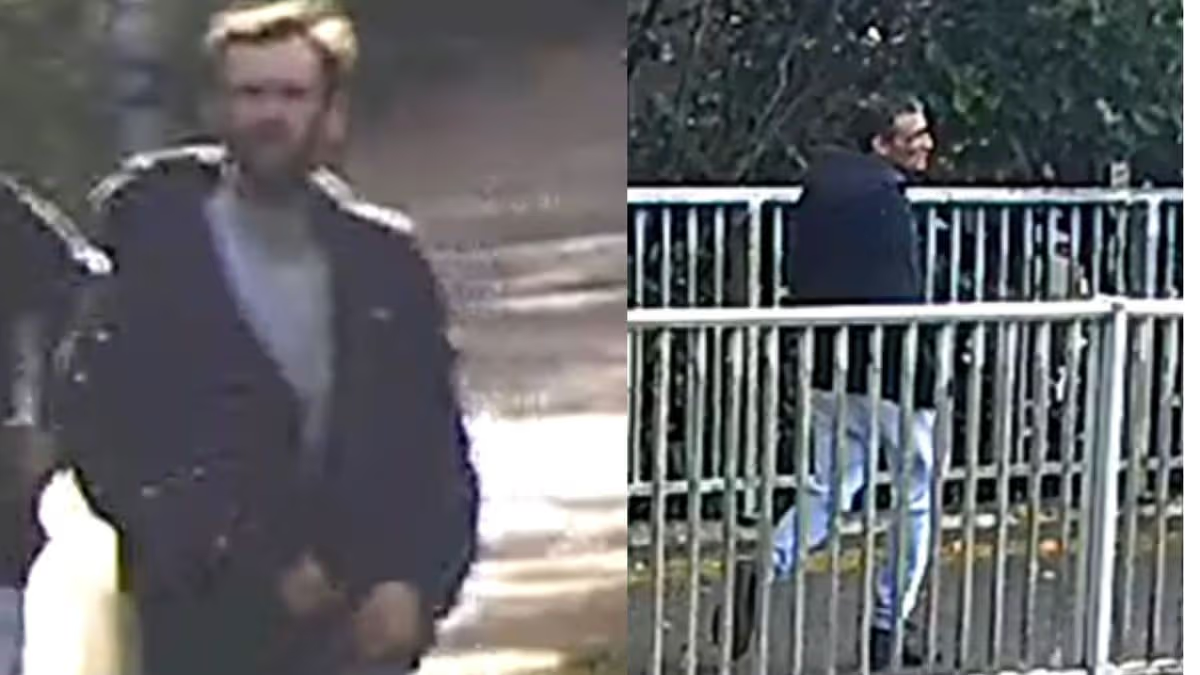
Cambridgeshire Police has released CCTV images of two men they want to speak to after an assault and robbery in Peterborough. Three teenage boy were assaulted by three men on the railway footbridge between Maskew Avenue and Ivatt Way at around 5pm on Saturday, April 18.
Advertisement
The group of men stole a bike. One of the boys suffered minor injuries but didn’t need to go to hospital.
One of the men, Imran Ali, 41, of no known address, was charged with two counts of attempted robbery, two counts of robbery, possession of a knife in a public place, and possession of an offensive weapon in public.
On Thursday, April 30, Ali appeared at Peterborough Magistrates’ Court. He is set to appear for a plea and trial preparation hearing at Cambridge Crown Court on May 27.
Anyone who recognises the men in the images or has any information relating to the incident should contact the police. You can report anything through the Cambridgeshire Police website by quoting the reference 35/28529/26.
Advertisement
Anyone without access to the internet should call 101.
To get more news and top stories delivered directly to your phone, join our new WhatsApp community.Click this linkto receive your daily dose of CambridgeshireLive content.
We also treat our community members to special offers, promotions, and adverts from us and our partners. If you don’t like our community, you can check out any time you like. If you’re curious, you can read ourPrivacy Notice.
Emergency services raced to the property in Haslingden, Lancashire, where a car had left the carriageway and collided with the side of a house, killing a man and injuring two teens
A man has been killed and two teenage girls are severely injured after a car ploughed into a house in Lancashire.
Advertisement
Emergency services raced to Helmshore Road in Haslingden on Monday night, with police arriving to find a VW Golf which had left the carriageway and smashed into the side of the property.
Cruises are sold as floating holidays, but they are also useful for understanding public health. Cruise ships are carefully designed places where many people live, eat, relax and move through the same shared spaces for days at a time. They show how easily illness can spread when people are packed into a single interconnected environment.
Think of a cruise ship as a temporary city at sea. It has restaurants, theatres, lifts, cabins, kitchens, water systems and indoor gathering spaces. That is great for convenience, but it also means that once an infection gets on board, it can move through the ship in ways that are hard to stop.
The Diamond Princess outbreak is perhaps the best-known example. During the 2020 COVID outbreak, 619 passengers and crew tested positive for the disease. Researchers found that the ship conditions made the novel coronavirus spread more easily. Their modelling suggested that public health measures, such as isolation and quarantine, prevented many more cases, but it also showed that an earlier response would have further limited the outbreak.
Norovirus (the so-called vomiting bug) is the infection most closely linked to cruise ships. In a review of previously published studies, researchers found 127 reports of norovirus outbreaks on cruise ships, with many linked to contaminated food, contaminated surfaces and person-to-person spread. A more recent report from the US also showed that norovirus can spread very rapidly from person to person on a cruise ship.
Advertisement
This helps explain why ships such as Celebrity Mercury, Explorer of the Seas and Carnival Triumph have become familiar names in outbreak reports. These were not unusual in some special way; they were simply settings where shared dining, close contact and frequent movement through common areas allowed infection to spread fast.
Food service plays a big part in this risk. Buffet-style dining, shared utensils and many people touching the same surfaces can make it easier for stomach bugs to spread. If someone is infected but does not yet feel sick, they may still contaminate food or surfaces before they realise they are unwell.
Buffet dining can help stomach bugs spread. Hapsari Ayu/Shutterstock.com
The ship’s design adds to the problem. People spend time together in dining rooms, bars, lifts, corridors, theatres and spa areas. Crew members also live and work in the same environment, often in shared accommodation, so illness can move through the ship from passenger to passenger or between passengers and crew.
Ventilation also plays a crucial role. Cruise ships are not closed boxes, but they do rely heavily on indoor spaces where people spend long periods together. Studies into cruise ship air quality have shown that illness can spread more easily in crowded, enclosed spaces, like cabins, restaurants and entertainment venues, if the ventilation system is not up to scratch. Things like adequate fresh air circulation, specialist filters and air-purifying technology all play a role in keeping passengers safe.
Advertisement
Legionnaires’ disease (a serious lung disease caused by bacteria) shows a different kind of risk. It is not usually spread directly from one person to another. Instead, people can get infected by breathing in tiny droplets from contaminated water systems, hot tubs or showers.
A well-known outbreak among cruise passengers was linked to a whirlpool spa, and recent reports from the US Centers for Disease Control and Prevention have described other cruise-associated legionnaires’ disease outbreaks linked to ship water systems.
Age also matters. Cruise holidays are especially popular with older adults, and many passengers have long-term health conditions that make infections more serious. A stomach bug on a cruise can lead to dehydration, and a respiratory infection can lead to pneumonia or hospital care.
Cruise ships do have medical facilities, but they are limited compared with land-based hospitals. They are built to give first aid, basic treatment and short-term care, not to manage a fast-moving outbreak on a large scale. That is why cruise health depends so much on early reporting, quick isolation and strong cleaning practices.
Advertisement
Other infections such as respiratory viruses, including influenza, can spread in the same crowded indoor settings, and stomach bugs can spread through food, hands and shared surfaces. COVID and flu exploit enclosed air and crowds. Norovirus loves buffets and surfaces. Legionnaires’ targets water systems, which ships can’t easily sterilise. Hantavirus (a severe respiratory illness spread by rodents) outbreaks on ships are rare. However, as recent news of the deaths on the MV Hondius attests, germs in close quarters find it much easier to spread.
How to limit your risk
As an epidemiologist, I have seen many outbreaks in hospitals, schools and even flights. For travellers, the best protection starts before boarding. It is sensible to check whether the cruise line has clear illness reporting, cleaning and isolation policies. Make sure your routine vaccines are up to date. And for older adults, pregnant women and anyone with health problems, consult your GP before travelling. Also, ensure your travel insurance covers illness-related disruptions.
Once on board, washing your hands with soap and water is the most useful step for preventing stomach bugs like norovirus. Hand sanitiser can help, but it does not replace soap and water. If you start to feel unwell, the safest move is to avoid buffets and crowded shared spaces and report symptoms early rather than trying to carry on as normal.
Cruise lines have improved their hygiene and outbreak response systems over time, and many voyages pass without incident. But the basic structure of cruise travel still creates the same challenge: many people sharing the same meals, the same air, the same water systems and the same common spaces. That is why outbreaks keep returning, and why cruise ships remain a useful reminder that public health is shaped as much by design as by germs.
An expert has shared their spring gardening tips to create a blossoming garden in time for summer
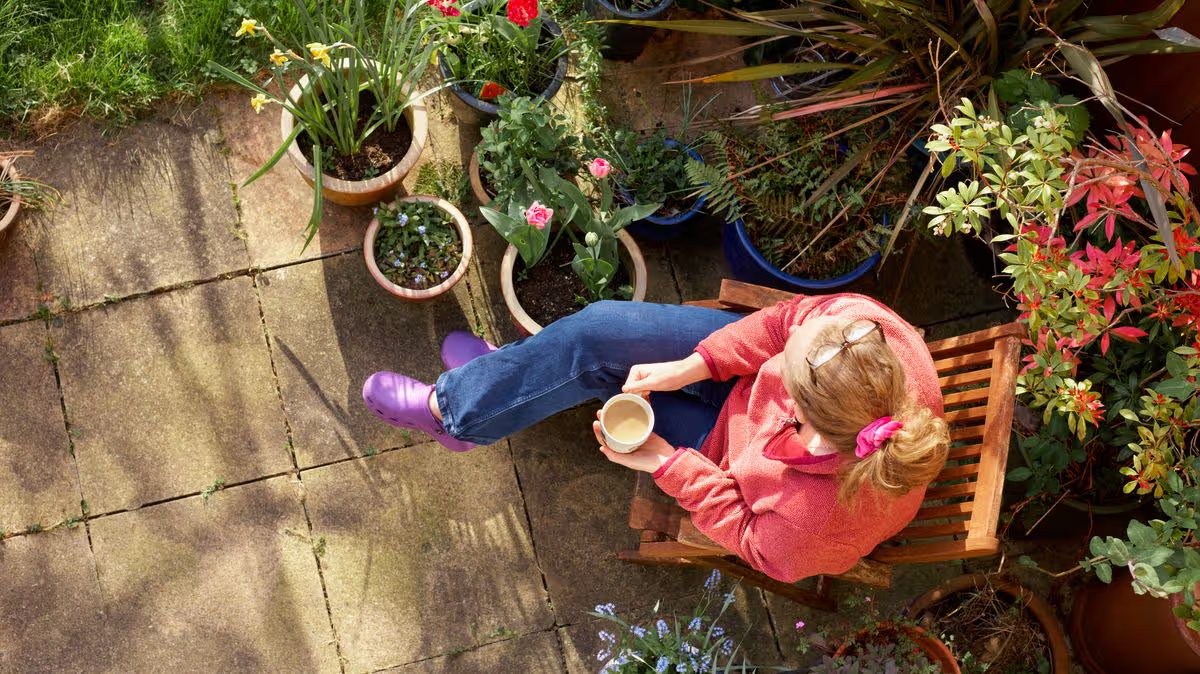
Households in the UK are being urged to plant one specific flower in their gardens this May to get a beautiful display in time for summer. With the weather picking up across the country, May is the prime time to head outside and get your spring gardening jobs done.
Advertisement
According to a wildlife and gardening expert, May is all about keeping on top of your garden maintenance, intentional planting, and supporting wildlife during one of the busiest times of the year in the gardening calendar.
James Ewens at Green Feathers has revealed the essential jobs to tick off this month for a thriving summer garden, including the best time to plant sunflowers.
Get MEN Premium now for just £1 HERE – or get involved in our WhatsApp group by clicking HERE. And don’t miss out on our brilliant selection of newsletters HERE
“Spring is in full swing, and now is the perfect time to enjoy our gardens and start making the most of them – whether for relaxing, just pottering around, being green-fingered, hosting family and friends, bird watching, or doing some spring summer gardening,” explains James.
Advertisement
“May is when gardens really come into their own,” explains James. “Everything is growing fast, lawns need regular care, and it’s a fantastic time to plant flowers and vegetables that will reward you throughout the summer months.”
James explains that being proactive in May doesn’t require an exhaustive list, a few simple jobs can support our gardens and the wildlife in it: “You don’t need to overwhelm yourself with jobs in May, with a handful of key tasks – like watering, planting, mowing and supporting outdoor creatures, you and your wildlife friends, are all set for a thriving summer outside.”
What to plant in May
According to James, May is one of the best months for planting as the risk of frost is slim and the soil is starting to warm up. May is the perfect time to fill beds, borders, and containers with colourful summer flowers and start growing your own food.
Advertisement
“May is ideal for creating edible gardens; you can sow vegetables outdoors like beetroot, carrots, lettuce, potatoes, and spinach just in perfect timing for BBQ season – cheers to that! Don’t forget seasoning, May is ideal to grow herbs like basil, parsley and chives,” he says.
“Sunflower season is upon us – thank goodness – and May is the best time to plant sunflowers. Sunflowers are one of my favourites, they’re not only gorgeous, but beneficial for birds and pollinators, too.
“Start them in plants to protect them from pesky slugs, and once they’re a sturdy 30cm, they can be in the ground ready to pop out in August time.”
Looking after wildlife
May is critically important for wildlife due to warmer temperatures, a key time for pollinators, and many birds nesting and breeding.
“Keep bird feeders replenished with nutritious food like high-fat suet balls and sunflower seeds, and ensure birds have a consistent supply of replenished water to bathe and hydrate,” advises James.
“Bonus points if you have a nest box for bird populations, providing bird families with a safe haven in your garden is not only crucial for their survival, but extremely rewarding.
“If you need to tidy your garden, focus on light maintenance instead: tying in climbing plants, removing dead stems, or trimming small areas where you are certain no nests are present to ensure you’re not disrupting or harming wildlife.
Advertisement
“Supporting wildlife during nesting season helps maintain healthy bird populations and keeps gardens full of life and activity.”
No Mow May
No Mow May is a nationwide initiative that urges homeowners to pause mowing for the entire month of May. It is an easy but potent way to support wildlife and give nature a few weeks of breathing space to thrive.
“When you stop mowing, wildflowers like clover, daisies and dandelions are free to bloom, providing essential food for bees, butterflies and other pollinators that are considered endangered in the current climate,” James explains.
“To make your lawn even more wildlife-friendly, you can consider planting more wildflowers, starting by gently raking the lawn to remove any dead grass or cuttings. This helps prevent nutrient buildup, which can stifle the growth of native species. A little prep goes a long way in supporting wildlife.”
For generations, the mild and temperate climate of north-western Europe has been credited to one legendary force: the Gulf Stream. This idea is so deeply entrenched in our cultural identity that in James Joyce’s Ulysses, the protagonist Stephen Dedalus refuses to take a bath, arguing that “all Ireland is washed by the Gulf Stream”.
However, the Gulf Stream is just one part of a much more complex system called the Atlantic Meridional Overturning Circulation or AMOC.
To explain this better, scientists often use the image of a giant ocean conveyor belt, where warm waters move northwards across the surface of the Atlantic from the tropics. As these waters reach the North Atlantic, they release their heat into the atmosphere, much like a radiator. The AMOC also carries the moisture that gives us our temperate landscape. After the waters have released their heat, they become colder and denser, which makes them sink into the deep ocean. These waters then return southward, at great depths.
When scientists talk about the AMOC “slowing down” or “changing,” they are essentially describing a reduction in the strength of our natural radiator. Specifically, they measure how much water is moving north and south at different depths across the Atlantic. This allows them to estimate how much heat is being carried from the tropics toward the North Atlantic and back again at depth.
Advertisement
More than a conveyor belt
Although this “conveyor belt” analogy is a helpful starting point, modern research suggests it is incomplete and potentially misleading. For example, the system is incredibly sensitive to how seawater changes its weight and density as it interacts with the atmosphere, freshwater, ice and incoming solar radiation. Because of these additional processes, the AMOC behaves less like a single, steady loop and more like a network of interconnected regional components.
Different parts of the system can change independently, sometimes with only regional effects and sometimes with consequences for the entire system.
The Subpolar Gyre (SPG), a system of wind-driven ocean currents occupying the region from the Labrador Sea to the west of Ireland, is a powerful example of why the network perspective matters. This regional AMOC component can show a significant degree of independence from the global AMOC. It is controlled by local winds and pulses of freshwater, linked to changes in sea-ice.
Crucially for those of us in Ireland and the UK, a sudden weakening of the SPG could trigger abnormally cold winter weather, similar to conditions seen during the “little ice age”. This period of intense regional cooling, which lasted roughly from the early 14th century to the mid-19th century, was characterised by winters so severe that the River Thames froze over.
Advertisement
Scientific research suggests that this cold period was likely sustained and amplified by a regional change in the SPG while the AMOC remained relatively stable. This means we could face local climate shifts, including increased storminess and colder winters, because of a “flicker” in our regional component of the AMOC network, long before the entire global circulation reaches a tipping point.
This is why scientists are now focused on identifying early warning signs of instability within the AMOC.
The UK’s climate is mild and wet – but it may not stay that way. William Barton/Shutterstock
Are there signs that the AMOC has already begun to change? While climate models agree that it is likely that the AMOC will destabilise this century due to global warming, direct scientific observations of the AMOC are still too short to give us a definitive answer.
Networks of monitoring tools like Rapid or OSNAP that measure the transport of water both at depth and at the surface have only been in place for about 20 years. In the life of a massive ocean system, this is just a heartbeat. Scientists estimate we may need 30 to 40+ years of continuous observations to clearly detect a long-term AMOC decline against the ocean’s natural variability.
Advertisement
Why does it matter?
For generations, societies, economies and infrastructures in north-western Europe have been built around a stable, mild and wet climate. If this natural radiator fails or even significantly weakens the consequences will ripple across Ireland, the UK and the European continent.
We should care about this because the AMOC currently moves a massive amount of heat
from the tropics to the North Atlantic, where it is released into the atmosphere. A weakening of this system means that a portion of this tropical warmth is no longer delivered to our region as effectively, leading to cooling across northwestern Europe.
While Hollywood depicted a sudden ice age in the film The Day After Tomorrow (2004), the scientific reality of a slowdown is no less concerning. We could face significantly colder winters resulting in more frequent harsh freezes, snow and severe frosts. During the little ice age a weaker SPG led to agricultural failures and famines. We could also experience an increase in storminess shifting rainfall patterns, and drier summers, all of which could damage critical infrastructures like roads and crop harvests.
The AMOC is also essential for keeping carbon and heat stored in the deep ocean, effectively locking it away from the atmosphere. At the moment the world’s oceans absorb approximately 25-30% of all human-made carbon dioxide emissions each year.
Advertisement
However, should the AMOC slow down it is expected that the rate at which carbon is stored in the deep ocean also slows down. The AMOC also redistributes the nutrients that sustain marine ecosystems. A disruption here wouldn’t just change our weather; it would weaken the ocean’s ability to act as a carbon sink, potentially accelerating global warming in a dangerous feedback loop.
Keeping an eye on the AMOC is a matter of national and regional security.
Whether the decline is gradual or approaches a tipping point, the impact on our way of life will be profound. By listening to the signals coming from the deep ocean today, we can better prepare for the climate of tomorrow.
The actor is to play Sir Harry Evans, who was editor of the Echo from 1961-1965 before going on to edit The Sunday Times, in the six-part series Dragon Slayers.
The show will explore the work of Sir Harry, whose investigative Insight team at the Times broke some of the biggest stories in UK history, including the thalidomide scandal; the truth about Kim Philby, one of the most successful spies of the 20th century; and the facts about the DC-10 crash in 1974, then the worst air disaster of all time.
Rhys said: “At a time when stories of this nature are imperative, I am thrilled to be a part of this show.”
Set in the 1970s, the series will be based on wide-ranging research, published accounts and interviews with those who knew and worked with Sir Harry – including his widow, former Vanity Fair editor Tina Brown, and the Evans family.
Advertisement
Matthew Rhys is to play Sir Harry Evans in a new BBC drama (Image: Apple TV+/Robert Clark. All Rights Reserved. All Rights Reserved)
Brown said: “I could not be more thrilled that such a talented and creative team has come together to bring to the screen some of Harry’s most inspiring journalistic achievements at the Sunday Times, and that the brilliant and versatile Matthew Rhys will be playing him.”
The series will be written by Bafta-winner Peter Bowker, who added: “Telling the story of Harry Evans and the work of his Insight team is both a privilege and a joy.
“And having Matthew leading the cast is more than we could have hoped for.
“All of us are now united by a desire to honour the passion, doggedness and humour of this remarkable group of people.
Advertisement
“I hope the drama will make us take a fresh look at both journalism and that much maligned decade – the 1970s.”
One of the giants of post-war journalism, Sir Harry was editor of The Sunday Times from 1967 to 1981, and edited The Times for a year from 1981.
Often cited as the greatest British newspaper editor of all time, Sir Harry is credited with leading the investigation which resulted in victims of the morning sickness drug thalidomide winning £20 million in compensation in 1973.
Advertisement
His Insight team also exposed the intelligence service cover-up in the case of double agent Philby; and the corporate deception at the heart of the DC-10 Paris air crash, which killed all 346 people on board.
The review report found that Creswell was subjecting her to a “brutal regime of grooming, coercive control, verbal degradation and physical abuse”.
A review has found that “institutional misogyny” contributed to “clear warning signs” being missed in the initial PSNI investigation following the death of showjumper Katie Simpson.
Advertisement
The independent review led by Dr Jan Melia, commissioned by the Department of Justice, found that “not one officer thought seriously about abuse/control” in the police investigation in 2020.
It cited “systematic failures” and also criticised other bodies, including social services and the health service, over safeguarding, as well as within the equestrian sector.
It has made 16 recommendations, with many focused on training.
The 21-year-old from Tynan, Co Armagh, died in Altnagelvin Area Hospital almost a week after an incident in Gortnessy Meadows, Lettershandoney.
Advertisement
Police originally thought she had taken her own life.
It was not until the following year that Jonathan Creswell, the partner of Ms Simpson’s sister, was arrested on suspicion of murder.
The trial of Creswell, 36, for the murder of Ms Simpson ended in April 2024 after he took his own life following the first day of proceedings.
The report found that 37 people, both female and male, have come forward to say they were abused by Creswell.
Advertisement
It found officers failed to identify inconsistencies in Creswell’s account, neglected to preserve vital evidence, overlooked forensic scenes and opportunities, dismissed key witness statements and failed to secure/examine crucial digital communications such as text messages and phone records that might have revealed patterns of abuse.
It went on to find that police officers demonstrated a striking lack of professional curiosity, failed to employ an investigative mindset or consider the possibility of abuse/control, in spite of clear warning signs.
Ms Simpson had been going to a horse yard close to her home in Tynan from the age of eight up to three times a week to ride and care for horses. Creswell worked at that yard and was dating her sister.
The review report found that Creswell had groomed her from the age of 10, subjecting her to a “brutal regime of grooming, coercive control, verbal degradation and physical abuse”.
Advertisement
The report found the grooming and abusive behaviour was concealed behind a “charming facade”.
The report examined 16 hospital visits by Ms Simpson between 2003 and 2020 with increasingly severe injuries, which were explained as being due to horse riding, and found the pattern should have prompted closer examination.
Meanwhile, Creswell was found to have had a long-term pattern of persistent and escalating offending that included motoring offences, dangerous driving, animal abuse, indecent exposure, suspected fraud and domestic abuse.
Advertisement
Previously, a Police Ombudsman report concluded the initial police investigation into Ms Simpson’s death was “flawed” and “failed the Simpson family”.
The independent review found a series of failings, from failing to treat her death as suspicious, deficiencies in scene management, neglect of forensic evidence, oversight of suspect history, inadequate witness strategy, fragmented leadership and accountability and limited disciplinary action for the officers identified for misconduct.
The review also found discrepancies in information given by Creswell, a lack of investigation into evidence given by members of the public and poor communication with Ms Simpson’s family.
Advertisement
It also found “institutional misogyny”, with examples given of referring to Creswell as a “bad boy” rather than “acknowledging him as a violent perpetrator”.
The review concluded this choice of language “trivialises male aggression, dismissing harmful behaviour and ultimately protects male perpetrators, simultaneously undermining the credibility of female victims”.
“Seeing this kind of language use by police, draws attention to the concerns raised in the Angiolini Review and highlights how institutional cultures and communication practices perpetuate misogyny,” it found.
“There is no doubt that this kind of language is normalised, seen as a bit of laugh or banter, but this is part of the problem. Euphemistic or dismissive language, such as referring to a perpetrator as a ‘bad boy’ obscures the harm done by men like Creswell, denying women’s experience of abuse.”
Advertisement
It continued: “The use of this kind of language is misogynistic because it protects male perpetrators at the expense of female victims.
“Creswell’s misogyny was a risk factor for both women and for others who have come forward because of this case. When police endorse misogyny, as they do here, risk to women escalates.
“Institutional misogyny reinforces risk, allowing it to be minimised; it dismisses women’s experiences, creating and sustaining a culture where female victims are disbelieved, and perpetrators are given credibility and power.
Advertisement
“This was precisely the case for Katie: not one officer thought seriously about abuse/control.
“Katie’s lived experience was disregarded, clear warning signs were ignored, established protocols were treated as optional/discretionary, and police chose to privilege Creswell’s account.”
It found an “urgent need for trauma-informed training, gender-sensitive risk assessment, and a cultural shift within the PSNI, that challenges and changes its own institutional misogyny”.
In a foreword to the review’s report, Ms Simpson’s mother, Noeleen Mullan, said it had been “hard to read”, noting “so many things were missed, not done properly and it felt like there was a “lack of care for Katie from the police”.
Advertisement
Making an oral statement in the Assembly, Justice Minister Naomi Long said a “debt of gratitude” was owed to all who raised concerns about the circumstances surrounding the death of Ms Simpson.
She said the independent review “makes for uncomfortable reading” and announced that Dr Melia will co-ordinate and chair an implementation group for the 16 recommendations.
“My department and our partners will act on the recommendations contained in Dr Melia’s report and ensure lessons are not simply learned but embedded,” she told MLAs.
Advertisement
The Katie Trust, set up in Ms Simpson’s memory, welcomed the review as representing a “significant and necessary step toward transparency and accountability”.
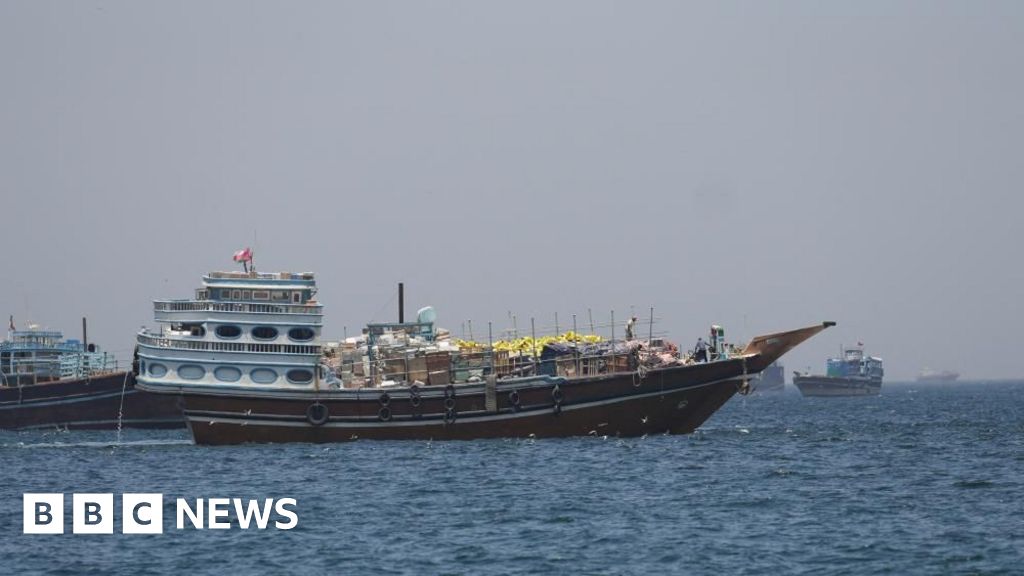
Tim Wilkins, managing director at Intertanko, a trade body representing independent tanker owners and operators, told the BBC there was “no structured convoy or co-ordination mechanism in place” and members were asking, “who initiates these transits? Who communicates with the authorities on behalf of the vessel? And, indeed – a critical one – what is the fallback if a vessel is challenged by Iranian forces during the transit?”
Horse-bedding specialist Unibed, based in South Milford near Selby, is the headline sponsor for the World of Horses arena at Farm Fest.
Farm Fest, which is being held in Warwickshire from May 22 to May 24, is the UK’s biggest country fair and music festival.
It has been described by Clarkson as “rock and roll farming”. Stars include all the main characters from the Amazon Prime show Clarkson’s Farm, together with Sophie Ellis-Bextor, 10CC, Hothouse Flowers and DJ Chris Moyles.
Read next:
Advertisement
Jessica Vickers, commercial and operations director of UNIBED, said it is “tremendously proud to be playing a major role in such a high-profile and prestigious national farming event”.
“Our appearance at Farm Fest is a recognition of how far we have come, while also giving us a chance to say thank you to customers old and new,” she said.
Unibed’s Jessica Vickers with the chief executive of British Showjumping Iain Graham (Image: Supplied)
A Farm Fest spokesperson added: “We are working with Unibed to bring you a high energy celebration of horsepower in every shape and size.
“From thundering hooves to lightning-fast turns, this is where tradition meets adrenaline. Power. Precision. Pony-sized chaos. And pure countryside theatre.”
Derry, the son of former QPR and Crystal Palace midfielder Shaun Derry, joined Chelsea from Crystal Palace last summer and had made the senior matchday squad on a couple of previous occasions after impressing at youth level, making substitute cameos in FA Cup wins over Wrexham and Hull.
There have been multiple burglaries and attempted break-ins at post offices across South Cambridgeshire
10:04, 05 May 2026Updated 10:04, 05 May 2026
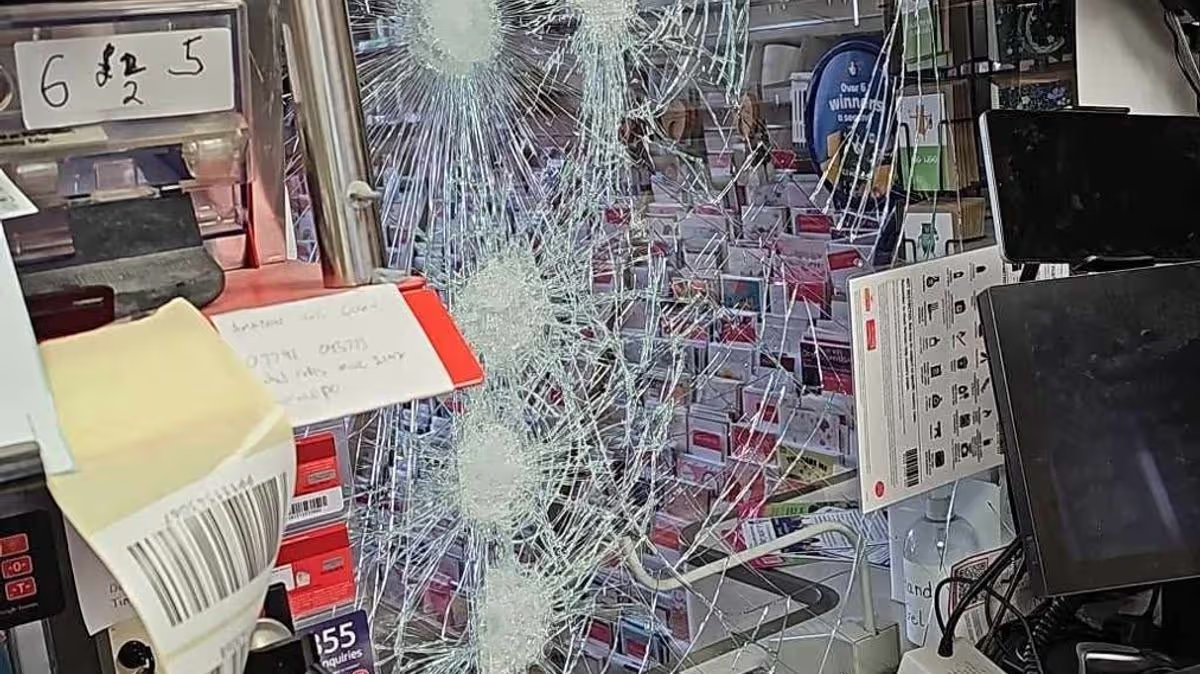
A series of post office break-ins have taken place across South Cambridgeshire over the bank holiday weekend. Cambridgeshire Police are now asking for anyone with information concerning any of the burglaries or attempted break-ins to come forward.
Thieves took cash from the Linton Post Office on the High Street on Friday, May 1, at around 3.50am. Cash was also stolen from Burwell Post Office, in The Causeway, on Saturday, May 2, at around 3.25am.
Tobacco was stolen from Barton Post Office, in Comberton Road, on Sunday, May 3, at around 5.45am. An attempted break-in was reported at Stow-cum-Quy Post Office in Albert Road, on Thursday, April 30, at around 3.05am.
Advertisement
Cambridgeshire Police are carrying out enquiries into the incidents including looking at CCTV, forensic opportunities, and increasing patrols. The police are asking for anyone who may have seen any suspicious behaviour around the stores and any vehicles driving or parked nearby at unusual times to come forward.
Anyone with information should report it online on the Cambridgeshire Police website or call 101, quoting the relevant reference number: Stow-cum-Quy 35/32266/26, Burwell 35/32694/26, Barton 35/32873/26, Linton 35/32361/26.
You can also report anything anonymously via Crimestoppers on 0800555111.
Detective Sergeant Jonathan Lockwood, from the Southern Acquisitive Crime Team, said: “We recognise how upsetting and disruptive these incidents are for the post office owners, staff and the wider community who rely on these vital local services. We want to reassure people that we are taking these offences seriously and are actively working to identify those responsible.
Advertisement
“We’re asking anyone who noticed anything unusual over the bank holiday weekend to please get in touch. Information from the public can be crucial in helping us progress our enquiries.”
To get more news and top stories delivered directly to your phone, join our new WhatsApp community.Click this linkto receive your daily dose of CambridgeshireLive content.
We also treat our community members to special offers, promotions, and adverts from us and our partners. If you don’t like our community, you can check out any time you like. If you’re curious, you can read ourPrivacy Notice.


















































You must be logged in to post a comment Login