
Connect with us
DAPA Banner

NewsBeat

How likely are you to get ill on a cruise? The health risks amid hantavirus outbreak

Published

on

How likely are you to get ill on a cruise? The health risks amid hantavirus outbreak

The hygiene of cruise lines may be under scrutiny after a suspected outbreak of hantavirus on a polar expedition vessel – but passengers should be reassured that cases are rare.

At least three people have died aboard Oceanwide Expeditions’ MV Hondius, which began a remote voyage from Argentina to Cape Verde on 1 April, carrying 147 passengers.

The World Health Organisation (WHO) said a total of seven hantavirus cases – two confirmed and five suspected – had been identified on the cruise ship so far.

Three individuals will be medically evacuated in Cape Verde, but most passengers are required to remain on board until the ship reaches the Canary Islands: a voyage that is expected to take three days.

Advertisement

Oceanwide Expeditions said there is no “definitive disembarkation point” for the remaining guests but sailing on to Las Palmas or Tenerife is being considered, where further medical screening and handling could take place.

A statement from industry group, the Expedition Cruise Network, said ships undergo strict biosecurity measures.

It said: “Our thoughts are with the passengers, crew, and families affected.

“As a member of the Expedition Cruise Network, Oceanwide Expeditions has our full support as they manage this situation.”

Advertisement

Can you catch hantavirus on a cruise ship?

Despite the high-profile coverage, cases of hantavirus are rare. In fact, there are no other known cases of hantavirus being present on a cruise.

Hantavirus is mainly spread by contact with rodents or their urine, saliva or droppings, particularly when the material is disturbed and becomes airborne, posing a risk of inhalation.

The WHO says that while uncommon, hantaviruses may spread between people.

Advertisement

It is still unclear whether the outbreak began on board or via an excursion. Passengers have visited remote locations including Antarctica, South Georgia, Nightingale Island, Tristan da Cunha, Saint Helena and Ascension Island during the cruise.

Dr Maria van Kerkhove, director for Epidemic and Pandemic Preparedness and Prevention at WHO,told BBC Breakfast: “We have a working hypothesis that there’s probably a mixture of different types of transmission.

“This is also a boat that went to many different islands. They were looking at wildlife, they were looking at birds, and on some of these islands, there’s rodents as well.

“So there could be a mixture of exposure to rodents in different places, but because some of the cases are close contacts, sharing cabins together, our assumption is that there’s a bit of a mix.”

Advertisement

Aside from this case, there is no public data on hantavirus outbreaks on other cruise ships.

A spokesperson for the Cruise Lines International Association (CLIA) said: “We are aware of reports regarding cases of hantavirus associated with a recent voyage on a non-member cruise line.

“Our thoughts are with those affected. CLIA-member cruise lines are required to adhere to comprehensive health, safety and medical policies designed to detect, prevent and mitigate illness. Available public health data indicates that rates of illness on cruise ships are lower than in comparable land-based settings.”

How common is norovirus on cruise ships?

Advertisement

While there are no known cases of hantavirus on other cruise lines, stomach bugs and norovirus are more common concerns.

Norovirus is a highly contagious virus that causes acute gastroenteritis, leading to vomiting, diarrhoea, nausea and stomach pain.

In the US, the Centers for Disease Control and Prevention (CDC) recorded 23 norovirus cases on cruise ships in 2025.

These figures only cover ships that visit an American port, so the actual numbers are likely much higher.

Advertisement

But with 30 million yearly passengers worldwide, the risk of becoming unwell is minimal.

In fact, data from the CDC suggests passengers are more likely to fall ill on land. Occurrences of gastrointestinal issues are one in 5,500 at sea, which accounts for around one per cent of all cases.

Will you get ill on a cruise?

With thousands of people congregating in a confined space, it is no surprise that people can get ill on a cruise.

Advertisement

This perception was compounded during the pandemic, when coronavirus cases escalated among hundreds of passengers on Diamond Princess and the ship ended up quarantined in Japan for two weeks.

There have also been negative media portrayals in programmes such as HBO’s The Last Cruise documentary.

Despite the media coverage, CDC data suggests the most common settings for gastrointestinal illnesses are actually healthcare facilities followed by restaurants or catered events, schools and day care centres.

Nicky Kelvin, editor at large of travel tips website The Points Guy, said: “Passengers are not highly likely to become sick from hygiene-related causes on a cruise due to high standards of cleanliness, as well as rigorous inspections which have been implemented since 1970.

Advertisement

“Concerns about norovirus on cruises are a result of ships being required to report all cases of norovirus to authorities, compared with schools or nursing homes where norovirus is rampant but do not require reports.”

How clean are cruise ships?

Cruise lines follow the International Health Regulations of the World Health Organisation and the CDC’s Vessel Sanitisation Program (VSP). Among the requirements is the need for passengers to complete health questionnaires before boarding.

The regulations require cruise ships to provide health declarations detailing illnesses of individuals on board to port authorities prior to docking.

Advertisement

Every cruise ship receives multiple inspections each year – announced and unannounced – to support implementation of strict environmental and safety regulations.

Under the VSP, ships must get 86 out of 100 points to pass, covering cleanliness of areas such as cabins, galleys and dining rooms, swimming pools and kids’ clubs.

To comply with this, cruise ships are routinely cleaned, with crew regularly sanitising surfaces such as tables, handrails, door handles and taps. Cruise passengers are reminded to wash their hands when entering the buffet and restaurants, while hand sanitisers are readily available in public locations.

Members of industry trade body the Cruise Lines International Association (CLIA) also follow guidelines specifying that ships must have at least one qualified medical professional permanently available for medical bay visits or cabin “house calls”.

Advertisement

CLIA managing director Andy Harmer said: “The cruise industry’s first priority is the health and safety of passengers, crew and the communities that we visit.

“Thanks to robust and rigorous protocols that cruise lines have put in place, cruise is one of the safest forms of travel. From cleaning practices that are often unparalleled in other settings to passenger screenings, cruise lines take extensive measures to keep their guests healthy.”

What happens when there is an outbreak on a cruise?

If a passenger contracts norovirus or other contagious illnesses, they are usually quarantined in their cabin to prevent further spread of the illness.

Advertisement

Jenni Fielding, who runs the Cruise Mummy blog, added that the situation can change quickly if there is an outbreak.

She said: “I’ve experienced this on about 10 per cent of my cruises. When it happens, things like salt and pepper shakers disappear, replaced by individual sachets.

“You won’t be allowed to serve your own drinks in the buffet; crew members will do it for you. You’ll also see crew with buckets of disinfectant, scrubbing every surface between guests. If you do get sick, you’ll be ordered to stay in your cabin until you’ve been symptom-free for 24 hours – and don’t worry, room service is free.”

To prevent illness, she advises avoiding touching handrails unless absolutely necessary and pressing elevator buttons with your knuckles.

Advertisement

She said: “Little things like this help reduce the risk of catching anything.

“Since the pandemic, new cruise ships have been designed with extra hygiene measures in mind. Every restaurant now has handwashing sinks at the entrance, and some even have automatic hand-washing machines. Many cruise lines are also moving away from self-service buffets, with crew members plating up food instead.

“When Covid first hit, the idea of people being stuck on ships made for dramatic headlines. But that doesn’t mean you’re more likely to catch illnesses on a cruise ship. I’ve never stayed in a hotel or eaten in a restaurant where someone ensures every single person has clean hands before entering. On a cruise ship, that’s just standard practice.”

Read more: How to avoid getting seasick on a cruise

Advertisement

Source link

Continue Reading
Click to comment

You must be logged in to post a comment Login

Leave a Reply

NewsBeat

North Yorkshire BESS schemes branded ‘zombie’ projects

Published

on

North Yorkshire BESS schemes branded 'zombie' projects

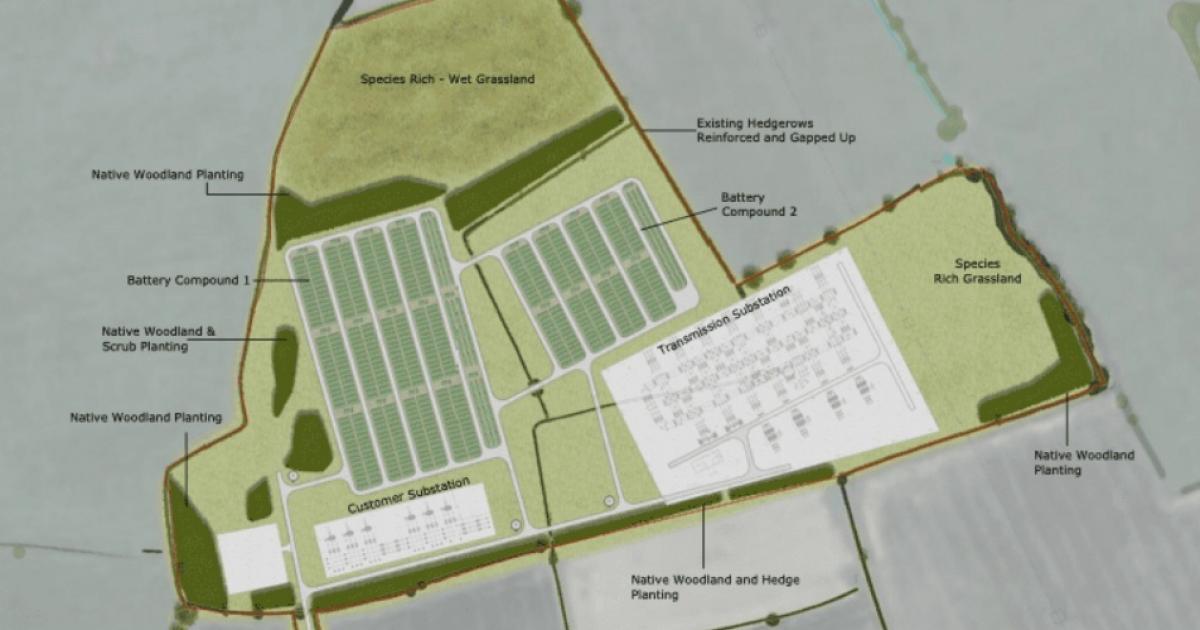
Both the Mowbray scheme, proposed for land near East Rounton, between Northallerton and Yarm, and the Bellmoor project, planned on farmland at South Kilvington, near Thirsk, have been given ‘gate one’ status by the National Energy System Operator (NESO).

The listing means the projects no longer have a firm date for connection to the national grid.

Campaigners say the change in status is further reason why the schemes should be rejected.

Advertisement

NESO has reformed its register of planned energy projects to prioritise schemes which are ready for connection.

Schemes which are ready to proceed have been given ‘gate two’ status.

Experts say there are too many BESS projects in the pipeline with more than 200GW of storage planned, which is far more than the UK will need in the coming decades.

Hundreds of people have submitted objections to the planning applications for the BESS schemes, which are currently being assessed by North Yorkshire Council.

Advertisement

Andrew Sheldon-Thomson, from online group Stop Battery Storage – Northallerton & Yarm, which was formed to oppose the Mowbray development, described the scheme as a “zombie project”, adding: “It’s alive on paper but not actually going anywhere in reality.”

Mt Sheldon-Thomson said the gate one listing meant the project was “not demonstrably deliverable”.

He added: “Under the NESO connections reform process, the project has been classified as gate one and removed from the active connections queue.

“As a result, all connection parameters—including the connection date, point of connection, and required network works—are indicative only, and no deliverable connection solution has been identified.”

Advertisement

He said the classification meant the scheme would not fulfil the requirement of being sustainable development and therefore should be refused.

South Kilvington resident Philip Martin is one of the founders of the Thirsk Against Battery Storage (TABS) group.

He said the update from NESO was “good news”, but the group would continue to maintain its opposition.

“We’re really delighted that this project is now undeliverable in this location, but until NatPower withdraws the application we’re going to continue to fight.”

Advertisement

Mr Martin said the developer had been told by the council to prepare an environmental impact assessment and members were waiting for further consultation exercises which would take place if the report was published.

The Local Democracy Reporting Service has contacted NatPower for comment.

BESS plants store electricity from the grid at times of lower demand and release it back to the grid when it is needed most.

NatPower says the facilities make an essential contribution to ensuring reliable, secure and affordable electricity for the country.

Advertisement

A spokesperson said previously that the company was committed to engaging with the local community in the evolution of plans for its Bellmoor and Mowbray energy storage schemes.

Source link

Advertisement
Continue Reading

NewsBeat

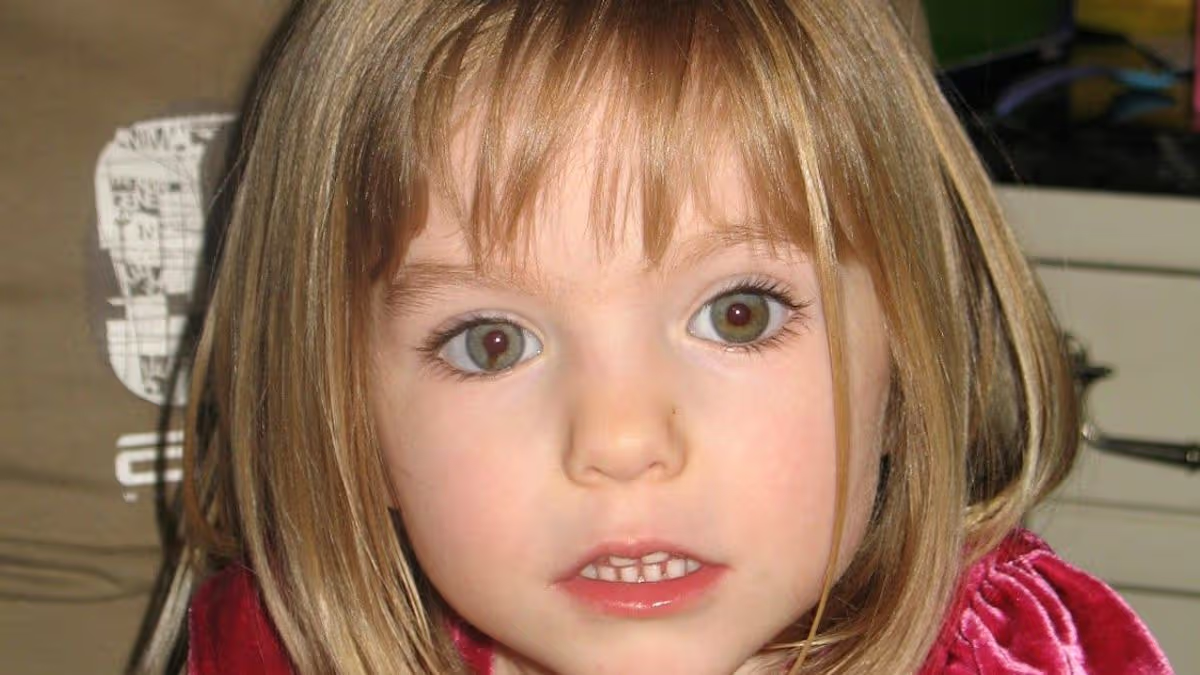
Madeline McCann Met cops working on case for six months ‘have requested German evidence’

Published

on

Daily Mirror

A team of detectives believe they can build a strong enough case for the Crown Prosecution Service to authorise charges before the 20th anniversary of Maddie’s disappearance next year

A team of Scotland Yard detectives have been working on the Madeleine McCann case for six months in an attempt to charge Christian Brueckner in the UK, a source has said.

Advertisement

It is understood they have officially requested evidence from the German police after Brueckner, who has always denied any involvement in Madeleine’s disappearance, was released from prison last September.

They are said to believe they can build a strong enough case for the Crown Prosecution Service to authorise charges before the 20th anniversary of Madeleine’s disappearance next year.

But the German constitution prevents the extradition of its citizens to non-EU countries, meaning that unless he goes abroad, Brueckner will not be sent to the UK for trial.

A source said: “The team needs to get to the level of charging him, this is not about requesting he be sent for an interview, so it is a high threshold.

“The work has been on-going for six months and it appears they are trying to corroborate what has already been discovered by the German police.

“It’s understood they have formally requested material from the German authorities and are working their way through it.” The case is being led by a Deputy Assistant Commissioner, the source said.

If Brueckner can’t be brought to the UK, the Met is reportedly committed to ensuring that he still faces charges in Germany or in Portugal, where the alleged crime took place. Brueckner was living a mile away from the Praia da Luz complex where Madeleine, three, went missing in 2007.

Advertisement

He was named as the prime suspect in her disappearance six years ago, but charges were not brought before he was released from a German prison last year. Brueckner was jailed for seven years for raping a US pensioner in the same Algarve resort where the youngster went missing.

A small team of specialist Met detectives has been working on building a file of evidence on suspected abduction and murder though the probe is still classified as a missing persons case.

Lawyer Bernhard Schmeilzl, of Graf & Partners LLP, a firm specialising in Anglo-German legal matters, told the Daily Mirror: “Theoretically the Met can charge him but they can’t get hold of him as long as he’s in Germany.

Advertisement

“It’s in the German constitution so it’s simply impossible. But they could extradite him to Portugal as an EU country so I am sure the police and prosecutors from all three countries are having discussions amongst themselves.”

Circumstantial evidence linking Brueckner to the crime include the fact his mobile phone was recorded close to the apartment where Madeleine disappeared from. He has previous convictions for child abuse, and his name was given to both the German and British police by a witness in 2008.

They told detectives that Brueckner had told them a year after Madeleine vanished that she “didn’t scream” when she was taken. But it is understood police have so far been unable to find any forensic evidence to support the case. Brueckner has repeatedly denied the allegations.

Advertisement

Met Police Commissioner Sir Mark Rowley confirmed last year that his force was looking into whether it would be possible to extradite Brueckner to the UK.

At the time, he said: “One of the reasons we are involved is that murder is in many situations extraterritorial and potentially a murder of a British subject can in certain circumstances be charged in the UK. There’s lots of maybes, so at the moment we are taking stock with the Germans and Portuguese.”

Last year, Brueckner was tried in Braunschweig on three further rape charges and two counts of child abuse. During that trial, a psychological expert described him as belonging to the “absolute top league of dangerous offenders but he was acquitted of all charges.”

Madeleine, from Rothley, Leicestershire, was on holiday with her family at the Ocean Club in Praia da Luz, in Portugal’s Algarve when she disappeared on 3 May 2007.

Advertisement

Her whereabouts remain unknown. Brueckner has never been charged over her disappearance. Madeleine’s parents Kate and Gerry joined a prayer vigil in Leicestershire on the 19th anniversary of her disappearance on Sunday.

It was the first time that the couple had been pictured with their twins – Sean and Amelie – in public as well-wishers gathered in their home town. Kate and Gerry said in a statement posted online: “The search goes on to find her, to achieve some justice, to make the world that bit safer.”

A Met spokesperson said: “The Met’s investigation into the disappearance of Madeleine McCann has been active since 2011. A dedicated team continues to examine the events of the evening of 3 May 2007 in Praia da Luz, while supporting and updating Madeleine’s family.

“As part of ongoing enquiries, we remain in close working discussion with policing colleagues in Germany and Portugal. We will continue to pursue any viable lines of enquiry.”

Advertisement

Source link

Continue Reading

NewsBeat

Do away goals count in Arsenal FC vs Atletico Madrid? Extra-time rules explained for Champions League semi-final

Published

on

Do away goals count in Arsenal FC vs Atletico Madrid? Extra-time rules explained for Champions League semi-final

Source link

Advertisement
Continue Reading

NewsBeat

After a year of Reform UK in local government, the cracks are starting to show

Published

on

After a year of Reform UK in local government, the cracks are starting to show

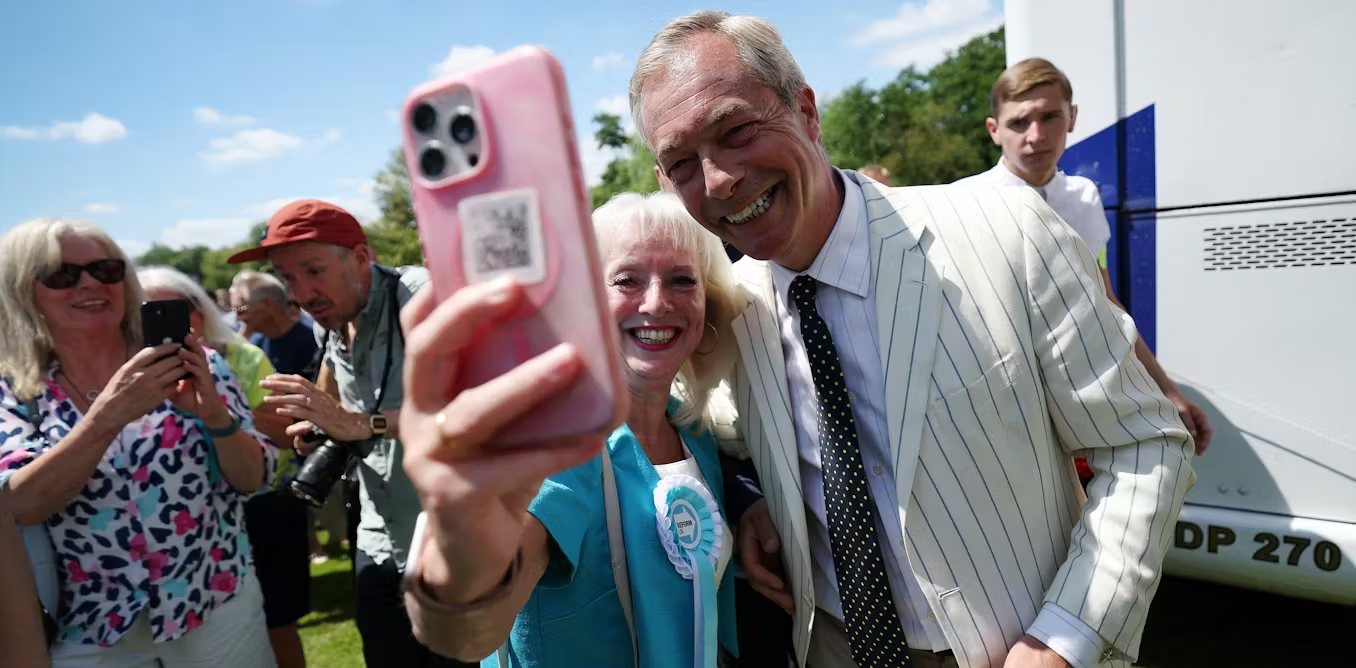
Reform UK is expected to expand its foothold in local government in England this week. More than 5,000 seats across 136 councils are being contested, making this one of the largest electoral tests in recent years. It builds on Reform’s breakthrough in 2025, when the party took control of ten local authorities – its first real experience of power.

For scholars of populism, this moment could be revealing. Years of research have focused heavily on the rhetoric of populism, its voter base, and the interaction between the two.

But far less attention has been paid to what populists actually do once in office. Where such research exists, it tends to focus on national governments, with only a small body examining local politics. Local government, however, is where political promises get a quick reality check.

The gap between Reform’s “pro-workers” rhetoric and its party elite’s relatively privileged and pro-business backgrounds has been noted. But the party’s first year in local government provides an opportunity to see whether the social groups it claims to represent also tend to benefit from its exercise of power.

Advertisement

While systematic data on the Reform-led councils is yet to be collected, their track record so far has revealed signs of where this party’s interests might lie – and of what a UK government led by Reform might look like.

Energy: big donors or local interests?

According to a recent report, climate commitments have been scaled back across Reform-run councils. Net-zero targets have been scrapped and climate language removed from policy documents. These decisions align with the party’s broader critique of climate policy as economically burdensome.

It also aligns with the party’s fossil fuel donors, who account for more than two-thirds of Reform’s financial backing. However, it does not necessarily align with the interests of the communities in the councils that it runs.

A good case in point is fracking. Despite its well-known risks to water and air quality, as well as concerns over earthquakes and warming effects, Reform’s leadership has endorsed fracking. The party has pledged to legalise it if it comes into government.

Advertisement

The country, however, is not as keen. According to the most recent polling, only 28% of people in Britain support fracking, compared to 46% opposing it. A survey last year found that nothing puts off Reform supporters more than the party’s ties to the fossil fuel industry. Farmers – 40% of whom now support Reform – have a longstanding scepticism about fracking due to its potential impact on their crops.

In fact, in two other Reform council areas – Lancashire and Scarborough, local representatives have broken from the national party line on fracking. This reflects a broader tension between the interests of its elite backers and those of its popular base.

Social care: when ‘populism’ meets the welfare state

Those contradictions also become visible in the field of social care. In Derbyshire, the Reform-led council’s plan to shut eight care homes was called a “betrayal of local people”. Similar plans in Lancashire entailed the closure of five public care homes as well as five day centres, with residents moved to the private sector.

What is striking is not just the direction of policy, but also the political reaction to it. The privatisation plans in Lancashire were eventually abandoned due to strong local opposition, which came not only from rival parties, but also from Reform grassroots members.

Advertisement

This underlines an insight often missing from populism research: the category of “ordinary people” is not a unified social group. It also indicates the unpopularity of an economic agenda that, with its emphasis on further deregulation, privatisation and tax cuts, might seem to be Thatcherism’s unfinished business.

Taxation: from promises to practice

Reform’s neoliberal outlook on the economy is reflected in the range of tax cuts pledged in its 2024 manifesto. Ahead of the local elections last year, several Reform candidates reiterated these pledges, vowing either to freeze or cut council tax.

The opposite has happened, though. As reported recently, nine Reform councils raised Band D council tax for 2026-27 by an average of 3.94%. And while that was lower than the overall average increase of 4.86%, it shows that – when confronted with budgetary constraints – Reform is willing to follow the same fiscal patterns as other mainstream parties. In other words, by increasing what is ultimately a regressive tax that disproportionately affects poorer households.

This dynamic echoes once again the discrepancy between the party’s “populist” image and its neoliberal, austerity-prone policy agenda.

Advertisement

Householders in Reform-led councils may have been handed a council tax rise they were not expecting.
Yau Ming Low/Shutterstock

Reform’s track record in these areas of policymaking points to a broader conclusion. Much of the existing literature treats populism primarily as a discursive phenomenon – a way of framing politics in terms of “the people” versus “the elite”.

But Reform’s experience in local government shows that its actual politics might in fact tilt towards the interest of the latter. This is precisely where current research remains scant.

On the eve of a new round of local elections, Reform is likely to extend its presence across councils in England. But its first year in power already suggests that “the people” it claims to represent are not necessarily the same people who benefit from its rise to power.

Advertisement

Source link

Continue Reading

NewsBeat

Rivals star Emily Atack says ‘I can’t believe women have had to go through that – I feel so lucky’

Published

on

Daily Mirror

The actress says she feels grateful to be a woman working in the TV industry now – rather than in the era of Jilly Cooper’s Rutshire Chronicles

Emily Atack has told how playing Sarah Stratton in Rivals has made her realise how lucky she is to be a woman working in TV with a baby in the present day – rather than in the 80s.

Advertisement

In the show her ambitious, bed-hopping character Sarah is now the co-host of a gossip show, Uncensored, alongside her role on the daytime sofa with lover James Vereker.

But her boss, Corinium TV’s Lord Tony Baddingham (David Tennant), is not happy when he finds out she is pregnant – telling her it is “hugely inconvenient” and suggesting she has a termination.

READ MORE: Secrets of Rivals series 2 – Sex and shocks that will ‘knock your socks off’READ MORE: Cast of Rivals’ heartfelt Jilly Cooper Day tribute ahead of series two launch

Advertisement

In real life Emily, 36, gave birth to baby son Barney, with partner Alistair Garner, in June 2024 and says she feels “lucky” compared to the women of 30 to 40 years ago.

Speaking at a screening of the new Disney+ series last week, she said it had helped her to play the role. “Well, I’m actually so glad that I went through a pregnancy and a baby before doing this because I really, truly, authentically was able to find that emotion. I was still very hormonal!

“Just having a man say those words to you even! David Tennant, loveliest man in the world, but when he’s that character, Tony, he is so terrifying. It really was genuine and I was watching it back and just seeing the panic in my face.

“It makes me feel very lucky in my life and in these times. I mean, we like to think we’ve moved on, not in all areas, but I have had a baby and I am doing TV shows and I’m not being sacked, so that’s good.

Advertisement

“So I do feel very lucky. But I was very much able to authentically go there and be like, ‘oh my God. I can’t believe women have had to go through that’, you know?”

For the second series of Rivals she says that the men, including Tony and MP Rupert Campbell-Black, think they are in control but it’s the women of fictional Rutshire who end up quietly coming up trumps in the power play, particularly TV producer Cameron Cook (Nafessa Williams) and Tony’s wife Monica (Claire Rushbrook).

She explains: “I think what’s lovely about it is that these men are really, really powerful with their helicopters and their money and their obvious power. But the secret power is with the women.

Advertisement

“That’s where the writing is so beautiful because it’s kind of hidden and it’s not obvious. And I think, throughout the series, you will see that the secret powers of the women really, really kind of come through and f*** all the men up.”

Fans of the Jilly Cooper bonkbuster will also be thrilled to hear that there is more to come for Freddie and Lizzie, played by Danny Dyer and Katherine Parkinson, who started a passionate fling at the end of series one. This is despite a scene at the start where she feels guilty for cheating and says she needs to stay away from him because Its “hurting my heart”.

Katherine, 48, laughed: “Well, they don’t stay away from each other for very long! It’s not just her own situation, her own marriage and her much younger children, but Freddie’s got these children at that tricky teenage age. I think it hits her, what am I doing getting carried away? A woman in her late forties sort of being giddy.”

The actress, who is married with two kids in real life, added: “She sort of pulls herself up. But then, you know, Freddie says things…”

Advertisement

– Rivals returns on May 15, Disney+

Source link

Continue Reading

NewsBeat

EastEnders’ Grant wades in against violent gangster and things get much worse | Soaps

Published

on

EastEnders’ Grant wades in against violent gangster and things get much worse | Soaps
Grant Mitchell tries to help (Picture: BBC)

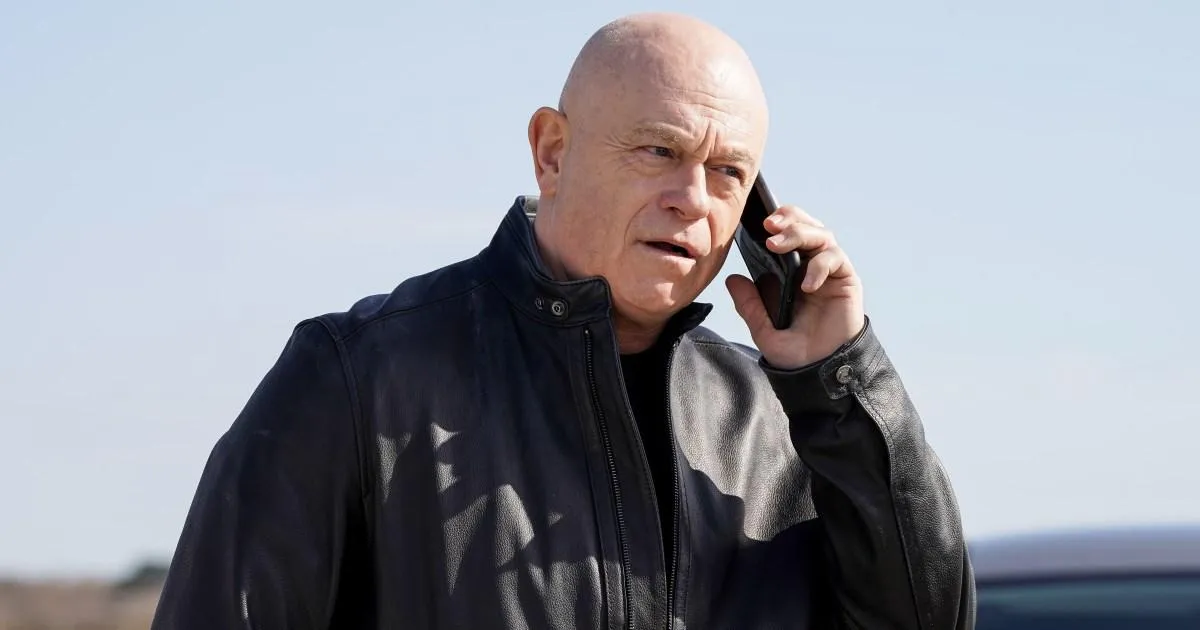
EastEndersGrant Mitchell (Ross Kemp) may be estranged from his son Mark Fowler Jr (Stephen Aaron-Sipple), but he steps up to protect him from violent gangsters next week. 

An oblivious Grant has no idea just how deep Mark has fallen in with the criminal underworld, and as Mark’s deadline to repay his debts to his associates approaches, Grant ends up making things even worse for his long-lost child in forthcoming scenes. 

Fans will remember that Mark landed in serious hot water with the gang he’d been working for when he failed to hand over someone who had been ratting them out to the police. 

That someone just happened to be Ravi Gulati (Aaron Thiara), but after learning of the informant’s true identity, Mark spared Ravi from retaliation from the gang and was slapped with a debt threat. 

Advertisement

Next week, Mark frets about how he is going to repay the £100k, as his aunt Sam Mitchell (Kim Medcalf) tries to convince him to speak to Grant for help.  

Grant arrives back in Walford much to Mark's shock in EastEnders
Grant doesn’t have the best relationship with his son (Picture: BBC)

While he’s initially resistant to ask anything of his dad, Lauren Branning (Jacqueline Jossa) is on hand to offer some words of wisdom that make him reconsider. 

However, he then changes his mind after a run-in with Grant at the caff involving Linda Carter (Kellie Bright). 

As Mark tries to come up with other ways to raise the funds, but a potential lead through his dodgy dealings with Lauren comes to nothing, and he eventually confides in his sister Vicki Fowler (Alice Haig) about his debts – albeit missing out some crucial details. 

She encourages him to speak to his uncle Phil Mitchell (Steve McFadden), who agrees to give him £30,000 to buy some time with the gang. But when Grant then learns about what’s been going on from Sam, he is determined to help. 

Advertisement
Grant Mitchell on the phone in EastEnders
The character returned to Walford recently (Picture: BBC)

Knowing the complicated relationship between Mark and Grant, Phil tries to dissuade his brother from getting involved, but he fails to listen and wades in by arranging a meeting with Mark’s boss Russell, who he is familiar with. However, things soon go from bad to worse when their past differences resurface. 

Angered by Grant poking around in his business, Russell breaks into No.43 and tells Vicki the truth about Mark’s dealings, leaving her stunned. 

When she confronts her brother, Mark is more furious to learn of Grant’s meddling, and orders his father out of his life for good. 

Don’t miss a Soaps scoop! Add us as a Preferred Source

As a loyal Metro Soaps reader, we want to make sure you never miss our articles when searching for stories. We have all the latest soaps news, spoilers, videos, and interviews, with a vibrant community of highly engaged readers.

Click the button below and tick Metro.co.uk to ensure you see stories from us first in Google Search.

Advertisement

Add us as a Preferred Source

Soaps authors collage Fact box image only Picture: Metro
Now you can ensure you never miss a story from the Soaps team

But with Grant determined to build bridges with his son, will his attempts at reconciliation actually place Mark in even more deadly danger?

EastEnders airs these scenes from Monday 11th May at 7.30pm on BBC One or stream first from 6am on iPlayer. 

Advertisement

Source link

Advertisement
Continue Reading

NewsBeat

Nottingham killer discharged because NHS staff could not find him, inquiry told

Published

on

Nottingham killer discharged because NHS staff could not find him, inquiry told

Asked to explain this statement by Craig Carr, counsel for the chair of the inquiry, Robinson said: “I suppose, from previous experience, I’m worried about how that’s looked – that we’ve got somebody that’s open to us, and perhaps we’ve not been able to treat them for nine months, or find them.

Source link

Continue Reading

NewsBeat

Prince of Wales visits farmers across Swaledale, North Yorkshire

Published

on

Prince of Wales visits farmers across Swaledale, North Yorkshire

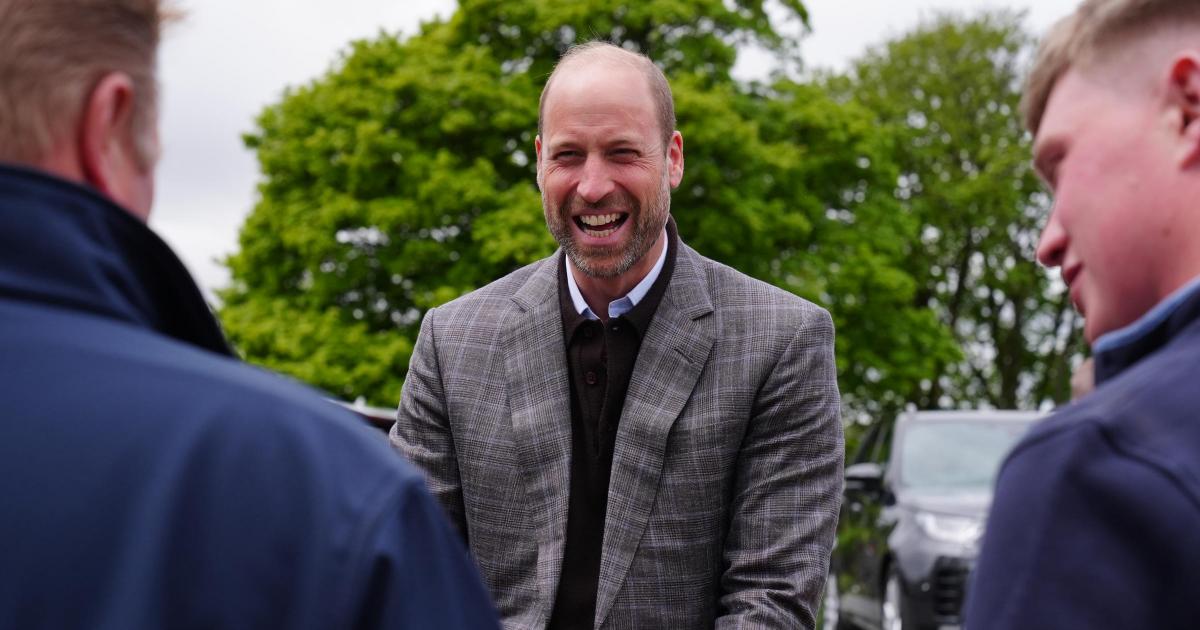
On his first visit of the day in the national park, the prince chatted with farmers from across Swaledale at Adam and Leanne Hunter’s family farm, near Muker, to learn about their experiences on multi-generational farms, opportunities and challenges shaping modern farming and how they had diversified, transforming their roadside stone barn into a bunkhouse.

Offering the farmers first choice of some cakes he had bought at a cafe en route to the engagement, the prince said he would avoid what he described as the “Twix mountain of calorie grenade” as it would result in him having to do a lot of exercise to work it off.

The Prince of Wales passes round a selection of cake during a visit to Crow Tree Farm, a family farm in Richmond, North Yorkshire, to hear about multi-generational farms and the opportunities and challenges shaping modern farming todayThe Prince of Wales passes round a selection of cake during a visit to Crow Tree Farm, a family farm in Richmond, North Yorkshire, to hear about multi-generational farms and the opportunities and challenges shaping modern farming today (Image: owen humphreys)

He said: “I’ve been to Yorkshire quite a few times and this dale I know reasonably well, but it’s always nice to come up at different times of the year. You see the country changing so much.”

The prince then asked whether the Tour de France Grand Depart he attended in 2014, that passed by the farm, had left a legacy.

Advertisement

He was told while thousands of people visited nearby Muker to see the meadows, Muker farmer Philip Metcalfe said he had invested money raised from 18 fields of campers into a new shower block.

Mr Metcalfe said: “Since then it’s snowballed. We get a lot of people on return visits saying they saw it on the telly.”

Mr Hunter told the prince: “And now with social media that’s keeping the area on the map. It was James Herriot originally.”

It was not long before the prince steered the conversation towards farming and mental health.

Advertisement

He said: “People forget how much time you have to spend on the farm. If you’re not careful you could spend weeks, months without even going off the farm at all.

“Sometimes the remoteness of the job gets forgotten about. Once you get into that rut, that isolated cycle, it’s very hard to come out of it.

“Internally you are a bit like I’ve lost touch, I don’t want to do that, I want to do more work and before you know it you are completely cut off.”

The Prince of Wales speaks to Adam Hunter (right), owner of Crow Tree Farm, during a visit to the family farm in Richmond, North Yorkshire, to hear about multi-generational farms and the opportunities and challenges shaping modern farming today. Picture date: Tuesday May 5, 2026. PA Photo. Photo credit should read: Owen Humphreys/PA WireThe Prince of Wales speaks to Adam Hunter (right), owner of Crow Tree Farm, during a visit to the family farm in Richmond, North Yorkshire, to hear about multi-generational farms and the opportunities and challenges shaping modern farming today (Image: owen humphreys)

The farmers told the prince how the Upper Swaledale community was “close-knit”, spending time on each other’s farms to complete labour-intensive jobs such as drystone walling and that they would regularly meet in the pub for a chat and game of darts.

Advertisement

“We’ve got a pretty good close-knit community in our dale,” Mr Hunter said.

“The fact that you are all helping each other out makes such a difference,” William said. “I worry about the farmers who don’t have support around them. You just get very much in the moment of your problems and can’t see your way out of it.”

The farmers added they had launched a social media group chat which regularly featured a competition over who is having the worst day.

The Prince of Wales talks with Adam Hunter (second right), owner of Crow Tree Farm, and farmers from across Swaledale during a visit to the family farm in Richmond, North Yorkshire, to hear about multi-generational farms and the opportunities and challenges shaping modern farming today. Picture date: Tuesday May 5, 2026. PA Photo. Photo credit should read: Owen Humphreys/PA WireThe Prince of Wales talks with Adam Hunter (second right), owner of Crow Tree Farm, and farmers from across Swaledale during a visit to the family farm in Richmond, North Yorkshire, to hear about multi-generational farms and the opportunities and challenges shaping modern farming today (Image: owen humphreys)

Mr Hunter said: “In farming you sometimes think it’s just you having a problem, but there’s always somebody else who’s having the same problem or worse.”

Advertisement

Asked whether they felt positive about farming, the group told the prince they were optimistic, but facing uncertainty on a number of fronts, particularly following the loss of the Basic Payment Scheme, which is being phased out.

Mr Hunter said: “Unfortunately most farms up here now need some sort of other income to support the farm.”

The prince responded: “The hard thing is you’ve got to be farmers, accountants, entrepreneurs, environmentalists, you’ve got a lot on your plate at the moment. Do you feel that pressure?”

Mr Hunter said: “We’re farmers at heart, that’s what we really want to be doing. It’s all the other stuff that you have to you have to learn to do.”

Advertisement

James Metcalfe, 23, told the prince he was more hopeful for a bright future for farming than his father, Philip.

The Prince of Wales during a visit to Crow Tree Farm, a family farm in Richmond, North Yorkshire, to hear about multi-generational farms and the opportunities and challenges shaping modern farming today. Picture date: Tuesday May 5, 2026. PA Photo. Photo credit should read: Owen Humphreys/PA WireThe Prince of Wales during a visit to Crow Tree Farm, a family farm in Richmond, North Yorkshire, to hear about multi-generational farms and the opportunities and challenges shaping modern farming today (Image: owen humphreys)

Philip Metcalfe said: “The reason I am sceptical is because I think we have just come out of the golden age of agriculture.”

The farmers told the prince they were feeling the loss of the Single Farm Payment and the abrupt closure of the Sustainable Farming Incentive to new applicants had hit them hard as they needed to plan years ahead.

The group told the prince they feared they could be the last generation to farm the dale, but “at the moment that could be a possibility”. 

Advertisement

Mr Hunter said: “On our hill farm our accountant said the BPS is your profit figure and it isn’t there now. It’s a subsidy to keep us here. We want to look after this landscape. We’re proud of where we live.”  

Source link

Advertisement
Continue Reading

NewsBeat

Final Charles Clinkard store on Teesside set to close

Published

on

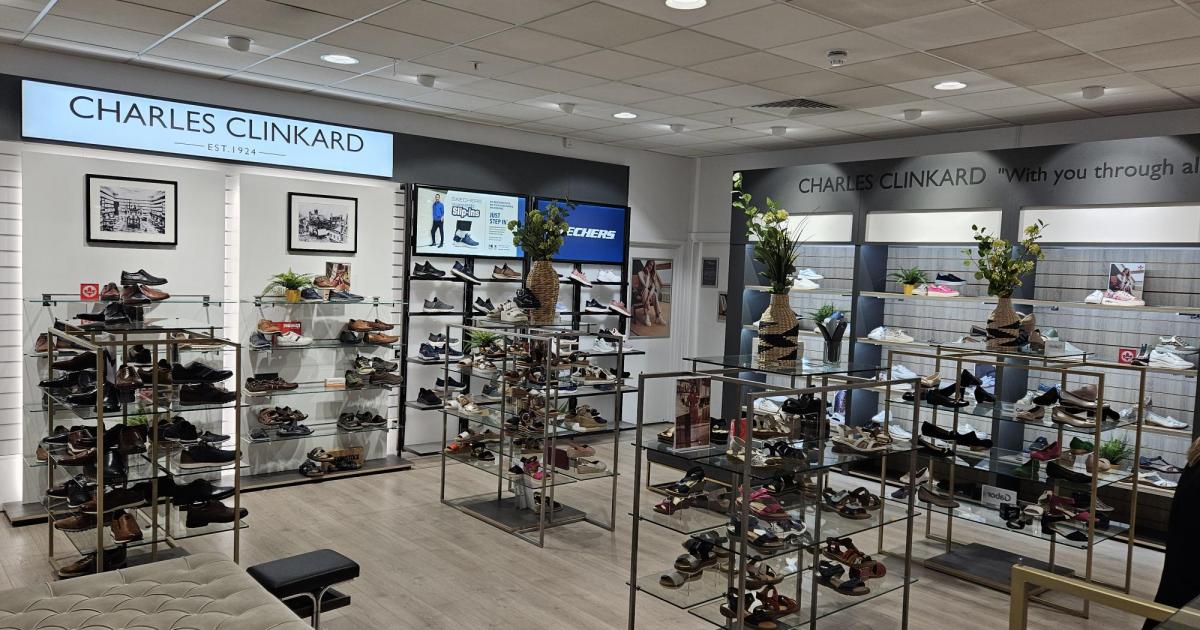
Final Charles Clinkard store on Teesside set to close

The company has announced that it will be shutting the doors to its Teesside Park store on Thursday, May 14, after just less than ten years. 

The store is the final Charles Clinkard shop on Teesside following the closures of its original Middlesbrough shop on Corporation Road and the Redcar branch in 2024. 

A statement confirming the Teesside Park closure on its website states: “We regret to announce that our Teesside Park store will be permanently closing Thursday, May 14. 

Charles Clinkard at Teesside Park (Image: GOOGLE)

“We would like to sincerely thank all our customers for their support and custom over the years.”

Advertisement

The reason behind the closure has not yet been confirmed. 

This means that there will no longer be a Charles Clinkard shop on Teesside, with the nearest now being Darlington and Northallerton. 

The first Charles Clinkard was opened by Charles and Eveline Clinkard in 1924 in Middlesbrough, with the Redcar store following in 1959. 

The Middlesbrough store closure came as a huge blow to shoppers in 2024, with the firm saying it was “responding to shifts in the North East high street” as the reason behind the call. 

Advertisement

The firm’s 4,500sq ft Teesside Park branch was opened in 2014 following a huge £300,000 refit of the closed HMV store. 

Former managing director Colin Clinkard, whose parents opened the first Charles Clinkard in 1924, cut the ribbon on the site, which delivered 20 new jobs.

Shoppers have already voiced their disappointment over the closure.

One person said: “Shame. They have nice shoes and bags, and shoe shops are few these days.”

Advertisement

Source link

Continue Reading

NewsBeat

5 easy wins to help funeral directors stand out online

Published

on

5 easy wins to help funeral directors stand out online

For funeral directors, being visible at that moment has never been more important – yet many are finding it harder than ever to stand out online.

To support funeral directors through these changes, LOCALiQ UK is hosting a free 45‑minute online seminar designed specifically for the funeral profession called Increase Your Google Visibility: Five Easy Wins for Funeral Directors. 

The session will take place at 12 pm on Thursday, May 7, and you can sign up for it on the LOCALiQ website.

Brandon Griffin, Head of B2B Marketing at LOCALiQ UK, and Sarah Harvey, Sales Excellence Manager, will be hosting the seminar (Image: LOCALiQ)

It will explore how changes in local search, reviews and online trust signals are affecting funeral businesses and, crucially, what practical steps can be taken to improve visibility without technical expertise.

Advertisement

The seminar is hosted by Brandon Griffin, Head of B2B Marketing at LOCALiQ UK, and Sarah Harvey, Sales Excellence Manager, who works closely with independent funeral directors across the UK.

Together, they will share real‑world examples and simple actions that can make a meaningful difference locally. 

Rather than focusing on complex marketing jargon, the webinar centres around five easy wins — practical improvements that funeral directors can realistically implement alongside their day‑to‑day responsibilities.

These include getting more value from Google Business Profiles, building trust through reviews, ensuring websites clearly reflect services offered, and strengthening local authority signals that search engines now prioritise.

Advertisement

Importantly, the session also addresses a concern many funeral directors are quietly expressing: “Nothing has changed — but something feels different.” 

Families are still searching, but how and where those searches are surfaced has evolved.

Understanding those shifts can help protect call volumes and enquiries now, not months down the line. 

The webinar is free to attend, lasts just 45 minutes, and is designed to leave attendees with clear takeaways they can act on immediately.

Advertisement

LOCALiQ won Standout SEO Agency of the Year at the 2026 UK Digital Excellence Awards. 

Source link

Advertisement
Continue Reading

Trending

Copyright © 2025