Connect with us
DAPA Banner
DAPA Coin
DAPA
COIN PAYMENT ASSET
PRIVACY · BLOCKDAG · HOMOMORPHIC ENCRYPTION · RUST
ElGamal Encrypted MINE DAPA
🚫 GENESIS SOLD OUT
DAPAPAY COMING

Tech

Apple’s next AirPods could give Siri eyes, and they’re already being tested

Published

on

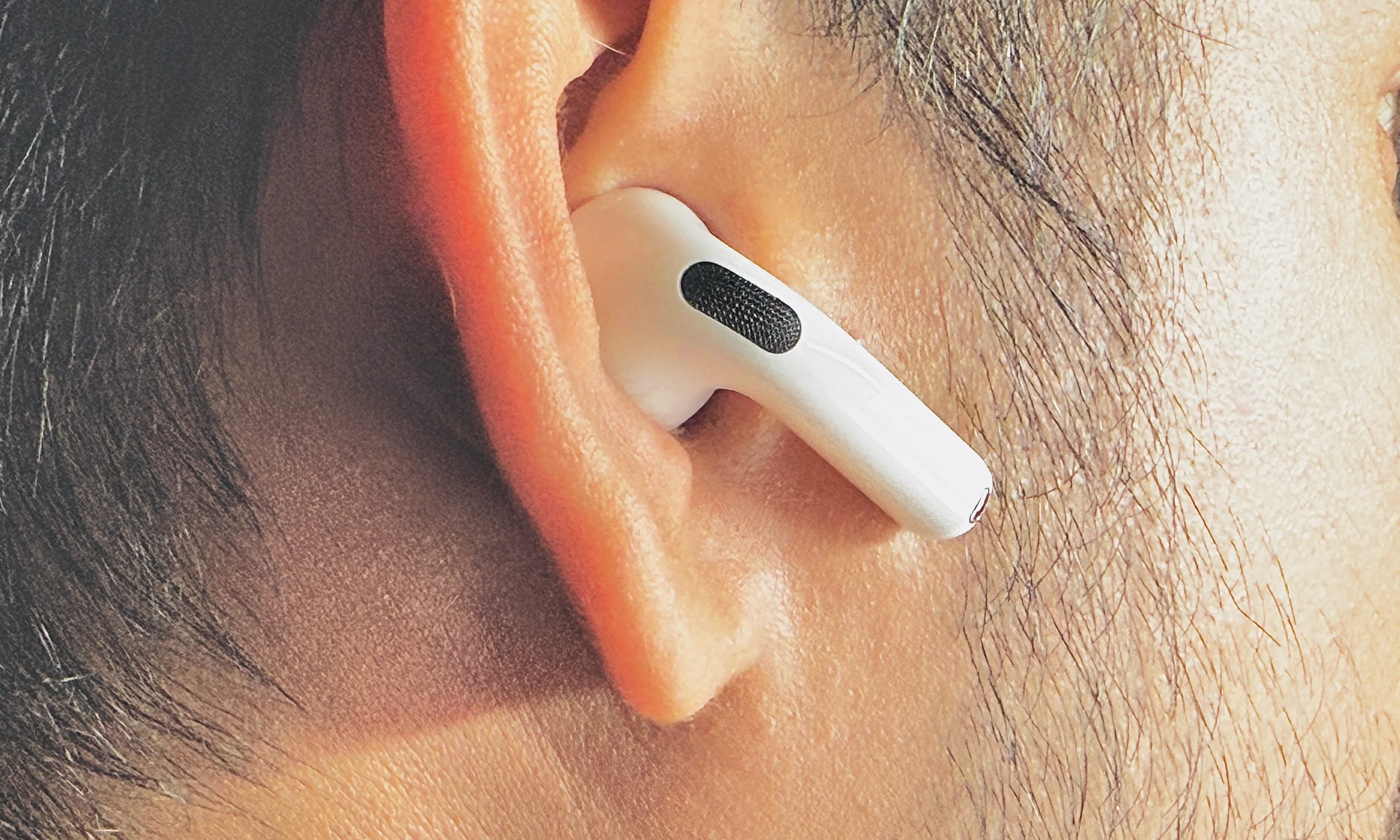
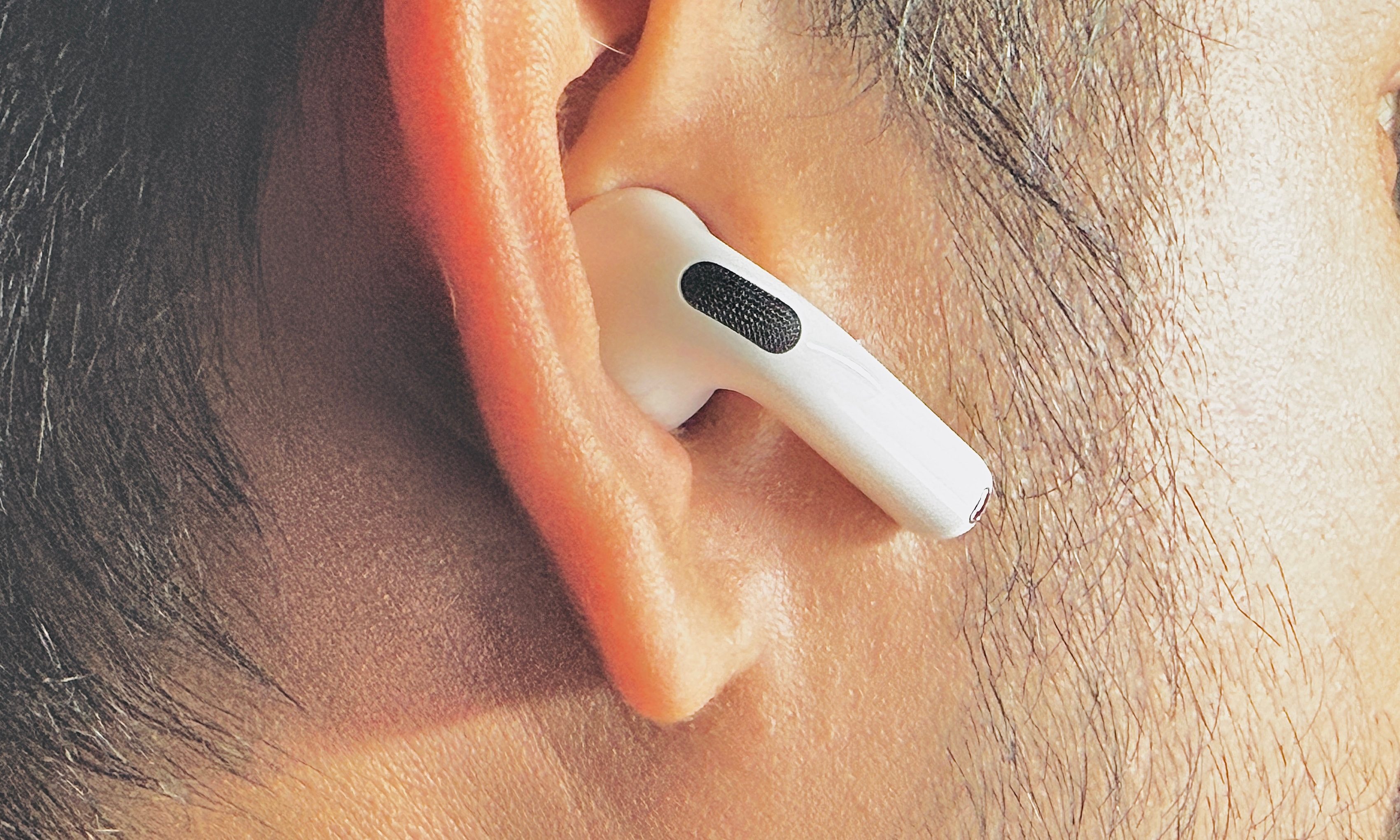
AI is still something most people have to consciously engage with. You open an app, type a prompt, take a photo, or ask a question. Apple’s next major AirPods upgrade could change that. According to Bloomberg’s Mark Gurman, the company is in late-stage development on camera-equipped earbuds that could put visual AI into a device that many people already use every day.

How close are these AI AirPods to launch?

Bloomberg reports that the earbuds have reached design validation testing, one of the final hardware stages before early mass-production testing. That means the hardware may be close, but the launch appears tied to Apple’s delayed Siri overhaul.

Gurman says Apple had planned to release the earbuds as early as the first half of this year, but the launch was pushed back after delays to a revamped Siri. That overhaul is reportedly on track for September after Apple upgraded its underlying models using Alphabet’s Gemini technology.

What would cameras in AirPods actually do?

The cameras are reportedly not meant for regular photos or videos. They would feed low-resolution visual information to Siri, helping it answer questions about what the user is looking at.

That could make visual AI more practical. You could look at ingredients and ask what to cook, get walking directions based on landmarks, or receive reminders connected to something the earbuds see.

Advertisement

Privacy will be the hard part. Bloomberg says Apple has built a small LED light into the earbuds that notifies users when visual data is being sent to the cloud. Apple will need to make that signal clear, because camera-equipped earbuds will only work if people trust when and how they are being used.

Battery life is still unclear. These are earbuds at the end of the day, and the addition of cameras is likely to use more power. AirPods Pro 3 currently offer up to 8 hours of listening time with Active Noise Cancellation on, and up to 24 hours with the charging case. Apple will likely have to decide whether it is willing to take a hit on battery life for visual AI, or find a smarter way to keep battery life respectable.

Source link

Advertisement
Continue Reading
Click to comment

You must be logged in to post a comment Login

Leave a Reply

Tech

Google launches $100 screenless Fitbit Air with Gemini AI health coach at $10/month to rival Whoop’s $10B wearable business

Published

on

TL;DR

Google launched the Fitbit Air, a 100 dollar screenless fitness band that rivals Whoop’s hardware design but undercuts its subscription by more than half, paired with a Gemini-powered AI health coach at 10 dollars a month. The device launches alongside a forced migration of Fitbit data to Google accounts by 19 May and a rebranding of Fitbit’s software as Google Health, raising privacy questions about the company’s handling of sensitive health data.


Advertisement

Google spent 2.1 billion dollars buying Fitbit in 2021, three years dismantling the brand, and on Thursday launched a 100 dollar device with no screen, no buttons, and no independent functionality to bring it back. The Fitbit Air is a soft fabric band with a five-gram sensor pack underneath that tracks heart rate, steps, sleep, blood oxygen saturation, and heart rate variability.
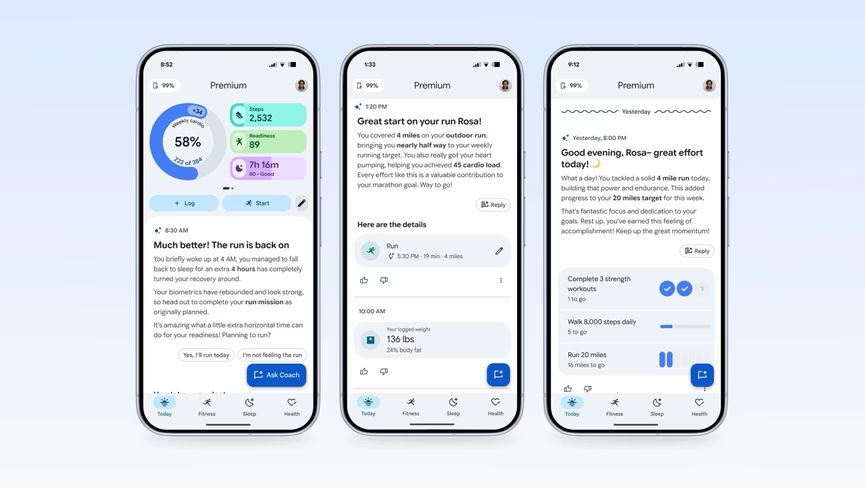
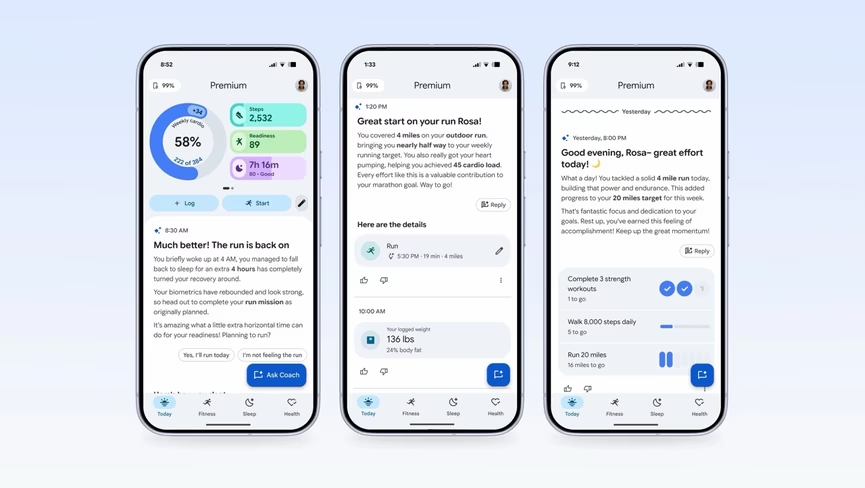
Google Health App

Google Health App, source: Google 

It cannot display a notification, make a call, or tell you the time. What it can do is feed data into a new Google Health app powered by a Gemini-based AI health coach that interprets the metrics, designs workout plans, analyses photographs of meals for macronutrient content, and provides personalised coaching for 10 dollars a month. The device goes on sale on 26 May. Preorders begin Thursday. And the product Google is actually selling is not a fitness band. It is a subscription.

The device

The Fitbit Air weighs 12 grams with the strap and five grams without, making it lighter than most smart rings. Battery life is seven days, and a five-minute fast charge adds a full day of use. The band comes in four colours, obsidian, fog, lavender, and berry, with additional straps available for 35 dollars. Without a screen or physical buttons, the device uses haptic feedback for an alarm clock and a small LED to indicate battery status. It supports voice input for logging activity and meals but cannot audibly respond.

Advertisement

It can detect atrial fibrillation, a feature that has become standard across recent wearables after years of regulatory clearance work. The sensor pack is removable and clips into the fabric band, a design that is unmistakably modelled on Whoop’s hardware architecture.

Advertisement

The resemblance to Whoop is not coincidental. Whoop, which raised 575 million dollars in March at a 10.1 billion dollar valuation, has built a business around the thesis that a screenless wearable focused on recovery, strain, and sleep data can command premium subscription revenue without the distraction of notifications, apps, and display. Whoop does not charge for hardware but requires an annual subscription starting at 200 dollars. Google’s Fitbit has been developing health monitoring capabilities, including FDA-cleared atrial fibrillation detection algorithms, that bring it closer to the clinical-grade data that Whoop and Oura users rely on for training decisions.

The Fitbit Air’s 100 dollar price point and optional 10 dollar monthly subscription undercuts Whoop’s annual cost by more than half and Oura’s 349 dollar ring by more than two-thirds, while offering a comparable sensor suite. The question is whether the AI coach can deliver insights that justify the ongoing cost, or whether most users will rely on the free tier and treat the device as a basic tracker.

The software

The more significant announcement is the rebranding of Fitbit’s software ecosystem as Google Health. The new app, available on both iOS and Android, is structured into four tabs, Today, Fitness, Sleep, and Health, and provides standard metrics including steps, calories, sleep stages, and vital signs. Users can manually log meals and menstrual cycles and share data with contacts or other health platforms. The free tier covers all tracking features.

The 10 dollar monthly subscription adds the Google Health Coach, a Gemini-powered AI assistant that analyses sensor data in the context of a user’s stated goals and provides coaching recommendations. Users can upload photographs of meals for calorie and macronutrient assessment, a feature that leverages the multimodal capabilities of Gemini’s vision models.

Advertisement

Rishi Chandra, who leads Google’s wearables and health division, described the Health Coach as the beginning of a platform strategy. “We want every hardware product we’re building, from the Pixel Watch to the full Fitbit portfolio, to really optimise around this Health Coach,” he said. Google has invested tens of billions of dollars in AI capabilities, from its own Gemini models to a reported 40 billion dollar investment in Anthropic, and the Health Coach represents one of the first consumer applications designed to convert that AI investment into recurring subscription revenue through a mass-market hardware device.

Chandra’s analogy, that the Health Coach aims to give ordinary users the support structure of a professional athlete’s nutritionist, sleep coach, and fitness trainer, articulates the value proposition. The execution depends on whether Gemini can produce health insights that are consistently useful rather than generically encouraging, a distinction that will determine whether users continue paying after the three-month free trial included with the device.

The market

The wristband market that the Fitbit Air enters is dominated by Chinese manufacturers. Xiaomi controls roughly half the global wristband market, according to IDC, followed by Huawei at approximately a quarter and Samsung at 10 per cent. Fitbit holds about six per cent. Whoop, despite its 10 billion dollar valuation, holds only two per cent. The market grew 14.7 per cent in 2025, driven primarily by Xiaomi’s focus on affordability and scale.

The Fitbit Air’s 100 dollar price positions it above the cheapest Xiaomi bands, which start below 30 dollars, but well below the premium segment where Whoop and Oura operate. The strategic positioning is clear: Google is targeting the gap between budget Chinese bands and premium health trackers, offering AI-driven insights at a price point that neither end of the market currently serves.

Advertisement

The European Commission is preparing to force Google to open Android to rival AI assistants, a regulatory action that could affect the degree to which Google Health and its Gemini-powered coach can be bundled as default experiences on Android devices. But the Fitbit Air’s cross-platform strategy, launching simultaneously on iOS and Android, suggests Google is positioning Health as a standalone product rather than an Android exclusive.

Chandra described the Fitbit brand as Google’s primary wearable for a broader audience, with the Pixel Watch reserved for committed Pixel and Android users. The distinction matters: Fitbit’s historical strength was its platform neutrality, and the decision to launch Google Health on iOS signals that Google views the subscription revenue as more valuable than the ecosystem lock-in.

The migration

The launch coincides with a deadline that underscores the tensions in Google’s health data strategy. Fitbit users who have not migrated their data to a Google account by 19 May will lose access to the Fitbit platform entirely, with data deletion beginning on 15 July. The deadline, originally set for 2025, was extended to February 2026, then pushed again to May after user pushback.

The forced migration converts Fitbit’s health data, years of sleep records, heart rate trends, activity logs, and weight measurements, from a standalone health platform into a dataset attached to a Google account. Google has committed to keeping health data separate from Google Ads and has said it will not use the data for advertising purposes. Seven EU countries have accused Google of violating GDPR through user tracking, and the migration of sensitive health data into Google’s account infrastructure raises the same category of privacy questions that regulators across Europe have been asking about the company’s data practices for years.

Advertisement

Google’s history of discontinuing products casts a shadow over the Fitbit Air launch that no amount of marketing can dispel. The company has killed more than 290 products and services, from Google Reader to Google Plus to Stadia, and the three-year silence between Fitbit’s last major hardware launch and the Air has already prompted questions about whether the brand was being wound down. Chandra’s statement that the Fitbit Air marks “the beginning of a resurgence” for Fitbit is precisely the kind of commitment Google has made before abandoning products.

The difference this time may be the subscription model. Google Health at 10 dollars a month, attached to a hardware device that costs 100 dollars, creates recurring revenue that Google’s previous consumer products, many of which were free or one-time purchases, did not generate. The Fitbit Air is Google’s cheapest bet on consumer health. The AI coach is its most ambitious. And the question that will determine both products’ survival is whether a company that has never sustained a consumer subscription business outside of YouTube can build one around a device that cannot even tell you the time.

Source link

Advertisement
Continue Reading

Tech

Nintendo Is Raising Switch 2 Prices As Chip Crisis Bites

Published

on


Nintendo is raising the price of its Switch 2 by $50 to $500 in the US as it faces higher memory costs and US tariffs, the company announced in its earnings report. That increase is less than the $150 that Sony’s PS5 console has gone up over the last year, but Nintendo has a younger, more price sensitive fan base, so that boost is likely to cut into sales.

The company revealed that it shipped 2.49 million Switch 2s this quarter, meaning it sold 19.86 million of the consoles in only three quarters over its last fiscal year. However, Nintendo is forecasting significantly lower sales of 16.5 million Switch 2s for the next full fiscal year.

Many analysts were expecting a sales forecast for next year of 20+ million Switch 2s considering the success of the console’s launch. The Japanese company may be tempering expectations a bit with its latest forecast, though, as it significantly underestimated sales last year. Nintendo still thinks its 16.5 million unit sales forecast “represents a solid level of adoption for Switch 2 in its second year after launch.” 

Advertisement

Software sales also went up this year, with sales of 185.62 million units (Switch and Switch 2) compared to 155.41 million (Switch only) in FY 2025. Some of the highlights were Mario Kart World (14.7 million units), Donkey Kong Bananza (4.5 million units) and Pokemon Legends: Z-A (8.5 million units). Nintendo also noted that the Super Mario Galaxy movie has grossed over $800 million in its first four weeks. 

Overall, Nintendo’s 2026 fiscal year revenue was up massively by 98.6 percent over 2025 to 2.3 trillion yen ($14.7 billion) compared to 1.16 trillion yen ($7.4 billion) the year before. It expects that to drop nearly 11.4 percent next year, though it’s forecasting a slight rise in operating profit due to boosted software sales. Its forecast included extra costs of about 100 billion yen “due to rising component prices, particularly for memory, and tariff measures.”

Advertisement


Source link

Continue Reading

Tech

The Most Exciting Apple Products In The Pipeline For 2026 And Beyond

Published

on


Apple is turning a new corner in 2026, as long-serving CEO Tim Cook steps down and current hardware engineering head John Ternus steps into the role once filled by Steve Jobs. Ternus has made his presence felt in the past several years, most recently taking Cook’s usual place on stage during the launch event for theMacBook Neo, Apple’s first budget laptop which is already proving a major threat to the Windows 11 ecosystem. With Cook voicing his biggest regrets as he exits, hope turns to Ternus for the future.

As 2026 draws on and Ternus’s control over Apple expands, we expect to see a number of new products that could be among the most exciting in quite some time. Some, like a folding iPhone, have spent a long time in development and have been expected. Others, such as a rumored “ultra” tier of touchscreen MacBooks, come out of the blue. Then there are a bevy of AI-powered gadgets which appear to be contingent on an AI-revamp for Siri. Of course, that Siri makeover has hit a number of snags along the way, so this is where things begin to venture into the realm of potential vaporware.

Before we dive in, it’s worth noting that none of these products have been officially announced by Apple, so it’s worth taking all of them with a grain of salt until you can walk into an Apple Store and buy one. With a volatile global market due to chip shortages driven by AI and an energy shock caused by the American-Israeli war with Iran, delays and product cancellations are even more likely than usual. With that out of the way, here are the most exciting Apple products in the pipeline for 2026 and beyond.

Advertisement

The iPhone Ultra will bring Apple’s smartphones into the fold

By far the most exciting new Apple product of 2026 is the long-awaited foldable iPhone. Expected to launch as the most premium member of the iPhone lineup, we hear the foldable will be branded as the iPhone Ultra according. Oddly, Macworld reports that it may not be part of the iPhone 18 lineup. Although foldable phones have been available for years, with the Samsung Galaxy Z Fold debuting in 2019, Apple has established an historical pattern of arriving late to a market and shaking it up. The iPod was far from the first MP3 player, and the iPhone arrived after many years of BlackBerry and Palm devices, to name just a couple of examples.

For the folding iPhone, rumors and leaks appear to show Apple bucking trends. It will enter into a market dominated by Samsung and Motorola and will need to convince existing iPhone owners that a foldable is worth the price tag, which is likely to be high if the current crop of foldables is any indication. The rumored design is short and squat, similar to the original Google Pixel Fold and the Oppo Find N. This differentiates the device from competing models and may be a better experience for media consumption since the inner screen will be wider than those found on the Samsung Galaxy Z Fold 7 and other book-style foldables.

Advertisement

What will truly matter here is software. Samsung and other companies include a heap of software features designed to enhance the form factor. With a price tag north of $2,000 being bandied about, Apple will need to deliver similar value in order for the iPhone Ultra to be seen as more than a gimmick.

Advertisement

The MacBook Ultra could redefine Apple’s laptop lineup

Apple won’t be resting on its laurels after finally launching the folding iPhone. We’re also seeing talk of a potential MacBook Ultra, which will sit above the MacBook Pro as the ultimate powerhouse for macOS users. Bloomberg’s veteran Apple leaker Mark Gurman reported it in March, and Macworld scooped additional details on April 30. The latter report suggests that the MacBook Ultra could be the first of Apple’s laptops to feature a touchscreen, reportedly with an OLED panel (fingers crossed it’s a tandem OLED of the type found in the iPad Pro’s gorgeous display).

If you’re familiar with Windows laptops, you’ll know that a touchscreen is hardly a groundbreaking feature in 2026. It was all the way back in 2012 that Microsoft launched Windows 8, completely redesigning its operating system for touchscreen support. Given that Apple has had capacitive touchscreens since the original iPhone, it’s shocking that it took nearly 20 years to put one in a Mac. Gurman projects that the touchscreen will help Apple to justify a significant price hike for the MacBook Ultra compared to the current MacBook Pro lineup.

More exciting is what could be under the hood. Apple reportedly plans on using the MacBook Ultra to showcase its upcoming M6 Pro and M6 Max chips. The M-series silicon has been one of Apple’s greatest triumphs, providing powerful and efficient performance. The M6 is expected to be built on a 2nm process from TSMC, providing respectable on-paper uplift to that already solid performance and efficiency. Other changes reportedly include a thinner design, a Dynamic Island like the iPhone in lieu of the notch found on current MacBook displays, and the addition of a cellular modem — Apple’s custom C1X or its successor.

Advertisement

Apple’s glasses could compete with Meta Ray-Bans

Apple stumbled out of the gate when it entered the mixed reality market. The Apple Vision Pro, an XR headset built around spatial computing, was praised as one of the best computers you can strap to your face. However, its price tag of just under $3,500, coupled with a lack of killer apps, doomed its prospects. Even an updated M5 version couldn’t salvage it, and in late April, it appears that Apple is throwing in the towel.

But Apple is gearing up for another attempt to put tech on your face. This time, the company’s ambitions are far more modest. It is gearing up to launch a pair of smart glasses which, according to Bloomberg’s resident Apple scooper Mark Gurman, will be akin to the popular Meta Ray-Bans in that they will likely lack a display. Expected to launch in late 2026 and ship sometime in 2027, the glasses are expected to be more of a companion device for the iPhone as opposed to a standalone gadget. They will be able to capture photos and videos, play music, take phone calls, and handle voice commands using the new, AI-enhanced Siri.

The Bloomberg report claims Apple will differentiate its glasses by building them in-house rather than working with an established brand like Essilor Luxottica or Warby Parker, which are partnered with Meta and Google, respectively. Apple is betting that tight integration with the iPhone and a competitive price point will turn the frames into a ubiquitous accessory similar to AirPods or the Apple Watch. However, there’s a built-in ceiling to the smart glasses market that does not exist for earphones or watches. Those who do not require glasses to see clearly may be hesitant to adopt unless there’s a killer use case.

Advertisement

Apple’s long-delayed smart home hub may still be coming out

In early 2025, we reported that Apple’s next device could flip the tablet script. Bloomberg had caught wind of a new smart home hub that would integrate with Apple Home. Back then, the product seemed relatively straightforward as a 6-inch, square-shaped tablet with an interface primarily suited to smart home controls. Now, it’s looking like Apple is launching an entirely new product ecosystem.

Apple now appears to be readying two different smart home hubs that will become part of an entirely new product ecosystem. Both are still tipped to use the reported square tablet design. However, it is now said to be 7 inches rather than 6. What will differentiate the two products is that one will come with an adjustable, hemispheric base that may somewhat resemble that of the iMac G4, but with a speaker included in it so that it can be used for music streaming, a similar concept to the Google Pixel Tablet. Gurman has even claimed it will be able to swivel around to face users, calling it a “tabletop robot.” The other will be wall mounted.

At first blush, this sounds like a weird iPad, but the home tablet is believed to run a new operating system specifically for home use. It will have hardware for Face ID, which may also be used to change what’s displayed based on which user approaches it. Details will likely become clearer as time goes on. Given that this product was initially tipped for a 2025 release and is rumored to have been delayed due to Apple’s struggles with AI, don’t expect to see this unique, new Apple device until the engineers in Cupertino can get the revamped Siri fully out the door.

Advertisement

AI AirPods and necklaces

There are a number of rumored AI gadgets which may or may not come to market. Apple’s struggles with AI are well documented, including a class action lawsuit for false marketing and the recent resignation of the company’s AI chief, John Giannandrea. Among these gadgets are the home hub, as well as a Humane Pin style pendant and AI AirPods.

The pendant seems least likely to come out, especially since the disastrous failure of the Humane Pin already proved there’s not much appetite from consumers. Bloomberg’s Mark Gurman reported in February that, unlike the Humane AI Pin, Apple’s wearable pendant will be connected to the iPhone, placing it closer to a display-free Apple Watch than a standalone smartphone replacement. Its exact capabilities are unknown, but it is expected to use onboard cameras and microphones for contextually aware functionality.

Advertisement

As for the AI AirPods, the idea is similar. The same report indicates that Apple plans to cram cameras into a pair of true wireless earbuds and see what kind of AI applications can be gained from that addition. It’s not an entirely unheard-of idea. At CES earlier this year, Razer showed off Project Motoko, a pair of gaming headphones with cameras on the outer shell of each earcup, but the company has yet to ship that product.

Given that Apple is pipelining three different display-free AI gadgets with cameras and microphones — glasses, the pendant, and AirPods — it seems unlikely that all three will launch. On the other hand, if it wants to push its AI deeper into users’ lives, perhaps allowing the consumer to choose the best form factor for their personal needs is a winning strategy.

Advertisement


Source link

Continue Reading

Tech

Fascinating Look Back at Sony’s HDVS, the High-Definition Trailblazer That Arrived Decades Before Its Time

Published

on

Sony HDVS Analog HD Metamorphosis
Sony engineers dropped jaws at a TV conference in Algeria in April 1981. They brought out a completely functional setup complete with a camera, monitor, and tape recorder capable of capturing images sharper and more detailed than anyone had ever seen outside of a laboratory. NHK, Japan’s main public broadcaster, had spent years working on a new standard called Hi-Vision, which effectively gave a lot more lines of resolution than ordinary TV ever could. As a result of their close collaboration, development work moved forward at full speed. Sony introduced a full line of commercial gear under the HDVS branding in April 1984, with the HDC-100 camera and HDV-1000 recorder at the center.


This system worked by creating high-definition signals from analog video across 1125 scanning lines, 1035 of which included the actual visible image. They started with a 5:3 screen ratio before switching to 16:9, which they still use today. To ensure seamless movement, video was scanned in an interlaced pattern at 60 fields per second, and the picture was noticeably clearer than anything else on TV at the time.


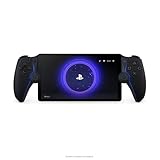
PlayStation 5 Portal Remote Player – Midnight Black
  • Play Your Game Collection with Remote Play – PlayStation Portal Remote Player can play compatible games you have installed on your PS5 console…
  • Cloud Streaming from the Game Catalog and Classics Catalog – Discover an awesome library of PS5 games on the PlayStation Portal Remote Player with…
  • Cloud Streaming for PS5 Games in Your Library – With PlayStation Plus Premium, stream select digital PS5 games in Your Library from PlayStation Store…

The HDC-100 cameras were at the core of every production, with the original weighing approximately 22 pounds due to the three massive Saticon tubes within. It required calm hands to operate without overheating or causing unpleasant ‘burn in’ to the images. Later models, such as the HDC-300, attempted to enhance the tubes, while the 1988 HDC-500 began employing CCD sensors, which were much lighter and more dependable while still providing the same level of information. The recording equipment was similarly high-tech. The HDV-1000 reel-to-reel deck used standard one-inch tape but managed to record far more data. The tape moved so quickly on the heads that you were lucky to get an hour of recording on each reel, and a separate processor cleaned and smoothed the signal when you played it back.


As you can probably imagine, the pricing for this system were outrageous. In 1985, the total cost of a camera, recorder, and monitor was $1.5 million. Later digital improvements, such as the 1988 HDD-1000, boosted individual items to more than $600,000, with metal-evaporated tape adding thousands more each hour of recording. Few of these systems left the plant, but when they did, they were typically used in medical labs, aerospace facilities, or animation studios where the increased resolution was critical.

Advertisement


There were still opportunities for creative sorts to play. Arrival, a 1986 short film about Halley’s Comet, received a theatrical release after being converted to standard film. The next year, an Italian crew completed Julia and Julia, the first full-length drama shot exclusively on this system, and it starred Kathleen Turner. Genesis was also able to get some live music events on the list, capturing their Invisible Touch Tour at Wembley Stadium for home video release.

Source link

Advertisement
Continue Reading

Tech

Here’s Why You Might See A Stop Sign On An Interstate On-Ramp

Published

on


Stop signs can be found on roads across America, and unlike some of the more confusing traffic signs, the instruction that they give is a very straightforward one. You’ll see them at many different kinds of intersections, but one place you might not expect to see a stop sign is on an interstate on-ramp. Drivers usually expect to be increasing their speed to match traffic before merging onto the interstate, so stopping might seem counterintuitive.

They’re not common, but stop signs on on-ramps are sometimes used as a temporary measure when construction work is taking place. In February 2026, construction crews in Portsmouth, Virginia, installed a stop sign on the on-ramp from Frederick Boulevard to the westbound I-264. Crews needed to install sound walls along the side of the interstate and, therefore, needed access to the shoulders of the road. To enable that access, they had to partially block the on-ramp.

In an interview with WTKR, an official explained that they installed the stop sign because they “did not have enough room for the taper length to go from the on ramp to the interstate to have people move safely” onto the interstate. The option of closing the ramp altogether was floated, but in the end, officials decided that the stop sign would be less of an inconvenience for drivers.

Advertisement

Interstate users should accommodate for on-ramp stop signs

The installation of a stop sign on an on-ramp demands extra care for drivers looking to merge onto the interstate, and anyone tempted to breeze through one using a rolling stop might find themselves attracting the attention of law enforcement.

Advertisement

On-ramp stop signs require drivers who are already on the interstate to be vigilant, too. Speaking to WTKR, the Virginia Department of Transportation official asked that drivers “slow down and be aware that there’s people who are going to be at the stop sign for that on ramp,” making sure that they “give them a little bit of room to safely merge onto the interstate.”

As unusual as they might be, these on-ramp stop signs are far from the only rare stop sign variant that Americans might be able to spot on the roads. On certain private roads, drivers might also come across bright blue stop signs, which are most commonly found in Hawaii.

Advertisement


Source link

Continue Reading

Tech

HMD Vibe 2 India Launch & Flipkart Sale Confirmed

Published

on

HMD plans to introduce the Vibe 2 5G in India on May 8. Ahead of the official debut, Flipkart has published a landing page confirming the handset’s online availability in the country. The teaser also reveals part of the phone’s front panel design.

HMD Vibe 2 5G Expected Features

HMD Vibe 2 launch poster

The upcoming HMD Vibe 2 5G is expected to continue the brand’s focus on the affordable smartphone segment. The device may offer 5G connectivity at a budget-friendly price, which could help it stand out in the entry-level market. Some reports also suggest that the company could introduce a separate 4G version powered by a Unisoc T7200 processor.

The phone is expected to feature a 6.75-inch HD+ LCD screen with a 90Hz refresh rate. Other features could include 4GB of RAM and up to 256GB of expandable memory. There will be a 50MP dual rear camera system and a 5,000mAh battery as well.

The rumors indicate that the phone will have a 6.75-inch LCD display with HD+ resolution and a 90Hz refresh rate. In terms of photography, the device will have a rear camera with a 50MP primary sensor and a 2MP secondary sensor.

The HMD Vibe 2 5G is likely to target users looking for an affordable smartphone with modern features. According to rumors and previews, the phone might feature a huge screen that refreshes at 90 Hz, two rear cameras, memory expansion capabilities, and a large battery.

Advertisement

Most details about the HMD Vibe 2 5G are still under wraps for now. However, its predecessor, the Vibe 5G, offers a good look at the kind of features the new phone could bring. Last year, HMD launched the smartphone at a starting price of Rs. 11,999 in Black and Purple color options.

Source link

Advertisement
Continue Reading

Tech

Sony PS5 Sales Fall Off A Cliff Amid Memory Shortages

Published

on


Amid a memory shortage that forced it to raise PS5 prices twice in less than a year, Sony sold just 1.5 million PS5s in its fourth fiscal quarter, down 46 percent from the year before. The company was relatively gloomy about its gaming division’s prospects next year too, forecasting that revenue would fall six percent ($1.69 billion).

Overall, Sony’s gaming division revenue was up slightly for the entire fiscal 2025 year with sales of 4.69 trillion yen ($29.9 billion) compared to 4.67 trillion yen ($29.8 billion) the previous year. Operating income was up 12 percent to 463.3 billion yen ($2.95 billion), thanks in part to an increase in PlayStation Network sales. 

Some of Sony’s revenue and profit issues this year were down to impairment losses with Bungie due to Destiny 2′s poor sales. Without those charges on its back next year (plus the expected blockbuster launch of Grand Theft Auto VI in November), the company expects a 30 percent boost in profits for its next fiscal year despite the revenue drop. 

Advertisement

Still, those forecasts will depend on its ability to obtain memory. “We plan to base our PS5 hardware sales in FY26 on the volume of memory we can procure at reasonable prices and we
expect hardware profitability to be essentially the same as FY25,” Sony said. In its previous earnings report, the company revealed that it had secured the minimum memory it needed to accommodate sales for the 2026 holiday season. 

That may be cold comfort to PS5 fans, though, considering that a standard PS5 is far from affordable at $650 after the March 2026 price hike, up $150 from just a year ago. That’s for a nearly six-year-old console that’s inexorably approaching its end of life. Nintendo was going through the same thing with its aging Switch console early last year, but the June 2025 Switch 2 launch completely changed its fortunes, becoming the fastest-selling Nintendo console ever. 

Advertisement


Source link

Continue Reading

Tech

How to pause Activity Rings in watchOS 26 when you need a break

Published

on

While Activity Rings are a staple for fitness enthusiasts, there might be times when you need to pause them. Here’s how you can do it in watchOS 26.

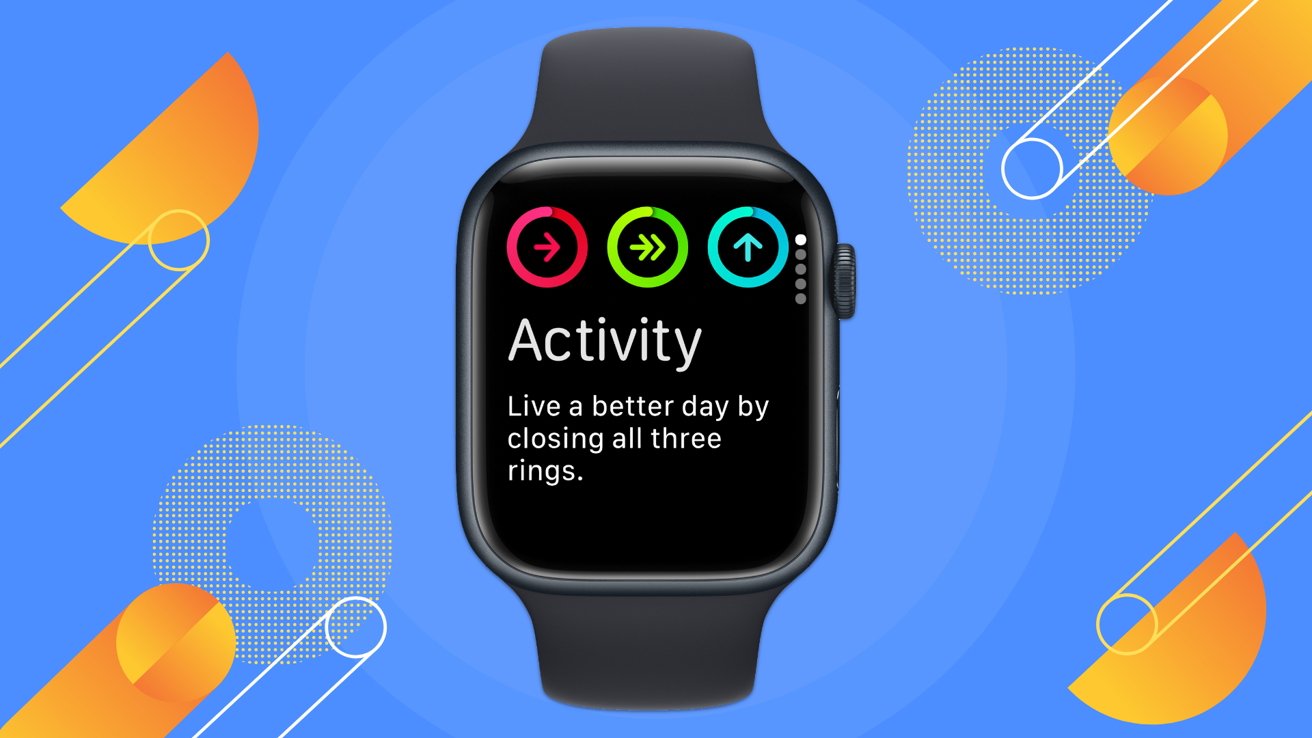
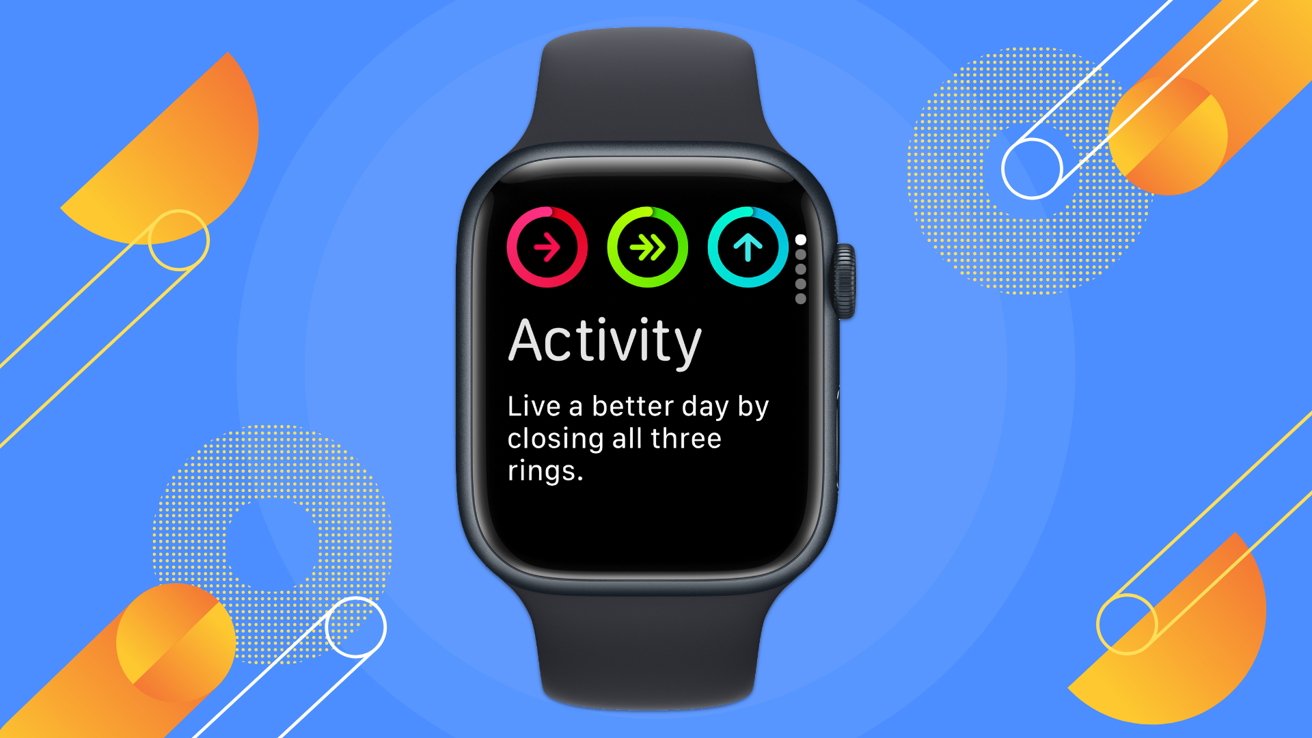
Apple Watch displaying the Activity app with a message encouraging users to close all three rings for a better day; colorful abstract background.
How to pause Activity Rings in watchOS 26

The Activity Rings on the Apple Watch are a great way to keep track of your daily movement, exercise, and standing goals. However, there are situations where keeping them active isn’t practical.
For instance, maintaining your usual activity level could interfere with the recovery process if you’re recovering from an illness or injury. Pausing the rings allows you to prioritize healing without feeling pressured to meet daily goals.
Continue Reading on AppleInsider | Discuss on our Forums

Source link

Continue Reading

Tech

Philips 4000 Series (NA462) Stacked Dual Basket Air Fryer Review

Published

on

Verdict

The Philips 4000 Series (NA462) Stacked Dual Basket Air Fryer is a decent stacked air fryer that looks stylish, has a reasonable array of functions and cooks food evenly. The top 200°C temperature can feel quite restrictive for some food, though, and there isn’t as much going on as with rival appliances with as dear a price tag.

  • Sturdy build quality

  • Reasonably consistent cooking

  • Good capacity for family meals

  • 200°C top temperature can be limiting

  • Not as many functions as key rivals

  • Expensive

Key Features

  • Advertisement

    10L capacity

    This Philips air fryer has a large capacity across its two baskets, making it ideal for larger family cooking or for bulk arrangements.

  • Advertisement

    Five cooking functions

    It also has a decent array of food-specific functions, with everything from chips and fish to meat and vegetable covered.

Introduction

Stacked dual-zone air fryers are all the rage at the moment, as folks seek to maximise capacity while retaining as much countertop space as possible – the Philips 4000 Series (NA462) Stacked Dual Basket Air Fryer is the brand’s first air fryer in this style.

Advertisement

On paper, everything looks to be in order, with a pair of five-litre stacked baskets, a bevvy of cooking functions and a stylish look that could make it a strong rival to the likes of the Ninja Double Stack XL 9.5 Air Fryer SL400UK and the Cosori Turbo Tower Pro 10.8L Dual Air Fryer.  

At £269.99, though, it’s more expensive than both of those options, and will need to do quite a bit to come out on top as one of the best air fryers we’ve tested. I’ve been putting it through its paces for the last couple of weeks to find out.

Advertisement

Design and features

  • Solid build quality
  • Reasonable functions for family cooking
  • Decently intuitive controls

This 4000 Series stacked air fryer is certainly compact, sitting at just 233 mm wide and 399 mm high, meaning it takes up roughly half the space across a countertop as a dual-basket side-by-side model.

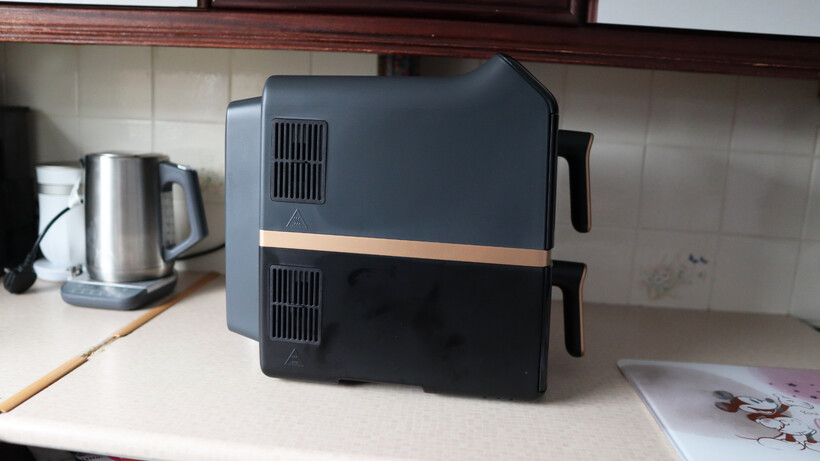
At 469mm deep, though, it will still take up a fair amount of lateral space. Plus, since the baskets vent out the left side rather than the back, you’ll need to make sure they aren’t butted up too close to a wall on that side.

Advertisement
Side - Philips 4000 Series Stacked Dual Basket Air FryerSide - Philips 4000 Series Stacked Dual Basket Air Fryer
Image Credit (Trusted Reviews)

The black and gold accented colourway provides a bit of style to an otherwise quite non-descript box, and everything feels reassuringly sturdy. This air fryer tips the scales at 9.8kg, giving it a fair amount of heft for a smaller unit in some respects.

Advertisement

The two narrow baskets are evenly split in capacity, and the two five-litre baskets add up to a total of ten litres of capacity, putting it in the middle of the Ninja and Cosori options I’ve tested. Philips says it’s enough for this 4000 Series stacked air fryer to cook up to a kilo of chips, 24 chicken drumsticks or two whole chickens. It’s a good amount of space for family cooking. I’m also a fan of the fact that the baskets come with windows to make keeping an eye on food while it cooks nice and simple.

Crisper Plate In Basket - Philips 4000 Series Stacked Dual Basket Air FryerCrisper Plate In Basket - Philips 4000 Series Stacked Dual Basket Air Fryer
Image Credit (Trusted Reviews)

The preset functions here are based around specific foods rather than dedicated cooking modes, with five to choose from. You get a frozen chips setting, steak, fish, vegetables, and chicken, plus a reheat function and the customary sync and match options. The control panel sits above the baskets and is slightly angled – it’s easy to use, although in use, the lack of a proper minutes and seconds countdown is a bit of a shame.

Once you’re done with the fryer baskets and crisper plates, they can both be put in the dishwasher. I avoided this in my testing and instead chose to handwash them. Doing so is easy, and they were clean, dry and put back in a matter of minutes.

Control Panel - Philips 4000 Series Stacked Dual Basket Air FryerControl Panel - Philips 4000 Series Stacked Dual Basket Air Fryer
Image Credit (Trusted Reviews)

This 4000 Series stacked air fryer will go as high as 200°C, which is fine for most use cases, although it means your cooked food may lack the extra crispiness that a higher max temperature can bring. Both Cosori and Ninja’s equivalent options can go as high as 230°C and 240°C, respectively.

Advertisement

Advertisement

There isn’t any form of smart features or app control, as you’ll find on a variant of the Cosori Turbo Tower, plus dearer single-basket air fryers such as the Dreo ChefMaker or Typhur Dome 2.

Performance

  • Reasonably even and crispy cooking
  • 200°C top temperature can lead to longer cooking times

During my time with the 4000 Series stacked air fryer, I cooked a range of typical family foods to see how well it performs. In a general sense, I was happy with the results, although some items needed longer than in other air fryers I’ve used, such as frozen oven chips, and the array of functions is a little basic for the price.

Firstly, I cooked some breaded fishcakes at 190°C for 18 minutes on the Fish preset, and they came out well browned and piping hot after their time.

Fishcakes - Philips 4000 Series (NA462) Stacked Dual Basket Air Fryer Food ImagesFishcakes - Philips 4000 Series (NA462) Stacked Dual Basket Air Fryer Food Images
Image Credit (Trusted Reviews)

Similarly, some breaded chicken on the more ambiguous Chicken preset came out especially crispy in a very full basket after 20 minutes at 180°C.

Advertisement

Chicken - Philips 4000 Series (NA462) Stacked Dual Basket Air Fryer Food ImagesChicken - Philips 4000 Series (NA462) Stacked Dual Basket Air Fryer Food Images
Image Credit (Trusted Reviews)

Moving over to the Meat setting, I cooked a reasonably sized beef joint for a Sunday roast, which was put on 200°C for the first 20 minutes to brown and sear, before being turned down to 165°C for 40 minutes. The end result was a decent sear and a moist piece of meat that was slightly pink in the middle as desired.

Roast Beef - Philips 4000 Series (NA462) Stacked Dual Basket Air Fryer Food ImagesRoast Beef - Philips 4000 Series (NA462) Stacked Dual Basket Air Fryer Food Images
Image Credit (Trusted Reviews)

To go with the beef, I used the Vegetable setting to cook cavalo nero and broccolini, which went on for 25 minutes at 180°C. Halfway through cooking, I added some more cavalo nero and sprayed it with oil and seasoned it with salt. The end result was crispy in places, but not necessarily everywhere.

Kale - Philips 4000 Series (NA462) Stacked Dual Basket Air Fryer Food ImagesKale - Philips 4000 Series (NA462) Stacked Dual Basket Air Fryer Food Images
Image Credit (Trusted Reviews)

I went back to the Chicken preset for some chicken cordon bleu at 180°C for 30 minutes, which came out crispy and piping hot.

Advertisement

Advertisement
Chicken Cordon Bleu & Chips - Philips 4000 Series (NA462) Stacked Dual Basket Air Fryer Food ImagesChicken Cordon Bleu & Chips - Philips 4000 Series (NA462) Stacked Dual Basket Air Fryer Food Images
Image Credit (Trusted Reviews)

The disappointment with this 4000 Series stacked air fryer was how it cooked some frozen oven chips, which were initially put in the basket and cooked for 25 minutes at the top temperature of 200°C on their dedicated setting. It ended up taking closer to 35 minutes for them to be ready, which feels a lot longer than other air fryers I’ve used.

Should you buy it?

This Philips air fryer cooks food evenly in my testing across a range of different types that makes it a good choice for families.

For the higher price, though, it feels quite basic in terms of functions and the top 200°C temperature when rival devices offer more in both senses.

Advertisement

Final Thoughts

The Philips 4000 Series (NA462) Stacked Dual Basket Air Fryer is a decent stacked air fryer that looks stylish, has a reasonable array of functions and cooks food evenly. The top 200°C temperature can feel quite restrictive for some food, though, and there isn’t as much going on as with rival appliances with as dear a price tag.

For instance, the Cosori Turbo Tower Pro 10.8L Dual Air Fryer provides more functions, a higher top temperature, a larger overall capacity and a bottom basket with dual elements for a similar price, while the Ninja Double Stack XL 9.5 Air Fryer SL400UK also has more functions and a higher top-end temperature. For more choices, check out our list of the best air fryers we’ve tested.

Advertisement

How We Test

We test every air fryer we review thoroughly over an extended period of time. We use industry standard tests to compare features properly. We’ll always tell you what we find. We never, ever, accept money to review a product.

Find out more about how we test in our ethics policy.

  • Used as our main air fryer for the review period
  • We cook real food in each air fryer, making chips, frying sausages and cooking frozen hash browns. This lets us compare quality between each air fryer that we test.

Advertisement

FAQs

What’s the capacity of the Philips 4000 Series (NA462) Stacked Dual Basket Air Fryer?

The Philips 4000 Series (NA462) Stacked Dual Basket Air Fryer has a ten litre capacity, split evenly across the two five-litre baskets.

Advertisement

Test Data

  Philips 4000 Series (NA462) Stacked Dual Basket Air Fryer

Full Specs

  Philips 4000 Series (NA462) Stacked Dual Basket Air Fryer Review
UK RRP £269.99
Manufacturer Philips
Size (Dimensions) 233 x 469 x 399 MM
Weight 9.8 KG
Release Date 2025
First Reviewed Date 30/03/2026
Accessories Crisper plates, baskets
Stated Power 2750 W
Number of compartments 2
Cooking modes Chips, Fish, Chicken, Vegetables, Meat, Reheat
Total food capacity 10 litres

Source link

Advertisement
Continue Reading

Tech

How to Disable Google’s Gemini in Chrome

Published

on

If you use Google’s Chrome browser for desktop, there’s probably a Gemini Nano AI model running on your computer right now and taking up about 4 GB of space. That’s not necessarily a bad thing, but if you didn’t know about it and don’t want it, there’s a way to turn it off.

The file started auto-downloading for Chrome users in 2024 after Google built Gemini Nano into the browser. But a report by That Privacy Guy this week and the ensuing reception it received highlighted how unaware many users were—perhaps a result of a flood of AI services and features across the tech industry that have been difficult for users to keep up with.

To uninstall the Gemini Nano file, open Chrome on your computer, in the top right corner click the “More” menu represented by three vertical dots, then go to Settings, System, and then toggle “On-device AI” to be off. The Privacy Guy article noted that if you directly uninstall the Gemini Nano file in the directory, Chrome will silently, automatically redownload it the next time the browser reboots.

A Google spokesperson tells WIRED that the company started rolling out the On-device AI toggle in February so users can turn off the features if they choose and remove the model. “Once disabled, the model will no longer download or update,” the spokesperson says in a statement. The company added, too, that the system is designed so Gemini Nano “will automatically uninstall if the device is low on resources.”

Advertisement

Google built the model into Chrome to enabled on-device AI scam-detection features. It was also aimed at providing a way for developers to integrate AI-related application programming interfaces while keeping data on users’ devices when possible and out of the cloud. These features are separate from Chrome’s AI Mode, which does not use the local Gemini Nano model.

Parisa Tabriz, Chrome’s general manager, emphasized in a post on X on Wednesday that integrating Gemini Nano “powers important security capabilities like on-device scam detection and developer APIs without sending your data to the cloud.”

Google certainly did announce the Gemini Nano integration into Chrome and discussed it publicly, but for users who simply use Chrome because it is the world’s biggest, most recognizable browser and don’t necessarily follow every granular update, the lack of an in-your-face notification about a large AI model file sitting and running on your computer may be upsetting.

Longtime security and compliance consultant Davi Ottenheimer says that he follows Chrome updates closely but could have easily missed the Gemini Nano integration. “An on-device model could be a hidden minefield,” he says. And the fact that Google launched the integration in 2024 but didn’t start rolling out a settings control for users to turn it off until February shows that, at least initially, the feature wasn’t conceived as something that users would interact with.

Advertisement

Just because you can remove Gemini Nano from Chrome doesn’t mean you necessarily should—or that doing so is better for your privacy.

Local processing is a more private way to utilize AI capabilities. If you remove the model, the features Google uses it for—including the AI-enabled scam detection—will cease to function. But since Gemini Nano is also used by Chrome to enable local AI processing for third-party developers, blocking this route could have a range of outcomes when interacting with non-Google web services in the browser. A Google spokesperson tells WIRED that if you turn off On-device AI, “certain security features will not be available, and sites that use the on device APIs will behave differently.”

Of course, if neither option seems right, there’s always an alternative: Use a different browser.

Source link

Advertisement
Continue Reading

Trending

Copyright © 2025