




Connect with us
DAPA Banner
DAPA Coin
DAPA
COIN PAYMENT ASSET
PRIVACY · BLOCKDAG · HOMOMORPHIC ENCRYPTION · RUST
ElGamal Encrypted MINE DAPA
🚫 GENESIS SOLD OUT
DAPAPAY COMING

Business

Three pieces could sell for $100 million each

Published

on

Three pieces could sell for $100 million each

A large-scale Jackson Pollock drip painting titled, “Number 7A, 1948.”

Crystal Lau | CNBC

A version of this article first appeared in CNBC’s Inside Wealth newsletter with Robert Frank, a weekly guide to the high-net-worth investor and consumer. Sign up to receive future editions, straight to your inbox.

Advertisement

Nearly $2 billion worth of art will come up for auction in New York over the next week, marking the biggest test of the art market since the start of the Iran war.

The major auction houses are counting on blockbuster works from famed collections to carry the market past the gloom of geopolitical conflict and volatile financial markets. Despite growing fears of a slowing global economy and a potential lack of buyers from the Middle East, dealers and art experts say the rapid rebound in the art market that began last fall shows no signs of slowing.

“Buyers are engaged and looking for opportunity right now,” said Philip Hoffman, chairman and founder of Fine Art Group, the art advisory and sales agency.

Hoffman said today’s megacollectors, like Ken Griffin, Steve Cohen, Jeff Bezos and the new crowd of Asian tech billionaires, have seen their fortunes skyrocket in recent years and are looking for long-term stores of value.

Advertisement

“They’re sitting on massive amounts of liquidity,” he said. “To them, this money is peanuts.”

Three works coming to auction are estimated to sell for up to $100 million, and over 20 works are estimated at $20 million or more, more than triple last year’s total. Sales for the three auction houses are expected to total between $1.8 billion and $2.6 billion, according to ArtTactic. At $2 billion, the sales would nearly double last year’s total.

Marc Porter, chairman of Christie’s Americas, said the crowds lining up to see the works for sale are the largest in nearly a decade.

“There is an energy and buzz in the rooms that we haven’t seen in a while,” he said. “It’s difficult to tease out whether that’s about the quality of the works of art, or the world situation and art is a refuge, or art is a hedge. It’s tough to tell. We’ll know in a week or two.”

Advertisement

The sales are set to continue a rapid rebound in the art market that began last fall. In 2023 auction sales started declining as sellers held back their top works. Without supply, especially at the high end, sales totals fell and many galleries started cutting back or closing.

Last fall, however, with a few big collections coming up for sale, sales snapped back. The recent auctions in London – including a $175 million “white glove” sale at Sotheby’s – showed strong bidding across almost all price points and categories, advisors say.

The success of this month’s sales in New York will hang largely on a handful of trophy works from well known collections. Christie’s is offering works from the collection of Samuel Irving “S.I.” Newhouse Jr., the media titan who died in 2017.

“Danaide,” a 1913 sculpture by Constantin Brancusi

Advertisement

Crystal Lau | CNBC

The headliner of the collection is “Danaide,” a 1913 sculpture by Constantin Brancusi estimated to sell for $100 million. A large-scale Jackson Pollock drip painting titled “Number 7A, 1948” is also estimated at $100 million.

Christie’s is also selling works from the late collector Agnes Gund, including Mark Rothko’s “No. 15 (Two Greens and Red Stripe)” estimated at $80 million.

A Rothko also headlines the collection of the late Robert Mnuchin being sold at Sotheby’s. Mnuchin, the former Goldman Sachs partner-turned-gallerist and father of former Treasury Secretary Steven Mnuchin, was a major collector of Rothko, Willem de Kooning, Franz Kline and other abstract expressionists.

Advertisement

The auction includes Rothko’s towering “Brown and Blacks in Reds” estimated at $70 million to $100 million.

Auction assistants pose with Mark Rothko ‘Brown and Blacks in Reds’ during May Marquee Modern & Contemporary Auctions press preview at Sotheby’s The Breuer in New York, NY on May 1, 2026.

Lev Radin | AP

Advisors say the previous ownership history of an art work  – known as “provenance” – matters more than ever. Art sold by famed collectors like the Rockefellers, Paul Allen, the Lauder family or Newhouse carry ever-higher premiums as new collectors look for validation.

Advertisement

Collectors like Newhouse “were connoisseurs,” said Betsy Bickar, head of art advisory at Citi Private Bank. “They were buying art because they understood the importance of the piece that they were going after. So they were willing to pay any price.”

The wild card for the auctions is the Middle East. The governments and royal families of Saudi Arabia, Qatar and the United Arab Emirates — particularly in Abu Dhabi and Dubai — have been on an art spending spree in recent years as they build new museums. Some say the war could cause the countries to focus more of their capital on rebuilding at home rather than buying art.

Dealers and art experts say Middle East buyers have mainly been active in private sales rather than public auctions, so the impact this season may be limited. And despite the war, many say the Middle East leaders remain committed to the long-term importance of building cultural institutions to diversify their economies.

Get Inside Wealth directly to your inbox

“There are Middle Eastern buyers who are still looking to bolster the holdings of these new museums, and making sure these museums have real quality work,” Bickar said. “I wouldn’t be surprised if you see a lot of Middle Eastern buying in this round of sales.”

Advertisement

Americans, however, have been the driving force in the global art market for years. Porter said that even if bidding from overseas buyers is light, the New York sales look promising.

“The bulk of buying is American buying,” he said. “Americans who have money in the stock market or who are in the financial markets or in the technology markets, even the real estate markets, are all making a lot of money and buying works of art. The Europeans have been consistent and strong. The Asians, particularly the mainland Chinese, a little bit less represented, but still very strong.”

Many of the top works carry third-party guarantees or irrevocable bids, meaning a buyer has already agreed in advance to purchase the works at a minimum price if there are no higher bids at auction. While the practice removes some of the excitement of live auctions, it’s become increasingly common as auction houses and sellers look to reduce their risk.

“We advise our clients to take guarantees,” Hoffman said. “It’s a win-win situation.”

Advertisement
Choose CNBC as your preferred source on Google and never miss a moment from the most trusted name in business news.
Continue Reading
Click to comment

You must be logged in to post a comment Login

Leave a Reply

Business

Trump and Xi hold talks but no trade deal agreed

Published

on

Trump and Xi hold talks but no trade deal agreed

President Xi said previous trade negotiations between the two countries in South Korea had delivered “progress”, according to China’s foreign ministry, but he paired that with a stark warning on Taiwan, saying: “If mishandled, the two nations could collide or even come into conflict.”

Continue Reading

Business

Wholesale Inflation Shot Higher in April

Published

on

Wholesale Inflation Shot Higher in April

Wholesale Inflation Shot Higher in April

Continue Reading

Business

Newcastle listed landlord Grainger Plc in ‘excellent’ position as income and earnings grow

Published

on

Business Live

‘As the UK’s only listed, scaled, pure‑play build‑to‑rent platform, we continue to benefit from a structurally undersupplied rental market’

The Forge in Newcastle has been acquired by Grainger Plc

The Forge in Newcastle which is owned by Grainger Plc(Image: Grainger Plc)

Listed landlord Grainger Plc says it is in an “excellent” position after posting rising revenues and earnings in a time of uncertainty. The Newcastle based business, which owns and operates more than 11,000 properties across the UK including The Forge close to Newcastle Quayside, has issued half year results showing a strong performance with growing rental income and earnings, high occupancy and strong demand.

Net rental income increased by 7.8% to £66.1m in the six months to March 31 2026, while BTR (build to rent) rental grew 2.9% and its regulated tenancy rental was up 5.9%. Occupancy levels dipped from the 2025 full year figure of 98% but it said it remained high on 95.9% with strong demand.

Advertisement

The results are the first Grainger is reporting as a Real Estate Investment Trust (REIT), with profits reported as EPRA (European Public Real Estate Association) Earnings, reflecting its involvement in the industry association which represents such property companies.

Grainger said EPRA Earnings increased to £31.4m from £30.2m in the 2025 comparable period. Meanwhile, the interim dividend increased 3% to 2.94p per share. During the period Grainger made £2m of annual cost savings at the beginning of the financial year, through restructuring and other initiatives, to offset wage inflation.

In a report to shareholders, Grainger highlighted how there are 5.6m households in the rental market in the UK, and that its market – the build to rent sector – is growing but only represents 2.6% of the market, demonstrating the significant opportunity for further growth.

It said: “Our customer base has a very broad range of employment sectors, and our core demographic group sees steady levels of employment and are at a point in their lives when their careers and earnings are on an upward trajectory. Nearly three-quarters of our customer base is between the ages of 25 and 44. Our self-imposed student cap of 10% remains in place, a decision to distinguish our communities from those of student accommodation.”

Advertisement

Helen Gordon, chief executive, also welcomed the newly enforced Renters’ Rights Act, saying it struck a balance between tenants and landlords.

She said: “Grainger continues to deliver a strong performance, despite operating in a time of global and market uncertainty. We continue to build a resilient, high quality income stream. Occupancy remains high, rental income continues to grow along with our portfolio, and like-for-like rental growth continues in line with expectations, underpinned by wage inflation.

“We are on track to deliver our target of £60m EPRA Earnings for this financial year, a 12% increase from FY25, and £72m for FY29, a 35% increase. Grainger continues to deliver compounding earnings growth, with strong Ebitda margin expansion continuing. We are again increasing our dividend for the period, the 21st consecutive period of dividend growth.

Helen Gordon, CEO of Grainger Plc

Helen Gordon, CEO of Grainger Plc(Image: Grainger Plc)

“Earlier this month the new Renters’ Rights Act took effect, which we have supported from the beginning. The new legislation strikes a balance between tenant and landlord rights, albeit it is contributing to structural changes in the sector with smaller, private landlords exiting, and larger scale, professional landlords gaining market share.

Advertisement

“Housing is a needs-based asset class. Everyone will always need a place to live. Grainger’s rental income is underpinned by wage inflation, with a diversified, growing customer base and targeted asset clusters in the UK’s biggest cities. We have limited energy cost exposure, insulating us and our customers from inflationary cost pressures over the coming months.

“We remain focused on our financial discipline and have a clear capital allocation strategy designed to deliver shareholder value, with a focus on reducing net debt from our disposals programme in order to offset higher interest rates as our low-cost debt facilities mature. And as we complete our committed pipeline of high quality BTR schemes our earnings will grow as we leverage our sector-leading operational platform.

“As the UK’s only listed, scaled, pure‑play build‑to‑rent platform, we continue to benefit from a structurally undersupplied rental market and long‑duration, inflation‑linked income. The outlook for Grainger is excellent.”

Like this story? For more news from the commercial property scene around the regions, visit our dedicated section here for the latest news and analysis within the sector.

Advertisement
Continue Reading

Business

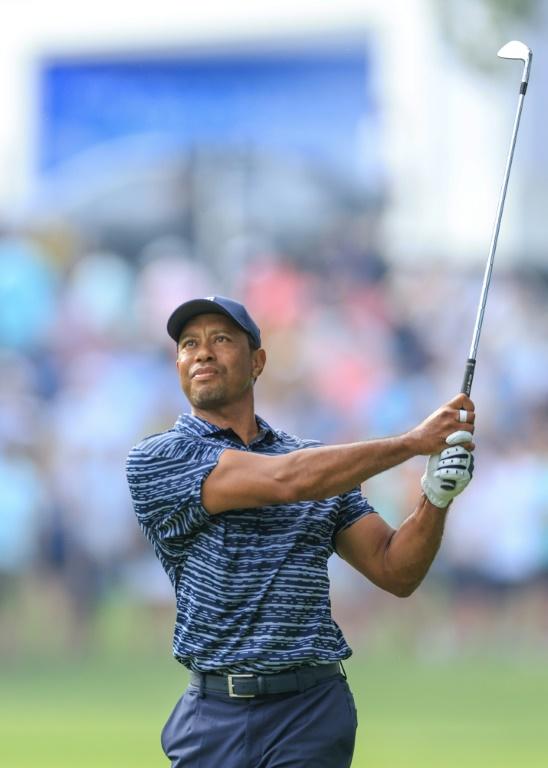
How to Watch the 2026 PGA Championship at Aronimink Golf Club

Published

on

Shohei Ohtani

NEW YORK — Golf fans looking to follow the 2026 PGA Championship at historic Aronimink Golf Club in Newtown Square, Pennsylvania, from May 14-17 have multiple ways to watch the second major of the year across television, streaming platforms and digital features.

The tournament, one of golf’s four majors, features a strong field led by world No. 1 Scottie Scheffler and defending champion at previous venues, with live coverage provided by ESPN and CBS. Comprehensive streaming is available on ESPN+ and Paramount+, offering extensive options for viewers who want more than traditional broadcast feeds.

Television Schedule (All Times Eastern)

Thursday, May 14 (Round 1)

Advertisement
  • ESPN+ early coverage begins at 6:45 a.m.
  • Main broadcast on ESPN from 12 p.m. to 7 p.m.
  • ESPN2 from 7 p.m. to 8 p.m.

Friday, May 15 (Round 2)

  • ESPN+ early coverage at 6:45 a.m.
  • Main broadcast on ESPN from 12 p.m. to 8 p.m.

Saturday, May 16 (Round 3)

  • ESPN from 10 a.m. to 1 p.m.
  • CBS from 1 p.m. to 7 p.m.

Sunday, May 17 (Final Round)

  • ESPN from 10 a.m. to 1 p.m.
  • CBS from 1 p.m. to 7 p.m.

ESPN will provide more than 235 hours of live coverage across the week, including featured groups, featured holes and additional digital streams. CBS Sports will handle the weekend primetime slots with traditional broadcast production.

Streaming Options ESPN+ serves as the primary streaming home for the PGA Championship, offering extensive early-round coverage, featured group feeds and additional camera angles not available on linear television. Subscribers can access multiple simultaneous streams, including dedicated feeds for featured groups and holes.

Paramount+ will stream the CBS weekend coverage for cord-cutters. Other live TV streaming services carrying ESPN and CBS, such as YouTube TV, Hulu + Live TV, DirecTV Stream and Fubo, also provide full access to the tournament.

For international viewers, rights vary by region. In the United Kingdom, Sky Sports holds primary rights, while other countries have local broadcasters or PGA Tour Live streaming options.

Additional Digital Coverage The PGA Championship website and app offer live scoring, hole-by-hole updates, player interviews and behind-the-scenes content. ESPN+ subscribers get enhanced digital features, including on-course microphones, statistics and expert analysis.

Advertisement

Radio coverage is available through PGA Championship Radio on SiriusXM, providing audio commentary throughout the week.

What to Expect from Aronimink Aronimink Golf Club, a classic Donald Ross design, will test players with tight fairways, strategic bunkering and challenging greens. The par-70 layout measures around 7,400 yards and favors precision over pure power, setting up compelling drama across four days.

Defending champion from the previous PGA and top contenders like Scottie Scheffler, Rory McIlroy and others will compete for the Wanamaker Trophy and a significant payday. Early practice rounds and press conferences have already generated buzz, with players praising the course setup while noting its difficulty.

Tips for Viewers Plan your viewing schedule around peak coverage windows, especially the weekend CBS broadcasts. ESPN+ is highly recommended for serious fans who want comprehensive access, including featured group streams that follow top players throughout their rounds.

Advertisement

Cord-cutters should verify their streaming service includes ESPN and CBS in its channel lineup. Many services offer free trials, making it easy to access the full tournament without a traditional cable package.

For those unable to watch live, highlights, recaps and on-demand replays will be available shortly after each round on the PGA Championship digital platforms and ESPN.

Why the PGA Championship Matters As one of golf’s four majors, the PGA Championship holds special prestige. Winning it elevates a player’s legacy and often shifts the narrative around their career. For fans, it represents one of the year’s premier sporting events, blending elite competition with the unique atmosphere of a major championship.

The 2026 edition at Aronimink continues a tradition of bringing the game’s biggest stars to classic venues that reward skill and strategy. With strong viewership expected, the tournament will once again showcase why professional golf remains compelling for audiences worldwide.

Advertisement

Whether you’re a dedicated golf enthusiast or a casual viewer tuning in for the drama of a major, multiple options exist to follow every shot. From traditional television to advanced streaming features, the 2026 PGA Championship offers something for every type of fan.

As the week unfolds at Aronimink, golf fans everywhere will have front-row access to one of the sport’s most exciting events. Tune in, stream along or follow digital updates to experience all the action as the world’s best compete for one of golf’s greatest prizes.

Continue Reading

Business

Claude AI Recovers $400K Bitcoin Wallet Forgotten for 11 Years in Viral Password Breakthrough

Published

on

Bitcoin Rebounds to $70,000 After Brutal 2022-Style Plunge; Analysts Eye

SAN FRANCISCO — A California man used Anthropic’s Claude AI to recover access to a Bitcoin wallet containing roughly five BTC — currently worth more than $400,000 — that had been locked for over 11 years after he forgot the password he changed while intoxicated, in a story that quickly went viral on social media and highlighted the growing role of artificial intelligence in personal finance and digital asset recovery.

The man, known on X as @cprkrn, posted a screenshot Wednesday showing his long-forgotten wallet address and the successful recovery, sparking widespread celebration and discussion across the crypto community. The wallet, 14VJySbsKraEJbtwk9ivnr1fXs6QuofuE6, had been dormant since around 2015 after he altered the password following a night of heavy cannabis use, leaving him unable to access the funds despite repeated attempts over the years.

In a detailed thread that has now been viewed more than 13 million times, @cprkrn explained how he tried approximately 3.5 trillion password combinations manually and through various tools without success. He eventually found an old mnemonic seed phrase in a college notebook but still could not locate the corresponding wallet file. In a last-ditch effort, he uploaded the entire contents of his old college computer to Claude, Anthropic’s flagship AI model.

Claude identified an ancient wallet file buried in the backup data and successfully used the mnemonic to decrypt it, revealing the long-lost Bitcoin. The user immediately transferred the funds to a new, secure wallet after confirming access. “HOLY FUCKING SHIT OMG CLAUDE JUST CRACKED THIS SHIT,” he wrote in the initial post. “THANK YOU @AnthropicAI THANK YOU @DarioAmodei NAMING MY KID AFTER YOU.”

Advertisement

The password itself added to the story’s viral appeal: “lol420fuckthePOLICE!*:)”. The user later shared that Claude summarized the entire recovery process in a concise overview, confirming the AI had located the critical file after the user provided his full computer archive.

The story quickly drew reactions from prominent figures in the crypto space. Nic Carter, a well-known Bitcoin analyst, replied “wait that’s insane.” Laura Shin, host of the Unchained podcast, posted “Omg! Amazing!!! 🤯 I love Claude 😍.” Binance.US jokingly replied “you should forget your password again for the plot,” prompting the user to fire back with a reference to the exchange’s past controversies.

MetaMask, Bitkey and other crypto projects offered congratulations and even promotional giveaways. Deadmau5, the electronic music artist, was tagged in a humorous reply asking him to perform at the user’s future wedding now that he could afford it. The thread also sparked serious discussion about AI’s role in crypto security and recovery.

Several replies raised legitimate security concerns. One user asked whether Anthropic now possessed the private keys, noting that uploading sensitive files to an AI model could theoretically expose them. The original poster confirmed he immediately moved the Bitcoin to a new wallet and expressed confidence that Anthropic’s security practices prevented any misuse. “I’m sure they have the key but I’m sure they have a lot else going on,” he replied.

Advertisement

Experts in digital asset recovery noted that this case was not an example of cracking a seed phrase or breaking Bitcoin’s cryptography. Instead, Claude performed advanced file analysis on the user’s old computer backup, locating a wallet file that still contained the necessary decryption data. “Claude did NOT crack a seed phrase,” one commenter clarified. “It decrypted a local file on a device he had the phrase on. Still a huge win for the owner, and zero security concerns for people with bitcoin.”

The incident underscores both the promise and the risks of using powerful AI models for personal data analysis. While Claude helped recover significant value in this instance, uploading old hard drive images raises privacy considerations. Anthropic has not commented publicly on the specific case, but the company’s models are designed with strict data handling policies and are not trained on individual user uploads in a way that retains permanent access to sensitive information.

Bitcoin enthusiasts celebrated the story as proof of the cryptocurrency’s enduring value. One user noted that five BTC purchased around 2015 for a few hundred dollars had appreciated dramatically, turning a forgotten asset into life-changing money. Others shared their own stories of lost or recovered crypto wallets, highlighting the importance of proper seed phrase management and secure backups.

The viral thread also reignited broader conversations about Bitcoin’s security model in an era of advanced AI. While the underlying cryptography remains unbroken, human error — such as forgetting passwords or losing seed phrases — continues to result in permanent loss of funds estimated in the billions of dollars across the ecosystem. Tools like Claude demonstrate how AI can help mitigate some of those losses by analyzing personal archives for forgotten files.

Advertisement

For the original poster, the recovery represents more than financial gain. He described spending $250 on specialized recovery tools over the years and feeling defeated until this final attempt succeeded. The moment has been described by many in the replies as “life-changing” and a “miracle enabled by AI.”

As the story continues to spread, it serves as a powerful case study in the practical applications of large language models for personal problem-solving. Anthropic’s Claude, already known for its strong reasoning capabilities, has now added a dramatic real-world success story to its growing reputation.

Whether this event encourages more people to use AI for digital asset recovery or raises new privacy concerns about sharing sensitive data with AI systems, one thing is clear: the intersection of artificial intelligence and cryptocurrency continues to produce unexpected and headline-grabbing moments that capture the public imagination.

For now, the original poster has gone quiet after thanking the community and confirming the successful transfer. His final message in the thread was a simple expression of disbelief and gratitude: “Still in disbelief myself.”

Advertisement

The crypto community, meanwhile, continues to celebrate what many are calling one of the most heartwarming and technically impressive recovery stories in Bitcoin’s history — made possible by a combination of persistent human effort and cutting-edge artificial intelligence.

Continue Reading

Business

Form 144 WOODWARD For: 14 May

Published

on


Form 144 WOODWARD For: 14 May

Continue Reading

Business

Fiona McCoss, founder of Wild Feminine Retreats

Published

on

Fiona McCoss, founder of Wild Feminine Retreats

For Fiona McCoss, business is not about hustle culture or rigid corporate structures, it’s about creating sustainable success through intuition, connection, and embodied leadership.

As founder of Wild Feminine Retreats and creator of the Wild Feminine Facilitator Training, she has built a thriving international community supporting women to reconnect with themselves, their bodies, and their creativity. From transformational retreats in Greece and Ibiza to mentoring female entrepreneurs around the world, McCoss has developed a business model rooted in what she calls “feminine business”, one that values nervous system regulation, pleasure, flexibility, and authentic human connection over burnout and one-size-fits-all formulas.

What do you currently do at your business?

My core offerings are my signature Wild Feminine Facilitator Training, one-to-one mentorship, and immersive retreats. Right now, I’m supporting 16 women through the current training cohort while preparing to host retreats in Crete and my online Wild Feminine Solstice Festival, which reaches over a thousand women globally.

No two days are ever the same. One day I may be teaching a masterclass, another focused on strategy, marketing, or client mentorship. What matters most to me is intimacy and genuine connection. I don’t see clients as names on a spreadsheet, I know their stories, their families, their dreams, and often even their pets’ names.

Together, we work on everything from nervous system healing and feminine leadership to pleasure, emotional expression, and business sustainability. My work is centred around helping women reconnect with themselves in a world that often encourages disconnection and over-performance.

Advertisement

Who do you admire?

Honestly, the women I work with who are mothers.

I’m child-free by choice, and I’ve chosen to pour my creative energy into the businesses and communities I’ve built. But I witness every day the depth of work many mothers are doing, not only raising children, but consciously breaking generational patterns and creating emotionally healthier environments for their families.

They’re teaching their children about boundaries, emotional literacy, consent, and self-worth in ways previous generations often didn’t experience. That level of self-awareness, sacrifice, and devotion deserves far more recognition and support than society currently gives it.

Looking back, is there anything you would have done differently?

I probably would have studied business or economics earlier on. When I first started, I had to teach myself everything from scratch and invested heavily in coaches and programmes to understand how to build a sustainable company.

Advertisement

Some of those investments were invaluable. Others weren’t.

What I eventually realised was that many traditional business formulas simply didn’t align with how I wanted to work or live. I had to create my own blueprint, one that balanced success with sustainability and nervous system health.

Personally, I’d also remind myself to enjoy the process more. Entrepreneurship can easily become an endless pursuit of the next milestone. I’m still learning to slow down and appreciate the beautiful moments along the way.

What defines your way of doing business?

The way I run my business is deeply rooted in feminine principles, which looks very different from traditional business culture.

Advertisement

For me, feminine business means working cyclically rather than mechanically. It means understanding energy, nervous system regulation, intuition, pleasure, creativity, and sustainability. I structure my work around what allows me to operate at my best, not around rigid nine-to-five expectations.

It’s also about rejecting performative hustle culture. You won’t find aggressive sales tactics or “bro marketing” here. I believe business can be deeply successful without burnout, urgency, or constant pressure.

My approach blends intuition with strategy. I trust what feels aligned while also applying systems and structure that genuinely support growth. Ultimately, I want to build businesses that support life, not consume it.

What advice would you give to someone starting out?

Get support early and build slowly.

Advertisement

I often describe feminine business as a “slow burn” model. It takes time to build sustainable momentum, but once it’s established, it creates something far more enduring than overnight success culture.

Too many people leave corporate seeking freedom and accidentally recreate the same stress and burnout patterns inside their own businesses. That’s why structure, systems, and support matter so much.

I’d also ask people to be honest with themselves: do you truly have the resilience and vision to build something long-term? Entrepreneurship is incredibly rewarding, but it’s also deeply challenging. Without a strong “why,” it becomes very difficult to stay committed when things get hard.

And finally, don’t let fear stop you. Most people regret the opportunities they didn’t take, not the ones they did.

Advertisement

What are your favourite things to do outside of work? How do you maintain a healthy work/life balance?

Pleasure and spaciousness are priorities in my life, not rewards I “earn” after overworking.

I’ve intentionally designed my business to support balance. I don’t check my phone before 8am or after 7pm, I avoid client calls on Mondays, and I don’t start desk work before 10am. These boundaries allow me to stay regulated, creative, and present.

Outside work, I love gardening, dancing, redecorating our home in Somerset, and spending time outdoors. Earlier this year, my partner and I bought a house in Frome, so I’ve been planting flowers and creating a space that feels nourishing and grounding.

And when I travel for retreats, I always stay a few extra days, preferably near a beach.

Advertisement

Jamie Young

Jamie Young

Jamie is Senior Reporter at Business Matters, bringing over a decade of experience in UK SME business reporting.
Jamie holds a degree in Business Administration and regularly participates in industry conferences and workshops.

When not reporting on the latest business developments, Jamie is passionate about mentoring up-and-coming journalists and entrepreneurs to inspire the next generation of business leaders.

Advertisement
Continue Reading

Business

US stocks today: US stocks end higher on tech rally; investors eye Beijing talks

Published

on

US stocks today: US stocks end higher on tech rally; investors eye Beijing talks
U.S. stocks advanced on Thursday, ​lifted by a rally in tech stocks as investors absorbed generally solid economic data and watched for developments from Beijing, where U.S. President Trump was engaged in a high-stakes meeting with his Chinese counterpart Xi Jinping.

All three major U.S. stock indexes gained ground, with the S&P 500 and the Nasdaq setting ‌their latest in ⁠a series ⁠of record closing highs.

“Everybody’s asking the same question: how much longer does this (rally) go on? There’s a lot of people that are loving this rally, but they’re ​also antsy at the same time,” said Robert Pavlik, senior portfolio manager at Dakota Wealth in Fairfield, Connecticut. “You have to be in it to ​win it, not just sitting on the sidelines watching the market go to all-time highs.”

Trump attended the summit along with an entourage that included Tesla CEO Elon Musk and Jensen Huang, chief executive of artificial intelligence chipmaker Nvidia.

Advertisement

Nvidia’s shares closed sharply higher after the ​U.S. cleared the sales of the company’s H200 chips to Chinese firms.


The summit ⁠between Trump and ‌Xi is intended to hash out a broad array of issues, including trade, U.S. arms sales ​to Taiwan and the ​re-opening of the Strait of Hormuz. The waterway, through which Asia gets much of its crude, has ⁠been effectively shut down during the U.S.-Israel war on Iran.
“Obviously, these are very ​high stakes meetings,” said Michael Monaghan, portfolio manager at Founder ETFs in Dallas. “It is certainly ​great power competition, but I think that these two economies will be better off working together.””I’m happy to see the two leaders collaborating, a tone of collaboration, and hopefully we’ll see that follow through in long-term agreements,” Monaghan added.

On the economic front, retail sales were in line with expectations, but propped up by rising gasoline prices resulting from the Iran war. Gasoline was largely responsible for the biggest jump in import prices since October 2022.

A series of inflation reports this week showed the risk of spiking energy ‌costs metastasizing to other goods and services, extinguishing hopes for near-term rate cuts from the U.S. Federal Reserve.

Kansas City Fed President Jeffrey Schmid called inflation the most “pressing risk” to the U.S. economy, which he characterizes as “resilient.” ​While Schmid is not ​a voter on monetary policy this ⁠year, his remarks reflect the view of the Fed’s hawkish wing.

Advertisement

According to preliminary data, the S&P 500 gained 57.39 points, or 0.77%, to end at 7,501.64 points, while the Nasdaq Composite gained 232.88 points, or 0.88%, to 26,635.83. The Dow Jones Industrial Average rose 374.79 ​points, or 0.75%, to 50,067.99.

Cisco surged to an all-time high after the computer networking giant announced nearly 4,000 job cuts as part of a restructuring scheme, and raised its annual revenue forecast.

U.S.-listed shares of tech infrastructure firm Nebius Group rose after Northland Capital raised its target price by 15.3% to $248 per share.

China has agreed to buy 200 jets from Boeing, President Trump told Fox News. Even so, the planemaker’s stock closed lower.

Advertisement

Cerebras jumped nearly 90% above its offer price in the chipmaker’s U.S. market debut.

Continue Reading

Business

Citizens financial chief legal officer sells $376,068 in stock

Published

on


Citizens financial chief legal officer sells $376,068 in stock

Continue Reading

Business

UK Businesses Tariff Refunds: Many Exporters Face Rejection from US CAPE System

Published

on

Trump’s new 15% tariff plan ‘will hit UK exporters and dent global growth’

A swelling queue of British exporters hoping to recoup money lost to Donald Trump’s now-discredited emergency tariffs may discover that they are entitled to precisely nothing, the audit, tax and business advisory firm Blick Rothenberg has warned.

According to John Havard, a consultant at the firm, roughly 126,000 claims have been lodged through the US Consolidated Administration and Processing of Entries (CAPE) system since it opened for business on 20 April. Yet a sizeable proportion of those applications are expected to be bounced, either because the claimant is not legally eligible or because the paperwork has fallen foul of the portal’s exacting requirements.

“Some UK businesses hoping for compensation may find they are ineligible for it and receive nothing,” Mr Havard said. “A number of small British firms may never have encountered tariffs until President Trump’s second term. They are likely unaware that, although falling sales and higher shipping costs have inflicted significant harm on their finances, legally they are owed nothing by the US Government.”

Who actually owns the tariff bill

The crux of the issue, Mr Havard argues, lies in the small print of international trade contracts. Where British firms shipped goods to American customers on an “ex-works” or “cost and freight” basis, the legal obligation to settle the tariff sat with the US importer rather than the UK seller.

“Reimbursing the US importer for its additional costs does not qualify the UK entity to apply for a tariff refund,” he explained. In other words, even where British exporters voluntarily absorbed the cost to preserve a customer relationship, they cannot now walk into the CAPE system and ask for it back.

Advertisement

It is a hard truth for the cohort of SMEs that scrambled to keep American buyers on side after Mr Trump invoked the International Emergency Economic Powers Act (IEEPA) to slap tariffs on a wide range of imports, measures that were subsequently struck down by the US Supreme Court, opening the door to refund claims in the first place.

A system creaking under the weight of claims

An official status report timed at 7am Eastern on Monday 11 May 2026 indicated that of the 126,000 claims received, roughly 87,000 had been validated. The remainder are sitting in limbo, with many of the rejections traceable to mundane formatting problems in the CSV files uploaded to the portal.

“Rejections may be because the CSV files submitted to the online portal could not be read and processed by the system due to formatting mistakes,” Mr Havard said. “But some rejections will be due to the claimants’ ineligibility for refunds.”

He added that before businesses can even attempt to file, they must hold an account with US Customs and Border Protection’s Automated Commercial Environment. “Anecdotally there has been considerable activity in new account registrations since the Supreme Court ruled the IEEPA tariffs to be unlawful, but this presents another system for businesses to navigate before they can attempt to get refunds.”

Advertisement

A further pitfall is mistaken identity. “Another reason for rejection could be that the person who filed for a tariff refund is not in Government records as the listed importer, or that person’s broker, for the particular tariffs identified in the claim. This could be people trying to game the system, but it is also potentially because individuals do not fully understand who is supposed to make the claim.”

Refunds trickling out – and bank details missing

Despite Washington signalling that no payments would land before 12 May, Mr Havard said there is reliable evidence that some refunds have already been paid out, with at least one claimant receiving interest on top.

But the process is being held up at the final hurdle for nearly 1,900 claimants who have failed to supply bank details. “As at 7am Eastern time on Monday 11 May 2026, there were 1,880 consolidated refunds which could not be passed from the Office of Trade to US Treasury for payment because the claimant had still to provide the necessary bank account details,” Mr Havard said.

Importers whose applications have been rejected can correct errors and resubmit. “However, no amount of resubmission will help if the claim is invalid in the first place – or if they are not getting clear messages from CAPE to explain why they were rejected.”

Advertisement

The next legal front: the 10% global tariff

Even as refunds for the IEEPA tariffs begin to flow, a second courtroom battle is unfolding over Mr Trump’s replacement measure, a blanket 10% “global tariff” introduced under Section 122 of the Trade Act of 1974 after the Supreme Court struck down the original duties.

A coalition of small businesses and roughly two dozen, mostly Democrat-led, states challenged the move at the US Court of International Trade, which ruled by a 2:1 majority on 7 May that the new tariffs were also invalid. The Government has appealed to the US Court of Appeals for the Federal Circuit, which has granted an administrative stay, meaning the 10% levy continues to be collected on US-bound shipments while the legal process plays out.

“Whatever decision the Appeals Court eventually hands down, it seems inevitable that the losing side, as with the IEEPA tariffs, will want to make a further appeal to the US Supreme Court,” Mr Havard said.

The sums at stake are far from trivial. Estimates suggest some $8 billion of Section 122 tariffs were collected in March alone, a substantial slice of the wider tariff burden being shouldered by British exporters, which has weighed heavily on UK trade flows and prompted British factories to cut their exposure to the US market.

Advertisement

For SME exporters watching from this side of the Atlantic, the message from Blick Rothenberg is sobering: those who think a cheque is in the post would do well to check the terms of their export contracts, and the bank details on their CBP account, before they start spending it.


Amy Ingham

Amy is a newly qualified journalist specialising in business journalism at Business Matters with responsibility for news content for what is now the UK’s largest print and online source of current business news.

Advertisement
Continue Reading

Trending

Copyright © 2025