Connect with us
DAPA Banner
DAPA Coin
DAPA
COIN PAYMENT ASSET
PRIVACY · BLOCKDAG · HOMOMORPHIC ENCRYPTION · RUST
ElGamal Encrypted MINE DAPA
🚫 GENESIS SOLD OUT
DAPAPAY COMING

Tech

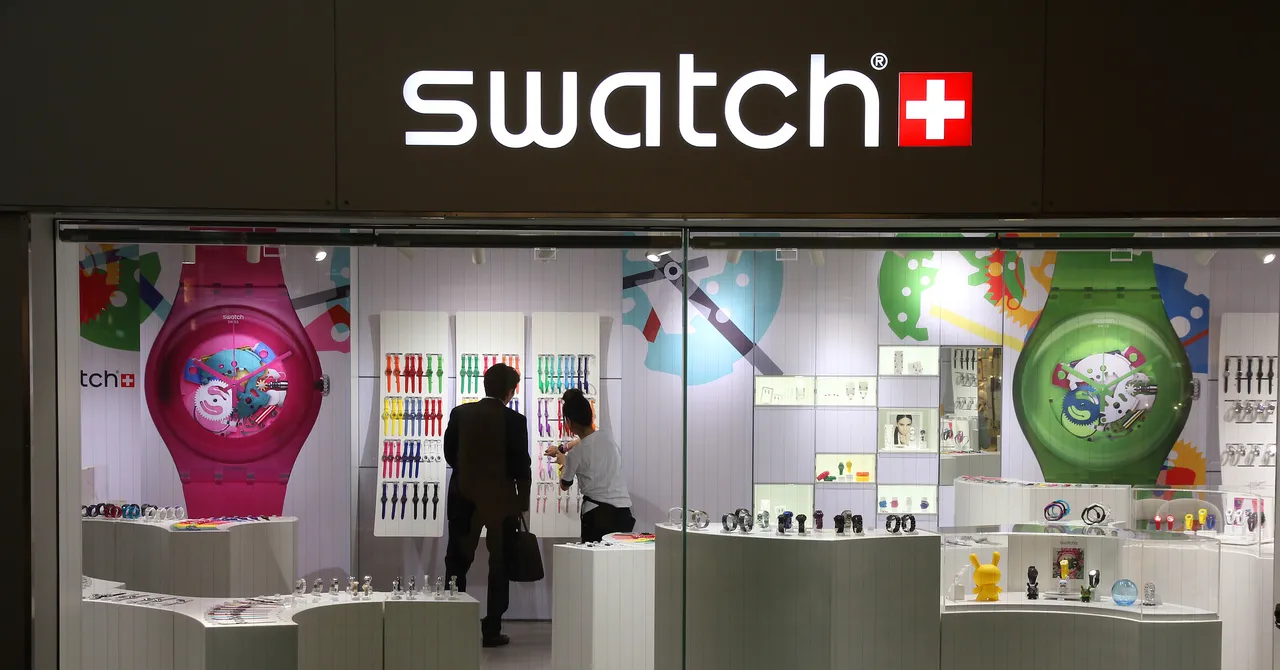
AI Promised the Audemars Piguet x Swatch Wristwatch. China Will Deliver It

Published

on

Laden with iconic Royal Oak design cues, most notably the octagonal case, eight-screw bezel, and Petite Tapisserie-patterned dial, the strapless design heavily references 1979’s Royal Oak Pocket Watch reference 5691. Inside is an entirely new hand-wound version of Swatch’s Sistem51 caliber, a movement that is completely machine assembled. Swatch has 15 active patents on this new iteration and has also squeezed in an impressive 90-hour power reserve. There’s even an antimagnetic Nivachron balance spring that was, incidentally, codeveloped with Audemars Piguet.

Swatch’s 1986 POP line, whose watch heads could be physically ejected from their frames and clipped elsewhere, has been plundered here to create a design that allows the Royal Pops to ping out of their bioceramic holder clips, too.

Why There’s No Wristwatch

The simple logic of the pocket watch design authorized by Audemars Piguet, which, unlike Omega, is not part of the Swatch Group, is that it doesn’t upset its existing high-net-worth customer base. Royal Oak owners will no doubt be breathing sighs of relief now that it’s confirmed a version of their coveted pieces won’t be coming to market for a mere few hundred bucks.

However, this doesn’t mean that AP would have been financially hit had it delivered what the public so clearly wanted. Omega, which was also concerned for its sales when shown the original MoonSwatch internal prototypes, enjoyed a sizable 50 percent bump in sales following the release of its budget cousin.

Advertisement

The Royal Pop pocket watch, cleverly, is a sidestep designed to generate as much hype as possible yet be as safe as can be for AP’s brand. The Royal Oak design language is unmistakable, but the wrist is off-limits. With Swatch, Audemars built something real for its aspirational fans; it just didn’t build them what they wanted.

What does Swatch get out of this? Valuable PR as well, but far more importantly, the potential of a much-needed sales hit. In 2025, the group posted a 6.75 percent drop in sales and a staggering 55.6 percent decline in operating profit, primarily attributed to a sharp drop in demand for its watches in China, Hong Kong, and Macau. Swatch Group shareholders are not happy.

How China Will Come to the Rescue

Here is where the story gets interesting for reasons neither Swatch nor AP planned. As Swatch resurrected its POP design, allowing the Royal Pop to be removed from its housing, within hours of the Royal Pop announcement, third-party strap brands seized on this prospect, looking to quickly fashion adaptations that convert the timepiece from pocket to wristwatch. As Royal Pops were designed to snap in and out of lanyards and desk stands, they should just as easily clip into bracelets and straps made specifically to receive them.

The market recognized in real time that the pocket watch from Swatch and AP tantalizingly contained all that was structurally needed to deliver the very wristwatch that the AI concepts had promised. All that was required now was something to connect the case to a wrist.

Advertisement

Source link

Continue Reading
Click to comment

You must be logged in to post a comment Login

Leave a Reply

Tech

5 Useful Google Maps Features You Must Try

Published

on

Google Maps is now one of the most commonly used applications for daily travel. It provides direction, displays real-time traffic information, and facilitates searches of destinations such as food outlets, petrol pumps, or even accommodation centers. Nevertheless, most of its users use only the primary functions and overlook the others. From organizing your saved places to improving navigation accuracy, these tools can make traveling and planning far more convenient.

1. Use Emojis to Organize Your Saved Places

image for use  Emojis to Organize in google maps

The first problem with saved places in Google Maps concerns their similarity in representation. This is problematic because users cannot quickly find what they need when there are too many markers on the map. Google Maps allows people to personalize their categories with emojis. Thus, the user creates associations and sees pictures rather than icons, which facilitates the search process.

  1. Open Google Maps.
  2. Tap on the “You” tab at the bottom.
  3. Open an existing list or create a new one.
  4. Tap Edit (for existing lists).
  5. Select the Choose icon.
  6. Pick an emoji that matches your category and tap Save.

2. Avoid Stairs While Navigating

image for google maps to Avoid Stairs While Navigating

A useful feature of Google Maps is the ability to hide stairs along the way. By enabling the accessibility function, the application will automatically adjust the route and find a better option without any additional steps.

  1. Open the Google Maps app.
  2. Enter your destination and tap Directions.
  3. Select Walking or Transit mode.
  4. Tap the filter/settings icon.
  5. Turn on Wheelchair accessible.
  6. Choose the recommended route.

3. Turn Screenshots Into Saved Locations

These days, people often discover new places through social media. But when you actually need those places, they’re hard to find in your gallery. To make this easier, Google Maps includes a feature that converts screenshots into saved locations. It uses AI to scan text in the image and match it with real places. This keeps all your saved spots in one place, making travel planning more organized and efficient.

  1. Open Google Maps on your Apple device.
  2. Tap on the You tab.
  3. Open the Screenshots list.
  4. Allow access to your photos when prompted.
  5. Tap Choose screenshots and select the screenshots you want to scan.
  6. Tap Add and wait for processing.
  7. Review and save the detected locations.

4. Set Reminders for When to Leave

image to Set Reminders for When to Leave

Most people calculate their departure time manually. They consider their destination and traffic, then use other applications to remind them of the exact departure time. However, Google Maps can do all of this in a single application. It allows users to schedule trips and be reminded of their departure time.

  1. Open Google Maps.
  2. Search your destination.
  3. Tap Directions.
  4. Tap the three-dot icon.
  5. Select Set a reminder to leave.
  6. Choose Leave at or Arrive by.
  7. Enter your time and save your reminder.

5. Fix Incorrect Location on Google Maps

image to Calibrate location. on google maps

One problem that can arise when using maps is inaccurate location tagging. This can make it difficult to find your way through crowded places. This problem can be solved by using the camera-based map calibration system. This will help the phone tag locations of the surrounding buildings be accurately calculated to determine your position.

  • Open the Google Maps app.
  • Tap your current location (blue dot).
  • Select the Calibrate location.
  • Tap Start.
  • Use your camera to scan nearby landmarks.
  • Wait for the accuracy confirmation.

Source link

Continue Reading

Tech

New 3D memory architecture revives old camera technology to smash through AI memory wall – NAND + DRAM hybrid promises to make memory cheaper, faster and with ‘unlimited endurance’

Published

on


  • Researchers have created a NAND-DRAM hybrid, inspired by legacy camera tech
  • Indium Gallium Zinc Oxide also promises benefits over silicon
  • For now, this is just a prototype that needs further work

Belgian semiconductor research hub imec has unveiled what it claims to be the first 3D implementation of charge-coupled device (CCD) memory architecture, which revives technology we’ve already seen used before in digital cameras and camcorders, but for a totally different purpose.

With 3D CCD architecture, the researchers were able to break one of the biggest bottlenecks in AI computing today – the memory wall – where GPUs and accelerators spend more time waiting for data than processing it as a result of poor memory bandwidth and power efficiency.

Source link

Advertisement
Continue Reading

Tech

Ontario auditors find doctors’ AI note takers routinely blow basic facts

Published

on

AI + ML

60% of evaluated AI Scribe systems mixed up prescribed drugs in patient notes, auditors say

The AI systems approved for Ontario healthcare providers routinely missed critical details, inserted incorrect information, and hallucinated content that neither patients nor clinicians mentioned, according to a provincial audit of 20 approved vendors’ systems.

The findings come from the Office of the Auditor General of Ontario, Canada, and are included in a larger report about the state of AI usage by public services in the province. They specifically address the AI Scribe program, the Ontario Ministry of Health initiated for physicians, nurse practitioners, and other healthcare professionals across the broader health sector.

Advertisement

As part of the procurement process, officials conducted evaluations using simulated doctor-patient recordings. Medical professionals then reviewed the original recordings alongside the AI-generated notes to evaluate their accuracy.

What they found was, frankly, shocking for anyone concerned about the accuracy of AI in critical situations. 

Nine out of 20 AI systems reportedly “fabricated information and made suggestions to patients’ treatment plans” that weren’t discussed in the recordings. According to the report, evaluators spotted potentially devastating incorrect information in the sample reports, such as no masses being found, or patients being anxious, even though these things were never discussed in the recordings.

Twelve of the 20 systems evaluated inserted incorrect drug information into patient notes, while 17 of the systems “missed key details about the patients’ mental health issues” that were discussed in the recordings. Six of the systems “missed the patients’ mental health issues fully or partially or were missing key details,” per the report. 

Advertisement

OntarioMD, a group that offers support for physicians in adopting new technologies and was involved in the AI Scribe procurement process, has recommended that doctors manually review their AI notes for accuracy, but the report notes there’s no mandatory attestation feature in any of the AI Scribe-approved systems. 

Bad evaluations don’t help, either

AI systems making mistakes isn’t exactly shocking. As we’ve reported previously, consumer-focused AI has a tendency to provide bad medical information to users, and some studies have found large language models failed to produce appropriate differential diagnoses in roughly 80 percent of tested cases. But the tools evaluated here are for doctors, not consumers, and such poor performance necessitates explanation. A good portion of the report blames how the systems were evaluated.

According to the report, the weight given to various categories of AI Scribe performances was wonky. While 30 percent of a platform’s evaluation score depended solely on whether they had a domestic presence in Ontario, the accuracy of medical notes contributed only 4 percent to the total score.

Bias controls accounted for only 2 percent of the total evaluation score; threat, risk, and privacy assessments counted for another 2 percent; and SOC 2 Type 2 compliance contributed an additional 4 percentage points.

Advertisement

In other words, criteria tied to accuracy, bias controls, and key security and privacy safeguards made up only a small portion of the total evaluation score for the AI Scribe systems.

“Inaccurate weightings could result in the selection of vendors whose AI tools may produce inaccurate or biased medical records or lack adequate protection to safeguard sensitive personal health information,” the report said of the scoring regime.

The Register reached out to the Ontario Health Ministry for its take on the report, and whether it was going to conform to its recommendations for the AI Scribe program, but we didn’t immediately hear back. A spokesperson for the Ministry told the CBC on Wednesday that more than 5,000 physicians in Ontario are participating in the AI Scribe program and there have been no known reports of patient harms associated with the technology. ®

Source link

Advertisement
Continue Reading

Tech

The MicroFold Concept Turns Solo Urban Rides Into Space-Saving Magic

Published

on

MicroFold Concept Commuter Car Electric
Photo credit: Amaan Mukadam
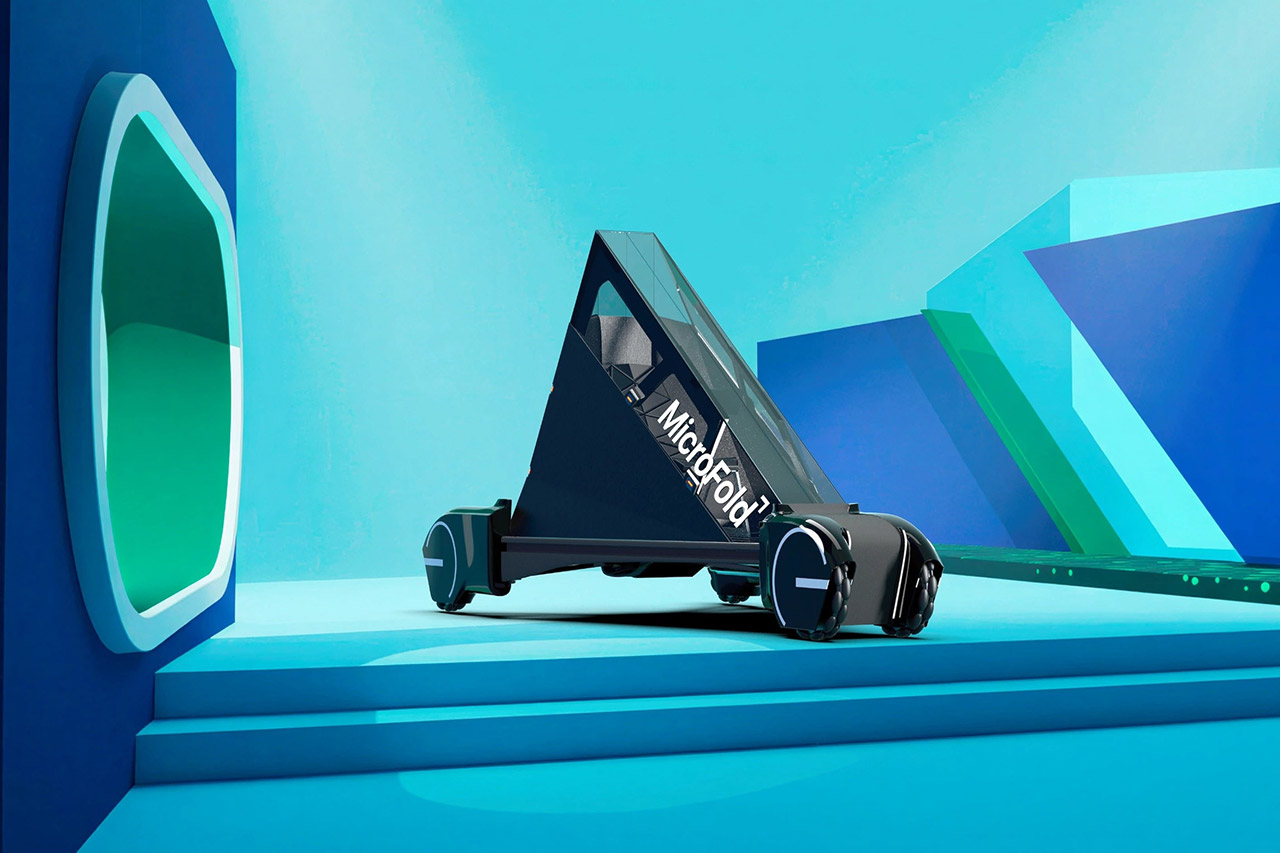
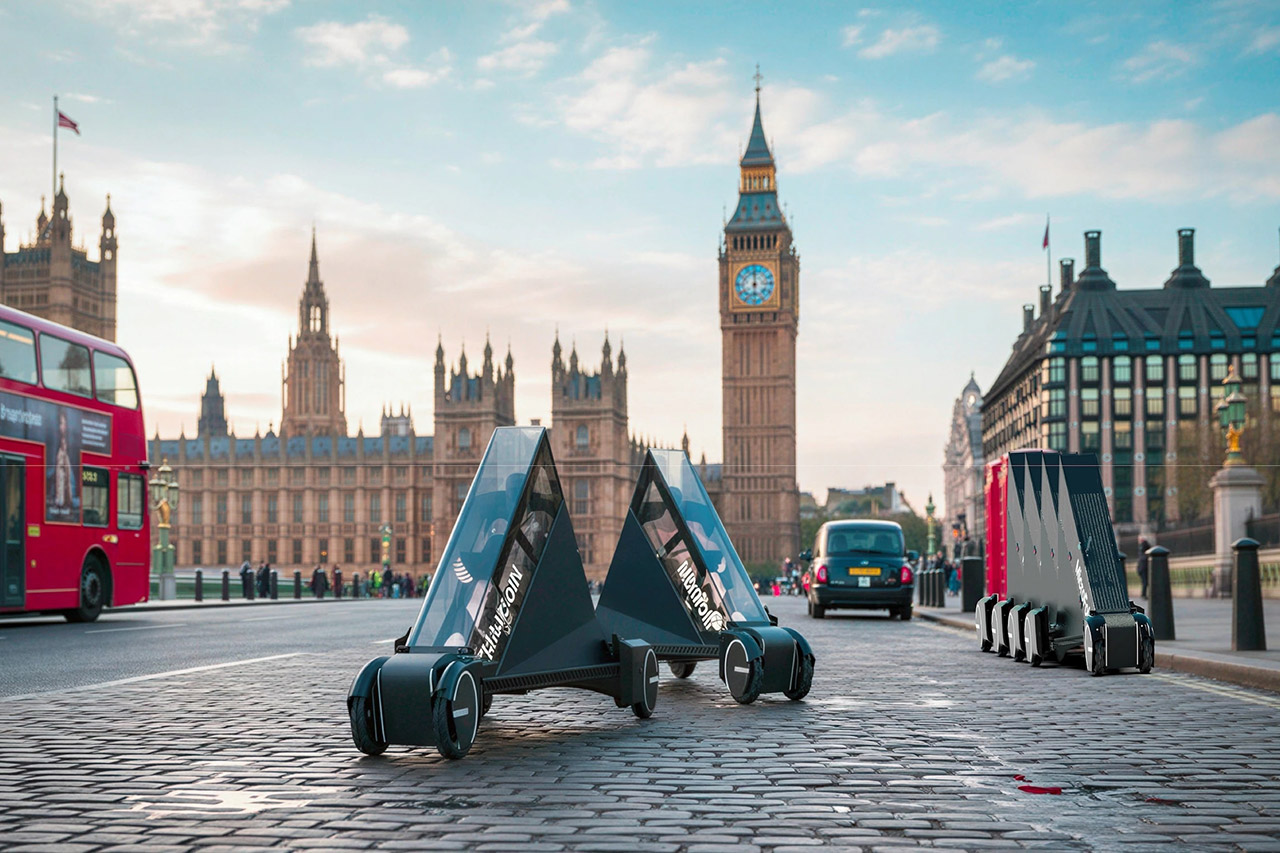
Crowded streets across Europe pack in far more people than parking spots can handle. Freelance designer Amaan Mukadam from the UK looked at that daily scramble and built the MicroFold, a four-wheeled electric vehicle meant for exactly one rider at a time.


MicroFold Concept Commuter Car Electric
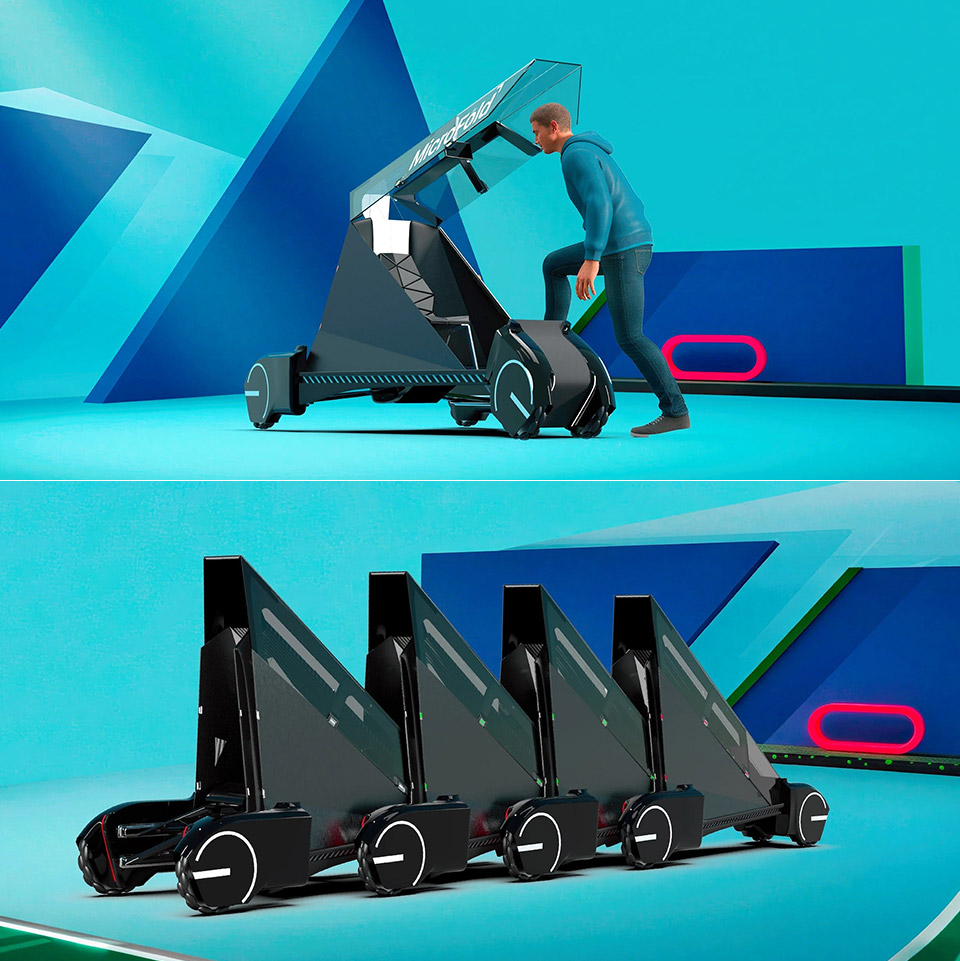
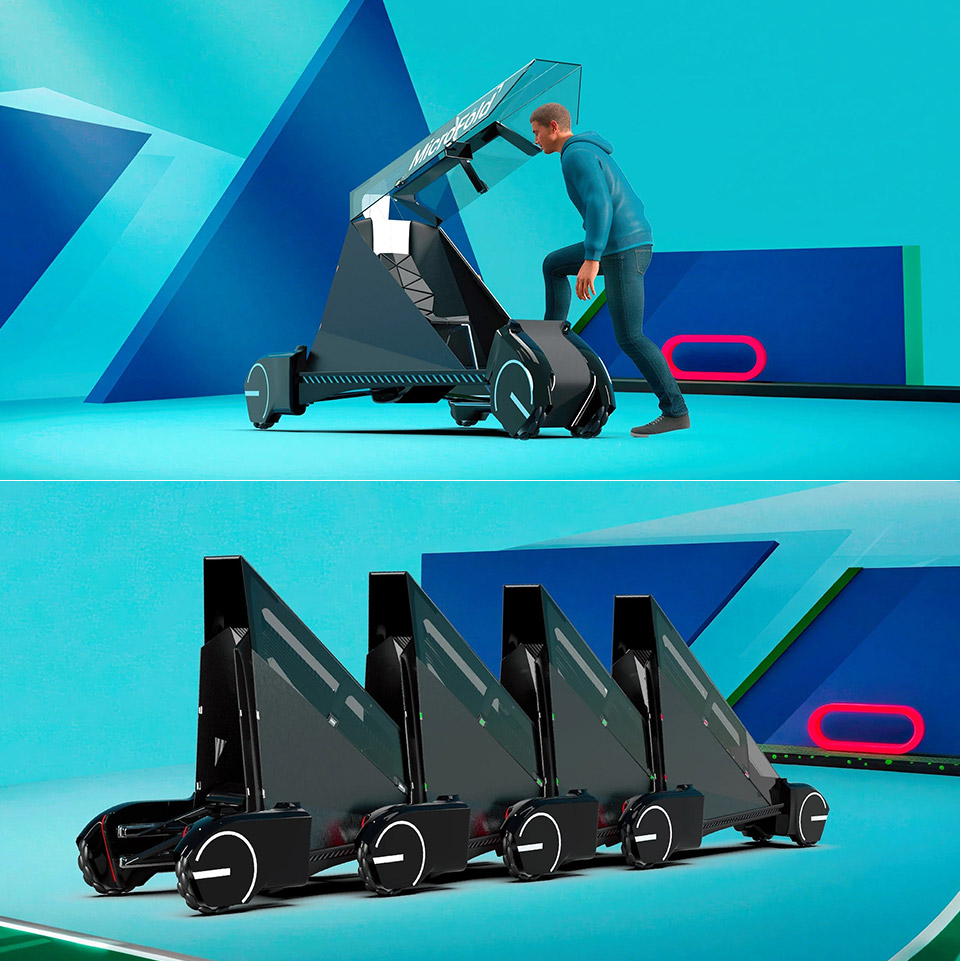
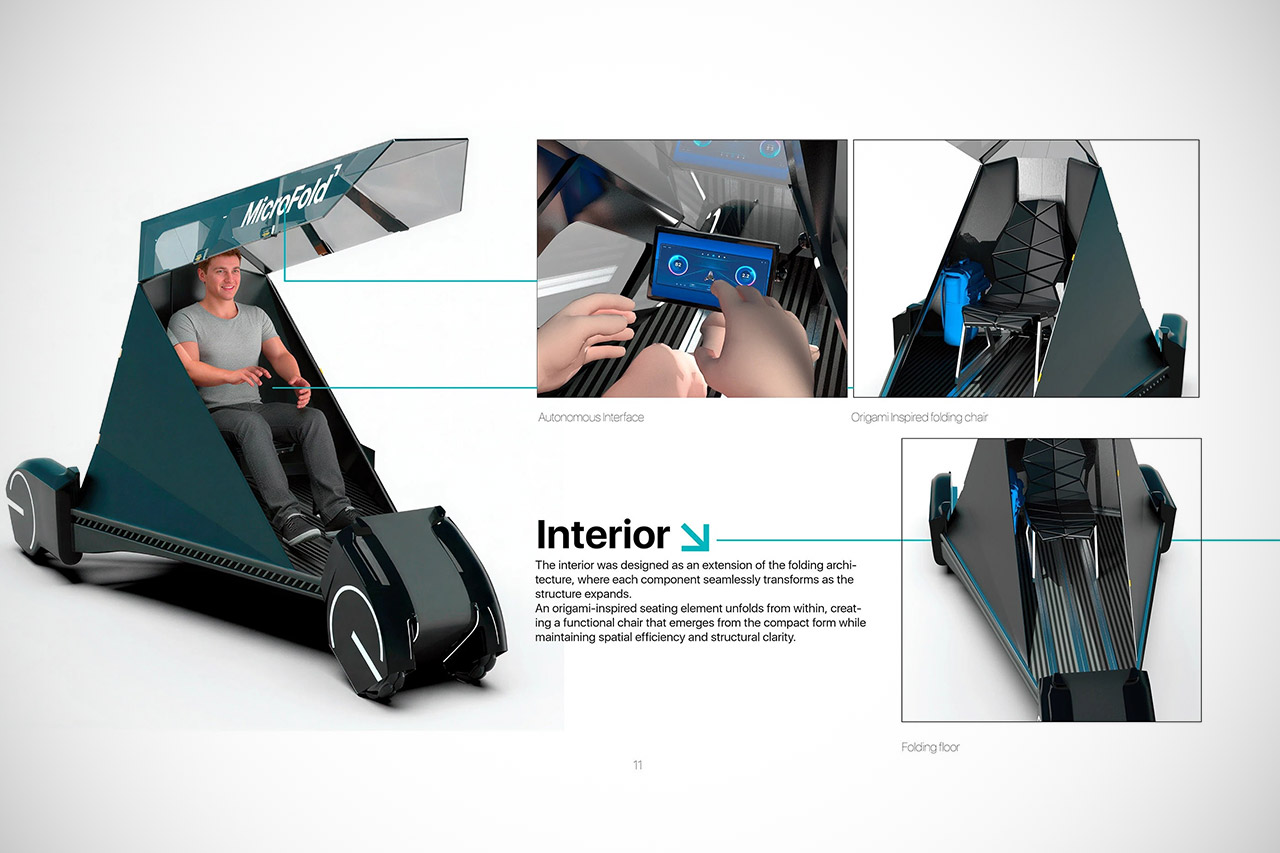
Riders notice one of these units lurking by a curb in a busy area of town. You unlock the door using your phone, as the app allows you to do so easily. As you enter, the roof swings up in a fluid motion, much like a gullwing door, forming the windshield and side windows all at once. The single seat provides a great perspective of everything around you, so getting in is a no-brainer. Simply select your destination and you’re off without having to touch the steering wheel.

Sale


Maxshot Electric Scooter, 8.5″ /10″ /14″ Tire, 16/19/22 Mph Top Speed, 12/16/21/27/28/49/50 Miles Long…
  • 【Dual Suspension and Solid Tire】The 10”honeycomb tires, along with the shock absorbing system, make this electric scooter adults for a smooth…
  • 【LED Display & Smart Control &Lockable】You can check your speed, modes and battery level on the LED digital display. check and control the…
  • 【Powerful Motor & Long Range】The electric scooter for adults with a 500W brushless hub motor allows for speed up to 22mph. High-capacity…

MicroFold Concept Commuter Car Electric
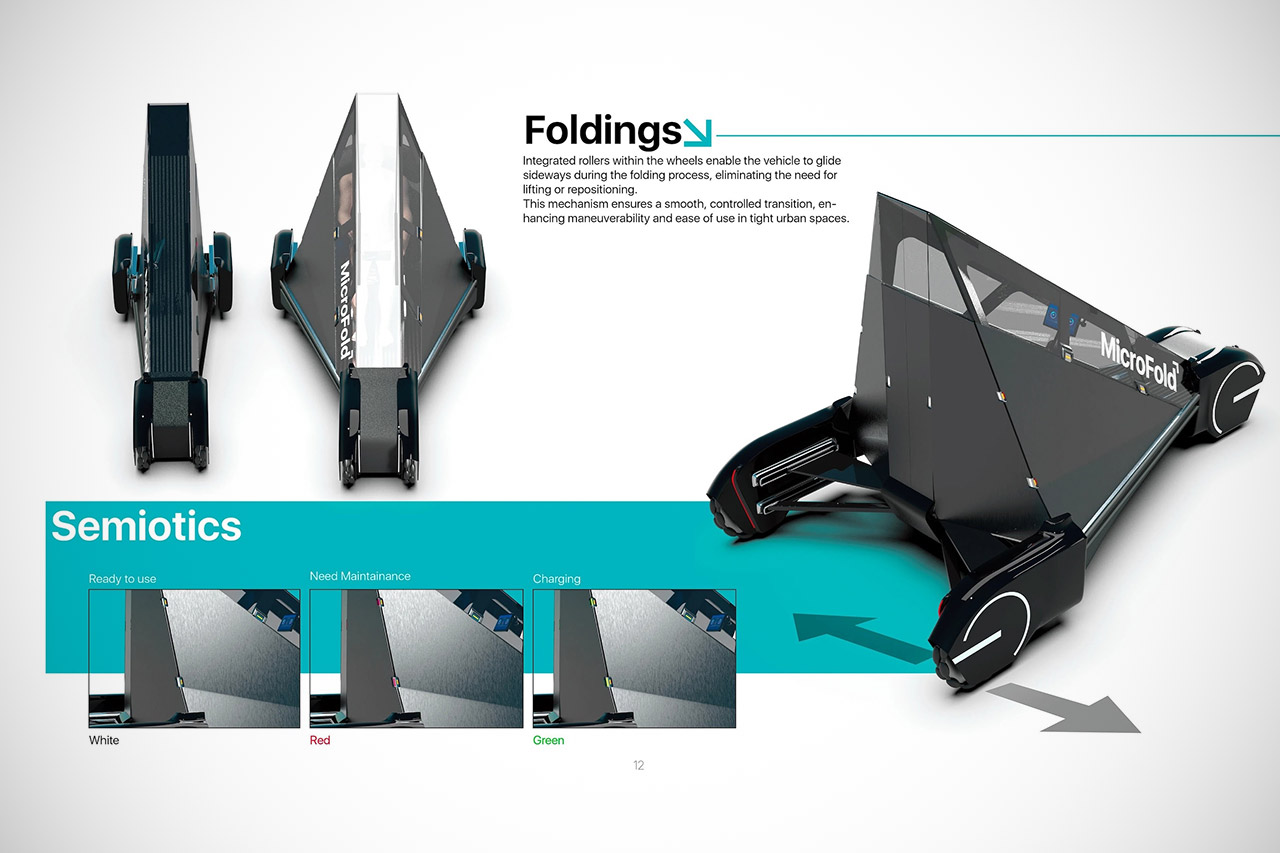
As you drive toward your destination, the back part pops open just enough to keep the vehicle steady on the road. Amazingly, even with that open, the entire vehicle takes up just about a third of the space of a standard car. The body panels simply arrange themselves to provide a comfortable peaceful place inside for you. It’s like traveling in a private shuttle, with automatic turns and stops.

MicroFold Concept Commuter Car Electric
Arrival is where things become really creative, as you get out, pay via the app, and the MicroFold begins to transform. The rear wheels roll along these small tracks inside, bringing the back end closer to the front. The back panels glide in as the seat folds flat inside. Before you know it, the item has shrunk to a tiny size, just small enough to slip into a tight little space that would never fit a typical car. Mukadam adapted the folding sequence from the crisp lines of origami, and it works brilliantly. It’s a controlled movement every time, so you know it’ll be safe. When it’s all packed away, it simply rolls to the charging station and sits there silently until the next customer requires a lift.

MicroFold Concept Commuter Car Electric
The concept of self-parking and charging is a game changer for densely populated cities. You won’t have to worry about a car sitting there for hours, taking up valuable space. A whole row of folded MicroFolds may fit in the area required for two or three standard automobiles. That makes this a gem in locations like Europe where streets are narrow and parking is difficult, because you can simply line them all up in the space that one large car would take up. Sure, in the States, where driving distances are longer, you may desire a larger automobile for longer excursions, but the MicroFold demonstrates how simple it can be to use personal electric transportation in congested urban areas.
[Source]

Source link

Advertisement
Continue Reading

Tech

We Now Know How Many People the CDC Is Monitoring for Hantavirus

Published

on

The US Centers for Disease Control and Prevention is monitoring 41 people in the US for the Andes hantavirus after a cruise ship was hit with a rare outbreak, but the risk to the public remains low, according to health officials.

This includes a group of 18 passengers from the cruise ship who are now in quarantine facilities in Nebraska and Georgia. The agency is also monitoring passengers who returned home before the outbreak was identified and others who were exposed during travel, specifically on flights where a symptomatic case was present.

“Most people under monitoring are considered high-risk exposures, and CDC recommends that everyone under monitoring stay at home and avoid being around people during their 42-day monitoring period,” David Fitter, incident manager for the CDC’s hantavirus response, told reporters during a media briefing on Thursday. “We emphasize not to travel across all these groups.”

The Andes virus is a strain of hantavirus found in South America that can be transmitted from person to person. Typically, hantavirus is passed to humans when they come into contact with rodent droppings or urine. A respiratory virus, the disease can cause difficulty breathing and carries a fatality rate of around 35 percent. As of Thursday, the World Health Organization has confirmed 11 cases of the Andes virus among passengers of the MV Hondius cruise ship, including three deaths.

Advertisement

A Department of Health and Human Services official confirmed to WIRED that all Americans who were on board the Hondius at any point during its journey are now back in the US.

The CDC has legal authority to issue federal quarantine and isolation orders to prevent the spread of certain communicable diseases into or within the US. Fitter said on Thursday that the CDC is not using that authority to manage all 41 of the individuals who were potentially exposed to the hantavirus.

“Our approach is based on risk and evidence,” he said. “We are working closely with passengers and public health partners to ensure monitoring and rapid access to care if symptoms develop. Our goal is to work with them and alongside them, building plans based on their specific situations to protect the health and safety of passengers and American communities.”

Individuals will be monitored for 42 days, which is the amount of time it can take for hantavirus symptoms to appear after exposure. Symptoms begin as flu-like, with fever, muscle aches, and fatigue, then rapidly progress to severe respiratory distress.

Advertisement

Source link

Continue Reading

Tech

Utah just approved a data center twice the size of Manhattan that will consume more electricity than the entire state

Published

on


  • Utah will be the home of a new 40,000 acre datacenter
  • The datacenter will consume more power than the entire state
  • The power will be provided with natural gas burning turbine generators

Box Elder county commission in Utah has approved an enormous new data center that, upon completion, will be twice the size of Manhattan and consume more electricity than the entire state currently does.

The Stratos artificial intelligence datacenter will occupy more than 40,000 acres (62 sq miles) in north-western Utah and consume 9GW of power.

Source link

Advertisement
Continue Reading

Tech

OpenAI’s KOSA Endorsement Is Regulatory Capture With A Smiley Face

Published

on

from the not-the-flex-dc-thinks-it-is dept

Earlier this week, OpenAI became the latest tech company to publicly endorse KOSA, the Kids Online Safety Act. The company, conveniently, tries to frame this as being about its support of child safety. It’s not. It’s about political horse trading, desperation for good publicity, and building a regulatory moat.

KOSA would help create stronger online protections for young social media users through safer default settings, expanded parental controls, and greater accountability for online harms.

The path forward on kids safety, however, also requires AI-specific rules. And we believe KOSA is complementary to the work we’re doing at the federal and state level. Young people should be able to benefit from AI in ways that are safe, age-appropriate, and grounded in real-world support, including referrals to crisis resources and parental notifications in serious safety situations. That means building safeguards from the start, giving families better tools, and taking responsibility for reducing risks before they become harms.

The broader point is an important one: AI companies still have the opportunity to build protections early, before these technologies become fully embedded in everyday life. As OpenAI Chief Global Affairs Officer Chris Lehane has put it, “We can’t repeat the mistakes made during the rise of social media, when stronger safeguards for teens weren’t put in place until the platforms were already deeply embedded in young people’s lives.”

All of this is, of course, nonsense. As we’ve explained repeatedly, the underlying mechanisms of KOSA are deeply problematic and will do real damage. It will, inherently, make the internet worse for everyone. At its heart, KOSA is a surveillance and censorship bill, and it’s the last thing that we need for the internet today.

While it’s positioned as being about something no one can be against (“kid safety!”), that is all too often the facade with which terrible rights-killing laws are passed. And KOSA is no exception.

But a bunch of tech companies have endorsed it anyway. Why? Because they know it makes life way more difficult for smaller upstart competitors. The additional compliance costs it will add for companies will be ruinous to smaller, less well-resourced companies. For big companies with big bank accounts, however, it gives them a leg up.

Advertisement

OpenAI, perhaps more than most others in the space, needs that kind of government-backed protection against growing competition.

Almost exactly three years ago, I wrote a piece about Sam Altman going to Congress and asking for the federal government to regulate the AI space, calling it Sam Altman Wants The Government To Build Him A Moat. As I pointed out at the time, AI researchers were coming to the conclusion that there was little to no real competitive advantage that any frontier AI model could really have for any extended period of time. That situation has only gotten worse since then. The jockeying between the various leading AI models has meant that they’re all effectively comparable, and more and more builders are realizing that since you can separate out the context, the computer, and the agentic tools from the underlying LLM, that technology is quickly turning into a commodity where any one will do (and this situation is becoming even more tenuous as open weight/local models are getting better and better).

While OpenAI has a huge number of users (one of the fastest growing tech companies in history), it’s unclear if those users are particularly loyal. Indeed, there are a few indications that when OpenAI does something stupid, a large segment of users will quickly leave.

Given that, all of the large AI companies keep looking for ways to create some sort of lock-in for users. Most of them haven’t gone down the fully siloed path (knowing at this stage that would probably drive away their most valuable users). For the most part, the focus between the likes of OpenAI, Anthropic, Google and others is to build in more features to make it more convenient to stay than to swap out an underlying LLM. That and the continued leapfrogging, combined with various experiments regarding how much they’re willing to subsidize with their subscription plans.

Advertisement

But having the government wipe out competitors, or create “mandatory” tools that create lock-in, might be another path towards such a result. And that’s exactly what KOSA would lead to. It certainly wouldn’t protect kids. Indeed, all evidence suggests it would put plenty of marginalized kids at much greater risk.

However, it would create something of a regulatory moat for those larger companies.

On top of that, is there any company more desperate for a headline talking about how it’s “helping” protect children than OpenAI? The company has been accused of being “responsible” for suicide and other harmful behavior. And, even if those claims and lawsuits are misleading (they are!), culturally that message has been sticking. I’ve heard multiple people refer to ChatGPT as a suicide machine.

So, if you need a good headline to claim that you’re “protecting children” and doing so in a way where the law will have little direct impact on your business, but will damage some of your competitors in the space (not to mention the wider open internet), why not? It’s hard not to be cynical about OpenAI’s reasoning here.

Advertisement

Separately, it’s likely that the AI companies see this as a bit of political horse trading. While KOSA would have some impact on AI tools, it’s much more directed at social media platforms than AI. And it’s likely that the bet being made by OpenAI here is “hey, we’ll back KOSA for you, and you get rid of the AI-specific bills.” OpenAI’s Chris Lehane, who announced the endorsement and is featured in every press release about it, is infamous as a political trickster. He’s a political operator, not a tech or policy expert. You roll him out to cut a deal, not to advance a principled position on child safety. And that’s exactly what’s happening here.

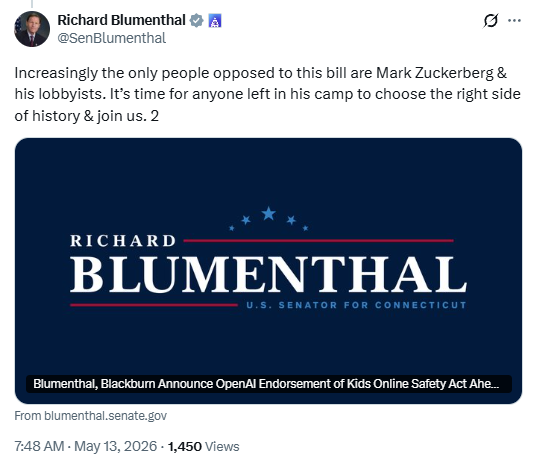
You can see the KOSA authors gleefully using the OpenAI endorsement to falsely claim that only Mark Zuckerberg now opposes the law:

Yeah, that’s Senator Richard Blumenthal choosing to spend time on X, a site run by a guy who has made it clear he thinks Blumenthal’s political party is evil and needs to be wiped out, using that platform to lie and claim that the only people opposed to KOSA are “Mark Zuckerberg & his lobbyists.” That ignores the long list of civil society and public interest groups who have made it clear just how dangerous the law would be.

Marsha Blackburn (who has been vocal about how she wants KOSA to silence LGBTQ voices) put out a silly press release about this endorsement, saying:

“Lip service won’t save lives – Congress must take action to establish guardrails in the virtual space. I look forward to chairing a hearing on why the verdicts in California and New Mexico should spur Congress to hold Big Tech accountable for exploiting children to turn a profit.”

What? As bad as the rulings in California and New Mexico are, they seem to suggest that the courts already think they have the authority to order companies to do the impossible and magically stop anything bad from ever happening to kids who also (incidentally) use the internet.

Advertisement

All of this is for show. No one is being honest. Blackburn wants to censor LGBTQ speech she considers “dangerous to kids” because it terrifies her. Blumenthal wants to end encryption and the ability of tech companies to keep information, because he’s always been a cop and wants the ability to spy on your kids. And OpenAI wants Congress to direct their bad policies at social media companies rather than AI companies.

And all of us internet users are simply collateral damage for the mad power dreams of those in charge.

Filed Under: censorship, child safety, chris lehane, kosa, marsha blackburn, regulatory capture, richard blumenthal, surveillance

Companies: openai

Advertisement

Source link

Continue Reading

Tech

Netflix has its own AI studio now, and AI-generated content is coming for your feed whether you like it or not

Published

on

Netflix has spent years using AI to make sure you never leave the couch. Making AI-based content is the next step, I guess.

The streaming giant is staffing up a new internal studio called INKubator to produce animated short films and specials using generative AI (via TheVerge).

The project never got an official announcement from Netflix. Instead, it surfaced through a series of recently published job listings seeking producers and CGI artists. These listings paint a pretty clear picture of where the company is headed.

What exactly is INKubator, and who is running it?

Based on LinkedIn profiles, INKubator quietly launched in March 2026 and is led by Serrena Iyer, who previously held strategy and operations roles at DreamWorks Animation, MRC Studios, and A24 Films. That is not a lineup you put together for a throwaway experiment.

The job listings describe the studio as a next-generation, creativity-first operation built entirely around generative AI. The studio’s long-term technology strategy covers generative AI workflows, artist tooling, and scalable multi-show environments.

Advertisement

Interestingly, INKubator is not the first AI studio to be acquired by Netflix. Earlier this year, the streaming giant acquired InterPositive, an AI startup founded by actor Ben Affleck, which is centred on AI usage in post-production.

Could AI-generated shows end up in your Netflix feed?

For now, INKubator seems to be focused strictly on shorts and experimental animated specials, rather than full-length features. That said, the job listings hint at longer-form ambitions down the line.

Netflix recently added a TikTok-style vertical video feed called Clips in its mobile app, which is currently used for trailers and promotional content. AI-generated shorts could slot naturally into that space in the future.

Netflix has also been making a push into kids’ programming, positioning itself as a family-friendly YouTube alternative. It also launched a standalone app for kids called Netflix Playground. Generative AI could surely help it scale that kind of content much faster.

Whether you are ready for AI-made Netflix shows or not, INKubator suggests the streamer has already made up its mind.

Advertisement

Source link

Continue Reading

Tech

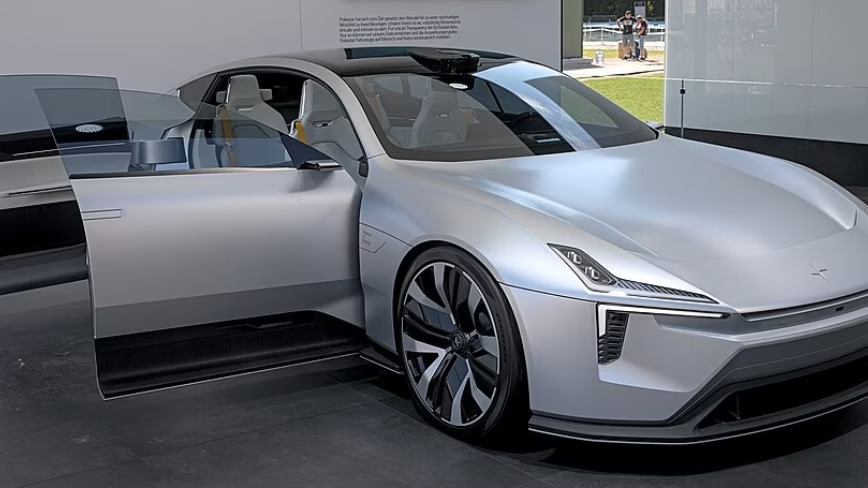
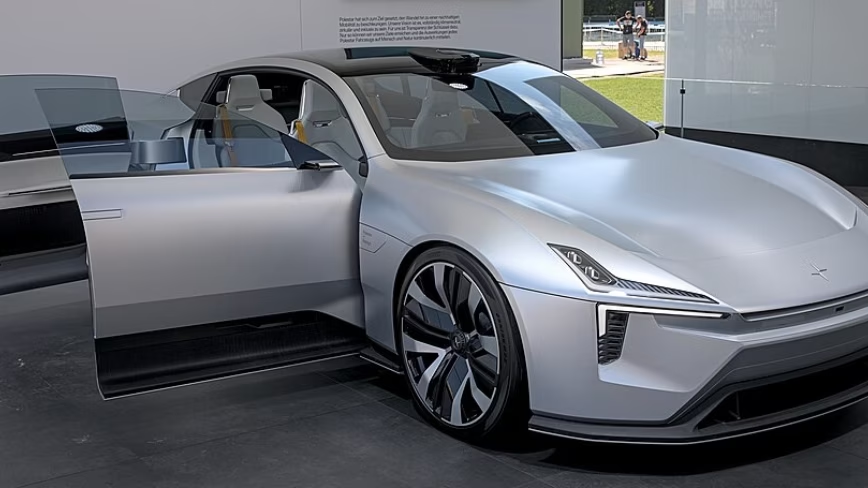
Polestar CEO says ‘pump anxiety’ is driving EV demand as fuel prices surge from Iran war

Published

on

TL;DR

Polestar CEO Michael Lohscheller told CNBC that “pump anxiety” has replaced range anxiety as the dominant consumer concern, with rising fuel prices from the Iran war and Strait of Hormuz closure driving a measurable shift toward EV demand. EU EV registrations jumped 51% in March. Polestar reported a widening Q1 net loss of $383 million on flat revenue of $633 million despite record deliveries of 13,126 vehicles, with gross margins swinging negative due to pricing pressure, tariffs, and currency effects.


Advertisement

For years, the electric vehicle industry’s biggest problem had a name: range anxiety. Now, according to the chief executive of Polestar, the anxiety has moved to the other side of the forecourt. “People are concerned, ‘how much do I pay at the gas station?’” Michael Lohscheller told CNBC’s Squawk Box Europe on Wednesday, coining a phrase “pump anxiety” that captures a shift the entire automotive industry is struggling to absorb.

The context is not subtle. Since the United States and Israel launched strikes against Iran on 28 February, the Strait of Hormuz, the narrow waterway that carries roughly a fifth of the world’s oil supply, has been effectively closed to commercial shipping. Brent crude has surged past $100 a barrel. In the United Kingdom, average petrol prices have risen by more than 25 pence per litre since early March, with diesel tracking nearly 45 pence higher, according to RAC Fuel Watch. Across the European Union, petrol has breached €2 per litre in several markets. The result is a measurable, continent-wide recalculation of what it costs to drive.

The economics have flipped

Lohscheller’s argument is that the cost equation has inverted. “In the past, people considered EVs for idealistic reasons, and now the decision is all about money,” he said. The claim is supported by the numbers. EU electric vehicle registrations jumped 51% in March compared with the same month a year earlier, with Italy recording a 65.7% increase in battery-electric registrations in the first quarter, France following at 50.4%, and Germany at 41.3%, according to industry data compiled by the European Automobile Manufacturers’ Association. In the United Kingdom, Polestar’s home market in operational terms, Chinese EV manufacturers and European incumbents alike are reporting surges in online inquiries and test-drive bookings.

The shift is not uniform. In the United States, where petrol prices have topped $4 per gallon for the first time in four years, the effect has been more muted. Used EV sales rose 12% year on year in the first quarter, and 17% over the previous quarter, but new EV sales have not yet shown the same spike. Lohscheller cited disappearing federal tax incentives and broader consumer uncertainty as factors dampening American demand.

A company under pressure

The pump-anxiety thesis arrives at a moment when Polestar could use some good news. The Geely-controlled, Sweden-headquartered company reported a widening net loss of $383 million in the first quarter, more than double the $166 million loss in the same period last year. Revenue was flat at $633 million despite a 7% increase in deliveries to a record 13,126 vehicles. Gross margins swung to negative 3.2%, down from positive 10.3% a year earlier, a deterioration the company attributed to pricing pressure, EU and US tariffs, lower carbon-credit sales, and unfavourable foreign-exchange movements driven by the weakening Chinese yuan.

Advertisement

The financial picture reveals the paradox at the heart of the EV industry in 2026. Demand is rising, but so is the cost of competing. Polestar manufactures primarily in China, which makes its vehicles subject to both American and European tariff regimes designed to counter the competitive advantage of Chinese production. The company described China’s domestic market as “hyper competitive” and suggested Europe needed to “speed up” its own response.

Range anxiety is over. What comes next is harder.

Lohscheller, who previously ran Opel and Vauxhall, was blunt about the range question. “Range anxiety, I think this has gone,” he said at the Financial Times Future of the Car conference, also held on Wednesday. The cheapest Polestar 2 now offers 344 miles of official range on the WLTP test cycle. The dual-motor Polestar 3 SUV manages 402 miles. An 82-kilowatt-hour Polestar 2 can be fully charged overnight on a domestic EV tariff in the UK for roughly £15, a fraction of what a comparable petrol car costs to refuel at current prices.

But lower running costs have not yet translated into lower purchase anxiety. Lohscheller acknowledged that EV residual values remain a pain point, lagging behind equivalent combustion cars. New-car pricing pressure, driven by manufacturers scrambling to meet the UK’s zero-emission vehicle mandate quotas or face fines, has led to aggressive discounting that erodes used-EV values further. “I’m asking for stability,” he said of the regulatory environment. “Every three months to have a new debate about these rules changing is not helping anybody.

The bigger picture

The fuel-price shock is reshaping automotive markets well beyond Polestar’s niche. BYD exported more than 120,000 electric and hybrid vehicles in March alone, a 65% increase year on year. Renault has described the Middle East conflict as having triggered a “seismic shift” in EV adoption. The International Energy Agency’s chief, Fatih Birol, has said countries are likely to pivot to renewables as a way to mitigate geopolitical risk, calling the Hormuz disruption the largest supply disruption in the history of the global oil market.

Advertisement

The irony is that the crisis most likely to accelerate the transition to electric vehicles is also the crisis most likely to punish the companies trying to lead it. Higher energy costs raise manufacturing expenses. Tariff walls make cross-border competition more expensive. Currency volatility erodes margins on vehicles built in one country and sold in another. Polestar’s first-quarter results are a case study in all three dynamics operating simultaneously.

Lohscheller’s framing, that the conversation has moved from range to price, from ideology to arithmetic, is probably correct. The question is whether Polestar, a company losing money on every percentage point of margin while navigating tariffs, competition, and a war-driven energy shock, is positioned to benefit from the shift it is describing. Pump anxiety may be good for EVs in the aggregate. Whether it is good for Polestar depends on whether the company can turn rising demand into something its balance sheet has not yet demonstrated: a sustainable business.

Source link

Advertisement
Continue Reading

Tech

Xbox’s Slim Cloud Controller Breaks Cover in Latest Leak

Published

on

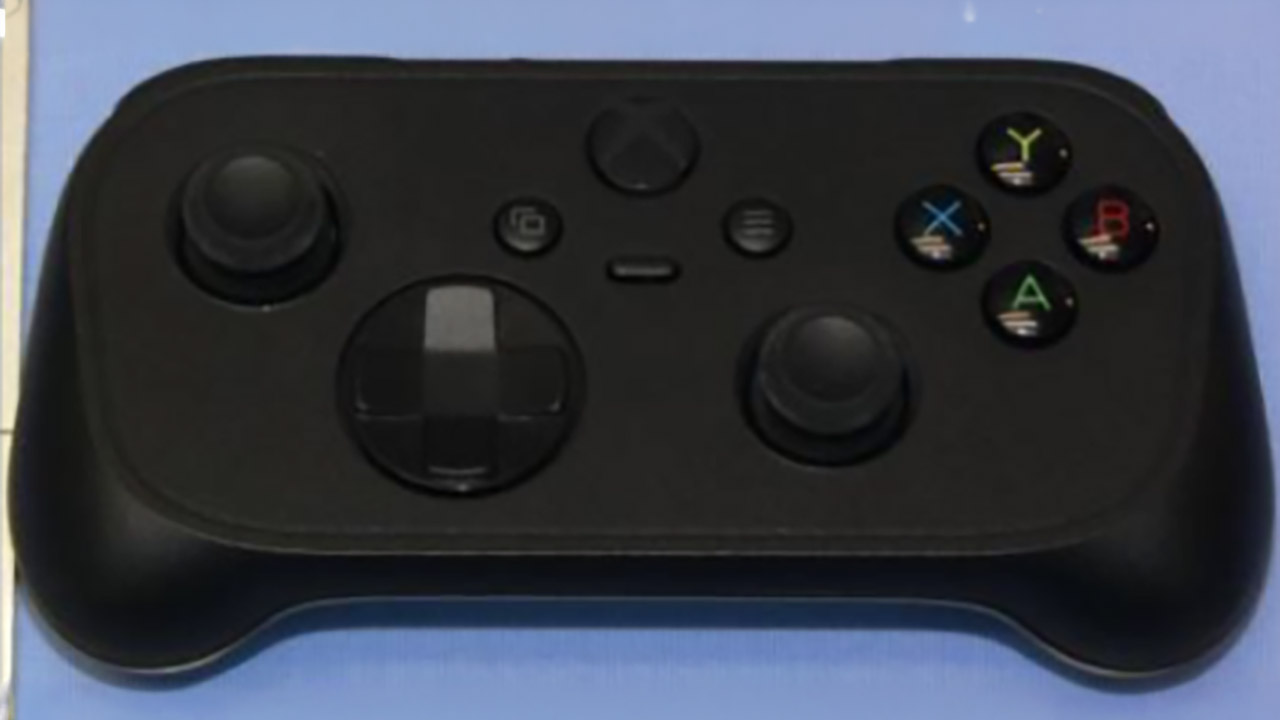
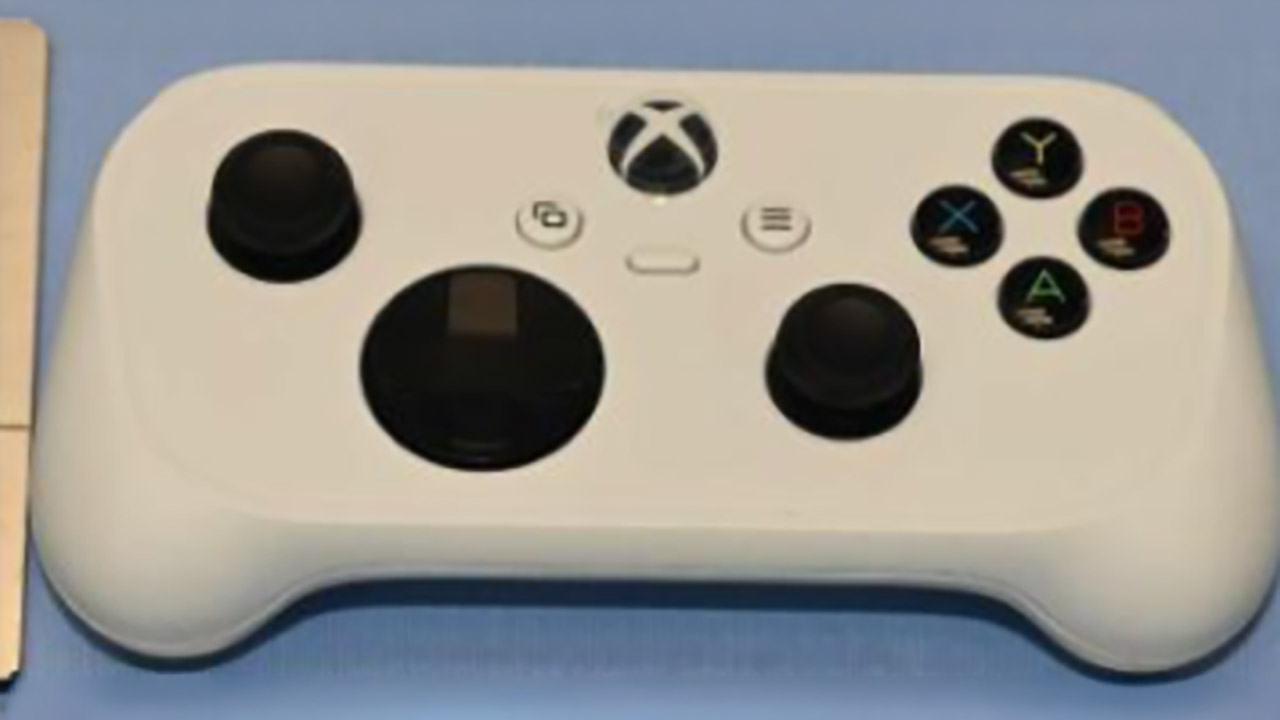
Xbox Cloud Controller Leak Specs Release
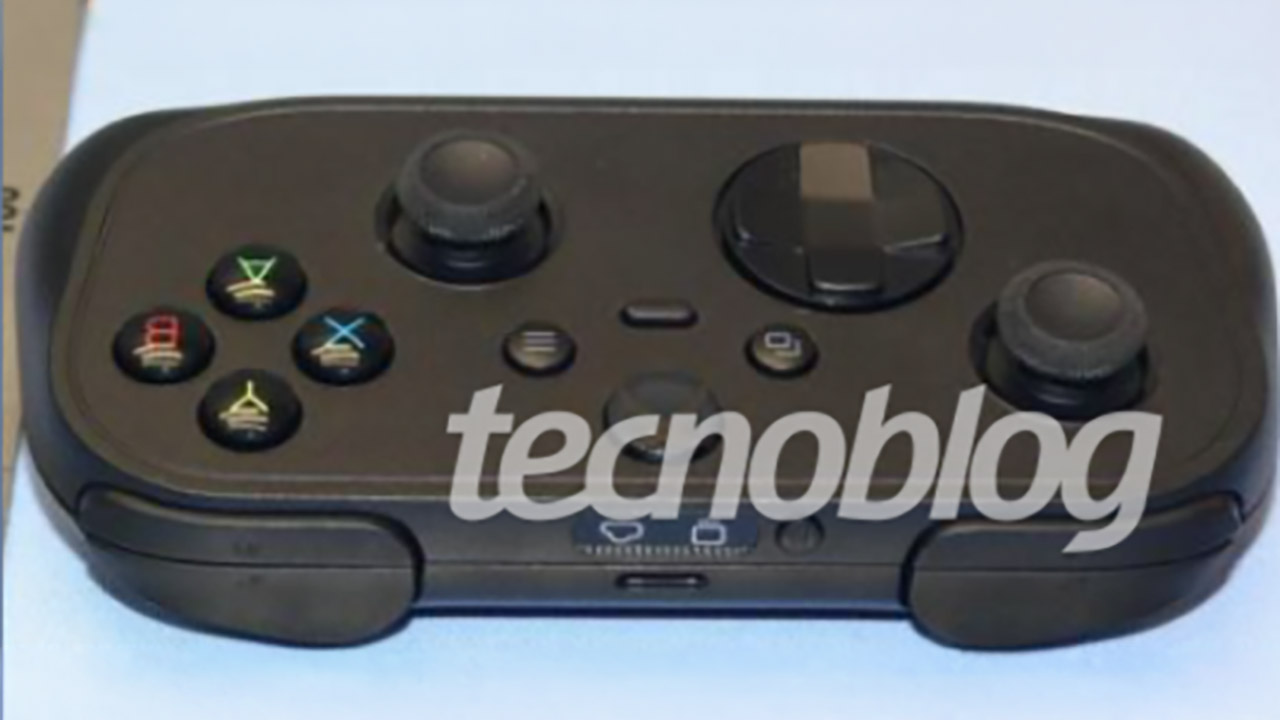
Photo credit: Everton Favretto/Tecnoblog
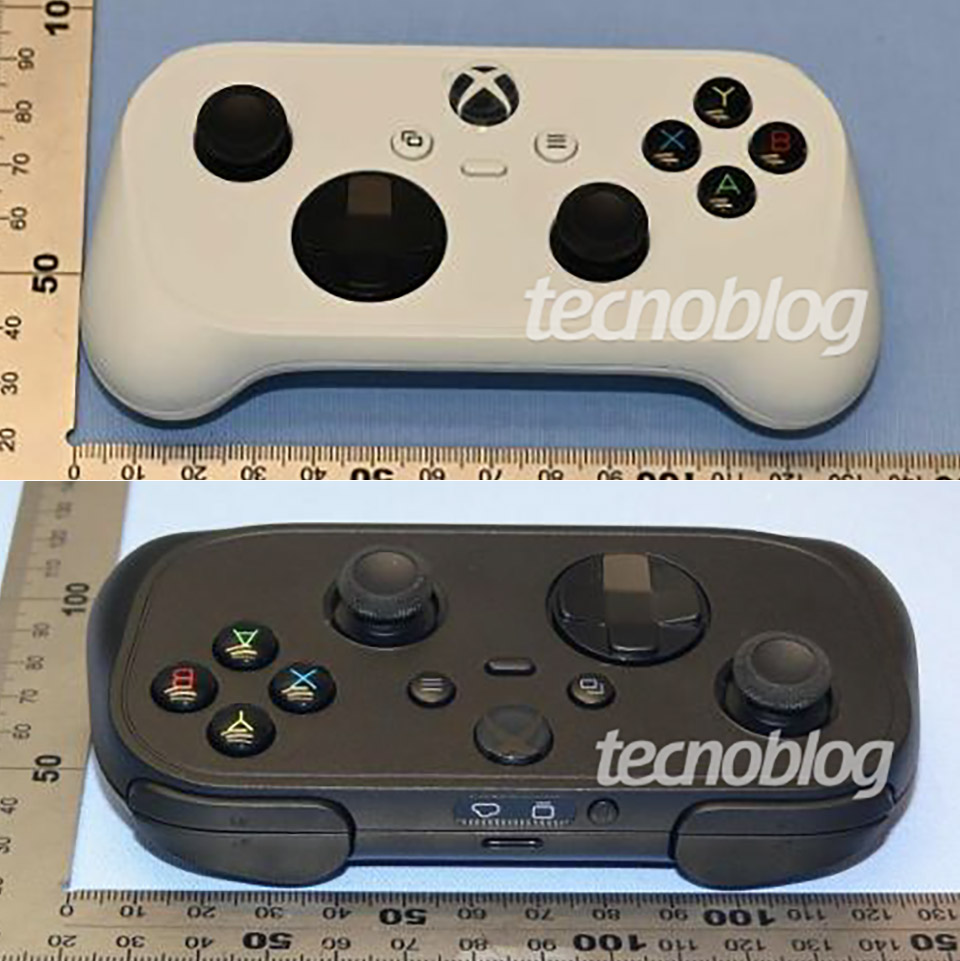
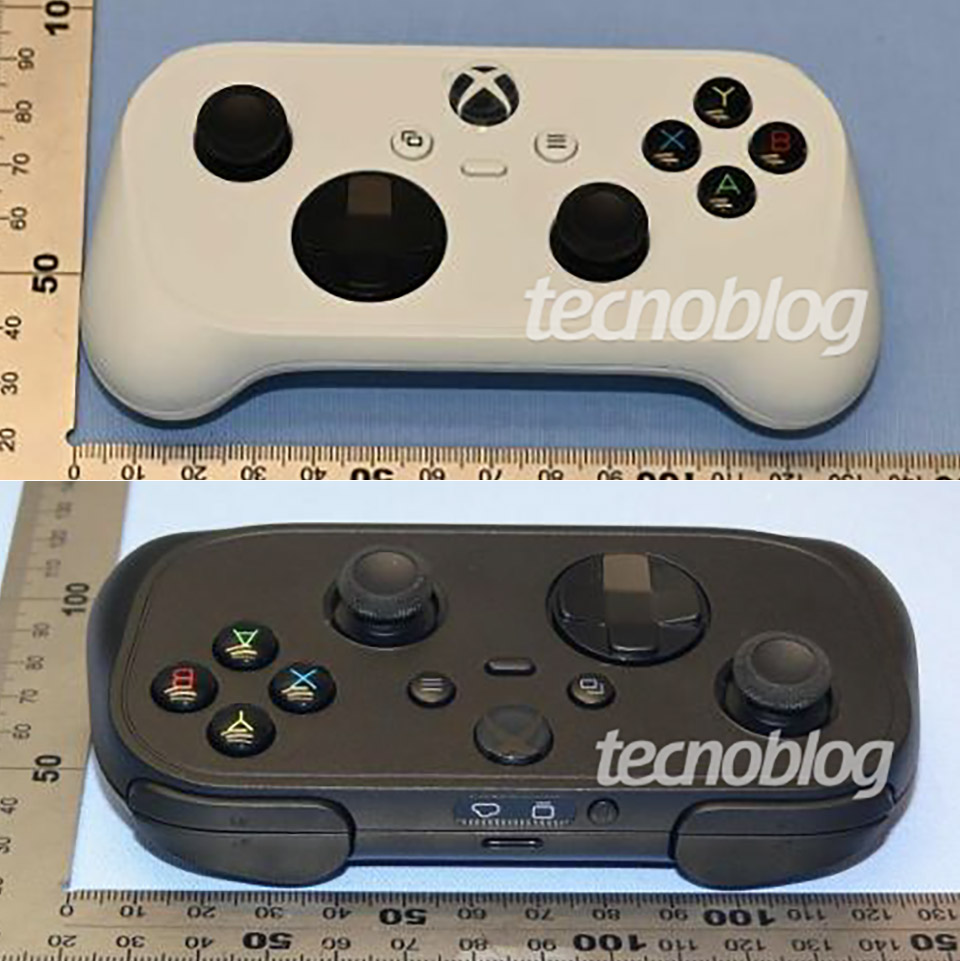
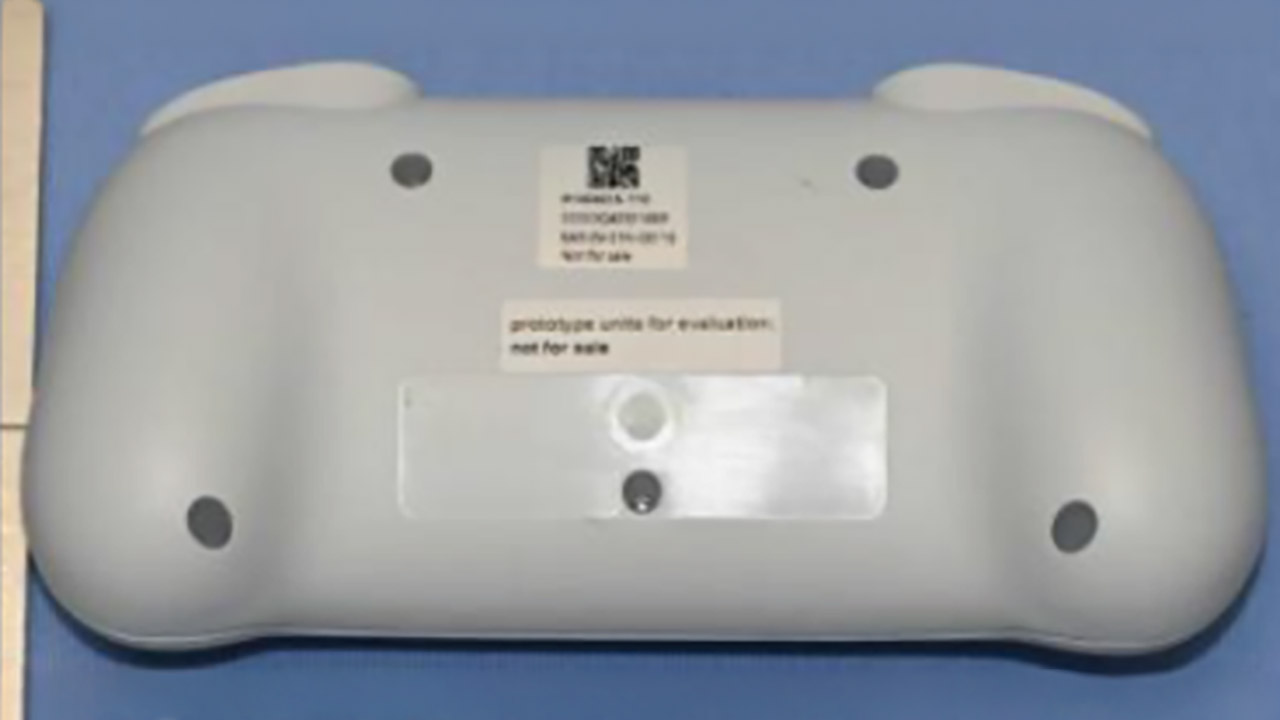
Leaked images from a Brazilian certification lab capture Microsoft readying a gamepad built from the ground up for streaming. Compact and straightforward, the device shrinks the familiar Xbox layout into something pocket friendly while keeping every essential control intact. White and black versions appear in the shots, both sporting a clean rectangular body with short grips that suggest easy one handed carry for travel or couch sessions alike.


Xbox Cloud Controller Leak Specs Release
Compact dimensions define the entire piece. Side by side with a standard Xbox controller, this one sits noticeably smaller yet retains the same staggered thumbstick positions and full button array, including the standard face buttons A B X Y, arranged in their diamond formation, while the shoulder bumpers and triggers line the top edge unchanged. A central Xbox logo button sits in the center, flanked by the conventional menu and view keys, as well as a handy share button for rapidly capturing screenshots while playing.

Sale


ASUS ROG Xbox Ally – 7” 1080p 120Hz Touchscreen Gaming Handheld, 3-month Xbox Game Pass Premium…
  • XBOX EXPERIENCE BROUGHT TO LIFE BY ROG The Xbox gaming legacy meets ROG’s decades of premium hardware design in the ROG Xbox Ally. Boot straight into…
  • XBOX GAME BAR INTEGRATION Launch Game Bar with a tap of the Xbox button or play your favorite titles natively from platforms like Xbox Game Pass…
  • ALL YOUR GAMES, ALL YOUR PROGRESS Powered by Windows 11, the ROG Xbox Ally gives you access to your full library of PC games from Xbox and other game…

A closer look from different angles reveals a USB C charging connector on the top edge, as well as a tiny button that appears to be dedicated to pairing or switching between connection modes. The section below the main face contains markings for light indicators; it appears that there will be a visual signal to indicate whether the pad is in cloud mode or connected to a console. The materials are all incredibly smooth and matte, like some third-party pads, but the design remains faithful to Microsoft’s in-house flair.

Xbox Cloud Controller Leak Specs Release
Connection choices are where things get really interesting, as this controller features built-in Wi Fi compatibility, allowing you to connect directly to the Xbox cloud servers without the need for a phone or laptop in between. There’s also mention of Bluetooth 5.3 and Wi Fi 6 technology, and while the Realtek RTL8730E chip inside only supports a 20 megahertz band, it appears to promise fewer hops and shorter delay, which is a significant victory for anyone who has ever experienced lag in streamed gameplay on mobile or browser setups. The good news is that it can still be paired with ordinary devices, giving you plenty of options for streaming and everyday gaming.

Xbox Cloud Controller Leak Specs Release
Power comes from a sealed 500 milliamp hour rechargeable battery that fits snugly inside the shell. Microsoft controllers typically have AA slots, so this onboard battery is a significant shift, as it provides ease for on-the-go users. We’re talking about extended periods without the need to swap cells, and the USB C connector allows you to recharge with any standard cable.

Xbox Cloud Controller Leak Specs Release
No official word from Microsoft has followed, yet the details line up with earlier hints about hardware tuned for cloud services. The design appears to have been developed for a specific purpose rather than just converted for cloud streaming, with the goal of getting you set up and playing as quickly and easily as possible. Details remain thin on launch timing or price, but the certification trail points toward an imminent reveal.
[Source]

Advertisement

Source link

Continue Reading

Trending

Copyright © 2025