

Business
Multibaggers, mirages and market math


It says the market will go up this week.
It does.
The following Monday, another letter arrives. This time, I say the market will fall.
It does.

Then it happens again. And again. Eight weeks in a row. Eight market calls. Each one perfect.
By now, you would be tempted to conclude that I possess either rare market insight or divine intervention. You may even consider investing in my fund.You should not. At least, not merely on this basis.
I could have done this with no forecasting skill at all.
Here is how. I begin with one million people. To half of them, I send a letter saying the market will rise. To the other half, I say it will fall. At the end of the week, whichever group received the wrong prediction never hears from me again. The group that received the right prediction becomes my new universe. I split them again. Half get a bullish prediction, half get a bearish one.
After eight weeks, I am left with 7,812 people who have received eight perfect market calls in a row. You happen to be one of them.
While it looks like genius, it was only arithmetic.
That is survivorship bias. The outcome looks extraordinary because we only see the survivors. We do not see the much larger graveyard of failed predictions that made the miracle possible.
The same bias often creeps into how we think about equities.
All of us know someone who made serious money in a stock that went up 10x, 50x, perhaps even 100x. We see investors on television who built reputations by finding stocks that did not merely compound, but exploded. Over time, the lesson appears obvious: to generate decent portfolio returns, one must find the next multi-bagger.
It is a seductive belief. It is also an incomplete one.
To test it, we looked at stock price data since 2000. We divided the market into two broad buckets: the top 250 companies by market capitalization, which we classify as large and midcap, and the next 500 companies, which we classify as smallcaps. Going below the top 750 was not feasible in the early 2000s and remains difficult even today, given liquidity constraints.
For every monthly five-year window since 2000, we calculated the proportion of smallcap stocks that went up more than 5x over the following five years, or in other words, “5x in 5Y”.
We then looked backward. For each starting month, we calculated the proportion of stocks that had fallen more than 50% in the preceding five years. The question was simple: if a large part of the market has already been badly bruised, what is the subsequent probability of finding stocks that go up 5x?
The answer is intuitive, but important.
 ETMarkets.com
In the early 2000s, Indian equity markets were still relatively nascent. Nearly half the listed small-cap universe went up 5x over five years. Put differently, finding a five-bagger then was almost as common as calling heads or tails correctly on a coin toss.
That period left a deep imprint on many investors. A number of today’s market veterans generated their first meaningful wealth during that phase. For them, the multi-bagger hunt was not mythology. It was lived experience.
The post-COVID period created a similar, though less extreme, imprint for a newer generation. Given that 81% of active demat accounts today have been opened only since COVID, many investors entered markets during a period when finding a 5x stock was as frequent as roughly one in three. For them too, the experience was real. But the extrapolation may not be.
Because outside these exceptional windows, the odds were far less generous.
The probability of finding multi-baggers rises dramatically when the starting point is depressed — when a high proportion of stocks have already corrected sharply in the previous cycle. In other words, multi-baggers are not merely born from brilliance. They are often born from a low base.
This is where survivorship bias becomes dangerous.
We remember the stock that went up 50x. We forget the conditions that made it possible. We remember the investor who found it. We forget the many who bought similar-looking names and did not survive the drawdown. We celebrate the winner, but ignore the starting universe.
The same applies at the portfolio level.
A stock going up 5x is exciting. But a portfolio is not one stock. To examine this, we ran a bootstrap simulation of random 30-stock portfolios across 100,000 runs. The results were revealing. The probability of building an entire portfolio that went up 5x between February 2020 and September 2024 was c.40%. That is strikingly high. But the probability of losing half the portfolio value by March 2026 was also 32%.
In other words, the same market structure that made spectacular gains possible also made brutal drawdowns probable.
That is the part often left out of the multi-bagger story.
Over the long term, the picture becomes even more sobering. The 10-year average rolling return of the BSE Large Cap Index is 12.1%. The corresponding number for the BSE Small Cap Index is 13.2%. Given that multi-baggers are largely found within small caps, this difference is not large enough to support the belief that merely hunting in the multi-bagger pond guarantees superior long-term outcomes.
The lesson is not that multi-baggers do not matter. They do. A few exceptional winners can transform outcomes. The lesson is that the probability of finding them is not constant. It changes with the cycle, the starting valuation, the prior drawdown, liquidity, flows and sentiment.
There are therefore two ways to approach the market.
The first is to keep hunting for the next big thing. It is exciting. It provides the thrill of discovery. It offers the possibility of finding that rare gem that makes the entire exercise worthwhile. But it also comes with sharp drawdowns, false starts, crowded trades, and many instances where the cup comes very close to the lip before slipping away.
For some investors, that is the cost of doing business.
Of course, every rule has exceptions. There will be investors who can tilt the odds meaningfully in their favor, through skill, process, temperament, or sometimes luck. They may produce outcomes far superior to any randomized simulation. But judging by auditable performance data across the industry, such investors are either in very slim company or are not managing public money.
The second approach is less glamorous, but perhaps more useful: know when the odds are in your favor.
There are times when looking for multi-baggers is a high-probability exercise. These are usually periods of deep pessimism, widespread drawdowns, poor liquidity, exhausted sellers and low expectations. There are other times when the multi-bagger hunt becomes less an investment process and more a narrative chase.
The difference matters.
Because in markets, stories sell better than statistics. But over time, statistics decide which stories survive.
( The author is Co-Founder & Director, Buoyant Capital)



Analysis-Trump returns from China with stability and a stalemate


I spent 30 years in the institutional trenches as a trader, analyst, and portfolio manager, eventually running the equity trading desk at Northern Trust in Chicago. Those decades shaped my approach: stay disciplined, trust the data, and keep emotion out of the way. Since 2009, when I began publishing my stock selections, my portfolio has delivered solid long term results—compounding in the mid teens annually through 2025. Today I’m a private investor and investing coach, with a rules based framework that helps people build better portfolios. My work focuses on systematic thinking, behavioral awareness, and evidence over opinion. For my market outlook and model portfolio updates, visit zeninvestor.org. .
Analyst’s Disclosure: I/we have a beneficial long position in the shares of NVDA, AVGO, GOOGL either through stock ownership, options, or other derivatives. I wrote this article myself, and it expresses my own opinions. I am not receiving compensation for it (other than from Seeking Alpha). I have no business relationship with any company whose stock is mentioned in this article.
Seeking Alpha’s Disclosure: Past performance is no guarantee of future results. No recommendation or advice is being given as to whether any investment is suitable for a particular investor. Any views or opinions expressed above may not reflect those of Seeking Alpha as a whole. Seeking Alpha is not a licensed securities dealer, broker or US investment adviser or investment bank. Our analysts are third party authors that include both professional investors and individual investors who may not be licensed or certified by any institute or regulatory body.


JR Research is an opportunistic investor. I was recognized by TipRanks as a Top Analyst, and also by Seeking Alpha as a “Top Analyst To Follow” for Technology, Software, and Internet, as well as for Growth and GARP. I identify attractive risk/reward opportunities supported by robust price action to potentially generate alpha well above the S&P 500. My picks have consistently demonstrated market outperformance over time. My approach combines timely and sharp price action analysis with fundamentals as my foundation. I also tend to avoid overhyped and overvalued stocks while capitalizing on battered stocks with significant upside recovery possibilities. I run the investing group Ultimate Growth Investing which specializes in identifying high-potential opportunities across various sectors. My main ideas revolve around stocks with strong growth potential, and also well-beaten contrarian plays. I designed the group for investors seeking to capitalize on growth stocks with solid fundamentals, robust buying momentum, and appealing turnaround plays to generate alpha consistently. Learn more
Analyst’s Disclosure: I/we have a beneficial long position in the shares of AMD, MSFT, PLTR, XLK, SMH, QQQ, SPY, IGV, CRWD either through stock ownership, options, or other derivatives. I wrote this article myself, and it expresses my own opinions. I am not receiving compensation for it (other than from Seeking Alpha). I have no business relationship with any company whose stock is mentioned in this article.
Seeking Alpha’s Disclosure: Past performance is no guarantee of future results. No recommendation or advice is being given as to whether any investment is suitable for a particular investor. Any views or opinions expressed above may not reflect those of Seeking Alpha as a whole. Seeking Alpha is not a licensed securities dealer, broker or US investment adviser or investment bank. Our analysts are third party authors that include both professional investors and individual investors who may not be licensed or certified by any institute or regulatory body.

Delta Air Lines soars 64% after InvestingPro Fair Value signal

NEW YORK — Ryan Cohen, the billionaire chairman of GameStop and Chewy, turned heads this week after his personal eBay auction raised $168,000, with a rare Halo Master Chief statue becoming the top-selling item in a eclectic collection of memorabilia, gadgets and collectibles that captured the imagination of fans and collectors alike.
The online garage sale, which ran for several days and featured dozens of items from Cohen’s personal collection, quickly went viral as enthusiasts and meme lords flocked to bid on pieces tied to the outspoken investor’s eclectic interests. The Halo Master Chief statue, a life-size or near-life-size prop from the popular video game franchise, fetched the highest bid, reflecting the enduring cultural power of gaming nostalgia among Cohen’s core audience of retail investors and gamers.
Sources close to the sale described it as a lighthearted experiment that blended Cohen’s love for video games, technology and memorabilia with a desire to connect directly with his online following. The auction’s success highlights the growing intersection of celebrity, e-commerce and pop culture, where personal items from influential figures can command premium prices in a passionate collector market.
The Master Chief Statue Steals the Show
The Halo Master Chief statue stood out as the undisputed star of the auction. Described in the listing as a high-quality, screen-accurate replica from the iconic video game series, the piece attracted intense bidding from gamers and collectors. Its final sale price significantly outpaced other items, cementing its status as the crown jewel of Cohen’s collection.
Halo, developed by Bungie and later 343 Industries, has been a cultural phenomenon since its 2001 debut. Master Chief, the silent protagonist of the series, symbolizes heroism and sci-fi adventure for millions of fans worldwide. Cohen’s decision to part with the statue surprised many, given his well-known affinity for gaming, but the high sale price suggests strong demand from serious collectors.
Other notable items included vintage tech gadgets, limited-edition sneakers, signed memorabilia and assorted pop culture artifacts. The diverse assortment reflected Cohen’s wide-ranging interests, from technology and gaming to fashion and collectibles. Several items sold well above their starting bids, indicating enthusiastic participation from both dedicated fans and opportunistic resellers.
Cohen’s Motivations and Auction Strategy
While Cohen has not publicly detailed his reasons for the sale, insiders suggest it served multiple purposes. Beyond generating funds — which may have been directed toward charity or personal projects — the auction allowed him to engage directly with his massive online following. Cohen, known for his active presence on social media and meme-driven communication style, has cultivated a loyal base of retail investors who often rally around his ventures.
The eBay format provided transparency and excitement, with real-time bidding creating a sense of community and competition. By listing personal items, Cohen humanized himself in a way that contrasted with his image as a shrewd, sometimes controversial business figure. The auction’s viral spread amplified his personal brand while generating substantial revenue in a short period.
eBay itself benefited from the publicity. The platform saw increased traffic and engagement during the auction period, demonstrating how celebrity-driven sales can boost visibility and user activity. eBay spokespeople declined to comment on specific seller performance but noted that high-profile auctions often drive broader platform interest.
Reaction from Fans and the Gaming Community
Social media erupted with reactions as the auction progressed. Gaming communities on Reddit, X and Discord shared screenshots of bids, speculated on item authenticity and debated the cultural significance of Cohen selling off pieces of his collection. Many Halo fans expressed excitement at the possibility of owning a piece once belonging to a prominent figure in the business world.
Some critics viewed the sale as opportunistic or tone-deaf, particularly given Cohen’s wealth and public persona. Others praised it as a clever way to connect with fans while raising money. The mix of admiration, skepticism and humor is typical of online discourse surrounding Cohen, who often polarizes audiences with his business decisions and social media activity.
Influencers and gaming personalities amplified the story, with several creating content around the auction’s progress and final results. The Halo Master Chief statue in particular became a focal point, with memes and discussions highlighting its significance in gaming history.
Broader Context of Celebrity Auctions
Celebrity auctions have become increasingly common as high-profile individuals seek to monetize personal collections while engaging fans. From sports memorabilia to entertainment artifacts, these sales often generate significant publicity and revenue. Cohen’s eBay experiment stands out for its direct-to-consumer approach and focus on gaming-related items, tapping into a demographic that is both passionate and tech-savvy.
The success of the auction may encourage other business leaders and influencers to explore similar ventures. Platforms like eBay provide accessible tools for such sales, while social media amplifies reach and creates organic marketing.
For Cohen, the sale fits into a pattern of unconventional moves that have defined his public persona. From his transformation of Chewy into a pet industry leader to his activist involvement at GameStop, he has consistently challenged traditional business norms. The eBay auction adds another layer to his reputation as a figure who blurs lines between personal interests and public engagement.
Financial and Philanthropic Angles
While the $168,000 raised is modest relative to Cohen’s net worth, it represents a meaningful sum that could support various causes. Speculation persists about whether proceeds will fund charitable initiatives, though Cohen has not confirmed details. His history of philanthropy, particularly in education and animal welfare through Chewy-related efforts, suggests potential good uses for the funds.
From a financial perspective, the auction demonstrates the value of personal branding in the digital age. Items associated with influential figures often command premiums due to their story and provenance. The Halo statue’s top sale price illustrates how gaming culture creates strong emotional connections that translate into monetary value.
Looking Ahead
As the dust settles on this viral eBay sale, attention turns to Cohen’s next moves. His leadership at GameStop and other ventures continues to draw scrutiny and speculation from investors and media alike. The auction may serve as a template for future engagement strategies, blending commerce, entertainment and personal connection.
For fans and collectors who secured items, the sale represents a tangible link to a prominent figure in technology and retail. For the broader public, it offers a glimpse into the private interests of a billionaire often viewed through the lens of corporate battles and market-moving tweets.
The eBay stunt ultimately succeeded on multiple levels: generating revenue, creating buzz and humanizing Cohen in the eyes of many observers. Whether it signals a new chapter in how business leaders interact with their audiences remains to be seen, but its immediate impact is undeniable. In an era where personal brand and digital presence increasingly influence business success, Cohen’s $168,000 garage sale stands as a notable example of turning personal possessions into public conversation and profit.
As Cohen continues navigating his high-profile roles, this lighthearted yet lucrative venture adds color to his already colorful public image. The Halo Master Chief statue’s journey from his collection to a new owner symbolizes how objects tied to cultural phenomena can bridge personal stories with broader communities — a fitting outcome for an auction that captured attention far beyond its final sale price.
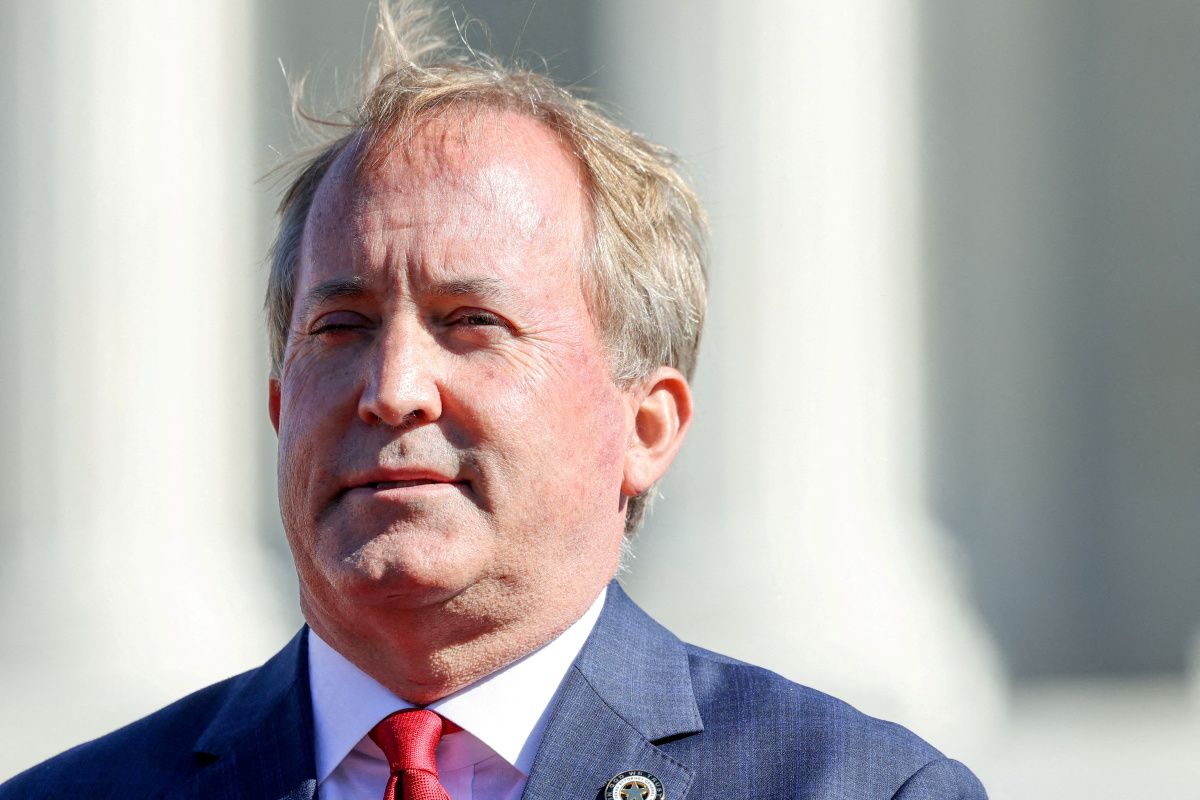
AUSTIN, Texas — Texas Attorney General Ken Paxton has blocked proposed property tax increases in 132 cities and towns across the state, delivering a significant victory for taxpayers while escalating his long-running battle against local governments he accuses of excessive spending and overreach.
In a series of formal opinions and legal interventions issued this week, Paxton’s office declared that dozens of municipalities failed to comply with strict new state requirements limiting property tax growth. The move affects cities ranging from small rural communities to major suburbs, freezing tax rate hikes that officials claimed were necessary to cover rising costs for public safety, infrastructure and inflation-driven expenses.
Paxton framed the action as a defense of hardworking Texans against unchecked local taxation. “Texas families are already struggling with high costs, and we will not allow cities to keep raising property taxes without proper justification and transparency,” he said in a statement. “This is about protecting homeowners and ensuring local governments live within their means.”
The attorney general’s intervention relies on 2023 legislation passed by the Republican-controlled Legislature that imposes stricter caps on property tax growth and requires detailed justification for any increases above those limits. Paxton’s office reviewed dozens of proposed budgets and determined that 132 entities had not met the statutory thresholds for approval.
Widespread Impact Across Texas
The affected cities include a broad cross-section of Texas communities. Larger suburbs such as some in the Dallas-Fort Worth and Houston metropolitan areas were among those blocked, along with numerous smaller towns in rural regions. Officials in those municipalities had proposed tax rate increases ranging from 3 to 8 percent to address rising pension obligations, infrastructure repairs and increased costs for police and fire services.
Local leaders expressed frustration, arguing that state mandates and inflation have left them with few options. “We are being forced to cut essential services or raise taxes, and now even the tax increases are being blocked,” said one mayor who requested anonymity due to ongoing legal concerns. “This creates an impossible situation for cities trying to maintain basic functions.”
Homeowner advocacy groups celebrated the decision. Texas homeowners have faced steep property tax increases in recent years due to rapidly rising home values, particularly in booming metropolitan areas. The average Texas homeowner pays among the highest effective property tax rates in the nation, despite the state’s lack of personal income tax.
Political and Legal Context
Paxton’s aggressive stance on property taxes aligns with his broader conservative agenda and his positioning as a champion of limited government. The Republican attorney general, who has faced his own legal challenges including impeachment proceedings that he survived, has increasingly used his office to challenge local policies on issues ranging from taxation to immigration and education.
The property tax intervention is part of a larger effort by Texas Republicans to curb what they view as wasteful local spending. Governor Greg Abbott and legislative leaders have pushed similar measures in recent sessions, including compression of school district taxes and new appraisal reform laws. Paxton’s actions provide enforcement muscle to those policy goals.
Legal experts note that while Paxton’s opinions carry significant weight, affected cities could challenge them in court. Some municipalities have already signaled they may seek judicial review, arguing that the attorney general has overstepped his authority in interpreting local budget authority.
Economic Implications for Homeowners and Cities
The blocked tax hikes could save Texas homeowners millions of dollars collectively. For the average homeowner in affected areas, the decision might mean hundreds of dollars in annual savings, depending on property values and the size of the proposed increases. In rapidly appreciating markets like Austin and its suburbs, even small percentage points translate into significant dollar amounts.
Cities facing the restrictions warn of potential service cuts. Public safety, road maintenance and parks departments are often cited as areas that could face reductions if revenue growth is curtailed. Some local officials have begun exploring alternative revenue sources, including fees for services and economic development incentives designed to broaden the tax base.
Real estate experts say the decision could have mixed effects on the housing market. Lower tax burdens may support home values and buyer demand, but reduced city services could eventually impact quality of life and long-term property appreciation in affected communities.
Reactions from Across Texas
The announcement drew sharp partisan responses. Conservative groups and taxpayer organizations praised Paxton for standing up to local government overreach. “This is exactly the kind of leadership Texas needs,” said one conservative activist. “Property taxes have become unbearable for too many families.”
Democratic officials and progressive organizations criticized the move as heavy-handed interference in local affairs. “Ken Paxton is once again prioritizing politics over practical governance,” said a Democratic state representative. “Cities know their communities best and should have flexibility to address local needs.”
Moderate voices called for balance, acknowledging the burden of high property taxes while warning against crippling local governments’ ability to provide essential services.
Broader Debate on Texas Taxation
Texas has long prided itself on having no state income tax, but reliance on property and sales taxes has created inequities as home values have soared. The state’s population boom, particularly in urban and suburban areas, has driven up appraisals and tax bills even as state lawmakers have passed relief measures like homestead exemptions.
Paxton’s intervention adds fuel to ongoing debates about property tax reform. Some lawmakers are pushing for further compression and appraisal caps, while others argue that without corresponding spending controls at the local level, such measures simply shift burdens elsewhere.
The timing of Paxton’s action, coming during a legislative interim period, also carries political weight as Texas heads toward the 2027 legislative session. Property tax relief remains a perennial priority for Republican leaders seeking to maintain support among suburban and rural voters.
What Comes Next
Affected cities now face difficult choices. They can revise budgets to comply with state limits, seek alternative funding, or challenge Paxton’s opinions in court. Some may delay proposed increases until after the next legislative session in hopes of more favorable rules.
For Texas homeowners, the immediate effect is relief from higher bills, but the longer-term impact depends on how cities adapt. If service cuts occur, pressure may build for alternative solutions or increased state aid to local governments.
Paxton’s office indicated it will continue monitoring compliance and stands ready to take further action against municipalities that attempt to circumvent the new rules. The attorney general’s aggressive approach on this issue has solidified his reputation among conservative voters while drawing sharp criticism from those who see it as executive overreach.
As Texas continues its rapid growth, the tension between state control and local autonomy is likely to intensify. Thursday’s action by Ken Paxton represents a significant assertion of state power over local taxation and may set the tone for future battles between Austin and cities across the Lone Star State.
For now, 132 Texas communities must rework their budgets or prepare for legal challenges, while millions of Texas homeowners receive an unexpected reprieve from higher property taxes. The full impact of this decision will unfold over the coming months as cities adjust and the political debate continues in the lead-up to the next legislative session.

Equity strategist (US Equities)Technical focus on fundamental value drivers of business economics to uncover high probability long-term compounders. Seeking to buy at appropriate prices relative to intrinsic worth. Partners are represented over the cross-section of financial markets, from speculators, hedgers, long-term traders and the public. Research covers investment securities and futures & options markets. Shoot me a message to talk trade ideas or portfolio construction. Disclaimer:All research is strictly for informational purposes only. Not to be considered investment advice. Conduct your own due diligence. The Company accepts no responsibility for personal decisions made. Opinions of The Company and its affiliates may change from time to time without prior acknowledgement. The Company and its representatives share no economic relationship with any entities in which it holds common stock investments.
Analyst’s Disclosure: I/we have a beneficial long position in the shares of SBGSY either through stock ownership, options, or other derivatives. I wrote this article myself, and it expresses my own opinions. I am not receiving compensation for it (other than from Seeking Alpha). I have no business relationship with any company whose stock is mentioned in this article.
Seeking Alpha’s Disclosure: Past performance is no guarantee of future results. No recommendation or advice is being given as to whether any investment is suitable for a particular investor. Any views or opinions expressed above may not reflect those of Seeking Alpha as a whole. Seeking Alpha is not a licensed securities dealer, broker or US investment adviser or investment bank. Our analysts are third party authors that include both professional investors and individual investors who may not be licensed or certified by any institute or regulatory body.

NEW YORK — Investors considering Meta Platforms stock in 2026 face a compelling growth story built on artificial intelligence advancements, resilient advertising revenue and expanding user engagement across its family of apps, with most Wall Street analysts maintaining a strong buy rating despite elevated valuations.
As of mid-May 2026, Meta shares trade near $520–$550, reflecting a market capitalization exceeding $1.3 trillion. The stock has delivered impressive year-to-date gains, outperforming broader indices as the company capitalizes on AI-powered ad tools and Reels momentum. First-quarter 2026 results showed revenue of $42.8 billion, up 22 percent year-over-year, with advertising revenue — still the core engine — growing at a healthy clip. Adjusted earnings per share reached $5.75, beating expectations and underscoring operational efficiency.
Meta CEO Mark Zuckerberg has aggressively pivoted the company toward AI, investing heavily in infrastructure and developing tools like Meta AI that integrate across Facebook, Instagram, WhatsApp and Threads. These investments, while pressuring near-term margins, are viewed by analysts as critical for long-term leadership in social media and the metaverse.
Strong Bull Case for Buying Meta Stock
Several factors support a buy recommendation for 2026. Advertising remains Meta’s profit powerhouse, accounting for over 95 percent of revenue. The company has improved ad targeting through AI, helping marketers achieve better returns even in a competitive digital landscape. User growth continues, with daily active users across the family of apps surpassing 3.2 billion, providing an unmatched audience for advertisers.
AI initiatives extend beyond advertising. Meta’s open-source Llama models have gained traction among developers, potentially creating new revenue streams through enterprise licensing and cloud partnerships. The company’s Reality Labs division, while still loss-making, shows progress in augmented reality hardware, positioning Meta for future metaverse opportunities.
Analyst consensus is overwhelmingly positive. Among 45 analysts tracked by major platforms, 38 rate Meta a Buy or Strong Buy, with an average 12-month price target around $620, implying roughly 15–20 percent upside from current levels. Firms like Morgan Stanley and Goldman Sachs have highlighted Meta’s ability to monetize its massive user base while controlling costs effectively.
Dividend growth and share repurchases add to the appeal. Meta initiated a quarterly dividend in 2024 and has consistently increased capital returns to shareholders. With robust free cash flow generation, the company maintains flexibility for both growth investments and shareholder rewards.
Valuation and Risks to Consider
Despite the optimism, valuation remains a key debate. Meta trades at approximately 28 times forward earnings, a premium to historical averages but justified by growth prospects according to bulls. Bears argue that any slowdown in ad spending or regulatory setbacks could pressure multiples.
Regulatory risks are significant. Antitrust scrutiny in the United States and Europe continues, with potential fines or forced divestitures looming. Privacy regulations could limit ad targeting effectiveness. Geopolitical tensions, particularly involving TikTok’s parent ByteDance, also create uncertainty in the social media landscape.
Competition remains fierce. TikTok continues stealing younger users, while newer platforms challenge Meta’s dominance in short-form video. Execution on AI and metaverse bets is far from guaranteed, and heavy capital expenditure could weigh on margins if returns take longer than expected.
Broader Market and Economic Context
Meta’s performance in 2026 occurs against a backdrop of moderating inflation and potential Federal Reserve rate cuts. Lower interest rates typically benefit growth stocks like Meta by reducing the discount rate on future cash flows. Strong consumer spending and digital advertising trends also support the company’s core business.
Global expansion remains a growth driver. Meta continues investing in emerging markets where internet penetration is rising rapidly. Monetization improvements in regions like India and Southeast Asia could add meaningful revenue in coming years.
Investment Strategies for 2026
For long-term investors, Meta represents a quality compounder with strong network effects and technological moats. Dollar-cost averaging on dips or using pullbacks to build positions can mitigate volatility risk. Those with shorter time horizons may prefer waiting for clearer signals on regulatory outcomes or AI monetization progress.
Diversification is essential. Pairing Meta with other technology leaders or broader market exposure helps balance sector-specific risks. Options strategies, such as covered calls on existing positions, can generate income while maintaining upside participation.
Professional financial advice is recommended, particularly for investors new to technology stocks. Past performance does not guarantee future results, and individual circumstances vary.
Final Outlook
Meta Platforms enters the second half of 2026 with momentum. Strong advertising trends, AI innovation and disciplined capital allocation position the company favorably for continued growth. While risks around regulation, competition and execution remain, the overall thesis for owning the stock leans bullish for investors with appropriate risk tolerance and time horizon.
As artificial intelligence reshapes the digital economy, Meta’s massive user base and advertising infrastructure provide a powerful platform for value creation. The coming quarters will test management’s ability to balance innovation investments with profitability, but early indicators suggest the company is navigating this challenge effectively.
Whether building a core long-term position or adding selectively during weakness, Meta offers exposure to some of the most powerful secular trends in technology today. For many investors, the question is not whether to own Meta stock in 2026, but how much and at what entry points make sense for their individual portfolios.
The technology sector’s evolution continues to reward adaptable leaders, and Meta has demonstrated remarkable resilience and strategic vision under Zuckerberg’s leadership. As the year unfolds, the stock’s performance will be closely watched as a bellwether for digital advertising health and AI commercialization progress. For patient investors, Meta remains one of the more compelling large-cap technology opportunities available in 2026.
Top 5 Japanese AI and Chip Stocks to Watch, According to Mizuho

Week Ahead: Rising U.S. Rates Underpin Greenback

YouTube is giving creators a new weapon against AI deepfakes

Man in 30s dies suddenly outside Lidl in Somerset as police launch investigation

Analysis-Trump returns from China with stability and a stalemate

Manchester United reach agreement with Casemiro over contract clause amid transfer speculation

US brings back mandatory military draft registration

Steven Gerrard disagrees with Gary Neville over ‘shock’ Chelsea and Arsenal claim | Football


-

 Fashion5 days ago
Coffee Break: Travel Steam Iron
-

 Crypto World12 hours ago
BloFin War of Whales 2026 Grand Prix opens registration for $5M trading championship
-

 Fashion20 hours ago
Weekend Open Thread: Theory – Corporette.com
-

 Politics5 days ago
What to expect when you’re expecting a budget
-

 Fashion5 days ago
What to Know Before Buying a Curling Wand or Curling Iron
-

 Tech6 days ago
Auto Enthusiast Carves Functional Two-Stroke Engine from Solid Metal
-

 Crypto World19 hours ago
E-Estate Announces 1 Year Live: Washington DC Summit as Real Estate Tokenization Enters Its Next Phase
-

 Tech5 days ago
GM Agrees To Pay $12.75 Million To Settle California Lawsuit Over Misuse Of Customers’ Driving Data
-

 Tech1 day ago
Tech Moves: Microsoft AI leader jumps to OpenAI; former AI2 exec joins Meta; and more
-

 Crypto World6 days ago
CZ says US crypto rivals tried to block Trump pardon
-

 Tech5 days ago
GM agrees to $12.75M California settlement over sale of drivers’ data
-
Crypto World3 days ago
Bitcoin Suisse expands with Digital Asset License and Investment Business Act Registration Approval in Bermuda
-

 Politics4 days ago
Pakistan to enter Chinese capital market as war inflation bites
-

 Crypto World2 days ago
Google’s Gemini AI Predicts Incredible Solana Price by the End of 2026
-

 Crypto World4 days ago
Bitcoin Suisse expands with Digital Asset License and Investment Business Act Registration Approval in Bermuda
-

 Politics6 days ago
Sky News Presenter Says Keir Starmer Is Not Waving But Drowning
-
Crypto World7 days ago
Hacker Drains $5.9M From Ethereum Liquidity Provider TrustedVolumes
-

 Fashion6 days ago
Amazon Sundays: Spring Glassware & Vases
-

 Business22 hours ago
H&R Real Estate Investment Trust (HR.UN:CA) Q1 2026 Earnings Call Transcript
-
 Entertainment6 days ago
Prime Video’s Forgotten but Brilliant 2-Part Horror Anthology Is a Perfect Binge
You must be logged in to post a comment Login