China-ASEAN green economic cooperation is driving sustainable development, with China investing $5.2 billion in ASEAN energy projects (2019-2023). Bilateral trade reached $1 trillion in 2025. Projects like Cambodia’s Lower Sesan II hydropower station exemplify mutual benefits through clean energy, job creation, and technology transfer.
Key Points
• China-ASEAN green economic cooperation is a key pillar of their comprehensive strategic partnership, with Chinese enterprises contributing $5.2 billion in energy-related greenfield projects (2019–2023) and bilateral trade reaching $1 trillion in 2025, driven significantly by electric vehicle exports.
• Major collaborative energy projects, including hydropower, wind, and solar initiatives across Cambodia, Laos, and Malaysia, have seen installed capacity grow 15-fold since 2014, creating jobs and supporting local economic development.
• The partnership serves as a replicable Global South model, emphasizing technology transfer, green finance training, and mutual benefit without political conditions, while jointly advancing Paris Agreement goals and regional energy transition.
China-ASEAN Green Economy Cooperation: A Strategic Partnership for Sustainable Development
Growing Collaboration Rooted in Policy and Investment
Green economic collaboration between China and ASEAN has emerged as a cornerstone of their comprehensive strategic partnership, now marking its fifth anniversary. Guided by the Plan of Action to Implement the ASEAN-China Comprehensive Strategic Partnership (2026–30), the cooperation focuses on green industrialization, emerging energy technologies, and mobilizing green investment. China ranks as the top source of public clean energy investment in Southeast Asia from 2013 to 2023. Chinese enterprises have contributed a cumulative $5.2 billion in energy-related greenfield projects between 2019 and 2023, while bilateral trade reached $1 trillion in the first 11 months of 2025, growing 8.5 percent year-on-year.
Complementary Strengths Driving Tangible Energy Transformation
China’s Complete Green Industry Chain Meets ASEAN’s Renewable Potential
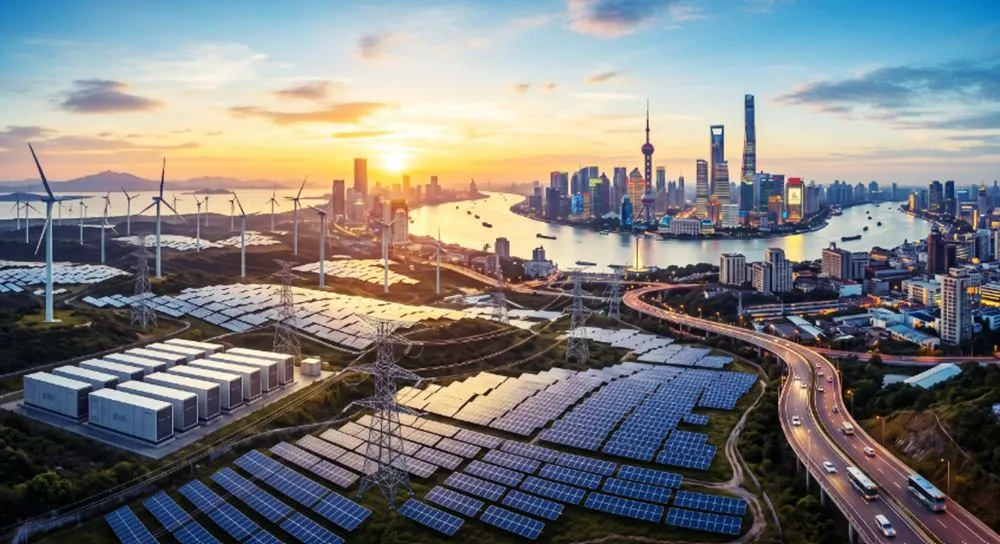
China’s advanced green technology and mature development experience align naturally with ASEAN’s abundant renewable energy resources and vast market potential. By end of 2024, investment in hydropower, wind, and photovoltaic projects had surged more than fivefold compared to 2014, with installed capacity skyrocketing 15-fold. Landmark projects — including Cambodia’s Lower Sesan II hydropower station, Laos’ Monsoon Wind Power project, and Malaysia’s Sejingkat energy storage facility — illustrate this synergy. The Lower Sesan II project alone generates 1.97 billion kilowatt-hours annually, serving approximately 2.6 million people, while simultaneously training over 20 Cambodian engineers through structured mentorship programs.
A Replicable Model for Global South Climate Governance
Technology Transfer and Mutual Respect as Foundations for Broader Impact
Beyond regional benefits, ASEAN-China green cooperation is increasingly recognized as a scalable model for developing nations worldwide. Operating on principles of mutual respect, equality, and mutual benefit — free from political conditions — China supports ASEAN through technology transfer, capacity building, and green finance training. Notable examples include the China-Cambodia South-South cooperation low-carbon demonstration zone in Preah Sihanouk Province and joint karst research recognized by the UN Office for South-South Cooperation. Secretary-General Shi Zhongjun emphasized that by jointly advancing the Paris Agreement goals and promoting energy transition, China and ASEAN are actively safeguarding the common interests of the Global South while contributing meaningfully to global climate governance.
Other People are Reading






















































You must be logged in to post a comment Login