

Business
Federal Prosecutors Probe BlackRock Private-Credit Fund

Federal prosecutors are probing a private-credit fund that surprised investors with a sharp write-down of its loan portfolio earlier this year, according to people familiar with the matter.
The Manhattan U.S. attorney’s office is investigating the valuation practices of BlackRock’s publicly traded TCP Capital fund, the people said. Bloomberg News earlier reported on the probe.
Copyright ©2026 Dow Jones & Company, Inc. All Rights Reserved. 87990cbe856818d5eddac44c7b1cdeb8

AI for business services: From job fears to productivity
Business
Iran Threatens Tolls in Strait of Hormuz as Trump Warns of ‘Very Bad Time’ in Escalating Crisis
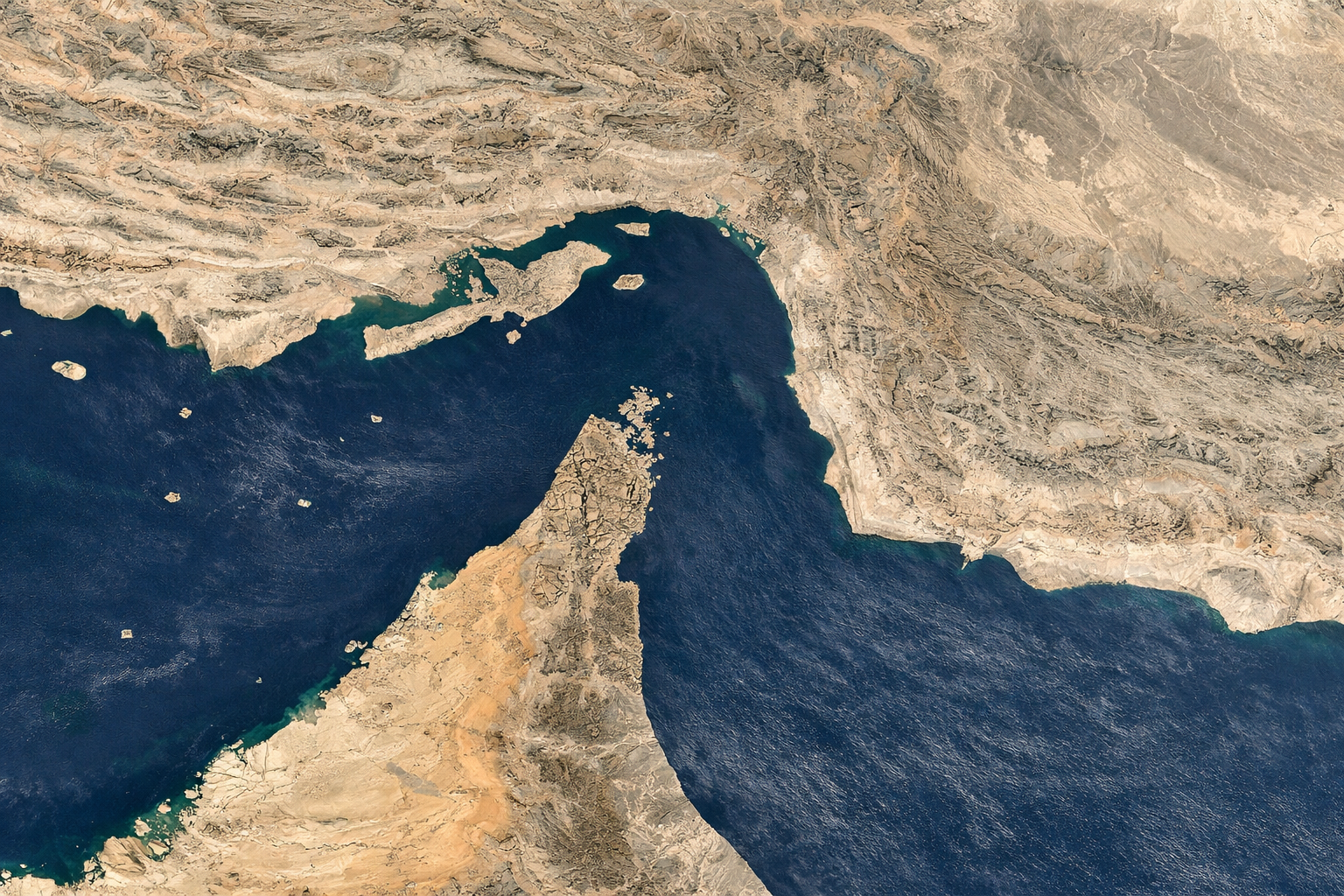
WASHINGTON — Iran announced plans Thursday to impose tolls on all vessels passing through the Strait of Hormuz, a dramatic escalation that threatens global oil supplies, while former President Donald Trump warned Tehran it would face a “very bad time” if it disrupts one of the world’s most critical energy chokepoints.
The Iranian Foreign Ministry stated that starting June 1, 2026, all commercial shipping through the narrow waterway would be subject to mandatory fees to “compensate for security and environmental costs” amid heightened regional tensions. The move comes as diplomatic efforts to de-escalate the ongoing crisis between Iran and Western powers have stalled, raising fears of direct confrontation and severe economic fallout.
Trump, speaking at a rally in Florida, delivered a stark message to Iranian leadership. “If they try to close or tax the Strait of Hormuz, they’re going to have a very bad time,” he said to roaring applause. “They know what I’m capable of. The world cannot allow this. It will not be allowed.”
The comments come as Trump remains a dominant figure in Republican politics and a potential 2028 candidate, with his hardline stance on Iran resonating with supporters. Current U.S. officials have not publicly endorsed military options but have expressed deep concern over the potential disruption.
Strategic Importance of the Strait of Hormuz
The Strait of Hormuz, a narrow passage between the Persian Gulf and the Gulf of Oman, is one of the most vital energy arteries on the planet. Approximately 21 million barrels of oil — nearly 20 percent of global daily consumption — pass through it every day. Any significant disruption could send oil prices soaring above $150 per barrel and trigger a worldwide energy crisis.
Iran has long claimed the right to control traffic in the strait, which lies along its southern coast. While international law guarantees freedom of navigation, Tehran has previously threatened to close the waterway during periods of heightened tension. The new toll proposal represents a more sophisticated economic pressure tactic rather than outright closure, though analysts warn it could still provoke strong international backlash.
“This is Iran testing the limits,” said Dr. Michael Singh, a former senior U.S. official now at the Washington Institute for Near East Policy. “They’re betting that the world needs their oil more than it wants to confront them directly. It’s a dangerous gamble.”
International Reactions Pour In
The announcement triggered immediate condemnation from Western capitals. The European Union called the plan “illegal and provocative,” while Saudi Arabia and other Gulf states expressed alarm over potential impacts on their own exports. China, a major buyer of Iranian oil, urged restraint from all parties.
The United Kingdom and France have moved naval assets closer to the region in a show of support for freedom of navigation. The U.S. Navy’s Fifth Fleet, based in Bahrain, remains on heightened alert, though Pentagon officials say no immediate military response is planned.
Oil markets reacted sharply, with Brent crude futures jumping more than 8 percent in early trading before settling slightly lower as traders assessed the likelihood of actual implementation. Energy experts warn that even the threat of tolls could add a significant risk premium to global prices.
Background of the Current Crisis
The latest escalation stems from months of rising tensions following a series of incidents involving Iranian-backed militias, alleged attacks on shipping, and stalled nuclear negotiations. Iran has accused the West of economic warfare, while the U.S. and its allies point to Tehran’s support for regional proxies and its advancing nuclear program as primary concerns.
Trump’s strong rhetoric reflects his previous administration’s “maximum pressure” campaign against Iran, which included the killing of Qasem Soleimani in 2020. His comments have drawn both praise from hawks and criticism from those warning against unnecessary escalation.
Current U.S. leadership has taken a more measured public tone but has privately signaled to allies that any attempt to block or excessively tax the strait would cross a red line. Diplomatic channels remain active, though progress appears limited.
Economic and Humanitarian Stakes
Beyond energy markets, the crisis carries broad implications. Higher oil prices would hit consumers worldwide through increased fuel and goods costs. Developing nations dependent on imported energy could face severe economic strain. Insurance rates for shipping in the region have already spiked dramatically.
Humanitarian concerns are also rising. Any military confrontation in the area could lead to civilian casualties and further instability in an already volatile region. Environmental risks from potential oil spills in the confined waters of the strait are another major worry for marine ecosystems.
Iranian officials have framed the toll proposal as a legitimate sovereign right and a response to what they call “hostile actions” by the West. They insist the fees would be reasonable and applied equally to all vessels.
What Happens Next
The coming days and weeks will be critical. International maritime organizations are expected to issue statements on freedom of navigation, while major energy companies assess alternative routing options, including the more expensive route around Africa.
Diplomatic efforts continue behind the scenes, with Qatar, Oman and other regional mediators attempting to facilitate dialogue. The United Nations Security Council is likely to discuss the matter in emergency sessions.
For global markets and ordinary citizens, the situation remains fluid. While outright closure of the strait remains unlikely due to the catastrophic consequences for Iran itself, the toll proposal alone has already injected significant uncertainty into energy markets.
Trump’s intervention adds another layer of complexity, as his words carry weight both domestically and internationally. Whether his warning deters Iran or escalates tensions further remains to be seen.
As the world watches developments in the Strait of Hormuz, the stakes could scarcely be higher. A stable flow of energy through this vital chokepoint is essential not just for the global economy but for maintaining peace in one of the world’s most dangerous regions. The coming days may determine whether diplomacy can prevail or if the world is heading toward a much more dangerous confrontation.

Crocs: The Reasons Why An Attractive Valuation Is Not Enough To Be Bullish
Business
Qantas Passenger Removed After Allegedly Biting Flight Attendant on Melbourne-Dallas Flight
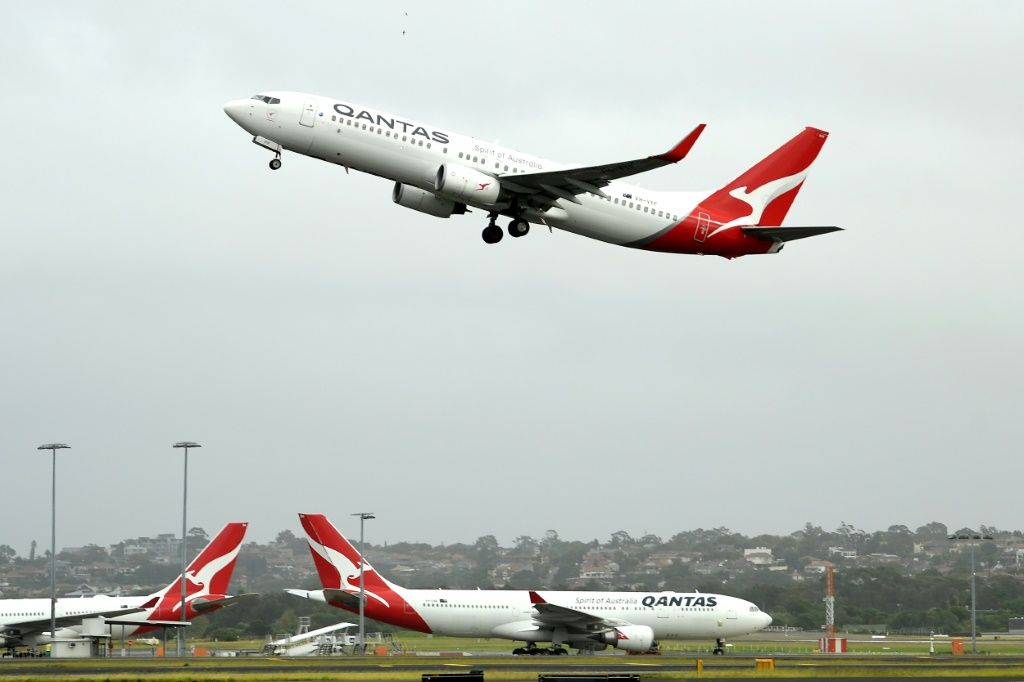
MELBOURNE — A Qantas international flight from Melbourne to Dallas was diverted to Tahiti on Friday after a male passenger allegedly bit a flight attendant during a mid-air altercation, forcing authorities to remove him from the aircraft and prompting the airline to issue a lifetime ban across its entire network.
The incident occurred on Qantas flight QF21, a Boeing 787-9 Dreamliner roughly seven hours into the journey. According to statements from the airline and witness accounts, the passenger became disruptive and refused crew instructions before allegedly biting the attendant on the arm. Other passengers and crew members assisted in restraining him until the aircraft could make an emergency landing in Papeete, French Polynesia.
Qantas confirmed the diversion was made for safety reasons and that the flight later continued to Dallas after refuelling, arriving approximately three and a half hours late. The affected flight attendant received medical treatment but did not sustain serious injuries. The airline has referred the matter to the Australian Federal Police for investigation.
“This behaviour is completely unacceptable,” Qantas said in a strongly worded statement. “We have zero tolerance for any form of violence or threatening conduct towards our crew. The passenger has been placed on a lifetime ban from flying with Qantas or Jetstar.”
Detailed Timeline of Events
Passengers described the man as heavily intoxicated and increasingly agitated several hours into the flight. Crew members first approached him after reports of disruptive behaviour near the economy section restrooms. When asked to return to his seat, the situation escalated rapidly, culminating in the alleged bite.
Video footage shared by several passengers on social media shows chaos in the cabin as crew and fellow travellers worked together to subdue the man. One clip, which has been viewed millions of times, captures raised voices and the moment crew members called for assistance from able-bodied passengers.
The diversion to Tahiti was chosen due to its proximity and the availability of local law enforcement. Upon landing, French Polynesian police boarded the aircraft and took the passenger into custody. He remains in custody as authorities coordinate with Australian officials on potential charges.
Qantas Response and Crew Support
Qantas CEO Vanessa Hudson personally addressed the incident, expressing full support for the crew. “Our flight attendants work incredibly hard to ensure passenger safety on long-haul flights,” she said. “Incidents like this are rare but they have a real impact on our people. We stand firmly behind our crew and will take every step necessary to protect them.”
The airline has offered counselling and trauma support to the bitten attendant and other crew members involved. It is also reviewing its procedures for handling disruptive passengers on ultra-long-haul routes, where alcohol service and fatigue can exacerbate tensions.
The Flight Attendants Association of Australia welcomed Qantas’s swift action but called for stronger government measures. “Cabin crew are on the frontline every day,” a union spokesperson said. “We need better legal protections and harsher penalties for those who assault aviation workers.”
Industry-Wide Problem of Air Rage
This latest incident adds to a troubling global trend of rising unruly passenger behaviour since the end of COVID-19 travel restrictions. Long-haul flights, particularly those crossing multiple time zones, have seen increased reports of intoxication-related disturbances. Airlines worldwide have responded by tightening policies on alcohol service and implementing stricter no-fly lists.
Qantas has one of the strongest records in the industry for decisive action. The lifetime ban issued in this case is consistent with previous high-profile incidents and sends a clear message to potential offenders. Similar bans have proven effective deterrents, with most individuals respecting the restriction to avoid legal consequences.
Aviation safety experts note that while such events remain statistically rare compared to the millions of passengers carried annually, each incident carries significant risks. Crew members are trained to de-escalate situations, but physical assaults can quickly endanger everyone on board.
Passenger and Public Reaction
Social media reaction has been swift and largely supportive of the crew. Hashtags such as #QantasCrew and #RespectTheCrew trended in Australia, with many users sharing stories of positive experiences with flight attendants and calling for greater respect toward aviation workers.
Some passengers on the affected flight praised the crew’s professionalism and the calm manner in which the situation was handled. “The team did an amazing job under pressure,” one traveller wrote online. “They kept everyone safe and got us to our destination despite the drama.”
Others used the incident to call for stricter pre-flight screening and limits on alcohol service on long-haul routes. The event has sparked broader conversations about passenger responsibility and the pressures faced by cabin crew on extended flights.
Legal Consequences and Investigation
The Australian Federal Police confirmed they are investigating the matter in coordination with French Polynesian authorities. Potential charges in Australia could include assault and endangering the safety of an aircraft, which carry substantial penalties including fines and imprisonment.
The passenger’s identity has not been publicly released, but reports suggest he is an Australian national. French Polynesian police are expected to determine whether initial charges will be pursued locally before any extradition or transfer to Australian jurisdiction.
Qantas has cooperated fully with authorities and provided all available cabin footage and witness statements. The investigation is expected to take several weeks as statements are collected and evidence reviewed.
Lessons for Future Travel
For travellers, the incident serves as a reminder of the importance of respecting crew instructions and maintaining appropriate behaviour on aircraft. Airlines encourage passengers who witness disruptive conduct to alert crew members calmly and avoid direct confrontation.
Qantas and other carriers continue to invest in crew training for de-escalation techniques and have implemented better support systems for affected staff. Technology such as improved cabin monitoring and faster communication with ground support also helps manage such situations more effectively.
As summer travel peaks and long-haul routes return to full capacity, both airlines and regulators are reinforcing the message that violence against crew will not be tolerated. The swift response in this case demonstrates that airlines are prepared to act decisively to protect their teams and maintain safety standards.
The Melbourne-Dallas flight eventually reached its destination safely, and Qantas has offered compensation and goodwill gestures to all passengers affected by the diversion. The airline continues to operate its full international schedule without further disruption.
This unfortunate event highlights both the professionalism of aviation workers and the rare but serious challenges they face. As investigations continue, the focus remains on supporting the crew member involved and ensuring the highest standards of safety and respect in air travel.

I’m a Portfolio manager (flexible equity funds and private clients), fundamental equity research, macro and geopolitical strategy.Over 10 years across global markets, managing multi-asset strategies and equity portfolios at a European asset manager.I combine top-down macro, bottom-up stock selection and real-time positioning (Bloomberg, models, data).I focus on earnings, tech disruption, policy shifts and capital flows — to identify mispriced opportunities before the market.On Seeking Alpha I share high-conviction ideas, contrarian views and deep breakdowns of both growth and value names.For more insights: follow me on X @AgarCapital
Analyst’s Disclosure: I/we have a beneficial long position in the shares of SPX, NDX either through stock ownership, options, or other derivatives. I wrote this article myself, and it expresses my own opinions. I am not receiving compensation for it (other than from Seeking Alpha). I have no business relationship with any company whose stock is mentioned in this article.
Seeking Alpha’s Disclosure: Past performance is no guarantee of future results. No recommendation or advice is being given as to whether any investment is suitable for a particular investor. Any views or opinions expressed above may not reflect those of Seeking Alpha as a whole. Seeking Alpha is not a licensed securities dealer, broker or US investment adviser or investment bank. Our analysts are third party authors that include both professional investors and individual investors who may not be licensed or certified by any institute or regulatory body.

Samsung, labor union to meet in ‘last chance’ talks to avert costly strike

The war in Iran has triggered the largest oil-supply disruption in modern history.
The crisis in the Strait of Hormuz is forcing governments to redefine energy security for an age of geopolitical fragmentation—one in which resilience depends not only on how much oil the world produces, but where it flows, who can get it and which countries are able to absorb the shock when it is interrupted.
Nearly 15% of global oil supply has been removed from the market. Crude prices remain elevated above $100 a barrel after initially spiking higher. They will very likely move sharply higher as inventories run dry.
But while the oil market is global and rising costs are felt everywhere, the consequences are not evenly distributed.
Copyright ©2026 Dow Jones & Company, Inc. All Rights Reserved. 87990cbe856818d5eddac44c7b1cdeb8

Dino Polska: Growth Intact, Profitability Still Under Pressure


An independent investor in the Indian and US equity markets with a CFA Charter and a PhD in Finance from University of Durham, U.K. I hold an Honorary Associate Professor in Finance and Corporate Governance title at Brunel University London. I have a YouTube and a Podcast channel, titled The Stock Doctor,’ where I discuss my views on the US and Indian markets every week. In addition, I actively undertake quantitative research in the areas of US equities, Behavioural Finance, Corporate Governance, Activist Hedge Funds, Cryptocurrencies and M&A , and have published in top-ranked peer-reviewed journals.
Analyst’s Disclosure: I/we have no stock, option or similar derivative position in any of the companies mentioned, and no plans to initiate any such positions within the next 72 hours. I wrote this article myself, and it expresses my own opinions. I am not receiving compensation for it (other than from Seeking Alpha). I have no business relationship with any company whose stock is mentioned in this article.
Seeking Alpha’s Disclosure: Past performance is no guarantee of future results. No recommendation or advice is being given as to whether any investment is suitable for a particular investor. Any views or opinions expressed above may not reflect those of Seeking Alpha as a whole. Seeking Alpha is not a licensed securities dealer, broker or US investment adviser or investment bank. Our analysts are third party authors that include both professional investors and individual investors who may not be licensed or certified by any institute or regulatory body.

China-ASEAN green economic cooperation is driving sustainable development, with China investing $5.2 billion in ASEAN energy projects (2019-2023). Bilateral trade reached $1 trillion in 2025. Projects like Cambodia’s Lower Sesan II hydropower station exemplify mutual benefits through clean energy, job creation, and technology transfer.
Key Points
• China-ASEAN green economic cooperation is a key pillar of their comprehensive strategic partnership, with Chinese enterprises contributing $5.2 billion in energy-related greenfield projects (2019–2023) and bilateral trade reaching $1 trillion in 2025, driven significantly by electric vehicle exports.
• Major collaborative energy projects, including hydropower, wind, and solar initiatives across Cambodia, Laos, and Malaysia, have seen installed capacity grow 15-fold since 2014, creating jobs and supporting local economic development.
• The partnership serves as a replicable Global South model, emphasizing technology transfer, green finance training, and mutual benefit without political conditions, while jointly advancing Paris Agreement goals and regional energy transition.
China-ASEAN Green Economy Cooperation: A Strategic Partnership for Sustainable Development
Growing Collaboration Rooted in Policy and Investment
Green economic collaboration between China and ASEAN has emerged as a cornerstone of their comprehensive strategic partnership, now marking its fifth anniversary. Guided by the Plan of Action to Implement the ASEAN-China Comprehensive Strategic Partnership (2026–30), the cooperation focuses on green industrialization, emerging energy technologies, and mobilizing green investment. China ranks as the top source of public clean energy investment in Southeast Asia from 2013 to 2023. Chinese enterprises have contributed a cumulative $5.2 billion in energy-related greenfield projects between 2019 and 2023, while bilateral trade reached $1 trillion in the first 11 months of 2025, growing 8.5 percent year-on-year.
Complementary Strengths Driving Tangible Energy Transformation
China’s Complete Green Industry Chain Meets ASEAN’s Renewable Potential
China’s advanced green technology and mature development experience align naturally with ASEAN’s abundant renewable energy resources and vast market potential. By end of 2024, investment in hydropower, wind, and photovoltaic projects had surged more than fivefold compared to 2014, with installed capacity skyrocketing 15-fold. Landmark projects — including Cambodia’s Lower Sesan II hydropower station, Laos’ Monsoon Wind Power project, and Malaysia’s Sejingkat energy storage facility — illustrate this synergy. The Lower Sesan II project alone generates 1.97 billion kilowatt-hours annually, serving approximately 2.6 million people, while simultaneously training over 20 Cambodian engineers through structured mentorship programs.
A Replicable Model for Global South Climate Governance
Technology Transfer and Mutual Respect as Foundations for Broader Impact
Beyond regional benefits, ASEAN-China green cooperation is increasingly recognized as a scalable model for developing nations worldwide. Operating on principles of mutual respect, equality, and mutual benefit — free from political conditions — China supports ASEAN through technology transfer, capacity building, and green finance training. Notable examples include the China-Cambodia South-South cooperation low-carbon demonstration zone in Preah Sihanouk Province and joint karst research recognized by the UN Office for South-South Cooperation. Secretary-General Shi Zhongjun emphasized that by jointly advancing the Paris Agreement goals and promoting energy transition, China and ASEAN are actively safeguarding the common interests of the Global South while contributing meaningfully to global climate governance.
Other People are Reading

Zeta Global (ZETA) Stock Surges 4% Following Snowflake OSI Partnership Announcement

Denzel Washington’s Forgotten Sci-Fi Western Is Taking Over the World on Streaming

Manchester United vs Nottingham Forest LIVE early team news plus how to watch and Casemiro latest

Manchester United reach agreement with Casemiro over contract clause amid transfer speculation

US brings back mandatory military draft registration

Steven Gerrard disagrees with Gary Neville over ‘shock’ Chelsea and Arsenal claim | Football


-

 Crypto World1 day ago
BloFin War of Whales 2026 Grand Prix opens registration for $5M trading championship
-

 Fashion2 days ago
Weekend Open Thread: Theory – Corporette.com
-

 Crypto World2 days ago
E-Estate Announces 1 Year Live: Washington DC Summit as Real Estate Tokenization Enters Its Next Phase
-

 Fashion6 days ago
Coffee Break: Travel Steam Iron
-

 Fashion6 days ago
What to Know Before Buying a Curling Wand or Curling Iron
-

 Politics5 days ago
What to expect when you’re expecting a budget
-

 Tech2 days ago
Tech Moves: Microsoft AI leader jumps to OpenAI; former AI2 exec joins Meta; and more
-

 Tech6 days ago
GM Agrees To Pay $12.75 Million To Settle California Lawsuit Over Misuse Of Customers’ Driving Data
-
Crypto World4 days ago
Bitcoin Suisse expands with Digital Asset License and Investment Business Act Registration Approval in Bermuda
-

 Crypto World7 days ago
CZ says US crypto rivals tried to block Trump pardon
-

 Tech5 days ago
GM agrees to $12.75M California settlement over sale of drivers’ data
-
 Politics4 days ago
Pakistan to enter Chinese capital market as war inflation bites
-

 Crypto World4 days ago
Bitcoin Suisse expands with Digital Asset License and Investment Business Act Registration Approval in Bermuda
-

 Crypto World3 days ago
Google’s Gemini AI Predicts Incredible Solana Price by the End of 2026
-

 Business2 days ago
H&R Real Estate Investment Trust (HR.UN:CA) Q1 2026 Earnings Call Transcript
-

 Tech1 day ago
Google reimburses Register sources who were victims of API fraud
-
 Entertainment6 days ago
Prime Video’s Forgotten but Brilliant 2-Part Horror Anthology Is a Perfect Binge
-
 Entertainment6 days ago
‘Rivals’ Season 2 Is Bigger, Better, and Raunchier Than Ever
-

 Tech7 days ago
Audio-Technica Targets Better Vinyl Playback With New Turntable and Record Care Accessories
-

 Crypto World7 days ago
Bitcoin faces a miner reward problem, Avalanche founder warns
You must be logged in to post a comment Login