Nvidia GeForce Game Ready Drivers include day-one support for the hugely popular Forza Horizon 6, and based on our testing, the update brings noticeable performance improvements. While Game Ready drivers do not always deliver meaningful launch-day gains, Nvidia appears to have implemented worthwhile last-minute optimizations this time.
A couple weeks back, Supreme Court watcher Steve Vladeck pointed out a fascinating “tell” by Justice Samuel Alito in dealing with stays that he will issue on shadow docket requests. If he is prone to agree with the underlying claim, he’ll issue an unbounded stay on a lower court’s ruling. If he is inclined to disagree with the underlying ruling, he issues a temporary stay with a short deadline before the stay is lifted. He noticed this in particular with the stay that Alito issued in response to the Fifth Circuit’s ruling blocking prescriptions of the abortion drug mifepristone without an in-person visit (an attempt to block the pills from being sent to the various Southern states covered by the Fifth Circuit). In that case, Alito had a short deadline before the stay would be lifted, in contrast to how he tends to treat such stays when he agrees with the result:
First, Justice Alito waited almost 48 hours to act—a period during which there was quite a lot of chaos across the country among doctors, pharmacists, and patients over whether and to what extent they were bound by Friday’s Fifth Circuit decision. 48 hours may not seem like a long time, but for comparison, in November, Alito issued an administrative stay in the Texas redistricting case just 68 minutes after Texas’s application for emergency relief was docketed by the Supreme Court (both of which happened after hours on a Friday night).
Second, and speaking of the Texas case, Alito’s administrative stays in the mifepristone case had something that his administrative stay in the Texas case didn’t—a deadline (next Monday at 5 p.m. ET). This follows a much broader pattern—in which Alito issues indefinite administrative stays in cases in which he appears to be sympathetic to the applicants, but imposes deadlines on the stays in cases in which he doesn’t. Before Monday, the last nine administrative stays in which Alito imposed deadlines were all cases in which at least one of the applicants had been the Biden administration. In contrast, Alito imposed no deadline in the Texas redistricting case; a potentially significant non-delegation case from 2024; and several other cases with … less … of an ideological valence.
To be sure, Alito isn’t the only justice to ever put a deadline on an administrative stay; Justices Gorsuch and Jackson have also each done it exactly once. And although the deadlines tend to create unnecessary tension and stress for both the parties and the Supreme Court’s press corps (who worry about what will happen if the deadline comes and goes with no action—which appeared to happen in the Texas SB4 immigration case in March 2024), they’re not especially significant beyond that. But it certainly seems like a petty way to treat parties differently based upon what you think of their claims.
Then, despite that short deadline (which, to be fair, was extended three days), the Supreme Court waited until 26 minutes past the deadline to issue its unexplained shadow docket ruling keeping the stay in place until after the rest of the proceedings play out (like a cert petition to the Supreme Court, and then a more complete ruling on the merits).
Advertisement
As a site that regularly calls out and complains about shadow docket rulings, and in particular unexplained shadow docket rulings, it’s unfortunate that the majority didn’t explain their reasoning — and equally unfortunate that Alito forced a rushed decision in the first place.
I know that the justices hate the term “shadow docket,” preferring either the “emergency” docket or the “interim” docket, but if they’re going to call it that they should really only use it for issues that are emergencies or for interim relief — the very limited number of scenarios where real unmitigated damage could be done in the interim until a thorough review has been conducted. But that’s just not the case most of the time. Relatedly, those rulings should have extremely narrow and limited precedential power. In theory that was the case until last year when some of the Justices (most notably, Justice Gorsuch) started whining about judges following actual full merits rulings as precedent, rather than magically applying unreasoned shadow docket decisions.
And while there is plenty of analysis elsewhere of the impact of last week’s late night ruling, I wanted to highlight the sheer hypocrisy* of Alito whining about the Justices not giving a reason for their stay. In his own dissent (which is likely why the ruling came out late, coming after Alito’s own needlessly imposed deadline), he starts off by complaining about the lack of any reasoning:
The Court’s unreasoned order granting stays in this case is remarkable.
Given how often Alito has signed onto other “unreasoned” shadow docket rulings when he agreed with them, it’s worth calling out the brazenness of complaining about the very practice he’s helped normalize.
Advertisement
* I use the word “hypocrisy” here deliberately for two reasons. First, because it is incredibly hypocritical. Second, because Alito’s ruling had an embarrassing typo, in which he referred to the litigation involving the Alliance for Hippocratic Medicine as the Alliance for Hypocritic Medicine. This typo was one of many that the Supreme Court had to issue corrections on the filing not once, but twice, before finally fixing this particular typo.
And while the Wall Street Journal can pretend that shadow docket critics don’t care about unexplained shadow docket rulings when they go in their favor, that’s bullshit. Unexplained SCOTUS rulings are bad no matter what. In an ideal world, Alito wouldn’t have imposed an artificially short deadline on the administrative stay, and the court would have given some explanation for its decision — rather than leaving us to read tea leaves from Alito and Thomas’s odd dissents.
First, Justice Thomas went full Comstock Act, arguing that all dispensation of mifepristone through the mail is illegal—never mind that the Department of Justice took a different position as recently as 2022. Putting aside the (well-documented) weaknesses of the Comstock Act arguments, Justice Thomas is simply wrong to argue that parties “cannot, in any legally relevant sense, be irreparably harmed by a court order that makes it more difficult for them to commit crimes.” As the Trump cases have regularly illustrated, a party can be irreparably harmed (at least in view of a majority of the current Court—including Justice Thomas) by a court order that makes it more difficult for them to break the law. Justice Thomas also apparently saw no problem with the Fifth Circuit issuing nationwide relief under the APA—even though he joined a 2023 concurrence by Justice Gorsuch arguing that such universal vacaturs were likely not authorized by the APA. Needless to say, that inconsistency was … not addressed.
And then there’s Justice Alito’s dissent. Alito opened by claiming that “[w]hat is at stake is the perpetration of a scheme to undermine our decision in Dobbs.” Of course, Dobbs insisted that it was returning the question of abortion to the states, whereas the Fifth Circuit ruling would’ve required in-person doctor visits on a nationwide basis. In any event, though, the FDA first got rid of the in-person doctor-visit requirement in 2021—before Dobbs was decided. So the “scheme to undermine Dobbs” began … before Dobbs.
Advertisement
There’s more at the link.
But at a time when the Supreme Court keeps telling us we shouldn’t believe that they make decisions on partisan grounds, it sure would help if they actually stopped doing things differently depending on the partisan valence of each case — something Alito seems to do quite regularly.
It really seems like we need serious reform of the Supreme Court. I’ve already argued that we should increase the number of Justices to 100 or more (to the point where no single Justice matters so much anymore), but any serious reform needs to contend with the abuses of the shadow docket, and making sure that it really is only used for emergency situations where an interim ruling is necessary for maintaining the status quo until a full briefing on the merits can occur.
Justice Alito appears to want to have two different sets of rules, depending on his feelings towards the parties. That’s the opposite of supposedly blind justice. If the court fears that its rulings are seen as illegitimate, then it should start by making sure Alito stops treating parties very differently depending on how aligned they are with his personal ideological beliefs.
Security researcher Brian Krebs brings us the news that America’s Cybersecurity & Infrastructure Agency (CISA) has had a large store of plaintext passwords, SSH private keys, tokens, and “other sensitive CISA assets” exposed in a public GitHub repo since at least November 2025.
The now-offline public repo—named, somewhat aspirationally, “Private-CISA”—was brought to Krebs’ attention by GitGuardian’s Guillaume Valadon, who was alerted to the repo’s presence by GitGuardian’s public code scans. Krebs says that Valadon approached him after receiving no responses from the Private-CISA repo’s owner.
In an email to Krebs, Valadon claimed that the repo’s commit logs show that GitHub’s default protections against committing secrets—protections designed to protect unwitting or unskilled developers against exactly this kind of stupidness—had been disabled by the repo’s administrator.
Testing by Seralys founder Philippe Caturegli showed that this was not a joke or hoax and that he was able to use the credentials in the Private-CISA repo to gain access to multiple Amazon Web Services GovCloud accounts “at a high privilege level.”
Advertisement
Krebs notes that the repo appeared to be managed by Virginia-based Nightwing, a CISA contractor. Nightwing has so far not commented publicly, instead referring questions back to CISA.
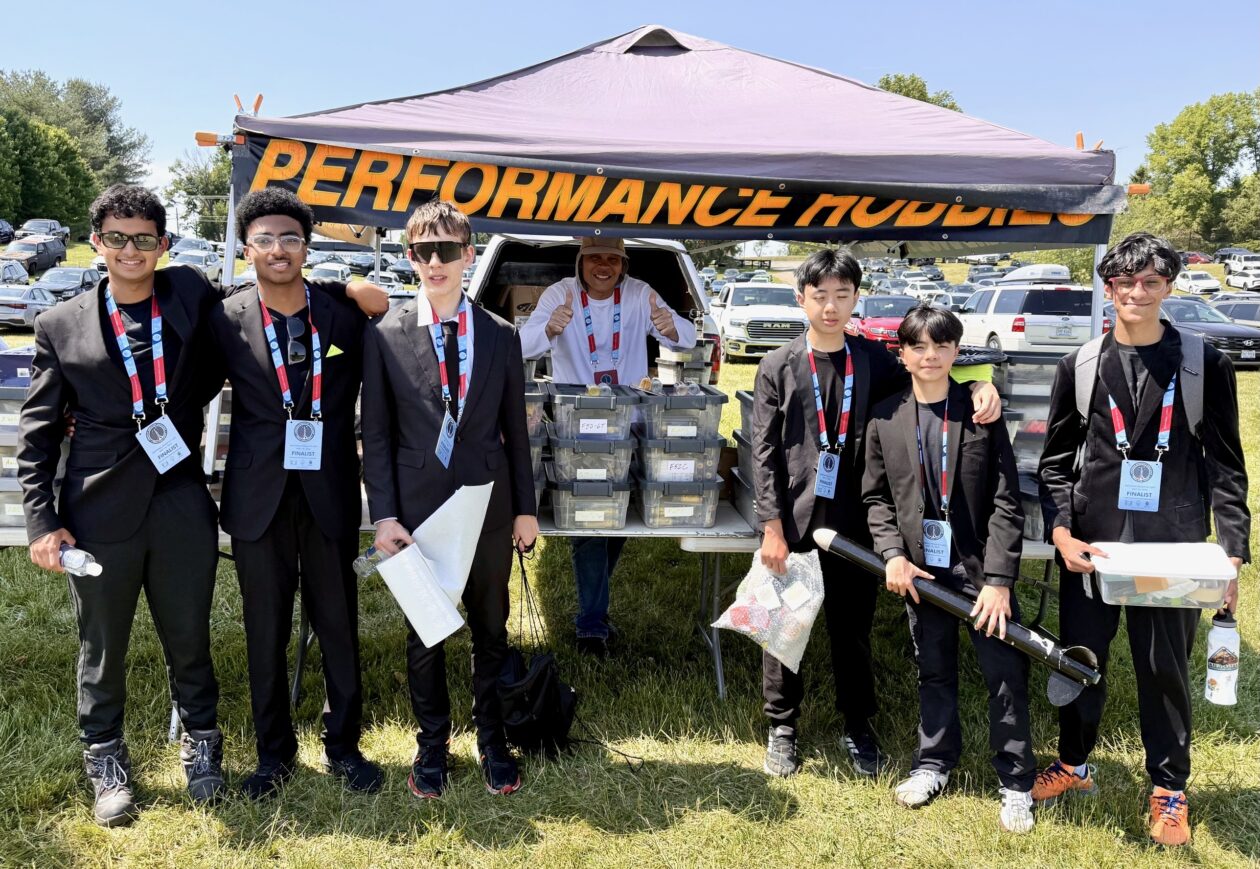
The Washington Youth Aerospace team, from left: Nikhil Sirivara, Daniel Tadesse, Mikhail Antipin, Bao-Ky Tran, Antoine Vigneron and Anay Mediwala, pose with the rocket supplies vendor who found the motor the kids needed for a successful launch in Washington, D.C. (Photo courtesy of Sudheer Sirivara)
A slow-moving delivery nearly grounded the hopes of some high-flying rocketry students from Bellevue, Wash., over the weekend. But a last-minute scramble and motor purchase saved the day and capped a strong showing for Washington state teams at the 2026 National Finals of the American Rocketry Challenge.
Washington Youth Aerospace, a Redmond, Wash.-based team made up of six ninth graders from Bellevue’s Interlake High School, finished second in the annual competition in The Plains, Va., on Saturday. The finals featured 100 teams from a record pool of 1,107 teams that competed in the overall challenge.
Washington was represented by 11 teams, including eight from the Eastside of the Seattle area. Four of those teams finished in the top 10.
The competition features middle and high school students who are tasked with designing, building, and launching model rockets. The goal is to inspire students to pursue careers in aerospace and STEM.
Washington Youth Aerospace earned $15,000 for the second-place finish — an impressive showing after the team was in danger of not even being able to launch its rocket.
Advertisement
Because of the hazardous nature of rocket motors, they had to be shipped via ground transportation from coast to coast.
“We mailed it about two and a half weeks back,” said Sudheer Sirivara, a parent advisor and chaperone for the team. “We were tracking it and somewhere it got lost in between for a week.”
The motors arrived in New Jersey on Thursday and on Friday they were tracked to Philadelphia. Sirivara and the team were frantically searching the Washington, D.C., area to find a motor that provided the specs the team had planned around. A vendor on site proved to be a hero just before the event on Saturday.
“He spent about 25 minutes searching for it, and deep in his truck was one box that had this one motor that we needed,” Sirivara said, adding that the team’s actual motors were finally delivered by the Postal Service — two days after the event concluded.
Advertisement
The Washington Youth Aerospace team, from left: Bao-Ky Tran, Nikhil Sirivara, Anay Mediwala, Daniel Tadesse, Mikhail Antipin, and Antoine Vigneron pose with Brendan Williams, in purple, their rocketry mentor from middle school. (Photo courtesy of Sudheer Sirivara)
The Washington Youth Aerospace team consists of students Mikhail Antipin, Anay Mediwala, Nikhil Sirivara, Daniel Tadesse, Bao-Ky Tran, and Antoine Vigneron.
Sirivara said their rocketry success started with good mentoring they received from teachers while they were at Bellevue’s Odle Middle School. An executive VP at Warner Bros. Discovery and a Microsoft veteran, he also credited the concentration of tech and engineering parents on the Eastside from companies including Microsoft, Amazon, Google and others.
Good data collection doesn’t hurt either.
“You need to fire a lot of rockets to collect enough data to see how your rocket does in different wind conditions, weather conditions, temperatures,” Sirivara said.
In the finals, teams were scored on two launches. They needed to hit a target height of 730 feet for the first launch and 725 feet for the second. Rockets must stay airborne for between 36 and 39 seconds, and return to the ground safely with their unbroken cargo — an egg.
Advertisement
The Bishop’s School from La Jolla, Calif., took first place in the challenge and will represent the U.S. in the international finals — an event in which Bellevue’s Newport High School finished second just a few years ago.
Here are the final standings for Washington teams in the national finals:
2nd — Washington Youth Aerospace, Redmond
4th — Interlake High School (Team 1), Bellevue
6th — Newport High School (Team 2), Bellevue
7th — Odle Middle School, Bellevue
12th — Newport High School (Team 1), Bellevue
19th — Interlake High School (Team 2), Bellevue
33rd — Annie Wright Schools, Tacoma
38th — Tyee Middle School, Bellevue
69th — SmilingTree, Sammamish
89th — A Sustainable Future, Bellevue
89th — Colville High School, Colville
The challenge’s top 25 finishers receive an invitation to participate in NASA’s Student Launch initiative to continue their exploration of rocketry with high-powered rockets and challenging mission parameters.
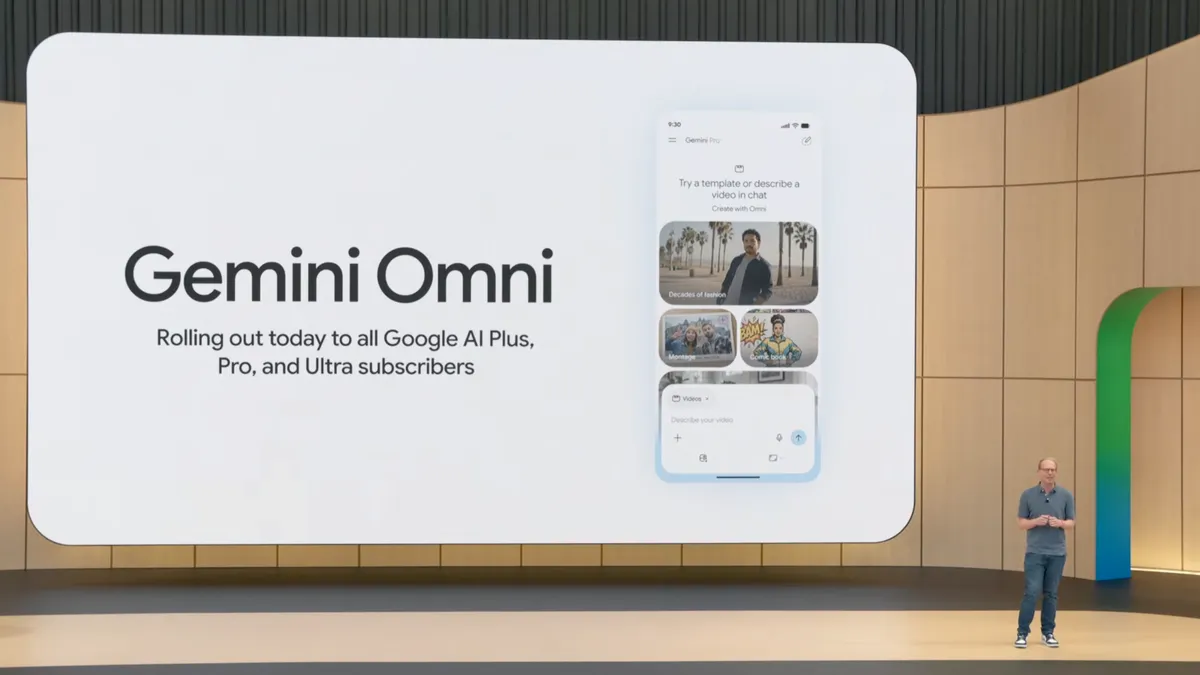
Gemini Omni was announced at the Shoreline Amphitheatre in Mountain View, California, alongside a slew of agentic AI features, such as Gemini Spark and Universal Cart (check out more on our live blog). Gemini Omni is Google’s new AI content-generation tool that creates graphics and videos based on your prompts.
I hate to burst Google’s bubble, but we already have enough AI-content generation tools, including Google’s own Nano Banana 2, an AI image generator. OpenAI, Shutterstock and Canva also have AI video generation capabilities.
Advertisement
Gemini Omni Flash is now available, so you can create and edit videos in the Gemini app, Google Flow and YouTube Shorts. Output modalities, like images and audio, will be available later. Google gave an example at Google I/O of creating a claymation-style video about how protein is created.
Maybe Gemini Omni will be a cool way to teach my 5-year-old about science, but we all know this is just another tool for more AI slop.
Americans want tighter AI restrictions
CNET found that many of us are already tired of the futuristic content on our social media timelines. Earlier this year, CNET found that 51% of US adults believe we need better AI labels online, and 21% believe there should be a total ban on AI-generated content on social media. Only 11% say AI content is useful, informative or entertaining.
Despite over half of US adults wanting tighter AI content restrictions, AI is still getting past us. Most (94%) of US adults believe they see AI-generated or AI-altered content on social media. However, only 44% say they can confidently tell real content from AI-generated photos and videos.
Advertisement
Google appeared to reveal a solution to that problem at Google I/O.
Google is adding Content Credentials verification across its Gemini app to show whether the content was created with AI or a camera. It will also detect whether it’s been edited with AI. The SynthID detector is still available on the app to verify AI-generated content.
It sounds like Google is trying to please everyone while still pushing its agenda of shoving AI into every tool and software update possible.
Google wants to play on both sides of AI
Between Nano Banana Pro and Gemini Omni, that feels like a paradox. The same tech giant that provides the tools to create AI-generated content is also developing tools to verify it.
Advertisement
Gemini Omni is one of many examples of how Google’s developer showcase is out of touch with everyday consumers. There’s still hesitancy and mistrust toward AI, despite how helpful it can be in some use cases.
We don’t need another AI content generation tool. We need to understand how companies are protecting our data, not by hosting demo planning parties or by using smart glasses to turn crowds into cartoons.
Much weirder is voice editing in Google Docs, in a new feature called Docs Live. By describing with your voice what you want to write, an agent will dictate your words, generate text, pull in citations from the web, and aim to turn your stream-of-consciousness wishes into a coherent document.
For Gemini power users, Google is creating a new subscription tier, the AI Ultra plan, for $100 a month. It is also dropping the price of its top Gemini AI Ultra from $250 a month to $200.
Gemini Omni
Google announced Gemini Omni, an AI video generator, akin to Sora 2. That was OpenAI’s generator that let you deepfake yourself, but was eventually killed by the company.
Advertisement
Google’s approach is building out a far more realistic video generator that can incorporate real video and extrapolate all manner of AI-powered weirdness on top of that. Google is eager for you to turn Omni’s eye on yourself, putting your face front and center. As such, selfie videos can be modified to add different backgrounds, styles, or environments, making it appear that you are somewhere other than your actual location.
The feature was demoed on stage with a video of someone recording themselves walking through a metal sculpture. They then asked Omni to change the structure to look like it was made of bubbles. You can also add images and video of yourself from your camera roll and generate just about any variety of cinematic style. Google says Omni is capable of advanced animations and fun typography.
Google’s approach is focusing Omni on video creation first, though it says still image and text capabilities will be coming later. Eventually, Google says it wants to let Omni create any output with any input.
Read more about Omni in Reece Rogers’ story on WIRED. OmniFlash, a starter version of Omni, is available starting today for Google AI+ Pro and Ultra subscribers.
Advertisement
Gemini Spark
Gemini Spark is Google’s answer to OpenClaw, the viral AI powered helper bot that could be used to help with real life needs like buying groceries or researching vacation options (and occasionally causing you to wind up in a scam).
Spark can write emails or plan a block party and pull information from files in your Google Drive. It is meant to be a personal agent just for you, keeping up with your schedule so it knows the rhythms of your life, learns what major events are coming up, and can help manage long-term or recurring tasks for you.
Spark runs entirely on Google Cloud, which Google says means it can process background requests without having to leave your device on. For now Spark just works with other Google software, though not with the Chrome browser quite yet. Google says that is coming, along with third party support, later this summer.
To help you manage all of your online shopping, Google will start deploying an agentic-powered shopping experience. As you search for products, Google will show you listings that it hosts for products for sale at various retailers. You can also shop the old fashioned way, by going to various websites and perusing the listings there.
The big difference is that now, Google will offer a universal shopping cart. Just add the products you’re interested in as you surf, and Google’s agent will keep your wish list organized. It can alert you to price changes and tell you when there’s a newer version or a new color option available. While products are sitting in your cart, you can engage Gemini to ask for more details about your potential purchases, add other products to the cart, or try to find better deals at other retailers.
The FBI says Americans have lost over $388 million last year to scams using cryptocurrency kiosks, also known as crypto ATMs or Bitcoin ATMs.
Cryptocurrency kiosks are physical, standalone electronic terminals (which may or may not require identity verification to prevent money laundering) that resemble bank ATMs and allow users to buy or sell crypto assets using cash or debit cards.
They are often found around gas stations, convenience stores, and other easily accessible locations. Cybercriminals ask potential victims to deposit their cash into crypto kiosks that then transfer the funds to attacker-controlled crypto wallets.
In a public service announcement published on Friday, the bureau warned of a nearly 60% surge in reported losses to crypto ATM scams compared with the previous year.
“In 2025, the IC3 received more than 13,400 complaints reporting the use of cryptocurrency kiosks, with losses over $388 million — a 23% increase in complaints and a 58% increase in losses from 2024. More than half of the complaints involved individuals over 50, with losses over $302 million,” the FBI said.
“In typical IC3 complaints involving cryptocurrency kiosks, criminals give detailed instructions to individuals, including how to withdraw cash from their bank, how to locate a kiosk, and how to deposit and send funds using the kiosk.”
According to complaint data and adjusted losses shared by the FBI, Americans from Texas, Florida, and California filed over 3,300 crypto ATM scam complaints and reported over $112 million in estimated losses.
Advertisement
The FBI also shared some measures that anyone can take to protect themselves from falling victim to such scams, including not sending money to people you only know online, never scanning QR codes or following payment instructions from unknown individuals, always verifying phone calls directly, and not sharing any personal information over the phone.
It also recommended being wary when anyone claiming to be from the government or law enforcement demands cryptocurrency payments, stopping transactions if a kiosk operator warns you of fraud, and always keeping receipts for cryptocurrency transactions.
The FBI’s 2025 Internet Crime Report says the law enforcement agency received over 1 million complaints through its Internet Crime Complaint Center (IC3) last year, linked to almost $21 billion in losses from cyber-enabled crimes such as investment scams, tech support fraud, and business email compromise.
Automated pentesting tools deliver real value, but they were built to answer one question: can an attacker move through the network? They were not built to test whether your controls block threats, your detection rules fire, or your cloud configs hold.
This guide covers the 6 surfaces you actually need to validate.
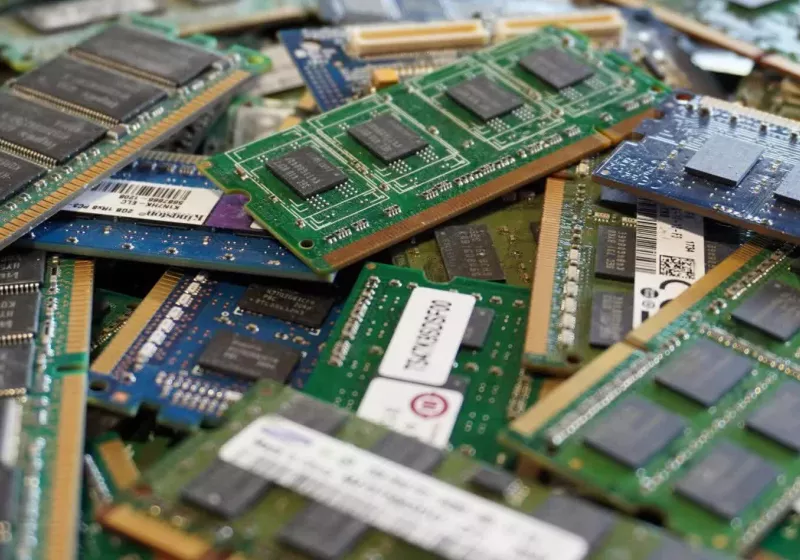
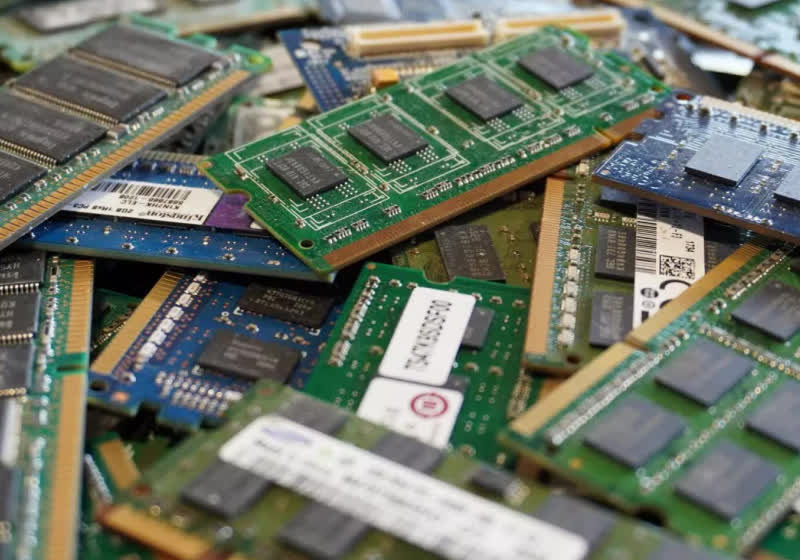
A recent report from Taiwan paints a bleak picture of the current state of the memory industry. DRAM manufacturers are struggling to keep pace with supply chain disruptions and rapidly rising contract prices, forcing them to take extreme financial measures just to stay in business while waiting for better conditions. Read Entire Article Source link
The OS update integrates Gemini Intelligence and adds a new widget system.
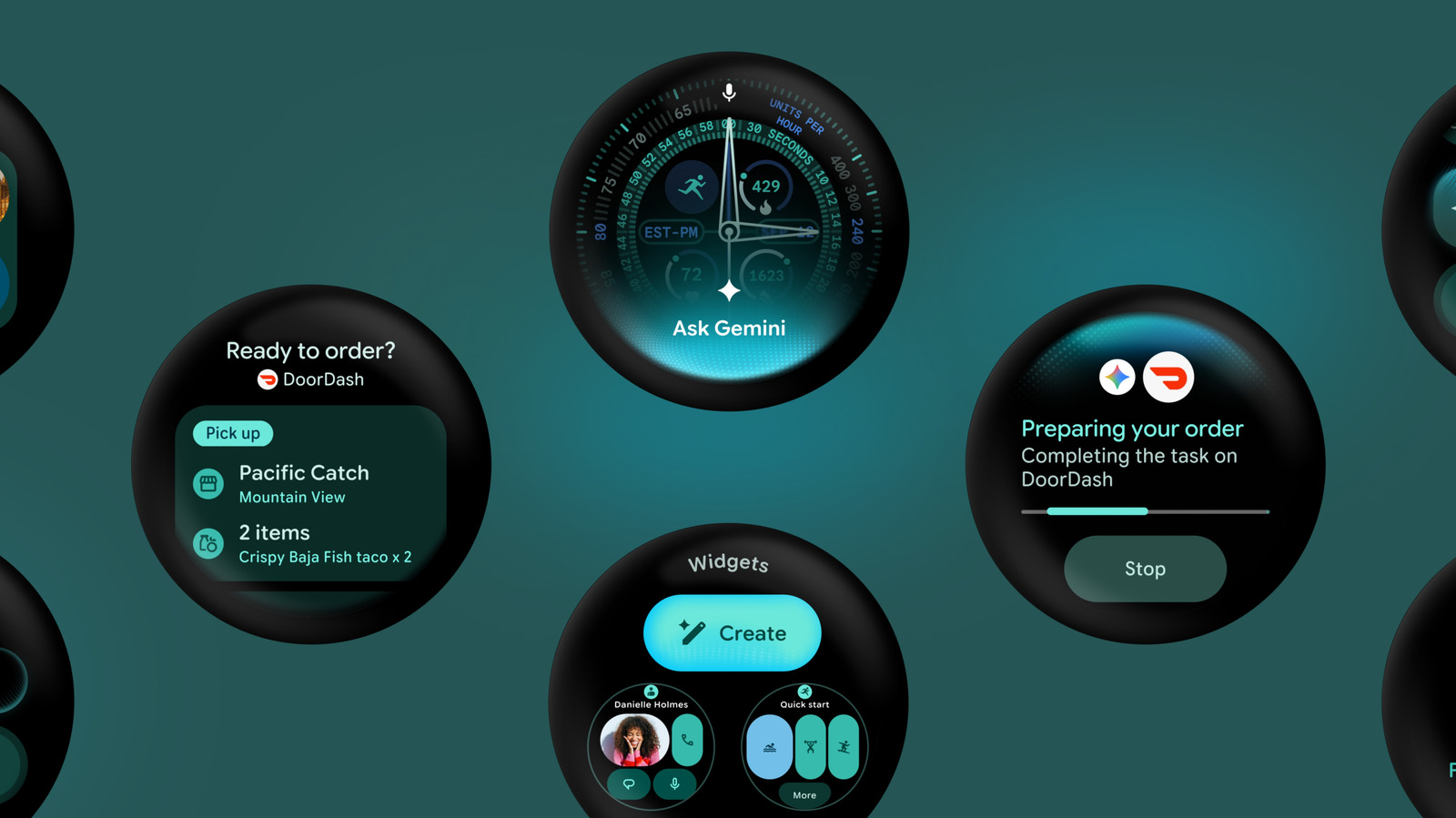
Alongside a slew of new AI-focused announcements at I/O 2026, Google also announced Wear OS 7, the latest update to its wearable operating system. The software update carries over some of the design tweaks the company plans to introduce in Android 17, lays the groundwork for new Gemini Intelligence features and adds interface elements that display glanceable information in new ways.
The biggest of those additions is what Google calls Wear Widgets, an evolution of the informational “tiles” that have been the bread and butter of the Wear OS experience for years at this point. Wear Widgets are designed to be more dynamic and customizable for developers, and closely mirror what can be offered on smartphones. Widgets that users make with Google’s AI-powered Create My Widget tool will also be able to make the jump to smartwatches.
Advertisement
Live Updates, Google’s system for displaying real-time information on the lock screen of Android phones is also coming to Wear OS, along with a default workout tracker with built-in media controls that can be used across wearable fitness apps. Wear OS 7 will also have controls for deciding which apps automatically launch the Wear OS media controls interface and a new Remote Output Switcher for switching which headphones or speakers play the audio you’re streaming.
Critical to Google’s current focus on using Gemini for agentic AI experiences, Wear OS 7 includes several APIs that can be used by developers to hook up their apps to Google’s Gemini Intelligence system. Those include an AppFunctions API that can integrate features and functions of apps with Google’s assistant, and support for the ability to invoke task automation (like placing an order through a food delivery app, for example) directly from your wrist.
Google plans to detail more of the new features of Wear OS 7 during I/O 2026. A test version of the OS is also available to try now via the Wear OS 7 Canary Emulator, ahead of its release later this year.
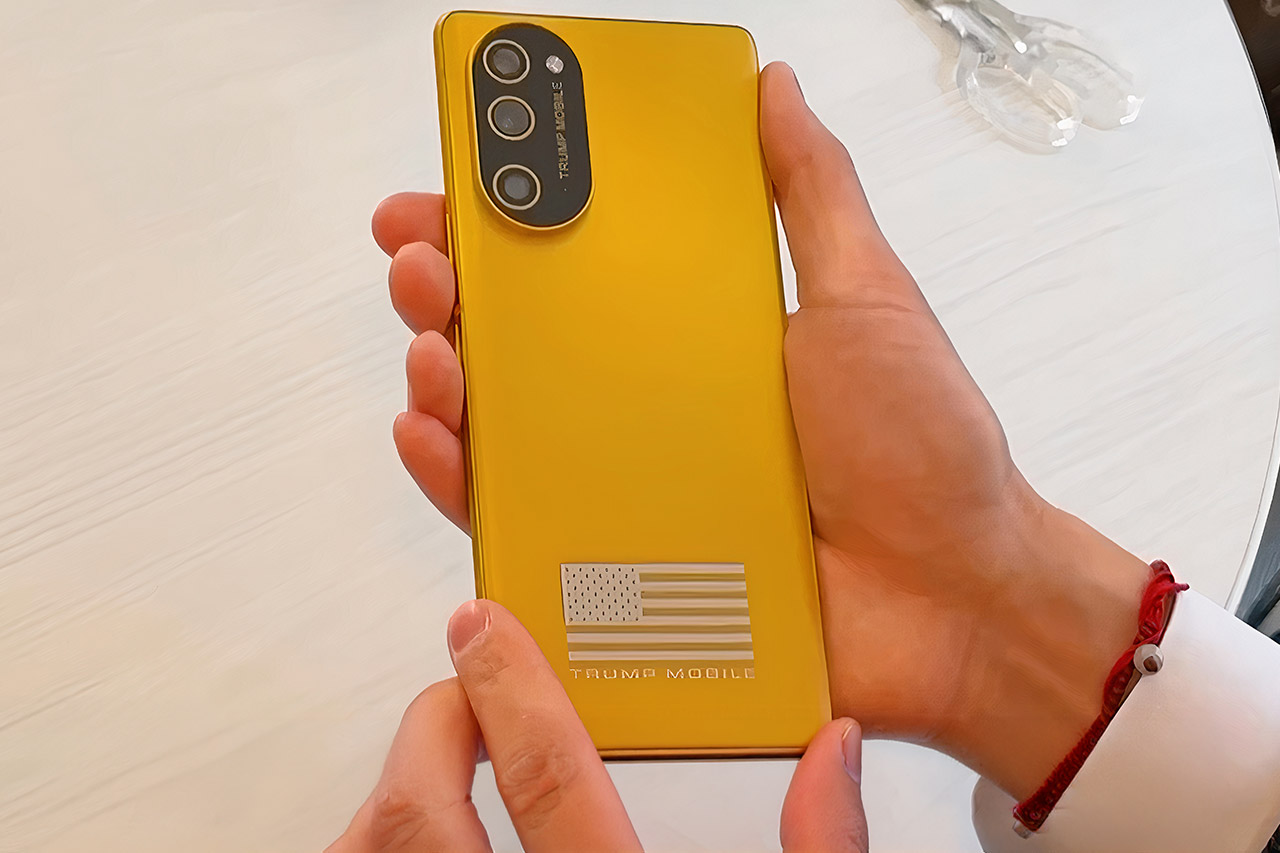
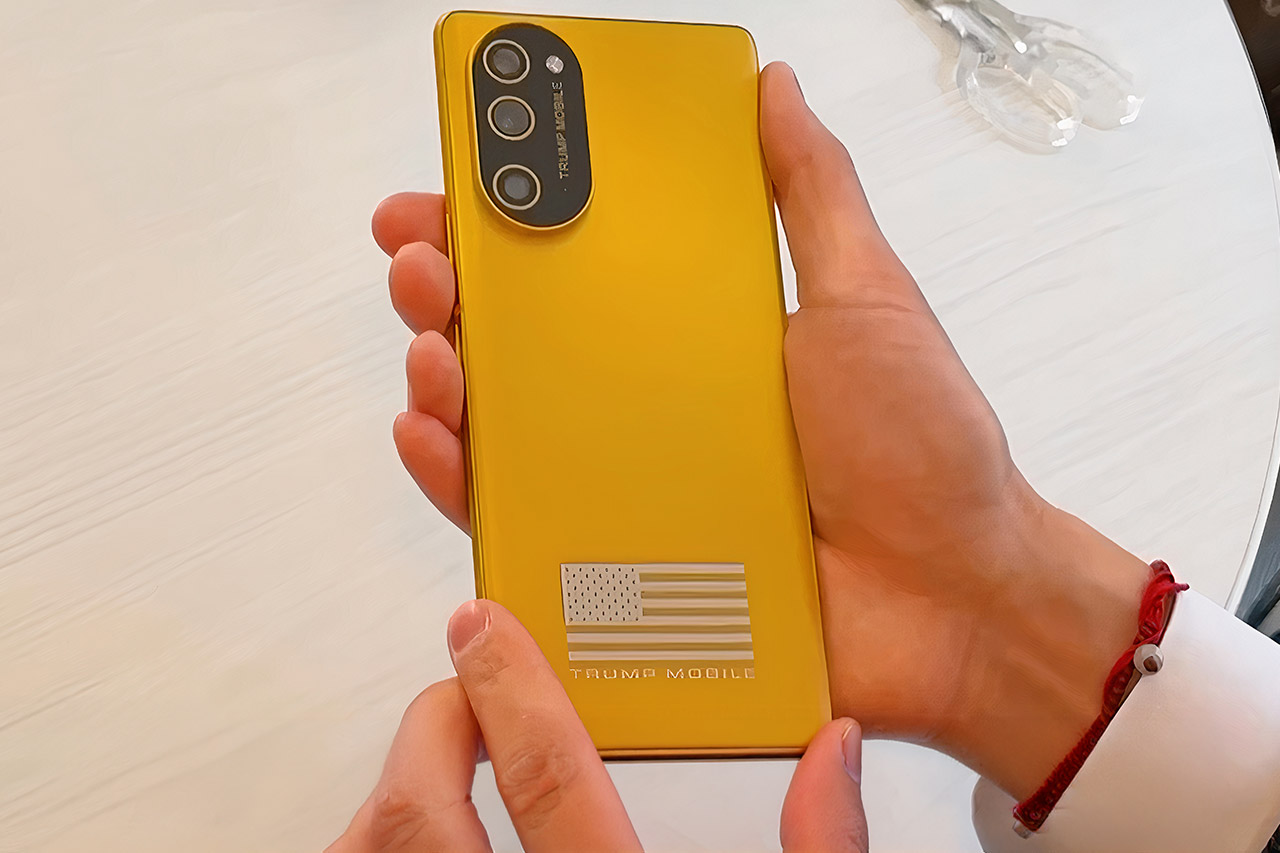
Photo credit: NBC News Months after paying a deposit and chasing down answers through repeated calls and emails, NBC News opened the box on the Trump Mobile T1 smartphone. Inside waited a gold-colored device that turns heads the moment it leaves the packaging. An American flag covers the back, though it carries only eleven stripes instead of the standard thirteen. Trump branding appears in four separate spots across the body, making the origin unmistakable from the first glance.
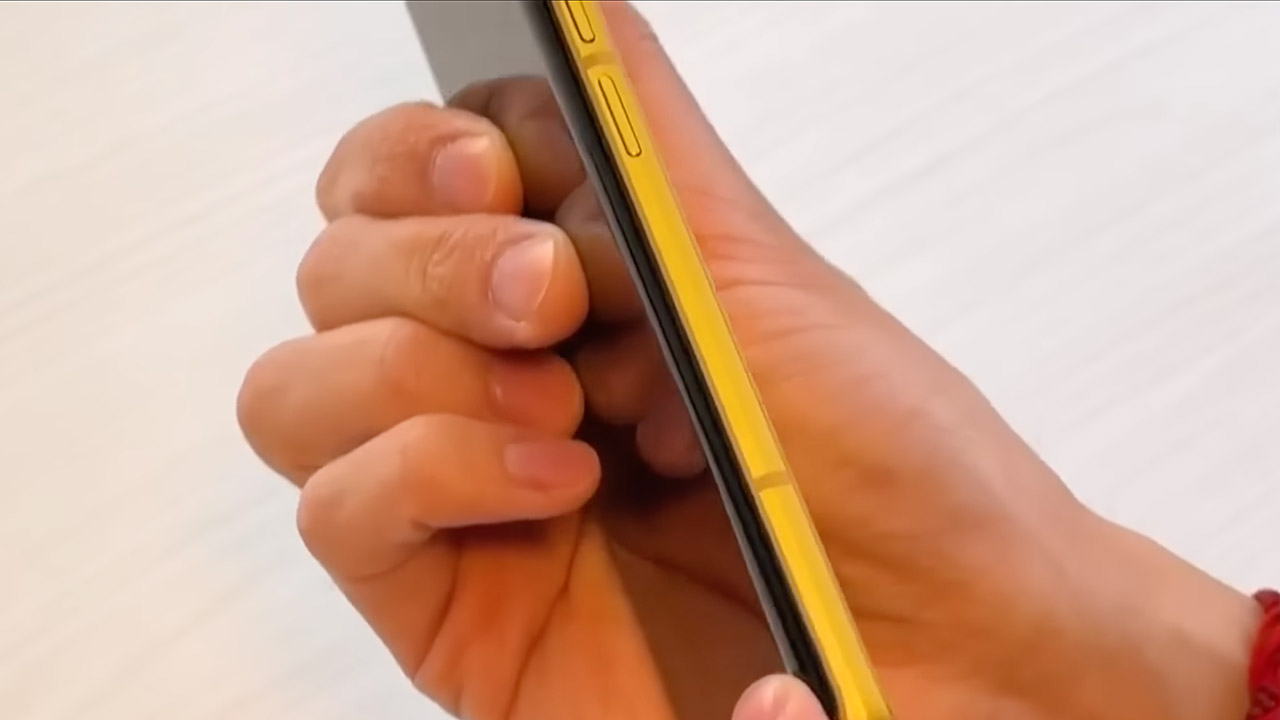
Unboxing the phone reveals a couple of essential accessories straight away, including a charging cord, wall block, and a clear protective cover, so you don’t have to go out and acquire any other stuff to get started. The item feels really substantial in the hand, however a bit of a handful due to its height. However, the 6.78-inch screen, which is somewhat taller than the new iPhones, gives you some extra real estate to play about with when browsing or checking out some material.
Tap into iconic style and advanced technology with Ray-Ban Meta, the #1 selling AI glasses*. Capture photos and videos, listen to music, make…
Chat with Meta AI to get suggestions, answers and reminders. With live translation, you can have a back-and-forth conversation in six languages and…
Listen to music and more with discreet open-ear speakers that deliver rich, quality audio without blocking out conversations or the ambient noises…
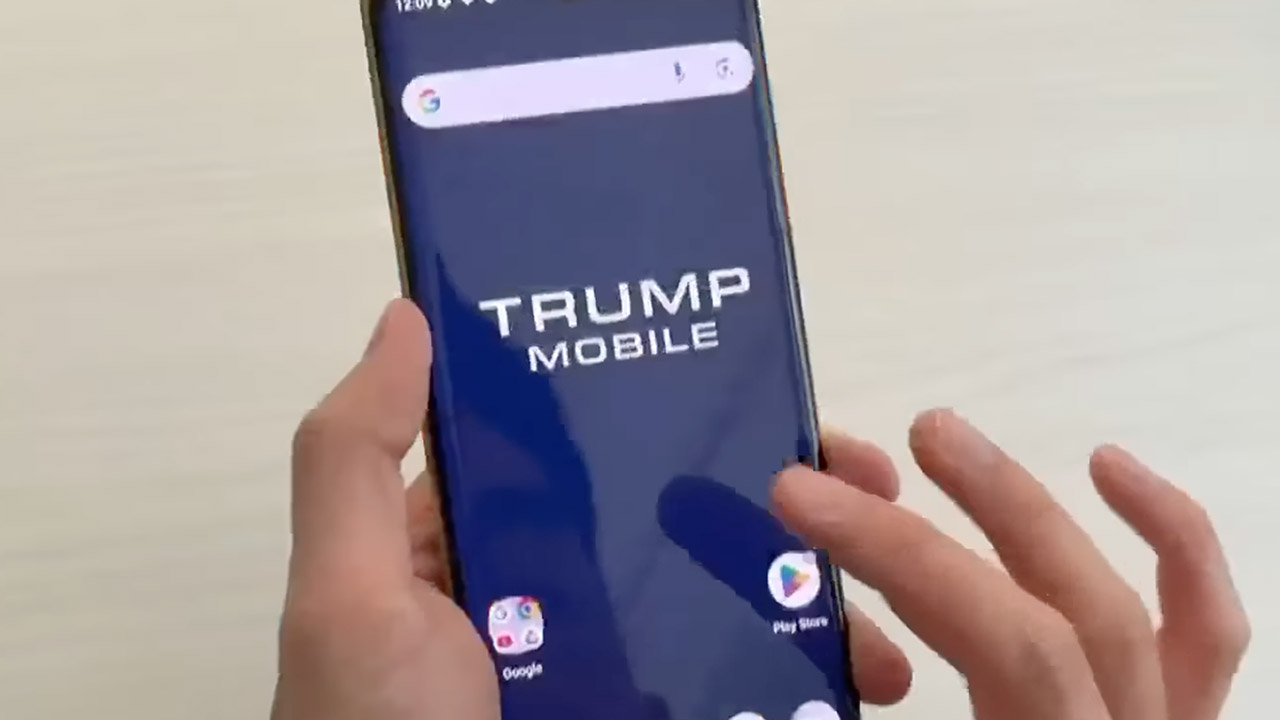
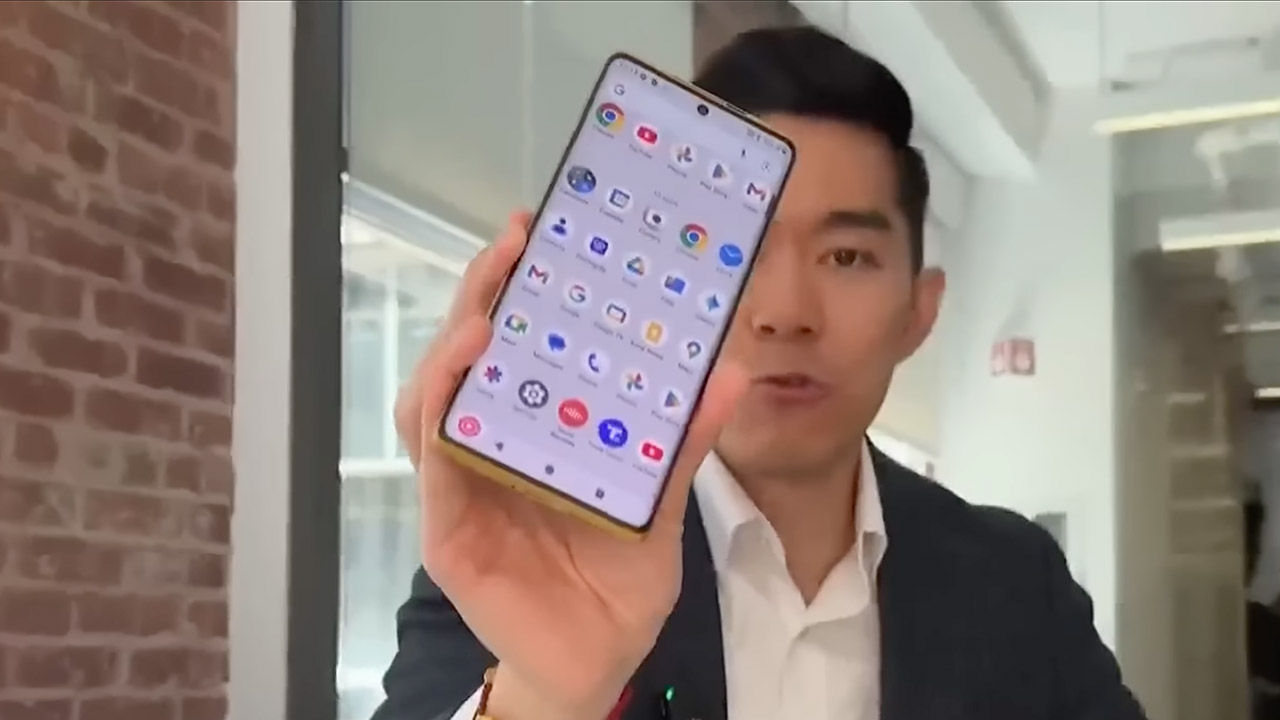
When you turn on the phone, you can see that it is running standard Android with all of the customizations that make it distinctive. Truth Social is already set up and ready to go, with little effort on your part. 512 gigabytes of storage is plenty for all of your programs, photographs, and data. The 50 megapixel camera performed well for ordinary photos, and they were particularly impressed with the wide angle photographs, which were sharp and had excellent colors.
Phone conversations were fine, and texts got through without any problems. Everything just worked as intended, with no hiccups or surprises. The inclusion of a 3.5 mm headphone connector will be a significant plus for those of you who still rely on wired earphones, especially since so many modern products have abandoned it. To add added security, the fingerprint sensor and facial unlock were both lightning fast.
The phone is presently on sale for $499, which is a reasonable price if you’re considering giving it a try. The construction quality appears sturdy enough for daily usage, and the gold finish appears to be durable enough to withstand the occasional scratch without exhibiting too much wear. The marketing pitch used to be all on how it was created in the United States, but now it appears to be about how it was developed there. The package boldly states ‘proudly assembled in the United States,’ yet when you look at the specs, they’re basically the same as the HTC U24 Pro from Taiwan. [Source]
Huawei-linked LineShine supercomputer crams 2.45 million Arm cores into one enormous AI cluster
Huawei’s processors power one of China’s largest AI computing installations today
CPU-only supercomputers eliminate costly data transfers between processors and accelerators during workloads
China has deployed a massive CPU-only supercomputer called LineShine that delivers 1.54 exaflops of AI training performance without using any GPUs at all.
The system packs 20,480 compute nodes, each containing two LX2 processors for a total of 40,960 chips across the entire machine.
Each LX2 processor has 304 CPU cores, meaning the whole supercomputer uses roughly 2.45 million Armv9 cores in total.
Latest Videos From
Advertisement
Inside the LX2 processor’s unusual architecture
The processor was developed by Huawei or through a joint design with China’s National Supercomputing Center, though the exact origin remains undisclosed.
Each LX2 processor uses two compute chiplets with cores organized into eight clusters containing 38 cores per cluster.
Every core includes ARM‘s Scalable Vector Extension and Scalable Matrix Extension units that accelerate matrix operations used in AI training.
The processor delivers 60.3 teraflops of FP64 performance, 240 teraflops of BF16 throughput, and 960 teraops of INT8 performance from a single chip.
Advertisement
Sign up to the TechRadar Pro newsletter to get all the top news, opinion, features and guidance your business needs to succeed!
The memory subsystem combines 32GB of on-package HBM delivering up to 4TB/s of bandwidth with up to 256GB of off-package DDR5 memory.
CPU-only systems offer several advantages for complex scientific tasks that combine AI training with massive data ingestion and preprocessing.
Since everything runs on the same processor and memory space, they avoid costly and bandwidth-hungry CPU-to-GPU data transfers.
Advertisement
Homogeneous CPU-based systems can also expose much larger coherent memory pools by combining HBM with large DDR capacities.
This is useful for handling massive scientific datasets, retrieval augmented generation, and long context windows that GPU memory limitations cannot accommodate easily.
Advertisement
The big caveat that comes with this approach
CPU-only systems are usually less power efficient and deliver lower-density AI throughput than GPU-based supercomputers.
This is the major reason most of the industry bets on heterogeneous CPU plus GPU architectures for large-scale AI workloads.
China is pursuing this path largely due to US bans on GPU exports, not because CPU-only systems are technically superior for AI tasks.
The LineShine shows that CPUs can successfully perform GPU jobs, but the efficiency gap between the two approaches remains substantial and unlikely to close anytime soon.
Advertisement
China is making a strategic trade-off, accepting lower performance and higher power consumption in exchange for independence from foreign hardware and software ecosystems like Nvidia‘s GPUs and CUDA.
Whether that trade-off makes sense for long-term AI development depends entirely on how quickly Chinese manufacturers can close the performance gap with their own GPU designs.
Until then, the LineShine will remain a remarkable engineering achievement and a practical necessity, but probably not a blueprint for how most of the world will build AI supercomputers.





















































You must be logged in to post a comment Login