

Business
Electrolux sets share price at 16.75 crowns in $976 million rights issue





Better Juice is a food-tech company specializing in sugar reduction solutions.


Pope Leo to visit Uruguay in November, part of regional tour

Why The AvalonBay Communities-Equity Residential Deal Deserves A Second Look

Laura Paxton
Good evening, everyone, and welcome to Quadient’s First Quarter 2026 Revenue Call. I’m Laura Paxton, Head of Investor Relations at Quadient, and I’m here today with Geoffrey Godet, CEO; and Laurent Du Passage, CFO.
We will have a short presentation followed by Q&A, and then you can submit your questions in writing through the web or ask questions live by dialing into the conference call. The presentation and press release are now available on our website at invest.quadient.com, and a replay of the call will also be available on our website.
Thank you very much for joining us this evening. I will now hand over to you, Geoffrey.
Geoffrey Godet
CEO & Director
Thank you, Laura, and welcome, Laurent. Good evening, everyone. Starting on Slide 5. So let me start with a brief reminder of some of the key dynamics shaping our performance as we entered 2026.
As you remember, as I have outlined during our full year results, we continue to operate in an environment that has been driven by key structural trends, right? So first one is the acceleration of digitalization, supported in particular by AI and invoicing mandates.
And the second one is the ongoing structural evolution of the Mail market. Alongside our full year result in 2025, we also announced a major organization of the Executive Committee with a very clear intention, align the leadership with our operational priorities and most importantly, put our digital automation platform at the center of the company with the clear goals to accelerate both growth and innovation.
Now this has already enabled a sharper and more coordinated go-to-market


Acquires fruit ingredients, products supplier from Benford Capital Partners.

President Donald Trump speaks during an announcement with Environmental Protection Agency Administrator Lee Zeldin (not pictured) in the Oval Office at the White House, in Washington, May 21, 2026.
Kevin Lamarque | Reuters
President Donald Trump on Thursday announced a delay of two Biden-era EPA refrigerant rules, arguing the move will cut costs for companies and save consumers money at the grocery store.
The administration estimated that American businesses and families will save more than $2.4 billion under the new rules.
“Our actions allow businesses to choose the refrigeration systems that work best for them, saving them billions of dollars,” EPA Administrator Lee Zeldin said in a statement.
“This will be felt directly by American families in lower grocery prices,” he said.
But it was unclear Thursday whether or how companies such as grocers would use those savings to make it more affordable for shoppers to fill their carts. The changes would not require grocers to take any steps to cut prices, at a time when many households see their budgets stretched by soaring gas prices and years of elevated inflation.
The rules target hydrofluorocarbons, or HFCs, potent greenhouse gases commonly used in refrigeration and air conditioning systems that are widely accepted as contributors to global warming. Under the Biden administration, the EPA in 2023 finalized regulations aimed at cutting leaks and emissions from those systems, affecting industries ranging from grocery stores and food distribution to semiconductor manufacturing.
Now, the EPA is delaying compliance by revising the 2023 rule and another regulation from 2024.
The administration’s messaging appears aimed squarely at inflation-weary consumers, especially as food prices remain politically sensitive ahead of the midterm elections this fall. Grocery retailers rely heavily on refrigeration infrastructure, and compliance with the EPA rules would have required upgrades, leak detection systems and new refrigerants in some cases.
At the time the rules were put in place, the EPA argued they would save businesses and consumers $4.5 billion over time through energy efficiency and lower-cost refrigerants. Grocery and food industry groups warned the transition could cost the industry billions in upfront equipment and compliance expenses.
Large chains such as Walmart, Kroger and Costco have already been investing in “natural refrigerant” systems for years, so the biggest operators were generally better positioned to absorb the transition. Smaller regional grocers and independent stores may have felt the cost burden more acutely.
“An orderly transition of equipment reduces both capital costs and operating costs, and at the end of the day that’s good for consumers because we’re able to take that and put that into lowering prices,” Kroger CEO Greg Foran said at an event at the White House.
Still, it remains unclear whether grocers would pass on cost savings to consumers. When asked at the signing, Foran said the company is “right in the middle” of passing savings on to the consumer and making sure they’re “paying the right price.”
Earlier Thursday before Trump’s policy announcement, Bloomberg News reported that Foran planned price cuts at Kroger to allow the grocer to better compete with Walmart and Costco.
Food inflation is driven by a wide range of factors, including labor, transportation, feed costs and commodity prices, and some of those expenses have risen in recent months due to the Iran war. Refrigeration compliance costs represent a small slice of overall grocery operating expenses.


Families weigh moves with gender-affirming care access under assault in US
Check out what’s clicking on FoxBusiness.com.
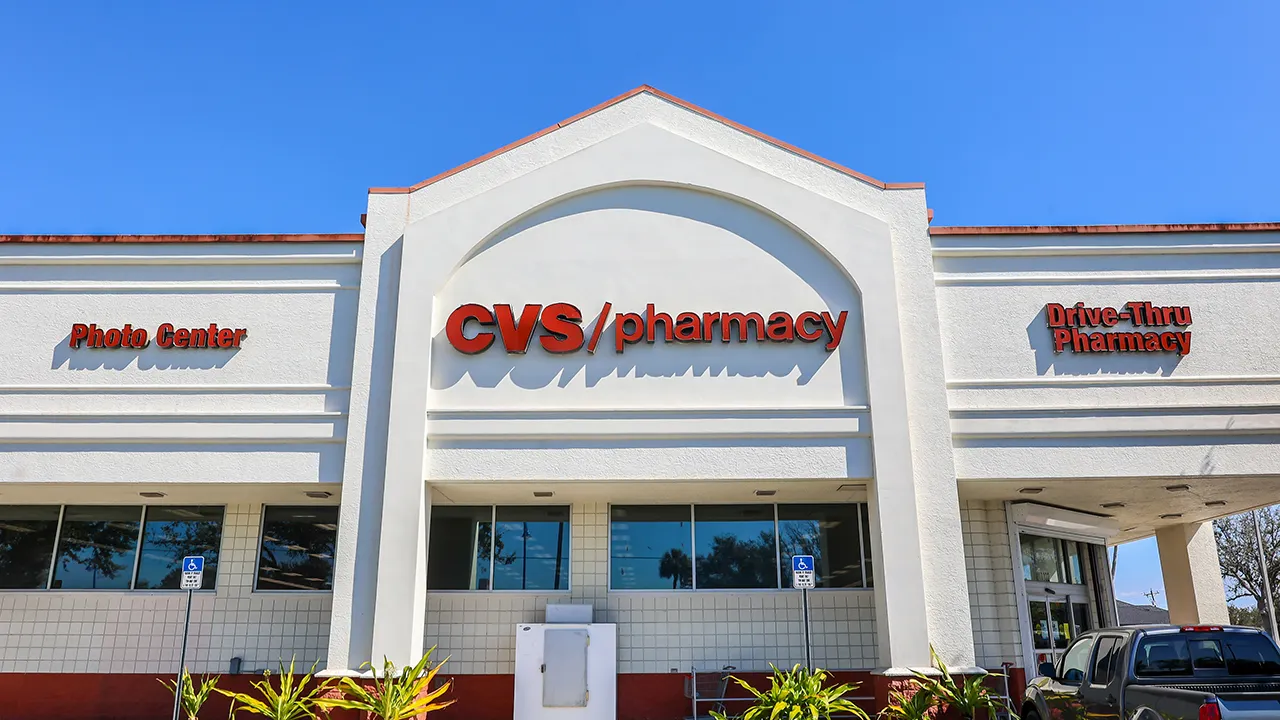
Three major hospital systems on Monday filed lawsuits accusing CVS Health and its subsidiaries of running a secret scheme that allegedly siphoned hundreds of millions of dollars away from hospitals serving vulnerable and uninsured patients.
The lawsuits – filed by Mount Sinai in New York, University of Michigan Health and Sparrow Hospital, and the University of Kansas Hospital Authority – claim CVS manipulated reimbursements tied to the federal 340B Drug Pricing Program and kept the difference as profit, according to complaints obtained by FOX Business.
The hospitals allege insurers and patients paid full price for specialty drugs, but CVS later reduced payments to hospitals through affiliated companies, including CaremarkPCS, CVS Specialty, Caremark LLC and WellPartner.
The lawsuits estimate massive financial losses. Mount Sinai claims more than $121 million in losses since 2020. University of Michigan and Sparrow allege more than $66 million in losses. University of Kansas Hospital Authority alleges nearly $62 million in losses.
CVS, WALGREENS PULL BACK COVID VACCINES IN MORE THAN A DOZEN STATES FOLLOWING NEW GUIDELINES
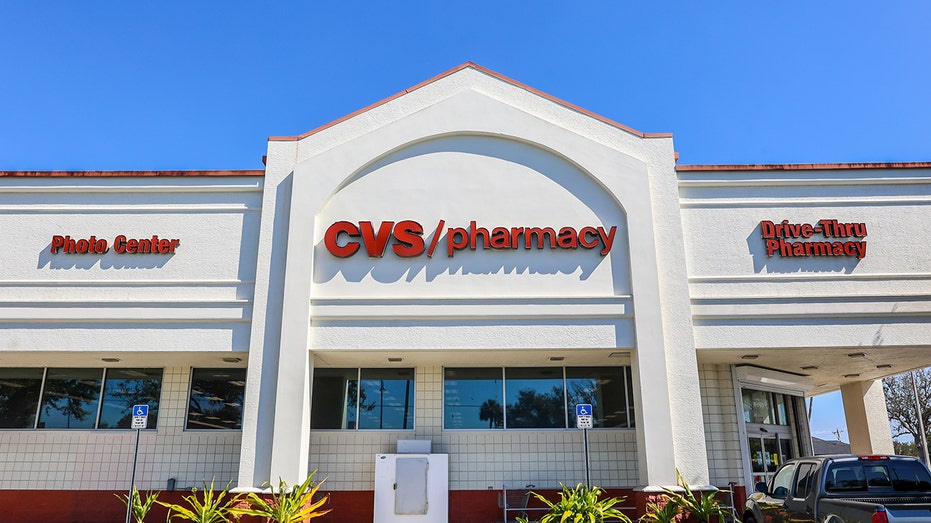
The lawsuits claim CVS manipulated reimbursements tied to the federal 340B Drug Pricing Program and kept the difference as profit. (Zak Bennett/Bloomberg via Getty Images)
At the center of the cases is the federal 340B Drug Pricing Program, which allows qualifying hospitals to buy expensive medications at discounted prices and use the savings to help fund community health services.
“Hospitals use 340B savings to provide, for example, free care for uninsured patients, offer free vaccines, provide services in mental health clinics, and implement medication management and community health programs,” the American Hospital Association states on its website.
A spokesperson for CVS told FOX Business in an email: “We do not comment on matters that are subject to ongoing litigation and remain focused on serving our customers and executing our business priorities.”
The University of Michigan complaint claims CVS and its subsidiaries “diverted (and continue to divert) 340B revenue for themselves by implementing a secret pricing scheme for 340B drugs, which required cooperation among its affiliated entities within the 340B drug supply chain.”
“CaremarkPCS charged the plan/payor the original higher amount, and the 340B eligible patient the original higher copay just so that defendants retain 340B profits,” the Mount Sinai complaint alleges.
CVS CAREMARK ORDERED TO PAY $290M AFTER MEDICARE FRAUD SCHEME EXPOSED BY FORMER AETNA WHISTLEBLOWER
The complaints point to examples involving high-cost specialty drugs, including Stelara, which is used to treat chronic inflammatory conditions like plaque psoriasis, according to Stelara’s website.
The Michigan lawsuit cites one example in which a Stelara prescription allegedly generated more than $24,000 for the University of Michigan’s specialty pharmacy, but only about $18,000 when processed through CVS Specialty — a difference of more than $6,500.
| Ticker | Security | Last | Change | Change % |
|---|---|---|---|---|
| CVS | CVS HEALTH CORP. | 93.28 | -0.90 | -0.96% |
“The $6,523.18 reflects the ‘spread’ artificially created and pocketed by the defendants as pure profit,” the complaint alleges.
The lawsuits also accuse CVS of refusing audit requests and terminating some pharmacy agreements after hospitals raised concerns.
“Defendants refused to permit an audit and terminated plaintiff from the 340B Contract Pharmacy Arrangement, in retaliation for uncovering the fraudulent scheme described herein and seeking to fulfill their obligations under the 340B Program and HRSA regulations,” the Kansas complaint alleges.
ANTI-THEFT MEASURES AT CVS ARE ‘WORSE FOR BUSINESS THAN ORGANIZED SHOPLIFTING,’ COLUMNIST ARGUES

Sparrow Hospital in Lansing, Michigan, is part of the University of Michigan Health system. (Google Maps)
GET FOX BUSINESS ON THE GO BY CLICKING HERE
The hospitals are seeking damages, repayment of alleged profits, court orders requiring CVS to turn over records and for the business to stop the alleged practices.
Last year, a federal judge ordered CVS Health’s Caremark to pay nearly $290 million after a whistleblower accused the company of overcharging Medicare on prescription drugs.
A spokesperson for University of Michigan Medicine told FOX Business: “Because this involves pending litigation, I have no information to share.”
FOX Business reached out to Mount Sinai and the University of Kansas Hospital Authority for comment.
FOX Business’ Alexandra Koch contributed to this report.

Wedding jewelry has changed a lot in recent years. Many couples now want pieces that match their style instead of following traditional designs.
Personal details, unusual materials, and meaningful gemstones are becoming more popular. This shift has made unique wedding bands for couples a favorite choice for modern weddings.
At the same time, gemstone rings are gaining attention for engagement and anniversary jewelry. A silver morganite ring stands out because of its soft pink color and vintage feel. It pairs well with different band styles and creates a balanced bridal set.
Top Reasons Couples Choose Unique Wedding Bands
Wedding bands are worn every day, so many couples want something personal. Matching rings are still popular, but today they often include different details for each partner. One ring may have a textured finish while the other stays simple. The shared design keeps the connection while allowing individual style.
Another reason is symbolism. Couples often choose designs inspired by nature, meaningful engravings, or special gemstones. These details turn the rings into something more than jewelry. They become reminders of shared memories and future plans.
Best Materials Used in Modern Couple Bands
Traditional gold remains popular, but many couples now explore alternative materials. Silver, titanium, mixed metals, and textured finishes appear in many modern designs. These materials create different looks while keeping the rings comfortable for daily wear.
Natural inspired elements are also becoming common. Wood details, hammered surfaces, and vintage finishes give rings a handcrafted feel. Many unique wedding bands for couples use these features to create a more personal design.
Silver Bands for Soft and Elegant Looks
Silver remains a favorite because it works with many styles. It pairs well with gemstones and vintage settings. Couples who want understated elegance often prefer silver tones.
Silver also complements soft colored gemstones beautifully. This is one reason the silver morganite ring continues growing in popularity. The warm pink center stone creates contrast while keeping the overall look refined.
Best Design Styles for Couples Rings
Minimal styles remain timeless. Smooth polished bands and clean shapes fit almost any engagement ring. These designs are ideal for couples who prefer subtle details.
Vintage inspired bands are another popular option. Milgrain edges, engraved patterns, and floral details create a classic appearance. These designs work especially well with gemstone engagement rings.
Nature Inspired Wedding Bands
Nature themes continue to influence jewelry trends. Leaf shapes, branch textures, and organic patterns appear in many ring collections. These details create a softer appearance while adding meaning.
Couples who enjoy natural aesthetics often pair these rings with gemstone pieces. A silver morganite ring fits naturally with botanical details because its soft color reflects earthy and romantic tones.
Top Ways to Match Wedding Bands with Engagement Rings
A matching set creates balance between engagement and wedding jewelry. Many couples choose bands that follow the shape of the center stone. Curved bands and contoured styles help create a seamless fit.
Metal consistency is another important factor. Silver engagement rings often pair best with silver wedding bands. This keeps the overall look coordinated while allowing room for decorative details.
Some couples prefer contrast instead. A plain band beside a detailed engagement ring creates balance without making the set look crowded.
Best Pairings for a Silver Morganite Ring
Morganite has become a favorite because of its gentle pink color. It feels romantic without looking overly bright. The gemstone works well in vintage and modern settings alike.
A silver morganite ring pairs beautifully with simple wedding bands. Smooth silver bands highlight the center stone while keeping attention on the ring itself. Vintage engraved bands also work well because they match the soft character of morganite.
For couples choosing coordinated jewelry, matching silver bands create a balanced bridal style. This combination feels elegant without being overly formal.
Top Trends Shaping Wedding Jewelry Today
Modern couples are moving toward personal expression. Matching bands are no longer identical in every detail. Instead, shared elements like texture, engraving, or gemstone accents create unity.
Chunkier bands are also becoming more common. Some couples prefer wider rings because they make a stronger visual statement. Others combine thin stackable bands for a layered look. Recent bridal trends also show growing interest in custom shapes and mixed finishes.
Colored gemstones continue growing as well. Morganite, sapphires, and other soft toned stones add personality without losing elegance.
Best Ways to Personalize Couple Rings
Personal details make rings more meaningful. Engravings remain one of the easiest options. Couples often add initials, dates, or short phrases.
Texture is another way to customize jewelry. Matte finishes, hammered details, and mixed metals create a unique appearance. Even small changes can make rings feel completely different.
Gemstones add another layer of meaning. A silver morganite ring often becomes a sentimental choice because its color represents warmth and romance.
Top Tips Before Choosing Wedding Bands
Think about daily wear first. Wedding rings stay on for years, so comfort matters. Try different widths and finishes before deciding.
Consider how the ring works with engagement jewelry. A balanced set usually feels more natural over time. If the engagement ring has many details, a simple band may work better.
Future stacking is also worth considering. Some couples plan anniversary rings later, so leaving space helps create a flexible design approach.
Best Jewelry Combinations for Lasting Style
Coordinated jewelry creates a timeless appearance. Matching metals keep everything balanced while allowing design freedom. Silver remains one of the easiest choices because it works with many gemstones and styles.
Couples often combine simple bands with detailed engagement rings. This creates contrast while keeping the overall look elegant. A silver morganite ring paired with minimal silver bands is one example that feels both modern and classic.
Jewelry trends may change, but meaningful details always remain important. Rings that reflect personality tend to stay special for years.
FAQs
Are unique wedding bands for couples always matching?
No. Many couples choose shared details while keeping different designs that suit individual styles.
Does a silver morganite ring work for everyday wear?
Yes. Many people choose it for daily wear because of its elegant appearance and soft color.
Can wedding bands include gemstones?
Yes. Gemstones like morganite, sapphire, and diamonds are often added for extra meaning.
Do vintage bands pair with morganite rings?
Yes. Vintage details often complement the soft look of morganite very well.
Are wider wedding bands popular now?
Yes. Many couples prefer wider styles and textured finishes for a more modern appearance.

Britain’s private sector workforce is staring down its sharpest squeeze on real take-home pay since the cost-of-living crisis of 2022, as a fresh burst of oil-driven inflation outpaces a visibly slowing rate of earnings growth.
Figures released by the Office for National Statistics this week show that average weekly earnings excluding bonuses rose by 3.4 per cent in the three months to March, exactly matching the average rate of inflation over the quarter. Including bonuses, the figure climbed to 4.1 per cent, although that headline number was almost certainly flattered by outsized payouts in the City’s financial services sector.
For the rank-and-file employee outside the public payroll, the picture looks considerably bleaker. Real incomes are on course to flatline through 2026, with the surge in global crude prices expected to drag annual CPI back up towards 4 per cent in the coming months. With unemployment now at 5 per cent and youth joblessness at an 11-year high, the bargaining power that working households briefly enjoyed during the post-pandemic labour shortage has all but evaporated.
“There is potential for a sharp squeeze in real wage growth in 2026,” said Peter Dixon, senior economist at the National Institute of Economic and Social Research.
A broad-based slowdown
Wage growth has weakened across nearly every sector of the economy, with construction wages actually contracting outright by 0.6 per cent between January and March. Builders have been hit on three sides at once, energy, transport and raw materials, since the US-Iran conflict triggered a fresh spike in oil and shipping costs.
Private sector earnings growth has slipped to 3 per cent, the slowest pace since the pandemic. Analysts at ING calculate that the rolling three-month measure of private sector pay grew by just 0.6 per cent, its weakest reading in more than a decade.
The contrast with Whitehall is stark. Public sector pay rose by 4.8 per cent over the same period, buoyed by the increase in the national living wage and by generous settlements recommended by the independent pay review bodies under the Labour government. The growing divide has reignited a long-running political row with employers warning that the gap is becoming politically and economically untenable.
A new period of falling real wages
The Resolution Foundation is unambiguous about what the figures mean for household finances. The think-tank’s latest analysis warns that Britain is on the brink of its fourth period of falling real wages in less than two decades, a record unmatched by any other advanced G7 economy.
“The UK is on the cusp of its fourth period of falling real-wage growth in less than two decades,” said Julia Diniz, economist at the Resolution Foundation. “This stuttering performance goes a long way in explaining the political and economic discontent that surrounds modern Britain.”
For lower-income households, that discontent is more than rhetorical. Edward Allenby, senior economist at Oxford Economics, warned that the inflation about to hit family budgets will be concentrated in the categories that bite hardest at the bottom of the income distribution.
“Higher inflation will likely be concentrated in essential categories, food, energy, petrol, that comprise much larger shares of lower-income household spending,” Allenby said. “These households also appear to be entering the latest energy shock in a more vulnerable financial position than the last one.”
The Bank’s dilemma
The Bank of England is now caught in an uncomfortable bind. Threadneedle Street has kept Bank Rate pegged at 3.75 per cent since the Middle East conflict broke out, but the Monetary Policy Committee has already signalled that it may have to resume tightening to head off so-called “second-round effects”, the risk that companies pass higher energy costs through to prices, and workers in turn demand inflation-busting settlements.
The wage figures suggest the second of those channels is closed for the moment. The Bank has previously indicated that it needs average earnings growth in the region of 2 to 3 per cent to hit its 2 per cent inflation target, a benchmark the latest data are converging on rapidly. The prospect of rate rises in the middle of an energy-driven inflation spike risks compounding the squeeze on households already feeling the pinch.
“A soft labour market could limit arguments that there will be notable second-round effects from the current energy shock,” said Josie Anderson, economist at Nomura.
Markets had been pricing in close to three quarter-point increases this year, taking the base rate back to 4.5 per cent, before Tuesday morning’s labour market release. That bet now looks aggressive. Andrew Wishart, economist at Berenberg, said the MPC would be “wary of pushing the labour market over a tipping point that triggers recessionary dynamics”.
“The market still prices three hikes today but the labour market is too weak to bear them,” Wishart added. “Even if energy prices remain high, we suspect that the Bank will deliver one quarter-point hike at most.”
Market reaction
Investors agreed. Yields on two-year gilts, which track expectations of the Bank Rate over the policy horizon, fell by 0.02 percentage points on the repricing, bond yields move inversely to prices. Sterling weakened against the dollar and the euro as traders trimmed their bets on UK interest rates.
For Britain’s small and medium-sized businesses, the takeaway is mixed. A pause in the Bank’s tightening cycle would offer welcome relief on borrowing costs at a moment when many SMEs are still digesting the rise in employer National Insurance contributions and the higher national living wage. But the wider story, flat real incomes, rising unemployment and cooling consumer demand, points to a more difficult trading environment through the second half of 2026, particularly for businesses with discretionary, consumer-facing revenue streams.
Whether the squeeze ultimately delivers the political backlash that the Resolution Foundation’s analysis implies remains to be seen. What is no longer in doubt is that, for the fourth time in less than 20 years, the average British worker is becoming poorer in real terms, and SME owners hoping for a confident consumer to spend their way through the next 12 months should plan accordingly.

Amy Ingham
Amy is a newly qualified journalist specialising in business journalism at Business Matters with responsibility for news content for what is now the UK’s largest print and online source of current business news.

K. Michelle Reveals Why She Distrusted Porsha Williams

Inos Greek restaurant in York named in Michelin Guide

Prodalim acquires food technology company Better Juice


-

 Crypto World6 days ago
BloFin War of Whales 2026 Grand Prix opens registration for $5M trading championship
-

 Fashion6 days ago
Weekend Open Thread: Theory – Corporette.com
-

 Crypto World6 days ago
E-Estate Announces 1 Year Live: Washington DC Summit as Real Estate Tokenization Enters Its Next Phase
-

 Tech7 days ago
Tech Moves: Microsoft AI leader jumps to OpenAI; former AI2 exec joins Meta; and more
-

 Tech6 days ago
Google reimburses Register sources who were victims of API fraud
-

 Business6 days ago
H&R Real Estate Investment Trust (HR.UN:CA) Q1 2026 Earnings Call Transcript
-

 Sports6 days ago
Napoleonic enters 2026 Doomben 10,000 field via Abounding withdrawal
-

 Crypto World6 days ago
BeInCrypto 100 Institutional Awards Nomination: KAST for Best Digital Assets Neobank and Best Digital Assets Fintech
-
 Crypto World6 days ago
Bitcoin Battles US Bond Nerves With BTC Price Dip Toward New May Lows
-

 Crypto World6 days ago
ICE and CME urge US regulators to curb Hyperliquid energy trading
-
 Crypto World6 days ago
Wall Street’s Boldest Gold Prediction Has Russians Rushing to Buy
-

 Fashion5 days ago
On the Scene at Gucci’s Cruise Show in New York City: Mariah Carey, Kim Kardashian, Lindsay Lohan, Iman, and More!
-

 Entertainment6 days ago
David Letterman Returns to Late Show, Blasts Cancellation
-

 Crypto World6 days ago
IREN closes $3 billion convertible notes deal amid AI infrastructure expansion
-

 Politics7 days ago
DWP PIP Timms review continues to be an absolute farce
-

 Fashion5 days ago
Trending Western Style Vests Perfect for Summer
-

 Politics5 days ago
Watch: far-right flag-fanatics run over victim, attack locals – Setup By the Left wing for your entertainment
-
 Crypto World7 days ago
Lido Finance Selects Chainlink CCIP as the Official Cross-Chain Infrastructure for wstETH Security
-

 Fashion6 days ago
Creative Ideas for Custom T-Shirts
-

 Fashion5 days ago
Amazon Sundays: Memorial Day Hosting
You must be logged in to post a comment Login