

Business
Hospitals accuse CVS of siphoning hundreds of millions in drug savings

Check out what’s clicking on FoxBusiness.com.
Three major hospital systems on Monday filed lawsuits accusing CVS Health and its subsidiaries of running a secret scheme that allegedly siphoned hundreds of millions of dollars away from hospitals serving vulnerable and uninsured patients.
The lawsuits – filed by Mount Sinai in New York, University of Michigan Health and Sparrow Hospital, and the University of Kansas Hospital Authority – claim CVS manipulated reimbursements tied to the federal 340B Drug Pricing Program and kept the difference as profit, according to complaints obtained by FOX Business.
The hospitals allege insurers and patients paid full price for specialty drugs, but CVS later reduced payments to hospitals through affiliated companies, including CaremarkPCS, CVS Specialty, Caremark LLC and WellPartner.
The lawsuits estimate massive financial losses. Mount Sinai claims more than $121 million in losses since 2020. University of Michigan and Sparrow allege more than $66 million in losses. University of Kansas Hospital Authority alleges nearly $62 million in losses.
CVS, WALGREENS PULL BACK COVID VACCINES IN MORE THAN A DOZEN STATES FOLLOWING NEW GUIDELINES
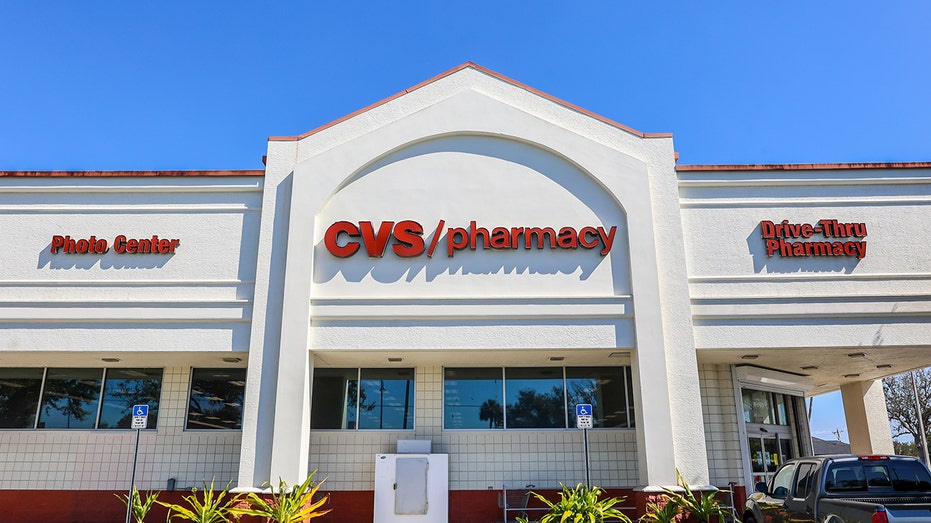
The lawsuits claim CVS manipulated reimbursements tied to the federal 340B Drug Pricing Program and kept the difference as profit. (Zak Bennett/Bloomberg via Getty Images)
At the center of the cases is the federal 340B Drug Pricing Program, which allows qualifying hospitals to buy expensive medications at discounted prices and use the savings to help fund community health services.
“Hospitals use 340B savings to provide, for example, free care for uninsured patients, offer free vaccines, provide services in mental health clinics, and implement medication management and community health programs,” the American Hospital Association states on its website.
A spokesperson for CVS told FOX Business in an email: “We do not comment on matters that are subject to ongoing litigation and remain focused on serving our customers and executing our business priorities.”
The University of Michigan complaint claims CVS and its subsidiaries “diverted (and continue to divert) 340B revenue for themselves by implementing a secret pricing scheme for 340B drugs, which required cooperation among its affiliated entities within the 340B drug supply chain.”
“CaremarkPCS charged the plan/payor the original higher amount, and the 340B eligible patient the original higher copay just so that defendants retain 340B profits,” the Mount Sinai complaint alleges.
CVS CAREMARK ORDERED TO PAY $290M AFTER MEDICARE FRAUD SCHEME EXPOSED BY FORMER AETNA WHISTLEBLOWER
The complaints point to examples involving high-cost specialty drugs, including Stelara, which is used to treat chronic inflammatory conditions like plaque psoriasis, according to Stelara’s website.
The Michigan lawsuit cites one example in which a Stelara prescription allegedly generated more than $24,000 for the University of Michigan’s specialty pharmacy, but only about $18,000 when processed through CVS Specialty — a difference of more than $6,500.
| Ticker | Security | Last | Change | Change % |
|---|---|---|---|---|
| CVS | CVS HEALTH CORP. | 93.28 | -0.90 | -0.96% |
“The $6,523.18 reflects the ‘spread’ artificially created and pocketed by the defendants as pure profit,” the complaint alleges.
The lawsuits also accuse CVS of refusing audit requests and terminating some pharmacy agreements after hospitals raised concerns.
“Defendants refused to permit an audit and terminated plaintiff from the 340B Contract Pharmacy Arrangement, in retaliation for uncovering the fraudulent scheme described herein and seeking to fulfill their obligations under the 340B Program and HRSA regulations,” the Kansas complaint alleges.
ANTI-THEFT MEASURES AT CVS ARE ‘WORSE FOR BUSINESS THAN ORGANIZED SHOPLIFTING,’ COLUMNIST ARGUES

Sparrow Hospital in Lansing, Michigan, is part of the University of Michigan Health system. (Google Maps)
GET FOX BUSINESS ON THE GO BY CLICKING HERE
The hospitals are seeking damages, repayment of alleged profits, court orders requiring CVS to turn over records and for the business to stop the alleged practices.
Last year, a federal judge ordered CVS Health’s Caremark to pay nearly $290 million after a whistleblower accused the company of overcharging Medicare on prescription drugs.
A spokesperson for University of Michigan Medicine told FOX Business: “Because this involves pending litigation, I have no information to share.”
FOX Business reached out to Mount Sinai and the University of Kansas Hospital Authority for comment.
FOX Business’ Alexandra Koch contributed to this report.


David Taylor from Ohio’s 2nd district makes multiple trades in tech and retail stocks

A government spokesman tells the BBC that the current offer “does not do enough to protect consumers or the environment”.

Form 4 Starbucks Corporation For: 15 June
Form 13D/A Lincoln Educational Services Corporation For: 15 June

Acacia Research: Hold On, But A Better Buy At Lower Prices

Iranian Americans plan protests as soccer team prepare for their World Cup opener

AMD: Agentic AI Makes EPYC The Winner Of The AI Infrastructure Cycle
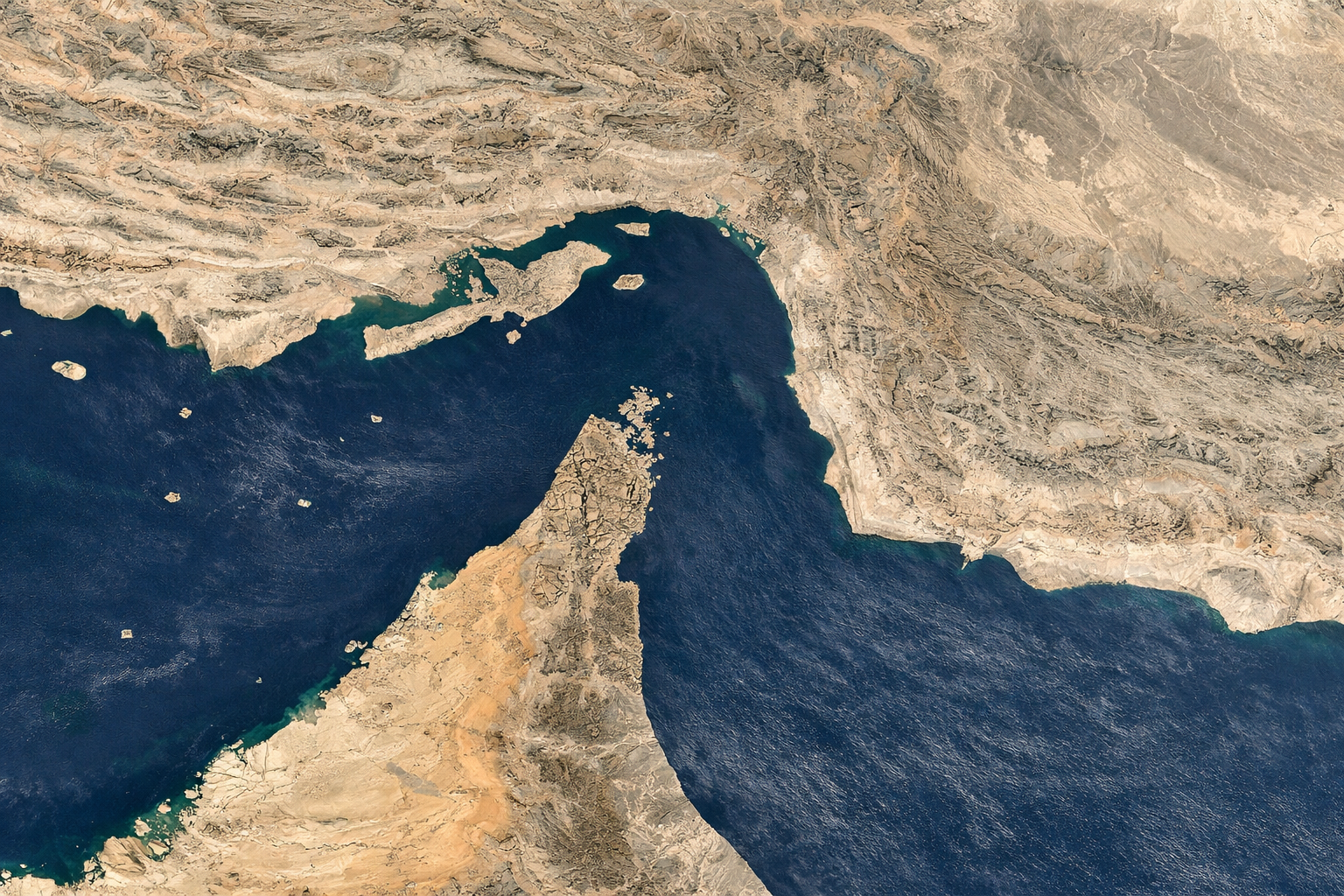
WASHINGTON — The United States and Iran have reached a landmark agreement to end months of conflict, with President Donald Trump announcing the reopening of the strategically vital Strait of Hormuz and the lifting of the U.S. naval blockade on Iranian ports, offering significant relief to global energy markets and easing fears of prolonged regional instability.
The deal, mediated in part by Pakistan, is set to be formally signed in Switzerland as early as Friday, according to multiple reports. It includes an immediate ceasefire across all fronts, including operations in Lebanon, and paves the way for further negotiations on Iran’s nuclear program and sanctions relief. Oil prices fell sharply following the announcement as traders priced in the prospect of resumed flows through the critical waterway.
Trump confirmed the breakthrough on social media, stating the deal was complete and authorizing the immediate removal of the naval blockade. “Let the oil flow!” he wrote, emphasizing the economic benefits of restored shipping access.
Iranian officials framed the agreement as a victory for Tehran, with state media reporting that the text of a memorandum of understanding had been finalized. The country’s deputy foreign minister described it as a step toward broader regional stability, though details on nuclear material and long-term security arrangements remain subject to further talks.
Key Elements of the Agreement
The preliminary deal calls for the immediate and permanent termination of military operations, the reopening of the Strait of Hormuz to all shipping without tolls, and the lifting of the U.S. blockade imposed earlier in the conflict. Mediators from Pakistan and Qatar played key roles in brokering the understanding.
Questions persist over crucial issues, including the handling of Iran’s nuclear program, the status of frozen assets and the presence of Israeli forces in Lebanon. Israel has indicated that its operations there would continue independently, despite the broader ceasefire framework.
The agreement comes after more than three months of fighting that disrupted global shipping, drove up energy prices and raised fears of wider escalation involving multiple regional actors. The prospect of restored oil flows has already eased market concerns, with analysts noting “every chance of avoiding a prolonged energy shock.”
Reactions from Key Parties
In Iran, the deal has been portrayed as a strategic success against U.S. and Israeli pressure. Senior officials hailed the outcome as a demonstration of resilience, while cautioning that full implementation would require careful monitoring.
Lebanon welcomed the end to military operations, viewing it as a step toward de-escalation in a country long affected by cross-border tensions. However, Israeli statements underscored ongoing differences, with officials vowing to maintain security measures independently.
Global leaders have broadly welcomed the news, expressing hope that the agreement will stabilize energy markets and reduce humanitarian risks. European officials emphasized the importance of addressing nuclear concerns in subsequent talks to ensure long-term compliance.
Economic and Market Impact
The announcement triggered an immediate drop in oil prices, providing relief to consumers and industries worldwide. Energy analysts project increased supply through the Strait of Hormuz, which handles a significant portion of global seaborne oil trade, could help moderate prices in the coming weeks.
Stock markets reacted positively, with gains in transportation and consumer sectors as fears of supply disruptions eased. Broader financial markets also benefited from reduced geopolitical risk premium.
For the U.S. economy, lower energy costs could support consumer spending and help moderate inflation pressures. The agreement is expected to benefit American businesses reliant on stable international shipping routes.
Background and Path to Agreement
The conflict escalated earlier this year, leading to direct confrontations and a U.S. naval blockade that severely restricted Iranian oil exports. Diplomatic efforts, intensified through back-channel talks and mediation by regional partners, culminated in the current framework.
Pakistan’s prime minister announced that a final agreed text had been reached, with the signing ceremony planned for Geneva. The memorandum serves as an initial step, with 60 days allocated for deeper negotiations on nuclear issues and sanctions.
Both sides have expressed cautious optimism. Trump highlighted the deal as a major diplomatic achievement, while Iranian officials stressed their core demands had been addressed without compromising sovereignty.
Challenges Ahead
Significant hurdles remain in fully implementing and sustaining the agreement. Verification mechanisms for ceasefire compliance, timelines for sanctions relief and monitoring of nuclear activities will require robust international oversight. Differences between the U.S., Iran and Israel could complicate long-term stability.
Humanitarian concerns persist in affected regions, with calls for accelerated aid delivery and reconstruction efforts. The deal’s success will ultimately depend on sustained diplomatic engagement and mutual adherence to commitments.
Broader Regional and Global Implications
The agreement represents a significant de-escalation in one of the world’s most volatile regions, potentially opening pathways for broader diplomatic initiatives. It could influence dynamics involving other actors, including proxy groups and neighboring states.
For global energy security, restored access to the Strait of Hormuz reduces risks of supply shocks that have historically roiled markets. The development also underscores the role of diplomacy in resolving high-stakes conflicts amid complex alliances.
As details of the full text emerge, analysts will assess its durability and potential for expansion into a comprehensive regional framework. For now, the announcement brings cautious hope that months of conflict may give way to renewed stability and economic recovery.
The U.S.-Iran agreement marks a pivotal moment in international relations, demonstrating that even entrenched adversaries can find common ground when strategic interests align. Its implementation will be closely watched by markets, governments and citizens across the Middle East and beyond as the world assesses prospects for lasting peace.
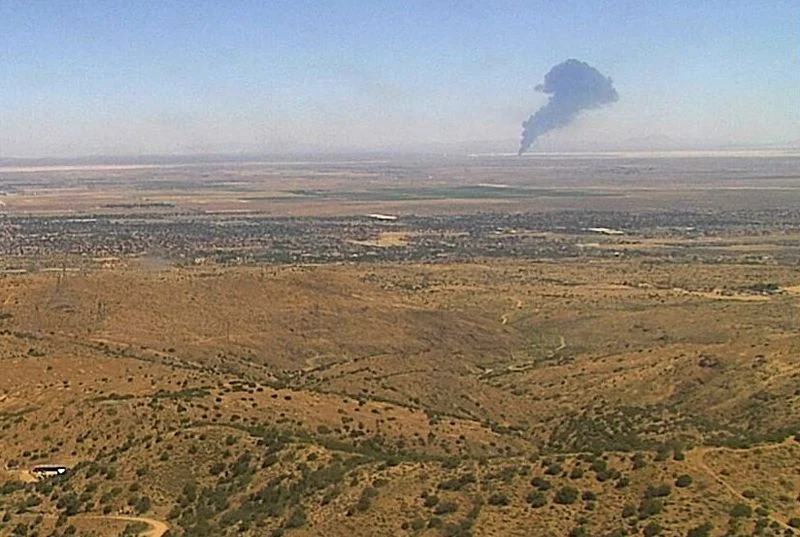

Eight crew believed dead in California B-52 bomber crash, CNN reports
Prime Capital Financial CIO Will McGough discusses market reactions to the U.S.-Iran peace deal, causing oil prices to drop and airline stocks to soar.
Oil prices fell on Monday to the lowest levels since early March following the announcement of a preliminary agreement between the U.S. and Iran to end the war that has strained the energy market.
West Texas Intermediate (WTI) crude oil prices were down over 5% during Monday’s trading session on the news, trading just above $80 a barrel.
Despite that decline, prices for the U.S. oil benchmark remain well above their pre-war levels, as oil prices were between $60 and $70 a barrel in the month leading up to the beginning of the conflict.
Prices for Brent crude, the global benchmark, were down over 3.6% on Monday and were trading below $80 a barrel for the first time since early March.
US OIL RESERVES DROP TOWARDS REAGAN-ERA LOWS, ‘SIGNIFICANT IMPACT AT THE PUMP’ COMING, EXPERTS WARN
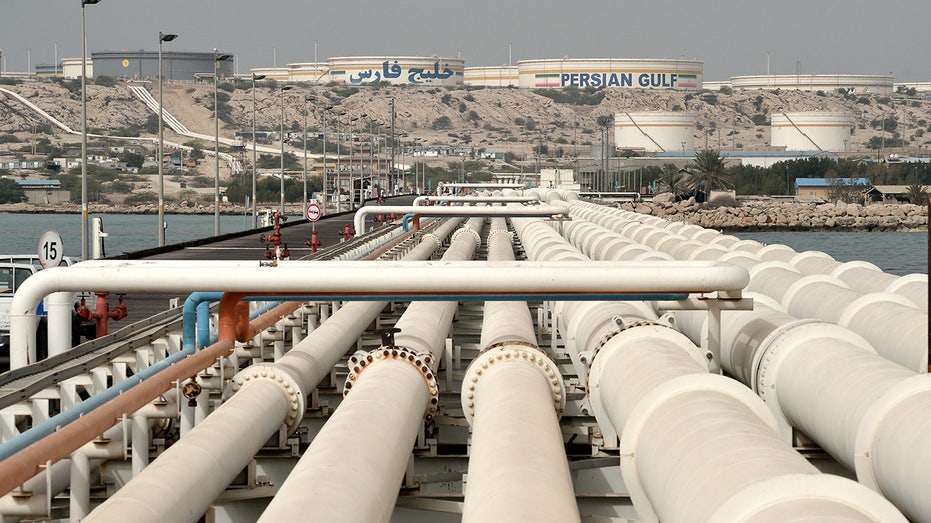
President Donald Trump said a deal with Iran has been signed and will take effect this week. (Fatemeh Bahrami/Anadolu Agency/Getty Images)
The decline in oil prices occurred after President Donald Trump said that he signed a memorandum of understanding with Iran that aims to end the war, which has disrupted the flow of oil shipped via tankers transiting the Strait of Hormuz.
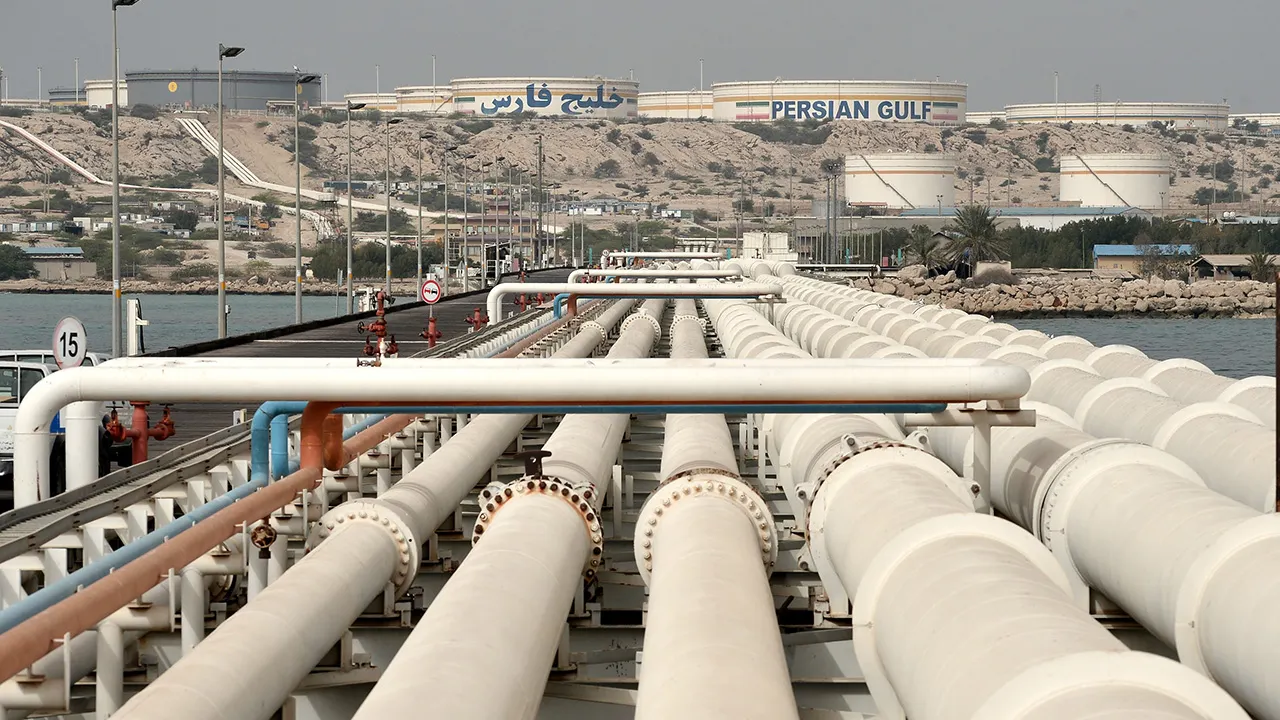
The vital chokepoint has had tanker traffic reduced substantially during the war, pushing oil prices higher and raising supply concerns in regions with limited oil production.
“The deal’s all signed. And the Strait is already partially opened,” Trump said after he arrived in France for the G7 summit.
ZELDIN TOUTS US ENERGY FUTURE, SAYS INDO-PACIFIC NATIONS INCREASINGLY INTEREST IN AMERICAN SUPPLY
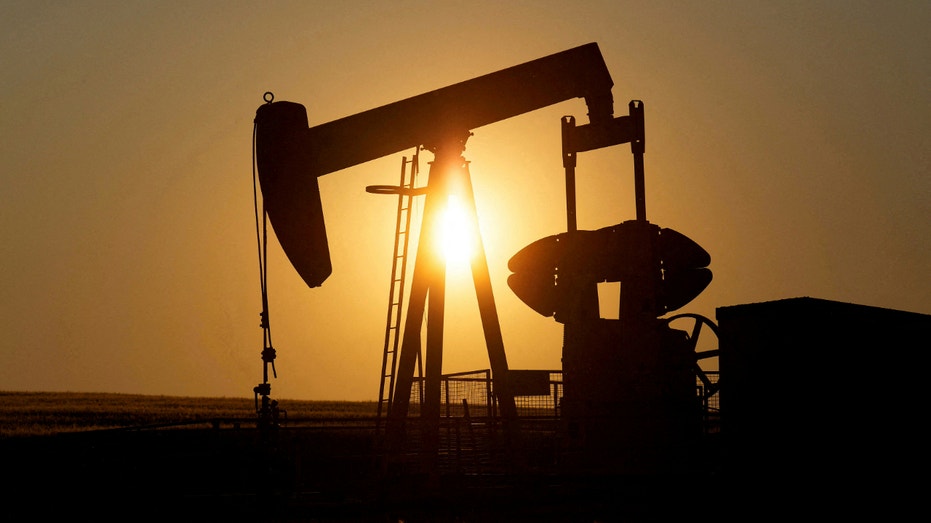
Oil prices remain above their pre-war levels. (Reuters/Todd Korol)
An official signing ceremony is planned for Friday in Geneva, which is about an hour away from the summit’s location in Evian-les-Bains in the French Alps.
Trump was asked about when the Iran memorandum will be published publicly and said, “I think pretty soon, I would say. I mean, I want it to be released because it’s a very powerful document. It’s not like the Obama document, which was just a terrible document.”
“So probably pretty soon, I would say sometime after Friday, because the Strait opens – it’s open now, but it opens completely, we’ll have all the mines knocked out for the most part. We have a lot of lanes right now,” Trump said.
The president added that the agreement is “really a behavioral thing” when it comes to Iran because if “they do what they’re supposed to do, that starts taking effect.”
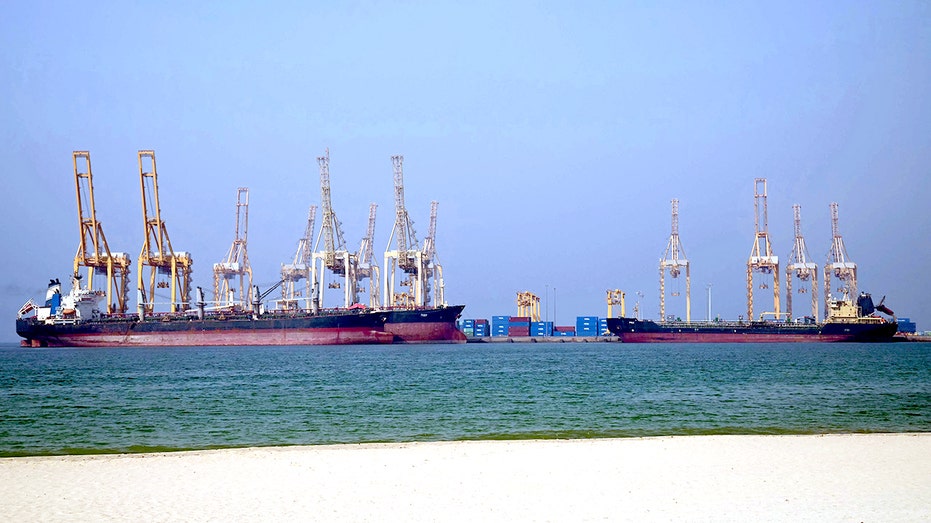
The disruption of oil flows from the Middle East has pushed consumer prices higher in the U.S., driving a jump in inflation. (Giuseppe Cacace/AFP via Getty Images)
The deal to end the war with Iran is expected to ease pressure on the Federal Reserve to raise interest rates to curb inflation, which surged to a three-year high in May as gas prices hit consumers’ budgets.
BMO’s U.S. rates strategist, Vail Hartman, said that the “oil shock is not over, and we are not at the point of reviving hopes of interest rate cuts this year. We would need more concrete changes in the macro outlook.”
GET FOX BUSINESS ON THE GO BY CLICKING HERE
Reuters contributed to this report.
David Taylor from Ohio’s 2nd district makes multiple trades in tech and retail stocks

Trump Crypto Company to Back Fighter Bonuses in Stablecoins as Part of UFC Event

Iran vs. New Zealand prediction, odds, line, time: 2026 World Cup picks


-

 Business1 day ago
No Jackpot Winner as $257 Million Prize Rolls Over to $269 Million Monday Draw
-

 Crypto World4 days ago
Oppenheimer backs SpaceX as $70 billion retail frenzy builds
-

 Crypto World4 days ago
Markets Rally as SpaceX IPO Looms Amid Iran Tensions and Inflation Surge
-

 Fashion3 days ago
Weekend Open Thread: Tuckernuck – Corporette.com
-
 Crypto World24 hours ago
Zimbabwe Requires Crypto Businesses to Register Annually Under New FIU Regulations
-

 Entertainment7 days ago
The Ryan Gosling True Crime Thriller On Netflix That Gets Even Stranger, Stream It Now
-
 Sports6 days ago
Bangladesh beat Australia after 20 years in ODIs, register only their second win over six-time world champions | Cricket News
-

 Tech3 days ago
NanoClaw integrates JFrog registries to secure AI agent downloads
-

 Crypto World3 days ago
Bitget enters Argentina’s regulated crypto market through PSAV registration
-

 Tech3 days ago
This Week In Security: Microsoft On Microsoft, Register Your Domains, Linux On ARM, And FreeBSD Joins The File Cache Club
-
 Tech4 days ago
Dutton Ranch star claims they ‘didn’t see any disruption’ on set following Chad Feehan’s exit from Yellowstone spinoff fueled by Taylor Sheridan clash rumors
-

 Politics4 days ago
Politics Home | Healey Resignation Is “Colossal Failure Of Government”, Says Former Labour Defence Secretary
-

 NewsBeat4 days ago
El Nino has formed in the Pacific and could set records, forecasters say
-
 Tech6 days ago
‘This is Seattle’s position on AI’: City Council votes unanimously to pause big new data centers
-
 Entertainment4 days ago
Donnie Wahlberg & More Heat Up Las Vegas at Circa’s Barry’s Downtown Prime
-

 Sports4 days ago
First Time Since 1971: Australia Register Historic Low In ODI Cricket
-
 Tech4 days ago
Opendoor Ends India Operations, Fueling a Bigger Conversation About AI and Outsourcing
-

 Politics4 days ago
Belfast burns, while Met chief points finger at Iran and Russia
-

 Business6 days ago
Thailand Ranks Second Worldwide for AI Adoption Growth, Microsoft Reports
-

 NewsBeat3 days ago
FBI searches office of Ohio voter registration group
You must be logged in to post a comment Login