Connect with us
DAPA Banner
DAPA Coin
DAPA
COIN PAYMENT ASSET
PRIVACY · BLOCKDAG · HOMOMORPHIC ENCRYPTION · RUST
ElGamal Encrypted MINE DAPA
🚫 GENESIS SOLD OUT
DAPAPAY COMING

Business

Electrolux sets share price at 16.75 crowns in $976 million rights issue

Published

on

Continue Reading
Click to comment

You must be logged in to post a comment Login

Leave a Reply

Business

Sebi revamps ETF trading rules, introduces dynamic price bands from September

Published

on

Sebi revamps ETF trading rules, introduces dynamic price bands from September
Markets regulator Sebi has introduced a new framework for exchange traded funds (ETFs), replacing the existing fixed price band mechanism with dynamic price bands for most ETF categories and changing the method used to determine their base price.

The new rules will come into effect from September 1, 2026, according to a circular issued by the regulator on Monday.

At present, ETFs are subject to a fixed 20% price band based on the net asset value (NAV) from two trading days earlier. SEBI said the existing framework creates challenges because of the one-day lag in price discovery and because the fixed bands do not adequately reflect movements in the underlying assets.

Under the revised framework, equity ETFs and debt ETFs, excluding overnight and liquid ETFs, will have an initial dynamic price band of 10%, which can be expanded up to 20% after a cooling-off period. The price band will be widened by 5% increments if prices hit the upper threshold during trading.

Commodity ETFs tracking gold and silver will have an initial price band of 6%, which can be expanded in stages of 3% depending on market conditions and international commodity price movements.

Advertisement


Sebi has also changed the methodology for determining ETF base prices. Instead of using the T-2 NAV, exchanges will use the previous day’s closing price, calculated as the volume-weighted average price during the last 30 minutes of trading. If there is no trade during that period, the last traded price will be used. In the absence of any trading, the latest available NAV will serve as the base price.
The regulator said stock exchanges and mutual funds should work towards using the previous day’s closing NAV as the base price from April 1, 2027.In another key change, Sebi has mandated a pre-open call auction session for gold and silver ETFs to improve price discovery, given that the underlying commodities trade continuously across international markets while domestic ETFs trade only during Indian market hours.

The regulator said the changes were based on recommendations from stock exchanges, the Secondary Market Advisory Committee and feedback received during public consultation.

Add ET Logo as a Reliable and Trusted News Source

Continue Reading

Business

AMG Yacktman Fund Q1 2026 Commentary

Published

on

Hercules Capital: 3 Reasons Why The Market Is Wrong (Rating Upgrade)

AMG Yacktman Fund Q1 2026 Commentary

Continue Reading

Business

A Guide to the Biggest Winners From the SpaceX IPO

Published

on

A Guide to the Biggest Winners From the SpaceX IPO

Elon Musk isn’t the only big winner from the SpaceX SPCX 15.67%increase; up pointing triangle IPO. From longtime executives to short-term employees, college endowments and venture-capital firms, all stand to benefit from their stakes in the rocket maker.

Here’s a look at some of these winners.

Copyright ©2026 Dow Jones & Company, Inc. All Rights Reserved. 87990cbe856818d5eddac44c7b1cdeb8

Continue Reading

Business

The Faulty Logic Behind the SpaceX Index Trade

Published

on

The Faulty Logic Behind the SpaceX Index Trade

There are lots of reasons people bought SpaceX’s SPCX 19.22%increase; up pointing triangle $1.8 trillion IPO, including faith in Elon Musk, hopes for the first-day pop and, perhaps, a belief that it will one day profit from colonizing Mars. One idea that’s popular even with those who think the stock is wildly overvalued is that early entry into the Nasdaq-100 and several other large indexes is virtually a guarantee of free money.

The trade works like this: When SpaceX joins an index, funds tracking the index have to buy no matter the price. So if you buy in advance, you can then sell to the index fund at a higher price when it joins, which will be on Friday for some of the indexes. The demand part of the logic is impeccable, and index arbitragers have long done exactly this, albeit with risks that make it far from guaranteed money.

Copyright ©2026 Dow Jones & Company, Inc. All Rights Reserved. 87990cbe856818d5eddac44c7b1cdeb8

Continue Reading

Business

Jefferies’ top power & utilities stock pick for 2026

Published

on


Jefferies’ top power & utilities stock pick for 2026

Continue Reading

Business

Canada’s ambassador says trade talks with US are productive

Published

on


Canada’s ambassador says trade talks with US are productive

Continue Reading

Business

Midwest and South states dominate 2026 housing affordability rankings

Published

on

Midwest and South states dominate 2026 housing affordability rankings

The states with the best affordability for homebuyers and that are facilitating the most construction of new homes are centered in the Midwest and South, according to a new report.

Realtor.com released the 2026 edition of its housing report cards for all 50 states plus the District of Columbia, which showed that states across the Midwest and South outperformed their peers from the Northeast and West.

Advertisement

While no states earned an A+ grade, which suggests that all have room for improvement, 12 of the 13 states with the highest grades were all located in the Midwest and South, receiving grades in the B- to A range. Half of the grade is based on an affordability measure, while the other half is based on homebuilding activity.

“This year’s refresh reveals a familiar regional divide, but also some notable shifts beneath the surface, with a new state at the top of the class and a handful of states whose grades moved dramatically in either direction,” said Realtor.com senior economist Joel Berner.

MORTGAGE RATES TICK HIGHER, BUT BUYERS SHOW SIGNS OF CONFIDENCE

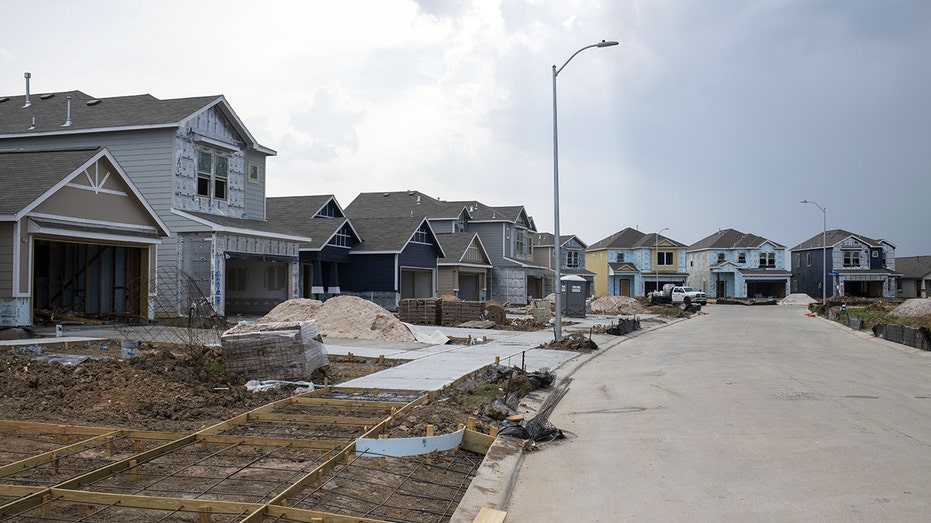
Homes under construction with storm in background

Realtor.com’s state report for housing affordability gave Indiana, Iowa and North Carolina A grades, while Texas received an A-. (Mark Felix/Bloomberg via Getty Images)

Indiana topped the list with a total score of 76.3 on the 100-point scale, earning an A based on strong affordability and homebuilding activity that helped it rise three spots from last year’s rankings. 

Advertisement

The median-priced home in the Hoosier State was $295,810 and required about 28% of the median household income of $71,469, which fell below the 30% benchmark for affordability.

Other states to receive A grades include Iowa, which has a median listing price of $282,886 and a median household income of $75,991, as well as last year’s leader South Carolina, with a median listing price of $363,896 and a median income of $67,758.

WHY GEN Z IS SAYING ‘NO’ MORE OFTEN – AND SAVING MORE MONEY

Texas ranked fourth with an A- grade, given the Lone Star State’s median listing price of $364,749 and median income of $76,585. North Carolina and Nebraska were the only two states to receive B+ grades.

Advertisement

The biggest risers in the report compared with last year were Delaware and Utah, which each jumped 12 spots. Delaware rose from 19th to 7th, while Utah saw its ranking rise from 29th to 17th.

Construction workers builds home with US flag in background

Realtor.com’s report is based on new construction activity as well as affordability metrics for buyers. (Joshua Lott/Bloomberg via Getty Images)

Six states received F grades on their report cards, with New York ranking last due to a $668,173 median listing price and median income of $82,657. The other five states that received F grades were all located in the Northeast or West, with Massachusetts, Rhode Island, Hawaii, California and Connecticut rounding out the bottom of the list in order of the worst grade to the best.

5 CITIES THAT NAIL THE RETIREMENT SWEET SPOT

Most of the states near the bottom of the rankings saw their rankings hold steady or change little from a year ago, as they continue to face high prices, limited land for building with restrictive zoning policies, and building costs outpacing what middle-income buyers can afford.

Advertisement

The biggest drops were three states which all fell eight spots in the rankings – Alabama fell from 13th to 21st, Maryland dropped from 23rd to 31st, and New Jersey slipped from 35th to 43rd.

Homes in Queens.

New York slipped into last place in the 2026 rankings. (Lindsey Nicholson/UCG/Universal Images Group via Getty Images)

Here’s the list of the Realtor.com report’s grades for each of the 50 states as well as the District of Columbia:

  • Alabama: C
  • Alaska: C-
  • Arizona: C
  • Arkansas: B
  • California: F
  • Colorado: C+
  • Connecticut: F
  • Delaware: B
  • District of Columbia: D+
  • Florida: B
  • Georgia: B
  • Hawaii: F
  • Idaho: C
  • Illinois: C
  • Indiana: A
  • Iowa: A
  • Kansas: B
  • Kentucky: C
  • Louisiana: C
  • Maine: C-
  • Maryland: C
  • Massachusetts: F
  • Michigan: C
  • Minnesota: C+
  • Mississippi: C-
  • Missouri: C
  • Montana: D
  • Nebraska: B+
  • Nevada: C-
  • New Hampshire: D+
  • New Jersey: D
  • New Mexico: C-
  • New York: F
  • North Carolina: B+
  • North Dakota: C
  • Ohio: C+
  • Oklahoma: B
  • Oregon: D-
  • Pennsylvania: C
  • Rhode Island: F
  • South Carolina: A
  • South Dakota: B
  • Tennessee: C
  • Texas: A-
  • Utah: C+
  • Vermont: D+
  • Virginia: C+
  • Washington: C-
  • West Virginia: C
  • Wisconsin: C
  • Wyoming: C-

GET FOX BUSINESS ON THE GO BY CLICKING HERE

Continue Reading

Business

‘Fire sale’ of council property ruled out as chiefs consider Eastern Avenue land

Published

on

Business Live

Gloucester City Council looking to pay back emergency loan

General view of Eastern Avenue, Gloucester.

General view of Eastern Avenue, Gloucester(Image: Google)

There will be no “fire sale” of property say Gloucester chiefs as they agree to look at selling land in Eastern Avenue to pay back the emergency loan which saved the council from bankruptcy.

Advertisement

Gloucester City Council leaders agreed last week to start the preparatory work to consider the feasibility of selling land and buildings at Eastern Avenue.

The authority was offered £15.5 million in exceptional financial support (EFS) from the Government earlier this year to balance its budget and avoid effective bankruptcy.

And selling off council-owned property or making them more profitable are part of the authority’s financial recovery plan.

The cabinet has agreed to appoint an agent to advise them on the potential sale of land.

Advertisement

The precise property being considered for sale has not yet been made officially public but it is understood to be land is in and around the council’s depot in Chase Lane.

Finance cabinet member Declan Wilson (LD, Hucclecote) told the meeting on June 10 that a decision on whether the site is sold would be taken at a later date.

“The council’s financial recovery plan requires us to look carefully at our property assets and consider whether some could either generate a capital receipt or remove an ongoing liability,” he said.

He said the property was identified in the first phase of assets to be considered and the council will appoint an external agent to advise the council on the feasibility of selling the site.

Advertisement

“This report does not yet commit the council to selling the site,” he added.

Gloucester City Council cabinet meeting on January 10, 2026.

Gloucester City Council’s cabinet meeting on January 10(Image: Local Democracy Reporting Service)

A further report with evidence on whether the property should or shouldn’t be put on the open market would be brought to the cabinet before any decision is made.

Council leader Jeremy Hilton (LD, Kingsholm and Wotton) said they are going to make sure they do a “thoroughly good job on the process”.

“We will find out whether it is viable for us to sell this land at Eastern Avenue,” he added.

Advertisement

“It proves one thing, that this council is not about doing a fire sale.

“It’s about making sure we put things on the market, we do it properly and maximise the income for the asset.”

To find all the planning applications, traffic diversions, road layout changes, alcohol licence applications and more in your community, visit the Public Notices Portal.

Advertisement
Continue Reading

Business

CoreWeave: The Liabilities Keep On Piling Up

Published

on

CoreWeave: The Liabilities Keep On Piling Up

CoreWeave: The Liabilities Keep On Piling Up

Continue Reading

Business

Fox Corp to Acquire Roku in $22 Billion Deal Creating Major Streaming and Content Powerhouse

Published

on

10 Must-Know Facts About Roku in 2026

NEW YORK — Fox Corporation announced Monday it has agreed to acquire streaming platform Roku Inc. in a cash-and-stock transaction valued at approximately $22 billion in enterprise value, marking one of the largest media deals of 2026 and signaling further consolidation in the rapidly evolving connected television and streaming industry.

Under the terms of the agreement, Fox will pay $160 per Roku share, consisting of $96 in cash and 0.9693 Fox Class A shares. Upon completion, Fox shareholders are expected to retain approximately 73% ownership of the combined company, with Roku shareholders holding the remaining 27%. The deal is expected to close in the first half of 2027, subject to regulatory approvals and other customary closing conditions.

Fox has secured $12 billion in bridge financing from Morgan Stanley to fund the cash portion of the transaction. The acquisition is anticipated to generate around $400 million in run-rate cost synergies and implies pro forma net leverage of approximately 2.8 times.

The combination brings together Fox’s robust portfolio of sports, news and entertainment content — including its popular Tubi free ad-supported streaming service — with Roku’s leading connected TV platform, The Roku Channel, first-party data capabilities and direct relationships with more than 100 million global streaming households.

Advertisement

Strategic Rationale and Industry Context

The deal represents a significant step for Fox as it seeks to strengthen its position in the streaming ecosystem amid intensifying competition from larger players like Netflix, Disney and Amazon. Roku has established itself as a neutral platform powering millions of televisions, offering users access to thousands of channels while generating revenue through advertising and platform fees.

By acquiring Roku, Fox gains greater control over distribution and user engagement while expanding its advertising reach in the fast-growing connected TV segment. The move allows the combined entity to leverage Fox’s premium content with Roku’s scalable technology and data insights, potentially creating new revenue opportunities through targeted advertising and enhanced user experiences.

Roku’s platform has been instrumental in the cord-cutting trend, helping consumers transition from traditional cable to streaming. The acquisition could accelerate innovation in ad-supported streaming while providing Fox with valuable first-party data to refine content strategies and audience targeting.

Advertisement

Market Reaction and Financial Implications

Fox Class A shares fell approximately 15.5% in Monday trading as investors digested the deal terms and potential dilution. Roku shares slipped around 0.8%, reflecting a modest premium in the offer price relative to recent trading levels.

The transaction highlights ongoing consolidation in media and technology, as traditional broadcasters seek to adapt to shifting consumer habits. Free ad-supported streaming services like Tubi have gained significant traction, and combining it with Roku’s platform could create a formidable competitor in the AVOD space.

Analysts expect the deal to enhance the combined company’s competitive positioning against pure-play streaming giants. The $400 million in anticipated cost synergies could help offset integration expenses and support margin expansion over time. However, the bridge financing and resulting leverage will require careful management as the companies integrate operations.

Advertisement

Background on the Companies

Fox Corporation, spun off from the larger 21st Century Fox assets, focuses on news, sports and entertainment through networks like Fox News, Fox Sports and the Fox broadcast network. Its Tubi service has grown rapidly as a leading free streaming option, appealing to cord-cutters seeking affordable entertainment.

Roku, founded in 2002, transformed from a simple streaming device maker into a full platform company. Its operating system powers smart TVs from multiple manufacturers and offers a comprehensive content marketplace. The company generates revenue through hardware sales, platform fees and advertising, with its ad business becoming an increasingly important growth driver.

The acquisition reflects broader trends in the media industry, where content owners and distributors are combining forces to compete more effectively. Similar deals in recent years have reshaped the landscape, as companies pursue scale, data advantages and diversified revenue streams.

Advertisement

Challenges and Regulatory Considerations

The transaction will face scrutiny from antitrust regulators concerned about concentration in the streaming and advertising markets. Both companies operate in competitive environments, but the combination of significant content and distribution assets could raise questions about market power.

Integration challenges will include aligning corporate cultures, technology platforms and advertising strategies. Retaining key talent from both organizations will be critical to realizing the deal’s strategic vision.

For Roku shareholders, the cash-and-stock structure provides immediate value while offering participation in the upside of the combined entity. Fox shareholders, while facing short-term dilution and leverage concerns, stand to benefit from enhanced scale and growth opportunities in streaming.

Advertisement

Industry Experts Weigh In

Media analysts described the deal as a logical evolution for both companies. The combination positions the new entity to better compete in a fragmented streaming market while capitalizing on the continued shift toward ad-supported viewing models.

The deal comes at a time of heightened activity in media M&A, as companies seek to adapt to changing consumer preferences and technological advancements. Streaming has fundamentally altered how content is consumed and monetized, prompting traditional players to pursue aggressive strategies.

Outlook for the Combined Company

Advertisement

Assuming regulatory approval, the merged entity is expected to benefit from complementary strengths. Fox’s content expertise paired with Roku’s distribution and data capabilities could drive innovation in personalized viewing experiences and targeted advertising.

Longer-term, the deal may serve as a blueprint for further consolidation as the industry continues to mature. The focus will be on executing integration plans efficiently while maintaining the innovation that has driven growth at both companies.

Investors will closely monitor developments as the deal progresses toward closing. The transaction underscores the strategic importance of scale and technological capability in the modern media landscape.

As Fox and Roku move forward with the proposed combination, the deal represents a significant milestone in the evolution of the streaming industry. It highlights the ongoing convergence of content creation and distribution platforms in an increasingly competitive environment.

Advertisement
Continue Reading

Trending

Copyright © 2025