

Crypto World
CLEAR collapses 48% as Everclear shuts down protocol

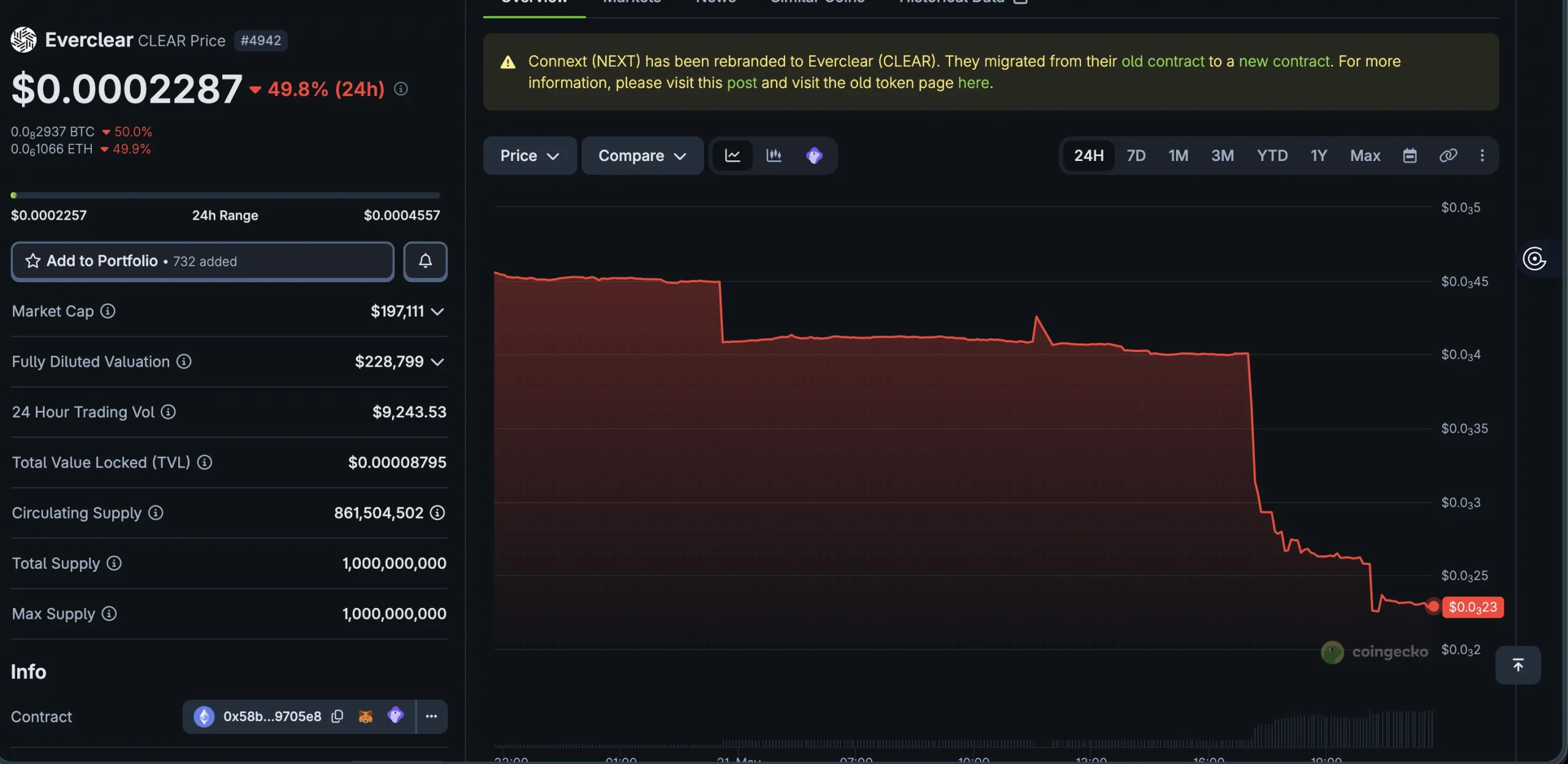
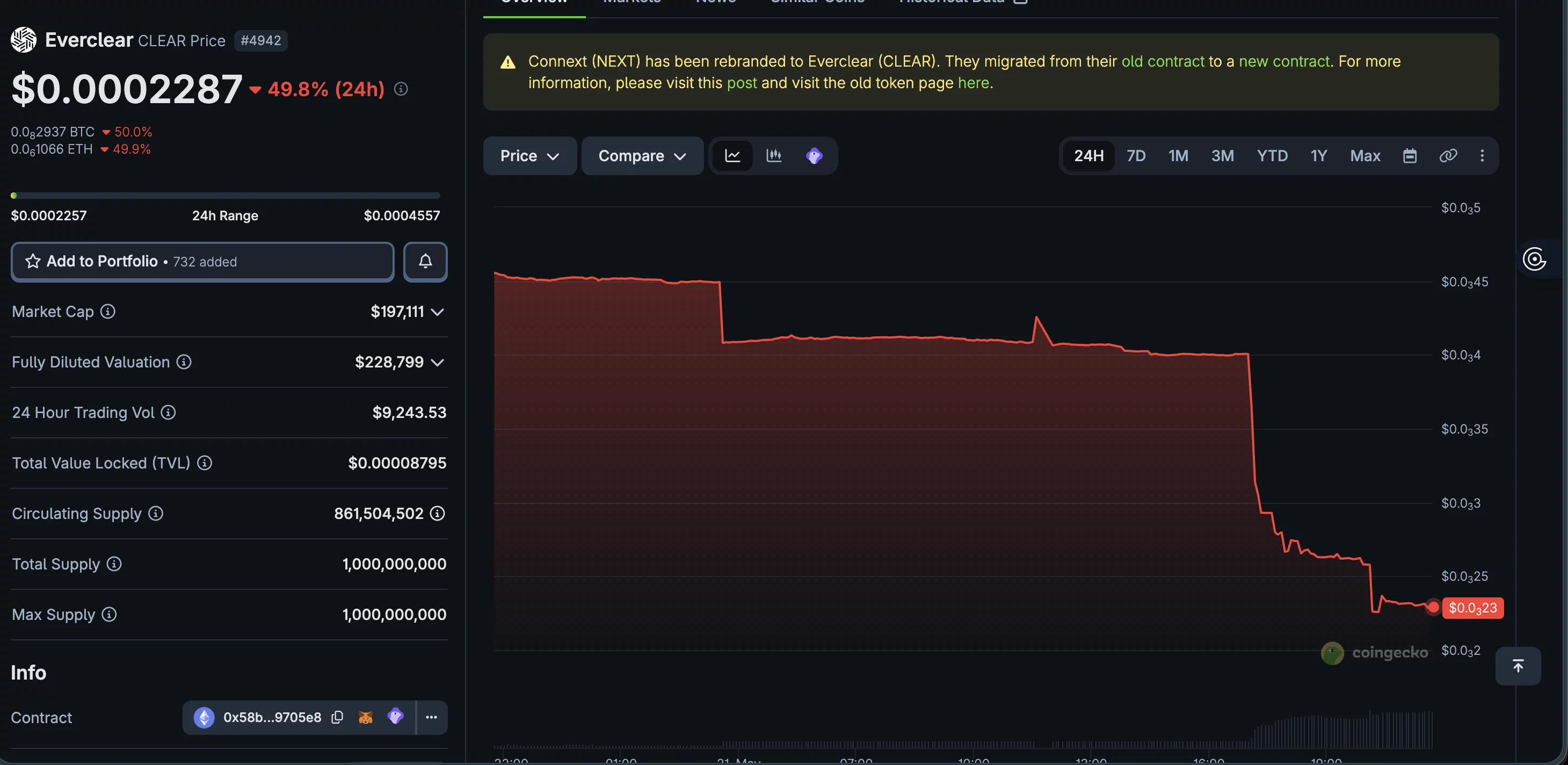
Everclear’s announcement of a full operational wind-down sent CLEAR sharply lower in the latest session.
Summary
- As of May 21, CLEAR declined to $0.0002332, down over 48% in 24 hours
- Everclear confirmed full shutdown of protocol and operations
- Project previously processed $500 million in monthly volume
- Team cites lack of sustainable revenue despite partnerships
Everclear, the cross chain clearing and settlement network backed by firms including Pantera Capital and Polychain, said it is winding down all operations after failing to build a sustainable business model.
In a stunning announcement posted to X, the team confirmed that the protocol has already been sunsetted and no funds remain locked.
The token is currently trading at $0.0002332, down over 48% in 24 hours.
Why did Everclear shut down its protocol?
“The protocol has been sunsetted,” Everclear stated. “To our knowledge, no funds are stuck any remaining TVL was withdrawn by users and partners.”
The project, originally launched in 2017 as Connext with early support from the Ethereum Foundation, aimed to solve liquidity fragmentation across blockchains. It later rebranded to Everclear and launched its mainnet in April 2025, positioning itself as infrastructure for cross chain settlement.
Despite technical execution, the team acknowledged that demand did not translate into revenue. “Despite reaching $500M in monthly volume, the cross chain solvers segment never developed the commercial depth we needed,” the team wrote. Users, it said, were highly price sensitive, limiting monetization.
The shutdown affects not only the protocol but also the Everclear Foundation and its research arm, effectively ending all development efforts tied to the ecosystem.
What happens to CLEAR token and remaining funds?
The immediate market reaction was severe. CLEAR dropped more than 48% to $0.0002332, according to CoinGecko data, wiping out most of its remaining market value in a single session.
Everclear said it plans to use remaining treasury funds to settle liabilities. The team also floated a potential token buyback, though it emphasized uncertainty around execution. The estimated size of any buyback ranges between $50000 and $200000, a relatively small figure compared to historical funding rounds.
The project had raised capital from major crypto investors and built integrations with industry partners. However, Everclear admitted it misjudged timelines for those partnerships to go live, which ultimately strained its financial runway.
“Several significant names signed on, but we underestimated how long it would take those partners to go live and our runway ran out before they did,” the team said.
There remains a possibility, however, that the technology could survive in another form. Everclear is exploring open sourcing its codebase, according to those familiar with the matter, allowing its DAO or external developers to continue development under new leadership. The intellectual property is currently held by the Everclear Foundation.
The collapse adds to a growing list of infrastructure projects struggling to convert usage into revenue, even as networks like Ethereum (ETH) continue to dominate settlement activity. It also highlights ongoing challenges in cross chain design, an area often positioned as critical to the broader crypto ecosystem alongside assets like Bitcoin (BTC) and scaling discussions tied to Layer 2 ecosystem growth.

Elon Musk’s SpaceX filed for an initial public offering on Wednesday. The filing shows a $1 trillion pay package tied to founding a Mars colony, a surprise $45 billion compute deal with rival Anthropic, and the bundled inclusion of X and xAI in the listed entity.
Here are 10 surprising facts that you might have missed from the SpaceX IPO filing.
SPCX Lands on Two Stock Exchanges at Once
The company will trade as “SPCX” on Nasdaq and Nasdaq Texas.
SpaceX reported $18.67 billion in 2025 revenue against a $2.59 billion operating loss. Total debt stands at $29.1 billion.
This isn’t a SpaceX IPO, It’s a SpaceX + X (Twitter) + xAI + Grok IPO
Crucially, investors buying SPCX will not own a pure rocket company. SpaceX absorbed xAI in February 2026, and xAI had already swallowed X (formerly Twitter) in March 2025.
The merged business now spans rockets, Starlink satellites, the Grok chatbot, and the X social platform.
A Trillion-Dollar Bet on Martian Colonists
Musk’s compensation has drawn immediate attention.
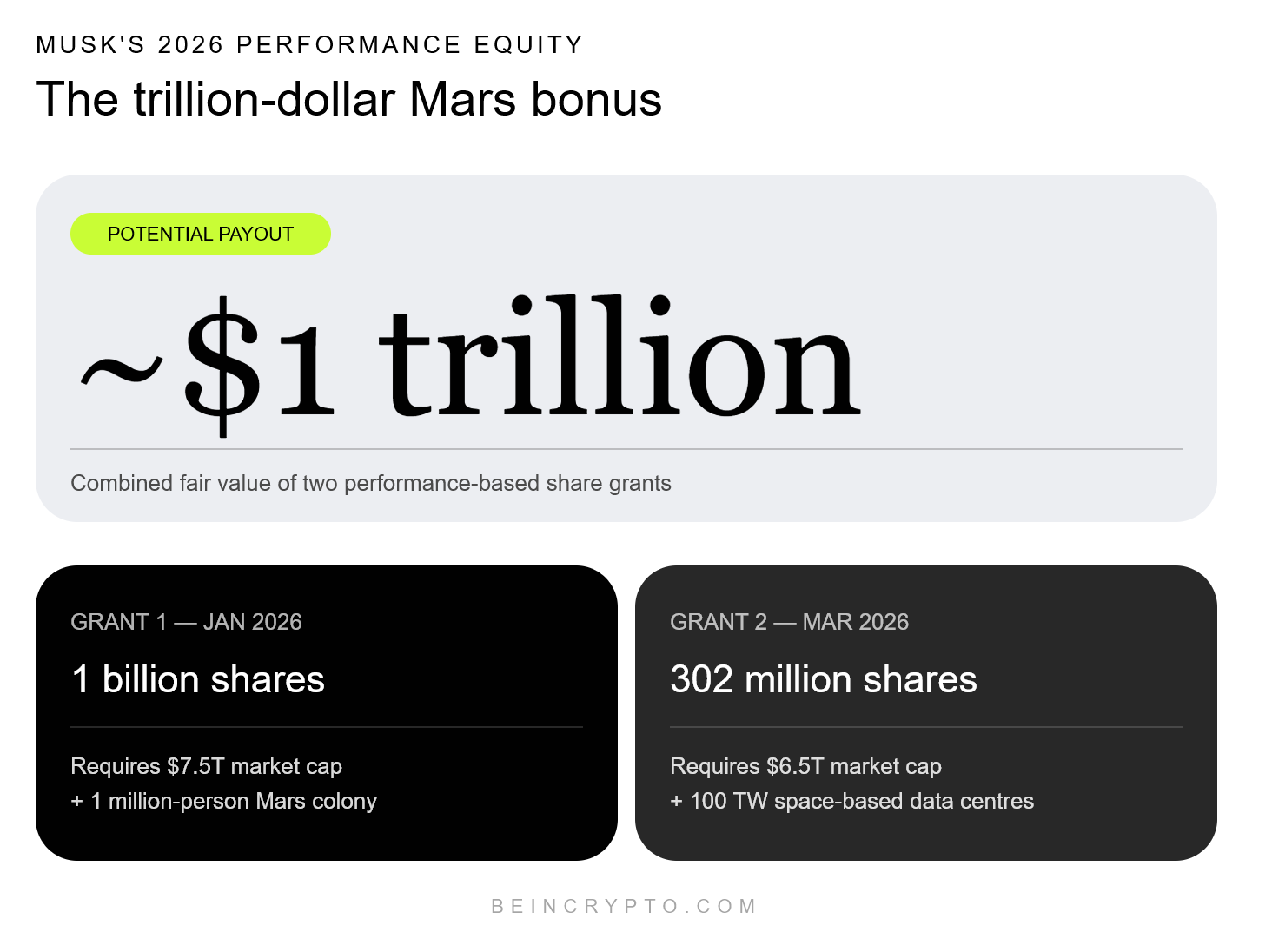
The board granted him 1 billion restricted shares in January, vesting only if SpaceX hits a $7.5 trillion market cap and establishes “a permanent human colony on Mars with at least one million inhabitants.”
A second 302-million-share tranche vests on building space-based data centres delivering 100 terawatts of compute. The company’s own auditors currently rate both milestones “improbable.”

Minimum Wage for the World’s Richest CEO
According to the filing, Musk’s base salary is just $54,080. This is California’s minimum legal pay for exempt employees. It has not changed since 2019.
Grok’s Biggest Rival Is Footing the Bill
Anthropic, a direct competitor to Grok, agreed in May to pay SpaceX $1.25 billion per month through 2029 for access to the COLOSSUS supercomputer in Memphis.
The deal totals roughly $45 billion.
No Insurance on the Satellites, or the CEO
The filing also discloses several risks. SpaceX does not insure its 9,600 orbiting satellites and holds no life insurance policy on Musk.
Foreign governments have publicly discussed using anti-satellite weapons against the Starlink network, the document notes.
Three in Four Satellites in Orbit Belong to Elon Musk
Starlink now accounts for around 75% of all active manoeuvrable satellites in orbit, serving 10.3 million subscribers across 164 countries.
The constellation performed more than 1,000 collision-avoidance manoeuvres per day in 2025.

Asteroid Mines, Moon Railguns, and a Star-Sized Goal
Looking further ahead, SpaceX plans to deploy data centres in orbit from 2028, mine asteroids, and build an electromagnetic “lunar mass driver” on the Moon.
The filing states the long-term aim is reaching “Kardashev Type II” status — a civilisation harnessing the full energy of its star.
Musk Still Holds the Keys
After the offering, Musk will retain 85.1% of the voting power. Musk’s official SEC-disclosed title at Tesla is listed as “Technoking.”
What about Clean Energy?
SpaceX’s data centers run on natural gas and gas turbines, an awkward disclosure for the brand built on clean energy.
The post 10 Surprising Facts About Elon Musk’s $1 Trillion SpaceX IPO appeared first on BeInCrypto.
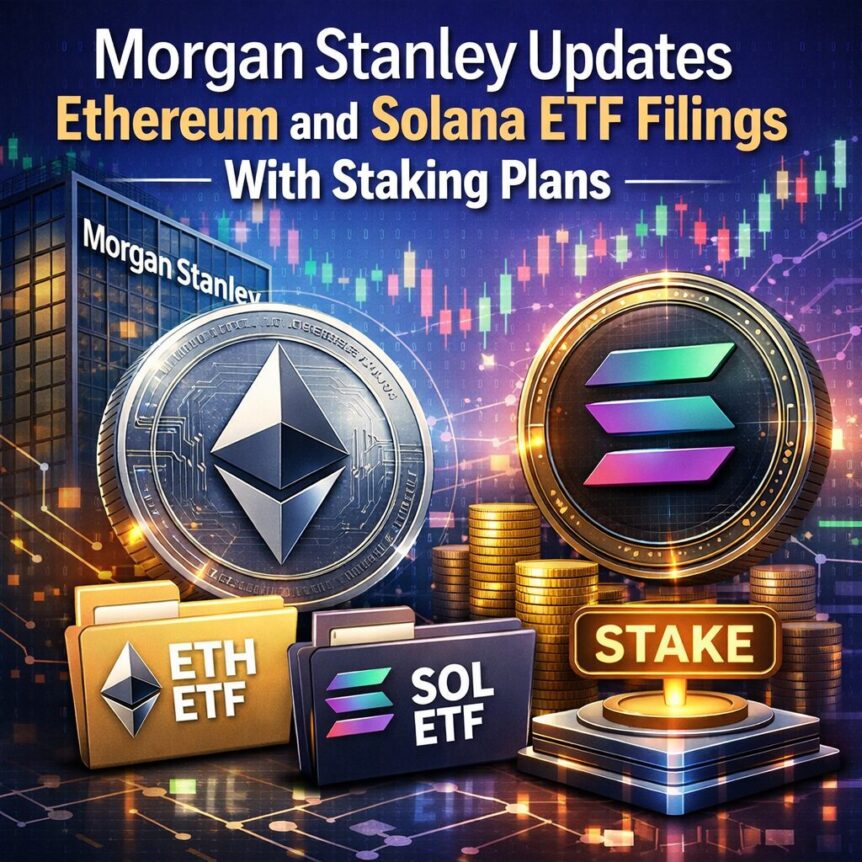
Morgan Stanley expanded its cryptocurrency exchange-traded fund plans after submitting revised S-1 filings to United States regulators. The bank updated registration documents for proposed Ethereum and Solana investment products on May 20. The amended filings outlined trust structures, staking plans, and operational procedures for both proposed exchange-traded funds.
Ethereum Trust Filing Adds Staking Structure
Morgan Stanley identified MSSE as the proposed ticker symbol for its planned Ethereum Trust product. The filing stated that the trust would track Ethereum spot prices through direct holdings of ETH tokens. The document also described plans to stake part of the trust’s Ethereum holdings through approved staking arrangements.
The filing stated that the trust would operate as a passive investment vehicle without active portfolio management activities. However, the trust would seek additional returns through staking rewards linked to Ethereum network participation. Morgan Stanley also outlined creation and redemption procedures involving authorized participants and cash settlement mechanisms for shares.
The revised filing arrived as competition increased across the United States cryptocurrency exchange-traded fund market. Several financial firms have recently updated filings for alternative digital asset products beyond Bitcoin funds. Morgan Stanley already offers spot Bitcoin and Ethereum trading services through institutional platforms.
Solana Trust Filing Highlights Network Risks
Morgan Stanley also revised registration documents for its proposed Solana Trust under the ticker symbol MSOL. The filing stated that the trust would track spot Solana prices through direct ownership of SOL tokens. Additionally, the document confirmed plans to stake part of the trust’s Solana holdings for network reward generation.
The filing described Solana’s Proof of History system and referenced operational risks connected to the blockchain’s architecture. Morgan Stanley included disclosures covering network reliability, validator participation, and transaction processing issues affecting Solana operations. The trust would also rely on authorized participants for cash creations and redemption activities involving issued shares.
The revised filing reflected broader institutional interest in cryptocurrency investment products tied to alternative blockchain networks. Several asset managers have pursued approvals for funds connected to Ethereum, Solana, and other digital assets recently. Regulatory discussions surrounding staking structures have also shaped updated filing language across pending cryptocurrency fund applications.
Crypto ETF Competition Continues to Expand
Morgan Stanley did not disclose management fees or operating expense ratios for either proposed cryptocurrency exchange-traded fund. The revised filings also omitted launch timelines for both investment products despite growing market competition. However, the documents confirmed that delegated sponsors would oversee several operational responsibilities linked to the proposed trusts.
The filings appeared alongside rising activity among firms seeking approval for alternative cryptocurrency investment products in the United States. Grayscale Investments recently submitted revised registration documents connected to a proposed exchange-traded fund tracking Binance Coin holdings. Asset managers continue adjusting applications during recent regulatory policy discussions as authorities review cryptocurrency fund structures.
Morgan Stanley’s latest amendments marked another development within the expanding United States market for digital asset investment products. Large financial institutions continue introducing cryptocurrency services alongside broader exchange-traded fund expansion strategies across regulated markets.
Regulatory approval decisions for pending cryptocurrency funds could influence future institutional participation within digital asset investment products. Those decisions could also affect several major financial markets globally.
Ethereum News: Syndicate Labs is shutting down after five years of operations, becoming the most prominent casualty yet of the Ethereum Layer 2 consolidation wave that has steadily stripped liquidity, users, and economic viability from smaller chains.
The company posted its wind-down announcement on X on May 21, stating plainly that the “rollup market has fundamentally shifted”, and the data backs that conclusion without any hedging required.
Arbitrum One, Base, and OP Mainnet now control roughly 75% of the layer-2 market. Total value secured across the rollup ecosystem has dropped 36% from its October peak of more than $50 billion.
That is the environment in which smaller chains are trying to survive, and most cannot.
Discover: The best pre-launch token sales
Ethereum News: ETH Layer 2 Economics: Why the App-Chain Thesis Stopped Working
The mechanism here is worth understanding precisely. Syndicate Labs was not building a general-purpose L2 to compete with Arbitrum head-on.
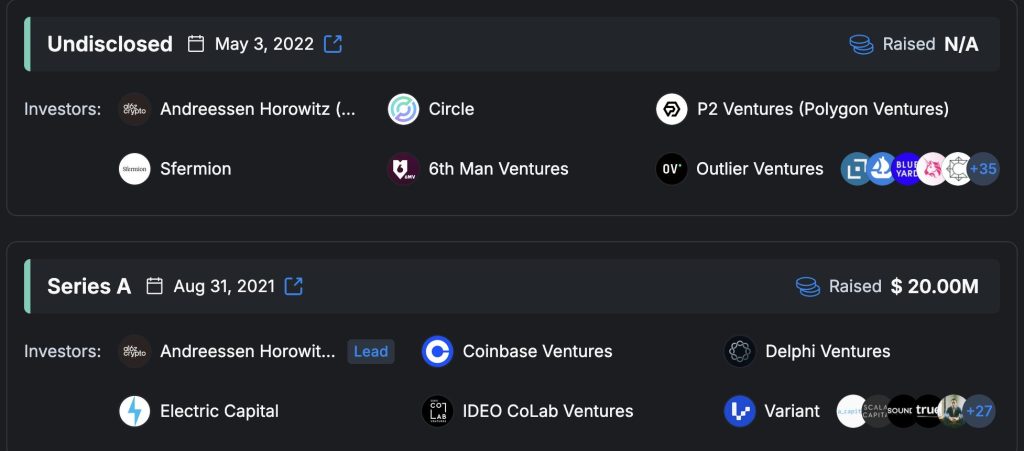
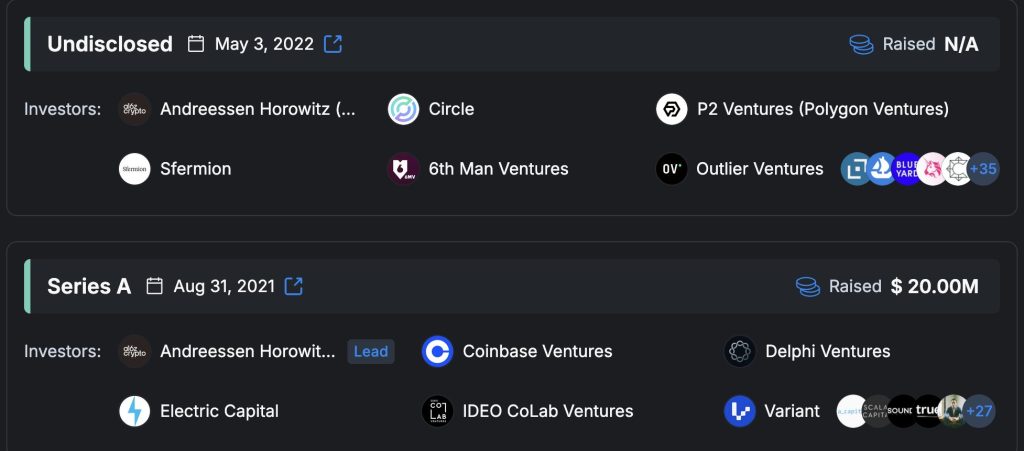
The company, backed by a $20 million Series A led by Andreessen Horowitz in 2021, built customizable rollup infrastructure, the kind that was supposed to power thousands of application-specific app-chains for DAOs, social communities, and investment clubs. The thesis was that demand for sovereign, programmable chains would be durable.
It was not. Syndicate’s shutdown statement identified the core structural problem: custom chains are increasingly being assembled by consulting teams as bespoke, one-off builds rather than using reusable infrastructure platforms.
When each deployment is engineered from scratch with almost no shared technology or network value, a platform like Syndicate’s smart sequencer becomes economically redundant. The market moved toward customization-as-consulting and away from customization-as-platform.
The numbers confirm the trend is broad, not isolated. 21Shares research published in December showed layer-2 activity had fallen 61% since June, with the asset manager describing several smaller networks as “zombie chains”, technically live but operating with negligible transaction volume.
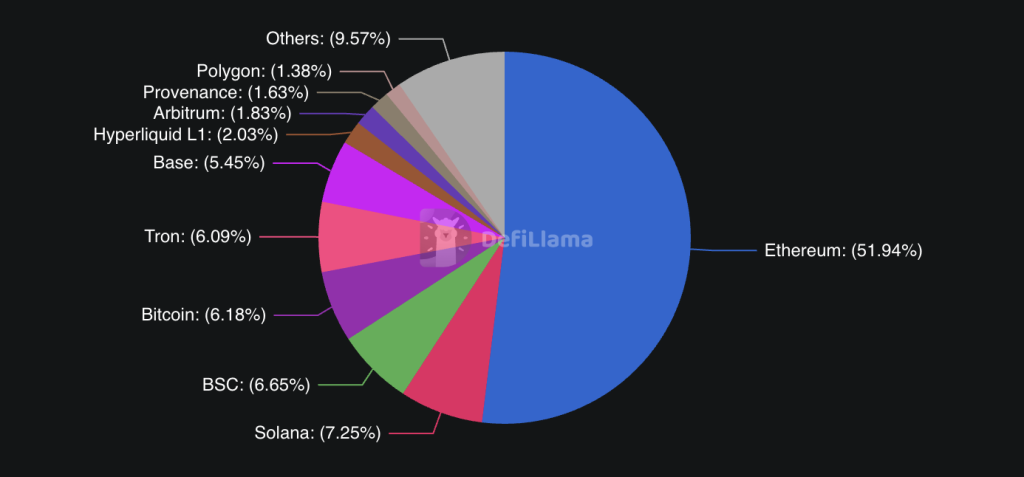
L2Beat data puts total rollup ecosystem TVS at roughly $32 billion today, down from the $50 billion peak. The top five rollups now capture close to 90% of all L2 liquidity. That is not a competitive market – it is a consolidation already in its final stages.
Syndicate’s SYND token reflects the damage with brutal precision. SYND fell another 21% within hours of the shutdown announcement on Thursday, hitting a record low near $0.012. The token has now lost approximately 99.5% of its value since its September 2025 peak of $2.61.
Discover: The best crypto to diversify your portfolio with
The post Ethereum News: Syndicate Labs Shutdown: Is the Ethereum L2 ‘Great Shakeout’ Here? appeared first on Cryptonews.


Singapore’s MAS has revoked the Bsquared license after finding false statements and serious regulatory breaches at the crypto firm.
Summary
- Singapore’s MAS revoked Bsquared Technology’s MPI licence effective May 14, less than 18 months after it was granted on January 1, 2025.
- MAS found serious weaknesses in risk management and conflict of interest policies, plus failures in outsourcing arrangements with related entities.
- Bsquared provided false or misleading information to MAS on multiple occasions, from its licence application through the regulator’s own inspection.
The Monetary Authority of Singapore revoked Bsquared Technology’s MPI licence effective May 14, 2026. The revocation came 16 months after the licence was granted, one of the fastest enforcement actions against a newly licensed crypto firm in Singapore.
MAS said an on-site inspection in 2025 uncovered significant weaknesses in Bsquared’s risk management practices and conflict of interest policies. More critically, Bsquared had provided false or misleading information on multiple occasions, from its licence application through MAS’s own inspection.
What MAS found during its inspection of Bsquared
The inspection also revealed failures in Bsquared’s outsourcing arrangements with related entities, breaching MAS guidelines on third-party management. The regulator is reviewing whether senior officers at the firm bear personal accountability for the breaches.
Bsquared operated as a digital payment token service provider for crypto trading and token transfers. Under the Payment Services Act, the firm must now provide a closure certificate from independent auditors confirming all customer funds were properly handled. Bloomberg has reported that MAS has issued crypto licences to 37 firms in total, making a revocation an unusual enforcement step.
What the revocation signals for Singapore’s crypto posture
Singapore has built its crypto hub credentials since introducing the Payment Services Act in 2020. Crypto.news has tracked MAS’s push to raise compliance standards, including its final warning to unlicensed exchanges in June 2025.
Crypto.news has also reported on recent MPI licence approvals including BitGo, highlighting the high bar licence holders must maintain.
The Bsquared case, involving false statements from the moment of application, is likely to increase scrutiny of all MPI holders’ historical disclosures. Crypto.news has noted Singapore’s parallel effort to build a tokenization framework alongside strict enforcement standards.
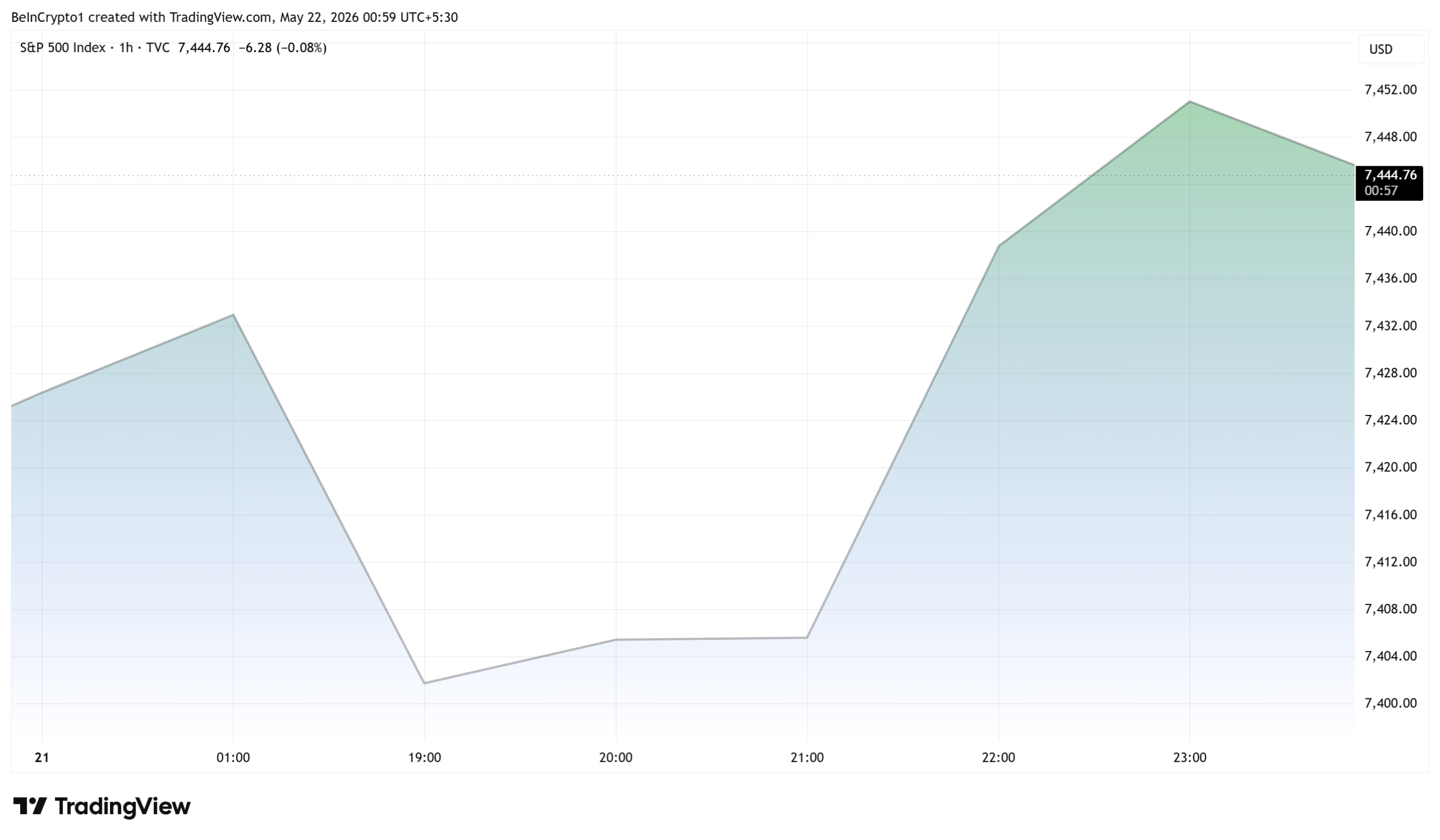
Reports of a near-final US-Iran draft brokered by Pakistan added roughly $500 billion to US equities on May 21. WTI crude oil slid to $96.23, while Bitcoin (BTC) edged higher on ceasefire optimism.
Al Arabiya reported that the leaked draft includes an immediate ceasefire and freedom of navigation through the Strait of Hormuz. Sanctions on Iran would lift gradually under a joint monitoring mechanism tied to compliance.

“$500 billion has been added to US markets in last 30 minutes after reports of a final US-Iran peace deal emerged, set to be announced within hours,” analyst Bull Theory highlighted.
Follow us on X to get the latest news as it happens
Stocks Surge $500 Billion While Oil Slides
The equity move landed in about 30 minutes once the terms circulated, with WTI crude oil falling almost 3%, and with it, unwinding the premium built during the Iran conflict.
The pattern echoes Bitcoin’s April bounce during Trump’s earlier pause on Iran strikes. The Project Freedom oil reaction briefly carried BTC toward $80,000 in a similar setup.

As of this writing, the oil price was $96.23, recording a modest recovery as bulls buy WTI at a discount.
What the Leaked Draft Reportedly Includes
The Kobeissi Letter and Solid Intel posted matching terms sourced from Iranian state outlet IRNA, citing Al Arabiya.
The terms cover a full ceasefire and mutual commitments to avoid infrastructure targeting. A joint monitoring mechanism would govern shipping in the Persian Gulf.
Sanctions on Iran would lift gradually as compliance is verified. Talks on outstanding issues are set to begin within seven days. President Masoud Pezeshkian reportedly works to restrain the Islamic Revolutionary Guard Corps (IRGC).
Pakistan’s role aligns with reports that army chief Field Marshal Asim Munir traveled to Tehran on May 21. The channel follows inconclusive previous Islamabad talks earlier this spring.

Peace Trade or Propaganda Push
Mario Nawfal described Tehran’s domestic messaging as its most aggressive since the 1979 revolution. Unveiled women appeared on state TV for the first time in 47 years. He argued real power has shifted from clerics to generals.
Both consultancy firm Rystad Energy and the Federal Reserve have warned that retail gasoline prices may take months to ease even after Hormuz traffic normalizes.
“Global tanker networks would require six to eight weeks to fully reposition, with insurers and shipowners needing an additional 2–5 weeks…Even when the war ends, it will take six to eight weeks just to reposition the world’s tanker network,” said Rystad, the biggest independent energy consultancy in Norway.
Trump countered that pump prices will fall below pre-conflict levels once the conflict ends.
Markets are taking the headline at face value, but enforcement detail, sanctions sequencing, and IRGC discipline remain open questions.
The setup recalls the oil shock liquidity framing applied to Bitcoin earlier in the conflict. It also echoes the broader Iran ceasefire bitcoin path traced through April and May.
The next signal is whether the announcement lands within the promised window. Until then, the rally rests on a leaked document, not a signed one.
However, some remain skeptical about the draft deal’s maturation, amid rumors that talks remain deadlocked.
This would be unsurprising, considering the recent narrative of headlines meant to sway investor sentiment and influence trades while a select few profit.
Subscribe to our YouTube channel to watch leaders and journalists provide expert insights
The post US-Iran Peace Deal Rumors Send Stocks Up $500 Billion as Oil Price Crashes appeared first on BeInCrypto.
Crypto World
Bitcoin Price Prediction: Sentiment Points Bearish Bear Market Pattern, But It’s Not a Bad Thing
Bitcoin price prediction is bearish, according to CryptoQuant’s head of research. According to the reading, the current condition is a mirror comparison to March 2022. BTC sentiment indicators are flashing bearish even as short-term projection points at a modest upside.
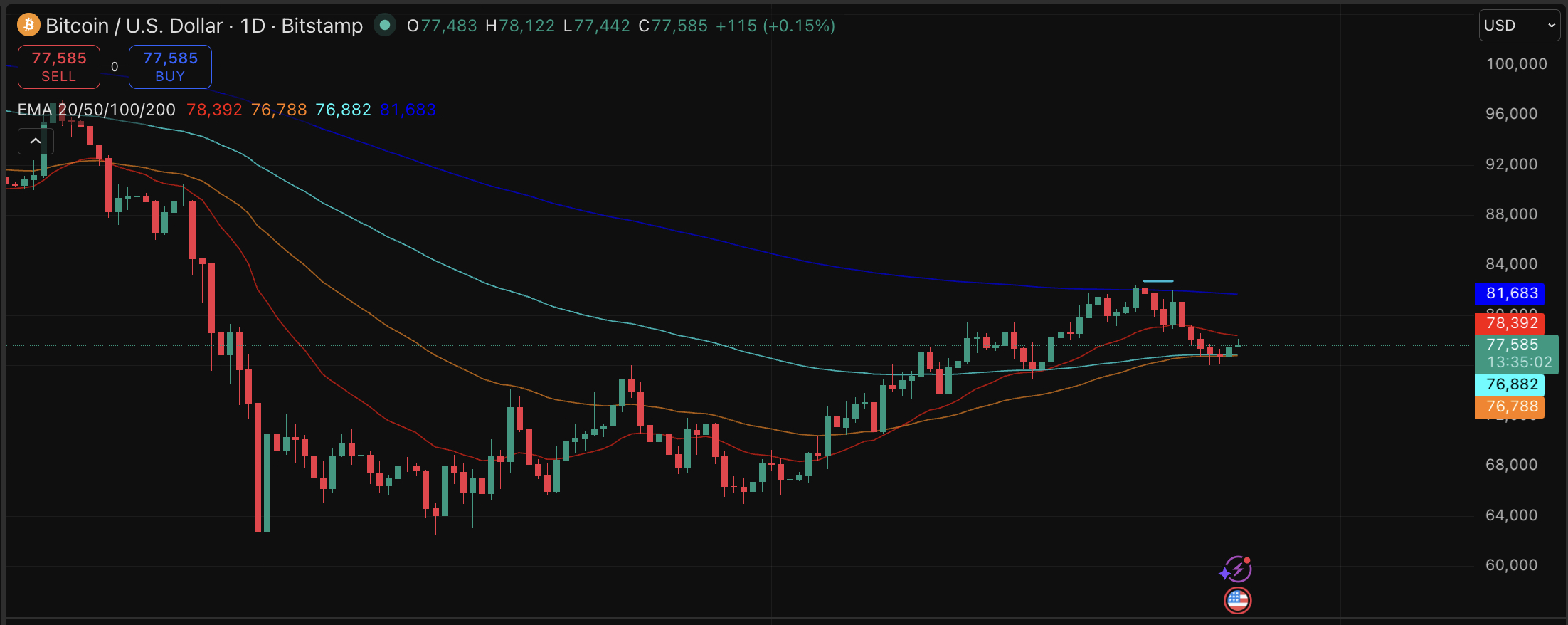
Bitcoin’s rally hit resistance at the 200-day moving average around the $82,000 level before pulling back to as low as $76,000. According to CryptoQuant’s Julio Moreno, the same pattern is uncomfortably matched by March 2022, when BTC surged 43% from its lows, kissed the 200-day MA, and resumed its downtrend.
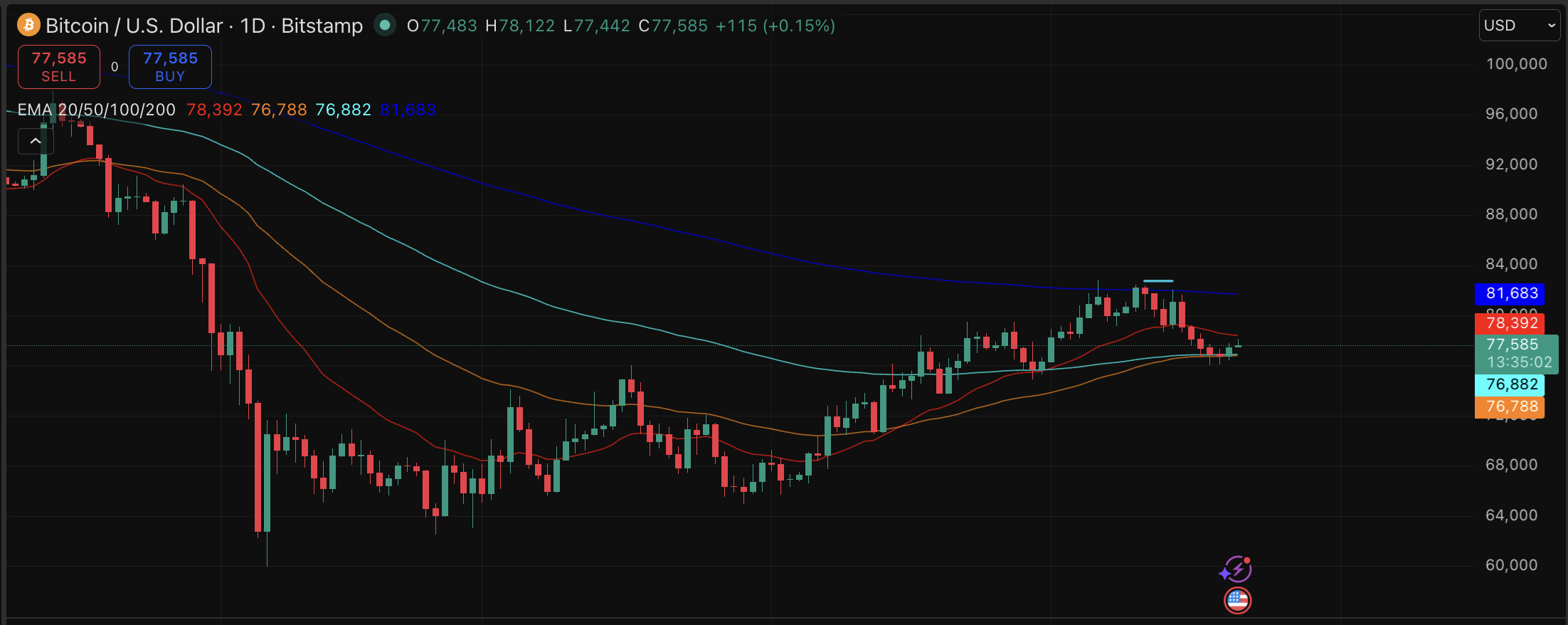
This time, BTC rose by 37% from its April 2025 lows before facing the same ceiling. Spot demand is contracting, speculative futures demand dried up above $82K, and U.S. spot ETFs flipped to net sellers, offloading around 4,000 BTC after buying as much as 64,000 BTC over a prior 30-day window.
The macro structure has not healed. It has just been bandaged, and the bearish technical overlay deserves a closer look.
Discover: The best crypto to diversify your portfolio with
Bitcoin Price Prediction: $82,400 Resistance Battling $73K Retest
Bitcoin is trading in a $76,000–$78,000 consolidation band with near-term projections pointing to $78,000. The chart leans slightly more optimistic, targeting $79,000 with a potential spike toward $82,000, though its indicator tally reads 10 sells vs. 7 buys.
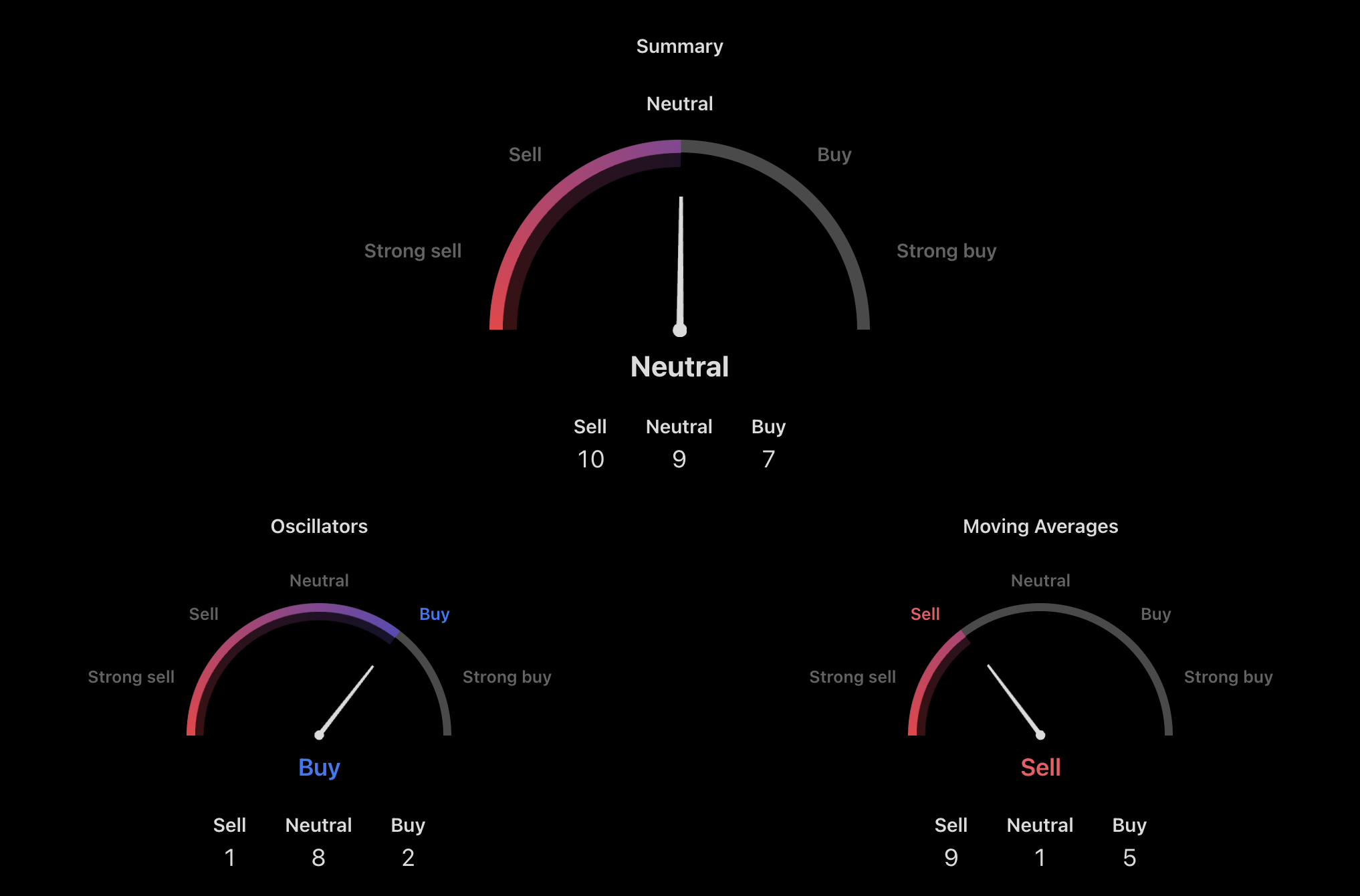
Support sits at $76,000 with resistance stacks above $79,000, and ultimately the decisive 200-day MA zone at $82,000. According to Cryptoquant, a failure to reclaim the 200-day MA is “the strongest technical confirmation that the bear market remains structurally intact.”
The weight of evidence tilts toward the base-to-bear scenario. Structurally, the chart is not broken, but it is not healthy either.
Discover: The best pre-launch token sales
Bitcoin Hyper Targets Early Mover Upside as Bitcoin Battles Support
Bearish BTC consolidation has a reliable side effect: capital rotates. Not out of crypto entirely, but into earlier-stage, higher-asymmetry positions where the upside math still works. That dynamic is exactly the environment Bitcoin Hyper ($HYPER) is launching into, and the timing is deliberate.
Bitcoin Hyper is positioned as the first-ever Bitcoin Layer 2 with Solana Virtual Machine (SVM) integration, delivering sub-second finality and low-cost smart contract execution on top of Bitcoin’s security layer.
The pitch targets Bitcoin’s three core limitations, such as slow transactions, high fees, and zero programmability, in a single infrastructure play. The presale has already raised more than $32 million at a current token price of $0.0136, with 36% APY staking rewards live, supporting a Decentralized Canonical Bridge enabling native BTC transfers.
ETF outflows and macro pressure squeezing BTC spot demand may, counterintuitively, accelerate that rotation into presale-stage infrastructure projects.
The post Bitcoin Price Prediction: Sentiment Points Bearish Bear Market Pattern, But It’s Not a Bad Thing appeared first on Cryptonews.
Key Insights
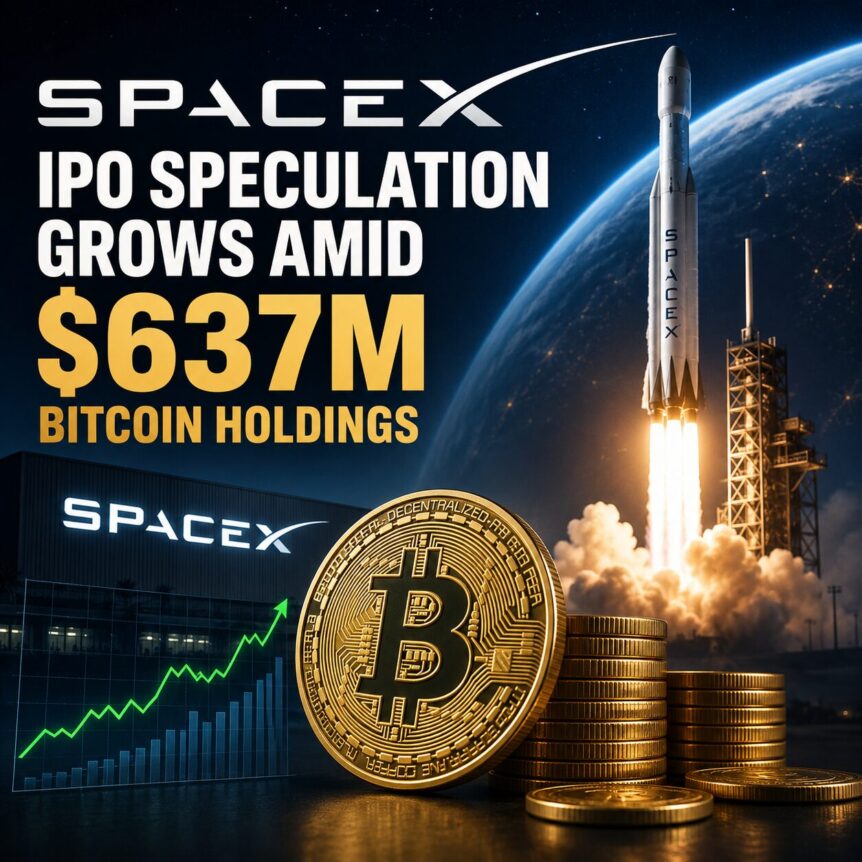
- SpaceX reportedly holds 8,285 BTC valued at nearly $637 million.
- Analysts speculate a future IPO could value SpaceX near $2 trillion.
- Investor interest links SpaceX growth with rising corporate Bitcoin exposure.
SpaceX IPO Speculation Gains Momentum
SpaceX has returned to market focus following renewed speculation about a potential public offering in 2026. Some analysts estimate the company could achieve a valuation between $1.75 trillion and $2 trillion if it proceeds with an IPO.
The discussion intensified after reports highlighted SpaceX Bitcoin holdings totaling 8,285 BTC. At current market prices, the digital asset reserve carries an estimated value of about $637 million. The reported holdings have strengthened investor interest in the company’s financial position and broader market strategy.
If SpaceX reaches a $2 trillion valuation, it could become one of the world’s largest publicly traded companies by market capitalization. Market participants continue to monitor signs of confidential filings or regulatory steps that often appear before major IPO announcements.
Financial commentator Anthony Hughes stated that companies typically begin the IPO process through confidential filings before releasing public pricing details. He explained that pricing structures often change during the process as companies respond to investor demand and market conditions.
Bitcoin Exposure Shapes Investor Interest
The reported SpaceX Bitcoin holdings have become a major topic among crypto investors and equity traders. Market observers increasingly connect digital asset exposure with long-term company valuation, especially for firms linked to high-growth technology sectors.
SpaceX already operates across several strategic industries, including launch services, satellite internet infrastructure, and space transportation. Analysts believe its position in these sectors supports continued investor demand ahead of any future listing.
The company’s Bitcoin exposure also adds another layer to investor sentiment surrounding businesses connected to Elon Musk. His other company, Tesla, already holds Bitcoin on its balance sheet. Meanwhile, Strategy remains one of the largest corporate Bitcoin holders globally.
As a result, some investors now view crypto holdings as part of broader corporate growth narratives. This trend has become more visible among companies operating in technology-driven markets.
Potential IPO Timeline
Analysts continue to speculate that a SpaceX IPO could emerge as early as June if the company advances regulatory preparations. However, SpaceX has not officially confirmed any public listing plans or valuation targets.
Hughes explained that companies often introduce lockup structures to stabilize trading activity after public listings. He added that valuation estimates frequently shift during the IPO process as institutional demand develops.
Meanwhile, Bitcoin traded near $77,482 at press time after recording a 0.95% daily gain. The market movement added further attention to SpaceX Bitcoin holdings and their potential influence on future investor sentiment.
As speculation continues, investors remain focused on how a SpaceX listing could reshape the relationship between technology companies, digital assets, and public equity markets.
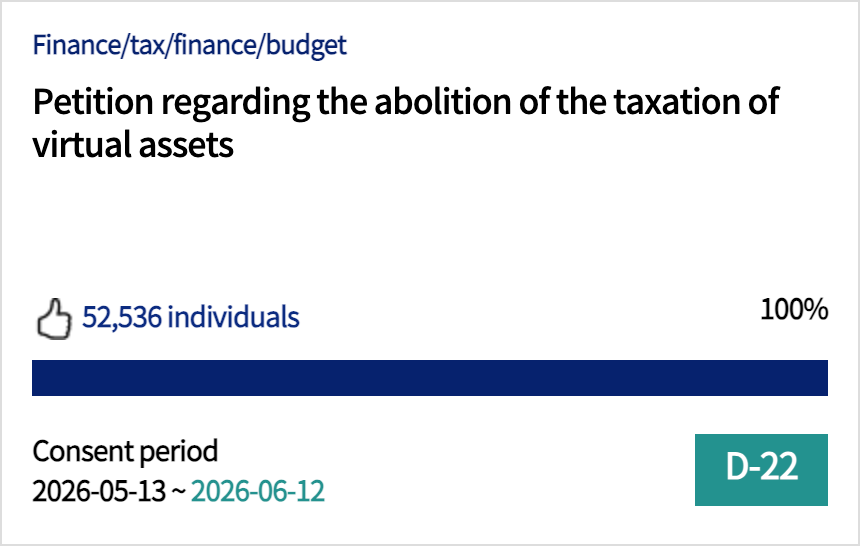
A petition to scrap a 22% tax on crypto investment gains in South Korea reached the 50,000-signature threshold required for the country’s Finance and Economic Planning Committee to review objections to the new tax regime.
The 22% tax, set to take effect in January 2027, imposes financial and reporting “burdens” on investors, while also limiting upward mobility for younger individuals, who are locked out of housing markets due to skyrocketing real estate prices, according to the petition.
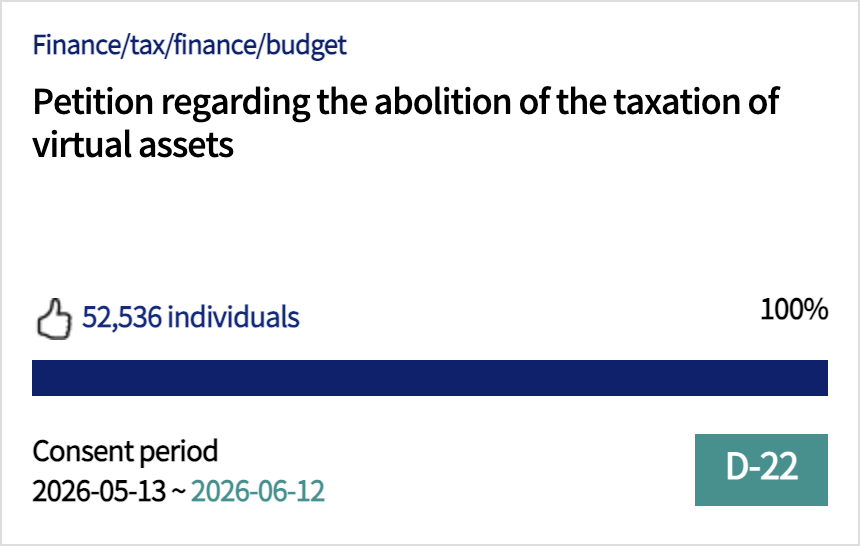
The petition now has more than 52,000 signatures. Source: South Korea Assembly
The petition also said that taxing crypto gains at 22%, while giving other asset classes preferential tax treatment, undermines South Korea’s share of the crypto market. In a translated statement, the authors of the petition wrote:
“If taxation is enforced in order to secure short-term tax revenues, it is likely to lead to greater losses in the long term, namely, a contraction of industry and an outflow of capital and talent abroad.”
South Korea is a key crypto hub in the Asia-Pacific region, and in March 2025, about 32% of the country’s population owned cryptocurrencies, according to local news agency Yonhap. However, ownership has declined so far this year as crypto prices remain under pressure.
Related: South Korea plans July rules for tokenized securities
South Korea’s crypto market contracts as tighter controls are proposed
The total value of crypto held by South Koreans declined from about 121.8 trillion won ($83.3 billion) in January 2025 to about 60.6 trillion won ($41.4 billion) in February 2026, according to industry data.
Daily trading volumes on the five largest crypto exchanges in the country, which include Upbit, Bithumb, Coinone, Korbit and Gopax, also fell from $11.6 billion in December 2024 to just $3 billion in February.
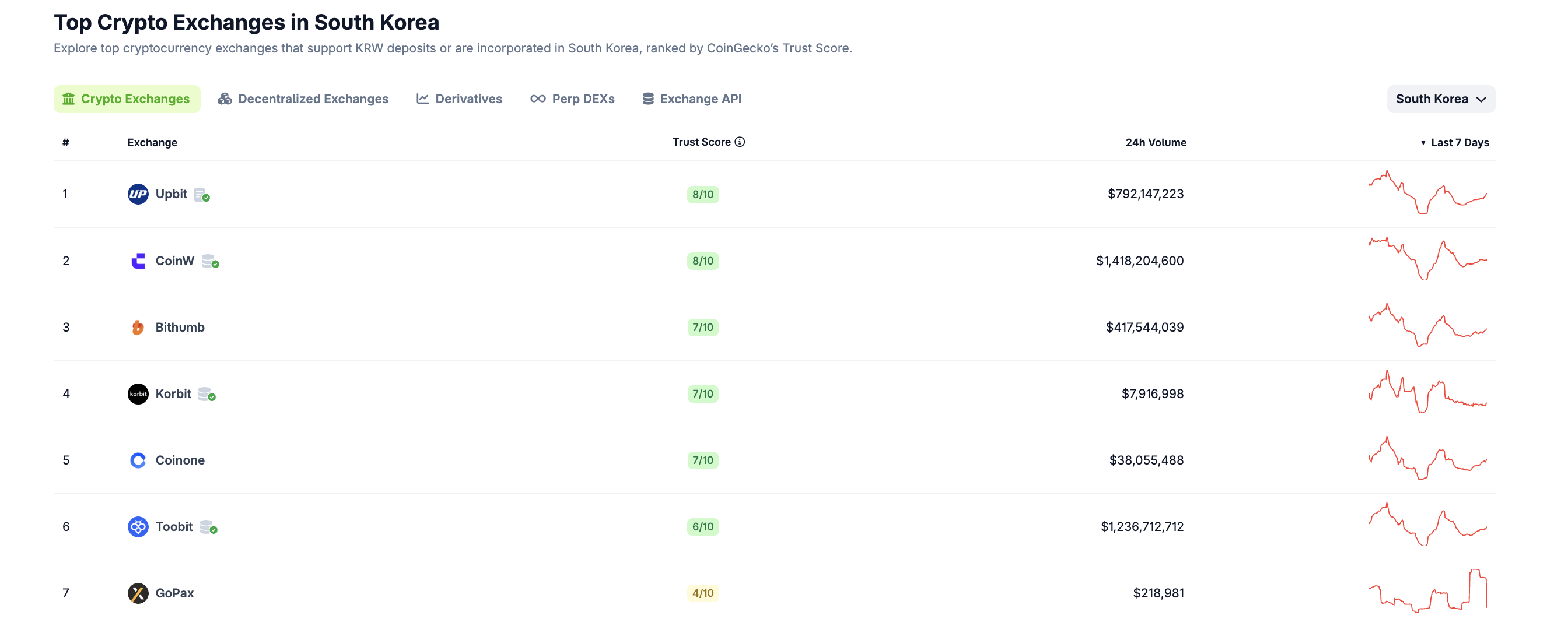
Daily trading volume for South Korea’s largest crypto exchanges. Source: CoinGecko
Tighter Anti-Money Laundering (AML) regulations and Know Your Customer controls in South Korea are also driving investors away from the sector, critics of the policies say.
In March, South Korea’s Financial Services Commission (FSC) and the Financial Intelligence Unit (FIU) proposed that all crypto transactions above 10 million won ($6,630) sent to or from foreign crypto wallets should be automatically flagged as suspicious.
Crypto industry advocacy organizations in the country have pushed back against the new rules, arguing that the reporting requirements would create an operational burden for exchanges.
Magazine: South Korea gets rich from crypto… North Korea gets weapons

TLDR
- Michael Saylor said Bitcoin will outperform the S&P 500 over time.
- He made the statement during a Thursday appearance on CNBC’s Squawk Box.
- Saylor said Strategy expects Bitcoin to deliver about 30% annual returns.
- He linked that forecast to his $13 million Bitcoin price target for 2045.
- Saylor said institutional adoption and fixed supply support his long-term Bitcoin thesis.
Michael Saylor said Bitcoin will outperform the S&P 500 over time during a Thursday appearance on CNBC’s Squawk Box. He said Strategy expects Bitcoin to deliver annual returns of about 30%, above the index’s long-term average. Saylor also repeated his $13 million Bitcoin price target for 2045 and said $60,000 marked the asset’s bottom.
Bitcoin Outlook Tops Michael Saylor’s Market Case
Saylor told CNBC that Bitcoin will “go up” more than the S&P 500 over time. He said Strategy expects annual returns near 30%.
He compared that view with the S&P 500’s long-term annualized return of about 10%. The index tracks 500 large public companies in the United States.
So far this year, the S&P 500 has gained 8%, based on Google Finance data. Bitcoin has fallen 12% over the same period.
Saylor said Strategy’s forecast supports his long-term Bitcoin thesis. He said the company expects the asset to outperform traditional benchmarks over time.
He also linked that outlook to his $13 million price target for 2045. Saylor said Bitcoin could average about 29% annual returns over the next 19 years.
According to Saylor, institutional adoption supports that case. He also pointed to government treasury strategies and Bitcoin’s fixed supply.
Saylor has repeated this view before. Earlier this year, he said Bitcoin could double or triple the S&P 500’s performance over four to eight years.
Regulation and Market Support Stay in Focus
During the same interview, Saylor said Bitcoin would rally from current levels. He said $60,000 served as the asset’s bottom.
He described the market as entering a “spring phase.” He said Bitcoin had support near current levels and a favorable macro backdrop.
Saylor also pointed to regulatory developments in the United States. He said progress on the CLARITY Act could help the crypto sector.
He referred to the bill’s passage through the Senate Banking Committee last week. He said the measure advanced with bipartisan support after months of delays.
Saylor also mentioned expected guidance from the US Securities and Exchange Commission. He said the agency could introduce innovation exemptions for tokenized securities.
He said those exemptions could support securities tokenization on crypto networks. That process could expand blockchain activity across financial markets.
The latest update from Saylor’s remarks was his view on support levels. He said Bitcoin’s floor stood at $60,000 during Thursday’s CNBC interview.

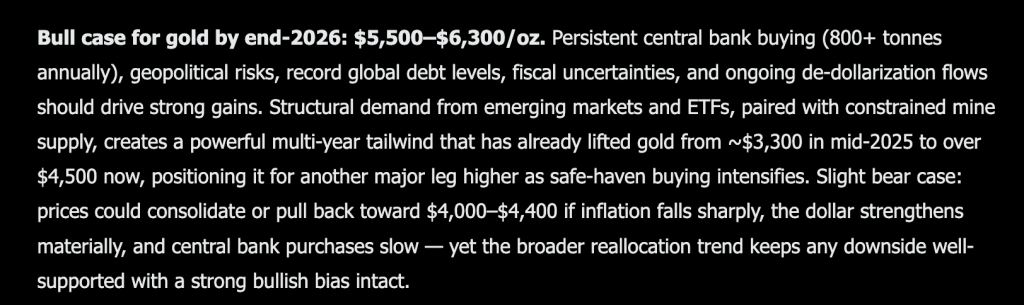
Gold price just ran from $3,300 to $5,400 in under a year and most people still think of it as the boring safe haven asset. Grok AI looked at that chart and predicts the move is not finished. Not even close.
$5,500 to $6,300 per ounce by end-2026. Another major leg higher from a price that has already broken every historical record.
Grok’s bull case is not built on fear alone. It is built on a structural demand shift that central banks have been executing quietly for years.
Over 800 tonnes of gold are being purchased annually by central banks, a pace that has not slowed despite prices hitting all-time highs repeatedly.
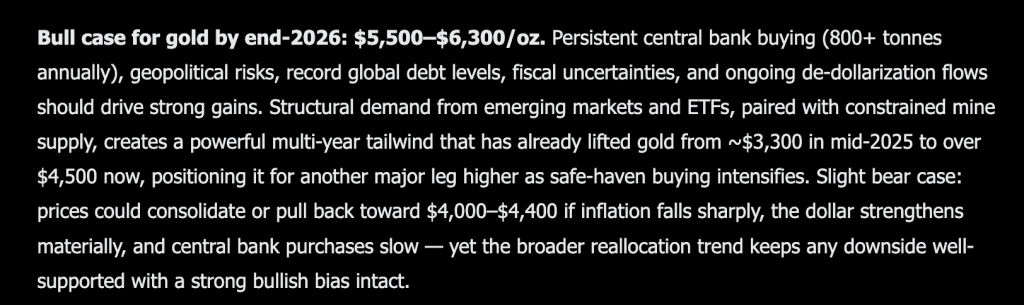
That is not speculative buying. That is sovereign wealth allocation at scale, driven by de-dollarization flows that show no signs of reversing.
Layer geopolitical risks, record global debt levels, and fiscal uncertainties on top of that institutional bid and you have a demand profile that is compounding rather than plateauing. Emerging market ETF inflows are adding retail and institutional demand from economies that historically underowned gold.
And constrained mine supply means the production side cannot respond to higher prices the way it normally would, which tightens the float further as demand accelerates.
Grok’s framing is precise: gold has already made the move from $3,300 to $4,500 on these same tailwinds, and the second leg toward $6,300 is the continuation of a multi-year trend rather than a new prediction.
The bear case requires 3 things to go wrong simultaneously. Inflation falling sharply removes the safe-haven urgency. The dollar strengthening materially redirects global capital flows.
And central bank purchases slowing breaks the institutional demand floor. Grok acknowledges those risks but is direct: even in that scenario the broader reallocation trend keeps downside well-supported and the bullish bias intact. The bear case is consolidation toward $4,000 to $4,400, not a trend reversal.

Discover: The best crypto to diversify your portfolio with
Gold Ran 65% in 12 Months and Is Now Pulling Back, Grok AI Predicts This Is a Reset Before the Next Leg, Not the Top
Gold spot price is trading at $4,510 on the daily, and the chart is one of the most impressive trend structures in any asset class over the past 14 months.
Price ground sideways between $3,000 and $3,400 for most of 2024 and early 2025, then broke out in September 2025 in a near-vertical move that took it all the way to $5,600 by February 2026. That was a 65% move in 5 months driven by exactly the forces Grok identified in its prediction.
The current pullback from $5,600 to $4,510 is the first meaningful correction since that breakout began, and the chart is now testing a critical support zone.
The $4,400 to $4,600 range is where the late 2025 consolidation occurred before the final push to $5,600, which means it is the most logical area for buyers to step in and defend the trend.
Grok’s bear case floor of $4,000 to $4,400 sits just below that zone, and whether that support holds or breaks determines whether this is a bull flag reset or a more serious correction.
Resistance above is $4,800 to $4,900, the range where multiple rejections clustered during the March and April consolidation phase.
Above that $5,200 is the next reference and $5,600 is the February peak that needs to be cleared before Grok’s $5,500 to $6,300 target zone becomes the chart reality rather than just the prediction.
Grok sees $6,300 by year-end. The chart needs $4,400 to hold first.
Discover: The best pre-launch token sales
The post Elon Musk Grok AI Predicts GOLD Price by End of 2026 appeared first on Cryptonews.
PepsiCo enters regen ag pact with LDC

10 Surprising Facts About Elon Musk’s $1 Trillion SpaceX IPO

Victoire make their homecoming after winning Walter Cup


-

 Crypto World6 days ago
BloFin War of Whales 2026 Grand Prix opens registration for $5M trading championship
-

 Fashion6 days ago
Weekend Open Thread: Theory – Corporette.com
-

 Crypto World6 days ago
E-Estate Announces 1 Year Live: Washington DC Summit as Real Estate Tokenization Enters Its Next Phase
-

 Tech7 days ago
Tech Moves: Microsoft AI leader jumps to OpenAI; former AI2 exec joins Meta; and more
-

 Tech6 days ago
Google reimburses Register sources who were victims of API fraud
-

 Business6 days ago
H&R Real Estate Investment Trust (HR.UN:CA) Q1 2026 Earnings Call Transcript
-

 Sports6 days ago
Napoleonic enters 2026 Doomben 10,000 field via Abounding withdrawal
-
 Crypto World6 days ago
BeInCrypto 100 Institutional Awards Nomination: KAST for Best Digital Assets Neobank and Best Digital Assets Fintech
-
 Crypto World6 days ago
Bitcoin Battles US Bond Nerves With BTC Price Dip Toward New May Lows
-

 Crypto World6 days ago
ICE and CME urge US regulators to curb Hyperliquid energy trading
-
 Crypto World6 days ago
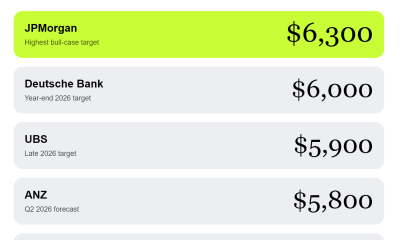
Wall Street’s Boldest Gold Prediction Has Russians Rushing to Buy
-

 Fashion5 days ago
On the Scene at Gucci’s Cruise Show in New York City: Mariah Carey, Kim Kardashian, Lindsay Lohan, Iman, and More!
-

 Entertainment6 days ago
David Letterman Returns to Late Show, Blasts Cancellation
-
 Crypto World6 days ago
IREN closes $3 billion convertible notes deal amid AI infrastructure expansion
-

 Politics7 days ago
DWP PIP Timms review continues to be an absolute farce
-

 Fashion5 days ago
Trending Western Style Vests Perfect for Summer
-

 Politics5 days ago
Watch: far-right flag-fanatics run over victim, attack locals – Setup By the Left wing for your entertainment
-
Crypto World7 days ago
Lido Finance Selects Chainlink CCIP as the Official Cross-Chain Infrastructure for wstETH Security
-

 Fashion6 days ago
Creative Ideas for Custom T-Shirts
-

 Fashion5 days ago
Amazon Sundays: Memorial Day Hosting
You must be logged in to post a comment Login