

Crypto World
Strategy MSTR Bitcoin Valuation Could Reach $388B by 2030, Analyst Projects


TLDR:
- Bitcoin currently trades at 1.26x its 4YMA, placing it at the 33rd percentile of all historical valuations.
- Strategy’s 843,738 BTC stack is projected to reach $388B by 2030 under the median historical multiple of 1.87x.
- Even the floor case, with BTC at its 4YMA and no premium, values Strategy’s holdings at $207 billion.
- Strategy’s enterprise value sits at $77.7B today, while its median projected BTC stack is five times larger.
Strategy MSTR Bitcoin holdings are drawing renewed attention from market analysts as Bitcoin trades at historically low valuations relative to its four-year moving average (4YMA).
With 843,738 BTC on its balance sheet, Strategy sits at the center of a price projection model that points to a median stack value of $388 billion by 2030.
The model relies entirely on Bitcoin’s own historical price behavior, requiring no extraordinary market conditions to reach that figure.
Bitcoin’s Historical Valuation Sets the Foundation
Bitcoin’s four-year moving average has never recorded a year-over-year negative reading across 3,964 measurable days.
Over that same period, Bitcoin’s price has traded above its 4YMA 93.3% of the time, with a median multiple of 1.87x.
Today, Bitcoin trades at 1.26x its 4YMA, placing it at the 33rd percentile of all historical valuations. That means, relative to its own smoothed average, Bitcoin is currently cheaper than it has been roughly two-thirds of the time.
Analyst Adam Livingston outlined the model on X, noting the math does not require Bitcoin to perform heroically. The projection instead applies a steadily decelerating growth rate to the 4YMA through 2030.
Starting from current levels, the assumed year-over-year CAGR drops by five percentage points annually, moving from 44.5% in 2026 down to 24.5% in 2030. Even under this conservative setup, the 4YMA reaches $245,542 by the end of 2030.
Applying the median historical multiple of 1.87x to that figure produces a projected BTC price of $459,578. This is not a bull-case scenario.
It reflects what Bitcoin has done statistically for most of its measurable history relative to its own trend line. The mean historical multiple of 2.32x would push the projected price higher still, but the median case alone produces a stack value of $388 billion for Strategy.
The floor case, which places BTC exactly at its 4YMA with no premium, still values Strategy’s holdings at $207 billion. That is more than three times the company’s current Bitcoin stack value of approximately $64 billion.
Strategy’s Market Position Relative to Its Bitcoin Stack
Strategy’s total enterprise value, covering all preferred shares, debt, and its software business, currently stands at $77.7 billion. Under the median projection, the Bitcoin stack alone would be worth five times that figure.
That gap between current enterprise value and forward Bitcoin stack value is what Livingston describes as the most asymmetric public-market trade available to retail investors today.
The model assumes Strategy purchases zero additional Bitcoin beyond its current 843,738 BTC. In reality, the company has continued acquiring Bitcoin consistently.
Strategy announced a new $21 billion at-the-market common stock offering earlier in 2025 and raised its BTC Yield target for the year to 25%.
Any further accumulation would only widen the gap between current market capitalization and projected stack value.
The median case projects a 6.1x increase from today’s stack value and a 6.9x return relative to Strategy’s current market capitalization.
Those figures rest entirely on Bitcoin continuing to behave as it has historically relative to its four-year moving average, with no assumptions about macro conditions, institutional adoption, or new capital inflows.



Bitcoin’s price action has traders recalibrating expectations after a key price zone came into focus this week. The market briefly violated a critical cushion around $75,000 to $76,000, prompting veteran analysts to reassess whether the sell-off marks the start of a larger correction or a temporary dip within a broader range.
Crypto market strategist Michaël van de Poppe flagged the move as meaningful, noting that corrections occurring on Fridays often flip back to bullish just as quickly. He also highlighted the existence of multiple CME Bitcoin futures gaps above current spot levels, with the widest gap sitting above $79,000, suggesting potential magnet points for price as the market seeks to fill those inefficiencies.
“If Bitcoin doesn’t grind back upwards to $76,600 or more, then there’s clearly no argument to assume that we are going to get into new highs and just remain within this range.”
The observation comes as the macro backdrop remains unsettled, with regulatory and policy uncertainty clouding the near-term trajectory. The Federal Reserve’s leadership and how future rate decisions unfold are shaping risk sentiment, even as Bitcoin’s bear market persists through a seventh month of drift.
The broader context includes a mix of trader sentiment and on-chain dynamics that are offering a counterpoint to the price action. A live market snapshot shows ongoing debate among market participants about whether the recent rally that extended roughly 90 days off the February low is sustainable or merely a consolidation before renewed downside pressure.
One notable data point gaining attention is the on-chain composition of Bitcoin holders. Recent analysis indicates that long-term holders now control roughly 71% of the circulating supply, a statistic that market observers say reduces the likelihood of a sharp drop below key support levels like $60,000. This crowd of investors has historically provided a stabilizing floor, even as spot price oscillates in the high-$60,000s to mid-$70,000s range.
On the technical side, Bitcoin remains below major moving-average benchmarks that many traders watch for trend changes. Data from TradingView shows BTC trading well under the 365-day and 200-day exponential moving averages, with a close below the 50-day EMA recorded on Friday. Taken together, price action still sits at the crossroads of a potential breakout versus further consolidation.
Across market commentary, the mood is nuanced. Some analysts point to a possible bull-market restart given the persistence of a multi-week uptrend since the February low, while others caution that the market could enter months of range-bound trading if the price fails to reclaim critical levels.
In a separate view of market odds, the Polymarket platform currently assigns a roughly 51% probability to Bitcoin reaching $55,000 in 2026, with around a 31% chance of a drop to $45,000. While not a price forecast, the odds reflect divergent expectations among participants about how the macro cycle and on-chain dynamics will unfold over the coming years.
From an on-chain perspective, the narrative around long-term holders remains a focal point. The sector experience data suggest that a substantial majority of the supply is controlled by investors who have held positions through prior cycles, reinforcing a belief among supporters that a sustained break below major levels would require a material shift in fundamentals or external catalysts.
Key takeaways
- Bitcoin breached the nearby support zone around $75,000–$76,000, raising the stakes for a quick reclaim to maintain upside prospects.
- CME Bitcoin futures gaps linger above the spot market, with the largest gap around $79,000, potentially attracting price back to higher levels if those gaps begin to fill.
- On-chain data shows about 71% of circulating Bitcoin is held by long-term holders, implying a floor beneath $60,000 is less likely to give way easily.
- Technicals show BTC trading below the 365- and 200-day EMAs and closed under the 50-day EMA on the latest session, underscoring a cautious near-term stance.
- Traders’ mood remains mixed, with odds markets pointing to a range of outcomes and macro policy uncertainties weighing on momentum.
Market context and what’s next for BTC
The price action sits amid a backdrop of macro policy debate. The appointment of a new Federal Reserve chair, with potential shifts in interest-rate policy, injects an additional layer of uncertainty over the immediate path for risk assets, including Bitcoin. While some market observers expect rate adjustments to follow a cautious trajectory, others warn that policy missteps could trigger sharper risk-off moves across crypto and broader markets.
Against this backdrop, traders are watching for a definitive short-term signal. A reclaim of around $76,600 would be a meaningful bullish pivot, potentially opening the door to renewed tests of resistance near the $80,000 zone and beyond. Conversely, failure to regain that level could reinforce a period of consolidation, with price tethered to the upper bounds of the existing range.
In the near term, attention is also focused on the relationship between price and on-chain behavior. If long-term holders continue to accumulate or maintain a sizable share of the supply, the market could be more resilient to downside shocks, even if price action remains temperate. Conversely, any acceleration of selling from shorter-term traders or a shift in macro momentum could tilt the balance toward a deeper retrace.
Market watchers will also be mindful of the broader sentiment signals that have driven Bitcoin’s recent narrative, including the ongoing discussion around how Friday price action may precede a rebound or further weakness, and how the interaction between fundamental and technical indicators will shape the next leg higher or lower.
Looking ahead, the most salient watchpoints are the price must-hold levels and the reaction to any renewed momentum. If BTC can reestablish footing above the $76,600 threshold and begin filling the nearby CME gaps, the probability of testing higher highs could rise. If not, the market may gravitate toward a period of extended range-bound activity while macro cues remain unsettled and investors reassess risk exposure.
Readers should keep an eye on evolving policy signals, on-chain composition shifts, and key technical thresholds in the coming sessions, as these elements will collectively determine whether the current phase is a pause before another leg up or the onset of a more protracted consolidation.
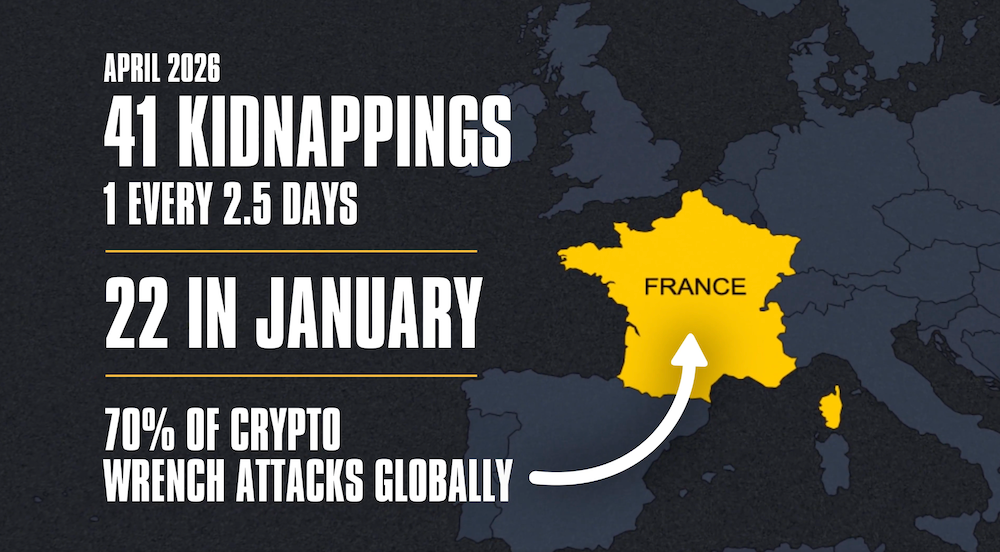
About 70% of all wrench attacks, physical attacks against crypto holders and their families, carried out in an attempt to steal digital assets, occur in France, according to Bitcoin journalist Joe Nakamoto.
There have been 41 crypto-related kidnappings in France so far in 2026, Nakamoto said, or about one attack every two and a half days, he added.
He attributed the rise in wrench attacks to know-your-customer data collection, which is stored in centralized servers that were compromised in several high-profile data leaks, including the 2020 leak of hardware wallet provider Ledger’s customer data.
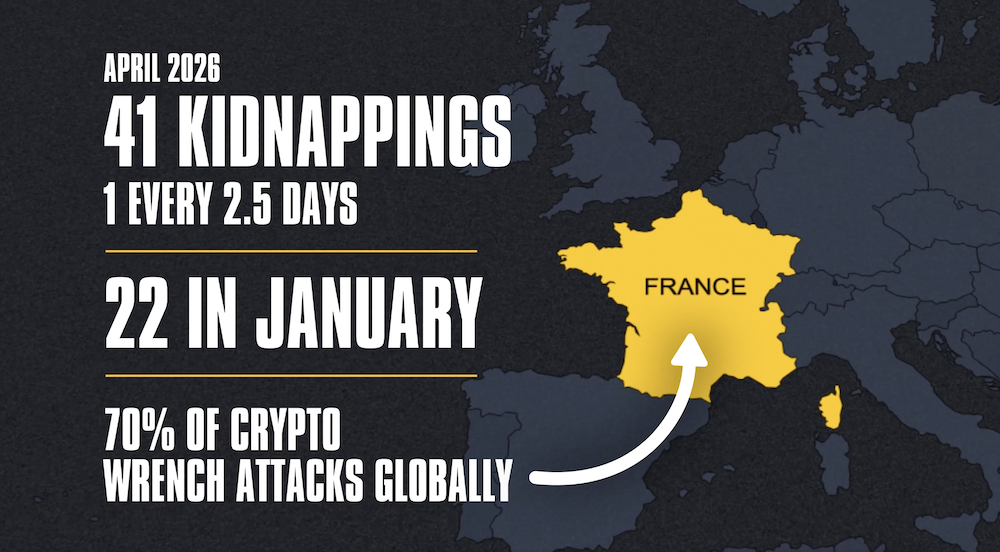
An overview of wrench attacks in France so far in 2026. Source: Joe Nakamoto
That data leak disclosed the identities, home addresses and emails of more than 270,000 customers worldwide, he added. Jameson Lopp, the CEO of crypto wallet and key management company Casa, said:
“France is the canary in the coal mine, demonstrating how financial regulations create a surveillance apparatus that causes direct harm to bitcoin holders.”
Opposition to know-your-customer data collection is mounting inside the crypto and Bitcoin communities, as digital asset holders continue to be targeted with physical attacks and kidnappings, prompting a need for increased security measures.
Related: Europe sees ‘hyperconcentration’ of crypto wrench attacks as losses hit $101M
Don’t become a target: Bitcoiners offer advice to safeguard against attacks
The attacks are typically orchestrated by criminals living abroad, who contract young people living in France to carry out the physical attacks, Nakamoto said.
Users can stay safe by using crypto custody services that offer security features like a pre-agreed-upon word or phrase that lets a custodial or key management company know the holder is being actively attacked.
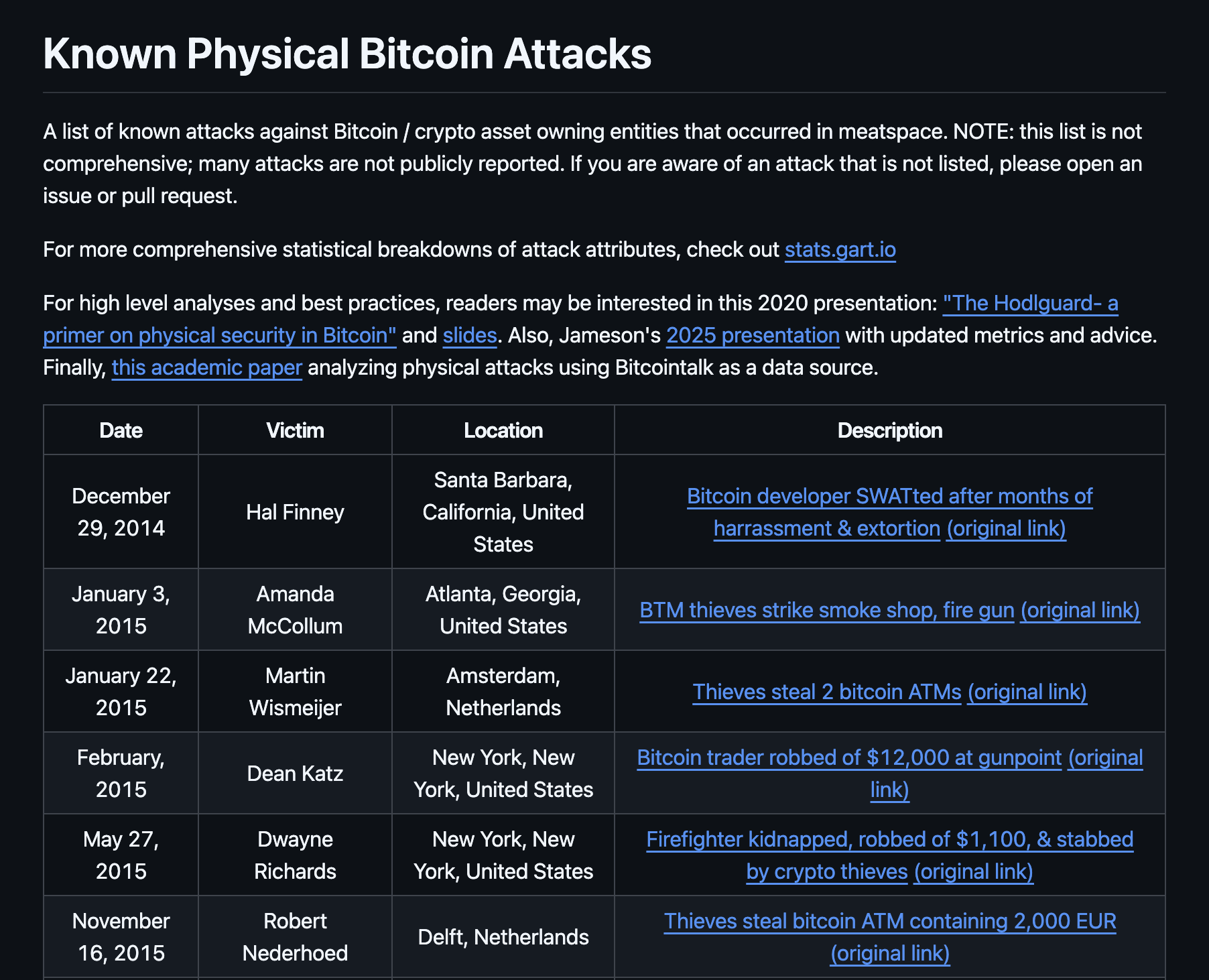
A database of known wrench attacks. Source: GitHub
The company can then freeze the assets, making sure they are not accessed by the attackers, and can even alert law enforcement authorities, he said.
He also suggested keeping a “decoy” crypto wallet with a small amount of funds to hand over to criminals in the event of an attack.
Finally, crypto holders should keep a low profile and not discuss crypto topics online or make it public knowledge that they hold digital assets, he added.
At least 88 individuals have been arrested in connection with crypto wrench attacks in France, according to Vanessa Perrée, the country’s national prosecutor for organized crime.
Magazine: Agent wastes 14 hours of scammers’ time, LLMs ‘poisoned’ by Iran: AI Eye

Bitcoin rebounded sharply on May 23 after US President Donald Trump said a peace memorandum with Iran had been “largely negotiated,” easing market fears after days of geopolitical pressure.
BTC had earlier fallen below $75,000, marking its lowest level in about a month. It later recovered to around $77,000, up 1.4% over 24 hours, as traders reacted to signs that the US-Iran conflict may be moving toward a negotiated pause.
Trump said he had spoken with leaders from Saudi Arabia, the UAE, Qatar, Pakistan, Türkiye, Egypt, Jordan, and Bahrain. He also said he held a separate call with Israeli Prime Minister Benjamin Netanyahu.

US-Iran War to Finally End?
According to Trump, the talks focused on a “Memorandum of Understanding pertaining to PEACE.” He added that the Strait of Hormuz would be reopened under the agreement.
The statement gave markets a clear relief signal. Hormuz had become one of the biggest risks to global assets due to its role in oil and energy flows. Any reopening would reduce pressure on oil markets and lower broader risk sentiment.
Bitcoin’s move followed a sharp intraday reversal.

However, altcoins gained more strongly than Bitcoin. The move suggests traders shifted back into higher-risk assets after the peace-deal headlines reduced short-term fear.
Altcoins Gain Big Without Ethereum
AI-linked tokens led part of the rebound. NEAR Protocol rose 14.8% over 24 hours and gained more than 62% over the week. Worldcoin also climbed 8.7% on the day and more than 26% over seven days.
Privacy-linked assets also moved higher. Zcash gained 8.8% over 24 hours and nearly 28% for the week, making it one of the stronger large-cap performers.

Other major altcoins also recovered. Ondo rose 8.5%, Morpho gained 7.8%, and Hyperliquid increased 6.3% over the same period.
Still, the recovery depends on whether the agreement moves from public statements to a finalized framework. The key unresolved issues likely include sanctions relief, Iran’s nuclear program, guarantees against renewed attacks, and enforcement around Hormuz.
For now, the market is treating the latest Trump statement as a major de-escalation signal. Bitcoin has recovered from its one-month low, while altcoins are pricing in a stronger risk-on move.
The post Bitcoin Recovers as US-Iran Peace Deal Reportedly Signed, Altcoins Gain Big appeared first on BeInCrypto.
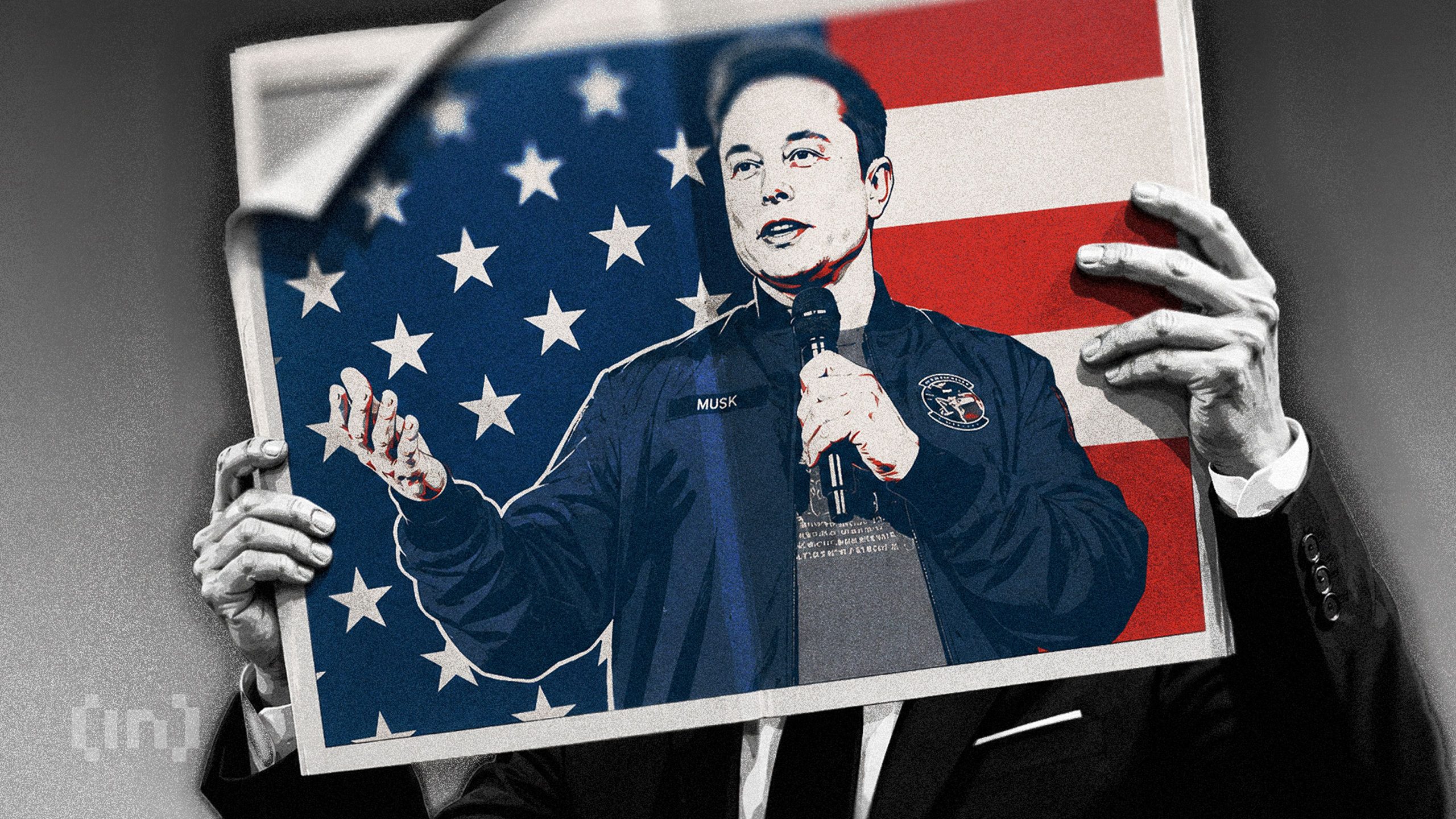

Bernie Sanders publicly challenged Elon Musk, demanding to know how the tech billionaire plans to fund a “Universal High Income” while refusing to support a 5% tax on his own $817 billion fortune.
Elon Musk posted on X that government checks could be the best solution to AI-driven unemployment. He argued that AI and robotics would generate enough goods and services to offset any increase in the money supply and prevent inflation.
Sanders Turns the Funding Question Back on Musk
The Vermont senator fired back in a direct post to Musk, pointing to the contradiction. Sanders framed his criticism as a broader challenge to economic fairness and the funding model behind large-scale income-support proposals.
Sanders and Rep. Ro Khanna have proposed the “Make Billionaires Pay Their Fair Share Act”. The bill would impose a 5% annual wealth tax on net assets above $1 billion. The bill targets roughly 938 billionaires and projects $4.4 trillion in revenue over a decade.
AI Job Displacement Is Already Accelerating
The policy clash arrives as AI layoffs mount in 2026 across major industries. AI agents claimed 9,200 jobs in 2026 alone, with Goldman Sachs estimating AI trimmed roughly 16,000 US monthly payroll positions over the past year.
The displacement affects not only entry-level work. Musk has amplified warnings about AI eliminating PhD-level finance and research roles. He suggest the threat extends well up the skills ladder.
Dario Amodei has warned that AI could eliminate up to 50% of entry-level white-collar jobs within five years. He also suggested that US unemployment could potentially rise to 20%. Musk has previously stated he expects AI to become the most disruptive economic force in history, predicting a future where no job is ultimately necessary.
Whether that future can be managed through government income support, and who would pay for it, is a question neither side has yet answered concretely.
The post Bernie Sanders Questions Elon Musk on Universal High Income appeared first on BeInCrypto.

The United States Treasury Department’s Office of Foreign Assets Control (OFAC) has enforced sanctions against individuals and entities linked to a Mexican cartel that is trafficking illicit drugs and laundering the proceeds through cryptocurrency networks.
According to a press release from the Treasury, these individuals and entities lead networks that launder the proceeds of fentanyl and other narcotics trafficking activities for the Sinaloa Cartel. The laundering schemes funnel the profits back to Mexico through blockchain networks.
Treasury Sanctions Illicit Drug Traffickers
A multi-year investigation by U.S. authorities has found that Jesus Gonzalez Penuelas heads the illicit drugs trafficking network in the U.S., while Armando de Jesus Ojeda Aviles leads the profit laundering schemes on behalf of the Sinaloa Cartel. This cartel, responsible for multiple violent deaths in Mexico and drug-induced deaths in America, has been deemed a Foreign Terrorist Organization (FTO) by the U.S.
The sons of the imprisoned drug trafficker Joaquin “El Chapo” Guzman Loera run the Sinaloa Cartel, with the help of the just-sanctioned individuals. While steering the wheels of the drug trafficking from Mexico, Aviles depends on associates like Penuelas and Rodrigo Alarcon Palomares to pick up cash and broker transfers through crypto addresses. The drugs that are sold include cocaine and methamphetamine.
A U.S. District Court in Colorado indicted Palomares in April 2024 for laundering drug proceeds. He was found guilty on three counts of laundering drug proceeds via cryptocurrency. During his arrest in October 2023, Mexican authorities found weapons and ammunition in his possession. Despite Palomares’ arrest, the Sinaloa Cartel’s trafficking activities have waxed stronger.
Protecting American Communities
Aviles’ network comprises Mexico-based drug suppliers, money brokers, and coordinators of huge wire transfers across the U.S. He is also affiliated with Los Chapitos, a hyper-violent faction of the Sinaloa Cartel, having taken over as the primary launderer of the group following the murder of his predecessor, Mario Alberto Jimenez Castro.
Besides Aviles and Penuelas, the Treasury also announced sanctions against Jesus Alonso Aispuro Felix, businessman Alfredo Orozco Romero, Amalia Margarita Romero Moreno, and Liliana Orozco Romero, among others. Most of these associates serve as money brokers, security advisors, and trusted front persons.
The sanctions reflect efforts to protect American communities and citizens. Treasury Secretary Scott Bessent said: “As President Trump has made clear, this Administration will not allow narco-terrorists to flood our borders with poison.”
The post US Treasury Sanctions Sinaloa Cartel Associates Over Crypto Money Laundering appeared first on CryptoPotato.
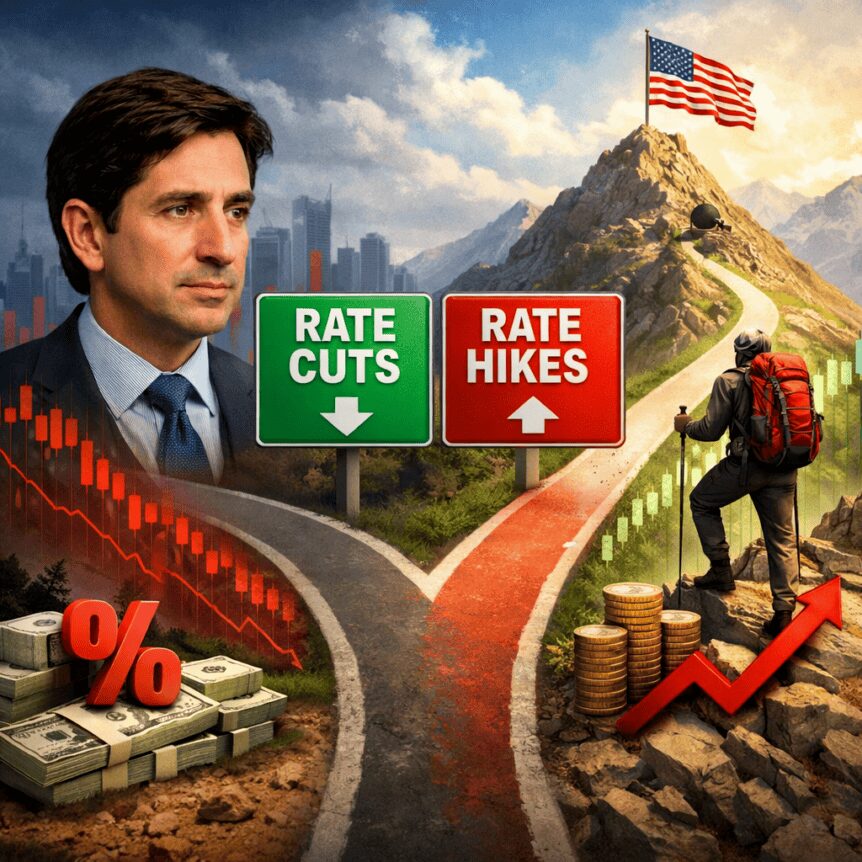
Kevin Warsh was sworn in as the chair of the United States Federal Reserve on Friday, launching a tenure that market participants are watching for signs of a policy tilt that could redefine the rate path for 2026. While a number of observers expect a traditional hawkish stance to persist, some prominent voices in the crypto and macro communities argue Warsh could pivot toward cuts as inflation cools and productivity advances via AI rhetoric take center stage.
Leading that line of thinking, Lawrence Lepard, a veteran Bitcoin investor and author, contends that Warsh’s leadership will eventually translate into rate reductions. In a post on X, Lepard noted that comments from other senior U.S. policymakers—specifically Kevin Hassett, former director of the White House National Economic Council, and Treasury Secretary Scott Bessent—support a shift toward lower rates in 2026. Lepard added that two data points highlighted in The Wall Street Journal are consistent with a narrative in which inflation proves more durable than initially assumed, yet ultimately transitory enough to justify rate cuts as productivity improves.
At Warsh’s swearing-in ceremony, President Donald Trump framed the debt challenge through a growth-centric lens, signaling an expansion of the monetary supply and a potentially looser regime on rates. His remarks fed a broader debate about whether the new Fed chair will resist executive-branch pressure to loosen policy, a topic that has also drawn scrutiny from lawmakers and market watchers.
Traders and analysts remain divided on Warsh’s likely impact on the trajectory of interest rates. While some anticipate a path that maintains or even tightens policy in the near term, others point to a longer horizon in which inflation cools more quickly than markets expect, inviting rate relief. The tension is part of a broader debate about how much independence the central bank can preserve as political and fiscal considerations interact with monetary policy.
For crypto markets, the policy question matters because a shift toward rate cuts could boost risk-on assets, including Bitcoin and a broader array of tokens. The degree to which Warsh’s tenure will align with or diverge from the prior Fed regime remains a live question for traders who have grown used to a complex, data-driven approach to inflation and growth signals.
Earlier coverage from Cointelegraph noted the nuance in expectations surrounding Warsh’s swearing-in and the challenges of predicting the policy path under a new chair. The discussion has repeatedly underscored that the path of rates in 2026 will depend heavily on evolving inflation data, labor market dynamics, and the administration’s broader fiscal stance.
Key takeaways
- Markets remain split on the Fed’s 2026 trajectory: a subset expect rate cuts, while others anticipate higher-for-longer policy depending on inflation and growth signals.
- The CME FedWatch tool estimated that roughly 68% of traders priced in a 25-basis-point or larger rate move by December 2026, underscoring persistent uncertainty in the policy outlook.
- Warsh’s appointment has intensified questions about Fed independence versus executive influence, a dynamic that lawmakers have highlighted during confirmation debates.
- Crypto markets are watching policy signals closely, as a lower-rate regime could provide a marginal tailwind for risk assets, though the magnitude of any impact remains uncertain.
Policy direction under a new Fed chair: what changes—and what stays the same
The central question surrounding Warsh’s tenure is whether the new chair will push for a more expansionary stance in the face of fiscal stimulus and a shifting inflation narrative. Lepard’s interpretation, rooted in public signals from other senior policymakers, suggests room for a future pivot toward easier policy, even as near-term rate hikes remain a plausible response to inflation pressures. The contrast between a long-run objective of price stability and the short-run demands of political leadership creates a delicate balance for the Fed, and one that markets will parse as more data arrive.
Lawmakers have not been silent on the issue. In April, U.S. lawmakers scrutinized Warsh’s commitment to preserving Fed independence, raising concerns about the potential for political interference to compromise the central bank’s mandate. Senator Elizabeth Warren highlighted the possibility of conflicts of interest that could arise if the administration’s policies intersect with business interests in the crypto space. This tension matters because it shapes perceptions of credibility and the speed with which policy signals translate into market moves.
Against this backdrop, investors should monitor how Warsh weighs inflation progress against growth momentum. If inflation cools and growth remains solid, the case for gradual normalization or even a measured easing could gain traction. Conversely, any persistent price pressures could push the Fed toward a more restrictive path. The debate hinges on a delicate mix of data points, expectations, and political signals that will evolve over the coming quarters.
Crypto markets and the policy environment: a potential ripple effect
Bitcoin and other digital assets have historically shown sensitivity to U.S. monetary policy expectations. A potential shift toward rate cuts could lift risk-on appetite, supporting higher valuations for crypto assets in the medium term. However, the fundamental drivers for crypto—decentralization, innovation, and use cases—remain distinct from traditional macro cycles. Traders will evaluate policy signals in conjunction with crypto-specific developments, such as liquidity conditions, on-chain activity, and regulatory clarity.
The broader macro narrative remains a mosaic of competing forces: inflation dynamics, productivity improvements tied to technology adoption, fiscal policy signals, and geopolitical considerations. The Fed’s path under Warsh will interact with these forces, influencing not only asset prices but the funding environment for blockchain projects, venture funding, and the pace of institutional participation in crypto markets.
As Warsh settles into the chair, market participants should watch a few key indicators: the inflation trajectory relative to expectations, the pace of wage growth and job openings, and the evolving view of 2026 rate moves reflected in futures markets. Additionally, how the administration and Congress frame growth and debt management will influence market sentiment and the degree to which policy signals translate into real-world macro effects.
The policy narrative also touches on the broader question of central-bank independence in a highly politicized environment. While the Fed’s mandate remains price stability and economic resilience, the perception of independence—and how it is tested by political and fiscal pressures—will continue to shape investor confidence in the central bank’s ability to navigate a complex economic landscape.
Alongside these considerations, investors should note the ongoing discourse about inflation as a “transitory” phenomenon, balanced against longer-term factors such as productivity and demographic trends. The balance of these forces will inform the ultimate stance Warsh adopts and how decisively the Fed communicates its future path to markets.
In the meantime, observers can look to official communications, minutes from meetings, and the evolving commentary from policymakers to gauge where rate expectations are headed. The next wave of data releases—starting with inflation reports, employment figures, and productivity metrics—will help clarify whether the 2026 trajectory tilts toward tighter policy, easier policy, or a more data-dependent stance that keeps traders in a state of cautious anticipation.
For readers tracking the crypto implications, the key takeaway is that any shift in the Fed’s stance—whether toward cuts or continued restraint—will likely influence risk tolerance in the near term. This environment could shape fundraising, liquidity, and price dynamics across digital assets as traders calibrate their positions to evolving macro signals. As always, the implicit takeaway is to balance macro expectations with the specific drivers of crypto adoption and innovation that continue to shape the sector’s long-run trajectory.
Specific references to Warsh’s ceremony and related debate can be found in contemporary coverage from Cointelegraph, including discussions on the odds of rate cuts and the political dynamics surrounding the appointment. For context on the broader public discourse, see the coverage of Warsh’s swearing-in and related policy debates as well as statements from lawmakers concerned with independence and potential conflicts of interest.
TLDR:
- U.S. banks are carrying $306 billion in unrealized losses tied to long-term bonds bought during low-rate years.
- Rising interest rates caused bond prices to collapse, leaving bank balance sheets significantly weaker than reported.
- Depositors are shifting cash to money markets and Treasuries, draining traditional banks of a key funding source.
- Commercial real estate stress is compounding bond losses, putting additional strain on already pressured bank portfolios.
U.S. banks are currently sitting on $306 billion in unrealized losses, raising fresh concerns about the stability of the country’s financial system.
The losses stem from a sharp rise in interest rates, which eroded the value of long-term bonds purchased during the near-zero rate era.
While the broader market appears calm, analysts and observers are watching balance sheet pressures build quietly across the banking sector.
Bond Portfolios Take the Hit as Rates Climb
During the low-rate years, banks moved heavily into long-term bonds to generate returns. However, when the Federal Reserve began raising rates aggressively, bond prices dropped in response. This left banks holding assets worth far less than their original purchase price.
Crypto analyst Lucky, posting on X, pointed out the core issue. He wrote that banks “loaded up on long-term bonds during the near-zero interest rate era,” and when rates surged, “bond prices collapsed” and “balance sheets got hit.” The pattern mirrors stress seen during the Silicon Valley Bank collapse in 2023.
Beyond bond losses, depositors have also been pulling funds toward higher-yielding alternatives. Money market funds and short-term Treasuries are drawing cash away from traditional bank accounts. This deposit migration adds another layer of pressure to already strained balance sheets.
Commercial Real Estate Adds to an Already Fragile Picture
Commercial real estate is emerging as a second fault line for U.S. banks. Property values in the sector have declined sharply since the pandemic, and loan delinquencies are ticking upward. Banks with heavy exposure to office and retail properties are now absorbing losses on multiple fronts.
Lucky also flagged that “commercial real estate stress is adding more pressure to bank balance sheets,” alongside the bond losses.
Together, these two forces are compressing bank margins and limiting their ability to absorb further shocks. The combination makes the overall system more vulnerable than headline figures suggest.
Confidence, however, remains the central variable. Modern banking depends on depositors and investors trusting that institutions remain solvent. As Lucky noted, “the entire system now relies heavily on confidence staying intact.”
That confidence, once shaken, can shift conditions rapidly. Consumer debt is also rising while household savings continue to shrink, narrowing the buffer that has historically cushioned financial stress.
The numbers, taken together, paint a more cautious picture than official narratives have conveyed.

Market Overview
A broad downturn signal emerges across digital assets as Bitcoin, Ethereum, and XRP face pressure from options expiry cycles, ETF flows, and macro policy uncertainty. Market activity shows shifting derivatives positioning alongside rising hedging demand and uneven institutional allocation across major tokens. Analysts link the current setup to Bitcoin weakness risk toward $75,000 and potential spillover into altcoins.
Bitcoin Faces Derivatives Pressure Amid Options Expiry and Policy Uncertainty
Bitcoin trades under pressure as $1.57 billion in options expire on May 22. Deribit data shows changing put-call ratios across short-term contracts with uneven sentiment shifts. Max pain levels near $78,500 guide positioning across derivatives desks.
Traders expand bearish exposure and target downside levels around $75,000 and $73,000. Put activity increases faster than call positioning during the latest 24-hour trading cycle. Hedging strategies dominate market behavior as risk exposure adjusts across leveraged positions.
Monthly expiry clusters reinforce pressure near the $75,000 strike region. Liquidation sensitivity increases as price action approaches concentrated derivatives zones. Volatility expectations rise as spot markets react to derivatives-driven price alignment.
Ethereum Sees Outflows and Weak Derivatives Signals Across Market Structure
Ethereum records $274 million in options expiry with weaker sentiment signals across contracts. Put-call ratios shift above neutral levels while max pain centers near $2,200. Price action remains below key derivative benchmarks across multiple trading sessions.
Put volumes exceed call volumes as downside hedging expands across trading desks. Strike focus concentrates around $2,150 and $2,100 in short-term positioning. Derivatives activity reflects defensive structures across institutional Ethereum exposure.
ETF outflows continue while on-chain growth slows across network activity metrics. Financial institutions reduce exposure as market signals turn less supportive. Price pressure builds in line with broader weakness across digital assets.
XRP Records ETF Inflows While Derivatives and Network Activity Expand
XRP options worth $29 million approach expiry with shifting derivatives positioning. Put-call ratios rise as hedging activity increases across short-term contracts. Max pain levels settle near $1.40 across the current expiry cycle.
ETF inflows support XRP demand as capital rotation appears across crypto products. Wallet creation rises with increased network participation across recent trading days. An XRPL upgrade scheduled for May 27 strengthens development focus across the ecosystem.
Capital rotation continues as ETF flows diverge between Bitcoin and XRP products. Competing asset flows influence relative performance across major cryptocurrencies. Market positioning adjusts as participants respond to policy uncertainty and rate expectations.


BitMine Immersion Technologies could enter the Russell 3000 Index despite massive Ethereum losses, while Michael Saylor now signals Strategy (formerly MicroStrategy) may sell some Bitcoin during 2026 to manage its obligations.
We break down both corporate moves and what they reveal about the evolving battle between Ethereum and Bitcoin treasuries.
BitMine’s Push Toward the Russell 3000 Index
The Russell 3000 Index tracks the 3,000 largest United States companies by market capitalization. BitMine Immersion Technologies, chaired by Fundstrat’s Tom Lee, appears on the FTSE Russell preliminary list for inclusion in June 2026.
On another hand, Russell 1000 component sets a minimum threshold near $5,7 billion in market cap. BitMine comfortably exceeds that level, raising expectations of significant passive inflows from index-tracking funds once the reconstitution is finalized.
Follow us on X to get the latest news as it happens
The company pivoted aggressively from Bitcoin mining toward building what it calls the world’s largest corporate Ethereum holding. According to CoinGecko data, BitMine now holds roughly 5,28 million ETH, equal to about 4.4% of the total Ethereum supply.
A large portion of those holdings sits staked through its MAVAN platform, generating meaningful annual yields. Lee continues to describe Ethereum as a wartime store of value and projects a long-term target near 12,000 dollars per ETH by year-end.
The strategy carries a steep short-term cost. BitMine currently sits on roughly $7,84 billion in unrealized losses, having bought ETH at an average price close to $3,500 across an $18,5 billion dollar investment.
The current valuation of its stash stands near $10,7 billion. These paper losses have weighed on quarterly results and sparked active debate about the risks of such concentrated exposure to a single digital asset.
Critics question doubling down during heavy drawdowns. Yet Lee and BitMine continue opportunistic purchases, treating volatility as a buying opportunity rather than a warning signal about Ethereum’s near-term outlook.
Why Michael Saylor Is Opening the Door to Bitcoin Sales?
Strategy, led by Michael Saylor, has built its identity around an uncompromising ‘never sell Bitcoin’ policy. That stance now appears slightly more flexible than at any previous point in the company’s accumulation history.
During a recent interview with Natalie Brunell, Saylor said it is not unlikely that MicroStrategy will sell some Bitcoin between now and the end of 2026. The goal would be to help manage financial obligations such as funding dividends on preferred shares.
“I think it’s not unlikely that we’ll sell some Bitcoin between now and the end of the year. […] We do it in a very thoughtful programmatic fashion where we’re running our multivariate models, and we’re literally running them,” Saylor said
The shift in tone matters because Strategy now holds over 840,000 BTC. Saylor framed any potential sales as minimal relative to holdings, and paired with continued buying within an optimized capital management model.
The contrast between the two firms feels striking. BitMine chases Russell inclusion and staking yields while sitting on heavy ETH losses, while Strategy leverages its Bitcoin fortress for capital innovation and opens the door to tactical sales.
Market participants will closely watch June’s final Russell reconstitution. Inclusion could bring new liquidity and clear institutional legitimacy to Ethereum-focused treasury plays across the broader corporate space.
For Bitcoin, Saylor’s comments add nuance to what had been an absolute accumulation narrative. Any actual sales would test the resilience of Bitcoin’s corporate holder base and influence sentiment around both MSTR shares and BTC.
The post BitMine Could Enter Russell 3000 Index With Ethereum Treasury appeared first on BeInCrypto.
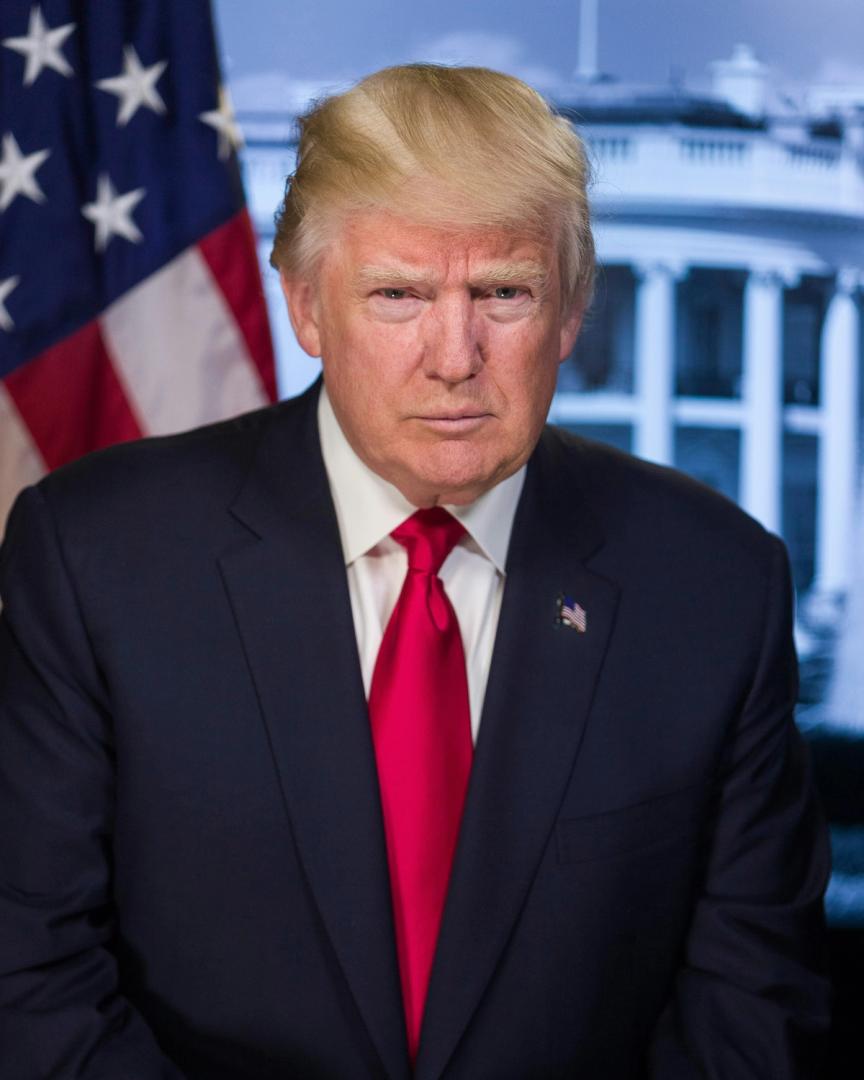
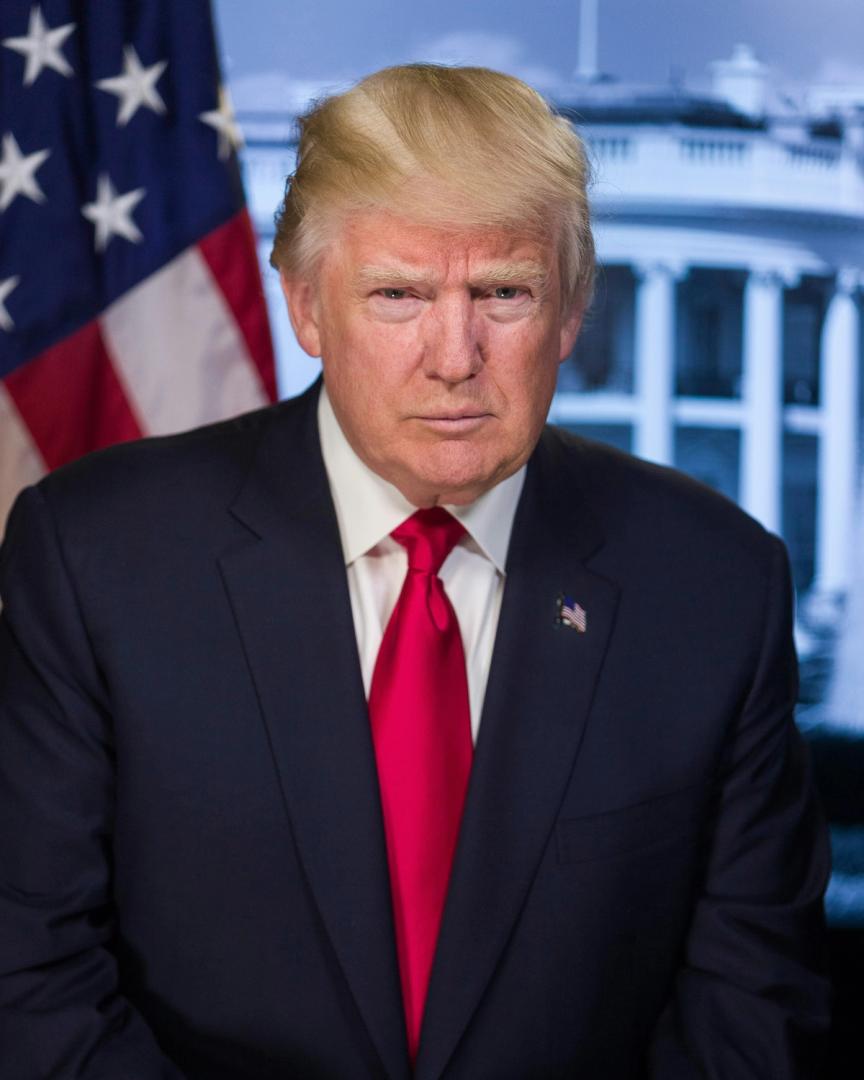
After crumbling about 4% late Friday into early Saturday, bitcoin has more than retraced those losses in the past few minutes after President Trump announced a coming agreement with Iran and other Middle Eastern countries.
“An Agreement has been largely negotiated, subject to finalization between the United States of America, the Islamic Republic of Iran, and the various other Countries,” wrote Trump in a Truth Social post.
“In addition to many other elements of the Agreement, the Strait of Hormuz will be opened,” the president continued.
The news sent bitcoin sharply higher to $76,700 after having fallen to nearly $74,000 earlier on Saturday.

EasyJet flight to London diverts mid-air after passenger left phone charging in luggage | News UK
Central Securities stock hits 52-week high at 53.15 USD

Bitcoin set to retest $60K as analysts flag 2026 low


-

 Crypto World2 days ago
Blockchain.com files with SEC for U.S. IPO
-

 Fashion1 day ago
Holiday Weekend Open Thread – Corporette.com
-

 Crypto World7 days ago
Intesa Sanpaolo’s crypto holdings jump to $235M as XRP enters
-

 Business1 day ago
Dell Technologies DELL Stock Surges 15% on AI Server Momentum and Analyst Upgrades in 2026
-

 Crypto World1 day ago
Space X IPO Is ‘Bad News’ for Tech Stocks: But What About Bitcoin?
-

 Crypto World13 hours ago
Robinhood crypto COO Tanya Denisova exits
-

 Fashion7 days ago
On the Scene at Gucci’s Cruise Show in New York City: Mariah Carey, Kim Kardashian, Lindsay Lohan, Iman, and More!
-

 Politics1 day ago
Makerfield: a tale of two social-media histories
-

 Crypto World1 day ago
AI infrastructure race heats up as IREN pitches full-stack strategy, WhiteFiber lands $160M deal
-
 Tech1 day ago
A 0.12% parameter add-on gives AI agents the working memory RAG can’t
-

 Tech2 days ago
WhatsApp ads could make Irish debut after discussions with DPC
-

 Fashion7 days ago
Amazon Sundays: Memorial Day Hosting
-

 Crypto World2 days ago
Bitcoin Accumulation Weakens as BTC Realized Losses Hit $600M
-

 Entertainment7 days ago
Off Campus Easter Eggs Explained: Characters, Stories, More
-
Crypto World5 days ago
Revolut Launches Dogecoin Debit Card Across UK and EU
-

 Sports2 days ago
2026 CJ Cup Byron Nelson leaderboard: Brooks Koepka finds putting stroke in Round 1
-
 NewsBeat2 days ago
Charity run by Reform leader Malcolm Offord accused of ‘law breaking’ over Scottish registration
-

 Tech2 days ago
You Can Now Add ChatGPT To PowerPoint
-

 Business2 days ago
Trump Invests $1M-$5M in Kura Sushi USA Chain With 27 California Locations
-

 Crypto World2 days ago
Trump Media’s Bitcoin Stash Shrinks Again as 2,650 BTC Lands on Crypto.com
You must be logged in to post a comment Login