

Business
Bio Medica Laboratories shares to debut today. Here’s what GMP suggests ahead of listing


The Rs 52 crore IPO had opened for subscription between May 21 and May 25, while the allotment was finalised on May 26. The issue was a combination of a fresh issue of 33.95 lakh shares worth around Rs 47.19 crore and an offer for sale of 3.77 lakh shares aggregating to Rs 5.24 crore.
Bio Medica Laboratories had fixed the price band at Rs 132-139 per share and finalised the issue price at Rs 139 apiece. The IPO received an overall subscription of 2.26 times during the bidding process.
The qualified institutional buyers portion was subscribed 15.94 times, while the retail investor category saw subscription of 2.92 times. The non-institutional investor segment was subscribed 1.3 times.
Narnolia Financial Services was the book-running lead manager to the issue, while Skyline Financial Services acted as the registrar. Prabhat Financial Services was the market maker.

Incorporated in 2015, Bio Medica Laboratories is engaged in manufacturing pharmaceutical parenteral formulations. The company manufactures ethical drugs, generic medicines and over-the-counter products in liquid injectable and dry-powder injectable formats for both human and veterinary healthcare segments.
Its product portfolio includes 58 liquid injectable products and 15 dry-powder injectable products. The company primarily operates on a business-to-business contract manufacturing model, developing formulations based on customer specifications and requirements.Bio Medica Laboratories operates two manufacturing facilities in Indore, Madhya Pradesh and holds GMP and GLP certifications issued by the Food and Drugs Administration, Madhya Pradesh.
The company plans to utilise IPO proceeds toward loan repayment, expansion of manufacturing capacity through a new facility at its existing premises and general corporate purposes.
For FY25, the company reported total income of Rs 38.33 crore and profit after tax of Rs 9.79 crore. The weak GMP suggests investors remain cautious on smaller IPOs despite selective institutional interest in the issue.
SME IPOs have witnessed mixed listing performance in recent months as broader market volatility, foreign investor selling and concerns around valuations continue to weigh on sentiment. Grey market premiums are unofficial indicators of investor sentiment and do not guarantee actual listing performance.
(Disclaimer: Recommendations, suggestions, views and opinions given by the experts are their own. These do not represent the views of Economic Times)


NEW YORK — Nextpower Inc. shares surged more than 18% in early trading Friday, reaching $162.38 after the solar technology company announced a strategic acquisition into battery energy storage and AI data center markets along with an increased fiscal 2027 financial outlook.
The rally reflects strong investor enthusiasm for Nextpower’s expansion beyond its core solar tracking business into higher-growth segments of the clean energy and technology infrastructure sectors. The Fremont, California-based company, formerly known as Nextracker, has rebranded and repositioned itself as a broader intelligent power generation platform provider.
Nextpower said late Thursday it entered into a definitive agreement to acquire Prevalon Energy, a move that accelerates its entry into the battery energy storage system (BESS) market and positions it to serve rapidly growing AI data center power demands. The deal, valued at up to $365 million, is expected to close in the coming months subject to customary conditions.
The acquisition comes on the heels of strong fiscal fourth-quarter and full-year 2026 results reported earlier in May. Nextpower posted revenue of $880.5 million for the quarter, beating estimates, with adjusted earnings per share of $1.05. The company also raised its full-year fiscal 2027 revenue and profitability guidance, citing robust demand for its integrated solar solutions.
Nextpower’s rebranding in late 2025 signaled its evolution from a solar tracker specialist to a full-platform energy technology provider. The company now offers trackers, electrical balance of system (eBOS) components, software and robotics designed to optimize energy yield and operational efficiency for utility-scale solar plants.
Analysts view the Prevalon acquisition as a logical step in diversifying revenue streams. Battery storage is seeing explosive demand as utilities and data center operators seek reliable, dispatchable clean power to complement intermittent solar and wind generation. AI-driven data centers, in particular, require massive amounts of firm power, creating opportunities for integrated solar-plus-storage solutions.
The stock has been on a strong run throughout 2026, building on triple-digit gains in the prior year. Friday’s move pushed year-to-date performance higher and reinforced Nextpower’s status as one of the top-performing names in the renewable energy technology space.
Market reaction was swift and positive. Volume spiked in early trading as both retail and institutional investors piled in. Several analyst firms issued notes supporting the strategic shift, with some raising price targets following the announcement.
Nextpower’s leadership highlighted the acquisition’s potential to create meaningful long-term value. The company expects the deal to be accretive to earnings and expand its addressable market significantly.
The broader energy transition continues to drive growth for companies like Nextpower. Global commitments to decarbonization, combined with U.S. policy support for domestic clean energy manufacturing and deployment, have created tailwinds for solar and storage providers.
Challenges remain, however. The solar sector faces headwinds from supply chain issues, potential tariff changes and project delays in certain regions. Nextpower has mitigated some risks through vertical integration and a focus on high-margin, technology-differentiated products.
Investors appear to be betting that Nextpower’s pivot toward storage and AI-related power solutions will help insulate it from pure solar cyclicality. Data centers alone are projected to drive substantial electricity demand growth over the next decade, with many operators turning to renewable-plus-storage hybrids for 24/7 carbon-free power.
Nextpower’s existing technology stack, including advanced tracking systems and intelligent software, complements battery storage by optimizing overall system performance. The Prevalon platform is expected to integrate seamlessly, allowing the company to offer end-to-end solutions.
Financially, Nextpower maintains a solid balance sheet with strong cash generation. The company has returned capital to shareholders through buybacks while investing in growth initiatives.
Wall Street consensus remains largely bullish. Most analysts rate the stock as a buy or overweight, citing its technology leadership and exposure to multiple high-growth secular trends.
Friday’s surge marks another chapter in Nextpower’s remarkable run since going public. The company has benefited from the global solar boom while successfully executing on product innovation and market expansion.
Looking ahead, management will provide further details on the acquisition and updated guidance during upcoming investor communications. Key metrics to watch include integration progress, margin accretion timelines and new order momentum in the storage segment.
The renewable energy sector has seen heightened volatility in recent years due to interest rate fluctuations and policy uncertainty. However, long-term fundamentals remain intact, supported by falling technology costs and increasing corporate demand for clean energy.
Nextpower’s move into battery storage aligns with industry trends. Major players are increasingly bundling solar, storage and digital optimization to deliver reliable power at scale. This “solar-plus-storage” approach is particularly attractive for data center developers facing grid constraints and sustainability targets.
Competitors in the space include established storage specialists as well as other solar technology firms expanding their portfolios. Nextpower’s scale, public company status and technology heritage provide competitive advantages in securing large contracts.
From a valuation perspective, the stock trades at a premium reflecting its growth profile. Investors are paying for expected future earnings expansion rather than current results. Strong execution on the acquisition and guidance could justify current multiples.
Broader market sentiment toward clean technology stocks has improved amid falling interest rates and renewed focus on domestic energy security. Nextpower’s performance stands out even within a strong sector.
Retail investor interest has been notable on social platforms, with many highlighting the AI data center angle as particularly compelling. The intersection of artificial intelligence power needs and clean energy solutions is one of the most discussed investment themes of 2026.
Nextpower continues to invest in research and development, with emphasis on AI-driven optimization software and robotics for operations and maintenance. These innovations aim to reduce the levelized cost of energy and improve project returns for customers.
The company’s U.S. manufacturing footprint has also expanded, helping it navigate trade policies and meet domestic content requirements for certain incentives.
As the trading day progresses, attention will turn to whether the stock can sustain these elevated levels or if profit-taking emerges. Early momentum suggests broad conviction in the strategic direction.
For investors considering exposure to the energy transition, Nextpower offers a differentiated play combining solar expertise with emerging storage and digital capabilities. The Prevalon acquisition accelerates this transformation and could serve as a catalyst for further upside.
While risks such as execution challenges and macroeconomic factors exist, Nextpower’s track record of beating expectations and adapting to market shifts has built credibility with the investment community.
The clean energy sector is poised for continued growth as electrification accelerates across transportation, industry and computing. Companies that can deliver integrated, intelligent solutions are best positioned to capture value in this evolving landscape.
Nextpower’s performance Friday underscores the market’s appetite for growth stories tied to both sustainability and technological innovation. With a record backlog in core operations and new avenues opening in storage, the company enters the new fiscal year with significant momentum.

NEW YORK — Okta Inc. shares jumped more than 18% in early trading Friday, climbing to $112.01 after the identity security company posted better-than-expected first-quarter results and highlighted growing demand for solutions to secure artificial intelligence agents.
The rally reflects investor confidence in Okta’s execution amid an evolving cybersecurity landscape where identity management has become a top priority for enterprises adopting AI technologies. The company’s fiscal first-quarter 2027 earnings, released after the market close Thursday, showed continued revenue growth and margin expansion.
Okta reported total revenue of $765 million for the quarter ended April 30, up 11% from a year earlier and ahead of Wall Street expectations around $752 million. Subscription revenue, the company’s primary driver, rose 11% to $750 million. Adjusted earnings per share came in at $0.91, beating consensus estimates of $0.85.
Remaining performance obligations, a key forward-looking metric, reached $4.719 billion, up 16% year-over-year. Current RPO, representing revenue expected over the next 12 months, grew 12% to $2.499 billion.
The results underscore Okta’s position as a leader in workforce identity security. CEO Todd McKinnon has emphasized the company’s role in helping organizations manage and secure AI agents, an emerging area that is drawing significant enterprise interest.
Okta raised its full-year fiscal 2027 outlook, now projecting revenue growth of 9% to 10%. The company also guided for strong non-GAAP operating margins and healthy free cash flow generation, signaling confidence in sustained profitability improvements.
Analysts reacted positively to the report. Several firms noted Okta’s ability to maintain steady growth while expanding into high-potential AI-related security use cases. The identity security market has gained prominence as companies deploy more autonomous AI systems that require robust authentication and access controls.
Okta’s performance comes as the broader cybersecurity sector benefits from rising threats and digital transformation efforts. Identity and access management solutions have become critical infrastructure for preventing breaches, particularly as remote work, cloud adoption and AI proliferation expand the attack surface.
The company has invested in product innovation to address these trends. Newer offerings, including solutions for privileged access management and identity governance, contributed to stronger bookings in the quarter. These products accounted for a growing share of new deals.
Financially, Okta continues to demonstrate improving operational efficiency. GAAP operating income reached $56 million, or 7% of revenue, compared to $39 million a year ago. Non-GAAP operating income was $191 million, or 25% of revenue.
The company generated solid cash flow, supporting ongoing investments in research and development while maintaining a strong balance sheet. Okta has also returned capital through share repurchases in recent periods.
Wall Street has grown increasingly bullish on Okta’s prospects. Price targets have risen following recent earnings beats, with some analysts citing potential upside from the AI security tailwind. The stock’s valuation reflects expectations of accelerating growth as AI adoption matures.
However, challenges persist in the competitive identity market. Okta faces rivals including Microsoft, Ping Identity and CyberArk. Macroeconomic uncertainty and cautious enterprise spending have weighed on growth rates compared to the pandemic-era surge.
Okta has responded by focusing on larger deals with existing customers and expanding its platform capabilities. The company reported strong performance in upsells to its workforce identity solutions.
Investors appear to be rewarding Okta’s consistent delivery. Friday’s surge marks a significant rebound from earlier 2026 levels, highlighting renewed enthusiasm for software stocks tied to AI infrastructure and security.
The identity security space is expected to grow rapidly as organizations prioritize securing both human and machine identities. Analysts project the market for AI agent security tools to expand substantially over the coming years, positioning established players like Okta favorably.
From a technical perspective, the stock broke key resistance levels on the earnings reaction, with heavy volume indicating broad participation. Traders will watch whether the gains hold through the session or if profit-taking emerges after the sharp move.
Longer term, Okta’s strategy centers on becoming the essential identity layer for modern enterprises. Its cloud-native platform integrates with major cloud providers and supports hybrid environments, giving it broad applicability.
The company’s leadership has expressed optimism about the AI opportunity. Early pipeline interest for AI-related identity products has been encouraging, though these offerings are still in relatively early stages of contribution.
Okta’s transformation from a high-growth disruptor to a more mature, profitable software company has been closely watched. The current quarter’s results suggest the transition is progressing well, with stable growth and expanding margins.
Broader market sentiment toward technology and cybersecurity names remains constructive. Artificial intelligence themes continue to drive investment flows, benefiting companies that enable or secure AI deployments.
For investors evaluating Okta, key considerations include execution on guidance, competitive positioning and the pace of AI product adoption. The company’s track record of beating estimates has helped rebuild credibility after periods of slower growth.
Risks include potential slowdowns in enterprise IT spending, integration challenges with acquisitions and evolving regulatory requirements around data privacy and security.
Okta has a history of strategic acquisitions to bolster its platform. These moves have expanded its capabilities in areas such as customer identity and access management.
As enterprises navigate complex digital ecosystems, demand for unified identity solutions is likely to persist. Okta’s independence from major cloud providers gives it appeal as a neutral, best-of-breed option for many organizations.
Friday’s market reaction represents a strong endorsement of management’s strategy. With solid fundamentals and exposure to a secular growth trend in AI security, Okta enters the new quarter with positive momentum.
Analysts will monitor upcoming quarters for evidence of reacceleration. If AI-related products begin contributing more meaningfully to revenue, the stock could see further upside.
In the near term, focus remains on operational execution and customer retention metrics. Okta’s net retention rates have remained healthy, indicating strong value delivery to existing clients.
The identity security sector is poised for consolidation and innovation. Companies that can combine scale with advanced capabilities are best positioned to thrive.
Okta’s performance this earnings season adds to a series of positive reports from cybersecurity firms, reflecting resilience in the sector despite economic headwinds.
As trading continues, the stock’s movement will be watched closely by growth investors seeking exposure to both established software platforms and emerging AI themes.

NEW YORK — GameStop Corp. shares traded slightly lower Friday morning, falling about 1% to $21.47 as the video game retailer continued its aggressive pursuit of eBay Inc. by raising its ownership stake in the online marketplace to 7.78%.
The modest decline came amid light pre-holiday trading volume and broader market caution. GameStop’s ongoing activism around a potential acquisition of eBay has kept the stock in focus, even as the company faces skepticism from investors and analysts regarding financing and strategic fit.
GameStop has steadily increased its position in eBay following the rejection of its non-binding $56 billion takeover proposal earlier in May. The latest filing shows the stake rising from previous levels around 6.6%, signaling CEO Ryan Cohen’s determination to pressure eBay’s board and explore further steps.
The move comes as GameStop seeks to transform beyond its traditional brick-and-mortar retail roots. Once a meme stock phenomenon, the company has built a substantial cash position and pursued strategic shifts under Cohen’s leadership, including cost-cutting measures and exploration of new revenue streams.
Recent financial results provide context for the activist approach. For the fiscal year ended January 31, 2026, GameStop reported net sales of $3.63 billion, down from the prior year, but posted improved profitability with net income rising to $418 million. Fourth-quarter adjusted earnings per share beat estimates at $0.49, though revenue fell short of expectations.
The company has also requested shareholder approval to increase authorized shares, a move that could provide flexibility for future capital raises or acquisitions. That filing contributed to some recent volatility in the stock.
Analysts remain divided on GameStop’s prospects. Some view the eBay campaign as a high-risk, high-reward gambit that could reshape the company if successful. Others question the viability given eBay’s rejection and potential regulatory hurdles. Morgan Stanley noted after the initial bid rejection that the “takeover fight may just be starting.”
eBay has pushed back firmly, describing the proposal as neither credible nor attractive. The company has defended its independent strategy focused on e-commerce growth and marketplace enhancements.
GameStop’s cash reserves and low debt position give it some maneuvering room, though executing a full takeover would likely require significant additional financing. The company has not detailed specific plans beyond the increased stake and shareholder proposals.
Trading in GME shares has remained volatile but less extreme than the 2021 meme stock surge. The stock has traded in a relatively narrow range in recent months, reflecting reduced short interest compared to previous years while retaining a dedicated retail investor base.
Options activity has shown mixed sentiment recently, with relatively light volume. Some traders bet on continued activism-driven catalysts, while others anticipate consolidation or downside if the eBay effort stalls.
GameStop’s core business continues to face industry headwinds. The shift to digital gaming has pressured physical sales, prompting the company to diversify into collectibles, electronics and potential technology ventures. Its balance sheet strength, bolstered by prior share offerings and cost discipline, provides a buffer.
Cohen has taken an increasingly public role in pushing for change. His commentary on eBay’s management has been pointed, though specific details remain limited in regulatory filings.
The broader retail sector has seen consolidation and digital transformation pressures. GameStop’s attempt to acquire eBay represents one of the more unusual activist campaigns in recent memory, blending legacy retail with e-commerce ambitions.
Investors will watch for any further disclosures or responses from eBay. Next earnings are expected around early June, which could provide additional insight into operational performance and strategic priorities.
From a valuation standpoint, GameStop trades at levels reflecting both its cash holdings and uncertainty around future growth. The stock remains well below its 2021 peaks but has shown resilience amid market fluctuations.
Retail enthusiasm for GME persists on social platforms, where discussions often center on potential short squeezes, activist outcomes and long-term transformation. However, institutional ownership and analyst coverage reflect more measured expectations.
The company has maintained focus on operational improvements, including store optimizations and inventory management. Progress in these areas helped drive better profitability despite lower sales.
Looking ahead, GameStop’s trajectory depends heavily on the success of its capital allocation and any transformative deals. The eBay stake increase keeps the narrative alive but also introduces execution risk.
Market watchers note that meme stock dynamics have evolved since 2021. While retail participation remains influential, broader market factors like interest rates and economic data now play larger roles in daily movements.
GameStop has not provided detailed guidance on the eBay situation beyond regulatory filings. Any material developments would likely trigger further volatility.
For long-term shareholders, the company’s cash position offers downside protection while activism creates upside optionality. Short-term traders continue to monitor technical levels and news flow closely.
The stock’s performance Friday fits a pattern of modest moves amid waiting periods in the eBay saga. Volume has been lighter than average as markets prepare for the Memorial Day weekend.
Broader technology and consumer discretionary sectors showed mixed trading, with some AI-related names gaining while retail names lagged.
GameStop’s history as a cultural phenomenon in retail investing ensures continued attention. Whether the current strategy yields a major outcome remains uncertain, but the company has demonstrated willingness to pursue bold moves.
As the situation develops, investors will balance enthusiasm for potential catalysts against fundamental challenges in the gaming retail space.

U.S. Treasury Secretary Scott Bessent details the United States’ economic pressure campaign on Iran, known as Operation Economic Fury, on ‘Kudlow.’
Treasury Secretary Scott Bessent said the Iranian economy is nearing a breaking point Friday, while announcing that the U.S. has seized roughly $1 billion in Iranian cryptocurrency assets.
“We have seized about a billion dollars of their crypto,” he told FOX Business. “Just outright grabbed the wallets.”
Joining “Kudlow” at the Reagan National Economic Forum, Bessent detailed the United States’ economic pressure campaign on Iran, known as “Operation Economic Fury,” which he said has sent the regime into “crisis.”
“I think between five and a half-six weeks of an incredibly successful military campaign and then Operation Economic Fury, where we have really cut them off…they are at the end of their tether now financially,” he said.
TRUMP’S IRAN CRACKDOWN ‘SUFFOCATING’ REGIME AS OIL WELLS COULD SHUT WITHIN DAYS, BESSENT SAYS

Bessent said roughly $1 billion in Iranian cryptocurrency assets has been seized by the U.S. Treasury Department. (Getty Images)
“I think 40 or 50% of the [Iranian] troops aren’t getting paid. Police aren’t reporting to the station. Inflation is probably over 200%. They’re having to give out food vouchers. They have turned off the internet.”
The effort, launched in March 2025, has crippled Tehran’s financial lifelines by seizing Iranian assets, freezing bank accounts and pressuring foreign governments to cut ties with the nation.
“We are working with our allies all over Europe to grab villas and houses and properties,” Bessent explained. “And this is money that’s stolen from the Iranian people.”
Bessent said the Iranian regime was siphoning $400 to $500 million every month and dividing the profits amongst dozens of leaders, before the Treasury Department intervened.
TRUMP CLAIMS IRAN ‘STARVING FOR CASH,’ ‘COLLAPSING FINANCIALLY’ AFTER EXTENDING CEASEFIRE

President Donald Trump speaks alongside Treasury Secretary Scott Bessent at the White House Digital Assets Summit at the White House on March 07, 2025, in Washington, D.C. (Anna Moneymaker/Getty Images / Getty Images)
The Treasury secretary went on to address ongoing negotiations between the U.S. and Iran, highlighting the differences between the factions involved in the talks. President Donald Trump held a White House meeting Friday where he said he would make a “final determination” on Iran.
“We did not have regime change, but we changed the regime,” Bessent said. “The first level leaders were decapitated, the second level decapitated. So, we’re dealing with the third level.”
TRUMP SAYS IRAN’S SUCCESSION BENCH WIPED OUT AS ISRAELI STRIKE HITS LEADERSHIP DELIBERATIONS
“And it’s very tough because, on one side, we have a theocracy with the clerics. On the other side, we have a thug autocracy with the IRGC. And you’ve got to convince both sides,” he added.
Bessent also spoke about the “very big” mistake Iran made by attacking countries in the Persian Gulf, which he argued left the regime more vulnerable.
Fox News senior strategic analyst Gen. Jack Keane (ret.) joins ‘Mornings with Maria’ to assess US strikes on Iran, tensions in the Strait of Hormuz and President Donald Trump’s next move.
The IRGC has launched drone and missile attacks against all six GCC states.
“They made my job so much easier because before, many of our great GCC Gulf allies were a little less than transparent about their banking system, that, ‘Oh no, we don’t have any Iranian oil,’” Bessent said.
The Treasury secretary added that after the Iranian strikes, GCC states were more open to disclosing ties to Iranian-supplied oil.

U.S. Treasury Secretary Scott Bessent visits “FOX & Friends” at Fox News Channel Studios on November 12, 2025, in New York City. (John Lamparski/Getty Images / Getty Images)
CLICK HERE TO DOWNLOAD THE FOX NEWS APP
Bessent also said that young U.S. service members enjoy enforcing the U.S. naval blockade on Iranian ports in the Strait of Hormuz.
“They’ve done an incredible job,” he told FOX Business. “When I talked to General Caine and Secretary Hegseth, they said, ‘Look, these young people aren’t afraid. They want to fight… This is what they signed up for.’”

NEW YORK — SoFi Technologies Inc. shares rose sharply in early trading Friday, gaining about 7% to $18.16 as investors continued to reward the digital banking platform for its strong first-quarter performance and accelerating growth in lending and membership.
The fintech company has maintained positive momentum following its April 29 earnings report, which showed record results across key metrics despite an initial market disappointment over unchanged full-year guidance. SoFi reported adjusted net revenue of $1.1 billion for the quarter ended March 31, up 41% from a year earlier. Net income more than doubled to $167 million from $71 million in the prior-year period.
Total loan originations reached a record $12.2 billion, with strong contributions from personal loans, student loans and home loans. Membership grew 35% year-over-year to 14.7 million, while products held by members increased 39% to 22.2 million. Adjusted EBITDA rose 62% to $340 million.
The results demonstrated SoFi’s successful diversification beyond its lending roots into a full-service financial platform that includes banking, investing, credit cards and insurance products. Cross-buy rates among members continued to improve, reflecting successful upselling strategies.
Analysts have highlighted SoFi’s path to sustained profitability and its ability to attract new customers in a competitive landscape. The company has emphasized its one-stop digital experience as a key differentiator from traditional banks.
SoFi’s deposit base has grown substantially, reaching over $40 billion, providing a lower-cost funding source for its lending activities. This shift has helped improve net interest margins and overall profitability.
The stock’s recent recovery reflects growing confidence that SoFi can deliver on its long-term targets despite macroeconomic uncertainties. Management has guided for continued revenue growth and margin expansion in 2026, with a focus on capital-light revenue streams.
SoFi has also expanded into new areas such as business banking and potential crypto-related offerings, positioning it to benefit from broader trends in digital finance. Reports of strategic moves, including potential acquisitions in the capital markets space, have added to investor optimism in recent sessions.
The company’s leadership, including CEO Anthony Noto, has expressed confidence in the platform’s scalability. Insider buying by executives in recent weeks has further signaled belief in future upside.
SoFi’s transformation from a student loan refinancing specialist to a comprehensive fintech player has taken years but appears to be gaining traction. The firm now serves millions of members who use multiple products, creating sticky relationships and recurring revenue opportunities.
Challenges remain, however. The company operates in a high-interest-rate environment that has cooled some lending demand, though SoFi has offset this through strong execution and product innovation. Competition from both traditional banks and other fintechs remains intense.
Valuation concerns have surfaced at times, with the stock trading at premiums that assume continued rapid growth. Yet many analysts maintain buy ratings, citing SoFi’s addressable market and technology advantages.
Friday’s trading volume was elevated as the stock broke above recent resistance levels. The move comes amid broader interest in fintech names showing resilience and profitability improvements.
SoFi has consistently met or exceeded the Rule of 40 benchmark, which combines revenue growth and profitability metrics. Its latest score of 72% underscores efficient scaling.
Looking ahead, investors will watch for updates on loan securitization activity, member engagement trends and any strategic announcements. The company’s next earnings report is expected in late July.
SoFi’s banking charter has provided regulatory flexibility and credibility, allowing it to expand product offerings more rapidly than some peers. Its focus on younger, tech-savvy consumers has driven above-average growth rates.
The broader economic picture, including potential Federal Reserve actions on interest rates, could influence SoFi’s lending volumes in coming quarters. Management has noted resilience even without assuming rate cuts in its planning.
Retail investor interest in SoFi remains high on social platforms, where the stock has a dedicated following. This base has contributed to periodic volatility but also sustained support during pullbacks.
From a technical standpoint, the stock has been working to establish a higher trading range after earlier 2026 weakness. Positive analyst commentary and sector rotation toward growth-oriented financial technology names have supported the rebound.
SoFi continues to invest in technology and marketing to boost brand awareness, which remains relatively low compared to legacy competitors. Successful campaigns have driven record member additions in recent periods.
The company’s diversified revenue mix — spanning net interest income, loan platform fees and financial services — provides stability. Non-interest revenue streams have grown in importance as SoFi reduces reliance on pure lending.
Risks include regulatory changes, economic slowdowns affecting consumer credit and execution challenges in new business lines. SoFi has built a strong risk management framework to navigate these factors.
Analysts project continued earnings growth in coming years as the company scales. Some price targets suggest significant upside if SoFi meets its ambitious targets for member and product growth.
The fintech sector has seen renewed interest as investors seek exposure to digital transformation in finance. SoFi stands out for its full-stack approach and progress toward GAAP profitability.
Friday’s gain adds to recent positive sessions, reflecting improved sentiment following the post-earnings digestion period. With a solid balance sheet and clear strategic direction, SoFi appears well-positioned for the remainder of 2026.
Market participants will continue monitoring macroeconomic indicators and company-specific developments. SoFi’s ability to sustain record-setting quarters will be key to maintaining investor confidence.
As one of the more prominent publicly traded fintechs, SoFi serves as a bellwether for the industry’s health. Its performance has implications for how investors view the sector’s growth potential in a maturing market.
The company’s focus on long-term value creation through technology and customer experience has resonated with growth-oriented investors. Continued execution could drive further re-rating of the stock in coming months.

Werewolf Therapeutics director Luke Evnin sells $66,200 in shares


Hi, I’m Wilmer, a 19-year old aspiring investor and writer with a passion for uncovering undervalued opportunities in the market. Currently serving my country as a military conscript. Previously as a highschool student, I specialized in economics, combining my studies with a keen interest in financial markets. Featured multiple times as a Weekly Pick on Simply Wall Street with over 50,000 readers. Focused on undervalued opportunities in tech and gaming. With an analytical approach to investing, I aim to identify undervalued stocks and explain why they present long-term opportunities. I write on Seeking Alpha to share my insights, develop my expertise, and engage with a broader community of investors. Through my articles, I hope to make complex financial concepts more accessible and help others make informed investment decisions.
Analyst’s Disclosure: I/we have no stock, option or similar derivative position in any of the companies mentioned, but may initiate a beneficial Long position through a purchase of the stock, or the purchase of call options or similar derivatives in DASH over the next 72 hours. I wrote this article myself, and it expresses my own opinions. I am not receiving compensation for it (other than from Seeking Alpha). I have no business relationship with any company whose stock is mentioned in this article.
Seeking Alpha’s Disclosure: Past performance is no guarantee of future results. No recommendation or advice is being given as to whether any investment is suitable for a particular investor. Any views or opinions expressed above may not reflect those of Seeking Alpha as a whole. Seeking Alpha is not a licensed securities dealer, broker or US investment adviser or investment bank. Our analysts are third party authors that include both professional investors and individual investors who may not be licensed or certified by any institute or regulatory body.

Operator
Good afternoon, everyone. My name is Chris Donovan, Mobilicom’s Head of Investor Relations. Welcome to Mobilicom’s First Quarter 2026 Earnings Results Conference Call. Joining me today are Oren Elkayam, Mobilicom’s Founder and Chief Executive Officer; and Liad Gelfer, the company’s Director of Finance.
Earlier today, Mobilicom issued a press release announcing its financial results and business highlights for the 3 months ended March 31, 2026. A copy of the release is available on the Investor Relations section of the company’s website. Before we begin, I would like to remind everyone that certain statements made during this conference call may constitute forward-looking statements within the meaning of the Private Securities Litigation Reform Act of 1995 and other securities laws. Forward-looking statements are based on management’s current expectations, beliefs and assumptions and are subject to risks and uncertainties that could cause actual results to differ materially from those described in these statements.
For a more detailed description of these risks and uncertainties, please refer to Mobilicom’s filings with the U.S. Securities and Exchange Commission, including the Risk Factors section of the company’s most recent annual report on Form 20-F and the subsequent reports furnished on Form 6-K. All forward-looking statements speak only as of the date of today’s call, and Mobilicom undertakes no obligation to publicly update or revise any forward-looking statements, except as required by applicable law. Following management’s prepared remarks, we will open the call for analyst questions.
As for the agenda today, there will be a brief introduction to Mobilicom for those joining

NEW YORK — LeBron James has signaled specific demands as contract negotiations with the Los Angeles Lakers loom, insisting on either a maximum salary offer or a detailed explanation of how any financial concessions would strengthen the roster for future championship contention.
According to ESPN’s Brian Windhorst, James and his representatives want transparency from the Lakers. If the organization does not extend a maximum contract, they expect a clear accounting of where the remaining salary cap space would be allocated and which players the team intends to pursue.
The request goes beyond personal compensation. At this stage of his career, James has emphasized building a competitive team around him. The 41-year-old superstar, entering his 24th NBA season, continues to perform at an elite level, making him one of the league’s most valuable veterans despite his age.
The Lakers have publicly expressed interest in retaining James, viewing him as a cornerstone of their franchise. However, the negotiations appear more complex than a simple extension. James’ camp is seeking assurances that any sacrifice on his part would directly translate into roster improvements aimed at elevating the team’s title prospects.
James has long prioritized winning over individual financial gain in the later years of his career. His willingness to take less than the maximum in previous contracts with the Lakers and other teams demonstrated a commitment to team-building. This time, he is reportedly seeking explicit details on how the Lakers plan to use any freed-up cap space.
The situation highlights the delicate balance the Lakers must strike. Retaining James provides continuity and star power, but committing significant long-term money to a player in his 40s carries risk. The organization must weigh his on-court impact against the need for roster flexibility to attract complementary talent.
James averaged strong numbers in the 2025-26 season, contributing significantly to the Lakers’ playoff appearance. His ability to impact games through scoring, playmaking and leadership remains unmatched among veterans. However, durability and long-term projections factor into contract discussions.
Windhorst’s reporting underscores that the conversation centers on strategic alignment. James wants to understand the Lakers’ vision for the roster if he accepts less than the maximum. This includes potential free agent targets, trade scenarios and draft assets that could bolster the supporting cast.
The Lakers face cap constraints common to teams with aging superstars. Balancing James’ salary with contracts for younger players and role pieces presents a challenge. General manager Rob Pelinka and the front office must navigate these dynamics while managing expectations from James’ side.
James’ agent, Rich Paul of Klutch Sports, has been instrumental in previous negotiations. The group’s emphasis on transparency reflects a businesslike approach to what has historically been a partnership built on mutual respect between James and the Lakers organization.
This offseason marks a pivotal moment for the Lakers. After years of contending with James as the focal point, the franchise must decide on its long-term direction. Retaining James could extend the current era, while a departure would accelerate a rebuild around younger talents like Austin Reaves and emerging prospects.
James has repeatedly expressed his desire to finish his career on his terms. His family’s presence in Los Angeles and business interests in the city add personal dimensions to the decision. Yet competitive success remains a driving force.
League-wide, veteran contract negotiations increasingly focus on roster construction rather than pure salary maximization. Players like James, with substantial off-court influence, wield leverage in shaping team strategies.
The NBA salary cap for the 2026-27 season is projected to rise, providing some relief for teams like the Lakers. However, luxury tax implications and repeater penalties could complicate long-term commitments.
James’ production last season defied typical age-related decline. His versatility allows him to adapt to various lineups, making him a valuable mentor and on-court asset. The Lakers would benefit from his presence while transitioning toward a more balanced roster.
Public sentiment among Lakers fans largely favors keeping James. His legacy with the franchise, including multiple championships, cements his status as one of the greatest to wear the purple and gold.
Negotiations are expected to intensify in the coming weeks as free agency approaches. The Lakers must present a compelling plan to satisfy James’ request for clarity. Failure to do so could prompt James to explore other options, though his preference appears to lean toward staying in Los Angeles.
The broader NBA landscape features several aging stars navigating similar situations. How teams manage veteran contracts will influence competitive balance in the Western Conference, where contenders are stacking talent.
James has transformed the Lakers since his arrival in 2018. Beyond on-court contributions, his presence elevates the franchise’s profile globally. Maintaining that influence while building sustainably poses the current challenge.
Analysts suggest the Lakers may offer a shorter-term deal with incentives tied to performance and team success. Such structures have become common for veteran players seeking both security and flexibility.
James’ camp has not issued public statements beyond the reporting from Windhorst. The focus remains on productive dialogue aimed at aligning incentives for the upcoming season and beyond.
For the Lakers, securing James represents continuity in a league trending toward youth and athleticism. His basketball IQ and experience provide intangible benefits that statistics alone cannot capture.
The situation also carries implications for other free agents. A resolution between James and the Lakers could influence the broader market as teams finalize their summer plans.
As discussions continue, all eyes remain on how the Lakers respond to James’ request for transparency. The outcome could shape the franchise’s trajectory for the next several seasons.
James enters this offseason with options. His career longevity and sustained excellence give him significant leverage. The Lakers, meanwhile, must demonstrate a clear championship blueprint to retain their superstar.
The coming days are likely to bring more clarity as both sides work toward an agreement that satisfies competitive and financial objectives. James’ demand for detailed roster explanations reflects a sophisticated approach to contract talks in the modern NBA.
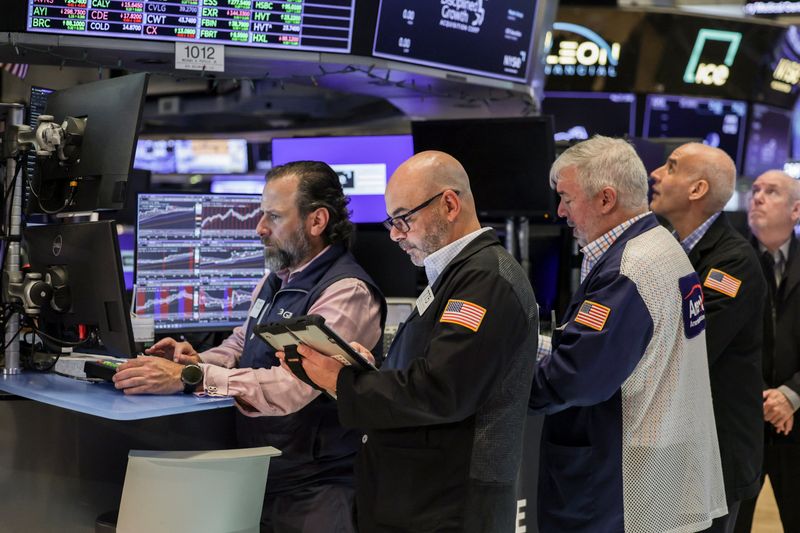

Wall Street hits new closing highs on tech strength, Middle East deal hopes

Fable Dodges GTA VI With Another Delay

NEW INFINITE MONEY GLITCH IN FORZA HORIZON 6! ( NEW AFK XP, CREDITS, SUPER WHEEL SPINS & MORE! )

Pentagon wants troops to attend Trump’s White House cage fight – but only fit ones


-

 Business5 days ago
NYT Strands Answers May 24 2026 Revealed for Puzzle No. 812 Theme Summer Essentials
-

 Politics4 days ago
Bridgerton Season 5: Cast, Release Date And Everything We Know So Far
-

 Crypto World7 days ago
Robinhood crypto COO Tanya Denisova exits
-

 Tech4 days ago
Microsoft’s quiet Claude Code retreat and the real cost of enterprise AI
-
 Crypto World3 days ago
Micron Crosses $1 Trillion Market Cap as AI Demand Reshapes Memory Sector
-

 Business3 days ago
Selena Gomez Reportedly Upset Over Benny Blanco’s Comments on Her ‘Terrible’ Diet
-

 Business5 days ago
BTS Sells Out Four Las Vegas Shows at Allegiant Stadium for ARIRANG World Tour
-
Tech2 days ago
The Samsung pay deal is the moment Korean unions changed register
-

 NewsBeat2 days ago
Israel says it has killed new Hamas military leader in Gaza City airstrikes
-

 Tech4 days ago
Westone Audio and Etymotic Acquired by Fidelity Collective in Major IEM Market Move
-

 Tech3 days ago
Millions of AI agents imperiled by critical vulnerability in open source package
-

 Tech19 hours ago
Waymo dominates autonomous vehicle registrations as Tesla trails behind
-
 Crypto World5 days ago
Nvidia (NVDA) CEO Calls on Super Micro to Strengthen Export Controls Amid Smuggling Probe
-
 Tech4 days ago
China assigns ID codes to 28,000+ humanoid robots
-

 Tech3 days ago
NASA taps Blue Origin to deliver lunar rovers for Moon Base initiative
-
Crypto World3 days ago
SpaceX’s $2 Trillion IPO: Why Tech Giants Nvidia (NVDA), Apple (AAPL), and Microsoft (MSFT) May Face Pressure
-
Crypto World5 days ago
Brian Armstrong Outlines Crypto Vision for the Future Financial System
-
 Entertainment4 days ago
‘Breaking Bad’ Star’s Easy-to-Binge 6-Part Crime Series Spin-Off Is Finally Heading to Free Streaming
-

 Crypto World3 days ago
Spain blocks prediction markets Polymarket Kalshi
-

 Business4 days ago
Yatra Online, Inc. 2026 Q4 – Results – Earnings Call Presentation (NASDAQ:YTRA) 2026-05-25
You must be logged in to post a comment Login