Spending 32 years (and 13 days) as travel correspondent for The Independent has been the privilege and pleasure of my life.
Today, 29 May 2026, is my final day. Do join me on a journey through the decades.
1994: First principles
When I joined the paper on 16 May 1994, The Independent was located in a former insurance office at 40 City Road in the City of London – just a few hundred metres from our present location.
Advertisement
Travel was more expensive, more complicated and significantly more dangerous than today. And so was communication.
The Independent was technically way ahead of most of Fleet Street. I was an early adopter of the laptop – about as rudimentary and bulky as a fridge. I soon found that writing an article was the relatively easy part: once finished, my problems were only just beginning.
In a bleak room of a Soviet-era hotel in Novosibirsk, central Siberia, I dismantled a Russian phone in order to file an article about a lively night in a bathhouse in the bleak wilderness of a Siberian midwinter. “The best bit is when the beating stops,” it began.
To get the precious prose to the mainframe computer back at The Independent, I needed to connect my laptop to the right terminals, tap in the right codes and hope for the best. When finally I heard a reassuring purr and squeak from the London end, I could send over the article – at the reading-out-loud speed of 180 words per minute. Perhaps, I reflected, I should have learnt Morse code.
Yet within Europe, fare were stubbornly high. A questionably obtained student card eased the financial pain, but even so London to Glasgow was a minimum of £100 return by air. Plenty of entrepreneurs had sought, unsuccessfully, to make flying affordable. So, when a fax arrived at the office of The Independent announcing a new carrier between Luton and Glasgow, beginning in November 1995, I paid it little heed.
The link between London and Scotland’s biggest city was conveniently carved up by Air UK, British Airways and British Midland. While easyJet promised fares as low as £29 each way, the business model seemed fatally flawed. You couldn’t buy through travel agents, only by phone – with the number emblazoned in orange on the plane.
Advertisement
There was no allocated seating – you grabbed a seat where you could. And the airline proposed charging passengers £1 for a cup of tea and a further 50p for a packet of shortbread, both of which were free on its frillier rivals. So, no thanks, I would not be going to Luton at 7am on 10 November to meet a 28-year-old shipping magnate named Stelios Haji-Ioannou.
Yet easyJet seems to have survived, along with what was, at the time, a small and struggling Irish airline named Ryanair.
Open skies: Stelios Haji-Iaonnou on easyJet’s first flight – enabled by deregulation (easyJet)
1996: Railway break-up
Even without competition from budget airlines on intercity routes, the UK’s railways were struggling in the 1990s. John Major’s government had a solution: privatisation. The 1992 Conservative manifesto claimed: “The best way to produce profound and lasting improvements on the railways is to end BR’s state monopoly.”
On 4 February 1996 Britain’s first privatised rail service departed. Actually, it was a rail-replacement bus from Fishguard to Cardiff, due to engineering work. And it was late. The first actual privatised train was the 5.10am Twickenham to London Waterloo.
Advertisement
Three decades on, passenger numbers have roughly doubled. Labour is renationalising the train operators, with the biggest – Govia Thamelink – entering public ownership this weekend. The transport secretary, Heidi Alexander, said: “From this Sunday, millions of passengers across the South East and East of England will be travelling on rail services back in public hands – run for the public good, not private profit. Bringing Britain’s largest train operator into public ownership is a defining moment in our reform of the railway.”
The key problem now is capacity, particularly on north-south intercity routes. If only there were a plan for high-speed rail to connect Leeds and Manchester with Birmingham, continuing to London. Oh wait…
1997: Dubai on the map
On 7 July, the Jumeirah Hotel group was launched. The first property was the Jumeirah Beach Hotel in Dubai. Travellers could get there aboard a small airline called Emirates, which flew nearly 10,000 passengers a day to and from its base at “DXB” – including some from London Heathrow aboard the shiny new Boeing 777. Last year, the figure was almost 150,000 daily – making Dubai International airport the busiest global hub in the world. While Emirates still has plenty of 777s, its workhorse is the Airbus A380 “SuperJumbo”.
Advertisement
In November 1997, terrorists attacked tourists and guides at an archaeological site on the east bank of the Nile at Luxor. Sixty-two people died in the massacre.
1998: End of cheap booze foretold
Competition between ferry firms across the Channel became so intense that, in a newspaper promotion in January 1998, Hoverspeed started paying drivers £1 to take a day trip from Dover to Calais – hoping to make money back on the sale of duty-free alcohol and tobacco.
In February, the European Union announced duty-free sales would soon end on flights and ferries within the EU. Despite predictions from many airlines and airports, short-haul aviation did not shut down after they ceased to be able to sell cheap spirits and cigarettes. But cross-Channel services, including the hovercraft, were hard hit.
Advertisement
Duty free was to reemerge in 2021 after the final Brexit agreement took effect. Perhaps that is what the former Brexit secretary David Davies had in mind when he said: “There will be no downside to Brexit, only a considerable upside.”
In other 1998 news, Hong Kong’s exciting Kai Tak airport shut down. The first British tourists visited Saudi Arabia. AndThe Angel of the North, a giant winged structure south of Newcastle, became a landmark for travellers on the East Coast Main Line and A1 road.
1999: On the world’s longest road
December in the UK can be dismal, so I opted to disappear for most of it: following the central section of the Pan-American Highway from Texas to Panama City. It was a glorious three weeks on the road through northern Mexico when it was (relatively) safe; witnessing the cultural wonders of Oaxaca and western Guatemala, El Salvador’s version of Pompeii and hitching through Nicaragua and Costa Rica.
Advertisement
Being mugged (ineptly, thankfully) on Christmas Day in the Costa Rican capital, San Jose, was annoying. But the highlight? The cheerful madness of Panama City. Just outside, the Pan-American Highway crosses the Panama Canal: the world’s longest road meets the planet’s greatest short cut. This is, the passer-by is informed, the “Puente del Mundo – Corazon del Universo” Bridge of the World – Heart of the Universe. There are worse places to end a millennium.
On the border: Vendors in no-man’s land between Panama and Costa Rica (Simon Calder)
2000: London comes alive
British Airways employees who had to work on the night of 31 December 1999 were given a special one-off payment of £400, or up to four free tickets anywhere in the world. One person who did not take advantage of the offer was BA’s then-chief executive, Bob Ayling, who at the turn of the year was officiating at the official opening of the British Airways Millennium Wheel.
The public were not allowed in until March due to technical problems. As with the Eiffel Tower, the giant Ferris wheel was intended only to be a temporary structure – but like the Paris icon, the London Eye (as it is now known) is part of the capital’s identity.
The first day of the new millennium saw the public opening of the Dome in North Greenwich, London. The venue had a difficult year as the UK’s cultural gift to the world, but has since thrived as the O2. And by May 2000, Tate Modern had opened in a former power station on London’s South Bank.
Advertisement
Two other openings of note: an online travel review site called TripAdvisor, and the Oresund Bridge between Denmark and Sweden. And a closedown: on 4 June 2000, smoking was banned on all flights to, from and within the US.
2001: Horror on 9/11
When airline passengers fall victim to terrorist outrages, the rest of us become acutely aware of what we should have feared. In 1988, no one worried that it was easy to check a bag on to a transatlantic flight without boarding the plane – until that bleak midwinter’s night when a bomb hidden in a suitcase exploded aboard Pan Am 103 from Heathrow to New York. The Boeing 747 crashed at Lockerbie with the loss of 270 lives.
On 11 September 2001, our vulnerability to evil was exposed to another order of magnitude. Four hijacked planes were used as guided weapons to kill almost 3,000 people.
Advertisement
Yet passenger planes also symbolise the achievements and aspirations of a generation without frontiers. On 15 September 2001 I wrote: “Tuesday’s tragedy would be amplified still further if it were allowed to crush travellers’ spirit of adventure, and the power for good that aviation represents. Airlines bring people together. That is what they are for. And, as grief resonates around the world, unity is what we need more than ever.”
2002: Forget francs, lire and pesetas
At the start of 2002, the euro replaced the French, Belgian and Luxembourg francs; Spain’s pesetas; Italian lire and even the mighty Deutschmark. “A sad moment for sad people like me, who get a cheap thrill from new currencies,” I wrote.
“The European travellers of tomorrow will never know the thrill of that first creased and torn Italian note with an unbelievable number of zeroes, nor the thin jangle of small change whose metal content is almost as low as its purchasing power.”
Advertisement
Change for good? The euro replaced individual currencies at the start of 2002 (Charlotte Hindle)
2003: It’ll never catch on (part 2)
Shortly after 7am on 12 February 2003, I settled into my seat aboard Jet2 flight 201 to Amsterdam. The plane was a secondhand Boeing 737 picked up cheap (with seven others) after the failure of Ansett of Australia in 2001, shortly after the 9/11 attacks.
My neighbour was Philip Meeson, the founder of the airline. He told me of his plans to unlock travel opportunities and improve lives.
To be honest, I was unconvinced. The arguments against Jet2 were powerful: easyJet and Ryanair had established bases in the London area, which was (and is) by far the biggest aviation market in Europe. No-frills flying was not proven in northern England, where the charter airlines were well established. And, whispered rivals, Leeds Bradford’s location was awkward and prone to bad weather. And there was clearly no future in package holidays.
Since then, Amsterdam has vanished from the Jet2 map – but dozens of other destinations have appeared, from Cyprus in the east to Madeira in the west.
Advertisement
Jet2 is now the biggest tour operator in the UK, offering top-class package holidays. Passengers are welcomed at the airport as though their journey is a cause for celebration – which it usually is.
As Jet2 was helping to democratise flying, the last flight of Concorde took off from New York JFK to Heathrow – ending a project that cost taxpayers billions and mainly benefited the super-rich.
2004: ‘Destination fatigue’ hits Spain’s Costa Brava
“This year, according to the tour operators, we’ve gone off sunny Spain. They blame ‘destination fatigue’.”
Advertisement
The giant tour operator First Choice (now part of Tui) announced it would abandon the stretch of coast where the Spanish package holiday was pioneered in the 1950s.
Customers had apparently seen quite enough of north-east Catalonia. Lloret de Mar, Blanes and Tossa del Mar were erased from the brochures so First Choice could concentrate on more profitable locations for 21st-century package tourism – such as Bulgaria, where the appalling rooms and terrible food under communism have been superseded by excellent Spanish-run hotels. And Benidorm received the ultimate put-down from Club 18-30, which felt the resort too unsophisticated for its clients.
But the Costa Brava survived: Girona, the main airport for the region, was Ryanair’s first destination in Spain. The Irish airline described it loosely as “Barcelona”.
2005: What do you mean, pay extra for baggage?
Advertisement
You may be shocked to learn that, two decades ago, it was normal for all airline passengers to be able to check in an item of baggage – between 15 and 23 kg – for free. In November 2005, though, Flybe announced plans to become the first airline to start charging for checked baggage. The initial charge was £2. Flybe is no longer with us. But baggage fees definitely are.
How much was that free allowance again? (Simon Calder)
2006: Gap month around the world
This trip took my personal policy of being on holiday pretending to work to new extremes. I spent November on a circumnavigation that included Chowpatty Beach in Mumbai, Australia’s Outback, bungee jumping in Queenstown, New Zealand, and following Che Guevara’s tyre tracks across the Andes. This was the Gap Month, in which I sought to pack a year’s worth of adventure.
I chose November because it is the optimum month for long-haul travel: the lowest of seasons in the northern hemisphere, late spring in the southern half of the globe, and with no school holidays to distort travel patterns, fill seats and beds or push up air fares.
The highlight? Easter Island: the epitome of isolation in the South Pacific. This wild isle was settled by an enigmatic population who created hundreds of giant stone heads, known as moai. Yet these mysterious figures are only part of the attraction. Easter Island is the same size as the Channel isle of Jersey, but rather more scenically spectacular: especially in the shape of the crater of Rano Kau, created when a catastrophic eruption tore through the Pacific Ocean.
Advertisement
Weird and wonderful: Stone heads on Easter Island (Simon Calder)
2007: No more Holiday
The final edition of the Holiday programme is broadcast on BBC1. It had launched on 2 January 1969 as “a series of programmes to help you choose your next holiday”, with the focus on low-price packages to Spain, Portugal and Morocco.
I had grown up with the programme, wide-eyed at the world (even in black-and-white), and still cannot believe my good fortune in presenting the last report: a river trip down the Mekong through Laos.
2008: Airbnb – meet Airbus
On 25 October, the Airbus A380 ”SuperJumbo” entered service between Singapore and Sydney. The specific aircraft used for the historic first flight was later dismantled for parts in southwest France. (Last year, Global Airlines reconfigured a used A380 for transatlantic trips. But for the past 12 months, the start-up has been silent.)
Advertisement
The QE2 began her final voyage from Southampton to Dubai, where she was due to become a floating hotel. The conversion took a decade. And as she arrived in the Gulf, on 21 November, Oasis of the Seas, then the biggest cruise ship in history, was launched. The Royal Caribbean vessel could carry more than 6,000 passengers.
Across in San Francisco, an accommodation website with the curious name of Airbedandbreakfast.com was founded in San Francisco. Nine months later, the site was relaunched as Airbnb.
2009: Uber and under
Start-ups in San Francisco were on something of a Pacific wave. In March, a company called UberCab was founded – later abbreviated to Uber. But in Europe things were closing down. On 12 December the Orient Express train ran for the last time.
Advertisement
Seventy-five years after the publication of Agatha Christie’s bestselling crime novel, Murder on the Orient Express, the train that epitomised trans-European travel for more than a century was finally killed off. “Death by a thousand cuts” summed up the demise of the Orient Express: by the end it was reduced to running only between Strasbourg and Budapest.
Yet at the village of Appenweier in western Germany, you can still see a self-aggrandising plaque announcing this little halt to be the rail crossroads of Europe: where the line of the Orient Express crosses the line from Hamburg and Cologne south to Switzerland and Italy.
Who was to blame for the demise of Graham Greene’s Stamboul Train? We travellers were, of course, abetted by low-cost airlines. London to Istanbul costs as little as £50 each way.
The Venice Simplon-Orient-Express, a luxury private train, continues.
Advertisement
Regional Express train at Appenweier station in western Germany, self-styled European rail crossroads (Simon Calder)
2010: Planes grounded by volcanic ash – and striking cabin crew
On 15 April 2010, I was in Trysil, Norway, on a skiing trip. I had flown in as a passenger on SAS, but went home as freight on a container ship.
You did not need a strong grasp of Norwegian to work out from the ski-resort newsstand that not all was well in the turbulent world of aviation. Vulkan Aske fra Island STOPPER FLY-NORGE yelled one tabloid front page headline, with a background of a billowing plume of Iceland’s finest ash.
While there are numerous potential locations where volcanoes could erupt, Iceland is particularly seismically active. And following the eruption of Eyjafjallajökull in 2010, airspace across northern Europe was closed — wrecking the travel plans of 7 million passengers and costing airlines over £1bn. I was lucky to find a berth on a container ship to Immingham.
This was also the year of British Airways cabin crew strikes. A toxic tussle between BA management and the cabin-crew union over working conditions jeopardised millions of passengers’ plans. The airline demanded more cost-effective arrangements as it was in a “fight for survival”, according to then-chief executive Willie Walsh.
Advertisement
As both sides dug in for an extended campaign, and Ryanair was brought in to cover some Heathrow flights for British Airways, I wrote: “The losers extend well beyond BA’s shareholders and strikers. One notable casualty is Scotland – which, at the first sniff of trouble at Heathrow, is traditionally cut off by British Airways.
“Anglo-Scottish links are always the first to go, on the basis that terrestrial alternatives are available. But overseas business travellers heading for Edinburgh or Glasgow are unlikely to be impressed to learn, on landing at Heathrow, that they face an eight-hour coach trip instead of the expected 80-minute hop.”
2011: Sleep your way to Orkney
When the sun shines and the wind abates, Scotland’s islands are as close to heaven as you need to be. In 2011, the sky, sea and ancient history coalesced magically in Orkney. I travelled there on a sleeper train (plus a short flight).
Advertisement
Later the same year, I wrote about the possible demise of the Highland Sleeper serving Fort William, Inverness and Aberdeen from London Euston. “This is the UK’s longest, stretching almost a quarter of a mile, and comprised of rolling stock four decades old. And the fear is that the day is not far off when it ceases to leave at all.”
Transport Scotland had just published a consultation document on future strategy. At its heart was a “focus on delivering customer outcomes at a lower subsidy cost”, which could have seen northern Scotland disconnected from London.
The options being considered included “removing the Highland or Lowland service, or by running the Lowland services to and from Edinburgh only”.
“How to scare away visitors” was the headline of a short article I wrote halfway through the London Olympic Games.
All the evidence from previous Olympiads, notably Sydney in 2000 and Athens in 2004, suggested that host cities are much quieter than usual while the Games are on, because tourists and business visitors stay away in their hundreds of thousands. But Transport for London was sure 2012 would be different.
“London will be very busy during the Games,” was the organisation’s mantra. That view was backed up by Britain’s busiest airport, Heathrow, which at one stage claimed every seat on every inbound plane during the Games would be filled. (It fell well short.)
Advertisement
During the superbly organised sporting summit, Heathrow continued to warn passengers that “roads and public transport in and around London will be busier than normal during the Games” and that hotel rooms “are running out fast”. In fact, the exact opposite applies. Roads and public transport were quieter than normal, and by the second week hoteliers were almost giving rooms away.
The same applied at the Paris Olympics in 2024 and will probably do so again in Los Angeles in 2028.
2013: Skyfall
For many travellers in 2013, getting off the ground proved the big problem. Barely had the new year begun than the snow came down and exposed the lack of resilience at Heathrow. Hundreds of flights were cancelled and tens of thousands of passengers were grounded at Europe’s busiest airport.
Advertisement
Then there was a pair of aircraft fire incidents at Heathrow. The first was on 24 May, when a British Airways Airbus took off, destination Oslo, with its engine cowls unlatched, precipitating a fire in the right engine and an emergency landing after the stricken jet flew back over London to return to the airport.
Less alarming, except for Boeing executives, was a fire aboard an Ethiopian Airlines 787 Dreamliner while it was parked, empty, on Heathrow’s apron. The cause was traced to a faulty battery – but not the same lithium devices that had caused the entire 787 fleet to be grounded worldwide in January, after Japanese airlines suffered a series of fires. It took three months to find a fix, and delivery of the state-of-the-art jet to the first UK customers – Thomson (now Tui) and British Airways – was delayed.
Ryanair launched a charm offensive: Michael O’Leary, the chief executive, vowed to “eliminate things that piss people off”. Thirteen years on, the shareholders of Europe’s biggest budget airline seem cheerful enough.
2014: Mountain high
Advertisement
“Welcome to my world,” my friend Graham Hoyland said. “You feel rubbish. It’s cold, it’s windy. I can’t imagine getting to the summit.” We were trying to climb the highest mountain in the southern hemisphere, Aconcagua – just shy of 7,000 metres or 23,000 feet. For most climbers, the Argentinian peak turns out to be Mount Disappointment.
Of the 1,400 people who tackle the peak during the brief summer window between December and March, between two-thirds and three-quarters fail. And an average of nine of them die.
Summiting may be the theoretical aim, but the vast majority of time is spent not ascending. Even when you do climb, the chances are you will descend immediately, thanks to the convergence of two principles: “climb high, sleep low” and “carry and cache”. The best way to acclimatise to the depleted oxygen levels is to “tag” high points during the day, then return to a lesser altitude to rest. And then there is the practical business of needing to transport fuel, food and fixtures to progressively higher camps.
Yet, if you can inure yourself to the brutal surroundings, overcome the morale- and energy-sapping scree, accept that the mountain has squeezed every ounce of joy from your heart and yet still plod ever upwards, eventually the pain stops. As does the ascent.
Advertisement
Briefly, I stood at the summit. Local time of 3.15pm in Argentina corresponds to midnight in Nepal, in January, which made it unlikely that anyone was climbing a 23,000ft-plus peak. So, for a moment I was probably the highest person on Earth.
Then the clouds rolled in; urgent stacatto radio exchanges cut through the breeze and a guide ordered everyone to descend. We were led down through an Andean blizzard from the worst of times to the best: to soap and salad and traffic and plumbing and art and beer and laughter and the rest of the human race.
Summit to do: Simon Calder at the peak of Aconcagua in Argentina (Graham Hoyland)
2015: The best of times …
The stand-out trip began with a Los Angeles city break that including hiking through the Hollywood Hills – surely one of the greatest urban walks. It continued with a week in Baja California snorkelling with sea lions, scampering through desert landscapes and indulging at one of the world’s more appealing ends. And in between, the view from a plane.
“From 30,000 feet, Baja California looks utterly unforgiving: less a holiday destination than an unworldly crumple of bare rock. The spectrum of desolation you see from the aircraft window runs from rust to old leather, decorated by dried-up riverbeds that resemble sad, discarded ribbons of beige.
Advertisement
“Some people come to Baja in search of cosmic experiences. Well, on the flight down, you may undergo one yourself. The peninsula that marks the end of the western world looks as raw as Earth itself when first the planet coagulated from a cosmological cloud. Baja California: twinned with the Moon, Mars and other heavenly hell holes. Yet at sea level, beneath a benign blue sky, this lonely outcrop delivers enlightenment and enchantment.
“This 700-mile-long finger of land, the same area as England, jabs into the Pacific. The interesting bit, touristically speaking, is the last 100 miles or so – from the cuticle to the fingertip, if you will. At the very end lies Cabo San Lucas, Mexico’s Land’s End and the southern tip of what was initially believed to be the island of California.”
2016: … the worst of times
A year later, I took the family on a cruise to Greenland and Arctic Canada. It was by far our most expensive holiday ever. “North Korea on Sea” does not precisely sum up the profoundly disappointing Adventure Canada voyage: nobody was executed for dissent. But at a cost of £1 for every minute of a two-week holiday, I hoped the family would spend less time drifting around incarcerated in an old Polish ferry and enjoy more than about one-third of the promised itinerary.
Advertisement
I handed over many thousands of pounds for the 12-day trip because the itinerary looked enthralling. “This journey encompasses the heart of the Arctic from Greenland to Canada’s newest territory, Nunavut, and finally, Nunavik in Northern Quebec,” gushed the publicity. “The chances of seeing wildlife, including polar bears, walrus, and musk ox are excellent.”
I did see a polar bear – but it was painted on the funnel of the ship. I didn’t see Nunavik in Northern Quebec, one of several locations that fell off the itinerary. What the Calder family and 180 other fare-paying passengers mostly saw was the inside of a 34-year-old ferry. Except when we watch from the deck as the crew went off on their own adventures on Zodiacs (inflatable boats).
“We’re all trapped on board, and over half of the planned itinerary has been cancelled,” said a fellow passenger who was even more grumpy than me. “This isn’t a cruise for the crew. Why aren’t we out there?”
In 2016 Simon Calder took his family on a cruise in northern Canada. Their most expensive holiday ever didn’t go well (Simon Calder)
2017: Monarch deposed
“Heartbreak for Monarch staff and passengers after 4am airline collapse,” read the headline on 4 October 2017. “Biggest peacetime airlift under way to bring home 110,000 holidaymakers.”
Advertisement
Earlier that morning, passengers booked on the first wave of Monarch flights were already at five UK airports, baffled at being unable to check in, when a brief text arrived announcing their holidays had been wrecked: “Important! Monarch has stopped operating,” read the message sent out by the Civil Aviation Authority (CAA). “Please do not go to the airport.”
After 49 years of flying tens of millions of passengers to Europe and beyond, one of the proudest names in travel collapsed — costing the jobs of 2,750 staff and the holiday plans of hundreds of thousands of travellers.
Andrew Swaffield, Monarch’s chief executive, blamed the collapse on the effects of terrorism.
“The root cause is the closure, due to terrorism, of Sharm-El- Sheikh and Tunisia and the decimation of Turkey,” he said in a letter to staff. “Since 2015 we’ve seen yields collapse by a quarter, resulting in £160m less revenue. This has especially affected Spain and Portugal which is 80 per cent of our business.
Advertisement
“Many of you have spent years working for this company and I want to thank you again for your service and loyalty. I am truly sorry that it has ended like this.”
2018: To Russia, with love
Russia had a good World Cup in 2018. And so did the football fans. For the first time in living memory, westerners were allowed to enter Russia without visas – just the Fan ID showing we had match tickets.
Hours after France beat Croatia in the final, Vladimir Putin announced anyone carrying the identity card could return any time before the end of 2018.
Advertisement
I made a rewarding foray to Moscow, Nizhny Novgorod and Vladimir in November, then went back for a final trip in December. Due to a British Airways maintenance delay at Heathrow, I missed the connection for Volgograd (formerly Stalingrad) and arrived seven hours late.
I was certain the subsequent flight to Sochi could not take off because of the blizzard, but it did. A highly unusual snowstorm in the Black Sea city scuppered most of my plans there, but I did get to Stalin’s Villa.
I yearn to return to the world’s biggest nation – but heaven knows when it will be morally acceptable to do so.
2019: Thomas Cook fails
Advertisement
“Thomas Cook UK Plc and associated UK entities has ceased trading with immediate effect and all future flights and holidays are cancelled.”
So ended 178 years of the strongest brand in travel. Thomas Cook was the Victorian preacher and entrepreneur who set up the company in 1841. He was fundamental in transforming travel into the industry of human happiness. By harnessing technology and economies of scale, he bestowed wider horizons than many could ever have imagined.
But on 23 September 2019, at 52 resorts across Europe, the Caribbean and Mexico, 155,000 Thomas Cook holidaymakers awoke to discover their travel company had vanished overnight.
Operation Matterhorn, a pop-up airline, was created from an assortment of chartered planes to replicate the schedules of the defunct company. A triumph for consumer protection – but still a tragedy for the original package holiday company.
Advertisement
2020: Where’s Wuhan?
I forget the exact wording of the New Year social media message I popped out a few minutes after midnight on 1 January 2020, but it was something to the effect of: “This is going to be the best decade for travellers in human history.”
Eleven weeks later, I found myself being airlifted from the Yemeni island of Socotra in the company of other travellers who, like me, had scoffed at the possibility that the “Wuhan coronavirus” (as Covid 19 was then known) was anything more than a passing irritation. I touched down in Cairo on 17 March 2020, in time to hear the then-foreign secretary, Dominic Raab, ordering British travellers to stay at home.
The announcement was in response to the clattering shut of frontiers around the world; the UK remained open. But soon ministers began imposing a frequently changing tangle of travel restrictions that scuppered tens of millions of travel plans.
Advertisement
In July, “travel corridors” opened for British travellers, allowing quarantine-free trips to France, Italy and Spain. But two weeks later, at six hours’ notice, the government said: “People returning to the UK from Spain from midnight tonight will need to self-isolate for two weeks, with the country removed from the travel corridors list.”
By September, neighbouring Portugal had been put in the same risk category as central Kabul and parts of Somalia, with the Foreign Office saying: “[We] advise against all but essential travel to mainland Portugal.”
Come October, you could visit Germany without needing to quarantine on return to the UK. But all of the countries that bordered it were deemed too risky. I explored the “corona curtain” that wrapped around the Federal Republic, unable to take one more into Swiss, French or Belgian territory without needing to spend 10 days in a room on my return.
One certainty as the year ended: 2021 can’t possibly be as bad. Hold on…
Advertisement
Which way now? Simon Calder on the Yemeni island of Socotra in March 2020 (Vinay Kishore)
2021: Testing, testing
On 6 January, in the single most punitive policy of the pandemic, all international leisure travel from the UK was banned until 17 May. Anyone at an airport, seaport or international railway station seeking to leave the UK without a reason for exemption faced a fine.
The then-transport secretary, Grant Shapps, said jail terms of up to 10 years for people who lie on their “passenger locator forms” were appropriate.
Later in January, the government warned in social media advertising: “Going on holiday is illegal.”
Hotel quarantine began, even though subsequently it was found to have been of no use in preventing the spread of infections. The Public Accounts Committee concluded taxpayers ended up subsidising hotel quarantine to the tune of £329m – representing over £1,500 for each arrival who spend two weeks in isolation.
Advertisement
Peak Covid travel nonsense was reached on 16 July 2021, when the UK government imposed an effective travel ban on France, at the start of the school summer holidays in England and Wales. The problem was a Covid variant on Reunion island, 5,800 miles away from Paris
Danny Callaghan, chief executive of the Latin American Travel Association, now says this episode “really highlighted how little the government understood what was happening in the world” and “caused a lot of despair in the industry as we realised what were were up against.”
2022: Oh look – Brexit
Given the extreme penalties for going abroad, nobody really noticed that at the start of 2021 British holidaymakers had become “third-country nationals” and therefore subject to more onerous rules than “please have a valid passport”.
Advertisement
To enter the European Union and wider Schengen area (including Iceland, Norway and Switzerland) your British passport has to meet two conditions. One is about the issue date, the other about the expiry date. The passport must be less than 10 years old on the day of entry to the EU. And, on the intended day of leaving the EU, at least three months’ validity must remain.
I spent months liaising with the European Commission in Brussels to establish these were the rules, and that they were independent of each other. So you can use a British passport to travel out to the EU up to the day before its 10th birthday, as long as it has at least three months before expiry.
This is handy, because millions of people have UK passports issued for longer than 10 years.
I passed the entire correspondence from senior European Commission officials to all the big airlines and holiday companies, as well as UK ministers. Astonishingly, though, Boris Johnson’s government started spouting misinformation. One official source claimed: “On the day you travel, you’ll need your passport to have at least six months left.” And a completely useless online passport checker deemed all UK passports to expire after 10 years.
Advertisement
Angela and Robert Kennedy from West Yorkshire were the first victims of the government issuing incorrect advice who sought my help. They were turned away from Leeds Bradford airport by Jet2. To the company’s considerable credit: when I intervened Jet2 changed its policy, apologised to the couple and flew them out to Ibiza on a rearranged holiday a couple of days later.
British Airways and Wizz Air, too, agreed with my interpretation of the rules. With rare exceptions, both have faithfully applied the Brussels doctrine.
Unfortunately, the UK government maintained that there was an element of confusion in the rules. To liven things up still further, the government’s online passport checker continued hallucinating – inventing a rule that children’s passports expired after exactly five months.
Finally, in April 2022 both the Foreign Office and easyJet conceded they had been, respectively, spreading fake news and wrongly denying boarding. Official travel advice finally aligned with the Schengen area rules, and Britain’s biggest budget airline started paying compensation to passengers it had wrongly turned away.
Advertisement
2023: Chaos from beginning to end
From the traveller’s point of view, each year begins full of hope and optimism – and the start of 2023 was expected to mark the great post-Covid reboot. With the vast majority of pandemic travel restrictions lifted, was it going to feel as though the 2020s were finally beginning?
But as the months rolled by, the range of hazards standing between you and your travel dreams multiplied. The year was bookended with rail strikes, with national walkouts in support of unions’ long and bitter disputes over pay and working arrangements.
On the last day of March, as the schools broke up for the Easter holidays, Dover’s processes seized up under the weight of arriving coaches – some of which had to wait for more than 12 hours to go through French passport control. The then-home secretary, Suella Braverman, insisted the queues at the UK’s main ferry port had nothing to do with Brexit.
Advertisement
British Airways’ IT systems have a habit of failing on bank holiday weekends, and so it proved on 25-27 May, at the start of half term. More than 200 flights, mainly domestic and European, were cancelled as a result of the systems failure.
Worst of all: on August bank holiday Monday, when passenger numbers were extremely high, the UK’s main air traffic control system and its back-up collapsed within 20 seconds of each other.
The “network-wide” failure left controllers having to enter flight details manually, leading to colossal delays and many passengers being stuck on grounded planes for hours on end. In the worst single day’s disruption to UK flying since the Icelandic volcano closed down airspace in 2010, at least 2,000 flights were cancelled as a result, with 300,000 passengers having their journeys wrecked.
Long haul: Australia’s foreign minister, Marise Payne in Sydney with the UK foreign secretary, Liz Truss – who flew in on a private A321 jet (Foreign Office)
2024: The price of tourism
In April, Venice introduced a tourism tax. The man behind it, Simone Venturini, told me on the first day: “Today we are starting entry fees to find the new balance between the community and the daytrippers.”
This is the right approach to deal with overtourism – when the industry of human happiness overloads a location. Taxes help to strike a balance between the needs and rewards of visitors and residents.
Every enterprise knows inbound tourism is of huge financial benefit to a nation, region or city. Tourism works only when both sides feel enriched as a result of their encounter.
Later in the year, I finally reached Kathmandu – having spent three decades as travel correspondent failing to visit the Nepali capital. The hub of the city is Durber Square, a Unesco-listed congregation of temples and mansions. Overseas visitors must pay a 1,000 rupee (£6) admission fee. “Thank you for your contribution to heritage conservation,” the entry ticket reads. You are handed a Tourist Entry Pass the colour of a Kathmandu sunset to hang around their neck, showing you have paid: simple and effective.
Advertisement
First timer: Simon Calder in Nepal with Himal Tamang of Visit Himalaya Treks (Charlotte Hindle)
2025: Lebanese calm
Travel is so often a matter of fortunate timing. In October 2022 I had booked a trip around Lebanon that proved to be a lifetime highlight, which I managed to visit some three years later.
The republic squeezed between Syria and Israel is just half the size of Wales but extraordinarily diverse. History reaching back well before the Christian era, with classical ruins you can enjoy in spectacular solitude.
The landscapes and shorelines are rarely short of spectacular. Delicious homegrown food and wine abounds. Above all, you meet generous and welcoming people who strive to keep you safe, and happy. With Israeli missiles now raining down on the nation, my heart goes out to them.
Living history: Baalbek in Lebanon (Charlotte Hindle)
2026: Comfort zone
I started hitchhiking aged 12. Happily, I can report that thumbing lifts gets better and better. Last year I achieved a modest record of sorts by hitching a ride through three countries (France, Germany, Luxembourg) in four minutes, in the vicinity of Schengen – the pretty village by the Moselle, not the vast geopolitical area.
Advertisement
In February this year I was in Broken Hill, New South Wales, hoping to reach the ghost town of Silverton. The driver who picked me up was none other than Esther La Rovere, owner of the Palace Hotel – the central set for Priscilla, Queen of the Desert.
When I reached Silverton, the world looked as though it was rusting away: this was the raw and dangerous territory where Mad Max 2 was filmed. The cult 1981 movie depicts a post-apocalyptic world that has emerged from a global conflagration involving Iran, in which oil looms large. How absurdly far-fetched.
Just three weeks ago, I was definitely not intending to hitchhike from Rennes to Caen in northern France. I thought: “I’ll catch the train to Dol-de-Bretagne, which is on the main line, and there is bound to be a connection from there.” Turned out, there wasn’t. So I walked to the edge of town and hitched a ride with Morgan, a 21-year-old student of shoemaking. He implored me to include the Normandy resort of Granville in my plans. Nothing beats a personal recommendation.
Morgan dropped me in Avranches, about 15 miles from Granville. I went to the railway station: the last one left at 7pm, and there were no buses. Marie picked me up, said she was going halfway, and told me some sad tales of her life. Then decided she would take me into Granville. I arrived in time for a spectacular sunset across the Channel from the cliffs. Glorious.
Advertisement
End of the day: Sunset from Granville in Normandy (Simon Calder)
Simon Calder has written for The Independent for 32 years as The Man Who Pays His Way. His remarkable travel adventures, policy-changing campaigning and indefatigable advice can be found in his archive here.
Donald Trump’s physician says the president is in “excellent health” and is “fully fit” to serve as commander in chief after a medical exam Tuesday at Walter Reed National Military Medical Center.
A report from Dr. Sean Barbabella, released late Friday, says Trump underwent a CT scan and other heart imaging along with cancer screenings and other preventative assessments carried out by 22 specialists.
Trump, 79, said after the visit Tuesday that everything checked out “PERFECTLY.”
The president weighed in at 238 pounds (108 kilograms), up 14 pounds (6 kg) from a medical exam in April 2025. His doctors gave him guidance on his diet, physical activity and weight loss, but concluded his “cognitive and physical performance are excellent.”
PARIS (AP) — There will be a new men’s champion at the French Open after Novak Djokovic followed Jannik Sinner out of Roland Garros in a five-set stunner on Friday.
Brazilian teenager Joao Fonseca beat 24-time major winner Djokovic 4-6, 4-6, 6-3, 7-5, 7-5 in the third round to follow Thursday’s huge upset, when No. 1 Sinner — last year’s runner-up lost to 56th-ranked Juan Manuel Cerundolo.
“Ten minutes after the match I could realize a little bit what I did, what I achieved,” the 19-year-old Fonseca said. “How difficult it was and how amazing it was for me.”
Djokovic’s latest quest for a record 25th Grand Slam singles title was ended and it was just the second time he lost from two sets up, the other also coming in Paris in 2010.
Advertisement
Along with Daniil Medvedev, Marin Cilic and Stan Wawrinka, all the men’s major winners are out, thus guaranteeing that a new pair of hands will raise the Coupe des Mousquetaires trophy aloft on June 7 on Court Philippe-Chatrier.
“Of course, Jannik and Djokovic out, there’s more chances,” said Fonseca, who next faces two-time runner-up Casper Ruud, who beat Tommy Paul 4-6, 6-7 (4), 6-4, 7-6 (4), 7-5.
Second-seeded Alexander Zverev, the 2024 runner-up, also advanced to the fourth round with a 6-4, 6-3, 5-7, 6-2 win late Friday over Frenchman Quentin Halys.
The 39-year-old Djokovic faded as the court slowed in the evening cool.
Advertisement
“Tough one for me to lose,” Djokovic said. “I was barely standing on my legs toward the end of the match.”
In the final game, Djokovic had a break point for 6-6 but Fonseca served out with three consecutive aces and became the first teenager to beat Djokovic at a Grand Slam tournament.
“I just enjoyed being on court and what a pleasure it was. It’s my first stepping on court against him,” Fonseca said. “We still think he’s 20. At the end of the match I think he was more fit than me, that’s crazy.”
Fonseca wished his mother in the crowd happy birthday and thanked all the Brazilians who turned up to watch.
Advertisement
Djokovic doubts
This wasn’t as big an upset as Sinner’s loss because Djokovic came to Paris with doubts.
After he lost the Australian Open final to Carlos Alcaraz, a shoulder injury limited his clay-court buildup to one competitive match and Djokovic labored for at least three hours in each of his previous two rounds before facing the full fury of Fonseca’s booming forehand.
“Taking everything in consideration and all the circumstances, I think the level was really good,” said Djokovic, whose last major title was the 2024 U.S. Open.
The heat that stressed Sinner also got to Djokovic, who applied ice packs on both sides of his face during changeovers. Djokovic snapped at a television camera operator for getting too close to his face at one point.
Advertisement
By the fifth set he couldn’t hide his fatigue: He hunched over the advertising boards, his forearms dangling; slumped back in his chair with a towel on his head; grabbed his head with his hands.
He was gracious in defeat.
“I told him (after the match) that he deserved to win and he should be proud of himself,” Djokovic said. “We’ve all seen today why there is hype around him.”
Djokovic said he was unsure if he would play at the French Open next year, although he said the same after his semifinal defeat to Sinner last year.
Advertisement
Kostyuk keeps going
Still unbeaten on clay this season, Marta Kostyuk reached the fourth round for the second time and set up a big match against four-time champion Iga Swiatek in the women’s draw.
The 15th-ranked Ukrainian extended her winning streak on clay to 15 matches with a 6-4, 6-3 victory over Viktorija Golubic on yet another hot day in Paris.
She lost to Swiatek in the fourth round in 2021. A rematch is coming up next after Swiatek defeated fellow Polish player Magda Linette 6-4, 6-4.
Swiatek has won in straight sets all three times against Kostyuk and boasts a 43-3 record at Roland Garros.
Advertisement
Seventh-seeded Elina Svitolina was another Ukrainian woman to advance. She beat Tamara Korpatsch 6-2, 6-3.
A dominant win
Also advancing was 36-year-old Sorana Cirstea, who routed Solana Sierra and became the oldest player in the Open Era to claim a 6-0, 6-0 win in a Grand Slam tournament. She next faces China’s Wang Xiyu, who has still not dropped a set.
Eighth-seeded Mirra Andreeva progressed with a 6-4, 6-2 win against Czech opponent Marie Bouzkova and leads the women’s tour with 32 victories this season.
This article contains affiliate links, we will receive a commission on any sales we generate from it. Learn more
Advertisement
For those troubled by overheating during the warmer months, spring and summer can bring numerous restless nights tossing and turning. Investing in a new cooling duvet could help people settle into sleep more comfortably.
Simba is a well-regarded bedding brand at the cutting edge of innovative cooling sleep technology. The company offers a carefully curated range of specialist duvets, including its Hybrid Duvet, priced between £139 and £259 depending on whether shoppers choose single, double, king or super king sizes.
The Hybrid Duvet carries a 10.5 tog rating and is described as lightweight yet luxurious. It boasts a breathable cotton cover alongside Stratos technology, which can render the fabric up to 3°C cooler than conventional materials, producing a refreshingly cool surface.
This design seeks to prevent heat accumulation while drawing moisture away – ensuring sleepers remain drier, more comfortable, and sustain an optimal temperature throughout the night. Simba’s Hybrid Duvet features square stitching to stop the filling from clumping, and is machine-washable (provided the appliance is sufficiently large).
Those with a more substantial budget for bedding may wish to consider the Simba Hybrid 3-in-1 Duvet, priced between £249 and £449 depending on whether customers require single, double, king or super king sizes. The duvet comprises multiple layers, including 7 tog and 3.5 tog options; when combined, they form a 10.5 tog duvet that’s ideal for chillier months, reports Bristol Live.
The duvet is designed to allow plenty of airflow through the duvet for drier warmth.
Advertisement
Meanwhile, Dunelm is currently offering 20% off the Fogarty Temperature Balance 10.5 Tog Duvet, now£33.60 to £44.80, reduced from £42 to £56. It’s available in single, double, king and super king sizes.
Over at Amazon, shoppers can find an offer on the Slumberdown Cool Summer Nights 4.5 Tog Duvet, starting from £15.99. The duvet incorporates soft, moisture-wicking fibres that enhance airflow and assist with body temperature regulation.
The Simba Hybrid Duvet has established itself as a bestseller, achieving a 5-star customer satisfaction rating from over 17,000 reviews. One purchaser enthused: “So happy for my duvet, sleeping like a baby. I don’t feel cold or hot, it’s very amazing. Everybody needs to have it and feel amazing like me.”
Another satisfied customer wrote: “The best choice I could have made. I had a lot of duvets, but this one I love: not too cold, not too hot, with a feeling that it wraps you very nicely. It’s perfect, now I sleep like a baby. I would definitely buy it again. No doubt worth the price.”
Not all customers were won over, however, with one buyer commenting on the rustling sound of the material: “The duvet is comfortable, it feels a good weight which I like.
“The only issue I have with it is that it is quite noisy, sounding like it is plastic and rustles whenever I move it, which can wake me up.”
Another purchaser had a far more positive experience, writing: “Best decision I’ve made this year! Felt instant differences, and by day three, I’ve slept like a baby – no more aches and pains in the morning. I don’t feel my partner moving around and getting out of bed early. Pure perfection.”
A fifth reviewer noted: “Very comfy, warm temperature, and great spread of thickness. Great investment; would recommend to anyone looking for high-quality comfort. It might get a bit warm in the hotter months, which is my only other point.”
Meanwhile, one final customer concluded: “The weight of the duvet is so nice! It’s comforting and cosy but never too warm.”
Get ready for a new month (Picture: Getty/Metro.co.uk)
June starts busy and lively in Gemini season, so expect lots of travel and horizon broadening, new ideas and innovation — with this inventive and exploratory energy peaking around the New Moon in Gemini on June 15.
Then the wheel of the year turns again on June 21, with the Summer Solstice and the start of Cancer season, which slows everything down a little. Languid, relaxing, homely and indulgent vibes arise, perfect for summer holidays and breaks.
Venus’s move into sexy, charismatic Leo onJune 13 also heightens the summer romance possibility, and makes sure we all get the attention we desire!
June ends with a Mercury Retrograde (just ignore it!) and a Full Moon in Capricorn, which is a call to action to audit and reflect on your career progress and purpose.
Advertisement
Looking for more insight?
Join my magical, mystical tarot club – where we explore the cards through challenges, lessons, guided meditations, and rituals. Metro readers can enjoy a free month at Insider level using this link.
The best time to look at this life area is when you’re relaxed, vs stressed and with your back against the wall. Perhaps there are changes or things you’d like to push on towards in the latter half of 2026 around your work realm? Now’s the time to plan if so
Let the tarot guide you towards where your energy should be directed this month.
Aries
March 21 to April 20
Summer fun and big moves await (Picture: Kerry King/@inlovewithcameras)
Tarot cards for Aries for June: Ace of Coins, The Sun, Queen of Coins
Meaning: Feels like you’re going to have your own blazing mini summer holiday this June; the whole month will feel like a wonderful dream and really recharge your batteries. The Sun is the tarot’s most positive card and blesses this month with romance, success, travel (ideally to warm climes), joy and prosperity. Good fortune will follow you, so aim high and be confident.
Advertisement
The Ace and Queen of Coins are bringing you up to that Full Moon in Capricorn at month end with a brilliant new career idea, goal or plan. You’re thinking about the long-term, about the factors you control and can change, and the ideal or vision you’re working towards. Something is going to begin very soon that will take at least a year to fulfil (maybe a shift in direction, a new network, a training course) but will be worthwhile and bring you a great deal of riches and rewards. You are on the up!
Something old awakens something new (Picture: Kerry King/@inlovewithcameras)
Tarot cards for Taurus for June: The Emperor, The Magician, Six of Cups
Meaning: A blast from the past enables you to rewrite history, get on top of an old story and tell it your way, and create a new idea, ambition, relationship or project from it that’s set to be very successful! The Six of Cups means something from the past is rearing its head, and in a good way. Maybe a reunion, a piece of news, a different slant on an old wound, a rekindling of a bond that has faded, a memory of a hobby or talent you brushed aside long ago. Something is returning.
Advertisement
The Emperor shows that the difference with it now is that you’re older, wiser and in control, you’re the one who makes the decisions and says yes or no, and this is a game changer. I feel like it will lead to a new ‘something’ in your life, with the powerful inventive Magician. Maybe a new role, relationship, project, creative idea or invention, even a fresh perspective on something that feels much more comfortable. This is the month of second chances.
Tarot cards for Gemini for June: Ace of Cups, Ten of Cups, The High Priestess
Meaning: I feel like forgiveness is a theme this June. Maybe something happens around your birthday that warms your heart, makes you remember something or someone, and you feel willing to put aside whatever grudge you held. The High Priestess is a deep intuitive feeling that emerges from your heart and changes your mind. Don’t suppress this. Don’t hold onto hate or resentment.
Advertisement
The Ace and Ten of Cups bless your relationship realm with real romance, passion and sizzle. Venus in Leo is a great transit for you, amplifying your charms, your flirty nature, and your ability to score with the person (or people) you’re trying to influence, persuade, befriend, or get closer to. Use your fabulous humour and wit to dazzle folk, and you’ll attract quite a crowd for your birthday season. Definitely a great time to throw a party!
Life is taking care of you this June (Picture: Kerry King/@inlovewithcameras)
Tarot cards for Cancer for June: Four of Swords, The Wheel of Fortune, Eight of Wands
Meaning: Mercury is in your sign all June long which, alongside this chatty Eight of Wands, makes you super sociable. Not so much in a crowd (that’s not your thing) but one-on-one with people you really love and like. The conversation is great, the intimacy is building, and you feel safe and secure, ready for your birthday season to begin.
Advertisement
The Four of Swords gives you permission to take a little break around the Summer Solstice, maybe a weekend away, a few days off at home chilling, or just a long weekend doing very little. Bliss!
In an easy but powerful way, your life is going to look different by the end of June than the beginning. The Wheel of Fortune invites you to make one big positive change, and promises that the momentum will build and the ripple effects will spiral out, provoking wider transitions and transformations, almost effortlessly.
Give it time (Picture: Kerry King/@inlovewithcameras)
Tarot cards for Leo for June: Four of Coins, The High Priestess, The Lovers
Meaning: You’re in a questioning mood. The Four of Coins has you feeling a little stuck in a rut, living the same day over and over again. The Lovers has you questioning what you’re really into right now, or even who. Venus moving into Leo sparks up your desire for attention and connection and appreciation, and this can lead you off into new adventures with new faces. Just be sure you’re not throwing out the old for the sake of it. Don’t prioritise new friends over old. Be mindful about the company you seek.
The High Priestess reveals the best of times this month might happen in your own company. Meditation, mindful walks, peaceful pastimes, running or swimming, cooking or cleaning, sunbathing or gazing out of windows! Your mind has been whirring, trying to latch onto the next ‘big thing’, but I promise the fastest route to that outcome is to just be still, be quiet, be in solitude. Something amazing is brewing… let it stew a while longer.
Make a wish (Picture: Kerry King/@inlovewithcameras)
Tarot cards for Virgo for June: King of Swords, The Star, The Hierophant
Meaning: The New Moon in Gemini mid month is a great wishful thinking phase, an invite to manifest a dream come true, and you’re well set up for that with The Star card — the tarot’s wish pass. Make it something powerful, significant and slightly out of reach. You will get cosmic help to accelerate towards your dream.
The King of Swords asks you to be rational and objective about your ideals. Make a plan, break it down, schedule the steps. Treat this manifesting lark like a proper project. The Hierophant brings the theme of education and learning into your realm, be that formally or informally, be it related to work or play, be it with you as the teacher or the apprentice, or maybe both. They say the best way to learn something is to try and teach it to someone else. You are a natural student and love soaking in new skills and knowledge, so bask in it this June!
A month of two halves (Picture: Kerry King/@inlovewithcameras)
Tarot cards for Libra for June: The Empress, Seven of Wands, Knight of Swords
Meaning: Known as the great diplomat, the people pleaser, the charmer… this June actually has you in a more assertive and even combative role with the competitive Seven of Wands and pushy Knight of Swords. Sometimes we have to put our armour on and fight back, stand up for what we believe is right, and defend our ground. The world is a realm of rivalry. So, know your foe. Protect yourself. Push for what you desire and deserve… and you will win this battle.
On the flip side, as Summer Solstice passes and Gemini changes to Cancer season, this combative mood is relinquished and you enjoy the benefits of The Empress card. She represents Venus, your ruler, and is a beautiful blessing of fertility, passion, love, family time, happy homes, and natural beauty. You will feel in flow, creative, loving and loved. A blissful start to your summer after a battle well fought.
Time to switch things up (Picture: Kerry King/@inlovewithcameras)
Tarot cards for Scorpio for June: Ten of Coins, Ace of Wands, The Devil
Meaning: Don’t they say that a form of madness is doing the same thing over and over, and expecting different results? Well, we all fall into that trap sometimes, and The Devil shows you’ve recently recognised a longstanding pattern in your outlook and behaviour that has led you into a no-win habit you’re keen to break. And you will!
The Ace of Wands brings that fresh energy, the motivation and determination to do it all differently. You are removing, replacing and substituting whatever is necessary in order to make this new habit the default, easy option. The key is to make your environment work for you, not against you.
The Ten of Coins is applause from the Universe for this shift — it’s the right move, it’s the right step long-term and will bring you rewards and success. So, make a plan and stick to it. Out with the old and in with the new. You can do this.
Be shrewd, Sagittarius (Picture: Kerry King/@inlovewithcameras)
Tarot cards for Sagittarius for June: Ten of Coins, Temperance, Five of Swords
Meaning: There’s a conflict in your mind about the best way to go about building your wealth, security, and long term prosperity right now, as shown by grounding and reality-checking Temperance and the combative Five of Swords.
From Mars entering into Gemini at the end of the month, you will have your answer, and it will be a compromise, a mixture of responses. What is the most stable and risk-free route to security? Does it yield high enough returns? Is there perhaps a middle pathway of tempering risky ventures or investments or projects underpinned with a steady heartbeat of earnings and returns?
You are a shrewd and savvy player, as shown by the Ten of Coins. You are going to build on your successes and enjoy real wealth and reward. This is a month where you reflect on how you go about it, make some bold choices, and get the ball rolling. Play to your strengths. Be led by your best hopes. Do what you’re in demand for already. Mix up the risky with the known returns.
All work and no play is never advisable (Picture: Kerry King/@inlovewithcameras)
Tarot cards for Capricorn for June: The Star, Seven of Coins, Page of Cups
Meaning: You are probably the most ‘adult’ sign of the zodiac as you’re ruled by Saturn, so you take work, money and responsibility very seriously indeed. No one ever need tell you to ‘grow up’, you were born old and wise! However, the combination of Seven of Coins and Page of Cups makes me think there has been a welcome regression unfolding this year.
You’ve been letting go of your seriousness, relinquishing burdens and chores that aren’t yours alone, refusing to take on more obligations, and letting yourself return to a more childlike, wonder-eyed, and innocent version of yourself. It has been refreshing, it has been relaxing, it has made each day that little bit more fun and magic. Keep going! You’ve reached a point now where you can see an old version of you and your dreams back then, and you remember how much you wanted a certain outcome.
Advertisement
The Star enters the stage to give you a dream come true pass! Use it this on this New Moon in Gemini on June 15. Make a wish. Will you spend it on this nostalgic daydream? I think you should! Let adult you make a dream into a reality for childhood you. This is going to be a magic moment this June.
One last push (Picture: Kerry King/@inlovewithcameras)
Tarot cards for Aquarius for June: Queen of Swords, Eight of Cups, Strength
Meaning: One of my favourite poems says that ‘There is room in the halls of pleasure, For a large and lordly train, but one by one we must all file on, through the narrow aisles of pain’. It’s true! In fact, for you it’s a welcome truth, as you don’t like to be watched or fussed over when you’re hurt about something, or someone.
Advertisement
The Queen of Swords is you in solitude right now, of your own making, because you’re processing something. Strength is the power to overcome, to heal, to push ahead wiser not wounded. You do this is solitude, with your own thoughts, putting the narrative in place, extracting the life lessons, deciding what to do next. And this process will finish this June and lead to an amazing outcome!
The Eight of Cups shows that a second chance will emerge yielding something better than what you’ve been grieving or regretting. Look ahead, get your head up, embrace the future… something great is just around the corner.
A lucky six weeks ahead (Picture: Kerry King/@inlovewithcameras)
Tarot cards for Pisces for June: Six of Wands, Seven of Cups, The Moon
Meaning: The Moon indicates that the New Moon on June 15 and the Full Moon at month end will both bring you revelations, news, information that changes the game, so pay attention, ask questions, validate and research the answers, and dig until you’ve found what you feel, intuitively, is the truth.
All month long, you will feel lucky, uplifted, supported, and met with good fortune and happy coincidences. The Six of Wands is giving you a six-week good fortune spell. Spend it wisely on things you wish to manifest in your realm. Focus on what’s good, what you want to happen, and people you love being around.
Your imagination is ignited by the Summer Solstice and sister sign Cancer’s season on June 21. You feel, with the creative Seven of Cups, full of ideas and artistic expression and whimsy. Fall into it headlong, bring your ideas to reality, breathe life into your creations. You are in full flow this June.
Kerry King has been reading, teaching and creating tarot for 30 years. Join her magical, exclusive Tarot Club for forecasts, predictions, lessons and readings straight to your inbox. Enjoy one month free for all Metro readers (no lock-in or commitment) over on Patreon.
Your daily Metro.co.uk horoscope is here every morning, seven days a week (yes, including weekends!). To check your forecast, head to our dedicated horoscopes page.
It is estimated that 730m bits of rubbish are dropped as litter every year in the UK. Just this weekend alone, Keep Britain Tidy (KBT) estimates that motorists will toss out three million pieces onto the roads, and there are barely verges anywhere in the country that do not sprout takeaway boxes or drinks cartons.
Littering is a distinctly different problem to fly-tipping, and Government data suggests that it 2024 there were more than 1.1m reports of rubbish being dumped illegally – that’s 3,157 reports every day, which is one every 27 seconds. Which is staggering.
Why do we use our coasts and countryside as a waste bin – and, as a KBT survey found 49 per cent of adults admitted dropping litter in the previous 12 months, this is a “we” problem?
Advertisement
And is it a peculiarly British problem – travellers on the continent regularly report that verges are spotless and there is a civic pride in keeping town centres tidy?
Is it because our home rubbish collections are too infrequent? Is it because we are being priced out of our local dumps? Is it because there are no longer bobbies on the street or along the prom to growl “pick it up, son” at an offender? Or is it because we are losing our pride in our local neighbourhoods and so don’t care what they look like?
Or is it simply because we are lazy?
Yet 51 per cent don’t drop litter. Perhaps that majority should step up a gear. Womble Claire Hampson says she “decided that I will be the change” and collected 10 bags of litter at Cod Beck on Tuesday. If all 70m of us picked up one piece of litter a day, the mountain of 730m pieces would be gone in a fortnight…
In the event, the SNP did not win the overall majority First Minister John Swinney sought in the 2026 Scottish election. However, between them the SNP and the Greens won 73 seats, 57% of all MSPs. It is the largest ever contingent of pro-independence MSPs at Holyrood.
Yet between them the two parties won just 41% of the regional list vote. The avowed aim of the parliament’s mixed-member proportional electoral system is to produce a distribution of seats proportional to each party’s share of the list vote. However, as the table below shows, this is not the first time disproportionality has benefited the party of government and its potential allies. But it is the biggest discrepancy yet – even greater than that which favoured the Labour/Liberal Democrat coalition at the first two Holyrood elections.
SNP and Greens benefited heavily from disproportionality. Professor John Curtice, CC BY
Why was the outcome so disproportional? The reason lies primarily in the outcome in the constituencies. The first-past-the-post system used to elect constituency MSPs reflects a party’s standing relative to its competitors rather than simply the share of the vote it has won. Despite winning a relatively modest 38% of the constituency vote across Scotland, the SNP had a 19-point lead over its nearest rival, Labour. Given also that SNP support is geographically relatively evenly spread, such a gap was inevitably going to mean the party would win the vast bulk of the constituency seats. Only those where one of its opponents was especially strong locally were likely to avoid its grasp.
In the event, the SNP won 57 constituencies. In contrast, if in every constituency the rises and falls in each party’s support had matched exactly what happened across Scotland as a whole, the SNP would have won four more, 61 seats. Geographical variation in the parties’ performances did reduce the SNP tally somewhat – though in the Highlands & Islands the SNP found itself compensated for its resultant net loss of one seat in the allocation of list seats, leaving the party with its final total of 58 seats. Overall, the geographical variation in party performance resulted in the SNP being three seats down on what would otherwise have happened.
Advertisement
Two of these losses were to the Greens – one in Edinburgh and one in Glasgow. As it happened, however, the resultant reduction in the SNP’s representation in Edinburgh paved the way for the Greens to pick up a regional top-up seat on which they would otherwise have narrowly lost out. Only the second extra SNP loss in the capital (to the Liberal Democrats) served to reduce the tally of pro-independence MSPs. However, the Green success in Glasgow Southside enabled Labour to gain a top-up seat and thus did reduce the pro-independence tally by another seat.
SNP share of list vote down
In short, the gains and losses of constituency seats that arose as a consequence of locally exceptional party performance reduced the total tally of pro-independence MSPs by two – and thus helped to reduce the scale of the disproportionality in favour of pro-independence MSPs. Nevertheless, the large tally of pro-independence MSPs was wholly unsurprising given the party’s tallies on the constituency vote.
At the same time, however, the SNP’s share of the regional list vote was a record 11 points below that in the constituencies. This further served to increase the pro-independence disproportionality.
The table below shows what would have happened if all the seats in each of the eight regions had been distributed by proportional representation. In effect it shows what would have happened if the electoral system was achieving its stated aim. The SNP would have won 18 fewer seats, scattered across every region apart from Highlands & Islands. In contrast, the over-representation enjoyed by the SNP in 2021 was just four seats. The combined tally of SNP and Green seats would have been only 60, 13 down on their actual total and five short of a majority.
Advertisement
Reform UK would have been a clear second under party list PR. Professor John Curtice, CC BY
Holyrood’s electoral system was devised by Labour and the Liberal Democrats in the Scottish Constitutional Convention. Initially it served their interests well. However, after landing the SNP a majority in 2011 on just 44% of the vote, it has now, on an even lower tally, given the SNP and the Greens the largest ever majority of pro-independence MSPs. The first law of politics is the law of unintended consequences.
We hope you love the products we recommend! All of them were independently selected by our editors. Just so you know, HuffPost UK may collect a share of sales or other compensation from the links on this page if you decide to shop from them. Oh, and FYI — prices are accurate and items in stock as of time of publication.
It’s social season, which means you’ll be hard stretched to find a weekend over the next few months where you won’t have a drink in your hand the whole time. You’ve gotta stay hydrated, after all!
While the appeal of an Aperol is inescapable, it might shock you to know there are other seasonal drinks out there.
As someone who always has to have at least three drinks on the go, this is a topic I take seriously.
Advertisement
From soda, to spritzes, and wine, I’ve taken it upon myself to test the newest releases and tried and tested favourites that make excellent summer sips.
Keep reading for my selection of the best non-alcoholic and alcoholic summer drinks (so far…).
Mandi Murray’s heartbroken children paid tribute to their mum after her tragic death just a day after she flew out on holiday.
20:01, 29 May 2026Updated 23:00, 29 May 2026
A Glasgow mum has tragically died after suffering a heart attack on holiday in the Canary Islands. Mandi Murray passed away in Lanzarote on Thursday, May 28, only one day after flying out.
The 46-year-old, who worked as a door steward at The Ferry music venue in Glasgow, was a big supporter of Celtic and Scotland. Her family paid tribute on social media today, with a GoFundMe page also set up to help Derek – Mandi’s husband and dad to their children.
Her son, Steven, shared an emotional post online paying tribute to Mandi. He said: “Today, I woke up thinking about my mum and realised that she wasn’t just my biggest critic – she was also one of my best friends.
Advertisement
“She was a family woman through and through and would have gone to the ends of the earth for the people she loved. She was a friend to many and was known for being incredibly outspoken – which is probably the biggest understatement I’ll ever make.
“Some of my favourite memories are the nights we spent sitting chatting, laughing and putting the world to rights until three in the morning. Then, the minute I said I was heading to my bed, I’d be called a lightweight.
“Tonight, I’ll be raising a vodka to her memory, and anyone who knew and loved her is welcome to join me. Sleep tight, Mum. You’ll be missed every day, but you’ll never be forgotten. Love always, Steven.”
Advertisement
Her daughter McKenzi, shared a touching picture of her mum and friends and family lined up to pay tribute. Ann Kelly said: “Lovely photo, Mckenzi. Fly high with the angels, Mandi.”
Advertisement
Elaine Mcmanus commented: “I am in shock, I dont even have words. I am so sorry. I have wonderful memories of mum and dad. R.I.P Mandi.”
Kayden Stevensonn said: “The most beautiful soul in the world. Kenzi, I love you so much. She was the best ever.”
Nikki Carby added: “What an amazing mum. She always has been, you were very blessed to have her. I hope you are okay. I am here if you need anything.”
Advertisement
Daughter, Courtney, created GoFundMe page to her dad Derek financially. She said: “My mum flew out to Lanzarote a couple of days ago for what was meant to be a holiday and a break for her.
“But, unfortunately she had a heart attack while she was out there and she passed away peacefully on the 28/05/26. We are looking for any donations to help with any financial struggles and support for my dad during this time, any help will be appreciated and thank you for anything given.”
The Ford Ranger is Britain’s favourite pick-up truck and to keep it in the top spot Ford introduced a PHEV version that is especially tempting to business users.
In this instalment of Drive Time John Murdoch takes a drive in the UK’s favourite pick up truck. The Ford Ranger now offers PHEV technology making it more tax efficient. John also discovers that Mazda is launching its stylish 6e all electric model this summer with a special charging deal for retail and contract hire customers.
Advertisement
The Ford Ranger is Britain’s favourite pick-up truck and to keep it in the top spot Ford introduced a PHEV version that is especially tempting to business users.
The Ranger PHEV delivers lower emissions that will benefit business users by reducing the tax bill while still offering all of the talents that the standard diesel model can offer. That will make it a smart choice while the Wildtrak model retains its visual appeal that helps draw customers in.
Emissions are now an important factor when it comes to business taxation, and the arrival of the Ranger PHEV makes it the perfect double-cab pick-up for those keen to keep their tax bill as low as possible.
From the outside, not a lot looks different and the Wildtrak trim is very generous for a truck.
Advertisement
The load bay is slightly smaller but there is the option of a sliding sports bar that allows racks to be attached above the cargo bed, while Ford’s Pro Power system allows users to connect any device with a three-pin plug to the truck’s drive battery.
Two filler flaps on the nearside rear wing are the main visual clues that the vehicle is a PHEV. One pops open to reveal the charging port for the battery, while the other is the fuel filler and is released with the push of a button on the dashboard.
These are used to refill an 11.8kWh battery and a 70-litre fuel tank respectively, with the latter supplying fuel to the 2.3-litre turbocharged four-cylinder that we’ve seen in other UK Ford models.
The set-up in the Ranger PHEV produces 277bhp and 697Nm of torque, so the plug-in model is second only to the petrol Ranger Raptor for power, while Ford’s familiar 10-speed automatic gearbox is fitted as standard.
Advertisement
The 0-62mph time of 9.2 seconds is impressive for such a big vehicle, while the Ranger PHEV also boasts a towing weight of 3.5 tonnes and a payload of more than a tonne, so there are no compromises there when compared with the diesel versions.
The load bed is slightly higher to cater for the battery, so cargo space is slightly reduced but not by much.
Most Ranger diesel owners face a tax bill of £7,000 but opt for the low emission PHEV and this reduces to £4,600 – a substantial saving.
Advertisement
The PHEV drives and feels like any other automatic Ranger and the combination of electric motor and petrol engine is good, with the former delivering instant responses while the engine gets up to speed. The petrol engine is quiet and the automatic box is good as are the brakes. The ride is also fine and no worse than some family SUVs.
The usual drive modes can be selected via the push-button controls down behind the drive selector, including an EV button that allows you to either drive the PHEV in standard hybrid mode – switching between power sources as the electronics see fit – switch to silent EV running, or save the charge for later or recharge the battery using the engine while on the move.
Like the rest of the Rangers this PHEV Wildtrak model is stylish, crammed with kit and has all the usual safety features, as well as being a good performer and it certainly makes very good sense for business users.
FAST FACTS
Advertisement
Ford Ranger Wildtrak PHEV automatic
Price: £44,900 (excluding VAT)
Mechanical: 277bhp 2.3-litre turbo petrol PHEV driving four wheels via 10-speed automatic gearbox
Max speed: 105mph
Advertisement
0-62mph: 9.2 seconds
Combined mpg: 28 and 25mile all-electric range
Insurance group: 36
CO2 emissions: 71g/km
Advertisement
BIK rating: 19%
Warranty: 3yrs/60,000 miles
Overall rating (out of 5): 4.6
To tempt customers to buy their new electric 6e model Mazda is offering a tethered or untethered Pod Home Charger for only £499 if they place an order by the end of June. The deal is available to retail or Mazda contract hire customers.
Advertisement
On sale in Europe since last Autumn, the updated Mazda6e will arrive in the UK this summer with a new 78kWh single battery specification – priced at £38,995 for the Takumi and £39,995 for Takumi Plus. With stylish premium saloon proportions combined with hatchback functionality – the Mazda6e reinvents the Mazda6 for the electric age.
Commenting on the Pod Home Charger offer, Mazda UK Sales Director, Laura Brailey, said: “We recognise that many prospective Mazda6e customers may be new to electric vehicles and the simplicity, convenience and the well-established end-to-end installation process associated with this offer is designed to deliver a seamless and stress-free move to electric car ownership.” As an additional benefit all retail and fleet customers will also be eligible for a £500 public charging credit when opening an account via the Mazda Public Charging App<. This benefit provides customers with a £500 charging credit that’s redeemable via the app across participating public charging networks.
Jeremy Thomson, Managing Director, Mazda Motors UK, said: “The Mazda6e is the car our dealers have been waiting for, with a nod to the popularity of the Mazda6 it’s a real statement of intent for the future and illustrates how Mazda can bring great design, technology and style to battery electric vehicles.
“And with the suspension, power steering and braking carefully calibrated by the team at Mazda Research Europe in Frankfurt to match UK preferences, I’m sure the Mazda6e will be an electric car that delivers the engaging driver experience you’d expect from Mazda”. He added, “In the UK we are facing some unique and complex challenges in the balance between EV legislation and consumer demand but at Mazda we will introduce new models and ensure our product range fits the pace of actual consumer demand in the UK with technologies that are amongst the best in the market.
Advertisement
“The arrival of the Mazda6e in UK showrooms this summer is perfect, it’s a fantastic and timely addition to our multi-solution approach that includes mild-hybrid, plug-in hybrid and battery electric offerings.
“With a UK price that sees both models under £40,000, this value proposition is even more tempting when you see the huge tally of equipment and technology fitted as standard across both the Takumi and Takumi Plus. The Mazda6e is also a car that positions Mazda strongly in the expanding D segment BEV fleet market, where the cars blend of style, value, practicality and desirability will I’m sure win over business users”. Available to configure and order now, the first Mazda6e will arrive in UK dealers this summer, while later in the year the next chapter in Mazda’s BEV story will arrive in the UK – with the debut of the all-new Mazda CX-6e SUV.
*Don’t miss the latest headlines from around Lanarkshire. Sign up to our newsletters here.
Advertisement
And did you know Lanarkshire Live had its own app? Download yours for free here.
The BBC challenged Americans to spell words used in the last three Scripps National Spelling Bee competitions.
Shrey Parikh, a 14-year-old, won the competition this year after correctly spelling 32 words in a 90-second lighting round tiebreaker. He defeated 12-year-old Ishaan Gupta, who spelled 25 words correctly.
Parikh won out against 247 spellers competing in the annual contest, aged between nine and 15, taking home a $52,000 (£39,000) cash prize.



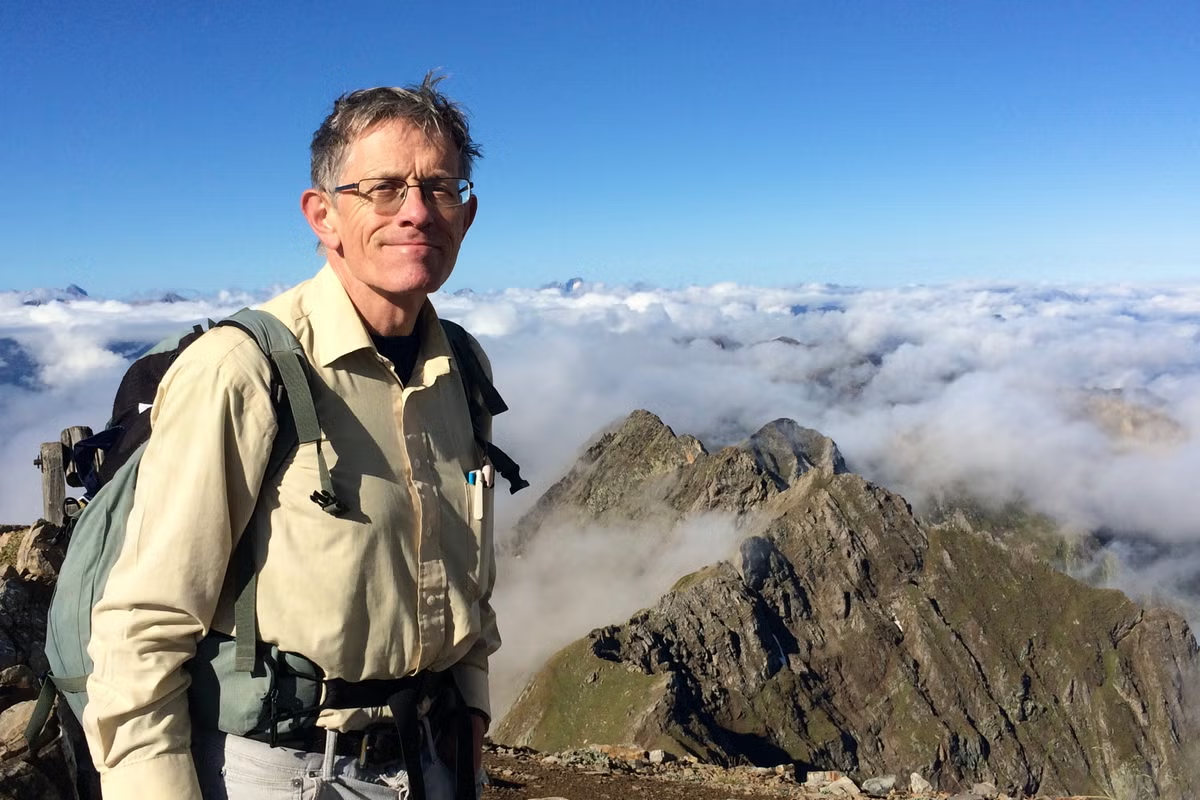

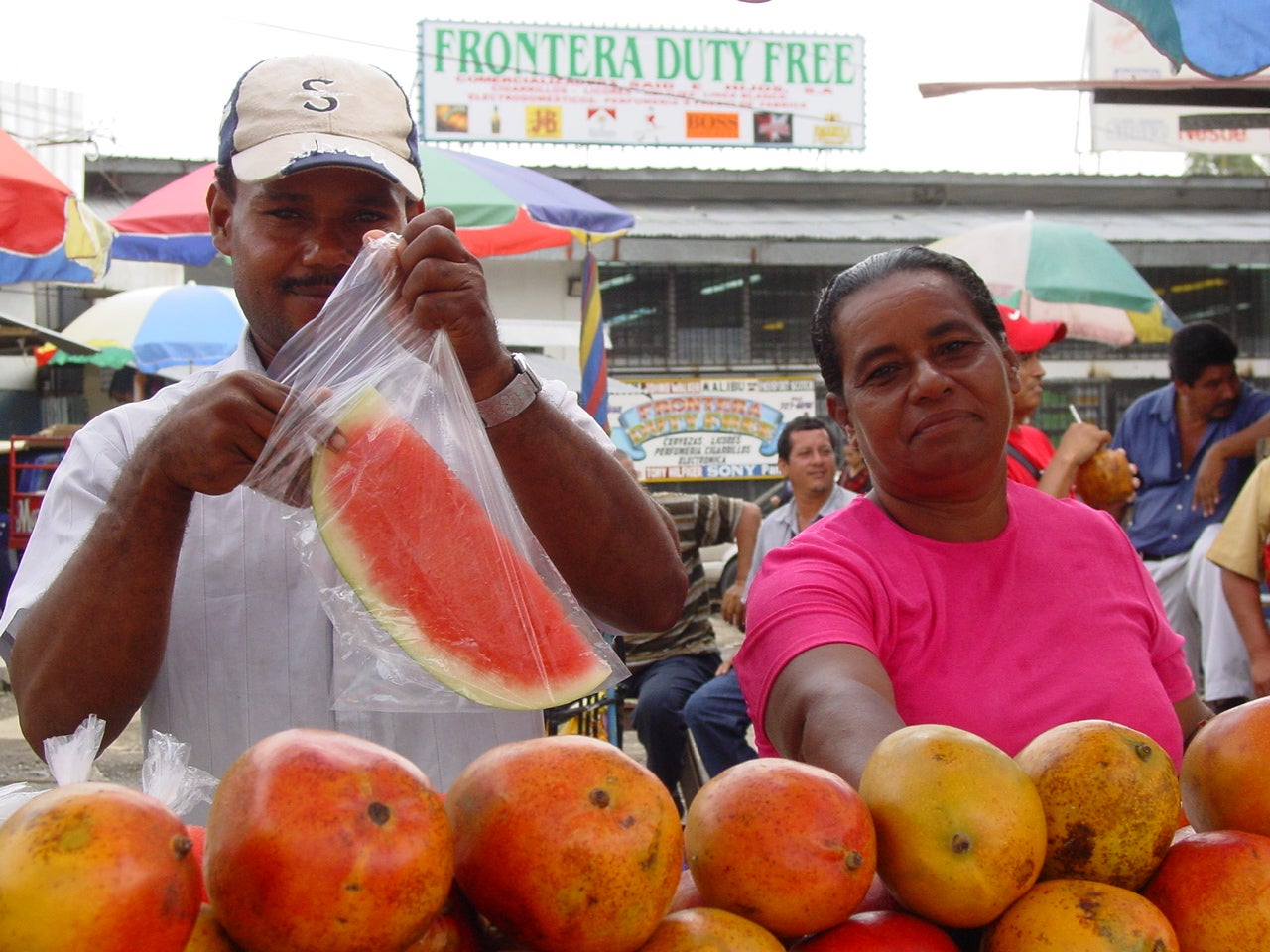
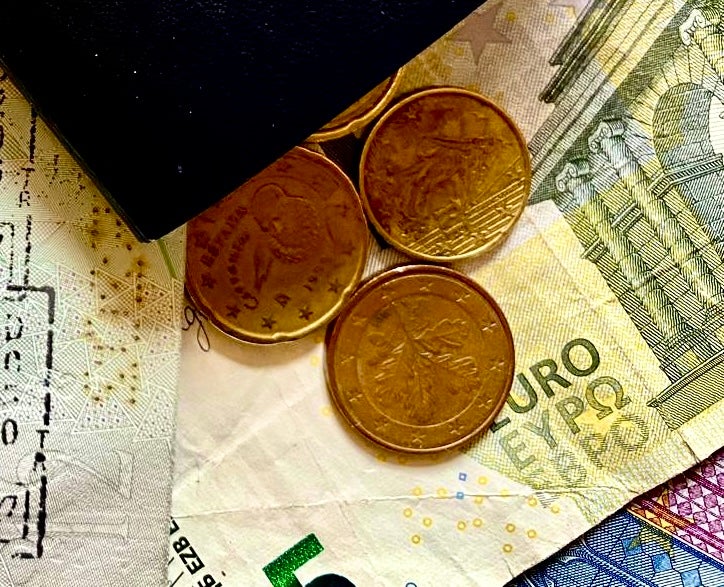
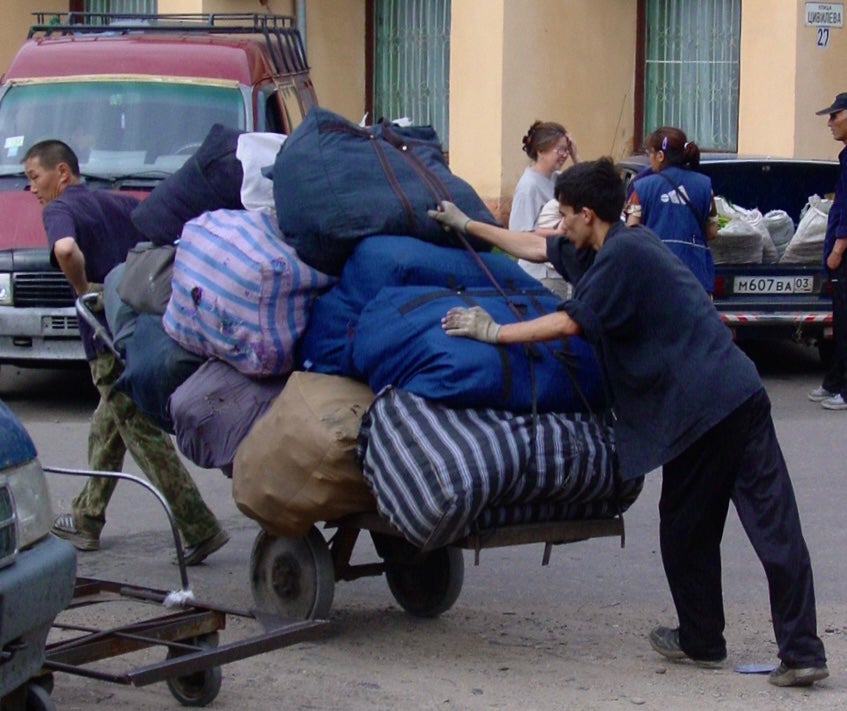
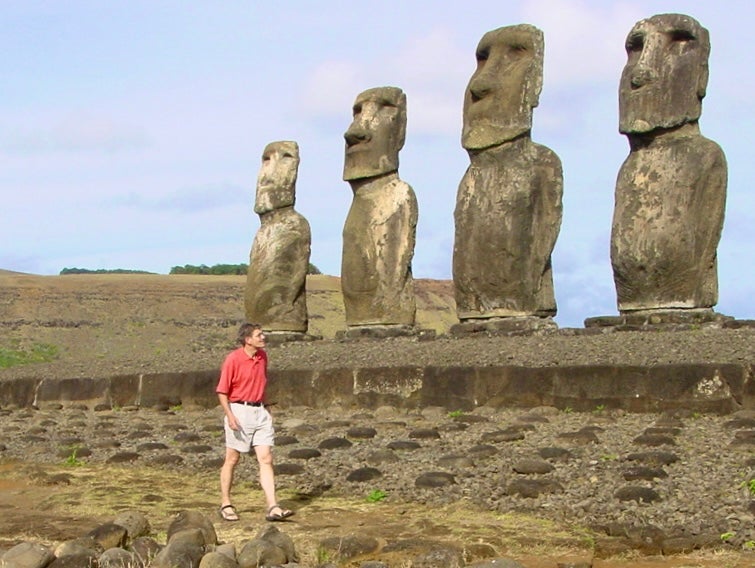
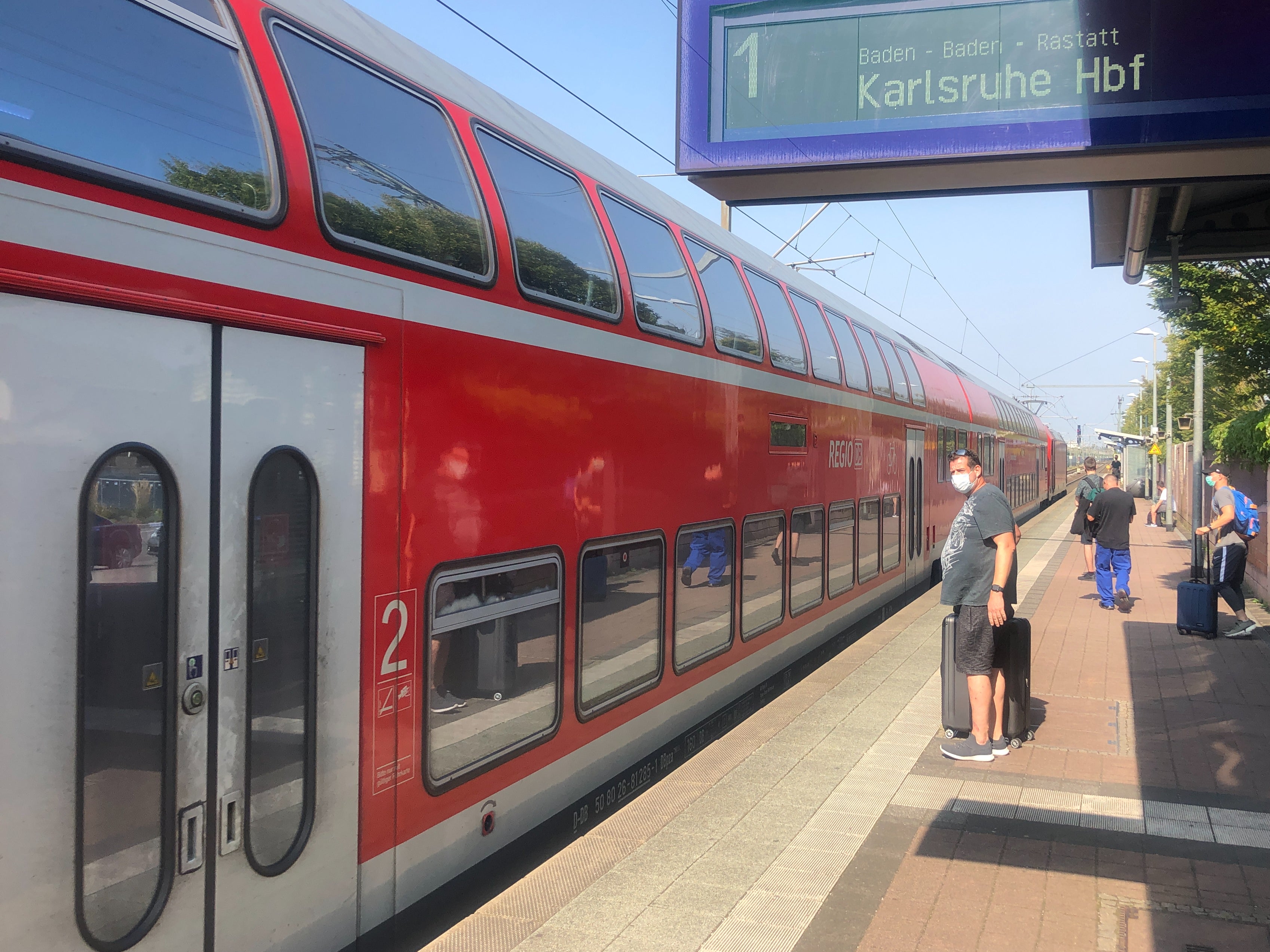
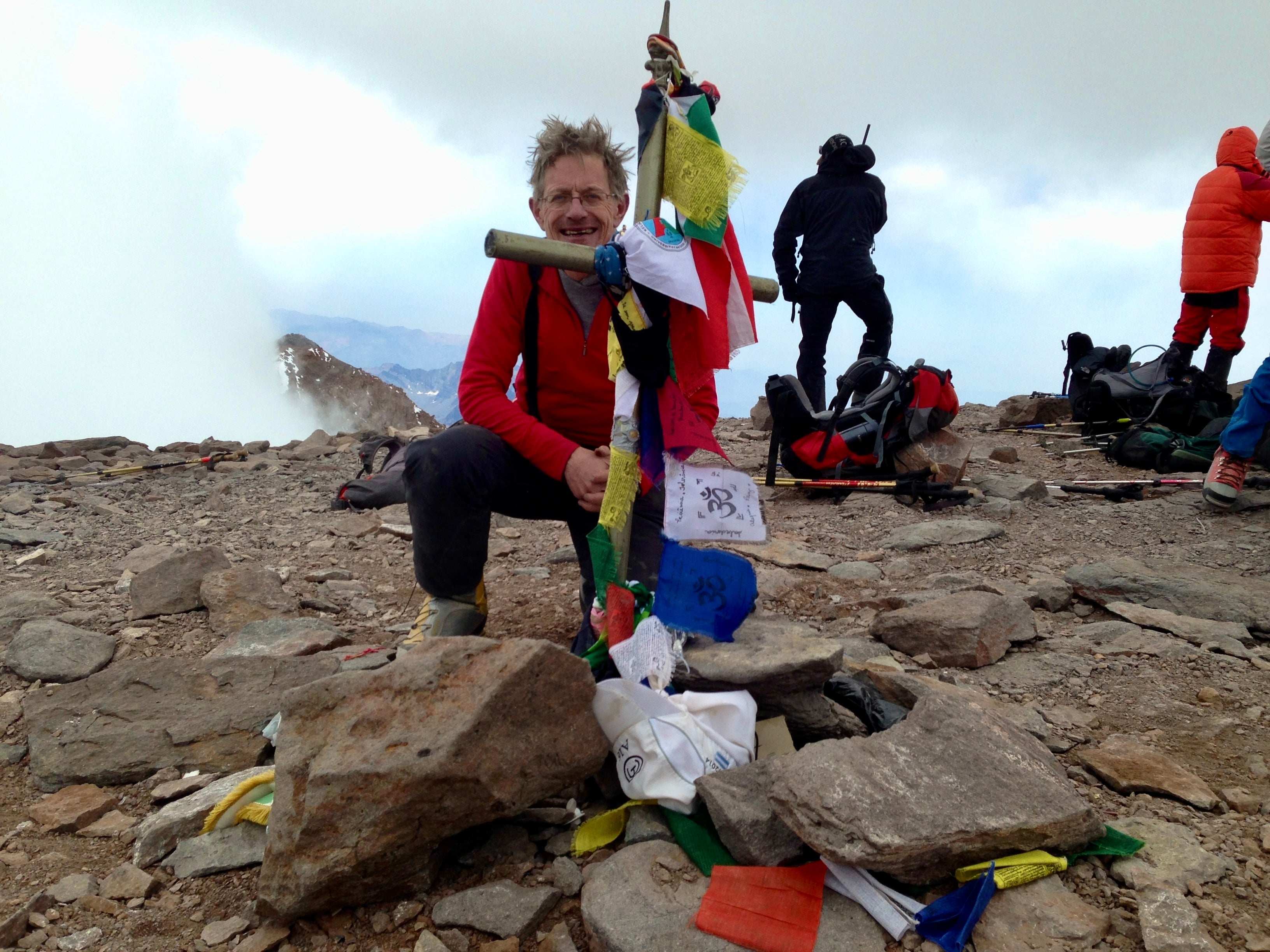
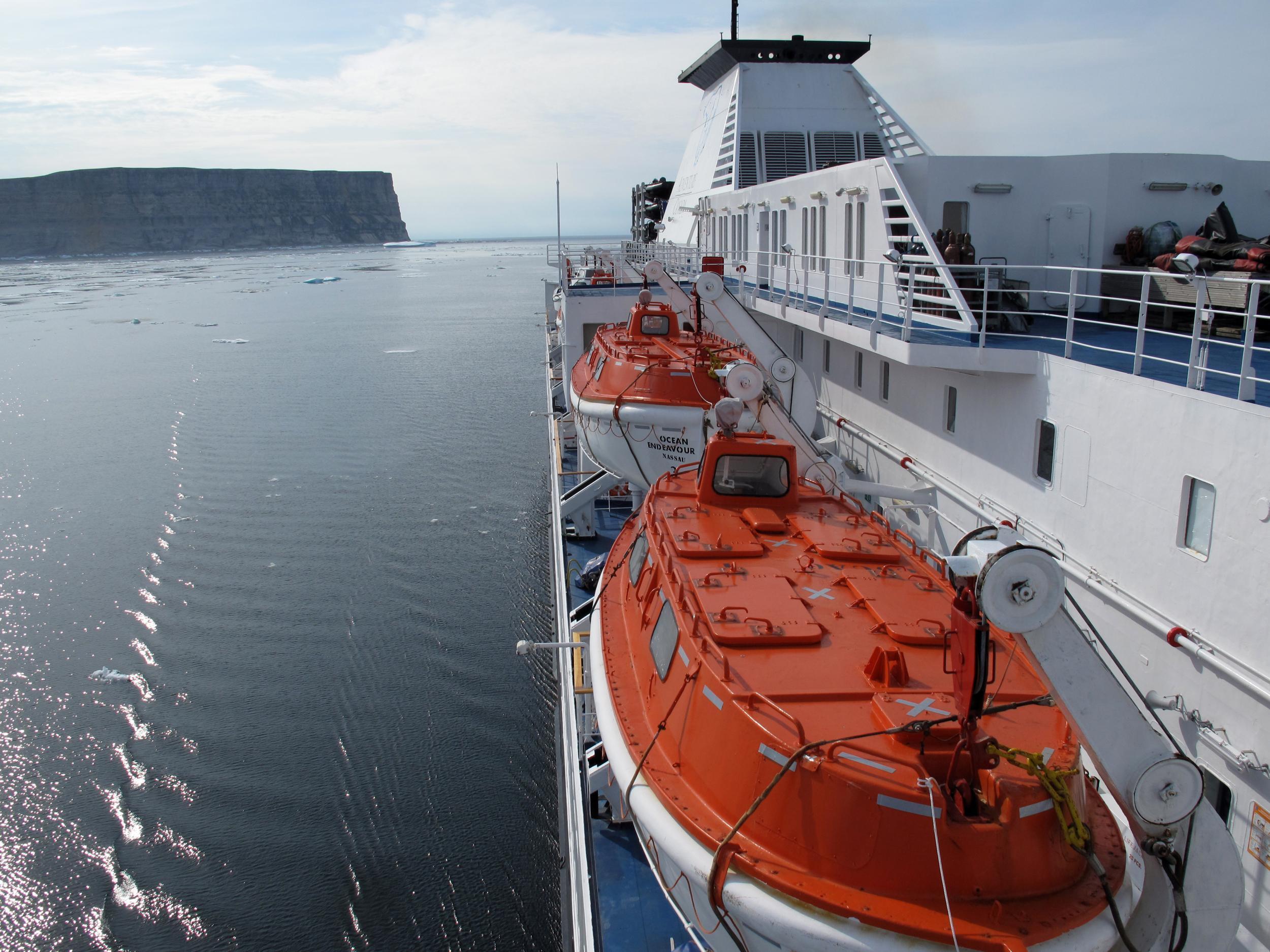
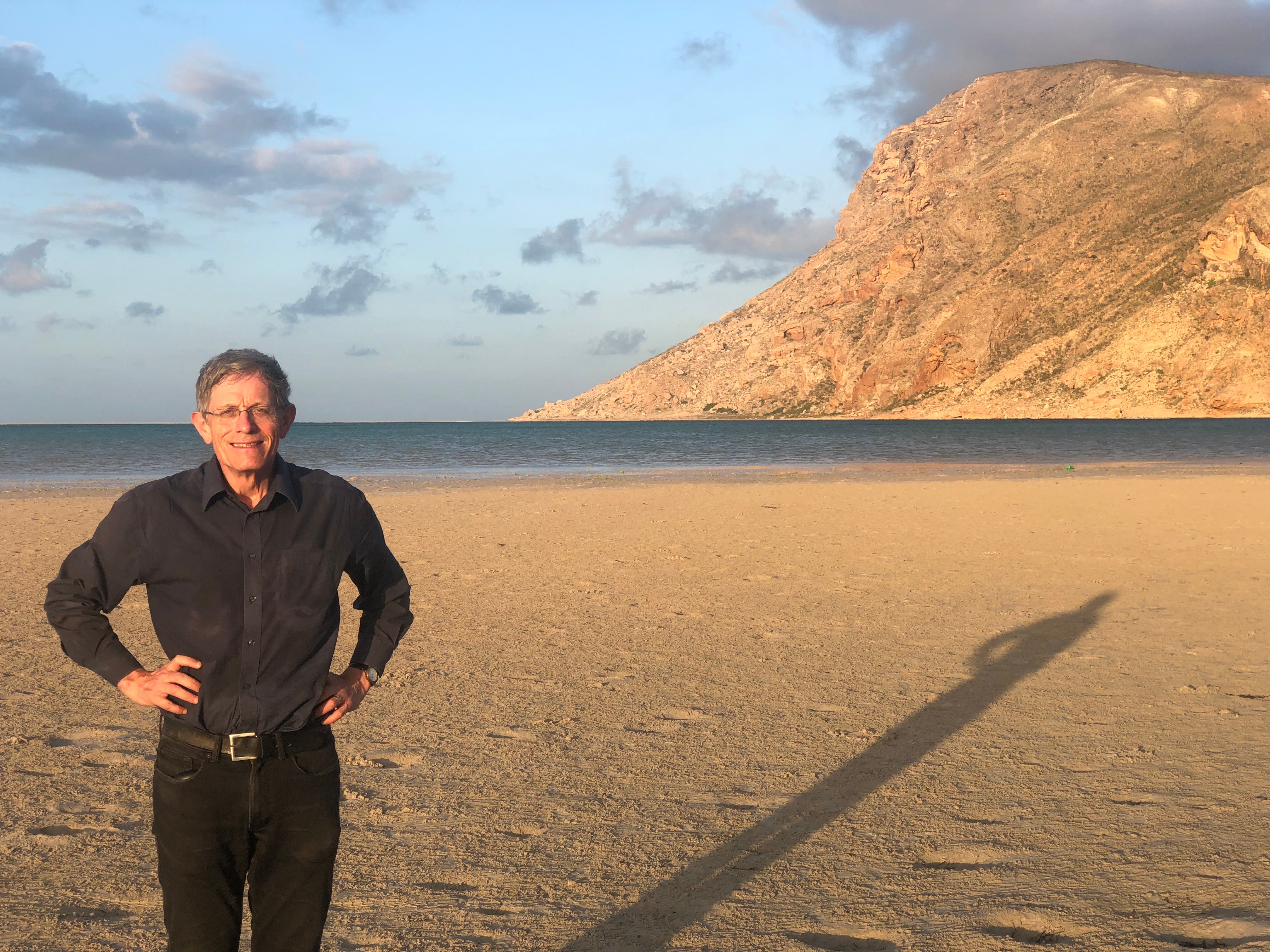
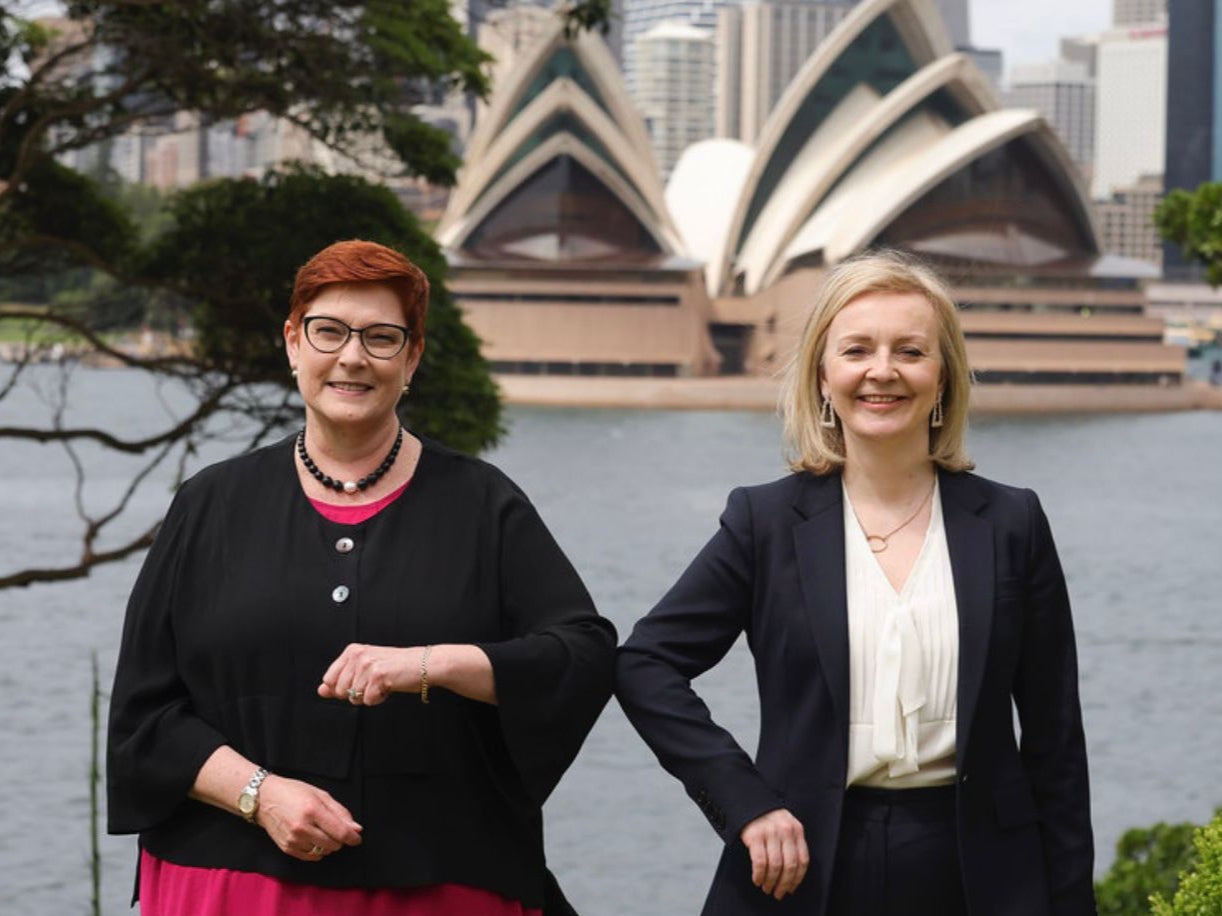
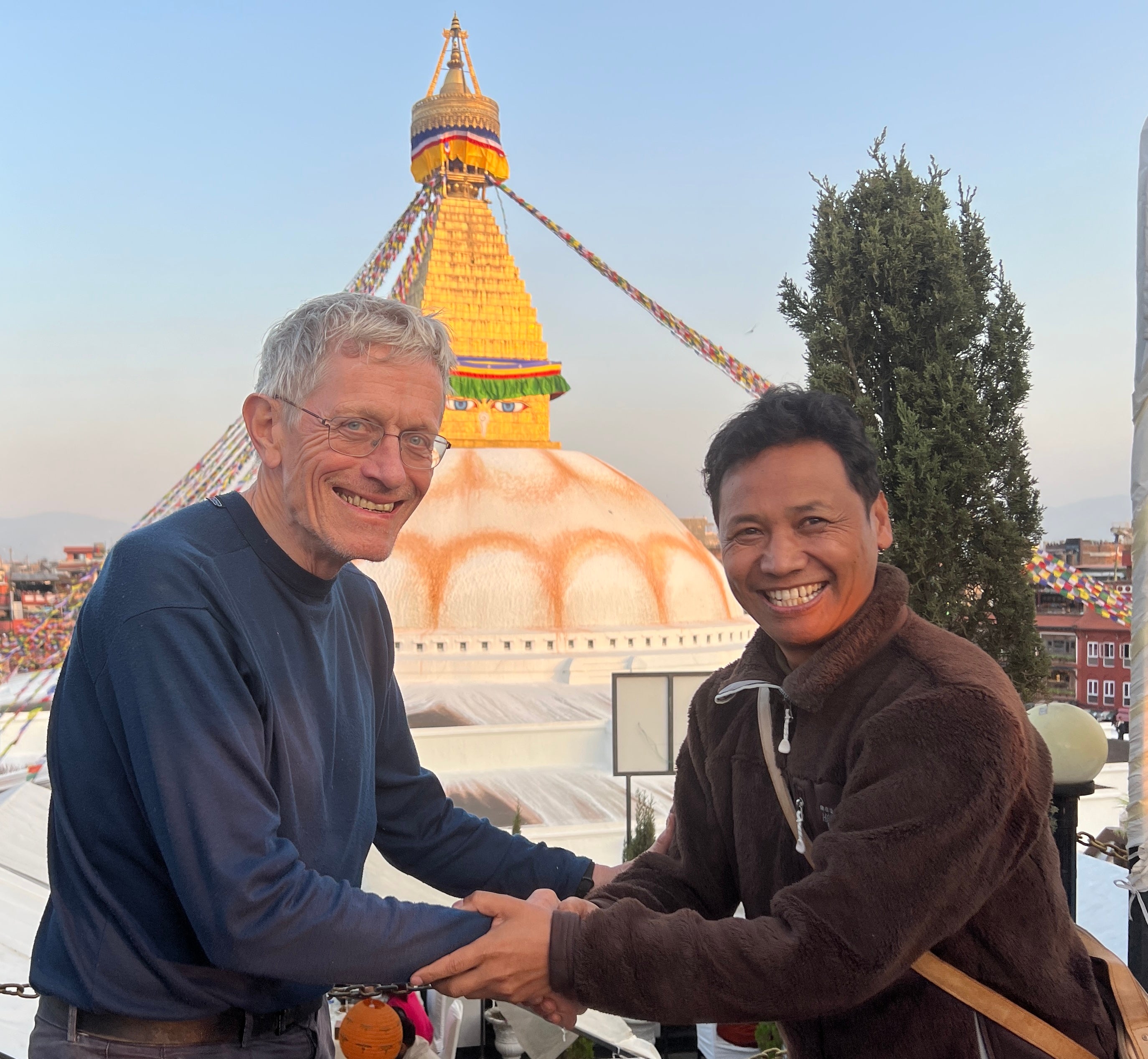
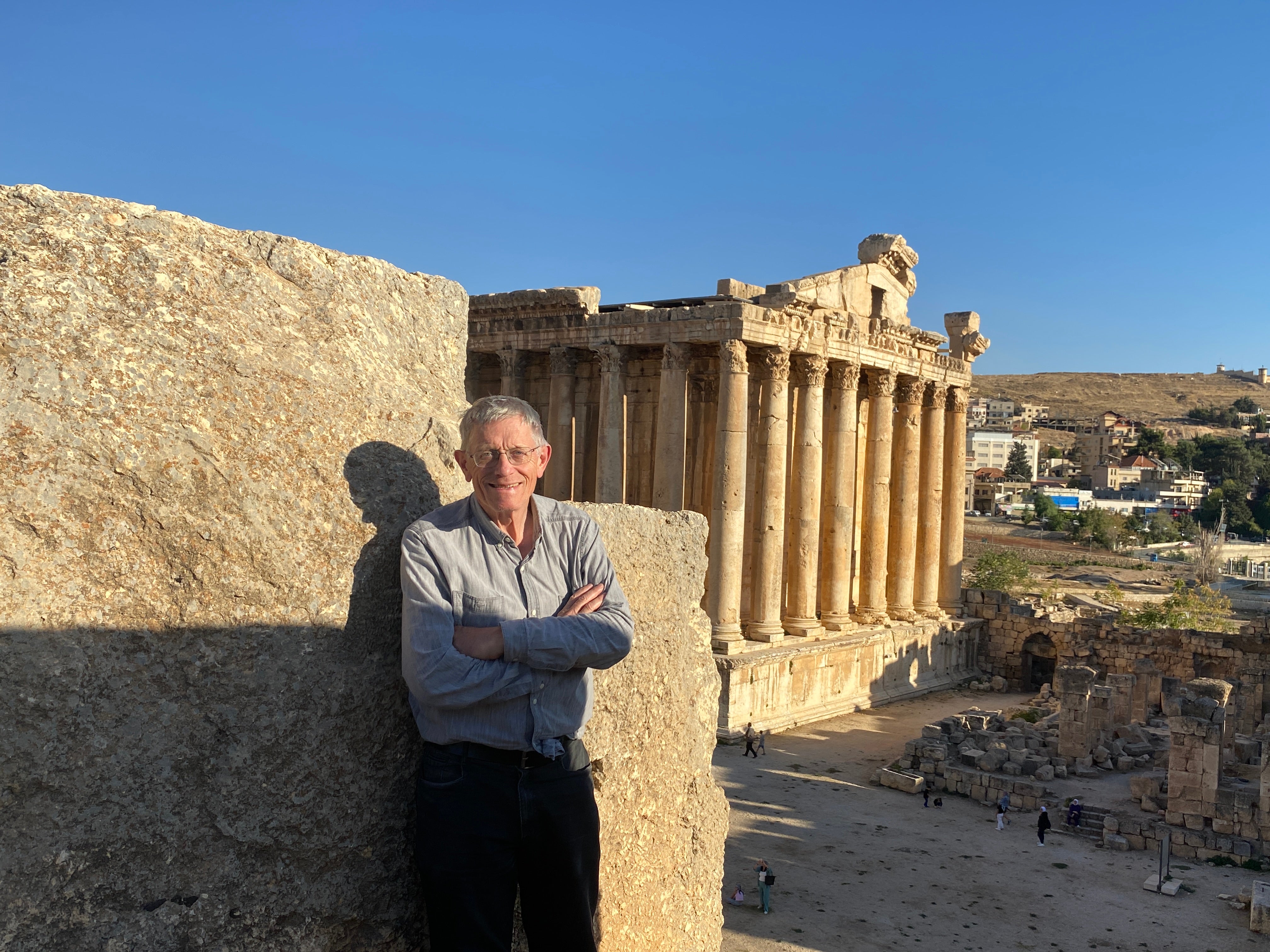
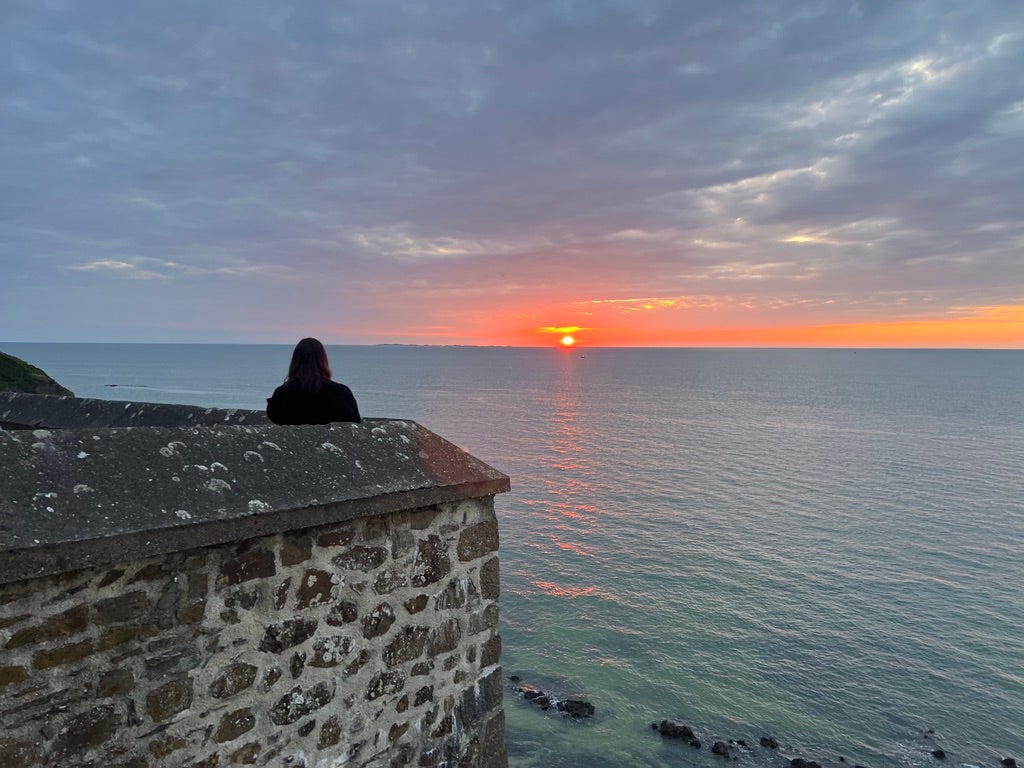


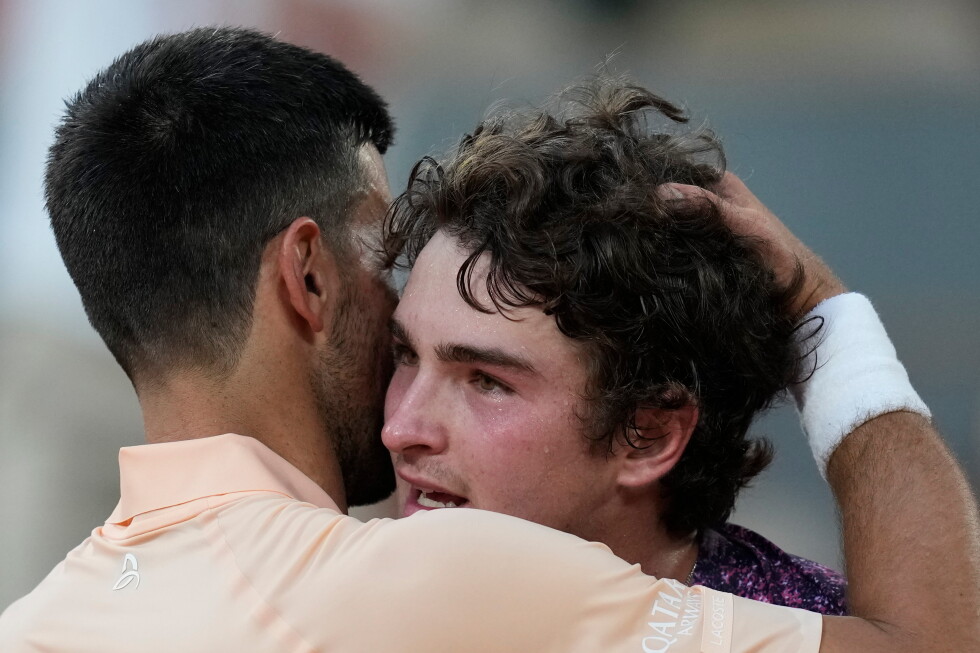





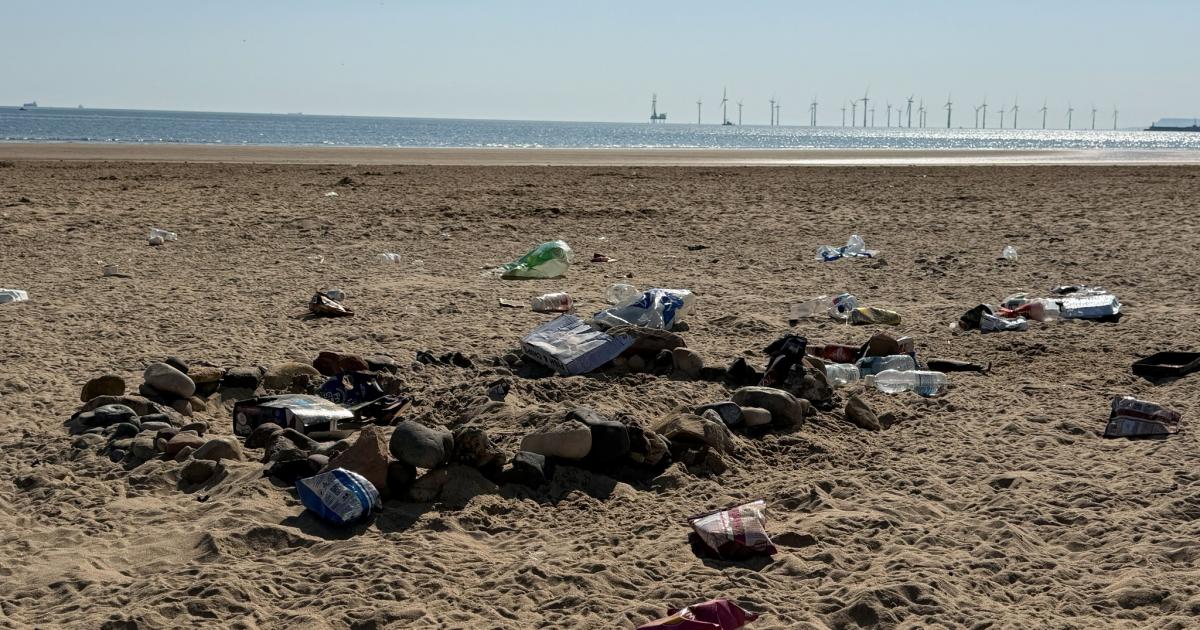
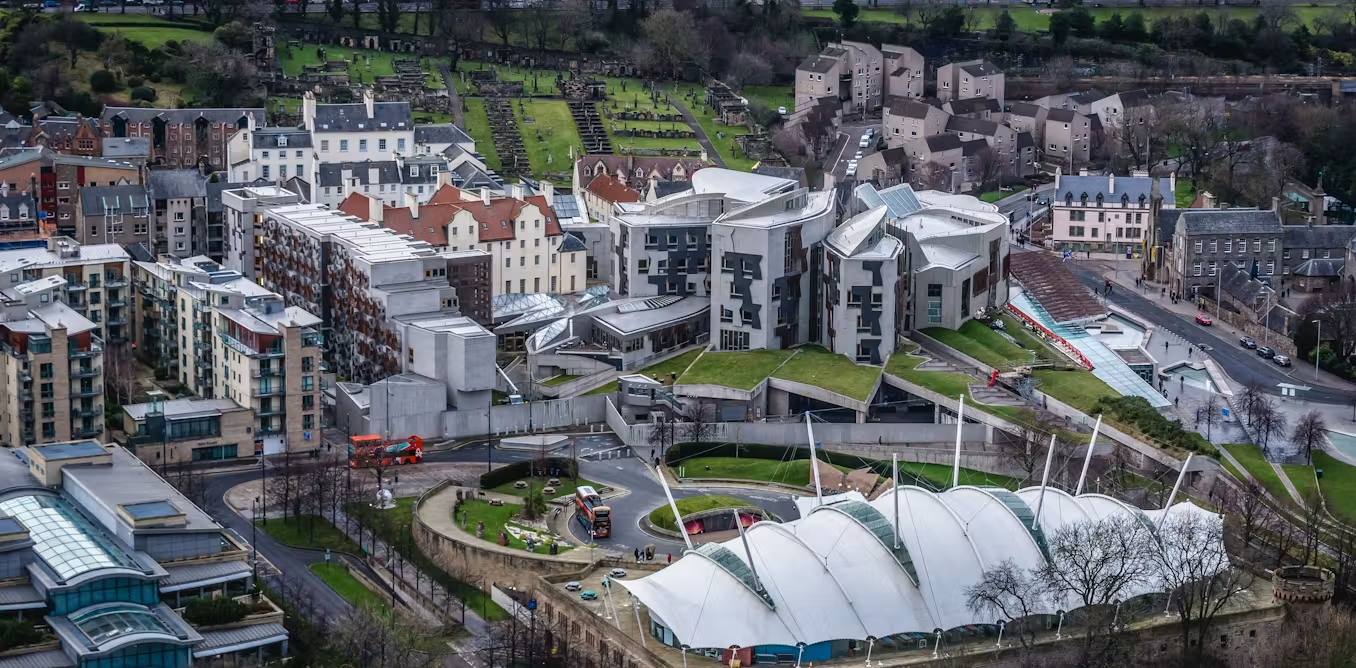

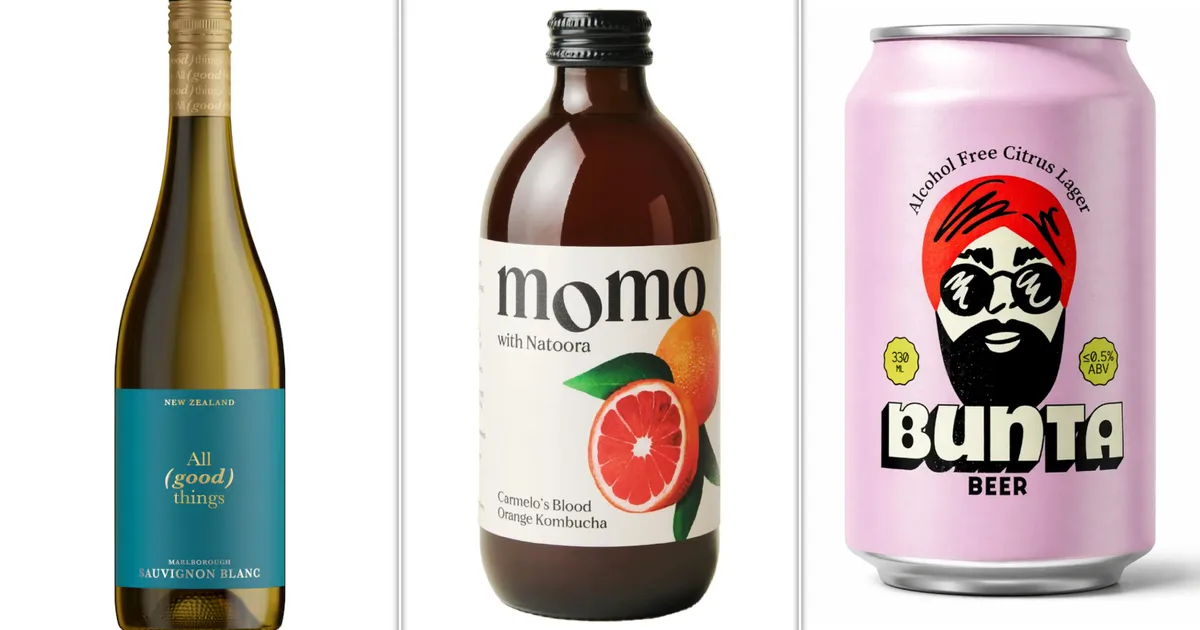

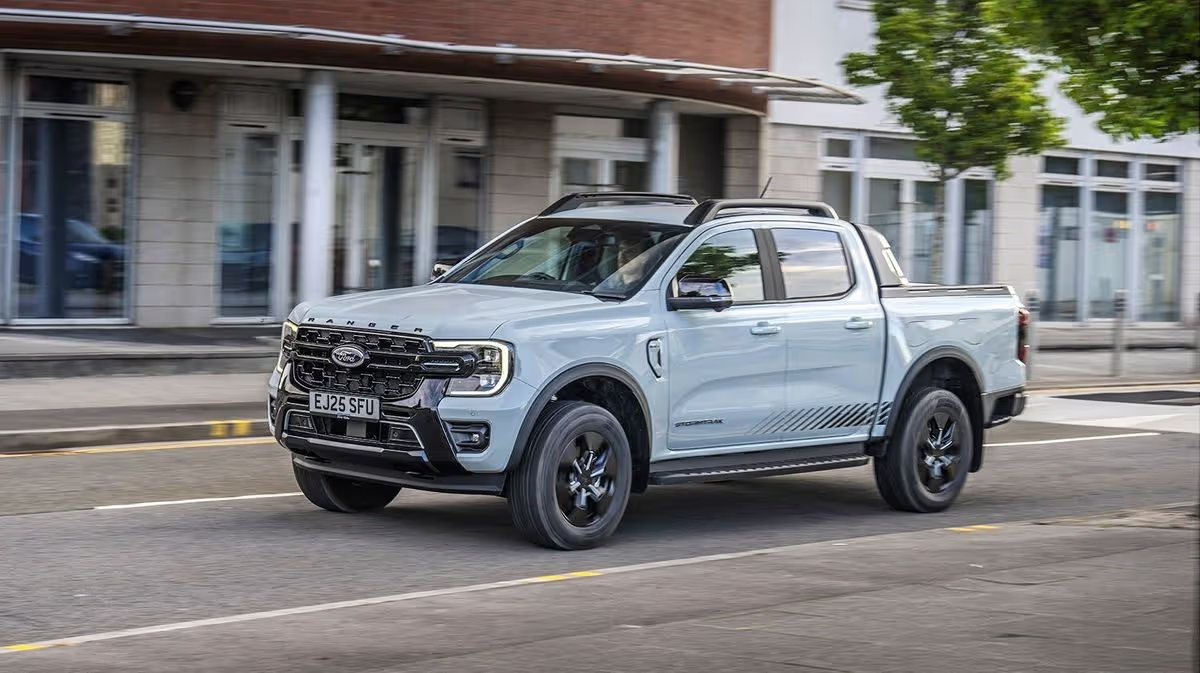

































You must be logged in to post a comment Login