

Connect with us
DAPA Banner
DAPA Coin
DAPA
COIN PAYMENT ASSET
PRIVACY · BLOCKDAG · HOMOMORPHIC ENCRYPTION · RUST
ElGamal Encrypted MINE DAPA
🚫 GENESIS SOLD OUT
DAPAPAY COMING

NewsBeat

Notre Dame’s new chapter: From fire to archaeological discovery

Published

on

Notre Dame's new chapter: From fire to archaeological discovery

PARIS (AP) — Wilting in the summer sun, a line of tourists waits to climb Notre Dame cathedral and meet its gargoyles.

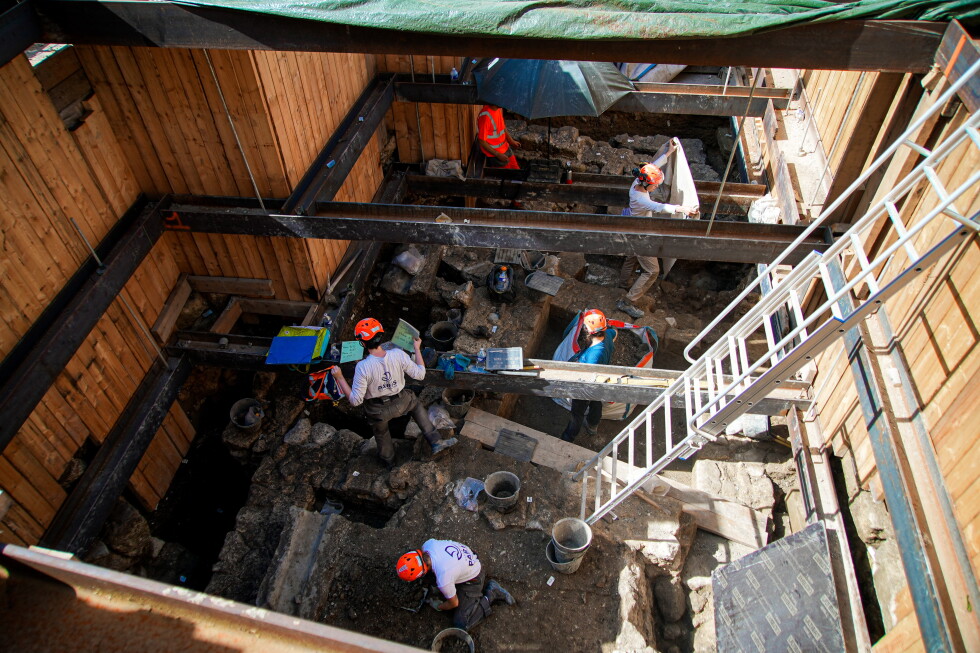
Four meters (13 feet) beneath them, a team of archaeologists is digging the other way — straight down and back in time, to Roman Paris 2,000 years ago.

In 2019, fire brought Notre Dame’s spire crashing down as the world watched. The cathedral was rebuilt and reopened in late 2024, and now Paris wants to soften the hot, bare square in front of it with trees and shade.

But in a city this old, the soil cannot be turned until what lies beneath it is excavated, in case it is damaged during works.

Advertisement

So a slice of Notre Dame’s forecourt has become an excavation site — an open pit ringed by barriers and crossed by a wooden walkway, a few steps from the line-up.

A modern Da Vinci Code

French media have dubbed it the “dig of the century.”

“It’s a rare opportunity for us to work on something that’s tangibly going to make a difference to the history of Paris,” Lucie Altenburg, a conservator with the Paris archaeology unit, told The Associated Press.

Among the hundreds of objects already found: a fourth-century coin stamped with the face of the Emperor Constantine, and shards of medieval pottery painted on the inside with marks no expert has yet deciphered — like a modern Da Vinci Code.

Advertisement

“It makes Notre Dame feel alive again,” said Emily Carter, 34, a tourist from Manchester waiting in line with her two children. “You come to see the cathedral, then realize there’s another city under your feet. That’s almost more moving.”

The first traces appear 50 centimeters (20 inches) down; 4 meters (13 feet) lower, the team is still pulling up the past. Some days they fill 15 crates — from ground that has lain untouched for decades.

Ancient cities have archaeologists monitoring digs

This is the bargain in every old city: The past is not in a museum down the street — it is under the street.

Cities rise. Each age builds on the rubble of the last, and the ground climbs with it; in Rome, it has risen about 9 meters (30 feet) since the empire fell in the fifth century AD.

Advertisement

When Athens built its metro for the 2004 Olympics, it set off the largest excavation in Greek history and turned up tens of thousands of objects, now shown in the stations themselves. Paris is no different.

It all comes from the island in the Seine, the Ile de la Cite, where Paris began.

Centuries later, Notre Dame rose on the same ground.

At the cathedral’s birth in 1163, the entire square was packed with medieval houses, split by a single street, said Camille Colonna, the archaeologist leading the dig.

Advertisement

Digging down, her team has reached their cellars — and therefore also the time in history they represent.

Below them lie Merovingian and Carolingian grain pits, from the sixth to the 10th centuries; below those, darker and deeper still, a dense Roman quarter from the fourth and fifth centuries.

Twenty centuries are stacked in 4 meters (13 feet) of earth — or about the height of two-and-a-half Napoleon Bonapartes standing on top of one another.

“Here you can see the layers — medieval Paris, Roman Paris, maybe even before that,” said Yasmine Benali, 22, an archaeology student watching from behind the barriers. “It makes the city feel less like a postcard and more like something still being discovered.”

Advertisement

Coins, ceramics and mysterious markings

The richest finds here come from the foulest place: the deep pits beneath the medieval houses, old latrines that doubled as rubbish dumps.

Out of them the team keeps lifting whole jugs and cups — thrown away centuries ago, yet still intact — among the broken plates and animal bones.

It’s “rare to find complete ceramics,” said Valentine Breloux, an archaeologist with the unit.

Here the soft waste cushioned them, and centuries later they miraculously came up whole.

Advertisement

Then some other objects came that confounded experts. As conservators cleaned what looked like ordinary medieval pottery, they found faint reddish writing painted on the inside — the same mysterious markings on shard after shard.

What they mean has yet to be deciphered.

Of everything she has cleaned from Notre Dame, Breloux said, these are the most “astonishing.”

Coins can help date the layers

The coins came up as black discs, eaten by rust. But under an X-ray, a face returned: it was Constantine, the Roman emperor who ruled in the early 300s AD.

Advertisement

Such objects also “can be invaluable in giving us the date of the (underground) layer,” Altenburg said.

The Roman finds are the ones the archaeologists value most — the deepest, oldest and least understood. In Roman times, the town was called Lutetia, and its center lay across the river, on the Left Bank.

As the Roman empire collapsed, people pulled back to the Ile de la Cite, where Notre Dame would later rise, and fortified the island with walls of stone taken from earlier buildings.

Colonna’s team found some proof: a Roman doorstep found in the dig, taken from a much bigger building, carried over, turned upside down, and laid in a road as paving.

Advertisement

Paris houses thousands of finds in an archaeology center

Every find leaves the pit and travels north, to the city’s archaeology center — what Colonna calls “a huge archaeological store,” a treasure house of Paris.

For archaeologists, the cathedral dig is a rare treat. In France, like elsewhere, they work only where building work is about to begin — a bit like how industrial quarry workers end up unearthing dinosaur remains.

“This only happens because the city of Paris decided it wanted to beautify the area,” Altenburg said.

The new square should be mostly finished by 2028: a kind of woodland clearing, with 160 new trees and a thin film of water sliding over the stone to cool it in summer — part of how Paris is bracing for ever hotter summers induced by global warming.

Advertisement

The tourists who now wait in the bare sun beneath the gargoyles will, in a few summers, line up in the shade.

The old underground parking lot will reopen as a visitor center looking onto the Seine.

Until then, the Notre Dame team wants to go deeper still — past the Romans, toward whoever came before them, the Gauls who gave the city its first name.

“The hope is that we are able to go back in time even further than we’ve ever been before,” Altenburg said.

Advertisement

___

Nicolas Garriga in Paris contributed.

Advertisement

Source link

Continue Reading
Click to comment

You must be logged in to post a comment Login

Leave a Reply

NewsBeat

‘Half Man’ actor praises Stirlingshire trainer for shaping him up for HBO hit

Published

on

Daily Record

Richard Gadd is one of the stars of the show – which sees its final episode go out on the BBC this evening – with a Doune personal trainer to the Hollywood hotshots helping his physical transformation for the show.

As audiences enjoyed the final thrilling action of an acclaimed BBC and HBO drama this week, the show’s main star has hailed the efforts of a Doune-based personal trainer on helping him undergo a physical transformation.

Advertisement

The final episode of the six-part drama ‘Half Man’ went out to audiences in the UK last night, with Scottish actor Richard Gadd playing the main role as Ruben Pallister.

Gadd’s change into the muscle-bound Ruben was part of a dedicated plan from the popular ‘Baby Reindeer’ actor to commit to the role.

The man responsible for helping Gadd build and maintain that physique required for his role is not a Hollywood trainer, but a sports therapist based in the Stirling village.

David Jenkins, who splits his time between film and television sets and his treatment room in Doune, spent seven months helping Gadd prepare for the physically demanding part.

Advertisement

By the end of filming, Gadd had gained 100lbs and was regularly lifting several tonnes of weight during each training session, training up to seven days a week and squeezing workouts in between the bare-chested fight scenes (or ‘taps aff’ takes as they were known on set) and continuing to train even on 16-hour workdays.

The pair trained together for months before filming began and continued throughout production to maintain the physique required for re-shoots and public appearances, from the BAFTAs and press interviews to participating in UNICEF’s Soccer Aid.

As a former prison physical education instructor, Jenkins drew on first-hand experience to help shape the realism of Gadd’s physical transformation.

“He never cancelled a session,” Jenkins said. “He turned up every single time, even after the longest days on set.

“People see the performance on screen, but they don’t always see the discipline behind it.

“Richard was carrying an enormous workload creatively and physically. He could spend 11 hours on set, another five hours writing and then still turn up ready to train.

“It wasn’t just about adding size. It was about understanding how somebody like Ruben would realistically train, move and carry themselves.

Advertisement

“We’d celebrate with protein-only curries, no naan, no rice, then do it all again the next day.

The collaboration between Jenkins and Gadd reflects a growing but largely unseen part of Scotland’s expanding film and television industry, where productions increasingly rely on specialists to keep actors healthy and schedules on track.

Industry crews routinely work long days, while delays caused by injury or exhaustion can cost productions thousands of pounds per hour.

Jenkins, who previously worked in elite sport, says the demands placed on actors can rival those faced by professional athletes.

Advertisement

“People underestimate what lead actors are dealing with physically and mentally,” he said.

“You might have someone performing emotionally intense scenes while also training hard, sleeping irregularly and working extremely long days.

“The production machine only works if the cast can keep going.”

Advertisement

For the past 15 years, Jenkins has worked across film and TV, with credits including Outlaw King, Outlander and upcoming productions including Blood of My Blood.

During filming for Outlaw King, Jenkins worked closely with Chris Pine, at one point strapping the actor’s injured shoulder between takes to allow him to continue with gruelling battle scenes.

Pine later gifted Jenkins the sword used in the production alongside a handwritten note thanking him for “saving” him during filming.

Jenkins has also worked with undisputed boxing champion Josh Taylor and a host of touring recording artists.

Advertisement

Away from set, Jenkins and Gadd have remained close friends since filming wrapped, with plans to meet up together in the US during the World Cup.

The sports therapist even presented Gadd with a tongue-in-cheek “Best Trainer 2025” trophy created on a 3D printer to mark the end of filming.

Jenkins concluded: “People only see the finished performance. “They don’t see the months of work behind it, the long days and the mental resilience needed just to keep going.

“The TV and film industry demands a huge amount from actors, both physically and mentally. My job is to make sure they are ready for action when the camera rolls.”

Advertisement

‘Half Man’ is available now on the BBC iPlayer.

Source link

Continue Reading

NewsBeat

Starmer ‘felt sick’ watching police bodycam footage in Henry Nowak murder case

Published

on

Starmer ‘felt sick’ watching police bodycam footage in Henry Nowak murder case

Undated handout file photo originally issued on 07/12/25 by Hampshire Police of Henry Nowak. Sikh man Vickrum Digwa has been jailed at Southampton Crown Court for life with a minimum term of 21 years for the murder of 18-year-old student Henry Nowak. Digwa stabbed Henry to death with a Sikh kirpan ceremonial knife five times in the incident in Belmont Road, Southampton, on December 3 2025. Issue date: Monday June 01, 2026.

PA Media

Source link

Continue Reading

NewsBeat

Trump signs an executive order to vet top AI models for security risks

Published

on

White House proposes NDAs for current and future federal employees

President Donald Trump signed an executive order on artificial intelligence Tuesday, less than two weeks after postponing a White House ceremony over his concerns that a similar policy could dull America’s edge on AI technology.

The order establishes a framework for the federal government to vet the national security risks of the most advanced AI systems for up to a month before their public release. The government will be able to work with trusted partners “that will have early access to covered frontier models to promote secure innovation and strengthen the cybersecurity of critical infrastructure,” the order says.

It was not immediately clear to what extent the order differed from the one he declined to sign on May 21.

Trump canceled an Oval Office event with tech industry executives last month because he did not like what he saw in the earlier version of the order’s text. “We’re leading China, we’re leading everybody, and I don’t want to do anything that’s going to get in the way of that lead,” Trump told reporters at the time.

Advertisement

That directive was characterized as a voluntary collaboration with participating U.S.-based tech companies, including Anthropic, OpenAI and Google.

Source link

Advertisement
Continue Reading

NewsBeat

Three-week road shutdown criticised for being ‘more money wasted’

Published

on

Cambridgeshire Live

The Greater Cambridge Partnership (GCP) says the works on Station Road near Shepreth railway station will provide safer crossings and improved routes for walking, wheeling and cycling

CambridgeshireLive readers have been responding to news that a road adjacent to Shepreth railway station will be closed to motor vehicles for approximately three weeks from Monday, 1 June, while enhancement works are carried out.

The Greater Cambridge Partnership (GCP) confirmed that Station Road will be shut at the Shepreth level crossing. Motorists will be unable to use the crossing to travel to and from Barrington Road during this period.

Advertisement

Access to the station, local businesses and Docwra’s Close will remain available, controlled by temporary traffic lights. Pedestrian routes, including across the level crossing, will remain open. A diversion route will be established for vehicles.

The works form part of the Melbourn Greenway scheme, which seeks to make walking, wheeling and cycling between Melbourn and Cambridge more straightforward and safer. The GCP states that Shepreth will benefit from new, more accessible crossing points, including one outside Shepreth Village Hall.

Additionally, new double yellow lines on Station Road will be introduced to reduce congestion and enhance safety near the level crossing. A new 20mph zone will extend from the Barrons Green / Fowlmere Road junction to Shepreth railway station.

The project also includes raised tables at key junctions on Fowlmere Road to reduce traffic speed and facilitate safer crossings. Further traffic-calming measures on Fowlmere Road will include speed humps, a reduced speed limit, and improved street lighting.

Advertisement

The plans and road closures have prompted strong reactions from readers. One commenter, Danieal wrote: “Another waste of money.”

Rhodabike adds: “Yet another village falling victim to the GCP’s anti-car, congestion-generating arrogance.”

Dagough states: “It is time someone got the GCP under control. They are pursuing a minority anti-car agenda in our villages. They are unelected zealots”

Trumplad says: “If you think this is a problem, wait until they close Long Road for 6 to 13 weeks!”

Advertisement

Freddly quotes: “‘Works also include raised tables…’ – it’s important that these are tall and steep enough to damage a 2026 SUV if taken at speed. The design of modern SUVs makes low, gentle ones ineffective. Making them steep will save lives.”

Nocyclinganywhere replies: “Have you thought about police and ambulance and fire appliances going over them , I don’t think that will will save lives when they have to slow down for them or find alternative routes.”

Whynot2 answers: “And what of the small city cars and small family cars are you personally going to pay for the damage that the cars may obtain from going over one of your tall speed bumps?”

Do you believe that the completed roadworks will benefit everyone in the surrounding areas? Comment below or HERE to have your say.

Advertisement

Source link

Continue Reading

NewsBeat

Essential guide on how to find love

Published

on

Man and woman running down a street holding hands

Finding true and lasting love is a top priority for many of us, but it’s not always easy to achieve. If you’re widowed or dating post divorce, you may not feel motivated to go on countless dates with new people. However, sex and relationship coach Angela Vossen believes there are practical ways to build your confidence.

How to find love 

“The best way to find love is to enjoy life to the fullest, rather than forcing a relationship into your life,” Angela explains. “Stop looking for someone to complete you and start becoming someone you actually enjoy spending time with,” she adds. “Love finds its way to people who are already living, not to those who have put their lives on hold waiting for it to arrive.”

She adds that life-changing love rarely lands on your doorstep; it tends to turn up in the places you haven’t been yet. “Say yes to things that make you slightly uncomfortable. Join the club, attend the event, download the app you’ve been dismissing,” Angela adds. “And when you do meet someone interesting, be curious rather than trying to be impressive. Ask questions you actually want the answers to. Listen as though what they are saying matters, because if there’s real connection there, it does.”

With this in mind, here are 10 essential tips to finding love and building a fulfilling relationship. 

Advertisement

10 tips for finding love


1. Prioritise self-love and confidence

It’s true that confidence can be incredibly attractive. When you care for yourself, it sets a precedent for how you expect others to treat you, too. There are lots of ways you can show yourself love, from doing things that bring you joy, to spending time with people that make you feel good, and taking care of yourself with exercise and nutrition. 

When you feel good about yourself, you’ll be much more likely to attract like-minded people with a similar energy. 

2. Focus on being yourself

The right person for you will love you exactly as you are, so always focus on being your authentic self when looking for love. While it’s natural to want to show a highlight reel of your life, don’t be afraid to be vulnerable too and share the less impressive parts that make you human. Trying to change or hide things about yourself to impress others may work in the short term, but genuine love should always be based on authenticity, not a fantasy. It’s worth remembering that the rough edges are often where trust and genuine connections are made.

3. Use online dating effectively

Online dating can be a very effective way of finding a potential romantic partner. Research from 2023 showed that 11.1 million people in the UK use dating sites. This figure is expected to rise to 12 million by 2028. 


Advertisement
Telegraph Dating alone has helped tens of thousands of people start their online dating adventures, resulting in many happy and lasting relationships, not to mention weddings and babies.

4. Actively build connections

Aside from online dating, actively building new connections is a good way to enrich your life. When you don’t micro focus on solely finding love and instead focus on just getting out there and meeting new people, you’ll naturally expand your network and the likelihood of meeting a potential romantic partner. 

Not sure where to start? Try out new hobbies, join clubs, and look at local volunteering events. This will help you naturally expand your social circle and opportunities to meet new people. 

Read more: 

5. Learn from past relationships

Everyone can learn something from past relationships. Whatever note you and your ex ended on, think about what went well and what didn’t. This will help you have a clear idea of what you want from your next romantic partner and the things you might change this time around.

Advertisement

6. Embrace vulnerability in love

Dating and meeting new people does require a certain amount of vulnerability, so if you’re still feeling guarded after the end of a relationship, you may need more time to work through those difficult feelings. But if you’re ready, consider what you’re comfortable sharing and at what point you might open up more. Sharing all of your vulnerabilities may not be something you do on a first date, but it’s an important way of deepening a relationship and building trust further down the line. 

7. Seek support from friends and family

If you’re open to meeting someone new or have signed up to a dating site, tell your friends and family. Seeking this support and having people to talk about it with will not only give you greater accountability, but it will also help to navigate the ups and downs of dating life with those you trust the most. 

Three women sitting together chatting

How to build lasting love

If you’ve been dating for a while but are struggling to turn anything into a lasting relationship, it may be time to take stock of what you’re actually looking for. Here are a few pointers to consider: 

8. Understand what loves means to you

Love can mean something slightly different to everyone so it’s a good idea to think about what it looks like for you. Perhaps it’s peaceful companionship and loyalty, or that big romance you’ve always dreamed of. Maybe it’s simply finding someone that makes you feel safe and understood. Write down a few things that immediately spring to mind or chat about it with a trusted friend. You may be surprised at what comes up. 

Advertisement

Read more: How to know if you love someone

9. Identify what you want in a long-term partner

Likewise, it’s important to think about what you want in a long-term partner. This will help you think more clearly when you start dating and meeting new people. It can also help to avoid falling into old patterns and missing relationship red flags. For instance, perhaps in previous relationships you never felt like a priority and want to find someone that truly values you. Or you really want a partner that enjoys new adventures and embracing life to the fullest. This will keep you laser focused on what you want and the key attributes and values to look out for.

10. Strengthen your communication skills

While some of us are great communicators and can perfectly articulate our feelings, others may need a bit of help. It’s important to communicate effectively from the start of your dating journey, from your first message to a potential match onwards.

When you meet someone new and go on dates, give yourself permission to speak openly. Communicate what you’re looking for and what your values are. This also works both ways so ask the same of your date and actively listen to their answers. 

Advertisement

If you’re concerned about your communication skills, ask friends and family to give you some feedback. This will help you identify potential blind spots and make you aware of habits you have such as taking days to reply to a text, oversharing when nervous, or shutting down when asked about difficult topics such as divorce.

FAQs

Are you wondering if the feelings you have for someone are love or just infatuation? Angela says there are some key ways you can tell the difference. Infatuation, she says, comes with intrusive thoughts, butterflies, someone taking up all the available mental bandwidth in your brain. “That’s real, but it’s also temporary by design. It’s your nervous system doing its job,” she explains. 

“What I’d look for underneath that is something quieter. Do you feel safe with this person? Do you like who you are around them? Can you be mundane together, not just electric? Are you genuinely rooting for their happiness, not just how it interacts with yours?” Love, she explains, in its more durable form is less a feeling and more a decision you keep making. “But the feeling matters,” she adds. “If you’re asking whether it’s love, pay attention to what your body knows before your mind catches up.”

“I understand why people ask this, but it’s the wrong question,” says Angela. “There’s no timeline, and the belief that there is one causes a lot of unnecessary suffering”. She adds that when we’re convinced we should have found it by now, we stop dating from a place of genuine interest and start dating from a place of urgency.

Advertisement

“That urgency is one of the most effective ways to repel the very thing you’re looking for,” she says. “In the meantime, don’t put the rest of your life on hold. Travel, take the course, move house, change career, do the things that are genuinely yours to do. People who are visibly engaged in their own lives are far more attractive than people who are visibly waiting.”

Angela stresses that the conditions under which love tends to arrive are curiosity, openness, and a life that’s full enough not to need it. “Create those conditions, and love becomes possible.”

Part of the reason that finding real love can seem hard is because we’ve been sold an idea of love as something that happens to us, rather than something we actively participate in and build. “Films end at the beginning with the promise of ‘happy ever after’ but they tend not to show what that happy looks like, how it changes over time, and sell the false idea that if it’s not for ever after, it wasn’t the real deal,” she explains. “Nobody’s making content about the Tuesday evenings when it’s all a bit flat and you choose each other anyway. Or the love that eventually ends not because it wasn’t real or wasn’t valuable but because we’ve now outgrown the version of ourselves that it went with.”

“There’s also the paradox of abundance,” she continues. “Dating apps mean we’re technically exposed to more potential partners than any previous generation, but that volume can create a consumer mindset where everyone is perpetually auditioning and nobody is committing”. She explains that the temptation to keep scrolling in case something better comes along can be corrosive, both to the people we’re meeting and to our own sense of what is enough.

Advertisement

Finally, it’s important to consider the internal work. “A lot of us carry relational patterns from early life that we’re not even aware of. We recreate familiar dynamics rather than healthy ones, then wonder why we keep ending up in the same place with different people,” she explains. “Finding love often requires understanding ourselves well enough to interrupt those patterns.”

If we’ve inspired you to get out there and meet someone special, you can kick-start your search with Telegraph Dating. With more than 220,000 single people, Telegraph Dating is the perfect place to find romance.

Source link

Advertisement
Continue Reading

NewsBeat

Police appeal for help in search for Spennymoor teen William

Published

on

Police appeal for help in search for Spennymoor teen William

Sixteen-year-old William was last seen in Spennymoor on Saturday (May 30) but he may have links to Peterlee, Hartlepool and Durham City.

Durham Police say he was last seen wearing a black puffer body warmer, a black Gucci cap and a gold belcher chain.

He is described as 6ft 3inches with brown hair.

Police have appealed for help in their search for missing 16-year-old Spennymoor teen William. (Image: DURHAM CONSTABULARY)

Anyone with information is asked to call Durham Police on 101.

Advertisement

Source link

Continue Reading

NewsBeat

Bristol mum who was killed in house explosion ‘reported ex for years’, watchdog to investigate

Published

on

Wales Online

Neighbours claimed Jo Shaw had ‘been complaining to the police for some time’ before her death

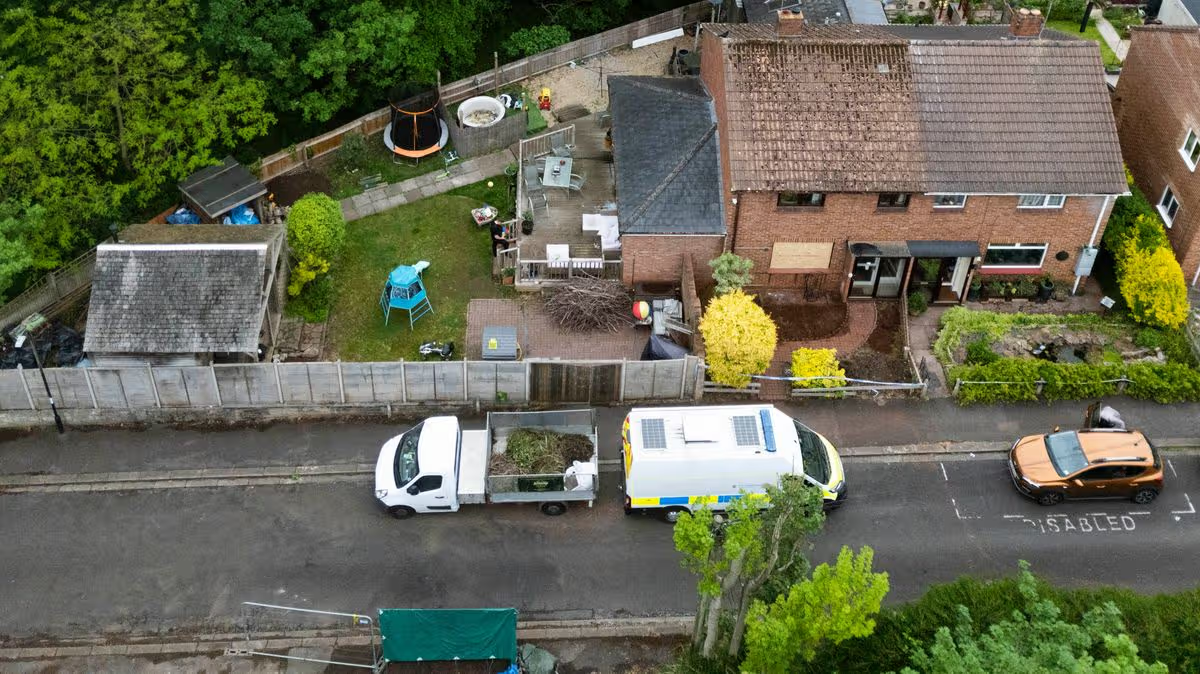
An investigation will look into how police handled ‘years of calls’ from a Bristol mum who was killed in a ‘deliberate’ house explosion caused by her ex.

Advertisement

Jo Shaw, 35, reportedly ushered a child to safety shortly before the blast, which also killed her former partner Ryan Kelly, 41, on May 3, after he arrived at her address in Sterncourt Road with an explosive device, neighbours say.

The mum was described as telling a child to leave the home to play outside on a trampoline when an argument broke out between her and Kelly, previously convicted for serving as a foot soldier in a local drugs gang, shortly before the explosion, the Mirror reports.

The Independent Office for Police Conduct (IOPC) confirmed it was investigating the interaction between Ms Shaw, Kelly and Avon and Somerset Police. Reports suggest that the mum had contacted the force to report her ex’s dangerous behaviour on several occasions beforehand.

Advertisement

“She had been complaining to the police for some time before this incident, and he had been harassing her,” neighbour Stuart Blanchard previously told the Mirror.

“I’d heard the shouting before while having breakfast, something like ‘get out, get out’ but there’s something every week in this area so I didn’t go out.

“Then there was a bang, it shook my front door. But my friend heard the kicking so went over. I thought it was a gas explosion so stayed inside. It’s a shock for everyone because they were a really nice family,” he added. “I cannot believe it has happened.”

Avon and Somerset Police last contacted Ms Shaw four days before the explosion, according to the IOPC, which added its investigation would look at past incidents over a five-year period, from May 2021.

Advertisement

“My thoughts and sympathies are with everyone affected at this very difficult time,” said IOPC director Derrick Campbell. “We are independent of the police, and it is important that we carry out a thorough investigation, to fully establish the circumstances of what happened prior to the tragic events of May 3.

“There is a significant history of police involvement in relation to Mr Kelly’s behaviour, including allegations of stalking, harassment and assault which we need to examine as part of our investigation.

“We are reviewing extensive documentation detailing that history as part of our inquiries. We will be keeping all interested parties updated as our investigation, which is at an early stage, progresses.”

Advertisement

Ensure our latest news and sport headlines always appear at the top of your Google Search by making us a Preferred Source. Click here to activate or add us as Preferred Source.

The cause of the explosion is currently being treated as deliberate by Avon and Somerset Police – with Ms Shaw’s death therefore being recorded as a homicide. No one else is being investigated in connection with her death.

Three other people, including a child, sustained minor injuries in the blast. The force had previously said a call was received from a person inside the house at 6.17am reporting a domestic-related incident, saying a man they knew had forced entry to the house.

The caller remained on the line while officers were dispatched to the house and at 6.30am the caller told police the man was believed to be in possession of an explosive device. About two minutes later there was an explosion at the property, in which Ms Shaw and Mr Kelly died.

Advertisement

Source link

Continue Reading

NewsBeat

Plans for new takeaway and restaurant in Normanby rejected

Published

on

Plans for new takeaway and restaurant in Normanby rejected

The change of use proposal for the vacant retail unit in the High Street was recommended for approval by a Redcar and Cleveland Council planning officer, but turned down by members of the local authority’s regulatory committee.

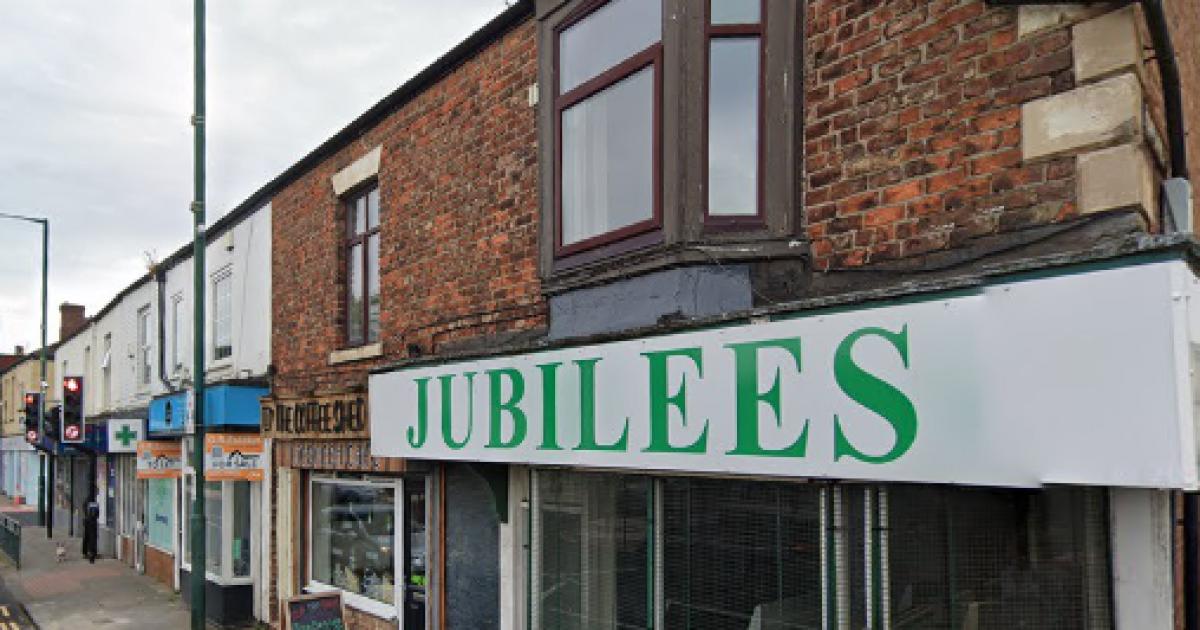
Applicant Raman Amiri’s bid to create a shawarma-related venture on the site of the former Jubilee’s card shop belonging to late businessman Kenny Surtees attracted 123 objections from residents, with ward and neighbouring councillors also unhappy at the plans.

Mr Amiri did not appear before a meeting of the committee in support of his application and to answer questions, while members expressed doubts about whether there was sufficient space in the end terraced property to house a fully-fledged restaurant.

Advertisement

What the report said

The officer’s report said: “The premises was previously operated as a card shop which fell within the E use class. 

“The use of the premises solely as a restaurant would not require consent as a restaurant also falls within the E use class. 

“The proposal seeks to change the use of the premises to be a mix of restaurant (use class E) and hot food takeaway (use class sui generis) which would suggest that the takeaway element would not be ancillary to the main use as a restaurant.”

Residents complained about an over-concentration of fast food takeaways in the area – the proportion of which would further exceed the five per cent threshold of commercial units in hot food takeaway use as per council policy – a potential increase in food waste and litter, and illegal parking, along with a desire to see more independent/general shops.

Advertisement

Normanby ward councillor Curt Pugh said: “Normanby High Street already has more than enough takeaways. 

“Residents repeatedly tell me they want a wider mix of shops and services, and the council itself has recognised the need to limit the number of hot food outlets.”

He added: “There are also serious concerns about the impact on nearby residents. 

“Cooking smells, extractor fans, late-night customers, and delivery traffic will affect the flats above and the houses close by.”

Advertisement

Public Health South Tees was another objector.

The council planning officer’s view was that, as the new venture was not proposed to be open beyond 7pm each day and not late into the evening like most other hot food takeaways, this along with the mixed use aspect, meant that on balance the principle of a change of use was acceptable and it would also bring a vacant unit back into use.

Plans don’t ‘add up’

Eston councillor Stephen Martin said: “We need more diverse high streets and just filling them with fast food outlets isn’t acceptable. 

“Our residents deserve better and the health of our community should be a high priority.”

Advertisement

Cllr Martin said the plans included no real seating area, in the sense of people sat at tables, with benches and stools instead.

He said the application did not “add up” in terms of space for restaurant seating as it was a “very small space”.

Cllr Martin said: “Is it a restaurant or is it just somewhere where you quickly sit down and wait for your food to come?”

He also said Normanby’s proportion of takeaways set against the overall number of available commercial units was more than eight per cent.

Advertisement

Cllr Martin also said while the proposed opening hours were 9am to 7pm, he questioned “who was going to be buying a shawarma at 9 o’clock in the morning?”

He said: “In three months time the applicant may have sought to apply for different timescales, for instance it may not open to 1pm or 2pm and then go onto midnight.

“Then we’d be in the same situation as everywhere else where lots of shops are closed during the day and then open up at night.”

Advertisement

Source link

Continue Reading

NewsBeat

Storm brings flash flooding to coastal areas of Yorkshire

Published

on

Storm brings flash flooding to coastal areas of Yorkshire

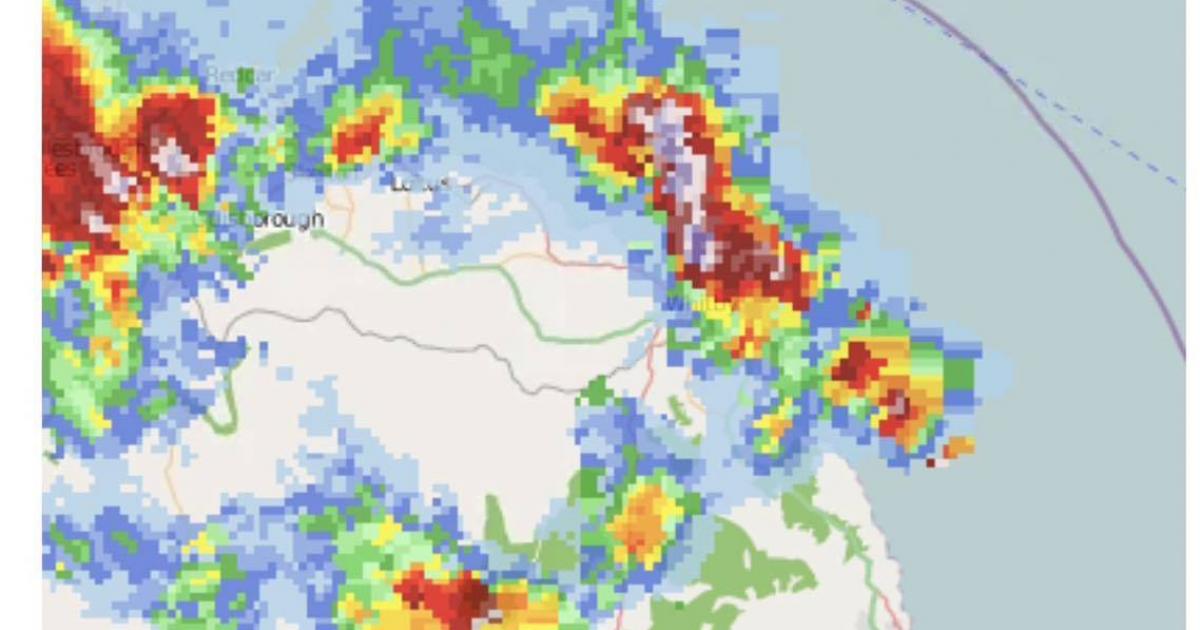
The east coast has seen a hail and thunderstorm leading to flash flooding.

Whitby has been particularly affected with many roads in the town flooded.

According to the Met Office the weather for the region for the rest of the week remains unsettled and rather cool throughout, with rain and showers.

Advertisement

This Evening and Tonight:

Any heavy showers will soon clear eastwards, leaving a largely dry night with clear spells developing for a time. Staying generally cloudy across western areas, with a few light showers. A mild and breezy night. Minimum temperature 10 °C.

Wednesday:

Increasingly cloudy, ahead of a band of rain sweeping east across the region. Sunny spells and blustery showers in the afternoon, with hail and thunder. Showers persisting in the evening. Maximum temperature 18 °C.

Advertisement

Outlook for Thursday to Sat

Source link

Advertisement
Continue Reading

NewsBeat

Conservationists ‘shocked’ over disappearance of eagle

Published

on

Conservationists ‘shocked’ over disappearance of eagle

North Yorkshire Police is investigating the disappearance of the juvenile bird after its satellite tag stopped transmitting in the North York Moors.

Following analysis by the National Wildlife Crime Unit, the disappearance of the eagle, which fledged in 2025 and has roamed widely across England this spring, is being treated as suspicious and an investigation is under way, police said.

The bird arrived in the western side of the North York Moors on April 30, and its tag did not communicate overnight into May 1, with no further transmissions since.

Advertisement

The white-tailed eagle, known as G834, was the first to be born in the wild in Dorset in 240 years, as part of a project to bring the birds of prey back to England.

The eagles, nicknamed flying barn doors because of their wingspan of up to 8ft (2.4m), were once widespread in southern England until the 18th century when persecution led to them being wiped out in the region.

The project by Forestry England and the Roy Dennis Wildlife Foundation began reintroducing white-tailed eagles on the Isle of Wight in 2019, and has released 45 eagles since then.

The birds have previously been reintroduced in Scotland.

Advertisement

The first pair of Isle of Wight eagles bred successfully in 2023, fledging the first chick to have been born in the wild in England for more than 240 years.

A further five chicks have been born in the wild since, and last month the government announced the scheme would receive a boost with up to 20 young white-tailed eagles being released over three years in Exmoor National Park.

A statement on behalf of the Forestry England and Roy Dennis Wildlife Foundation reintroduction project said: “We are deeply shocked and saddened by the suspicious disappearance of this young white-tailed eagle.

“It was the first to be bred in the wild in Dorset for 240 years and was beginning to really settle into the landscape.

Advertisement

“The return of this lost species to England has so much support from the public and we know that many people will be devastated to hear this news.”

The conservationists said satellite data showing the birds’ minute-by-minute movements was monitored every day and any suspicious or unusual data was always investigated.

The statement said: “These special birds are helping people connect with the natural world and showing how with a little bit of help nature can thrive.

“Thank you to everyone for their continued support and we encourage anyone who has information that may help the police investigation to come forward.”

Advertisement

Despite concerns in some quarters that the birds could prey on livestock such as lambs, a study into the food the Isle of Wight birds are eating reported in 2024 that they were targeting prey such as cuttlefish, rabbits, fish and other birds, and there were “no conflicts” with farming.

But the birds – whose return has faced opposition from some in the gamebird shooting community – have suffered persecution, with police investigating the disappearance of three birds last year in Sussex and Wales in suspicious circumstances.

And in 2022, two released white-tailed eagles from the reintroduction scheme were found dead, prompting police investigations in Dorset and the Isle of Wight.

Advertisement

Source link

Continue Reading

Trending

Copyright © 2025