
Security teams log 54% of successful attacks and alert on just 14%. The rest move through your environment unseen.
The Picus whitepaper shows how breach and attack simulation tests your SIEM and EDR rules so threats stop slipping by detection.



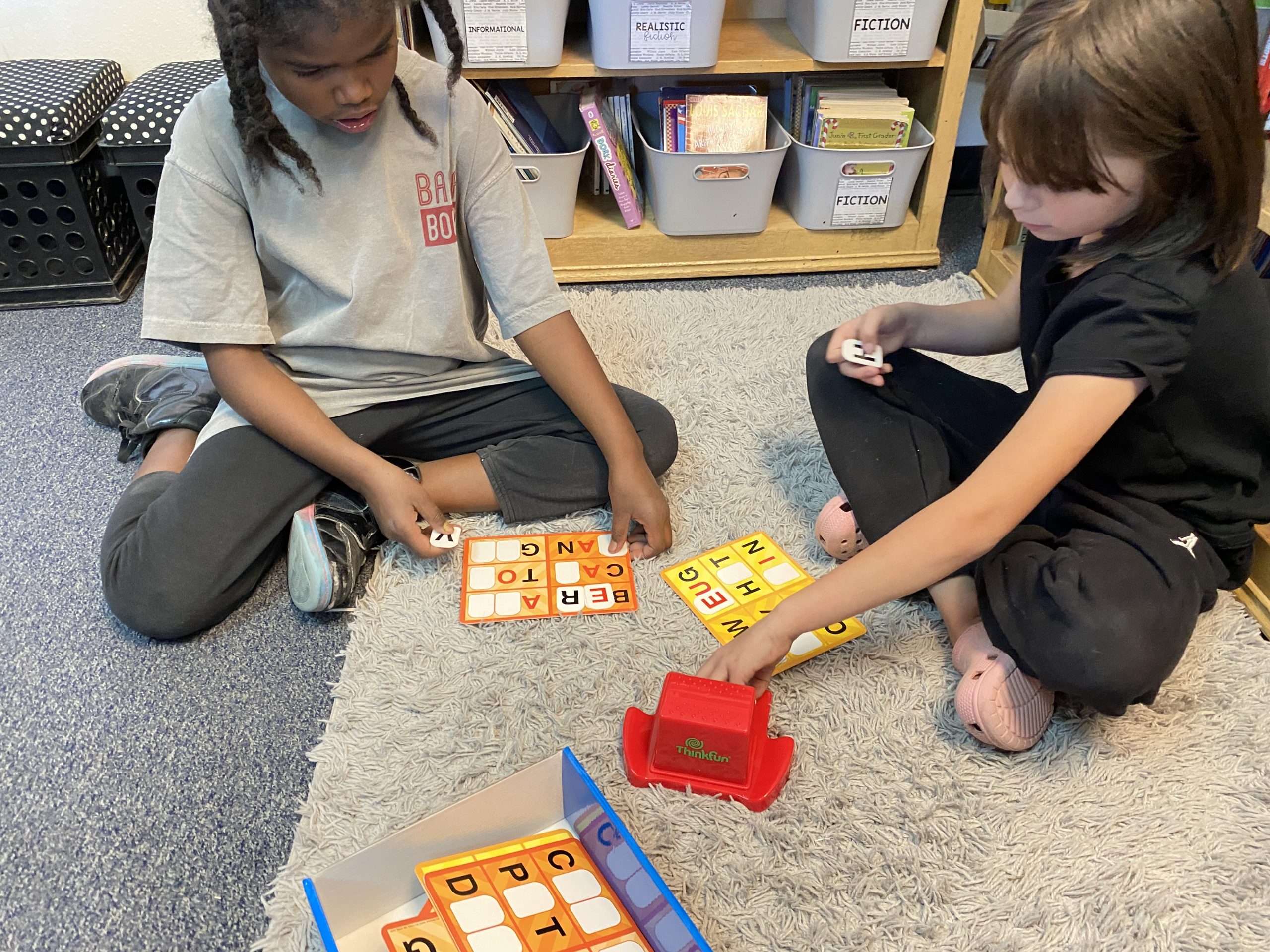
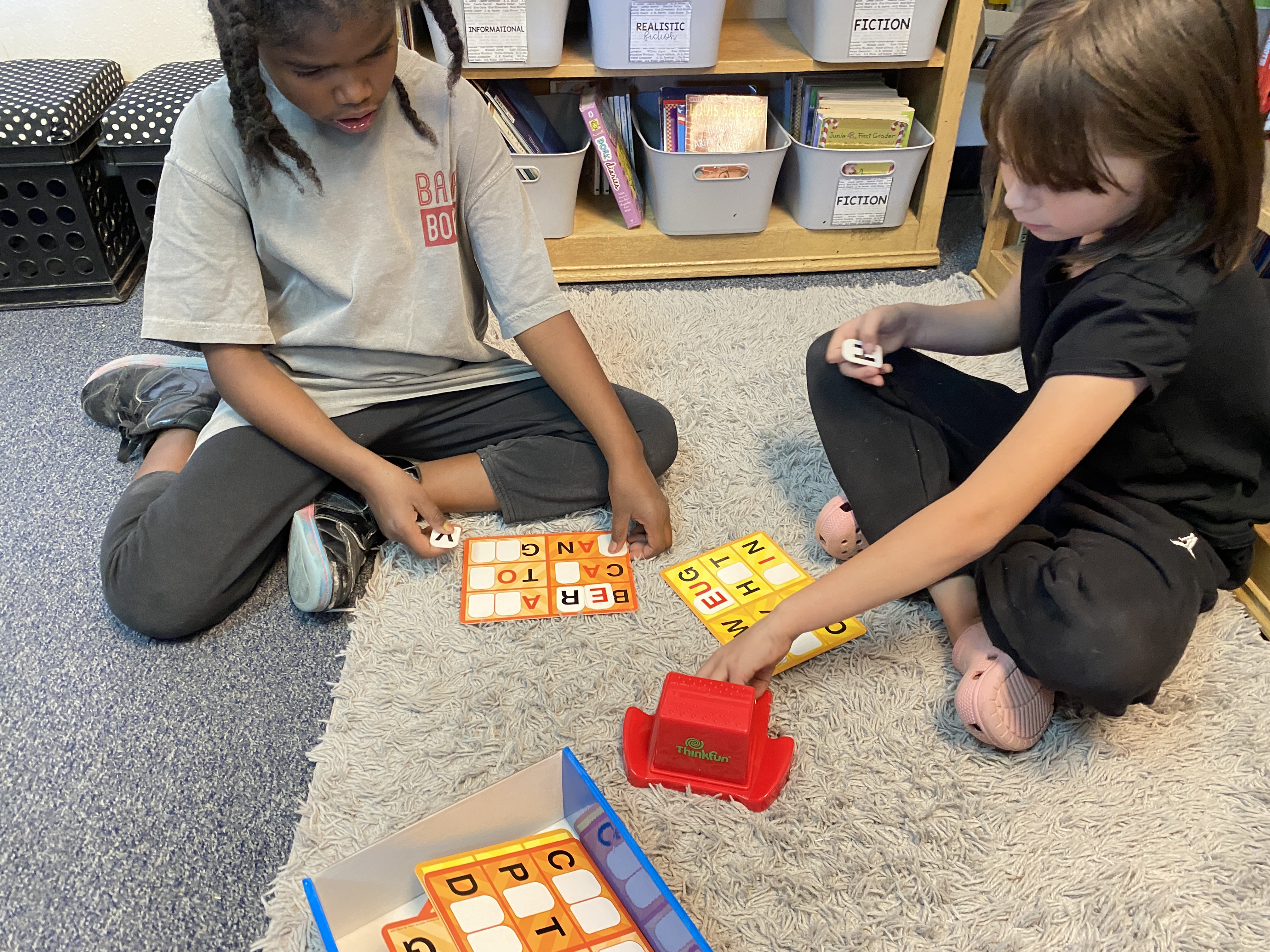
A group of third grade students gather around a board game on a Wednesday afternoon in a Charleston classroom, grabbing game pieces, discussing potential moves and reading out playing cards. The games are not Monopoly, Sorry, or any others of yore – they’re focused on identifying, and boosting, students’ strengths and weaknesses.
It’s part of a shift in school districts’ gifted and talented programs. While many programs focused on a small group of high achieving students, instructors across the nation are now focusing more on inclusion, using data to help them zero in on students’ talents, a method that has the potential of capturing more students for advanced instruction.
For Vanessa Hill, the gifted education coordinator for Amphitheater Public School District in Tucson, Arizona, focusing on strengths and weaknesses helps to solve what she sees as a universal problem with gifted identification.
“Something I’ve been thinking deeply about that tends to be a universal problem is that gifted identification does not match the metrics of your district,” says Vanessa Hill, the gifted education coordinator for Amphitheater Public School District in Tucson, Arizona. “I’m constantly thinking of that, so our demographics can get closer. This new tactic is about exposure to critical thinking and reasoning – what does that look like, how to reason through a problem?”
Re-assessing the methods and ultimately changing the definition of “gifted” comes as some question the value of standardized tests and a push-and-pull to diversify programs.
The gifted and talented programs run the gamut of names and acronyms depending on the district, including advanced learning program, TAG (talented and gifted), LEAP (Learning Enrichment Alternative Program) or REACH (Realizing Excellence through Academic and Creative Help), among others.
Regardless of the name, the program has undergone several major shifts over the last few decades. Schools previously often only selectively tested students, often at the behest of involved parents or by a teacher recommendation. That brought a large amount of inequity in the programs, with many moving to a universal screening practice. Some states, including Washington and Missouri, made it a state mandate to test all students while in elementary school. The screening practice itself evolved from an IQ test to aptitude and ability tests, though how accurate those are is up for debate.
“Society is really unequal along socioeconomic and racial and ethnic lines, and these tests are just reflecting that,” says Scott Peters, director of research consulting at NWEA, a nonprofit education assessment organization. “You can change tests all day long, but at the end of the day, you can’t give some kids three years of $40,000-a-year preschool and also wonder why this kid that’s never been to school until first grade doesn’t do as well.”
Often, schools’ gifted and talented programs do not represent their overall school population and instead skew heavily toward white and Asian students. Zohran Mamdani, the widely-watched mayor of New York City, made it part of his platform to phase out gifted and talented programs because of the inequity.
NEWSLETTERS
Sign up for EdSurge newsletters for timely news, insights and analysis.
“Ultimately, my administration would aim to make sure that every child receives a high-quality early education that nurtures their curiosity and learning,” he said in a 2025 statement to the New York Times.
There is no silver bullet test that accounts for inequality and a child’s upbringing, although Peters said when factors such as income, race and other equity gaps are controlled in tests, most inequities disappear.
“This isn’t a factor of, ‘Oh, there are students of color scoring high, but they’re still not getting in,’” he says. “It’s that there’s not enough students of color scoring high because of that larger societal inequality issue.”
Because of the often-skewed gifted and talented population, schools are shifting toward “talent development” with all students, versus focusing on strengthening some students’ already solid skills.
“Because of the baggage of the past, we’re moving toward a new perspective where we’re identifying the strengths of students — whether academic, social or emotional — versus people for a program,” says Kristen Seward, clinical professor in gifted, talented and creative studies at Purdue University. “And I think this twist in how we approach education as gifted researchers is going to benefit everybody.”
Developing talent for gifted programs, much like the name itself, varies depending on the district. Seward says many teachers have enriched curriculums, which enhance things like vocabulary, science and social studies — topics that have been put on the back burner over the years in favor of standardized testing. Teachers are trained to spot students’ strengths and respond to those, which in turn, helps with students’ weaknesses.
For example, if a student has a strong vocabulary but struggles in math, the teacher might focus on math vocabulary during math class to put the lesson on a level the child understands.
Elementary students play games that help with quantitative, verbal or non verbal skills.
Photo credit/Vanessa Hill
“I don’t want it to turn into a thing where the teacher is the gate, and if they don’t open the gate, then the students don’t get identified – which has been a problem,” Seward says. “We have to train teachers to be talent scouts, presenting the enriched curriculum. Hopefully it’s not something additional, but something they’d naturally do in their role.”
Elizabeth McLaurin Uptegrove, now the assistant academic director in Charleston County School District, created a “stretch or support” system that involves the games the students played in the aforementioned classroom. When Uptegrove first arrived in Charleston’s school district, South Carolina used to require all second grade students be tested for the gifted and talented program. But after that year, selection changed to a nomination system.
“Which sounds elitist, and it is,” she says, adding white, affluent children were three times more likely to be in the programs.
She pushed for universal testing again for all fourth grade students, which yielded three times as many students identified as gifted, jumping from 40 fourth graders to 150 across the district. Several schools across the country have adopted similar stretch-or-support systems.
But Uptegrove’s efforts go beyond identifying candidates for gifted programs through teacher observation: her game-based system uses data. With the aptitude test, there are verbal, quantitative and nonverbal subsections. The tests indicate if a child is low or high achieving in those areas. Then the children are placed in groups with those of similar abilities to play games that can enhance those skills.
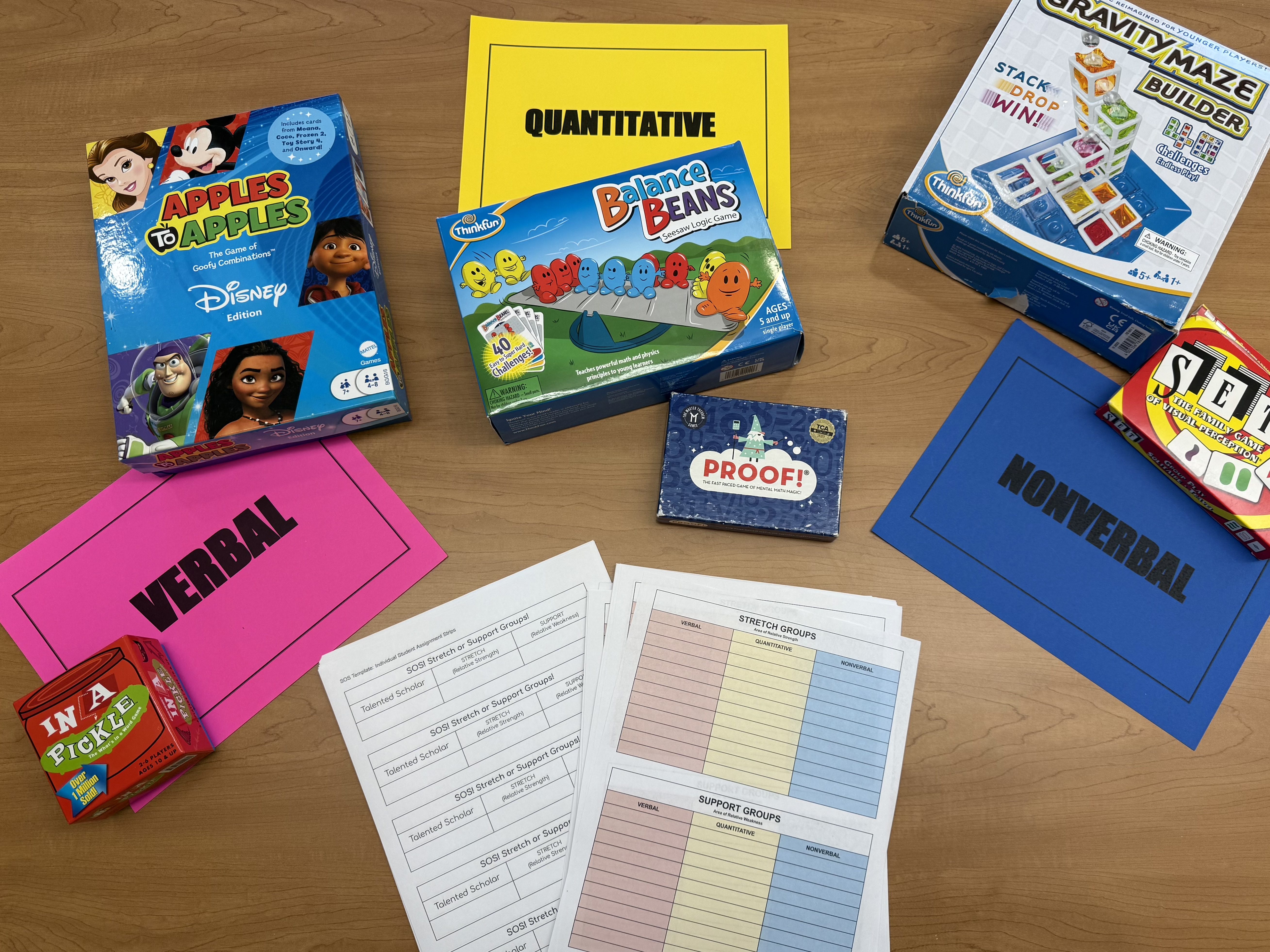
The Stretch or Support games in Uptegrove’s third grade classroom help children grow or reinforce their skills.
Photo credit/Elizabeth McLaurin Uptegrove
“Typically a teacher is not very well-equipped to come up with activities or lessons that can actually reach their level of thinking ability and games do that really quickly, in a way that’s not as boring for children as a typical worksheet,” Uptegrove says. “That’s where the magic of the games comes in. We’re making rigorous, hard thinking almost irresistible so students are willing to do the activity for longer.”
Hill, the Arizona-based education coordinator, initially implemented Uptegrove’s game strategy across third grade classrooms in five schools: three Title 1 schools and two non-Title 1. She says the schools that have the strength or stretch program in place have higher passing rates of “proficient” or “highly proficient” scores than those who do not.
“To me, it’s the difference between being a passive learner and active learner; by being able to engage in the games, it’s more active learning,” Hill says. “You raise the exposure to critical thinking and are taught to apply those skills to any situation, whether it’s on an achievement test or on the playground with a friend.”
Both researchers and teachers acknowledge the “talent development” approach to gifted and talented programs is far from perfect. It is often costly, whether it is buying the games, instilling teacher training or taking out time from testing. Hill pointed to four schools within her district that are closing this year because of financial constraints.
“Ordering the games is no small cost; I feel so blessed it’s that level of importance that we will find the funds,” she says. “As far as critical thinking games, yes that was missing. It is a hole we were filling. I think that while the core curriculum is doing its best, it can oftentimes be a bit surface level.”
Uptegrove agrees, saying she believes the talent development method is becoming more popular, but “there’s a long way to go in belief and funding for it.”
Peters, who has long studied the best educational methods and practices, believes the shift in gifted and talented is a good step. But he has concerns about the larger moves needed for lasting impact.
“It’s easy to have a 30-minute gifted program; it’s hard to have a second through eighth grade math development pipeline involving everyone in the school,” he says. “And advanced learning isn’t enough of a priority for most schools.”
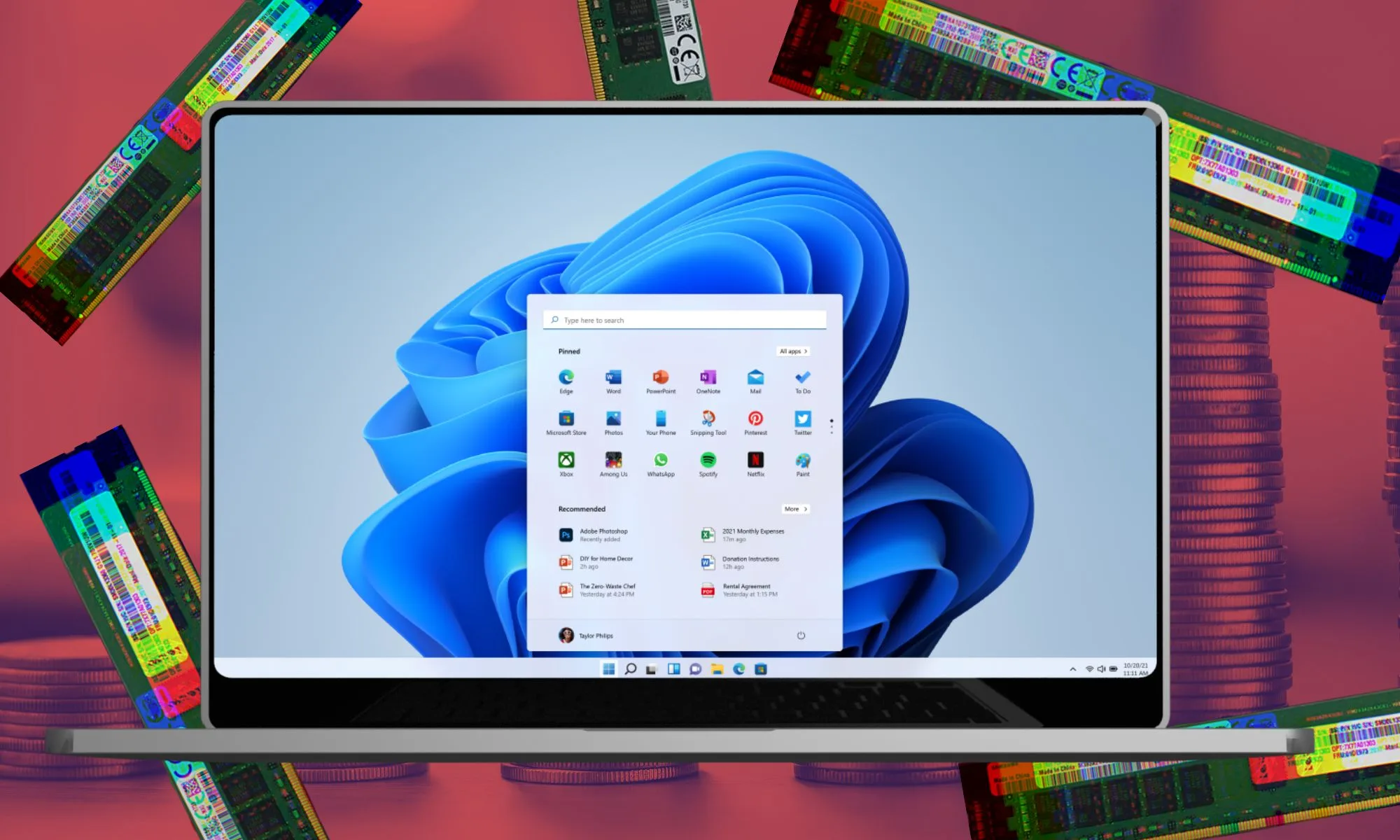
If you have ever typed two letters into the Windows 11 search box, paused, and watched nothing useful happen until you added more characters, you already know exactly why this Windows 11 update matters.
Microsoft’s June 2026 Patch Tuesday update, part of a release Windows Latest calls the biggest of the year (via Windows Latest), quietly fixes that. Windows Search can now find and prioritize files with as few as two characters, down from the old three-character minimum.

Before this update, typing two letters from the file name didn’t do anything useful. You had to add a third or more characters before Windows even started looking. Even then, your file could get buried under web results and app suggestions.
Now, typing two characters is enough to trigger a meaningful search. The update also improves how results are ranked, so your actual file shows up near the top instead of getting lost beneath links and Copilot suggestions.

Most of us name files with short, practical labels. Personally, dealing with a couple dozen files on a daily basis, I often name them with a couple of characters like Q3 or V2, exactly the kind of names that used to be functionally invisible to search.
One fewer required character sounds small at first, but it removes a tiny, constant friction that builds up every single time you search for something on your PC. It is the kind of fix that feels obvious only once you have it, one that should have shipped years ago.
This change ships in KB5094126 for Windows 11 24H2 and 25H2.

The Helios Horizon has completed what its developers call the first crewed, fixed-wing flight powered by solid-state batteries. New Atlas reports: On June 5, test pilot Miguel Iturmendi lifted off from Zephyrhills Municipal Airport in Florida at the controls of the Helios Horizon — the first crewed, fixed-wing aircraft ever to fly on solid-state batteries. The flight was neither spectacular in distance nor in duration — it was a series of short tests to validate the aircraft’s weight and balance after the new batteries had been installed — but it didn’t need to be to make history. […] The Helios Horizon’s previous lithium-ion pack delivered 260 Wh/kg (watt-hours per kilogram, a measure of how much energy a battery holds relative to its weight). The new solid-state cells hit 410 Wh/kg, a 60% jump. Chief test pilot and company founder Miguel Iturmendi expects that figure to grow another 40% within two years.
Though the battery pack can be topped up over any AC outlet, no special infrastructure needed, fast-charging is also supported for up to 80% capacity in under 15 minutes. The aircraft also recovers energy in flight through wing-mounted solar panels and a regenerative system that spins the propeller as a wind turbine during glides and descents. “Regenerative flight can significantly extend the aircraft’s range,” Iturmendi said after the test flights.
The Helios Horizon itself started life as a Pipistrel Taurus motorized glider. Iturmendi’s team added proprietary battery management, a custom propulsion stack, thermodynamic controls, and solar panel wing extensions. The aircraft already holds the world altitude record for electric planes in its weight class, having reached 24,000 ft (7,315 m). The next goal is 40,000 ft (12,192 m), commercial cruising altitude, in stratospheric flights planned for later this year.
Anthropic has suspended access to its two most capable AI models, Fable 5 and Mythos 5, for all users worldwide after the US government issued an export control directive ordering the company to block access by any foreign national.
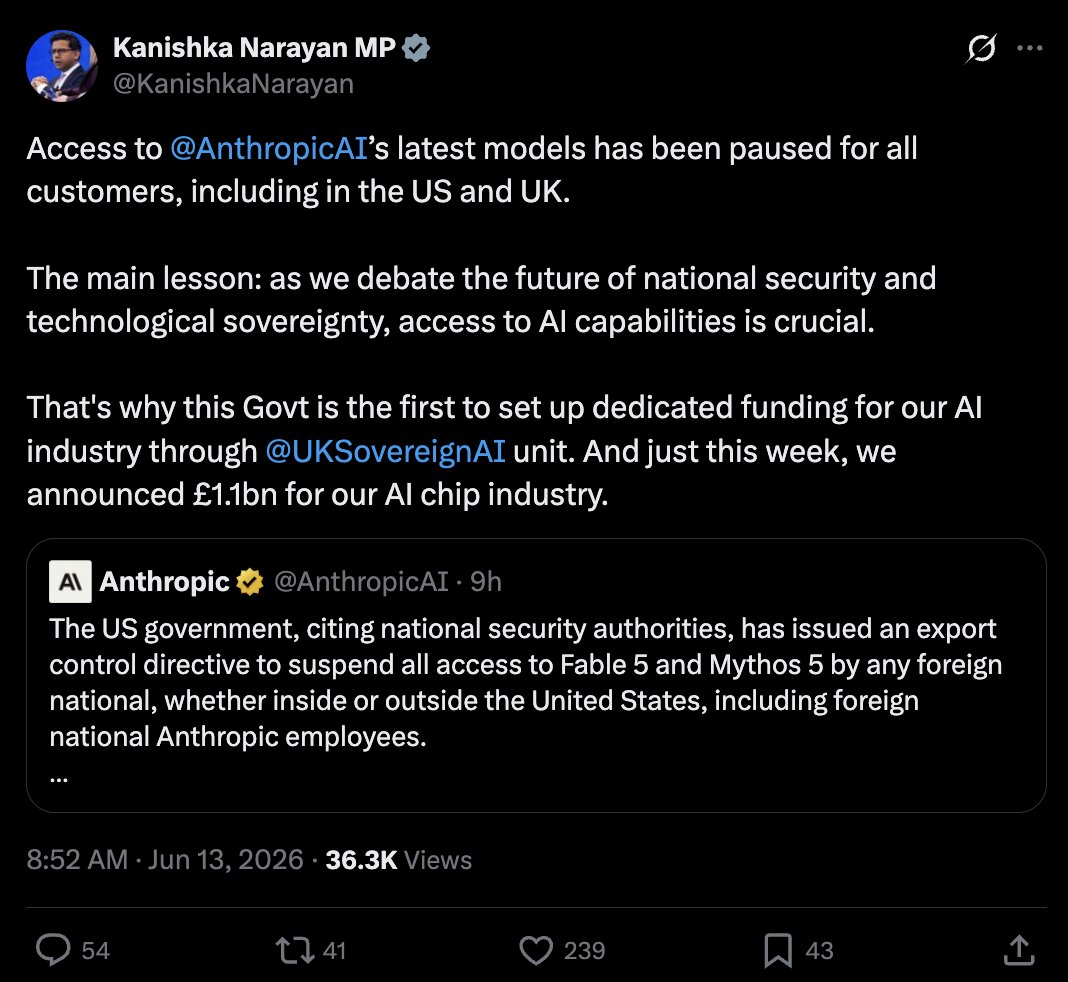
The directive, which Anthropic says it received at 5:21pm ET on June 12, cites “national security” authorities and bars access to both models by foreign nationals inside or outside the United States, including Anthropic’s own foreign-national employees.
The order’s net effect, the company says, is that it must disable both models for all customers to comply. All other Anthropic models, including Claude Opus 4.8, are unaffected.

The timing is awkward. Anthropic began rolling out Fable 5 on June 9, free to all Pro, Max, and Enterprise customers through June 22. The model handed to millions for free three days ago is now offline for everyone.
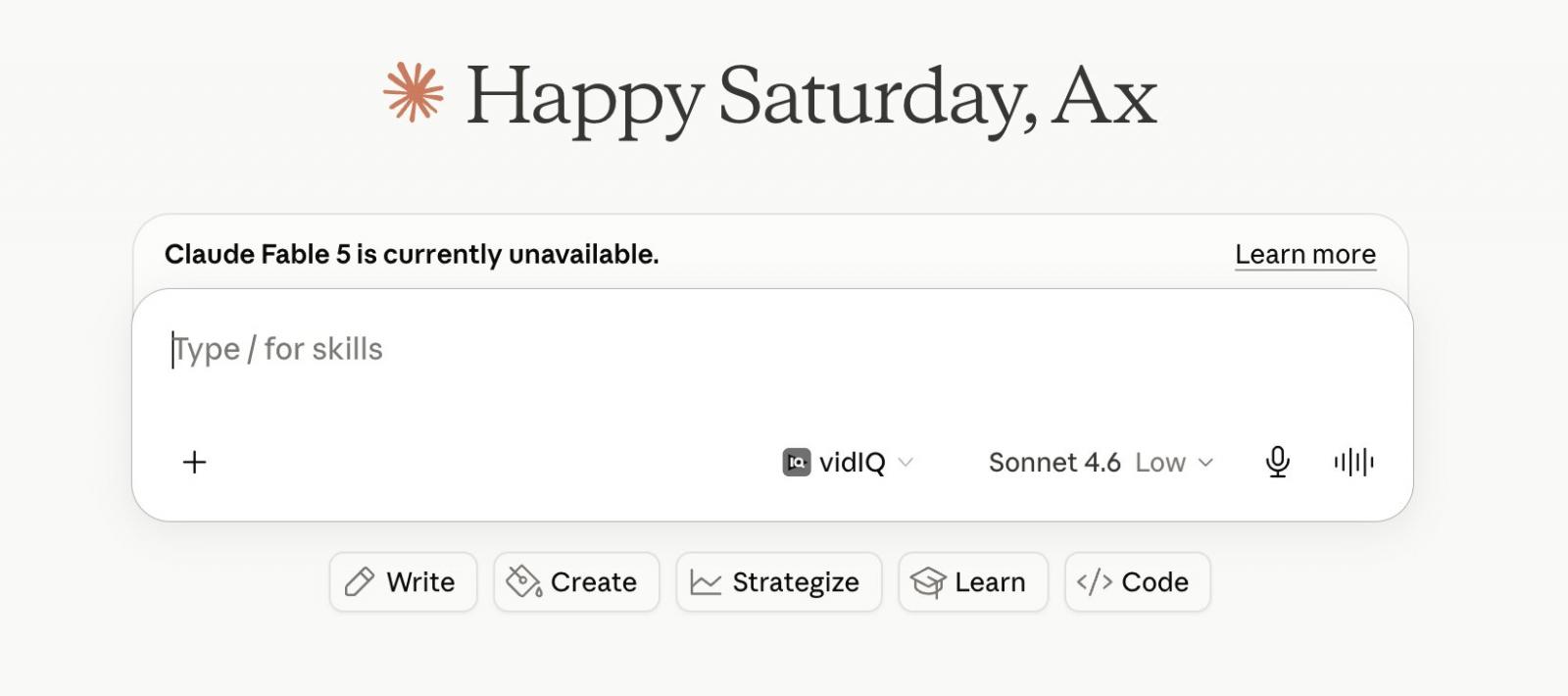
Fable 5 is the safeguarded sibling of Mythos 5. Both share the same underlying model, but Fable adds the safeguards.
Fable blocks or diverts sensitive cybersecurity, biology, and chemistry queries, while the unrestricted Mythos 5 goes only to vetted government cyberdefenders and life sciences partners.
In a developer notice, Anthropic said new sessions would fall back to a user’s default model or Opus 4.8, existing Fable 5 sessions would end with an error, and Platform requests to Fable 5 would also fail. It told integrators to migrate to other models.
UK’s Minister for AI and Online Safety, Kanishka Narayan MP, said the pause affected customers in both the US and UK, framing it as a case for technological sovereignty and pointing to the government’s £1.1bn AI chip investment.
Anthropic’s read is that the order stems from a reported way to jailbreak Fable 5. It says it reviewed a demo and found only minor, already-known bugs, the kind other publicly-available models are able to discover without any bypass.
“To date, the government has only given us verbal evidence of a potential narrow, non-universal jailbreak, which essentially consists of asking the model to read a specific codebase and fix any software flaws,” states Anthropic.
“Our understanding is that one potential jailbreak was shared with the government.”
“We are complying with the government’s legal directive and are removing access to Fable 5 and Mythos 5 for all users. However, we disagree that the finding of a narrow potential jailbreak should be cause for recalling a commercial model deployed to hundreds of millions of people.”
“If this standard was applied across the industry, we believe it would essentially halt all new model deployments for all frontier model providers.”
The company says the capability is widely available elsewhere, pointing to OpenAI’s GPT-5.5, and is used by defenders every day.
Anthropic maintains the order is a misunderstanding and says it is working to restore access, while promising more details within 24 hours.

Security teams log 54% of successful attacks and alert on just 14%. The rest move through your environment unseen.
The Picus whitepaper shows how breach and attack simulation tests your SIEM and EDR rules so threats stop slipping by detection.
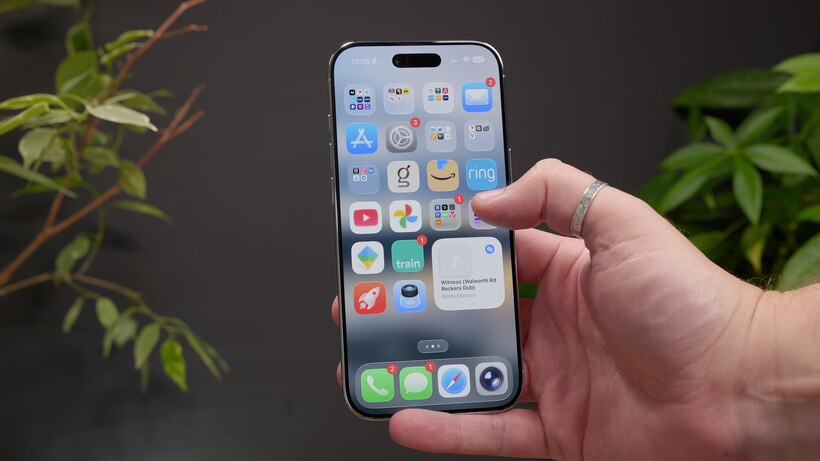
Every year, Apple unveils the latest version of iOS with the kind of polish and fanfare you’d expect from one of the biggest tech companies on the planet.
And this year is no different, with WWDC 2026 playing host not only to the reveal of iOS 27 but also to the much-anticipated Siri AI, finally bringing GenAI smarts to iPhone that can compete with the Android competition.
It’s undoubtedly a big update for Apple, but for all the attention it’s paying to flashy new AI-powered features, some of the most frustrating parts of the iPhone experience still feel stubbornly untouched – elements that, in places, I’ve been complaining about for nearly a decade.
So yes, iOS 27 might be a huge upgrade – but as ever, I’m still waiting for Apple to fix the obvious stuff.
I’m going to say it; I absolutely detest app badges on iPhone.
Those big, bright buttons with numbers on them cause nothing but added stress, insinuating there’s something I need to do or see, especially when badges on multiple apps slowly take over my home screen and folders. The FOMO instantly kicks in, as annoying as it is.

It’s also very distracting when I unlock my phone to do something specifically. If I see a little ‘1’ on the WhatsApp app, I’m going to open it, see who has sent me a message, and likely get sidetracked. It’s a basic psychological trick – one that I want to opt out of.
The problem? You can only disable badges on an app-by-app basis, and with hundreds of apps on my iPhone, that’d take hours. Why isn’t there an option to globally disable badges? It has been available on most Android skins for years now, after all.
In fact, I want Apple to go even further and basically just copy how Android handles notifications and badges because, well, it just makes a lot of sense. On Android, notifications in the notification shade are directly tied to app badges, so if you decide a notification is unworthy of your time and attention and clear it from the shade, the associated app badge also disappears.

On iPhone, clearing a notification won’t remove the badge – the only way to clear it is to open the app and read the message or notification that was delivered.
In an age when we’re all becoming more conscious of mindlessly scrolling through apps, visual distractions like this need to get in the sea.
But hey, at least Siri can write texts for you now, right?
Just under a decade ago, I managed to get my hands on Snapchat’s then-brand-new Spectacles – a pair of sunglasses with a built-in camera and mic to capture POV-style snaps and videos exclusively for Snapchat. Yes, Snap really was ahead of its time in that regard; it walked so Meta could run.
Anyway, after excitedly snapping photos and videos on an outing in Central London, I opened my iPhone 7 Plus to import and share them on my story. The problem? Apple didn’t support Wi-Fi Direct, which would let the phone and the glasses pair directly via Wi-Fi and provide much faster data transfer speeds.
Instead, I had to connect via Bluetooth and deal with slow speeds, or manually connect to the glasses’ Wi-Fi network in my iPhone’s Settings app.
As a result, it was much better as an Android accessory than an iPhone one, with Wi-Fi Direct support allowing for rapid transfer – and it’d also happen in the background without me triggering it myself.

What’s crazy about this is that, 10 years later, Apple still doesn’t support Wi-Fi Direct – and considering how many camera-equipped devices we use these days, from drones to action cameras and gimbal cameras to the aforementioned camera-enabled smart specs, that’s pretty unbelievable.
Instead, iOS users continue to rely on the much slower Bluetooth transfer speeds for moving videos between devices wirelessly – and I can’t help but wonder, why?
But hey, at least Siri can tell you what you’re looking at in iOS 27, right?
You know what, it’s not just the lack of Wi-Fi Direct support that irks me on the iPhone – it’s the Wi-Fi experience in general.
Apple spent a good few minutes patting itself on the back at WWDC, claiming that it’d fixed one of the biggest headaches of cellular and Wi-Fi connectivity – the time it takes to jump between the two. I mean, that’s great and all, but I wouldn’t have put that very high on my list of complaints.
What I would’ve loved Apple to fix instead was the iPhone’s handling of mesh Wi-Fi networks, because right now it’s pretty bad. I’ve had a couple of mesh Wi-Fi systems in my home over the past few years, and none of them have played well with any model of iPhone I’ve used – including the most recent iPhone 17 Pro.

When I move from one area of the home to another that requires a hop from one Wi-Fi node to another, there’s a period of time – sometimes close to a minute – when my iPhone swears it’s connected to full-signal Wi-Fi but doesn’t actually work.
It’s an absolute headache compared to using an Android where mesh Wi-Fi networks work as expected, hopping between nodes without a loss in connectivity. It’s easily one of the main reasons why I keep flitting between iPhone and Android for daily use – a small problem, yes, but one that gets very annoying, very quickly.
But hey, at least you can get Siri to make Shortcuts for you in iOS 27, right?
Apple handles background app usage in a completely different way than Android – while background apps can run on Android, those on iPhone are essentially frozen when not in active use to conserve battery.
It’s likely the reason why some people think that closing background iPhone apps will save battery life – when in reality, it’s the opposite, using more CPU power to totally re-open an app than would be used in its frozen state. But I digress.
While I do like Apple’s approach to background app use, as it doesn’t require the same manual management as on Android, it does make using accessories (particularly those not made by Apple) a bit of a headache.

Take my Fitbit Air for example; on Android, it’ll automatically sync with the Google Health app in the background and send me alerts and insights throughout the day, regardless of whether I’ve opened it or not. On iPhone? I have to open the app and manually sync the wearable before I can see what’s going on with my health and fitness.
It also applies to smart glasses, as I hinted at earlier; as well as using Wi-Fi Direct, camera-connected apps can also automatically import images and videos on Android – something you simply can’t do on iOS.
If Apple added a little button or a toggle to the multitasking menu to enable always-on background use, that’d be great – but that’s not on the roster for the big software update.
But hey, at least you can get Siri to let you know when websites change in iOS 27, right?
As you can probably tell, these aren’t complaints that have suddenly emerged with iOS 26; they’re long-standing flaws in iOS that chip away at the overall experience on offer, no matter how polished the rest of the software might look.
It’s great that Apple is finally doing a better job of matching the Android competition in the ever-competitive GenAI market, but really, it needs to put just as much effort into fixing these lingering usability issues and refining the core experience.
But hey, at least Siri looks better in iOS 27, right?
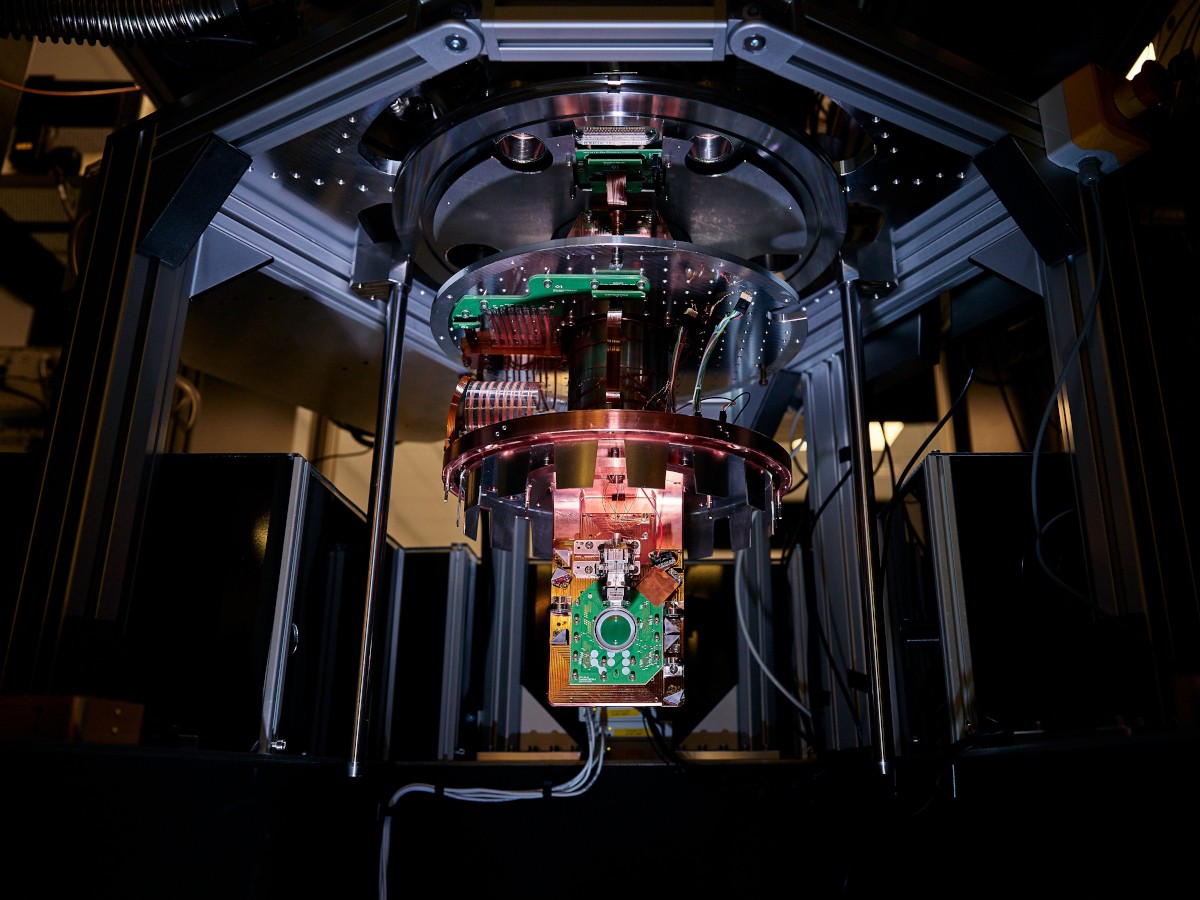

The company, founded in 2018, builds software infrastructure that aims to empower developers to use quantum computing to solve computational problems.
Irish-founded computing company Horizon Quantum has chosen Dublin as the site for establishing a testbed for its planned second quantum computer.
The company said locating the ‘IonQ’ 256-qubit system at its European headquarters would benefit the company and the country, noting “Ireland’s growing quantum ecosystem, strong university network and robust talent pool for deep-tech development, both within the country and across the EU”, and predicting that the installation of the “frontier system” would be a “significant technology milestone for the nation, positioning Ireland to play an increasingly prominent role in frontier quantum computing”.
Horizon Quantum, founded in 2018, builds software infrastructure that aims to empower developers to use quantum computing to solve computational problems. It said that IonQ’s sixth-generation, chip-based 256-qubit trapped-ion system could be among the most sophisticated quantum computers in the world.
“Expanding our hardware testbed to Ireland with the addition of a frontier system is a significant step forward for both our company in our mission to unlock broad quantum advantage and for the country in strengthening its quantum ecosystem,” said Horizon Quantum CEO and founder Dr Joe Fitzsimons.
“We are excited to extend our testbed capabilities to include a trapped-ion system by deploying this state-of-the-art quantum computer in Dublin.”
To oversee the establishment and management of its second quantum system, Horizon Quantum, which is based in Singapore, said it plans to expand its Irish-based science and engineering teams, and deepen engagement with Ireland’s quantum ecosystem through increased involvement with industry, academia and the local supply chain.
Minister for Enterprise, Tourism and Employment Peter Burke, TD said: “The establishment of one of the most advanced commercial quantum systems here is an important milestone that will support innovation, collaboration and economic growth, while further enhancing Ireland’s ambition to be a global hub for cutting-edge technologies.
“This also aligns with our strategic focus in Silicon Island – Ireland’s national semiconductor strategy – on harnessing opportunities in rapidly evolving fields, including quantum technologies.”
The company assembled and integrated the first quantum system in its hardware testbed, a multi-vendor superconducting system, at its Singapore headquarters in 2025.
It said that the expansion of its testbed facilities to its European headquarters with a “second, technologically distinct system” will help further its goal of delivering the “most capable hardware-agnostic tools for quantum software development”.
Michael Lohan, CEO of IDA Ireland, said: “Quantum development is an important strategic priority for IDA Ireland, and this announcement is a strong endorsement of Ireland’s growing technology ecosystem, our research capabilities and the talent available here.
“Horizon Quantum’s decision to invest in Ireland further strengthens our position in frontier technologies and will help support continued innovation and collaboration across the quantum sector.”
The company began trading on the Nasdaq stock exchange in March.
Don’t miss out on the knowledge you need to succeed. Sign up for the Daily Brief, Silicon Republic’s digest of need-to-know sci-tech news.

As we near the halfway point in the second Trump presidential term, there’s something that is worth remembering: Donald Trump, like most nasty viruses, is a temporary condition. Trumpism may not be, though I have my doubts as to how long a cult of personality can survive without that specific personality leading the cult. But Donald Trump as president will come to an end in the not too distant future.
The millions and millions of people who have been negatively impacted by him and by those who have decided to bow at his cultish altar, are not temporary. They are not going to go away. And they will remember the actions of many during this time.
And I imagine the American Diabetes Association, and specifically those currently leading it, will be in the memories of its members and many others for a long, long time. It’s been nearly a week since the ADA had five diabetes scientists, including its own former president, involuntarily removed from outside the ADA’s annual conference by police. Their crime? Distributing a copy of an editorial from the April edition of the ADA’s own journal.
The scientists were distributing the editorial outside the conference’s opening speech, which was originally scheduled to be given by Jay Bhattacharya, head of the National Institutes of Health under Trump. Bhattacharya canceled at the last minute, and senior NIH official Rick Woychik took his place.
Within minutes of beginning to hand out the editorial, police reportedly escorted the scientists out of the conference, which was held in New Orleans. The police reportedly shoved at least one scientist, took all of their conference badges, and threatened to arrest them if they tried to return. Louisiana State Police later told media that they acted at the request of the ADA. The ADA subsequently barred the five scientists from the rest of the conference.
The editorial just so happened to be very critical of the Trump administration and RFK Jr.’s funding at NIH and other health agencies and groups. It’s quite obvious that the ADA feared repercussions from the Trump administration if it wouldn’t allow these scientists to hand the article out while members of the administration were speaking and tried to use the police to silence them. And then, when this whole thing went viral, the ADA offered up justifications for its actions. Justifications that kept changing, as it turns out.
In an email to ADA members Saturday, the association said the scientists were removed because they didn’t have prior approval to distribute material at the conference and that it was “not because of the viewpoints expressed in those materials,” according to reporting from Science.
In a statement Sunday, the organization, which is a nonprofit, said it removed the scientists because it was complying with federal regulations for 501(c)(3) nonprofits, which requires “maintaining a strictly nonpartisan environment at all organizational events and functions while engaging across party affiliations to advance our mission.” However, the federal regulations do not restrict leaders of organizations from sharing political views in a personal capacity or from speaking on important public policy issues.
And from there, the Streisand Effect took over. The editorial, which you can find right here, went somewhat viral itself, getting a ton more attention than it had to date. But the real backlash came from the public and from within the medical community itself. There have been resignations in protest of the ADA’s actions. An open letter to the ADA signed by 40 members was written to torch leadership’s actions and treatment of the scientists at the conference. Another open letter was also written, likewise demanding an apology.
And, finally, the ADA did in fact apologize days later.
In the video Wednesday, ADA CEO Charles Henderson personally apologized to the five scientists, including Aaron Kelly, pediatrics professor at the University of Minnesota; Justin Ryder of Northwestern University; and Irl Hirsch, also of the University of Washington, in addition to Kahn and Schatz.
“What transpired is not reflective of who I am, the values I hold, or the way I was raised,” Henderson said. “I will work hard to bring our community back together to build on the progress we have collectively made for those affected by diabetes.”
In addition to apologizing to the five ejected scientists, Henderson apologized to the community as a whole, saying that the ADA would commission a “thorough independent review of the events that occurred as well as the policies, procedures, and decision-making process that guided our actions.”
Yeah, no, not good enough. The fish stinks from the head down, as the saying goes, and there have been days worth of attempts to make this stupidity anyone’s fault but leadership at the ADA. This was a clear attempt to lick the Trump administration’s boots, at the very moment when clear leadership from medical groups is so sorely needed, and that’s a bell that cannot be un-rung.
Henderson needs to go. And I have little doubt that he will before too long. Trump and RFK Jr. will eventually be gone, as well.
But we won’t forget how groups like the ADA, and the people leading them, acted during this time.
Filed Under: free speech, jay bhattacharya, nih, protests, streisand effect
Companies: american diabetes association
There’s still the possibility of that Trump pardon.
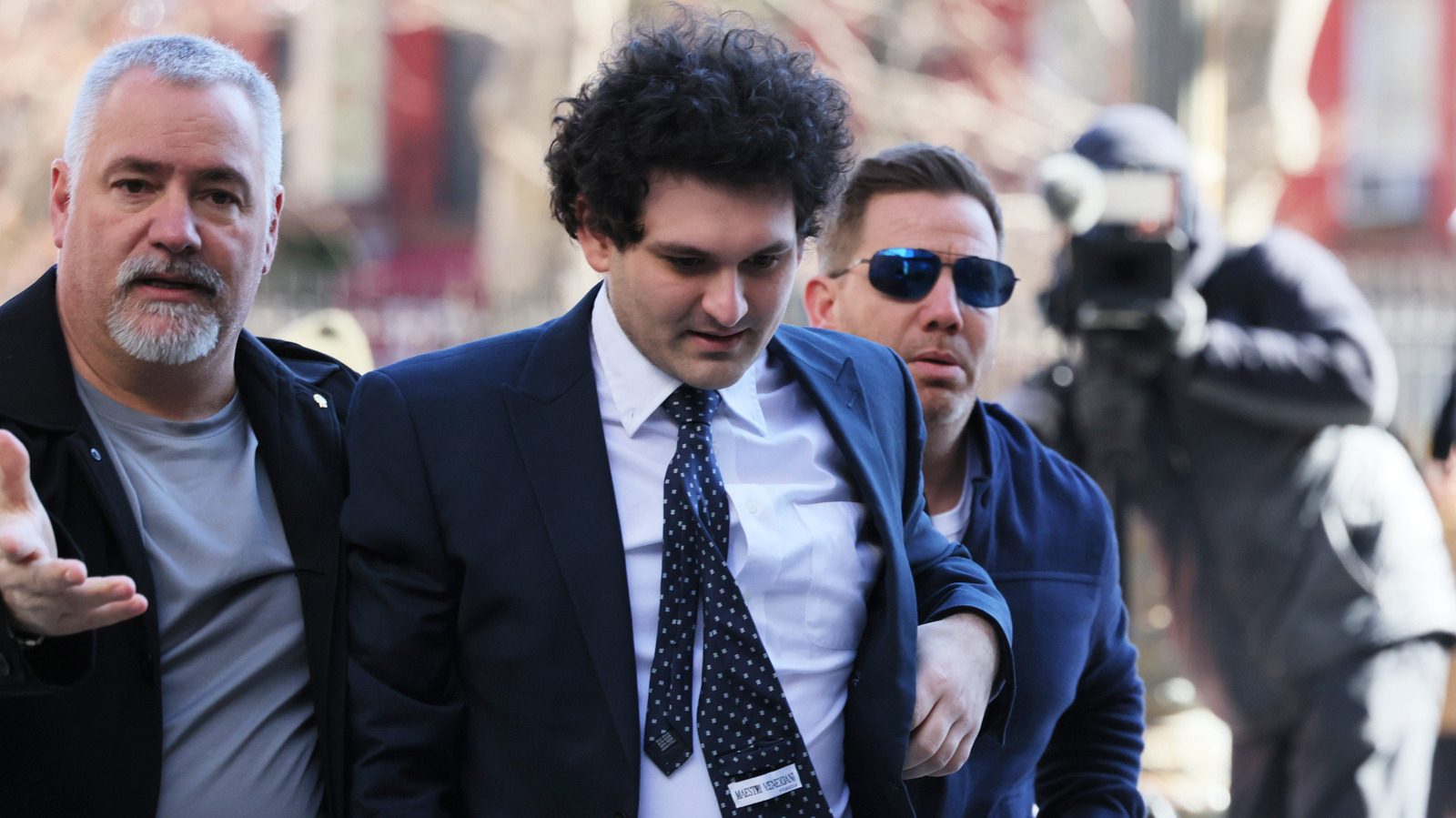
A federal appeals court has upheld the fraud conviction of FTX founder Sam Bankman-Fried, according to Reuters. Bankman-Fried was convicted of running one of the largest financial frauds in history, involving his crypto-exchange FTX. He was also convicted of money laundering and is currently in prison.
Judge Barrington Parker wrote in the appeals ruling that “the government’s evidence against him was, conservatively stated, robust.” Bankman-Fried and his team still have the option to bring the appeal to higher courts, including the Supreme Court.
All told, he faced seven charges and was found guilty of each and every one. The disgraced crypto mogul was sentenced to 25 years in prison back in 2024. Since that time, he’s been fighting to overturn the ruling in a variety of ways.
There’s the aforementioned appeal, which was just denied. Bankman-Fried is also seeking a re-trial on the grounds that new witness testimony could alter the case made against him by prosecutors. He seeks to represent himself in this re-trial, though it’s highly unlikely to happen.
He is also trying to play the card of every rich grifter forced to face the music: application for an official pardon from President Trump. The president suggested earlier this year that he wouldn’t pardon Bankman-Fried, but he also had to be reminded who he was. The status of his request is currently listed as “pending,” per the Department of Justice’s website.
The White House has been pretty free with pardons in the crypto space. Apropos of nothing, the Trump family has a crypto business of its own, which has netted the family over $2 billion since he took office in 2025. There’s no real way to see who has invested in Trump’s crypto memecoin.
President Trump has also been found liable for fraud in a New York court. Additionally, he has been indicted in federal court for conspiracy to defraud the United States and the Trump organization was convicted for a years-long scheme involving criminal tax fraud, defrauding investors and falsifying business records. Maybe Bankman-Fried will get that pardon under the little-known “game recognize game” provision.
From connected factory floors to automation and digital twins, ‘Industry 4.0’ refers to the future of manufacturing.

Ireland’s diverse manufacturing industry makes it the choice European location for a growing number of industrial and technology companies, according to IDA Ireland.
It does especially well in some sectors – medtech, automotives, aerospace and chemicals being a few examples – with its capacity only enhanced by a steady supply of skilled talent emerging from third-level institutions.
Meanwhile, a strong talent pipeline supported by grants and commercialisation support for research and innovation also allows Ireland to maintain its appeal as a global manufacturer.
From connected factory floors and industrial IoT to AI-powered automation and digital twins, ‘Industry 4.0’ is a phrase used to refer to the future of manufacturing. Here are seven Irish start-ups innovating on the factory floor.
This Galway start-up is a part of the prestigious Y Combinator accelerator programme behind the likes of Airbnb, Stripe and Uber.
Founded by CEO Eoin Cobbe and CTO Robert Cormican, Forge Robotics wants to tackle the rising threat of skilled welder shortages in manufacturing using intelligent automation.
The company makes an AI-powered intelligence layer that improves the welding capabilities of industrial robots. Its system allows robots to scan a part, interpret its geometry and execute welds even when the set-up is imperfect.
Headquartered in Dublin’s Dogpatch Labs, this Enterprise Ireland (EI) ‘High Potential Start-Up’ builds 3D visualisation and sustainability software for textile manufacturers and designers.
Gemell Technology aims for its technology to significantly reduce unnecessary fabric samples from ending up in landfills.
The company can generate photo-like digital models of yarns and fabrics, which manufacturers can tweak instead of ordering physical fabric samples. These 3D renders are generated with fabric textures originating from individual fibres.
Gemell claims that manufacturers that use its technology reduce unnecessary fabric samples and waste by 70pc, while getting products to market 11 weeks faster.
The company has offices in Dublin and London, and came in as the first runner-up at last year’s All-Island Circular Venture Awards – a competition that recognises late-stage start-ups across the island showcasing circular value propositions.
Last year, this Dublin-based space-tech secured its second contract to advance Earth’s planetary defence with the European Space Agency (ESA)’s Ramses mission.
The Rapid Apophis Mission for Space Safety – or Ramses – will rendezvous with asteroid 99942 Apophis, accompanying it during its extremely close but safe flyby of Earth in 2029.
InnaLabs’ gyroscope navigation system will be helping the ESA, the Italian aerospace engineering company OHB and the Spanish tech company GMV in the space mission scheduled for launch in April 2028.
The company’s technology solves complex navigation, stabilisation and guidance challenges within space, aerospace, land and marine markets.
Oscil provides data analytics support for the pharmaceutical and dairy sector. The company’s founder Dr Patrick Cronin won the EI Big Ideas award last year after contesting in a pitching battle against other pre-spin-out ventures emerging from EI’s Commercialisation Fund.
Speaking to SiliconRepublic.com, Cronin said that the “current rise in weight loss drugs [and] GLP-1s are driving huge investment in the protein market”, and that “Oscil can unlock a lot of capacity and quality in spray driers through edge sensing and machine learning to provide real-time process control”.
The company said it is seeking early adopters in the spray drying industry to improve production capacity and product quality.
This 2016-founded start-up captures, analyses and visualises performance indicators from the manufacturing, logistics and utility sectors using Industry 4.0 technology.
The company’s SaaS solutions, built on technology from hardware partners Siemens and Banner, help cut down on manufacturing downtime by identifying hidden losses in the production process.
It is based out of Nexus Innovation Centre at the University of Limerick.
This Dublin-based space-tech is a frequent collaborator with NASA and the ESA. Last month, it announced a partnership with Texas’s Novi Space to deliver real-time intelligence from the Earth’s orbit.
The collaboration enables Earth observation data to be processed directly on satellites instead of it needing to be transferred to Earth for analysis.
Ubotica is deploying its AI platform, which processes input data within 90 seconds, for the space mission. According to the company, in a single test observation of a Singapore port, the platform processed hundreds of vessels and detected those operating ‘dark’ in under two minutes.
The company has deployed its AI capabilities on numerous missions, including its own CogniSAT-6 satellite.
Founded in 2019 by former Dell manufacturing leaders Tim Crowe, Ken Sheehan and Jennifer Kelly, WrxFlo is a SaaS platform tailored specifically for manufacturing and logistics operations.
The company claims its platform acts as a “digital co-worker” across operations and the vertical line of command by connecting data from across the factory, warehouse and supply chain, eliminating non-value-added tasks and surfacing ‘red’ indicators before they become costly problems.
“We built WrxFlo from first-hand experience of running complex manufacturing and supply chain operations,” said Crowe, the company’s CEO.
“WrxFlo enables industrial manufacturers and logistics operators turn complex, paper or Excel-based processes into streamlined, data-driven systems that reduce cost and improve efficiency.”
Don’t miss out on the knowledge you need to succeed. Sign up for the Daily Brief, Silicon Republic’s digest of need-to-know sci-tech news.
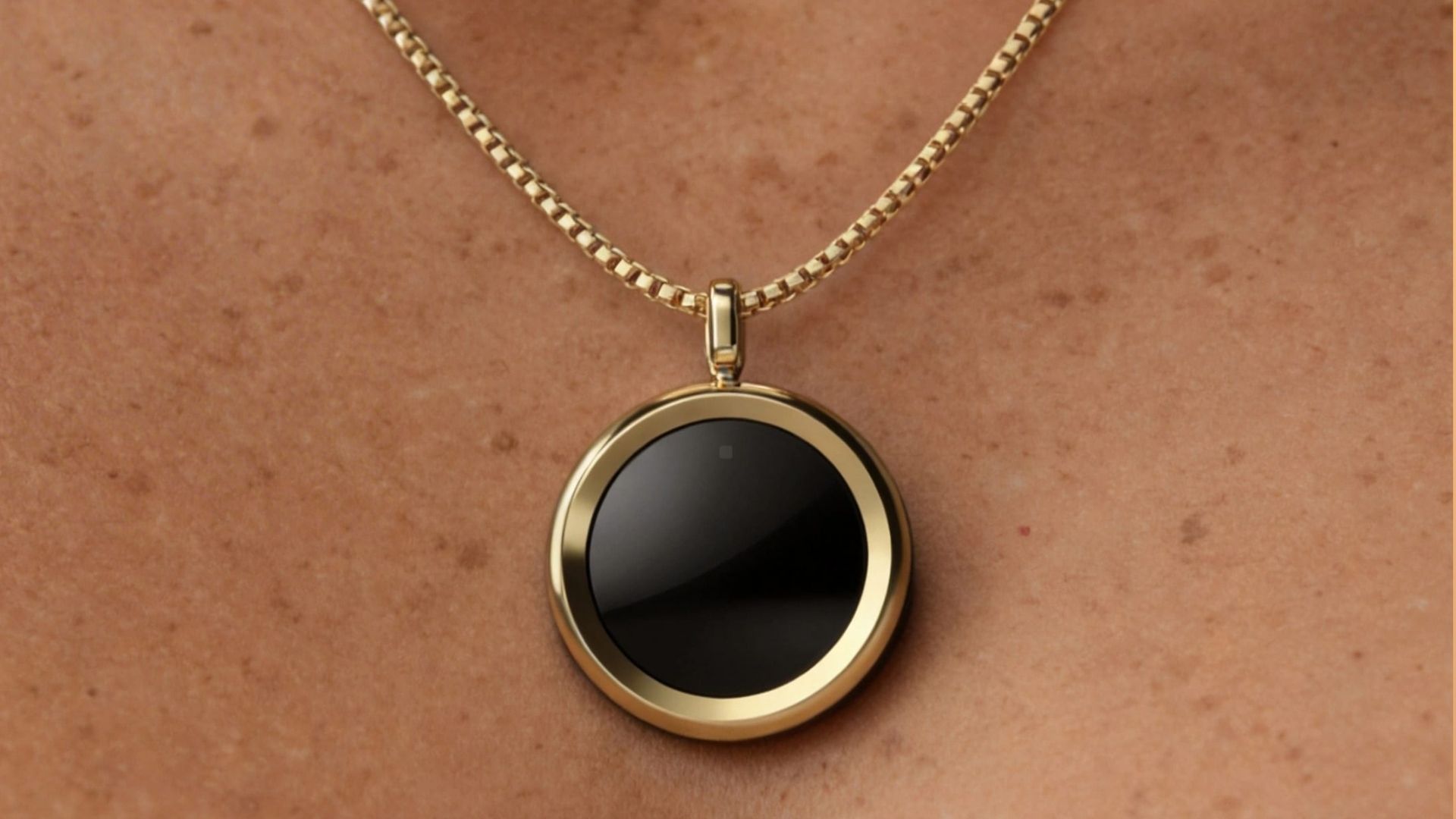
A former Fitbit executive is betting that the next big wearable might not be a smartwatch at all.
Stacy Salvi, who spent eight years at Fitbit before and after Google’s acquisition of the company, has launched The Gem. It is a smart necklace designed to help women track their UV exposure throughout the day.
Rather than counting steps or monitoring workouts, The Gem focuses on something many wearables overlook: how much sunlight your skin is actually getting. The pendant-style device continuously measures both UVA and UVB exposure and sends the data to a companion app. As a result, the app builds a personalised skin profile based on your habits and environment.
The idea is to provide more useful guidance than a simple weather forecast. Depending on your exposure levels, the app can recommend sunscreen reminders, highlight safer times to spend outdoors and help users understand their personal UV limits.
What’s interesting is the form factor. While UV-tracking gadgets aren’t entirely new, they’ve typically been standalone sensors or patches. The Gem packages the technology inside a piece of jewellery designed to be worn every day, making it feel more like an accessory than a traditional health tracker.
That approach could help it stand out in a wearable market increasingly dominated by smartwatches and fitness bands. By focusing on a specific problem and wrapping it in a design that’s less overtly tech-focused, The Gem appears to be targeting users who don’t necessarily want another screen on their wrist.
The launch also arrives as interest in preventative health tracking continues to grow. Wearables have already expanded beyond fitness into sleep, recovery and stress monitoring. UV exposure feels like a natural next step, particularly for people concerned about long-term skin health.
The Gem is available now directly from The90. It will eventually retail for $300, although early buyers can currently pick one up for $200 for a limited time.


Alpha School, an AI-driven private school chain that promises to teach kids core academics in two hours a day, plans to open a Seattle-area location in Kirkland this fall and will run its first local weekly summer programs on Microsoft’s Redmond campus starting in late June.
The approach frees up the rest of the day for a program of life skills, projects, and other character-building activities, which is another core part of Alpha School’s pitch. There’s no homework, by design, to give kids time for sports and other pursuits outside of school.
For the fall, Alpha School has secured space in a building just east of Google’s Kirkland campus, at 620 Fifth Ave. S., and has started taking applications. The initial campus has capacity for up to 150 students.

Alpha School co-founder MacKenzie Price and team have been expanding the Austin-based chain across the country. A driving force behind the school is tech entrepreneur Joe Liemandt, founder of the software company Trilogy and the private-equity firm ESW Capital.
In an interview, Price said she has family in the Seattle area and considers the region “very forward-thinking” when it comes to innovation and valuing education. Alpha School has seen interest from people in the region for a while, but real estate can create a challenge, she said, so they were excited when they were able to secure the Kirkland property.
The school’s use of screens and AI naturally attracts questions and some criticism, but Price said skepticism about the role of technology misses an important distinction.
“There’s a huge difference between students scrolling TikTok or watching cartoons or playing video games all day, and receiving a one-to-one, mastery-based tutoring experience,” she said. “It’s the idea of proactive, engaged interaction, as opposed to passive consumption.”
Price drew a sharp line against chatbots — “cheat bots,” she called them — which Alpha keeps out of its core instruction. Instead, she said, the software diagnoses what each student has and hasn’t mastered, then delivers lessons adjusted to their level and pace.
Alpha calls the adults in its classrooms “guides” rather than teachers, and pays them above typical teacher salaries. The schools run on a 5-to-1 student-to-guide ratio. Guides aren’t providing academic instruction, Price said, but instead focus on mentorship and motivation while the technology handles the lessons.
The model has its critics. Some educators have questioned Alpha School’s claims, arguing that learning can’t be accelerated as dramatically as Alpha says, and that its strong outcomes may reflect the students it enrolls as much as its methods.
Alpha stands by its results, providing data showing its students in the top percentiles on the NWEA MAP, a widely used standardized test taken by students nationwide.
Microsoft CEO Satya Nadella has shown interest in the concept, bringing it up during a recent podcast taping in conjunction with the company’s Build developer conference. Asked about AI and education, Nadella mentioned meeting some of the people behind Alpha School to learn about their approach, calling it fascinating to rethink what education will look like in the future.
“Maybe the next big startup and success story could be someone who builds a new university or a new pedagogy,” Nadella said on the crossover of the No Priors and Latent Space podcasts.
The Microsoft connection came through Caitlin McCabe, vice president and chief of staff to Nadella. She initially got involved as a parent of young children drawn to Alpha’s model, not in her Microsoft role, advocating for the school to come to the region and helping connect it with interested families.
Tuition for the fall in Kirkland hasn’t been decided, according to Alpha School officials, but “founding families” who sign up for the first year will get a $10,000 discount.
The weekly summer programs on Microsoft’s Redmond campus will run for eight weeks, from late June to late August. They’re open to the public at $1,500 a week, with Microsoft employees getting a 50% discount per child. The idea is to give students and families a sense of what Alpha School is like, with an experience that mirrors the typical day during the school year.




Alexander Zverev wins the French Open to finally earn a 1st Grand Slam title

The Best Mystery Series of All Time Is Surging on Streaming 30 Years After It Ended


Anatomy of the June crypto crash: Fed, Iran, Saylor


Oppenheimer backs SpaceX as $70 billion retail frenzy builds


Markets Rally as SpaceX IPO Looms Amid Iran Tensions and Inflation Surge

Senator Cynthia Lummis Calls CLARITY Act the Most Consequential Financial Legislation of This Generation

Alexander Zverev conquers demons and outlasts Flavio Cobolli to win French Open for first major title


Microsoft unveils seven homegrown AI models in new bid for ‘long term self-sufficiency’


High Stakes for Wembanyama as New York Pushes for 3-0 Lead


Notion restores access to Anthropic after service disruption

The Pain Points Taking a Fragile Tech Rally Down a Notch

Eli Lilly (LLY) Stock Surges 4% Following Breakthrough Sleep Apnea Trial Results

The investment to transform historic St Helen’s ground in Swansea


Trump’s AI Ownership Plan Could Benefit Anthropic at OpenAI’s Expense

Bangladesh beat Australia after 20 years in ODIs, register only their second win over six-time world champions | Cricket News


NanoClaw integrates JFrog registries to secure AI agent downloads


Bitget enters Argentina’s regulated crypto market through PSAV registration


This Week In Security: Microsoft On Microsoft, Register Your Domains, Linux On ARM, And FreeBSD Joins The File Cache Club


Politics Home | Healey Resignation Is “Colossal Failure Of Government”, Says Former Labour Defence Secretary


First Time Since 1971: Australia Register Historic Low In ODI Cricket
You must be logged in to post a comment Login