Kansas City Chiefs tight end Travis Kelce and his fiancée, Taylor Swift, went for a Broadway date night in New York City. They attended a Saturday evening performance of the smash-hit, dark comedy Oh, Mary! at the Lyceum Theatre.
After the New York Post, shared pictures of the engaged couple’s date night on X on Sunday, NFL fans shared their takes.
No one gives a shit. It’s too late. Not even Taylor swift can distract people from more important things. Like how many children were rescued from sex traffickers connected to FISA.
Advertisement
Travis Kelce dresses like a 10-year-old.
After the final bows, Swift and Kelce posed with Maya Rudolph, director Sam Pinkleton, and the rest of the ensemble, posing for group photos with the cast in their elaborate period costumes.
Afterward, they headed to a dinner date at The Eighty Six steakhouse.
Advertisement
Swift’s outing with Kelce came after she was inducted into the Songwriters Hall of Fame in New York City on Thursday. Kelce flew straight to Manhattan that morning immediately after wrapping up his mandatory three-day minicamp with the Kansas City Chiefs so he could join Swift for her historic night.
Previously, Swift and Travis Kelce were spotted together on May 23, in Cleveland, Ohio. The couple sat courtside at Rocket Arena to watch Game 3 of the NBA Eastern Conference Finals between the Cleveland Cavaliers and the New York Knicks.
Travis Kelce makes feelings known on marrying Taylor Swift in a “real cold world”
Travis Kelce opened up about his relationship with Taylor Swift while appearing on NFL legend Randy Moss’s YouTube show, “Chasing 10” on June 1.
Advertisement
While fishing and chatting about life, family, and the pressures of fame with Moss and his brother Jason Kelce, the Chiefs tight end reflected on how crazy the world can get and expressed how lucky he feels to have Swift by his side.
“It’s a real cold world, but I got a real one though,” he said.
Reportedly, the couple, who announced their engagement on Aug. 26, is set to tie the knot on July 3 in New York City’s Madison Square Garden.
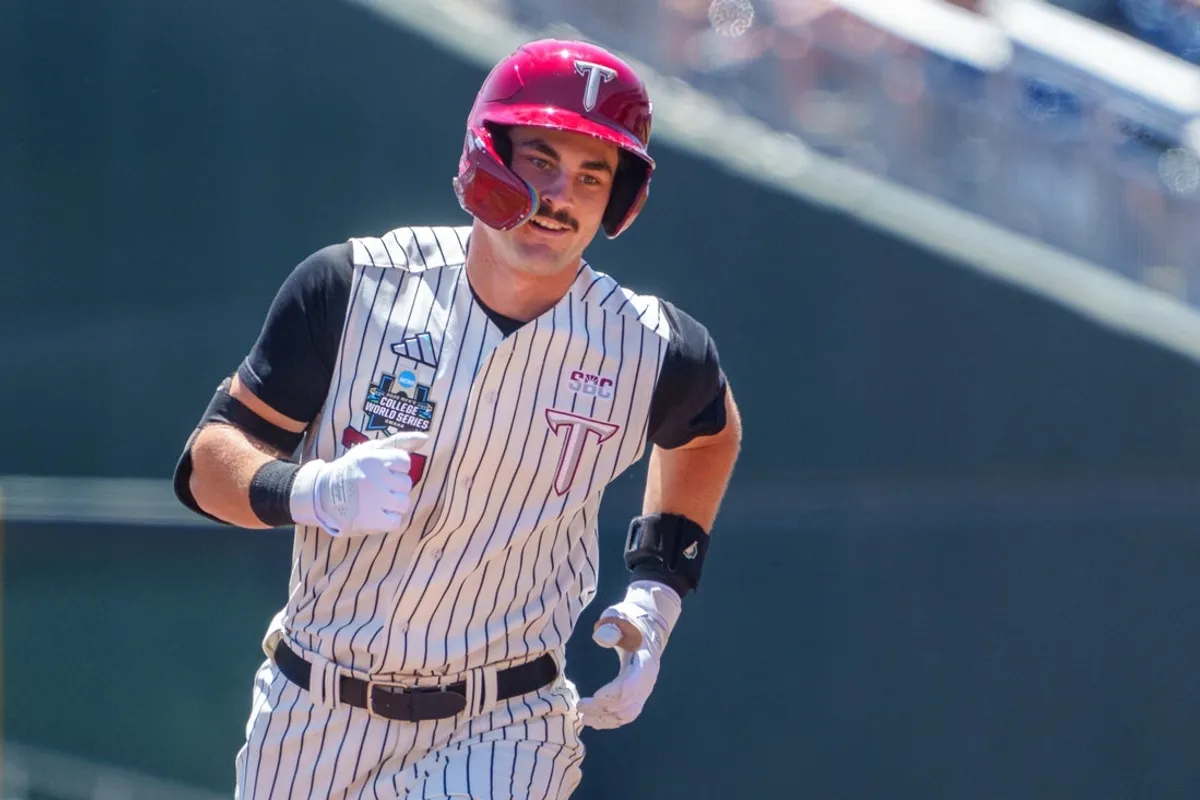
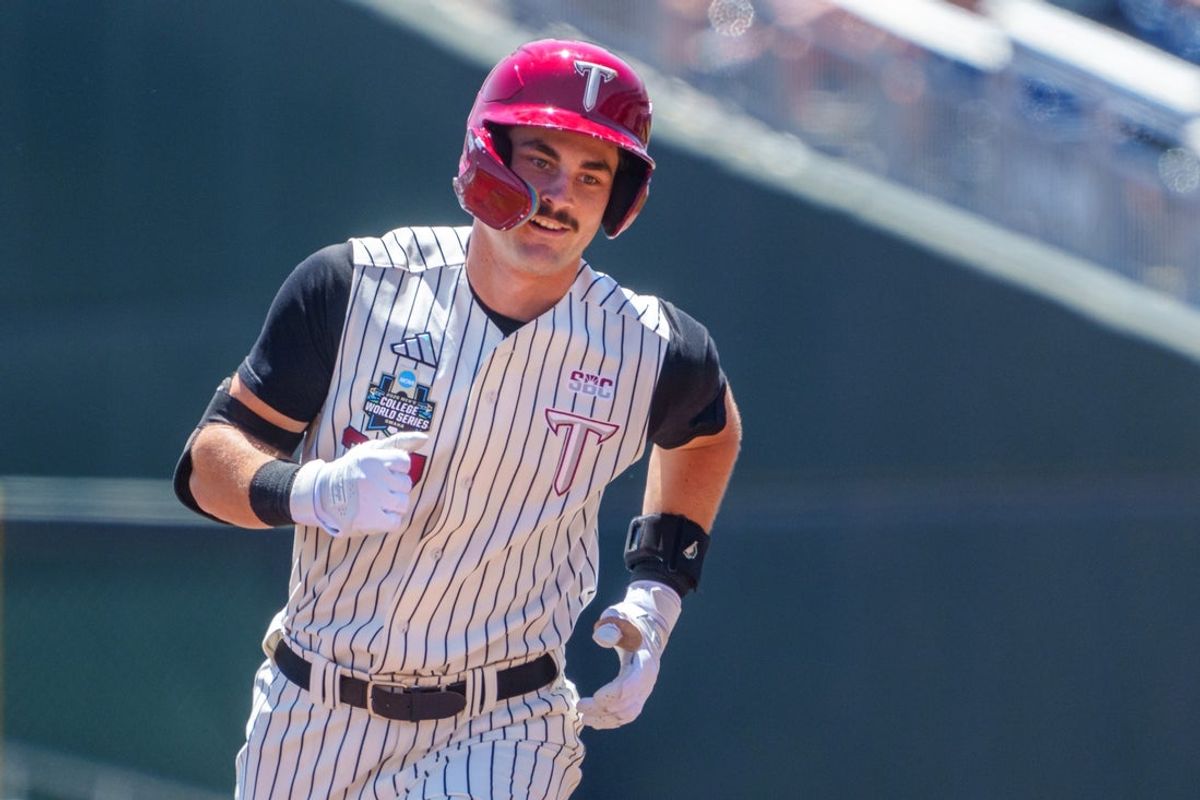
Jun 14, 2026; Omaha, NE, USA; Troy Trojans second baseman Sean Darnell (37) rounds the bases after hitting a two-run home run against the Mississippi Rebels during the second inning at Charles Schwab Field. Mandatory Credit: Dylan Widger-Imagn Images
Jabe Boroff’s tiebreaking two-run double highlighted a four-run seventh inning, and Troy kept its Cinderella title hopes alive by rallying to eliminate Ole Miss 12-8 in the Men’s College World Series on Sunday afternoon in Omaha, Neb.
One of the “Last Four In” to make regional play, the Trojans, a 31-loss squad, trailed 6-2 but saw their offense plate 10 runs from the fifth through eighth innings to advance to face the loser of North Carolina-West Virginia in Tuesday afternoon’s elimination matchup.
Blake Cavill added an insurance marker with his 14th home run leading off the eighth, and Troy tallied two more on a dropped pop fly with two outs to record their first program win in the MCWS.
Reaching base all five plate appearances in a 3-for-3 outing, Troy’s Sean Darnell provided a two-run blast, four RBIs and three runs. Jimmy Janicki homered, while Drew Nelson scored three times.
Winning pitcher Noah Thigpen yielded two runs on six hits in five-plus innings of relief.
Advertisement
The Rebels’ eighth- and ninth-place hitters Brayden Randle and Collin Reuter each slugged two-run homers and had two hits. Hayden Federico was 3-for-4 with an RBI double and walk. Will Furniss hit a solo home run.
Reliever JP Robertson took the loss by surrendering two runs on two hits in 1 2/3 innings.
In the MCWS’s first elimination game, Judd Utermark’s first-inning single to left scored Dom Decker, who reached on a two-base fielding error by first baseman Cavill. Federico later doubled in Tristan Bissetta for the second unearned run.
Advertisement
The Trojans tied it in the second when lefty-swinging Darnell launched a 416-foot homer to right off southpaw starter Hunter Elliott, but Randle went deep to right in the home half to regain the two-run lead.
Reuter then went opposite field for a two-run shot and a 6-2 lead for the Southeastern Conference school in the fourth.
The Sun Belt team scored three times in the fifth on a balk and Darnell’s two-run single to cut it to 6-5.
Janicki made the comeback complete with a solo homer leading off the seventh, and Boroff’s double to left scored two as the Trojans earned their first lead. Houston Markham’s single put it at 9-6.
Advertisement
Austin Fawley’s single brought Ole Miss within 9-7 through seven, and Furniss homered in the eighth.
World Cup debutants Curacao made history by scoring their first-ever goal at the tournament, but they suffered a heavy 7-1 defeat to Germany in their opening Group E match in Houston.
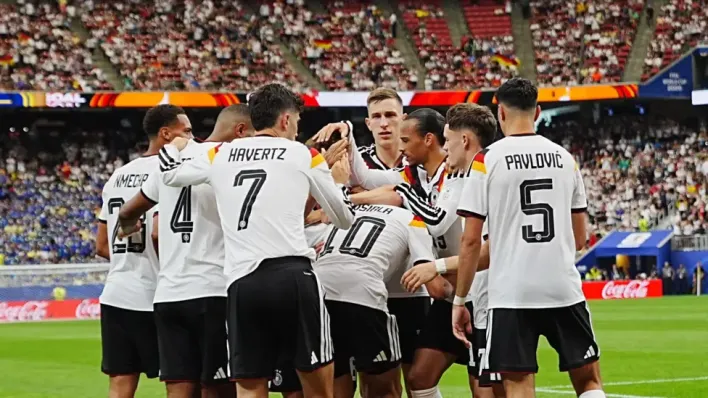
Germany, four-time world champions, started strongly and took the lead after just six minutes through Felix Nmecha. The midfielder curled a powerful shot into the net to score the fastest goal of the tournament so far.
Advertisement
Curacao, the smallest nation ever to compete at a World Cup, responded brilliantly. Zurich midfielder Livano Comenencia became a national hero when he scored the country’s first World Cup goal in the 21st minute. His shot from outside the box took a deflection and beat veteran goalkeeper Manuel Neuer.
The goal sparked celebrations among Curacao supporters and marked a historic moment for the Caribbean nation of around 155,000 people.
Curacao briefly threatened another surprise when striker Jurgen Locadia appealed for a penalty, but the referee waved play on.
Germany soon regained control. Defender Nico Schlotterbeck restored their lead with a header from Nathaniel Brown’s corner before Kai Havertz converted a penalty in first-half stoppage time after Felix Nmecha was brought down in the box.
Advertisement
Leading 3-1 at the break, Germany stepped up their performance in the second half.
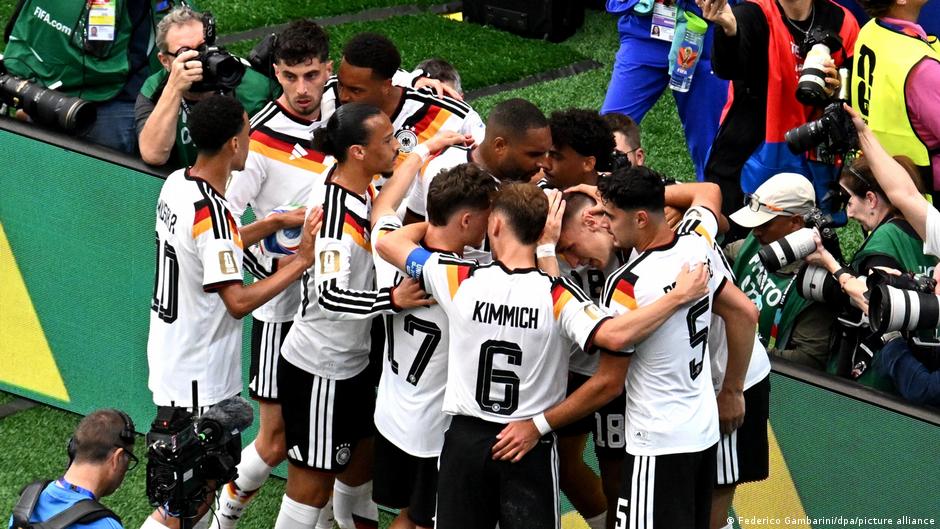
Just over a minute after the restart, Jamal Musiala scored from a Joshua Kimmich pass to make it 4-1. Brown then added a fifth with a fine volley before substitute Deniz Undav got on the scoresheet for Germany’s sixth goal.
Havertz completed his brace two minutes from time with a delicate finish over Curacao goalkeeper Eloy Room after another assist from Undav.
Six different German players found the net as Julian Nagelsmann’s side began their World Cup campaign in impressive fashion.
Advertisement
Although the result was a painful one for Curacao, the night will always be remembered for Comenencia’s historic strike, which gave the island nation its first World Cup goal and a special place in football history.
With a population of just 150,000, Curacao has smashed Iceland’s record as the country with the fewest inhabitants (350,000) to reach a World Cup. Curacao covers an area of roughly 440 square kilometers (171 square miles), making it about six times smaller than Rhode Island, the smallest US state.
Curacao is best known for its beaches and diving spots as well as a liqueur named after it. Baseball, not football, is the top sport on the island, which has sent around 15 players to the Major Leagues in the United States. Probably their most famous is Andruw Jones, who after spending 17 seasons in the majors was elected to the National Baseball Hall of Fame in Cooperstown, New York this year.
“Football used to be much bigger here. From the 1960s through the 80s, everyone watched it,” Curacao sports reporter Carl Ruiter told DW.
Ten teams compete in Curacao’s top football league, the Prome Divishon. A domestic cup competition was established last year.
Advertisement
Undefeated in qualifying
World Cup qualifying gave football on the island a major boost. The stadiums were packed for the final home games.
“It’s a sign that the whole nation was truly invested — desperate to reach the World Cup and eager to support our national team,” Ruiter said.
The World Cup’s expansion to 48 teams clearly made it much easier for footballing minnows like Curacao to qualify, but still, their campaign was remarkable as the team went unbeaten throughout.
Curacao held on for the single point required against Jamaica to qualify for their first World CupImage: Collin Reid/AP Photo/picture alliance
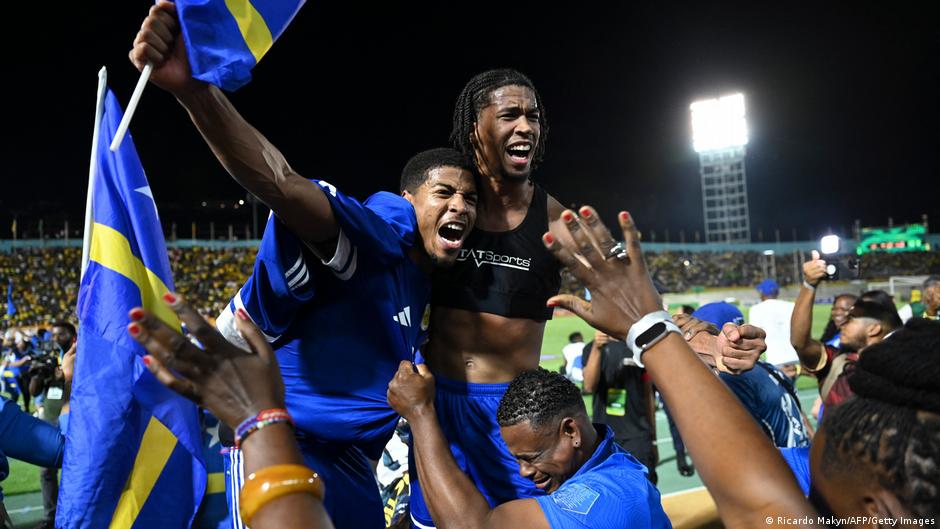
They went into their final match in Jamaica needing just a draw to qualify. With the score level at 0-0 in stoppage time though, Jamaica were awarded a penalty. However, to the team’s and fan’s relief, the decision was over turned after a VAR review and Curacao were through. After the final whistle, the players shed tears of joy.
“We made the impossible possible,” striker Kenji Gorre shouted into the cameras. “I’m at a loss for words. A dream is coming true.”
Advertisement
Euphoria on the island
“I was in Kingston for the match,” Ruiter said. “We didn’t sleep.”
Back home, fans danced the night away, complete with fireworks and a parade of cars. The team was welcomed by fans the following day.
“World Cup qualifying has really united our country,” he said.
People are clearly proud of the national team and players like captain Leandro Bacuna have become role models for youngsters who now want to play football themselves.
Advertisement
Most players from the Netherlands
But where does the success of the team ranked 82nd in the FIFA world rankings come from? In fact, the national team has only existed since 2011. This is linked to the country’s history, as Curacao was once a Dutch colony. In 1954, it became a country within the Kingdom of the Netherlands — alongside Aruba and Bonaire — as part of the Netherlands Antilles, complete with its own football team. In 2010, Curacao gained autonomy, with its own government, parliament and, ultimately, football team.
Dick Advocaat and his team held their training camp in Noordwijk in the NetherlandsImage: Robin Utrecht/picture alliance
In January 2024, veteran Dutch coach Dick Advocaat took charge of the team and recruited players from his homeland. This was possible because everyone from Curacao holds Dutch passports by default. However, to be eligible to represent the country, a player’s parents or grandparents must have been born on the island.
Midfielder Tahith Chong is one of the few players actually born in Curacao. Most of the others hail from the Netherlands; many were trained in Europe and play there as well.
Connection to the fans
However, the players are not viewed as mercenaries with no ties to Curacao, Ruiten said.
Advertisement
“Many vacation here regularly and have family here. Most, if not all, speak the local language, Papiamento.”
Fans are now preparing to travel to the United States for the historic first match against their biggest opponent to date: Germany. Ecuador and Ivory Coast are the other teams in Group E. Members of the diaspora in the Netherlands and the United States are also expected to turn out to cheer on their team.
Coaching changes just before the World Cup
However, a hitch emerged just weeks before the World Cup, when Advocaat resigned after his daughter had become seriously ill. He was succeeded by Fred Rutten, also an internationally experienced Dutch coach. But the team lost its first two matches under Rutten.
Veteran Dutch coach Dick Advocaat is back in charge for the World Cup Image: Yannick Verhoeven/Box to Box Pictures/IMAGO
In May though, with the health situation of Advocaat’s daughter having improved, he again became available. Rutten quickly announced his resignation.
“An atmosphere must not be allowed to develop that undermines healthy professional relationships within the team and the coaching staff,” he explained in a statement issued by the Curacao FA. Media reports suggest that players and sponsors had been clamoring to get Advocaat back.
Advertisement
Advocaat, 78, is now set to become the oldest person ever to coach at a men’s World Cup. That record was broken twice on the tournament’s opening day, first by Hugo Broos of South Africa, who is 74, then later by Czechia coach Miroslav Koubek, who is also 74 but a few months older.
“We have proven that we are difficult to beat,” Advocaat recently told the Reuters news agency.
“But the opponents in this group are of a different quality, of course. We know it will be very difficult, but nothing is impossible.”
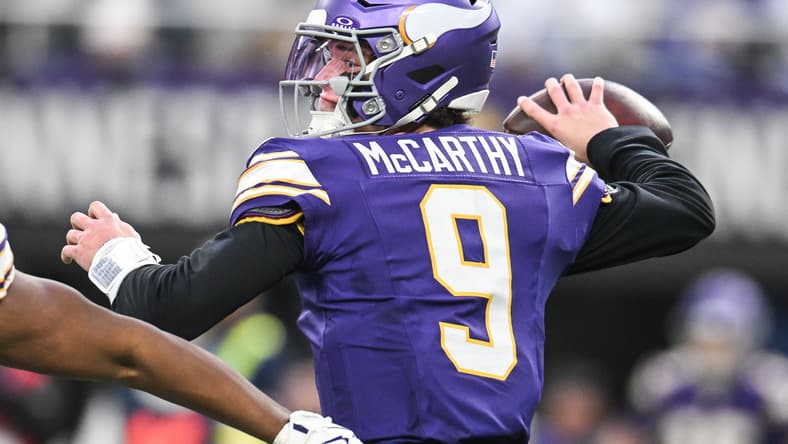
Minnesota Vikings quarterback J.J. McCarthy goes through pregame warmups before Minnesota’s late-season road game against the Dallas Cowboys at AT&T Stadium. McCarthy took the field on Dec. 14, 2025, in Arlington, Texas, as the Vikings prepared for an important regular-season matchup with postseason implications. Mandatory Credit: Kevin Jairaj-Imagn Images
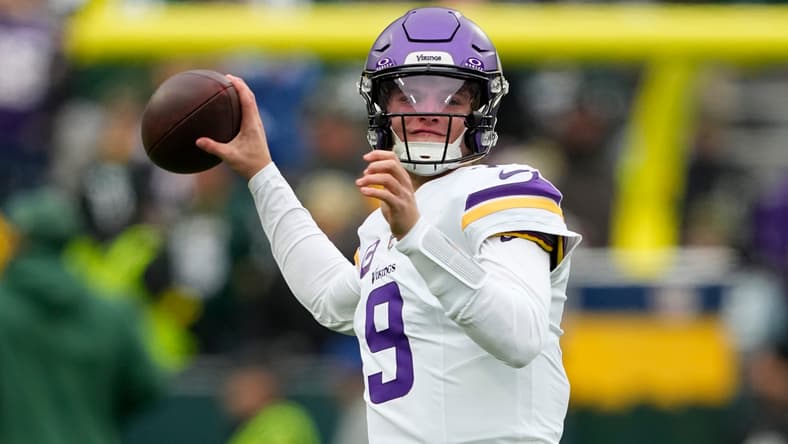
Remember the guy last month who suggested that Mark and Zygi Wilf could sell the Minnesota Vikings because the franchise did not spend big in free agency? He’s Pioneer Press’s Charley Walters, and after that theory was instantly and utterly debunked, Walters now believes Minnesota could trade quarterback J.J. McCarthy this summer.
All signs point to McCarthy remaining in Minnesota this season, but Walters isn’t buying it.
Vikings’ QB Takes Keep Getting Stranger
Minnesota Vikings quarterback J.J. McCarthy drops back to pass during first-quarter action against the Green Bay Packers at U.S. Bank Stadium. The young signal-caller helped guide Minnesota’s offense on Jan. 4, 2026, in Minneapolis as the Vikings sought to build momentum early during a pivotal NFC North showdown against their longtime rivals. Mandatory Credit: Jeffrey Becker-Imagn Images
Walters: Vikings Could Trade McCarthy
Walters, no stranger to stirring the pot, got in his bag this weekend, writing about McCarthy and the Vikings’ quarterback situation, “It seems unlikely that Carson Wentz re-signed with the Vikings to be the third-string quarterback this season, or that Kyler Murray signed with the Vikings to be the second-string QB.”
Advertisement
“Curiously, a few weeks ago, during the rookie mini-camp, the Vikings brought in former Dallas-Baltimore QB Cooper Rush for a tryout. Remember, it was Rush who five years ago — subbing for injured Cowboys starter Dak Prescott in a Sunday night game in Minneapolis — passed for 325 yards and two second-half TDs to lead Dallas to a 20-16 victory.”
The Vikings often have veteran quarterbacks on speed dial — like Rush — with Desmond Ridder and John Wolford as examples in 2025.
“Depending on training camp performances, if the Vikings were to get a decent offer — say a third-round draft pick — for QB J.J. McCarthy, it wouldn’t be surprising if Minnesota starts the season with Murray, Wentz and perhaps Rush as its top three QBs,” Walters continued.
Advertisement
“Rush, now a free agent, played for $4 million for the Ravens last season.”
One Battle after Another
Walter always has something new and spicy to insert into his weekend column; the McCarthy trade proposition is merely the latest chapter.
He recently claimed the Wilfs could sell the team, as mentioned above, because after two years of heavy spending in 2024 and 2025, Minnesota put the clamps on the salary cap credit card, resetting the finances so that 2027 doesn’t look like a financial nightmare next March.
Advertisement
Walters also infamously claimed in September 2024 that the Vikings might move on from McCarthy six months after drafting him because Sam Darnold could blossom. Darnold later blossomed, and rather than keeping him around, the Vikings stayed loyal to McCarthy — to a fault — and did the opposite of Walters’ hot take.
Vikings Need QB Depth and Insurance
Would it be intriguing to explore a 3rd-Round pick for McCarthy’s services via trade if the club realized that Murray was its meal ticket for 2026 and beyond? Absolutely.
Minnesota Vikings rookie quarterback J.J. McCarthy takes snaps and directs the offense during his NFL preseason debut against the Las Vegas Raiders. The appearance came in August 2024 and marked McCarthy’s first game action before a meniscus injury later sidelined him for the entire season, forcing Minnesota to turn to veteran Sam Darnold. Mandatory Credit: YouTube
The problem? No one has a crystal ball, and Murray’s takeoff in Minnesota is not guaranteed. And even if Murray plays wonderfully under center, the fact remains that the man misses about one-quarter of all starts due to injury. If Murray gets hurt in 2026, the Vikings will need a Plan B. McCarthy, hungry to disprove the meme caricature of himself, is a fantastic Plan B, given his upside.
What’s more, two of the last three Vikings seasons have been gutted by quarterback injuries: 2023, when Kirk Cousins tore his Achilles tendon, and 2025, when McCarthy encountered a high ankle sprain, concussion, and a broken hand. Minnesota should not be in the business this summer of subtracting QB1 options; it has been hoarding them all offseason to avoid re-runs of the 2023 and 2025 campaigns.
Advertisement
Our Steve Hoikkala noted this week, “McCarthy has been polarizing, especially in Vikings fandom. Fans are choosing sides, and I just prefer to root for all of our players wearing purple.”
“Yes that means I can root for Kyler Murray a Vikings fan growing up like Carson Wentz getting to live out a dream as a kid playing quarterback for their favorite team while still rooting for a 23 year old kid in J.J. McCarthy who is a 1st Round Pick that has only played 10 games while showing ‘some’ upside and development to go with an injury riddled season that didn’t meet expectations as well in terms of production.”
Trading McCarthy Feels like a 2027 Talker
Of course, if the Vikings fire up a 2026 season similar to 2024 — finishing 14-3 and reaching the postseason — with Murray fully thriving in the offense, trading McCarthy in 2027 is a different story. By that time, he’d have one year left on his rookie contract, two if Minnesota or a different team opted into his expensive fifth-year option.
Advertisement
Minnesota Vikings quarterback J.J. McCarthy goes through pregame warm-ups before a road contest against the Green Bay Packers at Lambeau Field. The quarterback prepared for action on Nov. 23, 2025, in Green Bay as Minnesota geared up for another important divisional matchup during the stretch run of the regular season. Mandatory Credit: Jeff Hanisch-Imagn Images
You should absolutely expect the McCarthy trade rumor mill to heat up in 2027 if Murray propels the Vikings to the playoffs and posts 25-40 touchdowns.
Until then, McCarthy-themed trade takes are just silly — unless he demands a ticket out of town. McCarthy requesting a trade would be a whole new ball of wax, but so far this summer, he has claimed that Minnesota is where he wants to be.
Vikings training camp is less than seven weeks away.
Dustin Baker is a novelist and political scientist. His second novel, The Invaders , is out now. So is … More about Dustin Baker
Now that the 2026 World Cup has started, the show of the games is hard to escape. Big stadiums, big screens, big food — this is America and there was no doubt about it in Houston. And Germany did their part by delivering a big scoreline.
The 7-1 win over Curacao was a little short of their highest World Cup win (8-0 against Saudi Arabia in 2002), but matching the famous scoreline of that 2014 World Cup semifinal is a boost to a side that has endured rather than enjoyed recent editions of this tournament.
In the cooled, closed stadium in Houston, Germany cut through the lines faster, found that extra touch sooner and just looked like a team ranked 72 places above their opponents.
Advertisement
“You’ve got to score seven goals first,” Nagelsmann said afterwards, praising his side for matching expectation.
Felix Nmecha impressed in midfield, busying himself all over the pitch. His smartly-taken opener after just five minutes set the tone for Germany. Jürgen Klopp had suggested that maybe Jamal Musiala shouldn’t start, but the Bayern Munich player looked extremely lively. There was little sign of rust. His agility on the ball was on another level and his goal after Joshua Kimmich’s excellent pass was the perfect accompaniment to an impressive performance.
Curacao fans cheered on their team with great passionImage: Phil Noble/REUTERS
An equalizer for the ages
Manuel Neuer, who became Germany’s oldest ever player at a World Cup by starting this game, was set for a fairly pedestrian afternoon. Until Livano Comenencia’s shot hit Kimmich’s knee and flew past him. It was a goal for Curacao, but it also felt like a goal for all small nations. The entire Curacao bench was on their feet. Their fans were delirious. Even though the team eventually wilted, their first ever World Cup goal was a moment of history they would remember forever.
Curacao’s equalizer came just before the drink’s break, which itself felt needless given how cool the inside of Houston’s stadium was. For Germany though, it came at a perfect time. There is talk of the game feeling more like four quarters than two halves now and if these breaks are here to stay, this was an example of the impact they can have.
Advertisement
Nagelsmann said afterwards that the break came at a good time for them, and that he was in fact keen to see how the team would respond from the shock given the trauma of previous tournaments.
“You need to take a moment to collect yourself,” said Nagelsmann. “I think it’s important to see how the team would handle things after the last two tournaments.”
“The water break actually helped us show the players on the board what we had already prepared for beforehand. We encouraged the team to keep playing the way they did in the first 20 minutes.”
Germany fans were out in full force for the opening game in HoustonImage: Phil Noble/REUTERS
Germany pull away in the second half
It didn’t take Germany long to find that rhythm again, and eventually Nico Schlotterbeck’s header found its way past Curacao’s 37-year-old goalkeeper Eloy Room. Kai Havertz’s penalty before the break extended their lead and then Musiala’s excellent finish soon after the restart saw Germany’s dominance start to appear on the scoreboard.
Maybe the best news of the day for Nagelsmann was Nathaniel Brown’s performance. In very little time at all the Frankfurt defender has made the Germany left back spot — a position that has long been an issue for Germany — his own.
“To score in my first World Cup game is indescribable,” Brown told ARD afterwards.
Advertisement
He assisted Schlotterbeck’s goal and then added Germany’s fifth with a fine volley of his own. This performance explains why Bayern Munich are reportedly keen on Brown. His emergence at this tournament would complete a fairly rapid rise, and would be a huge boost for Julian Nagelsmann.
Substitute Deniz Undav and Kai Havertz added two more as Germany score every ten minutes three straight times. Seven goals, three points and the job done was done.
And yet so much about this team remains unknown. Victory over Curacao, however comprehensive, does not make the identity or future of this Germany team any clearer.
“In German, we have a song, the train has no brakes and we try to do that,” Nagelsmann said afterwards.
Advertisement
Well, Germany’s World Cup train has left the station on time. In Toronto, against the Ivory Coast, we will likely have a much better idea of how long and how far this train will go.
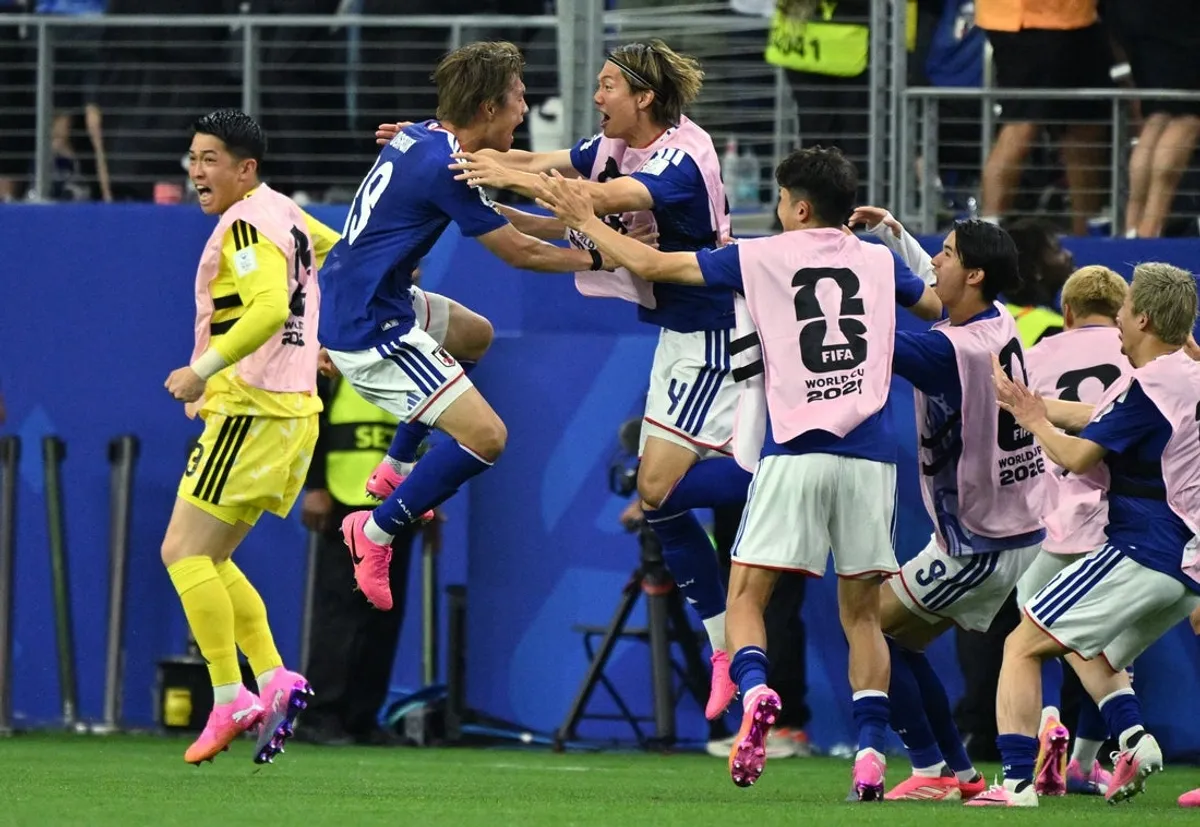
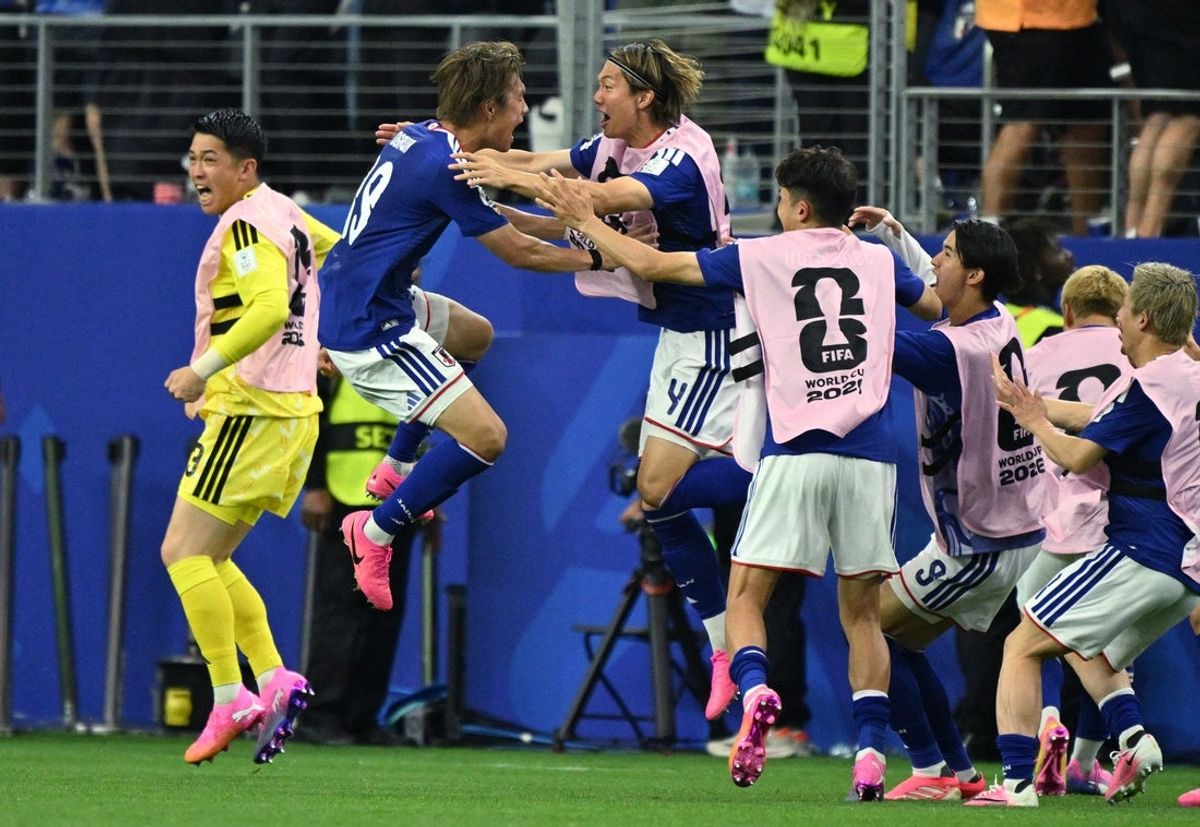
June 14, 2026; Arlington, Texas, U.S.; Japan’s Koki Ogawa celebrates after Daichi Kamada scores their second goal. Mandatory Credit: Jerome Miron-Imagn Images
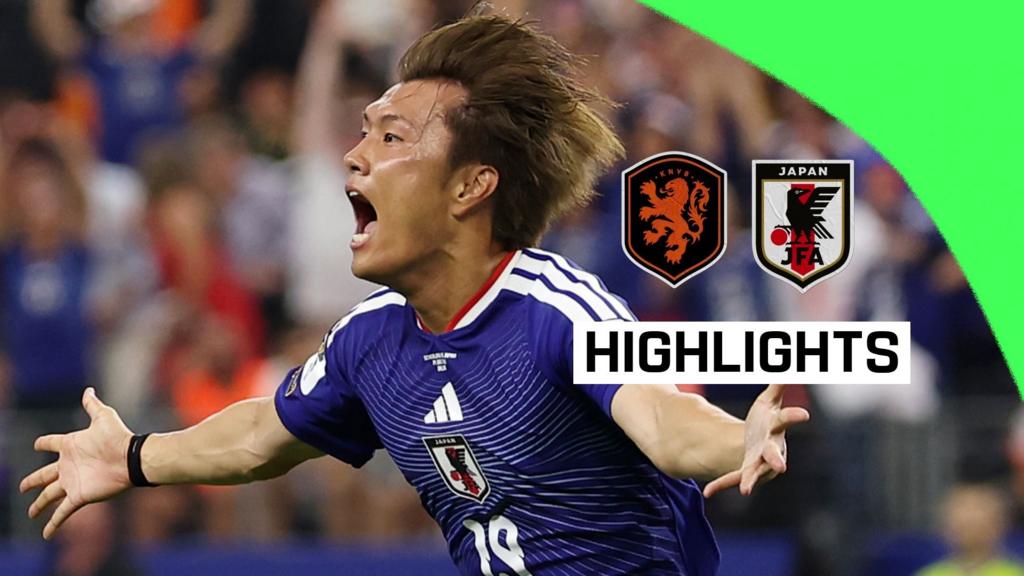
Daichi Kamada’s deflected goal in the 88th minute was the second tying tally of the second half for Japan, who scraped out a 2-2 draw with the Netherlands in the World Cup opener for both teams Sunday afternoon in Arlington, Texas.
Off a corner kick delivered from Junya Ito, Koki Ogawa elevated in the middle of the box, heading a ball which ricocheted off Kamada’s head past Dutch goalkeeper Bart Verbruggen to level the match between the top two ranked teams in Group F.
The Netherlands, No. 8 in the FIFA/Coca Cola world rankings, had won four straight World Cup openers. Japan, ranked 18th, had won their last two World Cup openers.
The equalizer came after a scoreless first half was followed by three goals in a 13-minute span in the second half.
Captain Virgil van Dijk gave the Netherlands a 1-0 lead in the 51st minute when his header found the back of the net with a ricochet off the right post. It was van Dijk’s 13th international goal, but his first at the World Cup.
Advertisement
That lead lasted just six minutes, though, as Japan found the equalizer in the 57th minute on Keito Nakamura’s right-footed blast from just outside the 18-yard box that caught Verbruggen off guard and nestled into the lower-left corner of the net for his 11th goal for Japan.
The Netherlands restored their lead seven minutes after that, however, when Crycensio Summerville, who was assessed a yellow card three minutes prior, received a pass from Ryan Gravenberch — who assisted on both Dutch goals — and launched a shot off the left post and in from the edge of the box.
It appeared the tying goal wasn’t coming for Japan after a few close calls came up empty. Most notably, Takefusa Kubo came inches away from leveling the match with a shot from distance which sailed just over the net in the 67th minute.
Advertisement
Japanese goalkeeper Zion Suzuki made five saves in his World Cup debut. Verbruggen made one save for the Netherlands after he was questionable leading up to the match due to a hip injury sustained in a warm-up friendly.
The Netherlands were the most dangerous side in the first half, holding 69% of the possession, a 5-3 advantage in shots and all three shots on goal.
Donyell Malen provided all three of the first-half shots on target, nearly scoring in the third minute, the 34th minute and the third minute of stoppage time but denied by Suzuki saves.
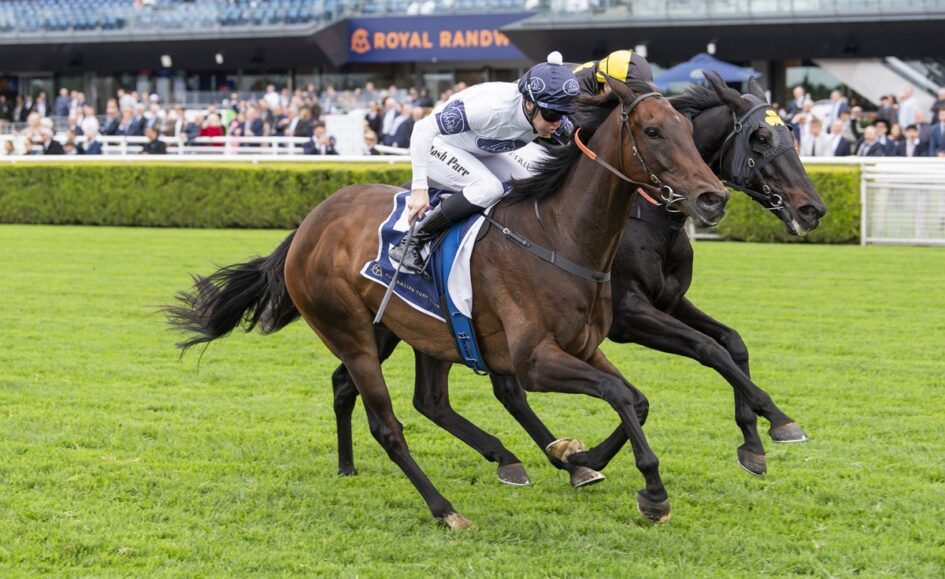
Rising staying talent Thebudgiesmugla has justified the decision to bypass the Brisbane Cup in preference for a Listed assignment at Rosehill, maintaining its perfect 2400-metre record.
Trainer Bjorn Baker, currently in England to oversee the Royal Ascot bid of gun sprinter Overpass, opted for Saturday’s The Queen Elizabeth II Cup (2400m) in Sydney, feeling it would provide a better progression towards the Caloundra Cup (2400m) at the Sunshine Coast on July 4.
Last year’s Caloundra feature was won by Half Yours before he went on to Caulfield Cup and Melbourne Cup success in the spring, and the Baker stable feels Thebudgiesmugla is showing enough promise to entertain similarly lofty goals next season.
“We needed to see him win it, and we needed to see him do it on top of the ground if he’s going to be competitive in better races,” Baker’s racing manager, Luke Hilton said.
Advertisement
“We’d like to go to the Caloundra Cup with him. It’s in three weeks, 2400, good prizemoney race. It’s also a good form race for a few other races later in the year. Half Yours won that race, so we’ll head the same way.”
Starting his career in New Zealand, Thebudgiesmugla has posted four wins in Australia, all of them over 2400m.
Settling on the heels of the leaders for Dylan Gibbons on Saturday, the even-money favourite relaxed beautifully in the run and finished resolutely down the outside to defeat Black Run ($7.50) by three-quarters of a length, with another half-head to So You Are ($8.50).
Hilton admitted to getting antsy on the point of the corner when the field quickened, but said Gibbons knew what he had up his sleeve.
Advertisement
“I was getting itchy feet coming to the corner and willing Dylan to get going on him, because we know he takes time to wind up,” Hilton said. “But he really fights when he gets there. He doesn’t really dash but he keeps grinding. He’s still really raw, and I think there is plenty to come.”
Gibbons has ridden Thebudgiesmugla to three of its four Australian wins and like Hilton, believes the five-year-old can continue to raise the bar.
“He is built so athletic, he’s got the best attitude. He saves every penny, and he can be tough and outstay them all day,” Gibbons said.
With Baker showcasing Australian racing in London, Sky Racing’s Greg Radley suggested to Hilton that his laconic boss might seize the moment for a photo opportunity sporting a pair of budgie smugglers in front of Buckingham Palace.
Advertisement
“Don’t joke about it. You know he’ll do it,” Hilton quipped.
The Caloundra Cup is the next logical target, and Australian betting sites are already buzzing with anticipation for this exciting race.
Japan showed why many fans see them as one of the dark horses of the 2026 FIFA World Cup after battling back twice to earn a 2-2 draw against the Netherlands in Dallas.
The Samurai Blue refused to give up and left the match with a valuable point. Here are three things we learnt from the game.
1. Japan Have the Character to Go Far
Advertisement
Japan fell behind twice but never lost belief.
After Virgil van Dijk opened the scoring for the Netherlands, Keito Nakamura quickly levelled the match. When Crysencio Summerville restored the Dutch lead, Japan continued to attack and were rewarded with a late equaliser from Daichi Kamada.
Their determination, energy and fighting spirit suggest they could be a difficult team for any opponent in this tournament.
Advertisement
2. The Netherlands Have Defensive Questions to Answer
The Dutch created chances and scored two good goals, but they struggled to keep Japan under control.
Coach Ronald Koeman will be concerned that his side failed to protect a lead on two occasions. Even after going 2-1 ahead, the Netherlands looked uncomfortable as Japan continued to push forward.
If they want to challenge for the World Cup, they will need to become more solid at the back.
Advertisement
3. Kamada Can Be Japan’s Big-Game Player
Kamada delivered when his country needed him most.
The Crystal Palace midfielder stayed alert in the closing stages to guide Koki Ogawa’s effort into the net and rescue a point. Beyond the goal, he was one of Japan’s most influential players in attack.
If Kamada continues to produce moments like this, he could become one of the key players for Japan during the tournament.
Advertisement
A Point That Could Prove Crucial
While the Netherlands will feel they dropped two points, Japan will leave Dallas with confidence. Coming back twice against one of Europe’s strongest teams has sent a clear message to the rest of Group F: Japan are not in the World Cup just to compete — they are here to challenge.


















































You must be logged in to post a comment Login