
Connect with us
DAPA Banner
DAPA Coin
DAPA
COIN PAYMENT ASSET
PRIVACY · BLOCKDAG · HOMOMORPHIC ENCRYPTION · RUST
ElGamal Encrypted MINE DAPA
🚫 GENESIS SOLD OUT
DAPAPAY COMING

NewsBeat

G7 leaders meeting with Zelenskyy to discuss Ukraine conflict

Published

on

G7 leaders meeting with Zelenskyy to discuss Ukraine conflict

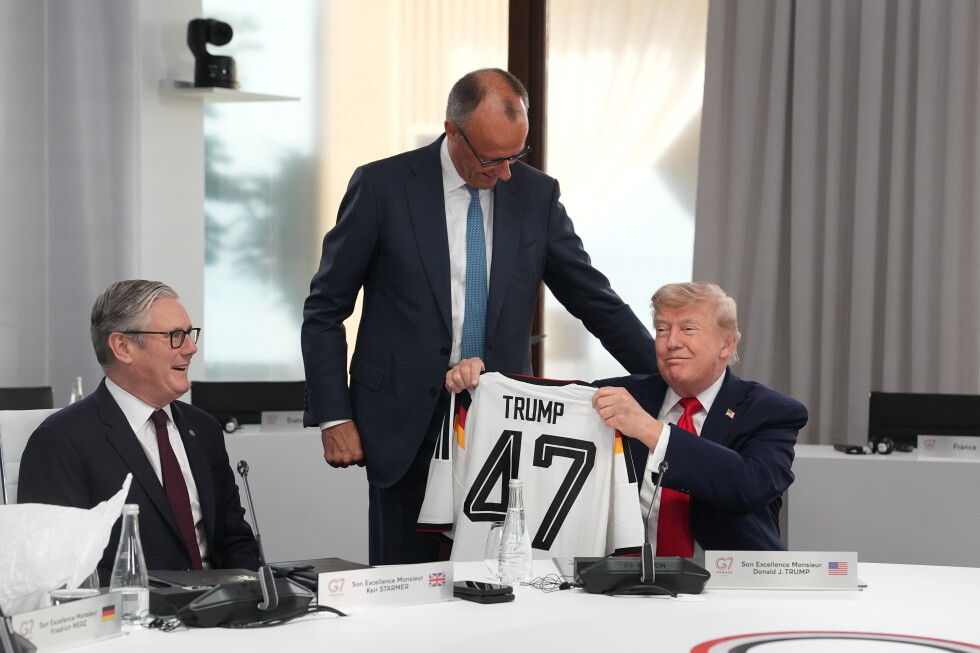
EVIAN-LES-BAINS, France (AP) — U.S. allies at the Group of Seven summit of major industrialized nations worked Tuesday to push the war in Ukraine back up the agenda of President Donald Trump after more than four years of fighting sparked by Russia’s full-scale invasion.

The Iran conflict has in recent weeks overshadowed the war in Ukraine that Russian President Vladimir Putin launched. Host President Emmanuel Macron of France said he’ll seek to persuade Trump to continue supporting Ukraine and increase pressure on Russia to help reach a peace agreement.

As the U.S. under Trump has cut back aid to Ukraine, France and its European allies are now the biggest providers of military and financial support to Kyiv.

Ukrainian President Volodymyr Zelenskyy joined G7 leaders for a morning working session but talks wrapped quickly, as leaders gathered for just 75 minutes, according to the French G7 presidency.

Advertisement

The Ukraine talks came on the heels of Trump’s announcement of an agreement to end the 3 1/2-month-old U.S. war against Iran. Trump said Tuesday he’ll be meeting one-on-one with Zelenskyy.

Trump said he wants to focus on Ukraine now, saying Iran will soon be “back in the rearview mirror.” He downplayed the impact of the Russia-Ukraine war on the U.S. but lamented the death toll.

“The whole thing is ridiculous,” Trump said. “So, yeah, I’m going to do whatever I can.”

Meanwhile, the U.K. announced a new set of sanctions targeting the “ shadow fleet ” Russia uses to ship oil and gas, and the finance networks used by Moscow to evade Western sanctions. The ships targeted include several vessels recently purchased by Russia to transport liquefied natural gas from its sanctioned Arctic LNG 2 project.

Advertisement

Last weekend, U.K. troops seized a Russian shadow fleet vessel in the English Channel for the first time.

Trump has been frustrated by a lack of movement toward Ukraine-Russia resolution

Hours before the summit began, Russia fired hundreds of drones and dozens of missiles at Ukraine’s biggest cities in a barrage that killed 11 people and set fire to a religious landmark.

The attacks on Ukraine’s biggest cities came after Zelenskyy and Putin spoke separately by phone with Trump on Sunday, the U.S. leader’s 80th birthday. The exchange suggests Washington hasn’t given up on its diplomatic efforts to stop the fighting that followed Moscow’s all-out invasion of its neighbor in 2022.

While campaigning in 2024 for a return to the White House, Trump claimed he could end the Russia-Ukraine war within 24 hours of taking office. He has since acknowledged it has proved much harder than he initially thought.

Ukraine on Monday officially started European Union membership negotiations, launching a process that will require its government to commit to years of political reforms even as it fights the Russian invasion.

Ukraine sees EU membership as a security guarantee for a stable future once the war ends. Its best guarantee would be membership in the NATO military alliance, but the Trump administration insists that cannot happen, and others are wary of it joining while the war continues.

Advertisement

Iran war has been a flashpoint between Trump and European leaders

The U.S.-Iran ceasefire deal is getting plenty of attention at Tuesday’s sessions. Trump held one-on-one talks with the Emir of Qatar, Sheikh Tamim bin Hamad al-Thani, and will meet with United Arab Emirates President Mohammed bin Zayed Al Nahyan later. The Gulf nations are not part of the G7, but Macron extended invitations to the leaders to take part in the summit at a fraught moment for the region.

Trump expressed frustration over Israel’s continued hostilities with the Iranian-backed militia Hezbollah in Lebanon, telling reporters he’s “not happy with the way Israel has handled themselves with Lebanon and with Hezbollah.”

“They should have been able to deal with them faster,” Trump added about Israeli operations to target Hezbollah.“It just goes on forever. And when that happens, it throws a negative light on the big deal. And that’s the deal with Iran.”

G7 leaders also convened a working lunch to discuss the situation in the Middle East, with conversation expected to focus on the path ahead after the U.S.-Iran ceasefire agreement.

Advertisement

In recent months, Trump has had sharp disagreements with Macron, British Prime Minister Keir Starmer, German Chancellor Friedrich Merz and Italian Prime Minister Giorgia Meloni over his failure to consult them before the decision to go to war in Iran. Trump has threatened reprisals, including drawing down U.S. troops in all four countries, all NATO members, for their lack of support.

Despite those disagreements, U.S. allies seek rapid progress that could ease the economic impact of rising oil prices caused by the blockade of the Strait of Hormuz.

Macron said France and other Western partners are “ready to take action very quickly” to help reopen the strait peacefully. France and the U.K. have championed a mission to restore maritime security in the strait as soon as conditions allow.

The G7 comprises France, the United States, Canada, Germany, Italy, Japan and the United Kingdom. Other guest nations at this summit, including Brazil, India, Kenya and South Korea, were invited to participate in some discussions.

Advertisement

___

Madhani reported from Geneva. Jill Lawless and Samuel Petrequin in London contributed to this report.

Advertisement

Source link

Continue Reading
Click to comment

You must be logged in to post a comment Login

Leave a Reply

NewsBeat

How bond markets have become one of the most powerful forces in modern politics

Published

on

How bond markets have become one of the most powerful forces in modern politics

To stay in the top job, a British prime minister has to try and keep certain groups happy. MPs, party members and donors do not like to be ignored.

Nor do the bond markets. And often it feels like they matter the most.

That’s because those markets are what make it possible for governments to spend money. Each of the bonds is essentially a loan from an investor to the state.

In return for the loan, the government pays a certain amount of interest (yield) for a set period, before paying back the original amount.

Advertisement

Governments seen as safe and financially credible can usually borrow at cheaper rates. But if investors become worried about inflation, or excessive borrowing, or weak economic policies or political instability, they might demand higher yields to compensate for the greater risk.

It’s the same principle that applies to ordinary household borrowing. A person with a stable income and a good credit history can borrow more cheaply than someone seen as a financial risk.

Modern governments rely heavily on borrowing to fund public spending on everything from schools to hospitals and defence. This is why they pay such close attention to market confidence.

Within that market are a wide range of investors, including pension funds, banks and insurance companies. Together, their investment decisions determine how expensive it is for governments to borrow money.

Advertisement

If those investors do become worried about a country’s economic management, the government’s borrowing costs go up, leaving less money available for public services, infrastructure, tax cuts or welfare.

The name’s bond

In the UK, total government debt now stands at about £2.9 trillion with interest rates (yields) currently higher than those paid by the US, Italy, France, Canada, Germany and Japan.

Every 1% point rise in yields costs the UK government an extra £16 billion a year in debt interest payments.

And while bond markets may sound technical and distant, their movements can influence everyday household spending. When the interest charged on UK bonds rises, for example, British banks face higher funding costs themselves. This then feeds into higher mortgage rates, more expensive business loans and tighter financial conditions.

Advertisement

Bond markets also affect pensions because pension funds invest heavily in government bonds. Sudden rises in yields can create financial stress for pension funds and affect the value of pension savings.

Taxation is affected too. When governments must spend more money on debt interest payments, they will often have less room to cut taxes or increase spending on public services. In some cases, governments may even need to raise taxes or reduce spending elsewhere to keep public finances under control.

Powerful bonds

A political adviser to the former US president Bill Clinton once joked that he would like to be reincarnated as the bond market because it could “intimidate everybody”.

But if elected governments are constantly worried about what bond markets think, does this limit democratic choice?

Advertisement

Some critics argue that governments have become overly constrained by financial markets and excessively cautious about borrowing and public investment. They question why unelected investors should have so much influence over public policy.

Others respond by saying that bond markets act as an important nudge towards economic stability. Investors are lending real money and naturally want reassurance that governments can manage debt responsibly.

When yields go up, so does the cost of borrowing.
StudioProX/Shutterstock

This debate is frequently mentioned in British politics. Comments by Andy Burnham, widely seen as a potential future prime ministerial candidate, that governments had become “in hock to the bond markets” quickly raised questions about how financial markets might react to his economic approach. He later softened his comments in an apparent attempt to avoid unsettling investors.

And the reason why politicians are so careful about unsettling bond markets became painfully clear during the brief premiership of Liz Truss in 2022. When her government announced large unfunded tax cuts, investors were instantly worried about higher borrowing and the lack of a credible fiscal plan.

Advertisement

Bond yields surged sharply and mortgage rates increased as banks and lenders raised borrowing costs. Political pressure on the government quickly became overwhelming. And Liz Truss resigned after just 45 days in office.

None of this means bond markets run the country. Governments still make political and economic decisions. But governments that lose investor confidence can find those decisions becoming much more difficult and expensive to finance.

It also doesn’t mean that markets always get things right. Investors can overreact, panic or misjudge economic conditions. But governments cannot ignore borrowing realities indefinitely, particularly when debt levels are high and inflation remains a concern.

For much of the decade following the global financial crisis of 2007, ultra-low interest rates reduced pressure on governments. Borrowing was relatively cheap and bond markets became less politically visible.

Advertisement

But that changed from 2023. Higher inflation, rising interest rates and elevated public debt have pushed bond markets back to the centre of political debate across many countries.

This helps to explain why discussions about fiscal credibility increasingly dominate modern politics. Bond markets do not decide elections or choose prime ministers. But they can strongly influence what governments feel able to do once elected. And that is why politicians, regardless of ideology, continue to watch them so closely.

Source link

Advertisement
Continue Reading

NewsBeat

SpaceX buys AI startup Cursor for $60 billion

Published

on

Elon Musk's SpaceX prepares for IPO

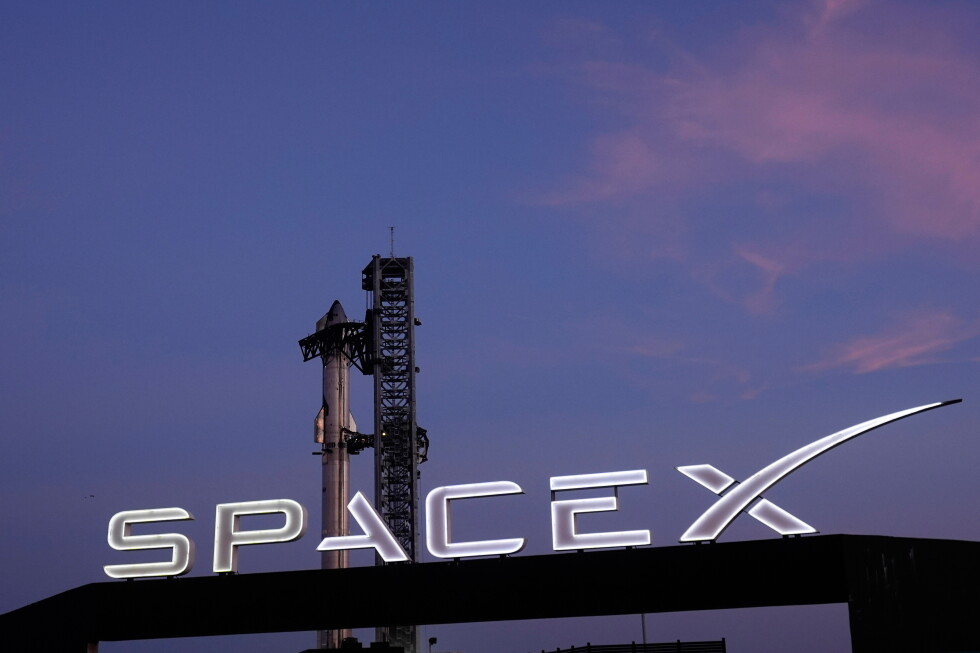
SpaceX will move forward with its $60 billion acquisition of artificial intelligence startup Cursor as Elon Musk’s space exploration and AI company seeks a competitive edge against rivals Anthropic and OpenAI after its Wall Street debut last week.

SpaceX said in April that it had the rights to buy Cursor, or pay $10 billion to “work together” with the company.

In a regulatory filing Tuesday, SpaceX said that Cursor will become a wholly owned subsidiary when the deal closes in the third quarter.

Cursor, made by San Francisco startup Anysphere, is a popular AI coding assistant. What SpaceX has described as Cursor’s wide “distribution to expert software engineers” is likely part of what made it attractive to Musk’s company, giving it access to a new customer base.

Advertisement

When it first announced the potential acquisition, Cursor said the partnership with SpaceX subsidiary xAI would enable it to build future AI products using xAI’s massive AI data center complex Colossus, based in Memphis, Tennessee.

Cursor, which started in 2022, helped sparked a trend called “vibe coding” as AI coding assistants have become increasingly capable of doing the work of computer programming.

Cursor competes with other coding tools like Anthropic’s Claude Code and OpenAI’s Codex but also has relied heavily on partnerships with those larger AI research companies for the foundations of its technology.

It was Cursor’s Composer, combined with Anthropic’s Claude Sonnet, that a prominent AI researcher was playing with for weekend projects when he coined the phrase “vibe coding” in early 2025.

Advertisement

SpaceX became a public company on Friday in what is largely considered a successful debut. Shares of the company have jumped since Friday, and are up 9% before the opening bell Tuesday.

Source link

Advertisement
Continue Reading

NewsBeat

Captain of seized Russian shadow fleet ship appears in court

Published

on

Captain of seized Russian shadow fleet ship appears in court

Joanne Jakymec, chief Crown prosecutor for the Crown Prosecution Service (CPS), said: “The CPS has decided to prosecute Ajay Pant for breaching Russian sanctions following a National Crime Agency investigation and the seizure of the shadow oil tanker, MV Smyrtos, travelling through the English Channel over the last weekend.”

Source link

Continue Reading

NewsBeat

World Cup 2026: The evolution of Argentina’s Lionel Messi

Published

on

Guillem Balague column byline

The date: 2 May 2009. The place: Santiago Bernabeu Stadium, Madrid. La Liga game.

Guardiola made a decision. He pulled Messi off the right wing and placed him at the tip of the forward formation – but without the job of a traditional striker.

Samuel Eto’o went right, Thierry Henry went left, and Messi was told: drop, receive, decide. By full-time it was 6-2. The false nine was reborn.

It was nothing new. Gusztav Sebes’ Hungary had dismantled England in their own backyard back in 1953, when in their 6–3 win over England he repeatedly dropped Nandor Hidegkuti into midfield, pulling centre‑backs out of shape and creating space for Ferenc Puskas and Sandor Kocsis.

Advertisement

Johan Cruyff, first under Rinus Michels, played a roaming forward role within the Total Football philosophy for the Netherlands.

At first, Messi became a problem without a solution. When he dropped between the lines, Madrid’s centre-backs had to decide: follow him and leave a hole, or stay and give him lots of space.

Neither option worked. Messi walked through the gap unchallenged. With Xavi, Andres Iniesta and Yaya Toure behind him and Henry and Eto’o stretching the defence wide, every decision the opposition made was the wrong one.

Guardiola repeated the experiment weeks later in the Champions League final against Manchester United. Messi scored with his head 20 minutes from time.

Advertisement

Between 2011 and 2013, Messi scored 96 goals over 69 La Liga matches.

The Ballon d’Or that had been handed to him in 2009 became a near-permanent fixture – he won it in 2010, 2011, 2012, 2015 and 2019 as well, and would eventually accumulate eight. The first arrived when he was 22. The most recent when he was 36.

“I didn’t used to pay much attention to tactics,” Messi told journalist Juan Pablo Varsky in 2024.

“But with Guardiola I learned an enormous amount. I started to understand spaces, ball retention, how the game really works.”

Advertisement

Source link

Continue Reading

NewsBeat

Lloyds Tour of Britain Men – Beverley and Helmsley confirmed

Published

on

Lloyds Tour of Britain Men - Beverley and Helmsley confirmed

The 2026 Lloyds Tour of Britain men’s cycling race will pass through parts of North Yorkshire and East Yorkshire, with Beverley signed up as a finish town for one stage and Helmsley hosting the start of another.

The race will take place from September 2 to September 6, starting in Lincoln and finishing in Earlston in the Scottish Borders.


Recommended reading:


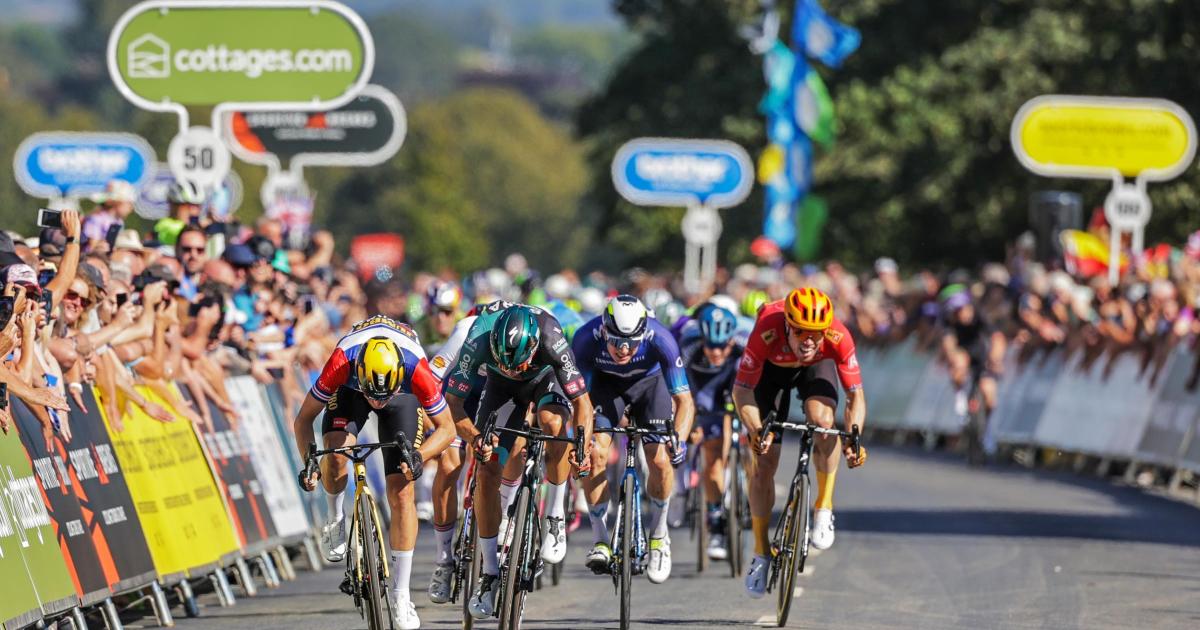
2023 Tour of Britain - Stage 3: Goole to Beverley (154.7km) - Olav Kooij of Team Jumbo Visma (Wearing the Leaders Jersey) Wins Stage 3 of the 2023 Tour of Britain in BeverleyOlav Kooij of Team Jumbo Visma won stage three of the 2023 Tour of Britain in Beverley (Image: swpix.com)

Jonathan Day, director of events for organisers British Cycling Ventures, said: “We are delighted to be bringing the Lloyds Tour of Britain Men to these fantastic locations later this year.

Advertisement

“We are bringing new hosts and stages in Lincoln, Boston and Skegness, and Leyburn, and it is fantastic to return to previous hosts of the race in Hull and Beverley, Helmsley, and the Scottish Borders.

“On behalf of British Cycling Ventures, I would like to pay thanks to our partners across the five stages for supporting the hosting and delivery of this September’s race and enabling us to bring another memorable and action packed five days of world class racing to their communities, spreading the joy of cycling along the route, and inspiring more people to get on a bike and live healthier lives.”

Ineos Grenadiers' Geraint Thomas (third right) crosses the finish line for the final race of his professional career following stage six of the 2025 Lloyds Tour of Britain from Newport to Cardiff. Picture date: Sunday September 7, 2025Ineos Grenadiers’ Geraint Thomas (second right) crosses the finish line for the final race of his professional career following stage six of the 2025 Lloyds Tour of Britain from Newport to Cardiff. (Image: Ben Birchall / PA Wire)

Stage three takes riders from Hull to Beverley, marking a return to two familiar locations.

Hull last hosted a stage start in 2008, while Beverley most recently featured in 2023, when Olav Kooij claimed his third consecutive stage win at Beverley Racecourse.

Advertisement

Beverley also hosted the start of the Tour de Yorkshire in 2016 and 2018, and para-cycling events during the 2019 UCI World Road Racing Championships.

Stage four brings the race into North Yorkshire, beginning in Helmsley and ending in Leyburn.

This marks a return to Helmsley after four years, but it will be Leyburn’s first time as a finish location in the modern Tour.

In 2022, Gonzalo Serrano won at Duncombe Park in Helmsley on his way to overall victory in the race.

Advertisement

Lincoln will host the opening stage for the first time in more than 30 years.

2022 AJ Bell Tour of Britain - Stage 4: Redcar to Helmsley, England - Gonzalo Serrano of Team Movistar and Tom Pidcock (R) of Team INEOS Grenadier lunge for the finish line at the end of Stage Four of the 2022 AJ Bell Tour of BritainGonzalo Serrano of Team Movistar and Tom Pidcock of Team INEOS Grenadier lunge for the finish line at the end of Stage Four of the 2022 AJ Bell Tour of Britain (Image: swpix.com)

Day said: “Taking the Tour to Lincoln for the first time, a city synonymous with its love for cycling, will be special for the opening stage of the men’s race, before the route winds its way up the east coast via North Yorkshire, before reaching the Scottish Borders in Earlston.”

Further details, including the full race routes, will be announced in the coming weeks.

Host locations for the Lloyds Tour of Britain Women will also be revealed soon.

Advertisement

Source link

Continue Reading

NewsBeat

England vs New Zealand: Joe Root to captain on ‘game-by-game basis’ but is ‘envious’ of Ben Stokes

Published

on

Joe Root and Brendon McCullum during an England training session

Stokes, a close friend of Root’s, was left out of England’s squad after he breached the team’s midnight curfew the night after victory in the first Test and was present when a member of England’s security staff was struck by a Saracens rugby player.

Root said he has spoken to Stokes since last week’s incident but he wanted to keep their conversations private. He maintained Stokes still holds the respect of the dressing room.

Root’s previous tenure ended with a run of one win in 17 Tests and he said he would have rated the chances of him becoming skipper again a “0.1% chance” earlier this year.

Last year, he said the “ship had sailed” in regards to him becoming England’s white-ball captain.

Advertisement

Speaking on Wednesday, Root said: “Let’s not look beyond this week.

“That’s the most important thing, trying to deliver a really good performance this week.

“It’s quite a young group of players. So, [I want] to offer my experience in that capacity and focus purely on trying to deliver this week.”

Root has been chosen over vice-captain Harry Brook, who was overlooked amid his own off-field controversy in Wellington when he was clocked by a bouncer the night before a white-ball game last winter.

Advertisement

He will lead an inexperienced England team, including debutants Jordan Cox and Sonny Baker this week.

It is still unclear whether wicketkeeper Jamie Smith, whose wife is expecting their second child, will be available. If not, a third debutant, Somerset’s James Rew, will play.

Root has previously said he stepped down as skipper because he had a “very unhealthy relationship” with the job, but said he only had a “little think” before confirming he would return this time.

“The only thinking that came to my mind is what is the best thing for this team, and is it going to have a big effect on me and my personal life, and which outweighed the other,” he said.

Advertisement

Speaking of his previous tenure, he added: “We played around 20 Test matches in those Covid environments and watched the rest of the world go back to normality around you.

“You are living a very different way to the rest of society.

“Over time that took its toll on the group but also myself.

“I found I ended up being so consumed with everything I wasn’t the person I wanted to be and it was the right time to step away, not just because our performances weren’t where they needed to be.

Advertisement

“It was a great opportunity for a fresh start for English cricket and was absolutely the right decision.

“It is going to be cool to experience it this side of it, the captaincy side of it with Baz and with this coaching group.

“I have never had more fun and got more out of a group of coaches than this one.”

Source link

Advertisement
Continue Reading

NewsBeat

M60 traffic LIVE amid major queues after five-vehicle crash shuts motorway for hours

Published

on

Manchester Evening News

Huge queues remain on a stretch of the M60 today after a five-vehicle crash shut the motorway for hours.

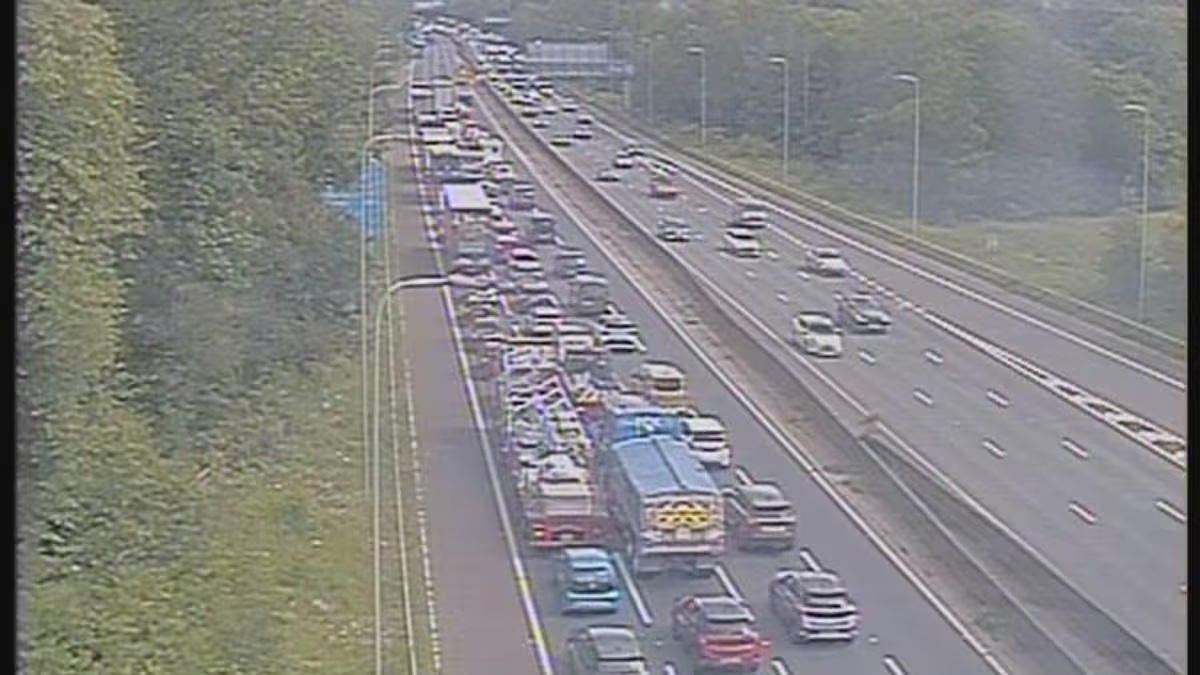
The motorway is closed off on the clockwise carriageway between junction 15 for the Swinton Interchange and junction 16 for Clifton. Clean-up and recovery works are underway after a crash just after 9am.

Motorway cameras show huge queues up to the closure. Drivers have been warned of major delays with queues stretching back at least two miles.

Advertisement

Click here to get the biggest stories straight to your inbox in our Daily Newsletter

No serious injuries have been reported, and no arrests have been made, a GMP spokesperson said.

In a post on X at 9.30am, National Highways said: “The #M60 is now closed in #GreaterManchester clockwise between J15 #M61 #Bolton & J16 #Clifton for vehicle recovery and clean up works.

“Traffic is being diverted via the exit and entry slip roads. Current delays of 22 minutes & 2 miles of congestion on approach.”

Advertisement

Follow our live blog below for the latest traffic updates.

Source link

Continue Reading

NewsBeat

Whittlesey home ‘closed’ after anti-social behaviour reports

Published

on

Cambridgeshire Live

Only the named tenant, housing agents, and emergency services will be allowed to enter the property

A home in Whittlesey has been partially closed for three months after anti-social behaviour reports. The partial closure order was granted by Peterborough Magistrates’ Court on Wednesday (June 10) after a successful application by the March Neighbourhood Policing Team.

The order, which is in place until September 10, covers 19 Debdale Court in Whittlesey. It prohibits access to everyone at all times, with the exception of the named tenant, Accent Housing and their agents, and the emergency services.

Failure to comply with the order is a criminal offence which could result in imprisonment for up to three months, a fine, or both. The action came as a result of increasing reports of anti-social behaviour stemming from the address.

Advertisement

PC Gary Stabler said: “We have worked closely with Accent Housing to tackle the issues raised to us, and it became clear that further action had to be taken.

“We hope this order gives not only the residents respite, but also the tenant, and we will regularly monitor the order to ensure that it is being adhered to.”

Anyone with information about the order being breached should contact police online. Those without internet access should call 101.

Source link

Advertisement
Continue Reading

NewsBeat

Airdrie company boss wins top prize at Scotland Energy Efficiency Awards

Published

on

Daily Record

Bryan McGrory, of BMG Surveys, scooped the Energy Consultant/Consultancy of the Year accolade.

An Airdrie company boss took home a top prize at the Scotland Energy Efficiency Awards.

Advertisement

Bryan McGrory, of BMG Surveys, won the Energy Consultant/Consultancy of the Year accolade.

The firm, based at Alexander Street, is one of the largest providers of structural roof loading reports to the UK solar industry.

There were 13 categories up for grabs at the awards ceremony at Crown Plaza, Glasgow, attended by individuals and companies throughout Scotland that are involved in the energy efficiency industry.

Energy Efficiency Awards chairman Gary Braybrooke said: “The organisations and individuals recognised through these awards are operating in a period of real uncertainty in the sector.

Advertisement

“Despite that, they continue to deliver, to innovate and to hold standards high. That matters.

“Now in their 12th year, the Energy Efficiency Awards are about recognising leadership where it counts – in practical delivery, collaboration and professionalism.

“The winners are not just responding to policy ambition; they are creating real outcomes for homes, communities and businesses across the UK.

“These projects and people show that working together – across supply chains, local authorities and communities – remains the most powerful way to deliver meaningful, lasting change.”

Advertisement

Event organiser Kenneth Campbell added: “Our awards recipients have delivered commitment to improving energy efficiency and carbon savings, and their hard work in reinforcing the standards the sector will need as delivery scales up is recognised.

“We hope the awards continue to provide both recognition and reassurance – a reminder that, even in uncertain times, the sector has the talent and capability to move forward with confidence.”

*Don’t miss the latest headlines from around Lanarkshire. Sign up to our newsletters here.

And did you know Lanarkshire Live had its own app? Download yours for free here.

Advertisement

Source link

Continue Reading

NewsBeat

‘Take photo by end of June’ as expert says same thing as Martin Lewis in UK alert

Published

on

Wales Online

UK households have been given a two-week deadline as the Ofgem energy price cap is rising from July 1

Households across the UK are being urged to take a single photograph before 1 July, in guidance previously echoed by Money Saving Expert (MSE) founder Martin Lewis. The Ofgem energy price cap is set to rise from the start of July, meaning numerous households on standard variable tariffs will pay more for each unit of gas and electricity they consume.

However, according to one energy specialist, the most significant error people can make is presuming their supplier will automatically know how much energy was used before and after the price change. Justin Nielsen, energy consultant at Wolf River Electric, says a straightforward meter reading could help avoid billing confusion and lower the risk of households being charged at the incorrect rate, reports the Express.

Advertisement

He said: “The one thing I would tell every household to do before July 1 is take a clear meter reading and keep a photo of it. It takes less than five minutes, but it gives you a record of exactly where your usage stood before the new rates came in. The price cap does not mean your bill is capped. It caps what suppliers can charge per unit of energy and standing charge, so your final bill still depends on how much you use. That is why accurate readings matter so much.”

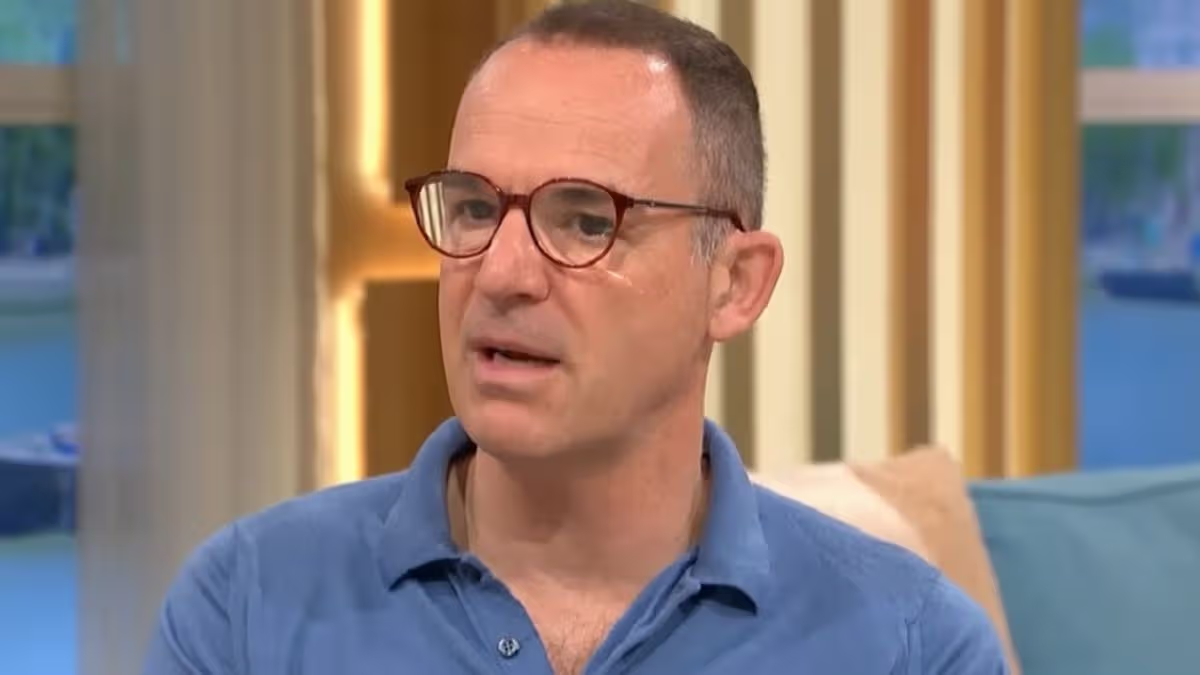
Justin’s guidance mirrors that of Martin Lewis, who regularly urges households to capture a swift photograph of their meters, particularly as part of his recommendations for ‘Meter Reading Day’. He previously stated: “I would still get your phone out and take a picture of your meter today just in case of a future dispute, you don’t need to do anything with it, you might want to email it to yourself so you’ve got proof.”

On the MSE website, the team of specialists also advise: “The easiest way is to take a picture of your meters, so you have the readings to hand. Then you can log in to your online account and enter the readings.”

Why should you take a meter reading before July 1?

When the price cap adjusts, suppliers must split consumption between the previous and updated rates. For households with a functioning smart meter, this should typically occur automatically. However, those with conventional meters, defective smart meters, or accounts that rely on estimated readings may still need to submit a manual reading.

Advertisement

Justin cautioned that relying on an estimate can create difficulties, particularly if a household has consumed less energy than typical before July. He stated: “If your supplier does not have an up-to-date reading, they may estimate how much energy you used before the price change and how much came after it. That estimate might be reasonable, but it is still a guess.

“The risk is that some of your cheaper pre-July usage could be pushed into the more expensive period. Even if the difference is not huge for every household, nobody wants to pay more than they should because of an avoidable estimate.”

He continued: “A photo is useful because it gives you proof. Make sure the numbers are visible, and if your phone records the date automatically, even better. Keep it until your next bill has arrived and you are happy the reading has been used properly.”

Who needs to submit a meter reading before 1st July?

The advice is most critical for households without a smart meter, those with a smart meter that isn’t transmitting readings correctly, or those who have previously received estimated bills. It equally applies to those who have recently relocated, switched supplier, amended their direct debit, or experienced a period where bills appeared incorrect.

Justin said: “If your bills regularly say ‘estimated’, you should not wait until the next statement lands. Take control of the reading yourself. Estimated bills can catch people out because they often do not notice until weeks later. By then, it is harder to remember what your usage looked like at the time.”

He went on: “This is particularly important for households that have made an effort to cut usage in June. If you have been using less heating, drying clothes outside, cooking differently, or trying to keep costs low, you want that lower usage recorded accurately before the higher rates begin.”

How should you take a meter reading correctly?

Households need to record readings for both gas and electricity, unless their property only uses electricity. For a standard meter, note down the numbers from left to right, disregarding any red numbers or digits following a decimal point.

Advertisement

For digital meters, press the display button until the reading shows. For prepayment meters, the procedure can differ, so households should consult the supplier’s instructions.

Justin said: “Do not just scribble the number on a piece of paper and lose it. Take a photo, submit the reading through your supplier’s app or website, and keep a note of the confirmation if you get one. If you cannot access your meter safely, do not put yourself at risk. Ask your supplier for help, especially if the meter is too high, outside, locked away, or difficult to reach.”

He also advised taking the reading as near to July 1 as feasible, while not waiting until the final moment if the supplier’s app or telephone lines are engaged. He said: “The best time is usually the evening before or the morning of the change. But if you know you will forget, doing it a day or two earlier is still better than doing nothing. The key is to avoid going into July with an old reading on the account.”

Smart meter households should continue to verify their account

While smart meters are intended to transmit readings automatically, Justin stated households shouldn’t presume everything is functioning flawlessly. He said: “A smart meter can make this much easier, but I would still log into your account and check that recent readings are actually showing.

Advertisement

“Some smart meters lose communication, some accounts do not update properly, and some households have in-home displays that look fine even when the supplier is not receiving the data.”

He continued: “If your bill says estimated, your smart meter is not doing the job you think it is doing. That is when you need to contact the supplier and ask what is happening.”

Additional energy checks to complete before July

Justin also encouraged households to utilise the price cap adjustment as a prompt to review their tariff, direct debit and daily energy practices. He stated: “This is a good moment to review the whole account. Check whether you are on a fixed deal or a variable tariff, look at your standing charge and unit rates, and compare your direct debit against your real usage.

“Do not cancel a direct debit because you are frustrated with the amount, but do challenge it if it looks completely out of line with what you are using.” With the warmer months arriving, he suggested numerous households might also squander money on fans, portable air conditioners and appliances without being aware of it.

Advertisement

Justin stated: “People often think summer bills will automatically be low because the heating is off, but that is not always the case. Fridges and freezers work harder in warm kitchens, fans get left on in empty rooms, and portable air conditioners can be expensive if they are used badly.

“A fan should cool you, not an empty room. If nobody is in there, switch it off. With portable air conditioning, keep doors closed, seal the window properly and do not set the temperature unrealistically low.”

The straightforward rule to prevent bill shock

The energy adviser said homes should regard the July 1 adjustment as a financial dividing line. He stated: “Think of it like taking a photo of your mileage before selling a car. You are creating a record, and that record protects you if something does not add up later. The most expensive energy mistake is often the one you do not notice straight away. A bad estimate, a faulty smart reading or an unchecked tariff can quietly cost you over time.”

Justin continued: “My advice is simple: take the reading, submit it, photograph it and check your next bill. If the reading has not been used, query it straight away. People cannot control global energy prices, but they can control whether their own account is accurate. That small bit of admin before July 1 could make the difference between a bill you understand and one you have to fight later.”

Advertisement

Source link

Continue Reading

Trending

Copyright © 2025