

Crypto World
CZ Calls Hyperliquid ‘Awesome,’ Then Warns It Needs Good Lawyers

Binance founder Changpeng Zhao called Hyperliquid’s model “awesome” on the Galaxy Brains podcast this week. Then he added the words that only someone who has served prison time for compliance failures can deliver with real weight.
CZ told listeners that Binance cannot compete in Hyperliquid’s niche, then said, “They don’t have KYC. They claim they’re decentralized… I would never do what they do, given what I’ve experienced… I assume they have good lawyers.”
How Hyperliquid Keeps Widening the Gap
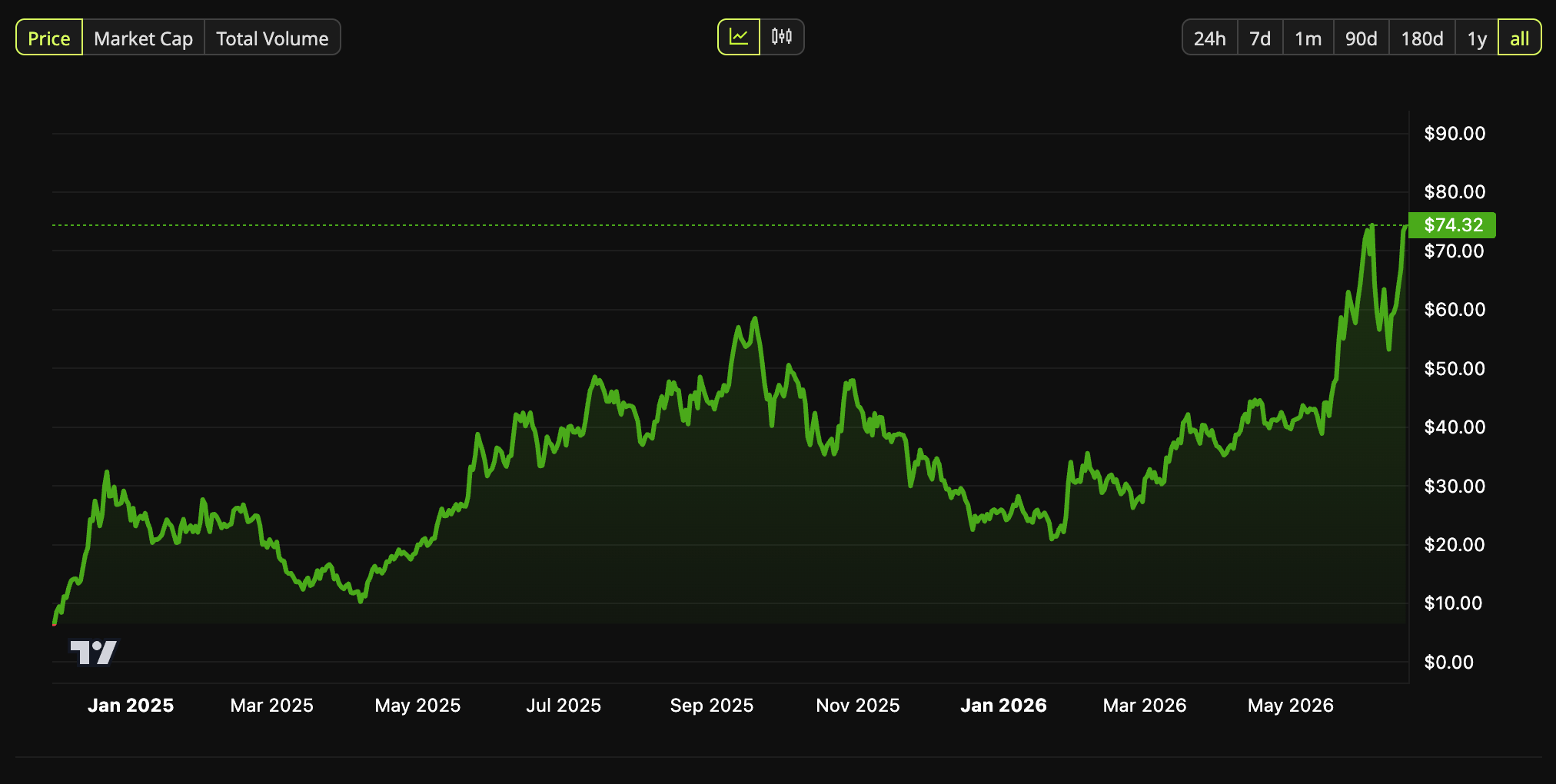
HYPE, Hyperliquid’s native token, hit a record $76.70 on June 16, up over 10% on the day. Spot HYPE ETFs have pulled in around $172 million in their first month of trading, and analyst targets range from $83 to $98, with a longer-term $300 case gaining ground.

When SpaceX priced the largest IPO in Wall Street history, Bybit, Binance, and Bitget all canceled their tokenized SpaceX products, unable to source enough real shares.
Hyperliquid had already built functioning pre-IPO price discovery using synthetic perpetual futures (derivatives that track price without requiring the actual stock), then cleared $1.4 billion in SPCX volume on IPO day, without holding a single real share.
CZ’s own exchange was among those that had to cancel.
The KYC Warning From Someone Who Knows
CZ pleaded guilty to anti-money laundering violations in November 2023 and served four months in a US federal prison. When he says a crypto platform needs good lawyers, he is not making small talk.
Know Your Customer rules require platforms to verify user identities. They form the backbone of global anti-money laundering frameworks. Hyperliquid operates without them, positioning itself as a decentralized protocol rather than a regulated financial service.
But CZ’s comment, made on the Galaxy Brains podcast, comes from direct experience. His 2023 plea deal with the US Department of Justice acknowledged that Binance processed transactions for users in sanctioned jurisdictions. It also confirmed Binance failed to run adequate KYC controls.
The competitive history between CZ and Hyperliquid makes the comment sharper still: Binance has not listed HYPE, and CZ has backed a rival DEX.
CZ’s actions have caused major moves in the crypto space before. His November 2022 tweet announcing Binance would sell its FTT holdings triggered the bank run that collapsed FTX. FTX itself filed legal claims stating CZ triggered the collapse with a “malicious” FTT sell-off.
The post CZ Calls Hyperliquid ‘Awesome,’ Then Warns It Needs Good Lawyers appeared first on BeInCrypto.



Pavel Durov’s seven-step plan to rebuild Gram around Telegram is four steps in. The speed upgrade, the fee cut, the validator takeover, and the rename have all shipped. Here is what each one did, and what the three undisclosed steps might be.
Summary
- Pavel Durov’s seven step MTONGA roadmap has completed four milestones, including a speed upgrade, lower fees, Telegram’s validator takeover, and the Gram rebrand.
- Telegram has reclaimed direct influence over The Open Network, marking a major departure from the separation established after the 2020 SEC settlement.
- Three undisclosed roadmap steps remain, with traders closely watching for developments that could drive user adoption and on chain activity.
In April 2026, Pavel Durov began publishing a roadmap on his Telegram channel under a deliberately provocative name: Make TON Great Again, or MTONGA. It is a seven-step plan to transform The Open Network, the blockchain behind the token now called Gram, into the primary payment and application layer for Telegram’s roughly one billion users. Four of the seven steps have shipped. Three remain undisclosed. And each revealed step has moved the price, which is why traders treat the unannounced ones as scheduled catalysts waiting to fire.
This guide walks through what MTONGA actually is, what each of the four completed steps did, why the market has reacted the way it has, and what the three remaining steps might turn out to be. If you hold Gram, trade it, or are trying to understand why the token keeps spiking and fading, the roadmap is the framework that explains the pattern.
What MTONGA is, in one paragraph
Make TON Great Again is Durov’s name for the coordinated push, launched in April 2026, to upgrade The Open Network and bind it tightly to Telegram. The roadmap matters because it marks a reversal: Telegram built the network in 2018, abandoned it in 2020 after an SEC enforcement action, and left the independent TON Foundation to run it for years. MTONGA is Durov personally retaking the wheel, becoming the network’s largest validator, reclaiming the original Gram name, and announcing a sequence of technical and branding moves designed to make the chain fast enough and cheap enough to serve Telegram’s billion-user base. The name echoes a political slogan, but the goals are technical and strategic: speed, low fees, direct Telegram control, and a brand that Telegram’s users already recognize.
Step one: Catchain 2.0 and sub-second speed
MTONGA opened on April 9, 2026, with the upgrade that made the rest possible.
Durov announced that the network had become roughly ten times faster, with transactions confirming in under a second where they previously took around five seconds or more. The engine behind the change was Catchain 2.0, a new consensus mechanism that cut block production time from about 2.5 seconds to roughly 400 milliseconds and introduced a streaming layer that pushes updates to applications almost instantly instead of making them wait for the next block.
For users, the practical effect is that payments clear in about a second, trades execute in real time, and apps respond immediately, the responsiveness a consumer payment network needs if it is going to feel like sending a message rather than waiting on a blockchain.
There was a tradeoff worth understanding, because it touches the token’s economics.
More frequent blocks mean more validator rewards, which strengthens the incentive to stake but also raises issuance: the network’s annual inflation is expected to rise from roughly 0.6% toward 3.6% as a consequence of the faster block production. That is a meaningful increase, and it sits underneath the bull case as a quiet headwind, more tokens are created to reward the validators securing the faster chain. The speed is a genuine upgrade; the inflation bump is its cost.
Step two: the sixfold fee cut
With speed in place, the next move lowered the cost of using the network.
Base transaction fees were cut roughly sixfold, standardizing the cost at around $0.0005 per transfer regardless of network congestion. TON fees were already low compared with Ethereum or Solana, so the significance is less about the absolute saving and more about what cheap, predictable fees enable: micropayments and high-frequency applications that only make sense when each transaction costs a fraction of a cent.
A network aiming to host in-app payments, tipping, and consumer commerce for a billion people needs fees low enough that users never think about them, and the sixfold cut moves toward that, with Durov having referenced feeless transactions as a longer-term goal. The fee reduction is the economic complement to the speed upgrade: fast and nearly free is the combination a consumer payment layer requires.
Step three: Telegram becomes the largest validator
Step three was the most strategically consequential, because it changed who controls the network.
On May 4, 2026, Durov announced that Telegram would replace the Switzerland-based TON Foundation as the primary steward of The Open Network and operate as the chain’s largest validator, staking millions of tokens through the messenger’s own infrastructure.
This reversed years of deliberate separation between Telegram and the network, the separation that was built after the 2020 SEC settlement specifically to distance the company from the project. Telegram binding its corporate infrastructure and stake to the chain is the clearest signal yet that the company is committing its fate to the network, the thing the market had most wanted and most doubted since the independent foundation took over.
This move drew predictable centralization concerns, since a single dominant validator is a concentration of power, and Durov pushed back by arguing that Telegram serving as a large validator actually encourages other major players to join the validator pool as a counterbalance.
Whether that holds in practice is an open question, but the strategic point is unambiguous: after years at arm’s length, Telegram is now formally in control of the network’s direction, which is the foundation the rest of the roadmap and the entire Gram investment thesis rest on.
Step four: the Gram rename
Step four is the one most people heard about, and the one that changed the least, mechanically.
In early June, Durov announced that the native token would reclaim its original name, Gram, the name from Telegram’s 2018 whitepaper that was abandoned after the SEC forced the project to shut down in 2020.
A community vote on the TON Vote platform passed with 81.22% support, and the rename took effect on June 15, 2026, changing the token’s name and ticker from TON to GRAM while leaving the blockchain itself called The Open Network.
No token swap, migration, or claim was required: balances, addresses, staking, and contracts all carried over, and a holder of 10 Toncoin simply held 10 Gram. For most holders, the rename was a display and ticker change, not a technical event.
What made the rename matter was symbolic and strategic, not mechanical.
Reclaiming Gram reconnects the token to its origins and to the Telegram brand its users already recognize, closing a gap that always made “Toncoin” confusing to the messenger’s own audience. It also signals regulatory confidence, since reviving the name the SEC once litigated against is a statement that Telegram believes the climate has changed.
A pure rename changes no supply, no fees, and no on-chain mechanics, which is why the right way to read step four is as the branding capstone on the three technical and strategic moves that preceded it.
Why the market reacts the way it does
A clear pattern runs through all four steps, and understanding it explains why Gram keeps spiking and fading.
Markets have front-loaded the reaction into each step. The token roughly doubled from about $1.30 to a peak near $2.80 to $2.89 through the April and May announcements of the speed upgrade, fee cut, and validator takeover, pushing the market cap toward $7.6 billion and into the top 20.
Then it retraced.
The Gram rename added another double-digit candle, a roughly 19% jump toward $2.21, and then that faded too, with the token sitting near $1.67 around the time the rename actually took effect.
Each announcement produces a sharp rally that the market subsequently surrenders, which is the classic buy-the-rumor, sell-the-news rhythm applied to a roadmap with discrete, pre-signaled events.
Rallies fade because the roadmap steps, real as they are, have not yet produced the thing that would sustain a re-rating: durable user and revenue growth.
Faster blocks, cheaper fees, Telegram control, and a familiar name are all enablers; they make the network more capable of converting Telegram’s billion users into active Gram users, but they are not the conversion itself.
Until the wallet activity and payment volume show that conversion happening, each step is a promise the market rewards briefly and then discounts, which is exactly the pattern the price has traced. The steps build the runway; the takeoff is the part still unproven, and the price keeps reflecting that gap.
The three remaining steps: what they might be
Traders care most about this question, because the unannounced steps are the next catalysts.
Durov has not detailed steps five, six, and seven, but his public comments and the network’s direction point to a set of likely candidates.
Durov’s posts have referenced “performance upgrades” and “tech superiority” without specifying deliverables, which suggests at least one remaining step is further technical improvement: additional consensus refinements, more speed, or the feeless transactions he has hinted at as a longer-term goal.
A second likely theme is deeper Telegram integration, the wiring of Gram directly into the messenger’s product suite for in-app payments, tipping, and commerce, building on the USDT payments integration Telegram has already pursued as its user base nears a billion.
Reported groundwork, including a new ton.org site and improved developer tooling, points toward a developer-experience and ecosystem step designed to make building on the network faster and more attractive.
And given the rename’s regulatory symbolism and Telegram’s U.S. ambitions, a step involving expanded access, a U.S. wallet rollout, or payment partnerships is plausible, turning the network’s reach into concrete consumer use cases.
The caveat worth stating: these are educated inferences, not announcements.
Durov has revealed each step on his own timeline, usually shortly before or as it shipped, so the content and order of the final three are unknown outside Telegram.
What is known is the shape: the four completed steps moved from technical foundation (speed, fees) to strategic control (validator) to brand (rename), which suggests the remaining steps may move toward activation, turning the upgraded, Telegram-controlled, freshly branded network into one that actually converts users into economic activity.
That progression is the logic to watch as each step is revealed.
What it means for holders and traders
For holders, the roadmap is the clearest map of what to watch.
Each remaining step is a likely catalyst, and the pattern so far says the announcements produce sharp rallies that fade unless they are backed by evidence of real user and revenue growth.
The signal that matters is not the next announcement itself but whether the cumulative roadmap finally shows up in wallet activity and payment volume, the conversion that would turn the spikes into a sustained trend.
Watching the steps without watching the conversion is watching the wrong half of the story.
For traders, MTONGA is a calendar of pre-signaled events with a consistent behavioral pattern.
The front-loaded rally and subsequent fade has repeated through all four revealed steps, which makes the roadmap a tradable rhythm: the rallies have come on announcement and surrendered into the supply and the broad market between events.
The three undisclosed steps are scheduled volatility with unknown timing, and Durov’s habit of revealing each step close to delivery means the lead time is short.
The token has respected technical levels in the low $1.80s on support and stalled in the $2.80 to $2.89 zone on the roadmap-driven highs, which frames the range the steps have moved it within.
For anyone weighing the bigger picture, MTONGA is a substantive roadmap, more so than the political-slogan name suggests, and the four completed steps represent real upgrades and a real strategic reversal.
But the roadmap is the setup, not the payoff.
It makes the network capable of mass adoption without proving the adoption will come, and the three remaining steps, whatever they are, will be judged by the same standard the first four are now being judged by: not whether they ship, but whether they finally convert Telegram’s billion users into Gram’s economy.
Frequently Asked Questions
What is the Make TON Great Again roadmap?
Make TON Great Again (MTONGA) is a seven-step plan that Pavel Durov began publishing in April 2026 to upgrade The Open Network and tie it closely to Telegram.
The goal is to make the blockchain fast and cheap enough to serve as the payment and application layer for Telegram’s roughly one billion users.
Four steps have shipped: a speed upgrade, a fee cut, Telegram becoming the largest validator, and the rename of the token to Gram.
Three steps remain undisclosed.
What are the four completed MTONGA steps?
The Catchain 2.0 upgrade made the network roughly ten times faster with sub-second transaction finality.
A sixfold fee cut lowered base transaction costs to around $0.0005.
Telegram replaced the TON Foundation as the network’s primary steward and became its largest validator.
And the native token was renamed from Toncoin to Gram, reclaiming its original 2018 name.
Sources number the steps slightly differently, but these are the four revealed milestones.
What are the three remaining MTONGA steps?
Durov has not announced steps five, six, and seven.
Based on his references to “performance upgrades” and “tech superiority,” and on the network’s direction, likely candidates include further technical improvements such as feeless transactions, deeper Telegram integration for in-app payments and commerce, improved developer tooling and a new ton.org site, and possibly expanded access or payment partnerships.
These are educated inferences, not confirmed announcements.
Why does the Gram price spike and then fall after each step?
The market front-loads its reaction into each announced step, producing a sharp rally that then fades.
The token doubled from about $1.30 to nearly $2.80 through the spring announcements before retracing, and the Gram rename added a roughly 19% jump that also faded.
The rallies fade because the roadmap steps are enablers, faster, cheaper, Telegram-controlled, freshly branded, but have not yet produced the durable user and revenue growth that would sustain a re-rating.
It is a buy-the-rumor, sell-the-news pattern applied to a roadmap.
Did the Gram rename change the token’s price or supply?
No.
The rename was a name and ticker change with no effect on supply, fees, or on-chain mechanics.
A separate part of the roadmap, the Catchain 2.0 speed upgrade, does affect economics, raising expected annual inflation from roughly 0.6% toward 3.6% because more frequent blocks generate more validator rewards.
The rename itself changed nothing mechanical; price moves around it reflected market sentiment, not the name change.
Is Telegram now in control of The Open Network?
Yes, in practical terms.
In May 2026, Telegram replaced the Switzerland-based TON Foundation as the network’s primary steward and became its largest validator, staking millions of tokens through its own infrastructure.
This reversed years of deliberate separation set up after the 2020 SEC settlement.
Durov has argued that Telegram serving as a large validator strengthens rather than weakens decentralization by encouraging other validators to join as a counterbalance, though that remains an open question.
As of June 16, 2026. Cryptocurrency markets are volatile, and details can change; verify current information with official sources before acting. This article is information, not investment advice.
In addition to frequent protocol upgrades and other initiatives aimed at advancing Pi Network’s ecosystem, the Core Team launches various campaigns to engage its vast community.
The latest one, which primarily focuses on Artificial Intelligence, will conclude on a symbolic day for the Pioneers.
Less Than 2 Weeks Left
Earlier this month, Pi Network encouraged users to help grow the ecosystem by inviting Vibe coders to bring their AI-driven applications into the project’s real distribution network through Pi App Studio.
Most recently, it revealed that the initiative will run until Pi2Day. This is a special date for the community, celebrated annually on June 28 since it represents the mathematical constant 2π. The team reminded that vibe coders can easily convert their applications built through platforms like Codex, Claude Code, Replit, Cursor, or Lovable into Pi Apps.
“Pi can connect your AI-created apps with millions of engaged Pioneers, identity verification, and Pi’s utility ecosystem,” the message reads.
It is worth noting that most commenters on Pi Network’s announcement seemed frustrated, as they demanded that the team fix more serious issues, such as KYC procedures, before introducing such campaigns.
“Another day of disappointment. The handwriting is so clear. A day of another empty promise and manipulation,” one X user said.
PI Price Outlook
Details about the campaign have failed to trigger a price rebound in Pi Network’s native token, which continues to underperform. As of press time, it trades at around $0.13, which is quite close to the all-time low witnessed earlier in June and represents a 10% monthly decline.
The ongoing bearish conditions in the crypto market and the constant backlash within Pi Network’s community suggest that PI is likely to remain under pressure in the foreseeable future.
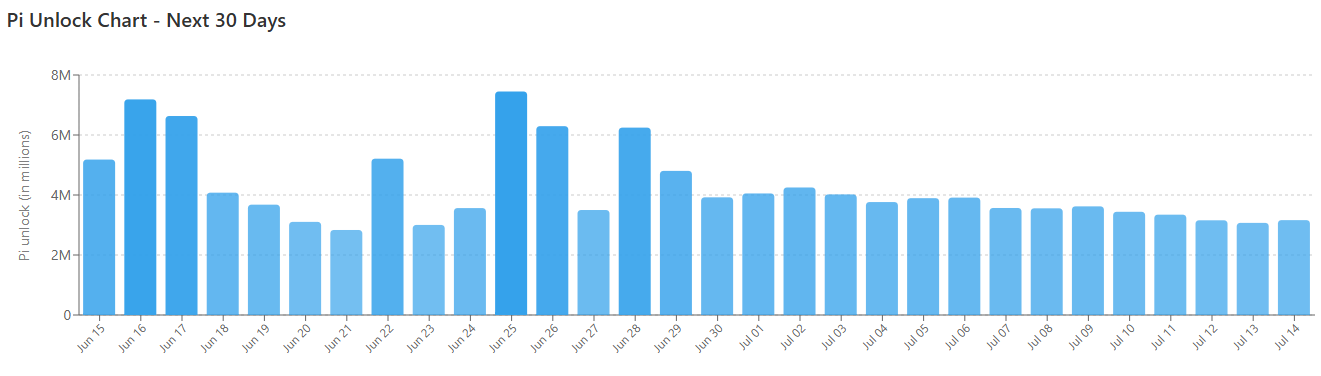
However, certain factors indicate the bulls’ pain might be over soon, and the upcoming token unlocks are a clear example. Approximately 127.5 million PI are scheduled for release over the next 30 days, averaging around 4.2 million per day, which is far less aggressive than in previous months. This doesn’t guarantee a price reversal but reduces the selling pressure, thus helping create a more stable environment for a potential recovery.
The community has also shifted its attention to the aforementioned Pi2Day, hoping the date brings meaningful ecosystem updates that could lead to an uptrend for PI. Of course, nothing is confirmed, so it is wise to manage expectations.
The post Important Pi Network (PI) Clarification Concerning All Pioneers: Details appeared first on CryptoPotato.
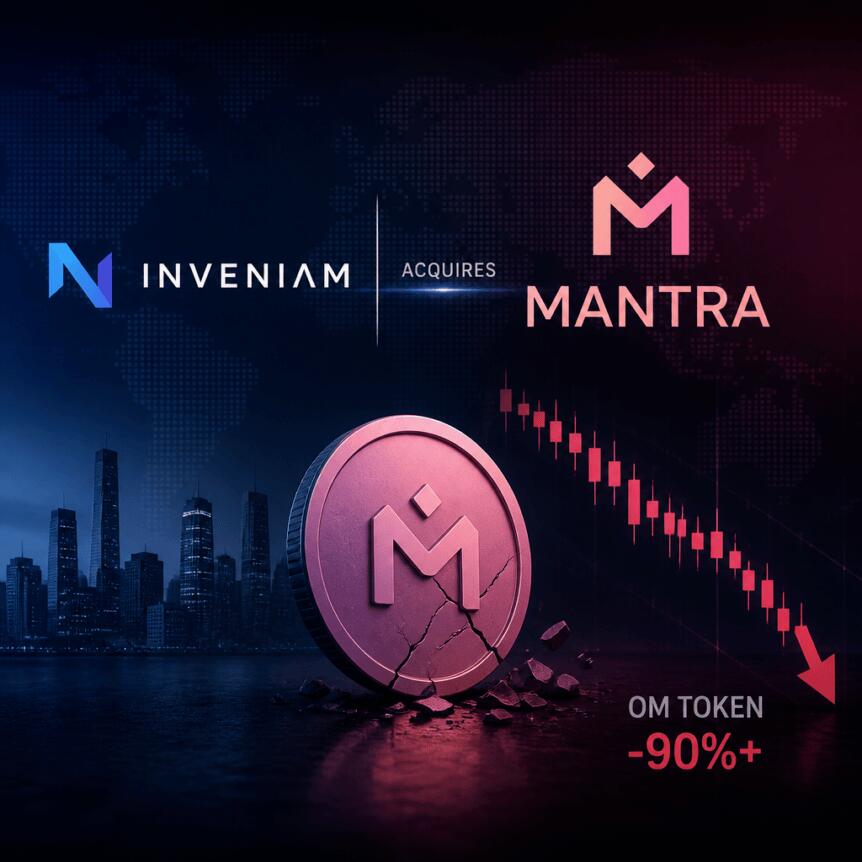
Inveniam Capital Partners has announced plans to acquire layer-1 blockchain Mantra and affiliated entities, signaling a deeper move into infrastructure tied to tokenized real-world assets (RWAs). The deal builds on Inveniam’s prior commitment to the network, after the firm made a $20 million strategic investment in Mantra in August 2025, according to the company’s Tuesday announcement.
The acquisition also follows Inveniam’s rollout of NVNM Chain, a Mantra-based layer-2 network launched on May 13. NVNM Chain is positioned to help verify assets while avoiding exposure of confidential information—an approach that aligns with the broader push to make RWA workflows more audit-friendly without compromising privacy.
Key takeaways
- Inveniam Capital Partners will acquire Mantra and affiliated entities, deepening its involvement in RWA-focused blockchain infrastructure.
- The transaction follows Inveniam’s $20 million strategic investment in Mantra in August 2025.
- Inveniam earlier launched NVNM Chain (May 13), a layer-2 designed for asset verification while preserving confidentiality.
- The deal reflects an effort to connect tokenized real-world asset rails with AI-ready, regulated private-market data.
- Mantra has recently faced severe market turbulence around its OM token, including a sharp drawdown in April 2025.
Why the Mantra acquisition matters to RWA infrastructure
Mantra’s pitch has centered on enabling RWAs to move with blockchain-based verification while addressing one of the biggest practical constraints in tokenization: how to prove claims about real-world assets without disclosing sensitive information. NVNM Chain, launched on May 13, is framed specifically around that tradeoff, supporting asset verification without revealing confidential data.
For Inveniam, acquiring the layer-1 and associated entities suggests it wants more direct control over the technical and operational foundations behind that privacy-preserving verification model. The company says this is part of an effort to accelerate delivery of “digital private markets” capabilities to broader market participants—particularly those operating in institutional and regulated contexts where compliance requirements tend to be strict.
Strategic investment precedes NVNM Chain rollout
Inveniam’s latest move did not arrive out of nowhere. In August 2025, the firm made a $20 million strategic investment in Mantra, and it later launched NVNM Chain on May 13. In its announcement, Inveniam’s leadership tied these steps together, describing the initial investment as a bet that regulated blockchain infrastructure and AI-ready private market data would need to be integrated.
According to chairman and CEO Patrick O’Meara, the acquisition is intended to expand Inveniam’s role in private-market ecosystems. “This acquisition positions us to be value-additive to the global private markets ecosystem faster,” O’Meara said. He added that the aim is to enable market operators, asset owners, and institutional private-market investors to access “digital private markets” alongside DeFi-oriented markets.
From an investor and developer standpoint, that linkage between private-market data readiness and blockchain rails is a key part of the narrative. It also highlights what Inveniam appears to be targeting: not just token issuance, but end-to-end infrastructure that can support verification workflows while remaining compatible with institutional expectations.
A turbulent stretch for Mantra and its OM token
While the acquisition represents a push deeper into infrastructure, Mantra’s recent history includes notable volatility. Earlier in the year, the company announced layoffs and restructuring after what CEO John Patrick Mullin described as the most challenging year in its history, following the collapse of the OM token and continued market pressure.
On April 13, 2025, the Mantra (OM) token suffered a steep decline. According to CoinMarketCap data, OM fell by about 90% within hours, wiping out more than $5 billion in market capitalization, the platform reported.
In a post on X, Mullin argued that the drop was driven by centralized exchange behavior rather than internal selling. He blamed “reckless forced closures initiated by centralized exchanges on OM account holders.” He also clarified that the dislocation was not caused by the team, the MANTRA Chain Association, core advisors, or investors selling tokens, adding that tokens “remain locked and subject to the published vesting periods.”
That backdrop matters for readers because it frames the risk environment surrounding Mantra—even if the company’s longer-term infrastructure goals are now moving forward under new ownership. It also suggests that any future progress will likely be judged not only by technical milestones like NVNM Chain, but by how stakeholders regain confidence after periods of disruption.
Cointelegraph asked Mantra for deal details
Cointelegraph reached out to Mantra for additional details about the acquisition, but had not received a response by publication. As a result, readers should watch for further clarification on the structure and timeline of the transaction, along with any changes to governance, development priorities, or how Inveniam plans to integrate NVNM Chain and the underlying Mantra infrastructure.
More broadly, the move reflects a continuing trend in crypto infrastructure: firms looking beyond trading networks toward the data and verification layers needed for RWAs, and increasingly tying those efforts to privacy and AI-readiness. With Inveniam now seeking full ownership of the ecosystem it previously funded, the next signals to monitor will be whether technical verification advances translate into sustained adoption and whether market confidence stabilizes after earlier volatility.
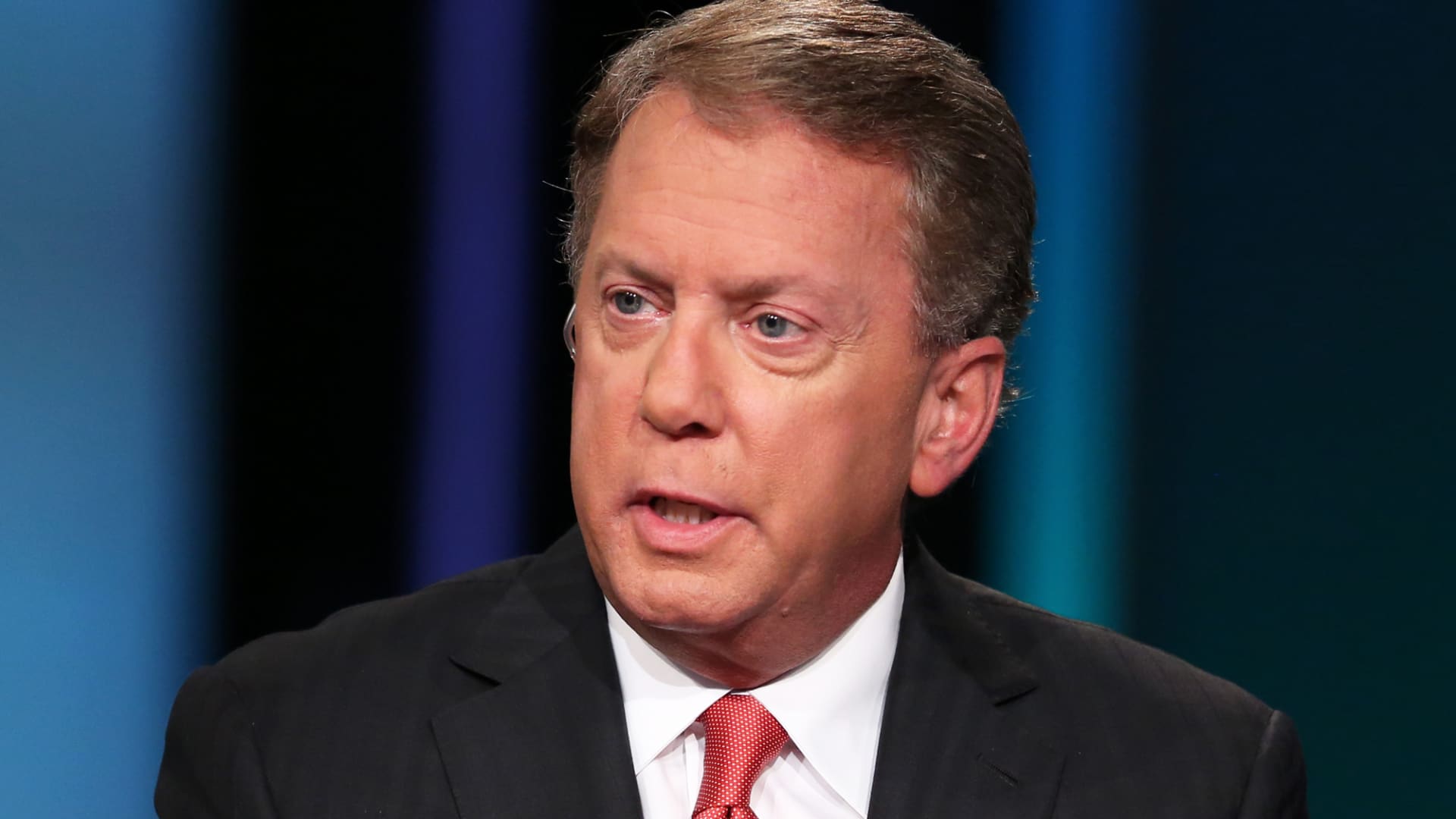
Terry Duffy, CME Group
Scott Mlyn | CNBC
CME Group‘s longtime leader Terry Duffy will step down as chief executive officer next year, succeeded by President and Chief Financial Officer Lynne Fitzpatrick.
Duffy, 67, will transition to executive chairman effective March 1, 2027, the company said Wednesday. It marks a more than two-decade run that transformed the Chicago-based exchange operator into one of the world’s largest derivatives marketplaces.
“Leading CME Group through more than 25 years of transformative growth has been among the highest honors of my life,” said Duffy in a statement.
Since becoming chairman in 2002, Duffy has overseen CME’s transformation from a floor-based exchange into a global derivatives powerhouse. He led the company’s IPO, its shift to electronic trading and industry-defining acquisitions, including the 2007 merger with the Chicago Board of Trade and the 2008 purchase of the New York Mercantile Exchange.
Duffy also guided CME through the financial crisis, the collapse of broker-dealer MF Global and sweeping changes in market structure. More recently, the company expanded through its acquisition of NEX Group, a partnership with Google Cloud and a venture with FanDuel aimed at reaching a broader retail audience.
Fitzpatrick, a 20-year veteran of CME, has served as president and chief financial officer since 2022 and has played a key role in the company’s strategy, capital allocation and investor relations efforts.
“I appreciate the confidence that he and the Board have placed in me, and I look forward to working with our investors, clients and employees around the world as we grow our core business and create value for our shareholders,” Fitzpatrick said in a statement.
Correction: CME Group made the announcement Wednesday. An earlier version misstated the day of the week.
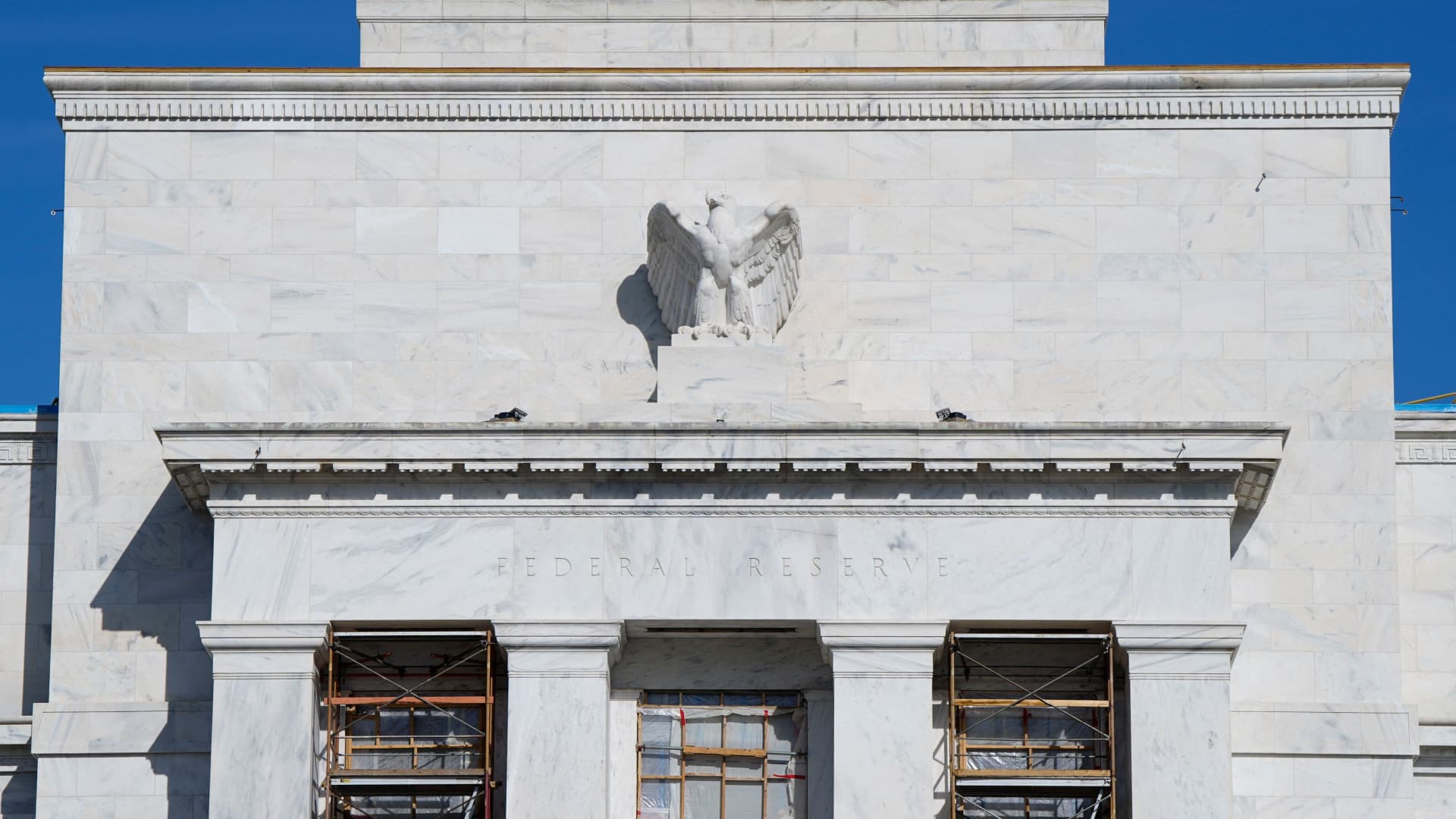
Renovations continue at the Federal Reserve Board building in Washington, D.C., U.S., November 14, 2025.
Elizabeth Frantz | Reuters
Prediction market traders think consensus will return to the Federal Reserve’s policy-setting board when new chairman Kevin Warsh presides over its June interest rate decision later Wednesday. At April’s meeting, the last under former Fed chair Jerome Powell, four members voted to dissent from policy, the most in more than 30 years.
Traders on prediction market platform Kalshi place 70% odds on zero dissents in the June vote on the 12-member Federal Open Market Committee. Odds that four members will dissents, as in April, are at just 3%.
The Fed is widely expected to hold interest rates steady on Wednesday at their current 3.50% to 3.75%, as policymakers continue to assess the extent of rising inflation due to higher oil prices stemming from the U.S.-Iran war.
At the April meeting, the Fed also held rates steady, and only one dissent disagreed with that decision. That vote was cast by now former Fed governor Stephen Miran, who consistently argued for lower interest rates.
The other three dissenters — Fed regional presidents Beth Hammack of Cleveland, Neil Kashkari of Minneapolis and Lorie Logan of Dallas — were opposed to language that hinted the central bank may cut interest rates in the future. That showed some members were worried the committee was too dovish in its outlook, and objected to signaling lower rates were coming.
More than half, or 55% of respondents in Bank of America’s June Global Fund Manager Survey said the Fed will deliver a “hawkish hold” on Wednesday.
When Warsh holds his first press conference as chairman, traders think there’s a 73% chance he’ll discuss “uncertainty,” a 43% chance he’ll mention “quantitative tightening,” and just a 20% chance he refers to President Donald Trump by name.
Correction: This story has been revised to accurately reflect the titles of Beth Hammack, Neil Kashkari and Lorie Logan. A previous version of this story misstated that they were Fed governors.
Crypto World
Startup drops first universal AI agent payment plug into Asia’s $28.9 trillion ecommerce market


Many experts share Bilotta’s AI agent outlook, including Charles Hoskinson, founder and CEO of Cardano’s Input Output, who said that by 2035 they will become more relevant than humans.
The macro numbers support his stance. Data from the U.S. International Trade Administration via Trade.gov shows that business-to-business (B2B) e-commerce across the broader Asia-Pacific region is expanding at a 15% annual clip, with market values projected to climb past $28.9 trillion by the end of this year.
Yet, despite that explosive growth, the plumbing underneath remains broken. The problem is fundamentally an issue of legacy infrastructure and compliance, Bilotta noted.
Global financial regulations, banking protocols and identity verification checks were built strictly for humans. An autonomous AI software agent cannot pass a standard compliance check, he said or execute a payment loop unless a human manually intervenes to clear the transaction.
To bridge this structural gap, the industry requires a compliant backend middleware that acts as a universal interpreter. Bilotta explained that by dropping an Anthropic-standard Model Context Protocol (MCP) server directly into the payment infrastructure, software agents can programmatically navigate compliance, pull real-time FX quotes, and settle transactions natively across borders without human steps.
While institutional gatekeepers like Stripe and Mastercard have spent billions acquiring fiat-to-crypto APIs to secure traditional corporate treasuries, the automated machine-to-machine economy across emerging corridors remains heavily underserved.
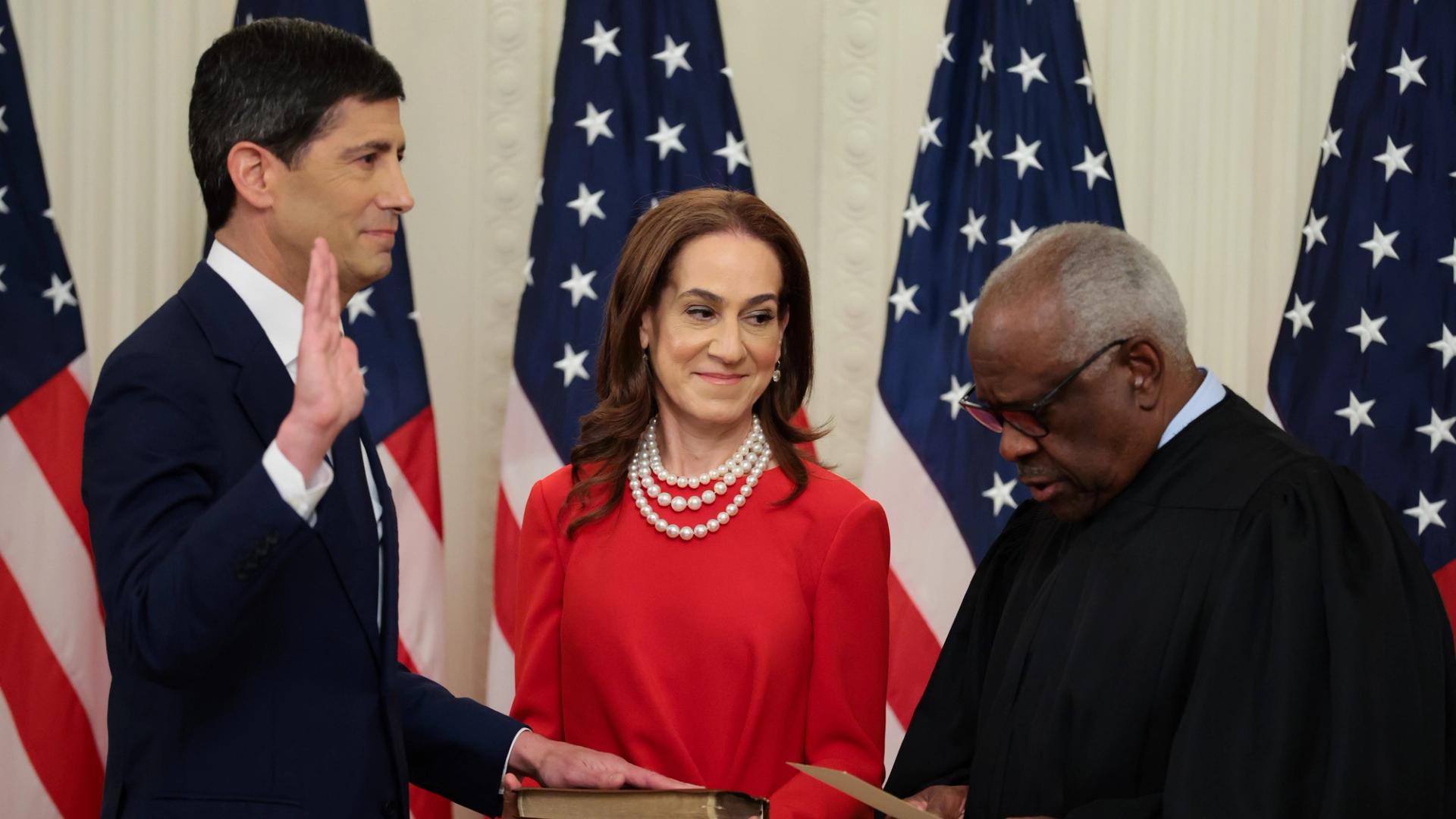
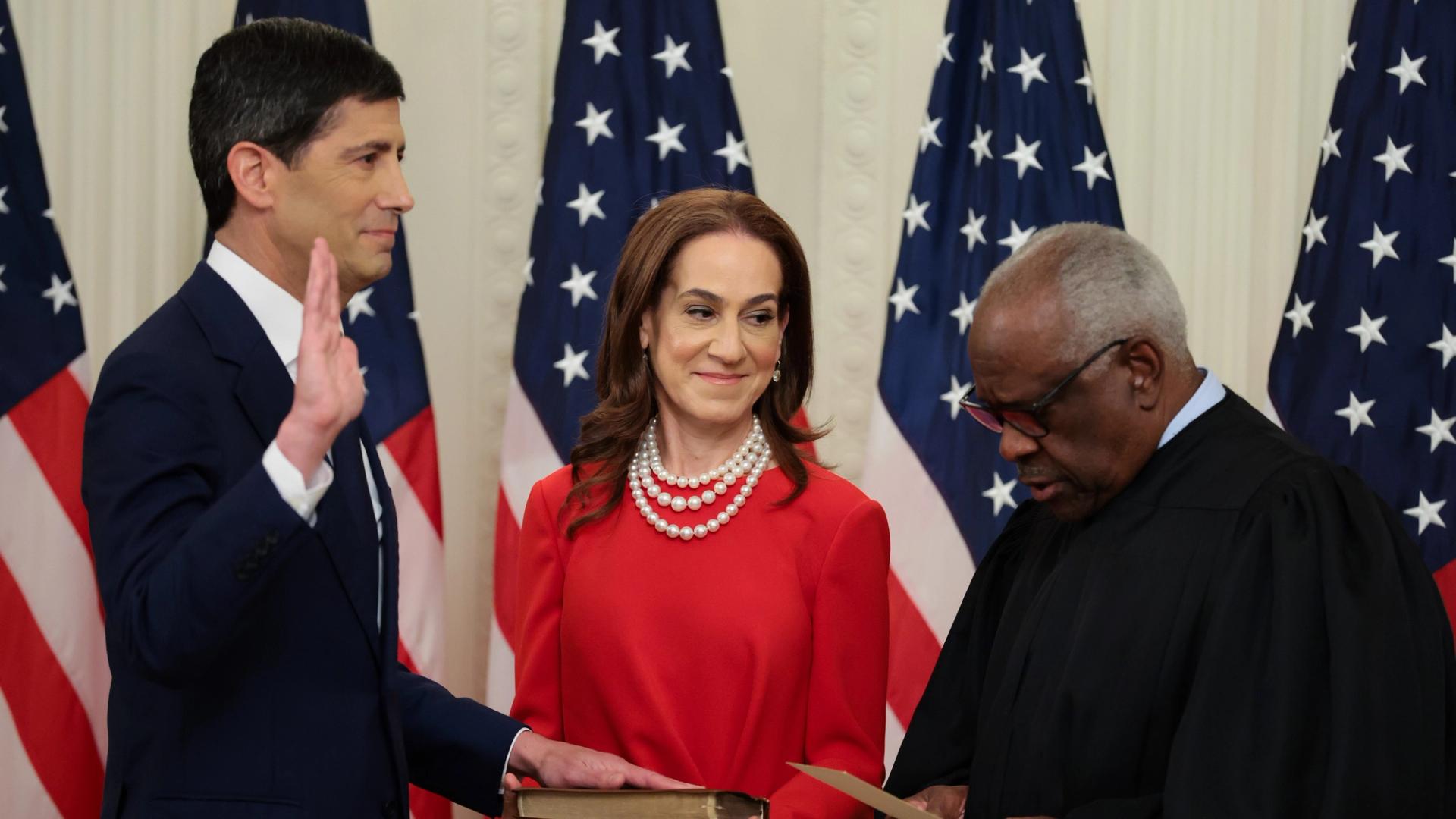
Bitcoin is facing selling pressure ahead of today’s Federal Open Market Committee (FOMC) interest-rate decision at the first meeting under new Fed Chair Kevin Warsh.
The largest cryptocurrency pulled back below $65,000 after trading near $67,000 just a day earlier, CoinDesk data show. The broader market CoinDesk 20 Index (CD200) has lost 1.2% since midnight UTC, with all but four tokens declining.
“The main focus for the week is the FOMC meeting under new leadership, with market expectations of interest rate hikes already priced in through 2027,” Laser Digital said in its weekly note.
The market is pricing in no change in the fed funds rate at this meeting. Instead, the focus will be on Warsh’s post-meeting press conference for signals on his views on inflation. Warsh has criticized the Fed’s frequent press conferences and detailed forecasting and may face questions on his stance.
Among stand-out gainers, Uniswap’s UNI token surged another 20% over 24 hours, buoyed by Standard Chartered’s bullish forecast of $100 by 2030. Meanwhile, NEAR, INJ and several stablecoin-related assets dropped as much as 8%.
Derivatives positioning
- The market remains calm ahead of the Fed decision. Activity has slowed, with crypto futures volume falling 20% in 24 hours to $165 billion and open interest dropping 2.3% to $110 billion. Liquidations fell to roughly $310 million, down 44%.
- The calm is also evident in BVIV, bitcoin’s 30-day implied volatility index, which was hovering near an annualized 39% at the time of writing — a level not seen since June 2, just before it spiked to nearly 59% a few days later. Ether’s volatility index is showing similar stability.
- Cardano’s ADA stands out among altcoins. Open interest has climbed to 2.26 billion tokens, nearing the record 2.32 billion set on June 6 and recovering from the June 13 low of 2 billion.
- The rebound points to renewed capital deployment in leveraged ADA markets, though the move isn’t necessarily bullish. The token’s price has slipped from over 18 cents to under 17 cents in two days alongside a negative 24-hour cumulative volume delta. The combination leans bearish, pointing to aggressive trading at market orders rather than passive limit orders.
- ZEC and SUI are the other notable open interest gainers over the past 24 hours, while NEAR and BCH led the losers.
- NEAR has dropped over 9%, and the decline in open interest suggests traders are unwinding leverage during the selloff rather than piling into fresh shorts.
- Most major tokens, with the exception of TRX and CC, are showing negative 24-hour CVD, pointing to broad bearish dominance in trade flows.
- In options markets, BTC puts continue to dominate 24-hour volume rankings, though the $80,000 call expiring March 26 next year also saw notable activity. In ether’s case, calls are leading volume rankings.
Token talk
- UNI has risen for a seventh straight day, its longest winning streak since August 2023, when it ran eight. The token trades near $2.75, erasing its June losses after jumping by more than 10% earlier in the week.
- The accelerant was a Standard Chartered note. The bank’s digital assets head, Geoff Kendrick, initiated coverage on June 15 with a $100 price target for 2030, roughly 40 times the current level, arguing that tokenized real-world assets, meaning stocks and bonds issued onchain, will flood into DeFi and Uniswap will capture the flow as core market infrastructure. He predicts a path through $6.50 by year-end.
- Two fundamentals sit underneath the call. Uniswap’s fee switch, live since late 2025, routes a share of trading fees into buying back and burning UNI, and has removed about 106 million tokens, more than 10% of supply, turning a pure governance token into a deflationary one.
- Separately, tokenized stocks that launched on the protocol earlier this month have already seen more than $9.1 billion swapped through its real-world-asset pools.
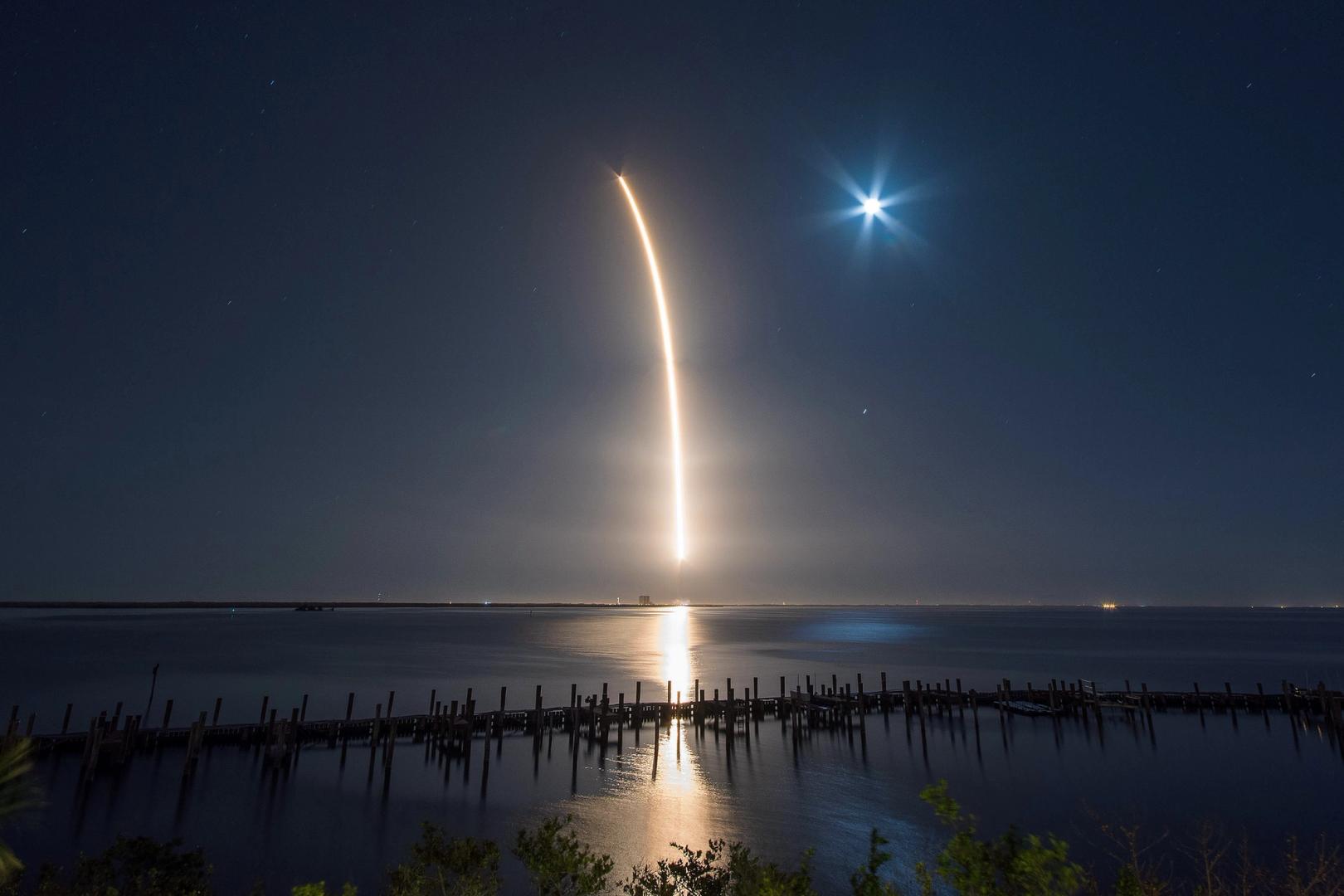
The entire bitcoin market is worth about $1.2 trillion as of Wednesday. SpaceX, at $2.5 trillion, is worth nearly twice that, and it is drawing from the same risk budget that flows to crypto – the point ARK made earlier this week when it funded its SpaceX buying by selling other holdings.
The caution is that expectations now leave little room for error, with some analysts warning that a SpaceX stumble would hit the broader market and the AI winners with it.
“With the expectations already sky high, there is little room for error,” Lukman Otunuga, head of markets at FXTM, told CoinDesk in an email. “Should SpaceX disappoint down the line, the fallout will hit the broader stock market, as well as the beneficiaries of the AI boom.”
The numbers support that worry. SpaceX posted a $4.94 billion net loss in 2025 on $18.67 billion of revenue, and at $2.5 trillion, it trades at more than 130 times sales, a multiple some call meme-stock territory.
As such, SpaceX announced Tuesday that it has formally agreed to take over Cursor in a deal that values the AI coding startup at $60 billion. Cursor investors will have the right to receive SpaceX stock based on the implied equity value of Cursor, according to a company filing.
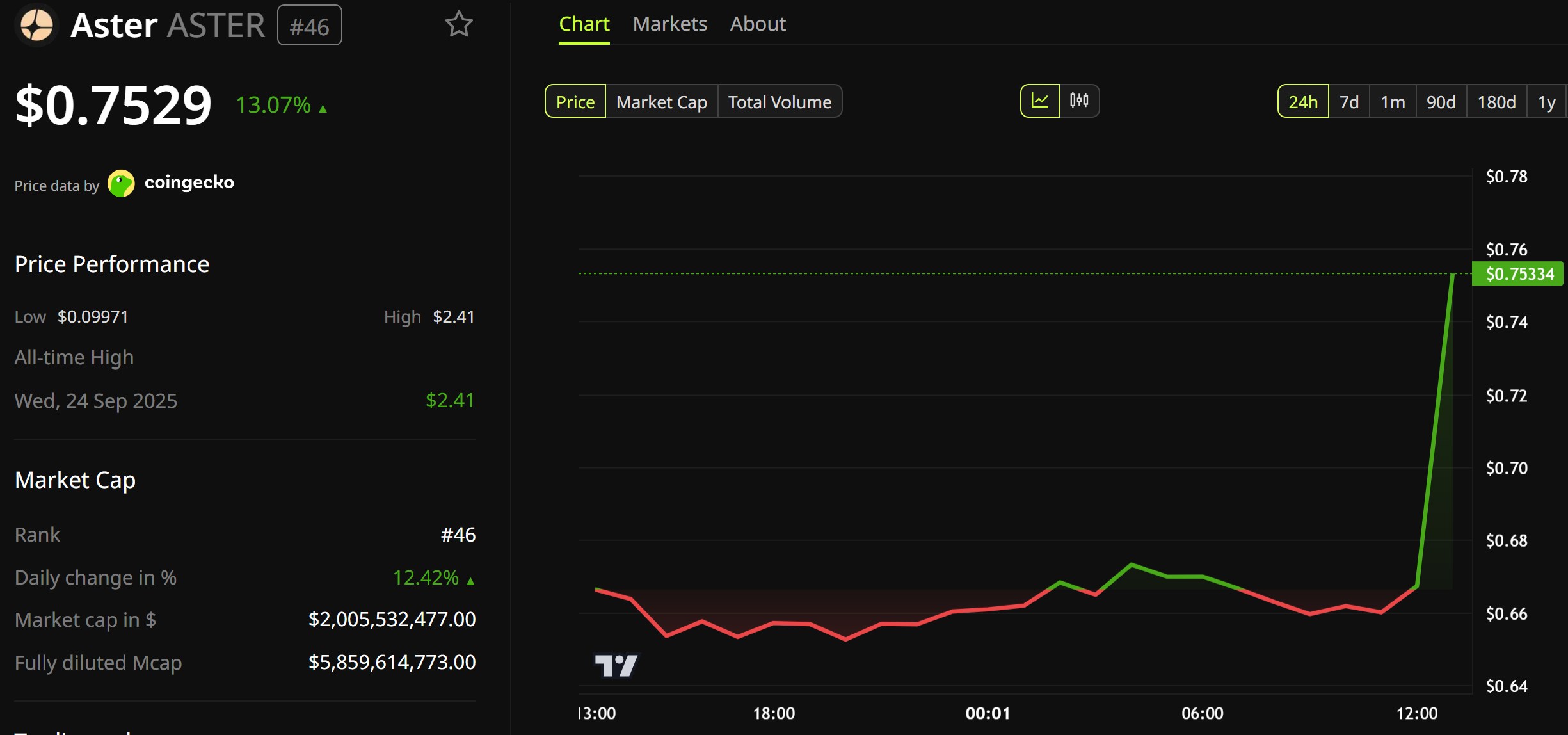
Aster DEX announced a sweeping tokenomics upgrade on June 17, 2026, directing 99% of daily platform fees into automatic $ASTER buybacks for veASTER stakers while triggering matching burns to slash total supply toward 3 billion.
The move intensifies an existing revenue-recycling strategy, tying token value directly to trading activity on one of the fastest-growing perpetual DEXes. ASTER token jumped by over 10% on this news.

Aggressive Fee-to-Buyback Mechanism
Under the new structure, 99% of Aster’s daily fees execute via TWAP across each day and settle on-chain to a public wallet (0xa0edBaBcb48034e368de286b49F9603C7AfA1b60).
All repurchased tokens flow straight into Loyalty Rewards, added atop the existing 300,000 $ASTER base pool and distributed proportionally to veASTER lock weight.
Follow us on X to get the latest news as it happens
For every token bought back, an equal amount is permanently burned from reserves—starting with team allocations.
Burns occur bi-weekly and continue until total supply hits the 3 billion target.
Permissionless Spot listings add further fuel: each incurs a 50,000 USDT fee routed into the same buyback system.
Current Supply Snapshot
Aster launched with an 8 billion total supply. As of June 17, 2026:
- Total Supply: ~7.82 billion
- Circulating Supply: ~2.68–2.70 billion
- Prior buybacks and burns have already removed tens of millions of tokens, with cumulative fee-generated buybacks previously exceeding hundreds of millions of dollars. coingecko.com
This upgrade escalates earlier phases that allocated 70–80% of fees, now pushing near-total revenue capture for holders.
Market Context and Investor Relevance
Perp DEX trading volumes remain robust amid broader crypto market recovery.
Aster has processed billions in cumulative volume and competes directly with leaders like Hyperliquid.
The 198% mechanism (99% buyback + 99% equivalent burn) creates a self-reinforcing loop: higher platform usage drives stronger buy pressure and accelerated deflation.
For investors, the update strengthens real-yield potential for stakers while capping long-term dilution.
Transparent, on-chain execution via verifiable wallets enhances credibility in a sector often criticized for opaque tokenomics.
The program runs continuously with bi-weekly burns. Sustained or growing trading volumes will determine the pace of supply reduction and reward boosts.
Aster continues expanding features, including potential L1 developments and governance enhancements, which could further amplify fee generation.
This upgrade positions $ASTER as one of the most aggressively aligned tokens in DeFi perp trading, directly rewarding usage and long-term holders as the platform scales.
The post Aster Expands its Token Buyback Program, Price Jumps 10% appeared first on BeInCrypto.

Key Takeaways
- Over 100 Chinese technology companies, including DeepSeek and CXMT, have avoided U.S. trade restrictions despite receiving security clearance for blacklisting.
- An interagency committee greenlit these companies for Entity List designation, but the Commerce Department hasn’t published the updates.
- The Entity List has seen no new additions since October—marking an unprecedented pause spanning more than ten years of enforcement history.
- Security officials identified DeepSeek as aiding Chinese military objectives and attempting to illegally obtain advanced American semiconductors.
- National security analysts caution that this administrative freeze could enable critical U.S. technology to fall into hostile hands.
The current administration has postponed the blacklisting of more than 100 Chinese corporations through the U.S. Commerce Department’s Entity List, Reuters has revealed. Among the companies awaiting designation are artificial intelligence developer DeepSeek and semiconductor manufacturer ChangXin Memory Technologies, both of which received interagency approval for restrictions but remain unlisted.
Inclusion on the Entity List triggers severe export limitations. American companies are prohibited from transferring products, software applications, or proprietary technology to designated entities without obtaining special government authorization, which authorities routinely reject.
This postponement appears connected to diplomatic strategies aimed at preventing escalation with China. Reports indicate that Jeffrey Kessler, the under secretary of commerce overseeing industry and security matters, has worked to suspend Chinese entity designations since the closing months of 2025.
DeepSeek captured international attention in January 2025 after launching an affordable AI system that sent shockwaves through the tech industry. According to a high-ranking State Department representative, the company has provided assistance to Chinese military and intelligence agencies while orchestrating efforts to procure cutting-edge American processors through intermediary corporations in Southeast Asia.
Anthropic disclosed earlier this year that it uncovered coordinated efforts by DeepSeek alongside two additional Chinese AI developers attempting to extract proprietary capabilities from its Claude AI system. OpenAI similarly alerted congressional members that DeepSeek was conducting operations against its technology platforms.
ChangXin Memory Technologies, representing China’s leading memory chip producer, received designation as a Chinese military-linked corporation by Pentagon officials during the previous Biden administration.
Record-Breaking Pause in Enforcement Actions
No fresh Entity List designations have appeared since October. According to Philip Luck from the Center for Strategic and International Studies, this represents an unprecedented enforcement gap exceeding anything witnessed in the past decade.
“The Entity List functions like whack-a-mole and you need to maintain constant vigilance,” Luck explained.
Kevin Kurland, previously with the Commerce Department, characterized the suspension as evidence that commercial considerations are eclipsing national security imperatives. “The absence of any Entity List additions since October clearly demonstrates that trade policy considerations are taking precedence over a vital national security instrument,” he stated.
No fewer than 75 Chinese organizations operating in semiconductor manufacturing, chip production equipment, and artificial intelligence development received approval for listing but await official publication.
Additional flagged entities include suppliers of components discovered in Russian unmanned aerial vehicles recovered in Poland last September, plus companies accused of distributing restricted Nvidia processors to Chinese educational institutions.
Commerce Bureau Remains Tight-Lipped on Publication Delays
The Bureau of Industry and Security has not provided substantive responses regarding the publication freeze, declining to address questions about DeepSeek and CXMT specifically.
The agency stated it employs “numerous policy and enforcement mechanisms, including the Entity List, throughout regular operations.”
Additionally, the bureau has failed to issue a successor regulation to the AI chip export controls established under President Biden, creating a potential regulatory void that may have permitted advanced processors to reach Chinese entities operating beyond China’s borders.

According To An Expert, You Should Never Do This One Thing When You Flush

Why the Williams sisters and other stars are playing longer

Selling sunshine from Seattle: Solius raises $23M to launch new at-home light-therapy device

Blockchain.com files with SEC for U.S. IPO

Israel says it has killed new Hamas military leader in Gaza City airstrikes

No Jackpot Winner as $257 Million Prize Rolls Over to $269 Million Monday Draw

YOU WANT PROSPERITY? ? WATCH THESE 7 RULES OF Financial WELL-BEING

FINANCIAL BREAKTHROUGH: No More Debts | Miracles Aglow

#StockMarket #ShareMarket #Investing #Trading #StockMarketTelugu #Money #Finance #BeginnerInvestor #
-
 Business3 days ago
No Jackpot Winner as $257 Million Prize Rolls Over to $269 Million Monday Draw
-

 Crypto World6 days ago
Oppenheimer backs SpaceX as $70 billion retail frenzy builds
-

 Fashion5 days ago
Weekend Open Thread: Tuckernuck – Corporette.com
-

 Crypto World6 days ago
Markets Rally as SpaceX IPO Looms Amid Iran Tensions and Inflation Surge
-
Crypto World3 days ago
Zimbabwe Requires Crypto Businesses to Register Annually Under New FIU Regulations
-

 Tech5 days ago
NanoClaw integrates JFrog registries to secure AI agent downloads
-

 Tech5 days ago
This Week In Security: Microsoft On Microsoft, Register Your Domains, Linux On ARM, And FreeBSD Joins The File Cache Club
-

 Crypto World4 days ago
Bitget enters Argentina’s regulated crypto market through PSAV registration
-
 Tech6 days ago
Dutton Ranch star claims they ‘didn’t see any disruption’ on set following Chad Feehan’s exit from Yellowstone spinoff fueled by Taylor Sheridan clash rumors
-

 NewsBeat6 days ago
El Nino has formed in the Pacific and could set records, forecasters say
-

 Politics6 days ago
Politics Home | Healey Resignation Is “Colossal Failure Of Government”, Says Former Labour Defence Secretary
-
 Entertainment6 days ago
Donnie Wahlberg & More Heat Up Las Vegas at Circa’s Barry’s Downtown Prime
-
 Tech6 days ago
Opendoor Ends India Operations, Fueling a Bigger Conversation About AI and Outsourcing
-

 Politics6 days ago
Belfast burns, while Met chief points finger at Iran and Russia
-

 Sports6 days ago
First Time Since 1971: Australia Register Historic Low In ODI Cricket
-

 Business6 days ago
AT&T: Verizon's 27% Outperformance Sets Up A Solid Entry Point
-

 NewsBeat5 days ago
FBI searches office of Ohio voter registration group
-
 Tech6 days ago
Anthropic is spending $150M to embed 1,000 AI fellows inside nonprofits. No degree required.
-

 Politics6 days ago
Modi thanks Trump for wishes as US attacks Indian seafarers
-
 Entertainment5 days ago
‘The Pitt’s Fan-Favorite Doctor Confirms Noah Wyle Gave His Blessing to Return [Exclusive]
You must be logged in to post a comment Login