Connect with us
DAPA Banner
DAPA Coin
DAPA
COIN PAYMENT ASSET
PRIVACY · BLOCKDAG · HOMOMORPHIC ENCRYPTION · RUST
ElGamal Encrypted MINE DAPA
🚫 GENESIS SOLD OUT
DAPAPAY COMING

Business

5 best low-cost index ETFs to buy and hold for long-term investors

Published

on

5 best low-cost index ETFs to buy and hold for long-term investors

There’s a misconception that people need thousands and thousands of dollars before they can start investing. But in today’s world, brokerage accounts can be opened with no initial deposit required, and you can start by buying just one share. That means in many cases your investing journey can start with less than the cost of a DoorDash delivery!

Whether you’re looking to get started or add to an existing portfolio, ultra-low-cost index ETFs are usually the best choice. Many of these give you broad market coverage and make for great core long-term portfolio holdings.

Advertisement

Here are five of my favorites that combine low fees, diversification, smart index construction, and solid long-term track records.

COULD THE VANGUARD S&P 500 ETF BE YOUR TICKET TO BECOMING A STOCK MARKET MILLIONAIRE?

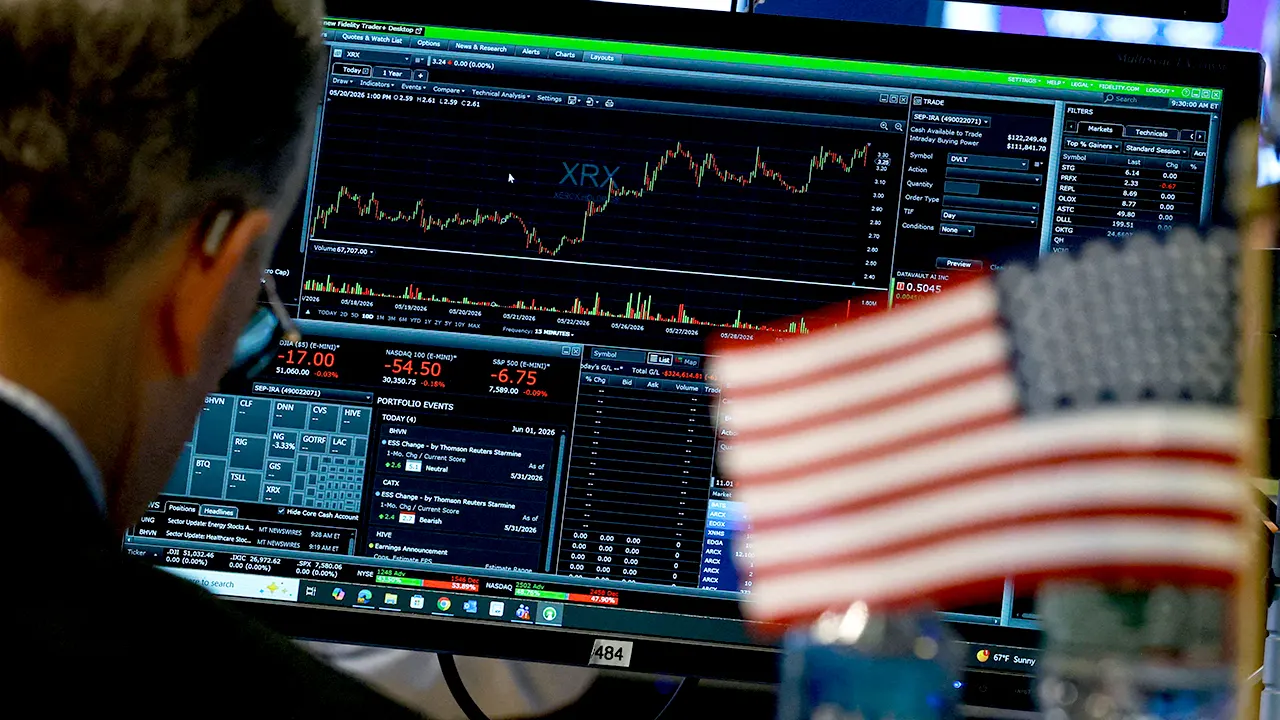
A trader on the floor of the New York Stock Exchange.

A trader works at his post on the floor at the New York Stock Exchange (NYSE) in New York City, on June 1, 2026.  (Brendan McDermid/Reuters)

1. Vanguard Total Stock Market ETF

The Vanguard Total Stock Market ETF is perhaps the best core ETF you can buy. It tracks an index that covers virtually the entire investable U.S. equity market. That’s roughly 3,500 stocks in total across all sizes and industries.

Many investors like to use the Vanguard S&P 500 ETF as the centerpiece of their portfolios. I prefer the Vanguard Total Stock Market ETF because I want coverage of the entire U.S. stock market. Mid- and small-cap stocks have different sector compositions and economic influences, along with higher growth potential. That works great from a diversification standpoint.

Advertisement

2. Schwab U.S. Dividend Equity ETF

The Schwab U.S. Dividend Equity ETF is my choice for the best dividend ETF because of its robust selection strategy that targets stocks with the best combination of balance sheet quality, long-term dividend growth, and yield.

1 UNDER-THE-RADAR ETF TO INVEST $1,000 IN RIGHT NOW THAT’S OUTPERFORMING MAJOR INDEXES THIS YEAR

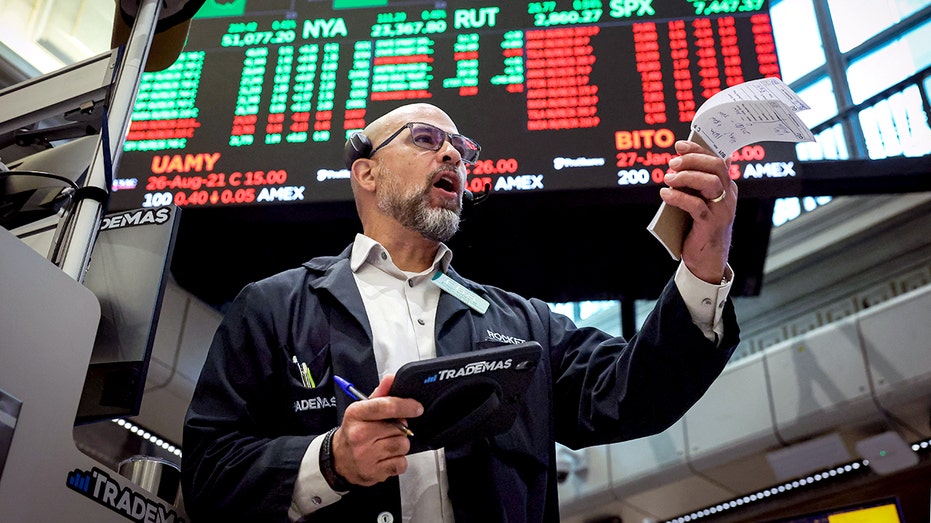
A trader at the NYSE.

A futures-options trader works on the floor at the New York Stock Exchange’s NYSE American (AMEX) in New York City, on June 8, 2026. (Brendan McDermid/Reuters / Reuters)

This fund holds the stocks of many durable companies built to withstand and thrive across multiple economic environments. Plus, its current yield of 3.3% is triple that of the S&P 500 right now and will appeal to folks seeking to draw income from their portfolios.

3. Invesco Nasdaq-100 ETF

The Invesco Nasdaq-100 ETF is one of the more commonly used proxies for the U.S. tech sector. While it’s actually only about two-thirds tech stocks, it includes all of the major tech and artificial intelligence (AI) names that are in favor right now.

Advertisement

Tech and growth stocks are obviously playing a major role in what’s driving U.S. stock market returns. But this segment of the market is usually where the innovation comes from, like we’re seeing with the AI boom right now. This always deserves a spot in long-term portfolios. Plus, the Invesco Nasdaq-100 ETF has a lower expense ratio than its sister fund, the Invesco QQQ ETF.

Ticker Security Last Change Change %
VTI VANGUARD TOTAL STOCK MARKET ETF – USD DIS 370.83 +0.45 +0.12%
SCHD SCHWAB STRATEGIC TR US DIVIDEND EQUITY ETF 32.43 -0.09 -0.29%
QQQM INVESCO EXCHANGE TRADED FD TR II NASDAQ 100 ETF USD 301.67 +1.11 +0.37%

4. Vanguard Mid-Cap ETF

The Vanguard Mid-Cap ETF invests in the under-appreciated area that exists between large-cap and small-cap. Historically, this segment of the market has delivered competitive risk-adjusted returns and shouldn’t be ignored by investors.

ETF ASSETS ARE SURGING. HERE’S HOW THEY DIFFER FROM MUTUAL FUNDS

While mid-cap stocks have lagged their large-cap counterparts during the AI boom, they’re actually beating the Vanguard S&P 500 ETF by more than 1% year to date. As gains broaden beyond the “Magnificent Seven” names, mid-caps sit in the sweet spot of higher growth potential and lower volatility than smaller, more speculative companies.

Advertisement

5. Vanguard Small-Cap ETF

The Vanguard Small-Cap ETF covers more of a high-risk, high-potential area of the U.S. stock market. These companies may be less developed or unproven, but they’re often fast growers that can turn into home runs under the right circumstances.

This segment of the market tends to have a greater percentage of unprofitable companies. That’s understandable since many of them are still growing, but there’s also the risk that some of these companies don’t make it. Because this fund owns more than 1,300 stocks, the impact of any one company (or even a handful) failing is negligible. A diversified portfolio of these stocks makes the most sense.

Ticker Security Last Change Change %
VO VANGUARD INDEX FUNDS MID-CAP VIPERS 81.06 +0.41 +0.51%
VB VANGUARD INDEX FUNDS VANGUARD SMALL-CAP ETF 299.07 +2.58 +0.87%

All of these ETFs have the characteristics you want in a buy-and-hold fund. They cover different areas of the market, which means they pair well together if needed. They’re low-cost and diversified. For anybody who has even a small amount of money to be put to work, these are five to own.

GET FOX BUSINESS ON THE GO BY CLICKING HERE

Advertisement

David Dierking has positions in Invesco NASDAQ 100 ETF, Schwab U.S. Dividend Equity ETF, and Vanguard Total Stock Market ETF. The Motley Fool has positions in and recommends DoorDash, Vanguard Mid-Cap ETF, and Vanguard S&P 500 ETF. The Motley Fool has a disclosure policy.

Continue Reading
Click to comment

You must be logged in to post a comment Login

Leave a Reply

Business

Fed holds US interest rates steady amid uncertainty over Iran deal

Published

on

Fed holds US interest rates steady amid uncertainty over Iran deal

Inflation, the rate at which prices are increasing year over year, hit 3.8% in April. Trump’s decision to launch strikes on Iran, which resulted in it retaliating by shutting the key Strait of Hormuz shipping lane, has been largely blamed for the increase.

Continue Reading

Business

June FOMC: Fed holds interest rates steady as Warsh era begins

Published

on

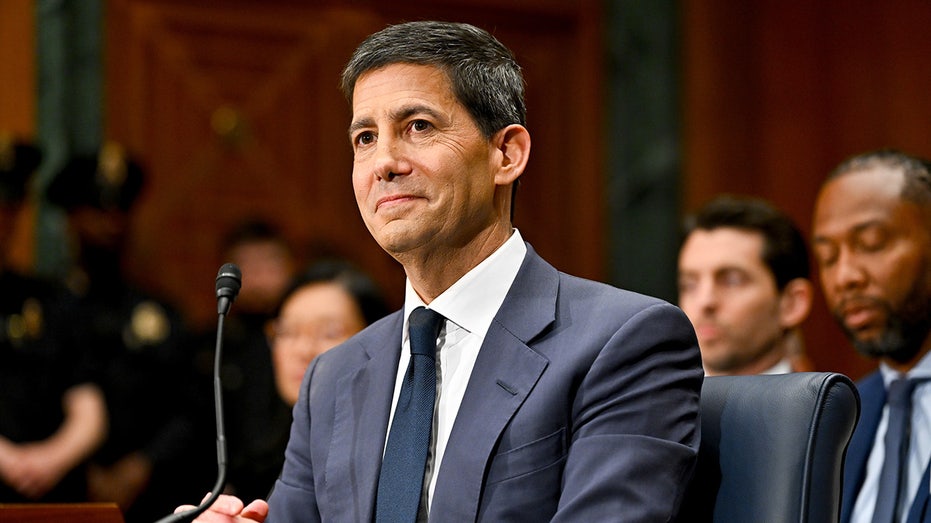
Jerome Powell successor Kevin Warsh clears Senate Banking Committee

This is a developing story about the June 2026 FOMC interest rate decision and will be updated with further details.

The Federal Reserve on Wednesday announced that it will hold interest rates steady due to concerns about elevated inflation amid the war in Iran, as Fed Chair Kevin Warsh’s tenure leading the central bank begins in earnest.

Advertisement

Fed policymakers voted to leave the benchmark federal funds rate unchanged at its current range of 3.5% to 3.75%. The move follows the central bank’s decision to hold rates steady in January, March and April following three successive 25-basis-point rate cuts in September, October and December to close out last year.

The Federal Open Market Committee (FOMC), the central bank’s panel responsible for monetary policy moves, voted 12-0 to leave interest rates unchanged. Policymakers noted in the FOMC’s statement that inflation remains elevated above the central bank’s 2% goal, which it said was “in part reflecting supply shocks that have driven price increases in certain sectors, including energy.” 

They also noted that job gains have kept pace with the workforce, while reiterating support for the dual mandate of price stability and maximum employment. Policymakers added that, “Economic activity is expanding at a solid pace despite elevated uncertainty that owes, in part, to the conflict in the Middle East.”

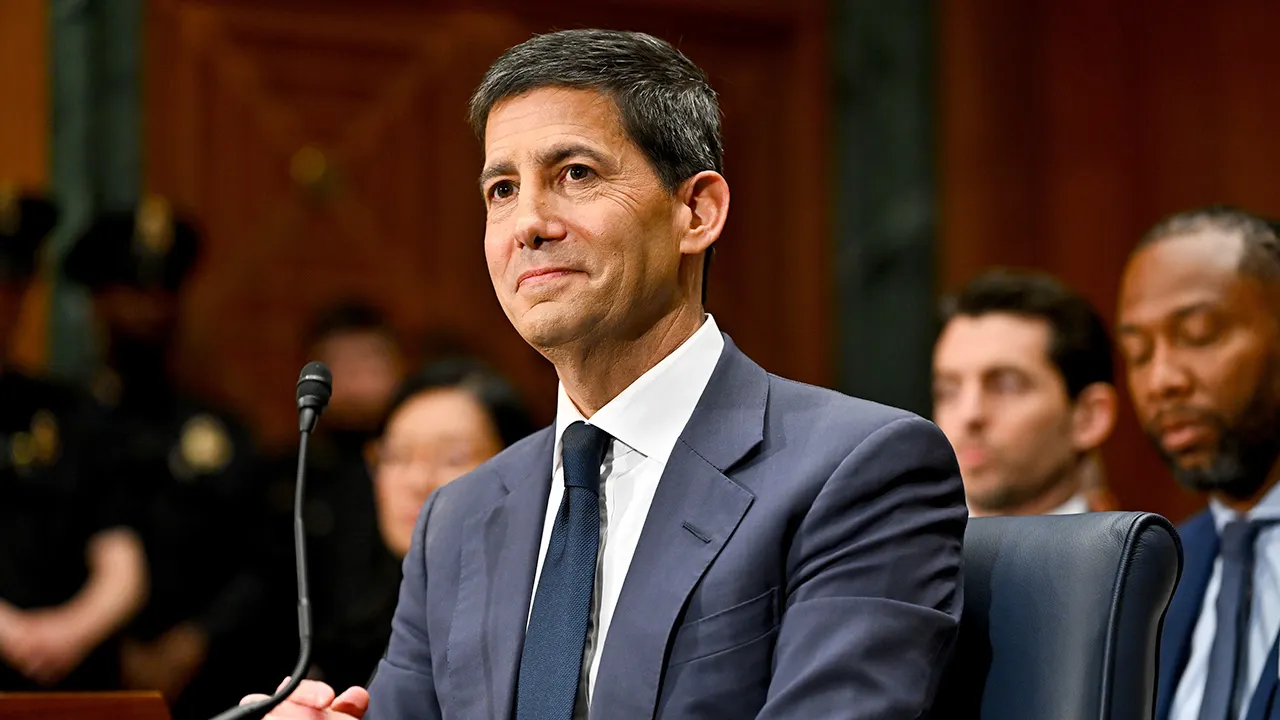
Kevin Warsh at his confirmation hearing

The FOMC’s June monetary policy meeting was the first led by Fed Chair Kevin Warsh. (Graeme Sloan/Bloomberg via Getty Images)

INFLATION IS SQUEEZING AMERICAN CONSUMERS AND THE FED’S LATEST REPORT SHOWS IT’S GETTING WORSE

Advertisement

The FOMC also released a summary of economic projections, also known as the dot plot, which showed that nine of the 18 voting members project an interest rate hike before the end of 2026, with six projecting two 25-basis-point hikes. 

They see PCE inflation at 3.6% at year’s end, up from 2.7% in the March projection, with the unemployment rate at 4.3%, slightly lower than the prior estimate of 4.4%. They also see economic growth slowing, with the projection showing real GDP up 2.2% at the end of the year – down from a 2.4% prediction in March.

Fed Chair Warsh spoke to the media at his first post-meeting press conference on behalf of the FOMC. Warsh’s predecessor, Jerome Powell, remains a member of the Fed’s Board of Governors and a voting member of the FOMC.

“We recognize that inflation has been running well ahead of the Fed’s long-stated inflation goal of 2%. That’s been going on for more than five years. Persistently high prices are a burden for the American people, but the recent past need not be prologue,” Warsh said.

Advertisement

“I am pleased to report that members of the FOMC are unambiguous and unanimous – this committee will deliver price stability,” he added.

Continue Reading

Business

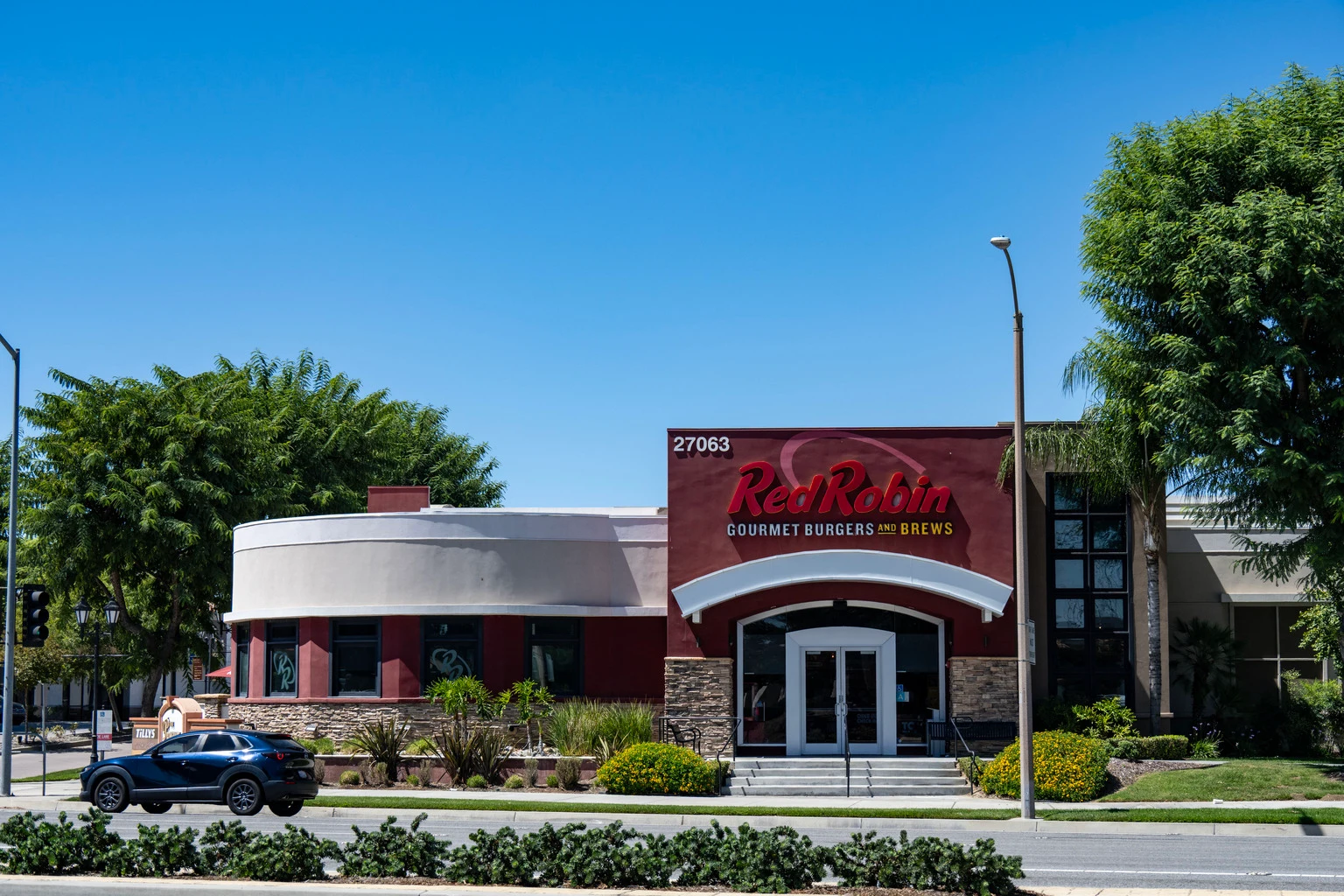
Red Robin Gourmet Burgers' Transformation Looks Irresistible (Upgrade)

Published

on

Red Robin Gourmet Burgers' Transformation Looks Irresistible (Upgrade)

Red Robin Gourmet Burgers' Transformation Looks Irresistible (Upgrade)

Continue Reading

Business

China’s $295 Billion Plan to Fund a Massive AI Infrastructure Buildout

Published

on

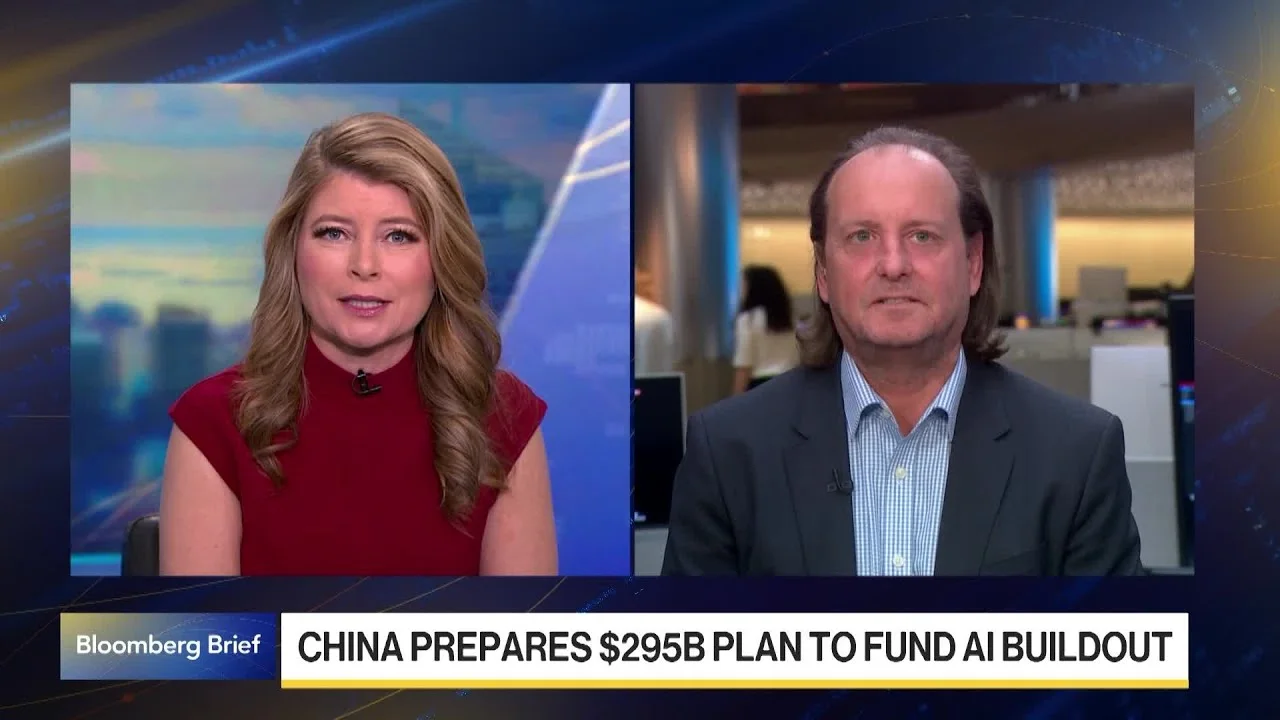
China's $295 Billion Plan to Fund a Massive AI Infrastructure Buildout

China plans to invest approximately 2 trillion yuan ($295 billion) over the next five years to develop data centers nationwide. This significant investment aims to bolster infrastructure, support digital growth, and enhance technological capabilities, positioning China as a major player in global data storage and management.


China is gearing up to invest a massive $295 billion to advance its artificial intelligence (AI) infrastructure and research. This ambitious initiative aims to position China as a global leader in AI technology by fostering innovation across industries such as healthcare, manufacturing, and transportation. The plan will support the development of core AI components, including chips, algorithms, and data centers, strengthening domestic capabilities and reducing reliance on foreign technology.

The government’s strategic funding is also geared toward talent cultivation and establishing cutting-edge research hubs. By bolstering AI development, China hopes to stimulate economic growth, create high-tech jobs, and enhance national security. This enormous investment signifies China’s commitment to becoming a dominant force in the rapidly evolving AI landscape and challenges other nations to keep pace with its technological ambitions.

Advertisement

Overall, China’s $295 billion AI buildout plan underscores its determination to harness artificial intelligence for economic and strategic advantages. As the country accelerates its technological investments, it aims to solidify its position as a global AI innovator, reshaping the future of digital transformation worldwide.

source

Advertisement
Continue Reading

Business

Community Coffee, Dolly Parton to launch coffee brand

Published

on

Community Coffee, Dolly Parton to launch coffee brand

The Cup of Ambition line will feature three blends. 

Continue Reading

Business

Nio Strategic Metals Inc. (NIO:CA) Shareholder/Analyst Call Transcript

Published

on

OneWater Marine Inc. (ONEW) Q1 2026 Earnings Call Transcript

Hubert Marleau
Chairman & CEO

Ladies and gentlemen, I’m President declared of the assembly, and I will conduct this meeting in French and in English.

[Foreign Language] Ladies and gentlemen, good morning, and welcome to the — this Annual General and Special Meeting of the Shareholders of Nio Strategic Metals. My name is Hubert Marleau, and I have the pleasure of being the Chairman of the Board of Director and Chief Executive Officer of Nio Strategic Metals. I declare the assembly open.

I am accompanied by Jean-Sebastien Blanchette, our Chief Financial Officer; and Bruno Dumais, President and Chief Operating Officer, who will act as Secretary of this meeting; as well as the directors, Julie Lemieux, Christoph Ebeling, Hubert Vallee, Alexandre Triquet and Sylvain Menard.

Advertisement

[Foreign Language] For those of you who wish to address the assembly, we ask you to draw my attention by using the box provided for this purpose on the website. I would like to emphasize and remind you that only registered shareholders of the company as of May 13, 2026, or their proxy holders are entitled to ask question, propose and support resolution at this meeting. In order to follow a greater number of shareholders to participate in this meeting and to reduce the related costs, and we have decided to hold assembly by teleconference only. Shareholders were able to exercise their rights by filling out a proxy form in order to be used at the meeting, the proxy had to be received by the company’s transfer agent and registrar, Computershares Inc., on or before June 15, 2026. Please note that the voting will not be possible during this meeting.

Continue Reading

Business

uniQure Stock Surges 76% on FDA Breakthrough for Huntington’s Gene Therapy AMT-130

Published

on

uniQure Stock Surges 76% on FDA Breakthrough for Huntington's Gene

Shares of uniQure N.V. skyrocketed more than 75 percent Wednesday, closing in on $47.49 after the gene therapy company announced a major regulatory advancement for its experimental treatment AMT-130 targeting Huntington’s disease. The surge reflects renewed investor optimism around the potential for the first disease-modifying therapy for the devastating neurological disorder.

uniQure stock opened sharply higher and maintained strong gains throughout the morning session on the Nasdaq. The move more than doubled the company’s market capitalization in a single trading day, erasing earlier setbacks and highlighting the high-stakes nature of biotech investments tied to clinical and regulatory milestones.

The catalyst was confirmation that the U.S. Food and Drug Administration has agreed uniQure can pursue a Biologics License Application using existing Phase I/II data from the AMT-130 program, supporting a path toward accelerated approval. This development reverses prior regulatory hurdles and accelerates timelines for potential market entry.

Regulatory Progress on AMT-130

Advertisement

AMT-130 is a one-time, AAV-based gene therapy designed to lower levels of the mutant huntingtin protein responsible for Huntington’s disease. The disorder affects an estimated 30,000 people in the United States with another 200,000 at risk, causing progressive motor dysfunction, cognitive decline and psychiatric symptoms with no approved disease-modifying treatments currently available.

Earlier Phase I/II data showed promising results, including a statistically significant 75 percent slowing of disease progression at 36 months in the high-dose cohort as measured by the composite Unified Huntington’s Disease Rating Scale compared to external controls. Additional functional improvements were noted across key endpoints.

The FDA’s updated position allows uniQure to submit a BLA potentially as early as the third quarter of 2026, pending final alignment. This follows patient advocacy efforts, including petitions with tens of thousands of signatures, and comes amid broader shifts in FDA leadership and priorities for rare disease therapies.

Company executives expressed confidence in the data package. The therapy uses a precision delivery approach directly into the brain, aiming to provide long-lasting benefits from a single administration.

Advertisement

Company Background and Pipeline

uniQure, headquartered in the Netherlands with significant U.S. operations, specializes in AAV gene therapies for rare and severe genetic diseases. Its platform has delivered approved therapies in hemophilia B and other areas, providing foundational experience for the Huntington’s program.

Beyond AMT-130, the company is advancing candidates in Fabry disease and other indications. Recent updates on AMT-191 for Fabry showed sustained enzyme activity improvements and patients discontinuing enzyme replacement therapy.

Financially, uniQure has faced typical biotech pressures with ongoing research and development costs. First-quarter 2026 results showed a net loss, but the regulatory clarity could open doors to partnerships, additional funding or commercialization revenue if approved.

Advertisement

Market Reaction and Analyst Views

The dramatic share price increase reflects the binary nature of biotech catalysts. Prior to Wednesday’s news, the stock had traded in a range influenced by earlier regulatory uncertainty and broader sector volatility. Analyst price targets vary widely, with some forecasting substantial upside if AMT-130 reaches the market.

Wall Street has generally maintained a positive stance on uniQure’s potential, citing the unmet need in Huntington’s and the strength of the clinical data. However, risks remain, including manufacturing scale-up, long-term safety monitoring and competition from other approaches in the gene therapy space.

Trading volume spiked significantly as retail and institutional investors reacted. The stock’s movement also lifted related names in the gene therapy and neurological disease sectors.

Advertisement

Broader Implications for Gene Therapy Field

Wednesday’s announcement underscores evolving FDA flexibility for serious rare diseases with strong surrogate or early clinical signals. Huntington’s represents a particularly challenging area due to its genetic basis and progressive nature, making any meaningful slowing of decline highly impactful.

Patient advocacy groups welcomed the news. Organizations like Help4HD have long pushed for accelerated pathways, viewing AMT-130 as a potential game-changer for families affected by the hereditary condition.

The development arrives as the gene therapy sector matures, with more products gaining approvals and real-world evidence accumulating. Challenges around cost, access and delivery methods persist, but successes like uniQure’s could encourage further investment.

Advertisement

Risks and Considerations

Despite the enthusiasm, hurdles remain before any potential approval. Full data review, manufacturing inspections and possibly additional confirmatory studies could influence timelines. Pricing and reimbursement discussions for one-time therapies often prove complex given the high upfront costs.

uniQure will need to demonstrate consistent safety and efficacy at commercial scale. Long-term follow-up data will be critical, as gene therapies can produce effects that evolve over years.

For investors, the volatility inherent in clinical-stage biotech remains pronounced. While today’s surge rewards risk-takers, future developments around clinical holds, competitive data or macroeconomic factors could drive sharp reversals.

Advertisement

Looking Ahead

uniQure plans further engagement with regulators and expects to provide additional updates on the BLA process in coming months. Positive momentum could also support partnership discussions or capital raises to fund commercialization preparations.

The Huntington’s community awaits more details, with hope that AMT-130 could transform care for a disease that has long lacked meaningful interventions. As the company advances toward potential approval, attention will turn to execution and the therapy’s real-world impact.

Wednesday’s trading action caps a period of anticipation for uniQure and highlights the sector’s capacity for rapid value shifts on regulatory news. As the gene therapy landscape evolves, uniQure’s progress with AMT-130 positions it as a key player in addressing one of medicine’s most challenging genetic disorders.

Advertisement
Continue Reading

Business

Campbell’s condensed chicken noodle soup goes gluten-free

Published

on

Campbell’s condensed chicken noodle soup goes gluten-free

Soup pairs Campbell’s chicken noodle soup with Banza’s gluten-free chickpea penne pasta.

Continue Reading

Business

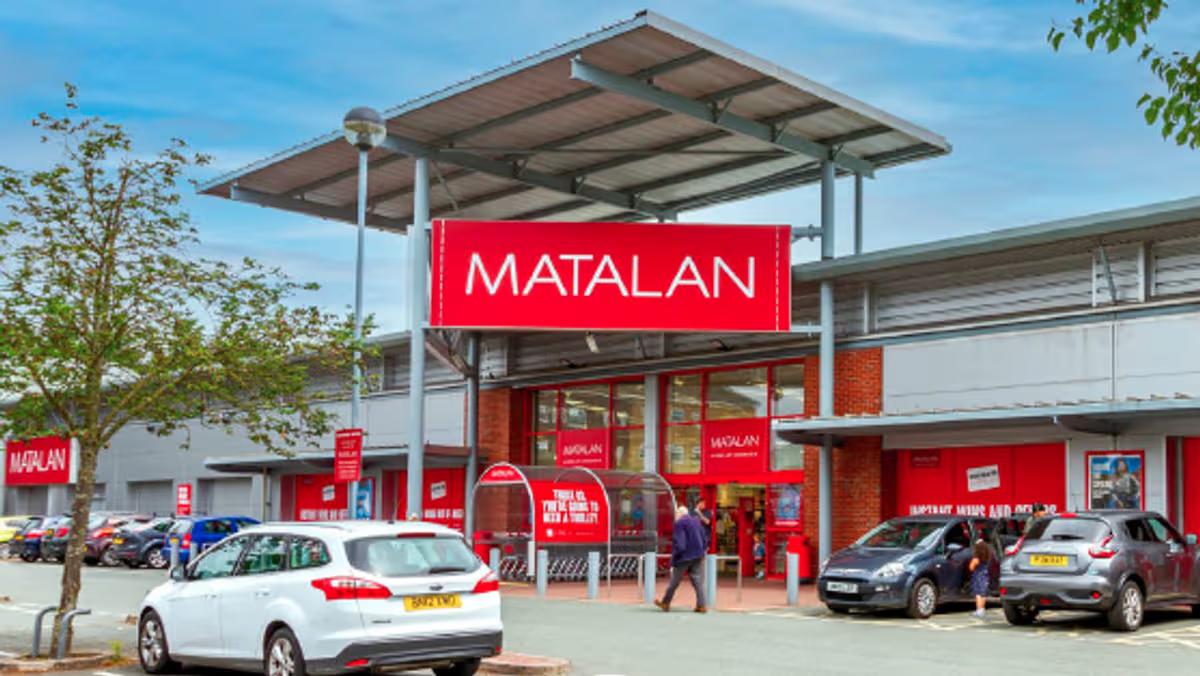
Matalan narrows losses and hails ‘substantial’ growth opportunities

Published

on

Business Live

Retailer continues its store investment plans

Matalan, Ashton Old Road, Manchester

Matalan in Ashton Old Road, Manchester

Retail giant Matalan has seen its losses narrow as its CEO says it has “substantial” growth opportunities thanks to its loyal customer base.

The Merseyside-based group reported revenues of £987m for the 53 weeks to February 28, up slightly on the £985m seen last year, with online sales in particular rising 10%. But improved margins meant losses narrowed from £67m last year to £55m in 2026.

Advertisement

The group’s preferred EBITDA profitability measure rose 24% year-on-year to £69m, which the group credited to “higher sales volumes and improved margin rates” in a tough and competitive UK retail market.

The company also invested in its ongoing store upgrade programme and in technology and supply chain upgrades, with capital expenditure rising from £17m to £46m.

That momentum continued into the current financial year, with Matalan reporting Q1 revenue growth of 2% year on year, with adjusted EBITDA rising 45% to £14.9m.

Henrik Nordvall, CEO at Matalan, said: “My first few months as CEO have reinforced exactly why I chose to join Matalan. This is a business with a much-loved brand, loyal customers and significant potential, and I have been encouraged by the progress already underway. I have also been struck by the passion our colleagues have for the Matalan brand and the belief they have in its future.

Advertisement

“We delivered strong EBITDA growth and improved gross margin in the period, despite a challenging and highly competitive retail environment, all while continuing to invest in the areas that are driving growth. A major driver of that progress has been our continued focus on delivering everyday style, quality and value for customers, and it is encouraging to see the positive response to improvements in our product offer, the strong performance of our refreshed stores and continued momentum online.

“While we remain mindful of the wider environment, we have started FY27 strongly, with positive sales growth and continued market share gains – particularly in womenswear. What gives us confidence is the scale of opportunity still ahead of us. With a large and loyal customer base, significant untapped omnichannel opportunity and clear evidence that our strategy is working, we believe the long-term growth opportunity for Matalan remains substantial.”

Continue Reading

Business

Typical home price will hit $1 million by 2050, NAR economist predicts

Published

on

Typical home price will hit $1 million by 2050, NAR economist predicts

Millennials planning for retirement may need to prepare for a vastly different real estate landscape.

According to new projections from National Association of Realtors (NAR) chief economist Lawrence Yun, the national median home price is on track to hit $1 million by 2050 — just as millennials reach the traditional retirement age.

Advertisement

“Essentially, in about 25 years the national median home price will be a million dollars,” Yun said at a conference in Washington, D.C., on Tuesday. “It may be hard to envision that, but back in 1990, the national median price was $90,000.”

MORTGAGE RATES TICK HIGHER, BUT BUYERS SHOW SIGNS OF CONFIDENCE

To illustrate the trajectory, Yun also noted that even historically expensive markets like San Francisco had a median home price of just $250,000 in 1990. The long-term forecast highlights a growing disparity between Americans who build home equity and those who remain in the rental market.

For sale sign outside California home

A “For Sale” sign sits outside a home in Rancho Cucamonga, California, on Saturday, May 9, 2026. (Getty Images)

“Homeowners will continue to build wealth, while renters are simply spinning their wheels,” Yun said.

Advertisement

America’s median sales price for existing homes was nearly $430,000 in May, according to Realtor.com data, up more than 2% from the previous month. Meanwhile, Zillow lists the average U.S. rent across all bedrooms and property types at $2,006 per month, up $6 from the prior month.

Yun also commented on the state of the economy, explicitly stating that he does not forecast an economic recession for the U.S. in 2026. He predicted mortgage rates would remain relatively flat, averaging 6.5% throughout 2026. Existing-home sales are projected to grow 4% this year, rebounding slightly from a 30-year low in 2025, when elevated rates slowed market activity.

Additionally, he expects stable economic footing, projecting nationwide job gains to hit 400,000 for the year.

Advertisement

Also on the panel was NAR deputy chief economist and Vice President of Research Jessica Lautz, who described a “wonky market” where inventory performance varies widely — even between neighboring properties.

GET FOX BUSINESS ON THE GO BY CLICKING HERE

“You’ll list a home on the market, and sometimes it’ll sit for months. And sometimes it’s going to have multiple offers, and they can be next door to each other,” she said during Tuesday’s panel.

Advertisement

Despite overall housing affordability challenges, Lautz pointed out three specific buyer segments that remain highly active: baby boomers selling homes for the first time, young COVID-era buyers and lifestyle renters seeking larger backyards or additional living space.

READ MORE FROM FOX BUSINESS

Continue Reading

Trending

Copyright © 2025