Connect with us
DAPA Banner
DAPA Coin
DAPA
COIN PAYMENT ASSET
PRIVACY · BLOCKDAG · HOMOMORPHIC ENCRYPTION · RUST
ElGamal Encrypted MINE DAPA
🚫 GENESIS SOLD OUT
DAPAPAY COMING

Business

Private equity firm EQT completes deal to take stake in Yorkshire Water owner

Published

on

Business Live

The Swedish firm has taken a 42% stake in Kelda Holdings, joining two other overseas firms

Yorkshire Water

Yorkshire Water

One of the world’s largest private equity firms has completed its acquisition of a 42% stake in Yorkshire Water.

Swedish firm EQT has acquired the share in Kelda Holdings, the parent company of Yorkshire Water, joining two other overseas firms in owning the company. A new chair is to be appointed at the company, but has not been named in this morning’s announcement.

Advertisement

EQT was last year ranked as the second largest private equity firm worldwide based on funds raised and has a wide range of assets around the world in a number of different sectors. Its deal for a major stake in Yorkshire Water was first announced in March and has now completed.

Nicola Shaw, chief executive of Yorkshire Water said: “We are pleased to have EQT on board as we deliver our largest environmental investment programme. They are committed to our turnaround plans and our ambition to deliver improved performance for customers and the environment.

“Together with our other shareholders, we are working to strengthen the business, investing for the future and delivering the improvements our customers expect. We look forward to working together to build on this momentum and continue delivering against our plans.”

Kunal Koya, a partner at EQT, will join Yorkshire Water’s board. He said: “EQT is delighted to invest at a pivotal moment for Yorkshire Water and the wider sector.

Advertisement

“We bring long-term capital and deep infrastructure experience, and together with GIC and TCorp are committed to strengthening the company’s financial resilience and supporting the delivery of its investment program which will enable better service for customers and improved environmental performance.”

The deal comes as water companies around the UK remain under intense scrutiny over both their environmental records and overseas ownership. Earlier this week the Government objected to a rescue plan for Thames Water, raising the prospect of that firm coming under public ownership.

Continue Reading
Click to comment

You must be logged in to post a comment Login

Leave a Reply

Business

Form 4 Advanced Energy Industries Inc For: 17 June

Published

on


Form 4 Advanced Energy Industries Inc For: 17 June

Continue Reading

Business

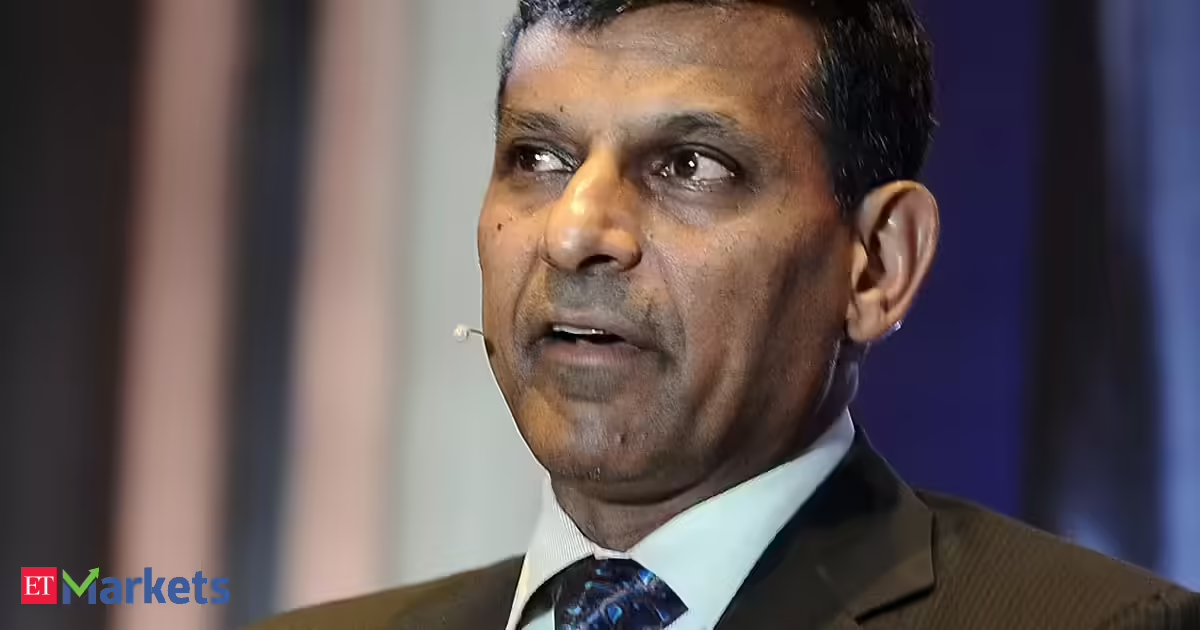
Raghuram Rajan’s warning to India after Hormuz shock: Build bigger oil reserves, diversify faster

Published

on

Raghuram Rajan's warning to India after Hormuz shock: Build bigger oil reserves, diversify faster
Economist Raghuram Rajan, Professor of Finance at the University of Chicago Booth School of Business, says the global economy is still absorbing the shocks of disrupted trade routes, tariff battles and geopolitical tension, even though headline trade volumes haven’t collapsed. Speaking to ET Now, Rajan argued that the cumulative effect of these disruptions, including the Strait of Hormuz crisis and US tariff actions, will reshape how countries think about economic resilience, even if the damage isn’t immediately visible in the data.

On energy security, Rajan was direct: a potential US-Iran peace deal does not erase the underlying vulnerability that the Hormuz disruption exposed. He noted that the strait accounts for a significant share of India’s crude, LNG and LPG imports, and said India needs a much larger strategic oil reserve than it currently has. Rajan also pointed to the need for flexible backup options, such as the ability to ramp up coal production the way China has, alongside a longer-term push toward renewables. He cautioned, however, that renewable energy carries its own supply-chain risk, since India still depends heavily on imported solar cells and wind components, and called for Indian industry to take a bigger role in building domestic alternatives — something he said hasn’t happened yet.

India needs to diversify import sources & export markets

On trade, Rajan said India is currently in a better position than earlier this year, when it faced steep tariff threats from the US. He flagged an incoming tariff tied to forced-labor concerns, set at 12.5%, slightly higher than the roughly 10% rates facing Pakistan and Bangladesh, but said the gap is manageable. A bigger risk, he said, is a separate “excess capacity” probe that could stack additional tariffs on top of the existing rate, something he hopes Indian trade officials can head off. His broader takeaway: India needs to diversify both its import sources and export markets to reduce exposure to any single shock.

Advertisement

Rajan also addressed the rupee’s sharp depreciation, which has fallen close to 14% against the dollar over two years. He linked the slide less to oil prices alone and more to a structural problem: India isn’t attracting enough foreign direct investment, even as remittance inflows remain strong. He questioned why domestic investment hasn’t matched the country’s strong headline GDP growth, calling it a gap between “the walk” and “the talk” that policymakers need to examine. If global oil prices hold near current levels — around $85 a barrel, assuming the ceasefire holds — Rajan said India’s current account position looks “relatively mild” rather than alarming, and even suggested policymakers may be overreacting by considering costly capital-inflow incentives like the FCNR(B) proposal.

Looking ahead, Rajan urged India to take a three-to-five-year view on critical commodity exposure, warning that the next vulnerability may not be oil but pharmaceutical inputs used to manufacture generic drugs. He called for building strategic buffers, domestic production capacity, and stronger ties with friendly supply countries — describing the recent shocks as a “wake-up call” that policymakers and industry should not let go to waste.

Continue Reading

Business

U.S. Treasury Yields Edge Lower, Dollar Stable

Published

on

Stocks Little Changed After Fed Decision

Treasury yields declined as investors turned cautiously optimistic about the prospect of reopening the Strait of Hormuz following the U.S.-Iran agreement.

Focus is also on the Federal Reserve’s first meeting under Chairman Kevin Warsh, with the announcement due Wednesday.

“The prospect of lower energy prices has also eased inflation concerns, contributing to softer Treasury yields,” Empire FX’s Crispus Nyaga said in a note.

Continue Reading

Business

Fed holds US interest rates steady amid uncertainty over Iran deal

Published

on

Fed holds US interest rates steady amid uncertainty over Iran deal

Inflation, the rate at which prices are increasing year over year, hit 3.8% in April. Trump’s decision to launch strikes on Iran, which resulted in it retaliating by shutting the key Strait of Hormuz shipping lane, has been largely blamed for the increase.

Continue Reading

Business

June FOMC: Fed holds interest rates steady as Warsh era begins

Published

on

Jerome Powell successor Kevin Warsh clears Senate Banking Committee

This is a developing story about the June 2026 FOMC interest rate decision and will be updated with further details.

The Federal Reserve on Wednesday announced that it will hold interest rates steady due to concerns about elevated inflation amid the war in Iran, as Fed Chair Kevin Warsh’s tenure leading the central bank begins in earnest.

Advertisement

Fed policymakers voted to leave the benchmark federal funds rate unchanged at its current range of 3.5% to 3.75%. The move follows the central bank’s decision to hold rates steady in January, March and April following three successive 25-basis-point rate cuts in September, October and December to close out last year.

The Federal Open Market Committee (FOMC), the central bank’s panel responsible for monetary policy moves, voted 12-0 to leave interest rates unchanged. Policymakers noted in the FOMC’s statement that inflation remains elevated above the central bank’s 2% goal, which it said was “in part reflecting supply shocks that have driven price increases in certain sectors, including energy.” 

They also noted that job gains have kept pace with the workforce, while reiterating support for the dual mandate of price stability and maximum employment. Policymakers added that, “Economic activity is expanding at a solid pace despite elevated uncertainty that owes, in part, to the conflict in the Middle East.”

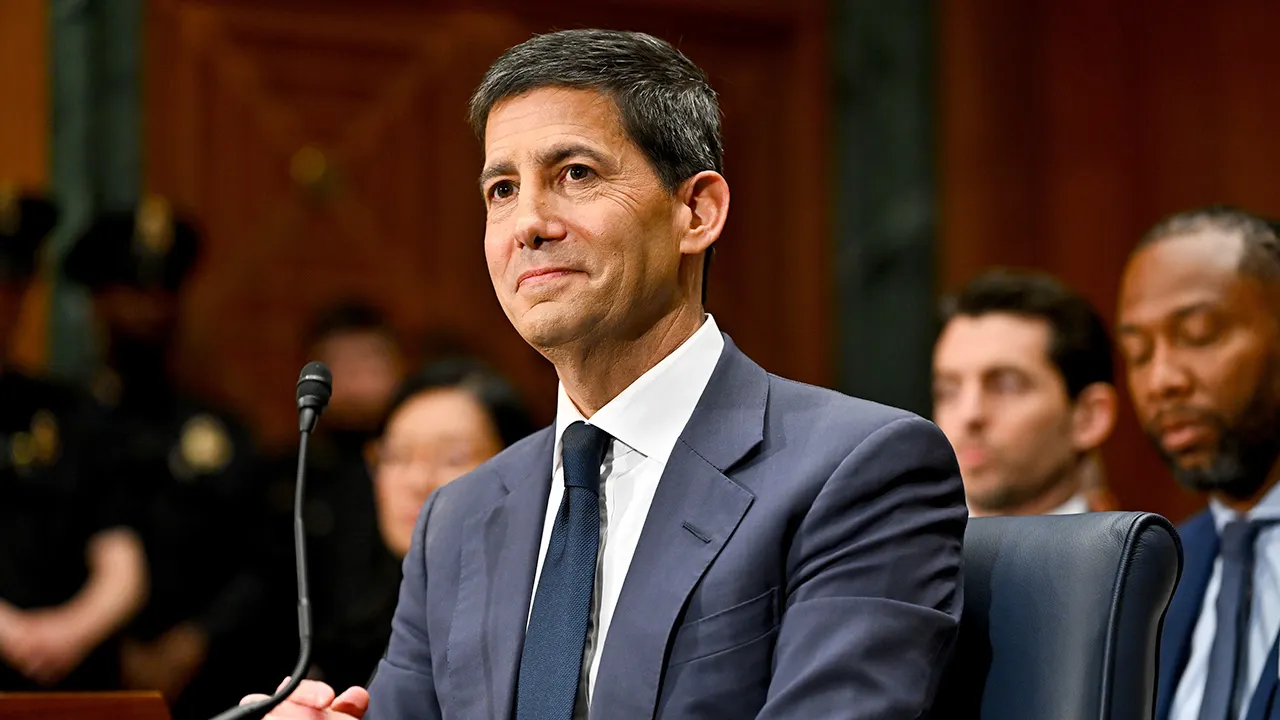
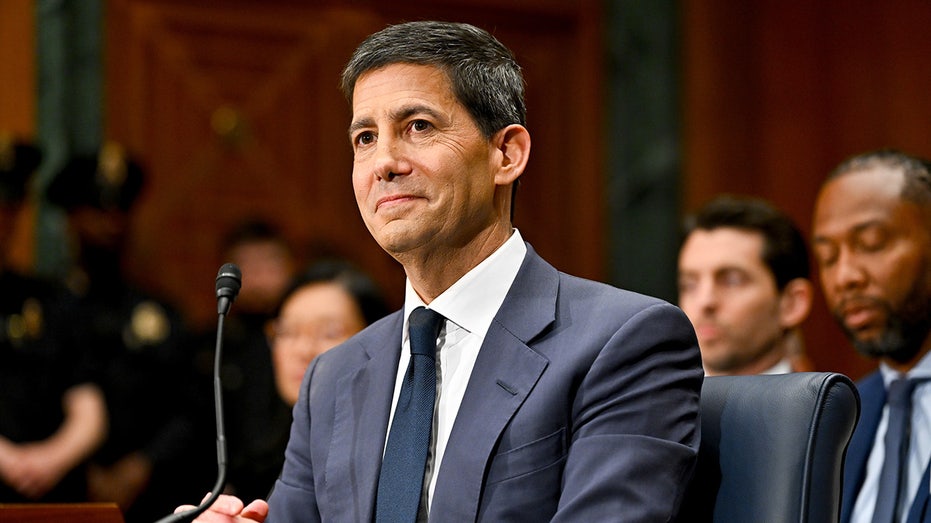
Kevin Warsh at his confirmation hearing

The FOMC’s June monetary policy meeting was the first led by Fed Chair Kevin Warsh. (Graeme Sloan/Bloomberg via Getty Images)

INFLATION IS SQUEEZING AMERICAN CONSUMERS AND THE FED’S LATEST REPORT SHOWS IT’S GETTING WORSE

Advertisement

The FOMC also released a summary of economic projections, also known as the dot plot, which showed that nine of the 18 voting members project an interest rate hike before the end of 2026, with six projecting two 25-basis-point hikes. 

They see PCE inflation at 3.6% at year’s end, up from 2.7% in the March projection, with the unemployment rate at 4.3%, slightly lower than the prior estimate of 4.4%. They also see economic growth slowing, with the projection showing real GDP up 2.2% at the end of the year – down from a 2.4% prediction in March.

Fed Chair Warsh spoke to the media at his first post-meeting press conference on behalf of the FOMC. Warsh’s predecessor, Jerome Powell, remains a member of the Fed’s Board of Governors and a voting member of the FOMC.

“We recognize that inflation has been running well ahead of the Fed’s long-stated inflation goal of 2%. That’s been going on for more than five years. Persistently high prices are a burden for the American people, but the recent past need not be prologue,” Warsh said.

Advertisement

“I am pleased to report that members of the FOMC are unambiguous and unanimous – this committee will deliver price stability,” he added.

Continue Reading

Business

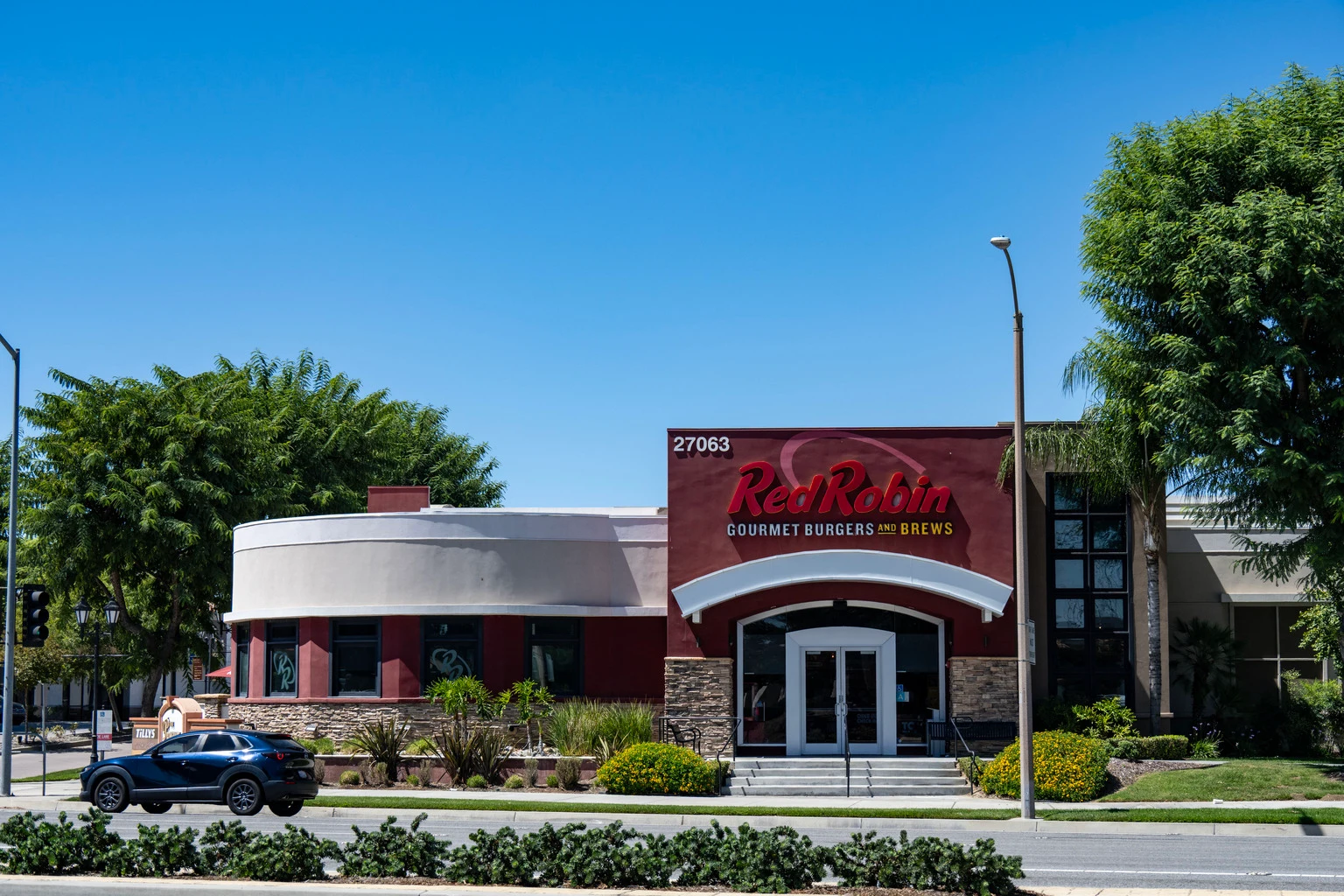
Red Robin Gourmet Burgers' Transformation Looks Irresistible (Upgrade)

Published

on

Red Robin Gourmet Burgers' Transformation Looks Irresistible (Upgrade)

Red Robin Gourmet Burgers' Transformation Looks Irresistible (Upgrade)

Continue Reading

Business

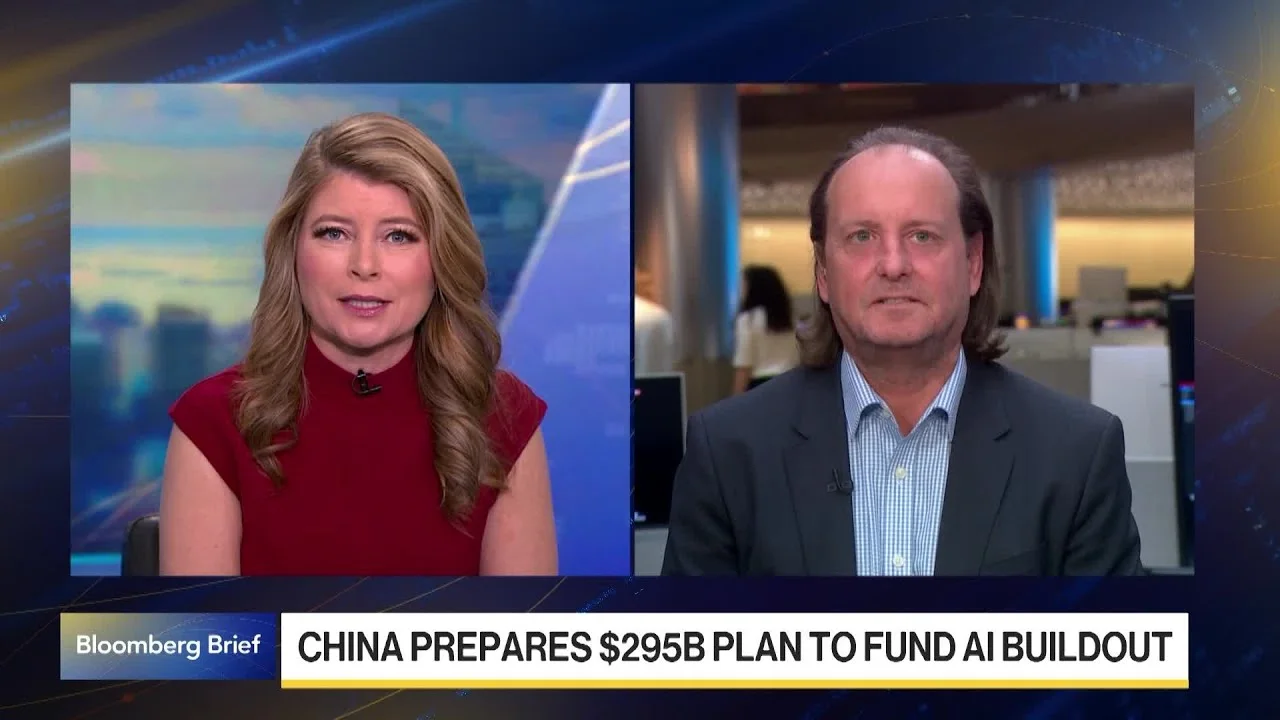
China’s $295 Billion Plan to Fund a Massive AI Infrastructure Buildout

Published

on

China's $295 Billion Plan to Fund a Massive AI Infrastructure Buildout

China plans to invest approximately 2 trillion yuan ($295 billion) over the next five years to develop data centers nationwide. This significant investment aims to bolster infrastructure, support digital growth, and enhance technological capabilities, positioning China as a major player in global data storage and management.


China is gearing up to invest a massive $295 billion to advance its artificial intelligence (AI) infrastructure and research. This ambitious initiative aims to position China as a global leader in AI technology by fostering innovation across industries such as healthcare, manufacturing, and transportation. The plan will support the development of core AI components, including chips, algorithms, and data centers, strengthening domestic capabilities and reducing reliance on foreign technology.

The government’s strategic funding is also geared toward talent cultivation and establishing cutting-edge research hubs. By bolstering AI development, China hopes to stimulate economic growth, create high-tech jobs, and enhance national security. This enormous investment signifies China’s commitment to becoming a dominant force in the rapidly evolving AI landscape and challenges other nations to keep pace with its technological ambitions.

Advertisement

Overall, China’s $295 billion AI buildout plan underscores its determination to harness artificial intelligence for economic and strategic advantages. As the country accelerates its technological investments, it aims to solidify its position as a global AI innovator, reshaping the future of digital transformation worldwide.

source

Advertisement
Continue Reading

Business

Community Coffee, Dolly Parton to launch coffee brand

Published

on

Community Coffee, Dolly Parton to launch coffee brand

The Cup of Ambition line will feature three blends. 

Continue Reading

Business

Nio Strategic Metals Inc. (NIO:CA) Shareholder/Analyst Call Transcript

Published

on

OneWater Marine Inc. (ONEW) Q1 2026 Earnings Call Transcript

Hubert Marleau
Chairman & CEO

Ladies and gentlemen, I’m President declared of the assembly, and I will conduct this meeting in French and in English.

[Foreign Language] Ladies and gentlemen, good morning, and welcome to the — this Annual General and Special Meeting of the Shareholders of Nio Strategic Metals. My name is Hubert Marleau, and I have the pleasure of being the Chairman of the Board of Director and Chief Executive Officer of Nio Strategic Metals. I declare the assembly open.

I am accompanied by Jean-Sebastien Blanchette, our Chief Financial Officer; and Bruno Dumais, President and Chief Operating Officer, who will act as Secretary of this meeting; as well as the directors, Julie Lemieux, Christoph Ebeling, Hubert Vallee, Alexandre Triquet and Sylvain Menard.

Advertisement

[Foreign Language] For those of you who wish to address the assembly, we ask you to draw my attention by using the box provided for this purpose on the website. I would like to emphasize and remind you that only registered shareholders of the company as of May 13, 2026, or their proxy holders are entitled to ask question, propose and support resolution at this meeting. In order to follow a greater number of shareholders to participate in this meeting and to reduce the related costs, and we have decided to hold assembly by teleconference only. Shareholders were able to exercise their rights by filling out a proxy form in order to be used at the meeting, the proxy had to be received by the company’s transfer agent and registrar, Computershares Inc., on or before June 15, 2026. Please note that the voting will not be possible during this meeting.

Continue Reading

Business

uniQure Stock Surges 76% on FDA Breakthrough for Huntington’s Gene Therapy AMT-130

Published

on

uniQure Stock Surges 76% on FDA Breakthrough for Huntington's Gene

Shares of uniQure N.V. skyrocketed more than 75 percent Wednesday, closing in on $47.49 after the gene therapy company announced a major regulatory advancement for its experimental treatment AMT-130 targeting Huntington’s disease. The surge reflects renewed investor optimism around the potential for the first disease-modifying therapy for the devastating neurological disorder.

uniQure stock opened sharply higher and maintained strong gains throughout the morning session on the Nasdaq. The move more than doubled the company’s market capitalization in a single trading day, erasing earlier setbacks and highlighting the high-stakes nature of biotech investments tied to clinical and regulatory milestones.

The catalyst was confirmation that the U.S. Food and Drug Administration has agreed uniQure can pursue a Biologics License Application using existing Phase I/II data from the AMT-130 program, supporting a path toward accelerated approval. This development reverses prior regulatory hurdles and accelerates timelines for potential market entry.

Regulatory Progress on AMT-130

Advertisement

AMT-130 is a one-time, AAV-based gene therapy designed to lower levels of the mutant huntingtin protein responsible for Huntington’s disease. The disorder affects an estimated 30,000 people in the United States with another 200,000 at risk, causing progressive motor dysfunction, cognitive decline and psychiatric symptoms with no approved disease-modifying treatments currently available.

Earlier Phase I/II data showed promising results, including a statistically significant 75 percent slowing of disease progression at 36 months in the high-dose cohort as measured by the composite Unified Huntington’s Disease Rating Scale compared to external controls. Additional functional improvements were noted across key endpoints.

The FDA’s updated position allows uniQure to submit a BLA potentially as early as the third quarter of 2026, pending final alignment. This follows patient advocacy efforts, including petitions with tens of thousands of signatures, and comes amid broader shifts in FDA leadership and priorities for rare disease therapies.

Company executives expressed confidence in the data package. The therapy uses a precision delivery approach directly into the brain, aiming to provide long-lasting benefits from a single administration.

Advertisement

Company Background and Pipeline

uniQure, headquartered in the Netherlands with significant U.S. operations, specializes in AAV gene therapies for rare and severe genetic diseases. Its platform has delivered approved therapies in hemophilia B and other areas, providing foundational experience for the Huntington’s program.

Beyond AMT-130, the company is advancing candidates in Fabry disease and other indications. Recent updates on AMT-191 for Fabry showed sustained enzyme activity improvements and patients discontinuing enzyme replacement therapy.

Financially, uniQure has faced typical biotech pressures with ongoing research and development costs. First-quarter 2026 results showed a net loss, but the regulatory clarity could open doors to partnerships, additional funding or commercialization revenue if approved.

Advertisement

Market Reaction and Analyst Views

The dramatic share price increase reflects the binary nature of biotech catalysts. Prior to Wednesday’s news, the stock had traded in a range influenced by earlier regulatory uncertainty and broader sector volatility. Analyst price targets vary widely, with some forecasting substantial upside if AMT-130 reaches the market.

Wall Street has generally maintained a positive stance on uniQure’s potential, citing the unmet need in Huntington’s and the strength of the clinical data. However, risks remain, including manufacturing scale-up, long-term safety monitoring and competition from other approaches in the gene therapy space.

Trading volume spiked significantly as retail and institutional investors reacted. The stock’s movement also lifted related names in the gene therapy and neurological disease sectors.

Advertisement

Broader Implications for Gene Therapy Field

Wednesday’s announcement underscores evolving FDA flexibility for serious rare diseases with strong surrogate or early clinical signals. Huntington’s represents a particularly challenging area due to its genetic basis and progressive nature, making any meaningful slowing of decline highly impactful.

Patient advocacy groups welcomed the news. Organizations like Help4HD have long pushed for accelerated pathways, viewing AMT-130 as a potential game-changer for families affected by the hereditary condition.

The development arrives as the gene therapy sector matures, with more products gaining approvals and real-world evidence accumulating. Challenges around cost, access and delivery methods persist, but successes like uniQure’s could encourage further investment.

Advertisement

Risks and Considerations

Despite the enthusiasm, hurdles remain before any potential approval. Full data review, manufacturing inspections and possibly additional confirmatory studies could influence timelines. Pricing and reimbursement discussions for one-time therapies often prove complex given the high upfront costs.

uniQure will need to demonstrate consistent safety and efficacy at commercial scale. Long-term follow-up data will be critical, as gene therapies can produce effects that evolve over years.

For investors, the volatility inherent in clinical-stage biotech remains pronounced. While today’s surge rewards risk-takers, future developments around clinical holds, competitive data or macroeconomic factors could drive sharp reversals.

Advertisement

Looking Ahead

uniQure plans further engagement with regulators and expects to provide additional updates on the BLA process in coming months. Positive momentum could also support partnership discussions or capital raises to fund commercialization preparations.

The Huntington’s community awaits more details, with hope that AMT-130 could transform care for a disease that has long lacked meaningful interventions. As the company advances toward potential approval, attention will turn to execution and the therapy’s real-world impact.

Wednesday’s trading action caps a period of anticipation for uniQure and highlights the sector’s capacity for rapid value shifts on regulatory news. As the gene therapy landscape evolves, uniQure’s progress with AMT-130 positions it as a key player in addressing one of medicine’s most challenging genetic disorders.

Advertisement
Continue Reading

Trending

Copyright © 2025