












The defence giant has hailed its full-year performance as its current CEO prepares to retire

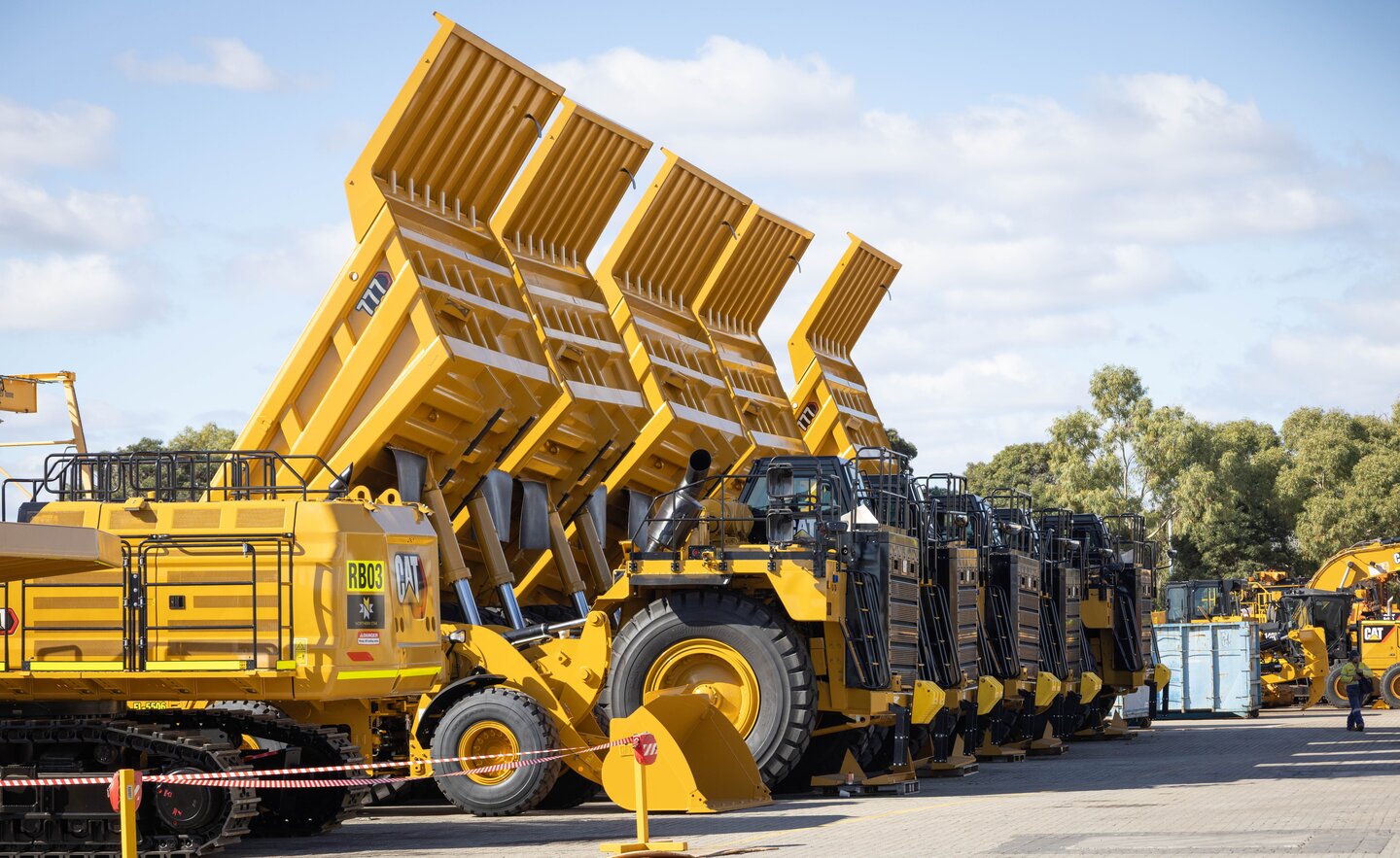
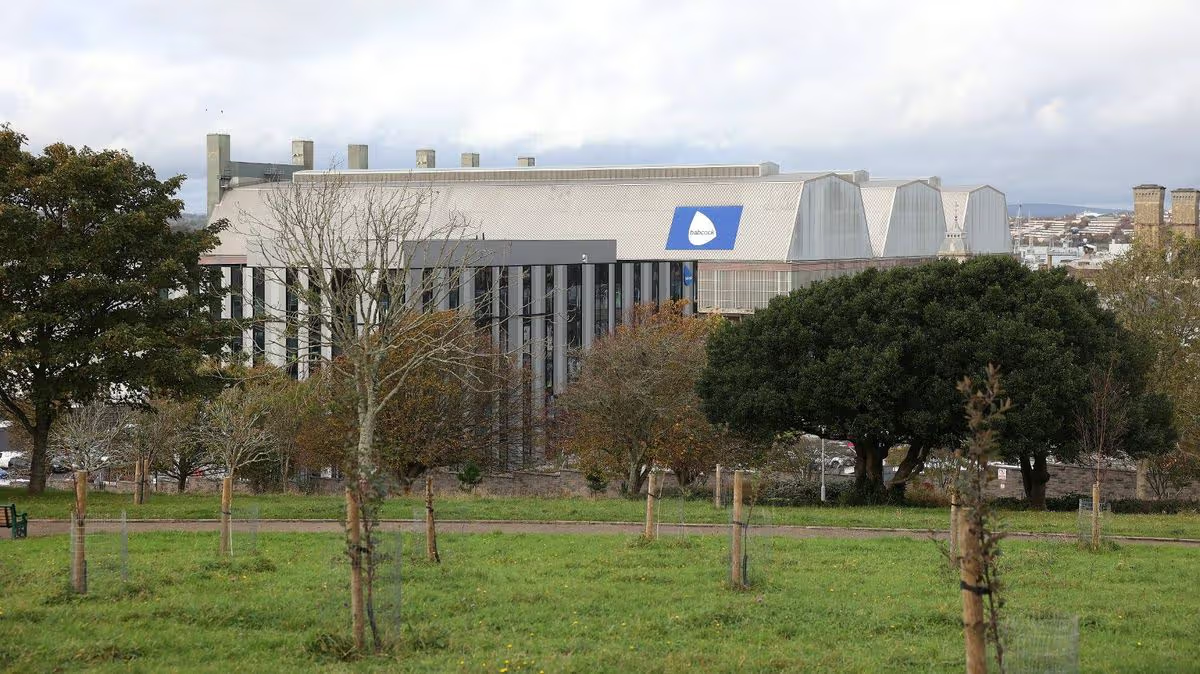
Babcock International, Devonport Dockyard, Plymouth(Image: Matt Gilley/PlymouthLive)
Defence giant Babcock has posted a rise in revenues for the full year and announced another £200m share buyback scheme. The business hailed its performance for the period ending March 31, 2026, amid an “increasingly uncertain geopolitical backdrop”.
The group, which operates Devonport Dockyard in Plymouth and sites across Scotland including Fastlane, reported revenues of £5.1bn – up eight per cent on a year earlier – driven by its nuclear and aviation divisions.
Underlying operating profit stood at £293m – down from £362.9m a year earlier – after being hit by a £140m charge on a Type 31 contract.
Outgoing chief executive David Lockwood, who is retiring at the end of the year, said: “Against an increasingly uncertain geopolitical backdrop, Babcock has delivered continued strategic and operational progress.
“We achieved strong underlying growth, improved margins and robust cash generation, while securing important contract wins that further strengthen our position in defence and nuclear markets, where long-term demand is increasingly structural.”
During the period, Babcock “ramped up” its £1bn DSG British Army vehicle support contract and increased its activity at Hinkley Point C nuclear plant in Bridgwater, Somerset, under the MEH alliance. It also reopened Devonport’s 15 Dock facility, increasing submarine maintenance capability.
The company increased its full-year dividend by 15 per cent and launched a further £200m share buyback, following successful completion of the previous programme in April.
“With our core capabilities aligned to our customers’ evolving priorities, we are building a high-quality pipeline of long-term growth opportunities,” Mr Lockwood added.
“Babcock is a more resilient business today, with clear momentum and strong visibility. Our people remain our most important asset, and we continue to build a talent-led culture with the right skills, capability and leadership. I leave with confidence that the group is well positioned for its next phase of delivery, growth and value creation.”
For FY27, Babcock expects “another year of good progress”, it said, with around 70 per cent revenue under contract in April – a similar percentage to the previous year.
It also reaffirmed its medium-term guidance of average mid-single digit organic revenue growth, underlying operating margin of at least nine per cent and average underlying operating cash conversion of at least 80 per cent.
Mr Lockwood announced in January that he would be departing the business after overseeing a sixfold rise in the company’s share price throughout his five-year leadership.
He will be succeeded by former Army officer Harry Holt, the current chief executive of Babcock’s nuclear arm. Mr Holt was appointed deputy chief executive in April and will take up the top job at Babcock on August 1.
“Babcock’s full-year results contained few surprises as it delivered double-digit underlying revenue and profit growth,” said Aarin Chiekrie, equity analyst at Hargreaves Lansdown.
“The balance sheet remains in great shape, with its small net debt pile trending lower. Alongside healthy free cash flows and a strong demand outlook, that’s given Babcock the confidence to raise its full-year dividend.”





































You must be logged in to post a comment Login