

Sports
Two stars, two trials: Hakimi and Partey’s parallel journey in FIFA WC 2026 | FIFA World Cup 2026

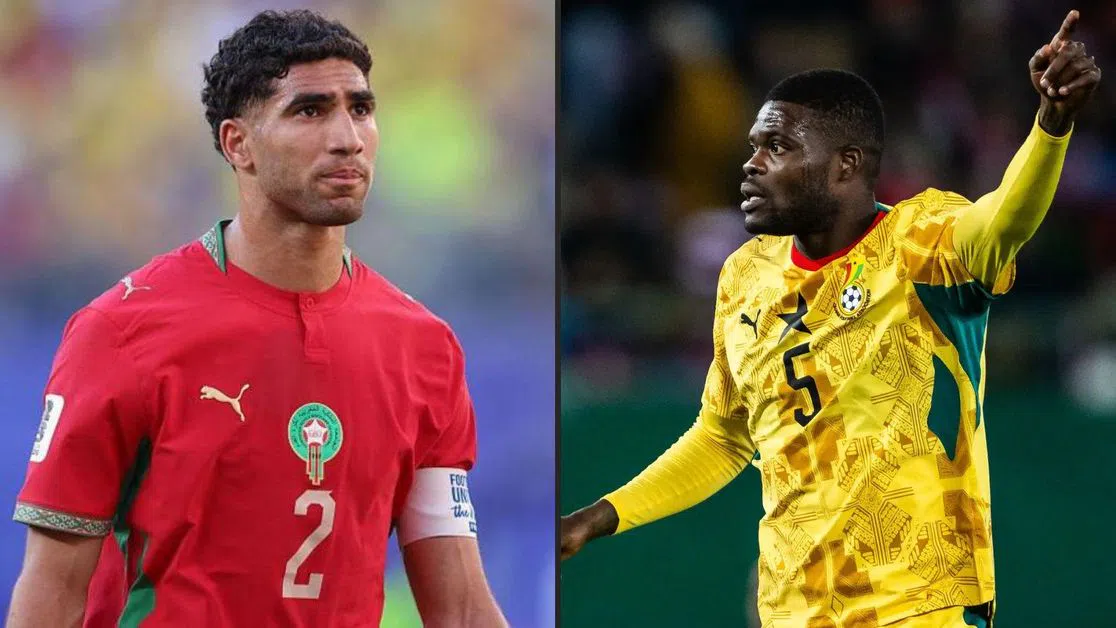
FIFA World Cups are usually remembered for moments that become part of football history, a stunning goal, an unlikely upset or a player who captures the imagination of millions.
But as the FIFA World Cup 2026 unfolds across North America, two of Africa’s biggest stars find themselves on a different kind of journey.
Morocco captain Achraf Hakimi and Ghana midfielder Thomas Partey arrived at the World Cup as two of the pillars of their respective teams. Yet beyond the pressure of group-stage matches and the dream of a deep run lies another reality.
Both men face legal battles that will continue beyond the World Cup, creating a rare intersection between football’s biggest stage and proceedings that have unfolded over several years.
Both players deny the allegations against them and remain available for selection.
Two leaders carrying their countries’ hopes
For Morocco, Hakimi is far more than a right-back. The 27-year-old has become one of the faces of the national team since helping the Atlas Lions reach the semi-finals in Qatar four years ago. Now captain, he remains central to Morocco’s ambitions of repeating that success.
Partey occupies a similar place in Ghanaian football. The 33-year-old has been one of the Black Stars’ most influential figures for nearly a decade, and his experience is viewed as crucial in a group containing England, Croatia and Panama.
Their importance to their teams meant Morocco and Ghana stood by their stars despite the legal cases hanging over both players.
Hakimi’s case advances during the tournament
Hakimi’s case dates back to February 2023, when a woman accused the Paris Saint-Germain defender of rape following an alleged incident at his home near Paris. French authorities subsequently opened an investigation and placed the player under formal examination.
Hakimi consistently denied the allegations and maintained that the encounter had been consensual.
The investigation continued while he carried on with his club and international career. Over the next three years, he helped Paris Saint-Germain win domestic honours and led Morocco into another World Cup campaign.
Earlier this year, an investigating judge ordered that the case proceed to trial. Hakimi challenged the decision, but just days before Morocco’s meeting with Scotland at the World Cup, the Versailles appeals court upheld the ruling, confirming that he would stand trial. A date has yet to be fixed.
Partey’s long-running case
The legal process involving Partey stretches back even further. British police began investigating allegations against the midfielder in 2022. For years, the investigation remained largely in the background as Partey continued playing in England and later moved to Spain.
In July 2025, prosecutors charged the former Arsenal midfielder with five counts of rape and one count of sexual assault. He pleaded not guilty.
Two additional rape charges were added earlier this year, bringing the total number of charges to seven counts of rape and one count of sexual assault. Partey has denied all allegations and is expected to stand trial next year.
The proceedings even affected his World Cup preparations. Canadian authorities denied him entry for Ghana’s opening match against Panama, leading him to miss the game.
However, he was granted entry to the United States and is expected to feature during the remainder of the tournament.
Football and the presumption of innocence
The cases have also exposed the absence of any clear football-wide approach.
Unlike doping offences or suspensions for misconduct on the pitch, criminal proceedings do not automatically prevent players from representing their countries. In most cases, the decision is left to national associations, which are often forced to balance sporting considerations with broader ethical questions.
Those who support the continued involvement of players facing charges point to the principle that accusations alone should not amount to punishment. Both Hakimi and Partey have denied the allegations, and neither has been convicted.
Others argue that football has frequently treated elite players differently from other professions, where employees facing allegations of serious misconduct are often suspended pending the outcome of legal proceedings.
They contend that continuing to select such players raises uncomfortable questions about the message sent to victims of sexual violence and whether success on the pitch is being prioritised above all else.
The debate is hardly new, but it has followed the World Cup to North America.
The issue has travelled with the tournament
During Morocco’s group-stage match against Scotland, sections of the Scottish support jeered Hakimi whenever he touched the ball, ensuring events away from football became part of the atmosphere inside the stadium.
Partey’s preparations were affected differently. Canadian authorities denied him entry for Ghana’s opening match against Panama, forcing him to miss the game. However, he was able to enter the United States and is expected to return for the meeting with England.
His availability has prompted discussions in England as well. Thomas Tuchel has stressed the need for his players to focus solely on football, while the Football Association has left any decisions surrounding pre-match handshakes to the players themselves.
Not entirely without precedent
Football has witnessed similar situations before, with off-field legal proceedings occasionally unfolding alongside players’ careers.
Yet rarely have two players so central to their national teams arrived at the same World Cup with rape trials still lying ahead.
That coincidence has made Hakimi and Partey’s stories one of the tournament’s more distinctive and uncomfortable threads.

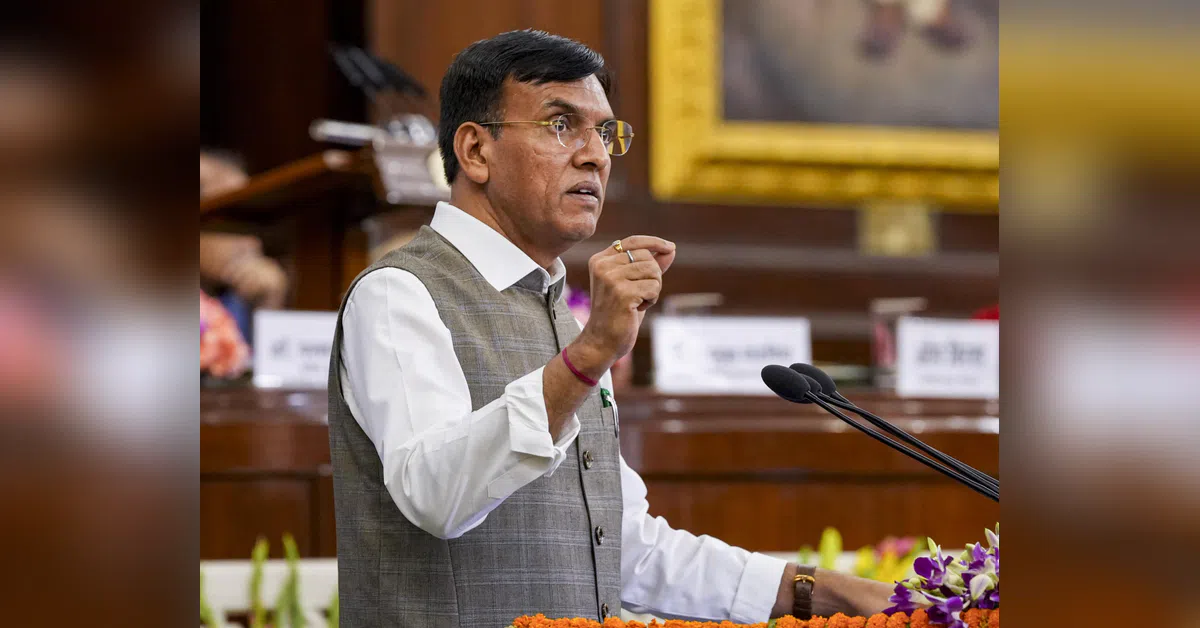
Seeking to accelerate the process of reviving Formula One in India, Sports Minister Manuskh Mandaviya on Saturday said a Task Force would be instituted “as soon as possible” to assess the challenges and benefits of hosting major motorsport events here.
In an interaction with select media, Mandaviya revealed that the move was an outcome of a recent meeting with all stakeholders, including officials from Formula One, Buddh International Circuit owners, the Adani Group, representatives of the Federation of Motor Sports Clubs of India (FMSCI), and young racers and motorsport enthusiasts.
“…major outcome of the meeting is that the Ministry will constitute a dedicated four-five member Task Force to undertake a detailed assessment of the motorsports ecosystem in the country and examine the challenges associated with its growth,” Mandaviya said.
“The Task Force will evaluate the international, economic, tourism, and investment benefits arising from hosting major motorsport events in India. It will also identify key priorities, infrastructure requirements, and operational needs necessary for the sustainable development of the sector and submit its recommendations to the Sports Ministry,” he added.
The Task Force will have representation from FMSCI, Sports Ministry, the state government (in this case Uttar Pradesh as Buddh International Circuit is in Greater Noida), and the facility owners.
Although the minister did not give a timeline for the entire exercise, he said that it would be done “as soon as possible” and the panel would be given three months to submit its report from the day it starts operations.
Based on the Task Force’s findings, a comprehensive policy framework will be developed to promote motorsports in India.
“The idea is to have a Formula One race in India by 2028 and for that a necessary framework would be put in place by next year. Special emphasis will be placed on encouraging and supporting regional and grassroots motorsport centres,” he said, revising his previous target of having a race by 2027.
“Motorsports will also be positioned as an important component of the Government’s ‘Play in India’ initiative. There is an entire economy that can revolve around F1 and India has tremendous potential because the sport has a massive fanbase,” the minister added.
The entire process will be implemented through a phased and systematic approach, with the Government of India committed to providing full support for the growth and advancement of motorsports in the country.
India hosted Formula 1 from 2011 to 2013 before the race was dropped from the calendar due to taxation and financial reasons.
F1 CEO Stefano Domenicali recently acknowledged the huge interest in India but had refrained from giving a timeline for its return, saying it would take the right investment and people for the plan to work out.
As per an F1 statement in December last year, the fanbase in India for the sport stood at 79 million. In less than six months, that number has grown to 98 million.
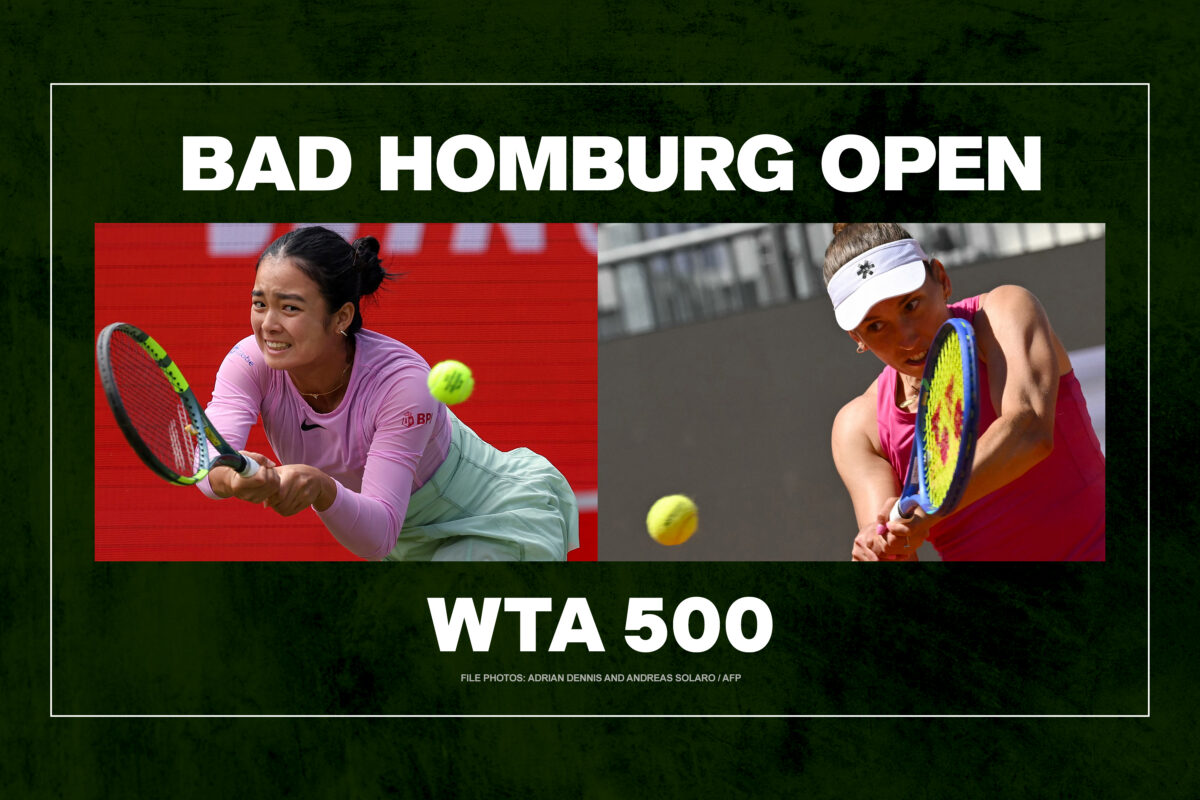

- Alex Eala faces Belgium’s Elise Mertens in the round of 32 of the WTA 500 Bad Homburg Open in Germany.
Bad Homburg Open schedule
June 22, Monday
- 11:30 p.m. – Alex Eala vs Elise Mertens

FILE – Alex Eala celebrates after a match in the Berlin Open. She beat Elena Rybakina and Elina Svitolina to reach the semifinals. –BERLIN OPEN PHOTO
MANILA, Philippines–Alex Eala returned to the top 30 in the WTA rankings ahead of her debut at the Bad Homburg Open on Monday.
Eala jumped five spots to world No. 30 following a blistering campaign in the WTA 500 Berlin Open, where she reached the semifinals. She moved just a spot shy of matching her career-high ranking of No. 29 last March.
The 21-year-old Eala looks to continue her giant-slaying ways starting against former world No. 12 Elise Mertens of Belgium in the round of 32 late Monday night.

Alex Eala —WTA PHOTO
Alex Eala’s most memorable 2026 WTA run ended on Sunday morning in Manila when the Czech Linda Noskova needed just 69 minutes to bundle out the hard-fighting pride of the Philippines in the semifinals of the Berlin Open.
And that leaves the 21-year-old setting her sights on another WTA 500 event starting Monday when she battles Elise Mertens in the round-of-32 of the Bad Homburg Open at the Spielbank Bad Homburg Centre Court.
There will be no shortage of giants to chop down in Homburg in Germany, with former world No. 1 Iga Swiatek of Poland and newly crowned French Open champion Meera Andreeva ranked 1-2 in the event and where Eala will get a chance of facing Noskova again after taking a 6-2, 6-4 defeat in Berlin.
Read Next


Subscribe to INQUIRER PLUS to get access to The Philippine Daily Inquirer & other 70+ titles, share up to 5 gadgets, listen to the news, download as early as 4am & share articles on social media. Call 896 6000.
For feedback, complaints, or inquiries, contact us.

Sports
More than just numbers: How lower-ranked teams are shining at FIFA WC 2026 | FIFA World Cup 2026
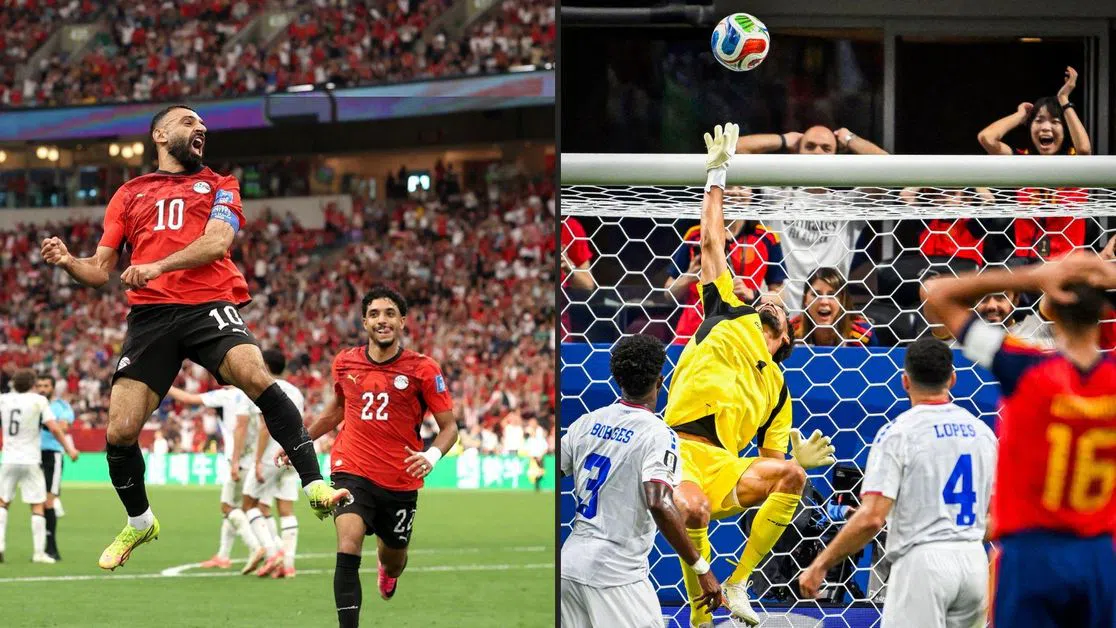
For decades, FIFA rankings have offered a broad guide to international football’s balance of power. They have separated favourites from outsiders and shaped expectations long before a ball is kicked.
Yet, the opening fortnight of the 2026 World Cup has demonstrated that rankings alone no longer tell the full story.
From World Cup debutants Cape Verde taking points off Spain and Uruguay to Egypt and Iran frustrating Belgium, and DR Congo forcing Portugal to settle for a draw, the tournament has produced a growing collection of results that suggests the gap between football’s established powers and emerging nations is shrinking.
The elite sides still possess greater depth, superior infrastructure and richer histories. But increasingly, lower-ranked teams are proving that tactical organisation, collective discipline and self-belief can compensate for disparities in resources.
Heavyweights have struggled to impose themselves
The surprises are beginning to resemble a pattern rather than a collection of isolated upsets.
World No. 2 Spain were held to a goalless draw by 72nd-ranked Cape Verde despite dominating possession and registering 23 shots. The World Cup debutants had only six attempts and one effort on target, but their defensive discipline earned them a memorable point.
It was not an isolated result. Twenty-sixth-ranked Uruguay needed a late equaliser to avoid defeat against 58th-ranked Saudi Arabia and were then held 2-2 by Cape Verde, a side ranked nearly 50 places below them.
Twelfth-ranked Belgium have also found themselves frustrated. After drawing 1-1 with 34th-ranked Egypt, the Red Devils were held to a goalless draw by 20th-ranked Iran despite enjoying 68 per cent possession and producing 22 shots.
Meanwhile, eighth-ranked Portugal were unable to overcome 61st-ranked DR Congo. Despite completing 789 passes and monopolising possession, the Europeans had to settle for a 1-1 draw.
Elsewhere, 17th-ranked Japan recovered twice to secure a 2-2 draw against sixth-ranked Netherlands, while 90th-ranked Curaçao denied 24th-ranked Ecuador despite facing 28 shots and conceding 75 per cent possession.
Cape Verde have become the symbol of the shift
No team has captured that transformation better than Cape Verde. Making their World Cup debut, the Blue Sharks arrived in the United States with few expectations. Instead, they have emerged as one of the stories of the tournament.
Against Spain, Bubista’s side defended with remarkable organisation. Although they saw only 26 per cent of possession, they restricted Spain’s 23 shots to eight efforts on target and preserved a memorable draw.
Their meeting with Uruguay demonstrated another dimension. Cape Verde twice came from behind and converted four shots on target into two goals. Uruguay, despite creating 16 attempts and earning 11 corners, could not shake off the Africans.
Rather than merely surviving, Cape Verde have shown they are capable of competing.
That belief, perhaps more than any statistic, explains why they have become one of the tournament’s most compelling stories.
Globalisation has reduced the quality gap
The narrowing divide is not accidental. Football’s talent pool is now spread more evenly across the world than at any previous time.
Players from Africa, Asia and smaller footballing nations are increasingly gaining experience in Europe’s top leagues and academies, exposing them to elite coaching, tactical systems and sports science.
National teams that once relied on one or two exceptional individuals are now fielding squads containing players accustomed to competing at the highest levels.
Data analysis has also transformed preparation. Smaller federations may not possess the resources of football’s superpowers, but advances in video analysis and performance analytics have made detailed tactical planning accessible to a much wider range of nations.
Diaspora players and dual-nationality recruitment have further strengthened many teams, providing depth that would have been unimaginable a generation ago.
The result is a tournament where the differences in technical quality remain significant, but the margins separating teams have become increasingly fine.
Defensive organisation has become football’s great equaliser
Another recurring theme of the tournament has been the effectiveness of compact defensive systems. Possession statistics have repeatedly favoured the traditional powers, but possession itself has often proved meaningless.
Spain’s 74 per cent share of the ball produced no goals against Cape Verde. Belgium’s 68 per cent possession against Iran yielded 22 shots but no breakthrough. Portugal enjoyed three-quarters of possession against DR Congo yet managed only one more attempt than their opponents.
Many lower-ranked nations have embraced a pragmatic approach, prioritising shape and discipline over possession. By denying space between the lines and forcing opponents into wide areas, they have compelled technically superior teams into speculative efforts.
Counter-attacks and set-pieces have become valuable weapons, allowing underdogs to remain dangerous without dominating the ball.
The football may not always be expansive, but it has proved remarkably effective.
Expanded format has increased competitiveness
Before the tournament, critics feared that the expanded 48-team World Cup would dilute quality and create more one-sided contests.
The opposite has happened. The additional places have provided emerging football nations with opportunities that previously did not exist.
Teams such as Cape Verde and DR Congo have used that platform to demonstrate how far they have progressed, while Saudi Arabia, Egypt, Iran, Japan and Curaçao have all shown they belong on the biggest stage.
The larger field has broadened football’s geographical reach without reducing competitiveness.
The established powers will still expect their greater depth and experience to become decisive once the knockout rounds begin.
But the first fortnight of the FIFA World Cup 2026 has delivered a clear message: Rankings and reputations are becoming increasingly unreliable measures of strength.
The giants remain powerful, but the outsiders are no longer arriving simply to participate. They are arriving to compete and, increasingly, to disrupt.
Which is tougher: battling your swing or your reputation?
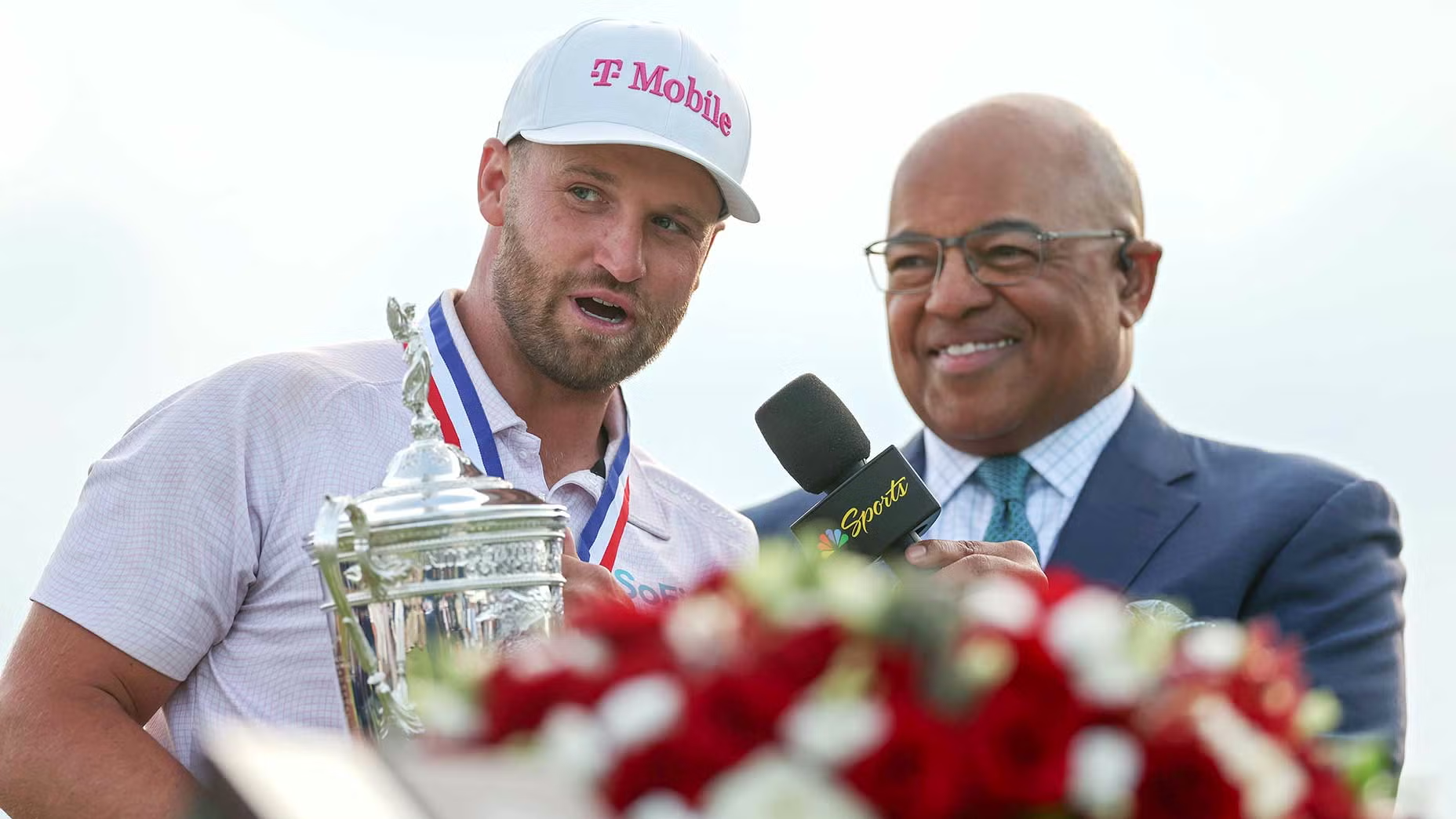
Wyndham Clark served as an interesting case study on Sunday afternoon at Shinnecock Hills.
“Get in the bunker!” one spectator bellowed in a Long Island accent as Clark’s first tee shot took flight in the final round of the U.S. Open. The ball found the fairway, but never mind that. Nine months and 60 miles removed from the Ryder Cup at Bethpage Black, New York partisanship was back on proud display.
And it wasn’t just the locals getting in on the action.
“Canada hates you,” another voice chimed in. When even our nice neighbors to the north have turned against you, you know you’re in dire need of damage control.
In fairness to Clark, that’s just what he’d been doing. All week long on the windswept East End, the notoriously hot-tempered 2023 U.S. Open champion had been sounding the same contrite refrain: He was sorry, okay? Could people please forgive him? That locker-wrecking tantrum at Oakmont last year was carried out by him in body, not in spirit. It wasn’t, he insisted, who he really is.
Whether that was true hardly seemed to matter. If there’s one thing fans like better than worshipping a hero, it’s hating on a villain. And with Scottie Scheffler—the beloved birthday boy, vying to complete the career Grand Slam — playing alongside Clark in the final pairing, the galleries had both.
Luckily for Clark, the crowds weren’t especially large or loud, not by major-championship standards. But they made themselves heard, yelling for his ball to “bite” when it needed to roll and for it to “get legs” when it needed to stop.
It got bad enough that several of the harshest hecklers were escorted from the grounds.
As if public sentiment weren’t enough, Clark’s ball-striking also turned against him. He hit just three greens in regulation on the front nine, and as he scrambled toward the clubhouse, his lead over Sam Burns shrank to a single shot.
But where his long game faltered, his short game held firm, most crucially on the par-5 16th, where, after another drive into the fescue, he salvaged birdie with a slippery putt from off the green.
The response was notable: a smattering of cheers amid the boos and barbs.
Then came the 18th.
One final test. One final par save from off the fairway in front of fans who’d spent the week pulling for almost anyone else.
“New York didn’t really like me,” Clark said during the trophy ceremony. “But I love you guys. I get it.”
More golf claps. Progress, maybe, on the PR front.
Clark had won the competition that really mattered. The fight for hearts and minds will go on.
Sports
FIFA World Cup 2026 June 23 schedule, live match timings (IST), streaming | FIFA World Cup 2026
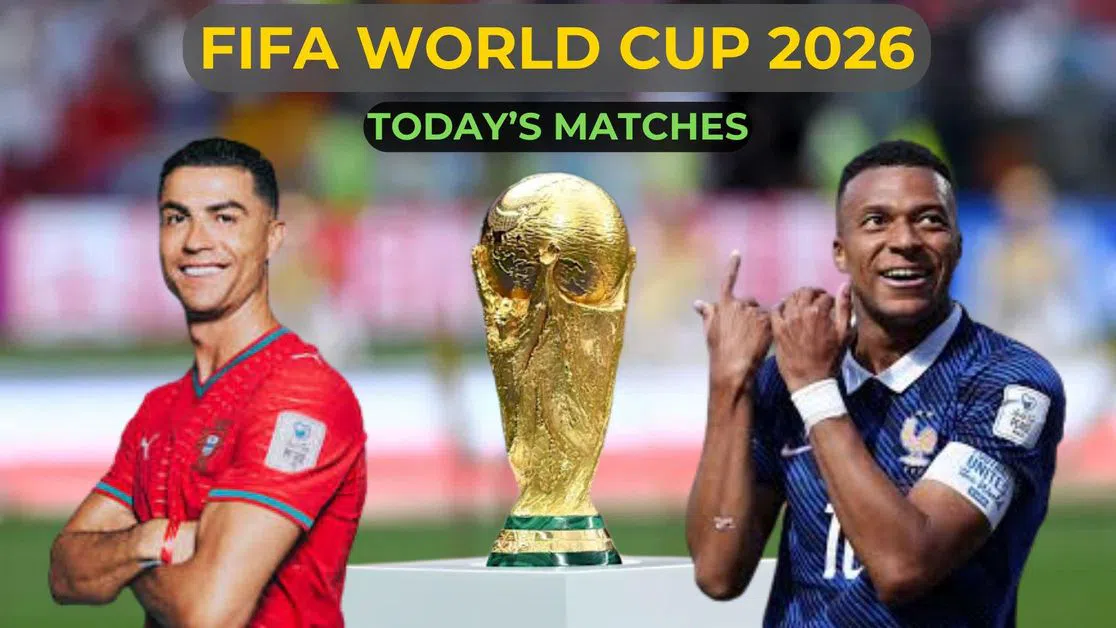
The race for the knockout stage intensifies at the 2026 FIFA World Cup as four crucial group-stage matches take centre stage on June 23. Former champions France are aiming to seal their place in the Round of 32, while Norway can also book qualification with another victory. Elsewhere, Jordan and Algeria face a must-win battle to keep their hopes alive after opening-round defeats.
The spotlight, however, will firmly be on Cristiano Ronaldo and Portugal, who are under pressure to deliver after a disappointing draw in their opener. With qualification, survival and pride all on the line, fans can expect a dramatic day of World Cup action.
France vs iraq
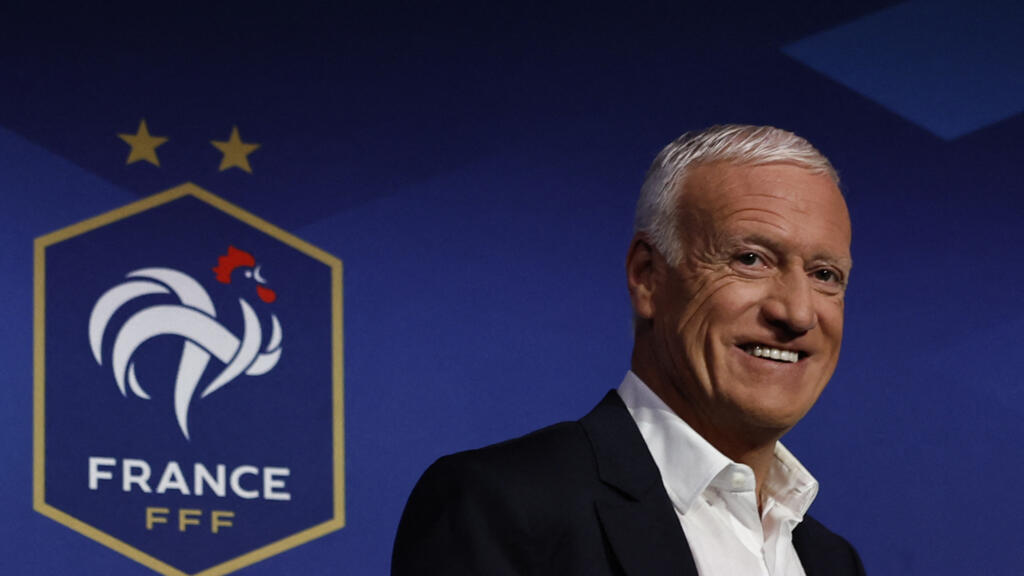
France are on the verge of securing a place in the Round of 32 as they prepare to face Iraq in their second Group I match of the 2026 FIFA World Cup. Didier Deschamps’ side recovered from a slow start against Senegal to claim a 3-1 victory, powered by a Kylian Mbappe brace and an impressive cameo from substitute Bradley Barcola.
France are expected to make only minor changes to the lineup. Iraq, meanwhile, are under pressure after suffering a 4-1 defeat to Norway in their opener. Playing in their first World Cup since 1986, they need a positive result to keep their qualification hopes alive.
Norway vs Senegal
Norway can secure a place in the Round of 32 when they face Senegal in their second Group I match at the 2026 FIFA World Cup. Stale Solbakken’s side opened their campaign with a dominant 4-1 victory over Iraq, inspired by a brace from Erling Haaland, and currently sit top of the group on goal difference.
|
FIFA World Cup 2026 June 23 matches |
|||
|
Group |
Match |
Date (IST) |
Time (IST) |
|
Group I |
France vs Iraq |
23rd June |
02:30:00 |
|
Group I |
Norway vs Senegal |
23rd June |
05:30:00 |
|
Group J |
Jordan vs Algeria |
23rd June |
08:30:00 |
|
Group K |
Portugal vs Uzbekistan |
23rd June |
22:30:00 |
Jordan vs Algeria
Jordan and Algeria face a crucial Group J encounter at the 2026 FIFA World Cup, with both teams desperate to avoid a second straight defeat. Jordan were beaten 3-1 by Austria in their tournament debut, while Algeria suffered a heavy 3-0 loss to Argentina, leaving both sides without a point after the opening round.
Victory would keep knockout qualification hopes alive, while defeat could leave them on the brink of elimination. The two nations have met only three times previously, with one win each and one draw. Their last meeting came in 2004, making this their first-ever World Cup clash.
The Main Event: Ronaldo and Portugal feature tonight
Portugal will be under pressure to secure their first win of the 2026 FIFA World Cup when they face tournament debutants Uzbekistan in Houston on Tuesday. Roberto Martinez’s side were held to a disappointing 1-1 draw by DR Congo in their Group K opener despite taking an early lead through Joao Neves.
The result has intensified scrutiny on captain Cristiano Ronaldo, who struggled to influence the match and failed to register a shot on target. With Colombia currently leading the group, Portugal know another slip-up could complicate their route to the knockout stage.
Uzbekistan, meanwhile, are fighting to keep their World Cup dream alive after a 3-1 defeat to Colombia in their first-ever match at the tournament. Although they found the net through Abbosbek Fayzullaev, Fabio Cannavaro’s side spent long periods on the back foot and managed just a single touch inside the opposition penalty area during the first half. Portugal remain clear favourites, but Uzbekistan will hope to produce a historic result and avoid elimination with a game still to play.
FIFA World Cup 2026: June 23 matches live streaming and telecast detail
Which two teams will feature in the first game of FIFA World Cup 2026 on June 23?
France will take on Iraq in the first match of the day from 2:30 am IST.
Which two teams will feature in the third game of FIFA World Cup 2026 on June 23?
Norway and Senegal will square off in the 2nd game of the day at 5:30 am IST.
Which two teams will feature in the fourth game of FIFA World Cup 2026 on June 23?
Jordan and Algeria will face each other in the third match of the day at 8:30 am IST.
Which two teams will feature in the fourth game of FIFA World Cup 2026 on June 23?
Portugal and Uzbekistan will end the proceedings on June 23 action of the FIFA World Cup 2026 at 10:30 pm IST.
Where to watch the live broadcast of the FIFA World Cup 2026 June 23 matches in India?
The broadcast of the June 23 matches of the FIFA World Cup 2026 will be available on Unite8 Sports 1, Unite8 Sports 1 HD, Unite8 Sports 2 and Unite8 Sports 2 HD TV channels for fans in India.
Where to watch the live streaming of the FIFA World Cup 2026 June 22 matches in India?
The live streaming of the June 23 matches of the FIFA World Cup 2026 will be available on the Zee5 app and website for viewers in India.

The independent Cricket Regulator has taken no action against Ben Stokes and Gus Atkinson over the nightclub incident which led to them missing last week’s Test against New Zealand, finding “insufficient evidence” against the pair.
The ruling, which effectively clears the England captain and his team-mate, comes after the duo were recalled for Thursday’s Rothesay Series decider against New Zealand at Trent Bridge.
A parallel investigation by the England and Wales Cricket Board also absolved Stokes and Atkinson of any wrongdoing in an altercation involving Saracens rugby union player Totoa Auvaa, though they were issued with written conduct warnings for contravening “specific contractual obligations”.
The regulator, which does not cover team protocols in its remit, said in a statement: “The Cricket Regulator’s role is to determine whether any participant or player has breached any applicable ECB Cricket Regulations. The investigation followed multiple lines of enquiry to gather and assess evidence in relation to the events in question.
“Having carefully reviewed all currently available information, the Cricket Regulator has determined that there is insufficient evidence to establish that any regulatory breach occurred. Accordingly, no further action will be taken against either player.
“The Cricket Regulator would like to thank all those involved for their cooperation throughout the investigation.”
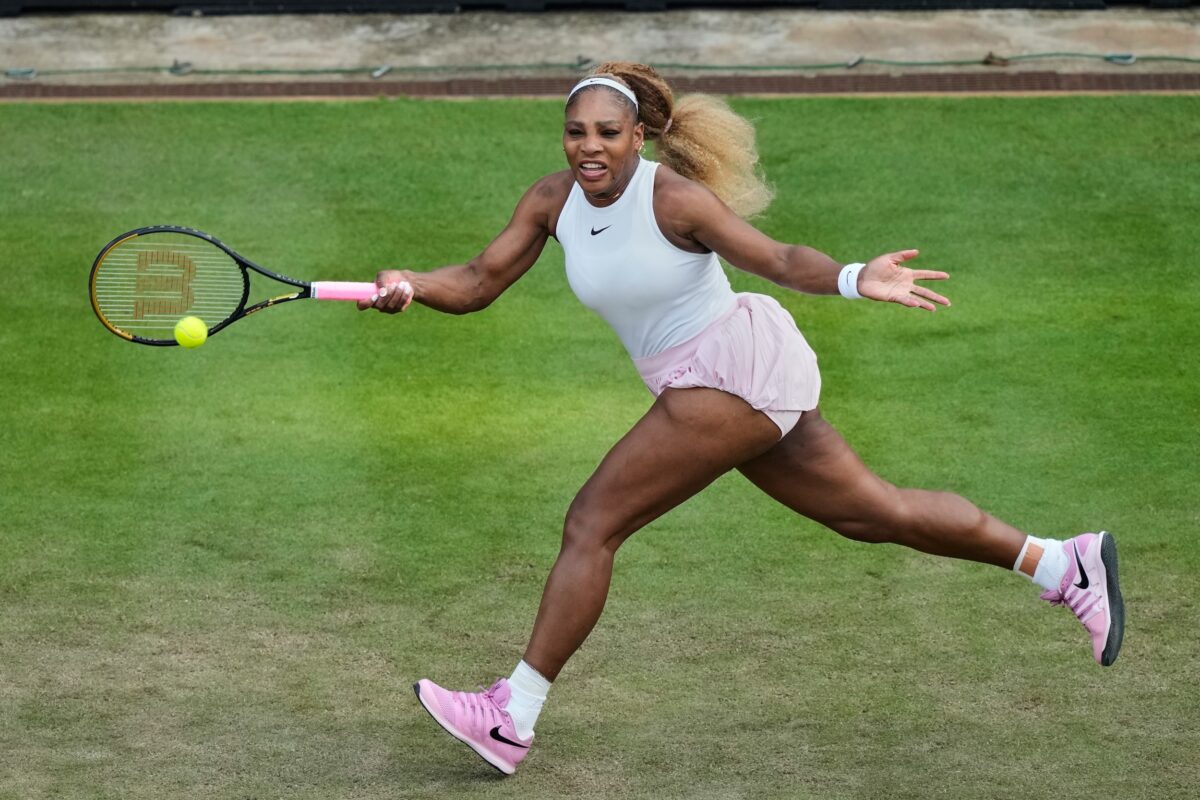

Serena Williams of the U.S. returns the ball as she and Czech Republic’s Karolina Muchova play during their round of 16 doubles match against New Zealand’s Erin Routliffe and Mexico’s Giuliana Olmo during the WTA 500 Berlin Open tennis tournament at Steffi Graf Stadium, in Berlin, Germany, Tuesday, June 16, 2026. (AP Photo/Ebrahim Noroozi)
It’s been talked about ever since Serena Williams announced nearly three weeks ago that she was returning to professional tennis after almost four years away from the sport.
Still, seeing the single-sentence announcement from The All England Club that the 23-time Grand Slam champion will play singles at Wimbledon was stunning nonetheless.
“Serena Williams (USA) receives the final ladies’ singles wild card,” read the key line in Sunday’s announcement, which was issued eight days before the grass-court Grand Slam begins.
READ: Serena Williams defeated in Berlin Open ahead of Wimbledon return
This is not a drill.@serenawilliams will compete in the 2026 ladies’ singles at #Wimbledon as a wild card. pic.twitter.com/1vHnDEQ4xm
— Wimbledon (@Wimbledon) June 21, 2026
At age 44, Williams will actually play both singles and doubles at Wimbledon after already accepting a wild card for the doubles competition with older sister Venus.
“This is not a drill,” Wimbledon said on its social media accounts Sunday.
Commented the WTA Tour, “Name a more iconic return…we’ll wait.”
Wimbledon held open the eighth and final women’s singles wild card spot until Williams made up her mind. As recently as earlier this week after losing a doubles match in Berlin, she appeared to be waffling over the decision.
“Oh my gosh, there are some left?” she replied when she was told there was still a wild card spot open. Wild cards are special invitations handed out by tournament organizers, which allow former champions and others access to the main draw without the necessary entry qualifications. But then she mused about her readiness for it.
READ: Serena Williams makes winning comeback at Queen’s Club
“Do you think I’m ready for singles?” she asked a reporter and then turned to doubles partner Karolina Muchova to ask what she thought.
“I think I would be interested in it,” the Czech player responded.
“That’s the question of the hour, right?” Williams said. “I don’t know. I don’t know. I wonder why there’s — I don’t know.”
Well, now that Williams has made up her mind, the big remaining question is how she can physically handle singles play after so long.
Serena’s most recent singles match was a loss to Ajla Tomljanovic in the third round of the 2022 U.S. Open. At the time, she said she didn’t want to use the word “retiring” and instead declared that she was “evolving” away from tennis. Her second daughter was born in 2023.
“Just finished a mean game of duck duck goose,” Williams said on X after the wild card announcement.
READ: Serena Williams returning to tennis at 44
Of Williams’ 23 Grand Slam titles in singles, seven have come at Wimbledon: in 2002, 2003, 2009, 2010, 2012, 2015 and 2016. She’s also won 14 Grand Slams in doubles, all with Venus, and six of them at Wimbledon.
Serena also swept the singles and doubles (with Venus) titles at the 2012 London Olympics, when the tennis competition was held on the hallowed grass of the All England Club.
At her last Wimbledon appearance in 2022, Serena was beaten in the opening round by 115th-ranked Harmony Tan in her first match since having to stop less than a set into her opening contest at the All England Club because of an injury the year before.
Serena won a doubles match with partner Victoria Mboko at Queen’s Club last week but then the pair had to withdraw after Mboko injured her knee in a singles match.
In another doubles match at the Berlin Open on Tuesday, Serena and Muchova were beaten by Giuliana Olmos and Erin Routliffe.
As of Sunday, Serena had not entered the singles draws of any grass-court tuneup tournaments before Wimbledon.
She will learn who her first-round opponent is on Friday when the singles draws for Wimbledon are held.
While she’s No. 593 in the doubles rankings courtesy of her victory last week, Serena has no singles ranking after being away for so long.
Iga Swiatek is the defending Wimbledon champion, while Aryna Sabalenka is ranked No. 1.
Because Serena has no ranking, she could potentially face Swiatek, Sabalenka, or any other top-ranked player in the opening rounds.
Sports
David Benavidez admits he’s ‘not ready right now’ to face one champion: “I have a lot of respect for him”
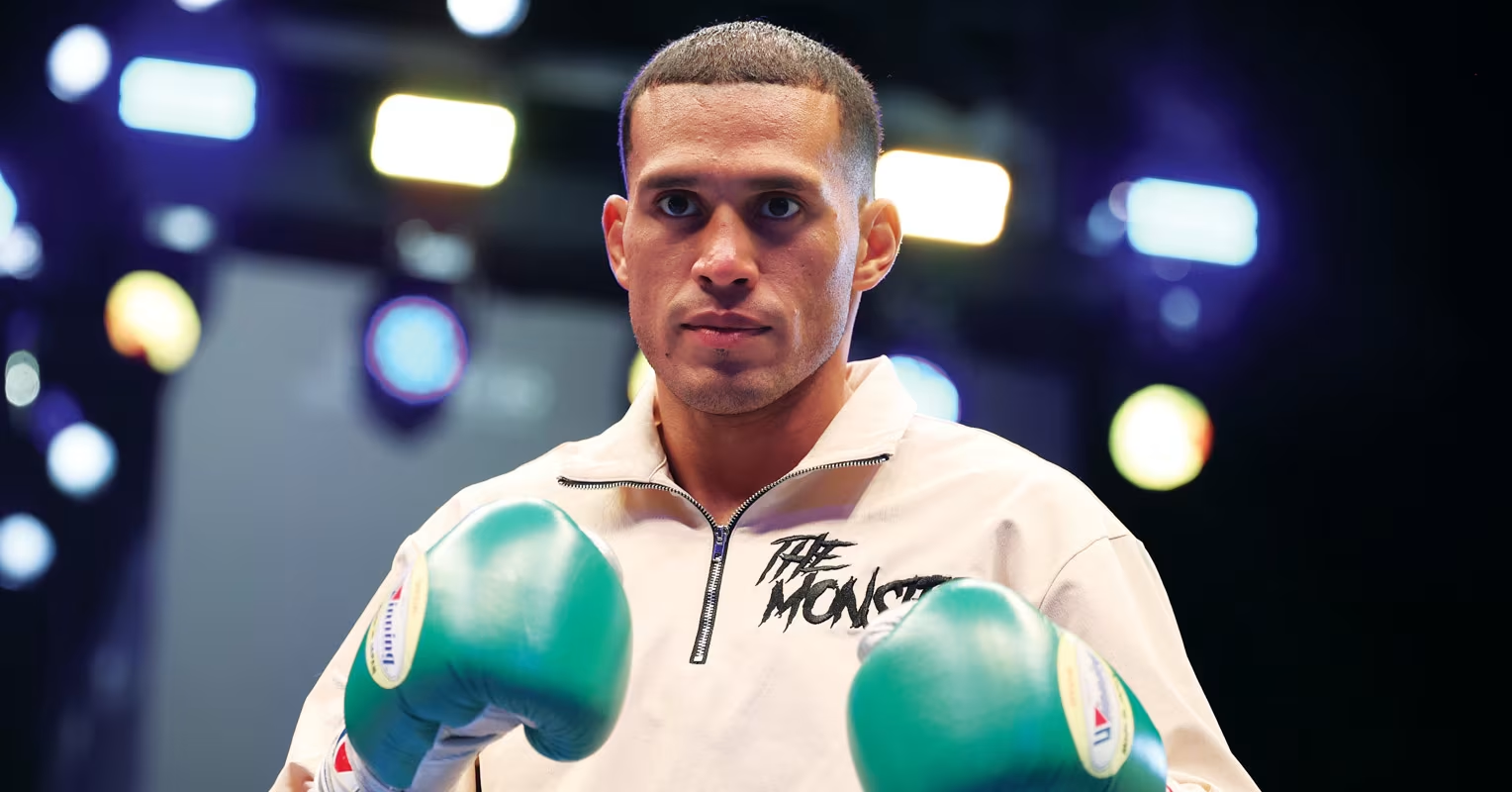
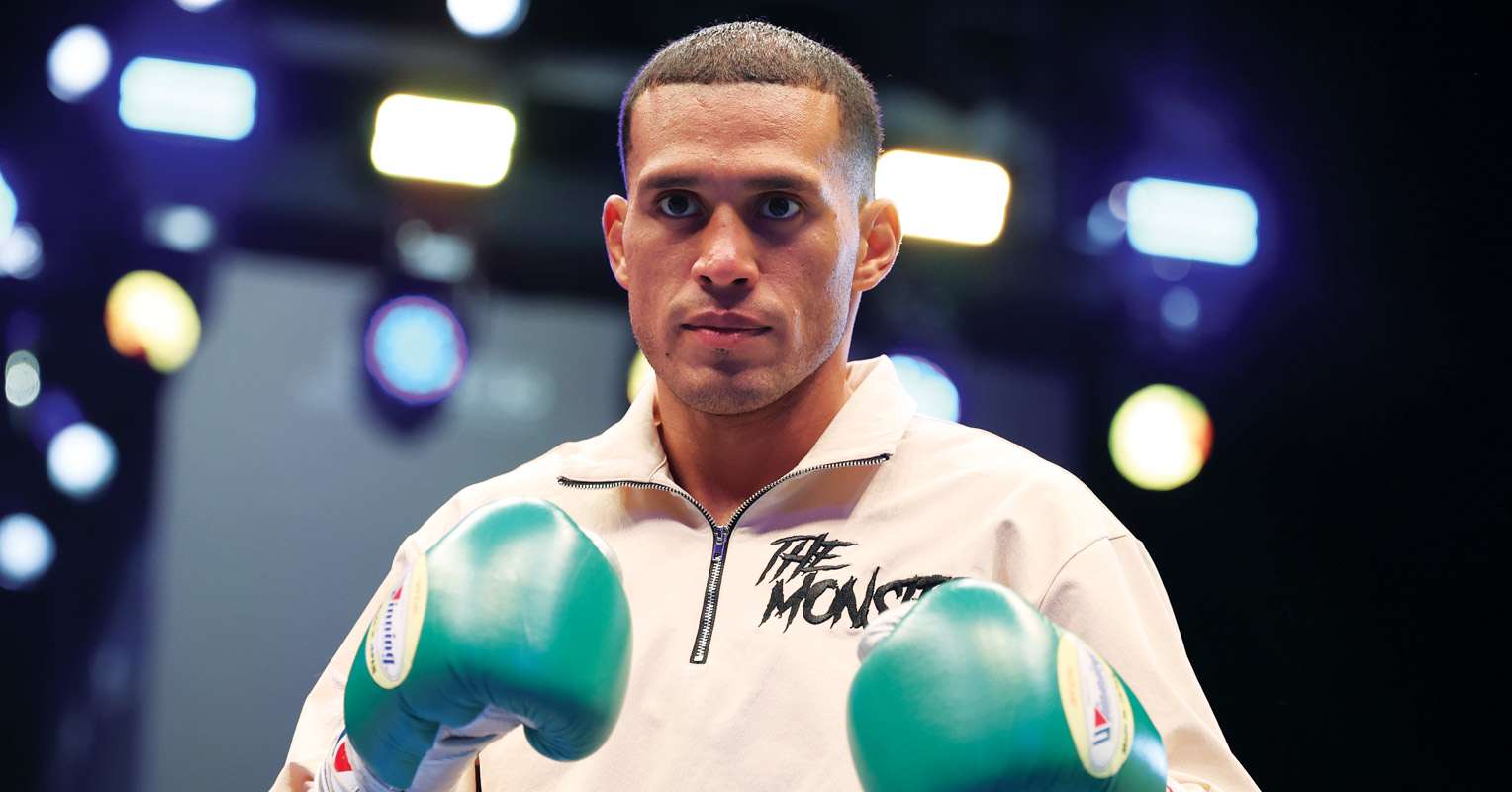
David Benavidez has ruled out one fight in particular, despite Turki Alalshikh attempting to persuade him with a major opportunity.
The 29-year-old entered his first outing at 200lbs last month, becoming a three-weight world champion by dethroning Gilberto Ramirez for the WBO and WBA titles.
But while his emphatic sixth-round finish would suggest he is a natural cruiserweight, Benavidez clearly feels as though he could benefit from more experience at the weight.
As such, it is hardly surprising that he successfully lobbied the WBC to install him as the mandatory challenger at 200lbs, hoping to secure a three-belt unification match with fellow champion Noel Mikaelian.
The pair are now reportedly in deep negotiations to collide later this year, potentially leaving Zuffa champion Jai Opetaia without an opponent for his next outing.
Whatever the case, though, it certainly appears that Benavidez is eager to remain at cruiserweight, rather than challenge unified heavyweight champion Oleksandr Usyk.
Despite coming off a sub-par performance against Rico Verhoeven, who he stopped in round 11 last month, Usyk is still widely considered the top dog of his division.
Reluctant to take a gamble against the Ukrainian, Benavidez has told Luis Parra that not even powerbroker Alalshikh can convince him otherwise.
“[Alalshikh] didn’t talk to me directly, [but] he was talking to the people around me and said he wanted to make that fight. But honestly, I have a lot of respect for Usyk, and I’m not ready for that right now.
“If he came down to cruiserweight then yeah, we could fight at cruiserweight. But I’m not moving up.”
Having been ordered to defend his WBC title against ‘interim’ champion Agit Kabayel, Usyk must now decide whether to pursue their mandated fight or vacate the belt.
Sports
“Having Baby Doesn’t Need To Be End Of Career”: ICC Unveils Post-Pregnancy Return-To-Play Guidelines
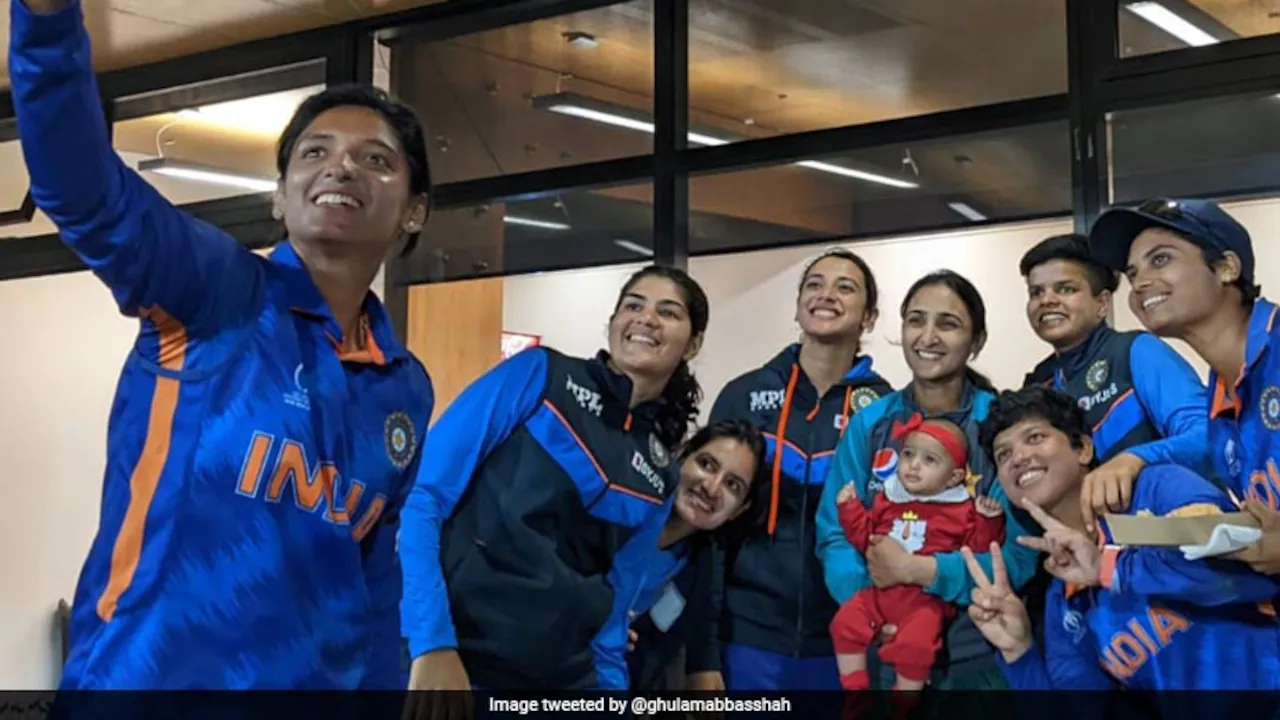
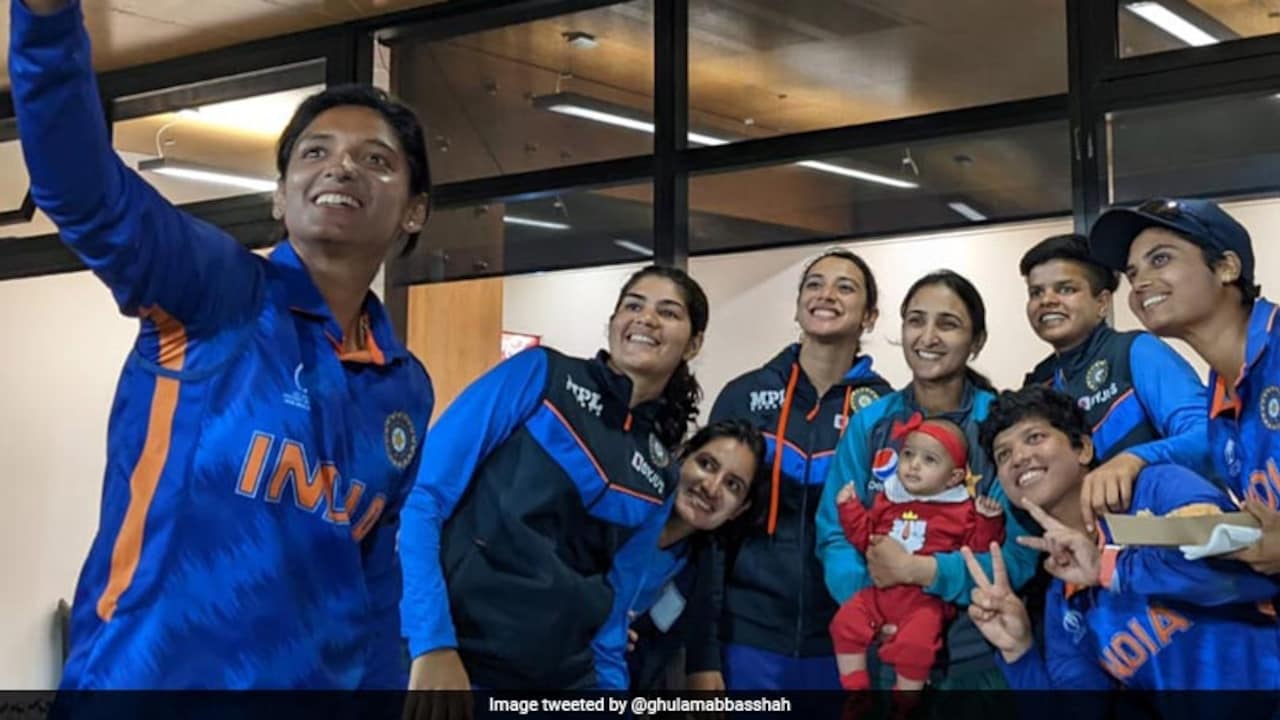
To ensure a safe and sustainable return to cricket for women players post-pregnancy, the ICC on Monday announced guidelines to cover their early recovery after birth, structured training, and conditioning during a 16-week window before the comeback. The ‘Return to Play Post-Pregnancy Guidelines’ for female cricketers, outline a six ‘R’s framework: Ready, Review, Restore, Recondition, Return and Refine. “The approach covers early recovery after birth, medical and wellbeing reviews, gradual return to structured training, cricket-specific conditioning, return to play and ongoing monitoring once a player is back in the cricket environment,” the ICC stated in a press release.
The document speaks about having a dedicated ‘Case Manager’ for the players returning to competitive cricket post pregnancy.
The Case Officer should be either a doctor or a physiotherapist.
The early review would include comprise focus on psychological support in the players’ adjustment to life as a mother, followed by graded reintroduction of strength-based training. After eight weeks of these assessments, the player will return to running in collaboration with a doctor and physio.
A thorough monitoring of any symptoms including musculoskeletal and pelvic floor issues is done before the player is given the go ahead to return to action.
“No player should have to choose between motherhood and representing her country at the highest level. The ICC’s Return to Play Post-Pregnancy Guidelines are an important step in creating a more supportive and informed environment across the game,” ICC Chairman Jay Shah said.
“As women’s cricket continues to grow globally, it is essential that we protect player welfare, retain talented athletes and strengthen pathways for current and future generations. These Guidelines reflect our commitment to building a game where women can thrive, both on and off the field,” he added.
The ICC said its Guidelines are designed to be in line with local legislation, while supporting player welfare through “practical, physical and psychological guidance.” India’s labour laws allow a six month paid maternity leave for women.
The drafting of the Guidelines was led by ICC Medical Advisory Committee member, and Australia Team Doctor, Dr. Philippa Inge.
Dr Inge’s recommendations include flexible training environments, continued access to facilities and services, childcare advice, suitable spaces for feeding or caring for babies at playing venues, and travel support, where possible.
“The ICC’s Return to Play Post-Pregnancy Guidelines are designed to show players that having a baby doesn’t need to be the end of their career, and what we’re aiming to do with this policy is allow Member nations to facilitate the return to cricket for their players,” she said.
The West Indies’ Afy Fletcher, who is competing at the ongoing ICC T20 World Cup after giving birth to her son in 2021, believes these Guidelines will lead to more players being in a position to return to cricket after pregnancy.
“It gives you a chance to have your family and then return, so I think that’s one of the best things they could have done for women’s cricket,” she said.
Of her own return to cricket, Fletcher said: “Physical recovery was challenging but, more than that, I struggled to leave my child and miss creating precious moments.
“That’s why every moment I play on the field is driven by him. Every player’s journey is different, but you have to have strong support, get healthy and trust the process.”
(Except for the headline, this story has not been edited by NDTV staff and is published from a syndicated feed.)
Featured Video Of The Day
IPL 2026 | Delhi Capitals Wins By 6 Wickets Against Mumbai Indians: Redemption For Sameer Rizvi
Topics mentioned in this article

OpenAI’s light balance sheet faces a hard IPO look
Argentina vs Austria LIVE: World Cup 2026 match stream, latest team news, lineups, TV, prediction
Form 4 AT&T Inc DRC For: 22 June


-

 Fashion3 days ago
Weekend Open Thread: Miami – Corporette.com
-
 Tech6 days ago
The Adder At The Heart Of Intel’s 8087 FPU
-

 Entertainment2 days ago
Renter of Home in Anne Heche Crash Denies Settlement With Son
-

 Business2 days ago
Soccer-U.S. defends Iran World Cup travel restrictions, says discussions ongoing
-
 Business2 days ago
Wall Street Week Ahead: Investors see Micron earnings as pulse check of AI rally momentum
-

 Politics4 days ago
BBC Reporter Discusses Cross Party Criticism Of Trumps Iran Deal
-

 Crypto World3 days ago
HIVE shares jump as $220M AI deal speeds Bitcoin mining pivot
-

 Crypto World2 days ago
Jake Chervinsky accuses CME of protecting derivatives monopoly
-
 Crypto World2 days ago
Can Charles Hoskinson Really Rescue Cardano?
-

 Sports4 days ago
FIFA World Cup 2026: Canada beat 9-men Qatar 6-0 to register first ever win | FIFA World Cup 2026
-

 Business2 days ago
MHP SE 2026 Q1 – Results – Earnings Call Presentation (OTCMKTS:MHPSY) 2026-06-20
-

 Business4 days ago
Brexit cost 6% of UK economy, Bank of England company data suggests
-
 Crypto World4 days ago
Anthropic’s Dario Amodei Urged AI Unity at G7, Even as US Banned His Models
-

 Crypto World7 days ago
Robinhood opens AI-powered trading to all users, sending HOOD stock past $100
-

 Tech3 hours ago
Microsoft accidentally kills epic Outlook email threads
-

 Tech5 days ago
Weeks Of In-The-Field Testing And A Verdict
-

 Politics2 days ago
Andy Burnham and the meaning of Makerfield
-

 Tech4 days ago
Adobe adds its AI assistant to Premiere, Illustrator and InDesign
-
 Crypto World4 days ago
Iren (IREN) Stock Surges on Jefferies Buy Rating: AI Infrastructure Play Gains Momentum
-
 Tech1 day ago
Signal’s Meredith Whittaker says AI chatbots ‘are not your friends’ and calls Copilot agents a backdoor
You must be logged in to post a comment Login