Connect with us
DAPA Banner
DAPA Coin
DAPA
COIN PAYMENT ASSET
PRIVACY · BLOCKDAG · HOMOMORPHIC ENCRYPTION · RUST
ElGamal Encrypted MINE DAPA
🚫 GENESIS SOLD OUT
DAPAPAY COMING

Sports

MLB CBA negotiations timeline: Where things stand as league proposes draft overhaul

Published

on

As the 2026 Major League Baseball season continues to unfold, something vitally important to the future of the sport quietly hums in the background: the ongoing negotiations over a new collective bargaining agreement.

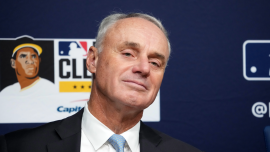
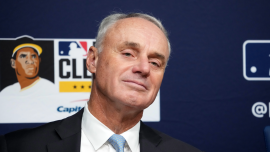
The collective bargaining agreement, or CBA (or Basic Agreement, as it’s known in a formal sense), is the negotiated accord between players and clubs — i.e., the team owners and commissioner Rob Manfred, who represents their interests — that governs the working relationship between the two parties, typically for a period of five years. It covers things as mundane as players’ meal allowances and travel protocols and as vital as minimum salaries, the structure of free agency, revenue-sharing specifics, and roster sizes. Every CBA can be distilled down to a fight over money, or, more specifically, how the league’s revenues will be divided between players and team owners.

The first CBA covered the 1968 and 1969 seasons and was the first in professional sports history. That was the handiwork of Marvin Miller, the pioneering head of the Players Association (i.e., the players union) and belated Hall of Famer. It was Miller’s organizing skills, foresight, and training as a union economist that allowed him to make the Players Association a viable and effective labor organization. Every CBA negotiation from 1972 through 1994-95 resulted in some form and scale of labor stoppage, whether a players’ strike or an owner-implemented lockout. After the cancellation of the 1994 World Series because of the worst labor stoppage in the sport’s history, a long run of peace followed. That peace lasted until the prior CBA negotiations, which resulted in a 99-day lockout forced by team owners and delayed the start of the 2022 season.

Advertisement

MLB’s new CBA proposal would restrict free-agency contracts, raise minimum wage, but only with a salary cap

Dayn Perry

MLB's new CBA proposal would restrict free-agency contracts, raise minimum wage, but only with a salary cap
Advertisement

The current CBA negotiations have been underway for some time, and not surprisingly, the two sides remain far apart on several key issues. The biggest fight will be over the owners’ renewed desire to implement a salary cap, which the union continues to view as a non-starter. The push for a cap has less to do with the notions of competitive balance and more to do with the ownership’s internal belief that being the only non-salary-capped league among the major North American sports is harming franchise values. The cap, though, is but one of many pressing issues on which players and owners must find congruity.

Moving forward, the process will be uncertain and rife with posturing and pointed public comments from both sides. The hope, though, is that a new CBA will be agreed to before the middle of March 2027, at which point there’s a high risk of having the 2027 season delayed or even abbreviated. 

To keep you informed of the twists and turns along the way to a new CBA, we’ve provided a detailed timeline of negotiations. That timeline will illuminate the important and finer points of the talks and, along the way, explain the implications of the various proposals coming from each side. The hope, of course, is that all of it culminates in a timely agreement that permits a fully intact and on-time 2027 season.

Advertisement

Now let’s begin.

June 25, 2026: Limited free-agency contracts

More face-to-face negotiations take place, and MLB proposes more changes to the free-agency system, among other asks. MLB’s latest proposal includes the following, all of which depend upon the union’s acceptance of a payroll cap:

  • A maximum contract length of five years for players who switch teams and a maximum of 15% of the cap with 5% increases every year of the contract;
  • A maximum contract length of six years — and a max of 16% of the cap — for players who remain with their original team under a new “Cornerstone Player” provision;
  • Based on the league’s proposed cap figure for 2027, the maximum contract for a player switching teams is $202 million over five years and $265 million over six years for a player remaining with the same team;
  • An increase in the minimum salary from $780,000 to $1 million for players with at least two years of MLB service time;
  • An increase in the minimum salary to $900,000 for players with less than two years of MLB service time with the opportunity for a $100,000 bonus from the pre-arbitration bonus pool (already established);
  • The elimination of deferred contracts;
  • Acceptance of the union’s proposal to allow free agency after five years of MLB service time instead of six for players age 30 or older;
  • Acceptance of the union’s proposal to do away with the qualifying offer system for free agents.

MLB in a prior proposal called for a cap on team payrolls of $245.3 million starting in 2027 and a payroll floor of $171.2 million. The league issues a statement that reads in full: 

“The biggest issue baseball fans want solved to strengthen the game is fixing the payroll disparity that leaves too many fans without hope of their team competing for a World Series title. Every other major U.S. sport has tackled this problem, and every year more small market teams in those leagues have a chance to win. The salary cap and floor proposal levels the playing field, allowing us greater flexibility to address longstanding player priorities while sharing baseball revenue with the players 50/50.

“Today, in addition to proposing the largest ever increase in the minimum salary, earned by over half of MLB players, we accepted two landmark changes to free agency that have been in place for 50 years. We agreed to both the MLBPA’s proposal to provide earlier access to free agency, and their proposal to eliminate the qualifying offer system, a provision players view as a drag on free agency. We also proposed to eliminate deferred compensation and to create a new ‘Cornerstone Player’ provision similar to the NBA’s ‘Bird Rights’ to give every team a fair shot at retaining their fans’ favorite star players.

“We will continue working with the MLBPA during the bargaining process to improve the game for teams, players and fans.”

Advertisement

The MLBPA responds: 

“After making a series of proposals to reduce player compensation by billions of dollars, eliminate fundamental rights with a salary cap, and destroy the amateur entry process, Major League Baseball and team owners are now attempting to distract from the true impact their plan would have on baseball. These misleading offers are designed to look like ‘improvements’ but are of little or no value, given they are expressly conditioned on agreement to the league’s cap system which eliminates the free market, and ensures gains for one player only come at the expense of another.

“The league also introduced a litany of additional restrictions on player rights — limiting salaries, contract length, performance, award, and signing bonuses. While MLB claims to be acting in the interest of fans, their proposals thus far are entirely consistent with owners’ long-held goals: suppressing player salaries and maximizing club profits.

“Owners’ attempts to pit players against players are nothing new, but they’ve failed in the past and will fail again now, because PA members remain unified. We are committed to achieving a fair deal that protects the rights of all players, promotes competition, and leaves our game better for future generations.”

Lacking from the league’s latest proposal, at least on the public-facing side, is any revisiting of the recent changes to the draft and any mention of prior proposed changes to the league’s revenue-sharing system. 

Advertisement

June 18, 2026: MLB proposes sweeping draft changes

MLB and the MLBPA meet for face-to-face negotiations, and owners propose sweeping changes to the draft and also push for an international draft. As for the MLB Draft, formally known as the First-Year Player Draft, MLB pushes for the following changes:

  • A reduction from 20 rounds to 12 rounds;
  • A $200 million hard bonus system in which players are paid according to their draft position with no room to negotiate (teams have not spent $200 million or less in the draft since 2010);
  • High school players would no longer be eligible for the domestic amateur draft, and college players would be draft-eligible at age 20.

“Over the last several years, college baseball has undergone a remarkable transformation,” MLB says in a statement. “Expanded scholarships, NIL opportunities, revenue sharing and significant investments in facilities and player development have made college baseball an increasingly important pathway that is producing major league-ready talent at an accelerated rate. Today’s top programs provide players with resources, competition and national exposure that were unimaginable a decade ago. Our proposal is designed to build on that momentum to benefit the game at the college, minor-league and major-league levels. By creating a draft system centered around college-aged players and making most college players eligible one year earlier, more players will benefit from both a college education and an elite development environment while reaching professional baseball — and ultimately the major leagues — more quickly. We believe these changes will strengthen college baseball and deepen fans’ connection to the next generation of major league stars. We look forward to working with the MLBPA throughout the bargaining process to modernize the domestic amateur system in a way that benefits players, clubs, and fans.” 

As for the international draft, MLB proposed making players outside of the U.S., Puerto Rico, and Canada (who are already included in the standard draft) subject to a similar system. The international draft would, as with the proposed changes to the MLB Draft, come with a $200 million bonus cap. At present, international amateurs may sign with any team under the international free agent system, although teams do have hard budget caps each year.

The MLBPA also issues a statement in response to MLB’s proposals:

Today, MLB made another set of proposals that are flat out bad for baseball, ones that would cripple the next generation of players and damage the future of our game. They would, among other things:

Advertisement
  • Eliminate over a billion dollars in player compensation from the international and domestic system over the next five years, with a $400 million reduction from 2026 to 2027 alone.
  • Destroy fundamental player rights and remove talent from our sport by barring high school and junior college players (anyone under age 20) from the domestic draft.
  • Abolish an entire year of international signings by delaying the first draft until at least September of 2027 (and as late as March of 2028), denying young international players the ability to start their professional careers.

Players remain committed to bargaining in good faith and leaving baseball better than they found it — the league’s proposals fall woefully short.

June 5, 2026: Trump supports a cap

U.S. President Donald J. Trump publicly supports MLB’s efforts to implement a salary cap. “If you don’t have a salary cap, you don’t have a sport, because they can’t help themselves,” Trump says. “Football has a salary cap. They should have done it a long time ago.

“It’s shocking, frankly, that they didn’t put a cap on many years ago,” he said, possibly referencing the 1994-95 strike. “They had a chance to do a cap, but they blew it.”

June 3, 2026: Manfred talks luxury tax

Speaking to reporters following the owners’ quarterly meetings, Manfred addresses the luxury-tax system he and the owners seek to replace with a cap. “We have tried mightily over several rounds of bargaining to use a competitive balance (luxury) tax to address competitive concerns,” Manfred says. “And sometimes you’ve got to admit you failed.

“We made a proposal on one set of topics. At the outset of negotiations, I went and said myself, ‘We’re open to whatever ideas people have, but we need a realistic framework that addresses the fans’ concerns about competitive balance.’ You just can’t ignore that financial penalties have not gotten it done for us.”

Advertisement

June 1, 2026: MLBPA says cap is ‘institutionalized collusion’

In a call with reporters, MLBPA interim executive director Bruce Meyer addresses the owners’ proposals. “Using MLB’s definition of revenue and player share as set forth in their proposal and their presentation to us, player share under their proposal would go down,” Meyer says. “Player share for this season, 2026, is projected to be well over 50 percent, using, again MLB’s definitions of revenues and what counts against player share.

“Had MLB’s proposal been in place in 2026, players, we estimate, would lose over half a billion dollars.”

Meyer also refers to a salary cap as “a form of institutionalized collusion.”

“Our salary cap-and-floor proposal addresses our fans’ concerns by leveling the playing field while sharing baseball revenue with the players 50-50 like the other leagues,” MLB spokesperson Glen Caplin responded on behalf of the league. “Under our proposal, major-league players will receive more compensation in year one of the system than in 2026. We are ready to listen if the MLBPA wants to counter our proposal at the bargaining table.”

Advertisement

May 28, 2026: MLB’s first proposals

MLB and the owners publicly announce their first formal CBA proposal. Chiefly, they propose:

  • A salary cap, including benefits expenses, of $245.3 million for 2027;
  • A salary floor, also including benefits expenses, of $171.2 million for 2027;
  • A 50-50 revenue split between clubs and players;
  • The centralization and equal sharing of all local revenues.

Using competitive balance tax (CBT), or luxury tax, payrolls as a guide, since they include benefits expenses, nine teams at present would be above the proposed cap line, while 12 teams would be below the floor. However, as Craig Goldstein points out, the amount needed to get all these teams below or above the relevant payroll thresholds amounts to an $18.7 million loss in aggregate player salary overall. Another sticking point will be how league revenues are defined. Owners no doubt seek to carve out things like real estate developments surrounding ballparks and ownership stakes in regional sports. As well, MLB’s working definition of league revenues includes many expense deductions.

On another level, the fact that Manfred is able to persuade large-market, high-revenue clubs to agree to equal sharing of all local revenues is a notable development. However, such a concession by those large-market clubs may be contingent upon the implementation of a cap.

Another sticking point is that the league proposes an escrow system, as is used in the NBA and the NHL. This would mean a percentage of player salaries is withheld. If revenues fall short of projections, some of that money in escrow goes back to the league. If revenues are higher than projected, that excess is shared with the players. The MLBPA opposes the escrow system on the grounds that it undermines the notion of guaranteed player salaries. 

May 27, 2026: MLBPA’s first proposals

The MLBPA makes an opening suite of proposals to the league, including:

Advertisement
  • A “competitive integrity tax” levied against teams that don’t spend a minimum amount on player payroll.
  • An increase of the minimum salary from $780,000 to $1.5 million.
  • An increase of the bottom Competitive Balance Tax (more commonly known as the luxury tax) threshold from $244 million to $300 million.
  • Increased sharing of local-broadcast revenues among teams but less sharing of stadium game-day revenues (the latter to incentivize on-field success).
  • Tens of millions in extra revenue sharing to go to low-revenue teams that make the postseason or have a winning record.
  • Free agency after five or more years, rather than six, for players who are at least 30 years of age at the time.
  • Expanded draft lottery. 
  • Penalties for teams that neglect to spend revenue-sharing payments on team payroll.
  • Draft picks and other incentives for low-revenue clubs active in free agency. 
  • Elimination of the qualifying offer for outgoing free agents.
  • Increased compensation for lower-revenue teams losing players to free agency.

“Today, the MLBPA (Major League Baseball Players Association) presented a comprehensive set of economic proposals designed to advance the rights and benefits of players at all levels,” Meyer says in a statement released by the union. “Our goal is to preserve and improve baseball’s market system, rewarding competition on and off the field. Additionally, the players’ proposals provide increased revenue sharing initially guaranteeing every small market club a minimum of $240m in revenue every season. This enhanced revenue sharing includes added protections to ensure clubs prioritize winning over profiteering. Ultimately, our proposals are designed to build upon the incredible momentum and popularity of our sport world-wide.”

“We appreciate the union making a set of proposals and we look forward to continuing the bargaining process and working towards solving the competitive balance problem our fans are telling us needs to be addressed,” Caplin says in a statement. “We understand their proposals are designed to benefit players. Unfortunately, they do not address and in fact exacerbate the competitive balance problem our fans are telling us we must address. The MLBPA’s proposal would reduce the amount transferred to lower-revenue Clubs, weaken the Competitive Balance Tax, and lead to even more payroll disparity than exists today. For example, under the Union’s proposal, the Dodgers would pay less in luxury tax payments, giving them an additional $70 million to spend on payroll.”

May 12, 2026: Negotiations begin

Negotiations on a new CBA formally begin between teams and players. Among the key issues to be discussed will be the league’s desire for a salary cap, drastic changes to the revenue sharing system, league expansion, possible further playoff expansion, and an international draft.


Dec. 1, 2026

The 2022-26 Basic Agreement is set to expire at 11:59 p.m. ET, at which point owners are expected to lock out the players in the absence of a new agreement. 

Advertisement

Source link

Continue Reading
Click to comment

You must be logged in to post a comment Login

Leave a Reply

Sports

WWE Night of Champions 2026 match predictions, expert picks for Saturday’s action

Published

on

WWE returns to Saudi Arabia on Saturday for Night of Champions. The six-match card is stacked with impactful contests, including three title matches and two matches to crown the King and Queen of the Ring.

The King and Queen of the Ring winners will go on to challenge for a world championship at SummerSlam. In the King of the Ring final, it will be the dominant Oba Femi taking on The Bloodline’s Jey Uso. On the women’s side, it will be women’s world champion Liv Morgan going head-to-head with Iyo Sky for Queen of the Ring.

Arguably the most anticipated match of the night has no title or crown on the line, with Bron Breakker and Seth Rollins looking to settle their long-running feud inside a steel cage.

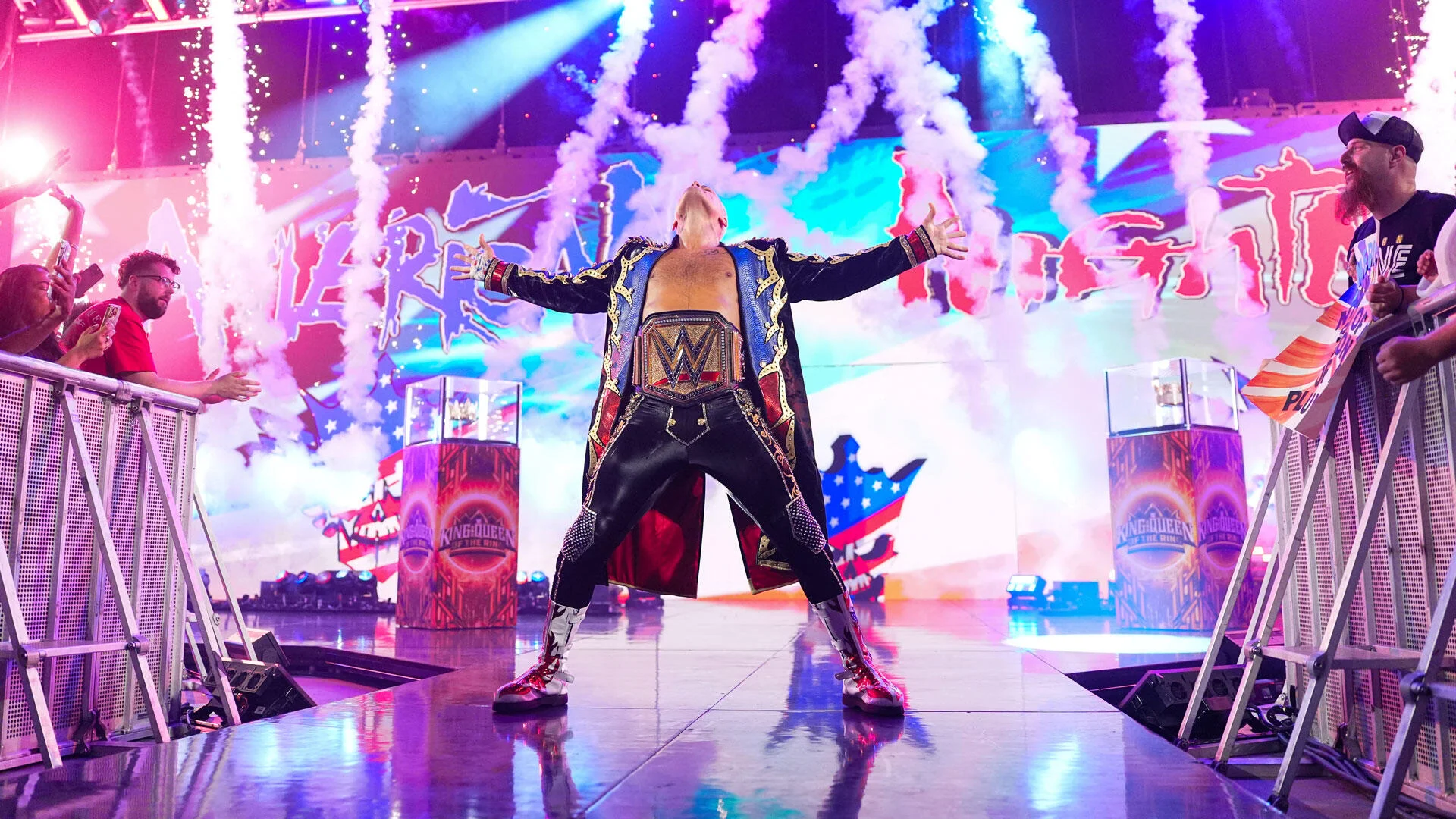
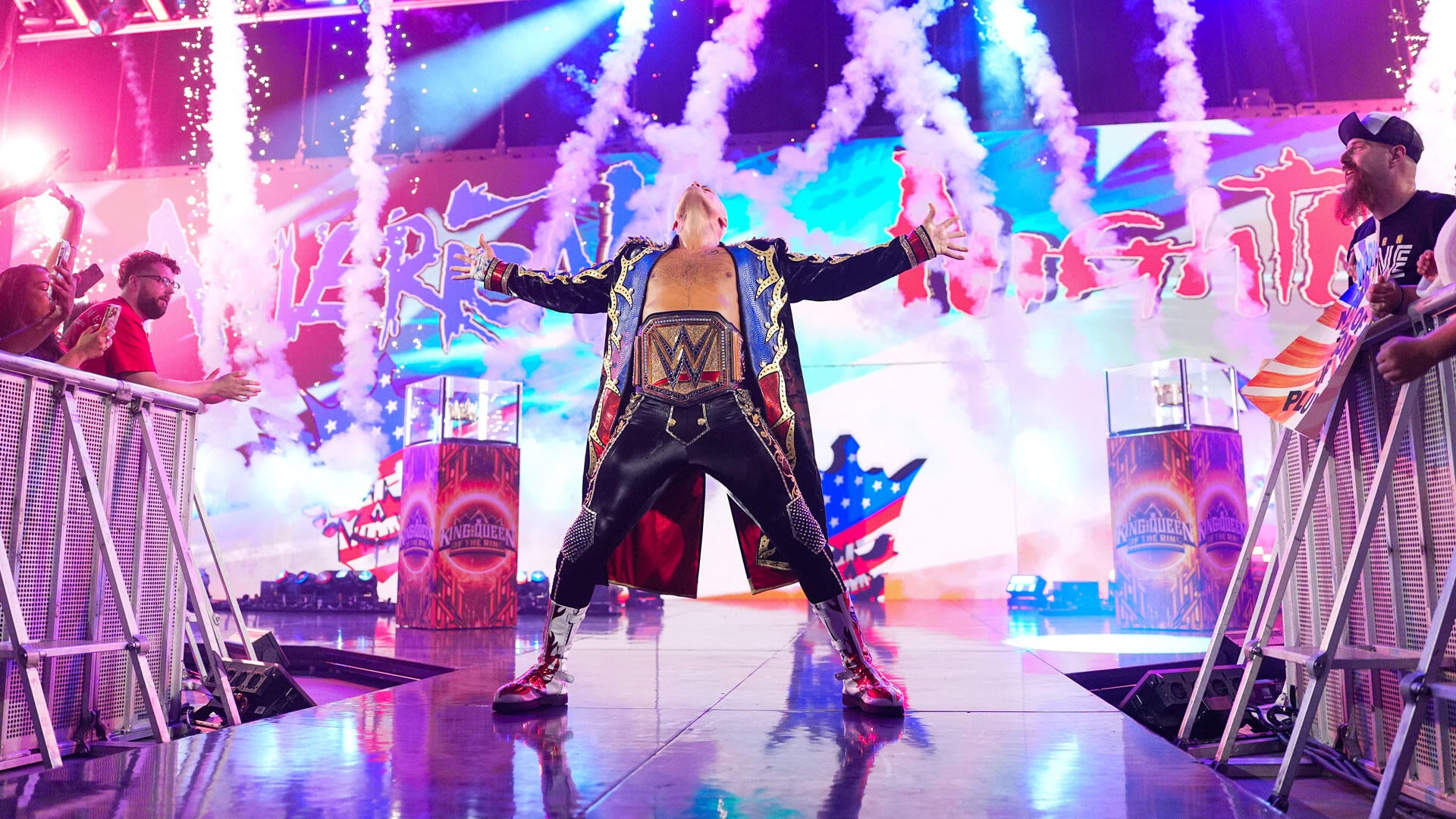
Also, Cody Rhodes will defend the undisputed WWE championship against Gunther and Sami Zayn in a triple threat match, plus two other title matches.

Advertisement

With six big matches set for Sunday, let’s take a look at who CBS Sports wrestling experts Brent Brookhouse and Shakiel Mahjouri are picking to have their hands raised at Night of Champions.

WWE Night of Champions match predictions

Undisputed WWE Championship — Cody Rhodes (c) vs. Gunther vs. Sami Zayn: It doesn’t feel like Zayn needs to be involved here at all, but Rhodes vs. Gunther already happened on SmackDown, so Zayn freshens things up a little bit. Rhodes doesn’t seem likely to drop the title here, though a triple threat match gives an easy out for him to lose the title without eating a pin. Still, it doesn’t seem as though WWE is ready to move on from Rhodes as champion yet. Pick: Cody Rhodes retains the title — Brent Brookhouse (also Shakiel Mahjouri)

Bron Breakker vs. Seth Rollins (Steel Cage Match): The Vision feud has gone on far too long, and a steel cage match is the appropriate finale. If this is their last encounter, for now, Breakker should be elevated. Rollins is bulletproof; he can take the loss. Expect some Vision shenanigans, though it would be nice to see a clean conclusion between two talented performers. Pick: Bron Breakker wins — Mahjouri

As my colleague pointed out, this feud has gone on way too long and has been crippled by injuries to just about everyone who has touched it. Rollins working things out with The Street Profits, and even helping them defeat The Vision for the tag titles, means that there will be backup to help fight off interference from The Vision. Rollins has hinted over and over about going after Roman Reigns, and he’d need the momentum of a win here for that to really carry any weight. Pick: Seth Rollins wins — Brookhouse

Advertisement

King of the Ring final — Jey Uso vs. Oba Femi: Femi winning would make sense, but it seems easy enough to have Brock Lesnar appear to attack Femi, cost him the match and set up a rubber match at SummerSlam. If Femi wins, he’d have earned a title shot at the event, which would derail that plan. Pick: Jey Uso wins — Brookhouse (also Mahjouri)

Queen of the Ring final — Iyo Sky vs. Liv Morgan: I think this WWE regime knows better than to lump two world titles on one superstar. There’s far too much content demand to tie up its biggest women’s prizes.  Sky is a well-liked and incredibly talented performer. Morgan is great, but there’s not enough upside to justify the long-term consequences, especially with two nights of SummerSlam on the horizon. Pick: Iyo Sky wins — Mahjouri (also Brookhouse)

Women’s United States Championship — Tiffany Stratton (c) vs. Jade Cargill: Neither superstar had a memorable run as WWE women’s champion. However, Stratton still has more upside. The women’s United States championship is the perfect environment to cut her teeth for a future world title run. Pick: Tiffany Stratton retains the title — Mahjouri (also Brookhouse)

United States Championship — Trick Williams (c) vs. Ricky Saints: SmackDown’s midcard scene is packed with potential, but Williams is their North Star. He’s wildly popular from the live audience, a fact that’s remained true since the moment he graduated to the main roster. He should enjoy a lengthy reign that establishes him as an important SmackDown cornerstone. Saints earning a title match on a major show to months into his main roster run is reward enough. Pick: Trick Williams retains the title — Brookhouse (also Mahjouri)

Advertisement

Source link

Advertisement
Continue Reading

Sports

Doug Martin’s parents sue Oakland over former NFL star’s death in custody

Published

on

NEWYou can now listen to Fox News articles!

The family of former NFL running back Doug Martin has sued the city of Oakland, its police department and an ambulance company, alleging their actions contributed to the circumstances surrounding his death.

In the suit, the late NFL star’s parents claim police played a role in the 36-year-old’s death and allege paramedics failed to respond quickly enough to calls for medical care. Martin’s parents, Leslie and Douglas, filed the lawsuit Tuesday in U.S. District Court for the Northern District of California.

The suit states the plaintiffs believe Martin died from restraint asphyxia, which they allege was “caused by Oakland police officers and the FALCK NORCAL paramedics’ failure to provide timely medical care.” He was later pronounced dead at a hospital.

Advertisement

CLICK HERE FOR MORE SPORTS COVERAGE ON FOXNEWS.COM

Doug Martin carrying football during NFL game

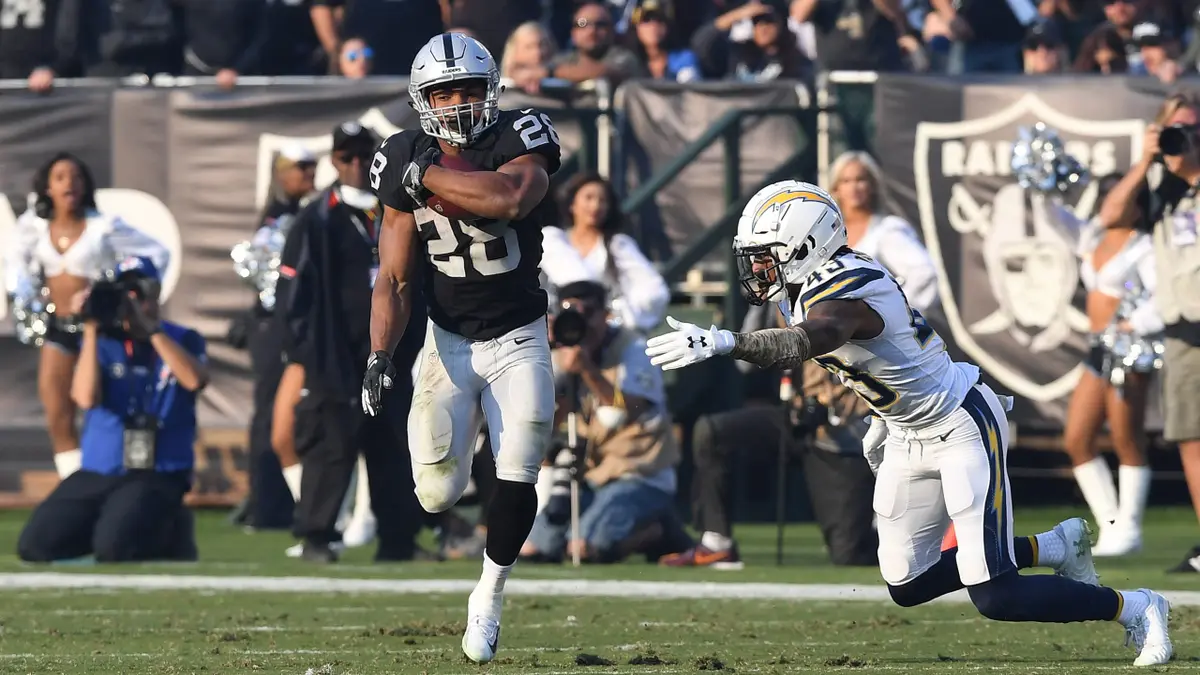
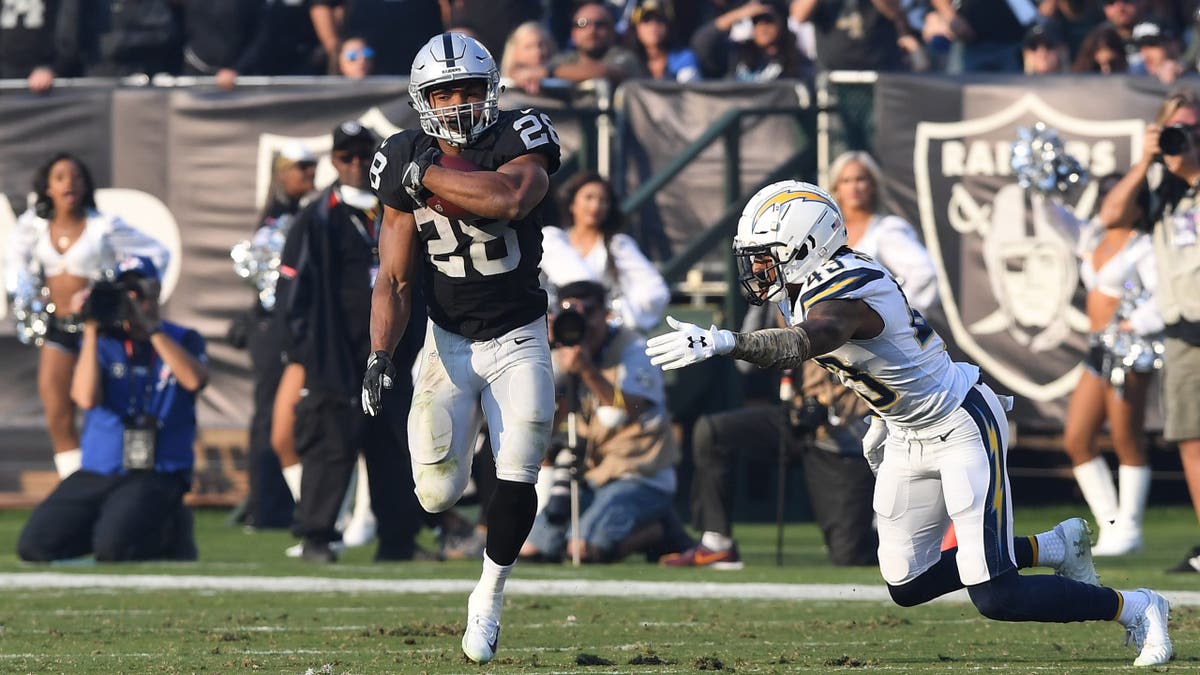
Doug Martin of the Oakland Raiders carries the ball against the Los Angeles Chargers during the second half of their NFL game at Oakland-Alameda County Coliseum in Oakland, California, on Nov. 11, 2018. (Thearon W. Henderson/Getty Images)

Leslie called paramedics in response to her son having a mental-health crisis on Oct. 18. Martin then fled and hid in a neighbor’s house two doors away, where the Oakland Police Department found him in the basement, according to the suit.

According to the suit, Leslie called paramedics Oct. 18 after her son began experiencing a mental-health crisis. Martin then left the home and hid in a neighbor’s house. Oakland police later located him in the basement. Furthermore, the lawsuit says law enforcement officers physically restrained Martin and placed him “face down while one or more officers pressed on his back.” When officers turned Martin on his side, he was unresponsive, at which point the suit alleges that the officers thought he was “sleeping or pretending to be asleep.”

DETAILS EMERGE IN DEATH OF EX-NFL STAR DOUG MARTIN

Advertisement

The lawsuit also alleges law enforcement restrained Martin, placed him “face down while one or more officers pressed on his back,” and later found him unresponsive after turning him on his side. Officers believed Martin was “sleeping or pretending to be asleep,” the suit continued. It also alleges that at least one officer requested medical assistance while Martin was still unresponsive.

The Martin family alleges the response was not immediate enough, claiming Falck Northern California paramedics arrived about 15 minutes after the call for service was made, per the suit. “When they arrived,” the suit says, they “did not promptly provide medical care.”

Doug Martin is tackled by Jahleel Addae during an NFL game

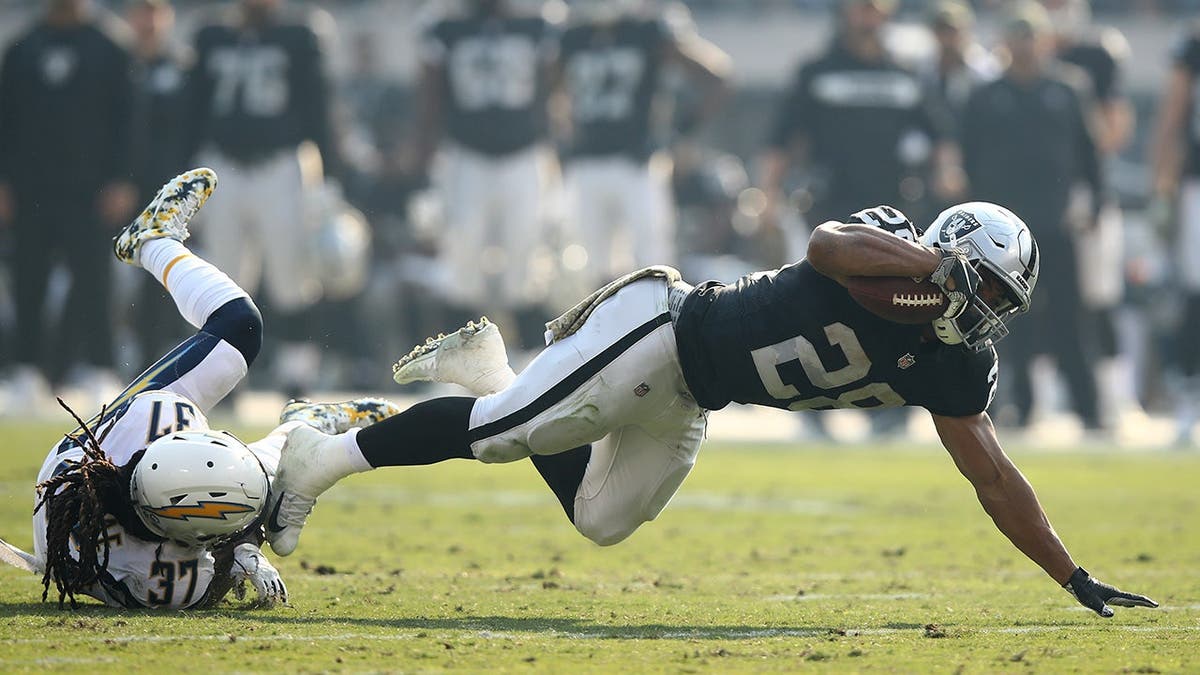
Oakland Raiders running back Doug Martin is tackled by Los Angeles Chargers safety Jahleel Addae during an NFL game at Oakland-Alameda County Coliseum in Oakland, California, on Nov. 11, 2018. (Ezra Shaw/Getty Images)

“They just want to know what happened,” John Burris, a lawyer representing the family, told The Athletic. “Here’s a situation where the mother was calling for help. He was emotionally out of it, and she was calling for help.”

EX-NFL STAR DOUG MARTIN WAS DEALING WITH ‘MENTAL HEALTH CHALLENGES’ BEFORE DEATH, REP SAYS

Advertisement

“When you call for help and the police come, it’s not a death warrant. You don’t expect the person to die.” Burris continued. He added that an independent pathologist, who was not named, told Martin’s parents that restraint asphyxia may have been their son’s cause of death.

Martin’s parents are seeking damages, including for wrongful death, hospital and medical expenses, coroner’s fees, funeral and burial expenses, loss of support and familial relationship, among several others.

Burris noted that Martin’s mother sent her son’s brain to Boston, where the Boston University CTE Center is based, in an effort to learn whether he developed chronic traumatic encephalopathy, a disease that can be diagnosed only after death. While the pathologist told Burris that a CTE finding “really has no consequence as it relates to the cause of death,” Burris said the family is seeking a clearer picture of Martin’s brain health.

An Oakland Police patrol car parked outside Oakland Police headquarters.

An Oakland Police patrol car is parked in front of the Oakland Police headquarters in Oakland, California. (Justin Sullivan/Getty Images)

The Oakland Police Department has a policy of not publicly commenting on pending litigation. Fox News Digital was referred to the Oakland city attorney’s office, which also did not offer comment on the case. Representatives for Falck Northern California could not immediately be reached for comment.

Advertisement

Martin, an Oakland native, closed out his NFL career with the then-Oakland Raiders in 2018. Before that, he spent six seasons with the Tampa Bay Buccaneers, who selected him in the first round of the 2012 NFL Draft.

CLICK HERE TO DOWNLOAD THE FOX NEWS APP

He received a four-game suspension in 2016 for violating the league’s substance-abuse policy. After testing positive for Adderall, Martin revealed plans to enter a treatment program.

Martin finished his NFL run with more than 5,300 rushing yards and was named to two Pro Bowl teams. He played college football at Boise State.

Advertisement

Follow Fox News Digital’s sports coverage on X, and subscribe to the Fox News Sports Huddle newsletter.

Advertisement

Source link

Continue Reading

Sports

Future History aiming for Tattersall’s Cup in 2026 with Melbourne Cup potential

Published

on

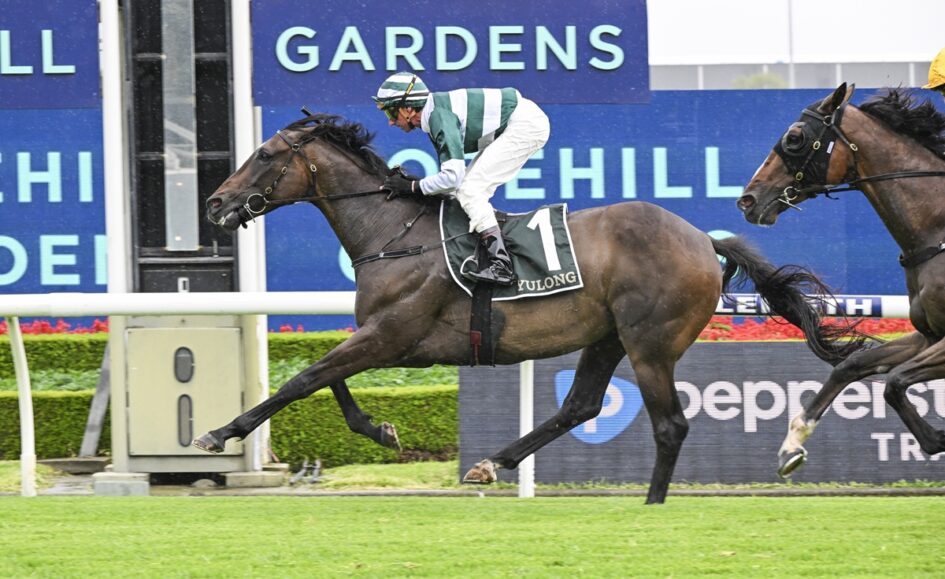
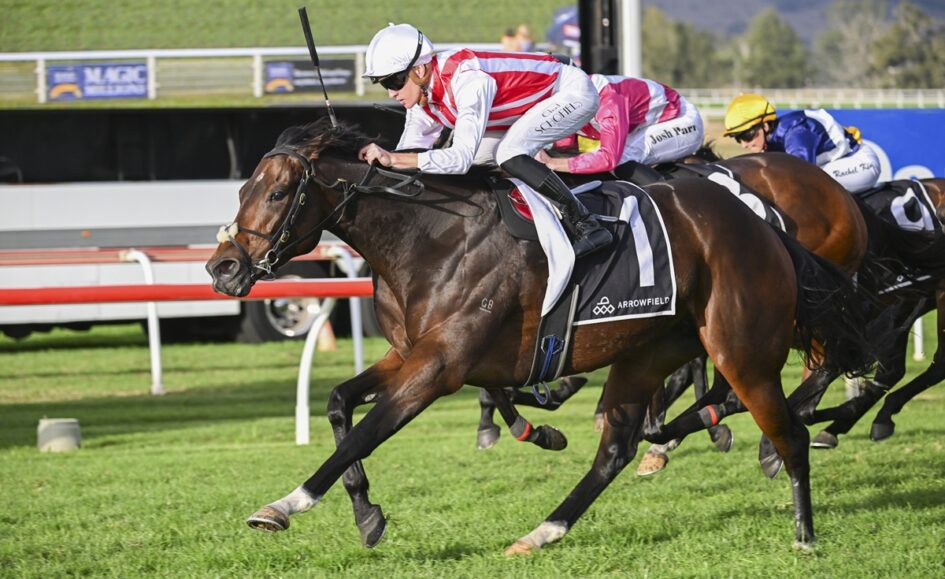
Jockey in green-and-white silks rides a brown racehorse with saddlecloth number 1 on a turf track, galloping past advertising boards.

The primary winter focus for Future History has been the Tattersall’s Cup, and a victory in this event could elevate a start in the Melbourne Cup to a realistic aspiration.

The eight-year-old gelding, who featured in Australia’s most prestigious race in 2023, has shown excellent form this season, achieving three consecutive wins for his former trainer Ciaron Maher over the summer before a change of ownership saw him join Greg Hickman’s yard.

In his two starts under his new conditioner, he achieved a narrow fourth place in the Chairman’s Handicap (2000m) at Doomben and a third place in the Lord Mayor’s Cup (1800m) at Eagle Farm.

With these recent efforts, Future History is considered ready to perform at his best, though Hickman admits the powerful gelding required more work to reach peak fitness than initially projected.

Advertisement

“We’ve just had to learn a little bit about him,” Hickman explained. “When he came in, he was 600 kilos. I have worked him hard all week and he’s put on six kilos, so he’s a big boy. It has been a month between runs, but I did a fair bit with him Saturday week ago and his work was exceptional. Touch wood, everything has been perfect.”

Future History has proven his ability to win over distances up to 2800m, and Hickman anticipates he will enjoy the challenge of extending to 2400m in Saturday’s Tattersall’s Cup at Eagle Farm.

Although he is set to start from the outside gate in the eight-horse field, he did take up the running in his three staying triumphs during the summer. However, Hickman is content to leave the tactical decisions to jockey Nash Rawiller.

Future History was the slight $3.30 favourite ahead of Pounding ($3.40) on Thursday. A victory would prompt connections to firm up plans for a Melbourne Cup campaign in the spring.

Advertisement

“This race has been the main target this campaign,” Hickman stated. “If he was to race well on Saturday and then come home, he would have a freshen up and then go to Melbourne.”

The last three winners of the Melbourne Cup – Half Yours, Knight’s Choice, and Without A Fight – all concluded their campaigns with performances in Brisbane’s winter carnival.

Future History is a strong candidate for the Tattersall’s Cup, and you can find competitive betting sites for the event.

Advertisement

Source link

Continue Reading

Sports

Tuileries readied for 2026 Tattersall’s Tiara assault

Published

on

Dark brown racehorse and rider in red‑and‑white silks sprint on a turf track, first past the rails in a crowded race.

The recent deluge in Brisbane prompted Peter Snowden to alter Tuileries’ preparation for the Tattersall’s Tiara, though he remains confident that it will not impede her winning potential.

The four-year-old mare was initially slated to contest the Dane Ripper Stakes (1400m) two weeks ago but was withdrawn due to the heavy track conditions. As such, Saturday’s Group 1 fillies and mares’ feature will be her first race in five weeks.

However, while Tuileries has not raced since achieving a gutsy first-up victory in the Dark Jewel Classic (1400m) at Scone, where she carried the top weight of 59.5kg and navigated a wide barrier, Snowden is satisfied that a subsequent barrier trial has kept her in peak condition.

“I’m not too worried about it. She did trial the week before the Dane Ripper. It’s not as though she hasn’t been to the races or trials,” Snowden stated.

Advertisement

“She’s been up in Brisbane the past two weeks and did a strong bit of work on Tuesday morning when she went very well.

“I’m quietly confident she will run well, and the good draw (barrier three) will help.”

Tuileries has long been held in high regard by Snowden, enjoying a strong start to her career with wins in two of her first three starts.

As a daughter of middle-distance star So You Think, she has improved with age, establishing herself as a genuine black-type performer this season with two Group 3 wins and an equal number of stakes placings.

Advertisement

Snowden, who won the corresponding race with Tashi 12 months ago, believes Tuileries shares similarities with her former stablemate.

“They’re similar. Tashi had run about seven placing in stakes races and never won one, and that was her maiden black-type win,” he said.

“This filly has won a few stakes races, but it’s her first crack at a Group One.

“We have always liked her so it’s good to see her get to this sort of class now.”

Advertisement

Chad Schofield, who has been the jockey for Tuileries’ two stakes victories, will ride her in the Tiara.

In an open betting market, she is currently sharing the top line of betting at $6 with Splash Back from Victoria and Gerringong, trained by Chris and Corey Munce. Check out the latest racing odds at your preferred Australian betting sites.

Advertisement

Source link

Continue Reading

Sports

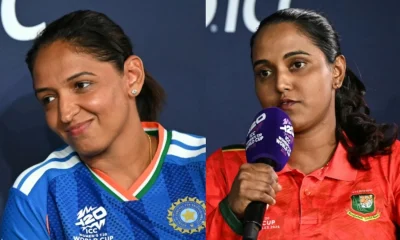
How can India qualify for semifinals after their 5-wicket win over Bangladesh?

Published

on

India beat Bangladesh by five wickets in a crucial Group A match of the ICC Women’s T20 World Cup 2026 at Old Trafford in Manchester on Thursday, June 25. With the win, the Women in Blue boosted their chances of qualifying for the semifinals of the ICC event.

Bowling first after winning the toss, Team India did a great job to restrict Bangladesh to 136-8 in their 20 overs. Spinners Radha Yadav and Shree Charani starred with 3-28 and 2-21, respectively. In the chase, opener Shafali Verma top-scored with 53 off 34 balls, while Jemimah Rodrigues chipped in with 26 off 15.

Following their win over Bangladesh on Thursday, India maintained their second position in the Group A points table of the ICC Women’s T20 World Cup 2026. In this feature, we analyze the semifinal qualification scenarios for teams in Group A.


# India (6 points, NRR: +2.268)

India are in second place with six points from four matches and a net run rate of +2.268. If they beat Australia in their last group match at Lord’s on Sunday and South Africa win only one of their remaining two group games, India will qualify for the semifinals of the ICC Women’s T20 World Cup 2026. In such a scenario, India will finish the group stage with eight points, while the Proteas will end with six.

In case, India go down to Australia in their last group match, they need to hope that South Africa also lose one of their remaining two matches. In such a scenario, both India and South Africa will be tied on six points and the Women in Blue can go through if they finish above the Proteas Women on net run rate.

If India lose to Australia and South Africa win both their remaining matches, the Women in Blue will be knocked out of the ICC Women’s T20 World Cup 2026. In this scenario, India will end with six points and South Africa with eight.

Advertisement

#Australia (8 points, NRR: +4.724)

Australia may not have officially qualified for the semifinals of the ICC Women’s T20 World Cup 2026. However, it would be safe to say that they have confirmed their place in the top two from Group A.

Unbeaten Australia have eight points from four games and an excellent net run rate of +4.724. If the Aussies go down to India on Sunday and South Africa also win their two remaining games, all three sides will finish Group A with eight points. However, even a huge win for India on Sunday is unlikely to displace Australia from the top position in the group.


#3 South Africa (4 points, NRR: -0.546)

South Africa have four points from three games and a net run rate of -0.546. The best-case scenario for the Proteas to qualify for the semifinals of the ICC Women’s T20 World Cup 2026 is for them to win both their remaining matches and move to eight points. They also need to hope that India go down to Australia in their last group match. In such a scenario, India will be stuck on six points.

In case, South Africa and India both win one and lose one of their remaining two matches, they will end the group stage with six points each. In such a scenario, the run rate will decide who makes the semifinals. Similarly, India and South Africa can be tied on eight points if both win their remaining two matches in the group stage, again bringing the run rate into the picture.

Advertisement

#Bangladesh (4 points, NRR: -0.849)

Bangladesh‘s loss to India has all but ended their hopes of qualifying for the semifinals of the ICC Women’s T20 World Cup 2026. They can finish with six points if they beat South Africa (who will also end with six points in this scenario). India too will end the group stage with six points if they lose to Australia. But, with a net run rate of -0.849, Bangladesh are unlikely to finish in second place.


ICC Women’s T20 World Cup 2026: Group B Qualification Scenarios

England have already qualified for the semifinals of the ICC Women’s T20 World Cup 2026 from Group B, with eight points from four games and a net run rate of +2.342. The West Indies (6 points), defending champions New Zealand and Sri Lanka (both 4 points) are engaged in a tussle to clinch the second spot. The Windies will qualify if they beat Ireland on Saturday and get up to eight points.

If the West Indies lose, both New Zealand and Sri Lanka can finish above them on run rate if they win their last group match. The Black Caps are already above the Windies on net run rate, while Sri Lanka could push the West Indies to third if they pull off a win by a significant margin against Scotland.

If New Zealand beat England and the West Indies lose to Ireland, the Black Caps are more or less assured of qualification for the semifinals of the ICC Women’s T20 World Cup 2026 on the basis of their superior net run rate.

Advertisement

For Sri Lanka to finish in the top two, they need to beat Scotland by a huge margin. They then need to hope that England beat New Zealand, and Ireland beat West Indies by a big enough margin for Sri Lanka finish ahead of the West Indies on net run rate.