

Crypto World
Strategy’s STRC hit another all-time low today



The market capitalization of Strategy’s STRC, the once-$10.5 billion stock that was supposed to pay better than a high-yield bank account or money market, sank to another all-time low beneath $7.2 billion this morning.
For four uninterrupted days, the stock has crashed lower each day. By 9:33am today, it was trading 29% beneath the par value the company advertises.
Indeed, the price of each STRC share is supposed to trade at $100 while Strategy pays shareholders an 11.5% annualized dividend.
Shares were, in fact, trading at $100 as recently as May 14. Well, this morning, they were trading at $71.25.
Bitcoin will pay for everything if it rallies 30% a year
Strategy is a bitcoin (BTC) acquisition company whose founder Michael Saylor believes BTC is going to rally annually with a compounded annual growth rate (CAGR) near 30%. He even created a calculator to forecast the price of his company’s common stock, MSTR, under the assumption that BTC would never have a down year.
Based on his bullish conviction, Strategy issues a variety of securities that pay far less than Saylor’s forecasted rally in BTC, under the assumption that Strategy’s BTC holdings will eventually rally enough to make up for all of its payouts.
It will come as a surprise to no one that BTC has not rallied that much recently. Over the last five years, the CAGR of BTC is less than 13%.
Embarrassingly, Strategy president Phong Le publicly admitted a few months ago that retail investors hold about 80% of the supply of STRC, meaning that the damage is disproportionately affecting working-class investors who listened to the company’s forecast.
Read more: STRC crashes as Strategy’s unrealized BTC losses exceed $13 billion
According to Saylor, STRC was supposed to be a low-volatility competitor to a high-yield bank account or money market, paying above-market dividends to people who could not afford the downside volatility of BTC itself.
Unfortunately, STRC now has demonstrated plenty of downside and, unlike BTC, has no meaningful upside beyond its $100 par value.
Making today even worse, Strategy’s common stock, MSTR, fell to a fresh 52-week low of $82.33 the same morning. That is about 82% below its 52-week high of $457.22.
STRC is down 24% in one month
Although the collapsing value of Strategy’s securities is the most damaging, it is also remarkable how fast the safety margin behind STRC’s payout has evaporated.
STRC has lost one-quarter of its share price within just 30 days.
Strategy has previously touted 71 years of dividend coverage from its BTC reserve as recently as November 2025. By June 17 the company claimed, “We have 32 years of dividend coverage through our BTC Reserve.” Within hours, as bitcoin slid further, even that figure fell to 31.
More than half the cushion vanished in roughly seven months. Today, that number is below 30 years.
As the price of BTC falls, years of supposed dividend coverage by Strategy’s BTC holdings have vanished within weeks.
Despite the bear market, CEO Le has tried to reassure the market that Strategy will not dump most of its holdings anytime soon. He told CNBC that the company would sell BTC only under specific conditions, such as funding the STRC dividend or tax optimization, and only when the move is accretive to BTC per share.
For shareholders, that is less a guarantee than a map of the scenarios under which selling BTC becomes Strategy’s plan.
Saylor pitched STRC as a low-friction way to earn yield, with daily liquidity and no management fees. It was supposed to be a money-market substitute backed by BTC. It is now delivering the opposite experience for shareholders with today’s new all-time low.
Got a tip? Send us an email securely via Protos Leaks. For more informed news and investigations, follow us on X, Bluesky, and Google News, or subscribe to our YouTube channel.



Latest developments: Teng says Virtuals has expanded beyond gaming-focused AI agents and is now building infrastructure for what it calls an “agent society.”
- The company began by creating autonomous agents for gaming before expanding into crypto influencers, trading agents and other autonomous software systems.
- Virtuals now focuses on five pillars: creating digital agents, creating physical agents and robots, enabling agent coordination, supporting capital formation and building governance systems for agents.
- Teng described the long-term vision as a “parallel society” where agents participate in a permissionless economy and collaborate with each other at scale.
What this means: The company believes AI agents will increasingly handle economic activity without constant human oversight.
- Teng said Virtuals’ vision centers on agents that can control wallets, trade with one another and perform specialized tasks.
- He argued that giving agents access to money unlocks new behaviors, including hiring other agents, coordinating work and potentially employing humans.
- The company refers to these systems as “autonomous economic actors,” capable of pursuing goals with growing independence from their creators.
The complication: Agent autonomy creates new risks around mistakes, fraud and accountability.
- Teng identified three major failure points: incorrect user intent, failures in service fulfillment and outright scams.
- Virtuals is working on mechanisms including intent verification systems, escrow-based transaction standards and reputation frameworks designed to reduce economic risk.
- Teng argued that reputation systems and economic staking mechanisms could eventually determine how much trust and capital an agent is allowed to manage.
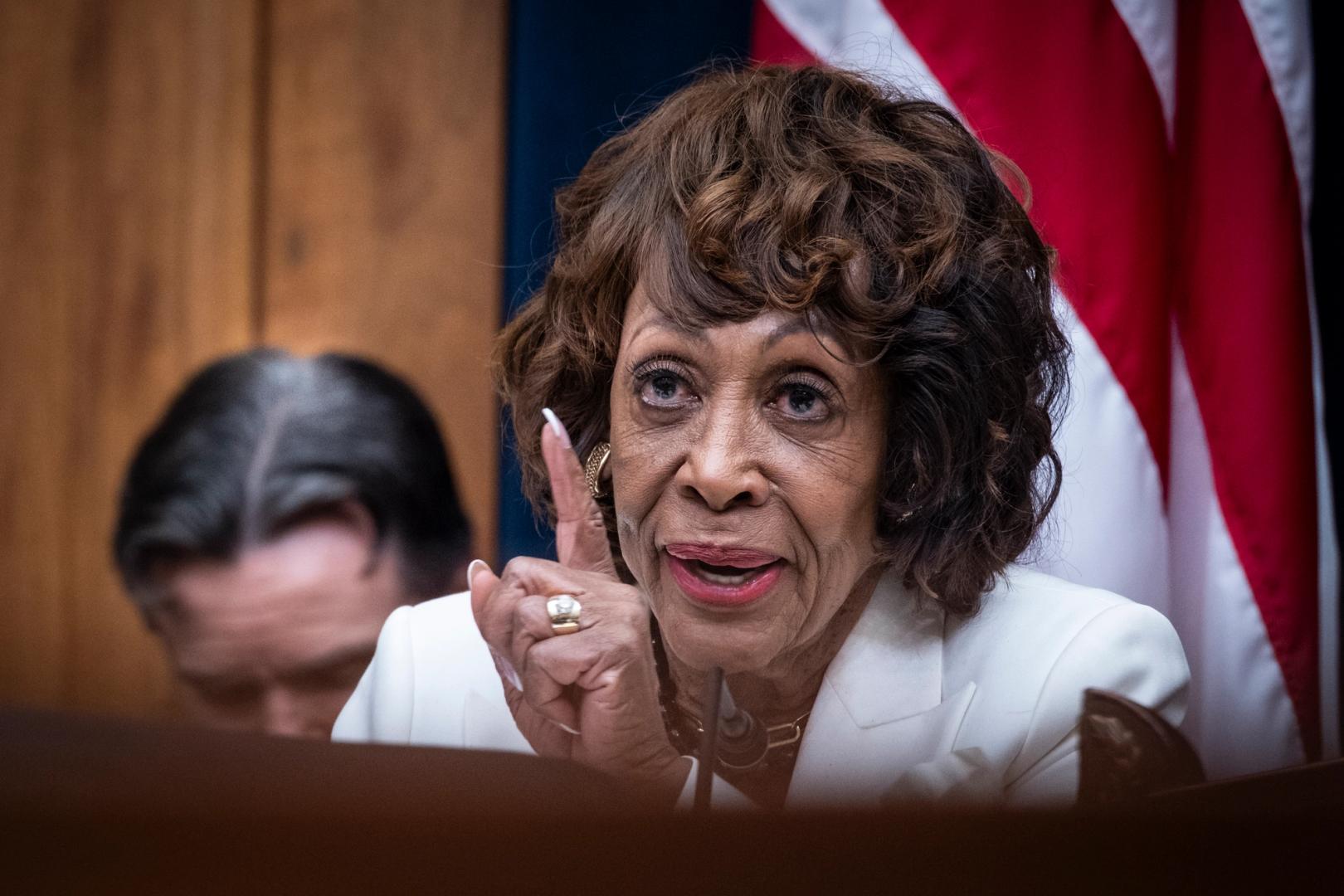
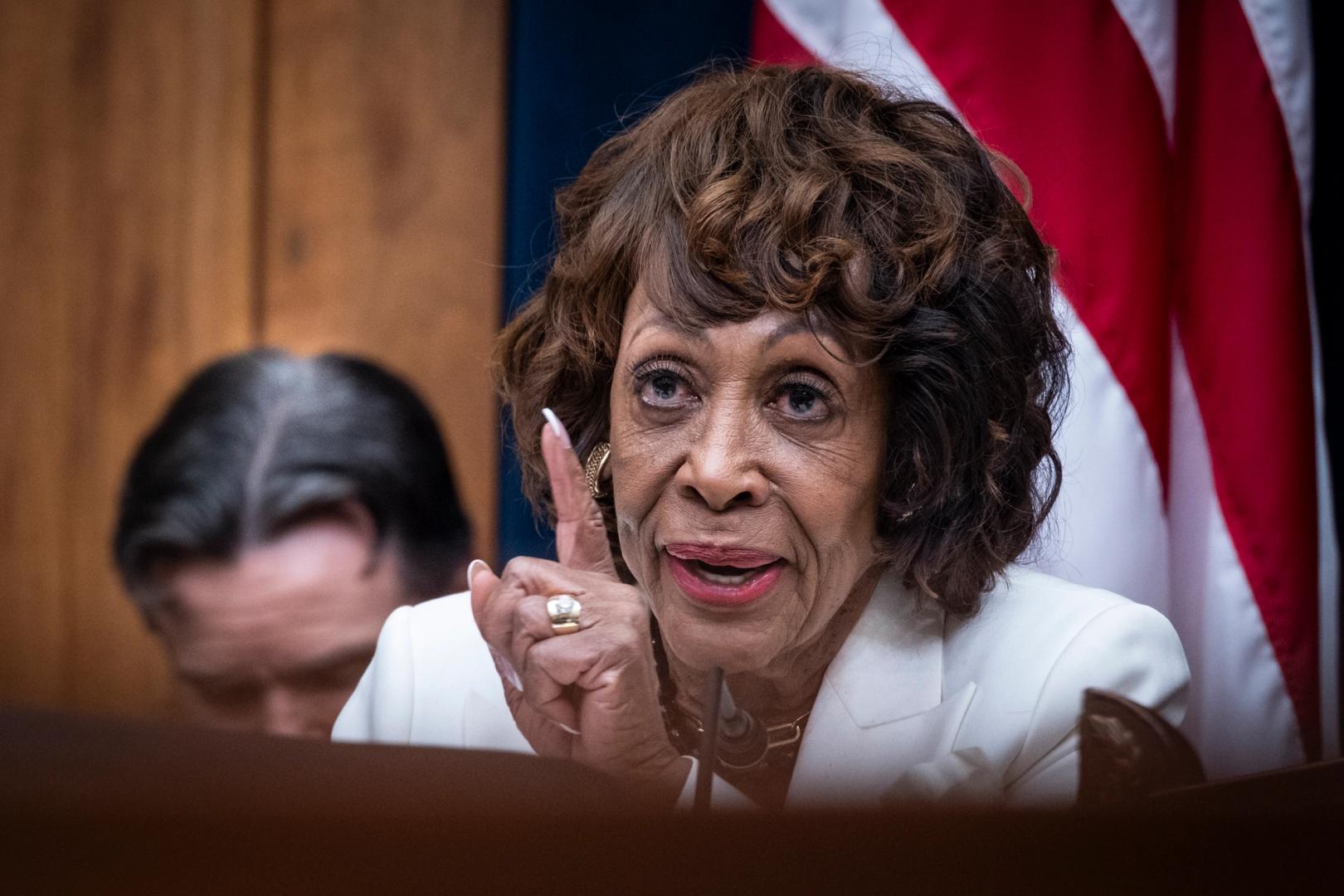
U.S. Representative Maxine Waters may soon return to the helm of the House Financial Services Committee if Democrats perform as expected in the November elections, and she’s asking that the Department of Labor back away from a proposal that would encourage the managers of 401(k) retirement plans to offer alternative investments, including cryptocurrency.
In March, the Labor Department proposed a rule to implement what President Donald Trump had ordered: that people’s 401(k) accounts be open to investments in private equity, private credit, real estate, commodities and digital assets. Waters filed a detailed, 11-page comment letter with the department this week, requesting that the idea be withdrawn.
“It is incoherent for the department to bless digital assets as suitable for the retirement savings of everyday Americans while the [Securities and Exchange Commission] is still building the investor-protection regime intended to make those same assets safe for ordinary investors,” Waters argued in the letter. “The hazard is not confined to the volatility of individual tokens, severe as that is. It reflects a broader deterioration across the digital‑asset ecosystem, where trading activity, developer engagement, and user participation have collapsed.”
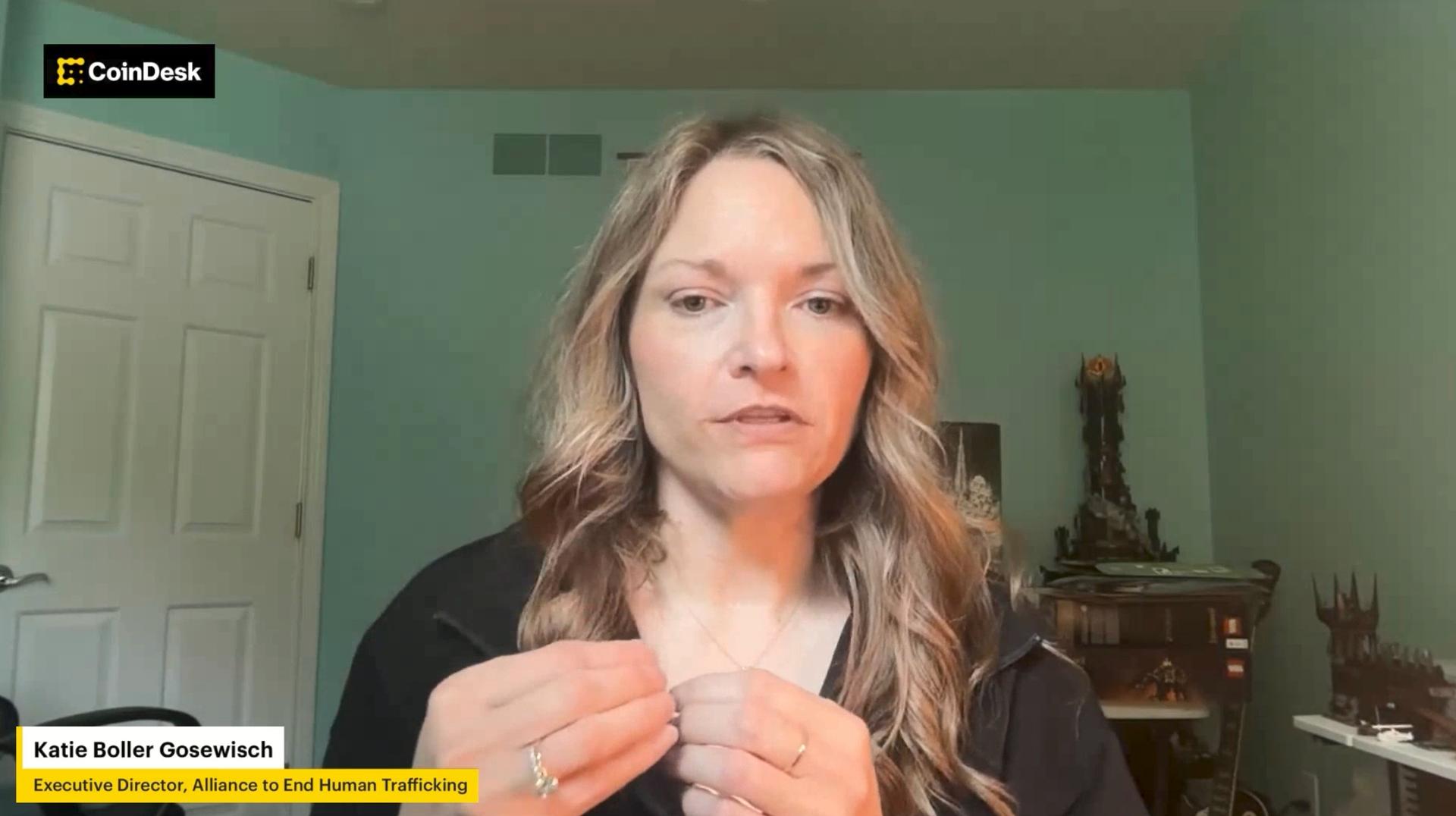
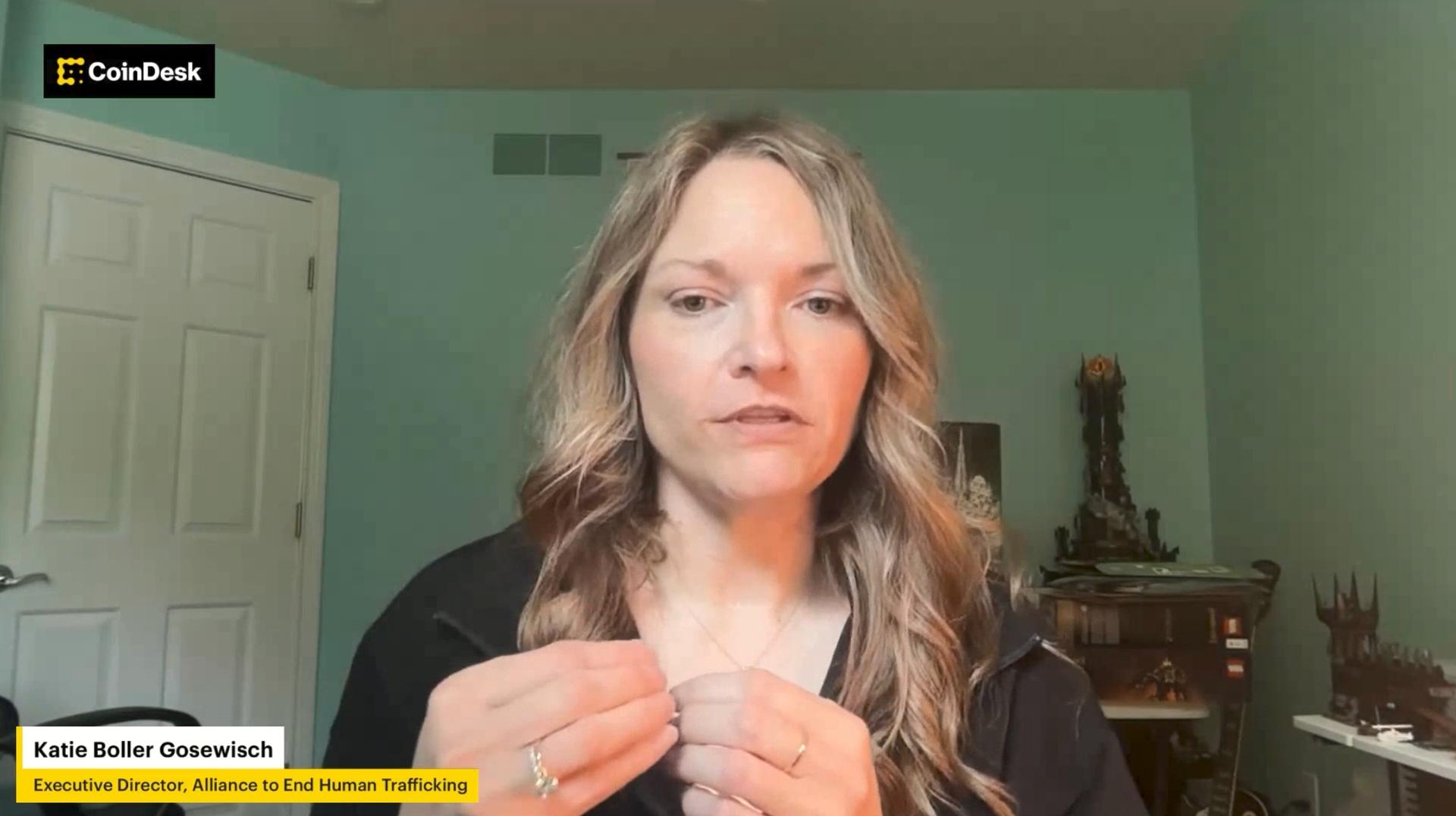
Latest developments: The Alliance to End Human Trafficking is urging lawmakers to revisit Section 604 of the Clarity Act, arguing the provision could make it harder to hold some crypto platform developers accountable when their technology is used to facilitate human trafficking.
- Katie Boller Gosewisch, executive director of the Alliance to End Human Trafficking, said her organization’s primary concern is language stating that developers who do not control user funds are not money transmitters.
- Boller Gosewisch argued the provision could allow some third-party platform developers to “hide behind” a lack of liability if their software is used to facilitate trafficking-related payments.
- The Alliance and Catholic Charities recently sent a letter to Senate Majority Leader John Thune and Senate Minority Leader Chuck Schumer outlining their concerns with the legislation.
- Boller Gosewisch joined Rebecca Rettig and Renato Mariotti on CoinDesk’s The Policy Protocol.
The debate: Rettig argued Section 604 reflects longstanding U.S. anti-money laundering policy rather than creating a new legal shield.
- Rettig said the provision simply clarifies that developers who do not control customer assets are not considered money transmitters, consistent with existing Bank Secrecy Act and FinCEN guidance.
- She argued the bill preserves liability for parties that do control user funds and does not eliminate exposure under other criminal statutes.
- She also pointed to existing money laundering laws, including 18 U.S.C. § 1956, as tools prosecutors can use against developers who knowingly facilitate criminal activity.

Signage at the Situation Room by Polymarket pop-up bar in Washington, DC, US, on Friday, March 20, 2026.
Graeme Sloan | Bloomberg | Getty Images
The Commodity Futures Trading Commission has an ongoing, extensive investigation into prediction market platform Polymarket, according to a person familiar with the inquiry.
The Wall Street Journal first reported the investigation on Friday.
A spokesperson for the CFTC and another for Polymarket both declined to comment.
News of the investigation comes more than a week after a Wall Street Journal story revealed that Polymarket conducted a misleading marketing campaign, making content creators appear as though they were winning on the platform when in reality they weren’t putting any money down.
The person familiar with the inquiry, who was not authorized to speak publicly, did not disclose a timeline for when the commission’s investigation into Polymarket began.
CEO and founder of Polymarket US Shayne Coplan speaks during the FIA Global Cleared Markets Conference Boca 2026, in Boca Raton, Florida, U.S., March 10, 2026.
Marco Bello | Reuters
Polymarket reiterated to CNBC that it is taking steps in response to the Journal’s investigation into its marketing .
“We are conducting a comprehensive audit of active promotional content to ensure it complies with our standards, as well as applicable regulatory and legal disclosure requirements,” a spokesperson said in a statement.
The CFTC investigation marks a reversal for Polymarket’s regulatory fortunes over the past year. While the company was originally banned from allowing U.S. users in 2022 for not properly registering with regulators, investigations by the CFTC and the Department of Justice were later dropped in July of last year without charges.
Polymarket’s CFTC-regulated U.S. exchange launched in December, reopening access to domestic users, and had a waitlist to access the platform lifted six weeks ago.
The CFTC under Chairman Michael Selig has been aggressive in its support for prediction markets, but the investigation into Polymarket would mark the commission’s first high-profile inquiry into an event contract platform under his leadership.
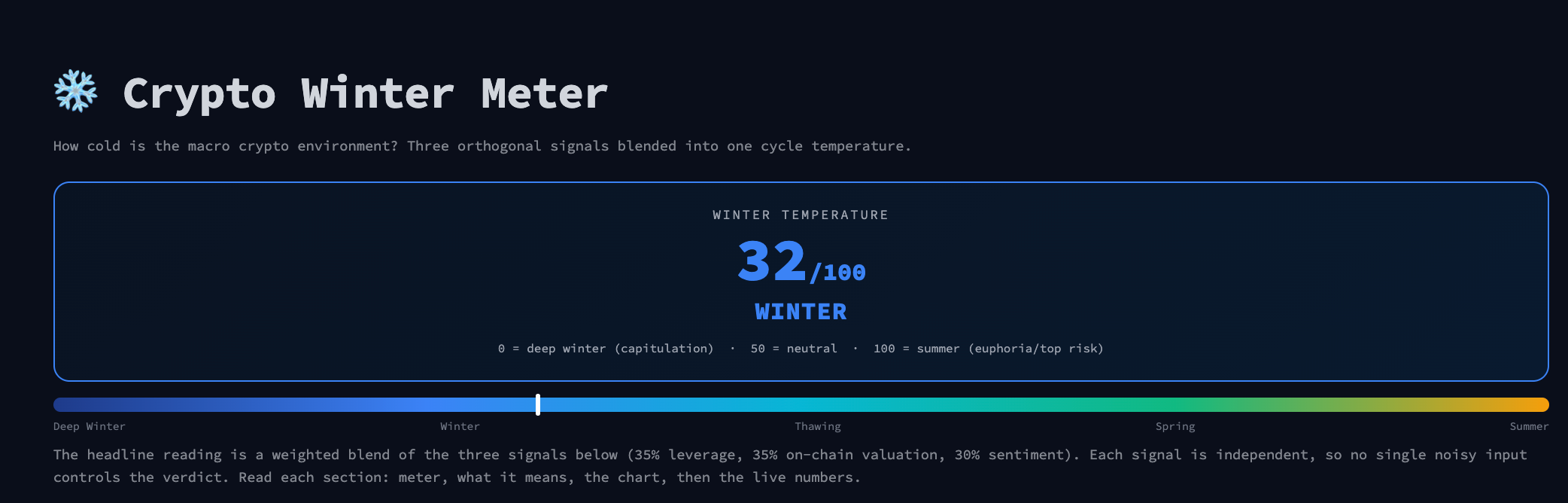
With the crypto winter meter stuck at 32, capital is leaking out of digital assets and hunting elsewhere.
BeInCrypto’s tracking shows it landing in commodities and stocks, where the assets smart money is buying point to early positioning rather than chasing.

Across two metals and a hyperscaler, the pattern repeats: quiet accumulation into a pullback, not a crowded trade.
Gold (XAU)
Gold leads the assets that the smart money is buying into in the second half of 2026. Bullion peaked early in the year, then corrected hard, and with oil soft and inflation cooling, it has slowly clawed back toward $4,000.
Want more insights like this? Sign up for Editor Harsh Notariya’s Daily Newsletter here.
The backdrop was hawkish, with a hotter May inflation reading and a firm dollar following the June Federal Reserve meeting. A pause in the dollar’s rally gave bullion room to stabilize.
The gold-silver ratio has climbed from about 52 on May 13 to near 69. A rising ratio means gold is outpacing silver. It is a classic tell that investors could be leaning into the harder safe-haven metal.
Gold, in short, is the stronger leg of the precious-metals trade right now.

The Commitments of Traders (COT) report, the Commodity Futures Trading Commission’s weekly snapshot of futures positioning, shows non-commercial traders net long 180,220 COMEX gold contracts as of June 16. These are the large speculators, including hedge funds.
On the week, they added roughly 3,100 longs and cut about 3,200 shorts. So even as some retail holders trim exposure, smart money is adding to gold. This could hint at early positioning.

Note: Non-commercial is the cohort most people mean when they say “smart money is buying”; they take directional positions, and right now they’re net long gold and adding.
COT figures carry a lag. This is because the CFTC publishes positions held on the prior Tuesday each Friday. Therefore, they trail the live market by several days. The next COT report for this week is due this Friday and should tell a stronger smart-money positioning story.
Alphabet (GOOGL)
Smart money is quietly building a position in gold. That same early positioning is showing up in stocks. Alphabet sits in the AI hyperscaler layer, the cloud and compute giants that own the data centers, chips, and capacity on which every AI application runs. That is why the group is in demand.
Alphabet runs the full stack, with custom TPU chips, Google Cloud, the Gemini models, and distribution through Search and Android, which gives it rare end-to-end exposure to AI spending. A proprietary deep-dive scores its relative strength against the hyperscaler basket near 125, ahead of its peers.

The Smart Money Index (SMI), a gauge of informed traders, tells the story of positioning. From April 1 to June 9, the index climbed, a long stretch of net buying by smart money. It has started to turn up again near the signal line.
Chaikin Money Flow (CMF), a proxy for institutional money, now reads near zero. Rather than distribution, that pause points to early positioning as the CMF indicator is not diverging but moving closer to the zero line.

The 13F filings, the quarterly disclosures every large institution must submit, back it up. Berkshire Hathaway, run by Warren Buffett, stands out as one of the key buyers, having lifted its Class A stake by around 200%.
Alphabet fell about 11% in a month on AI talent and competition worries, yet it still leads its layer. Smart money appears to have started buying a quality dip early rather than chasing a top, as evidenced by the SMI and CMF indicators turning up.

One caveat. 13F filings disclose positions up to 45 days after quarter-end, and the Smart Money Index reflects flow trends rather than confirmed trades.
Silver (XAG)
Gold is not the only metal-specific asset smart money is buying. The signal repeats next door in silver, the cheaper, higher-beta cousin. With the gold-silver ratio near 69, silver looks historically cheap against gold. Gold is the safe-haven metal. Silver adds an industrial kicker.
The same non-commercial gold-adders are net long silver, too, and they increased their bets. These large speculators added 3,124 long contracts in the week to June 16, leaving a net long of 24,500. The hedgers or the commercial cohort is still net short, showing how early “smart money” is.

Demand gives it a reason. Silver runs through solar panels, electric vehicles, data centers, and power grids, with the market facing another supply deficit near 46 million ounces. AI-driven data center and grid build-outs keep industrial demand firm.
Silver also moves opposite the US Dollar Index (DXY), with a 30-day correlation near negative 0.59. The DXY hit a 13-month high above 100 a few days back, and sticky real yields add to the pressure.

That headwind is also the setup. If inflation cools, real yields drop, and the dollar eases, the same inverse correlation flips into a tailwind, leaving the early longs well placed.
The post 3 Assets Smart Money Is Buying as the Crypto Winter Drags On appeared first on BeInCrypto.


Ethra Ship has launched a blockchain protocol backed by four years of maritime operations, opening access to an asset class where individual vessels can cost between $30 million and $120 million.
Summary
- Ethra Ship has launched a blockchain protocol that tokenizes investments in operating maritime shipping assets.
- The platform separates its $SHIP governance token from a regulated RWA investment layer backed by vessel-owning SPVs.
- The launch comes as tokenized real-world assets continue expanding, with Wall Street forecasting multi-trillion-dollar market growth.
According to a recent announcement from Ethra Ship, the company has introduced a two-layer real-world asset tokenization protocol designed to connect crypto users and institutional investors with operating dry bulk shipping assets.
The platform is supported by Ethra Invest, which has been acquiring, managing, and commercially operating vessels since 2021, providing the protocol with an existing revenue-generating business rather than a pipeline of future acquisitions.
Speaking about the launch, Ethra Chief Executive Officer Saeed Al-Marri said tokenization only succeeds when it is built on top of an operating business rather than an idea.
“Tokenization only works when there is a real business underneath it. We bring four years of vessel operations, live charter revenue, and operational data to the protocol from day one, setting the standard maritime RWAs should be held to.”
Ethra said its portfolio has generated Time Charter Equivalent (TCE) revenue through commercial vessel operations while establishing the infrastructure required to manage maritime assets before introducing blockchain technology. According to the company, this approach differs from projects that issue tokens first and seek to acquire underlying assets later.
The protocol separates governance from regulated vessel investments
Under the announced structure, the first layer revolves around the SHIP token, which serves as the ecosystem’s utility and governance asset. Ethra said token holders will be able to stake their holdings for access to its Fleet Visibility Dashboard, which provides real-time fleet performance data, while also participating in governance decisions as the protocol develops.
Alongside the public token layer, the company has created a regulated investment tier for eligible investors who complete KYC and AML checks. According to Ethra, participants in this layer receive fractional exposure to Special Purpose Vehicles that own operating dry bulk vessels, allowing them to share in cash flows generated through commercial freight charters.
Commenting on the rollout, Ethra Chief Operating Officer Emad Shahin said the protocol combines blockchain infrastructure with a shipping business the company has operated for several years.
“Ethra Ship Protocol gives both Web3 and traditional investors a structured way to engage with an asset class that we have been operating and investing in since 2021. The infrastructure exists around our track record in the maritime sector, giving participants confidence that we have experience operating a fleet of revenue-producing ships.”
Ethra added that future development phases will expand staking features, institutional participation, and on-chain data services before eventually introducing tokenized vessel ownership.
RWA markets continue expanding beyond traditional asset classes
Maritime shipping enters the tokenization market as real-world assets continue attracting institutional attention.
As crypto.news reported in May, the value of tokenized real-world assets on public blockchains climbed to nearly $34 billion, up from roughly $5.4 billion at the beginning of 2025. Ethereum currently carries about 60% of that market, while tokenized U.S. Treasuries account for around $15 billion.
New asset categories have also continued to emerge. Earlier this month, DBS Bank announced plans to launch tokenized physical gold backed by bullion stored in Singapore, extending its digital asset strategy beyond tokenized money market funds and stablecoin services.
Wall Street institutions have also projected substantial growth for the sector. In its Tokenization 2030: Wall Street On-Chain report, Citi estimated the tokenized securities market could reach $5.5 trillion by 2030 under its base-case scenario, with projections ranging from $2.7 trillion to $8.2 trillion depending on adoption. The bank expects blockchain infrastructure to support an increasing share of Treasury bills, equities, funds, and other financial assets during the decade.
Morgan Stanley has warned that the Federal Reserve could still be forced to raise interest rates this year under certain economic conditions, even as it maintains its forecast for unchanged policy.
Summary
- Morgan Stanley expects the Fed to hold rates steady, but warns two conditions could change that outlook.
- BNP Paribas and Citadel Securities forecast Fed rate hikes later this year on persistent inflation concerns.
- Neel Kashkari and market pricing indicate investors remain alert to the risk of renewed policy tightening.
According to Morgan Stanley, its base-case forecast remains that the Federal Reserve will leave interest rates unchanged this year. Even so, the bank cautioned that a stronger labor market or stubborn inflation could require policymakers to tighten monetary policy again.
The bank pointed to two specific risks. A decline in the unemployment rate below 4% would indicate continued strength in the labor market, while inflation remaining above the Fed’s target could leave officials with little choice but to remove monetary accommodation.
Recent inflation data has kept those concerns in focus. As reported by crypto.news earlier, the U.S. Personal Consumption Expenditures price index accelerated to 4.1%, its highest reading since 2023. At the same time, oil prices have fallen following the U.S.-Iran peace agreement, a development that could ease energy-driven inflation and support Morgan Stanley’s expectation that rates remain on hold.
Other institutions continue to expect rate increases
Although Morgan Stanley does not currently forecast a rate increase, several financial institutions have adopted a more hawkish outlook.
As reported by crypto.news earlier in June, BNP Paribas abandoned its previous expectation that rates would remain steady and now expects the Federal Reserve to reverse the three interest-rate cuts delivered in 2025. The bank projected three consecutive rate hikes beginning with the December Federal Open Market Committee meeting.
BNP Paribas said policymakers may need to withdraw part of the monetary stimulus if inflation continues to strengthen while employment conditions remain resilient. The bank also projected the unemployment rate could gradually decline to around 4% by the end of the year, giving the Federal Reserve more room to prioritize inflation over labor-market support.
Citadel Securities has taken an even more aggressive position. In a recent client note, the firm warned that the Federal Reserve could begin raising rates as early as September 2026 if inflation continues spreading through the economy.
According to Citadel, inflation is no longer being driven only by energy prices. The firm argued that accommodative financial conditions, persistent supply-chain disruptions, continued labor-market strength, and rapidly growing artificial intelligence investment are all contributing to sustained price pressures.
Citadel estimated AI-related capital expenditures could reach about $750 billion in 2026 before increasing to approximately $1.25 trillion in 2027.
The firm’s projected policy path includes rate hikes in September and December 2026, followed by another increase in March 2027.
Fed officials and markets remain divided on the outlook
Federal Reserve officials have also acknowledged the possibility of additional tightening if inflation fails to moderate.
Speaking in an interview with Bloomberg, Minneapolis Fed President Neel Kashkari said he was among the policymakers who projected a rate hike this year. He explained that his decision was based on signs of persistent inflation across the economy rather than concerns limited to the conflict in the Middle East or disruptions to global oil supplies.
Following the June Federal Open Market Committee meeting, nine of the 18 Federal Reserve officials projected at least one rate increase this year, while six of those policymakers anticipated multiple hikes, according to earlier reporting by crypto.news.
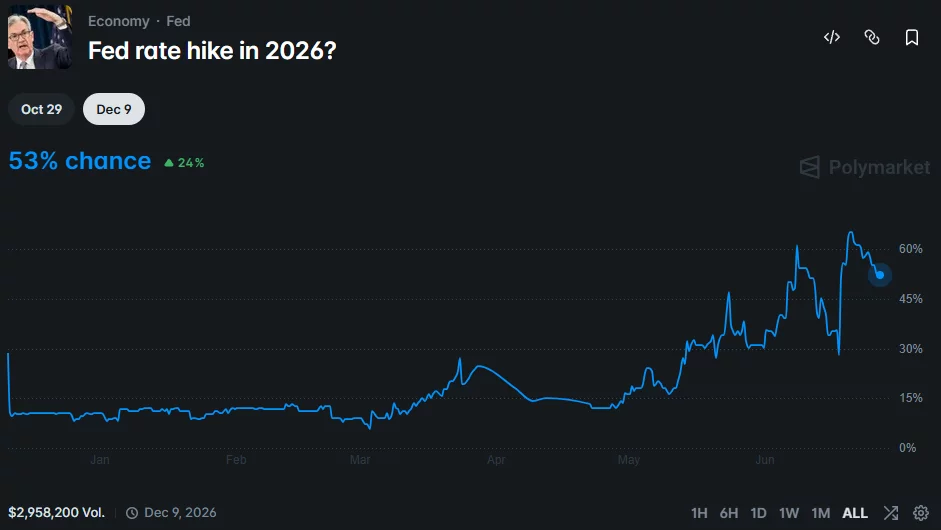
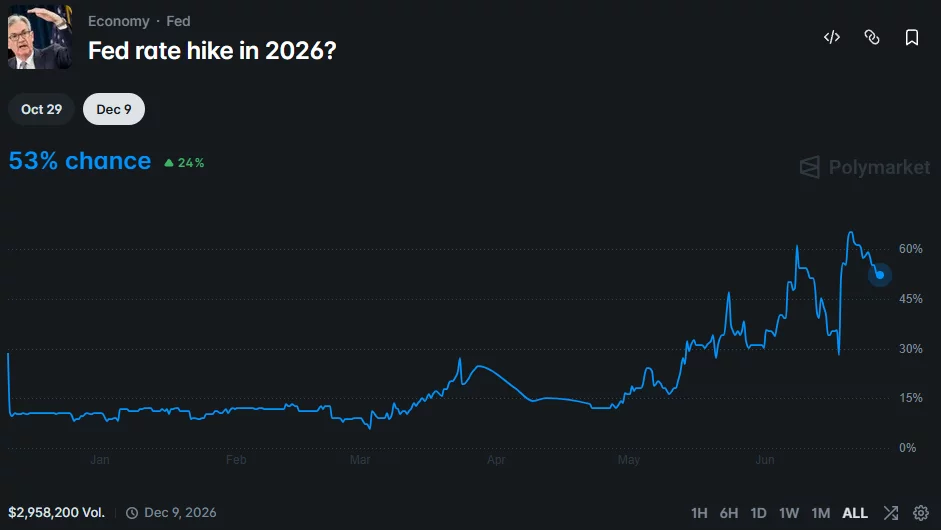
Financial markets also continue to assign meaningful odds to tighter policy. Polymarket data indicates a 53% probability that the Federal Reserve raises interest rates this year, while CME FedWatch data shows traders are pricing in possible increases at the September, October, and December policy meetings. The September meeting currently carries a 46.8% probability of a rate hike.


Binance has started telling European Union users it will wind down services in the bloc after failing to secure a license under the Markets in Crypto-Assets framework, the realization of an EU-exit risk that surfaced earlier this month. The world's largest exchange emailed customers in France,… Read the full story at The Defiant


Latest developments: Trent Van Epps says Ethereum’s long-term decentralization strategy is entering a critical transition phase.
- Van Epps said he left the Ethereum Foundation after it became clear the organization would accelerate its “subtraction” philosophy of pushing authority and legitimacy into the broader ecosystem.
- He described the Ethereum Foundation as intentionally reducing its central role rather than consolidating power, arguing that multiple independent institutions should eventually coordinate the ecosystem.
- The comments come after recent Ethereum Foundation leadership changes and workforce reductions, which have fueled questions about Ethereum’s future governance.
- Van Epps joined CoinDesk’s Jennifer Sanasie on Markets Outlook.
What this means: Van Epps argues Ethereum faces a practical funding challenge rather than an existential crisis.
- He estimated core protocol development requires roughly $30 million annually, even as the Ethereum Foundation’s treasury gradually declines over time.
- According to Van Epps, the issue is not shrinking technical needs but identifying new organizations willing to finance public goods that keep the network reliable and secure.
- He said his Protocol Guild initiative has distributed nearly $40 million to Ethereum core developers over roughly four years but is not sufficient on its own to replace broader ecosystem funding.
Crypto World
Why Wall Street's Biggest Traders Are Abandoning Crypto for Prediction Markets | Alex Momot


💻 Watch Video… Read the full story at The Defiant

This 3-Game Fantasy Epic Needs To Be Netflix’s Next Big Adaptation

Bcom first year financial accounting major 1st paper 2026,bcom 1st year financial accounting paper

Could rain be on the way to Bolton this weekend?

No Jackpot Winner as $257 Million Prize Rolls Over to $269 Million Monday Draw

Blockchain.com files with SEC for U.S. IPO

Weekend Open Thread: Miami – Corporette.com
Bcom first year financial accounting major 1st paper 2026,bcom 1st year financial accounting paper

Money Money Come To Me | Listen to This Manthra Daily, Be Rich.

XRP INSIDER JUST LEAKED THE BIGGEST NEWS EVER??!! (IMPOSSIBLE!!!)
-

 Entertainment6 days ago
Renter of Home in Anne Heche Crash Denies Settlement With Son
-
 Sports3 days ago
Two goals and an assist by sheer aura: Cristiano Ronaldo just entered the World Cup chat
-

 Tech4 days ago
Microsoft accidentally kills epic Outlook email threads
-

 Business6 days ago
Soccer-U.S. defends Iran World Cup travel restrictions, says discussions ongoing
-

 Politics14 hours ago
The House | Manchesterism won’t survive the painful trade-offs unless it gets citizens on board
-

 Politics6 days ago
Andy Burnham and the meaning of Makerfield
-

 Politics18 hours ago
Potential 2028er World Cup attendee leaderboard
-

 Tech1 day ago
A Look At A Gaggle Of Transputer Boards
-
Crypto World3 days ago
Bitcoin (BTC) Dips Below $62K, Ethereum (ETH) Plunges 6% Daily: Market Watch
-

 Crypto World3 days ago
Securitize Wraps Roubini's SEC-Registered ETF as Dubai VARA Digital Security
-
 Crypto World1 day ago
Dell (DELL) Shares Tumble Over 5% Following Analyst Downgrade to Hold
-

 Business12 hours ago
Asia stock markets slide as tech shares slump
-
Business3 days ago
Entergy settles forward sale agreements, raises $672 million in cash proceeds
-
 Crypto World6 days ago
Can Charles Hoskinson Really Rescue Cardano?
-
 Business7 days ago
Wall Street Week Ahead: Investors see Micron earnings as pulse check of AI rally momentum
-

 Fashion2 hours ago
Weekend Open Thread: Staud – Corporette.com
-

 Entertainment7 days ago
Jose Alvarado Wants Taylor Swift at More Knicks Games
-

 Crypto World3 hours ago
RTX holders must register wallets before token distribution begins
-

 Crypto World7 days ago
HIVE shares jump as $220M AI deal speeds Bitcoin mining pivot
-
 Crypto World6 hours ago
Hyperliquid Named on Singapore MAS Investor Alert Register
You must be logged in to post a comment Login