


Connect with us
DAPA Banner
DAPA Coin
DAPA
COIN PAYMENT ASSET
PRIVACY · BLOCKDAG · HOMOMORPHIC ENCRYPTION · RUST
ElGamal Encrypted MINE DAPA
🚫 GENESIS SOLD OUT
DAPAPAY COMING

Business

A Boost for British Firms

Published

on

A Boost for British Firms

UK Export Finance has fired the largest single shot in its century-long history, setting aside a fresh £50 billion to bankroll British defence exports at a moment when the world is rearming faster than at any time since the Cold War.

The new Defence Export Fund takes the government’s export credit agency from an £80 billion ceiling to a total capacity of £130 billion, with the additional £50 billion ring-fenced to support large-scale defence sales and shore up Britain’s competitiveness in a market that is expanding at remarkable speed. For an agency that has spent 100 years quietly underwriting the deals that keep British goods moving across borders, it is a statement of intent.

The timing is no accident. Global military expenditure climbed to a record $2.7 trillion in 2024, a 9.4 per cent year-on-year jump that, according to the Stockholm International Peace Research Institute, was the steepest rise since at least the end of the Cold War. Spending rose across all five of the world’s regions, driven by the war in Ukraine, conflict in the Middle East and a broad reappraisal of national security among Western governments. Allies are not only spending more, they are actively shopping for the kind of advanced capability that British industry is well placed to supply.

The mechanics are straightforward enough. UKEF will guarantee the bank loans taken out by British defence exporters as they fulfil contracts, and it will provide or back the financing extended to other countries buying British defence products. In practice that means a UK manufacturer can compete for a major overseas order knowing the financing is underwritten by the government, while the purchasing nation gets access to a competitive, state-backed payment package alongside the kit itself.

That combination, world-leading hardware paired with government-backed finance, is what ministers hope will tip large contracts in Britain’s favour. The fund is open to defence businesses of every size, from established prime contractors to the smaller firms looking to break into international markets for the first time, a constituency that has historically found export finance hard to navigate.

Advertisement

It is a theme UKEF has been building towards for some time. The agency has already widened its toolkit for smaller exporters, unveiling new products designed to help SMEs trade globally and to remove some of the friction that has long deterred first-time exporters from chasing overseas work.

The Defence Export Fund does not arrive out of nowhere. UKEF has been steadily deepening its defence portfolio, backing landmark deals that include air defence systems for Poland and Ukraine and submarine rescue vehicles for Indonesia, transactions that translate into skilled jobs and economic value spread across the UK rather than concentrated in a single region.

The numbers have grown accordingly. Defence transactions worth more than £5 billion are now routine for the agency, and it supported a total of £10 billion of defence business in the 2024/25 financial year alone. With that trajectory showing no sign of flattening, the new allocation is designed to let UKEF meet rising demand without running up against its own limits.

That ambition sits within a wider government push to treat defence not merely as a security obligation but as an engine of industrial growth. Westminster has moved to boost domestic weapons production and cut reliance on imports, while a separate drive aims to give smaller defence firms easier access to Ministry of Defence contracts. The export fund is the international-facing piece of that same strategy.

Advertisement

‘Allies are actively seeking what Britain can build’

Tim Reid, chief executive of UKEF, framed the move as a response to genuine demand from partner nations. “Security is a strategic priority for governments worldwide, and the UK’s defence sector offers pioneering capabilities that allies are actively seeking,” he said. “With billions of pounds available in new export financing, we are strengthening the sector’s global competitiveness while backing skilled British jobs and supporting long-term economic growth.”

The agency, which sets out its broader approach in its strategic financing for industrial growth, has set itself a clear target. By 2029 it aims to help UK firms win more than £12.5 billion of new export contracts through its finance offer, with defence expected to account for a growing slice of that total.

For Britain’s defence businesses, large and small, the message is that the financing constraint which once kept them on the sidelines of the biggest deals has been substantially loosened. Whether that translates into the contract wins ministers are banking on will depend, as ever, on the firms themselves. But the cheque book has rarely been bigger.


Amy Ingham

Amy is a newly qualified journalist specialising in business journalism at Business Matters with responsibility for news content for what is now the UK’s largest print and online source of current business news.

Advertisement

Continue Reading
Click to comment

You must be logged in to post a comment Login

Leave a Reply

Business

Toast: The Market Is Focused On The Wrong Metric (NYSE:TOST)

Published

on

Customer paying for beers with contactless payment in pub

This article was written by

Hi, my names Tyler! While I am currently a student at University of South Carolina well on my way to earning majors in Finance and Risk Management, I spend nearly all my free time analyzing companies and the market. My credentials include a Level 2 certification through the Adventis FMC program as well as certificates from Bloomberg Market Concepts.I have been investing since middle school, however, I am much more focused on investing now than I was then. Overall, I am event-driven, opportunistic investor who is just looking for the next best thing.I was particularly inspired by Cornwall Capital, who found stocks others deemed “risky” and completed in-depth research to find the true story. This is my main strategy today, finding ignored or underfollowed stocks that bring more to the table than people think. This led me to make my first “Cornwall” trade back in May acquiring shares and LEAP option contracts of Opendoor Technologies at $0.75, before the meme rally. I acquired more shares around $0.56 and $2.00 and although I sold my option contracts for a profit of 4000%+, I continue to hold my shares to this day. I write and post anything that I find interesting or I believe has a strong opportunity ahead across any industry or sector. I’ve always enjoyed sharing my thoughts on companies with family members and friends so I figured, why not share with everybody!

Analyst’s Disclosure: I/we have no stock, option or similar derivative position in any of the companies mentioned, and no plans to initiate any such positions within the next 72 hours. I wrote this article myself, and it expresses my own opinions. I am not receiving compensation for it (other than from Seeking Alpha). I have no business relationship with any company whose stock is mentioned in this article.

Seeking Alpha’s Disclosure: Past performance is no guarantee of future results. No recommendation or advice is being given as to whether any investment is suitable for a particular investor. Any views or opinions expressed above may not reflect those of Seeking Alpha as a whole. Seeking Alpha is not a licensed securities dealer, broker or US investment adviser or investment bank. Our analysts are third party authors that include both professional investors and individual investors who may not be licensed or certified by any institute or regulatory body.

Advertisement
Continue Reading

Business

Why is Strategy stock sliding today?

Published

on


Why is Strategy stock sliding today?

Continue Reading

Business

Warriors Reportedly Plan All-In Pursuit of LeBron James and Anthony Davis to Give Stephen Curry One Last Shot

Published

on

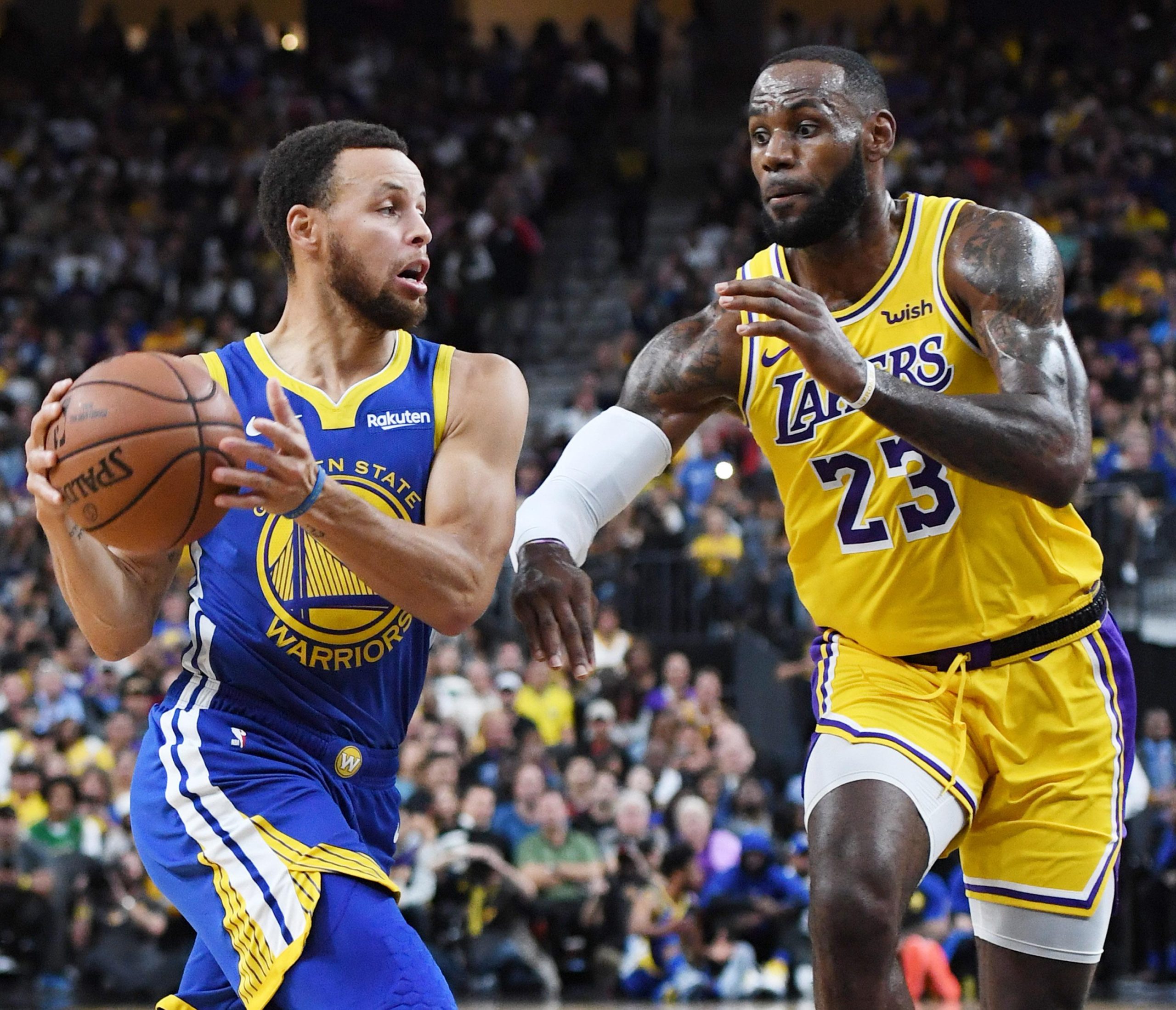
LeBron James Stephen Curry

SAN FRANCISCO — The Golden State Warriors are preparing to pursue one of the boldest, riskiest roster overhauls in recent NBA memory, planning a simultaneous push for free agent LeBron James and a trade for Wizards center Anthony Davis as the franchise looks to transform a play-in tournament team into a legitimate title contender around an aging Stephen Curry.

ESPN’s Shams Charania reported that the Warriors are “planning a pursuit of LeBron James in free agency and Anthony Davis via trade this week,” signaling that Golden State intends to move aggressively on both fronts as NBA free agency officially opens. The strategy reflects an organization fully aware of the shrinking championship window surrounding Curry, who turns 38 this season and remains the centerpiece of any title hopes for a franchise that won 37 games and finished as a play-in participant last season.

The boldness of the plan is matched only by its inherent risk. James, 41, has missed more than 20 games in four of his last six seasons, while Davis, 33, has totaled just 71 appearances combined over the past two seasons. Pairing two stars with that combined injury history alongside an already injury-prone roster, one that includes Al Horford, Kristaps Porziņģis and Draymond Green, represents what amounts to a significant gamble on health and availability as much as on talent.

Despite those concerns, the potential upside has kept the idea squarely on the table for Golden State’s front office. The Curry-James-Davis trio has already shown it can function at an elite level together, having helped Team USA capture gold at the 2024 Paris Olympics under the direction of current Warriors head coach Steve Kerr. That shared chemistry and Kerr’s familiarity with deploying all three players alongside one another has reportedly factored into the Warriors’ confidence that the pairing could translate successfully to an 82-game NBA season and a deep playoff run, even accounting for the players’ respective ages and recent injury histories.

Advertisement

According to NBA insiders Marc Stein and Jake Fischer, the Warriors are considered “far and away the most interested external suitor” for James as he weighs his free agency options this summer. Still, there is no guarantee James will be willing to leave his Los Angeles home base to relocate for a fresh start in the Bay Area, particularly given the financial constraints Golden State would likely face in putting together a competitive offer. Absent significant additional maneuvering, the Warriors may have only the non-taxpayer midlevel exception, worth roughly $15.1 million, available to offer James as a free agent.

Even securing that level of cap flexibility would require considerable financial gymnastics on Golden State’s part. Draymond Green’s decision to decline his $27.7 million player option Monday was widely viewed as a necessary first step toward clearing the path for such a pursuit, but the Warriors would likely also need Green to accept a meaningful pay cut on any new contract, and the team may need to shed the salary of injured swingman Moses Moody to fully open up the financial space required to make a James pursuit and a Davis trade both feasible simultaneously.

The Davis side of the equation presents its own complications. Any trade for the Wizards center would likely require Golden State to include Jimmy Butler, meaning the Warriors would have to reverse course on previously stated plans to keep Butler on the roster throughout his recovery from a torn ACL. On Washington’s end, the Wizards would similarly need to abandon their own publicly stated intention to keep Davis as a core piece of their rebuilding effort, a stance general manager Will Dawkins reiterated just weeks ago when he said the team and Davis both want him to remain in the nation’s capital. Bridging that gap between Washington’s stated plans and Golden State’s ambitions remains one of the most significant obstacles standing between the Warriors and completing the proposed blockbuster.

Analysts following the situation have been blunt about just how complicated pulling off both moves simultaneously would be, describing the broader plan as far from simple and acknowledging that success would require a substantial amount of fortune breaking in the Warriors’ favor across multiple fronts at once, from James’ personal willingness to relocate, to Washington’s openness to moving Davis, to the financial restructuring needed to make the math work under the league’s salary cap and luxury tax rules.

Advertisement

Still, the calculus facing Golden State’s front office is straightforward in its own way: there has never been an easy or conventional path to transforming a 37-win, play-in-caliber roster into a genuine championship contender. With Curry’s prime years narrowing and no clear alternative path to title contention readily available through the draft or more conventional free agency moves, pursuing a high-variance, high-reward strategy built around two future Hall of Famers represents, in the view of those tracking the situation, a realistic if far from guaranteed route back to relevance for a franchise that has won four championships over the past decade but has watched its competitive window narrow considerably in recent seasons.

Whether the Warriors can actually thread the needle, convincing James to leave Los Angeles, persuading Washington to part with Davis, and restructuring their own roster finances enough to fit both moves under the salary cap, remains very much an open question as free agency unfolds this week. But for an organization unwilling to simply accept a gradual decline around its aging core, league sources indicate Golden State views this aggressive dual pursuit as the clearest remaining avenue to give Curry one final, legitimate opportunity to add to his championship resume before his career window closes entirely.

Continue Reading

Business

Serena Williams Returns to Wimbledon Today After Nearly Four Years Away, Facing Maya Joint in First Round

Published

on

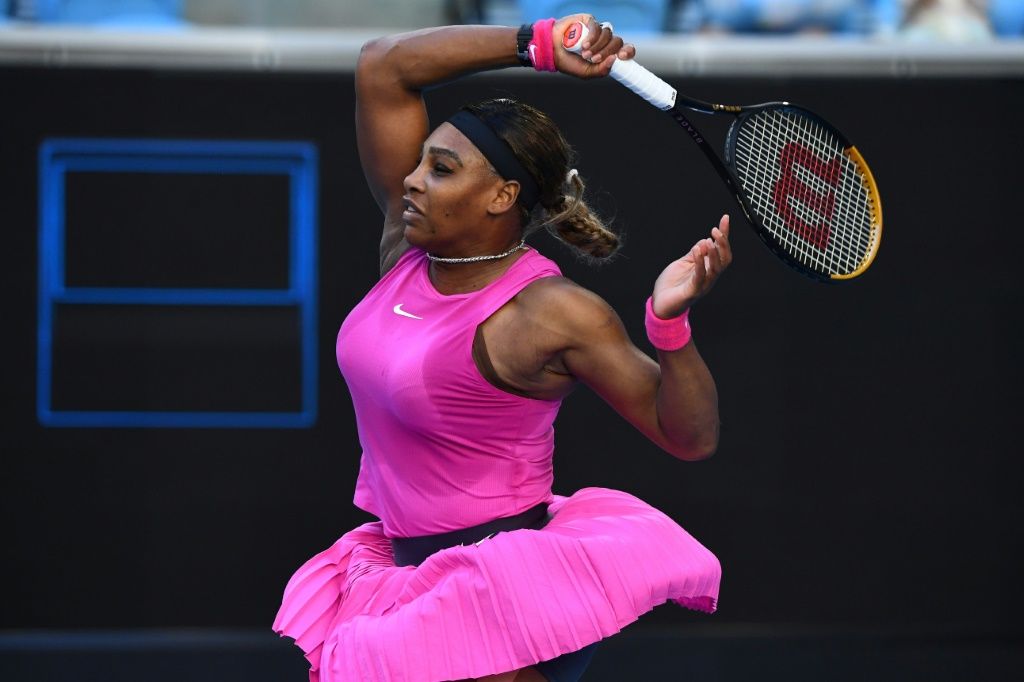
Maja Chwalińska

LONDON — Serena Williams steps back onto a Grand Slam singles court Tuesday for the first time in nearly four years, opening her much-anticipated Wimbledon return against 20-year-old Australian Maya Joint in a first-round match that caps a remarkable, fan-driven comeback to the sport’s most storied tournament.

Williams, a seven-time Wimbledon singles champion and 23-time Grand Slam winner, last competed in a singles match at a major tournament during the 2022 US Open, where she fell in the third round to Ajla Tomljanovic in what many assumed at the time was the closing chapter of her professional career. That assumption was upended on June 21, when Williams confirmed her return to the All England Club through a joint Instagram post with the tournament itself.

“This is not a drill,” the post read, accompanying a photo of Williams on a grass court alongside the caption “Serena Returns.”

The announcement followed an earlier reveal that Williams would also reunite with her sister Venus for women’s doubles at this year’s tournament, a pairing that has won six Wimbledon doubles titles together among 14 Grand Slam doubles championships overall. Speaking with reporters at the Berlin Tennis Open earlier this month, which marked just her second competitive appearance since her extended break, Williams credited her younger daughter for nudging her back toward the doubles reunion with Venus.

Advertisement

“My daughter, Olympia, told me I should play with Venus,” Williams said. “She’s always right.”

Williams, who shares daughters Olympia and Adira with husband Alexis Ohanian, described her older daughter as unusually perceptive for her age, calling her smart and wise before recounting her own initial response to the suggestion. “I said, ‘Okay, Olympia, we’ll see if we can do it,’” Williams said.

Tuesday’s first-round singles match pits Williams against Joint, a rising Australian player born in Michigan, the same state where Williams herself first picked up a racket. Joint, who made her own Wimbledon debut just last year, has described the matchup as a career milestone she once considered nearly unimaginable.

“I always dreamed about playing Serena Williams,” Joint told ESPN. “If you told me 10 years ago that I’d be playing her first round at Wimbledon, that’s just crazy.”

Advertisement

Joint also addressed the mental challenge of facing a player whose career she grew up admiring, saying she planned to focus narrowly on the match itself rather than the magnitude of her opponent’s legacy. “You just have to play the ball,” she said. “You can’t really think about who you are playing because I’ll just get too nervous. I’ll just take it one ball at a time.”

The exact start time for the Williams-Joint match depends on Tuesday’s official order of play, which tournament organizers traditionally release the evening before each day’s matches. Wimbledon’s broadcast coverage in the United States begins daily at 6 a.m. ET, running continuously through the tournament’s conclusion on July 12, with matches available across Tennis Channel, ESPN, the ESPN app and the network’s dedicated Wimbledon streaming hub. A complete list of international broadcast options is also available through the tournament’s official channels for viewers outside the U.S.

Williams enters her singles return without an active ranking, having been away from competitive tennis long enough to fall outside the WTA’s standard ranking system entirely, which left wild card entry as her only realistic path into the main draw. Tournament organizers granted her that wild card alongside a separate entry for the Williams sisters’ doubles reunion, with Venus and Serena set to compete together at Wimbledon for the first time since 2016, the same year Serena most recently claimed the tournament’s singles title.

Williams’ build-up to Wimbledon included a deliberately limited slate of tune-up matches on grass, a surface she has long considered her strongest. Beyond her appearance at the Berlin Tennis Open, Williams also played doubles at the HSBC Championships at London’s Queen’s Club earlier this month, partnering with Victoria Mboko in what was widely viewed as an early test of her readiness to compete again at a high level. Those appearances, along with continued practice sessions at the All England Club in the days leading up to the tournament, set the stage for Tuesday’s singles debut against Joint.

Advertisement

The broader 2026 Wimbledon field includes several other storylines competing for attention alongside Williams’ comeback. Defending women’s champion Iga Świątek is seeking her second consecutive title at the tournament after an earlier exit at the French Open, while Jannik Sinner aims to defend his men’s title following his own surprising early departure from this year’s Roland Garros. Both Sinner and longtime rival Novak Djokovic landed in the same half of the men’s draw, raising the possibility of a semifinal meeting between the two should they each advance that far.

For Williams, however, Tuesday’s match carries significance well beyond the tournament bracket itself. Her return marks one of the most closely watched comebacks in recent tennis history, drawing attention not only for the rarity of a player of her stature returning to Grand Slam singles competition after such an extended absence, but also for what it represents emotionally, a chance for her young daughters to watch their mother compete on one of the sport’s biggest stages, something neither child has had many opportunities to witness during Williams’ time away from the tour.

Whether Tuesday’s match against Joint marks a brief, ceremonial return or the start of a longer competitive run remains to be seen. But for a player widely regarded as the greatest in the history of women’s tennis, simply stepping back onto Wimbledon’s Centre Court grounds, nearly four years after many assumed her singles career had already concluded, represents a moment tennis fans worldwide have been anticipating since the surprise announcement first broke earlier this month.

Advertisement
Continue Reading

Business

Exeter Chiefs acquired by AFC Bournemouth owner Bill Foley

Published

on

Business Live

The deal ends 155 years of member ownership

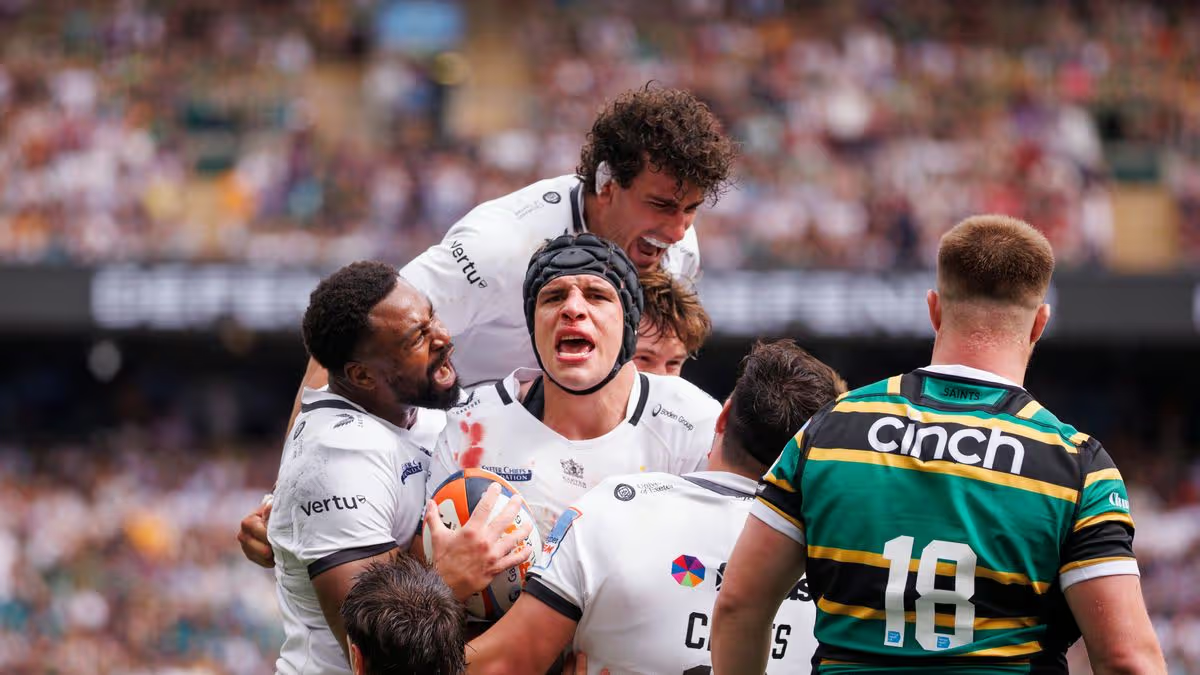
Exeter Chiefs' Dafydd Jenkins celebrates scoring his sides third try during the Gallagher PREM final match between Northampton Saints and Exeter Chiefs at Allianz Stadium on June 20

Exeter Chiefs’ Dafydd Jenkins celebrates scoring his sides third try during the Gallagher PREM final match between Northampton Saints and Exeter Chiefs at Allianz Stadium on June 20(Image: CameraSport via Getty Images)

US business tycoon Bill Foley has completed the acquisition of Premiership Rugby club Exeter Chiefs, ending 155 years of member ownership. Foley’s Cannae Holdings has agreed to invest £19.6m in the Devon side through its newly created subsidiary Black Knight Rugby.

The deal values Exeter at £32.6m, with the new owner set to pay £11.7m to clear outstanding debt and other liabilities, while another £7.9m will remain on the balance sheet for growth capital and general corporate purposes.

Advertisement

Members voted in favour of the sale to Foley – a billionaire who also owns AFC Bournemouth – in May.

Cannae said on Tuesday (June 30) the transaction was part of a strategy of “transforming its portfolio” to concentrate on sports and entertainment-related assets, where it has the ability to drive shareholder returns.

It is understood the company will look to capitalise on commercial opportunities at Sandy Park – the club’s 15,000-capacity purpose-built rugby stadium – following the takeover.

“Exeter is the type of asset we have been seeking as we transform Cannae into a focused portfolio of sports and entertainment businesses,” said Foley, who is vice chair of Cannae Holdings.

Advertisement

“We have a proven track record of building successful sports and entertainment brands, like Black Knight Football’s network of clubs, and we intend to bring that same approach to Exeter. We are excited to partner with Tony, the management team and the Exeter community to build on the success of the Club and drive future results.”

Tony Rowe, chair and chief executive of Exeter Chiefs, said the completion of the deal was “a tremendously exciting moment” for the club. He will continue to serve as a director and CEO following the acquisition.

“By partnering with Cannae, we are securing a unique partner with experience, ambition and long-term commitment that will position the club to compete at the highest levels of English and European rugby,” he said.

“I look forward to working with the Cannae team to drive the Club forward with our players, our staff, and our supporters.”

Advertisement

Hollywood star Michael B Jordan, who won this year’s best actor Oscar for his role in Sinners, is a minority shareholder in Black Knight Football Club.

The news comes just days after Exeter finished as runners-up to Northampton in the 2025/26 season.

“The acquisition of Exeter is the next example of Cannae executing on the strategic priorities outlined by our board,” added Ryan Caswell, chief executive of Cannae Holdings.

“Exeter adds another attractive sports asset to our portfolio at a compelling entry price with upside at both the club and the league level – that can be enhanced through Cannae’s experience operating sports assets.

Advertisement

“We look forward to working with the Exeter team, its sponsors and the supporters to further the club’s momentum both on and off the pitch.”

Last year, Business Live revealed that all of England’s Premiership rugby clubs were making huge financial losses, with experts warning at the time that the sport was facing a “crisis” that could see more teams going under.

Rugby – the last of the big sports to professionalise – has long relied on owners and benefactors to cover ever-mounting debt burdens.


Advertisement
Continue Reading

Business

Beta Bionics: Some Stabilization In Sight

Published

on

Midsection of nurse taking male patient

Beta Bionics: Some Stabilization In Sight

Continue Reading

Business

JLL investment arm betting big on industrial real estate

Published

on

JLL investment arm betting big on industrial real estate

Key Points

  • Industrial recently replaced residential as JLL Income Property Trust’s largest allocation, at 38% of the portfolio.
  • Industrial leasing strengthened to start the year, rising 17.8% during the first quarter of 2026 from the same period in 2025, according to JLL.
  • Allan Swaringen, CEO of JLL IPT, calls himself “bullish” on industrial, as new opportunities continue to present themselves and returns are now better than in multifamily.

Continue Reading

Business

Is Kuwait International Airport Open Today? Here’s the Latest Status After Months of War-Related Disruptions

Published

on

Kuwait International Airport

KUWAIT CITY — Kuwait International Airport is open and operating today, with both of the country’s national carriers running scheduled flights, though one of its main terminals remains closed for repairs following repeated drone and missile strikes tied to the broader U.S.-Iran conflict that has disrupted Gulf aviation for much of this year.

Kuwait Airways is currently flying out of Terminal 4, while Jazeera Airways operates from Terminal 5, with both airlines maintaining largely normal schedules as the country’s aviation sector continues a gradual recovery. Terminal 1, the airport’s primary international facility, remains closed pending repairs after sustaining significant structural damage, and authorities have not announced a confirmed reopening date.

The airport’s path back to normal operations has been anything but smooth. Since the conflict began Feb. 28 with U.S. and Israeli strikes on Iran, Kuwait’s airspace and its main airport have been repeatedly disrupted by Iranian drone attacks, part of a wider pattern of strikes targeting Gulf states hosting American military installations. The airport was first forced to suspend all flights starting Feb. 28, with local carrier Jazeera Airways temporarily diverting operations to Qaisumah International Airport in Saudi Arabia, roughly two and a half hours away by road, during the closure.

Kuwait Airways and Jazeera Airways resumed limited service on April 26, operating out of Terminals 4 and 5 while Terminal 1 remained shuttered. Terminal 1 finally reopened to international traffic on June 1, allowing some foreign carriers to resume service there for the first time in months. That reopening proved short-lived. Just two days later, on June 3, Iranian drones struck the terminal directly, according to Kuwait’s state news agency KUNA, causing severe damage, killing one person and injuring 63 others, including airport workers and passengers.

Advertisement

Kuwait’s Defense Ministry said its forces detected roughly 30 ballistic missiles and drones launched by Iran that day, with several intercepted over residential areas. A ministry spokesman described the attack as targeting civilian and vital facilities, and Kuwait’s foreign ministry summoned Iran’s charge d’affaires to lodge a formal protest, demanding that two Iranian embassy staff leave the country within 24 hours. Iran’s paramilitary Revolutionary Guard denied responsibility for the strike, with a spokesman claiming the damage was instead caused by a failed U.S. interceptor missile. U.S. Central Command rejected that account, calling it a deliberate Iranian drone attack on the airport.

Despite the severity of the June 3 strike, Kuwait Airways resumed flights from Terminal 4 within hours, reflecting the country’s determination to keep at least limited air traffic moving even amid continued security threats. In the weeks since, Kuwait’s General Authority of Civil Aviation has worked to bring additional capacity back online in phases. Oman Air confirmed it would restart its Kuwait flights on June 25, temporarily routing through Terminal 4 rather than its usual Terminal 1, becoming one of several foreign carriers progressively resuming service as conditions stabilize.

Sheikh Hamoud Mubarak Al Sabah, chairman of Kuwait’s General Civil Aviation Authority, said the decision to reopen the country’s airspace was coordinated closely with relevant domestic and international authorities to ensure operations resumed in line with the highest safety and security standards. He also credited the cooperation of aviation staff and government entities in accelerating the recovery, and specifically thanked Saudi Arabia for helping facilitate Kuwaiti carriers through its airports during the disruption, along with broader coordination among Gulf Cooperation Council members aimed at maintaining regional air traffic continuity throughout the crisis.

The broader security picture in the Gulf has shown signs of easing in recent days, even as sporadic violence has continued to test a fragile ceasefire between the United States and Iran. Tensions flared again late last week when Iran was accused of launching attack drones at commercial shipping passing through the Strait of Hormuz and firing missiles and drones at military installations in Kuwait and Bahrain, prompting renewed U.S. retaliatory strikes. By the weekend, however, U.S. officials indicated both sides had agreed to stand down from further direct attacks, with fresh negotiations between Washington and Tehran expected to resume in Doha this week, focused in part on restoring normal commercial shipping and air traffic through the broader Gulf region.

Advertisement

Aviation risk trackers continue to reflect the uneven nature of that recovery. According to monitoring group OPSGROUP, Kuwait’s airspace has reopened and resumed limited operations after nearly two months of closure earlier this year, though the group cautions that neither Kuwait nor neighboring Iran has yet restored anything resembling normal central Middle East routing. The European Union Aviation Safety Agency has similarly softened its guidance for Kuwait and several other Gulf states from active-avoidance warnings to a recommendation that operators “exercise caution” and maintain updated risk assessments, a marked shift from the stricter warnings issued at the height of the conflict earlier this year, even as the agency continues to advise airlines against operating in Iranian, Iraqi or Lebanese airspace altogether.

For travelers with existing bookings, airline and travel industry sources continue to recommend confirming flight status directly with carriers before heading to the airport, given the airport’s recent history of abrupt, security-driven schedule changes. Kuwait International Airport, located roughly 15.5 kilometers south of Kuwait City’s center, typically handles more than 15 million passengers annually and serves as the primary hub for both Kuwait Airways and Jazeera Airways, connecting the country to more than 100 destinations worldwide.

For now, the practical answer to whether the airport is open today is yes, with flights departing and arriving on a steadily normalizing schedule, but the broader question of whether that recovery can hold remains tied directly to the durability of the ceasefire between the United States and Iran, a truce that has already been tested, and broken, multiple times since it was first announced earlier this year.

Advertisement
Continue Reading

Business

ROHA’s Micronized Colors: Where Performance Meets Clean Label

Published

on

Micronized Colors: Where Performance Meets Clean Label

Discover how ROHA’s micronized natural colors elevate clean-label, high-performance food innovation.

Continue Reading

Business

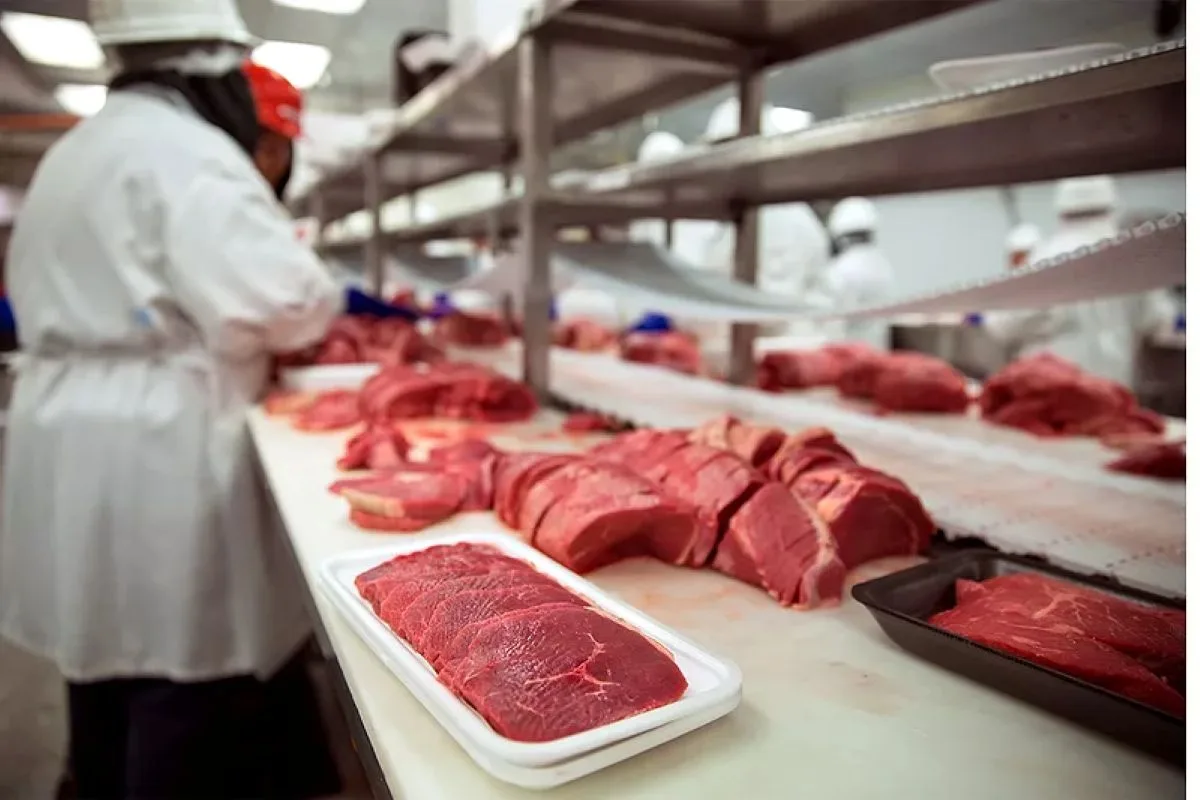
Skylark Meats to shutter Nebraska plant

Published

on

Skylark Meats to shutter Nebraska plant

The 215,000-square-foot facility employs 218. 

Continue Reading

Trending

Copyright © 2025